

April 21, 2026
According to a new study, rapamycin probably interferes with exercise, blunting its effects in older human subjects. This result, however, might be specific to the particular protocol. Can they work together? Physical activity is one of the most potent pro-longevity interventions currently available [2]. Rapamycin is the undisputed champion of small molecules for extending lifespan...

April 08, 2026
The FDA views aging as an inevitability, not a medical target. However, with Life Biosciences moving the first cellular reprogramming therapy into human trials this year, things might be changing there. If this technique works in resetting the biological age of the human eye, the entire multibillion-dollar longevity industry could move to the center of...
October 22, 2025
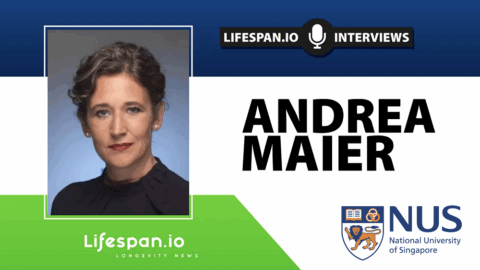
Dr. Andrea Maier, Oon Chiew Seng Professor in Medicine at the National University of Singapore, is a veteran geroscientist and one of the most familiar faces in the rising field of longevity medicine, which aims to translate the early successes of geroscience into clinical practice. Parallel to her scientific career, Andrea runs her own longevity...

September 24, 2025
Recent commentary in Nature Aging summarized the results of clinical trials for senolytics and discussed recommendations for future clinical trials that use personalized medicine approaches [1]. From basic science to clinical trials Cellular SenescenceAs your body ages, more of your cells become senescent. Senescent cells do not divide or support the tissues of which they...
April 14, 2025
In Aging, Dr. Sajid Zalzala and his team have published the results of Participatory Evaluation of Aging with Rapamycin for Longevity (PEARL), a randomized, controlled human clinical trial that was crowdfunded by lifespan.io. Crowdfunded research bears fruit Rapamycin: Benefits, Side Effects, and ResearchRapamycin is a macrolide, a class of antibiotic and it exhibits potent antitumor...

March 25, 2025
According to an open-label study from Washington University in St. Louis, the anti-amyloid drug gantenerumab reduced the risk of developing familial Alzheimer’s disease in a subgroup of participants [1]. Is it about amyloid beta? Despite billions of dollars invested in developing therapies against Alzheimer’s disease, the progress has been slow. The decades-old amyloid cascade hypothesis...