

April 24, 2026
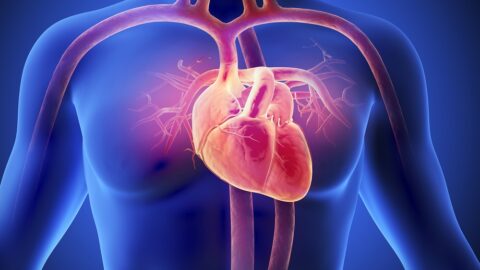
A new study has found that partial reprogramming mitigates the damage of myocardial infarction in mice by helping heart muscle cells to complete division [1]. When heart cells get stuck When a heart attack (myocardial infarction, MI) kills a patch of heart muscle, the adult mammalian heart cannot replace it, since the lost contractile muscle...
March 09, 2026
The European Heart Journal has published a review of what happens to the human heart as it ages, noting the cellular effects of mitochondrial dysfunction and cellular senescence along with more visible changes such as hypertrophy and fibrosis. A constantly working organ The reviewers begin this paper by noting the constant work of the heart,...

November 17, 2025
In Aging Cell, researchers have discovered a potential way to use a microRNA to diagnose sarcopenia, the age-related loss of muscle. Primary and secondary sarcopenia Previous research has been able to distinguish sarcopenia by its sources. Primary sarcopenia directly comes from the processes of aging, while secondary sarcopenia is a side effect of such things...
September 10, 2025
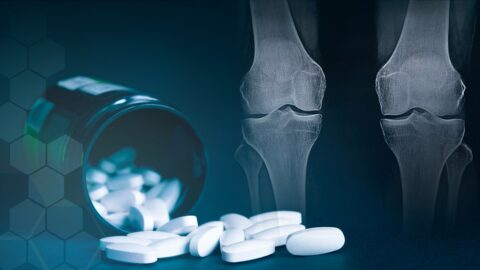
An analysis of UK Biobank data showed an association between regular glucosamine use and significantly lower risks of seven non-communicable chronic diseases [1]. A common supplement Glucosamine, a sugar molecule with an amine group (amino sugar), is a supplement used by almost 20% of middle-aged adults in the U.S., U.K., and Australia [2]. It is...

August 14, 2025
In Cell Reports Medicine, researchers have published a detailed review on the relationship between cardiovascular disease and the age-related inflammation known as inflammaging. The immune system itself ages Chronic InflammationChronic inflammation refers to a persistent, low-grade buzz of immune activity that settles into the body without the drama of an infection or obvious injury. In...

June 13, 2025
A new study has lent more support to previous epidemiological data that ties the popular sugar substitute erythritol to elevated cardiovascular risk [1]. Deceptively sweet Sugar substitutes have been around for decades, and while some people have reported decreases in weight and blood glucose, a growing body of research suggests there might be some downsides...