The Blog

Building a Future Free of Age-Related Disease

Sleeping Mouse

The Links Between Sleep Deprivation and Aging

Publishing in the journal Aging, a team of Russian researchers has shown what happens to the cognitive capabilities and brain structures of young and old sleep-deprived mice.

Sleep-deprived mice act somewhat like sleep-deprived people

This experiment used three groups of mice, each of which had two sub-groups of younger and older animals. One group did not undergo any water maze-related training, a second group was exposed to a water maze along with other physical challenges, and a third group was subjected to sleep deprivation along with the water maze.

Young mice actually had certain functions of their memory improved with sleep deprivation, and they were more willing to explore a larger area. Instead of simply crossing a large area, they took time to peek in holes, a behavior that was only somewhat recapitulated in the older mice. The researchers hypothesize that this was due to their increased anxiety, which made them more eager to escape.

Older sleep-deprived mice exhibited behaviors demonstrating cognitive impairment. While they actively searched for a platform in a water maze experiment, they were confused, switching directions frequently and forgetting what they had learned in past experiments. 

The effects on weight were also significant. Despite being well-fed, young sleep-deprived mice gained very little weight. On the other hand, older sleep-deprived mice significantly gained weight. In general, the researchers observed an agitated emotional state in sleep-deprived mice.

Changes in neurons and function

One of the most striking results of this experiment is that sleep-deprived mice had shrunken neurons compared to both the trained and untrained mice, and their synaptic connections were degraded as a result. In younger mice, this degradation was actually accompanied by intense neurogenesis. Older mice, however, were unable to generate nearly as many new neurons.

The team also measured two molecular markers of stress: hypoxia-inducible factor 1 (HIF1) and perilipin 2 (PLIN2). Surprisingly, neither of these markers was affected by long-term sleep deprivation. However, PLIN2 was dramatically increased in older mice, and the researchers note that PLIN2 is an important marker for assessing age-related brain changes.

DNA methylation, in the aggregate, was substantially affected by sleep deprivation. Although the researchers did not model which genes were the most affected, they showed that sleep-deprived young mice had less overall methylation than either of the other groups and that sleep-deprived older mice had even less.

The mitochondria were also substantially affected. Possibly due to their sedentary lifestyle, young mice that were not doing water mazes nor sleep deprivation had a higher basal oxygen consumption rate, more respiration, and less mitochondrial activity than their active counterparts. However, young, sleep-deprived mice had respiratory and mitochondrial numbers more like those of their sedentary counterparts.

Older mice experienced different results. In older mice, respiratory numbers were similar between the inactive and active groups. However, their mitochondria were less active. Paradoxically, many of the numbers relating to respiration and mitochondrial activity were closer in sleep-deprived mice to those of young mice, but the researchers believe that they signify reduced resistance to stressors.

Conclusion

It is well-known that sleep deprivation and circadian rhythm disruption have negative effects and that sleep deprivation and stress are related [1]. The researchers note that chronic sleep deprivation is, itself, often the product of age-related changes.

One thing is very clear with this study: sleep is critical to brain health. Long-term sleep deprivation causes significant damage to brain structures. While this is, as usual, only a mouse experiment, if our brain cells respond similarly to those of mice, pulling all-nighters to study is a poor and self-defeating decision.

We would like to ask you a small favor. We are a non-profit foundation, and unlike some other organizations, we have no shareholders and no products to sell you. All our news and educational content is free for everyone to read, but it does mean that we rely on the help of people like you. Every contribution, no matter if it’s big or small, supports independent journalism and sustains our future.

Literature

[1] Nollet, M., Wisden, W., & Franks, N. P. (2020). Sleep deprivation and stress: a reciprocal relationship. Interface focus, 10(3), 20190092.

Oocyte

Gene Found to Restore Egg Cell Function in Mice

A study conducted at the Institute of Reproductive Medicine in South Korea has shown that the protein expressed by growth-associated gene 6 (GAS6) ameliorates age-related decline in egg cells (oocytes).

A protein with many functions

Like many other proteins, the GAS6 protein serves multiple functions. It is associated with cellular proliferation, immunity, platelet activation, and cell survival; unfortunately, it also appears in diseases such as cancer [1]. In oocytes, a lack of this protein suppresses mitophagy and leads to mitochondrial dysfunction [2]. This data spurred the researchers of this study to further investigate its effects on egg cells.

Genomic and chromosomal effects

Introducing GAS6 into oocytes yielded significant results. Over 40% of aged oocytes without GAS6 were reported as having meiotic (division-related) defects; under 9% of the oocytes given GAS6 had such defects. Chromosomes, spindle, and overall genetic organization were also substantially improved in the GAS6 group.

A boost to mitochondria

Next, the researchers sought to determine how much the mitochondria in the oocytes were affected. The results here were equally impressive. Aged oocytes normally exhibit significantly reduced ATP, but oocytes given GAS6 had ATP levels similar to those of their young counterparts. The transcription of two critical mitochondrial DNA genes, Mtnd1 and Mtapt6, was increased with GAS6. Reactive oxygen species, normally increased in aged oocytes, were decreased with GAS6, which also increased the protective compound glutiathone.

Fertility improved

Finally, the researchers asked the most fundamental question regarding a cell: can it perform its function? In the case of oocytes, that function is fertility, and the differences were substantial. 53.3% of young oocytes were able to be fertilized, compared to 23.1% of aged oocytes; however, that number rose to 45% for aged oocytes given GAS6.

Abstract

Previously, we reported that the silencing of growth arrest-specific gene 6 (Gas6) expression in oocytes impairs cytoplasmic maturation by suppressing mitophagy and inducing mitochondrial dysfunction, resulting in fertilization failure. Here, we show that oocyte aging is accompanied by an increase in meiotic defects associated with chromosome misalignment and abnormal spindle organization. Intriguingly, decreased Gas6 mRNA and protein expression were observed in aged oocytes from older females. We further explored the effect of GAS6 on the quality and fertility of aged mouse oocytes using a GAS6 rescue analysis. After treatment with the GAS6 protein, aged oocytes matured normally to the meiosis II (MII) stage. Additionally, maternal age-related meiotic defects were reduced by GAS6 protein microinjection. Restoring GAS6 ameliorated the mitochondrial dysfunction induced by maternal aging. Ultimately, GAS6-rescued MII oocytes exhibited increased ATP levels, reduced ROS levels and elevated glutathione (GSH) levels, collectively indicating improved mitochondrial function in aged oocytes. Thus, the age-associated decrease in oocyte quality was prevented by restoring GAS6. Importantly, GAS6 protein microinjection in aged oocytes also rescued fertility. We conclude that GAS6 improves mitochondrial function to achieve sufficient cytoplasmic maturation and attenuates maternal age-related meiotic errors, thereby efficiently safeguarding oocyte quality and fertility.

Conclusion

Across-the-board improvements due to a single protein are rare, and it is clear that GAS6 has many downstream effects. The usual caveats apply; this was a cellular study and not conducted in living organisms, and these were mouse, not human, cells. However, the strength of these results has led the researchers to conclude that GAS6 is a potential target for future treatments and is definitely worth further investigation.

We would like to ask you a small favor. We are a non-profit foundation, and unlike some other organizations, we have no shareholders and no products to sell you. All our news and educational content is free for everyone to read, but it does mean that we rely on the help of people like you. Every contribution, no matter if it’s big or small, supports independent journalism and sustains our future.

Literature

[1] Sasaki, T., Knyazev, P. G., Clout, N. J., Cheburkin, Y., Göhring, W., Ullrich, A., … & Hohenester, E. (2006). Structural basis for Gas6–Axl signalling. The EMBO journal, 25(1), 80-87.

[2] Kim, K. H., Kim, E. Y., Kim, Y., Kim, E., Lee, H. S., Yoon, S. Y., & Lee, K. A. (2011). Gas6 downregulation impaired cytoplasmic maturation and pronuclear formation independent to the MPF activity. PloS one, 6(8), e23304.

Rejuvenation Roundup July

Rejuvenation Roundup July 2021

This month, we’ve got plenty to talk about: our upcoming annual Ending Age-Related Diseases conference, a large batch of new youtube episodes, and a great amount of research on everything from stem cells to supplements. Here’s what’s happened in July.

LEAF News

Interviews

Interview with Marc P. BerneggerThe Rising Importance of Crypto in Aging Research: Marc P. Bernegger talks about how the cryptocurrency world is colliding with aging research and life extension and could change how research gets funded.

George Church on Gene Therapies and Longevity: This prolific researcher and entrepreneur is involved in dozens of startups, and we interviewed him on topics ranging from the current state of gene therapy to his recent attempt to auction off his genome.

Rejuvenation Roundup Podcast

Ryan O’Shea of Future Grind hosts this month’s podcast, showcasing the events and research discussed here.

Advocacy and Analysis

The Enormous Economic Benefits of Targeting Aging: Using Peter Pan, Wolverine, and a powerful economic model, a trio of prominent scientists argues that slowing aging can bring gargantuan economic benefits – an order of magnitude bigger than previously thought.

Looking forwardDefeating Aging With Aubrey de Grey and Michael Rae: We recently caught up with Dr. Aubrey de Grey and Michael Rae from SENS Research Foundation (SRF) in order to ask them a couple of questions about the rejuvenation biotechnology field.

Anxious After Watching “Old”? Relax!: Elena Milova explains why, while aging is terrifying, M. Night Shymalan’s latest movie is nothing to be afraid of.

Education

Challenging the Alzheimer’s Amyloid Hypothesis: This month’s Journal Club was on a new study that challenges the amyloid hypothesis of Alzheimer’s disease with new human data.

Niacin: Recent human trials have shed new light on the possible role of niacin in addressing mitochondrial dysfunction and aging.

SupplementsArginine: Arginine, also known as L-arginine, is an amino acid, a building block used to make proteins, that plays an important role in regulating blood flow. There is some suggestion that nitric oxide signaling might also have a role in aging, mainly due to inflammation.

Alpha-lipoic Acid: This coenzyme is involved in fundamental metabolism, and it has been shown to have benefits regarding conditions that cause oxygen deprivation and to ameliorate the damage caused by reactive oxygen species.

Metformin bottleMetformin: Many researchers, including Dr. Nil Barzilai, have found evidence that this drug, which is commonly used to treat diabetes, may slow down aging.

Resveratrol: Found in grapes and red wine, this compound has long been theorized to affect aging. It has shown various positive effects in multiple studies.

Magnesium foodsMagnesium: This mineral is commonly taken as a supplement, and magnesium deficiency has been shown to lead to hypertension and diabetes.

Research Roundup

Gut Bacteria Strongly Influence the Aging Genome in Flies: In fruit flies, an oft-studied species, most of the genetic changes associated with increasing age disappear in the absence of gut bacteria.

Time restricted eatingCaloric Restriction Attenuates Immunosenescence: In mice, long-term caloric restriction can attenuate age-related immunosenescence on par with antibody-mediated clearance of senescent T-cells.

Ginseng Compound Reduces Senescent Marker in Humans: The ginseng derivative Rg1 decreases the cellular senescence marker p16INK4a in fitness-trained men 24 hours after exercise.

Rat in mazeTestosterone Restores Brain Function in Old Male Rats: Testosterone supplementation ameliorates age-related brain dysfunction in male rats, and the reason is apparently due to its effects on the mitochondria.

Niacin Tested Against Parkinson’s Disease: Scores on a critical function test were improved in Parkinson’s patients who took niacin for a year, as did many secondary measures of function.

SheepCastration Lengthens Lifespan of Sheep by Altering Androgens: Castration makes male sheep live longer, and researchers have used genomic data to get a basic understanding of the mechanism behind this longevity.

Senolytics Improve Spinal Cord Recovery in Mice: Research has shown that the senolytic navitoclax (ABT-263) helps mice heal from spinal cord injuries, giving them some of the regenerative abilities of zebrafish.

Fibrotic liverA Link Between Telomere Attrition and Fibrosis: A study has shown a link between a reduction in telomerase reverse transcriptase (TERT), the gene that allows for telomere maintenance, and the development of myofibroblasts, cells that are a part of organ fibrosis.

NMN Enhances Aerobic Capacity in Amateur Runners: While not every metric was improved, a clinical trial of endurance runners found nicotinamide mononucleotide (NMN) to increase several measures of aerobic capacity.

InvisibilityEngineering Cells to Avoid Immune Detection in Transplants: Gene editing can make stem cells invisible to the immune system, making it possible to carry out cell therapy transplants without suppressing the patients’ immune response.

Loss of Peptide Not Amyloid Plaques a New Alzheimer’s Target: A recent study challenges the popular amyloid hypothesis that has dominated Alzheimer’s research for decades, as it shows that amyloid accumulation may be the consequence, not the cause, of Alzheimer’s.

Bad newsHDAC Inhibitors Linked to Cellular Senescence: Research has shown that inhibiting histone deacetylases (HDACs), an approach used for treating cancer and other diseases, can lead to cellular senescence, one of the hallmarks of aging.

Enriched Environments Youthen the Brains of Mice: A study published in Nature Communications has shown that an environment rich in stimuli changes the epigenetics of the mouse hippocampus, making the brains of aged mice more like those of young mice.

GlioblastomaSenescent Cells, p65, and a Possible Treatment for Cancer: A report in the Journal of Cell Science has outlined different stages of cellular senescence alongside a mechanism that reverses it, along with a potential new treatment for glioblastoma.

Teasing Apart the Effects of Aging and COVID-19: Researchers have used a big data approach to disentangle cellular and physiological changes that are specific to COVID-19 from those caused by aging.

Fish OilA Correlation Between Fatty Acids and Longevity: A study published in the American Journal of Clinical Nutrition has shown that a model built on the concentration of four fatty acids predicts mortality in older people at least as well as a model that uses smoking and diabetes.

Memory Restored in Aged Mice by Modifying the Brain’s ECM: The brain’s extracellular matrix (ECM) changes with age, negatively impacting memory, but modifying the components of the brain ECM can revitalize memory in mice by affecting how their synapses work.

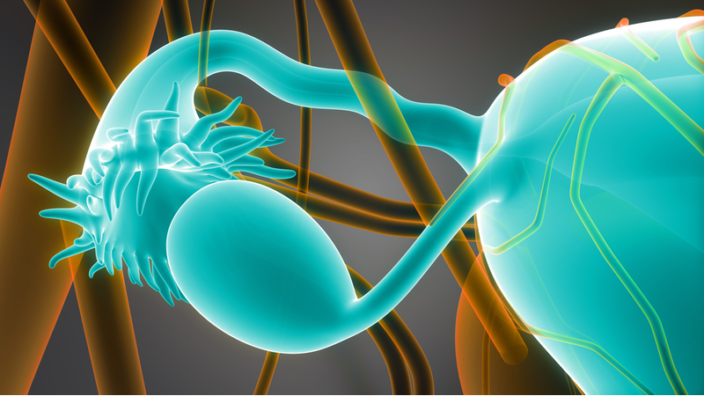
Fallopian TubeStem Cell Ovaries Now Functional in Mice: The entire ovarian niche of mice can now be generated in vitro from stem cells, as a study recently published in Science shows.

Counteracting age-related VEGF signaling insufficiency promotes healthy aging and extends life span: Vascular endothelial growth factor promotes the formation of blood vessels, and this paper demonstrates that its age-related insufficiency prevents blood from properly reaching some organs; restoring it allows these organs to function in a more youthful way.

Skeletal Muscle Specific Calpastatin Overexpression Mitigates Muscle Weakness in Aging and Extends Lifespan: The factor calpain has been shown to cause muscle weakness with aging, and calpastatin counteracts its effects.

Extrapolating Long-term Event-Free and Overall Survival With Dapagliflozin in Patients With Heart Failure and Reduced Ejection Fraction: The findings of this Phase 3 trial show that dapagliflozin provides clinically meaningful gains in extrapolated event-free and overall survival.

SGLT2 inhibition reduces cellular senescence in the diabetic kidney by promoting ketone body-induced NRF2 activation: Dapaglifozin has also been shown to reduce cellular senescence and oxidative stress, thus preventing the progression of diabetic kidney disease.

Non-steroidal Anti-inflammatory Drug Use and Risk of Age-Related Macular Degeneration in the California Teachers Study: NSAIDs were not shown to raise the risk of AMD. Instead, aspirin and COX-2 users were shown to have a reduced risk of this disease.

Transcranial Near Infrared Light Stimulations Improve Cognition in Patients with Dementia: The tNIR light treatments demonstrated safety and positive cognitive improvements in patients with dementia, and the developed treatment protocol can be conveniently used at home.

High-Intensity Interval Training in Older Adults: a Scoping Review: This review of previously published papers shows that, while the subject has not been extensively studied, HIIT appears to be more beneficial for older people than continuous, moderate-intensity workouts.

Increasingly capable at the ripe old age? Cognitive abilities from 2004 to 2013 in Germany, Spain, and Sweden: Improvements in older adults’ cognitive abilities were found in all three countries. The researchers suggest that this may indicate educational improvements or increasingly stimulating living conditions.

Gut-microbiota-targeted diets modulate human immune status: This study determined how two microbiota-targeted dietary interventions, plant-based fiber and fermented foods, influence the human microbiome and immune system in healthy adults.

Dietary supplementation with sulforaphane ameliorates skin aging through activation of the Keap1-Nrf2 pathway: Collagen deposition was improved with sulforaphane treatment in young mice and structurally, significantly improved in old mice.

Nicotinamide Mononucleotide Combined With Lactobacillus Fermentum TKSN041 Reduces Photoaging Damage in Mice: The combination of NMN and this bacteria repaired this damage through activation of the AMPK signaling pathway.

News Nuggets

Scientific AnnouncementSenolytics Show Positive Results in Phase 1 Clinical Trial: UNITY Biotechnology reports success in patients with age-related macular degeneration and diabetic macular edema.

PulseChain Airdrop Raises $20m for SENS: This cryptocurrency donation system has raised a substantial amount of money for this well-known longevity-promoting organization, providing it with four times its annual income.

UCSD Blood Flow MonitorNew Patch Uses Ultrasound Array to Monitor Blood Flow: Researchers have developed a skin patch that allows realtime blood flow monitoring in a non-invasive way. This flexible polymer patch sticks to the skin and can monitor the flow of blood in vessels up to 14 centimeters deep into the body.

We would like to ask you a small favor. We are a non-profit foundation, and unlike some other organizations, we have no shareholders and no products to sell you. All our news and educational content is free for everyone to read, but it does mean that we rely on the help of people like you. Every contribution, no matter if it’s big or small, supports independent journalism and sustains our future.
Magnesium foods

What is Magnesium? A Summary of Magnesium

Magnesium is a common element and is found in a variety of foods, but not everyone gets enough of this essential element, which is vital for cellular processes.

What is magnesium?

Magnesium is an important mineral which plays a key role in hundreds of enzyme reactions in the human body. It facilitates healthy muscle and nerve function, supports healthy bone structure, regulates blood pressure, and is important for the immune system.

Joseph Black who recognized magnesium as an element back in 1755. However, it was first isolated by Sir Humphry Davy in 1808.

Magnesium, along with chlorine, was one of the most common elements in the early marine environment of Earth; it has been suggested that it may have been involved in first creating life. Today, the oceans are mostly sodium and chloride, but magnesium still has an important role in living organisms. Interestingly, magnesium is essential for photosynthesis in plants.

Magnesium allows plants to convert light into energy using chlorophyll, which is identical to our own hemoglobin except the fact that the magnesium atom at its centre is replaced with iron in our case.

Magnesium in food

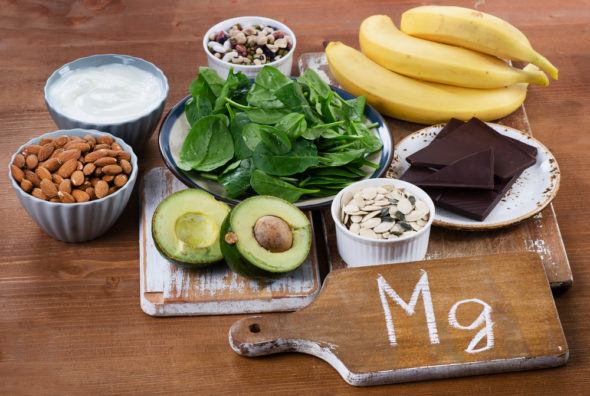
Cocoa, dark chocolate, bananas, dark leafy greens, avocados, sesame seed, dried fruit, nuts, and dates are all rich in magnesium, and you can also obtain magnesium as a cheap dietary supplement for convenience too.

The body of an adult contains around 25 grams of magnesium, with between 50-60% being stored in the skeletal system. The remaining amount is found in muscle, soft tissue, and fluids around the body. The daily intake of magnesium should around 300 mg for women and 400 mg for men.

Potential magnesium health benefits

Magnesium plays a number of important roles in the body: it is a catalyst for many enzymes, including catabolic and anabolic enzyme, making it important for energy release and protein synthesis respectively. The heart and central nervous system also require magnesium to function properly, and it is an important cofactor for over 300 different essential metabolic reactions, including cell signalling, ion transport across cell membranes, and cell migration in wound healing.

Studies show that magnesium can lower blood cholesterol, triglycerides, low-density lipoproteins[1-2]. Magnesium deficiency can contribute to hypertension[3] and diabetes [4], and it can affect cardiovascular health [5].

One potential explanation why magnesium deficiency is bad for vascular health includes the inhibition of telomerase in the myocardium and vascular wall, which then accelerates telomere shortening and promotes oxidative stress driving the aging process[6].

A number of studies have shown that a magnesium-rich diet can help delay the development of hypertension and atherosclerosis [7-9]. Another study of women showed that increased levels of magnesium were associated with a lower mortality rate from cardiovascular disorders[10].

Increased levels of magnesium have also been found to mitigate the effects of lack of sleep, increasing the waking period and boosting renin, cortisol, and melatonin levels in primary sleep disorder[11]. Some of the symptoms of magnesium deficiency can include insomnia, fatigue, osteoporosis, arthritis, fibromyalgia, migraine, cramps, arrhythmia, and premenstrual syndrome.

Magnesium side effects

High doses of magnesium from sources such as dietary supplements may cause nausea, abdominal cramping and diarrhea. Magnesium in dietary supplements can also interact with some types of antibiotics and other medicines. If you experience any adverse effects while taking a magnesium supplement, cease taking it immediately and consult your doctor.

Disclaimer

This article is only a very brief summary, and is not intended as an exhaustive guide and is based on the interpretation of research data, which is speculative by nature. This article is not a substitute for consulting your physician about which supplements may or may not be right for you. We do not endorse supplement use or any product or supplement vendor and all discussion here is for scientific interest.

Literature

[1]Touyz, R. M. (2003). Role of magnesium in the pathogenesis of hypertension.Molecular Aspects of Medicine, 24(1), 107-136.

[2] Gimenez, M. S., Oliveros, L. B., Gomez, N. N. (2011). Nutritional deficiencies and phospholipid metabolism. International Journal of Molecular Sciences, 12(4), 2408-2433.

[3]Shah, N. C., Shah, G. J., Li, Z., Jiang, X. C., Altura, B. T., & Altura, B. M. (2014). Short-term magnesium deficiency downregulates telomerase, upregulates neutral sphingomyelinase and induces oxidative DNA damage in cardiovascular tissues: relevance to atherogenesis, cardiovascular diseases and aging. International journal of clinical and experimental medicine, 7(3), 497.

[4]Guerrero‐Romero, F., Rascón‐Pacheco, R. A., Rodríguez‐Morán, M., La Peña, D., Escobedo, J., & Wacher, N. (2008). Hypomagnesaemia and risk for metabolic glucose disorders: a 10‐year follow‐up study. European journal of clinical investigation, 38(6), 389-396.

[5]Altura, B. M., Shah, N. C., Li, Z., Jiang, X. C., Zhang, A., Li, W., … & Altura, B. T. (2010). Short-term magnesium deficiency upregulates sphingomyelin synthase and p53 in cardiovascular tissues and cells: relevance to the de novo synthesis of ceramide. American Journal of Physiology-Heart and Circulatory Physiology, 299(6), H2046-H2055.

[6]Shah, N. C., Shah, G. J., Li, Z., Jiang, X. C., Altura, B. T., & Altura, B. M. (2014). Short-term magnesium deficiency downregulates telomerase, upregulates neutral sphingomyelinase and induces oxidative DNA damage in cardiovascular tissues: relevance to atherogenesis, cardiovascular diseases and aging. International journal of clinical and experimental medicine, 7(3), 497. [7]Ouchi, Y., Tabata, R. E., Stergiopoulos, K., Sato, F., Hattori, A., & Orimo, H. (1990). Effect of dietary magnesium on development of atherosclerosis in cholesterol-fed rabbits. Arteriosclerosis, Thrombosis, and Vascular Biology, 10(5), 732-737.

[8]Luthringer, C., Rayssiguier, Y., Gueux, E., & Berthelot, A. (1988). Effect of moderate magnesium deficiency on serum lipids, blood pressure and cardiovascular reactivity in normotensive rats. British journal of nutrition, 59(02), 243-250.

[9]Saris, N. E. L., Mervaala, E., Karppanen, H., Khawaja, J. A., & Lewenstam, A. (2000). Magnesium: an update on physiological, clinical and analytical aspects. Clinica chimica acta, 294(1), 1-26.

[10]Chiuve, S. E., Korngold, E. C., Januzzi, J. L., Gantzer, M. L., & Albert, C. M. (2011). Plasma and dietary magnesium and risk of sudden cardiac death in women. The American journal of clinical nutrition, 93(2), 253-260.

[11]Abbasi, B., Kimiagar, M., Sadeghniiat, K., Shirazi, M. M., Hedayati, M., & Rashidkhani, B. (2012). The effect of magnesium supplementation on primary insomnia in elderly: a double blind placebo-controlled clinical trial. Journal of Research in Medical Sciences, 17(12).

UCSD Blood Flow Monitor

New Patch Uses Ultrasound Array to Monitor Blood Flow

Researchers from the University of California San Diego have developed a new non-invasive way to measure blood flow using an ultrasound patch [1].

Realtime blood flow monitoring just got easier

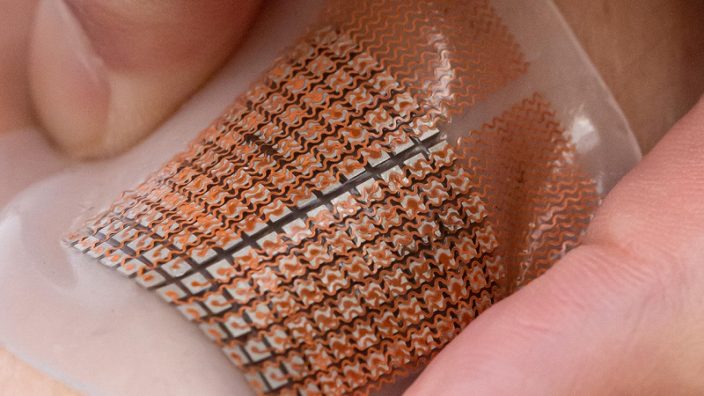
This new flexible polymer patch sticks to the skin and can monitor the flow of blood in vessels up to 14 centimeters deep into the body, offering another example of where medical wearables are heading in the future.

The patch is studded with a 12 x 12 array of ultrasound transducers that allow it to measure blood flow in the vessels beneath it, or with adjustment, adjacent vessels. The array design of the patch allows each transducer to be tweaked and gives it greater utility than a single transducer alone does. This design makes it possible to monitor both organs and blood flow.

The patch could help doctors monitor vascular health and potentially support diagnosis. It could also aid identification of blockages that can lead to an infarction or tissue death (necrosis) due to inadequate blood supply to the affected area.

Accurate measurement of blood flow is often inconvenient and invasive, and it needs a qualified healthcare worker to investigate the vessel using an ultrasound probe. The researchers wanted to design a system for monitoring blood flow that was a more convenient alternative than current approaches.

This patch can simply be applied to the skin, and it measures blood flow in real time. The fact that it can continuously collect data and requires no input from the wearer makes it a great candidate for clinical trials, biohacking experiments, or patient monitoring that requires such data.

The researchers have tested the new patch via a wired connection, and it has proven to be an accurate device for monitoring blood flow. Next, the team plans to develop the patch to have wireless capability, which would allow people to go about their daily business while recording and transmitting data.

Abstract

Stretchable wearable devices for the continuous monitoring of physiological signals from deep tissues are constrained by the depth of signal penetration and by difficulties in resolving signals from specific tissues. Here, we report the development and testing of a prototype skin-conformal ultrasonic phased array for the monitoring of haemodynamic signals from tissues up to 14 cm beneath the skin. The device allows for active focusing and steering of ultrasound beams over a range of incident angles so as to target regions of interest. In healthy volunteers, we show that the phased array can be used to monitor Doppler spectra from cardiac tissues, record central blood flow waveforms and estimate cerebral blood supply in real time. Stretchable and conformal skin-worn ultrasonic phased arrays may open up opportunities for wearable diagnostics.

Conclusion

It is not hard to see patients wearing a wireless upgraded patch to allow around-the-clock, at-home monitoring in people who have vascular issues. The patch could also warn of potential impending issues like strokes before they happen, allowing for better responding from healthcare workers and better outcomes for patients.

The world of medical wearables is becoming increasingly sophisticated, and the more options to monitor health biomarkers in real time while mobile, the better. This is a great example of how a related field could have a direct impact on our field and improve the ease and quality of both clinical trials and biohacking experimentation.

We would like to ask you a small favor. We are a non-profit foundation, and unlike some other organizations, we have no shareholders and no products to sell you. All our news and educational content is free for everyone to read, but it does mean that we rely on the help of people like you. Every contribution, no matter if it’s big or small, supports independent journalism and sustains our future.

Literature

[1] Wang, C., Qi, B., Lin, M., Zhang, Z., Makihata, M., Liu, B., … & Xu, S. (2021). Continuous monitoring of deep-tissue haemodynamics with stretchable ultrasonic phased arrays. Nature Biomedical Engineering, 5(7), 749-758.

Fallopian Tube

Stem Cell Ovaries Now Functional in Mice

The entire ovarian niche of mice can now be generated in vitro from stem cells, as a study recently published in Science shows [1]. The researchers then carried out the remarkable feat of fertilizing the generated oocytes and growing healthy, fertile offspring from them. This advance offers an invaluable model for investigating oocyte development and may also have implications for assisted reproduction technologies.

It takes a village to make an egg

Earlier work has already shown that it is possible to produce mouse germ cells from pluripotent stem cells. However, an oocyte does not function alone. The developing egg cell is normally surrounded by somatic cells in follicle structures that provide nutrients and signaling components that play an important role in the developmental process. Without this support, the engineered germ cells cannot become fully functional oocytes.

So far, scientists have dealt with this by transplanting the generated cells back into an animal or culturing them together with cells extracted from the gonads. Both procedures are challenging and result in variability, limiting their usefulness as basic research models, let alone the possibility of broader technological uses. Something better was needed.

Putting the pieces together

With this study, researchers in Japan have developed an alternative approach. By exposing pluripotent stem cells to various morphogens in a controlled, stepwise manner, the team encouraged them to differentiate first into cells resembling mesoderm (the tissue that gonads originate from) and then to resemble fetal ovarian somatic cells. The transcriptomic profiles of these cells were very similar to somatic gonad cells, suggesting that they might be able to carry out the same functions.

Next, they grew these generated somatic gonad cells with germ cells differentiated from pluripotent stem cells. Together, these cells formed “reconstituted ovarioids” that contained many oocytes supported by follicles. As the final, crowning step, the team then fertilized these oocytes with sperm in vitro and implanted the embryos into female mice. The pregnancies proceeded to term and produced healthy offspring, and these then successfully mated to produce pups of their own, demonstrating their fertility.

Oocytes mature in a specialized fluid-filled sac, the ovarian follicle, which provides signals needed for meiosis and germ cell growth. Methods have been developed to generate functional oocytes from pluripotent stem cell–derived primordial germ cell–like cells (PGCLCs) when placed in culture with embryonic ovarian somatic cells. In this study, we developed culture conditions to recreate the stepwise differentiation process from pluripotent cells to fetal ovarian somatic cell–like cells (FOSLCs). When FOSLCs were aggregated with PGCLCs derived from mouse embryonic stem cells, the PGCLCs entered meiosis to generate functional oocytes capable of fertilization and development to live offspring. Generating functional mouse oocytes in a reconstituted ovarian environment provides a method for in vitro oocyte production and follicle generation for a better understanding of mammalian reproduction.

Conclusion

Studies like this make it feel like the future is already here. The findings also hold out hope of addressing an often-overlooked longevity challenge: the reduction in fertility faced by older women. If these findings can be translated into humans, they could offer more options for more advanced assisted reproductive technologies, perhaps using oocytes grown form a woman’s own stem cells. Even if these findings can’t be translated directly into humans, they offer a powerful tool for understanding oocyte development, which may one day make it possible to modulate or restore the process in humans.

We would like to ask you a small favor. We are a non-profit foundation, and unlike some other organizations, we have no shareholders and no products to sell you. All our news and educational content is free for everyone to read, but it does mean that we rely on the help of people like you. Every contribution, no matter if it’s big or small, supports independent journalism and sustains our future.

Literature

[1] Yoshino, T, et al. Generation of ovarian follicles from mouse pluripotent stem cells. Science (2021), doi: 10.1126/science.abe0237
Old Movie Review

Anxious After Watching “Old”? Relax!

Rapid aging is horrifying, but in this retrospective, Elena Milova discusses why this movie scared her less than the rest of the audience.

Script

Spoiler alert! Several families go to a hotel in the tropics for a vacation. As any ordinary family, it has its problems – mom is cheating on dad, they plan a divorce, children don’t like their fights, and some medical issues are involved as well.

When they arrive at the hotel, the owner greets them in a very sweet way and shortly after suggests a visit to a secluded private beach where they can rest and relax. It turns out that some other people receive the same invitation. The driver drops them at the beach and leaves.

And then the most powerful part of the movie begins. One by one, the party members notice that there is something wrong with them. Children grow and become adults in a few hours, while the old person suddenly dies and others experience fast deterioration of health. They try to leave the beach but they can’t – the passage back through the rocks makes them feel so sick that they run back crying of pain. Apparently, they are destined to rest on the beach, get old, and die. One year of life lost in half of an hour.

I must applaud the movie producer for meticulously picturing the symptoms of age-related diseases in an accelerated version. Tumors developing in minutes, vision and hearing loss, memory loss likely associated with Alzheimer’s disease, deformation of the spine… and not only we can see the wrinkles covering the unfortunate travelers outside, the narration moves from one person to another, showing, how their vision becomes blurry and how they can’t hear the sounds clearly anymore. A heartbreaking picture of aging depriving people of one ability after the other over the course of just one day. By the end, most of the party members prematurely die of old age. You will know what happens to the others if you watch the movie so I won’t be spoiling that for you.

But I stop discussing the horror right there. I told you in the beginning, that, unlike other people I was not that scared and upset, and it is time to explain why.

You see, over the last 20 years, medical science has progressed a lot and our understanding of biological aging has too. 19 years ago, in 2002, and then 8 years ago, in 2013, two groups of leading researchers in biology described 9 distinctive processes that lead to aging and age-related diseases. Those are called the Hallmarks of Aging.

Based on all the available knowledge, they concluded that targeting those root processes with medical interventions may lead to gaining control over biological aging. Yes, you heard me right. Control over biological aging also means an opportunity to get rid of age-related diseases for good.

20 years of animal studies have allowed researchers to achieve a 10-fold health and lifespan extension in simple animals like worms and 30% life extension in mice. These therapies have prolonged health in animals, slowed down, or even reversed age-related diseases, and that is why they could live much longer.

And two years ago, there was the first successful pilot clinical trial in humans, where an age reversal of 2 years was achieved. Check the link to the scientific publication with those results under this video.

Why am I telling you this scientific stuff? Because progress hasn’t stopped there, and now there are over a hundred official clinical trials of therapies targeting the root causes of aging happening around the globe.

lifespan.io, whose channel you are watching, is a news outlet covering aging research. We are tracking around 60 of the most promising trials on our Rejuvenation Roadmap, which shows how the development of therapies is progressing and moving from studies in animals into the first, second, and third phases of clinical trials in people. Visit the Rejuvenation Roadmap to learn more about how efforts to bring aging under medical control are progressing.

We would like to ask you a small favor. We are a non-profit foundation, and unlike some other organizations, we have no shareholders and no products to sell you. All our news and educational content is free for everyone to read, but it does mean that we rely on the help of people like you. Every contribution, no matter if it’s big or small, supports independent journalism and sustains our future.
George Church Interview

George Church on Gene Therapies and Longevity

Professor of Genetics at Harvard Medical School and one of the most prominent geroscientists, George Church works on gene therapies that can potentially reverse age-related diseases. We had the opportunity to interview this prolific researcher and entrepreneur, who is involved in dozens of startups, on topics ranging from the current state of gene therapy to his recent attempt to auction off his genome, one of the first sequenced human genomes in the world, as an NFT.

What have been the successes and the failures of gene therapy in recent years? What do you expect to happen in the next few years?

So, most of the big failures of gene therapy happened at the very beginning, around the year 2000, almost two decades ago, when a couple of people died from an LMO2 oncogene, and one person died from an immune reaction to an adenovirus vector. So, that was 20 years ago. Fast forward to now, and gene therapies are mostly succeeding, hundreds of them are in clinical trials, you have dozens that have been approved by the FDA.

That’s gene therapy broadly, and there are even a few specifically CRISPR-based, which means editing. Gene therapy is, classically, adding a gene, while CRISPR is typically subtracting a gene, and those also are beginning to work for sickle cell disease and retinal disease, and so on. Both categories are looking pretty good recently, in the last few years.

There’s also a great deal of work on delivery, and you can even include, as honorary members of the gene therapy category, the Pfizer and Moderna mRNA gene delivery COVID vaccines. That’s obviously a huge hit. So, I would say that the gene therapy field is looking quite good.

Do you think that the success of the vaccines can change the momentum, maybe in terms of policy and regulation?

Absolutely. Also, the speed. This is radically new technology, and yet, messenger RNA for gene delivery was approved in ten months. And so, we can hope that this is generalizable to other, similar therapies.

Do we have any successes with gene therapy specifically in the rejuvenation field?

That’s a little further out. I mean, most are in pre-clinical animal trials or in very tiny, not yet approved human trials. But yes, pre-clinical animal trials are looking good. We published two papers, one on three genes that spread from the site to which they were delivered systemically, and another one about three genes that are localized; these are the so-called Yamanaka factors that cause rejuvenation. Those are two different studies, one headed by Noah Davidsohn and the other by David Sinclair.

Therapies for animals is something that one of your many start-ups, Rejuvenate Bio, has been doing. Recently, it has secured another 10 million in funding, and it has been alive for a few years, so what is the situation there?

Rejuvenate Bio, and Noah Davidson in particular, was involved in both of those papers, and those were both in mice, and they since have taken one of those two combination gene therapies, three different genes, things like fibroblast growth factor (FGF21), the soluble form of the TGFß receptor, and aKlotho. Anyway, that three-gene combination has then been moved into dog trials.

So, this is not an animal model, this is an actual veterinary product, because people do care quite a bit about their pets, and some of them would even clone their pets, but cloning is not really what you want. You don’t want another member of that breed, you want to have the adult live a healthier life. And, hopefully, in a couple of years, that will be available publicly for dogs, and about the same time, we’ll have the same drugs in clinical trials for humans.

You seem to be very interested – and invested – in new technologies like blockchain. How do you think information technology, and AI in particular, can help us fight aging?

Most of our work with homomorphic encryption and blockchain, NFTs and so forth, has been in Nebula, and it’s been focused on security of data, but the other aspect is machine learning and AI for designing therapeutics, for proteins in particular, and we published four papers recently, and those four papers launched three different companies: Nebula, Manifold Bio, and Dyno. And they range from making new enzymes to making new protein therapies to making new viral capsid delivery systems.

In each case, we don’t just use machine learning but large synthetic libraries, and that combination is much more powerful, and even each one of them separately, very synergistic. You can think of large libraries as a kind of an analog external device that allows you to test in the real world things that would be very difficult to simulate. And so, we can make libraries of millions of different viral capsids, for example, to find those that have the right tissue homing pattern.

So, things are moving towards in silico?

This is a combination of in silico and “in naturo”. It sometimes is called natural computing, when you use certain physical systems as a supplement. In silico normally means literally silicon-based, Von Neumann architecture, digital binary computers. But you can think of this as a whole new kind of computing where you can actually synthesize a lot of things that are very difficult to simulate.

In on article, you were called “a serial biotech entrepreneur”. Do you think an abundance of private initiative is the way to go when it comes to fighting aging, or maybe governments should play a greater role? Do you see any shifts in policy and regulation recently?

I think, and some of my colleagues agree, that we need to re-educate the FDA to be more interested in preventative medicine and in aging as a disease, and I think that’s a fine goal, but that could take time, and that’s uncertain. I think it’s easier and probably better to just accept that something that works on the core, fundamental components of aging will also reverse several different types of diseases simultaneously. We are working on eight different diseases.

In a way, diseases of aging are even better than biomarkers, because they are really what we care about. That doesn’t require the FDA to think revolutionary new thoughts or wrap their heads around something strange. It also has advantage over preventative medicine. I love preventative medicine, we work on it, but to convince a cautious federal agency to give a dose of something powerful to someone who is already healthy… This might make them less healthy. Toxicity will stop the clinical trial.

So, most preventative medicine has been very benign, a very “do no harm” sort of thing. But in this case, if you work on eight different diseases of aging, and some of them have a fairly early onset, and you can actually show reversal, you will get approval. Then you will have, as a side benefit, preventing all the other diseases. You will not only cure the early-onset disease, you will prevent all the others. That is, if you have the right thing.

That sounds to me a bit like the rationale behind the TAME trial.

Except they are trying to prove that aging is a disease and that it can be prevented. I think both of those are radical enough to require a change in policy. But it is a clinical trial, so it is working. That policy shift is working.

My understanding is that they are trying to prove that metformin delays the onset of all major aging-related diseases.

Well, delaying the time of onset is closely related to longevity, and I think that both delaying onset and longevity tend to require longer clinical trials. They tend to take longer, because the variation of age of onset is quite high, and to show that you’ve actually delayed onset, therefore, requires possibly decades to show. On the other hand, reversal of the early stages of a serious diseases could be shorter. You know, I’m hoping that all these approaches are going to work, it’s just that I think that the most conservative one is aiming at something that will affect multiple diseases.

Now, the problem is that metformin and, probably, the gene therapy we’re working on, as well may only affect a certain fraction of the aging process. Our colleague Olshanski has said that if you completely eliminate cancer, which is an age-related disease, you might extend life by three years. So, you may have to do many things right all at once in order to bring it down. For example, if there are ten different predators that eat you, you may have to extinct all ten of them to actually be able to survive. It’s not sufficient to take out one or two.

It’s the theory of competing risks.

Correct.

So, you are saying that the gene therapy you are working on is about eliminating each one of those predators?

All at once. The nice thing about gene therapy is that there is a direct connection between most of the phenomena that has been noted for, say, the nine different pathways of aging. Those are associated with genes, and so there is a direct connection between the gene associated with the disease and the therapy, while if you go through a small molecule, you’re depending on serendipity or a very exhaustive screening of small molecules to find the ones that do the right thing. So, metformin was serendipitous, rapamycin was serendipitous, this wasn’t something from first principles, the way gene therapy is.

Circling back to your numerous startups: do you fear what many people call “the valley of death”: the loss of interest that might happen in a few years if there are no major successes?

I think that’s true for any category of therapy, but there are relatively few cases when the entire category fails. Usually, it’s individual drugs. I think it’s important that we have some kind of success. We don’t say: “If we don’t get everybody to be 150-years-old, we failed”. We instead say: “Well, if we can help dogs avoid microvalve disease, then we’ve got a billion-dollar drug. If we help humans avoid several diseases of aging and extend their lives by two or five years, that’s enough of a success to drive the field forward”.

So, “the valley of death” is only if you get nothing, and the thing is, we’re in a more productive place than we’ve ever been. By “we” I mean the whole field. We have exponential technologies for reading and writing DNA, we have amazing breakthroughs in cell biology and new categories of therapies and delivery vehicles.

In your last interview with us, you said that you don’t believe in a maximal lifespan for humans: “there is no law of physics or other reason for an upper barrier”. Yet, many people in our field shy away from such bold conclusions. Some say that even talking about that alienates people and hurts our cause. What is your take on this? 

That’s just a statement on physics. Balancing that, I clearly state that my goal is not longevity, not even modest longevity. It’s just reversal of diseases of aging, which really is classic medicine. I was just answering the very specific question posed to me – do you know what the upper limit is? And the answer is that I don’t know of an upper limit other than maybe the heat death of the universe. But that doesn’t mean that I’m aiming for that. I’m aiming for something that could get FDA approval in a few years, which is the reversal of multiple diseases of aging.

Which takes me to the next question: do we even know how to aim at life extension?

I don’t think we do. I think if we get serious aging reversal, it’s something that we can continue to improve on, just like we improved on transportation from the first wheel to rocket ships, or the way we moved from being able to sequence a few base pairs of DNA to being able to sequence the entire biosphere. The thing is to get the foot in the door where we’re actually working on the core processes of aging, on the clock that decides that a mouse is going to die in two years and bowhead whales die in two hundred.

If we get to that core thing, then we can keep improving it, and, if you keep reversing, there is a chance that you can do that for a very long time. But I don’t think this should be the goal. It’s hard to do clinical trials on that. The trial where you show that you’ve extended life by even fifty years would be a very expensive, very long clinical trial. So, let’s just focus on things we can do in weeks.

Reversal of aging and age-related diseases – do you think any of this will happen in the nearest future, do you have a forecast to make?

It’s hard to predict the outcome of a clinical trial, that’s why we do clinical trials. You could predict when they could start, and then you can predict that they will last the normal period of time. And we have a couple of small molecule drugs already in clinical trials, and we have these gene therapies in pre-clinical animal trials. We should be getting results from those in the next four or five years – results, not final approval for general use.

That’s probably a decade away before we have that kind of feedback. But that’s just about feedback, we can’t predict how many diseases it will affect or how many years it will reverse. That’s going to be empirical more than theoretical. We have a solid theoretical foundation based on a lot of experience, but it’s now in the hands of clinical trials.

At least, like you said, we’re in a much better place as a field now than 20 years ago.

Yes, we’re not only in a better shape in terms of knowledge of age-related diseases, we’re also in a much better shape in terms of exponential improvement in the technologies that we need for testing, for synthesis of many different. We have so many shots on goal, possibly thousands of drugs in development simultaneously.

I just have to ask: you made waves by auctioning off your genome as an NFT. The auction was supposed to happen on June 10th. Was it delayed or cancelled?

That was premised on a new technology and people’s enthusiasm for it. I think the NFT market had a correction around the time that we were thinking about doing it. But it did achieve the goal of getting people interested again in some of the things that you could do with these security measures. Our main focus is on allowing people to share parts of their genome without giving away their genome. So, it allows the physician to look at the parts they need.

It allows, on occasion, researchers partial access without sacrificing the overall security of your genome. You should own your genome, and you should only allow it to be used by people you want it to be used by. So that was the main message. Because we have this strange situation where we have this incredibly affordable genome now, it has come down from three billion dollars for a poor-quality genome to 300 dollars for a clinical-grade diploid genome, and still not that many people know that or take advantage of it.

I thought that might be the reason behind you doing that. So, NFT for you is a technology that can be put to actual use – for instance, by allowing people to get paid for their genomic information?

Well, to be compensated for their genomic information. Some people will be doing it for purely altruistic reasons, while others should be properly compensated, and that should be done in a secure manner.

We would like to ask you a small favor. We are a non-profit foundation, and unlike some other organizations, we have no shareholders and no products to sell you. All our news and educational content is free for everyone to read, but it does mean that we rely on the help of people like you. Every contribution, no matter if it’s big or small, supports independent journalism and sustains our future.
Lab mouse

Memory Restored in Aged Mice by Modifying the Brain’s ECM

Molecular Psychiatry has recently published a report from the University of Cambridge detailing how the brain’s extracellular matrix (ECM) changes with age, negatively impacting memory, and how modifying the components of the brain ECM can revitalize memory in mice [1].

What is neuroplasticity?

Neuroplasticity is the ability of neurons to form new connections. This ability is critical to learning and memory, as our experiences are stored in our neural networks. It is also an ability that declines with age, making it increasingly harder for older people to form new memories and learn new skills. Restoring neuroplasticity has long been a goal of aging research.

What are perineuronal nets?

Perineuronal nets (PNNs) are part of the extracellular matrix around some neurons, covering their bodies and synapses. Animal studies have shown that these nets can both inhibit and promote neuroplasticity, depending on the composition of their chondroitin sulphate glycosaminoglycan chains (CS-GAGs). Previous research has identified the two possible CS-GAGs: chondrotin 6-sulphates (C6S), which permit neuroplasticity, and chondrotin 4-sulphates (C4S), which inhibit it [2]. These two chains are nearly identical except with different patterns of sulphation.

In baby mice, 18% of the CS-GAGs are C6S; this drops to 4% during development, and aged mice have less than 1% of their CS-GAGs as C6S [3]. As expected, this is associated with a significant loss in learning and memorization ability.

Targeting the C6S and C4S chains to address memory decline

To determine if these two chains might be an effective point of intervention for the aging brain, the researchers aged wild-type and genetically modified mice and utilized three memory-related behavioral tests. Broad enzyme-facilitated degradation of C6S and C4S in the brain, not specific to the perineuronal nets, improved memory in aged mice. Untethering of C6S and C4S from the perinueronal nets (without degradation) also prevented memory decline in aged, genetically modified mice.

Because the inhibitory C4S is much more prevalent in aged brains, blocking the action of both chains improved memory, even though C6S has been shown to improve plasticity in previous studies [2].

Next, the authors looked specifically to C6S. Mice in which the gene chst3 (which increases C6S levels) was deleted showed memory impairments at an earlier age. Meanwhile, aged mice injected with a virus to locally overexpress chst3 experienced restored memory. Mice genetically modified to overexpress chst3 throughout their bodies further prevented this loss of memory in the first place. The authors conclude that not only does C4S inhibit the formation of new neuronal connections, C6S promotes the formation of new memories.

Overall the results of this study demonstrate a mechanism for the loss of memory in the aged brain and indicate that treatments targeting PNNs have the potential to ameliorate memory deficits associated with ageing.

Conclusion

Cognitive decline with aging is among the harshest detriments to quality of life in our later years. An anti-aging therapeutic (or combination treatment) that slows, halts, or reverses memory loss would be incredibly beneficial to the public at large. This study used an approach that is especially rich in thereapeutic targets, including sulfotransferase enzymes, the production of hyaluronan, antibody therapies, and the maintenance of PNNs by OTX2.

Their results were also promising with naturally aged mice – a step many researchers skip by using accelerated aging models to get results faster. However, this study also relied primarily on behavioral results, which are notoriously finicky and difficult to interpret in mice and may not be representative of what is seen in humans. Clinical trials are required to see whether or not altering sulphation of the brain’s ECM can be an effective intervention.

We would like to ask you a small favor. We are a non-profit foundation, and unlike some other organizations, we have no shareholders and no products to sell you. All our news and educational content is free for everyone to read, but it does mean that we rely on the help of people like you. Every contribution, no matter if it’s big or small, supports independent journalism and sustains our future.

Literature

[1] Yang, S., et al. Chondroitin 6-sulphate is required for neuroplasticity and memory in ageing, Molecular Psychiatry (2021). https://doi.org/10.1038/s41380-021-01208-9

[2] Lin, R., Rosahl, T. W., Whiting, P. J., Fawcett, J. W., & Kwok, J. C. (2011). 6-Sulphated chondroitins have a positive influence on axonal regeneration. PloS one, 6(7), e21499.

[3] Foscarin, S., Raha-Chowdhury, R., Fawcett, J. W., & Kwok, J. C. (2017). Brain ageing changes proteoglycan sulfation, rendering perineuronal nets more inhibitory. Aging (Albany NY), 9(6), 1607.

Looking forward

Defeating Aging With Aubrey de Grey and Michael Rae

We recently caught up with Dr. Aubrey de Grey and Michael Rae from SENS Research Foundation (SRF) about the landscape in the field. We asked them two simple questions, and they joined forces to give us their combined insights.

lifespan.io: First, do you think we can defeat aging?

Of course I think we can defeat aging!

lifespan.io: Second, in the last year, are you more or less optimistic of us doing so and why?

I feel more optimistic after last year. I was really afraid through most of 2020 that the pandemic was really going to set the entire longevity therapeutics space back and that we would not only come out of it weaker but be unable to bounce back in the way that most sectors would do (and some spectacularly).

The epidemic sucked the air (conscious pun) out of almost all other human endeavors, including, for a time, other aspects of biomedicine — and longevity therapeutics was a fragile sector that was only beginning to establish itself.

Certainly, we and others have been endeavoring to hammer home the point that the widely-recognized massive increase in risk of death with age from the disease should not simply be taken as a law of nature, but is *itself* susceptible to medical intervention that could ameliorate or abrogate the age effect, taming COVID and nearly all other infectious disease affecting adults: https://www.sens.org/covid-19-and-aging/

… but as you know, that discussion never really gained traction outside the chorus.

lifespan.io: To elaborate, there was a significant push from the community to use the link between COVID and aging and risk of infection as a way of propelling the field into the spotlight. Unfortunately, as Michael and Aubrey mention above, this largely fell flat and gained little traction. 

We would speculate that one reason it largely failed was the sheer information storm generated by the pandemic, and trying to be heard in that storm was a Herculean task. 

There is also the fact that some social media platforms and search engines were actively silencing anyone talking about COVID outside of the channels they considered credible. This was done in order to quell misinformation and conspiracy theories, but legitimate medical news outlets were also caught by the overzealous algorithms employed.

Moreover, obviously, safer-at-home orders — especially in the Bay Area, the most productive ecosystem for on Earth for biotech and especially longevity biotherapeutics, and which not coincidentally had one of the most rigorous and early set of pandemic restrictions in the country — limited scientists’ access to labs and the usual networking activity amongst investors, academic labs, and startup founders.

lifespan.io: Fortunately, our experience was that thanks to social media, online conferences such as Ending Age-Related Diseases, and virtual calls, many researchers were able to continue exchanging ideas and information. 

This is a real testament to the wonderful technological world we live in. Had this pandemic happened 20 years ago, it would have been much more devastating to academia and the flow of scientific information.

On top of that, I feared that the stock market would falter badly and that the recovery of the real economy would be much slower than it has been, all of which might drain donations and investment funds away, and make people more short-term in their thinking.

So I feared that any disruption would leave a lot of companies in the rubble and SRF and other groups in greater obscurity, and make rebuilding very difficult with resources and eyeballs durably directed elsewhere.

Well, happily, I was wrong about nearly everything I just laid out! Our donations are at record levels (and would have been even without this spectacular PulseChain Airdrop, which has raised over $20m for SRF), and I get the impression that lifespan.io and other groups are also doing well; biotech investing has continued to expand throughout the pandemic, and my impression is that it’s not just directly COVID-related and that rejuvenation biotech in particular has continued to attract investment and receive new spinouts; our scientists and others muddled through and are getting back on base.

lifespan.io: There has indeed been a rise in investment in rejuvenation biotechnology even during the last year of pandemic. The Longevity Investor Network operated by lifespan.io has continued to see new companies being created and pitching to an ever-growing network of investors.

Despite the restrictions and the backdrop of the pandemic, support and investment has continued to grow. For example, Michael Greve and his company Kizoo Technology pledged €300 million to rejuvenation in May this year. 

Companies such as Elevian secured $15 million in equity financing. The cryptocurrency mogul Vitalik Buterin donated 1000 Etherum to the Methuselah Foundation, and most recently, SRF got over $20m from the PulseChain airdrop.

The science has continued to advance, and the recent approval of Aduhelm potentially opens up a new regulatory pathway for other damage-repair therapies very close to what we had previously advocated — which is very good timing, with so many rejuvenation biotechnology companies advancing.

The miraculously rapid arrival of highly effective vaccines has not only freed us all up but reminded any sensible person of the threat of disease and the power of science.

We have lost some ground on the awareness and interest of the general public and of politicians, but the core of the longevity therapeutics ecosystem is thriving, and as ever, there’s no better way to gain public attention than when actual advances happen.

Things look very, very bright for near-term progress, bringing forward the day when the first longevity therapeutics are solidly proven safe and effective, FDA approved, and accessible to rising numbers of people — which will surely create a virtuous cycle for the progress of longevity therapeutics across the board.

lifespan.io: We would like to thank Aubrey and Michael for taking the time to give us their impressions about the effects of the pandemic and the state of the research landscape.

We would like to ask you a small favor. We are a non-profit foundation, and unlike some other organizations, we have no shareholders and no products to sell you. All our news and educational content is free for everyone to read, but it does mean that we rely on the help of people like you. Every contribution, no matter if it’s big or small, supports independent journalism and sustains our future.

Fish Oil

A Model Using Four Fatty Acids Predicts Mortality

A study published in the American Journal of Clinical Nutrition has shown that a model built on the concentration of four fatty acids predicts mortality in older people at least as well as a model that uses smoking and diabetes.

A long-term cohort study

This study used data from the Framingham Offspring Cohort. This particular study measured an initial sample of 2,240 older people (average age of 65) and monitored them for eleven years in order to measure which characteristics are most likely to lead to survival or death during that timeframe.

Many of the results were unsurprising. For example, someone who was a smoker at the beginning of the study was as statistically likely to die of any cause as someone who was 4.73 years older; in other words, among this group, smoking was shown to decrease average lifespan by 4.73 years..Diabetes, another well-known risk factor, decreased average lifespan by 3.9 years. Women in this cohort live an average of 3.62 years longer than men.

Four fatty acids make a lot of difference

The surprising facts about this study were found in the bloodwork, as four fatty acids were found to predict mortality by substantial amounts. These were myristic acid, behenic acid, omega-3, and, negatively, palmitoleic acid.

Myristic acid, which is found in coconut milk, dairy, and some baked products, was shown to increase average lifespan by 1.41 years per quintile. Therefore, among this cohort, the people in the top 20% of having myristic acid in the bloodstream lived an average of 5.63 years longer than people in the bottom 20%. (The .01-year difference is due to rounding.)

Benehic acid is found in peanuts, macadamia nuts, and canola oil, but most of this fatty acid is produced in the human body. This fatty acid was shown to predict mortality by .79 years per quintile; in this study, people in the top 20% of behenic acid in their bloodstreams lived an average of 3.17 years longer than people in the bottom 20%. This is in accordance with previous research showing that behenic acid is negatively correlated with coronary heart disease [1].

The well-known fatty acid and commonly consumed supplement omega-3, which is most commonly found in fish, was also found to predict mortality. People in the highest quintile of omega-3 were found to live 4.74 years longer than people in the lowest quintile. Multiple possible mechanisms of action have been proposed for omega-3’s effects [2].

Unlike the other three, palmitoleic acid, which is found in macadamia oil, was negatively correlated with lifespan, and strongly so. People with an upper quintile of palmitoleic acid in the bloodstream were found to have a lifespan an average of 6.62 years lower than people in the lower quintile.

Levels of these four fatty acids are strongly correlated with one another, not independent. If you have beneficial levels of one, you are statistically likely to have beneficial levels of the others; therefore, it is meaningless to add together the years of lifespan associated with each fatty acid. Additionally, and as the researchers point out, this data only applies to people roughly 65 years to 76 years of age.

Building and comparing models

The researchers used their data to build models of mortality prediction. They found that, after controlling for age and sex, a model built on these four fatty acids was at least as effective a predictor of mortality as a model that only took smoking and diabetes into account. Combining smoking, diabetes, and the four fatty acids led to a predictive model that was significantly more effective than a model built only around commonly known risk factors.

Conclusion

It is rare to see any wide-scale study of a large human population cohort for lifespan, as it requires a tremendous amount of time and effort to get usable data. Analyzing many biomarkers of 2,240 people, and then conducting follow-up monitoring over the next 11 years, is no small feat. The Framingham Offspring Cohort has provided these and other researchers with a tremendous amount of information.

However, this study cannot and does not answer certain questions, such as why these fatty acids are so apparently important to human health. It also only establishes correlation, not the direction of causation; it is up to other studies to determine why these correlations exist.

We would like to ask you a small favor. We are a non-profit foundation, and unlike some other organizations, we have no shareholders and no products to sell you. All our news and educational content is free for everyone to read, but it does mean that we rely on the help of people like you. Every contribution, no matter if it’s big or small, supports independent journalism and sustains our future.

Literature

[1] Malik, V. S., Chiuve, S. E., Campos, H., Rimm, E. B., Mozaffarian, D., Hu, F. B., & Sun, Q. (2015). Circulating very-long-chain saturated fatty acids and incident coronary heart disease in US men and women. Circulation, 132(4), 260-268.

[2] Wu, J. H., Micha, R., & Mozaffarian, D. (2019). Dietary fats and cardiometabolic disease: mechanisms and effects on risk factors and outcomes. Nature Reviews Cardiology, 16(10), 581-601.

What is Alpha-lipoic Acid? A Summary of ALA

Alpha-lipoic acid (also known as ALA) is a common supplement, and we take a look at it in the context of aging.

What is alpha-lipoic acid?

Alpha-lipoic acid is an organosulfur (an organic compound that contains sulfur) derived from caprylic acid (also known as octanoic acid).

It was first discovered in 1937, when Snell found that a type of bacteria relied on potato juice to reproduce [1]. This led to alpha-lipoic acid being known as the potato growth factor for some time after its discovery. However, it was not isolated until 1951 by Reed [2]. The first clinical use of alpha-lipoic acid was recorded in Germany in 1959 for the treatment of poisoning from amanita phalloides, commonly known as the death cap mushroom.

ALA is a coenzyme involved in cellular metabolism and the Krebs cycle, a series of chemical reactions used by mitochondria to transform energy from carbohydrates, fats, and proteins into carbon dioxide and chemical energy in the form of adenosine triphosphate (ATP) [3-4].

In addition, the cycle provides the precursors of certain amino acids as well as the reducing agent NADH, which is used as a reducing agent to donate electrons during biochemical reactions and is part of the NAD+ and energy metabolism.

Alpha-lipoic acid is an antioxidant and is both water- and fat-soluble, which means it can work in every cell or tissue in the body. This is unusual when compared to other antioxidants, which are typically either water- or fat-soluble. These antioxidant properties may be linked to benefits such as lower blood sugar, reduced inflammation, improved nerve function, weight loss, and slowed skin aging.

Alpha-lipoic acid in food

ALA is commonly found in vegetables such as spinach and broccoli, with smaller amounts found in potatoes, sweet potatoes, brussels sprouts, peas, and tomatoes. ALA is also found in meats, particularly organ meats, such as the heart, liver, and kidneys.

It can be produced by animals internally, but humans only produce alpha-lipoic acid in small amounts. For this reason, it is often sold as a dietary supplement and often marketed as an antioxidant.

What does alpha-lipoic acid do?

Based on research, alpha lipoic acid benefits appear to primary focus on its antioxidant action. ALA can bind to free radicals to prevent or reduce oxidative stress and the resulting cell damage it causes [5-8]. Oxidative stress is well documented in its role in aging, so reducing excessive levels of free radicals might be beneficial for health and reducing the impact of aging. Interestingly, ALA also influences the metabolism of other antioxidants, such as vitamin C, vitamin E, and glutathione [9].

Studies have shown that ALA can prevent cell damage from the oxygen deprivation of ischemia [10], diabetes [11], diabetic neuropathy [12], atherosclerosis [13], neurodegeneration [14], and hypertension [15]. ALA and its chemical byproduct dihydrolipoic acid both show pro-oxidant activity in tumor cells, damaging them. In cell cultures, ALA reduced cancer cell proliferation and increased levels of apoptosis (cell death) in the cells [16-19].

The potential of ALA for metabolic syndrome has also been explored. It was shown that ALA can help weight loss, ameliorate insulin resistance and atherogenic dyslipidemia, as well as to lower blood pressure [20]. It has been shown to reduce symptoms of nerve damage and lower the risk of diabetic retinopathy associated with diabetes [21-23]

Animal studies show that alpha-lipoic acid prolonged lifespan in certain species [24], but reduced it in progeric mice [25]. There is currently no data supporting such an effects on human lifespan, and studies of the long-term effects on health have not been conducted.

Alpha-lipoic acid side effects

Taken as a supplement, alpha-lipoic acid is generally considered safe with no serious side effects reported. Occasionally some people may experience mild symptoms like nausea, rashes, and itching. If you experience any serious adverse effects, cease taking immediately and consult your doctor.

Disclaimer

This article is only a very brief summary, is not intended as an exhaustive guide, and is based on the interpretation of research data, which is speculative by nature. This article is not a substitute for consulting your physician about which supplements may or may not be right for you. We do not endorse supplement use nor any product or supplement vendor, and all discussion here is for scientific interest.

Literature

[1] Snell, E. E., Strong, F. M., & Peterson, W. H. (1937). Growth factors for bacteria: Fractionation and properties of an accessory factor for lactic acid bacteria 1. Biochemical Journal, 31(10), 1789. [2] Reed, L. J., DeBusk, B. G., Gunsalus, I. C., & Hornberger, C. S. (1951). Crystalline α-lipoic acid: a catalytic agent associated with pyruvate dehydrogenase. Science, 114(2952), 93-94. [3] Packer, L., Witt, E. H., Tritschler, H. J. (1995). Alpha-lipoic acid as a biological antioxidant. Free Radical Biology and Medicine, 19(2), 227-250. [4] Bilska, A., Wlodek, L. (2005). Lipoic acid-the drug of the future. Pharmacological Reports,57(5), 570-577. [5] Packer, L., Witt, E. H., & Tritschler, H. J. (1995). Alpha-lipoic acid as a biological antioxidant. Free Radical Biology and Medicine, 19(2), 227-250. [6] Suzuki, Y. J., Tsuchiya, M., Packer, L. (1991). Thioctic acid and dihydrolipoic acid are novel antioxidants which interact with reactive oxygen species. Free Radical Research, 15(5), 255-263. [7] Bilska, A., Wlodek, L. (2005). Lipoic acid-the drug of the future. Pharmacological Reports,57(5), 570-577. [8] Scott, B. C., Aruoma, O. I., Evans, P. J., O’neill, C., Van Der Vliet, A., Cross, C. E., … & Halliwell, B. (1994). Lipoic and dihydrolipoic acids as antioxidants. A critical evaluation. Free radical research, 20(2), 119-133. [9] Biewenga, G. P., Haenen, G. R., Bast, A. (1997). The pharmacology of the antioxidant lipoic acid. General Pharmacology: The Vascular System, 29(3), 315-331. [10] Coombes, J. S., et al. (2000). Improved cardiac performance after ischemia in aged rats supplemented with vitamin E and α-lipoic acid. American Journal of Physiology-Regulatory, Integrative and Comparative Physiology, 279(6), R2149-R2155. [11] Ros, R. D., Assaloni, R., Ceriello, A. (2005). Molecular targets of diabetic vascular complications and potential new drugs. Current Drug Targets, 6(4), 503-509. [12] Laher, I. (2011). Diabetes and alpha lipoic acid. Frontiers in pharmacology, 2, 69. [13] Wollin, S. D., Jones, P. J. (2003). α-Lipoic acid and cardiovascular disease. The Journal of Nutrition, 133(11), 3327-3330. [14] Pirlich, M., Kiok, K., Sandig, G., Lochs, H., Grune, T. (2002). Alpha-lipoic acid prevents ethanol-induced protein oxidation in mouse hippocampal HT22 cells. Neuroscience letters, 328(2), 93-96. [15] de Champlain, J., et al. (2004). Oxidative stress in hypertension. Clinical and Experimental Hypertension, 26(7-8), 593-601. [16] Mark, K. V. D., et al. (2003). α‐Lipoic acid induces p27Kip‐dependent cell cycle arrest in non‐transformed cell lines and apoptosis in tumor cell lines. Journal of Cellular Physiology, 194(3), 325-340. [17] Wenzel, U., Nickel, A., Daniel, H. (2005). α-lipoic acid induces apoptosis in human colon cancer cells by increasing mitochondrial respiration with a concomitant O2−.-generation. Apoptosis, 10(2), 359-368. [18] Sen, C. K., Sashwati, R., Packer, L. (1999). Fas mediated apoptosis of human Jurkat T-cells: intracellular events and potentiation by redox-active alpha-lipoic acid. Cell Death and Differentiation, 6(5), 481-491. [19] Simbula, G., Columbano, A., Ledda-Columbano, G. M., Sanna, L., Deidda, M., Diana, A., Pibiri, M. (2007). Increased ROS generation and p53 activation in α-lipoic acid-induced apoptosis of hepatoma cells. Apoptosis, 12(1), 113-123. [20] Pershadsingh, H. A. (2007). α-Lipoic acid: physiologic mechanisms and indications for the treatment of metabolic syndrome. Expert opinion on investigational drugs, 16(3), 291-302. [21] Foster T. S. (2007). Efficacy and safety of alpha-lipoic acid supplementation in the treatment of symptomatic diabetic neuropathy. The Diabetes educator, 33(1), 111–117. https://doi.org/10.1177/0145721706297450 [22] Papanas, N., & Ziegler, D. (2014). Efficacy of α-lipoic acid in diabetic neuropathy. Expert opinion on pharmacotherapy, 15(18), 2721–2731. https://doi.org/10.1517/14656566.2014.972935 [23] Kim, Y. S., Kim, M., Choi, M. Y., Lee, D. H., Roh, G. S., Kim, H. J., … & Choi, W. S. (2018). Alpha-lipoic acid reduces retinal cell death in diabetic mice. Biochemical and biophysical research communications, 503(3), 1307-1314. [24] Bauer, J. H., Goupil, S., Garber, G. B., & Helfand, S. L. (2004). An accelerated assay for the identification of lifespan-extending interventions in Drosophila melanogaster. Proceedings of the National Academy of Sciences of the United States of America, 101(35), 12980-12985. [25] Farr, S. A., Price, T. O., Banks, W. A., Ercal, N., & Morley, J. E. (2012). Effect of alpha-lipoic acid on memory, oxidation, and lifespan in SAMP8 mice. Journal of Alzheimer’s Disease, 32(2), 447-455.
Interview with Marc P. Bernegger

The Rising Importance of Crypto in Aging Research

The cryptocurrency world is colliding with aging research and life extension and could change how research gets funded.

The cryptocurrency community is getting behind healthy life extension

The landscape of research funding and investment is changing, particularly with the influx of interest from the crypto community in the last year or two. A lot of people in this community are software engineers, coders, programmers, and other Silicon Valley types, and many of them have an interest in life extension.

The arrival of interest beyond the immediate life extension community is a most welcome development. In the last year or two, we have seen some significant donations from the crypto community.

Cryptocurrency celebrity Vitalik Buterin told us in a 2018 interview, “The Best Thing to Donate Money to Is the Fight Against Aging” and has been an active supporter of life extension for some time now.

Most recently, SENS Research Foundation (SRF) announced that the PulseChain airdrop raised $20m for aging research at the foundation in just two days. This is an impressive feat when you consider that this sum is equal to roughly four times the usual annual revenue of the SRF.

Introducing investment expert Marc P. Bernegger

Marc P. Bernegger is an active member of the investment community and has been involved in bitcoin since 2012. He is a board member of the Crypto Finance Group, CfC St. Moritz, and Swiss Blockchain Federation.

We had the opportunity to speak to him about the intersection of cryptocurrency and biotech investment in the context of aging.

When and how did you get interested in life extension?

I met Aubrey de Grey (from the SRF) back in 2011 at a conference in Geneva, and his speech about life extension and longevity was literally an eye opener for me. After talking to him several times since then, I got more and more involved in the subject.

You have been involved in investment for quite some time and got into Bitcoin in 2012. What got you interested in crypto?

The idea of a decentralized computer-based value system which is not reliant on existing gatekeepers like banks or governments looked very appealing to me back then (and still is today).

We have seen a surge of interest in life extension as well as significant investment and donations to research from the crypto community recently. What do you think has been the catalyst for this?

I know quite a few early crypto pioneers who are completely below radar and have made a fortune with digital assets. As most of these crypto believers understand the power of exponential technologies, they are also interested in other exciting emerging industries.

So, supporting research in the field of life extension is quite an obvious thing in this regard, and there are also several other exciting industries which get support from crypto wealth.

What approximate percentage of crypto enthusiasts do you think are also healthy life extension enthusiasts, and how can we increase this percentage? 

That’s very difficult to say, but in my own network, most crypto enthusiasts are at least very interested in life extension. The more we see concrete use cases and tangible results, the more people will look into the field.

How do you see traditional biotech investment co-existing with crypto powered initiatives?

On a broader scope, crypto-powered initiatives are still only representing a small fraction of the money that goes into the whole biotech industry. It will be interesting to see how this might change going forward…

What do you consider good examples of where crypto and investment have come together to power research and the development of life extension technologies?

I think the recent donation of Vitalik Buterin, who donated 1000 Ether to the Methuselah Foundation is definitely the most exciting news here.

How might crypto integrate with incubator initiatives, and are you using it in Maximon?

At Maximon, we are fully self-financed by the four founding partners. To boost the growth of our ventures, we are in the process of setting up a co-investment vehicle, and there, we have several quite interesting backers from the crypto industry, among others, including some of the investors of Crypto Finance Group, which was acquired by Deutsche Börse recently.

You are a Founding Board Member of Crypto Finance Group, and your Maximon Partner Tobias Reichmuth is Chairman of the Board there. Will you both allocate more time for longevity after the sale to Deutsche Börse?

Yes, definitely! And our ambition with Maximon is again to build another big success story that will bring the whole industry forward, but this time for longevity instead of crypto.

Speaking of Maximon, how are things going with this?

It is very exciting to build Maximon from scratch, and I think we are at the beginning of something really big. So far, we received more than 1200 applications and are very proud to see what kind of profiles are willing to move into the longevity space in an entrepreneurial setup.

We will launch our first two ventures later this year and are very excited to then offer real products and services with the ambition to help people live a longer, happier and healthier life.

How do you see the longevity industry panning out in the next five years?

We are still in the very early days, and similar to other technological developments, people normally overestimate the short-term effect of exponential developments and by far underestimate the long-term impact. I expect to see far more science- and evidence-based indications which show that a longer and healthier life is becoming a reality.

Anything else you would like to share with our readers?

If you are interested in our activities at Maximon, please have a look at www.maximon.com and follow our social media channels. You should also have a look at our next Longevity Investors Conference.

We would like to ask you a small favor. We are a non-profit foundation, and unlike some other organizations, we have no shareholders and no products to sell you. All our news and educational content is free for everyone to read, but it does mean that we rely on the help of people like you. Every contribution, no matter if it’s big or small, supports independent journalism and sustains our future.
Supplements

What is Arginine? A Summary of L-Arginine

Arginine is a popular sports supplement, but could it also be useful in the context of healthy longevity?

What is arginine?

Arginine, also known as L-arginine, is an amino acid, a building block used to make proteins, that plays an important role in regulating blood flow. Arginine was first isolated from the extract of lupin seedlings by the German chemist Ernst Schultze in 1886.

Arginine is classed as a semi-essential amino acid, as it is normally needed during child development, but deficiency is rare in adults. Preterm infants are unable to produce arginine themselves, so for them, it is essential; however, it is nonessential for healthy adults, who can produce it internally.

Arginine-rich foods

Turkey is a good source of protein, and one cooked breast can have as much as 16 grams of arginine. Turkey also contains B vitamins and omega-3 fatty acids.

Pork loin is another good source of protein, with an arginine content of up to 14 grams per rib. It is also one of the less fatty cuts of pork.

Chicken is also a good source of arginine. One breast can have up to 9 grams of arginine and as much as 70% of the recommended amount of daily protein.

Pumpkin seeds are also a great source of arginine, with a cup yielding up to 7 grams. These seeds are also a good source of iron and zinc. Another option is soybeans, which can have up to 4.6 grams of arginine per cup. They are also a good way to get potassium and magnesium.

Another good way to get arginine is from peanuts, which can contain up to 4.6 grams per cup. They also contain niacin, folate, and vitamin E.

Spirulina is a kind of blue-green algae harvested from the ocean. A cup of spirulina can have up to 4.6 grams of arginine, though the typical tablespoon amount used in smoothies would equate to 0.28 grams. The algae is also an excellent source of calcium, iron, potassium, and niacin.

Chickpeas are a source of arginine, and a cup of cooked chickpeas can contain up to 1.3 grams. Chickpeas also have up to 14.5 grams of protein and as much as 12.5 grams of dietary fiber, making them ideal for people who do not eat meat but want to get enough arginine, protein, and fiber.

Finally, lentils are another source of arginine, yielding up to 1.3 grams per cup, and can provide up to 63 percent of recommended dietary fiber.

What does arginine do?

Arginine is one of three compounds that create creatine, a molecule involved in energy metabolism and produces adenosine triphosphate (ATP), the molecule that provides the energy used by our cells.

In both humans and mammals, approximately 80% of the nitrogen excreted is in the form of urea, which is produced via a series of reactions occurring in the liver. These reactions are collectively called the urea cycle or the Krebs-Henseleit cycle.

Arginine is an intermediary in the urea cycle with L-ornithine, L-citrulline, and argininosuccinate [1]. Ammonia is produced as part of nitrogen metabolism and is toxic, so it is removed from our bodies. The urea cycle converts ammonia into urea in the liver; it then enters the bloodstream, is filtered by the kidneys, and then is excreted as urine. Arginine plays an essential role in this chain of events, facilitating the removal of ammonia from the body.

Arginine is popular with sportsmen and women

Arginine is also a popular sports supplement used by athletes, as it directly produces nitric oxide via the nitric oxide synthase enzymes. Nitric oxide dilates arteries and blood vessels, increasing blood flow, and is a reason why athletes often take arginine supplements.

However, this effect seems to be inconsistent; while there have indeed been studies that have shown an increase of nitric oxide, other studies have shown no effect whatsoever [2-3]. This inconsistency may result from the poor absorption of arginine by the intestines. L-citrulline is a possible alternative that has superior absorption and increases levels of arginine at a higher level and a longer duration than L-arginine supplementation.

However, despite the unreliable results, arginine persists as a favorite for sports and athletics enthusiasts.

Potential arginine benefits

Arginine helps to produce the byproduct agmatine, a signaling molecule shown to regulate multiple molecular targets, including neurotransmitters and ion channels. Agmatine also plays a role in nitric oxide (NO) synthesis in combination with ornithine and argininosuccinate, which widens and relaxes the blood vessels, improving blood flow.

In a research study, a combination of arginine and citrulline in patients with hypertension reduced systolic and diastolic blood pressure in both ankle and brachial measurements [4]. Another study looked at patients with peripheral artery disease, and it showed that an infusion of arginine was able to double blood flow to extremities [5].

Impressively, it performed on par with prostaglandin E1, a commercial drug designed to induce vasodilation (widening of the blood vessels). A significant increase of nitric oxide was also noted during the study. In a follow-up study, these benefits were observed with oral supplementation of arginine as well [6].

There is some suggestion that nitric oxide signaling might also have a role in aging, mainly due to inflammation. Inflammation increases levels of inducible nitric oxide synthase (iNOS), resulting in increased oxidative byproducts, such as peroxynitrite, which causes neurotoxicity [7]. However, more research is needed in this area before we have a complete picture of its role in aging, but it is likely a downstream effect of the primary aging processes.

Arginine side effects

Taking arginine as a supplement can have possible side effects, including abdominal pain or bloating, diarrhea, and gout. It may also make breathing in people with asthma more difficult. Arginine can also potentially interact with medications that lower blood pressure. As always when taking supplements, cease taking them immediately and consult your doctor should you feel any adverse effects.

Disclaimer

This article is only a very brief summary, is not intended as an exhaustive guide, and is based on the interpretation of research data, which is speculative by nature. This article is not a substitute for consulting your physician about which supplements may or may not be right for you. We do not endorse supplement use or any product or supplement vendor, and all discussion here is for scientific interest.

We would like to ask you a small favor. We are a non-profit foundation, and unlike some other organizations, we have no shareholders and no products to sell you. All our news and educational content is free for everyone to read, but it does mean that we rely on the help of people like you. Every contribution, no matter if it’s big or small, supports independent journalism and sustains our future.

Literature

[1] Guoyao, W. U., & Morris, S. M. (1998). Arginine metabolism: nitric oxide and beyond. Biochemical Journal, 336(1), 1-17. [2] Liu, T. H., Wu, C. L., Chiang, C. W., Lo, Y. W., Tseng, H. F., & Chang, C. K. (2009). No effect of short-term arginine supplementation on nitric oxide production, metabolism and performance in intermittent exercise in athletes. The Journal of nutritional biochemistry, 20(6), 462-468. [3] Bailey, S. J., Winyard, P. G., Vanhatalo, A., Blackwell, J. R., DiMenna, F. J., Wilkerson, D. P., & Jones, A. M. (2010). Acute L-arginine supplementation reduces the O2 cost of moderate-intensity exercise and enhances high-intensity exercise tolerance. Journal of Applied Physiology, 109(5), 1394-1403. [4] Figueroa, A., Sanchez-Gonzalez, M. A., Wong, A., & Arjmandi, B. H. (2012). Watermelon extract supplementation reduces ankle blood pressure and carotid augmentation index in obese adults with prehypertension or hypertension. American journal of hypertension, 25(6), 640-643. [5] Bode-Böger, S. M., Böger, R. H., Alfke, H., Heinzel, D., Tsikas, D., Creutzig, A., … & Frölich, J. C. (1996). L-Arginine induces nitric oxide–dependent vasodilation in patients with critical limb ischemia. Circulation, 93(1), 85-90. [6] Böger, R. H., Bode-Böger, S. M., Thiele, W., Creutzig, A., Alexander, K., & Frölich, J. C. (1998). Restoring vascular nitric oxide formation by L-arginine improves the symptoms of intermittent claudication in patients with peripheral arterial occlusive disease. Journal of the American College of Cardiology, 32(5), 1336-1344. [7] Calabrese, V., Mancuso, C., Calvani, M., Rizzarelli, E., Butterfield, D. A., & Stella, A. M. G. (2007). Nitric oxide in the central nervous system: neuroprotection versus neurotoxicity. Nature Reviews Neuroscience, 8(10), 766-775.
Saunas can activate heat shock proteins and may be a potential way to improve health and potentially, longevity.

Saunas for a Personal Health and Longevity Strategy

There are a few reasons to consider including sauna use as part of your personal health and longevity strategy.

What is a sauna?

The word sauna comes from the Finnish language, and it means an earth or snow pit. While Finnish saunas today are typically log-walled, wooden paneled, or even tiled structures, these modern forms evolved from the more ancient pits. Traditionally, a sauna has wooden benches, often made from spruce, aspen, or other types of wood common to the region.

While saunas can be found around the world, a significant amount of health research on sauna use has been done in Finland due to their popularity there. Sauna design does vary, as does the heat source, humidity, and typical usage time.

Sauna use can be described as a short-duration passive exposure to high levels of heat. The result of this exposure is essentially a mild form of hyperthermia, in which the core temperature of the body rises, triggering a thermoregulatory response that attempts to restore homeostasis (balance) to the body. This process also acclimates the body to better deal with future events involving heated environments.

How are saunas heated?

The historical heat source for saunas was wood, something that continues to this day in rural areas of Finland and other countries. However, modern saunas are normally heated using electric or infrared heaters.

An electric heater will typically warm the air to between 70 – 100°C, or 158°F – 212°F. The heat then transfers from the warm air into the body.

In the case of infrared heaters, these give out thermal radiation, which not only heats the body directly but also warms the surrounding air. Infrared saunas are cooler than their electric and wood-burning counterparts, generally reaching 45°C to 60°C (113°F to 140°F).

There are two kinds of infrared sauna heaters – near- and far-infrared heaters. Near-infrared heaters use incandescent bulbs to generate thermal radiation, and they mostly produce near infrared and a little middle-wavelength infrared. Far-infrared heaters employ metallic or ceramic heating elements that mostly produce energy in the far-infrared range, which is closer to that produced by natural sunlight.

There are essentially two kinds of saunas: wet and dry. A wet sauna is really a steam sauna; it has very high humidity, often exceeding 50%, which prevents sweat from evaporating. This is why a wet sauna can often feel hotter than a dry sauna. The heart also has to work harder in a wet sauna because of the absence of evaporative cooling provided by sweat.

Dry saunas have a fairly low humidity in the 10 to 20% range, though in saunas that include heater rocks, water can be poured on them to increase that humidity somewhat.

How long do you use a sauna for?

The traditional Finnish method is to have between 1-3 individual sessions in the sauna, which typically last about 20 minutes each. These sessions are divided by a cooling period with the aim of triggering the thermoregulatory response.

This cooling period can take some well-known extreme forms, such as immediately leaving the sauna to roll around in the snow or drenching with cold water. A comparison might also be made with the ancient Romans and their practice of taking heated baths and then diving into a cold plunge pool afterwards, again aiming to activate the thermoregulatory response.

This rapid cooling taxes the cardiovascular system more so than regular cooling, forcing the heart to work harder [1]. However, doing so holds little risk of a heart attack or similar cardiac event in a healthy person.

A 2015 study discovered that there was a dose-dependent reduction of cardiovascular associated mortality, all-cause mortality, and occurrence of Alzheimer’s disease associated with sauna use [2]. This specifically related to saunas of at least 78.9°C (174°F) that were used for 20 minutes or longer.

What happens when our bodies are exposed to heat stress?

High temperature causes stress to the body, which triggers a thermoregulatory response that seeks to restore homeostasis. For example, during warm weather or in a hot environment, the hypothalamus reacts to the increased heat and sends signals to the blood vessels, instructing them to dilate.

This allows the movement of warm blood, salts, and other fluids to the skin. The blood is cooled, and the other fluids evaporate. In fact, between 50-70% of blood flow is rerouted away from the body core to the skin surface to optimize cooling via sweating.

How hard the heart works also increases as a response to heat stress. When exposed to high temperatures, cardiac output can increase by 60% or more to supply the body with oxygen. The heart rate also increases, though the amount of blood pumped with each stroke remains the same.

Finally, during severe exposure to heat, there is an increase in total plasma volume to compensate for the decreased volume of blood in the body core. The increased plasma volume acts as a backup source of fluid for use in sweat production. It also helps the body to cool and keeps the core temperature from increasing too quickly, which aids heat acclimation.

Regular sauna use triggers hormesis

Regular sauna use allows the body to acclimate to the heat and helps the body optimize its thermoregulatory response. This results in the body being better prepared for handling heat stress in the future and is likely due to hormesis.

Hormesis is a biological phenomenon in which a harmful stress-causing stimulus conveys a beneficial effect when given in small doses. Various sources of stimuli, such as exercise, exposure to low doses of toxic substances, dietary modifications, and environmental stressors such as heat or cold, can trigger hormesis.

The body responds to hormetic stressors such as heat with a compensatory defense response. Hormesis causes a wide range of protective systems to kick in, which boosts cell repair and starts the development of acclimation. This is in anticipation of future stress from the same source and may even help against an increased level of the same stressor.

Essentially, hormesis causes our cells to enter a defensive mode, a bit like how a spaceship in a sci-fi movie might raise its shields. Each time the cells encounter the same source of stress, such as heat in the case of sauna use, it gets better at protecting itself and is more resilient. Some researchers in our field are studying the effects of these hormetic stress responses and how they may influence aging and longevity.

This is also why sauna use is often recommended to people who cannot exercise due to a disability or have a medical condition that prevents it. Indeed, sauna use is similar to exercise in how it produces some of the same physiological responses [3].

Is it OK to sauna everyday?

Sauna use may lower blood pressure, so people with low blood pressure should talk to their doctor prior to using one. People who have recently had a heart attack should also consult their doctor first. That being said, if you are healthy with no underlying medical issues, it is generally considered safe to use a sauna every day.

The heat shock response protects our cells

Heat stress responses include the activation of heat shock proteins, the production of various transcription factors, and the production of both inflammatory and anti-inflammatory factors such as certain interleukins.

The heat shock proteins

Heat shock proteins are a family of proteins that are produced by our cells as a response to stressful conditions, such as excessive heat. They are important in a number of cellular processes, such as regulation of the cell cycle, cellular signaling, and functioning of the immune system.

Healthy cells always have a standing or basal level of heat shock proteins to support the day-to-day operation of protein production, export, and regulation. Unfortunately, even during healthy functioning, cells produce harmful waste and byproducts. Chief among them are the reactive oxygen and nitrogen species produced by the mitochondria as a byproduct of energy metabolism [4].

These harmful species then bounce around the inside of the cell and can damage proteins and alter their structure as well as damaging mitochondrial DNA [5]. This damage to the mitochondrial DNA is believed to be one of the nine reasons we age.

The presence of large amounts of misfolded proteins is also a feature of neurodegenerative diseases. These damaged proteins can aggregate together to form clumps and are associated with Alzheimer’s and Parkinson’s disease [6]. Misfolded proteins are also believed to be another reason we age.

Increasing our heat shock proteins may potentially protect us from neurodegenerative diseases. Animal studies suggest that additional heat shock proteins help to repair damaged proteins and may protect us from diseases such as Alzheimer’s and Parkinson’s [7].

The heat shock proteins in action

When our cells are exposed to environmental stressors, it can cause new proteins to misfold or existing ones to unfold, which impairs their function. During exposure to extreme heat and other sources of stress, our cells increase the production of heat shock proteins in an attempt to repair the damaged proteins. This damage control process is known as the heat shock response and heat shock proteins are the first line of defence.

Multiple studies have shown that heat shock proteins increase in response to heat exposure in people as they do in animals. A 2012 study showed that people who stayed in a heat chamber at 73°C (163°F) for thirty minutes saw a 49% increase of heat shock protein HSP72 levels [8].

A 2018 study using deep tissue heat therapy over a period of six days also appeared to increase the levels of heat shock proteins [9]. The researchers found that the levels of the heat shock proteins HSP70 and HSP90 rose by 45 and 38%, respectively.

They also noted that mitochondrial function also improved around 28%, and they observed an increase in mitochondrial biogenesis, a process by which cells increase mitochondrial mass and can produce more energy.

The heat shock proteins play an important role in responding to stressors such as high temperatures and are a key part of the defences our cells use. Regular sauna use is going to activate the heat shock proteins more often making our cells more robust and resistant to damage and stress.

The interleukins

In transient and tightly controlled amounts, inflammation can help to facilitate wound healing and rouse the immune system to attack invading pathogens. However, chronic or uncontrolled inflammation is a known contributing factor in many age-related diseases.

To remain healthy, it is essential that the body maintains a balance between inflammatory and anti-inflammatory factors. Too much inflammation, and cellular dysfunction and age-related diseases can occur; too little inflammation, and healing processes and immune responses are impaired. Therefore, balance is the key for the body to effectively trigger inflammatory responses, regulate them appropriately, and to resolve them when no longer required.

Interleukins are a group of naturally occurring proteins that were first discovered being expressed by white blood cells. There are over fifty interleukins in the human genome, and they can be divided into four major groups based on their structural features [10].

The immune system relies greatly on the presence and activity of interleukins, and deficiencies in some of them are associated with autoimmune diseases or immune deficiency. Most interleukins are produced by immune cells, chiefly T helper cells (helper CD4 T lymphocytes), though monocytes, macrophages and endothelial cells also produce them.

Interleukins also encourage the development and differentiation, a process by which a more generic cell changes to become specialized in form and function, of T and B lymphocytes and hematopoietic cells.

While there are many interleukins, we are concerned with interleukin 6 (IL-6) and interleukin 10 (IL-10) in the context of sauna use and heat stress.

Interleukin-6 and Interleukin-10

Sauna use increases the expression of IL-6, a pro-inflammatory cytokine that has a key role in regulating immunological functions as well as helping the body to maintain homeostasis. It has a critical role in the final differentiation of B cells maturing into immunoglobulin-secreting cells as well as in supporting nerve cell differentiation.

The presence of IL-6 is greatly increased by muscles during exercise, is pro-inflammatory, and appears to be required for the insulin-sensitizing benefits of exercise

However, while IL-6 itself is pro-inflammatory in nature, it also serves to dampen the inflammatory response by triggering IL-10, which is a powerful anti-inflammatory cytokine [11]. IL-10 plays an important role in limiting the host immune response to pathogens. This limiting function prevents damage to the host due to excessive immune responses and helps to maintain homeostasis.

FOXO3

The gene FOXO3 (Forkhead Box O3), which encodes the transcription factor FOXO3, is one of the genes associated with longevity in humans [12]. FOXO3 proteins regulate a wide range of genes that protect us against damage to DNA, proteins, and lipids along with genes that aid efficient stem cell function [13].

FOXO3 increases the expression of genes that facilitate tumor suppression to help keep us safe from cancer [14]. It also plays a role in healthy immune function [15] and is a key regulator or cellular quality control, regulating both proteostasis and autophagy [16]. FOXO3 is also a regulator of the controlled cell death known as apoptosis.

After heat stress is experienced, FOXO3 proteins make a complex with sirtuin 1 (SIRT1), an enzyme associated with longevity due to its influence with various pathways associated with aging. The sirtuins have long been referred to as “longevity genes”, and their proteins regulate cellular health via controlling the release of insulin, ensuring that lipids are working correctly, responding to stressful stimuli, and modulating lifespan in multiple species.

The presence of SIRT1 boosts FOXO3’s ability to resist oxidative stress and shifts its focus from apoptosis to resisting stress instead. This means when it combines with SIRT1 as a complex, it helps our cells to better resist heat stress and become more resilient [17].

Nrf2

NF-E2–related factor 2 (Nrf2) is an essential transcription factor that regulates the expression of more than 1000 genes in the cell, both during stressful conditions and normal operation. Nrf2 is typically triggered by oxidative stress, electrophilic stress, or chronic inflammation.

Once activated, it travels from the cytoplasm to the cell nucleus, where it regulates an array of genes with antioxidant, anti-inflammatory, and cytoprotective properties. Heat stress from a sauna is enough to activate Nrf2, which then increases the production of the heat shock protein, heme oxygenase-1 (HO-1).

This HO-1 then goes on to break down heme, a pro-oxidant, into carbon monoxide and bilirubin, which are anti-inflammatory and antioxidant, respectively [18]. The increased presence of HO-1 also suppresses the expression of a number of inflammatory molecules associated with cardiovascular disease [19].

Health benefits of using a sauna

There are multiple potential health benefits associated with regular sauna use.

Cardiovascular health

Exposure to heat triggers a number of protective responses; some of these may help protect the cardiovascular system and protect us from heart disease. Exercise is an excellent way to support a healthy cardiovascular system, and again, sauna use appears to trigger many of the same responses that exercise does.

Like exercise, sauna use can increase heart rate to around 100 beats per minute in moderate heat or at higher temperatures to as much as 180 beats per minute, which is similar to what is seen during moderate to more vigorous exercise [20-21].

Research suggests that regular sauna use may be useful in improving blood pressure and circulation while reducing inflammation. Sauna use may be particularly useful for people who cannot engage in regular exercise perhaps due to injury, frailty, or another medical condition. As always, if in doubt, consult your doctor before using a sauna.

Cardiovascular disease

The World Health Organization (WHO) suggests that around 18 million people a year die as the result of cardiovascular disease. This makes it the number one killer worldwide, and sauna use combined with lifestyle changes may help to reduce your risk.

A Finnish study compared people who used the sauna only once a week, people who used it 2-3 times a week, and people who used it 4-7 times a week. The moderate 2-3 per week people were 22% less likely to have a heart attack, and the frequent users at 4-7 times a week were an impressive 63% less at risk [2]. The frequent sauna users also saw a 37% reduction in premature death.

Cognitive Decline

Healthy brain function requires proper blood flow to deliver oxygen and nutrients to the brain. Therefore, it is no surprise that during aging, the progression of cardiovascular disease is often accompanied by cognitive decline and even neurodegenerative diseases.

High blood pressure can damage brain structure and reduce the blood flow to the brain, causing loss of cognition. This reduction in blood flow may also impair the ability of our brain to remove accumulated misfolded proteins and could also speed up the onset and progression of Alzheimer’s, Parkinson’s, and other dementias.

The Finnish study showed that men who used a sauna 4-7 times a week saw a 65% reduced risk of developing Alzheimer’s disease compared to people who use a sauna only once a week [2].

Conclusion

There are many reasons to consider using a sauna regularly, and while we have focused mostly on the cardiovascular and cognitive benefits, there are many other studies that suggest plenty of other benefits.

Regular heat stress via a sauna to activate the heat shock proteins and other hormetic response could be a useful way to increase your resilience and condition your cells to become more robust in the face of oxidative stress and other stressors that drive aging. Regular use of a sauna, therefore, may offer a viable approach to delaying aging.

We would like to ask you a small favor. We are a non-profit foundation, and unlike some other organizations, we have no shareholders and no products to sell you. All our news and educational content is free for everyone to read, but it does mean that we rely on the help of people like you. Every contribution, no matter if it’s big or small, supports independent journalism and sustains our future.

Literature

[1] Pilch, W., Szygula, Z., Palka, T., Pilch, P., Cison, T., Wiecha, S., & Tota, L. (2014). Comparison of physiological reactions and physiological strain in healthy men under heat stress in dry and steam heat saunas. Biology of sport, 31(2), 145–149.

[2] Laukkanen, T., Khan, H., Zaccardi, F., & Laukkanen, J. A. (2015). Association between sauna bathing and fatal cardiovascular and all-cause mortality events. JAMA internal medicine, 175(4), 542-548.

[3] McCarty, M. F., Barroso-Aranda, J., & Contreras, F. (2009). Regular thermal therapy may promote insulin sensitivity while boosting expression of endothelial nitric oxide synthase–effects comparable to those of exercise training. Medical hypotheses, 73(1), 103-105.

[4] Lacza, Z., Kozlov, A. V., Pankotai, E., Csordás, A., Wolf, G., Redl, H., Kollai, M., Szabó, C., Busija, D. W., & Horn, T. F. (2006). Mitochondria produce reactive nitrogen species via an arginine-independent pathway. Free radical research, 40(4), 369–378.

[5] Squier, T. C. (2001). Oxidative stress and protein aggregation during biological aging. Experimental gerontology, 36(9), 1539-1550.

[6] Soto, C., & Estrada, L. D. (2008). Protein misfolding and neurodegeneration. Archives of neurology, 65(2), 184-189.

[7] Leak, R. K. (2014). Heat shock proteins in neurodegenerative disorders and aging. Journal of cell communication and signaling, 8(4), 293-310.

[8] Iguchi, M., Littmann, A. E., Chang, S. H., Wester, L. A., Knipper, J. S., & Shields, R. K. (2012). Heat stress and cardiovascular, hormonal, and heat shock proteins in humans. Journal of athletic training, 47(2), 184–190.

[9] Hafen, P. S., Preece, C. N., Sorensen, J. R., Hancock, C. R., & Hyldahl, R. D. (2018). Repeated exposure to heat stress induces mitochondrial adaptation in human skeletal muscle. Journal of applied physiology, 125(5), 1447-1455.

[10] Brocker, C., Thompson, D., Matsumoto, A., Nebert, D. W., & Vasiliou, V. (2010). Evolutionary divergence and functions of the human interleukin (IL) gene family. Human genomics, 5(1), 1-26.

[11] Ahmed, S. T., & Ivashkiv, L. B. (2000). Inhibition of IL-6 and IL-10 signaling and Stat activation by inflammatory and stress pathways. The Journal of Immunology, 165(9), 5227-5237.

[12] Morris, B. J., Willcox, D. C., Donlon, T. A., & Willcox, B. J. (2015). FOXO3: a major gene for human longevity-a mini-review. Gerontology, 61(6), 515-525.

[13] Murtaza, G., Khan, A. K., Rashid, R., Muneer, S., Hasan, S. M. F., & Chen, J. (2017). FOXO transcriptional factors and long-term living. Oxidative medicine and cellular longevity, 2017.

[14] Renault, V. M., Thekkat, P. U., Hoang, K. L., White, J. L., Brady, C. A., Broz, D. K., … & Brunet, A. (2011). The pro-longevity gene FoxO3 is a direct target of the p53 tumor suppressor. Oncogene, 30(29), 3207-3221.

[15] Peng, S. L. (2008). Foxo in the immune system. Oncogene, 27(16), 2337-2344.

[16] Webb, A. E., & Brunet, A. (2014). FOXO transcription factors: key regulators of cellular quality control. Trends in biochemical sciences, 39(4), 159-169.

[17] Brunet, A., Sweeney, L. B., Sturgill, J. F., Chua, K. F., Greer, P. L., Lin, Y., … & Greenberg, M. E. (2004). Stress-dependent regulation of FOXO transcription factors by the SIRT1 deacetylase. science, 303(5666), 2011-2015.

[18] Yet, S. F., Melo, L. G., Layne, M. D., & Perrella, M. A. (2002). Heme oxygenase 1 in regulation of inflammation and oxidative damage. Methods in enzymology, 353, 163-176.

[19] Lin, C. C., & Yang, W. C. (2009). Prognostic factors influencing the patency of hemodialysis vascular access: literature review and novel therapeutic modality by far infrared therapy. Journal of the Chinese Medical Association, 72(3), 109-116.

[20] Taggart, P., Parkinson, P., & Carruthers, M. (1972). Cardiac responses to thermal, physical, and emotional stress. Br Med J, 3(5818), 71-76.

[21] Kukkonen-Harjula, K., Oja, P., Laustiola, K., Vuori, I., Jolkkonen, J., Siitonen, S., & Vapaatalo, H. (1989). Haemodynamic and hormonal responses to heat exposure in a Finnish sauna bath. European journal of applied physiology and occupational physiology, 58(5), 543-550.