The Blog

Building a Future Free of Age-Related Disease

NAD+ Eases Symptoms of a Premature Aging Disease in Mice

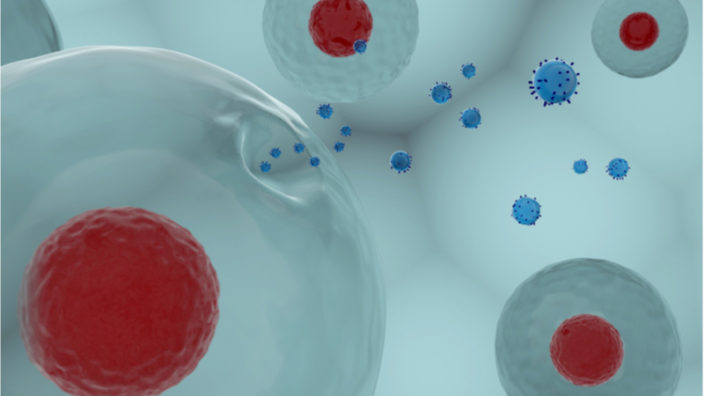
Scientists have alleviated symptoms of the rare premature aging disease ataxia-telangiectasia using NAD+ supplementation in a mouse model [1]. This success deepens our understanding of the role NAD+ plays in aging.

The ubiquitous facilitator

The coenzyme nicotinamide adenine dinucleotide (NAD+) is one of the foundations of life as we know it, and it may have been around for billions of years. Since evolution uses whatever resources are at hand, it developed hundreds of biological processes that rely on NAD+ as a transporter of electrons between molecules. These processes include energy production, mitochondrial maintenance, and DNA repairment.

Directly implicated in at least three hallmarks of aging – mitochondrial dysfunction, genomic instability, and cellular senescence – the age-related decline in NAD+ levels is a major target for longevity researchers. Alterations in NAD+ homeostasis accompany most age-related diseases [2]. In preclinical studies, NAD+ supplementation using its various precursors has demonstrated anti-aging effects, although more research is needed.

Ataxia-telangiectasia: aging on steroids

In the paper we are highlighting today, NAD+ supplementation is tested against a rare genetic disease called ataxia-telangiectasia (A-T), which was recently recognized as a type of premature aging [3]. A-T patients experience aging-like symptoms, including cognitive decline, motor dysfunction, immunodeficiency, thymus devolution, cancer predisposition, and hypersensitivity to DNA double-strand breaks.

A-T is caused by a mutation in the gene tasked with producing ATM kinase, a vital element of the DNA double-strand break response. Unresolved DNA damage has been shown to lead to mitochondrial dysfunction, cellular senescence, and, as a result, accelerated aging. The clinical picture of A-T along with previous research led the scientists to believe that NAD+ supplementation might be a viable strategy against A-T.

In fibroblasts taken from A-T patients, the researchers discovered elevated levels of cellular senescence. Signs of mitochondrial dysfunction were abundant as well, including increased mitochondrial content, which indicates impaired mitophagy (the process of breaking up and removing defunct mitochondria). Cells that had a healthy ATM gene knocked down showed a similar picture.

The researchers also found lots of DNA fragments floating around in the cytoplasm of ATM-deficient cells. An abundance of cytoplasmic DNA is known to cause an antiviral-like immune response: cellular mechanisms probably misidentify these fragments as viral DNA and attack them, triggering inflammation and cellular senescence.

In a series of experiments, the researchers eludicated how these bits are connected. PARP1 is a polymerase that orchestrates the DNA break response. ATM deficiency prevents this response mechanism from working as intended. Since the repair job is never finished, PARP1 remains constantly activated, but the problem is that PARP1 uses NAD+ as fuel. As long as it stays active, it gobbles up large quantities of NAD+, and declining levels of NAD+ impair mitochondrial maintenance. Damaged mitochondria spit out chunks of mitochondrial DNA into the cytoplasm, where it is sensed by the immune system, leading to chronic inflammation and senescence.

NR vs A-T

NAD+ supplementation does not tackle the upstream cause of A-T, but it may be able to alleviate the symptoms. According to the researchers, replenishing NAD+ levels using NR (nicotinamide riboside) as a precursor caused a marked improvement in every department: it lowered the cytoplasmic DNA count, improved mitochondrial health, and led to a decline in senescence and DNA breakage markers.

A-T affects neural cells in particular, causing motor dysfunction and cognitive decline. Additional experiments showed that in the brains of ATM-deficient mice, treatment with NR attenuates neuronal loss and cellular senescence by improving mitochondrial health. It also leads to lesser activation of microglia and astrocytes (overactivation of these two types of neural cells has been linked to chronic neuroinflammation and cognitive degeneration). NR treatment also produced a notable improvement of certain motor functions in ATM-deficient mice.

Interestingly, in healthy control mice, especially in younger ones, NR treatment caused inflammation and DNA breakage markers to go up rather than down. The researchers speculate that the treatment may have disturbed NAD+ homeostasis in young, healthy animals that do not require NAD+ supplementation. It is not clear how these findings translate to humans, but it is not unreasonable to suggest that there is such a thing as too much NAD+. In the researchers’ words, “whether NAD+ supplementation is advisable for healthy young humans remains to be determined.”

Conclusion

This research provides yet another indication that the loss of NAD+ homeostasis underlies many processes of aging, and that NAD+ supplementation can be a viable strategy against particular age-related diseases, and aging in general. This mounting evidence begs for clinical studies of NAD+ role in aging. Since NAD+ precursors are widely available as supplements, we would certainly like to learn more about their possible benefits and limitations.

Disclaimer

This article is not a substitute for consulting your physician about which supplements may or may not be right for you. We do not endorse supplement use nor any product or supplement vendor, and all discussion here is for scientific interest.

We would like to ask you a small favor. We are a non-profit foundation, and unlike some other organizations, we have no shareholders and no products to sell you. All our news and educational content is free for everyone to read, but it does mean that we rely on the help of people like you. Every contribution, no matter if it’s big or small, supports independent journalism and sustains our future.

Literature

[1] Yang, B., Dan, X., Hou, Y., Lee, J. H., Wechter, N., Krishnamurthy, S., … & Bohr, V. A. (2021). NAD+ supplementation prevents STING‐induced senescence in ataxia telangiectasia by improving mitophagy. Aging Cell, e13329.

[2] Katsyuba, E., Romani, M., Hofer, D., & Auwerx, J. (2020). NAD+ homeostasis in health and disease. Nature Metabolism, 2(1), 9-31.

[3] Shiloh, Y., & Lederman, H. M. (2017). Ataxia-telangiectasia (AT): an emerging dimension of premature ageing. Ageing research reviews, 33, 76-88.

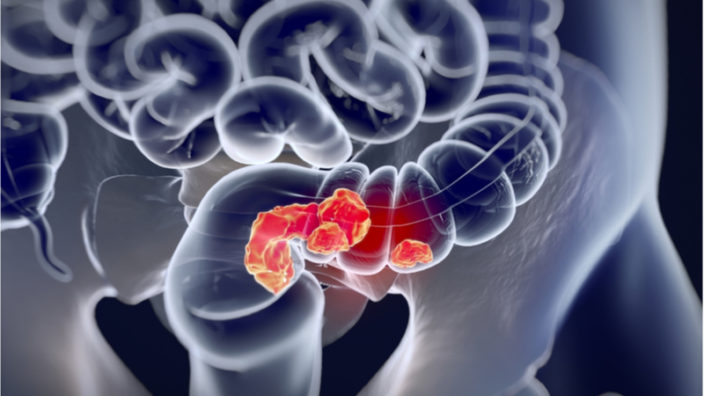
An image of colorectal cancer.

Stopping Colorectal Cancer From Proliferating

In a cell culture study, researchers have discovered that forcing cancer cells to differentiate into somatic cells can cause them to stop proliferating.

Cancer, stem cells, and proliferation

The danger of cancer is from its proliferation: its uncontrolled division within the body. This proliferation is explained by the mutated cells exhibiting stem-like properties; in other words, cancer cells behave much like stem cells, retaining the ability to indefinitely divide. However, a cancer cell will often retain many of its original functions, and many cancer cells even differentiate in the same way that normal stem cells do, losing their stem-like nature.

The researchers of this study explain cancer as a developmental continuum, with purely proliferational cancer cells at one end and differentiated somatic cells at the other. They further explain that even if any given differentiated cell has oncogenic mutations, which would cause it to be cancerous, it is not immediately dangerous unless it has somehow acquired the stem-like ability to proliferate and thus become malignant. (On the other hand, this is why any epigenetic reprogramming approach to the aging hallmark of stem cell exhaustion must address cancer as a concern.)

A single factor identified as the root cause

The researchers have found that transcriptional factors (TFs) are responsible for transforming cancer cells into differentiated, normal-like cells, thus preventing them from dividing further. The researchers identified five factors that would normally allow colorectal cancer cells to differentiate, and they identified the factor SET Domain Bifurcated 1 (SETDB1) as being the causative agent in depressing the effects of these five factors.

Therefore, the researchers reasoned, depleting SETDB1 from cancer cells would promote these factors and thus stop the proliferation of colorectal cancer. The idea of SETDB1 being a main causative agent of colorectal cancer is backed up by a previous study, which shows that this factor is associated with poor patient outcomes in colorectal cancer [1].

By using an RNA transfection agent, the researchers confirmed their hypothesis in colorectal cancer organoids. They tested a total of eight proteins to knock out, and of those eight, knocking out SETDB1 markedly increased the expression of pro-differentation factors while substantially reducing the activity of MYC, which is associated with proliferation. Cell proliferation rate was, as expected, substantially reduced. In simple terms, the cancer lost nearly all of its ability to be cancerous.

Abstract

Cancer cells exhibit properties of cells in a less differentiated state than the adjacent normal cells in the tissue. We explored whether cancer cells can be converted to a differentiated normal-like state by restoring the gene regulatory network (GRN) of normal cells. Here, we report that colorectal cancer cells exhibit a range of developmental states from embryonic and intestinal stem-like cells to differentiated normal-like cells. To identify the transcription factors (TF) that commit stem-like colorectal cancer cells into a differentiated normal-like state, we reconstructed GRNs of normal colon mucosa and identified core TFs (CDX2, ELF3, HNF4G, PPARG, and VDR) that govern the cellular state. We further found that SET Domain Bifurcated 1 (SETDB1), a histone H3 lysine 9–specific methyltransferase, hinders the function of the identified TFs. SETDB1 depletion effectively converts stem-like colorectal cancer cells into postmitotic cells and restores normal morphology in patient-derived colorectal cancer organoids. RNA-sequencing analyses revealed that SETDB1 depletion recapitulates global gene expression profiles of normal differentiated cells by restoring the transcriptional activity of core TFs on their target genes.

Implications: Our study provides insights into the molecular regulatory mechanism underlying the developmental hierarchy of colorectal cancer and suggests that induction of a postmitotic state may be a therapeutic alternative to destruction of cancer cells.

Conclusion

Halting cancer by taking away its stem-like abilities and forcing it to differentiate into relatively harmless tissue is a novel and intriguing approach to preventing its spread. As the researchers explain, SETDB1 is not upregulated in normal stem cells, only cancer cells. Therefore, systemic downregulation of SETDB1 may one day be a therapeutic tool for dealing with colorectal and other cancers, assuming that such an intervention can be developed for human use.

We would like to ask you a small favor. We are a non-profit foundation, and unlike some other organizations, we have no shareholders and no products to sell you. All our news and educational content is free for everyone to read, but it does mean that we rely on the help of people like you. Every contribution, no matter if it’s big or small, supports independent journalism and sustains our future.

Literature

[1] Chen, K., Zhang, F., Ding, J., Liang, Y., Zhan, Z., Zhan, Y., … & Ding, Y. (2017). Histone methyltransferase SETDB1 promotes the progression of colorectal cancer by inhibiting the expression of TP53. Journal of Cancer, 8(16), 3318.

Dictator

Increased Longevity and Immortal Dictators

Suppose there was a country ruled by an evil dictator. Further, suppose the entire world was plagued by a terrible disease affecting 100% of the population. The disease isn’t infectious, but it is congenital. It progresses extremely slowly over the course of several decades, but it eventually ends up severely impairing one’s quality of life, and it is always fatal; it’ll take its own sweet time to kill a patient, but it always will, and it isn’t going to be fun.

If it was suggested that a cure for this disease should not be developed so that we could be sure the aforementioned dictator will eventually pass away, would you agree? Would your answer change if you lived in that country?

If I had to bet on your answers, my money would be on “no way” for both questions, and your reasons would probably be not too different from mine below.

Quite the raw deal

Let’s be pragmatic about this. If we did not develop a cure for the disease of my example, the benefit we would get out of it would be that eventually we’d get rid of the tyrant, or possibly many tyrants, if we assume there were many around the world. Now, does this benefit outweigh the downsides of this course of action? It depends on the downsides, which should all be pretty obvious.

First, there are overwhelmingly more “normal” people than tyrants and dictators. Left uncured, the disease would make the lives of the latter miserable and eventually kill them, but it would do the same to the former, innocent “normal” people, including those who live under the tyrants.

The deal doesn’t seem too convenient, even for people who would directly benefit from the death of their oppressors, and it is even worse for those who wouldn’t; if you lived in a peaceful, democratic country, would you not have a problem with the idea of coming down with the disease and dying of it, for the sake of ensuring the death of a handful of tyrants who don’t even pose a direct threat to you? I didn’t think so.

Second, even if the tyrants are dead, this is not granted to put an end to the tyranny, which is the true goal here; whether or not the tyrants are dead doesn’t really matter, as long as they aren’t able to oppress people, and since the disease is, as said, extremely slow to kill, the tyrants have had all the time in the world to either leave an heir or nominate a successor. Long story short: the disease may well kill the tyrant, but not necessarily the tyranny, in which case, not curing the disease would amount to pointless, unspeakable suffering and deaths worldwide. Again, not exactly a bargain.

Third, the high costs and low benefits—not to mention the high chance of failure—of this “strategy” to get rid of tyrants make it even more unjustifiable when you consider the alternatives. If the goal is ending the oppression on the people perpetrated by a dictator, it seems more logical and effective to orchestrate an attack to arrest or kill them than wait until the disease gets them—especially given how slow the disease is.

The longer the wait, the more the suffering caused by the dictator, not to mention the suffering and death caused by the disease in the meanwhile, not only in the oppressed country but also everywhere else in the world. Granted, overthrowing the dictator is probably easier said than done, but it is still a better and more likely successful option than sitting around and waiting.

I’m reasonably sure you think all of this is a no-brainer, but you’d be surprised how often this no-brainer becomes an all-brainer for a lot of people when the disease is aging and the cure is rejuvenation biotechnology.

From general to particular

It all checks out: far worse than a disease, aging is a chronic process of damage accumulation that leads to a vast array of non-communicable diseases. While not everyone will get all of these diseases (because some of them will kill the patients before they can get the others), the process of aging affects 100% of the population, causing diseases that lead to a significant worsening of the quality of life and ultimately to death. The diseases of aging could be prevented by interfering with their root causes—the hallmarks of aging—by means of rejuvenation biotechnologies.

While, in the case of other diseases, everyone would agree for the reasons above that ensuring the death of tyrants is not a good rationale not to develop specific cures, many fail to notice that those very same reasons apply just as well to the case of aging. This double standard is possibly due to two facts.

The first is that aging happens to everyone, so tyrants too are guaranteed to die of it if not of something else, whereas this isn’t true for other diseases; not developing a cure for a non-age-related disease, in the hopes that a tyrant might catch it and die of it, rightfully seems a ridiculous game of chance with certain losses and a rather unlikely payoff.

The second is that, with aging out of the way, a tyrant could potentially live for an indefinitely long time, so the perceived risk is that of an everlasting dictatorship.

However, waiting for the tyrant to die of old age is also a ridiculous game of chance, namely the chance that, over such a long time, the tyrant wouldn’t manage to find someone to replace them and carry on the tyranny despite his death.

Additionally, if history teaches us anything, it’s that when a dictatorship ends, it’s rarely because the heart of the dictator decided to stop beating of its own accord; rather, it’s generally other people who, in one way or another, make it stop, or at least force the oppressor out of the country.

Many would be tyrants throughout history have gotten their just desserts from their disgruntled people. Examples such as Benito Mussolini, Napoléon Bonaparte, Adolf Hitler, King Charles I, Rasputin, Emperor Nicholas II, Pol Pot, Idi Amin, Mobutu Sese Seko, Nicolae Ceausescu and Slobodan Milosevic all serve to remind us what happens to the majority of tyrants.

Of course, there are some exceptions to the rule, with Stalin and Castro living till old age finally killed them despite a number of attempts to assassinate them. However, given a longer life, it seems unlikely they would have continued to dodge the bullet indefinitely and avoid assassination.

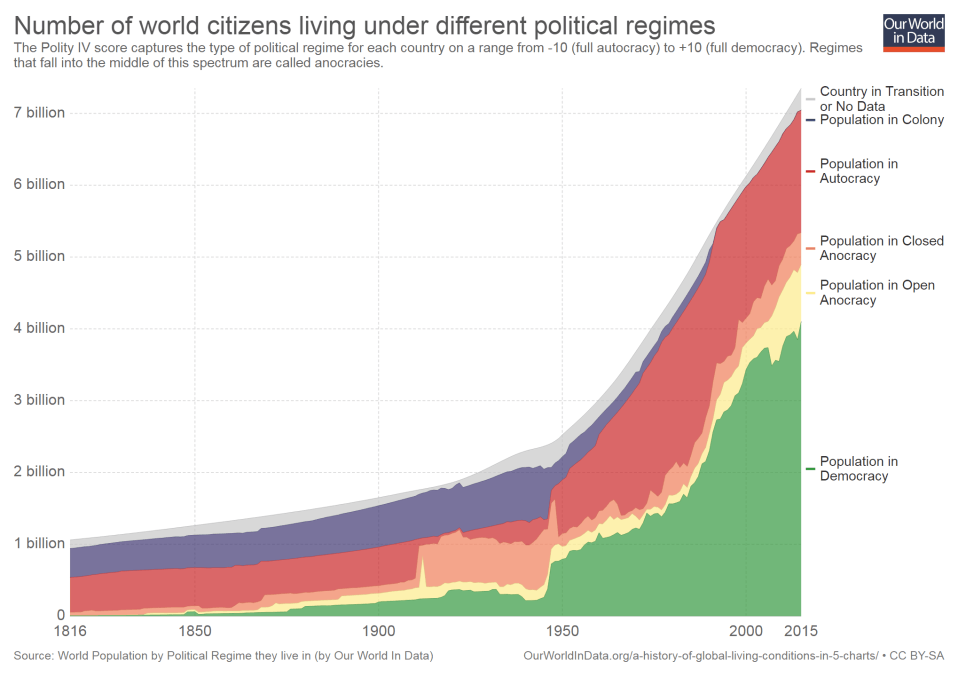
This is why rejuvenation biotechnologies are unlikely to lead to eternal dictatorships, but it is not the only reason; another, crucial reason is that democracies have been on the rise throughout the past 200 years, and autocracies began plummeting in the mid-70s and continued falling through the following decades, after a rise happened after the Second World War.

Credit: Max Roser, OurWorldInData: Democracy

Credit: Max Roser, OurWorldInData: Democracy

The chart below is a world population breakdown by political regime of respective countries.

Credit: Max Roser, OurWorldInData: Democracy

As the source points out, four out of five people presently living in an autocracy live in China, which emphasises the fact that, although the autocracy share in the chart above is fairly large, it mostly refers to a single country. The slow but promising trend of democratisation of the world from 1816 is shown in this interactive chart.

Naturally, none of this means dictatorships are necessarily destined to disappear forever or that we won’t end up with a dictator ruling for 150 years straight because he was rejuvenated. It might happen, but if we extrapolate the increasing democratization trend, the data suggest chances are slim, especially if we take into account that it’ll take at least a few decades before comprehensive rejuvenation therapies that can indefinitely prolong life are available to anyone at all.

Conclusion

The moral of the story is always the same. Can a disruptive technology have negative consequences? Yes, it can. However, we must keep a cool head and analyze available data to establish the likelihood of any side effects, weigh their magnitude against that of the expected benefits, and conversely, assess and compare the pros and cons of not developing the technology. Equally importantly, we must keep in mind that since no one is a clairvoyant, we’ll figure it out as we go, like we’ve always done.

If you enjoyed reading this, LifeXtenshow team have also created a video covering this topic which you might like to watch.

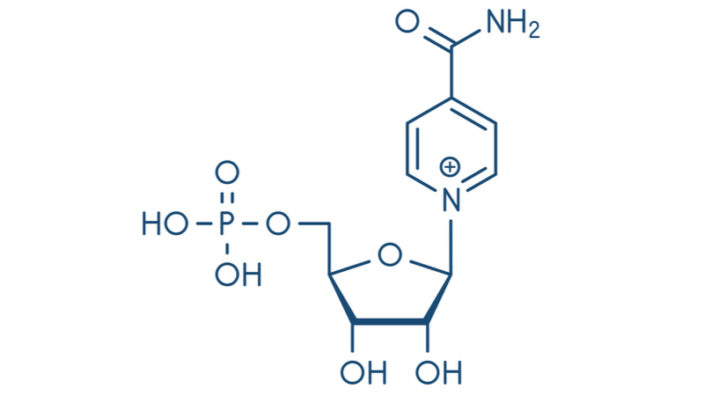
NMN is short for nicotinamide mononucleotide, a naturally occurring molecule present in all species. On the molecular level, it is a ribonucleotide, a basic structural unit of nucleic acid RNA.

What is NMN? A Summary of Nicotinamide Mononucleotide

What is NMN?

NMN is short for nicotinamide mononucleotide, a naturally occurring molecule present in all species. On the molecular level, it is a ribonucleotide, a basic structural unit of nucleic acid RNA. In form it consists of a nicotinamide group, a ribose and a phosphate group. It is a precursor molecule of the essential molecule nicotinamide adenine dinucleotide (NAD+) and is one way in which NAD+ levels in the cell can be increased.

Before we dive into NMN proper, we should understand a little about NAD+ metabolism.

What is NAD+?

NAD+ is a critical coenzyme found in all living cells and is essential to life. It is a dinucleotide, which means that it consists of two nucleotides joined through their phosphate groups. One nucleotide contains an adenine base, and the other contains nicotinamide. NAD+ is one of the most versatile molecules in the body, and is an area of intense focus for aging research.

What does NAD+ do?

Found in the cells of all mammals, NAD+ is essential for life and is linked closely to metabolism and aging. It serves many critical functions in our cells, such as electron transport, cell signaling, and DNA repair. Accumulating evidence suggests that NAD+ systemically declines with age in a variety of organisms, including rodents and humans, and contributes to the development of age-related diseases.

For this reason, there is a great deal of interest in interventions that increase NAD+ to more youthful levels. Fasting and caloric restriction have been shown to increase NAD+ levels and boost the activity of the sirtuins, aka the longevity genes, as their activity relies on the presence of NAD+. In mice, fasting boosted NAD+ levels and sirtuin activity and appears to slow down aging.

While NAD+ and its precursors are also present in some kinds of foods, the concentrations are really too low to have a significant influence on the intracellular concentration of NAD+. There are a number of NAD+ precursor molecules sold as dietary supplements that appear to increase NAD+ levels, including nicotinamide riboside (NR), nicotinamide mononucleotide (NMN), and nicotinic acid (niacin).

The diagram below shows how these precursors, including NMN, lead to the creation of NAD+.

This diagram shows how precursors like NMN, Niacin, and NR can boost NAD+ levels in the body.

More recently, reduced nicotinamide mononucleotide (NMNH) has emerged as a possible contender for the most efficient NAD+ boosting precursor molecule [1]. However, NMNH is not currently a commonly available dietary supplement, and more research is needed before that happens.

The history of NMN research

While the history of NMN research is naturally intertwined with the history of NAD+, we will only list a few specific studies of note.

Back in 1963, Chambon, Weill, and Mandel discovered that NMN provided the cellular energy needed to activate an important nuclear enzyme [2]. This led to the discovery of poly (ADP-ribose) polymerases (PARPs), a family of proteins involved in a number of cellular processes, such as DNA repair, genomic stability, and programmed cell death, which is known as apoptosis. PARPs and their activity are also linked to changes in lifespan in different species.

In 2014, a team of researchers led by Dr. David Sinclair demonstrated that NMN can extend the lifespan of mice [3]. In 2017, researchers again led by Dr. David Sinclair used NMN to reverse DNA damage in mice by increasing NAD+ levels, thus increasing the activity of PARP so that it could repair DNA damage [4].

In 2020, researchers used NMN to improve blood flow and neurovascular health in aged mice [5]. It also appeared to reverse some age-related changes to gene expression, from a total of 590 genes that are different in young vs old animals, treatment with NMN reversed 204 of those genes back towards youthful expression levels.

Also in 2020, a group of researchers demonstrated that treatment with NMN restores neurovascular coupling (NVC) in aged mice [6]. NVC deficiency appears to be a major factor in the age-related decline of cognitive and motor functions.

What foods contain NMN?

It can be found naturally in a number of foods, such as avocado, broccoli, cabbage, cucumber, and edamame. While these kinds of foods are an excellent source of nutrition some people opt to use dietary NMN supplements to increase their intake of NMN beyond what just eating these foods can achieve. Elevant and Novos labs are both examples of companies who produce NMN supplements.

How is NMN created?

NMN is created using the B vitamins present in the body. The enzyme that makes NMN is known as nicotinamide phosphoribosyltransferase (NAMPT). NAMPT attaches  a form of vitamin B3 called nicotinamide to the sugar phosphate 5’-phosphoribosyl-1-pyrophosphate (PRPP).

NAMPT is the rate-limiting enzyme in the production of NAD+, which means that lower levels of NAMPT mean decreased NMN production and thus decreased NAD+ levels. This also means that by administering additional NMN, the rate of NAD+ production can be increased and somewhat address this shortfall.

It is also possible for NMN to be created from NR by the addition of a phosphate group. It was originally thought that NMN could not enter the cell without first becoming NR; however, this was shown to be incorrect in 2019, when a new transporter channel was discovered [5].

The study showed that the Slc12a8 gene encodes a specific NMN transporter that allows the molecule to enter cells without the need to be converted to NR first. No doubt this discovery came as an unpleasant surprise to manufacturers and distributors of NR.

Is NMN safe?

It is generally regarded as safe in animals, and the results were promising enough that a Japanese lab conducted a human clinical trial of NMN, which showed that it is well tolerated when given as a single dose [6]. The Sinclair Lab at Harvard Medical School also showed that long-term (one-year) oral administration of NMN to mice does not have toxic effects.

This has yet to be replicated in humans, though there are large numbers of people taking NMN as a dietary supplement today and few negative reports. Future studies should now focus on the long-term safety and efficacy.

Does NMN have side effects?

As of now, there have been no reported side effects reported in humans taking NMN supplements. The bulk of studies on NMN have been carried out on mice and rats and these typically show positive effects on metabolism, liver, skin, muscle, and brain function, as well as improved bone structure, vascular health, reproduction, immune system function, and lifespan. If these benefits will translate to people is now starting to be explored and there are a few clinical trials in progress or being prepared.

Obviously, if you do decide to become an early adopter and take an NMN supplement, you should bear in mind you are essentially self experimenting. You should cease using it immediately if you experience any adverse side effects and your doctor.

The future of NMN research and use

It is relatively early days for NMN, and there is currently a lack of human data, with the exception of the safety study in Japan. That has not stopped NMN from being marketed as a dietary supplement and a NAD+ booster. It has proven popular with those confident of its usefulness as an anti-aging compound despite the lack of human evidence. However, the high cost may be prohibitive to some people seeking the fountain of youth and more cost effective precursors such as NMNH could potentially replace it.

There are more human trials underway, and hopefully in the near future, we will see some data from them that will give us more insight on how useful NMN is in humans in the context of aging and healthy longevity.

Disclaimer

This article is only a very brief summary, is not intended as an exhaustive guide, and is based on the interpretation of research data, which is speculative by nature. This article is not a substitute for consulting your physician about which supplements may or may not be right for you. We do not endorse supplement use nor any product or supplement vendor, and all discussion here is for scientific interest.

We would like to ask you a small favor. We are a non-profit foundation, and unlike some other organizations, we have no shareholders and no products to sell you. All our news and educational content is free for everyone to read, but it does mean that we rely on the help of people like you. Every contribution, no matter if it’s big or small, supports independent journalism and sustains our future.

Literature 

[1] Dollerup, O. L., Christensen, B., Svart, M., Schmidt, M. S., Sulek, K., Ringgaard, S., … & Jessen, N. (2018). A randomized placebo-controlled clinical trial of nicotinamide riboside in obese men: safety, insulin-sensitivity, and lipid-mobilizing effects. The American journal of clinical nutrition, 108(2), 343-353.

[2] Chambon, P., Weill, J. D., & Mandel, P. (1963). Nicotinamide mononucleotide activation of a new DNA-dependent polyadenylic acid synthesizing nuclear enzyme. Biochemical and biophysical research communications, 11(1), 39-43.

[3] North, B. J., Rosenberg, M. A., Jeganathan, K. B., Hafner, A. V., Michan, S., Dai, J., … & van Deursen, J. M. (2014). SIRT2 induces the checkpoint kinase BubR1 to increase lifespan. The EMBO journal, e201386907.

[4] Li, J., Bonkowski, M. S., Moniot, S., Zhang, D., Hubbard, B. P., Ling, A. J., … & Sinclair, D. A. (2017). A conserved NAD+ binding pocket that regulates protein-protein interactions during aging. Science, 355(6331), 1312-1317.

[5] Kiss, T., Nyúl-Tóth, Á., Balasubramanian, P., Tarantini, S., Ahire, C., Yabluchanskiy, A., … & Ungvari, Z. (2020). Nicotinamide mononucleotide (NMN) supplementation promotes neurovascular rejuvenation in aged mice: transcriptional footprint of SIRT1 activation, mitochondrial protection, anti-inflammatory, and anti-apoptotic effects. GeroScience, 1-20.

[6] Tarantini, S., Valcarcel-Ares, M. N., Toth, P., Yabluchanskiy, A., Kiss, T., Ballabh, P., … & Ungvari, Z. (2020). Nicotinamide mononucleotide (NMN) supplementation rescues cerebromicrovascular endothelial function and neurovascular coupling responses and improves cognitive function in aged mice. The FASEB Journal, 34(S1), 1-1.

[7] Grozio, A., Mills, K. F., Yoshino, J., Bruzzone, S., Sociali, G., Tokizane, K., … & Imai, S. I. (2019). Slc12a8 is a nicotinamide mononucleotide transporter. Nature metabolism, 1(1), 47-57.

[8] Irie, J., Inagaki, E., Fujita, M., Nakaya, H., Mitsuishi, M., Yamaguchi, S., … & Okano, H. (2019). Effect of oral administration of nicotinamide mononucleotide on clinical parameters and nicotinamide metabolite levels in healthy Japanese men. Endocrine journal, EJ19-0313.

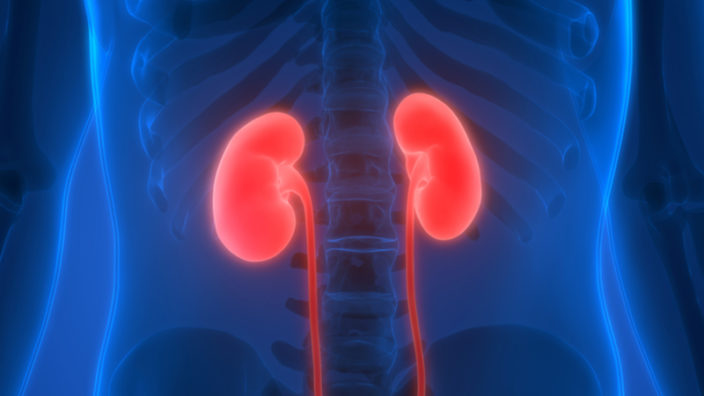
CGI of kidneys

Shortened Telomeres Increase Kidney Fibrosis Rates in Mice

A team of researchers led by Dr. Maria Blasco of the Spanish National Cancer Research Center has shown that shorter telomeres make mice more susceptible to kidney fibrosis [1]. The new study not only clearly demonstrates this link but also provides mouse models which can be used to study – and perhaps eventually address – the molecular underpinnings of kidney fibrosis.

Telomeres and fibrosis

Tissues with short or dysfunctional telomeres can lose their regenerative capacity and become fibrotic. For example, experiments have shown that short telomeres are associated with lung fibrosis [2]. Understanding how changes in telomeres are linked with fibrosis or other conditions is an important goal in clarifying the mechanisms underlying aging.

Kidney fibrosis becomes more common with age, with 11% of people of 65 having stage 3 chronic kidney disease. This not only increases mortality risk but also reduces people’s quality of life. Given the link between telomeres and fibrosis in other tissues, it seemed likely that telomere shortening could be associated with kidney fibrosis. Until this study, no link between the two had been shown, in part because of a lack of suitable mouse models.

Bringing in the kidneys

A research team in Spain tackled the question by generating a mouse model that could be used to study kidney fibrosis. They began by studying mice with a mutated form of telomerase reverse transcriptace (TERT). Despite having shortened telomeres, these mice showed no increase in kidney fibrosis compared with wild-type mice. However, with further experiments, the researchers were able to show that something was amiss in the kidneys of these mice.

They accomplished that by dosing the mice with folic acid, a chemical that causes kidney damage. By testing varying doses, they found a folic acid level that caused kidney fibrosis in telomerase mutants but not in wild-type mice. These mice showed all the hallmarks of human kidney disease, making them a potentially valuable model for studying kidney fibrosis and testing potential therapies. The team also developed a second mouse model by deleting the Trf1 gene, which is part of the shelterin complex that protects telomeres. These mutants developed kidney fibrosis without folic acid treatment.

In both mouse models, fibrosis was accompanied by epithelial cells losing their identity and becoming mesenchymal, a process known as epithelial-to-mesenchymal transition (EMT). Consistent with this, the expression of EMT-associated genes increased with fibrosis in both new models. EMT is part of the normal wound healing and regeneration processes, but it’s also active in cancer and fibrotic diseases. These models could thus be invaluable in teasing apart the molecular underpinnings linking EMT and age-related diseases.

Accumulation of short telomeres is a hallmark of aging. Mutations in telomerase or telomere-binding proteins lead to telomere shortening or dysfunction and are at the origin of human pathologies known as ‘telomere syndromes’, which are characterized by loss of the regenerative capacity of tissues and fibrotic pathologies. Here, we generated two mouse models of kidney fibrosis, either by combining telomerase deficiency to induce telomere shortening and a low dose of folic acid, or by conditionally deleting Trf1, a component of the shelterin telomere protective complex, from the kidneys. We find that short telomeres sensitize the kidneys to develop fibrosis in response to folic acid and exacerbate the epithelial-to-mesenchymal transition (EMT) program. Trf1 deletion in kidneys led to fibrosis and EMT activation. Our findings suggest that telomere shortening or dysfunction may contribute to pathological, age-associated renal fibrosis by influencing the EMT program.

Conclusion

While demonstrating the link between telomere length and kidney fibrosis is undoubtedly important, it isn’t particularly surprising. Instead, the true value of this study may lie in the new mouse models that the researchers developed. These offer scientists the tools to investigate how telomere shortening causes fibrosis, digging into the regulation of EMT. Understanding these processes may reveal mechanisms linking aging and telomeres not only with fibrosis but with other conditions such as cancer.

We would like to ask you a small favor. We are a non-profit foundation, and unlike some other organizations, we have no shareholders and no products to sell you. All our news and educational content is free for everyone to read, but it does mean that we rely on the help of people like you. Every contribution, no matter if it’s big or small, supports independent journalism and sustains our future.

Literature

[1] Saraswait, S, Martínez, P, Graña-Castro, O, and Blasco, MA. Short and dysfunctional telomeres sensitize the kidneys to develop fibrosis (2021), doi: 10.1038/s43587-021-00040-8 [2] Povedano, J. M., Martinez, P., Flores, J. M., Mulero, F. and Blasco, M. A. Mice with pulmonary fibrosis driven by telomere dysfunction. (2015), doi: 10.1016/j.celrep.2015.06.028
Exosomes

MSC Extracellular Vesicles Reduce Mouse Senescence

A new study in Aging Cell has shown extracellular vesicles from stem cells to extend healthspan and reduce cellular senescence in vitro and in mice.

Stem cell exhaustion is a well-studied hallmark of aging that occurs in multiple model organisms and multiple tissue types in humans. This has led to the hypothesis that bolstering these stem cell populations via transplantation could be an effective strategy to treat age-related disease and increase longevity. While many therapeutic benefits have been observed after stem cell transplantation, there is considerable debate about what role these cells are actually playing.

In many studies, the transplanted cells do not proliferate or survive for very long in their new hosts. They don’t always migrate to sites of damage or even leave the injection site, nor is differentiation towards more effector cell types, such as cardiomyocytes or neurons, frequently observed. While these activities are seen in some studies, other studies still observe therapeutic benefits in their absence. This has led to the hypothesis that the transplanted stem cells act through secreted factors such as cytokines and extracellular vesicles, rather than replacing depleted stem cell populations.

In a collaboration between the Scripps Research Institute and the University of Minnesota, the effects of secreted extracellular vesicles from mesenchymal stem cells (MSCs) on cellular senescence have been studied [1]. The researchers first observed dysfunctional phenotypes in the MSCs of aged mice. They then implanted transgenic Ercc1-/- mice, which have an extremely accelerated aging rate, with MSCs from old donors, healthy MSCs from young donors, and hypoxia-stressed MSCs from young donors. No change was seen in maximum lifespan, but median lifespan was dramatically extended in the treated mice, particularly those treated with the young, healthy cells.

They then isolated the extracellular vesicles from these MSCs and treated other cell types with them in vitro. Fibroblasts from Ercc1-/- mice and MSCs from aged wild-type mice showed increased function and fewer markers of cellular senescence, such as SA-β-gal staining, p16, p21, and SASP factors, when treated with conditioned media, especially from young MSCs. Similar effects, albeit to a lesser degree, were seen in experiments that used only isolated extracellular vesicles instead of conditioned media, which may also have additional factors. When Ercc1-/- and Zmpste24-/- mice, two different models of accelerated aging, were treated with these extracellular vesicles, various measures of cellular senescence were reduced. Further, the mice showed a significantly increased median lifespan, although maximum lifespan remained similar.

Overall, our results demonstrate a role for EVs released by functional stem cells in modulating senescence and possibly other pathways related to longevity and aging. Stem cell-derived EVs allow for the tight regulation of the duration and dosage of treatment and their use precludes the risks of tumor development and donor cell rejection. Given that human ES or iPS cell can be expanded and differentiated in bioreactors to generate high yields of progenitor cell-derived EVs, the therapeutic potential for adult stem cell EVs in the treatment of age-related pathologies is promising.

Conclusion

Relative to stem cell transplantation, extracellular vesicles can serve as a simpler and cheaper treatment option that is less likely to face immune rejection. Additionally, they can be delivered at much higher doses than when their source is from transplanted cells. These vesicles contain hundreds of proteins and signaling molecules. On one hand, this makes standardizing treatments between batches of extracellular vesicles and understanding the mechanisms behind their therapeutic effects extremely difficult. On the other hand, they are also able to enact more complex, concerted benefits that could not be replicated using a single drug approach.

This study highlights some of the great promise of extracellular vesicles as senotherapeutics. The effectiveness of the extracellular vesicles treatments followed similar trends to cell transplantation treatments from the same cell types, lending credence to the idea that it is the secreted factors rather than the cells themselves which are providing the therapeutic benefits. However, it is difficult to say which of these strategies might provide greater benefits, as they weren’t compared head-to-head in this study, and other studies have shown the transplanted cells themselves to play a more active role.

Another scientific debate in the longevity field surrounds parabiosis experiments, in which benefits in old mice are repeatedly seen when their blood circulation is combined with that of young mice. It is unclear whether these benefits are derived from harmful factors in old blood being diluted or from the delivery of beneficial factors from the blood of young mice. While the most likely answer might be “a little bit of both,” this study provides further evidence that positive, rejuvenating factors may exist in the circulating blood of younger mice. Of course, caution should always be observed while interpreting mouse studies, but this is especially true for this research, which utilized two highly accelerated models of aging.

We would like to ask you a small favor. We are a non-profit foundation, and unlike some other organizations, we have no shareholders and no products to sell you. All our news and educational content is free for everyone to read, but it does mean that we rely on the help of people like you. Every contribution, no matter if it’s big or small, supports independent journalism and sustains our future.

Literature

[1] Dorronsoro, A., Santiago, F.E., Grassi, D., Zhang, T., Lai, R.C., … & Robbins, P.D. (2021). Mesenchymal stem cell-derived extracellular vesicles reduce senescence and extend health span in mouse models of aging. Aging Cell, 00:e13337. https://doi.org/10.1111/acel.13337

The thyroid gland

Thyroid Organoids Created From Human Tissue

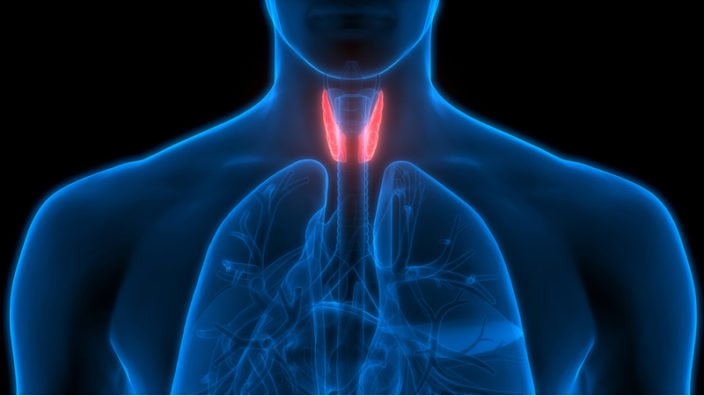
In a new study published in Stem Cell Reports, researchers have developed organoids to replace thyroid function [1]. If this approach is fully fleshed out and successfully brought to the clinic, it may become a true cure for hypothyroidism.

A common but harmful affliction

Hypothyroidism is one of the most common afflictions around the world, and its symptoms include depression, anxiety, weight gain, constipation, and fatigue. The current standard of care, a pharmaceutically delivered thyroid hormone known as levothyroxine, does not wholly treat hypothyroidism in 5 to 10 percent of sufferers [2].

As with a great many disorders, hypothyroidism increases with age [3]. In subclinical hypothyroidism, the amount of circulating thyroid-stimulating hormone (TSH) goes up, while the factors produced by the thyroid go down or remain stable; the thyroid requires additional stimulation just to retain its function. This condition is common in older people, as their levels of TSH are, on average, considerably higher than the youthful norm.

Enter the organoid

The current pharmaceutical approach to hypothyroidism is to simply replace at least one of the hormones that the thyroid produces. However, the researchers of this study have created small artificial organs (organoids) that live within tissue and create such hormones themselves. If their approach can go through the development and human clinical trial process, the resulting therapy could potentially function exactly as a human thyroid does, removing the need for pharmaceutically created hormones.

These organoids were not created from specific populations of stem cells. As the researchers explain, they are not yet able to identify, cultivate, and produce individual thyroid stem cells at all. They are also unsure whether or not their culturing medium causes differentiated thyroid cells to revert to a stem cell state; which would represent the same regenerative capacity that liver tissue has. The results of this experiment are shown through aggregation and analysis of the organoids as a whole rather than the specific identification of cells.

Fortunately, these thyroid cells were not shown to generate tumors, which is a frequent problem with regenerative approaches. On the other hand, the amount of actual thyroid hormones generated by these organoids was insufficient to treat hypothyroidism in thyroid-damaged mice. The researchers hypothesize that this was due to the lack of blood vessels connecting to the organoids, and this lack of vascularization is also a commonly known issue with these sorts of regenerative approaches.

The researchers also note that there is a significant discrepancy between murine and human tissue. After one week, less than a sixth of mouse cells remained in proliferative phases of the cellular cycle, while more than a third of human cells stayed in these phases. Such discrepancies between mice and humans are not uncommon in aging research, as our longer lifespans mean that we have regenerative mechanisms that mice lack. In this case, the researchers were able to test human organoids in mice through xenotransplantation.

Abstract

Murine and human thyroid-derived cells were cultured as organoids capable of self-renewal and which expressed proliferation and putative stem cell and thyroid characteristics, without a change in the expression of thyroid tumor-related genes. These organoids formed thyroid-tissue-resembling structures in culture. (Xeno-)transplantation of 600,000 dispersed organoid cells underneath the kidney capsule of a hypothyroid mouse model resulted in the generation of hormone-producing thyroid-resembling follicles. This study provides evidence that thyroid-lineage-specific cells can form organoids that are able to self-renew and differentiate into functional thyroid tissue. Subsequent (xeno-)transplantation of these thyroid organoids demonstrates a proof of principle for functional miniature gland formation.

Conclusion

Tissue engineering of organs such as the thyroid is in its infancy. The researchers present their study as a proof of principle, showing the potential for later human use once this technique is better perfected. If human thyroid organoids make it to the clinic, they may eliminate the need for prescriptions of the thyroid hormone levothyroxine, a compound upon which tens of millions of hypothyroidism sufferers rely.

We would like to ask you a small favor. We are a non-profit foundation, and unlike some other organizations, we have no shareholders and no products to sell you. All our news and educational content is free for everyone to read, but it does mean that we rely on the help of people like you. Every contribution, no matter if it’s big or small, supports independent journalism and sustains our future.

Literature

[1] Ogundipe, V. M., Groen, A. H., Hosper, N., Nagle, P. W., Hess, J., Faber, H., … & Coppes, R. P. (2021). Generation and Differentiation of Adult Tissue-Derived Human Thyroid Organoids. Stem Cell Reports.

[2] Wiersinga, W. M. (2014). Paradigm shifts in thyroid hormone replacement therapies for hypothyroidism. Nature Reviews Endocrinology, 10(3), 164.

[3] Calsolaro, V., Niccolai, F., Pasqualetti, G., Tognini, S., Magno, S., Riccioni, T., … & Monzani, F. (2019). Hypothyroidism in the elderly: who should be treated and how?. Journal of the Endocrine Society, 3(1), 146-158.

Alzheimer's disease

Human Trial Suggests Clearing Plaques Slows Mental Decline

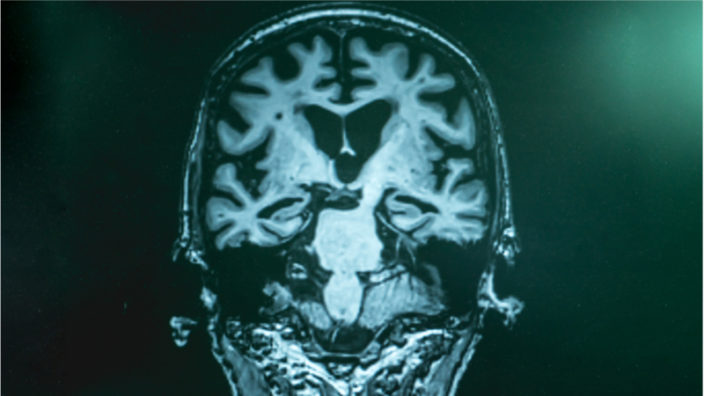
Until now, it was unclear as to whether drugs that clear amyloid, which accumulate in the brain during aging and accompany diseases such as Alzheimer’s, have any influence over cognitive decline.

Previous studies have aimed to find this out, but results have been inconclusive due to study designs, hard-to-interpret data, and other issues that muddy the waters. March 10-14th saw the 15th International Conference on Alzheimer’s and Parkinson’s Diseases being held (virtually of course), where Dr. Mark Mintun of Eli Lilly presented data that, at least somewhat, affirmatively answers the question [1].

Anti-amyloid drug donanemab clears amyloids and slows cognitive decline

Eli Lilly’s Phase 2 clinical trial data for its anti-amyloid antibody donanemab successfully reached its endpoint. While patients did not get better, the administration of donanemab appeared to slow decline by an average of 32 percent in a combined assessment of cognitive and functional decline.

The results show that donanemab was able to remove the plaques associated with Alzheimer’s in the majority of trial participants while also reducing the accumulation rate of neurofibrillary tangles in the frontal cortex and other regions.

This is the first disease-modifying Alzheimer’s drug to meet its clinical endpoint in a Phase 2 trial, an impressive feat given the graveyard of failed Alzheimer’s drugs.

Does this confirm the amyloid hypothesis?

The results of the trial do seem to suggest that treatments aimed at amyloid can slow cognitive decline and modify the progression of Alzheimer’s. However, that in itself does not suggest that targeting amyloid alone is an optimal strategy. While the treatment did indeed seem to slow down the rate of cognitive decline in trial participants, it did not improve their condition, nor did it reverse the disease, which should be the true end goal of Alzheimer’s research.

While the results of the trial are most welcome, it may be that this 32 percent slowing of disease progression is about as good as it gets by just targeting the amyloid alone. The next logical step to see if this can be improved on would be to combine anti-amyloid treatments such as donanemab with an anti-tau drug. It could well be the case that only by addressing both tau and beta-amyloid at once can the disease be reversed.

Based on this data, the researchers have modified their Trailblazer 2 Phase 2 trial for 500 participants and upgraded it to a Phase 3 trial with 1,500 people.

We conducted a phase 2 trial of donanemab in patients with early symptomatic Alzheimer’s disease who had tau and amyloid deposition on positron-emission tomography (PET). Patients were randomly assigned in a 1:1 ratio to receive donanemab (700 mg for the first three doses and 1400 mg thereafter) or placebo intravenously every 4 weeks for up to 72 weeks. The primary outcome was the change from baseline in the score on the Integrated Alzheimer’s Disease Rating Scale (iADRS; range, 0 to 144, with lower scores indicating greater cognitive and functional impairment) at 76 weeks. Secondary outcomes included the change in scores on the Clinical Dementia Rating Scale–Sum of Boxes (CDR-SB), the 13-item cognitive subscale of the Alzheimer’s Disease Assessment Scale (ADAS-Cog13), the Alzheimer’s Disease Cooperative Study–Instrumental Activities of Daily Living Inventory (ADCS-iADL), and the Mini–Mental State Examination (MMSE), as well as the change in the amyloid and tau burden on PET.

A total of 257 patients were enrolled; 131 were assigned to receive donanemab and 126 to receive placebo. The baseline iADRS score was 106 in both groups. The change from baseline in the iADRS score at 76 weeks was −6.86 with donanemab and −10.06 with placebo (difference, 3.20; 95% confidence interval, 0.12 to 6.27; P=0.04). The results for most secondary outcomes showed no substantial difference. At 76 weeks, the reductions in the amyloid plaque level and the global tau load were 85.06 centiloids and 0.01 greater, respectively, with donanemab than with placebo. Amyloid-related cerebral edema or effusions (mostly asymptomatic) occurred with donanemab.

Conclusion

Donanemab is the first anti-amyloid drug to successfully demonstrate disease modification and reach its endpoint in Phase 2 trials, which alone is a cause for some celebration. Hopefully the expanded Phase 3 trial will help confirm that removing amyloid is a viable strategy and pave the way for exploring combined anti-amyloid and anti-tau approaches.

We would like to ask you a small favor. We are a non-profit foundation, and unlike some other organizations, we have no shareholders and no products to sell you. All our news and educational content is free for everyone to read, but it does mean that we rely on the help of people like you. Every contribution, no matter if it’s big or small, supports independent journalism and sustains our future.

Literature

[1] Mintun, M. A., Lo, A. C., Duggan Evans, C., Wessels, A. M., Ardayfio, P. A., Andersen, S. W., … & Skovronsky, D. M. (2021). Donanemab in Early Alzheimer’s Disease. New England Journal of Medicine.

A Summary of B Cells

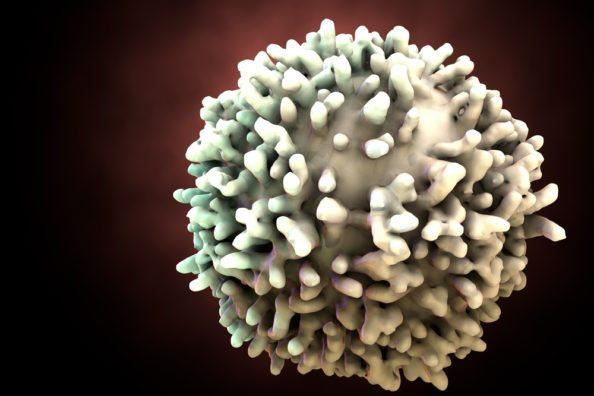
The immune system as a whole can be broadly separated into two main branches: the innate immune response and the adaptive immune response. The innate immune response is performed by a system that is always present across the body, while the adaptive immune response appears only in response to an infection and is always specific to a particular infectious agent. B cells are a part of the adaptive immune system.

B cells are one of the two types of lymphocytes, the other kind being T cells. Like most immune cells, B cells have a very specific function: the production of antibodies, which play a major role in immunity. However, in order for a B cell to produce antibodies it must first become activated.

How is a B cell activated?

In order for a B cell to start producing antibodies, a very specific sequence of events must happen. First, an infectious agent, such as a bacterium, must enter the body. Next, a piece of the infectious agent’s machinery, such as a protein, must be visible on the surface of the infectious agent; this is where major histocompatibility complex (MHC) class molecules come in.

MHC class molecules come in two primary forms, MHC1 and MHC2, which are found on the cell surface of all nucleated cells in the human body.

In the case of viruses, these stick to a cell’s MHC1 receptor. Some viruses inhibit production of MHC1, which has led the human body to destroy any cell that does not show MHC1 on its surface.

At this point, the protein detected on the surface of the infectious agent can be called an antigen. If the infectious agent is killed by the innate immune response, the protein can be recovered in a number of ways; macrophages, for instance, can grab the antigens after consuming an infectious agent and present them on their surface MHC2 receptors.

Some antigens become free-floating after infectious agents have been destroyed. Dendritic cells can ‘taste’ these free-floating antigens and latch onto them, ready to present them. Dendritic cells can also phagocytose (engulf) infectious agents and destroy them particularly slowly, ensuring that they can collect antigens without destroying them[1]. With viruses, the protein stuck to the infected cell’s MHC1 receptor is automatically presented. Cells that present antigens on their surfaces are known as ‘Antigen Presenting Cells’.

Next, to cause activation, the antigen on the MHC of the antigen presenting cell must be detected by a T cell using the T cell’s TCR receptor, while the T cell’s CD28 receptor must detect a B7 receptor on the antigen-presenting cell’s surface, which allows the T cell to realize that the antigen-presenting cell is native to the body.

Either a memory T cell (which stores information vital to immunity) or a naive T cell (which is used for new threats) can be activated in this way. Because all T cells are specific to a single surface protein, only some T cells can be activated by any one antigen; these activated cells have been ‘clonally selected’.

The selected T cells become active T helper cells before they begin to massively replicate in a process called clonal expansion. At the same time, a B cell is similarly activated by detecting an antigen on its surface through use of a specific, pre-prepared antibody. However, this will have no effect until a T helper cell brushes against the B cell and binds to its MHC, along with the usual CD28 – B7 binding to recognize the B cell as ‘self’.  At this point, the T helper cell releases cytokines – chemical messengers (IL4 specifically) – which are detected by the B cell, causing its activation.

Once a naive B cell is activated, it begins to clonally expand as well, dividing multiple times and specializing (differentiating) the resulting ‘daughter cells’ into either plasma cells or B memory cells. The B memory cells are kept in order to maintain immunity, while the plasma cells begin to produce antibodies, releasing them into surrounding tissues and the blood.

What are antibodies?

Antibodies, otherwise known as immunoglobulins, are water-soluble proteins that the human body uses to fight large, external threats, such as parasites and bacteria, that cannot hide within our own cells.

There are five main types of antibody:

  • IgE: Defense against helminth worms (and cause of the side effect of allergies)

  • IgA: General, found in mucus, saliva, breast milk, blood, and tears

  • IgG: Anti-bacterial and anti-virus, found in all tissues of the body. These are some of the few antibodies that can cross a mother’s placenta without causing damage to the offspring. There are multiple types of this kind.

  • IgM: Found in blood and lymph, first to be made in response to infection, involved in the B cell activation process

  • IgD: Involved in the B cell activation process

What are the uses of antibodies?

Antibodies can weaken or kill harmful pathogens (infectious agents) directly, but there are other uses for them.

They can be used to clump pathogens together in a process known as agglutination, which makes it easier for macrophages and other immune cells to target them. This ability to clump pathogens together has a valuable scientific and diagnostic use as well. If a cell is infected by a virus or has a specific receptor on its surface, an antibody specific to that virus or receptor can be used to bind these cells together.

Normally, if you take a group of cells suspended in water and leave them for a while, they will sink to the bottom of their container, leaving a ‘dot’. If they are bound together through enough antibodies, they will instead form a ‘matrix’ within the water, essentially remaining floating within the water to the perception of the human eye. Through this method, a scientist can estimate the concentration of viruses in any sample by detecting how much antibody is needed to prevent the formation of a ‘dot’.

Antibodies are a key method by which the body maintains immunity to specific diseases. Immunity against bacteria mainly relies on antibodies and can be seen through the primary and secondary immune response. The primary immune response is the immune response to the first infection from a specific pathogen, while the secondary immune response is the immune response to an infection by the same pathogen a second time.

During the secondary immune response, the concentration of antibodies in the bloodstream increases much more rapidly after an infection compared to the primary immune response. This is due to the presence of T and B memory cells that remember the pathogen and activate the immune response more quickly; this is of major significance to the immune system and how it responds to threats.

The plasma cells know what kind of antibody to make through exposure to particular chemical messengers[2]. Interleukins (ILs), interferons (IFN), transforming growth factor (TGF), and these factors do the following:

  • IL4 signals the creation of IgE and IgG1

  • IL4, 2 and 5 signal the creation of IgM

  • IFN gamma signals the creation of IgG2a and IgG3

  • TGFbeta signals the creation of IgA and IgG2b

  • IL4 and IL10 signal the creation of IgD, though IgD can be made spontaneously

Conclusion

In summary, B cells (the precursors to plasma cells) are the source of antibodies within the body. These antibodies have immunological, scientific, commercial, and industrial uses and are a major part of our ability to carry immunity. They are a part of the adaptive immune system and can only impact extracellular threats, which are outside of our cells.

There are many types of antibodies, each with different purposes, which are created in response to chemical signals. Finally, T cells are required to activate B cells, which interconnects two major parts of the immune response.

Literature

[1]Savina, A., & Amigorena, S. (2007). Phagocytosis and antigen presentation in dendritic cells. Immunological Reviews, 219(1), 143-156. https://dx.doi.org/10.1111/j.1600-065x.2007.00552.x

[2] Levan-Petit, I., Lelievre, E., Barra, A., Limosin, A., Gombert, B., Preud’homme, J., & Lecron, J. (1999). Th2 cytokine dependence of IgD production by normal human B cells. International Immunology, 11(11), 1819-1828. https://dx.doi.org/10.1093/intimm/11.11.1819

Cells signalling

Reduced Nicotinamide Mononucleotide Is a New NAD+ Precursor

There has been a lot of attention given to the NAD precursors nicotinamide mononucleotide (NMN) and nicotinamide riboside (NR), sold as dietary supplements, to restore nicotinamide adenine dinucleotide (NAD) levels. However, a new study suggests that there could be a new game in town with the arrival of reduced nicotinamide mononucleotide (NMNH).

Introducing nicotinamide adenine dinucleotide

Nicotinamide adenine dinucleotide (NAD) is a key coenzyme found in all living cells. It is a dinucleotide, which means that it consists of two nucleotides joined through their phosphate groups. One nucleotide contains an adenine base, and the other contains nicotinamide. It appears in two forms in the body: NAD, and, in its reduced state, NADH.

NAD is essential for life, as it is one of the most versatile molecules in the body and an important area of focus for aging research. In the body, it supports DNA repair, activates sirtuins that are known as the longevity genes, facilitates processes such as glycolysis and the citric acid cycle (TCA/Krebs cycle), takes part in redox reactions, and allows the electron transport chain inside the mitochondria to function. The downstream activity of NAD supports hundreds of enzymatic reactions and regulates many key processes in cells.

As NAD is critically important, humans have evolved to synthesize it through three main pathways:

NAD and NMN

First is the Preiss‐Handler pathway, in which the precursor nicotinic acid (NA) in food is converted into NAD through a three-part enzymatic process facilitated by nicotinic acid phosphoribosyltransferase (NAPRT).

Second is the de novo pathway, in which niacin molecules are created from scratch by our own bodies using the essential amino acid L-tryptophan (TRP). The de novo pathway intersects with the Preiss‐Handler pathway, and both go on to become NAD.

Finally, the salvage pathway converts nicotinamide (NAM), also known as niacinamide, into NAD. This pathway has nicotinamide mononucleotide (NMN) as an intermediate, and nicotinamide riboside (NR) also uses the same salvage pathway. Regardless of pathway, all NAD ends up here, being recycled over and over until other processes cause it to be lost.

Restoring nicotinamide adenine dinucleotide to combat aging

Given the critical role that NAD plays in the activity of enzymes, cellular functions, and metabolism, it is probably no surprise that any decline of NAD leads to metabolic disturbances and sets the stage for various age-related diseases. Multiple studies suggest that as we age, our levels of NAD declines significantly, and for that reason, the restoration of NAD levels has been the focus of significant research efforts in the last few years.

The two popular precursors NMN and NR, marketed as dietary supplements, have been the King and Queen of the NAD scene for quite some time now, but both are not without their issues. NMN and NR both have limitations, such as their maximal NAD boosting effects, which are around 2-fold and hence require higher and considerably more costly doses.

NR has also been shown to increase NAD levels in human blood, but it fails to increase NAD levels in tissues such as muscle despite very high doses, which the researchers discuss in this paper. The researchers suggest that NR’s inefficacy in raising NAD might explain why NR has no apparent effect on total energy expenditure, blood glucose, or insulin sensitivity in humans [1].

NMNH seems to increase nicotinamide adenine dinucleotide more effectively

The new study suggests that reduced nicotinamide mononucleotide (NMNH) is a potent NAD precursor molecule, according to the results seen in both mice and human cells. The researchers developed a method for creating and purifying NMNH at scale and explored the role of the molecule in NAD biology.

Their results demonstrate that NMNH is efficiently processed into NAD in cells. Perhaps most interestingly, the path to achieving this does not involve nicotinamide riboside kinase (NRK) or nicotinamide phosphoribosyltransferase (NAMPT), which other precursors require in order to become NAD.

During the study, they also showed that the administration of NMNH can also protect renal proximal tubular epithelial cells from hypoxia/reoxygenation‐induced injury.

Lastly, and most importantly, the data also shows that NMNH treatment in mice is able to raise NAD levels in their blood but also in multiple tissues, including the kidneys, and to a higher level than NMN at a similar concentration.

Nicotinamide adenine dinucleotide (NAD) homeostasis is constantly compromised due to degradation by NAD‐dependent enzymes. NAD replenishment by supplementation with the NAD precursors nicotinamide mononucleotide (NMN) and nicotinamide riboside (NR) can alleviate this imbalance. However, NMN and NR are limited by their mild effect on the cellular NAD pool and the need of high doses. Here, we report a synthesis method of a reduced form of NMN (NMNH), and identify this molecule as a new NAD precursor for the first time. We show that NMNH increases NAD levels to a much higher extent and faster than NMN or NR, and that it is metabolized through a different, NRK and NAMPT‐independent, pathway. We also demonstrate that NMNH reduces damage and accelerates repair in renal tubular epithelial cells upon hypoxia/reoxygenation injury. Finally, we find that NMNH administration in mice causes a rapid and sustained NAD surge in whole blood, which is accompanied by increased NAD levels in liver, kidney, muscle, brain, brown adipose tissue, and heart, but not in white adipose tissue. Together, our data highlight NMNH as a new NAD precursor with therapeutic potential for acute kidney injury, confirm the existence of a novel pathway for the recycling of reduced NAD precursors and establish NMNH as a member of the new family of reduced NAD precursors.

Conclusion

These results suggest that reduced NMNH may prove to be a contender for the NAD boosting crown. Hopefully, the researchers’ focus on production at scale, and the lower dosage being needed, mean that NMNH can be created and made available at a far lower price point than the precursors currently available (not including cheap niacin), which carry a hefty price tag due to costly manufacturing requirements.

We would like to ask you a small favor. We are a non-profit foundation, and unlike some other organizations, we have no shareholders and no products to sell you. All our news and educational content is free for everyone to read, but it does mean that we rely on the help of people like you. Every contribution, no matter if it’s big or small, supports independent journalism and sustains our future.

Literature

[1] Dollerup, O. L., Christensen, B., Svart, M., Schmidt, M. S., Sulek, K., Ringgaard, S., … & Jessen, N. (2018). A randomized placebo-controlled clinical trial of nicotinamide riboside in obese men: safety, insulin-sensitivity, and lipid-mobilizing effects. The American journal of clinical nutrition, 108(2), 343-353.

Empty wallet

Broadening Longevity Research to Social Factors

The time has come for anti-aging research to incorporate behavioral and social science into its agenda, according to Terrie Moffitt, a psychology and neuroscience professor at Duke University [1]. She explains that doing so will help researchers translate fundamental findings into useful therapies and guide us in ensuring that aging therapies benefit as many people as possible.

A broader picture

Moffitt contends that longevity research needs to incorporate behavioral and social approaches to build on the gains made by biological research. The intense focus on understanding aging at the molecular and physiological level has borne fruit in several candidate therapies, and some of these are moving into human trials. These trials would benefit greatly from the tools and know-how of behavioral and social science, explains Moffitt.

“The move from slowing fundamental processes of aging in laboratory animals to slowing aging in humans will not be as simple as prescribing a pill and watching it work,” Moffitt said in a press release. “Compared to aging in laboratory animals, human aging has many behavioral/social in addition to cellular origins and influences. These influences include potential intervention targets that are uniquely human, and therefore are not easily investigated in animal research.”

Human aging is influenced by social and behavioral traits, such as socioeconomic conditions, mental health, and support networks. The social hallmarks approach to aging highlights these factors as causative in their own right rather than being merely ancillary to the biological hallmarks. Translating longevity research from the lab to real-life applications will therefore have to account for these factors.

A helping hand

Moffitt proposes several ways in which behavioral and social approaches could help. First, they may identify interventions that are uniquely human, such as societal changes to reduce chronic stress or improve stress resilience. They can also help measure how social factors affect the pace of aging in various cases; individual differences in the pace of aging resulting from social factors can be large enough to overcome the effects of some purely biological interventions.

In addition, longevity researchers can benefit from the expertise of the behavioral and social sciences in the design and evaluation of effective trials in humans. For example, “the same behavioral/social personal-history characteristics that predict rapid pace of aging have also been shown to influence who volunteers for trials, who adheres to treatment regimens, and who completes treatment protocols,” writes Moffitt. It may be beneficial for scientists to draw from behavioral/social research in overcoming such issues.

Another area where behavioral and social research can help is in developing and evaluating metrics for trial outcomes. For example, Moffitt points out that aging metrics such as epigenetic clocks may have trouble if they were trained using data from people with varying birth years. “A long-established principle in the science of human development is that findings from cross-sectional comparisons between groups of individuals with different birth years do not guarantee findings about longitudinal developmental aging within the same individual over time,” she wrote, explaining that participants with earlier birth years may have had more early-life exposure to factors like certain diseases, tobacco smoke, and airborne lead, as well as differences in nutrition and education. If these factors affect the metrics used by a clock, then the clock might more closely measure a person’s birth year rather than that person’s biological age.

Moffitt reports that appropriately designed longitudinal studies have provided “initial proof of principle validating an epigenetic methylation signature […] measuring how fast an individual has been declining biologically.” Epigenetic clocks may have passed the test, but the idea of testing them and the methods to do so draw on research in the behavioral and social sciences.

Longevity for all

Finally, Moffitt is concerned with equality in the outcome of longevity research. She points out that longevity enthusiasts tend to be from socially advantaged groups, and she stresses the idea that longevity research should integrate agendas to tackle health disparities. “It’s vital that geroscience advances be delivered to everyone, not just the well-to-do, because individuals who experience low education, low incomes, adverse early-life experiences, and prejudice are the people who age fastest and die youngest,” she said in a press release.

An important avenue for accomplishing this is to ensure diversity in longevity clinical trials, according to Moffitt. She holds that trials should include people from disadvantaged backgrounds, such as low socioeconomic status and education, as well as victims of prejudice or health inequalities. Moffitt also contends that because disadvantaged groups such as these are most in need of anti-aging therapies, it’s important to test whether a potential therapy would help them and to make the effort to discover and develop interventions that address their problems.

Geroscience is the study of how to slow biological aging to extend healthspan and longevity. Geroscience has not heretofore incorporated behavioral or social-science methods or findings into its agenda, but the current expansion of the agenda to human trials of anti-aging therapies will be greatly aided by behavioral and social science. This article recommends some ways in which geroscience can be augmented through collaboration with behavioral and social science to: accomplish translation from animal models to humans; inform the design of clinical trials of anti-aging therapies; develop outcome measures for evaluating efficacy of anti-aging therapies, and reduce and not exacerbate health disparities.

Conclusion

Moffitt isn’t criticizing longevity research as such; rather, she calls for it to incorporate behavioral and social science methods and insights while building on the fruits of fundamental research. This seems like valuable guidance on the path forward as researchers try to translate lab results into ‘real world’ applications, making sure that anti-aging therapies benefit everyone, not just the wealthy. Achieving a society in which everyone has access to longevity will doubtless call for insights and resources beyond the ken of basic biology.

We would like to ask you a small favor. We are a non-profit foundation, and unlike some other organizations, we have no shareholders and no products to sell you. All our news and educational content is free for everyone to read, but it does mean that we rely on the help of people like you. Every contribution, no matter if it’s big or small, supports independent journalism and sustains our future.

Literature

  1. Moffitt, TE. Behavioral and Social Research to Accelerate the Geroscience Translation Agenda. Ageing Research Reviews (2020), doi: 10.1016/j.arr.2020.101146

Would Increased Longevity Be Boring?

Everlasting boredom is a common concern when it comes to the idea of extended human lifespans. There are many people who expect life to become empty and meaningless with time because everything has been already experienced; there is nothing else to discover, nothing else can surprise or please.

This idea has become so ingrained in our collective psyche that its mark appears constantly in our most popular works of fiction. The elves from the Lord of the Rings, for example, are described as lacking passion and ambition because of their extended lives, as compared to humans whose short lifespans impel them to bold action. Another omnipresent trope is the tale of the tortured immortal who would do anything to become human again or to end the curse with the finality of death.

The thinking goes that people living longer than a century will become tired of such hollow lives, eventually leading to the decision to terminate their pitiful existences. The loss of the thirst for life in the elderly is supposed to illustrate the probability of this outcome.

So, let’s consider these concerns and see if there is any scientific basis to the idea that increased lifespans would lead to a boring existence of never-ending tedium.

Will a longer life mean that I am more bored than I am now?

The ‘hedonic treadmill’ probably isn’t a title that grabs your attention. Despite its name, it isn’t a type of naked exercise routine, but it is an important factor in why you will not get more bored just because you live longer.

At its heart, the hedonic treadmill suggests that our base level of happiness will always remain the same, despite perceived positive changes. If something ‘good’ happens we will eventually return to that same base level of happiness and we will seek the next ‘good’ thing. An example of this is salary; we think we will be happier if we make more money, but when we do make more money we start to seek the next money milestone. The same thing applies to boredom where we will always be seeking the next buzz but our base level of boredom will never change and we will never be more bored just because we live longer.

With the rapid march of technology, there has been and will continue to be a nearly endless number of new things to experience and enjoy. Our society and technology rarely remain still for long so there will always be plenty to see, experience and do just as this is now. In fact, when you consider it, the pace of progress and change is increasing.

Consider just how much progress has been made since the previous century, we went from the first powered flight to the jet engine in forty years which led to a boom in tourism in the 1950s and accessible holidays to exciting new places for many people. These people would have rarely left their hometowns before this and now they could explore far-flung places and experience things they never dreamed of thanks to progress and technology.

Computers have opened up a world of on-demand entertainment, from video games, streamed films and television, social media and more. The sum of human knowledge is now at our fingertips thanks to the internet and we can learn about a vast range of subjects and enjoy almost unlimited entertainment. The types of entertainment available via computers is also growing with virtual reality and augmented reality become increasingly sophisticated and offering another vista of experiences to enjoy.

The world will not stop changing and there will be a near unlimited range of things to see and do, so no you will not be more bored than you are now no matter how long you live. Importantly, boredom is natures way of telling you there is a problem, we will discuss why boredom happens in the following sections and how to recognize and tackle it.

What is boredom, and why do we experience it?

First of all, let’s remember that all the feelings we have were developed during our evolution as a species to serve adaptation. Emotions represent the conclusion of a very fast overall analysis of a situation, guiding our responses and helping to choose a proper reaction.

Anger, for instance, is the reflexive response to meeting an obstacle, threat, or tense social situation and is designed to temporarily increase an organism’s strength [1] and resistance to injury in case of a conflict – this is why anger raises a person’s heart rate and blood pressure [2], while blood parameters change to prevent excessive bleeding in case of an injury [3].

Boredom, too, serves an evolutionary purpose. Feeling bored means that an individual’s needs for stimuli are not being fulfilled; new experiences are not being explored because, for some reason, it is difficult to engage in a new activity [4]. It has been hypothesized that boredom was developed to regulate goal-pursuit by temporarily boosting mindfulness and increasing one’s sensitivity to the value of alternative goals.

There are two main triggers of boredom: a lack of challenge in our current activities (meaningless) and non-structured time (nothing to do).

Lack of a challenge leads to boredom

Bored girl lying on sofaIs it possible that, in the future, we might be locked into a completely safe, stable and tedious environment for an indefinitely long time? Could it be that life experiences are finite? Might we really find ourselves in a situation where we will lose the vital needs that push us forward and drive our desire for new experiences and activities today?

It is worth noting that, even if science manages to bring the aging processes under medical control and we can achieve negligible senescence, it still does not imply indestructibility. Even if people do not die from age-related diseases anymore, there will still be dangers, such as accidents, wars, murders, infectious diseases, dangerous animals, and natural disasters, such as hurricanes, earthquakes, and tsunamis.

Even if human civilization develops a sophisticated system to control natural phenomena, there will still be such dangers as asteroid impacts and supernovae. Our own Sun will also eventually heat up, expand many times its current size and engulf the Earth later in its lifetime. If that was not bad enough, our galaxy will also eventually collide with the Andromeda galaxy, which is heading our way!

If we focus only on our immediate surroundings, it may seem that we have nothing to be concerned about, that we are living in safety and the world is friendly and stable. However, the universe is not a safe place. As humans, we have had to invent language, weapons, fire, clothes, houses, electricity, antibiotics, and computers. We have had to protect ourselves against many dangers; we have had to take control of our lives to survive as a species.

As long as there are uncontrollable factors that surpass our adaptations, there will always be a drive for exploration and development. Given all this, it is very unlikely that we are going to be able to control our universe anytime soon – which means that we will have more than enough interesting challenges to keep us busy for many human lifespans.

Does this mean that we will never feel bored at some point in time?

No, it does not. In fact, we will likely feel bored regularly, because this is an evolutionary tool to foster our self-development as individuals. It makes us seek out more meaningful activities, such as leaving a current career for something new or starting a new project or setting a new goal.

It appears that in order to enjoy longer lives, we will first have to master boredom. If we learn how to identify and pursue more fulfilling activities faster, we will spend less time feeling bored. The first step is to admit when you are bored and recognize what it means: “This activity does not let you live to your full potential. Maybe it is time to try doing something more creative and engaging?”

So how do you discover a new vocation to set a higher goal?

There are several strategies, depending on the amount of challenge you need. The easiest way is to engage in a new hobby or seek new opportunities at work. Ask your boss at work to occasionally give you some small tasks beyond your usual duties. This way, you can try doing something new and more challenging while remaining in your comfort zone. If that is not enough, you could look for opportunities for transfer or promotion within your company.

If you wish to contribute more significantly to business and society, it may be useful to get into the habit of reading industry reports and magazines in order to learn about bottlenecks and promising new niches. There is always the need for new products and services that an entrepreneur can bring to market. You don’t have to build your own company right away; it might be more convenient to join an existing startup and unite your efforts with other people who share your new values and goals.

There are many global problems identified by our society which have sets of corresponding goals, such as the ones described in the Sustainable Development Goals Agenda 2016-2030. Solving global problems might offer a very strong feeling of purpose, as these types of activities can affect the lives of millions of people.

There is no need to be concerned with the scale of a task; every good thing we see around us is the result of a collective effort in which everyone has performed to the best of their abilities and knowledge to ensure common success.

Too much challenge causes boredom

Nature seeks to save resources and increase productivity. This is why we have developed mechanisms to limit our activities when the chance of success is perceived as small. Remember the fable about the fox and the grapes? As the grapes are hanging too high to reach, the fox gives up saying that the grapes were not ripe enough anyway.

Our world is complex, and that complexity is increasing. The current information storm is a perfect example. The ancient library of Alexandria is estimated to have contained from 40 to 400 thousand scrolls [5-6]. If we presume that one scroll consists of approximately 10-20 pages, then 10 scrolls would be the equivalent of 1 modern book. We can estimate then that the Alexandria library may have contained an equivalent of 4 to 40 thousand books. A single person could read 4,000 books in a current human lifetime, assuming one book a week for 80 years. In 2010, Google calculated the number of unique books in the world, and there were about 130 million. The amount of information that a person must consume to be able to push scientific and technological progress forward has significantly increased over the last few decades. An approximate calculation shows that to become a Ph.D, a person might need to read about 700 books, which would take about 13 years.

It is, therefore, no surprise that many people perceive the world of tomorrow as being too challenging – and the lack of enthusiasm to live for a hundred years or longer is a sort of a defensive reaction to this excessive challenge. However, let’s remember that newly identified needs represent an excellent opportunity for entrepreneurs to invent and market necessary products and services. If there is the need for faster and easier consumption of information, the corresponding services will emerge.

What do you do if you lack the self-confidence to pursue your new goal?

The school system was the first social adaptation to the increased need for education. Today, to help people adapt, many countries are adopting the concept of lifelong learning [7]. They are fostering the development of new free education programs (including the programs for senior citizens) and MOOC (Massive Open Online Courses) platforms, such as Coursera, Udemy and Edx.

There are many local MOOC platforms, and the best courses get translated into many languages. These projects allow anyone with a laptop, tablet or smartphone with an Internet connection to acquire new knowledge and skills to enter a new professional field. Furthermore, user activity data is being collected and analyzed in order to constantly improve the learning process and help people get better results in less time.

The promise of intelligence enhancement

Neurophysiologists are studying the processes of thinking and memory and are trying to figure out how to send new data to the brain using a brain-to-brain or brain-to-computer interface. The current level of knowledge enables scientists to make a rat move its tail using input from a human brain [8]. Researchers have also found a way to create false memories in mice [9].

So what about humans? Some medications are known to increase neuron protection and the development of new neural connections, hence reducing the rate of brain deterioration with age or after a trauma and, to some point, increasing learning capacities. These medications are sometimes known as nootropics and include compounds of different origins, from flavonoids found in berries to synthetic drugs. While their efficacy is debated, there is an ongoing effort to produce such performance-enhancing drugs.

There are currently numerous attempts to create non-invasive methods of cognition improvement, including brain electromagnetic stimulation. The first startups to enhance human learning with implants are also already here. So far, it is hoped that the technology might help people suffering from epilepsy (this illness affects their memory processes), but if the memory-boosting implant shows robust proof-of-concept, the implications for its use could be much wider.

As skills are not very different from other types of information in our brains, it may even be possible to acquire new skills by adding that knowledge to the brain via an interface that bypasses the current learning process. This could mean that learning new skills would be dramatically faster than it is now. Of course, this is pure speculation at this point, but the possibilities of this potential technology are clear.

Usually, it takes an average of 12 to 15 to test and register a new drug, and a medical device often requires less time. Therefore, it is possible that the first devices for assisted learning will arrive long before strategies for negligible senescence are developed and available globally.

Therefore, we may perhaps become better problem solvers before we become young supercentenarians. If this happens, it will be easier to organize our lives and get involved in any project we like, so it is unlikely that we will be suffering from boredom for long periods of time.

Non-structured time

Some people might feel that a long life might be boring because they cannot really imagine the distant future and the challenges we might face. What will the world be like, and what topical issues will happen in the next fifty years?

Well, unless you are a well informed futurologist with an expert forecast in your hands, it is hard to even guess how the world will change in the future. What will your typical working day be like 50 years from now? Can you describe it in detail? What do you think fashionable hobbies or pastimes will be in the future? Can you imagine planning a vacation to Mars today, when Martian cities are still only in the portfolios of architects?

It is hard to imagine and answer these questions, and when many people’s minds meet too much uncertainty, they react to this empty space and non-structured time with boredom and anxiety. This uncertainty can inspire a lack of confidence because we don’t know how to deal with the unknown that considering the distant future inspires.

The reason why many futurists are not as concerned about boredom, and often feel the opposite, is because they are excited about the future and want to live as long as possible to see that future. This is because their picture of the future is well developed, and their place in that future is something they have considered and are eager to experience.

They can easily imagine their place in this amazing world of tomorrow and what will keep them busy in that future. For example, futurist Ray Kurzweil has developed complex mathematical models to predict technological progress, and he regularly publishes forecasts with approximate dates for new technology arriving and how it could change the world. He openly expresses his wish to see the distant future, and he takes measures to maintain his health; his approach is described in the book “Transcend: Nine Steps to Living Well Forever“.

Researchers studying time perspective theory indicate that during the course of a person’s life, that person can be focused on different time perspectives: past, present, or future [10]. A person’s mind filters information depending on which time perspective becomes dominant. The adherence to one or another time perspective is a product of lifelong learning; it can change due to education and training.

It is interesting to note that the future time perspective is known to support a healthy lifestyle [11], helps with adherence to prescribed therapy [12], and can promote psychological well-being. It is found to be more common among entrepreneurs, which is not surprising, as entrepreneurship involves a lot of analysis of market forecasts and detailed business development planning [13].

Thus, drawing a more detailed picture of the future (via reading corresponding materials) is a good way to reduce the amount of time spent feeling bored while increasing one’s chances for a better life.

Tired of living – or tired of being ill and dependent?

When discussing longer lives, some people are concerned that increased lifespans might actually be detrimental to a person. The argument holds that living longer makes a person become tired of life; such people often illustrate this idea with the example of old people. However, that argument does not consider the differences between a chronologically and biologically old person versus a chronologically old but biologically younger person after negligible senescence technologies are applied.

  Chronologically and biologically old (80+) Chronologically old (80+) but negligibly senescent
Health Many chronic diseases and partial or full disability Good health
Appearance Typical for an old person Young or middle-aged
Cognitive capacities Defined by health status Full capacities
Skills and knowledge Being gradually reduced accordingly to health status Constantly increasing
Social/Financial status Retired (Dependent) Working (Independent)
Social inclusion Limited (Absent) Full inclusion
Exposure to ageism and abuse Very likely Unlikely
Life expectancy 115 years Indefinite
Mood Likely lower due to age-related factors e.g., poor health, abuse, social isolation, dependence Not affected by age-related factors, depends mostly on personal achievements

Fig 1. Aging vs negligible senescence. Life expectancy is based on a publication appearing in the journal Nature[14].

We tend to forget how many things represent a challenge for a biologically old person in our society and how biological age and a remaining short lifespan affect one’s quality of life. It takes a lot of courage to admit how badly old people truly feel in their last years. But the sad truth has to be said, and it has to be heard. While cheering up the elderly by telling them that there is still beauty and meaning in being old, we should not forget that biological aging is a leading cause of disease, suffering, and death.

A fascinating journey to health

For many thousands of years, humanity has tried to find a way to maintain good health throughout life. The earliest myths tell the story of how humans have lost their immortality, expressing our intrinsic wish to live in good health for indefinitely long. There is no doubt that this primary wish drives the development of medicine.

Humanity is quite unanimous in this thirst for long-lasting health. In the 20th century, this idea was introduced into the texts of different international treaties regarding health and well-being. For instance, the Constitution of the World Health Organization (which is the United Nations body responsible for healthcare development) defines health as:

A state of complete physical, mental and social well-being and not merely the absence of disease or infirmity

The objective of the World Health Organization is the attainment by all peoples of the highest possible level of health. However, it is impossible to make people healthy if they are still suffering from age-related diseases. Thus, canceling aging is in complete accordance with the universal strategy of health improvement.

Literature

[1] Cox, D. E., & Harrison, D. W. (2008). Models of anger: contributions from psychophysiology, neuropsychology and the cognitive-behavioral perspective. Brain Structure and Function, 212(5), 371-385.

[2] Fernandez, E. (Ed.). (2013). Treatments for anger in specific populations: Theory, application, and outcome. Oxford University Press.

[3] Mittleman, M. A., & Mostofsky, E. (2011). Physical, Psychological and Chemical Triggers of Acute Cardiovascular Events Preventive Strategies. Circulation, 124(3), 346-354.

[4] van Tilburg, W. A., & Igou, E. R. (2016). Boredom Begs to Differ: Differentiation From Other Negative Emotions. Emotion (Washington, DC).

[5] Murray, S. A. (2013). The library: An illustrated history. Skyhorse Publishing, Inc..

[6] Lyons, M. (2011). Books: a living history (p. 224). J. Paul Getty Museum.

[7] UNESCO Institute for Lifelong Learning (UIL). (2014). Medium-term strategy 2014-2021: laying foundations for equitable lifelong learning for all.

[8] Yoo, S. S., Kim, H., Filandrianos, E., Taghados, S. J., & Park, S. (2013). Non-invasive brain-to-brain interface (BBI): establishing functional links between two brains. PloS one, 8(4), e60410.

[9] de Lavilléon, G., Lacroix, M. M., Rondi-Reig, L., & Benchenane, K. (2015). Explicit memory creation during sleep demonstrates a causal role of place cells in navigation. Nature neuroscience.

[10] Stolarski, M., Fieulaine, N., & van Beek, W. (2015). Time perspective theory; Review, research, and application. Cham: Springer International.

[11] Griva, F., Tseferidi, S. I., & Anagnostopoulos, F. (2015). Time to get healthy: Associations of time perspective with perceived health status and health behaviors. Psychology, health & medicine, 20(1), 25-33.

[12] Sansbury, B., Dasgupta, A., Guthrie, L., & Ward, M. (2014). Time perspective and medication adherence among individuals with hypertension or diabetes mellitus. Patient education and counseling, 95(1), 104-110.

[13] Przepiorka, A. (2016). What makes successful entrepreneurs different in temporal and goal-commitment dimensions?. Time & Society, 25(1), 40-60.

[14] Dong, X., Milholland, B., & Vijg, J. (2016). Evidence for a limit to human lifespan. Nature, 538(7624), 257-259.


Nanoparticles in blood

Quantum Dot Nanomedicine for Longevity Drugs

New research in the journal ACS Nano describes a method to improve the efficiency of NMN and metformin in the liver by using a novel nanoparticle delivery method.

Nanotechnology in drug delivery 

Nanotechnology is a broad field that utilizes the unique properties of extraordinarily small materials. In medicine, it has been applied in drug delivery to make drugs more targeted, less toxic, and more efficient. The nanomaterial can serve as a carrier for a drug to improve its kinetics, such as increasing its absorption by the intestines or allowing for tightly controlled release of the drug in the bloodstream. However, one difficulty facing nanomedicines is their increased uptake by the liver relative to other tissues. Instead of a more evenly distributed, systemic exposure of the drug, a drug with a nano-carrier may accumulate in the liver.

While this is a major hurdle for applying these technologies to something like cancer, it may be beneficial when targeting metabolic conditions in the liver. Two drugs which do exactly that and are already well known to longevity researchers include metformin and nicotinamide mononucleotide (NMN). Both drugs have the potential to be improved upon by more efficient and targeted delivery, but metformin, in particular, may benefit from this strategy. Gastrointestinal side effects appear in 25% of metformin patients, which is related to high concentrations of this drug inside the intestines. A carrier that improves absorption by the intestines or allows for the same treatment effect at a lower dose could likely resolve this side effect. Additionally, some patients are intolerant to metformin due to a polymorphism in the OCT1 receptor responsible for its uptake into cells. These patients stand to benefit from a delivery of metformin that uses a different uptake mechanism.

Delivering metformin and NMN with Ag2S quantum dots 

Researchers at the University of Sydney have developed Ag2S quantum dots (QDs) to serve as a drug delivery vehicle [1]. These QDs are only 7 nanometers in size and have previously been shown to accumulate in the liver, after which they are rapidly cleared from the body. The researchers first successfully conjugated metformin and NMN to these QDs, characterized the conjugated drugs, and optimized the process for loading efficiency. After oral administration in the drinking water, the pharmacokinetics and pharmacodynamics of the drug were investigated. QD-metformin and QD-NMN were absorbed by the small intestine dramatically faster, and accumulated in the liver in greater amounts, than metformin and NMN alone.

The dose response effects were compared with metabolic measures such as a glucose tolerance test. QD-metformin was able to achieve the same effects as metformin alone with 100-fold lower dosing, while QD-NMN dosed at 1000-fold lower concentrations performed similarly to NMN only. The researchers then looked into the uptake mechanisms of QD-metformin, metformin, QD-NMN, and NMN.

Metformin is previously known to be transported into cells via OCT1. It was also previously known that NMN requires dephosphorylation to be brought into hepatocytes. As expected, inhibiting these processes also prevented the uptake of metformin and NMN, respectively. However, QD-metformin and QD-NMN were both still brought into the cells under these conditions, indicating a different pathway. The researchers hypothesized that the QD conjugated drugs were utilizing endocytosis. They experimentally confirmed this by inhibiting endocytosis with sucrose, which prevented QD-metformin and QD-NMN from entering the cells.

Improved metabolic outcomes with QD-delivered NMN

Finally, the researchers investigated the metabolic effects of high-dose NMN relative to low-dose QD-NMN in young (3-month) and old (18- and 24-month) mice. The older mice showed typical signs of metabolic dysregulation relative to young mice. At 3 months old, no differences were seen between the NMN and QD-NMN treatments, despite the much lower dose of QD-NMN. However, at 18 months of age, the mice treated with QD-NMN had improved fed and fasting insulin levels and less insulin resistance compared to untreated controls. Similarly, at 24 months of age, mice treated with QD-NMN had improved glucose tolerance, lower fasting insulin, and less insulin resistance compared to untreated controls. NMN alone did not improve any of these outcomes in either 18- or 24-month-old mice even though the dosing was 100 times higher than QD-NMN.

Finally, the toxicity of QD was investigated for up to 100 days of daily treatment. No liver toxicity was detected via AST or ALT levels. Liver, spleen, kidney, and small intestine histology were normal in both control and mice treated with QD for up to 100 days. Measures of inflammation also remained unchanged. Finally, levels of QD and its byproducts were unchanged between 14 and 100 days, indicating that it is being cleared by the liver effectively and not accumulating over time.

Ag2S QDs dramatically increased the hepatoselectivity of two pharmaceutical agents acting on AMPK and SIRT1 pathways: metformin and NMN. We have demonstrated that these QDs can be utilized as effective nanocarriers that (i) have greater biodistribution and selective uptake in the liver compared to the drug alone; (ii) utilize lower doses of the drug; (iii) have greater physiological effects at multiple time points post-treatment; (iv) bypass drug specific receptor uptake into hepatocytes, mitigating age-related decline in drug responses; (v) enhance the efficacy of treatment by regulating the local microenvironment via controlling the drug uptake in neighboring LSECs; and (vi) demonstrate negligible cellular toxicity, inflammation or tissue damage for at least 100 days of daily intake.

Conclusion

This research represents a substantial improvement on the current body of work for metformin and NMN. An improved efficiency for metformin can mean fewer side effects. While other strategies have improved the efficiency of metformin previously, it has not yet been accomplished for NMN. The side effect profile of potential longevity therapies will be critical to their success. Drugs that are meant to be given over the long term are particularly susceptible to having unintended consequences. Furthermore, a drug being given in a preventative context to otherwise healthy individuals will need minimal side effects for the benefits to outweigh the risks. Nanomedicine strategies such as the QD carrier presented in this study are a promising technique to more efficiently and safely deliver drugs.

However, future work will be needed to determine if QD-NMN is a better treatment than NMN alone. NMN is a precursor to NAD, a coenzyme signaling molecule critical to metabolism. Despite the increased efficiency of QD-NMN, the NAD levels were similar between QD-NMN- and NMN-treated mice because of the differences in dosing. However, improved outcomes were still seen in older mice treated with QD-NMN, suggesting that other variables besides NAD may be at play. It will be interesting to see if follow-up research is able to repeat these results, determine these mechanisms at play, and eventually translate the findings to humans.

We would like to ask you a small favor. We are a non-profit foundation, and unlike some other organizations, we have no shareholders and no products to sell you. All our news and educational content is free for everyone to read, but it does mean that we rely on the help of people like you. Every contribution, no matter if it’s big or small, supports independent journalism and sustains our future.

Literature

[1] Hunt, N.J., Lockwood, G.P., Kang, S.W.S, Westwood, L.J., Limantoro, C., … & Cogger, V.C. (2021). Quantum Dot Nanomedicine Formulations Dramatically Improve Pharmacological Properties and Alter Uptake Pathways of Metformin and Nicotinamide Mononucleotide in Aging Mice. ACS Nano, in press. https://doi.org/10.1021/acsnano.0c09278

Major Health-Related Data Project Secures Funding in the UK

In the UK, the All-Party Parliamentary Group (APPG) for Longevity has secured funding for its Open Life Data project, which aims to create a framework for effective and ethical collection of health-related data on a national level.

The UK appears to be one of the first countries to start taking aging seriously in politics and government. The UK government has named its aging society one of the four Grand Challenges facing the country and has announced the lofty goal of extending healthy life expectancy nation-wide by five years. Even though a recent report by the House of Lords accuses the government of failing to keep the pace needed to fulfill this promise, the UK is still ahead of many other developed countries in understanding the importance of fighting aging.

One of the main drivers of this change has been the APPG for Longevity. A year ago, the group published its Health of the Nation strategy, which included the Open Life Data Framework as a key element. The group has now secured funding for this project from the Health Foundation nonprofit.

The Open Life Data Framework

The Open Life Data Framework is described in the strategy as “a collaborative ecosystem to stimulate social and business model innovation using ethical data models.” As Tina Woods, a social entrepreneur and one of the founders of APPG, explains, this involves finding ways to collect and share health-related data more efficiently and responsibly.

Due to publish in September 2021, the Framework will address the growing recognition by scientists and policymakers of the need to broaden the data ecosystem to encompass the wider determinants of health and leverage insights from ethnically diverse populations across the life course to deliver improved health and healthspan.

Non-health data: just as important?

While the importance of gathering health data is self-evident, there has been a growing understanding that non-health data may affects health as well.

Woods defines non-health data as:

…the data gathered by wearables and smartphone apps, but also shopping purchases, social media and banking transactions. It represents all data being captured in our lives as ‘data exhaust’ by tech giants but also ‘exposome’ data to catalogue the complex environmental exposures we are subjected to throughout our lives, including our diet, lifestyle factors, and social influences, and our body’s response to these challenges.

Data in health and medical records represents as little as 15% of the determinants of our health. With 85% of the determinants lying outside healthcare systems, encompassing behavioral, social, economic, and genetic factors, there is also a pressing need to focus on wider non-health data.

Gathering more data can finesse our understanding of healthspan-affecting factors, such as physical activity [1]. Consider another example: it is known that stress is associated with worse health and shorter lifespan [2]. Wearable tech allows us to constantly monitor stress, identify typical stressful situations, and help people avoid them. Air quality is another environmental factor, and cross-linked with the person’s location data, it can be used to study and predict the impact of air pollution on our health, both as individuals and as nations.

Gathering health data? No sweat

Today, wearables are mostly associated with non-health data, but they can produce valuable health data as well. While most wearables are still general-purpose devices that can monitor only basic parameters such as heart rate, a growing number of startups aim much higher. As an article in Nature describes [3], experimental gadgets extract biochemical data from sweat and epidermis, monitor hydration levels, perform non-invasive glucose measuring, etc. The availability of such data can revolutionize medicine in two ways. First, it will allow physicians to assess patients’ conditions constantly rather than during a visit to the clinic. Second, it will shift the focus towards self-care, making people more aware of their health and assigning them an active role in preserving it. Just think of what non-invasive glucose measuring can do to steer people towards healthier diets.

Privacy and equality

Yet, all this is for nothing if people are reluctant to share their data. While this reluctance is often fueled by legitimate concerns, data gathered from people’s devices can help them stay healthier. This means that we need a healthier (pun intended) attitude to data privacy. Indeed, one of the stated goals of the Open Life Data Framework is to “build public trust in the use of data for individual and collective health and social care purposes”.

Data Saves Lives is another notable European project that educates people on the importance of sharing their health data. The project’s vision is stated as “a Europe where trustworthy data sharing supports health and scientific research to meet the needs of patients and address the challenges faced by our healthcare systems”.

The Open Life Data Framework’s authors also discuss inequality. The COVID pandemic has underscored the vast differences in overall health and in health outcomes among groups divided by race, gender, and income. Gathering more data will help scientists, physicians, and governing bodies better understand and address those differences.

Conclusion

Advances in wearable technology and AI have resulted in an exponential growth in the amount of health-related data being collected. Effective and safe ways of gathering, sharing, and using such data can revolutionize healthcare. The work of APPG for Longevity, and the Open Life Data Framework in particular, provide an encouraging example of the governmental involvement needed to implement those changes. For further reading on how technology and AI are affecting healthcare, check out our interview with Tina Woods and our review of her recently published book “Live Longer with AI”.

We would like to ask you a small favor. We are a non-profit foundation, and unlike some other organizations, we have no shareholders and no products to sell you. All our news and educational content is free for everyone to read, but it does mean that we rely on the help of people like you. Every contribution, no matter if it’s big or small, supports independent journalism and sustains our future.

Literature

[1] Hart, D. A., & Zernicke, R. F. (2020). Optimal human functioning requires exercise across the lifespan: mobility in a 1g environment is intrinsic to the integrity of multiple biological systems. Frontiers in physiology, 11, 156.

[2] Lupien, S. J., McEwen, B. S., Gunnar, M. R., & Heim, C. (2009). Effects of stress throughout the lifespan on the brain, behaviour and cognition. Nature reviews neuroscience, 10(6), 434-445.

[3] Seshadri, D. R., Li, R. T., Voos, J. E., Rowbottom, J. R., Alfes, C. M., Zorman, C. A., & Drummond, C. K. (2019). Wearable sensors for monitoring the physiological and biochemical profile of the athlete. NPJ digital medicine, 2(1), 1-16.

Birthday cake

We Celebrate Our Seventh Birthday!

Today, we celebrate our seventh birthday. On this very day, seven years ago, a group of healthy life extensionists decided to put their skin in the game and applied to officially register our organization with the purpose of promoting aging research.

The initial founders – Keith Comito, Oliver Medvedik, Richard Kaufman, and Apneet Jolly – worked hard to help us grow to our current size of 20 people. Our amazing team members provide coverage of aging research, conduct interviews with renowned scientists and public health advocates, speak at conferences, create educational videos, and collaborate with external partners to accelerate the development of rejuvenation biotechnology. Together, we pave the way for equal public access to such interventions so that people can benefit from progress in longevity science.

We are doing this because we believe that age-related diseases must become a thing of the past. Targeting aging with innovative interventions can bring us healthy and vigorous longevity, and the sooner these new therapies arrive, the better.

Our first step is to let the public know of the revolution in aging research that is happening in labs all over the globe. We are doing a good job so far with over 14 million people reached by our messages, but we can do even more with your support.

Please consider donating a birthday gift to lifespan.io and becoming one of the Lifespan Heroes! Help us hit our fundraising goal of $10,000 per month in recurring donations and expand our education and advocacy initiatives!

Donate now!

If you’d like to set up a call to discuss our work before donating, you are welcome to contact us.

We would like to ask you a small favor. We are a non-profit foundation, and unlike some other organizations, we have no shareholders and no products to sell you. All our news and educational content is free for everyone to read, but it does mean that we rely on the help of people like you. Every contribution, no matter if it’s big or small, supports independent journalism and sustains our future.