
The Blog

Building a Future Free of Age-Related Disease

Balance

Study Suggests Trade-Offs Between Reproduction and Lifespan

Scientists might have found support for the antagonistic pleiotropy theory of aging, which suggests that evolution selects some genetic traits that are associated with shorter lifespans because they also help us reproduce [1].

Evolution needs you to reproduce, not live long

Shouldn’t evolution favor longer lifespans, so that animals have more time to procreate? To answer this question, one theory invokes antagonistic pleiotropy, a phenomenon in which a genetic trait positively influences reproduction while also negatively influencing longevity [2]. If the tradeoff is a net positive for passing genes along, such genetic variants will be selected for despite shortening lifespan. Some tentative evidence in favor of this theory already exists. For instance, genetic variants associated with coronary artery disease also tend to be associated with a higher number of offspring [3].

A new study published in Science Advances puts this antagonistic pleiotropy theory to the test by using the vast trove of genetic and health information collected by UK Biobank. Since most people whose data is stored in UK Biobank are still alive, the researchers began by testing the participants’ reproductive traits against their parents’ lifespans.

Theory-supporting results

The researchers established that the three traits chosen – age at first birth, age at first sex, and number of children fathered – genetically correlated with parental lifespan. Earlier first sex and reproduction, along with a greater number of children, were all associated with shorter lifespans. Genetic correlation is the proportion of variance that two traits share due to genetic causes. In other words, it is a measure of how much genetic factors that influence one trait also affect another trait. UK Biobank also records the number of full brothers and sisters of each participant, which allowed the researchers to examine the genetic correlation between parental reproduction and parental lifespan. Here, too, a significant negative correlation emerged.

While the lifespans of many UK Biobank participants are unknown, others have already passed away. This enabled the researchers to investigate the correlation between reproductive traits and the probability of survival to various ages, up to 76. Based on 583 genetic variants associated with various reproductive traits, the researchers calculated polygenic scores that measure genetic predisposition for those traits. The scores were divided into three categories – low, medium and high – and those categories showed a robust correlation with survival rates from age 40 to age 76: that is, people with the lowest reproductive polygenic scores had higher chances of living to an advanced age.

Interestingly, average polygenic scores for all traits steadily increased from earlier to later cohorts, meaning that the prevalence of those traits in the population has grown with time. This might be happening due to natural selection for better reproduction versus longer lifespans. All those results, according to the authors, support the antagonistic pleiotropy theory.

Many possible mechanisms

The researchers then moved to discovering and analyzing the specific genetic variants involved. 123 of the 583 reproduction-associated variants had a significant effect on the probability of reaching the age of 76, with many more cases of antagonistic pleiotropy than of concordant pleiotropy (98 versus 28). In other words, less than one fourth of the variants that affect both reproduction and lifespan affect them in the same direction.

The researchers compared this to 100 sets of 583 randomly selected variants. None of those sets contained as many longevity-related variants, and those variants were not skewed towards antagonistic pleiotropy. The researchers calculated that, compared to random variants, those associated with reproduction were 4.9 times more likely to affect lifespan and 7.5 times more likely to do so antagonistically.

There are many possible molecular mechanisms behind those correlations. For instance, one of the reproduction-associated variants was also associated with an increased risk of several types of cancer, while others were associated with such diseases as osteoarthritis and cardiovascular diseases. Interestingly, most reproduction-associated variants reside in non-coding regions and probably play complex regulatory roles.

Using the U.K. Biobank, we performed a series of trait-level and variant-level analyses to test the antagonistic pleiotropy hypothesis of the evolution of human aging at the genomic scale. At the trait level, we observed a strong negative genetic correlation between reproduction and parental life span as well as that between parental reproduction and parental life span, found that the probability of survival to the age of 76 is negatively correlated with PGSs for reproduction, and detected increases in these PGSs over 25 years. At the variant level, we found that alleles associated with higher reproduction tend to be associated with lower survival to the age of 76 and that frequencies of some of these alleles have increased over the years in a pattern consistent with the action of positive selection. These findings together provide strong genome-wide evidence for the antagonistic pleiotropy hypothesis of aging in humans.

We would like to ask you a small favor. We are a non-profit foundation, and unlike some other organizations, we have no shareholders and no products to sell you. All our news and educational content is free for everyone to read, but it does mean that we rely on the help of people like you. Every contribution, no matter if it’s big or small, supports independent journalism and sustains our future.

Literature

[1] Long, E., & Zhang, J. (2023). Evidence for the role of selection for reproductively advantageous alleles in human aging. Science Advances, 9(49), eadh4990.

[2] Williams, G. C. (2001). Pleiotropy, Natural Selection, and the Evolution of Senescence: Evolution 11, 398-411 (1957). Science of Aging Knowledge Environment, 2001(1), cp13-cp13.

[3] Byars, S. G., Huang, Q. Q., Gray, L. A., Bakshi, A., Ripatti, S., Abraham, G., … & Inouye, M. (2017). Genetic loci associated with coronary artery disease harbor evidence of selection and antagonistic pleiotropy. PLoS Genetics, 13(6), e1006328.

Rejuvenation Roundup December 2023

Rejuvenation Roundup December 2023

The holidays are over, and a new year has begun! However, festive celebrations weren’t the only things happening last month. Here’s the rejuvenation research and biotech developments that took place in December.

LEAF News

Christmas EditorialBest Christmas Wishes from lifespan.io: In this holiday missive, we took a look at what the lifespan.io team has been up to recently, including projects, collaborations, and conferences.

Longevity Investor Network 2023 End of Year Update: The Longevity Investor Network has experienced significant growth and success over the past year. Our mission to connect innovative companies in the longevity sector with forward-thinking investors has seen remarkable achievements, particularly in 2023.

Team and activities

MMCWe Partner with Ora for the Million-Molecule Challenge: Ora Biomedical, a pharmaceutical company that is pioneering novel small molecules to maximize healthy lifespan for humans and companion pets, is excited to announce its strategic collaboration with lifespan.io as the official charity partner for the Million-Molecule Challenge.

Journal Club

B12 Is a Limiting Factor for Induced Cellular Plasticity: On December 1st, the Journal Club took a look at a new paper relating to partial cellular reprogramming that includes Manuel Serrano among the various authors.

Boosting Mitochondrial Function: We returned on December 15 to review the recent paper “A drug-like molecule engages nuclear hormone receptor DAF-12/FXR to regulate mitophagy and extend lifespan”.

Research Roundup

Skin up closeMechanically Reprogrammed Fibroblasts for Skin Rejuvenation: Scientists have found a way to reprogram fibroblasts without chemicals by culturing them on a surface with specific mechanical properties. Transplanted into aged skin, those cells boosted rejuvenation in a human tissue model.

Pre-Senescent Cells May Be Damaging and Treatable: Researchers have described an intermediary state between senescent and young cells, the inflammatory problems caused by these cells, and how young cells secrete a protein that may alleviate these problems.

Dinosaur chasing mammalWas Mammals’ Longevity Shaped by Living Among Dinosaurs?: A prominent geroscientist suggests that more than 100 million years of saurian domination might have deprived mammals of longevity-promoting traits that are found in today’s reptiles.

Caloric Restriction Associated With Reduced Senescence: New research in Aging Cell has identified senescence-associated biomarkers whose levels are altered by caloric restriction in humans. Multiple animal studies have found that reducing caloric intake without causing malnutrition (caloric restriction) has great lifespan-extending potential and can delay the onset of several age-related diseases.

Arthritis treatmentA Microvesicle Hydrogel to Treat Arthritis: In the Journal of Nanobiotechnology, researchers have found that embedding microvesicles in a slow-release hydrogel may be an effective treatment for osteoarthritis. Researchers have repeatedly found that the extracellular vesicles released by stem cells, particularly mesenchymal stem cells, are the main drivers behind the effectiveness of stem cell therapies.

Astaxanthin and Meclizine Extend Lifespan in Mice: Scientists in the Intervention Testing Program have found that the antioxidant astaxanthin and the seasickness medication meclizine, both sold over the counter, significantly extend median lifespan in mice. Fisetin, however, was not found to extend lifespan.

Plant foodsTwin Study: Healthy Vegan Diet Beats Healthy Omnivorous Diet: In a randomized controlled trial, eight weeks of healthy vegan eating, but not of healthy omnivorous eating, led to weight loss and significant improvements in LDL cholesterol and insulin levels in a middle-aged twin study.

Repairing DNA with Sirtuins for Arthritis: In a paper published in Aging, researchers have described a method of activating the sirtuin SIRT6 to reduce DNA damage, reducing senescence and possibly treating arthritis. Extensive previous research has found that SIRT6, a deacetylase that is dependent on NAD+, is instrumental in DNA repair.

Glaucoma testDavid Sinclair’s Group Reverses Glaucoma in Mice: These scientists have achieved significant improvement of glaucoma in a mouse model via partial cellular reprogramming of retinal cells. However, it might take more than that to reverse other aspects of age-related vision loss.

A Seaweed Supplement May Help Prevent Muscle Loss: A recent publication in Aging and Disease describes human and animal research demonstrating improvement in the function and biomarkers of muscle tissue after Ishige okamurae extract supplementation. Clinical trials of seaweed consumption have reported beneficial health effects and protection against senescence-associated and metabolic diseases.

Elderly man weightliftingHuman Trials Find Positive Effects of Exercise on Cognition: Researchers publishing in Ageing Research Reviews have conducted a large meta-analysis of papers that document the effects of exercise on cognitive function in healthy people. Even for healthy people, exercise is associated with improved biomarkers of health.

Predicting the Aging of Individual Organs: In Nature, a team has published its research on using protein analysis to estimate the aging of specific organs. While the processes of aging affect every organ of every person, the rates at which these processes affect these organs can vary greatly in people and mice.

Early breakfastEarlier Meals Associated with Less Vascular Disease: According to a new populational study, timing meals to natural circadian rhythms and maintaining a long nightly fast is positively associated with cardiovascular health, especially in women.

A Clinical Trial of Neural Stem Cells for MS: In Cell Stem Cell, researchers have published the results of a Phase 1 clinical trial of a treatment that uses neural stem cells to treat multiple sclerosis, a progressive disease that afflicts approximately two million people worldwide.

Information DNADavid Sinclair Presents His Information Theory of Aging: Well-known gerontologist Dr. David Sinclair and his co-authors have outlined a theory arguing that epigenetic changes are the underlying cause of aging. It is not every day that one of the most prominent geroscientists presents a new theory of aging.

Morning Exercise May Be Better Against Metabolic Syndrome: In a recent paper published in The Journal of Physiology, researchers compared the impacts of morning and afternoon aerobic exercise for people with metabolic syndrome.

ArthritisA New Anti-Inflammatory Approach for Arthritis: In Aging, researchers have published their tests of a compound that counteracts the effects of tumor necrosis factor alpha (TNF-a), an inflammatory factor that promotes arthritis.

U-Shaped Association Between Vigorous Exercise, Alzheimer’s: According to a new study, the amount of leisure time vigorous physical activity is inversely correlated with Alzheimer’s, but after a certain point, the association is reversed.

The Southern European Atlantic diet and all-cause and cause-specific mortality: a European multicohort study: This diet was associated with lower all-cause, cardiovascular, and cancer mortality in southern, central, eastern, and western European populations.

The association between chrononutrition behaviors and muscle health among older adults: The study of muscle, mobility and aging: Longer eating window, later last intake time, and earlier first intake time were associated with better muscle mass and function in older adults.

Geroprotector drugs and exercise: friends or foes on healthy longevity?: Here, the researchers review leading candidate geroprotector drugs and their interactions with exercise, and they highlight salient gaps in knowledge.

Delivering Rapamycin for Osteoarthritis Treatment: These findings suggest that intra-articular delivery of reactive oxygen species-responsive nanocarrier systems holds significant promise as a potential and effective therapeutic strategy.

DNA methylation rates scale with maximum lifespan across mammals: The emergence of explicit scaling suggests that methylation rates are, or are linked to, an evolutionary constraint on maximum lifespan acting across diverse mammalian lineages.

Genetic insights into the association of statin and newer nonstatin drug target genes with human longevity: a Mendelian randomization analysis: This study suggests that LDLR is a promising genetic target for human longevity. Lipid-related gene targets, such as PCSK9, CETP, and APOC3, might potentially regulate human lifespan, thus offering promising prospects for developing newer nonstatin therapies.

Evidence for the role of selection for reproductively advantageous alleles in human aging: These and other findings support the antagonistic pleiotropy hypothesis of aging in humans and point to potential molecular mechanisms of the reproduction–life-span antagonistic pleiotropy.

A naturally occurring polyacetylene isolated from carrots promotes health and delays signatures of aging: Isofalcarintriol might become a promising mitohormesis-inducing compound to delay, ameliorate, or prevent aging-associated diseases in humans.

DNA methylation extends lifespan in the bumblebee Bombus terrestris: Overall, this study indicates that epigenetic mechanisms are conserved regulators of lifespan in both vertebrates and invertebrates and provides new insights into how DNAme is involved in the ageing process in insects.

Systematic assessment of transcriptomic and metabolic reprogramming by blue light exposure coupled with aging: Overall, this study provides a systematic assessment of m6A RNA methylome reprogramming by BLE and aging in Drosophila.

News Nuggets

JellyfishJellyfishDAO to Create Longevity Films and Television: A group of award-winning filmmakers, longevity experts, and blockchain developers have come together to launch JellyfishDAO, a new decentralized autonomous organization (DAO) focused on funding and distributing movies and TV shows related to extending health and lifespan.

The Longevity Biotech Fellowship Bottleneck Survey: The LBF aimed to establish an empirical, systematic, rigorous, and minimally biased methodology to map bottlenecks across the field. To do so, they surveyed 400 participants across various sectors of longevity, asking them for their biggest bottlenecks and most wanted solutions in structured and free-form questions.

Christmas Editorial

Best Christmas Wishes from lifespan.io

The holidays are here, and it’s time for a well-earned rest and some festive fun with family and friends! We will take a look at what the lifespan.io team has been up to recently, so sit back, relax, and enjoy a mince pie while you read the Christmas Editorial!

We have been working hard bringing you the latest rejuvenation research news, educational topics, and advocacy.

MMC

Ora Biomedical Million-Molecule Challenge

Researchers including Mitchell Lee and Matt Kaeberlein have launched The Million-Molecule Challenge with Ora Biomedical. This project will rapidly screen a vast number of compounds with the potential to increase healthy longevity.

lifespan.io has teamed up with Ora Biomedical to provide fiscal sponsorship for this challenge. Fiscal sponsorship is when a nonprofit organization extends its tax-exempt status to specific groups and external projects aligned with the organization’s mission. In this case, lifespan.io has chosen to support the Million-Molecule Challenge, as we believe that the project could lead to significant advances in our understanding of aging and potential interventions against it.

You can sponsor intervention(s) to be tested or even propose your own experiment as part of the project. Check out the Million-Molecule Challenge page to find out more.

EARD videos now available

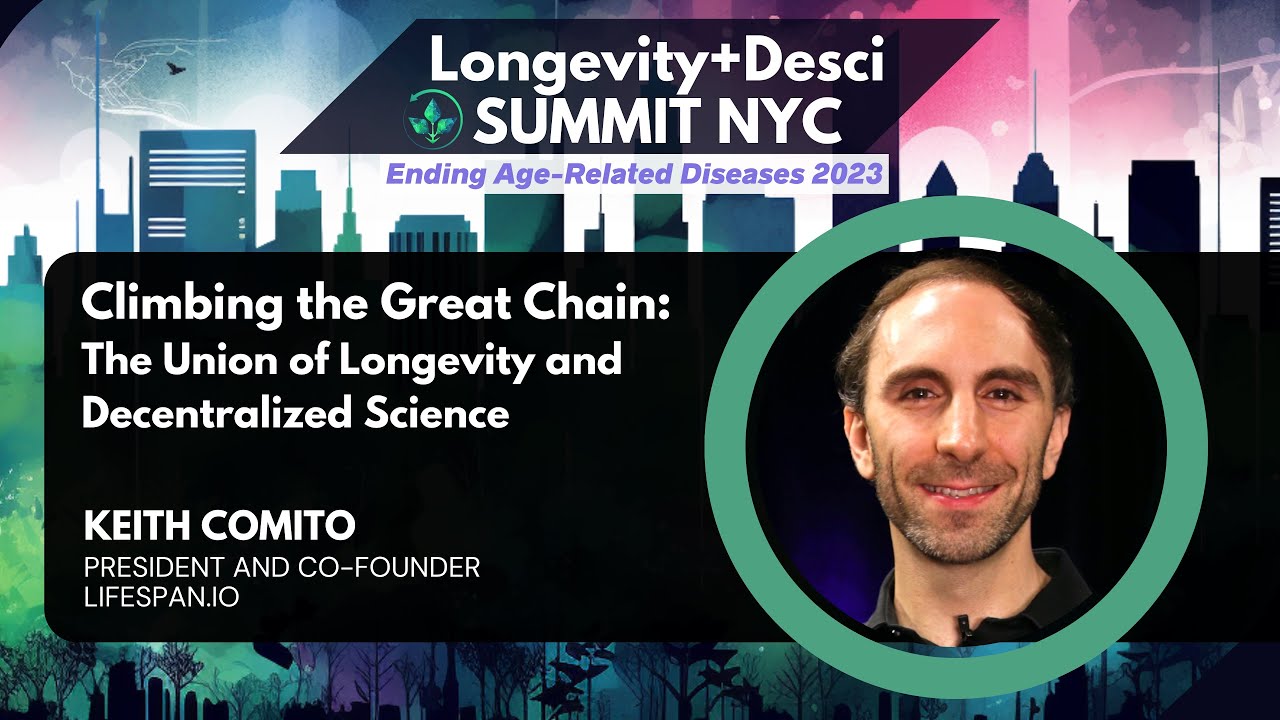
Following the success of our Ending Age-Related Diseases 2023 conference in New York City, we are publishing the videos for you to enjoy. You can find a selection of talks, panels, and workshops in the playlist below, and more will be added in the coming months.

Climbing the Great Chain - The Union of Longevity and Decentralized Science - Keith Comito: EARD2023 Climbing the Great Chain - The Union of Longevity and Decentralized Science - Keith Comito: EARD2023

The conference showcased the fusion of research and decentralized science and how the two combined can speed up progress. We would like to thank our sponsors, speakers, media partners, and everyone who joined us for the conference and made it a huge success.

Mindset progress report 

The goal of the Mindset project is to create a therapeutic device that utilizes light and sound to fight against Alzheimer’s disease. Leading this project is Dr. Oliver Medvedik, who is a researcher and the vice president of lifespan.io.

This innovative intervention, which does not involve medication, seeks to address Alzheimer’s by using a headset that stimulates the brain through the use of light and sound in order to activate neural entrainment.

Neural entrainment refers to the observation that brainwaves naturally synchronize with external stimuli that have a rhythmic pattern, such as flickering lights and sounds. Evidence suggests that by triggering neural entrainment, it may be possible to reduce the decline in functional connectivity, counteract brain shrinkage, and enhance cognitive function.

The good news is that the Mindset project has been moving forward rapidly and with good initial results. Dr. Medvedik gave us an update on how things are going with Mindset.

The MindSet team has hit several important milestones on the way towards commercialization of their technology to enhance brain wave activity in the minds of people afflicted with Alzheimer’s Disease and related dementias. One such milestone the team reached earlier this year is being awarded a non-provisional patent for the technological platform they intend to use to deliver precise “doses” of electronic stimuli, such as sound and light, to participants. Prior research from several different laboratories has demonstrated the ability of such stimuli to help boost the cognitive abilities of participants. The research work the MindSet team is presently carrying out is to increase the capabilities of these promising protocols, including improving cognition in normal individuals and to greatly expand the participant pool using online tools.

The MindSet project, with the intent to spin out as a for-profit venture, was initiated by lifespan.io cofounders Keith Comito and Oliver Medvedik and later joined by Ryan McGarry, formerly of SparkNeuro. Dr. McGarry brings expertise in EEG analysis to the project, as well as having successfully completed research for a previous $1 million direct to Phase 2 SBIR (Small Business Independent Research) grant for the US Air Force on which he was the Principal Investigator. For this work he led a series of studies with the goal of developing a system and machine learning classifier that automatically detects a subject’s familiarity with presented identities based on their brain’s response, using EEG data.

Frustrated with the lack of progress being made towards effective therapies targeting Alzheimer’s disease and related dementias, the team started to research approaches that were unconventional yet showed promising results in pre-clinical and small-scale clinical trials. The fact that they were also non-pharmacological in nature meant that they would also be challenging for typical pharma companies to test and market. This is where the MindSet project team decided to step in and push the boundaries on this novel approach.

To do so, a critical part of the project will be to set up a decentralized science platform where participants can upload protocols and results from at-home trials where the data can be openly analyzed to best determine the efficacy of a wide variety of protocols. This contrasts with traditional clinical trials where patients must stick to a rigid protocol and make frequent visits to either a research center or a clinic. The very nature of the approach that the team is using, being entirely electronic and software-based, means that data gathering can be greatly expedited using cloud-based technologies and enabled smart devices.

We will update you on the Mindset project in the new year once things develop further. Hopefully, this headset will ultimately help people suffering from Alzheimer’s and bring some relief to them and their loved ones.

Steph Medical Longevity Summit

lifespan.io at the Longevity Medical Summit

Executive Director Stephanie Dainow was a guest speaker at the CCR 2023 Longevity Medical Summit held in London.

Steph had this to say about the event:

I am pleased to report that “longevity” is increasingly a topic of conversation among medical practitioners and other healthcare professionals. This shift signifies both the field’s growth and a heightened engagement from patients concerning their long-term health.

It was great to see this particular audience recognize the risks associated with adding a #longevity hashtag to marketing and healthcare services being offered.

While hashtags can enhance visibility and engagement, they also pose certain risks in the context of biotech:

Misinformation and Oversimplification: Hashtags inherently simplify messages. In the complex realm of longevity biotech, this simplification has the propensity to result in the dissemination of misleading or incomplete information, inadvertently shaping public understanding based on snippets rather than the full spectrum of scientific research.

Balancing Public Perception and Expectations: The use of catchy hashtags can generate excitement but also unrealistic expectations. In biotechnology, particularly in longevity research, managing these expectations is crucial. Public disillusionment can arise when the outcomes do not align with the hyped promises, potentially impacting the developing field’s sustainable development.

Market Dynamics and Investment: Hashtags can significantly influence market dynamics and investment trends. In biotech, where investment decisions are crucial, a trending hashtag could lead to a surge in uninformed or speculative investments, potentially creating bubbles or diverting resources from other important areas.

Overall, the caution stems from the understanding that while adding the word “longevity” to your product or service can be a powerful tool for awareness and engagement, it also carries the risk of distorting complex scientific fields like longevity biotechnology, with far-reaching consequences. We advocate for its strategic use, ensuring that public engagement does not come at the cost of accuracy and informed understanding.

It was refreshing to see that the organizers of the Medical Longevity Summit understood these important components of driving better health effectively. I am looking forward to going to future events and being part of the continued conversation about longevity and the responsible marketing around it.

EOY 2023

Our plans for 2024 are BIG, and we need your support

Finally, before we sign off and wish you a Merry Christmas and a Happy New Year we would like to ask you for a favor.

We are a nonprofit and rely on the support of our readers to keep offering the rich variety of longevity focused content we do. We have some ambitious plans for 2024, and here are just a few of them:

  • Sponsorship of groundbreaking, underfunded research.
  • Trustworthy longevity news and education, reaching as many as one million people per month.
  • High-impact collaborations, such as our partnership with Chris Hemsworth’s Centr.
  • Accelerating and funding numerous longevity biotech startups through our Longevity Investor Network.
  • Dispelling misconceptions and changing the narrative around aging, rejuvenation, and longevity.

Your support matters, now more than ever. Join us in making a lasting impact by contributing to our year-end fundraiser. Together, we can create a healthier future for everyone!

That’s it from the lifespan.io team for this year. Wishing a Happy Holiday and New Year to you all!

LIN Report

Longevity Investor Network 2023 End of Year Update

The Longevity Investor Network has experienced significant growth and success over the past year. Our mission to connect innovative companies in the longevity sector with forward-thinking investors has seen remarkable achievements, particularly in 2023.

Investors

On the investor side, we have now over 200 longevity investors that form part of our robust network. Our investor community is comprised of a mixture of:

LIN 2023 1
  • Angel Investors / High Net Worth Individuals (60%)
  • Family Offices (5%)
  • Venture Capital Funds (20%)
  • Corporate Venture (5%)
  • Foundations / Endowments (5%)
  • Other (5%)

While our focus in previous years had been on growing our Angel Investor membership, we have now begun to focus on other member profiles that can add a different perspective to our collective investment philosophy. Looking towards 2024, we are still focused on serving our key demographic of high net worth individuals & angel investors, and we are looking to form key collaborations with other institutional funders that are keen to dive into the longevity sector.

Companies

On the company side, we had 40 longevity companies pitch to our group this year. We saw several new rejuvenation areas begin to be explored and some of the more traditional areas with new approaches as well. The breakdown for this year was:

LIN 2023 2
  • Mitochondria / Crosslinking / Proteins / Extracellular Matrix Aging: 3 Companies
  • Cardiovascular / Metabolic Aging: 3 Companies
  • Medical Devices / Wellness Protocols:2 Companies
  • Senescence: 3 Companies
  • Computational Biology: CatHealth
  • Tissue Regeneration / Preservation: 4 Companies
  • Media / Film: 1 Company
  • Cryo / Tissue / Organ Preservation: 3 Companies
  • Reproductive Aging: 1 Company
  • Parabiosis Blood Factors: 2 Companies
  • Neurodegeneration: 5 Companies
  • Dermatologic Aging: 1 Company
  • Partial reprogramming / Gene Therapies / Stem Cells Therapies / Drug Delivery: 5 Companies
  • Microbiome: 1 Company
  • Science Backed Supplements: 4 Companies
  • Metastatic Resistance: 1 Company

Some companies attacked several of these areas at once, but I tried to segment the areas of focus as feasibly as I could. Nonetheless, we are seeing tremendous variety in the approaches that companies are taking to tackle traditional aging biology.

Investment

  • Companies that pitched to LIN in 2023 cumulatively raised over $1.9 million in 2023 at the time of this writing and are likely to surpass $2M by year’s end with ongoing diligence proceedings and negotiations.
  • This brings our total raised to date through the LIN network to over $4.4M in funds raised directed at longevity startup creation since inception.
LIN 2023 3

In late 2023, we also began work on a number of new initiatives that we expect will begin to materialize more concretely in 2024. Some of those include the following:

  • Slack community for longevity investors (launched Q4 2023)
  • Improved tracking of portfolio companies and investor capital deployments
  • Fundraising support services and coaching for longevity startups
  • Longevity Investor Network LinkedIn group / pages for professional industry updates

We have several new initiatives planned for the first half of 2024. If you are interested in connecting and learning more about the Longevity Investor Network, please reach out to me via my Linkedin or email me at javier@lifespan.io.

We would like to ask you a small favor. We are a non-profit foundation, and unlike some other organizations, we have no shareholders and no products to sell you. All our news and educational content is free for everyone to read, but it does mean that we rely on the help of people like you. Every contribution, no matter if it’s big or small, supports independent journalism and sustains our future.
Older people exercising

U-Shaped Association With Vigorous Exercise and Alzheimer’s

According to a new study, the amount of leisure time spent on vigorous physical activity is inversely correlated with Alzheimer’s, but after a certain point, the association is reversed [1].

Outrunning dementia

Due to populational aging and medicine’s successes against other age-related diseases, Alzheimer’s disease has become one of the leading causes of mortality in the developed world. Yet, no effective treatment has been introduced, apart from a handful of drugs that are only able to moderately slow the disease progression in some patients. In lieu of such treatments, lifestyle changes, such as physical activity, remain the best course of action for people who want to reduce their chances of getting the disease with age [2].

Previous research has shown either no association or a moderate reverse association between physical activity and Alzheimer’s [3]. Since randomized controlled trials for the prevention of Alzheimer’s are hardly possible, we must rely on epidemiological studies, which are notoriously unreliable and only able to show correlation rather than causation. However, by doing more of those studies, scientists can gauge the overall trend, which has been done in a new study published in the Lancet Healthy Longevity journal.

Better something than nothing, but not too much

The study analyzed 22 consecutive waves of the US National Health Interview Survey from 1997 to 2018, which, in total, recruited almost 100,000 participants aged 68 years or older. The median follow-up period was 6.5 years. The researchers claim this to be the first Alzheimer’s study to stratify physical activity by intensity while also estimating the number of preventable deaths.

After controlling for several confounding variables, such as smoking, alcohol consumption, chronic conditions, functional limitations, body-mass index, strength training, and educational attainment, the researchers found a non-significant negative relationship between Alzheimer’s incidence and the amount of moderate physical activity. More interestingly, a significant U-shaped association between Alzheimer’s and vigorous physical activity emerged.

Exercise Alzheimer's

The largest decrease in the risk of Alzheimer’s (21%) was associated with 140 minutes of vigorous exercise per week. After that point, the hazard ratio gradually climbed back up. The researchers also identified the “minimal” relevant amount of vigorous physical activity, which was associated with a risk reduction of 50% from the optimal amount, and it was 40 minutes per week.

These results might look surprising, but they are not unheard of. A growing amount of research shows it is possible to be getting too much exercise [4]. Specifically for Alzheimer’s, a study based on the huge UK Biobank observed a similar L-shaped association between objectively measured moderate-to-vigorous physical activity and incident dementia [5].

31,000 lives theoretically saved

The researchers also estimated how many lives lost to Alzheimer’s in the US might be saved by physical activity. In a theoretical scenario, in which all elderly Americans engage in the optimal amount of vigorous exercise versus none of them doing any, the number of prevented deaths was approximately 31,000. Notably, this scenario is not entirely unrealistic since only 20% of the respondents in the study reported getting any vigorous exercise at all. Maintaining the minimal amount of vigorous physical activity would result in a 10% reduction in Alzheimer’s-related deaths.

This study has its share of limitations, starting with relying on self-reported amounts of physical activity, which are prone to recollection bias. In the future, we can expect more studies based on physical activity levels objectively measured by wearable devices. Residual confounding and reverse causation are often inevitable in populational studies, although the researchers tried to minimize them. Despite those limitations, this study adds to our growing understanding that, first, some vigorous physical activity is much better than none at all, and second, exercise zeal can be taken too far.

To our knowledge, this study is the first to examine the dose–response associations of leisure time MPA and VPA with Alzheimer’s disease-related mortality. The study also provides new estimates of the potential number of Alzheimer’s disease-related deaths that could be averted through physical activity in the USA. Our results show that 20–190 weekly min of VPA are associated with a reduced risk of Alzheimer’s disease-related mortality. We found a minimal dose of 40 weekly min of VPA and an optimal dose of 140 weekly min of VPA for reducing the risk of Alzheimer’s disease-related mortality, potentially preventing 10% and 31% of annual Alzheimer’s disease-related deaths in the USA, respectively.

We would like to ask you a small favor. We are a non-profit foundation, and unlike some other organizations, we have no shareholders and no products to sell you. All our news and educational content is free for everyone to read, but it does mean that we rely on the help of people like you. Every contribution, no matter if it’s big or small, supports independent journalism and sustains our future.

Literature

[1] López-Bueno, R., Yang, L., Stamatakis, E., & del Pozo Cruz, B. (2023). Moderate and vigorous leisure time physical activity in older adults and Alzheimer’s disease-related mortality in the USA: a dose–response, population-based study. The Lancet Healthy Longevity, 4(12), e703-e710.

[2] Flicker, L. (2010). Modifiable lifestyle risk factors for Alzheimer’s disease. Journal of Alzheimer’s disease, 20(3), 803-811.

[3] Yoon, M., Yang, P. S., Jin, M. N., Yu, H. T., Kim, T. H., Jang, E., … & Joung, B. (2021). Association of physical activity level with risk of dementia in a nationwide cohort in Korea. JAMA network open, 4(12), e2138526-e2138526.

[4] Schnohr, P., O’Keefe, J. H., Lavie, C. J., Holtermann, A., Lange, P., Jensen, G. B., & Marott, J. L. (2021, December). U-shaped association between duration of sports activities and mortality: Copenhagen City Heart Study. In Mayo Clinic Proceedings (Vol. 96, No. 12, pp. 3012-3020). Elsevier.

[5] Petermann-Rocha, F., Lyall, D. M., Gray, S. R., Gill, J. M., Sattar, N., Welsh, P., … & Celis-Morales, C. (2021). Dose-response association between device-measured physical activity and incident dementia: a prospective study from UK Biobank. BMC medicine, 19, 1-13.

MMC

We Partner with Ora for the Million-Molecule Challenge

Ora Biomedical, a pharmaceutical company that is pioneering novel small molecules to maximize healthy lifespan for humans and companion pets, is excited to announce its strategic collaboration with lifespan.io as the official charity partner for the Million-Molecule Challenge.

The Million-Molecule Challenge, hosted by Ora Biomedical, is a groundbreaking initiative aimed at accelerating research in aging and longevity by testing one million small molecule interventions directly for increased healthy lifespan using its massively high-throughput ‘WormBot-AI’ robotics and machine learning drug discovery platform.

Dr. Mitchell Lee, CEO of Ora Biomedical, expressed enthusiasm about the partnership, stating, “At Ora Biomedical, we are driven by a passion to transform healthy aging. Teaming up with lifespan.io for the Million-Molecule Challenge aligns with both group’s missions to contribute to advancements in the field of aging and longevity. We are very excited to work with lifespan.io to broaden the reach and impact of the Million-Molecule Challenge by accelerating our search to find the very best lifespan-extending small molecule treatments.”

Donating to support the Million-Molecule Challenge through lifespan.io creates an unprecedented opportunity for the global community to support groundbreaking research that will directly contribute to the development of innovative interventions to address healthy aging and age-related diseases.

“We are thrilled to be both a fiscal sponsor and the official charity partner for Ora Biomedical’s Million Molecule Challenge,” said Stephanie Dainow, Executive Director of lifespan.io. “Their commitment to advancing biomedical research aligns perfectly with our mission to accelerate progress across the longevity biotech industry. Together, we aim to catalyze support for transformative projects that have the potential to reshape the future of healthcare and improve the quality of life for millions.”

lifespan.io encourages individuals, businesses, and organizations to join them in supporting Ora Biomedical’s efforts to complete the Million-Molecule Challenge. To make a donation or learn more about the initiative, please visit https://lifespan.io/the-million-molecule-challenge/.

For media inquiries, please contact:

Ora Biomedical Media Contact

Dr. Mitchell Lee

CEO

mitchell@orabiomedical.com

lifespan.io Media Contact

Steve Hill

Editor-in-Chief

steve@lifespan.io

About Ora Biomedical

Ora Biomedical is a longevity biotechnology company that identifies and develops small molecules that target the mechanisms that drive aging. Ora Biomedical uses the “WormBot-AI”, its massively high-throughput, best-in-class robotics + AI platform, to perform high-precision phenotypic testing in live animals with lifespan and healthspan as primary endpoints. The Million-Molecule Challenge is one of Ora Biomedical’s flagship initiatives designed to accelerate research in aging and longevity by discovering breakthrough longevity therapeutics. For more information, please visit www.orabiomedical.com

About lifespan.io

lifespan.io is a leading nonprofit advocacy foundation and online platform committed to advancing the science of aging and promoting healthy human lifespan. By supporting groundbreaking research projects, disseminating educational resources, and raising public awareness about the importance of longevity biotechnology, lifespan.io aims to accelerate the development of therapies that can improve the quality of life for people worldwide. With a focus on collaboration and innovation, lifespan.io is driving the conversation on aging research and transforming the way we approach health and wellness throughout our lives. For more information, please visit lifespan.io.

We would like to ask you a small favor. We are a non-profit foundation, and unlike some other organizations, we have no shareholders and no products to sell you. All our news and educational content is free for everyone to read, but it does mean that we rely on the help of people like you. Every contribution, no matter if it’s big or small, supports independent journalism and sustains our future.
Arthritis

A New Anti-Inflammatory Approach for Arthritis

In Aging, researchers have published their tests of a compound that counteracts the effects of tumor necrosis factor alpha (TNF-α), an inflammatory factor that promotes arthritis.

Current anti-inflammatories aren’t enough

Rheumatoid arthritis, an autoimmune disorder that causes joint swelling, pain, and disability, is most often treated with anti-inflammatory compounds, such as non-steroidal anti-inflammatory drugs (NSAIDs), glucocorticoids, and more modern biological treatments [1]. Many of these approaches have serious side effects: NSAIDs can cause gastrointestinal damage [2], and some treatments can cause immunodeficiencies and liver damage [3]. Overall, current treatments for arthritis are of only limited effectiveness [4].

This team sought a better approach by focusing on fibroblast-like synoviocytes (FLS), which are found in the lining of joints. These cells can behave like cancerous tumor cells, migrating into and invading other tissues in ways that ordinary fibroblasts do not [5]. The excessive growth of individual FLS cells is a significant part of rheumatoid arthritis [6], as is their senescence [7].

To counteract this, these researchers examined phoenixin, a natural compound that has been found in multiple mammalian tissues and found to exhibit anti-inflammatory properties [8].

Restoring a vital protein to reduce senescence

Phoenixin directly targets GPR173, a protein that is downregulated by TNF-α, as confirmed by these researchers’ first experiment. The researchers then tested the cellular safety of phoenixin, culturing cells in various concentrations. It was found not to affect FLS viability after 20 nanomoles (nM).

They then administered phoenixin to cells that had been also been cultured with high levels of TNF-α. After one day, cells not given phoenixin had other inflammatory factors, such as IL-6, IL-8, and IL-1ß, dramatically upregulated. Increasing concentrations of phoenixin reduced these factors in a dose-dependent manner.

Phoenixin was also found to reduce cellular senescence. FLS given phoenixin had significantly reduced levels of the senescence biomarkers SA-ß-gal, STAT6, p53, and p21. To confirm the molecular mechanism, the researchers also increased STAT6 through a lentivirus, which neutralized the effects of phoenixin. Telomerase, which is crucial for cellular division and is negatively associated with senescence, was restored by phoenixin.

Phoenixin telomerase

The researchers describe phoenixitin as a compound that protects FLS against senescence and reduces the production of inflammatory cytokines, which are known to be excreted by senescent cells and induce further senescence. This makes it a potential treatment for rheumatoid arthritis.

However, these results were in specific cells, not living organisms. While it does exist in certain tissues, phoenixin may be toxic or ineffective when administered to animals. Further preclinical experiments will have to be done before this compound can be tested in human beings.

We would like to ask you a small favor. We are a non-profit foundation, and unlike some other organizations, we have no shareholders and no products to sell you. All our news and educational content is free for everyone to read, but it does mean that we rely on the help of people like you. Every contribution, no matter if it’s big or small, supports independent journalism and sustains our future.

Literature

[1] Adami, G., Orsolini, G., Adami, S., Viapiana, O., Idolazzi, L., Gatti, D., & Rossini, M. (2016). Effects of TNF inhibitors on parathyroid hormone and Wnt signaling antagonists in rheumatoid arthritis. Calcified tissue international, 99, 360-364.

[2] Roth, S. H. (2012). Coming to terms with nonsteroidal anti-inflammatory drug gastropathy. Drugs, 72, 873-879.

[3] Chatzidionysiou, K., Emamikia, S., Nam, J., Ramiro, S., Smolen, J., van der Heijde, D., … & Landewé, R. (2017). Efficacy of glucocorticoids, conventional and targeted synthetic disease-modifying antirheumatic drugs: a systematic literature review informing the 2016 update of the EULAR recommendations for the management of rheumatoid arthritis. Annals of the rheumatic diseases, 76(6), 1102-1107.

[4] Schultz, M., Keeling, S. O., Katz, S. J., Maksymowych, W. P., Eurich, D. T., & Hall, J. J. (2017). Clinical effectiveness and safety of leflunomide in inflammatory arthritis: a report from the RAPPORT database with supporting patient survey. Clinical Rheumatology, 36, 1471-1478.

[5] Bottini, N., & Firestein, G. S. (2013). Duality of fibroblast-like synoviocytes in RA: passive responders and imprinted aggressors. Nature Reviews Rheumatology, 9(1), 24-33.

[6] Huber, L. C., Distler, O., Tarner, I., Gay, R. E., Gay, S., & Pap, T. (2006). Synovial fibroblasts: key players in rheumatoid arthritis. Rheumatology, 45(6), 669-675.

[7] Chen, X., Gong, W., Shao, X., Shi, T., Zhang, L., Dong, J., … & Guo, B. (2022). METTL3-mediated m6A modification of ATG7 regulates autophagy-GATA4 axis to promote cellular senescence and osteoarthritis progression. Annals of the rheumatic diseases, 81(1), 85-97.

[8] Sun, G., Ren, Q., Bai, L., & Zhang, L. (2020). Phoenixin-20 suppresses lipopolysaccharide-induced inflammation in dental pulp cells. Chemico-Biological Interactions, 318, 108971.

Morning Exercise May Be Better Against Metabolic Syndrome

In a recent paper published in The Journal of Physiology, researchers compared the impacts of morning and afternoon aerobic exercise for people with metabolic syndrome [1].

Hitting the gym after breakfast or after lunch

Metabolic syndrome (MetS) has been defined as a group of “cardiometabolic risk factors and comorbidities.” People with metabolic syndrome are at a higher risk of cardiovascular disease and type 2 diabetes [2]. Exercise can be used as a cost-effective strategy to delay the progression of MetS.

However, since there are multiple methods for approaching exercise, researchers have been searching for the ones with the strongest and clearest effects, including in timing. There is still no consensus as to what timing brings the best results. Some researchers have argued for morning exercise [3-5], others have supported evening exercise [6-8], and still others have claimed that the time of day doesn’t matter [9].



Earlier is better

This study followed a group of 139 volunteers that had metabolic syndrome and a BMI of 30.6 and who were physically inactive before the study. The participants took part in a 16-week-long supervised high-intensity aerobic exercise program. They exercised three times per week on stationary bikes. One group exercised in the morning (AMEX), and the second exercised in the afternoon (PMEX).

A dietitian also consulted participants on their dietary needs. The advised macronutrient distribution range consisted of carbohydrates (45-65% of energy), protein (10-35% of energy), and fat (20-35% of energy). Saturated and trans fats were to be avoided.

Study participants were asked for a monthly 3-day nutritional intake diary. Researchers also tracked the participants’ activity levels, specifically steps per day, and standing and supine time. To measure activity, for 48 hours every month, volunteers wore wristband activity monitors. This program prevented major differences of calorie intake and physical activity levels between the participant groups.

After 16 weeks of training, both groups that exercised had decreased body weight. However, the changes were rather small: 0.8 kilogramsfor AMEX and 1 kilogram for PMEX.

Additionally, researchers observed improvements in metabolic factors in both exercise groups, and there were no significant differences between them. The researchers observed a significant reduction in waist circumference, reduction in fat mass, diastolic blood pressure, and the endurance and oxygen consumption metric VO2max.

However, there were differences between the two groups. The AMEX group had higher improvements in systolic blood pressure, plasma fasting insulin concentration, and insulin resistance.

To combine metabolic syndrome components into one metric, the researchers used the MetS Z score. This includes serum levels of cholesterol, triglycerides, glucose, waist circumference, systolic blood pressure, and diastolic blood pressure. A lower score represents better metabolic health.

The researchers observed improvements in MetS Z scores in both exercise groups compared to controls, where such scores had no improvements after 16 weeks. The AMEX group had greater improvements in MetS Z scores than the PMEX group.

Exercise timing

Strengths and limitations

As with every study, this one has its strong and weak points. While this was a randomized controlled trial with a large sample size with analyzed physical activity and supervised training sessions, the particpants’ individual preferences for exercise were not part of this study. The authors didn’t employ 24-hour ambulatory blood pressure measurements, which may have provided more robust information about circadian blood pressure patterns. Additionally, the authors limited the research to aerobic exercise and didn’t investigate strength training.

In summary, our data suggest that high-intensity aerobic exercise training for 16 weeks in the morning (AMEX) is more efficient at reducing insulin sensitivity [i.e. insulin concentration and insulin resistance (HOMA-IR)] and systolic blood pressure than similar training in the afternoon (PMEX) in individuals with MetS.

We would like to ask you a small favor. We are a non-profit foundation, and unlike some other organizations, we have no shareholders and no products to sell you. All our news and educational content is free for everyone to read, but it does mean that we rely on the help of people like you. Every contribution, no matter if it’s big or small, supports independent journalism and sustains our future.

Literature

[1] Morales-Palomo, F., Moreno-Cabañas, A., Alvarez-Jimenez, L., Mora-Gonzalez, D., Ortega, J. F., & Mora-Rodriguez, R. (2023). Efficacy of morning versus afternoon aerobic exercise training on reducing metabolic syndrome components: A randomized controlled trial. The Journal of physiology, 10.1113/JP285366. Advance online publication.

[2] Alberti, K. G., Eckel, R. H., Grundy, S. M., Zimmet, P. Z., Cleeman, J. I., Donato, K. A., Fruchart, J. C., James, W. P., Loria, C. M., Smith, S. C., Jr, International Diabetes Federation Task Force on Epidemiology and Prevention, Hational Heart, Lung, and Blood Institute, American Heart Association, World Heart Federation, International Atherosclerosis Society, & International Association for the Study of Obesity (2009). Harmonizing the metabolic syndrome: a joint interim statement of the International Diabetes Federation Task Force on Epidemiology and Prevention; National Heart, Lung, and Blood Institute; American Heart Association; World Heart Federation; International Atherosclerosis Society; and International Association for the Study of Obesity. Circulation, 120(16), 1640–1645.

[3] Alizadeh, Z., Younespour, S., Rajabian Tabesh, M., & Haghravan, S. (2017). Comparison between the effect of 6 weeks of morning or evening aerobic exercise on appetite and anthropometric indices: a randomized controlled trial. Clinical obesity, 7(3), 157–165.

[4] Chomistek, A. K., Shiroma, E. J., & Lee, I. M. (2016). The Relationship Between Time of Day of Physical Activity and Obesity in Older Women. Journal of physical activity & health, 13(4), 416–418.

[5] Schumacher, L. M., Thomas, J. G., Raynor, H. A., Rhodes, R. E., & Bond, D. S. (2020). Consistent Morning Exercise May Be Beneficial for Individuals With Obesity. Exercise and sport sciences reviews, 48(4), 201–208.

[6] Savikj, M., Gabriel, B. M., Alm, P. S., Smith, J., Caidahl, K., Björnholm, M., Fritz, T., Krook, A., Zierath, J. R., & Wallberg-Henriksson, H. (2019). Afternoon exercise is more efficacious than morning exercise at improving blood glucose levels in individuals with type 2 diabetes: a randomised crossover trial. Diabetologia, 62(2), 233–237.

[7] van der Velde, J. H. P. M., Boone, S. C., Winters-van Eekelen, E., Hesselink, M. K. C., Schrauwen-Hinderling, V. B., Schrauwen, P., Lamb, H. J., Rosendaal, F. R., & de Mutsert, R. (2023). Timing of physical activity in relation to liver fat content and insulin resistance. Diabetologia, 66(3), 461–471.

[8] Di Blasio, A., Di Donato, F., Mastrodicasa, M., Fabrizio, N., Di Renzo, D., Napolitano, G., Petrella, V., Gallina, S., & Ripari, P. (2010). Effects of the time of day of walking on dietary behaviour, body composition and aerobic fitness in post-menopausal women. The Journal of sports medicine and physical fitness, 50(2), 196–201.

[9] Janssen, I., Campbell, J. E., Zahran, S., Saunders, T. J., Tomasone, J. R., & Chaput, J. P. (2022). Timing of physical activity within the 24-hour day and its influence on health: a systematic review. Moment choisi pour faire de l’activité physique sur 24 heures et son influence sur la santé : revue systématique. Health promotion and chronic disease prevention in Canada : research, policy and practice, 42(4), 129–138.

Information DNA

David Sinclair Presents His Information Theory of Aging

In a new paper, Sinclair and his co-authors outline a theory arguing that epigenetic changes are the underlying cause of aging [1].

When cells get old

It is not every day that one of the most prominent geroscientists presents a new theory of aging. David Sinclair of Harvard, along with two co-authors, Yuancheng Ryan Lu and Xiao Tian, have just published “The Information Theory of Aging” in Nature Aging. This theory was proposed by Sinclair years ago [2], and this new paper is an attempt to summarize it based on the most recent research.

The ability to store and retrieve information is central to life, which relies on the constant reproduction of complex organisms using DNA blueprints. However, on top of that digital genetic code, there is a much messier realm of epigenetics, which regulates how genetic information is translated into proteins.

There is a vast variety of cells in an organism, all of which have similar genomes. If a cell wants to be, say, a neuron and not a fibroblast, something must tell that cell which genes should be active and to what extent. This something is epigenetic information, and it is stored in a mixed digital-analog format. Epigenetic regulation is performed by numerous mechanisms, such as DNA methylation and acetylation and interfering RNA, and it can be altered by factors like environmental signals and cellular damage.

The information theory of aging postulates that the loss of this regulatory information is the underlying cause of aging that ultimately drives its other manifestations. Simply put, cells accumulate epigenetic noise, gradually becoming worse at what they do. What should have remained inactive starts getting translated and vice versa. This causes cells to become confused, experiencing their own version of Alzheimer’s. Some epigenetic changes are so closely associated with aging that it gave rise to epigenetic clocks, which are among the most reliable aging biomarkers [3].

Reversing the clock

However, epigenetic dysregulation is reversible. The foremost example is what happens very early in an organism’s development. This levels the epigenetic landscape so that a new organism can start from scratch [4]. Unfortunately, we still don’t know how exactly that happens.

DNA mutations have also been proposed as a fundamental cause of aging [5], but Sinclair and his co-authors argue against that. They point out that, unlike epigenetic alterations, DNA mutations cannot be erased: we all carry the mutations accumulated by our ancestors, which is how evolution works. There is other data that points to somatic mutations not being the main driver of aging. For instance, in many experiments, animals cloned from an aged somatic cell with all its accumulated mutations had normal healthy lifespans [6].

A few years ago, scientists learned to mimic this “embryonic reset” to some extent with cellular reprogramming. Using certain genes that control other genes (transcription factors), or even small molecules, we can now erase the identity of aged cells, turning them into induced pluripotent stem cells (iPSCs). This is accompanied by a deep epigenetic rejuvenation.

Later, partial cellular reprogramming was developed [7], in which carefully measured induction of the same factors leads to epigenetic rejuvenation without erasing cellular identity. Both techniques have demonstrated a huge potential in geroscience, extending healthspan and lifespan in various animal models. For instance, we recently covered a paper in which Sinclair’s group showed glaucoma reversal in mice by reprogramming retinal ganglion cells.

Reprogramming

The trade-off

Unfortunately, most living things have evolved in ways that accept the loss of epigenetic information. As scientists have discovered, some proteins of the sirtuin family play a double role, guarding both the genome and the epigenome [8]. When all is calm, those proteins sit still, repressing the transcription of genes that must remain silent in this particular cell type. However, when a double DNA break occurs nearby, they rush to the scene, facilitating the repair. The problem is, they don’t always go back to their stations, which leads to the accumulation of epigenetic noise.

This might be a manifestation of “antagonistic pleiotropy”, in which evolution favors mechanisms that are efficient, such as by serving multiple purposes, but lead to accumulation of damage, which must be just slow enough to allow an organism to reproduce.

Sirtuins’ double role might explain the correlation we observe between the rate of DNA mutations and aging across species. Double-strand breaks may result in DNA mutations and epigenetic alterations both. Both of them are correlated with aging, but only the latter causes it, according to the paper’s authors. In fact, a recent study by Sinclair’s group suggests that DNA breaks cause cellular aging even when faithfully repaired, which is probably due to epigenetic alterations associated with the repair process.

The backup

The brighter part of the information theory of aging is that there must be a “backup copy” of the original, pristine state of the epigenome that cells turn to during an embryonic reset, cellular reprogramming, and probably regeneration events, such an axolotl growing back one of its limbs. Here, the theory borrows a lot from Claude Shannon’s information theory of communication, which is considered foundational for modern communication technologies like the internet and mobile phones.

Loss of epigenetic information

Shannon’s theory involves an observer who has access to both the information at the source and to the transmission as it was received at the destination, and can correct errors, which is exactly how it works in the TCP/IP protocol. Sinclair and his co-authors hope to eventually find a cellular analog of this mechanism and have some ideas about how it might work.

“Passive observers” might be molecules that act as barriers that prevent changing the epigenetic status of a DNA region, be it during aging or by cellular reprogramming mechanisms. The expression of the genes guarded by those molecules remains consistent as time passes. “Active observers” are hypothetical molecules that can mark accumulating epigenetic changes for reprogramming factors to roll them back. Elucidating those mechanisms would be a major leap for geroscience.

We would like to ask you a small favor. We are a non-profit foundation, and unlike some other organizations, we have no shareholders and no products to sell you. All our news and educational content is free for everyone to read, but it does mean that we rely on the help of people like you. Every contribution, no matter if it’s big or small, supports independent journalism and sustains our future.

Literature

[1] Lu, Y. R., Tian, X., & Sinclair, D. A. (2023). The information theory of aging. Nature Aging, 1-14.

[2] Sinclair, D. A. & LaPlante, M. D. Lifespan: Why We Age—and Why We Don’t Have To (Atria Books, Simon and Schuster, 2019)

[3] Ryan, C. P. (2021). “Epigenetic clocks”: Theory and applications in human biology. American Journal of Human Biology, 33(3), e23488.

[4] Kerepesi, C., Zhang, B., Lee, S. G., Trapp, A., & Gladyshev, V. N. (2021). Epigenetic clocks reveal a rejuvenation event during embryogenesis followed by aging. Science advances, 7(26), eabg6082.

[5] Cagan, A., Baez-Ortega, A., Brzozowska, N., Abascal, F., Coorens, T. H., Sanders, M. A., … & Martincorena, I. (2022). Somatic mutation rates scale with lifespan across mammals. Nature, 604(7906), 517-524.

[6] Burgstaller, J. P., & Brem, G. (2017). Aging of cloned animals: A mini-review. Gerontology, 63(5), 417-425.

[7] Lehmann, M., Canatelli-Mallat, M., Chiavellini, P., Cónsole, G. M., Gallardo, M. D., & Goya, R. G. (2019). Partial reprogramming as an emerging strategy for safe induced cell generation and rejuvenation. Current Gene Therapy, 19(4), 248-254.

[8] Oberdoerffer, P., Michan, S., McVay, M., Mostoslavsky, R., Vann, J., Park, S. K., … & Sinclair, D. A. (2008). SIRT1 redistribution on chromatin promotes genomic stability but alters gene expression during aging. Cell, 135(5), 907-918.

MRIs

A Clinical Trial of Neural Stem Cells for MS

In Cell Stem Cell, researchers have published the results of a Phase 1 clinical trial of a treatment that uses neural stem cells (NSCs) to treat multiple sclerosis.

Looking for better therapies

Multiple sclerosis (MS) is a progressive disease that afflicts approximately two million people worldwide [1]. This is an autoimmune disease that causes bursts of inflammation, strips the myelin from neurons, and causes their gradual decline and death [2]. The disease, which often manifests in young adulthood, takes approximately a quarter century to progress to lasting disability for which there is no effective treatment [3]. Existing therapies have meaningful effects but cannot reverse the progression of the disease.

In animal studies, stem cells have shown promise in potentially treating MS. MS model rats given rat NSCs had those cells proliferate and differentiate, restoring cell population and function [4]. Better function and less inflammation were found in an MS-model primate study in which human NSCs were used [5].

The cells used in this study were not generated from the patients’ own cells; rather, they were allogeneic cells derived from a stable cell line derived from a single donor. In mice, these cells reproduced rapidly into the cells needed for brain function, including astrocytes and neurons. With those preclinical successes in hand, these researchers began to test their approach: directly injecting NSCs into the brains of human beings.

Straight to the brain

NSC Abstract

Out of 180 potential candidates, 15 volunteers were chosen for this treatment, with doses ranging from 5 million cells to 24 million NSCs. A catheter was placed in each of the patients’ brains, after which the cells were funneled directly into the central brains of each patient.

Over the year of monitoring after injection, none of the treated patients got significantly worse in function: disability remained more or less constant, neither progressing nor receding. The researchers caution that, due to the severe disability of these volunteers, measurements are difficult to conduct. There were no serious adverse events nor deaths in the patients.

The patients received regular MRIs to evaluate changes to their brains. There were no statistically significant changes in brain lesions over the course of the study. However, there was a dose-dependent relationship between the amount of stem cells injected and the amount of brain volume retained: people with larger doses retained more of their brains. The researchers speculate, but cannot prove, that this may be due to decreased inflammation.

Many caveats

This was a Phase 1 clinical trial, which had no control group and was geared towards testing safety rather than effectiveness. Each case of MS was different, and there was a low sample size and a wide variety of doses. The researchers note that, as immunosuppression was a required part of the study protocol, it is possible that undetected inflammatory effects were occurring as a result of the treatment.

While this study did not demonstrate therapeutic efficacy, it did demonstrate that injecting stem cells directly into people’s brains can be conducted feasibly and safely. Future trials may use NSC treatments for such ailments as Parkinson’s, Alzheimer’s, and possibly age-related cognitive decline. Such future approaches may also make it possible to use methods that do not require immunosuppressants.

We would like to ask you a small favor. We are a non-profit foundation, and unlike some other organizations, we have no shareholders and no products to sell you. All our news and educational content is free for everyone to read, but it does mean that we rely on the help of people like you. Every contribution, no matter if it’s big or small, supports independent journalism and sustains our future.

Literature

[1] Stenager, E. (2019). A global perspective on the burden of multiple sclerosis. The Lancet Neurology, 18(3), 227-228.

[2] Dobson, R., & Giovannoni, G. (2019). Multiple sclerosis–a review. European journal of neurology, 26(1), 27-40.

[3] Confavreux, C., & Vukusic, S. (2014). The clinical course of multiple sclerosis. Handbook of clinical neurology, 122, 343-369.

[4] Pluchino, S., Quattrini, A., Brambilla, E., Gritti, A., Salani, G., Dina, G., … & Martino, G. (2003). Injection of adult neurospheres induces recovery in a chronic model of multiple sclerosis. Nature, 422(6933), 688-694.

[5] Pluchino, S., Gritti, A., Blezer, E., Amadio, S., Brambilla, E., Borsellino, G., … & Martino, G. (2009). Human neural stem cells ameliorate autoimmune encephalomyelitis in non-human primates. Annals of Neurology: Official Journal of the American Neurological Association and the Child Neurology Society, 66(3), 343-354.

Early breakfast

Earlier Meals Associated with Less Vascular Disease

According to a new populational study, timing meals to natural circadian rhythms and maintaining a long nightly fast is positively associated with cardiovascular health, especially in women [1].

The natural rhythms

Diet is one of the most powerful modulators of health and longevity. The amount, type, and timing of meals are all important. Like most animals, humans have circadian rhythms that adapt us to the cycle of day and night. Circadian programs are hard-wired into our genes, regulating everything, including food metabolism [2].

However, this can be affected by the modern way of life, which allows people to deviate considerably from those natural rhythms. In a new study published in Nature Communications, the researchers analyzed data from a large cohort of more than 100,000 people to reveal associations between the timing of meals and the incidence of cardiovascular diseases (CVD).

Over seven years of follow-up on average, about 2,000 cardiovascular events were recorded. This is surprisingly few considering the cohort size, but it is explainable by the relatively young mean age of 42.6 years. The cohort was also skewed towards women (79%). Later first and last meals were disproportionately reported by younger participants, students, or unemployed people. The “late eaters” were also more often single, drinkers, and smokers, and they had higher average levels of physical activity. In short, when we’re young and active, we party, go to bed late, and sleep in; there were no surprises here.

Early meals win

The researchers found that even after controlling for all these and some other variables, each additional hour in delaying the time of the first meal of the day was associated with a 6% increase in overall CVD risk. However, the timing of the last meal of the day did not show a significant association. Specifically with cerebrovascular diseases, the relationship was reversed: the time of the first meal was insignificant, but later last meals were associated with an increase in risk.

When “before 8 pm” was taken as a reference, “between 8 and 9 pm” was associated with a 19% increase in risk, and “after 9 pm” had a 28% increase. No association was observed for many other meal timings. When cerebrovascular diseases were decoupled from coronary heart diseases, no significant effects on risk were found in the latter category.

When stratified by sex, associations were generally stronger for women. Later times of first and last meals were significantly associated with a higher risk of overall CVD and cerebrovascular disease for women but not for men. The picture was reversed for coronary heart diseases, where associations were significant in men but not in women.

Start fasting earlier, do it for longer

The researchers found that nighttime fasting duration was inversely associated with cerebrovascular disease risk. Each additional hour of fasting lowered the risk by 7%. However, no such association was found for coronary heart disease or overall CVD. The time interval between the last meal and bedtime was inversely associated with the risk of overall CVD, with the best possible interval being four hours.

Fasting CVD

The researchers suggest that their findings “are in line with the growing body of evidence on time-restricted eating and its positive impact on markers of cardiometabolic health in humans such as reduced blood pressure, increased insulin sensitivity, and reduced body weight.”

However, the study also suggests that there is a role for the timing of the daily fast. “It is reasonable to think”, the paper continues, “that it would be better to practice time-restricted eating by having an early first and last meal of the day.” A study from last year found that early time-restricted feeding (eTRF) was more effective than mid-day TRF at improving insulin sensitivity. Moreover, only eTRF improved fasting glucose, reduced body mass, adiposity, and inflammation while increasing microbiome diversity [3].

Like any populational study, this one should be taken with a grain of salt. For lifestyle factors such as diet, it is all but impossible to effectively control for all the confounding variables. The study’s limitations include its relatively young cohort and subsequently few adverse events along with the nearly 4:1 female-to-male ratio. However, for now, it looks like eating early first and last meals of the day and maintaining a nightly fast of 13 hours or more might be a sensible strategy.

We would like to ask you a small favor. We are a non-profit foundation, and unlike some other organizations, we have no shareholders and no products to sell you. All our news and educational content is free for everyone to read, but it does mean that we rely on the help of people like you. Every contribution, no matter if it’s big or small, supports independent journalism and sustains our future.

Literature

[1] Palomar-Cros, A., Andreeva, V. A., Fezeu, L. K., Julia, C., Bellicha, A., Kesse-Guyot, E., … & Srour, B. (2023). Dietary circadian rhythms and cardiovascular disease risk in the prospective NutriNet-Santé cohort. Nature Communications, 14(1), 1-12.

[2] Chamorro, R., Jouffe, C., Oster, H., Uhlenhaut, N. H., & Meyhöfer, S. M. (2023). When should I eat: A circadian view on food intake and metabolic regulation. Acta Physiologica, 237(3), e13936.

[3] Xie, Z., Sun, Y., Ye, Y., Hu, D., Zhang, H., He, Z., … & Mao, Y. (2022). Randomized controlled trial for time-restricted eating in healthy volunteers without obesity. Nature communications, 13(1), 1003.

Handful of organs

Predicting the Aging of Individual Organs

In Nature, a team has published its research on using protein analysis to estimate the aging of specific organs.

Aging is not all at once

While the processes of aging affect every organ of every person, the rates at which these processes affect these organs can vary greatly in people [1] and mice [2]. Similar, rejuvenative interventions, such as heterochronic parabiosis, do not affect all cell types in the same way [3]. The molecular mechanics behind these differences, and organ aging more generally, remain only partially explained.

While previous research has been conducted on measuring individual organ aging [4], these researchers note that most of these methods are not very specific. Some methods that are specific to individual organs, such as the brain, either lack protein-related information [5] or require tissue samples that make them inappropriate for use in living people [6].

A protein approach

The authors of this paper noted that organs release specific proteins into the blood plasma. Doctors already analyze these proteins to diagnose specific diseases, such as liver damage. They hypothesized that a more detailed understanding of these plasma proteins might allow for their use as biomarker of aging.

To test their hypothesis, they used almost 5,000 different proteins derived from more than 5,000 people in five separate cohorts. They considered a protein to be specific to an organ only if it was expressed four times more in that organ than in any other organ. A total of 893 of the studied proteins met that criterion. These proteins, along with the less-specific proteins, were used to train chronological age predictors.

Comparing general to organ-specific aging yielded some surprising results. Whole-organism aging and individual organ aging were only loosely correlated. Nearly 20% of people across the five cohorts were extreme agers in one specific organ. Only 1.7% of the people in these cohorts had extreme aging in multiple organs. Of course, as with any age-related cohort study, survivorship bias may have played a role in these findings.

The relationship to disease

The researchers then checked to see if people who had experienced extreme aging had known disease states. Kidney aging was found to be correlated with the various diseases associated with metabolic syndrome: diabetes, obesity, hypertension, and excessive cholesterol. The longevity-related protein klotho was identified as being related to kidney aging.

Unsurprisingly, heart aging was associated with the two heart diseases mentioned: atrial fibrillation and heart attacks. In people with no abnormalities at baseline, a single standard deviation of 4.1 years of additional heart age multiplied the risk of heart disease by 2.5 over 15 years. MYL7, a protein that has been investigated as a target for the treatment of cardiomyopathy [7], was one of the associated proteins.

Muscle aging was related to gait impairment, which suggests sarcopenia, and aging of the brain was related to problems with its vascular system. Interestingly, whole-body aging was more correlated with Alzheimer’s disease than brain aging was.

While many of the proteins involved in this study had previously been associated with aging and disease, many had not. Controlling for previously established proteins demonstrated that this model makes predictions that are more effective than those proteins alone.

Effective mortality predictors

Mortality risk increases of 15% to 50% were associated with a standard deviation increase in the aging of individual organs, including adipose tissue, lung tissue, and pancreatic tissue. The researchers note that this accuracy is akin to methylation-based clocks, such as the mortality predictor GrimAge, despite organ-based clocks being geared towards chronological age assessment.

It was also possible to use a subset of proteins to assess the risk of Alzheimer’s disease, and the researchers developed a separate clock to do this. However, not all of the proteins associated with Alzheimer’s were associated specifically with the brain. Including arterial, whole-organism, and pancreatic proteins provided a more reliable metric, and these proteins were able to predict a transition from cognitive normalcy to mild cognitive impairment.

However, this is only an association study that does not prove causation. In many cases, it is not clear if the presence of a specific protein leads to organ aging, if organ aging is accelerated by its presence, or if there is a bi-directional relationship. It was also not clear if these findings apply to every organ in the body, and, although a linear method was used in this study, the researchers found evidence for nonlinear relationships.

We would like to ask you a small favor. We are a non-profit foundation, and unlike some other organizations, we have no shareholders and no products to sell you. All our news and educational content is free for everyone to read, but it does mean that we rely on the help of people like you. Every contribution, no matter if it’s big or small, supports independent journalism and sustains our future.

Literature

[1] Hajat, C., & Stein, E. (2018). The global burden of multiple chronic conditions: a narrative review. Preventive medicine reports, 12, 284-293.

[2] Schaum, N., Lehallier, B., Hahn, O., Pálovics, R., Hosseinzadeh, S., Lee, S. E., … & Wyss-Coray, T. (2020). Ageing hallmarks exhibit organ-specific temporal signatures. Nature, 583(7817), 596-602.

[3] Conboy, I. M., Conboy, M. J., Wagers, A. J., Girma, E. R., Weissman, I. L., & Rando, T. A. (2005). Rejuvenation of aged progenitor cells by exposure to a young systemic environment. Nature, 433(7027), 760-764.

[4] Tian, Y. E., Cropley, V., Maier, A. B., Lautenschlager, N. T., Breakspear, M., & Zalesky, A. (2023). Heterogeneous aging across multiple organ systems and prediction of chronic disease and mortality. Nature Medicine, 29(5), 1221-1231.

[5] Cole, J. H., Ritchie, S. J., Bastin, M. E., Hernández, V., Muñoz Maniega, S., Royle, N., … & Deary, I. J. (2018). Brain age predicts mortality. Molecular psychiatry, 23(5), 1385-1392.

[6] Glorioso, C., Oh, S., Douillard, G. G., & Sibille, E. (2011). Brain molecular aging, promotion of neurological disease and modulation by Sirtuin5 longevity gene polymorphism. Neurobiology of disease, 41(2), 279-290.

[7] Saberi, S., Cardim, N., Yamani, M., Schulz-Menger, J., Li, W., Florea, V., … & Jacoby, D. (2021). Mavacamten favorably impacts cardiac structure in obstructive hypertrophic cardiomyopathy: EXPLORER-HCM cardiac magnetic resonance substudy analysis. Circulation, 143(6), 606-608.

Elderly man weightlifting

Human Trials Find Positive Effects of Exercise on Cognition

Researchers publishing in Ageing Research Reviews have conducted a large meta-analysis of papers that document the effects of exercise on cognitive function in healthy people.

Not just for established conditions

We have previously discussed how, even for healthy people, exercise is associated with improved biomarkers of health. These researchers have done something similar, although rather than biological biomarkers, their research focuses on analyzing the effects of exercise on cognition in healthy people.

This meta-analysis was created through a search of studies conducted from January 2003 to April 2022. To be included, each study had to meet four critical criteria: it had to be a randomized, controlled trial rather than a cohort or longitudinal study, it had to include any type of regular exercise, it had to be published in English, and it had to report at least one cognitive outcome.

These studies were carefully analyzed for potential sources of bias, including improper blinding and randomness along with incomplete reporting of information. Of the over 15,000 non-duplicate studies found by the reviewers, only 54, containing 6,277 participants, were found to be suitable for data analysis.

Because all of these studies had different methods of quantifying exercise, they were normalized according to FITT-VP: frequency, intensity, time, type, volume, and progression. These are the fundamental aspects behind medical prescriptions of exercise, detailing what kind of exercise people do and when. What this means in practice varies greatly by the individual: what is ‘moderate’ for one person may be nearly impossible for someone else.

Towards more conclusive results

Interestingly, many of the individual studies found tendencies toward improvements in various domains of brain function, but individually, relatively few of them provided statistically significant results on their own. However, combining them together provided far more useful information.

All exercise types were found to have significant effects on overall cognition, with resistance exercise (lifting and related activities) having the greatest effect. The reviewers also noted that exercises with an aerobic component were less effective than strict resistance-based interventions.

The effects of short exercise sessions were inconclusive, but moderate and longer sessions had positive effects, with moderate being the most effective. However, low-frequency exercise was found to have slightly more significant effects than moderate-frequency exercise for cognition. Moderation was also found to be a good idea for exercise intensity, and interventions that spanned a longer span of time were found to be more effective than shorter-term interventions.

In total, for overall cognition and for executive function, the results of this meta-analysis suggest that a moderate-intensity, moderate-length session of weightlifting conducted at a low frequency is broadly beneficial. Mind-body exercise (such as yoga and tai chi), moderate duration and frequency, and high-intensity exercise were found to be beneficial for memory. Attention and information processing were found to benefit from low-intensity, moderate-frequency exercise, although these domains were less well-studied and had few papers.

A further analysis found that people who were at least 60 years old had, by far, the greatest effects in all of the cognitive domains studied; exercise was found to have far fewer effects on cognition in younger people.

Takeaways

This meta-analysis contains no biological examinations, but the reviewers do note previous research linking such factors as IGF-1 [1] and BDNF [2] to potential benefits of exercise in older people. As biology changes with age, exercise may be responsible for spurring mechanisms that may not need to be spurred in younger people.

Offering more exercise interventions to less functional older populations may induce more biological mediators to help guard against cognitive decline during aging.

This is a meta-analysis of randomized, controlled trials that were conducted on human beings. Therefore, it provides broad and largely conclusive evidence that regular, infrequent, and moderate exercise, particularly resistance exercise, conducted over a long period of time is likely to help cognitive function in people who are at least 60 years old. However, it specifically refers to exercise prescriptions that professionals gave to individual participants. Someone who is looking to start an exercise regimen to fight cognitive decline may be well-served by consulting a medical expert first.

We would like to ask you a small favor. We are a non-profit foundation, and unlike some other organizations, we have no shareholders and no products to sell you. All our news and educational content is free for everyone to read, but it does mean that we rely on the help of people like you. Every contribution, no matter if it’s big or small, supports independent journalism and sustains our future.

Literature

[1] Ashpole, N. M., Sanders, J. E., Hodges, E. L., Yan, H., & Sonntag, W. E. (2015). Growth hormone, insulin-like growth factor-1 and the aging brain. Experimental gerontology, 68, 76-81.

[2] Wrann, C. D., White, J. P., Salogiannnis, J., Laznik-Bogoslavski, D., Wu, J., Ma, D., … & Spiegelman, B. M. (2013). Exercise induces hippocampal BDNF through a PGC-1a/FNDC5 pathway. Cell metabolism, 18(5), 649-659.

Seaweed food

A Seaweed Supplement May Help Prevent Muscle Loss

A recent publication in Aging and Disease describes human and animal research demonstrating improvement in the function and biomarkers of muscle tissue after Ishige okamurae extract supplementation [1].

The benefits of seaweed

Clinical trials of seaweed consumption have reported beneficial health effects and protection against senescence-associated and metabolic diseases, such as cardiovascular disease, cancer, obesity, and diabetes mellitus [2,3].

Other studies are testing the impact of seaweed consumption on various age-related conditions. This particular study tested the impact of seaweed consumption on sarcopenia, a condition in which patients gradually lose muscle mass and strength. Such loss restricts patients’ mobility, increases frailty, and lowers their quality of life [4].

A cohort study performed on middle-aged and elderly Korean populations has suggested that a seafood and seaweed diet can help in sarcopenia prevention [5]. Preclinical animal research also suggests improvements in muscle functions following seaweed consumption, specifically Ishige okamurae.

Another study investigating  I. okamurae extract (IO) and DPHC (a marine polyphenol from I. okamurae) showed that both of them “were able to reverse the aging parameters and sex hormonal imbalance in 14-month-old female C57BL/6J mice” [6].

Animal and human research show promise 

In this study, the researchers followed 64 participants between 50 to 85 years. Participants received IO supplements or placebo for 12 weeks. The researchers assessed the difference between leg muscle strength at baseline and after 12 weeks of treatment. Leg strength was used as a marker because it is known to correlate with senescence progression [7].

As clinical biomarkers remained within normal values, IO was reported to be safe for the participants. The muscle testing revealed that “daily intake of IO helps prevent the decrease in muscle strength due to aging.”

To gain more understanding on the molecular level, the researchers turned to 12-month-old male mouse models. These mice received IO daily for 6 weeks.

The researchers started by testing their testosterone levels, as testosterone is known to promote muscle growth and protein synthesis [8]. Previous research in female mice has reported that IO alleviates age-related sexual hormone deficiencies [6].

IO supplementation improved testosterone serum levels and androgen receptor expression in the gastrocnemius muscle tissue compared to controls. In the control group, androgen receptor expression declined, but in the supplemented group, testosterone and androgen receptor levels were physiologically normal.

Most importantly, IO supplementation positively impacted the muscle mass of the treated mice. While bone mineral density and fat mass didn’t significantly differ between the placebo and IO-supplemented groups, the researchers noted that in the IO-supplemented group, mice had significantly increased lean mass compared to the age-matched placebo group. This increase was dose-dependent.

Muscle strength deteriorates as mice age. However, 6-week IO supplementation led to an increase in grip strength:

Seaweed sarcopenia

This increase in muscle growth and inhibition of muscle decomposition was also reflected in protein levels. IO treatment was found to downregulate expression of Atrogin-1, the protein implicated in protein degradation, and it significantly enhanced expression of myogenin, the primary myogenesis inducer [9,10].

IO supplementation also improved different markers of muscle health. One of them, Pax-7+, indicates “potential recovery ability against muscle damage” [11]. As expected, Pax-7+ levels were reduced in aged, control-fed mice compared to young ones. IO supplementation led to significant increases in Pax-7+ expression in a dose-dependent manner.

The proper functioning of muscles relies heavily on their mitochondria since they produce ATP, a molecule that serves as an energy source [12]. The authors used mitochondrial biogenesis processes, reflected by mitochondria complex protein expression, as a biomarker to evaluate muscle health. In general, mitochondrial complexes are sensitive to aging and are decreased in older mice compared to young ones. However, IO supplementation led to an increase of mitochondria complex protein expression.

Lack of mechanical understanding  

As of now, there is no effective way to stop or reverse sarcopenia. While exercise can help in delaying the age-related loss of muscle mass and function, elderly people generally have limited ability to exercise. That makes the need for other ways to alleviate muscle loss even more pressing.

The authors propose seaweed consumption as an easy-to-implement possible remedy. However, as of now, there is no established protocol or dosing or any other recommendations regarding such an intervention. The authors also recommend establishing additional safety evidence, and they stress the need to better understand the molecular pathways linking seaweed consumption to muscle functioning.

Regular intake of the brown alga I. okamurae can prevent age-related muscle weakness. A consistent seaweed diet may assist in the prevention of age-related diseases. However, large-scale studies are required to further elucidate the protective function of seaweeds against sarcopenia caused by aging.

We would like to ask you a small favor. We are a non-profit foundation, and unlike some other organizations, we have no shareholders and no products to sell you. All our news and educational content is free for everyone to read, but it does mean that we rely on the help of people like you. Every contribution, no matter if it’s big or small, supports independent journalism and sustains our future.

Literature

[1] Hyun, J., Lee, S. Y., Ryu, B., & Jeon, Y. J. (2023). A Combination Study of Pre- and Clinical Trial: Seaweed Consumption Reduces Aging-Associated Muscle Loss!. Aging and disease, 10.14336/AD.2023.0927. Advance online publication.

[2] Iso, H., Kubota, Y., & Japan Collaborative Cohort Study for Evaluation of Cancer (2007). Nutrition and disease in the Japan Collaborative Cohort Study for Evaluation of Cancer (JACC). Asian Pacific journal of cancer prevention : APJCP, 8 Suppl, 35–80.

[3] Murai, U., Yamagishi, K., Sata, M., Kokubo, Y., Saito, I., Yatsuya, H., Ishihara, J., Inoue, M., Sawada, N., Iso, H., Tsugane, S., & JPHC Study Group (2019). Seaweed intake and risk of cardiovascular disease: the Japan Public Health Center-based Prospective (JPHC) Study. The American journal of clinical nutrition, 110(6), 1449–1455.

[4] Cao, L., & Morley, J. E. (2016). Sarcopenia Is Recognized as an Independent Condition by an International Classification of Disease, Tenth Revision, Clinical Modification (ICD-10-CM) Code. Journal of the American Medical Directors Association, 17(8), 675–677.

[5] Kim, S. A., Ha, J., Lim, B., Kim, J. M., & Shin, S. (2020). The Association between Major Dietary Pattern and Low Muscle Mass in Korean Middle-Aged and Elderly Populations: Based on the Korea National Health and Nutrition Examination Survey. Nutrients, 12(11), 3543.

[6] Hyun, J., Ryu, B., Oh, S., Chung, D. M., Seo, M., Park, S. J., Byun, K., & Jeon, Y. J. (2022). Reversibility of sarcopenia by Ishige okamurae and its active derivative diphloroethohydroxycarmalol in female aging mice. Biomedicine & pharmacotherapy = Biomedecine & pharmacotherapie, 152, 113210.

[7] Marcell, T. J., Hawkins, S. A., & Wiswell, R. A. (2014). Leg strength declines with advancing age despite habitual endurance exercise in active older adults. Journal of strength and conditioning research, 28(2), 504–513.

[8] Vingren, J. L., Kraemer, W. J., Ratamess, N. A., Anderson, J. M., Volek, J. S., & Maresh, C. M. (2010). Testosterone physiology in resistance exercise and training: the up-stream regulatory elements. Sports medicine (Auckland, N.Z.), 40(12), 1037–1053.

[9] Bentzinger, C. F., Wang, Y. X., & Rudnicki, M. A. (2012). Building muscle: molecular regulation of myogenesis. Cold Spring Harbor perspectives in biology, 4(2), a008342.

[10] Gomes, M. D., Lecker, S. H., Jagoe, R. T., Navon, A., & Goldberg, A. L. (2001). Atrogin-1, a muscle-specific F-box protein highly expressed during muscle atrophy. Proceedings of the National Academy of Sciences of the United States of America, 98(25), 14440–14445.

[11] Chen, W., Datzkiw, D., & Rudnicki, M. A. (2020). Satellite cells in ageing: use it or lose it. Open biology, 10(5), 200048.

[12] Marzetti, E., Calvani, R., Cesari, M., Buford, T. W., Lorenzi, M., Behnke, B. J., & Leeuwenburgh, C. (2013). Mitochondrial dysfunction and sarcopenia of aging: from signaling pathways to clinical trials. The international journal of biochemistry & cell biology, 45(10), 2288–2301.

Glaucoma test

David Sinclair’s Group Reverses Glaucoma in Mice

In a new study, scientists have achieved significant improvement of glaucoma in a mouse model via partial cellular reprogramming of retinal cells. However, it might take more than that to reverse other aspects of age-related vision loss [1].

The vision of restored vision

The group that authored this paper, led by the prominent geroscientist Dr. David Sinclair of Harvard, has been bringing us exciting news for quite some time. Their chosen target is glaucoma, an age-related neurodegenerative disease and the leading cause of vision loss in the elderly. Glaucoma is usually triggered by increased intraocular pressure and characterized by the progressive loss of retinal ganglion cells (RGCs) and their axons. Today, the only clinically approved treatment is decreasing intraocular pressure via drugs or surgery. This can slow, but not halt, the disease’s progression, and it doesn’t work in all patients.

Sinclair’s group has already achieved impressive results in murine and non-human primate models by partially reprogramming RGCs using three of the four classic Yamanaka factors: OSK [2]. The fourth factor, M (c-Myc), is a known oncogene [3]. It was found that c-Myc is not essential for reprogramming, and foregoing it improves safety.

Sustained improvement in the continuous model

In this new study, the researchers induced glaucoma in three-month-old mice by artificially increasing intraocular pressure. After the animals’ vision deteriorated, they were treated with viral vectors carrying OSK.

The mice were divided into four groups. The two study groups received RGC-specific viral vectors either with continuous OSK expression or with one induced by doxycycline. The third group was given a sham treatment of viral vectors without subsequent doxycycline induction, and the fourth group was of healthy controls.

Development of glaucoma predictably led to a sharp decline in visual acuity. However, after eight weeks of OSK expression, visual acuity was not only restored but surpassed that recorded at baseline. After this peak, the mice’s vision began declining again, even in the model with continuous OSK expression. However, the decline was much faster in the induced OSK expression group, as OSK expression levels gradually fell following doxycycline withdrawal.

In the continuous expression group, the mice’s vision remained significantly restored and close to healthy levels for 11 months after the beginning of the treatment, although in one more month, it fell sharply. In the induced expression group, the second wave of doxycycline treatment, started nine months after the first one, led to a modest restoration of visual acuity that approached statistical significance versus baseline. Doxycycline withdrawal caused a new sharp drop in visual acuity.

OSK Glaucoma

Simply aging

The researchers hypothesize that the gradual decline in visual acuity in the continuous expression group and the attenuation of the treatment’s effect in the induced expression group were caused simply by aging. Normally, mice only live for a bit over two years, and by the end of the experiment, they were experiencing other vision problems besides the induced glaucoma. “It is highly possible” the researchers note, “that at this time, visual acuity is declining, not due to the loss of the OSK reprogramming effect on RGCs, but due to the age-related decline of other retinal layers that did not receive OSK treatment”. In their 2020 study, the group was able to rescue age-related vision loss by partial cellular reprogramming in 12-month-old mice, but not in mice six months older.

Tumorigenesis remains a concern for cellular reprogramming. The researchers closely monitored the mice and found no signs of increased prevalence of tumors or changes in retinal structure. Interestingly, just recently, a study found that continuous expression of OSKM leads to quick health deterioration and death in mice, but this effect was attenuated when OSKM expression was blocked in the liver and intestine [4]. Whether it was due to the absence of c-Myc or to the localization of OSK expression to retinal cells, or both, long-term partial reprogramming appeared to be safe in this case. No adverse effects were recorded.

We performed year-long functional tracking of mice with experimentally induced glaucoma that were treated with AAV2-OSK to induce epigenetic reprogramming in RGCs. Our results indicated that vision loss due to glaucoma can be safely reversed. In the AAV2-tTA; TRE-OSK mice (OSK continuously on), vision loss was restored to healthy levels after 2 months of treatment and remained close to healthy levels for 11 months… Mice that received DOX that triggered OSK expression restored vision to healthy levels by 8 weeks, suggesting that the beneficial effects of OSK treatment can be achieved using a DOX-inducible dual AAV system. When DOX was withdrawn and OSK turned off in these mice, although significance was compromised compared with continuous ON group, the absolute vision performance stays higher than its glaucoma baseline until 11 months post-AAV injection.

We would like to ask you a small favor. We are a non-profit foundation, and unlike some other organizations, we have no shareholders and no products to sell you. All our news and educational content is free for everyone to read, but it does mean that we rely on the help of people like you. Every contribution, no matter if it’s big or small, supports independent journalism and sustains our future.

Literature

[1] Karg, M. M., Lu, Y. R., Refaian, N., Cameron, J., Hoffmann, E., Hoppe, C., … & Ksander, B. R. (2023). Sustained Vision Recovery by OSK Gene Therapy in a Mouse Model of Glaucoma. Cellular Reprogramming.

[2] Lu, Y., Brommer, B., Tian, X., Krishnan, A., Meer, M., Wang, C., … & Sinclair, D. A. (2020). Reprogramming to recover youthful epigenetic information and restore vision. Nature, 588(7836), 124-129.

[3] Miller, D. M., Thomas, S. D., Islam, A., Muench, D., & Sedoris, K. (2012). c-Myc and cancer metabolism. Clinical cancer research, 18(20), 5546-5553.

[4] Parras, A., Vílchez-Acosta, A., Desdín-Micó, G., Picó, S., Mrabti, C., Montenegro-Borbolla, E., … & Ocampo, A. (2023). In vivo reprogramming leads to premature death linked to hepatic and intestinal failure. Nature Aging, 1-12.