



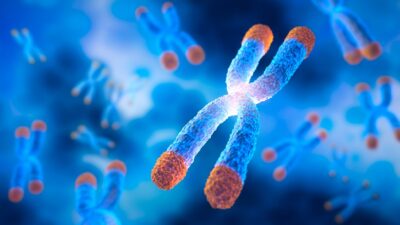
Maintaining Telomeres Extends Lifespan in Mice
A recent study has found that the overexpression of telomerase reverse transcriptase (TERT), which is a subunit of telomerase, an enzyme essential for telomere maintenance, leads to lifespan extension in
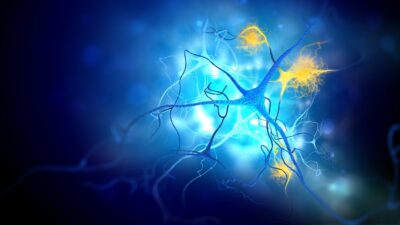
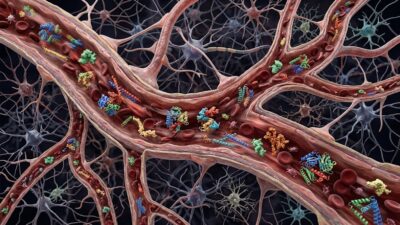
Fighting Alzheimer’s by Helping Neurons Consume Proteins
Researchers have found that kinesin family member 9 (KIF9), a protein that diminishes with aging, is instrumental in allowing cells to consume harmful proteins and fights Alzheimer’s in a mouse

New Study Links Epigenetic Changes to Genetic Mutations
A new paper published in Nature Aging suggests that somatic mutations cause significant remodeling of the epigenetic landscape. The findings might be relevant to future anti-aging interventions [1]. The genome

The Battle for Long Life Has Been Accomplished: What’s Next?
How long can people live? This is not just a foundational question in science. The answer has important public policy implications and is of interest to us all. Recent scientific
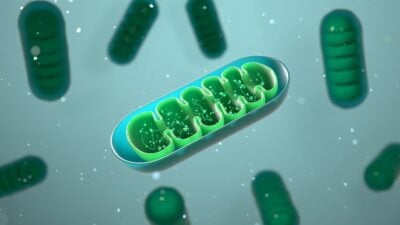
Enhancing NAD+ Efficiency by Energizing Sirtuins
Researchers publishing in Physical Review X have discovered compounds that can double the efficiency of the sirtuin SIRT3 in processing NAD+. Looking for a new way to boost enzymes The
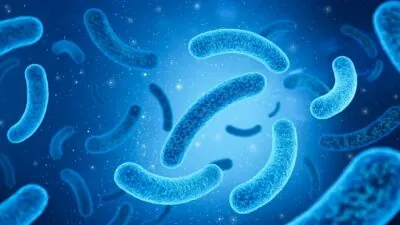
The Impact of a Human Breast Milk Probiotic on Sarcopenia
A recent study linked probiotic-induced gut microbiome and metabolite changes to improved muscle functioning in older sarcopenia patients [1]. Sarcopenia and the gut Sarcopenia is an age-related condition. People with
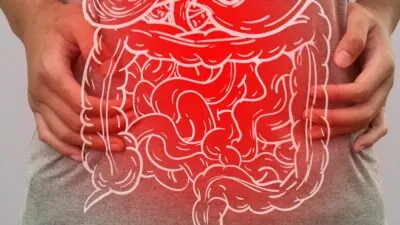
A Gut Metabolite Reduces Senescence and Inflammation
In a preprint study, scientists from Lifespan Research Institute and the Buck Institute for Research on Aging have published their findings that Urolithin A, a molecule that has garnered a
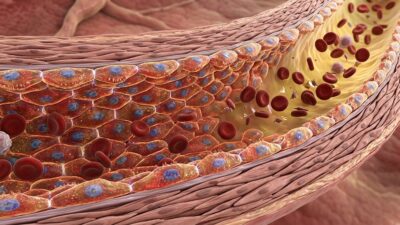
Cyclarity Launches Human Trial for Atherosclerosis
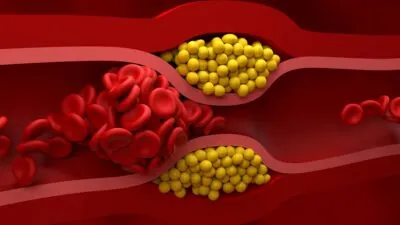
Cyclarity Therapeutics, a biotechnology company based at the Buck Institute in California, has launched its first human clinical trial. Its primary candidate cyclodextrin drug, UDP-003, focuses on 7-ketocholesterol, an oxidized

Intermittent Fasting Improves Coordination in Mice
Researchers have discovered that intermittent fasting increases myelin in aged mice, leading to better neural function and coordination. Crucial proteins and a well-known intervention Normally, neuronal axons are coated in

Precision Targeting of Senescent Cells
In a journal called Small, researchers have described a new targeting mechanism for delivering senolytic compounds where they need to go. Finding the right nanoparticle This paper begins with a

Receiving Caloric Restriction Benefits Without Practicing It
In a new study, researchers have found that lithocholic acid, a metabolite found in the serum of calorically restricted mice, can mimic the effects of caloric restriction [1]. Restricting calories
Drinking and Dying: Alcohol as a Risk Factor for Cancer
A new advisory by the US Surgeon General highlights a topic that – as the document itself notes – has been flying mostly under the public’s radar: the relationship between

A Potential Gene Therapy for Hearing Loss
In JCI Insight, researchers have explored the possibility of using gene therapy to restore a crucial protein and repair hearing loss. Hearing and its failure In mammals, afferent neurons, which
Keeping Stem Cells Healthy and Young
A team of researchers has outlined a new approach that uses mRNA to prevent senescence and strengthen mesenchymal stem cells (MSCs) against aging before they are transplanted into patients. Stem

Rejuvenation Roundup December 2024
The holiday season is over and the new year is here, and we’re back to discussing the one gift that matters the most: biological rejuvenation. Let’s see what’s been done
Maintaining Telomeres Extends Lifespan in Mice
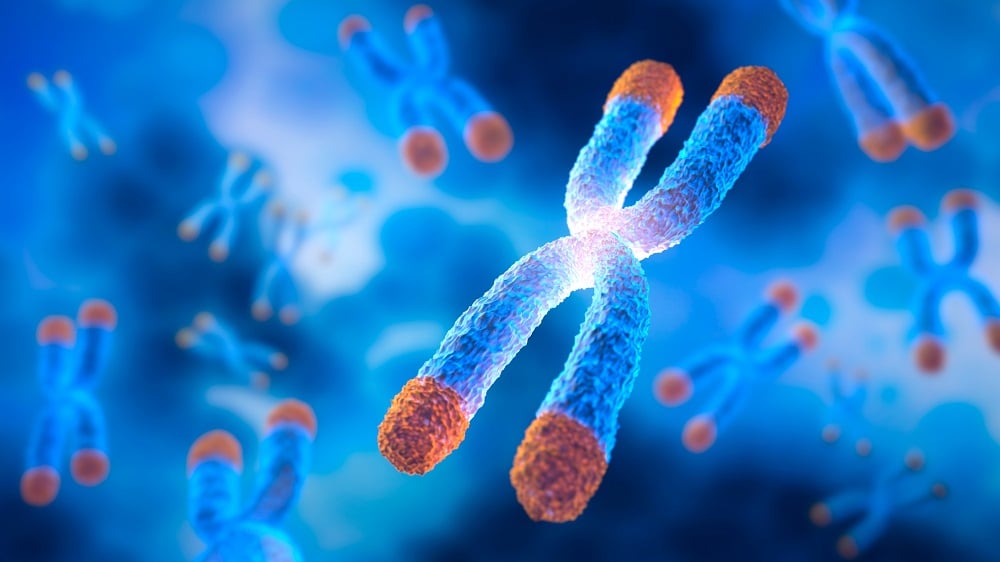
A recent study has found that the overexpression of telomerase reverse transcriptase (TERT), which is a subunit of telomerase, an enzyme essential for telomere maintenance, leads to lifespan extension in mice without significant side effects [1]. Protecting DNA Telomere shortening is a well-known hallmark of aging.

Fighting Alzheimer’s by Helping Neurons Consume Proteins
Researchers have found that kinesin family member 9 (KIF9), a protein that diminishes with aging, is instrumental in allowing cells to consume harmful proteins and fights Alzheimer’s in a mouse model. Consuming amyloids before they become a problem Alzheimer’s is well-known as a proteostasis disease: it

New Study Links Epigenetic Changes to Genetic Mutations
A new paper published in Nature Aging suggests that somatic mutations cause significant remodeling of the epigenetic landscape. The findings might be relevant to future anti-aging interventions [1]. The genome and the epigenome Genomic instability and epigenetic alterations are two of the hallmarks of aging [2].

The Battle for Long Life Has Been Accomplished: What’s Next?
How long can people live? This is not just a foundational question in science. The answer has important public policy implications and is of interest to us all. Recent scientific evidence has revealed the answer, so what’s next in humanity’s never-ending battle against disease and the
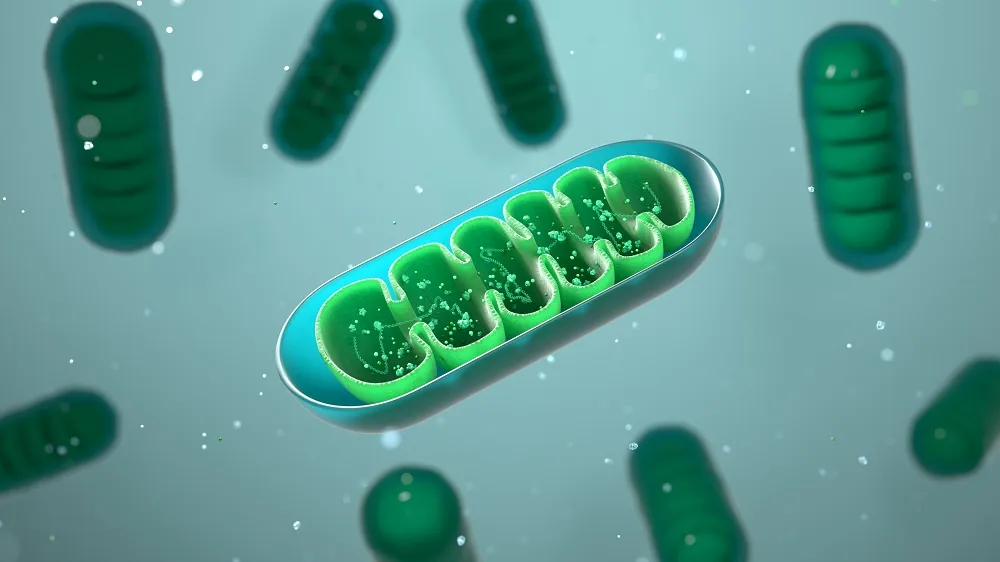
Enhancing NAD+ Efficiency by Energizing Sirtuins
Researchers publishing in Physical Review X have discovered compounds that can double the efficiency of the sirtuin SIRT3 in processing NAD+. Looking for a new way to boost enzymes The researchers begin their paper by noting that most drugs administered to people are geared towards inhibition
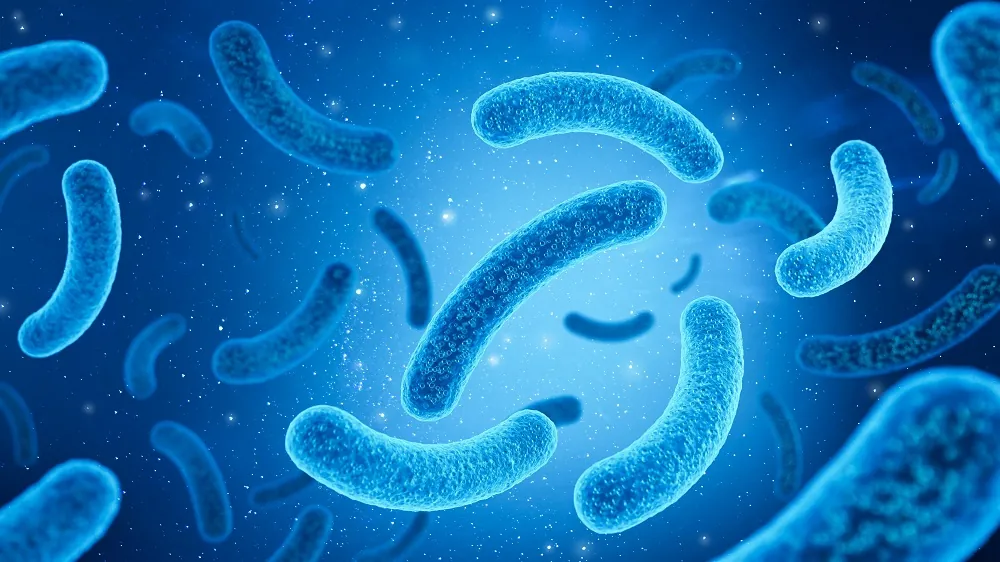
The Impact of a Human Breast Milk Probiotic on Sarcopenia
A recent study linked probiotic-induced gut microbiome and metabolite changes to improved muscle functioning in older sarcopenia patients [1]. Sarcopenia and the gut Sarcopenia is an age-related condition. People with sarcopenia suffer from a reduction in muscle mass, strength, and function, leading to a decreased quality

A Gut Metabolite Reduces Senescence and Inflammation
In a preprint study, scientists from Lifespan Research Institute and the Buck Institute for Research on Aging have published their findings that Urolithin A, a molecule that has garnered a lot of attention in the longevity field, potently reduces senescence-related markers in human fibroblasts [1]. Senolytic
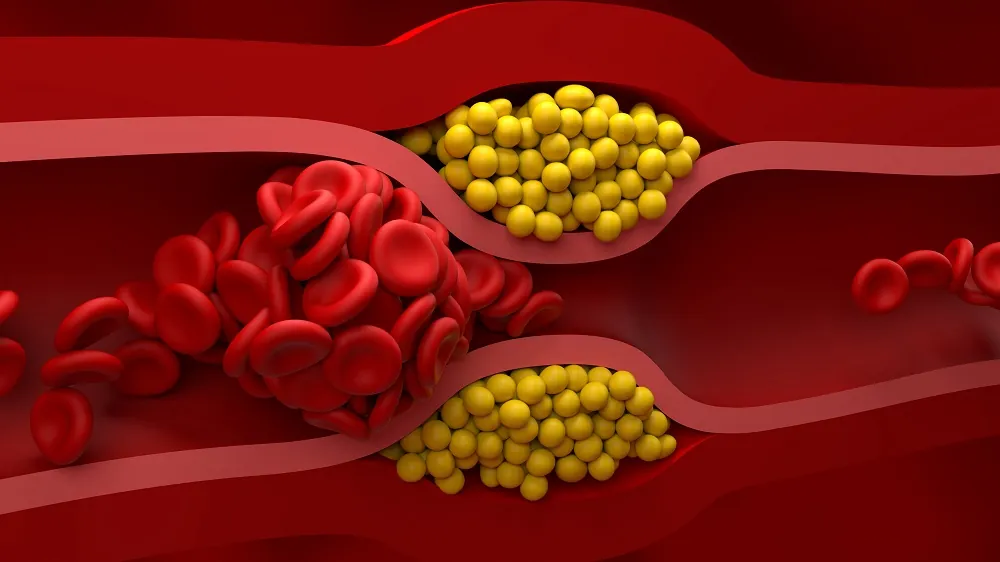
Cyclarity Launches Human Trial for Atherosclerosis
Cyclarity Therapeutics, a biotechnology company based at the Buck Institute in California, has launched its first human clinical trial. Its primary candidate cyclodextrin drug, UDP-003, focuses on 7-ketocholesterol, an oxidized cholesterol variant that builds up in cells as we age. Atherosclerosis involves the accumulation of plaque

Intermittent Fasting Improves Coordination in Mice
Researchers have discovered that intermittent fasting increases myelin in aged mice, leading to better neural function and coordination. Crucial proteins and a well-known intervention Normally, neuronal axons are coated in a protein sheath made of myelin, which is necessary for their proper function [1]. Myelination is
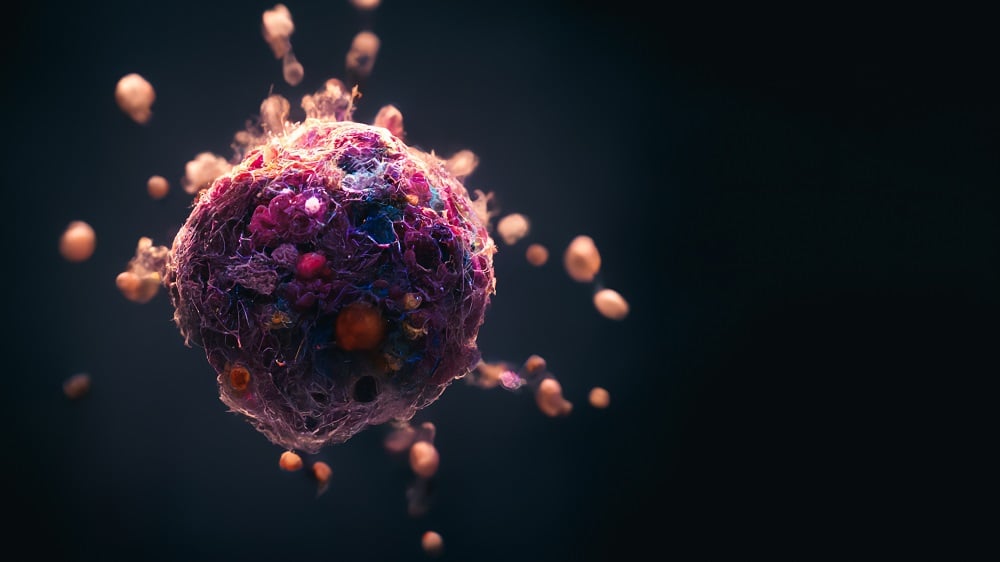
Precision Targeting of Senescent Cells
In a journal called Small, researchers have described a new targeting mechanism for delivering senolytic compounds where they need to go. Finding the right nanoparticle This paper begins with a discussion of the well-known features of cellular senescence and laments that, despite all the work done

Receiving Caloric Restriction Benefits Without Practicing It
In a new study, researchers have found that lithocholic acid, a metabolite found in the serum of calorically restricted mice, can mimic the effects of caloric restriction [1]. Restricting calories to live longer Caloric restriction without malnutrition improves healthspan and extended lifespan in multiple model organisms
Drinking and Dying: Alcohol as a Risk Factor for Cancer
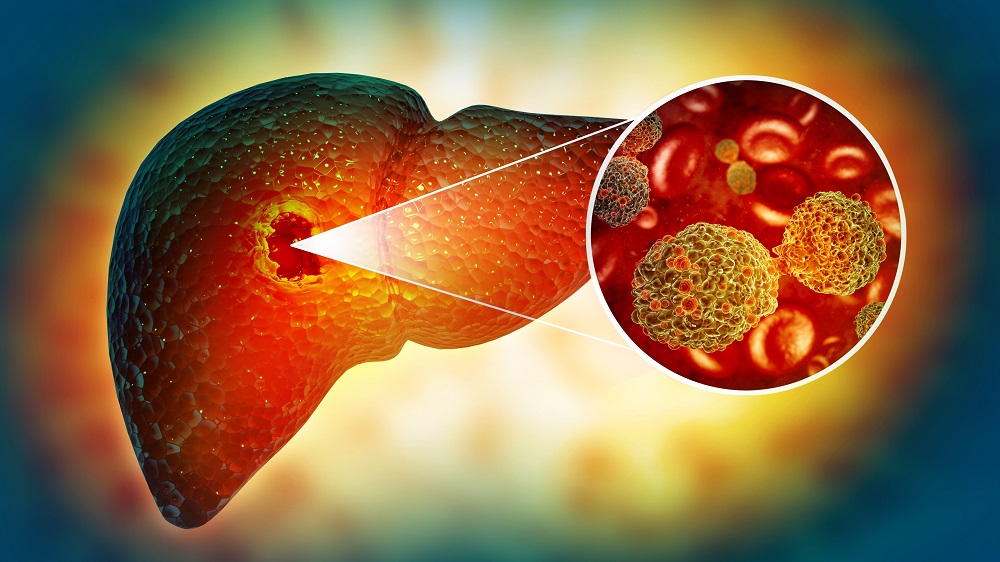
A new advisory by the US Surgeon General highlights a topic that – as the document itself notes – has been flying mostly under the public’s radar: the relationship between alcohol consumption and cancer. While most people are aware of smoking and obesity being risk factors
A Potential Gene Therapy for Hearing Loss
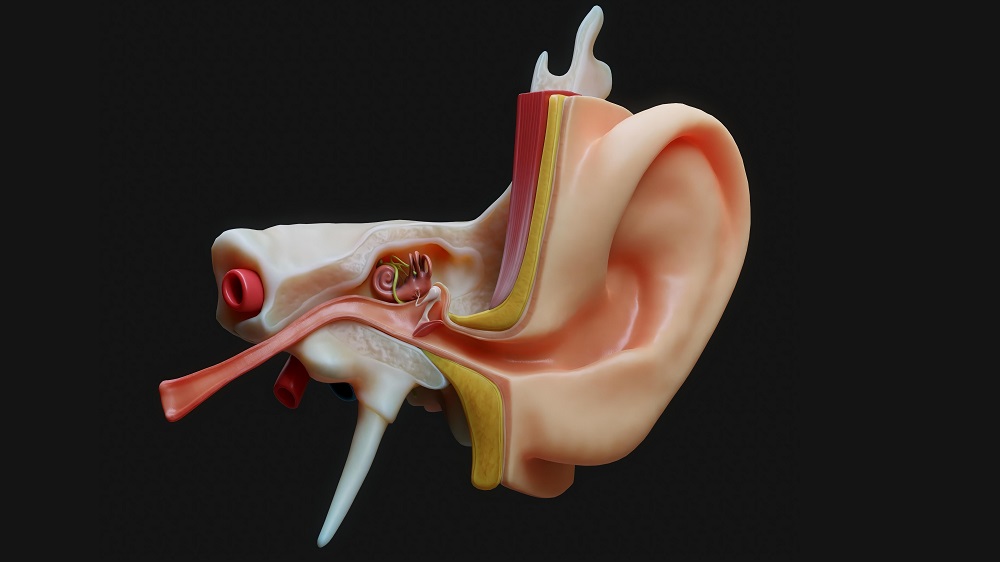
In JCI Insight, researchers have explored the possibility of using gene therapy to restore a crucial protein and repair hearing loss. Hearing and its failure In mammals, afferent neurons, which originate from the inner ear, transform received stimuli (sound waves) into electrical signals [1]. This process
Keeping Stem Cells Healthy and Young
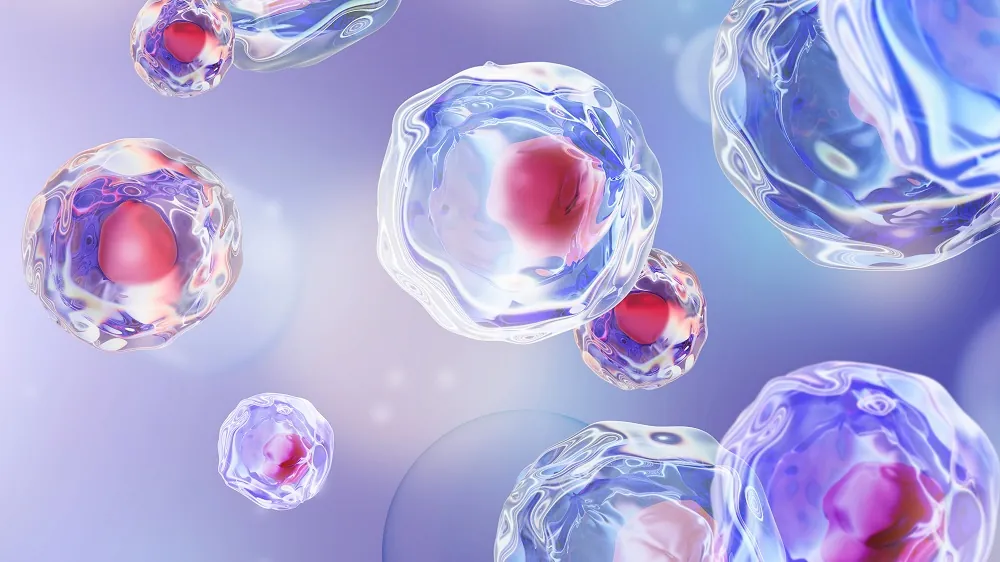
A team of researchers has outlined a new approach that uses mRNA to prevent senescence and strengthen mesenchymal stem cells (MSCs) against aging before they are transplanted into patients. Stem cells go bad before they can be used The researchers introduce this study by focusing on

Rejuvenation Roundup December 2024
The holiday season is over and the new year is here, and we’re back to discussing the one gift that matters the most: biological rejuvenation. Let’s see what’s been done in December. LEAF News Another Year of Longevity Advocacy and Journalism: The nights are the longest