

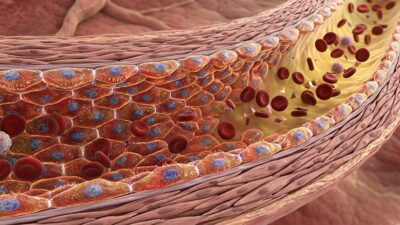
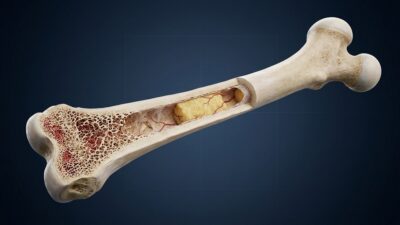



Metabolically Healthy Obesity Still Increases Diabetes Risk
A new study suggests that while it is possible to be both obese and healthy, this phenotype considerably increases the risk of getting diabetes, mainly because it is hard to

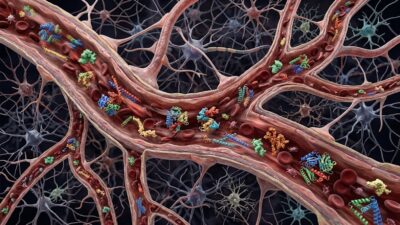
A Reason Brain Protection Fails As We Age
Researchers publishing in GeroScience have discovered the molecular mechanisms through which fibrinogen, a protein that increases with aging, causes toxic compounds to more easily leak into the brain. The deteriorating

Plasma from Young Pigs Halves Old Rats’ Epigenetic Age
A new study used a plasma fraction from young pigs to robustly reduce the biological age of old rats. This could potentially open doors to rejuvenation in humans [1]. The

Resveratrol May Improve Mitochondrial Function
According to a review published in Food Science and Human Wellness, resveratrol has a positive impact on mitochondrial dysfunction, one of the hallmarks of aging. A hallmark with downstream consequences

Intermittent Fasting Partially Offsets Alzheimer’s in Mice
Scientists have found that intermittent fasting can ameliorate Alzheimer’s in mice by improving sleep patterns [1]. Time to eat, time to fast Time-restricted eating, also referred to as intermittent fasting

Prostate Enlargement and Metabolic Syndrome Linked
Researchers publishing in Aging have explained a relationship between inflammation, metabolic syndrome, and prostate enlargement. Not so benign Benign prostatic hyperplasia (BPH) is only called ‘benign’ to differentiate it from

Cannabinoid Therapy as a Treatment for Alzheimer’s Disease
The authors of a recent paper have reviewed the literature regarding the potential of cannabinoids to treat Alzheimer’s disease [1]. The endocannabinoid system and Alzheimer’s disease Aging is a well-known

Creating a New Clock with Medical Records
Assisted by TruDiagnostic, a team of researchers has published a preprint paper in which omics data has been used to create an epigenetic methylation clock. Why -omics? The researchers begin

New Insight Into How APOE4 Drives Alzheimer’s
A new study suggests that the gene variant APOE4 promotes Alzheimer’s disease by increasing gliosis, but this effect can be blocked by inhibiting the protein HMGB1 [1]. The dreaded E4

Pfizer-Backed VitaDAO Launches Biotech Company
VitaDAO, a decentralized autonomous organization (DAO), has launched its first biotech, Matrix Biosciences. This is a real milestone for new models of funding for the scientific community. The launch is

Sleep Disruption Leads to Cellular Senescence in Mice
A new preprint suggests that continuous sleep disruption might drive health problems via increased cellular senescence in visceral fat tissue [1]. Sleep and health Until recently, the impact of sleep
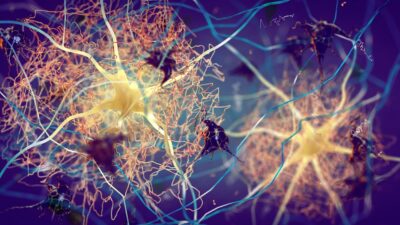
Remembering Where We Are in Alzheimer’s Research
A pair of neurologists have published a review in Cell discussing the current state of Alzheimer’s therapies, including drugs in early development, treatments in clinical trials, and therapies that are

High-Protein Diets Have Few Benefits in Mice
A new study suggests that high protein intake leads to fat gain and worse metabolic outcomes, but some of these effects are blocked by resistance training. Low protein consumption resulted
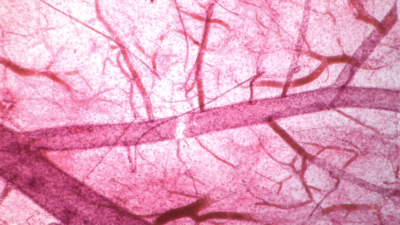
DNA Damage And Aging Of The Blood Vessels
In a paper published in Aging, researchers have explored the relationship between DNA damage and aging of the blood vessels. How arteries age This paper begins with some well-known facts
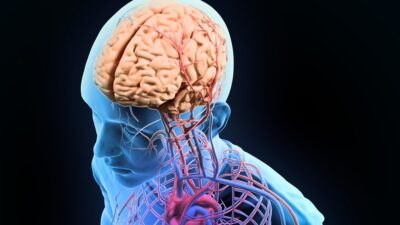
Treating Hypertension May Reduce Dementia Risk
Research published in JAMA Geriatrics analyzed the link between blood pressure, hypertension, and the risk of dementia [1]. Inconsistent research Published research is inconsistent regarding the link between hypertension and

Metabolically Healthy Obesity Still Increases Diabetes Risk
A new study suggests that while it is possible to be both obese and healthy, this phenotype considerably increases the risk of getting diabetes, mainly because it is hard to maintain [1]. Chubby and happy? Obesity is a known comorbidity in numerous chronic conditions, including age-related

A Reason Brain Protection Fails As We Age
Researchers publishing in GeroScience have discovered the molecular mechanisms through which fibrinogen, a protein that increases with aging, causes toxic compounds to more easily leak into the brain. The deteriorating blood-brain barrier In the brain, the microvessels (MVs) that are responsible for carrying blood to neurons

Plasma from Young Pigs Halves Old Rats’ Epigenetic Age
A new study used a plasma fraction from young pigs to robustly reduce the biological age of old rats. This could potentially open doors to rejuvenation in humans [1]. The blood connection People have been trying to use young blood to rejuvenate old organisms for millennia,

Resveratrol May Improve Mitochondrial Function
According to a review published in Food Science and Human Wellness, resveratrol has a positive impact on mitochondrial dysfunction, one of the hallmarks of aging. A hallmark with downstream consequences The reviewers begin this paper by discussing various chronic and age-related diseases associated with mitochondrial dysfunction,
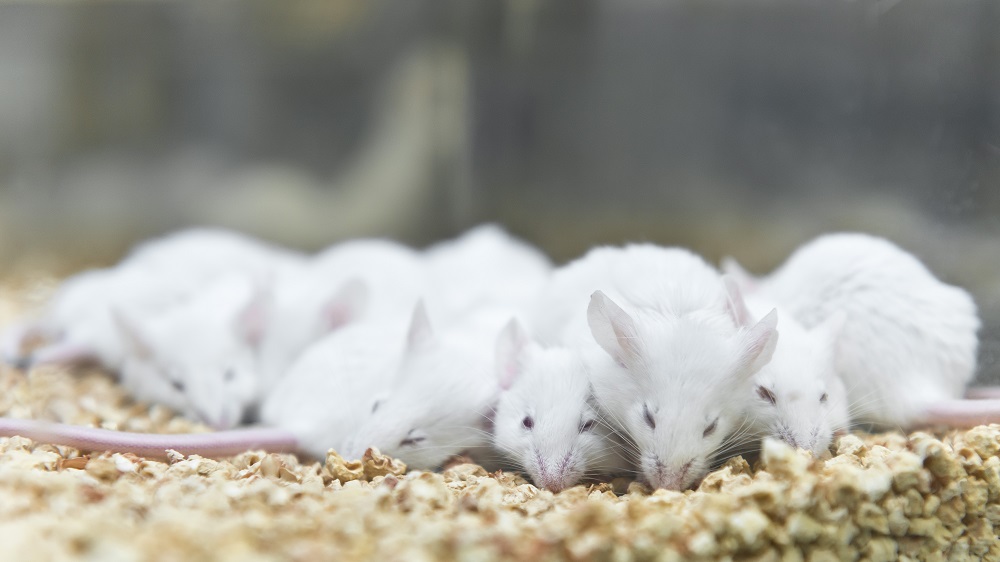
Intermittent Fasting Partially Offsets Alzheimer’s in Mice
Scientists have found that intermittent fasting can ameliorate Alzheimer’s in mice by improving sleep patterns [1]. Time to eat, time to fast Time-restricted eating, also referred to as intermittent fasting (IF), can take different shapes, such as the one-meal-a-day regimen, alternate-day fasting, or 16/8, in which

Prostate Enlargement and Metabolic Syndrome Linked
Researchers publishing in Aging have explained a relationship between inflammation, metabolic syndrome, and prostate enlargement. Not so benign Benign prostatic hyperplasia (BPH) is only called ‘benign’ to differentiate it from another well-known cause of prostate enlargement: prostate cancer. BPH is known to lead to bladder obstruction

Cannabinoid Therapy as a Treatment for Alzheimer’s Disease
The authors of a recent paper have reviewed the literature regarding the potential of cannabinoids to treat Alzheimer’s disease [1]. The endocannabinoid system and Alzheimer’s disease Aging is a well-known risk factor for Alzheimer’s, and more than 50% of people over 85 are expected to suffer

Creating a New Clock with Medical Records
Assisted by TruDiagnostic, a team of researchers has published a preprint paper in which omics data has been used to create an epigenetic methylation clock. Why -omics? The researchers begin this preprint by discussing multiple biomarkers that are used to measure physical aging, including immune cell

New Insight Into How APOE4 Drives Alzheimer’s
A new study suggests that the gene variant APOE4 promotes Alzheimer’s disease by increasing gliosis, but this effect can be blocked by inhibiting the protein HMGB1 [1]. The dreaded E4 While scientists still do not know the precise causes of Alzheimer’s disease or how to treat

Pfizer-Backed VitaDAO Launches Biotech Company
VitaDAO, a decentralized autonomous organization (DAO), has launched its first biotech, Matrix Biosciences. This is a real milestone for new models of funding for the scientific community. The launch is in collaboration with Vera Gorbunova from the University of Rochester’s Aging Research Center and is well-known

Sleep Disruption Leads to Cellular Senescence in Mice
A new preprint suggests that continuous sleep disruption might drive health problems via increased cellular senescence in visceral fat tissue [1]. Sleep and health Until recently, the impact of sleep on human health was largely overlooked, including for healthcare professionals who work long hours. Now, scientists
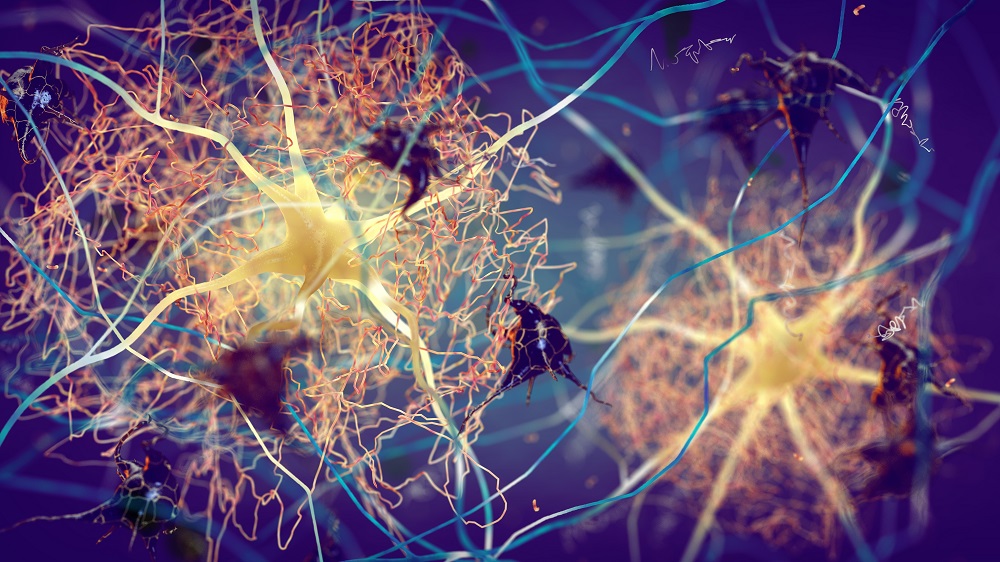
Remembering Where We Are in Alzheimer’s Research
A pair of neurologists have published a review in Cell discussing the current state of Alzheimer’s therapies, including drugs in early development, treatments in clinical trials, and therapies that are prescribed today. The -mab drugs Monoclonal antibodies, drugs whose names end in -mab, have become the

High-Protein Diets Have Few Benefits in Mice
A new study suggests that high protein intake leads to fat gain and worse metabolic outcomes, but some of these effects are blocked by resistance training. Low protein consumption resulted in less muscle gain but did not affect strength [1]. The protein debate One of the

DNA Damage And Aging Of The Blood Vessels
In a paper published in Aging, researchers have explored the relationship between DNA damage and aging of the blood vessels. How arteries age This paper begins with some well-known facts about aging and cardiovascular risk. Cardiovascular disease is the single most common cause of death in
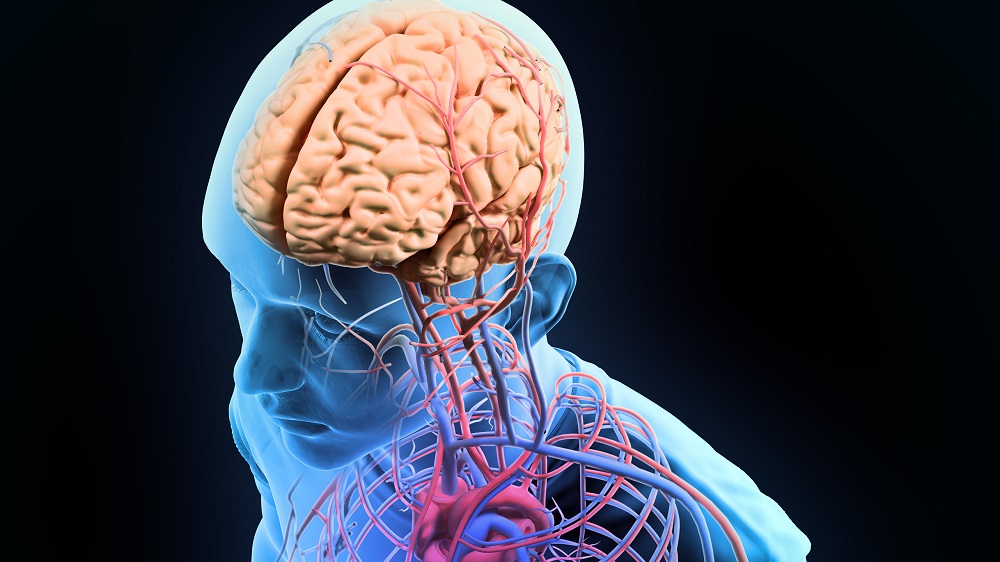
Treating Hypertension May Reduce Dementia Risk
Research published in JAMA Geriatrics analyzed the link between blood pressure, hypertension, and the risk of dementia [1]. Inconsistent research Published research is inconsistent regarding the link between hypertension and dementia. Some studies suggest an association between midlife hypertension and increased dementia risk. Other studies have