


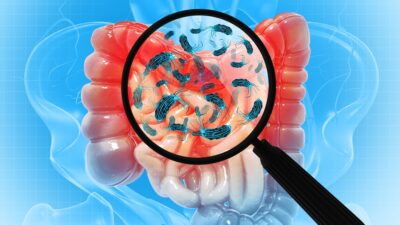
Study Links a Gut Bacterium to Increased Muscle Strength
Scientists have found a positive correlation between the abundance of the bacterium Roseburia inulinivorans in the gut and muscle strength in mice and humans, although the mechanism behind it is
How Zinc Protects Injured Arteries From Accelerated Aging
Researchers publishing in Aging Cell have discovered that the nuclei of the cells that line injured arteries quickly become misshapen and that this leads to accelerated cellular senescence. Delivering zinc
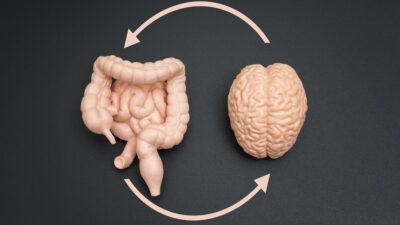
Gut Bacteria Might Affect Cognition via the Vagus Nerve
A new study suggests that microbiome remodeling is a mechanism behind age-related cognitive decline, with one particular bacterial species identified as the likely culprit. In mice, antibiotics seem to reverse
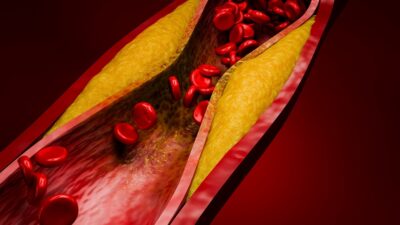
The Many Dangers of 7-Ketocholesterol
A group of researchers, including Matthew O’Connor of Cyclarity Therapeutics, has published a review detailing what effects 7-ketocholesterol (7KC) has in the human body. An oxidized cholesterol 7KC, an oxidized
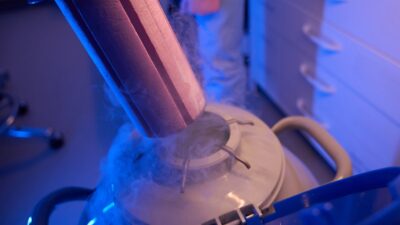
Scientists Successfully Freeze and Rewarm Mouse Brain Slices
In a new study, researchers have vitrified mouse brain slices and then a complete brain with encouraging results: upon rewarming, much of the neuronal function was preserved [1]. The bumpy
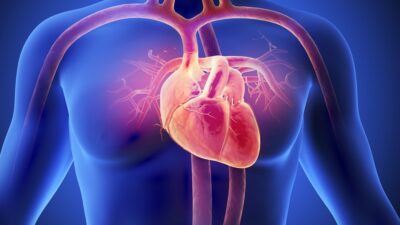
A Review of How the Heart Ages
The European Heart Journal has published a review of what happens to the human heart as it ages, noting the cellular effects of mitochondrial dysfunction and cellular senescence along with
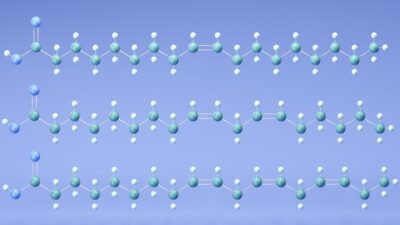
Fat Composition Affects T Cell-Mediated Immunity
Scientists have found that the ratio between poly- and monounsaturated fatty acids affects the viability of T cells as well as both humoral and anti-tumor immunity [1]. The iron death

How Inflammaging Makes Pneumonia Worse in Mice
Researchers publishing in Aging Cell have discovered how older organisms’ susceptibility to pneumonia is related to inflammatory factors. Short-lived infection fighters Polymorphonuclear leukocytes, more commonly known as neutrophils, are part
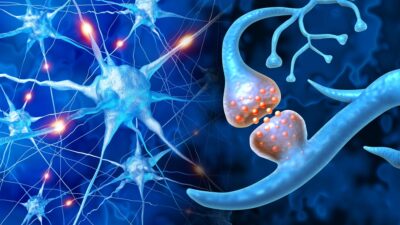
Novel Mechanism for Parkinson’s Is Linked to ATP Deficiency
Scientists have discovered that ATP deficiency disrupts dopamine processing in synapses, leading to the accumulation of the harmful protein species that characterize Parkinson’s disease. ATP supplementation helps, but the road
A Metabolic Shift Fuels Stem Cell Dysfunction
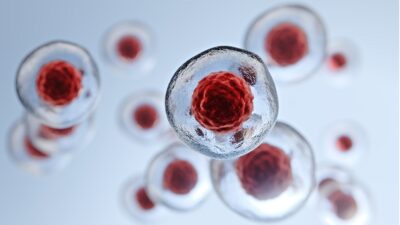
Researchers publishing in the Nature journal Cell Discovery have described how the age-related attenuation of a key metabolic axis causes human adipose-derived stem cells (hASCs) to lose functional capabilities. Pinpointing

Menopausal Hormone Therapy Does Not Increase Mortality
An analysis of over 800,000 women found no association between menopausal hormone therapy and increased mortality [1]. A controversial therapy One of the first major changes that women undergo as
Thermogeneration by White Fat Could Be Used to Treat Obesity
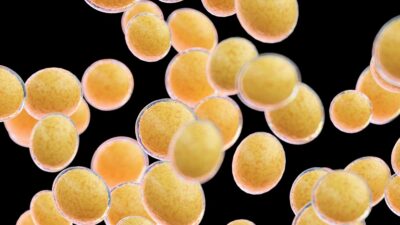
Scientists have discovered that, like brown fat, white fat has a mechanism that burns fuel to produce heat. This effect could potentially be used to create weight loss drugs [1].
How a Sirtuin Protects Against Brain Diseases
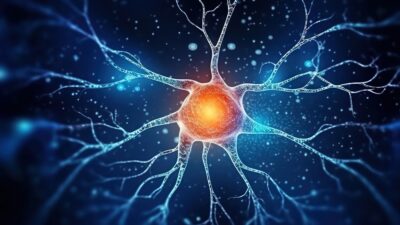
In Aging Cell, researchers have explained how the sirtuin SIRT6 protects against proteostasis-related brain disorders by maintaining the function of nucleoli and limiting protein production. The nucleus and nucleoli A
A Circulating Inflammation Suppressor Decreases Mortality
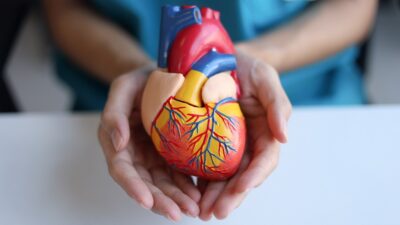
Researchers publishing in Aging have used Mendelian randomization to conclude that the inflammatory factor IL6 causes increased mortality and that its circulating receptor, IL6R, decreases it. Looking for a proof

Lifetime Cognitive Enrichment Associated With Less Dementia
A recent study suggests that cognitive enrichment throughout life is associated with reduced dementia risk, and it has the potential to delay the onset of dementia and mild cognitive impairment
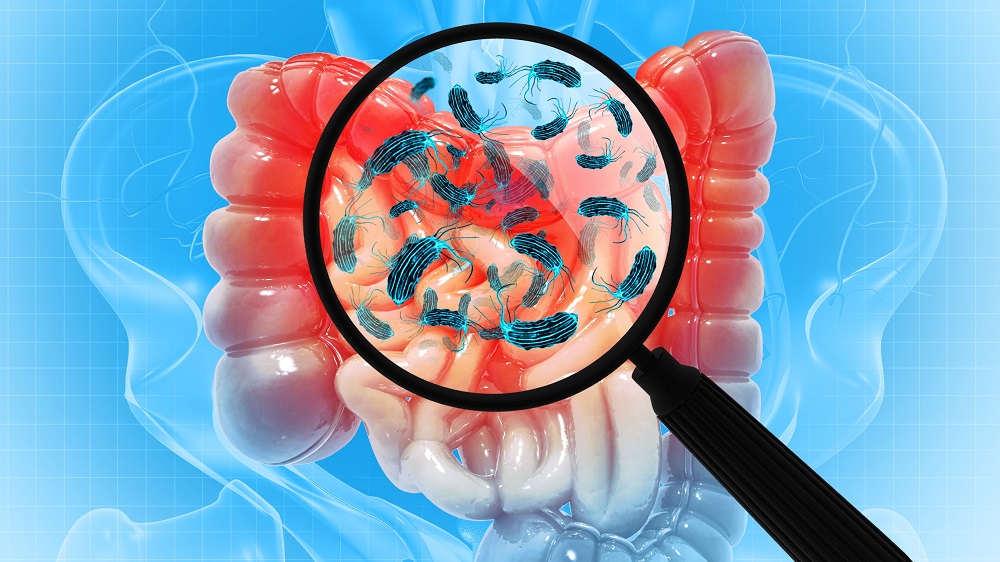
Study Links a Gut Bacterium to Increased Muscle Strength
Scientists have found a positive correlation between the abundance of the bacterium Roseburia inulinivorans in the gut and muscle strength in mice and humans, although the mechanism behind it is still unclear [1]. Can bacteria mimic exercise? As we age, we lose muscle mass and strength.
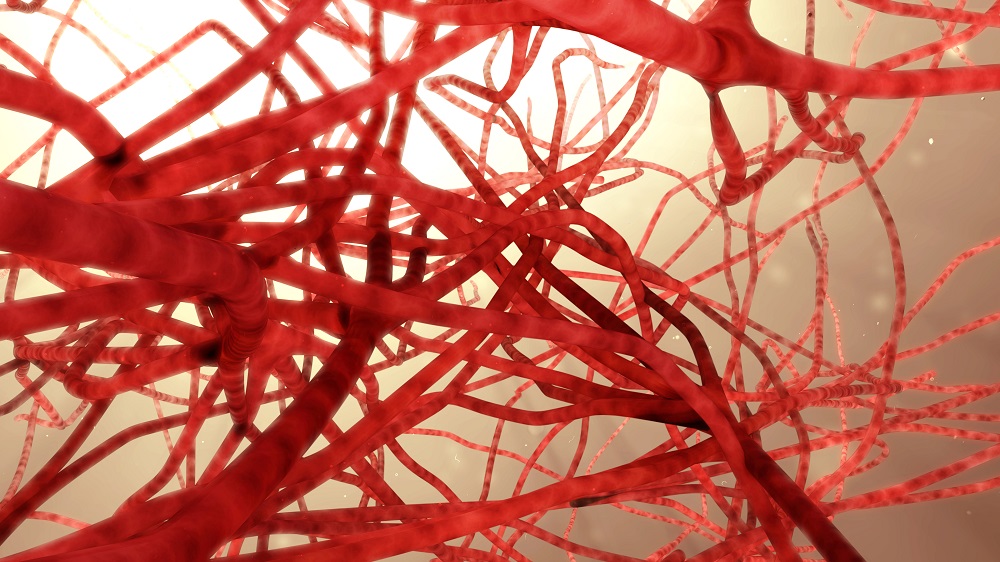
How Zinc Protects Injured Arteries From Accelerated Aging
Researchers publishing in Aging Cell have discovered that the nuclei of the cells that line injured arteries quickly become misshapen and that this leads to accelerated cellular senescence. Delivering zinc to these cells partially alleviates this dysmorphism. Two seemingly unrelated concepts This paper begins with a
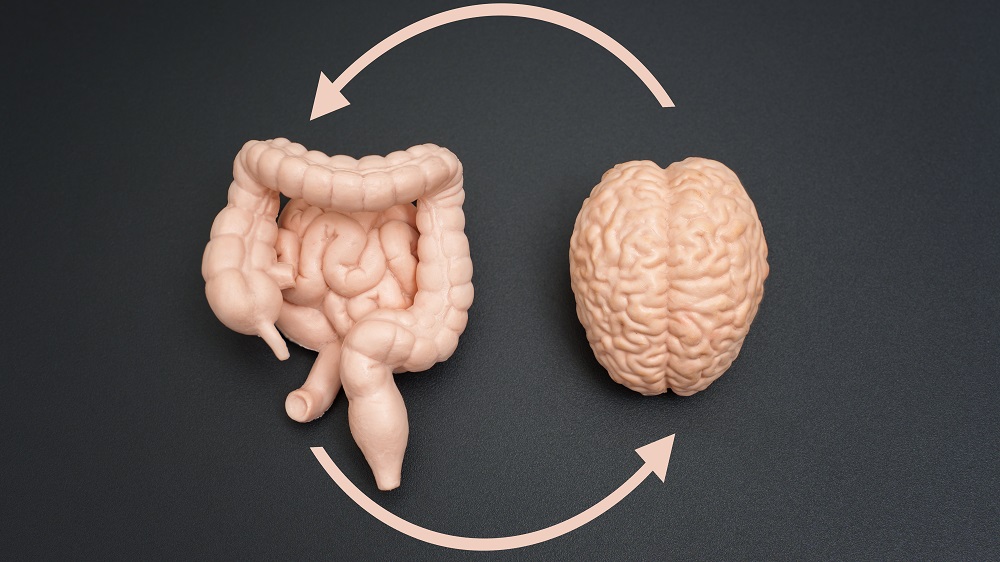
Gut Bacteria Might Affect Cognition via the Vagus Nerve
A new study suggests that microbiome remodeling is a mechanism behind age-related cognitive decline, with one particular bacterial species identified as the likely culprit. In mice, antibiotics seem to reverse this effect [1]. The gut-brain axis and the microbiome Memory decline is a common and debilitating
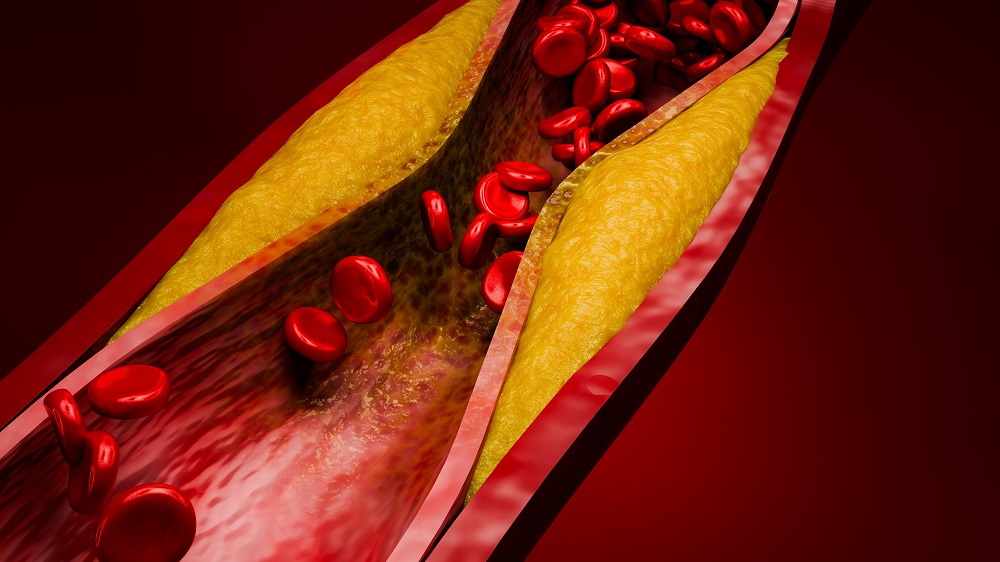
The Many Dangers of 7-Ketocholesterol
A group of researchers, including Matthew O’Connor of Cyclarity Therapeutics, has published a review detailing what effects 7-ketocholesterol (7KC) has in the human body. An oxidized cholesterol 7KC, an oxidized cholesterol (oxysterol) gets its name from being oxidized at the C7 position within the cholesterol molecule
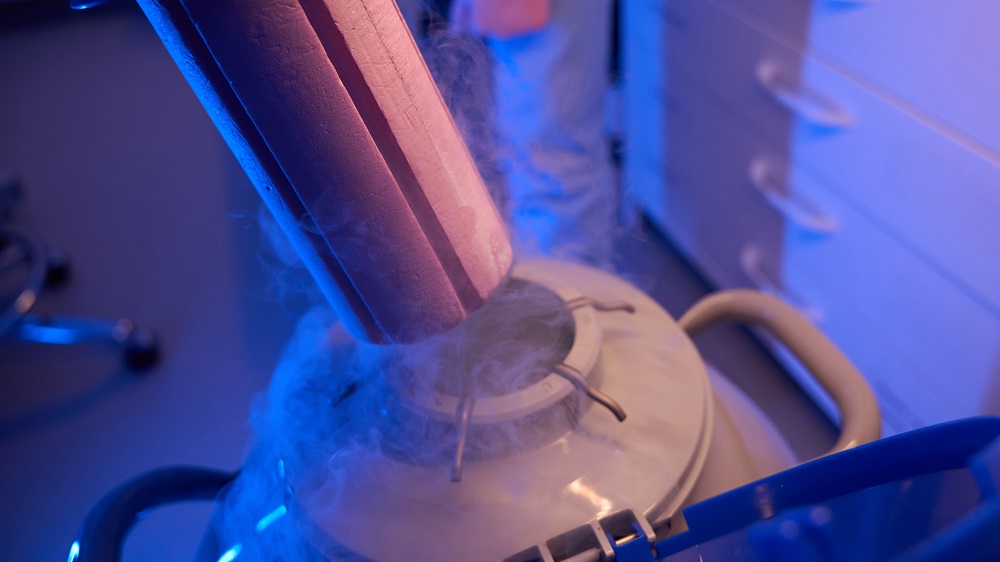
Scientists Successfully Freeze and Rewarm Mouse Brain Slices
In a new study, researchers have vitrified mouse brain slices and then a complete brain with encouraging results: upon rewarming, much of the neuronal function was preserved [1]. The bumpy road to cryopreservation Successful cryopreservation is a coveted prize in medicine, as cryopreserving organs and tissues
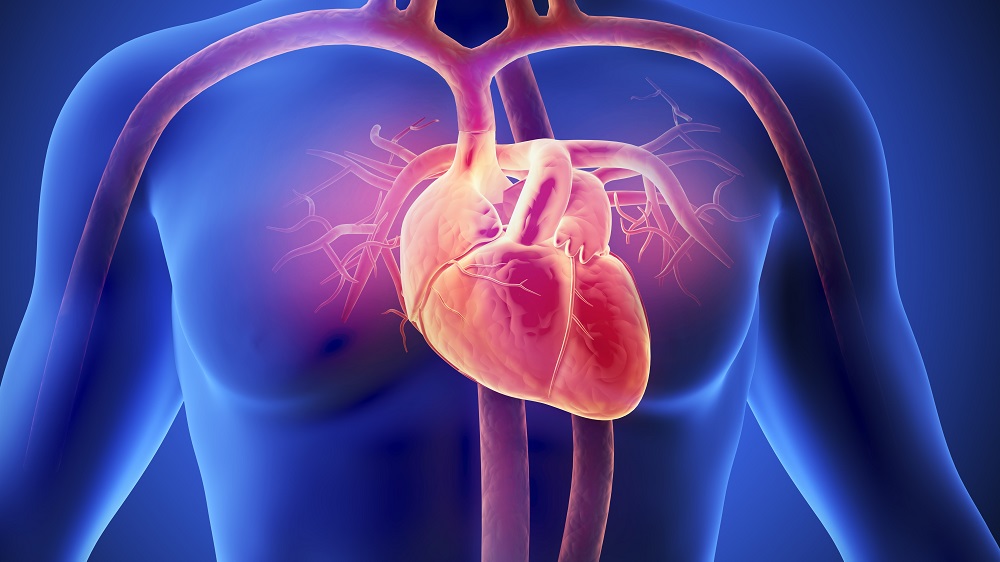
A Review of How the Heart Ages
The European Heart Journal has published a review of what happens to the human heart as it ages, noting the cellular effects of mitochondrial dysfunction and cellular senescence along with more visible changes such as hypertrophy and fibrosis. A constantly working organ The reviewers begin this
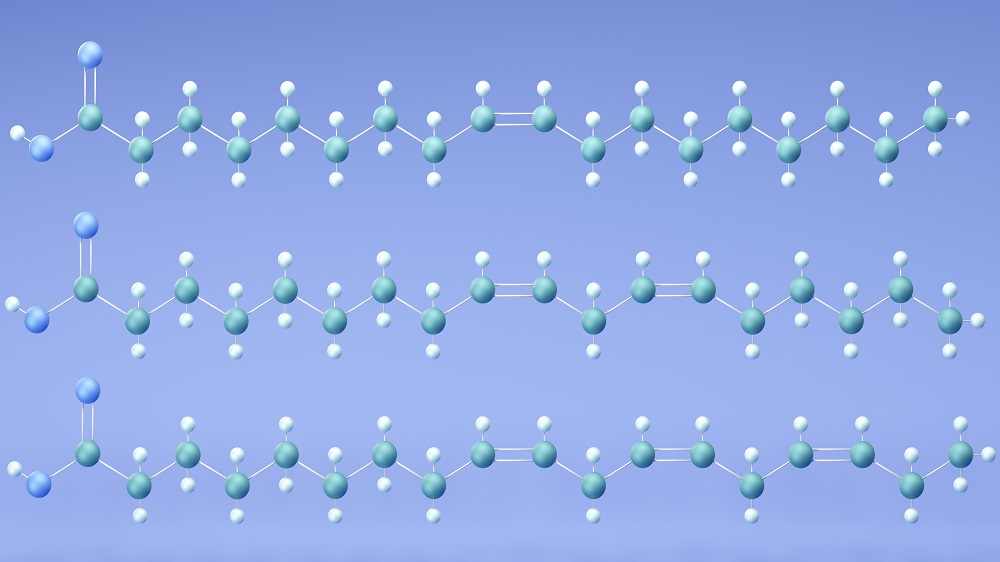
Fat Composition Affects T Cell-Mediated Immunity
Scientists have found that the ratio between poly- and monounsaturated fatty acids affects the viability of T cells as well as both humoral and anti-tumor immunity [1]. The iron death Some fats are broadly recognized as healthy while others are considered unhealthy, but the reality might
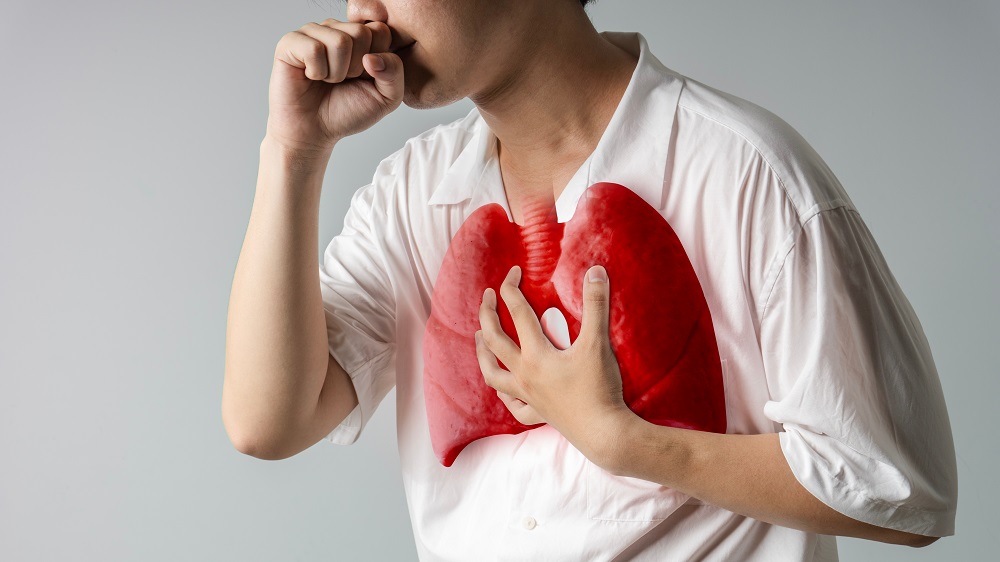
How Inflammaging Makes Pneumonia Worse in Mice
Researchers publishing in Aging Cell have discovered how older organisms’ susceptibility to pneumonia is related to inflammatory factors. Short-lived infection fighters Polymorphonuclear leukocytes, more commonly known as neutrophils, are part of the first line of defense against lung infections. Illnesses cause these immune cells to be
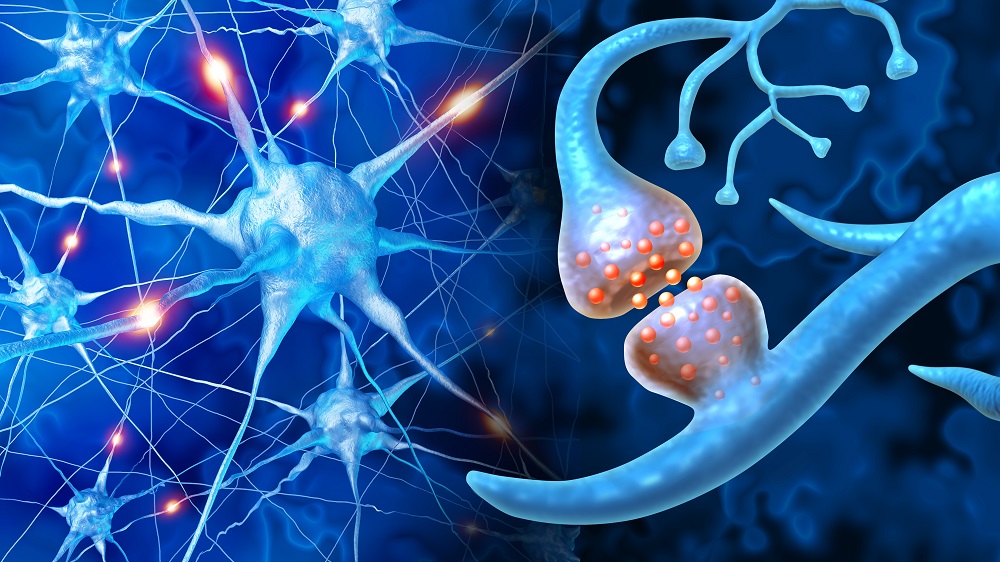
Novel Mechanism for Parkinson’s Is Linked to ATP Deficiency
Scientists have discovered that ATP deficiency disrupts dopamine processing in synapses, leading to the accumulation of the harmful protein species that characterize Parkinson’s disease. ATP supplementation helps, but the road to the clinic might be long [1]. Parkinson’s and dopamine Parkinson’s disease is defined by two
A Metabolic Shift Fuels Stem Cell Dysfunction
Researchers publishing in the Nature journal Cell Discovery have described how the age-related attenuation of a key metabolic axis causes human adipose-derived stem cells (hASCs) to lose functional capabilities. Pinpointing the loss of function This paper begins by highlighting a core problem of using self-derived (autologous)

Menopausal Hormone Therapy Does Not Increase Mortality
An analysis of over 800,000 women found no association between menopausal hormone therapy and increased mortality [1]. A controversial therapy One of the first major changes that women undergo as they age is menopause, which usually occurs between 45 and 55 years of age. Menopause not
Thermogeneration by White Fat Could Be Used to Treat Obesity
Scientists have discovered that, like brown fat, white fat has a mechanism that burns fuel to produce heat. This effect could potentially be used to create weight loss drugs [1]. Central heating Cells use energy to power various cellular processes, with heat being a byproduct. However,
How a Sirtuin Protects Against Brain Diseases
In Aging Cell, researchers have explained how the sirtuin SIRT6 protects against proteostasis-related brain disorders by maintaining the function of nucleoli and limiting protein production. The nucleus and nucleoli A cell’s nucleus has one or more nucleoli, where the cell does its critical work of synthesizing
A Circulating Inflammation Suppressor Decreases Mortality
Researchers publishing in Aging have used Mendelian randomization to conclude that the inflammatory factor IL6 causes increased mortality and that its circulating receptor, IL6R, decreases it. Looking for a proof of danger Chronic, age-related inflammation (inflammaging) is very well-known to be closely connected to negative age-related

Lifetime Cognitive Enrichment Associated With Less Dementia
A recent study suggests that cognitive enrichment throughout life is associated with reduced dementia risk, and it has the potential to delay the onset of dementia and mild cognitive impairment by five to seven years [1]. Cognitive stimulation Engagement in cognitively stimulating activities has been linked