


$70 Million Rejuvenome Initiative Launches
Recently, the Astera Institute has announced that it will be collaborating with the Buck Institute on its Rejuvenome project. The project is a focused research organization (FRO), a new model

Allele Associated With Alzheimer’s Improves Cognition
Scientists have demonstrated that “the Alzheimer’s allele” APOE e4 helps cognition earlier in life prior to the onset of the disease [1]. This might point at a possible reason for

A Path Towards Restoring Thymic Function
A study published in Cell Reports shows how the thymus is stimulated to repair itself when dying thymocytes are depleted, paving the way towards novel methods of thymic regeneration. Cycles
The Genetic Basis of Telomere Length
A new study in Nature Genetics has further illuminated the genetic regulation of telomere length and what implications it may have for various diseases and longevity. Telomeres and aging in

Escaping Stem Cells Exacerbate Age-Related Hair Loss
Scientists showed that hair loss happens partially as a result of stem cells escaping from hair follicles. They also shot a stunning time-lapse video of the process. The stem cell

The Link Between Brain Age and Blood Pressure
Researchers publishing in Frontiers in Aging Neuroscience have discovered that blood pressure is directly linked to brain aging. The BrainAGE clock For this analysis, the researchers chose BrainAGE, a well-known,

How a Protein Is Linked to Kidney Fibrosis With Age
Publishing in Aging, a team of researchers has reported that periostin, a protein that aids in development during the embryonic stage, is linked to kidney problems related to lipid metabolism

Matching an Epigenetic Clock to Physical Function
A new, three-year study published in The Journals of Gerontology: Series A examined the relationship between epigenetic clocks and physical performance in older women. Epigenetic clocks and biological age Epigenetic

Engineering Anti-Inflammatory Cells to Fight Arthritis
Publishing in Science Advances, a team of researchers has described how a scaffold containing genetically engineered induced pluripotent stem cells (iPSCs) can reduce symptoms in a mouse model of rheumatoid

Some Mutations Increase Cancer Risk by Making Cells Older
Cells from the breasts of women with mutations that increase their risk of breast cancer show signs of accelerated aging, according to new research [1]. Accelerated aging may make these

Study Suggests No Theoretical Limit on Human Lifespan
According to new research, it may be possible for humans to live 130 years or perhaps longer, but the chances of reaching that age are slim. New findings suggest that

The Effects of Caloric Restriction on Stem Cells
A review published in The Malaysian Journal of Medical Sciences has outlined what effects caloric restriction (CR) has on the development and differentiation of stem cells. Stem cells and their

Activity and Diet Shown to Slow Aging (Again)
Scientists have used DNA methylation markers to measure the anti-aging effects of healthy diet and physical activity, reaching interesting, if at times contradictory, results [1]. Move, eat healthy, check your
Our Brains’ Metabolism Changes as We Age
A study conducted in Sweden and published in Scientific Reports has outlined the relationship between aging and the metabolites present in cerebrospinal fluid (CSF), which cushions and supports the brain

Getting Proteins Right to Live Longer
Changing a single amino acid in a single protein boosts the fidelity of protein synthesis, and that is enough to increase lifespan in a variety of organisms, according to new

$70 Million Rejuvenome Initiative Launches
Recently, the Astera Institute has announced that it will be collaborating with the Buck Institute on its Rejuvenome project. The project is a focused research organization (FRO), a new model of organization that is laser-focused on a specific scientific challenge that cannot be solved by existing

Allele Associated With Alzheimer’s Improves Cognition
Scientists have demonstrated that “the Alzheimer’s allele” APOE e4 helps cognition earlier in life prior to the onset of the disease [1]. This might point at a possible reason for some aspects of aging. What makes us stronger kills us later The risk of developing Alzheimer’s,

A Path Towards Restoring Thymic Function
A study published in Cell Reports shows how the thymus is stimulated to repair itself when dying thymocytes are depleted, paving the way towards novel methods of thymic regeneration. Cycles of involution, not a steady decline The researchers cite previous research showing that the thymus, despite

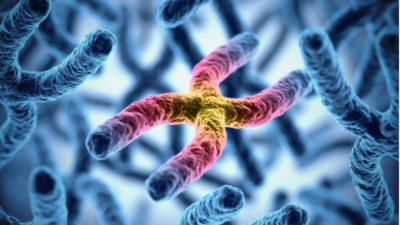
The Genetic Basis of Telomere Length
A new study in Nature Genetics has further illuminated the genetic regulation of telomere length and what implications it may have for various diseases and longevity. Telomeres and aging in humans At one time the hottest topic in aging, telomeres are the protective caps at the

Escaping Stem Cells Exacerbate Age-Related Hair Loss
Scientists showed that hair loss happens partially as a result of stem cells escaping from hair follicles. They also shot a stunning time-lapse video of the process. The stem cell cycle Stem cells reside in “stem cell compartments” in various tissues. By differentiating into multiple types
The Link Between Brain Age and Blood Pressure
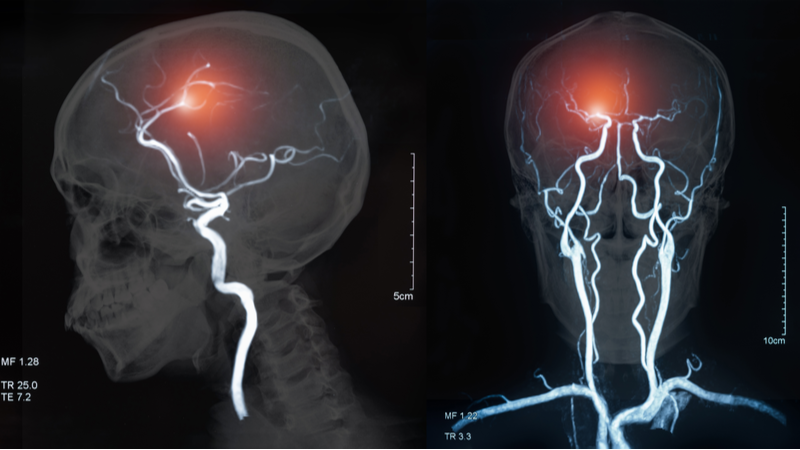
Researchers publishing in Frontiers in Aging Neuroscience have discovered that blood pressure is directly linked to brain aging. The BrainAGE clock For this analysis, the researchers chose BrainAGE, a well-known, machine learning-based biomarker that uses MRI imagery in order to determine age [1]. The researchers of

How a Protein Is Linked to Kidney Fibrosis With Age
Publishing in Aging, a team of researchers has reported that periostin, a protein that aids in development during the embryonic stage, is linked to kidney problems related to lipid metabolism in adults. Why does this protein exist? The researchers cite prior studies showing that periostin is

Matching an Epigenetic Clock to Physical Function
A new, three-year study published in The Journals of Gerontology: Series A examined the relationship between epigenetic clocks and physical performance in older women. Epigenetic clocks and biological age Epigenetic clocks attempt to estimate age based on measurable DNA modifications. However, not every individual ages at

Engineering Anti-Inflammatory Cells to Fight Arthritis
Publishing in Science Advances, a team of researchers has described how a scaffold containing genetically engineered induced pluripotent stem cells (iPSCs) can reduce symptoms in a mouse model of rheumatoid arthritis. The advantage over current drugs Rheumatoid arthritis (RA) is currently treated through drugs that often

Some Mutations Increase Cancer Risk by Making Cells Older
Cells from the breasts of women with mutations that increase their risk of breast cancer show signs of accelerated aging, according to new research [1]. Accelerated aging may make these cells worse at suppressing cancer development, offering both an explanation for the effect of these mutations

Study Suggests No Theoretical Limit on Human Lifespan
According to new research, it may be possible for humans to live 130 years or perhaps longer, but the chances of reaching that age are slim. New findings suggest that mortality risk plateaus past 110 For many years now, just how long a human being can

The Effects of Caloric Restriction on Stem Cells
A review published in The Malaysian Journal of Medical Sciences has outlined what effects caloric restriction (CR) has on the development and differentiation of stem cells. Stem cells and their exhaustion The reviewers began by discussing stem cell exhaustion, a hallmark of aging and a common

Activity and Diet Shown to Slow Aging (Again)
Scientists have used DNA methylation markers to measure the anti-aging effects of healthy diet and physical activity, reaching interesting, if at times contradictory, results [1]. Move, eat healthy, check your biological age Physical activity (PA) and healthy diet are two powerful interventions that have time and

Our Brains’ Metabolism Changes as We Age
A study conducted in Sweden and published in Scientific Reports has outlined the relationship between aging and the metabolites present in cerebrospinal fluid (CSF), which cushions and supports the brain and spine. A detailed, metabolic analysis The researchers extracted CSF from 41 people aged 20 to

Getting Proteins Right to Live Longer
Changing a single amino acid in a single protein boosts the fidelity of protein synthesis, and that is enough to increase lifespan in a variety of organisms, according to new research [1]. Proofreading proteins The loss of proteostasis is one of the hallmarks of aging. However,