




The Links Between Sleep Deprivation and Aging
Publishing in the journal Aging, a team of Russian researchers has shown what happens to the cognitive capabilities and brain structures of young and old sleep-deprived mice. Sleep-deprived mice act

Gene Found to Restore Egg Cell Function in Mice
A study conducted at the Institute of Reproductive Medicine in South Korea has shown that the protein expressed by growth-associated gene 6 (GAS6) ameliorates age-related decline in egg cells (oocytes).

New Patch Uses Ultrasound Array to Monitor Blood Flow
Researchers from the University of California San Diego have developed a new non-invasive way to measure blood flow using an ultrasound patch [1]. Realtime blood flow monitoring just got easier

Stem Cell Ovaries Now Functional in Mice
The entire ovarian niche of mice can now be generated in vitro from stem cells, as a study recently published in Science shows [1]. The researchers then carried out the

Anxious After Watching “Old”? Relax!
Rapid aging is horrifying, but in this retrospective, Elena Milova discusses why this movie scared her less than the rest of the audience. Script Spoiler alert! Several families go to

George Church on Gene Therapies and Longevity
Professor of Genetics at Harvard Medical School and one of the most prominent geroscientists, George Church works on gene therapies that can potentially reverse age-related diseases. We had the opportunity

Memory Restored in Aged Mice by Modifying the Brain’s ECM
Molecular Psychiatry has recently published a report from the University of Cambridge detailing how the brain’s extracellular matrix (ECM) changes with age, negatively impacting memory, and how modifying the components

Defeating Aging With Aubrey de Grey and Michael Rae
We recently caught up with Dr. Aubrey de Grey and Michael Rae from SENS Research Foundation (SRF) about the landscape in the field. We asked them two simple questions, and

A Model Using Four Fatty Acids Predicts Mortality
A study published in the American Journal of Clinical Nutrition has shown that a model built on the concentration of four fatty acids predicts mortality in older people at least

Teasing Apart the Effects of Aging and COVID-19
Researchers have used a big data approach to disentangle cellular and physiological changes that are specific to COVID-19 from those caused by aging [1]. Identifying these improves our understanding of

Senescent Cells, p65, and a Possible Treatment for Cancer
A report in the Journal of Cell Science has outlined different stages of cellular senescence alongside a mechanism that reverses it, along with a potential new treatment for glioblastoma. Old
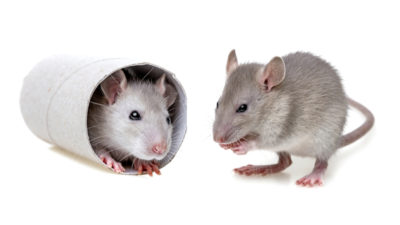
Enriched Environments Youthen the Brains of Mice
A study published in Nature Communications has shown that an environment rich in stimuli changes the epigenetics of the mouse hippocampus, making the brains of aged mice more like those

HDAC Inhibitors Linked to Cellular Senescence
A study published in Aging has shown that inhibiting histone deacetylases (HDACs), an approach used for treating cancer and other diseases, can lead to cellular senescence. What is a histone,

Loss of Peptide Not Amyloid Plaques a New Alzheimer’s Target
A recent study, led by the University of Cincinnati in collaboration with the Karolinska Institute in Sweden, challenges the popular amyloid hypothesis that has dominated Alzheimer’s research for decades. Amyloid

Engineering Cells to Avoid Immune Detection in Transplants
Gene editing can make stem cells invisible to the immune system, making it possible to carry out cell therapy transplants without suppressing the patients’ immune response [1]. Help me help

The Links Between Sleep Deprivation and Aging
Publishing in the journal Aging, a team of Russian researchers has shown what happens to the cognitive capabilities and brain structures of young and old sleep-deprived mice. Sleep-deprived mice act somewhat like sleep-deprived people This experiment used three groups of mice, each of which had two

Gene Found to Restore Egg Cell Function in Mice
A study conducted at the Institute of Reproductive Medicine in South Korea has shown that the protein expressed by growth-associated gene 6 (GAS6) ameliorates age-related decline in egg cells (oocytes). A protein with many functions Like many other proteins, the GAS6 protein serves multiple functions. It

New Patch Uses Ultrasound Array to Monitor Blood Flow
Researchers from the University of California San Diego have developed a new non-invasive way to measure blood flow using an ultrasound patch [1]. Realtime blood flow monitoring just got easier This new flexible polymer patch sticks to the skin and can monitor the flow of blood

Stem Cell Ovaries Now Functional in Mice
The entire ovarian niche of mice can now be generated in vitro from stem cells, as a study recently published in Science shows [1]. The researchers then carried out the remarkable feat of fertilizing the generated oocytes and growing healthy, fertile offspring from them. This advance

Anxious After Watching “Old”? Relax!
Rapid aging is horrifying, but in this retrospective, Elena Milova discusses why this movie scared her less than the rest of the audience. Script Spoiler alert! Several families go to a hotel in the tropics for a vacation. As any ordinary family, it has its problems

George Church on Gene Therapies and Longevity
Professor of Genetics at Harvard Medical School and one of the most prominent geroscientists, George Church works on gene therapies that can potentially reverse age-related diseases. We had the opportunity to interview this prolific researcher and entrepreneur, who is involved in dozens of startups, on topics

Memory Restored in Aged Mice by Modifying the Brain’s ECM
Molecular Psychiatry has recently published a report from the University of Cambridge detailing how the brain’s extracellular matrix (ECM) changes with age, negatively impacting memory, and how modifying the components of the brain ECM can revitalize memory in mice [1]. What is neuroplasticity? Neuroplasticity is the

Defeating Aging With Aubrey de Grey and Michael Rae
We recently caught up with Dr. Aubrey de Grey and Michael Rae from SENS Research Foundation (SRF) about the landscape in the field. We asked them two simple questions, and they joined forces to give us their combined insights. Lifespan.io: First, do you think we can

A Model Using Four Fatty Acids Predicts Mortality
A study published in the American Journal of Clinical Nutrition has shown that a model built on the concentration of four fatty acids predicts mortality in older people at least as well as a model that uses smoking and diabetes. A long-term cohort study This study

Teasing Apart the Effects of Aging and COVID-19
Researchers have used a big data approach to disentangle cellular and physiological changes that are specific to COVID-19 from those caused by aging [1]. Identifying these improves our understanding of the disease and may help explain why COVID-19 has a more severe effect on older people.

Senescent Cells, p65, and a Possible Treatment for Cancer
A report in the Journal of Cell Science has outlined different stages of cellular senescence alongside a mechanism that reverses it, along with a potential new treatment for glioblastoma. Old paradigms in cellular senescence Cellular senescence contributes to aging and age-related diseases, likely primarily through the

Enriched Environments Youthen the Brains of Mice
A study published in Nature Communications has shown that an environment rich in stimuli changes the epigenetics of the mouse hippocampus, making the brains of aged mice more like those of young mice [1]. What is an enriched environment? For mice, enriched environments (ENRs) are “large

HDAC Inhibitors Linked to Cellular Senescence
A study published in Aging has shown that inhibiting histone deacetylases (HDACs), an approach used for treating cancer and other diseases, can lead to cellular senescence. What is a histone, anyway? In biology, a histone is a protein that binds to DNA in order to control

Loss of Peptide Not Amyloid Plaques a New Alzheimer’s Target
A recent study, led by the University of Cincinnati in collaboration with the Karolinska Institute in Sweden, challenges the popular amyloid hypothesis that has dominated Alzheimer’s research for decades. Amyloid accumulation may be the consequence, not the cause Over 100 years ago, Alois Alzheimer originally identified

Engineering Cells to Avoid Immune Detection in Transplants
Gene editing can make stem cells invisible to the immune system, making it possible to carry out cell therapy transplants without suppressing the patients’ immune response [1]. Help me help you Cellular therapies involve transplanting cells into a patient to replace the activity of malfunctioning or