



A Single Gut Microbe Suppresses Weight Gain in Mice
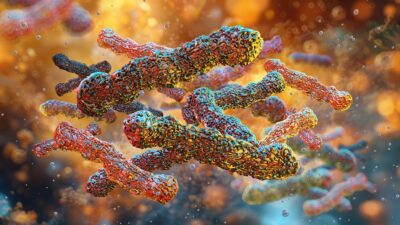
Scientists have found that a single microbial species can blunt the negative effects of a high-fat diet due to the unique mix of lipids it produces [1]. They intend to

Bacterium From Frogs Completely Destroys Colon Cancer
Scientists in Japan have discovered that multiple strains of bacteria taken from frogs, newts, and lizards can be effective against human colon cancer in a mouse model. One particular microbe

Researchers Find a Potential Target for Hearing Loss
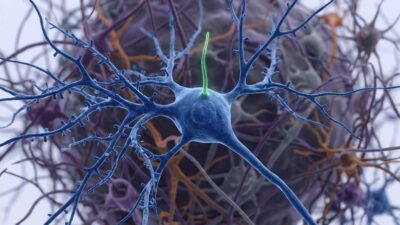
In Aging Cell, researchers have identified bone marrow stromal antigen 2 (BST2) as a key protein in age-related hearing loss in a mouse model. Neural myelination is necessary for function
Producing Thymic Factors in the Liver Rejuvenates Immunity
A new study proposes a novel approach to fighting immune system decline caused by thymic involution: making the liver produce proteins that support T cell development and function [1]. Bringing

A Gene That Changes Function With Aging in Mice
In Nature Aging, researchers have discovered growth differentiation factor 3 (GDF3), a cytokine that increases with aging, is related to more inflammatory macrophages in older animals. Fat and inflammation We

Analyzing the Quality of Preclinical Anti-Aging Research
Researchers have investigated the reporting quality of preclinical studies’ outcomes in anti-aging research. They analyzed how study quality changed over time, shortcomings in research, and the improvements that can be

Senescence Exacerbated by Mitochondrial RNA Leakage
Scientists have investigated a little-known mechanism that fuels cellular senescence: mitochondrial RNA leaking into the cytoplasm. Targeting this mechanism showed promise in a mouse model of fatty liver [1]. The
Targeting a Metabolic Regulator Reduces Fat in Mice
In Aging, researchers have described how they removed visceral fat from older male mice by targeting the metabolic regulatory protein CD47. A key regulator of metabolism Visible fat carried around

Molecule From Chocolate Linked to Slower Epigenetic Aging
A new observational study spanning two human cohorts has found a link between theobromine, a phytochemical abundant in cocoa, and slower epigenetic aging [1]. A yummy geroprotector? Popular wisdom has
Human Umbilical Cord Blood Metabolites Lengthen Worms’ Lives
Comparison of human umbilical cord blood with adult plasma revealed hundreds of metabolites whose abundances were age-dependent. Two different formulas, each a mix of a few metabolites, demonstrated anti-senescence properties
A Key Molecular Link Between Aging and Osteoporosis
In Aging Cell, researchers have described how an age-related deficiency in another compound leads the antioxidant FoxO1 to contribute to bone deterioration in osteoporosis by siphoning from a bone-building pathway.

Stem Cell-Derived Vesicles Improve Cognition in Aged Monkeys
In a new study, extracellular vesicles (EVs) derived from mesenchymal stem cells (MSCs) improved spatial working memory in rhesus macaques, suggesting a possible reversal of age-related cognitive decline [1]. The

Nasal Tissue Extracellular Vesicles Improve Health in Mice
Researchers have discovered that extracellular vesicles (EVs) derived from the nasal mucosa provide significant regenerative benefits to tissues throughout the body, including the brain. A very regenerative tissue Previous work
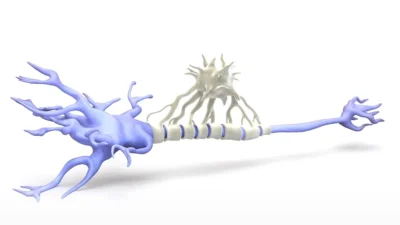
Microglia Replacement Already Working in Humans
A new review highlights the promise of microglia replacement, a strategy that made the leap from mouse studies to the first successful human trial in just five years [1]. Repair
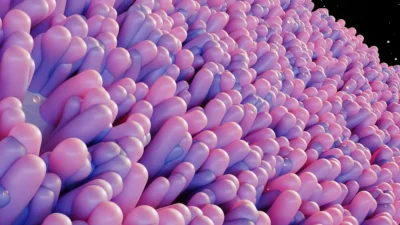
Engineering Immune Cells to Fight Gut Senescence
In Nature Aging, researchers have published their finding that targeting urokinase plasminogen activator receptor (uPAR), a senescence-associated protein, restores gut function in mice. One way the gut lining ages Of
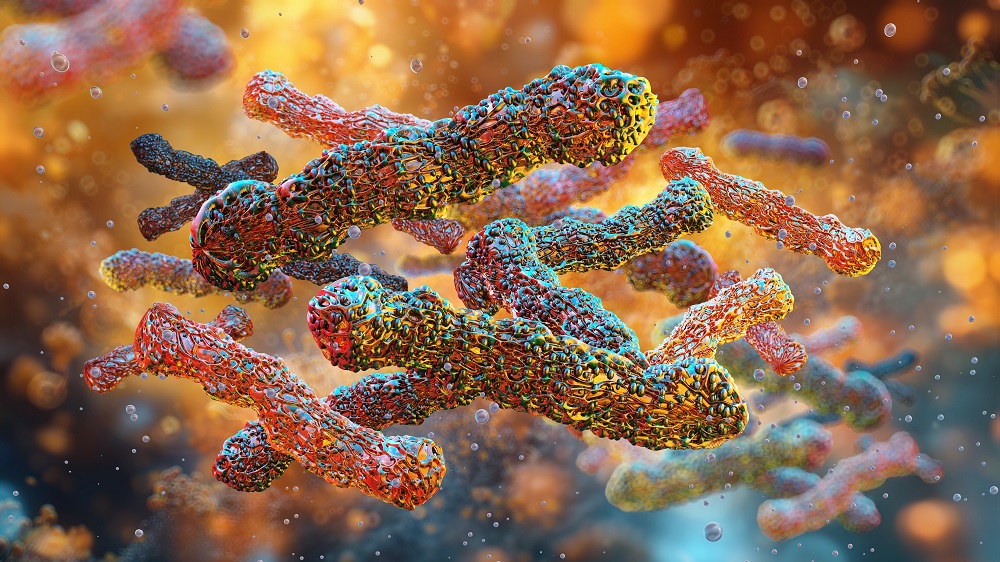
A Single Gut Microbe Suppresses Weight Gain in Mice
Scientists have found that a single microbial species can blunt the negative effects of a high-fat diet due to the unique mix of lipids it produces [1]. They intend to identify its specific lipids in future work. Good neighbors The billions of gut microbes that we

Bacterium From Frogs Completely Destroys Colon Cancer
Scientists in Japan have discovered that multiple strains of bacteria taken from frogs, newts, and lizards can be effective against human colon cancer in a mouse model. One particular microbe achieved a perfect response rate and survival [1]. Bacteria against cancer Recent research has illuminated the

Researchers Find a Potential Target for Hearing Loss
In Aging Cell, researchers have identified bone marrow stromal antigen 2 (BST2) as a key protein in age-related hearing loss in a mouse model. Neural myelination is necessary for function Demyelination, the loss of neurons’ protective sheaths, is known to be fundamental in multiple serious neurological
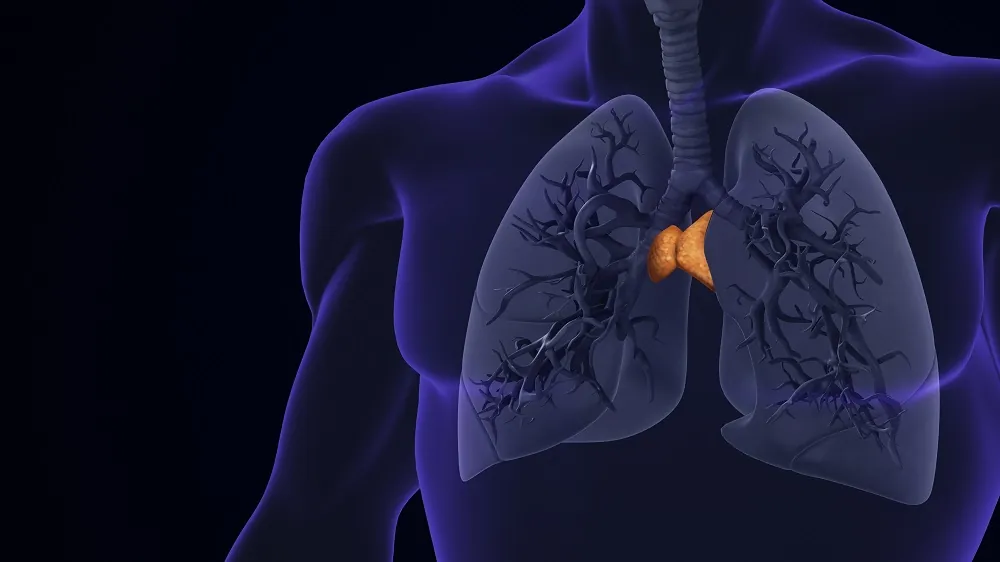
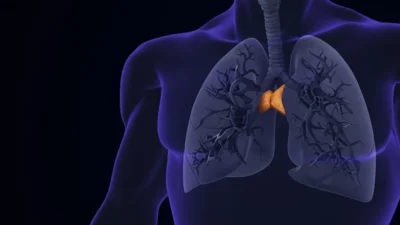
Producing Thymic Factors in the Liver Rejuvenates Immunity
A new study proposes a novel approach to fighting immune system decline caused by thymic involution: making the liver produce proteins that support T cell development and function [1]. Bringing back the Ts Immunosenescence, the gradual deterioration of the immune system, is a central aspect of

A Gene That Changes Function With Aging in Mice
In Nature Aging, researchers have discovered growth differentiation factor 3 (GDF3), a cytokine that increases with aging, is related to more inflammatory macrophages in older animals. Fat and inflammation We have recently reported on a potential treatment for visceral fat, as this kind of fat is

Analyzing the Quality of Preclinical Anti-Aging Research
Researchers have investigated the reporting quality of preclinical studies’ outcomes in anti-aging research. They analyzed how study quality changed over time, shortcomings in research, and the improvements that can be made in the future in order to yield as many valuable insights as possible [1]. The
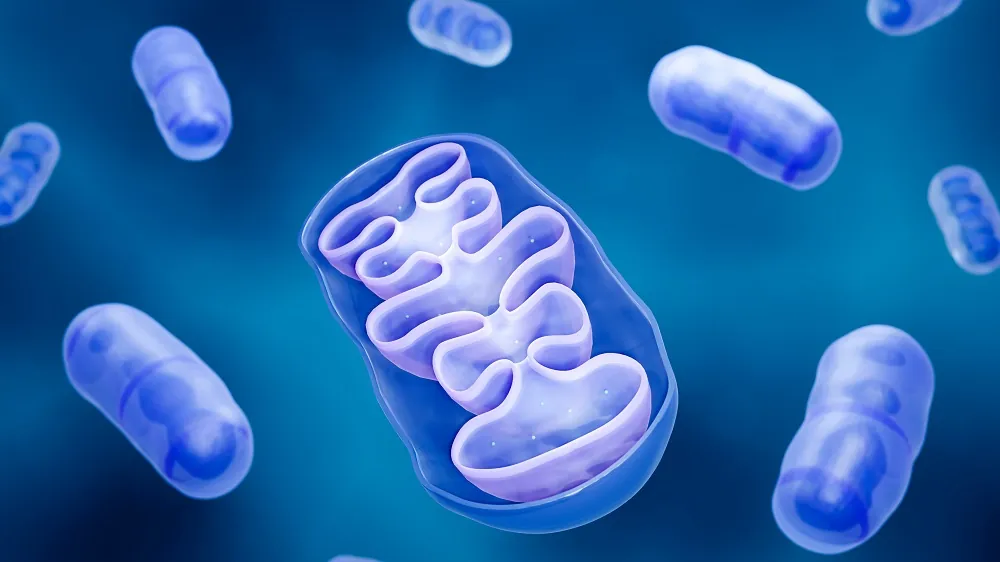
Senescence Exacerbated by Mitochondrial RNA Leakage
Scientists have investigated a little-known mechanism that fuels cellular senescence: mitochondrial RNA leaking into the cytoplasm. Targeting this mechanism showed promise in a mouse model of fatty liver [1]. The new target The increasing abundance of senescent cells with age has been linked to numerous diseases
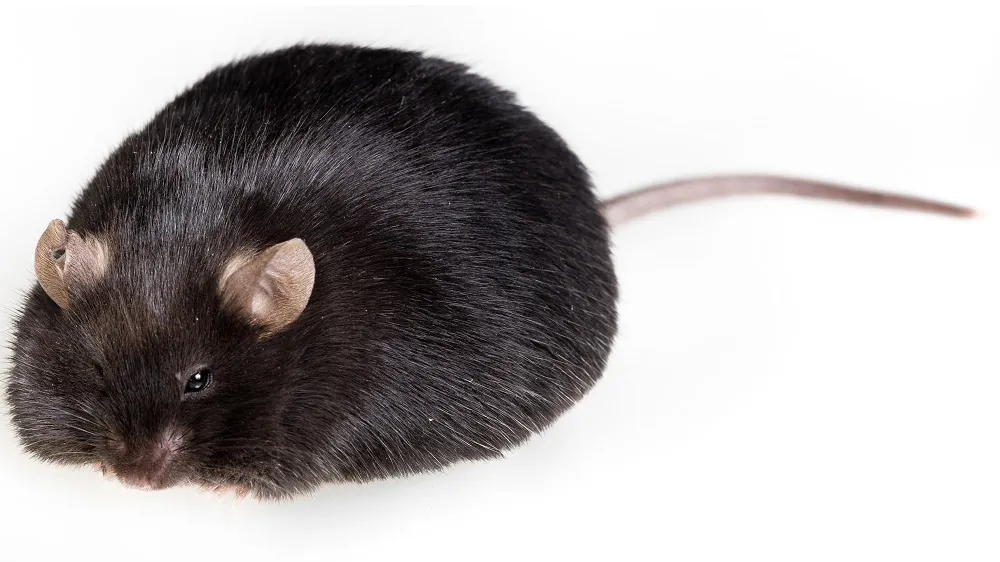
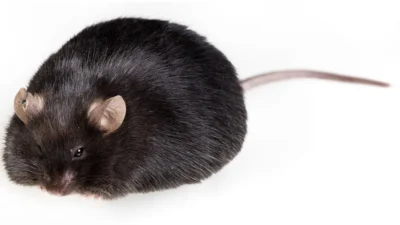
Targeting a Metabolic Regulator Reduces Fat in Mice
In Aging, researchers have described how they removed visceral fat from older male mice by targeting the metabolic regulatory protein CD47. A key regulator of metabolism Visible fat carried around the body is subcutaneous fat. While this kind of fat is obviously not healthy to have

Molecule From Chocolate Linked to Slower Epigenetic Aging
A new observational study spanning two human cohorts has found a link between theobromine, a phytochemical abundant in cocoa, and slower epigenetic aging [1]. A yummy geroprotector? Popular wisdom has it that not many things in life are both healthy and delicious, but according to research,
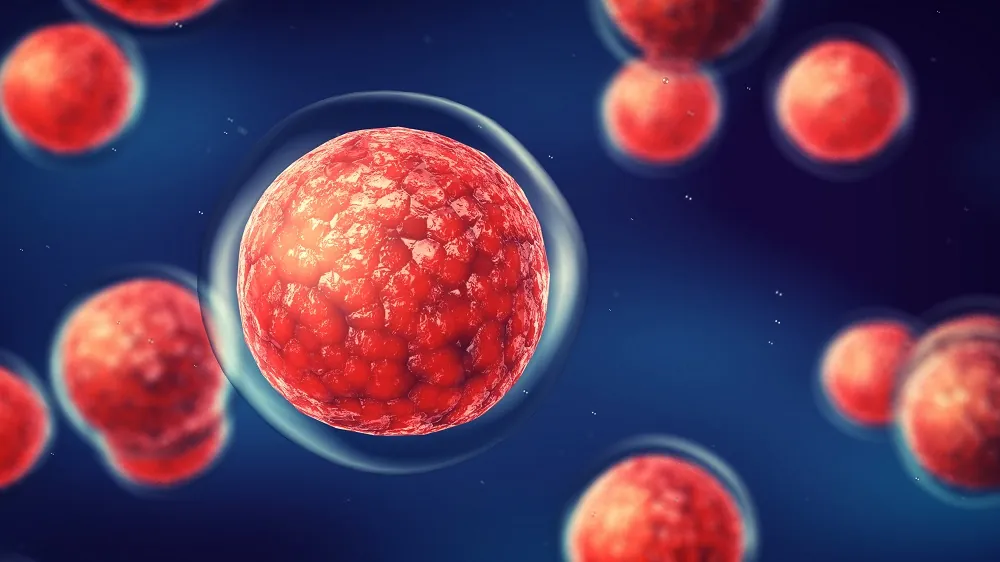
Human Umbilical Cord Blood Metabolites Lengthen Worms’ Lives
Comparison of human umbilical cord blood with adult plasma revealed hundreds of metabolites whose abundances were age-dependent. Two different formulas, each a mix of a few metabolites, demonstrated anti-senescence properties in cell cultures and model organisms [1]. Young blood has benefits Previous research has provided evidence
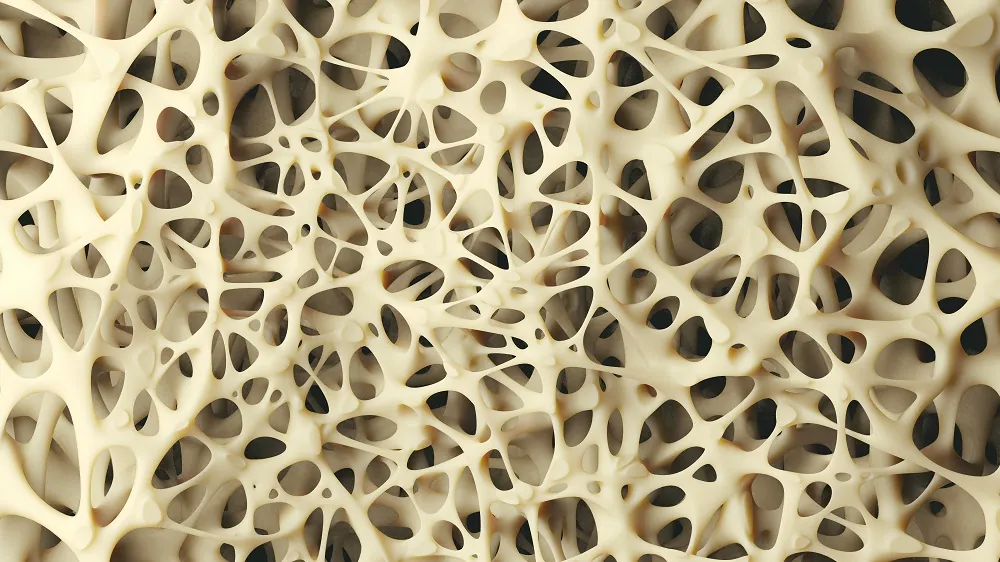
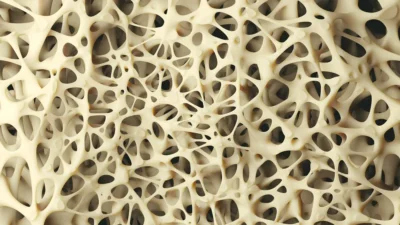
A Key Molecular Link Between Aging and Osteoporosis
In Aging Cell, researchers have described how an age-related deficiency in another compound leads the antioxidant FoxO1 to contribute to bone deterioration in osteoporosis by siphoning from a bone-building pathway. A harmful antioxidant? Because they fight against harmful reactive oxygen species (ROS), antioxidants, both external and

Stem Cell-Derived Vesicles Improve Cognition in Aged Monkeys
In a new study, extracellular vesicles (EVs) derived from mesenchymal stem cells (MSCs) improved spatial working memory in rhesus macaques, suggesting a possible reversal of age-related cognitive decline [1]. The “normal” decline Even “healthy” aging (not accompanied by obvious age-related diseases such as dementia) leads to
Nasal Tissue Extracellular Vesicles Improve Health in Mice
Researchers have discovered that extracellular vesicles (EVs) derived from the nasal mucosa provide significant regenerative benefits to tissues throughout the body, including the brain. A very regenerative tissue Previous work involving the transection of sizable portions of the nasal mucosa has found that this tissue grows
Microglia Replacement Already Working in Humans
A new review highlights the promise of microglia replacement, a strategy that made the leap from mouse studies to the first successful human trial in just five years [1]. Repair or replace Microglia, the resident immune cells of the brain, have been implicated in various diseases,
Engineering Immune Cells to Fight Gut Senescence
In Nature Aging, researchers have published their finding that targeting urokinase plasminogen activator receptor (uPAR), a senescence-associated protein, restores gut function in mice. One way the gut lining ages Of all the tissues in the human body, the intestinal epithelium, which lines the gut, replaces its