The Blog

Building a Future Free of Age-Related Disease

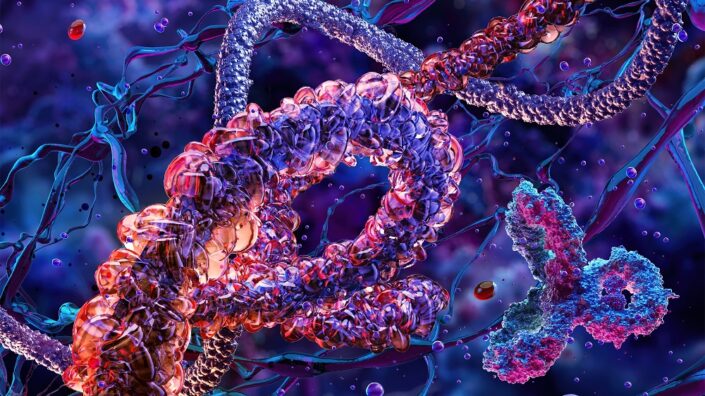
Protein folding

Limiting One Protein Maintenance Pathway Enhances Another

In Aging Cell, researchers have explored how transcription factor EB (TFEB) promotes proteostasis in a common aging model.

Maintaining protein function

Proteostasis is naturally maintained by a quality control system that utilizes a network of chaperones and co-chaperones in order to handle all aspects of protein maintenance, including both folding and unfolding along with destruction of misfolded or otherwise damaged proteins [1]. This process is partially controlled by stress responses that act on transcription factors, which upregulate and downregulate proteostasis-related genes [2].

One of these key factors is coenzyme A (CoA), which is widely used throughout the body in multiple fundamental biochemical reactions, including mitochondrial energy-gathering processes, natural steroid synthesis, and protein management. To synthesize CoA, the body uses pantothenate kinase (PanK), which is the key bottleneck in its production [3]. As expected, genetic mutations that cause PanK deficiencies lead to severe diseases, such as brain degeneration [4].

CoA also produces clusters of iron and sulfur (ISCs) that are used as electron banks for biochemical reactions. While they are assembled in the mitochondria [5], they are transported throughout the cell through a complicated network, and disruptions to this network lead to serious diseases [6].

This work explores how CoA and ISCs are related to the common transcription factor TFEB. TFEB has an ortholog, HLH-30, in C. elegans worms, and so the researchers refer to it as HLH-30/TFEB throughout their paper.

A possible benefit of limitation

In C. elegans, full PanK depletion leads to similar problems as it does in humans [7]. However, halving its production does not lead to decreased lifespans in these worms.

Instead, worms that had a genetic mutation that led to PolyQ expansion, a proteostasis disorder that leads to formation of aggregates that cluster as foci within their bodies. Worms that had both this disorder and halved PanK production had fewer of these foci in their muscles, along with more activity and muscle movement, than worms that only had the disorder, although they had the same number of aggregates. Interestingly, this only occurred in worms treated with RNA interference (RNAi) to reduce PanK expression rather than worms that were created with halved PanK at the genetic level.

Intrigued, the researchers then turned to a model with a mutation that mis-encodes a crucial muscle protein, making it temperature sensitive. At the wrong temperature, worms with this mutation find it much more difficult to move as these proteins misfold. However, reducing PanK in these worms, through either a different genetic modification or RNAi, improves their movements at the wrong temperature, suggesting that proteostasis mechanisms are working harder.

Work with a labeled insulin protein recapitulated these findings. Worms that can properly process it place it, properly folded, into the body cavity, while worms that cannot process it leave the misfolded protein in the cells. Causing worms to undergo chronic stress through a mutation harms their proteostasis, meaning that they leave it in their cells; however, decreasing PanK through mutation or RNAi leads to more properly folded protein.

The resarchers then took a closer look at stress. They found that worms with less PanK were better at handling stress, whether that was due to a chemical insult or to heat shock; the difference was slight compared to unstressed controls, but it was still clearly visible in the data and statistically significant.

Finally, and critically, the same was found to be true of human cells. Bone cancer cells that were given a PanK inhibitor survived against heat shock more than cells not given the inhibitor. Similar results were found in another cell type. PanK inhibition did not affect these cells’ viability when there was no heat stress applied.

These results were found to be contingent on the resulting decreased levels of CoA. Worms that were given CoA in addition to decreased PanK had none of the previously observed benefits.

Protein chaperones to the rescue

Their findings led the researchers to investigate possible causes, looking closely at the mitochondria in an effort to find out why decreasing something as fundamental as CoA would lead to increased, not decreased, proteostasis. Most of the CoA-related pathways that they investigated were unfruitful; interfering with them only made things worse. However, silencing two genes relating to ISCs was found to be beneficial.

Further work found that interfering in these ISCs at any point was of benefit, whether it was their origination in the mitochondria or their transport throughout the cell. These effects were not additive with PanK silencing, demonstrating a chain of causality: the decrease in ISCs caused by PanK suppression leads to improvements in proteostasis.

These proteostasis improvements were not related to the proteasome nor the lysosome, which degrades misfolded proteins, nor did they have anything to do with the cellular clearing function known as autophagy. Instead, they were found to be related to an increase in chaperone-mediated protein folding; targeting these chaperones destroyed the ability of PanK reduction to increase performance under stress.

The role of TFEB

There were 13 specific chaperones found to improve heat shock survival, and 10 of them were related to HLH-30/TFEB in an existing data set. The mutants with less PanK had significant increases in a multitude of related genes. As with the CoA supplementation, interfering with HLH-30/TFEB stopped these chaperones from working and so prevented PanK reduction from increasing survival under heat shock conditions.

Therefore, the researchers concluded that reducing CoA and ISCs through decreased PanK is responsible for upregulating HLH-30/TFEB, which has substantial and beneficial downstream effects on protein folding through chaperones.

While very detailed in its biochemistry, this is a preliminary study. None of these treatments led to significant lifespan increases in worms, whether they were placed under stress or not. While they mentioned that it is a clear target, the researchers did not increase HLH-30/TFEB through a genetic intervention or other means. Further work, on worms and mice, will need to be done in order to determine if directly boosting chaperones could possibly be an effective treatment for proteostasis disorders such as Alzheimer’s and Parkinson’s.

We would like to ask you a small favor. We are a non-profit foundation, and unlike some other organizations, we have no shareholders and no products to sell you. All our news and educational content is free for everyone to read, but it does mean that we rely on the help of people like you. Every contribution, no matter if it’s big or small, supports independent journalism and sustains our future.

Literature

[1] Jayaraj, G. G., Hipp, M. S., & Hartl, F. U. (2020). Functional modules of the proteostasis network. Cold Spring Harbor Perspectives in Biology, 12(1), a033951.

[2] Pessa, J. C., Joutsen, J., & Sistonen, L. (2024). Transcriptional reprogramming at the intersection of the heat shock response and proteostasis. Molecular cell, 84(1), 80-93.

[3] Robishaw, J. D., & Neely, J. R. (1985). Coenzyme A metabolism. American Journal of Physiology-Endocrinology And Metabolism, 248(1), E1-E9.

[4] Gregory, A., & Hayflick, S. J. (2017). Pantothenate kinase-associated neurodegeneration.

[5] Paul, V. D., & Lill, R. (2015). Biogenesis of cytosolic and nuclear iron–sulfur proteins and their role in genome stability. Biochimica Et Biophysica Acta (BBA)-Molecular Cell Research, 1853(6), 1528-1539.

[6] Maio, N., & Rouault, T. A. (2020). Outlining the complex pathway of mammalian Fe-S cluster biogenesis. Trends in Biochemical Sciences, 45(5), 411-426.

[7] Samuelson, A. V., Carr, C. E., & Ruvkun, G. (2007). Gene activities that mediate increased life span of C. elegans insulin-like signaling mutants. Genes & development, 21(22), 2976-2994.

Peter Fedichev Op-Ed

Playing the Long Game Towards Radical Life Extension

For most of the history of human civilization, humanity expanded at an astonishing pace: faster than exponential, nearly hyperbolic. This trend was famously described in a 1960 paper by Heinz von Foerster and colleagues, who extrapolated global population data to predict a so-called “Doomsday”, a demographic singularity in which human numbers would become infinite by 2026, assuming growth continued unchecked [1].

However, something unexpected happened: birth rates began to fall even as lifespans continued to rise. This shift wasn’t directed by any authority; it was a spontaneous outcome of billions of individual choices. It was a striking example of emergent behavior in a complex system. In doing so, humanity collectively dodged what had once been seen as its greatest existential threat: overpopulation.

Yet, the success of this transition has brought a new crisis: as we live longer, we don’t necessarily live better. The burden of chronic disease rises sharply with age, driving healthcare costs higher and threatening to destabilize pension systems worldwide. The same demographic shift that saved us from overpopulation now demands a new kind of solution; we must either decouple aging from disease or stop aging altogether.

This imperative has fueled the rise of longevity biotechnology, a modern crusade to unlock the secrets of extended life. Billions of dollars have poured into startups, research labs, and bold promises of reversing aging. We have made progress: we know that human life, and especially the lives of lab animals, can be stretched impressively.

Caloric restriction (CR), cutting food intake while maintaining nutrition, remains the gold standard, consistently extending lifespan in mice, worms, and even monkeys by slowing metabolism and reducing cellular wear. It’s a trick that nature has been hinting at for eons. Here’s the rub: despite all our high-tech tools, no cutting-edge intervention, whether cellular reprogramming with Yamanaka factors or advanced drug cocktails, has outperformed rapamycin or caloric restriction in animal models, whether tested alone or in combination. As Matt Kaeberlein has emphasized, nothing yet beats the effect of simply eating less.

This stagnation echoes a tale from 800 years ago, when Genghis Khan, the conqueror of empires, turned his gaze to conquering death itself. Around 1222, as he ravaged all of the taxable-at-the-time world, the aging Khan summoned Qiu Chuji, a Taoist monk famed for his wisdom on longevity. Genghis, nearing 60 and feeling the weight of his relentless campaigns, demanded the secret to eternal life: an elixir to defy time.

After a grueling two-year trek to meet the Khan, Qiu offered no potion, no magic. Instead, he counseled moderation: curb your excesses, avoid overindulgence in wine and war, live simply. It was caloric restriction and a balanced life in all but name, pragmatic advice rooted in observation, not mysticism. Genghis, perhaps disappointed, still honored the monk but died just five years later in 1227. Even then, with all his power and the wisdom of the age, nothing better than moderation emerged.

Ironically, it is traditional pharma that has edged closer to practical anti-aging interventions. Drugs like Ozempic, which were originally developed for diabetes and obesity, have shown real, though modest, mortality benefits across a growing list of conditions. These effects are meaningful, but they still fall short of fundamentally altering the aging process.

Meanwhile, the longevity field projects a contradictory message. On one hand, it claims we are close to developing a drug against aging; on the other, it acknowledges that we still lack a shared understanding of what aging actually is. We are like early aviators tinkering with wings and engines, achieving powered flight through trial and error. Drugs that mimic the effects of caloric restriction, like rapamycin and metformin, are our first creaky airplanes: promising, but still crude.

The ambition to truly defeat aging is not just about building better airplanes; it’s about realizing that no airplane, no matter how refined, can reach the Moon. To get there, humanity needed rockets, which are based on entirely different principles. Similarly, halting aging will demand not just incremental improvements, but a deep, principled mastery of the fundamental mechanics that drive the aging process.

As with the case of flying machines, nature provides numerous examples of evolutionarily advanced creatures, including some mammals, that exhibit little to no signs of aging and live up to 10 times longer than expected for animals of their size: an effect size far greater than that achieved by CR. This phenomenon, known as negligible senescence, is increasingly recognized as a distinct regime of aging. Notably, recent studies by the Calico team, using increasingly large animal cohorts of naked mole rates, have shown the absence of the acceleration of mortality, a defining feature of aging in humans.

We must begin thinking more deeply to make sense of these observations. In a 2007 paper in PLOS Genetics, Leonard Hayflick proposed entropy, the universal force driving systems toward disorder, as the fundamental cause of aging. Building on this idea and using modern molecular-level data, our team developed a comprehensive, quantitative theory of aging that integrates both dynamic (reversible) and entropic (irreversible) components of the aging process.

In a series of peer-reviewed studies, published in Nature Communications [2] and Aging Biology [3], we demonstrated that human aging is governed by a dual mechanism: a slow, linear accumulation of entropy that expands the footprint in physiological configuration space and leads to irreversible information loss, and, alongside it, dynamic fluctuations—short-term, reversible stress responses—that gradually destabilize the system and drive the onset of chronic diseases with age.

This combined framework not only confirms Hayflick’s hypothesis but extends it, providing a coherent and, crucially, quantitative explanation for how different biological systems age over time and eventually fail. Critically, it allowed us to classify organisms into two distinct aging regimes: relatively short-lived (“unstable”) species, like mice, whose aging is dominated by dynamic instabilities, and longer-lived (“stable”) species, like humans, where aging is driven primarily by the slow, irreversible accumulation of entropic damage. A key insight from this model is that interventions targeting only the dynamic components of aging, such as senescence or inflammation, have little to no effect on the underlying entropic damage, which is consistent with the expectations of macroscopic irreversibility as dictated by the second law of thermodynamics.

These findings are not merely of academic interest; they form the foundation for a new, quantitative theory of aging: one that explains mortality trends, biomarker divergence, and why long-lived species age differently from short-lived ones. At the heart of this theory lies a simple but powerful principle: aging in humans is driven by the accumulation of microscopic molecular insults—each individually benign and reversible, but collectively irreversible—that gradually erode physiological resilience. As this process unfolds, the organism becomes increasingly fragile, until even small fluctuations (biological noise) can push it past critical thresholds, triggering disease or death.

These findings and the underlying theory not only explain much of what is known about aging biology, but also generate important new predictions. In our 2021 Nature Communications publication, we provided one of the first direct measurements of the maximum human lifespan using longitudinal physiological data. By analyzing changes in biological markers, such as blood composition and physical activity patterns, we demonstrated that the variance and recovery time of physiological signals diverge near a critical age, between 120 and 150 years. This divergence signals a fundamental loss of resilience, indicating a hard upper limit on human lifespan. Our results suggest that maximum lifespan is not merely a statistical artifact of demographic data, but an objective, measurable, and potentially modifiable feature of human physiology.

Understanding the physics and biology behind this upper bound on lifespan is critical for evaluating the potential of longevity interventions. Our theory identifies three primary levers for intervention, which we classify into three distinct levels based on their potential effect size [4].

  1. Level-1 therapies target key molecular hallmarks of aging. These include CR mimetics, cellular rejuvenation therapies, senolytic therapies, telomere activators, and most other areas of research currently in the drug development pipeline. These work well in short-lived organisms where aging is unstable and markers of aging are tightly coupled. Level-1 therapies hold significant promise for addressing individual age-related diseases, including those with the largest market potential. Of those, diabetes alone reduces human lifespan by up to 8 years (depending on the age at diagnosis). This is why we expect that drugs aimed at improving metabolic health are expected to deliver the greatest benefits in this category.
  2. We predict the emergence of a new class of drugs, Level-2 therapies, designed to reduce physiological noise: the random fluctuations that destabilize health as organisms approach the limits of resilience. By damping this noise, these therapies could decouple aging from the onset of diseases, effectively “squaring” the survival curve. In practical terms, Level-2 interventions could add 30-40 years of healthy life by bridging the gap between today’s average lifespan (70-80 years, depending on the country) and the maximum natural lifespan of 120-150 years. However, they would not significantly extend the maximum lifespan itself.
  3. Level-3 therapies would aim to halt—or, as some hope, reverse—the accumulation of entropic damage itself. These therapies would not merely extend life; they would arrest functional decline and push maximum lifespan beyond the current 120-150 year limit. Because entropic damage accumulates slowly, future experiments and clinical trials will require the development of actionable biomarkers to track it. Targeting or controlling this damage will be challenging and will likely demand novel technologies, such as advanced organ replacement and new animal models of aging. Nevertheless, our theoretical framework provides a solid analytical foundation and brings these ambitious goals within conceptual reach.

Without a clear theoretical understanding of the aging process, drug development efforts often fall into the trap of focusing narrowly on specific disease indications. This is why most researchers, investors, and entrepreneurs in longevity biotechnology are currently centered on Level-1 therapies. These interventions may delay the onset or progression of individual diseases and modestly improve healthspan. However, they will not alter the fundamental dynamics of aging or extend the maximum lifespan.

The theoretical picture sends a dire warning. Level-1 biology addresses diseases in humans but has only a modest effect on lifespan. Level-2 interventions may further reduce the incidence of diseases and mortality. However, neither Level-1 nor even Level-2 therapies alone can alter the rate of functional decline. Aging is not merely the sum of diseases. Even in the absence of illness, humans grow increasingly fragile over time. A 90-year-old free of disease remains a diminished, less resilient version of their younger self.

The reason is that irreversible damage accumulates over time, leading to the progressive and likely irreversible decline of key functional indicators such as IQ, VO₂max, kidney function, and others that collectively define physiological resilience and quality of life. While squaring the curve, extending healthspan toward maximum lifespan, could significantly prolong life compared to current averages, it would not intercept the aging process itself. Without directly addressing underlying decline, it risks becoming a path to prolonged disability rather than true rejuvenation.

Only a combination of Level-2 therapies that decouple aging from disease—and, even more critically, Level-3 therapies that target or reverse damage accumulation—will extend lifespan and preserve function, opening the path to negligible senescence in our species.

The era of low-hanging fruit is coming to an end. Rather than chasing isolated hallmarks of aging or targeting individual diseases, we must now approach aging as a system-level, entropy-driven process. My scientific aspirations are firmly at Level-3, but my instincts tell me that Level-2 therapies, those that reduce biological noise, can be discovered and developed into real medicines much sooner with today’s technology.

This is the current focus of our research and development at Gero. We are investigating the biology of physiological noise using longer-lived mammals, such as dogs, as model organisms. Whether it is us or another research team that ultimately cracks the code of Level-2 or Level-3 interventions, true success will come only through a comprehensive understanding of the aging process and by raising the bar for what we expect from interventions. Without that foundation, no amount of billions spent will carry us much farther than the same old wisdom Genghis Khan got almost exactly 800 years ago.

We would like to ask you a small favor. We are a non-profit foundation, and unlike some other organizations, we have no shareholders and no products to sell you. All our news and educational content is free for everyone to read, but it does mean that we rely on the help of people like you. Every contribution, no matter if it’s big or small, supports independent journalism and sustains our future.

Literature

[1] Von Foerster, H., Mora, P. M., & Amiot, L. W. (1960). Doomsday: Friday, 13 November, AD 2026: At this date human population will approach infinity if it grows as it has grown in the last two millenia. Science, 132(3436), 1291-1295.

[2] Pyrkov, T. V., Avchaciov, K., Tarkhov, A. E., Menshikov, L. I., Gudkov, A. V., & Fedichev, P. O. (2021). Longitudinal analysis of blood markers reveals progressive loss of resilience and predicts human lifespan limit. Nature communications, 12(1), 2765.

[3] Tarkhov, A. E., Denisov, K. A., & Fedichev, P. O. (2024). Aging clocks, entropy, and the challenge of age reversal. AgingBio, 2, e20240031.

[4] Denisov, K. A., Gruber, J., & Fedichev, P. O. (2024). Discovery of Thermodynamic Control Variables that Independently Regulate Healthspan and Maximum Lifespan. bioRxiv, 2024-12.

Rejuvenation Roundup April 2025

Rejuvenation Roundup April 2025

While computer technology continues to accelerate, human beings still have to contend with age-related disease and death. Here’s some of what’s been done to support longer, healthier lives in April.

A lifespan.io Project Bears Fruit

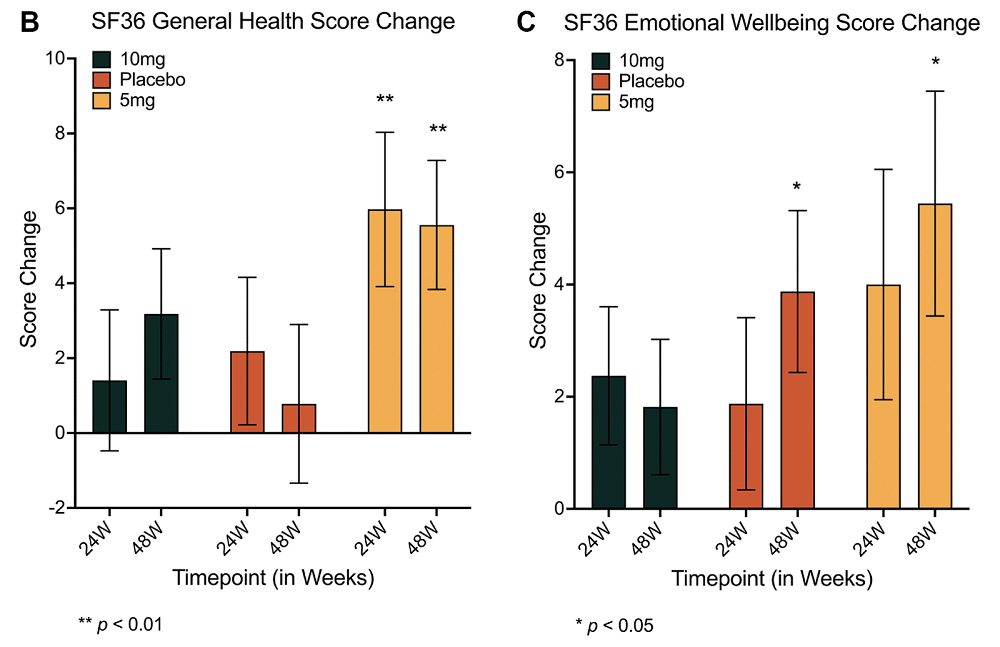
Results of a Crowdfunded One-Year Human Rapamycin Trial: In Aging, Dr. Sajid Zalzala and his team have published the results of Participatory Evaluation of Aging with Rapamycin for Longevity (PEARL), a randomized, controlled human clinical trial that was crowdfunded by lifespan.io.

Research Roundup

Scientists Discover a New Mitigator of Senescence: Working with flies, mice, and human cells, scientists have demonstrated that a highly conserved protein can modulate cellular senescence, potentially opening a new avenue for future therapies.

Activation of Silent X Chromosome Might Improve Cognition: Using a mouse model, researchers from UCSF have found that the genes that become activated on the silent X chromosome might explain some sex-dependent differences in cognitive abilities during aging.

Extracellular Vesicles Restore Some Heart Function to Mice: Publishing in Stem Cell Research & Therapy, researchers have found that small extracellular vesicles (sEVs) derived from young mice alleviate heart dysfunction in older mice.

Reprogramming Epigenetics to Fight Back Pain: A new paper published in the Nature journal Bone Research has found that reprogramming the epigenetics of spinal disc cells reduces senescence and alleviates pain in a rat model.

Fasting Affects the Immune System via the Brain: A new study has found that the immune remodeling associated with fasting can be recapitulated by activating a subset of neurons in the hypothalamus. The findings could be important in the context of fasting mimicking, metabolic disorders, and cancer.

Dietary Patterns Associated With Healthy Aging: A recent study investigated the impact of eight different mid-life dietary patterns on the odds of healthy aging, including cognitive, mental, and physical health.

How Exercise May Fight Parkinson’s Disease: Experimenting on rodents, researchers have found a pathway through which exercise could fight Parkinson’s disease and a molecule that might recapitulate this effect.

Neurons Hidden to Immune Cells Improve Parkinson’s in Rats: By tweaking genes used by placental and cancerous cells to evade immune detection, scientists have created non-immunogenic neuronal grafts that may help Parkinson’s patients.

Senolytics Decrease Low Back Pain in Mice: Researchers have tested a synthetic and natural senolytic combination of RG-7112 and o-vanillin in mice with early-onset low back pain and disc degeneration. They observed reduced signs of back pain; decreased senescence and disc degeneration; and improvements in vertebral bone quality.

Researchers Use Big Data to Find a Longevity Target: Researchers publishing in Aging Cell have used large databases to discover a causal relationship between multiple genes and overall mortality risk, finding a new potential target in the process.

A Senescence-Related Target for Blood Vessel Formation: In Aging Cell, researchers have linked macrophage senescence to the failure of new blood vessel formation, finding a key target that might make it easier to treat arterial clogs.

Researchers Fight Some Mutations by Targeting Mitochondria: Clonal hematopoiesis, a condition linked to numerous age-related disorders, can be caused by overachieving mitochondria, and it may be susceptible to drugs such as MitoQ and metformin.

Technology Use Associated With Reduced Cognitive Impairment: New research suggests that digital technologies provide beneficial effects on cognition in middle-aged and older adults who did not grow up with such technologies.

How Fisetin May Fight Blood Vessel Calcification: In Aging, researchers have described how the well-known supplement fisetin may fight calcification of the blood vessels, seeing significant successes in both cellular and mouse models.

OS-01 Peptide Tested in Skin Aging Pilot Study: A recent study featured in the Journal of Cosmetic Dermatology has analyzed the impact of a topical product containing OS-01. This is a senotherapeutic peptide that targets senescence, affecting the skin’s barrier function and multiple aging biomarkers.

How Extracellular Vesicles From Stem Cells Fight Senescence: Researchers have discovered a cocktail of micro-RNA strands that make some extracellular vesicles (EVs) effective in reducing cellular senescence and published their findings in Aging Cell.

Immune Resilience Is a Strong Determinant of Mortality: A new study defines the concept of immune resilience and positions it as a central determinant of aging trajectories, linking it to survival, inflammation control, and the body’s ability to withstand stress.

Impact of Butter and Plant-Based Oils on Mortality: A study published in JAMA Internal Medicine suggests that a higher intake of butter is associated with increased mortality while a higher intake of plant-based oils is associated with reduced mortality.

Dietary methionine restriction started late in life promotes healthy aging in a sex-specific manner: The observed benefits provide a translational rationale to develop methionine restriction mimetics as an anti-aging intervention.

Targeting Senescence with Apigenin Improves Chemotherapeutic Efficacy and Ameliorates Age-Related Conditions in Mice: This study demonstrates the feasibility of exploiting a natural compound with senomorphic capacity to achieve geroprotective effects by modulating the SASP.

Niclosamide extends health span and reduces frailty by ameliorating mTORC1 hyperactivation in aging models: It extended lifespan and improved frailty-related phenotypes in C. elegans and effectively ameliorated frailty in aging mice, particularly in muscle aging.

Associations between five indicators of epigenetic age acceleration and all-cause and cause-specific mortality among US adults aged 50 years and older: AAGrimAge and AAGrimAge2 outperformed AAHorvathAge, AAHannumAge and AAPhenoAge in predicting mortality risk, and the association pattern was positive.

Maximum lifespan and brain size in mammals are associated with gene family size expansion related to immune system functions: The researchers conducted a genome-wide analysis not restricted to specific functional gene categories and analyzed the overlap between MLSP-associated genes identified in this study with gene sets previously associated with human longevity and molecular processes relevant to aging and longevity evolution.

AI-Driven Identification of Exceptionally Efficacious Polypharmacological Compounds That Extend the Lifespan of Caenorhabditis elegans: Rationally designing polypharmacological compounds enables the design of geroprotectors with exceptional efficacy.

Life-long microbiome rejuvenation improves intestinal barrier function and inflammaging in mice: Life-long and repeated transfer of microbiota material from young mice improved age-related processes, including coordinative ability (rotarod), intestinal permeability, and both metabolic and inflammatory profiles mainly of macrophages but also of other immune cells.

Social relationships and immune aging in early midlife: Evidence from the National Longitudinal Study of Adolescent to Adult Health: Higher quantity and quality of social relationships may help protect against immune aging, particularly in the CD4+ T cell compartment, prior to midlife.

Compression of morbidity by interventions that steepen the survival curve: A subset of interventions that extend lifespan and steepen the shape of the survival curve are predicted to compress the relative sickspan.

From geroscience to precision geromedicine: Understanding and managing aging: It is anticipated that, pending results from randomized clinical trials and regulatory approval, gerotherapeutics will be tailored to each person based on their genetic profile, high-dimensional omics-based biomarkers of aging, clinical and digital biomarkers of aging, psychosocial profile, and past or present exposures.

Age reprogramming: Innovations and ethical considerations for prolonged longevity: With interdisciplinary collaboration, robust ethical frameworks, and scalable technological innovations, cellular rejuvenation therapies have the potential to transform healthcare.

Evaluation of exploratory fluid biomarkers from a phase 1 senolytic trial in mild Alzheimer’s disease: The levels and treatment responses of the analytes identified here may help inform trial design and outcomes for senolytic studies.

News Nuggets

The mTOR Inhibitors Lifespan Project Enters Next Phase: Ora Biomedical, in partnership with Rapamycin Longevity Lab, announces the successful funding of the first subproject under its ambitious initiative to conduct a rapid lifespan analysis of 601 mTOR inhibitors in roundworms. With $50,000 secured, Ora Biomedical will now commence the next phase of the first subproject.

World’s First Pig-to-Human Liver Transplant: Chinese scientists announced the world’s first successful transplantation of a genetically modified pig liver into a brain-dead patient. This represents an important step towards routinely using pig organs to save human lives.

Coming Up

The Aging Code Summit and Pitch Fest: Longevity Global, Mindvyne, and 3cubed.ai announced that they will be partnering to co-host the Aging Code Summit and Pitch Fest, a two-day event on June 11th and 12th that brings the latest advancements in aging research to Boston and strengthens the East Coast longevity ecosystem.

We would like to ask you a small favor. We are a non-profit foundation, and unlike some other organizations, we have no shareholders and no products to sell you. All our news and educational content is free for everyone to read, but it does mean that we rely on the help of people like you. Every contribution, no matter if it’s big or small, supports independent journalism and sustains our future.

Aging Code Summit

The Aging Code Summit

Longevity Global, Mindvyne, and 3cubed.ai announced that they will be partnering to co-host the Aging Code Summit and Pitch Fest, a two-day event on June 11th and 12th that brings the latest advancements in aging research to Boston and strengthens the East Coast longevity ecosystem.

The summit welcomes leading scientists, biotech entrepreneurs, investors and industry pioneers to explore the latest breakthroughs in longevity science with a focus on the use of AI in drug discovery and healthspan extension. It is the first gathering of its kind in Boston and is positioned as a pre-BIO event, the most comprehensive biotechnology gathering in the world. Longevity Global has held its annual December summit at the Buck Institute for Research on Aging in Novato, California, for the past four years; this June meeting extends that footprint.

Keynote speaker George Church, renowned synthetic biologist and co-founder of Colossal Biosciences, will headline the program. Colossal has recently drawn global attention for its work in reviving the dire wolf via a genetic “de-extinction” protocol.

The program will showcase the use of AI in advances in lifespan, healthspan, and wellness research, focusing on decoding aging patterns to tailor interventions to each individual’s anatomy, lifestyle, and risk profile.

“AI has been an essential part of aging science for decades. Progress is rapidly advancing in biomarkers, drug discovery, and personalized medicine. As we learn to recognize the biological patterns of aging we will be able to target them to prevent and even reverse aging.” said Justin Taylor, VP of Communications, Longevity Global.

The second day of the event will be a pitch competition, with longevity and aging-related startups from around the country pitching to an audience of top investors.

Event Schedule

Day 1 — Summit

Venue: The Foundry, Cambridge, MA

Time: 8:00 a.m.–5:30 p.m., followed by a networking reception

Day 2 — Pitch Fest

Venue: Portal Innovations, Southline Boston

Time: noon – 8:00 p.m.

Format: Ten seed-stage and ten Series A startups will pitch to longevity experts, receive complimentary feedback, and display poster findings on Day 1.

Judging begins at noon; doors open to the public at 4:00 p.m.

Confirmed Speakers

Professor George Church (Harvard Medical School & MIT) • Michael Ringel (Life Biosciences) • Jamie Heywood (Alden Scientific) • Ali Siam (Rubedo Life Sciences) • Dr Ulrike Trendelenburg (Novartis) • Christin Glorioso MD PhD (Longevity Global, NeuroAge) • Fiona Miller (quadraScope) • Heer Joisher (Nucleate) • Jaynee Sasso (LinkCo) • José Navarro Betancourt MD PhD (quadraScope) • Junaid Mian RPh (1435 Capital Management) • Leon Peshkin (Harvard Medical School) • Mahdi Moqri (Harvard Medical School) • Petrina Kamya PhD (Insilico Medicine) • Raiany Romanni PhD (Amaranth Foundation) • Renée Deehan (InsideTracker) • Robert Kirk (InterGen Data) • Ronjon Nag (R42 Group) • Shane Hegarty (Axonis Therapeutics) • Spring Behrouz (Vincere Biosciences) • Tayo Sanders II (Arrowpoint Labs) • Yuxi Lin (Eli Lilly)

Sponsors

Leader Bank • Portal Innovations • InsideTracker • CDD Vault • Pliancy and more!

Media Partners

lifespan.io • Foresight Institute and more!

About Longevity Global

Longevity Global, a branch of nonprofit Academics for the Future of Science (AFS), connects longevity researchers, investors, and entrepreneurs through the annual Longevity Summit at the Buck Institute, curated networking events, hikes, beach gatherings, and virtual sessions. Its programs span San Francisco, New York, Boston, San Diego, Miami, and Abu Dhabi, with additional cities planned.

About Mindvyne

Mindvyne transforms scientific networking by combining a social platform—offering event calendars, promotion tools, and rich user profiles—with Mindvyne Live, a full-service event host that secures premier venues and delivers memorable experiences. Its mission is to connect, collaborate, and cultivate innovation, making professional interaction engaging for scientists worldwide.

About 3cubed.ai

3cubed.ai partners with organizations to expose inefficiencies and outdated workflows, then designs tailored AI-powered solutions that accelerate processes, cut costs, and future-proof operations. By helping teams become willing, able, and ready for change, 3cubed.ai delivers tomorrow’s automation, speed, and strategic insight today.

Media Contact

Justin Taylor, VP of Communications, Longevity Global

Email

Cell: 860-377-9851

Butter and oils

Impact of Butter and Plant-Based Oils on Mortality

A study published in JAMA Internal Medicine suggests that a higher intake of butter is associated with increased mortality while a higher intake of plant-based oils is associated with reduced mortality [1].

Fats: the good, the bad, and the ugly

Previous research has found that not all dietary fats are created equal. Results of different studies encourage the consumption of unsaturated fats, the avoidance of saturated fats, and the elimination of trans fats from the diet [2].

However, in real life, people do not consume fats in isolation. Instead, each food item contains a mix of fats. Therefore, the researchers in this study focused not on fat categories but on two dietary items: butter and plant-based oils. While both are a mix of fats, the former is rich in saturated fats, while the latter contains mainly unsaturated fats.

Given its predominant composition, it’s easy to assume that butter would be the ‘bad guy’ in this duo. Some older research supports this, linking butter to increased cardiovascular risk [3]; however, recent studies have shown mixed results regarding the relationship between butter consumption and mortality [4-8].

On the other hand, studies and clinical trials have linked unsaturated fat-rich plant-based oils to improved lipid profiles, reduced inflammation [9], and lower risks of cancer, cardiovascular disease, and type 2 diabetes [10-13]. However, those studies mainly focus on olive oil, and other oil types are not given enough attention.

Broad databases for comparison

Given the gaps and conflicting results in previous research, the researchers of this study investigated the associations between butter and plant-based oils intake and the risk of total and cause-specific mortality among adults in the United States.

The researchers used the data from three large cohorts: the Nurses’ Health Study, the Nurses’ Health Study II, and the Health Professionals Follow-up Study. In total, those studies included 221,054 adults followed up for up to 33 years.

The researchers assessed the intake of butter and plant-based oils (safflower, soybean, corn, canola, and olive oil) based on the food frequency questionnaires that study participants completed every 4 years.

Bread and butter, or maybe not?

The researchers analyzed all three cohorts, adjusting for potential confounders, and concluded that participants who consumed the highest volumes of butter, compared to those who consumed the least, had a 15% higher risk of total mortality.

This study differentiated between the uses of butter. They reported no association between mortality and the use of butter for baking and frying, which is likely because the amounts are relatively small and unlikely to have any significant effect. However, among participants who added butter to their food or bread, a 4% increase in total mortality was observed for every 5g of butter consumed daily.

Not all oils are created equal

On the other hand, people who who consumed the most plant-based oils, compared to those who consumed the least, showed 16% lower mortality rates. When olive oil was removed from the plant-based oil group, an 8% reduction in mortality remained.

This category encompasses a wide range of oils, and the researchers discovered differences between them. They observed a significant association between higher consumption of canola oil, soybean oil, and olive oil and lower total mortality; however, no associations were found for corn and safflower oil consumption and mortality.

The authors propose several explanations for the lack of association between corn oil consumption and mortality. Corn oil contains small amounts of omega-3 fatty acids, which can potentially be oxidized during frying, producing harmful byproducts. Some studies also suggest the presence of trans fats in corn oil. The authors caution against drawing firm conclusions about this piece of data due to the low consumption of corn oil and safflower oil, which makes the analysis less reliable.

The results regarding plant-based oils and butter associations with mortality, in general, were consistent across different subgroups of participants divided by age, BMI, and lifestyle factors.

Cause-specific mortality

Mortality is a very general term, and the causes of death for each individual can be different. Therefore, the researchers also examined the association between butter and plant-based oil consumption and cause-specific mortality, focusing on cancer and cardiovascular diseases.

These results were similar to those for all-cause mortality, with plant-based oils being associated with reduced mortality for cancer-related mortality and cardiovascular diseases: 11% and 6%, respectively, per 10-gram increase in daily consumption. In contrast, butter was associated with an increased risk of cancer mortality but not cardiovascular disease mortality.

The researchers discuss a possible mechanism linking butter intake and cancer mortality. They link the high saturated fat levels in butter to adipose tissue inflammation, which is one of the pathways in cancer development. Additionally, dietary saturated fats impact hormonal activity, which, in turn, can affect the development of hormone-sensitive cancers such as breast and prostate cancer.

Looking into specific oils, the researchers showed an inverse association between the increased consumption of olive oil, canola oil, and soybean oil and cancer mortality. Higher consumption of olive oil was also inversely associated with mortality from cardiovascular disease.

The positive impact of olive oil is not surprising, as it has been repeatedly shown to have beneficial effects on cardiovascular health. Previous studies have also shown that including polyunsaturated fat-rich soybean oils in the diet offers several benefits, including lower circulating cholesterol levels and a reduced risk of coronary heart disease and total mortality [14, 15]. However, in this study, the researchers did not find a significant association between soybean oil and reduced cardiovascular mortality. Therefore, further investigation is needed to untangle those two observations.

Making better dietary choices

A substitution analysis sheds some light on how substituting butter in the diet with plant-based oils might be of benefit. This analysis found that substituting 10 grams of butter consumption per day with the equivalent amount of plant-based oils is associated with a 17% reduction of total mortality and cancer mortality. For cardiovascular mortality, the researchers observed a 6% reduction, but this result was not statistically significant.

Small change, big difference

This research provides additional evidence supporting the reduction of saturated fatty acids in the diet and substituting them with unsaturated fatty acids, as recommended by the American Heart Association’s dietary guidelines and the Dietary Guidelines for Americans.

This study suggests that even such a small change as “replacing 3 small pats of butter (approximately 15 g) with 1 tablespoon of plant-based oil (approximately 15 g) in the daily diet could contribute to lowering the risk of premature mortality.”

We would like to ask you a small favor. We are a non-profit foundation, and unlike some other organizations, we have no shareholders and no products to sell you. All our news and educational content is free for everyone to read, but it does mean that we rely on the help of people like you. Every contribution, no matter if it’s big or small, supports independent journalism and sustains our future.

Literature

[1] Zhang, Y., Chadaideh, K. S., Li, Y., Li, Y., Gu, X., Liu, Y., Guasch-Ferré, M., Rimm, E. B., Hu, F. B., Willett, W. C., Stampfer, M. J., & Wang, D. D. (2025). Butter and Plant-Based Oils Intake and Mortality. JAMA internal medicine, e250205. Advance online publication.

[2] Jakobsen, M. U., O’Reilly, E. J., Heitmann, B. L., Pereira, M. A., Bälter, K., Fraser, G. E., Goldbourt, U., Hallmans, G., Knekt, P., Liu, S., Pietinen, P., Spiegelman, D., Stevens, J., Virtamo, J., Willett, W. C., & Ascherio, A. (2009). Major types of dietary fat and risk of coronary heart disease: a pooled analysis of 11 cohort studies. The American journal of clinical nutrition, 89(5), 1425–1432.

[3] Trevisan, M., Krogh, V., Freudenheim, J., Blake, A., Muti, P., Panico, S., Farinaro, E., Mancini, M., Menotti, A., & Ricci, G. (1990). Consumption of olive oil, butter, and vegetable oils and coronary heart disease risk factors. The Research Group ATS-RF2 of the Italian National Research Council. JAMA, 263(5), 688–692.

[4] Goldbohm, R. A., Chorus, A. M., Galindo Garre, F., Schouten, L. J., & van den Brandt, P. A. (2011). Dairy consumption and 10-y total and cardiovascular mortality: a prospective cohort study in the Netherlands. The American journal of clinical nutrition, 93(3), 615–627.

[5] Montonen, J., Järvinen, R., Heliövaara, M., Reunanen, A., Aromaa, A., & Knekt, P. (2005). Food consumption and the incidence of type II diabetes mellitus. European journal of clinical nutrition, 59(3), 441–448.

[6] O’Sullivan, T. A., Hafekost, K., Mitrou, F., & Lawrence, D. (2013). Food sources of saturated fat and the association with mortality: a meta-analysis. American journal of public health, 103(9), e31–e42.

[7] Larsson, S. C., Männistö, S., Virtanen, M. J., Kontto, J., Albanes, D., & Virtamo, J. (2009). Dairy foods and risk of stroke. Epidemiology (Cambridge, Mass.), 20(3), 355–360.

[8] Hu, D., Huang, J., Wang, Y., Zhang, D., & Qu, Y. (2014). Dairy foods and risk of stroke: a meta-analysis of prospective cohort studies. Nutrition, metabolism, and cardiovascular diseases : NMCD, 24(5), 460–469.

[9] Mensink, R. P., Zock, P. L., Kester, A. D., & Katan, M. B. (2003). Effects of dietary fatty acids and carbohydrates on the ratio of serum total to HDL cholesterol and on serum lipids and apolipoproteins: a meta-analysis of 60 controlled trials. The American journal of clinical nutrition, 77(5), 1146–1155.

[10] Markellos, C., Ourailidou, M. E., Gavriatopoulou, M., Halvatsiotis, P., Sergentanis, T. N., & Psaltopoulou, T. (2022). Olive oil intake and cancer risk: A systematic review and meta-analysis. PloS one, 17(1), e0261649.

[11] Neuenschwander, M., Barbaresko, J., Pischke, C. R., Iser, N., Beckhaus, J., Schwingshackl, L., & Schlesinger, S. (2020). Intake of dietary fats and fatty acids and the incidence of type 2 diabetes: A systematic review and dose-response meta-analysis of prospective observational studies. PLoS medicine, 17(12), e1003347.

[12] Guasch-Ferré, M., Liu, G., Li, Y., Sampson, L., Manson, J. E., Salas-Salvadó, J., Martínez-González, M. A., Stampfer, M. J., Willett, W. C., Sun, Q., & Hu, F. B. (2020). Olive Oil Consumption and Cardiovascular Risk in U.S. Adults. Journal of the American College of Cardiology, 75(15), 1729–1739.

[13] Hu F. B. (2003). Plant-based foods and prevention of cardiovascular disease: an overview. The American journal of clinical nutrition, 78(3 Suppl), 544S–551S.

[14] Sacks, F. M., Lichtenstein, A. H., Wu, J. H. Y., Appel, L. J., Creager, M. A., Kris-Etherton, P. M., Miller, M., Rimm, E. B., Rudel, L. L., Robinson, J. G., Stone, N. J., Van Horn, L. V., & American Heart Association (2017). Dietary Fats and Cardiovascular Disease: A Presidential Advisory From the American Heart Association. Circulation, 136(3), e1–e23.

[15] Messina, M., Shearer, G., & Petersen, K. (2021). Soybean oil lowers circulating cholesterol levels and coronary heart disease risk, and has no effect on markers of inflammation and oxidation. Nutrition (Burbank, Los Angeles County, Calif.), 89, 111343.

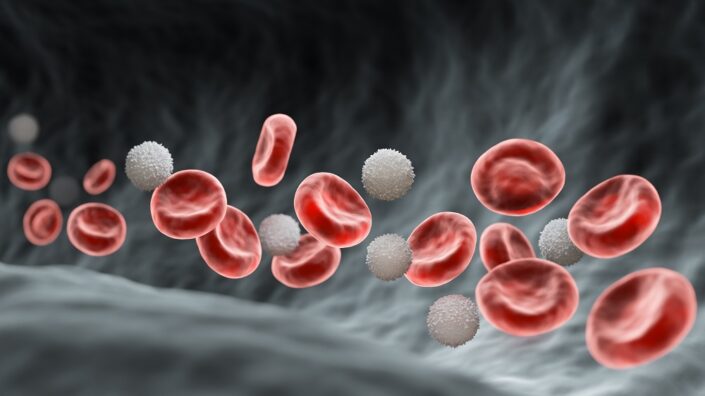
White blood cells

Immune Resilience Is a Strong Determinant of Mortality

A new study defines the concept of immune resilience and positions it as a central determinant of aging trajectories, linking it to survival, inflammation control, and the body’s ability to withstand stress [1].

Keeping the balance

Geroscientists have long suspected that the immune system plays an outsized role in aging, one that has deep evolutionary roots and stems from the fundamentally double-edged nature of inflammation. On one hand, inflammation is a crucial part of the immune response that helps stave off the incessant, lifelong onslaught of pathogens. On the other, it destroys cells and tissues. Health and lifespan may depend, in large part, on how well the body performs this balancing act [2]. A well-honed immune system combines effectiveness with relatively low inflammation levels.

A new study by researchers from the University of Texas published in Aging Cell proposes immune resilience (IR) as a major determinant of aging trajectories, linking it to survival, inflammation control, and the body’s ability to withstand stress. By analyzing about 17,500 participants across multiple cohorts, the researchers identified IR as a dynamic trait that can predict health outcomes more strongly than age alone.

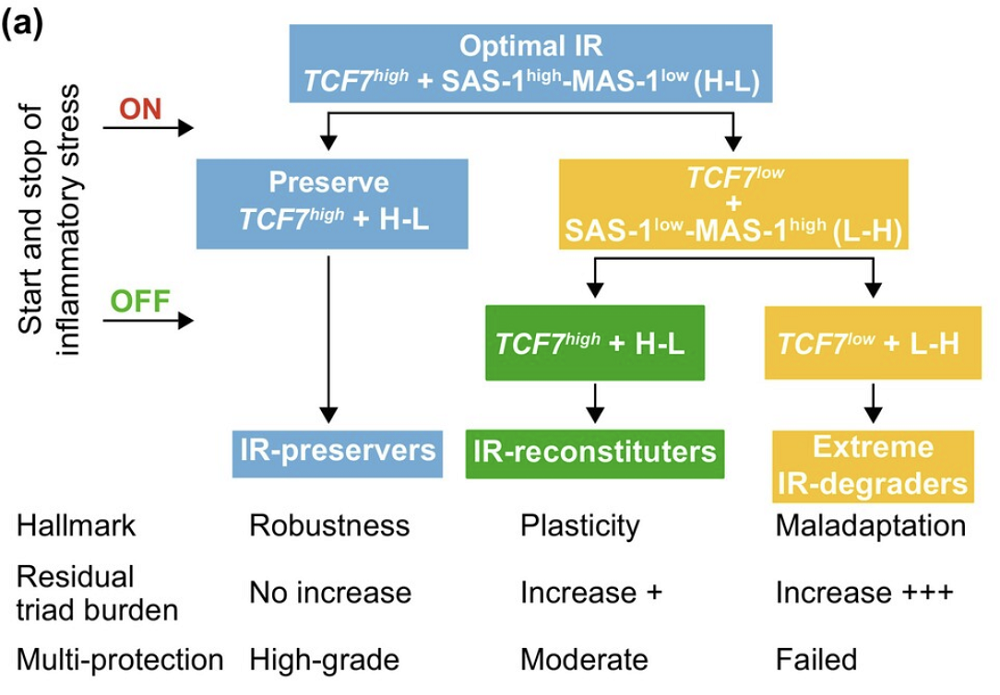
They began by stratifying participants using several standard immune markers, including CD4/CD8 T cell ratios, and longitudinally analyzed how people with different immune profiles react to inflammatory stress events, such as infections or hospitalization. This allowed the team to classify individuals into IR-preservers, reconstituters, or degraders.

IR-preservers maintained robust immune defenses and relatively low inflammation throughout the stress event. IR-reconstituters experienced temporary loss of IR but eventually regained it. In IR-degraders, stress events caused an irreversible exacerbation of the “pathogenic triad”, a cluster of processes accelerating biological aging: chronic inflammation (inflammaging), immunosenescence, and the accumulation of senescent cells.

The team then delved deeper into the molecular traits associated with the three subsets. Using transcriptomics and proteomics, the researchers derived two molecular signatures linked to IR status: survival-associated (SAS-1) and mortality-associated (MAS-1). The former was characterized by upregulation of proteins supporting immune competence, and the latter by proteins associated with inflammation and programmed cell death. Interestingly, components of the insulin-like growth factor 1 (IGF-1) pathway were positively associated with SAS-1 and negatively with MAS-1, aligning IR with established aging regulators.

The master regulator

One gene stood out: TCF7, a transcription factor essential for maintaining stem-like, multipotent T cells. TCF7 was strongly associated with the SAS-1 signature and predicted long-term survival across multiple contexts, including chronic conditions like HIV, tuberculosis, and lupus. People with high TCF7 expression were far more likely to preserve immune function under stress.

Interestingly, in the Framingham Heart Study [3], TCF7 expression was linked to increased lifespan and reduced cardiovascular risk. TCF7 is also highly evolutionarily conserved: it is one of only four genes consistently conserved in T cells across species [4].

Immune resilience

“Our work shows that immune resilience is associated with TCF7, a central master regulator that maintains T cell health,” said Muthu Manoharan, MS, co-first author and senior research scientist at UT Health San Antonio.

The researchers view IR as a health-promoting (salutogenic) trait that protects against diseases and aging and can be targeted to increase healthy longevity. “When salutogenesis declines and pathogenesis emerges, this may create a state of inflammation and immune aging that promotes disease,” explained Sunil K. Ahuja, MD, professor in the department of medicine at the Joe R. and Teresa Lozano Long School of Medicine. “Individuals with TCF7-linked immune resilience appear better equipped to resist inflammatory stressors and maintain a low-inflammatory immune profile promoting survival and better health.”

The warranty period

Importantly, the researchers identified the period between ages 40 and 70 as the one where the differences between the three IR subtypes are most pronounced. People with low IR at 40 faced nearly tenfold higher mortality, equivalent to someone 15.5 years older with preserved immune resilience.

The resilience gap narrowed after age 70, as general systemic aging overtook the benefits of strong immunity. Per the researchers, this suggests a critical intervention window in midlife, when preserving or restoring IR could have the greatest impact. However, even beyond age 70, people with strong IR signatures continued to show molecular signs of better biological aging and some survival advantage.

Framing their findings within human evolution, the researchers proposed that immune resilience evolved to balance the benefits of inflammation with its long-term damage. This “biological warranty period,” as the authors call it, extending to around age 70, reflects the span during which IR offers a strong survival benefit. After that, the advantage diminishes as age-related pathologies accumulate. However, the more we know about how those processes shaped by evolution work, the better we can become at affecting them to promote health and longevity.

“We envision a future in which immune resilience is routinely assessed, much like cholesterol testing,” said Justin Meunier, BS, a bioinformatician at the Center for Personalized Medicine. “Optimal immune resilience is associated with a unique blood biomarker profile that reflects higher levels of growth and immune factors, along with lower levels of inflammation.”

“The study provides compelling evidence that immune resilience — not just the absence of disease — is a key determinant of longevity,” said Dr. David Furman, associate professor at the Buck Institute for Research on Aging, who was not involved in this study, to lifespan.io. “This work highlights a critical reality: chronic inflammation, cumulative cell stress, and lifelong environmental exposures such as pollutants, diet, and lifestyle factors — what we call the exposome — are central drivers of aging. The exposome relentlessly interacts with our immune system, either preserving resilience or degrading it.”

“We’ve known for years that ‘inflammaging’ — the chronic, sterile inflammation that builds with age — is a core mechanism behind nearly every age-related disease,” Furman explained. “This paper elegantly frames healthy aging as an active, dynamic process. The implications are clear: strengthening immune resilience could be one of the most powerful and actionable strategies we have to extend healthspan, especially as we increasingly recognize that aging is shaped not only by our genes, but by the totality of our lived experiences and exposures.”

While the study controlled for major confounders like age, sex, and comorbidities, it remains observational and cannot fully account for unmeasured factors such as lifestyle or medication use. Experimental validation of TCF7’s role, which was not performed in this study, will certainly be needed.

We would like to ask you a small favor. We are a non-profit foundation, and unlike some other organizations, we have no shareholders and no products to sell you. All our news and educational content is free for everyone to read, but it does mean that we rely on the help of people like you. Every contribution, no matter if it’s big or small, supports independent journalism and sustains our future.

Literature

[1] Manoharan, M. S., Lee, G. C., Harper, N., Meunier, J. A., Restrepo, M. I., Jimenez, F., Karekatt, S., Branum, A. P., Gaitan, A. A., Andampour, K., Smith, A. M., Mader, M., Noronha, M., Tripathy, D., Zhang, N., Moreira, A. G., Pandranki, L., Sanchez-Reilly, S., Trinh, H. D., . . . Ahuja, S. K. The 15-Year Survival Advantage: Immune Resilience as a Salutogenic Force in Healthy Aging. Aging Cell, e70063.

[2] Furman, D., Campisi, J., Verdin, E., Carrera-Bastos, P., Targ, S., Franceschi, C., … & Slavich, G. M. (2019). Chronic inflammation in the etiology of disease across the life span. Nature medicine, 25(12), 1822-1832.

[3] Ho, K. K., Pinsky, J. L., Kannel, W. B., & Levy, D. (1993). The epidemiology of heart failure: the Framingham Study. Journal of the American College of Cardiology, 22(4), A6-A13.

[4] Jiao, A., Zhang, C., Wang, X., Sun, L., Liu, H., Su, Y., … & Zhang, B. (2024). Single-cell sequencing reveals the evolution of immune molecules across multiple vertebrate species. Journal of Advanced Research, 55, 73-87.

Cells and DNA

How Extracellular Vesicles From Stem Cells Fight Senescence

Researchers have discovered a cocktail of micro-RNA strands that make some extracellular vesicles (EVs) effective in reducing cellular senescence and published their findings in Aging Cell.

A new approach to senescence

The researchers began their paper discussing the well-trodden ground of senolytics, which kill senescent cells, and senomorphics, which alter them instead. They noted that cellular senescence is often targeted in aging because it is presumably easier to drug than other aspects are, and they listed various senolytics and senomorphics, such as fisetin and the well-known combination of dasatinib and quercetin. They even noted rapamycin’s senomorphic qualities [1].

However, they have chosen a different, and possibly more effective, approach. EVs are signaling molecules sent from one cell to another, and they contain various molecules that control how cells behave. We have reported on researchers finding EVs to be effective against a variety of conditions, such as enlarged hearts, and even extending lifespan in mice. With an eye towards how they affect senescent cells, these researchers took a look at EVs in depth, attempting to find which of their components, specifically micro-RNA strands (miRNAs), lead to such benefits.

A variety of EVs demonstrate benefits

This study began by driving fibroblasts senescent through etoposide for 48 hours, then removing it and waiting for six days. The researchers then confirmed that EVs derived from stem cells, including embryonic stem cell-derived vesicles (AC83) known to be effective in mice, reduce the senescence of these cells. EVs from endothelial stem cells, different embryonic progenitor stem cells, and human liver stem cells were all compared to AC83 and a control group.

All of these cells had some degree of statistically significant effect, although AC83 appeared to be slightly more effective than the other types in rapidly reducing the proportion of senescent cells, from 100% to approximately 70%, as measured by SA-β-gal. Other senescence biomarkers, including p16, p21, and the inflammatory interleukins IL-1β and IL-6, were also reduced, although AC83 was the only one to reduce p21 and the human liver stem cells were the least effective overall.

Critically, they were all found to be senomorphic rather than senolytic; the number of total cells did not significantly decrease due to EVs derived from any source.

Looking for the right combination

The next step was to take a look at the specific miRNAs involved. Using the miRNA Enrichment Analysis and Annotation Tool (miEAA) and an age-related genetic database called GenAge, the researchers sought to determine which of the miRNAs they extracted from their EVs might be having these beneficial effects, intentionally filtering out miRNAs that also appear in EVs derived from non-stem cell fibroblasts. They found eight different ones that scored highly based on this metric.

Interestingly, none of these miRNAs had complete benefits on their own. One compound decreased SA-β-gal but significantly increased inflammatory interleukins. Another compound did nothing to SA-β-gal but decreased these interleukins. One miRNA that decreased senescence also decreased p16 but provided no benefits elsewhere.

Intrigued by these results, the researchers began testing various combinations and screening them for effectiveness. After multiple attempts, they found that a combination of four of these miRNAs (E5) was sufficient to have broad, positive effects on senescent fibroblasts, reducing the senescent proportion even more than AC83 and having broad benefits against inflammation and other senescence markers.

A genetic investigation found a potential reason why this is the case. Specifically, the genes PCAF and HIPK2 work together to activate p21 in response to genetic damage, beginning a senescence response. These genes were downregulated by E5 at different times, apparently blocking this source of senescence. E5 was also found to affect multiple other pathways, including those related to inflammation, mTOR, and the cell cycle.

Effectiveness in mice

Unsuprisingly, the expression of all four of the E5 miRNAs was downregulated in old mice compared to young mice. To determine its possible therapeutic effectiveness, the researchers injected two-year-old mice with E5 three times over two weeks. They found that, in liver tissue, there was a reduction of both senescence and a DNA damage marker along with reductions in other senescence markers. Inflammation markers trended toward reduction, and the difference was barely outside of statistical significance.

There were several aspects of these miRNAs that went unexplored; for example, it is not known what precise effects they had on other types of cells, and this paper did not include a lifespan study. It may be that miRNA cocktails that specifically instruct cells not to become senescent, delivered through nanoparticles or genetated EVs, may be more potent than senolytic or senomorphic small molecules. Significant work needs to be done to determine the extent of miRNAs’ potential effectiveness.

We would like to ask you a small favor. We are a non-profit foundation, and unlike some other organizations, we have no shareholders and no products to sell you. All our news and educational content is free for everyone to read, but it does mean that we rely on the help of people like you. Every contribution, no matter if it’s big or small, supports independent journalism and sustains our future.

Literature

[1] Selvarani, R., Mohammed, S., & Richardson, A. (2021). Effect of rapamycin on aging and age-related diseases—past and future. Geroscience, 43, 1135-1158.

Skin aging

OS-01 Peptide Tested in Skin Aging Pilot Study

A recent study featured in the Journal of Cosmetic Dermatology has analyzed the impact of a topical product containing OS-01. This is a senotherapeutic peptide that targets senescence, affecting the skin’s barrier function and multiple aging biomarkers [1].

Conducted by a team from OneSkin alongside academic partners, this initial trial aimed to determine if skin treatment could yield significant results both at the epidermal layer and throughout the body, particularly regarding inflammation and signs of biological aging.

Destroy or modify?

As people age, senescent cells build up in various tissues, such as the skin. These old, damaged cells release persistent inflammatory signals, which harm tissue integrity and function. These inflammatory signals are collectively called the senescence-associated secretory phenotype (SASP).

Senotherapeutics have shown promise in targeting aging cells and improving overall health. These are therapies that target senescent cells, which have stopped dividing and contribute to aging and age-related diseases.

By eliminating or altering these cells to be less harmful, senotherapeutics aim to improve overall health, reduce inflammation, and potentially extend lifespan.

The elimination of these cells using senolytics has emerged as the primary approach in research. A number of companies are actively developing senolytic drugs to remove these potentially harmful cells from the body.

While some researchers initially believed that all senescent cells were a problem and that it would be better to remove them all, the situation appears to be nuanced. Some scientists warn that targeting all senescent cells may result in reduced functions, including impaired wound healing [2].

The late Dr. Judith Campisi, a pioneer in senescent cell research, cautioned that there are many kinds of senescent cells in tissues and that their roles are not fully understood. This is part of why there are ongoing efforts to better understand the different kinds of senescent cells in tissues and what they do.

While interest in senolytics continues apace, some researchers hold that senomorphics, which prevent, modify, or reverse senescence, might be a better approach [3]. OS-01, or Pep 14, can be considered a senomorphic because rather than actively seeking and destroying senescent cells, it instead reduces SASP markers. In other words, it does not kill old, damaged cells; it modifies the harmful signals they secrete.

OS-01 and other senomorphics have previously shown promise in various studies, particularly in relation to skin aging and systemic inflammation. We reported back in 2023 how the OS-01 peptide puts the brakes on cellular senescence.

Anti-inflammatory results

As the skin is the body’s biggest organ, it can potentially generate a large number of senescent cells as it ages. Therefore, these cells’ contribution to whole-body inflammation may be highly significant. Any therapy that can remove them, slow down their accumulation, or modify their signals to be less harmful could have a significant impact on inflammation.

This study appears to suggest that the use of OS-01 correlates with a reduction of systemic inflammatory biomarkers. The data also appears to show an improvement in skin function.

The study looked at cytokines and how they changed following OS-01 treatment. The activity of IL-8, a pro-inflammatory cytokine, was reduced. Interestingly, IL-10, another cytokine that normally has an anti-inflammatory function, was also reduced. The study’s authors suggest that this drop in IL-10, which still remained within its typical range, may be due to a balancing of the wider cytokine landscape.

The researchers reported that TNF-α and IFN-γ both significantly increased in the control group. TNF-α is a master regulator of inflammatory responses and is involved in some age-related and autoimmune diseases. IFN-γ is a cytokine that has many functions, mainly in the immune system. It helps activate macrophages and boosts their ability to eat and kill germs. This cytokine coordinates both innate and adaptive immune responses against viruses, bacteria, and tumors.

The team used mass spectrometry to analyze blood components. They confirmed that the OS-01 peptide was not present in the circulatory system before initial treatment and 12 weeks following application. This confirms that OS-01 remains localized within the skin area where it is administered.

However, even though it was not present in the bloodstream, test group participants showed a reduction in inflammatory markers. This suggests that simply improving the skin’s integrity and function may reduce systemic inflammation. This does make sense given that the skin is the first line of defense for keeping invading pathogens out.

Finally, instrumental evaluations indicated that the OS-01 cohort demonstrated more significant enhancements in skin moisture levels and transepidermal water loss than the control group. Participants also reported that their skin quality had improved, including skin elasticity, hydration, and visual appearance.

An interesting study, but there are issues

Unfortunately, the paper isn’t too specific on the size of the skin area that was treated, so it is hard to understand the scale of the treatment and the quantity of the peptide that was used.

Another issue was that the control group was given another commercial skin product. It would have been useful to have opted for a control group given DMSO or even the OneSkin product with the OS-01 peptide removed. Because they opted to use another skin product, it makes a comparison challenging.

The study group was also quite small. The smaller the study group, the more outliers can skew the results, which may have happened here. The authors have acknowledged some of these limitations, and there is certainly enough evidence to justify further, larger-scale studies.

Finally, and perhaps most obviously, many of the study’s authors have a commercial interest in selling products containing OS-01. OneSkin at the end of the day is a company that needs to sell products and while being directly involved in the research is not a deal breaker, it is something to keep in mind when evaluating the published data.

The skin is an ideal target for testing senotherapeutics due to ease of access and ability to take measurements. Hopefully, we will see more studies using OS-01 or other senolytics or senomorphics in the near future.

We would like to ask you a small favor. We are a non-profit foundation, and unlike some other organizations, we have no shareholders and no products to sell you. All our news and educational content is free for everyone to read, but it does mean that we rely on the help of people like you. Every contribution, no matter if it’s big or small, supports independent journalism and sustains our future.

Literature

[1] Zonari, A., Brace, L. E., Buhrer, L. B., Harder, N. H., Harker, C., Aronson, A. B., … & Carvalho, J. L. (2025). OS‐01 Peptide Topical Formulation Improves Skin Barrier Function and Reduces Systemic Inflammation Markers: A Pilot 12‐Week Clinical Trial. Journal of Cosmetic Dermatology, 24(4), e70169.

[2] Demaria, M., Ohtani, N., Youssef, S. A., Rodier, F., Toussaint, W., Mitchell, J. R., … & Campisi, J. (2014). An essential role for senescent cells in optimal wound healing through secretion of PDGF-AA. Developmental cell, 31(6), 722-733.

[3] Kim, E. C., & Kim, J. R. (2019). Senotherapeutics: emerging strategy for healthy aging and age-related disease. BMB reports, 52(1), 47.

Strawberry basket

How Fisetin May Fight Blood Vessel Calcification

In Aging, researchers have described how the well-known supplement fisetin may fight calcification of the blood vessels, seeing significant successes in both cellular and mouse models.

When calcium goes where it doesn’t belong

Calcification is not the same as ‘hardening’ of blood vessel walls (atherosclerosis), which occurs due to plaque deposits. Calcification occurs when phosphates in the blood cause calcium to precipitate, forming crystals; normally, regulatory processes prevent this from happening, but conditions such as chronic kidney disease [1] and systemic inflammation [2] can disrupt them, leading to stiff, dangerously narrow arteries.

Senescence of the smooth muscle cells of the vasculature (VSMCs) has been found to play a part. Exposing these cells to excessive phosphates, or excessive glucose, drives them senescent [3], and suppressing phosphate has been found to be beneficial in a rat model of kidney disease [4]. The p38/MAPK pathway also plays a significant role in this process, and previous work has found that activating it leads directly to additional calcification [5] and that inhibiting it prevents calcification [6].

As senolytics have been found to potentially alleviate this problem [7], these researchers took a close look at fisetin, which was not previously examined in vascular calcification, and its relationship to p38/MAPK.

Establishing a chain of causation

The researchers first took a population of human aortic cells and exposed them to both calcium and a phosphate donor. Under these conditions, as expected, the cells quickly began to express two calcification markers well above those of the control group. However, introducing even a single micromole of fisetin reduced both of these markers nearly to control-group levels, with increasing doses having no beneficial effects.

The fisetin was only effective when administered under the pro-calcium conditions; pre-treatment had no effect. Similarly, fisetin did not affect cells that were not exposed to pro-calcium conditions. However, in a cellular model of uremic conditions meant to reflect chronic kidney disease, fisetin reduced senescence- and calcification-related markers.

The researchers also investigated the role of p38/MAPK in these effects, focusing on four core RNA markers: the calcification markers BMP2, CBFA1, and ALPL along with the senescence marker CDKN1A.

They found that fisetin increases DUSP1, a negative regulator of the p38/MAPK pathway. Inhibiting this effect through another compound neutralized the effects of fisetin. Similarly, silencing or knocking down DUSP1 made calcification significantly worse and stopped fisetin from having any benefit. However, directly affecting p38 in these DUSP1-silenced cells was able to provide the same benefits as fisetin did in the unsilenced cells. Therefore, the causal chain is clear: fisetin affects DUSP1, which affects p38.

Effective on mouse models

The next experiment involved explanted mouse aortae, which were subjected to a pro-calcium environment. Fisetin reduced markers of both senescence and calcification, just as it had in the cellular experiments.

In living mice that were given cholecalciferol in order to induce calcification, fisetin had similar beneficial effects. While the anti-senescence and anti-calcification marker effects were not quite as strong as in the cellular and explant studies, there was still a very strong effect on actual calcification: the mice given both cholecalciferol and this supplement had arteries that looked much like those of the control group.

While these results are strongly positive, the researchers urge caution, as they did not have a model that perfectly recapitulates chronic kidney disease and its characteristic depletion of vitamin D. They note that while fisetin appears to be strongly effective against calcification itself, there may also be sex-dependent effects or pecularities that prevent it from having such benefits in actual people. Further work needs to be done to determine whether or not fisetin is effective in real-world situations involving calcification. However, fisetin is sold as a supplement, so it may be relatively inexpensive to conduct a clinical trial.

We would like to ask you a small favor. We are a non-profit foundation, and unlike some other organizations, we have no shareholders and no products to sell you. All our news and educational content is free for everyone to read, but it does mean that we rely on the help of people like you. Every contribution, no matter if it’s big or small, supports independent journalism and sustains our future.

Literature

[1] Voelkl, J., Cejka, D., & Alesutan, I. (2019). An overview of the mechanisms in vascular calcification during chronic kidney disease. Current opinion in nephrology and hypertension, 28(4), 289-296.

[2] Voelkl, J., Egli-Spichtig, D., Alesutan, I., & Wagner, C. A. (2021). Inflammation: a putative link between phosphate metabolism and cardiovascular disease. Clinical Science, 135(1), 201-227.

[3] Zhang, M., Li, T., Tu, Z., Zhang, Y., Wang, X., Zang, D., … & Zhou, H. (2022). Both high glucose and phosphate overload promote senescence-associated calcification of vascular muscle cells. International Urology and Nephrology, 54(10), 2719-2731.

[4] Yamada, S., Tatsumoto, N., Tokumoto, M., Noguchi, H., Ooboshi, H., Kitazono, T., & Tsuruya, K. (2015). Phosphate binders prevent phosphate-induced cellular senescence of vascular smooth muscle cells and vascular calcification in a modified, adenine-based uremic rat model. Calcified Tissue International, 96, 347-358.

[5] Yang, Y., Sun, Y., Chen, J., Bradley, W. E., Dell’Italia, L. J., Wu, H., & Chen, Y. (2018). AKT-independent activation of p38 MAP kinase promotes vascular calcification. Redox biology, 16, 97-103.

[6] Kang, J. H., Toita, R., Asai, D., Yamaoka, T., & Murata, M. (2014). Reduction of inorganic phosphate-induced human smooth muscle cells calcification by inhibition of protein kinase A and p38 mitogen-activated protein kinase. Heart and vessels, 29, 718-722.

[7] Ceccherini, E., Gisone, I., Persiani, E., Ippolito, C., Falleni, A., Cecchettini, A., & Vozzi, F. (2024). Novel in vitro evidence on the beneficial effect of quercetin treatment in vascular calcification. Frontiers in Pharmacology, 15, 1330374.

Older man using laptop

Technology Use Associated With Reduced Cognitive Impairment

New research suggests that digital technologies provide beneficial effects on cognition in middle-aged and older adults who did not grow up with such technologies [1].

Childhood without computers

For younger people, it is difficult to imagine living in a world without the internet and digital technologies. However, older people grew up in a world without computers, smartphones, and the internet, and they only started using these technologies after they reached adulthood. Such ‘digital pioneers’ are also old enough to have increased risks of dementia.

A tale of two theories

The authors of this study aimed to determine whether technology use increased or decreased the risk of dementia in the ‘digital pioneer’ population, given the two opposing schools of thought regarding this topic.

“You can flip on the news on just about any day, and you’ll see people talking about how technologies are harming us,” said study co-author Michael K. Scullin, Ph.D., associate professor of psychology and neuroscience at Baylor University. “People often use the terms ‘brain drain’ and ‘brain rot,’ and now ‘digital dementia’ is an emerging phrase. As researchers, we wanted to know if this was true.”

The first hypothesis is that that the daily use of digital technologies worsens cognitive abilities. This has its roots in studies conducted primarily on children and adolescents, linking passive screen time to decreased cognitive abilities [2]. In adults, the researchers point to such observations as the ‘Google effect’, which is the tendency to forget pieces of information that can be easily found in a quick search or offloading the need to remember information to digital technologies.

This passive screen time and cognitive offloading, combined with the distraction found in the digital world, are three components of the digital dementia hypothesis [3] that link them to an increase in “rates of dementia in older adults, especially those with greater lifetime exposures to these technologies.”

However, there is also a competing theory that states that the use of digital technologies has a protective effect against cognitive decline, also known as the technological reserve hypothesis.

Previous studies defined the reserve as “a property of the brain that allows for cognitive performance that is better than expected given the degree of life-course-related brain changes and brain injury or disease” [4]. In this hypothesis, digital technology helps build such a reserve.

One way to do this is by engaging in complex mental activities using digital devices. Such an approach fosters more dynamic interaction than analog engagement, and the user, apart from engaging with the task, must also learn about software and hardware, troubleshoot device or internet connectivity issues, and filter distractions such as ads.

“One of the first things that middle-aged and older adults were saying is that ‘I’m so frustrated by this computer. This is hard to learn.’ That’s actually a reflection of the cognitive challenge, which may be beneficial for the brain even if it doesn’t feel great in the moment,” Scullin said. “If you’re doing that for years and you’re really engaging with it, even though you might experience frustration, that may be a sign of you exercising your brain,” he adds.

Using digital technologies also allows us to stay connected with family and friends, which has a positive impact on cognitive health.

“Now you can connect with families across generations,” Scullin said. “You not only can talk to them, you can see them. You can share pictures. You can exchange emails, and it’s all within a second or less. That means there’s a greater opportunity for decreasing loneliness.”

Some research also suggests that cognitive offloading may not be as detrimental as the related theory suggests. Emerging data indicate that using digital devices for cognitive offloading can be beneficial for the elderly, compensating for cognitive shortcomings that often accompany aging, such as setting reminders to take medications or pay bills on time, thereby allowing for independent functioning for longer [5].

Studying ‘digital pioneers’

The study’s authors conducted a meta-analysis and systematic review of 136 observational or cohort studies that examined the impact of general digital technology use on cognitive decline and dementia. These studies contained a total of 411,430 participants who were at least 50 years old. This age cutoff was to establish a population of ‘digital pioneers’: adults without internet access during childhood.

More technology, better cognition

The researchers concluded that the “greater use of everyday digital technologies was associated with reduced odds for cognitive decline” in this population.

The researchers broke down the analysis into different types of technology. Computer use, internet use, smartphone use, and mixed uses of digital technologies were all associated with a reduced risk of cognitive impairment, but social media use showed inconsistent results among the analyzed studies.

The observed positive effects persisted even when the researchers controlled for demographic, socioeconomic, social support, health factors, reading, playing games or puzzles, or similar lifestyle activities, suggesting that it’s the digital technologies that positively impact cognition.

When compared to previous reports on cognitive decline risks, the use of technology had a comparable or even more beneficial effect than blood pressure reduction, physical activity, increased years of education, and other cognitively stimulating activities.

“If you have a parent or grandparent who’s just staying away from technology, maybe revisit that. Could they learn to use photo, messaging, or calendar apps on a smartphone or tablet? Start simple and be very patient while they learn,” Scullin suggested.

Association doesn’t equal causation

The researchers acknowledge that observing an association between two factors does not necessarily mean that one is causing the other. They elaborate on the possibility of causal and non-causal relationships between the use of digital technologies and cognitive decline.

First, people who use technology tend to have higher incomes, more education, better physical health, social support, and more mentally active lifestyles. However, the studies analyzed in this review controlled for those factors and showed that digital technology use is associated with reduced cognitive decline independently of those factors.

Therefore, the researchers elaborated on the causal direction: whether it is better cognition that leads to increased technology use with age or technology use fosters better cognitive outcomes.

The scientific literature provides evidence to support both possibilities, and it is possible that there is a bidirectional relationship between technology use and cognition. Such relationships are common in cases of dementia; for example, cognitive decline is often preceded by a decrease in walking speed, while regular walking can improve cognitive performance. However, if this is the case, further research is required to understand this relationship.

Two faces of technology

The researchers summarize that, while their analysis shows positive results, the connection between technology and cognition is more complex, and the use of technology cannot be labeled as always positive or negative.

The dose is frequently a crucial measurement, with moderate use having a positive impact, while excessive use is detrimental; one study suggests a U-shaped interaction between technology and cognition in older adults [6]. The impact of digital technology may also differ for younger generations who have been exposed to the internet since childhood, in contrast to the ‘digital pioneers’ described in this research.

The authors point out that further research is needed to understand the mechanisms that connect technology use and cognition.

We would like to ask you a small favor. We are a non-profit foundation, and unlike some other organizations, we have no shareholders and no products to sell you. All our news and educational content is free for everyone to read, but it does mean that we rely on the help of people like you. Every contribution, no matter if it’s big or small, supports independent journalism and sustains our future.

Literature

[1] Benge, J. F., & Scullin, M. K. (2025). A meta-analysis of technology use and cognitive aging. Nature human behaviour, 10.1038/s41562-025-02159-9. Advance online publication.

[2] Madigan, S., Browne, D., Racine, N., Mori, C., & Tough, S. (2019). Association Between Screen Time and Children’s Performance on a Developmental Screening Test. JAMA pediatrics, 173(3), 244–250.

[3] Manwell, L. A., Tadros, M., Ciccarelli, T. M., & Eikelboom, R. (2022). Digital dementia in the internet generation: excessive screen time during brain development will increase the risk of Alzheimer’s disease and related dementias in adulthood. Journal of integrative neuroscience, 21(1), 28.

[4] Stern, Y., Albert, M., Barnes, C. A., Cabeza, R., Pascual-Leone, A., & Rapp, P. R. (2023). A framework for concepts of reserve and resilience in aging. Neurobiology of aging, 124, 100–103.

[5] Scullin, M. K., Jones, W. E., Phenis, R., Beevers, S., Rosen, S., Dinh, K., Kiselica, A., Keefe, F. J., & Benge, J. F. (2022). Using smartphone technology to improve prospective memory functioning: A randomized controlled trial. Journal of the American Geriatrics Society, 70(2), 459–469.

[6] Cho, G., Betensky, R. A., & Chang, V. W. (2023). Internet usage and the prospective risk of dementia: A population-based cohort study. Journal of the American Geriatrics Society, 71(8), 2419–2429.

Cellular division

Researchers Fight Some Mutations by Targeting Mitochondria

Clonal hematopoiesis, a condition linked to numerous age-related disorders, can be caused by overachieving mitochondria, and it may be susceptible to drugs such as MitoQ and metformin [1].

The attack of the clones

The human body constantly produces vast numbers of blood cells from hematopoietic stem and progenitor cells (HSPCs). Over time, some HSPCs may acquire mutations that make them better at reproduction. These cells’ progeny then overwhelm the blood cell population in a phenomenon known as clonal hematopoiesis (CH). CH is rare in people under 40, but its prevalence rises steadily with age, reaching about 50% in 80-year-olds. Most centenarians are thought to be affected.

CH has been tied to elevated risks of blood cancers, cardiovascular disease, and immune exhaustion [2]. The same mutations that drive CH usually cause HSPCs to produce more myeloid cells, which include most innate immune cells, and fewer lymphocytes, which are predominantly B and T cells that power adaptive immunity.

An immune system affected by myeloid skewing tends to produce excessive inflammatory responses yet is less competent at actually fighting pathogens. Many geroscientists believe that CH plays a major role in age-related immunosenescence and chronic low-grade inflammation (inflammaging). It might even be one of the factors limiting human lifespan to about 120 years.

Supercharged mitochondria

In this new study published in Nature Communications, scientists from the Jackson Laboratory (JAX) focused on the most prevalent CH-related mutation. It is located in the gene DNMT3A, which encodes DNA methyltransferase. The researchers’ goal was to understand why this mutation confers a competitive advantage.

The researchers used a mouse model that mimicked the aged bone marrow microenvironment by downregulating insulin-like growth factor 1 (IGF-1), which supports HSPC maintenance. After depleting the original immune cells in those mice, HSPCs were transplanted from wild-type mice and from mice carrying the DNMT3A mutation. This created a competition between the two cell types, which the mutation-carrying cells easily won.

Looking for reasons behind this superior performance, the researchers found that the mutation improved mitochondrial efficiency by causing DNA hypomethylation and overexpression of genes related to oxidative phosphorylation, the primary form of cellular energy production. Indeed, mitochondria in mutated cells had increased membrane potential, suggesting enhanced function. The mutation essentially doubled the cells’ energy output.

“This was really unexpected,” said Jennifer Trowbridge, professor and Dattels Family Chair at JAX. “This gene [DNMT3A] was not previously known to impact metabolism or mitochondria.”

MitoQ and metformin calm things down

This advantage, however, turned out to be the mutated cells’ Achilles’ heel. Their elevated membrane potential made them especially vulnerable to inhibition of the electron transport chain, the heart of oxidative phosphorylation, by molecules such as MitoQ.

MitoQ is better known as an antioxidant that supposedly boosts mitochondrial function. However, in this context, the increased mitochondrial membrane potential caused excessive accumulation of MitoQ in the mitochondrial matrix, reducing function instead. In mutated cells, MitoQ also upregulated genes related to apoptosis (programmed cell death). The treatment caused about half of the mutated cells to die off and restored normal respiration in the rest.

“In contrast,” the paper notes, “transcriptional changes induced by MitoQ in control HSCs reflected reduced reactive oxygen species and increased mitochondrial function, consistent with MitoQ being an antioxidant that has a beneficial effect on metabolism and function of aged wild-type HSCs.”

Essentially, the treatment nullified the competitive advantage of mutated cells while also improving the health of wild-type cells: a win-win situation. “Seeing this selective vulnerability where mutated cells were weakened, but normal stem cells are fine, was really exciting,” said Trowbridge.

The researchers extended their findings to human cells. Here, too, the addition of MitoQ significantly reduced the competitive growth advantage of cells with DNMT3A knocked down.

In a separate paper published in Nature, the team reported a similar effect for metformin, an anti-diabetes drug that has gained fame as a potential geroprotector [3]. While scientists are still not entirely sure how it works, this study found that it inhibits mitochondrial complex I of the electron transport chain. The resulting metabolic stress hit DNMT3A-mutant HSPCs harder, as they rely more heavily on oxidative phosphorylation than wild-type cells.

“This work gives us a new window into how and why blood stem cells change with age and how that sets up an increased risk of diseases like cancer, diabetes, and heart disease,” Trowbridge said. “It also points toward a new opportunity to intervene and potentially prevent age-associated conditions not only in the blood but everywhere the blood touches.”

We would like to ask you a small favor. We are a non-profit foundation, and unlike some other organizations, we have no shareholders and no products to sell you. All our news and educational content is free for everyone to read, but it does mean that we rely on the help of people like you. Every contribution, no matter if it’s big or small, supports independent journalism and sustains our future.

Literature

[1] Young, K. A., Hosseini, M., Mistry, J. J., Morganti, C., Mills, T. S., Cai, X., … & Trowbridge, J. J. (2025). Elevated mitochondrial membrane potential is a therapeutic vulnerability in Dnmt3a-mutant clonal hematopoiesis. Nature Communications, 16(1), 3306.

[2] Jaiswal, S., Fontanillas, P., Flannick, J., Manning, A., Grauman, P. V., Mar, B. G., … & Ebert, B. L. (2014). Age-related clonal hematopoiesis associated with adverse outcomes. New England Journal of Medicine, 371(26), 2488-2498.

[3] Hosseini, M., Voisin, V., Chegini, A., Varesi, A., Cathelin, S., Ayyathan, D. M., … & Chan, S. M. (2025). Metformin reduces the competitive advantage of Dnmt3a R878H HSPCs. Nature, 1-10.

Blood vessels

A Senescence-Related Target for Blood Vessel Formation

In Aging Cell, researchers have linked macrophage senescence to the failure of new blood vessel formation, finding a key target that might make it easier to treat arterial clogs.

Macrophages can impair blood vessel formation

Heart attack and stroke are not the only problems caused by clogged and unusable blood vessels; when this occurs in the extremities, it is known as peripheral arterial disease (PAD), which affects roughly 113 million people around the world [1]. It is possible to fix some cases of this through surgery, but conducting this kind of surgery in older people can be a dicey prospect [2]. Ideally, it would be possible to encourage the body to restore these blood vessels itself [3], but this approach has seen little success, as it is hampered by the processes of aging [4].

Previous research has pointed out clues as to why. Macrophages normally encourage the formation of new blood vessels (angiogenesis) [5], but these, like other cells, gradually become senescent [6], leading to a wide variety of other downstream disorders. PAD is characterized by changes in vascular endothelial growth factor A (VEGF-A), specifically a decrease in one of its isoforms, VEGF-A165A, and an increase in another isoform, VEGF-A165B [7]. As macrophages are responsible for this molecule, these researchers decided to determine if macrophage senescence was causing this shift.

When one cell’s senescence harms another

The researchers’ first experiment was a basic analysis of macrophage senescence. Here, everything was entirely as expected: the macrophages in the skeletal muscle of old mice were less able to proliferate, expressed more inflammatory factors, and had more senescence biomarkers, including p16, p21, and SA-β-gal.

These senescent macrophages were then tested on young mice. Three days after a hindlimb injury, young mice were injected with a control serum, non-senescent macrophages, or senescent macrophages. There were no differences between the angiogenesis of the first two groups. However, the mice in the third group were more like old mice subjected to the same injury: their toes were more likely to become necrotic, their muscles became more fibrotic, and there were fewer capillaries in the tissue after healing. Even a pre-existing artery that had not been part of the injury had its diameter reduced by the presence of senescent macrophages.

This was accompanied by negative effects on the endothelial cells that line blood vessel walls. The proliferation ability of these cells was harmed, and a crucial pathway required for angiogenesis was impaired. These findings were confirmed by a cellular experiment: driving mouse macrophages senescent through hydrogen peroxide exposure, then exposing endothelial cells to them, led to significant decreases in the endothelial cells’ angiogenesis-related protein expression and abilities.

Pinpointing the cause

As the researchers expected, these changes were found to be directly related to VEGF-A165B. In one group of macrophages, the researchers knocked down the gene responsible for producing this protein, and in another culture, they introduced an antibody against it. Both methods were sufficient to prevent senescent macrophages from harming endothelial cells’ abilities.

With this knowledge in hand, the researchers then returned to mice. Mice were given senescent macrophages that were modified not to produce VEGF-A165B, and their angiogenesis and tissue necrosis were practically identical to mice that were given non-senescent macrophages. Additionally, giving mice non-senescent macrophages that also could not produce VEGF-A165B appeared to be beneficial.

Finally, the researchers took a look at human beings. Older people have more VEGF-A165B, and more total VEGF-A, than younger people do, and this was directly and significantly correlated with smaller blood vessels.

The researchers note some of the limitations with this work; for example, they were not able to stratify their results by sex, which has an impact on PAD [8], and inflammatory molecules secreted by senescent macrophages might also be having an effect alongside VEGF-A165B. Still, this work presents a clear potential target and opportunities for future clinical work involving either macrophage-targeting senolytics or anti-VEGF-A165B drugs.

We would like to ask you a small favor. We are a non-profit foundation, and unlike some other organizations, we have no shareholders and no products to sell you. All our news and educational content is free for everyone to read, but it does mean that we rely on the help of people like you. Every contribution, no matter if it’s big or small, supports independent journalism and sustains our future.

Literature

[1] Kim, M. S., Hwang, J., Yon, D. K., Lee, S. W., Jung, S. Y., Park, S., … & Seylani, A. (2023). Global burden of peripheral artery disease and its risk factors, 1990–2019: a systematic analysis for the Global Burden of Disease Study 2019. The Lancet Global Health, 11(10), e1553-e1565.

[2] Gornik, H. L., Aronow, H. D., Goodney, P. P., Arya, S., Brewster, L. P., Byrd, L., … & Wilkins, L. R. (2024). 2024 ACC/AHA/AACVPR/APMA/ABC/SCAI/SVM/SVN/SVS/SIR/VESS guideline for the management of lower extremity peripheral artery disease: a report of the American College of Cardiology/American Heart Association Joint Committee on Clinical Practice Guidelines. Journal of the American College of Cardiology, 83(24), 2497-2604.

[3] Annex, B. H., & Cooke, J. P. (2021). New directions in therapeutic angiogenesis and arteriogenesis in peripheral arterial disease. Circulation research, 128(12), 1944-1957.

[4] Cooke, J. P., & Losordo, D. W. (2015). Modulating the vascular response to limb ischemia: angiogenic and cell therapies. Circulation research, 116(9), 1561-1578.

[5] Takeda, Y., Costa, S., Delamarre, E., Roncal, C., Leite de Oliveira, R., Squadrito, M. L., … & Mazzone, M. (2011). Macrophage skewing by Phd2 haplodeficiency prevents ischaemia by inducing arteriogenesis. Nature, 479(7371), 122-126.

[6] Lin, J. B., Sene, A., Santeford, A., Fujiwara, H., Sidhu, R., Ligon, M. M., … & Apte, R. S. (2018). Oxysterol signatures distinguish age-related macular degeneration from physiologic aging. EBioMedicine, 32, 9-20.

[7] Kikuchi, R., Nakamura, K., MacLauchlan, S., Ngo, D. T. M., Shimizu, I., Fuster, J. J., … & Walsh, K. (2014). An antiangiogenic isoform of VEGF-A contributes to impaired vascularization in peripheral artery disease. Nature medicine, 20(12), 1464-1471.

[8] Pabon, M., Cheng, S., Altin, S. E., Sethi, S. S., Nelson, M. D., Moreau, K. L., … & Hess, C. N. (2022). Sex differences in peripheral artery disease. Circulation research, 130(4), 496-511.

Genetic data

Researchers Use Big Data to Find a Longevity Target

Researchers publishing in Aging Cell have used large databases to discover a causal relationship between multiple genes and overall mortality risk, finding a new potential target in the process.

Putting -omics databases to work

These researchers introduce their study by discussing genetic databases, which have previously been used to determine associations of specific genes with longevity [1], particularly in cases of extreme longevity [2]. Using molecular quantitative trait loci (QTLs) cements this understanding, translating the genes into their expressed proteins and pathways in a way that gives researchers some understanding as to how and why certain genes lead to longer or shorter lifespans [3]. These databases have been used to identify druggable targets for specific conditions, such as stroke [4].

These researchers aimed to build on that work by combining multiple -omics sources into a cohesive whole, using advanced statistical techniques and a close look at protein interactions in order to discover potential druggable targets for longevity. They found several proteins that appear to extend lifespan, but they also found the reverse.

This study used three metrics: parental lifespan, being in the top 1% of longevity, and being in the top 10% of longevity. The latter two groups had tends of thousands of data points, and the first had over a million. As expected, the researchers found strong genetic correlations between overall lifespan and extreme longevity.

Multiple needles in a large haystack

Because of the sheer number of genes and related proteins that were tested, the standard p value of 0.05 was insufficient. Instead, the researchers began looking at over 500 proteins with that low of a p value, but after filtration, co-localization, and comparison between different databases, they found 14 proteins with extremely small p values, meaning that they are nearly certain to have longevity-related effects.

The researchers looked at plasma expression and found that many of the related genetic pathways have been documented to severely amplify the likelihood of common causes of death. For example, HYKK is related to lung cancer, NRG1 is related to stroke, NTN5, ADD1, and BECN1 are all related to metabolic issues, and SRFBP1 is related to blood pressure. Other genes showed their effects when their proteins were expressed in specific tissues. These included LPA in the liver and DNAJA4 in the thyroid and skin.

A protein worthy of suppression

One gene in particular, however, stood out as being particularly dangerous: PDAP1. In every statistical model that the researchers used, having high expression of PDAP1 was correlated with a higher likelihood of mortality according to UK Biobank data. People over the age of 60 in that database with high levels of the PDAP1 protein were statistically likely to live nearly a year shorter than people with low levels.

Epigenetic clocks, including PhenoAge and the mortality predictor GrimAge, confirmed this finding: people with more PDAP1 expression get older faster. The protein PDAP1 has been previously linked to cancer, but these researchers connected it to a host of other issues, including waist circumference, high blood pressure, hormone imbalances, and heart failure.

The researchers then decided to directly examine PDAP1 in the cellular context, and they found that it has bidirectional causality with senescence. First, they caused lung fibroblasts to enter senescence through multiple replications; PDAP1 expression increased in these cells as they entered a pre-senescent state. Inducing senescence through radiation or chemicals yielded similar results.

Similarly, introducing PDAP1 into these fibroblasts drove them senescent in a dose-dependent manner, as measured by well-known biomarkers, including p16, p21, and SA-β-gal. By silencing PDAP1 through RNA from the 60th passage onward in these cells, the researchers were able to decrease the rate at which these cells became senescent, allowing them to survive for more passages before eventually being unable to replicate further: knocking down PDAP1 extended their Hayflick limit.

This study was based on broad genetic databases and cells, and there were no animals involved. However, even with those limitations, it is clear that PDAP1 is a protein worth further exploring as a druggable target. If this protein can be safely downregulated in living people, it may decrease the rate of senescence, aid in metabolism, and allow people to live longer. Preclinical models and clinical trials can determine if this is the case.

We would like to ask you a small favor. We are a non-profit foundation, and unlike some other organizations, we have no shareholders and no products to sell you. All our news and educational content is free for everyone to read, but it does mean that we rely on the help of people like you. Every contribution, no matter if it’s big or small, supports independent journalism and sustains our future.

Literature

[1] Deelen, J., Evans, D. S., Arking, D. E., Tesi, N., Nygaard, M., Liu, X., … & Murabito, J. M. (2019). A meta-analysis of genome-wide association studies identifies multiple longevity genes. Nature communications, 10(1), 3669.

[2] Sebastiani, P., Solovieff, N., DeWan, A. T., Walsh, K. M., Puca, A., Hartley, S. W., … & Perls, T. T. (2012). Genetic signatures of exceptional longevity in humans. PloS one, 7(1), e29848.

[3] Tyshkovskiy, A., Ma, S., Shindyapina, A. V., Tikhonov, S., Lee, S. G., Bozaykut, P., … & Gladyshev, V. N. (2023). Distinct longevity mechanisms across and within species and their association with aging. Cell, 186(13), 2929-2949.

[4] Chen, L., Peters, J. E., Prins, B., Persyn, E., Traylor, M., Surendran, P., … & Howson, J. M. (2022). Systematic Mendelian randomization using the human plasma proteome to discover potential therapeutic targets for stroke. Nature communications, 13(1), 6143.

Low back pain

Senolytics Decrease Low Back Pain in Mice

Researchers have tested a synthetic and natural senolytic combination of RG-7112 and o-vanillin in mice with early-onset low back pain and disc degeneration. They observed reduced signs of back pain; decreased senescence and disc degeneration; and improvements in vertebral bone quality [1].

A painful global problem

Globally, low back pain is responsible for the most time that people spend living with some form of disability [2], reducing quality of life and losing billions of dollars a year due to its economic and health care costs [3, 4].

Low back pain is often caused by intervertebral disc degeneration (IVD), which, on the molecular level, is linked with the accumulation of senescent cells that produce the senescence-associated secretory phenotype (SASP). This creates a pro-inflammatory environment that further worsens IVD. Removing senescent cells, and thus ameliorating the SASP, may be a viable remedy for this.

In this study, the researchers used two senolytic drugs, the synthetic compound RG-7112 and the natural compound o-vanillin. This group has previously reported that RG-7112 and o-vanillin reduce senescence and SASP factors in intervertebral discs [5, 6]. In this study, they continued the exploration of these compounds’ anti-senescence and pain-reducing effects.

Mice with back pain

In human patients with low back pain, sparc gene expression and protein levels are reduced in degenerating intervertebral discs [7, 8]. Therefore, this study used a mouse model with a removed sparc gene. Those mice develop early-onset low back pain and disc degeneration, mainly in the lower back area, and they accumulate senescent cells in their intervertebral discs in a similar way as humans.

Gene expression analysis and a SASP factor release assay revealed many differentially expressed genes between the discs of wild-type mice and mice lacking the sparc gene. Many of those genes involved SASP factors or regulated senescence. Out of the 15 SASP factors that the researchers tested, 10 were increased in these modified mice. The researchers hypothesized that senolytics could be used to address these molecular changes, potentially leading to back pain reduction.

Relieving the pain

Reducing senescence is essential, but molecular changes must translate into actual pain reduction for the treatment to succeed. Therefore, the researchers tested pain reduction after 8 weeks of treatment.

Unlike wild-type mice, the animals without a functional sparc gene experienced low back pain, which worsened with time. Another sparc-less group received weekly oral doses of o-vanillin, RG-7112, or a combination at full or half doses.

Treatment improved low back discomfort, cold sensitivity, and radiating pain after just four weeks of treatment, and even more significant improvement was observed after eight weeks. The effects were enhanced in animals receiving drug combinations when at least one senotherapeutic was was administered at the full dose.

Reducing SASP and senescence

All of the 10 factors that were increased by the lack of a sparc gene were decreased by o-vanillin and RG-7112 treatment. The combination treatment of both senotherapeutics showed additive effects, but only when the senotherapeutics were used at the full, not half, dose.

The treatment also reduced the number of cells with senescence markers in intervertebral discs. The researchers observed around a 40% reduction in senescent cells for single-drug treatment. Combining drugs, with at least one taken at the full dose, increased the effect by around 25%.

Fixing bones and discs

Low back pain is complex, and several underlying problems might lead to it. One such possibility is low bone density (osteopenia). To assess bone health, the researchers focused on analyzing the trabecular part of the vertebrae, a segment at the end of the bone. Its structure is not solid; rather, it has many pores connected by rods and plates of bone tissue.

In the 9-month-old mice lacking the sparc gene, the bone density and thickness in the measured area was worse than in the wild-type mice. Single and combination of senotherapeutic treatments improved most measurements, suggesting that senolytic treatment enhances bone health, especially with combined drugs.

The researchers also assessed the health of intervertebral discs. The intervertebral disc volume of the 9-month-old mice lacking the sparc gene was around 34% lower than that of the wild-type mice. While single-compound treatment showed a trend toward improvements, combining the two at the full dose showed a significant improvement (~27%) in disc volume.

Treatment with o-vanillin and RG-7112 also improved the histological degeneration score of the discs, something that no drug had achieved before. Combining the drugs at their full doses showed an additive effect.

Pain mediators

The researchers also investigated the mediators of the pain sensation in the nervous system. They analyzed senescence markers in the spinal cord dorsal horn, which is the spinal cord area responsible for receiving sensory information, including pain, from the body and transmitting it to the brain. The dorsal horns of the mice lacking the sparc gene had significantly larger areas with senescence markers than the wild-type mice did.

Treatment with o-vanillin and RG-7112 led to a significant reduction (by 24 to 30%) of the senescent area, and the drug combination was even more effective (64% reduction compared to untreated mice without the sparc gene).

Previous research had also pointed to increased markers of spinal neuron activity and signalling in the dorsal horn of the spinal cord of mice lacking the sparc gene, possibly contributing to the pain. The treatment reduced the biomarker levels significantly, with the full-dose combination having an even higher effect, but drug combinations with lower doses varied in effect.

“These results suggest that senotherapeutics could be contributing to reducing back pain by decreasing pain-related neuroplasticity,” the researchers state, along with the fact that it could impact the activity of cells in the central nervous system.

Safe and effective, but needs testing in humans

This study has found that the senolytic drugs o-vanillin and RG- 7112 show promise as a treatment for low back pain or other painful disorders that involve senescent cells, especially when used in combination. The mouse results suggested “that o-vanillin, RG-7112, and their combination can slow or prevent IVD degeneration.”

The natural compound o-vanillin offers anti-inflammatory properties and a strong safety profile [9, 10]. RG-7112, when used in high doses for cancer treatment, has severe adverse effects [11]. However, the researchers used lower concentrations in this study and did not observe adverse effects. They point out that further studies should optimize their dosing and drug delivery strategies to minimize side effects.

We would like to ask you a small favor. We are a non-profit foundation, and unlike some other organizations, we have no shareholders and no products to sell you. All our news and educational content is free for everyone to read, but it does mean that we rely on the help of people like you. Every contribution, no matter if it’s big or small, supports independent journalism and sustains our future.

Literature

[1] Mannarino, M., Cherif, H., Ghazizadeh, S., Martinez, O. W., Sheng, K., Cousineau, E., Lee, S., Millecamps, M., Gao, C., Gilbert, A., Peirs, C., Naeini, R. S., Ouellet, J. A., S Stone, L., & Haglund, L. (2025). Senolytic treatment for low back pain. Science advances, 11(11), eadr1719.

[2] Vos, T., Flaxman, A. D., Naghavi, M., Lozano, R., Michaud, C., Ezzati, M., Shibuya, K., Salomon, J. A., Abdalla, S., Aboyans, V., Abraham, J., Ackerman, I., Aggarwal, R., Ahn, S. Y., Ali, M. K., Alvarado, M., Anderson, H. R., Anderson, L. M., Andrews, K. G., Atkinson, C., … Memish, Z. A. (2012). Years lived with disability (YLDs) for 1160 sequelae of 289 diseases and injuries 1990-2010: a systematic analysis for the Global Burden of Disease Study 2010. Lancet (London, England), 380(9859), 2163–2196.

[3] Relieving Pain in America: A Blueprint for Transforming Prevention, Care, Education, and Research. (2016). Military medicine, 181(5), 397–399.

[4] Crow, W. T., & Willis, D. R. (2009). Estimating cost of care for patients with acute low back pain: a retrospective review of patient records. The Journal of the American Osteopathic Association, 109(4), 229–233.

[5] Cherif, H., Bisson, D. G., Jarzem, P., Weber, M., Ouellet, J. A., & Haglund, L. (2019). Curcumin and o-Vanillin Exhibit Evidence of Senolytic Activity in Human IVD Cells In Vitro. Journal of clinical medicine, 8(4), 433.

[6] Cherif, H., Bisson, D. G., Mannarino, M., Rabau, O., Ouellet, J. A., & Haglund, L. (2020). Senotherapeutic drugs for human intervertebral disc degeneration and low back pain. eLife, 9, e54693.

[7] Cherif, H., Mannarino, M., Pacis, A. S., Ragoussis, J., Rabau, O., Ouellet, J. A., & Haglund, L. (2022). Single-Cell RNA-Seq Analysis of Cells from Degenerating and Non-Degenerating Intervertebral Discs from the Same Individual Reveals New Biomarkers for Intervertebral Disc Degeneration. International journal of molecular sciences, 23(7), 3993.

[8] Grégoire, S., Cheishvili, D., Salmon-Divon, M., Dymov, S., Topham, L., Calderon, V., Shir, Y., Szyf, M., & Stone, L. S. (2021). Epigenetic signature of chronic low back pain in human T cells. Pain reports, 6(4), e960.

[9] Mantzorou, M., Pavlidou, E., Vasios, G., Tsagalioti, E., & Giaginis, C. (2018). Effects of curcumin consumption on human chronic diseases: A narrative review of the most recent clinical data. Phytotherapy research : PTR, 32(6), 957–975.

[10] Oliveira, A. S., Sousa, E., Vasconcelos, M. H., & Pinto, M. (2015). Curcumin: A Natural Lead for Potential New Drug Candidates. Current medicinal chemistry, 22(36), 4196–4232.

[11] Ray-Coquard, I., Blay, J. Y., Italiano, A., Le Cesne, A., Penel, N., Zhi, J., Heil, F., Rueger, R., Graves, B., Ding, M., Geho, D., Middleton, S. A., Vassilev, L. T., Nichols, G. L., & Bui, B. N. (2012). Effect of the MDM2 antagonist RG7112 on the P53 pathway in patients with MDM2-amplified, well-differentiated or dedifferentiated liposarcoma: an exploratory proof-of-mechanism study. The Lancet. Oncology, 13(11), 1133–1140.

PEARL logo

Results of a Crowdfunded One-Year Human Rapamycin Trial

In Aging, Dr. Sajid Zalzala and his team have published the results of Participatory Evaluation of Aging with Rapamycin for Longevity (PEARL), a randomized, controlled human clinical trial that was crowdfunded by lifespan.io.

Crowdfunded research bears fruit

Four years ago, in collaboration with AgelessRx, lifespan.io crowdfunded the PEARL trial, raising $182,838 and significantly overshooting its donation goal of $75,000. This support was greatly appreciated, but in a way, it was unsurprising: rapamycin is a very popular subject in longevity, being one of the most well-known and most thoroughly researched compounds in this space. In fact, this compound’s principal target is known as the mammalian target of rapamycin (mTOR) [1]. Its life-extending benefits are related to Complex 1 of this target (mTORC1) [2]; mTORC2, which is a useful target for cancer but is not a desirable target in aging, is less sensitive to rapamycin.

Most of the previous work on rapamycin’s potential for life extension was conducted on animals; mTOR inhibition has been found to extend lifespan in mice [3] and monkeys [4]. However, despite that research, and the fact that rapamycin is already an FDA-approved drug for immunosuppression, there has been relatively little research into whether or not it can truly extend human lifespan or healthspan. Most previous work in this area was done in short durations and focused on specific aspects of aging, such as the immune system [5].

These researchers, therefore, sought to fill this gap by devising PEARL, which they described as the first long-running randomized controlled trial of rapamycin in humans. Over a period of 48 weeks, they administered rapamycin at 5 and 10 milligrams to two different groups along with a placebo control; these are the doses that are normally taken off-label by longevity enthusiasts and are much lower than the immunosuppressive dose. Importantly, in order to better facilitate the existence of a control group, they used compounded rapamycin, but they paused the trial and found it to be only a third as effective as introducing rapamycin into the blood than the commercial variety, sirolimus [6].

Generally safe with mixed benefits

In total, 114 people with an average age of approximately 60 years completed this study: 35 in the 10 mg group, 40 in the 5 mg group, and 39 in the control group. Only 40 of the participants were women. Adverse events, including significant adverse events, were not different between the groups, suggesting that these doses of rapamycin are generally safe. Most metrics of body composition were unaffected over the 48 weeks, including visceral fat mass, which was the researchers’ primary endpoint.

Red blood cell counts did increase in the 5 mg group, and blood carbon dioxide decreased in the 10 mg group. Men in the 10 mg group had decreased blood calcium and an increase in blood urea nitrogen (BUN), potentially suggesting a kidney-related concern, and men in the 5 mg group had slightly increased A1C, a potential marker of diabetes.

Only women experienced most of the benefits, despite there being fewer women in this study than men. Women in the 10 mg group who took rapamycin had significantly increased lean tissue mass and reported reduced amounts of pain. Interestingly, only the 5 mg group saw benefits for general health, but this included both women and men. Emotional well-being was improved in the 5 mg group after 48 weeks, but it was improved in the placebo group as well.

PEARL Results

“In general, the PEARL trial showed that female participants had the greatest benefits overall, with women in the higher-dose group seeing significant improvements in lean muscle mass and improvements in self-reported pain,” said Dr. Sajad Zalzala, CEO of AgelessRX and lead author of this study. “This outcome was particularly meaningful, as the study was powered primarily to assess safety and tolerability in a small pilot cohort rather than efficacy.”

Rapamycin showed no benefits over placebo in other self-reported metrics, such as physical function and social interactions. Osteoarthritis, as measured by WOMAC, was also unaffected.

This study showed a potential side effect of gut problems. A subgroup of participants (50 females, 31 males) had their gut microbiomes tested: in males, markers of gut dysbiosis increased in the 10 mg group, and in females, there was a trend towards increased permeability of the intestines.

A subgroup of 15 male and 9 female participants also underwent epigenetic aging analysis, performed using the commercially available test TruAge from the company TruDiagnostics. Unfortunately, there were no statistically significant effects in this area.

“This study adds to a growing body of evidence indicating that rapamycin can be used safely in relatively healthy individuals,” said Matt Kaeberlein, former professor at the University of Washington, CEO of Optispan, and co-founder of Ora Biomedical. “That alone is an important step forward. I’d say we’re seeing consistent anecdotal signals – supported now by the PEARL data – that rapamycin may help preserve lean mass and potentially improve quality of life, particularly in women. That’s promising, but due to low dosing in this study and limited sample size, not yet definitive.”

Future studies

These researchers note that this study was conducted on a mixed group of participants who are largely longevity-conscious, and they suggest that rapamycin may have stronger effects on less healthy people. Despite the low efficacy of compounded rapamycin compared to sirolimus, there were still significant effects on lean tissue mass and pain in women. The researchers hold that these statistically significant benefits, despite the low number of people involved, suggest that rapamycin does indeed have significant longevity benefits.

This trial relied largely on self-reporting and did not provide direct evidence that rapamycin use extends the lives of humans, and most of its effects on long-term health were limited. To directly make the claim that rapamycin improves lifespan or healthspan, a much larger and much longer trial would have to be conducted. Such a trial may use a compound that only affects mTORC1 (a rapalog) or different doses of rapamycin.

Still, PEARL was a significant step forward in studying the use of rapamycin for staving off aging in humans. “We are delighted to have supported the PEARL clinical trial back in 2021 and are excited to see the data from it appearing in academic publications,” said Keith Comito, founder of lifespan.io, which has since merged with SENS Research Foundation to become the Lifespan Research Institute. “Trials like PEARL are an important step towards a deeper understanding of what aging is and what drives it. Ultimately, through crowdfunding and conducting research directly, we can all do our part in overcoming age-related diseases, together.”

We would like to ask you a small favor. We are a non-profit foundation, and unlike some other organizations, we have no shareholders and no products to sell you. All our news and educational content is free for everyone to read, but it does mean that we rely on the help of people like you. Every contribution, no matter if it’s big or small, supports independent journalism and sustains our future.

Literature

[1] Mannick, J. B., & Lamming, D. W. (2023). Targeting the biology of aging with mTOR inhibitors. Nature Aging, 3(6), 642-660.

[2] Castilho, R. M., Squarize, C. H., Chodosh, L. A., Williams, B. O., & Gutkind, J. S. (2009). mTOR mediates Wnt-induced epidermal stem cell exhaustion and aging. Cell stem cell, 5(3), 279-289.

[3] Harrison, D. E., Strong, R., Sharp, Z. D., Nelson, J. F., Astle, C. M., Flurkey, K., … & Miller, R. A. (2009). Rapamycin fed late in life extends lifespan in genetically heterogeneous mice. nature, 460(7253), 392-395.

[4] Colman, R. J., Anderson, R. M., Johnson, S. C., Kastman, E. K., Kosmatka, K. J., Beasley, T. M., … & Weindruch, R. (2009). Caloric restriction delays disease onset and mortality in rhesus monkeys. Science, 325(5937), 201-204.

[5] Mannick, J. B., Morris, M., Hockey, H. U. P., Roma, G., Beibel, M., Kulmatycki, K., … & Klickstein, L. B. (2018). TORC1 inhibition enhances immune function and reduces infections in the elderly. Science translational medicine, 10(449), eaaq1564.

[6] Harinath, G., Lee, V., Nyquist, A., Moel, M., Wouters, M., Hagemeier, J., … & Zalzala, S. (2025). The bioavailability and blood levels of low-dose rapamycin for longevity in real-world cohorts of normative aging individuals. GeroScience, 1-14.