The Blog

Building a Future Free of Age-Related Disease

Three supplements

A Clinical Trial of a Three-Part Treatment for Inflammaging

Reseachers publishing in Antioxidants have combined three antioxidant and anti-inflammatory compounds and tested their effects in human beings.

Three complementing choices

The first component the researchers included was AM3, a compound that is core to the Inmunoferon supplement and is an immunomodulator that has been found in trials to aid against infections [1]. Some prior work has found that AM3 also assists against immunosenescence [2]. However, as these researchers note, little work has been done in that area, and that work did not establish whether or not it could do anything to curtail age-related immune dysfunction.

The second component was spermidine, a polyamine that has been reported to improve the cellular maintenance process known as autophagy, thereby also ameliorating immunosenescence [3]. Spermidine has also been reported to assist in gut function by returning macrophage polarization to a less inflammatory state [4].

The third component was hesperidin, a flavonoid that recent prior work had found to have potential effects against multiple diseases, including hepatitis [5] and several metabolism-related disorders, such as diabetes [6], obesity [7], and non-alcoholic fatty liver disease [8]. The researchers hold that these effects most likely originate from its effects against inflammation, such as its suppression of the senescence-related protein MMP-9 [9], and on immune response [10].

All three of these ingredients are sold in various parts of the world as supplements and are generally considered nontoxic. No side effects were noted in this study.

Effects on inflammation, oxidation, and immune function

A total of 35 healthy people aged between 30 and 60 years old completed this study, which lasted for two months. The doses of these three compounds are distinctly different: 150 milligrams of an AM3-containing compound and 50 milligrams of hesperidin were included alongside only .6 of a milligram of spermidine.

As their primary target, the researchers utilized ImmunolAge, an immune system-based metric that calculates such factors as neutrophil activity and natural killer activity [11], as their measurement of biological age. They noted that the participants in both the placebo and treatment groups had, on average, an ImmunolAge of 20 years over chronological age, which the researchers ascribed to the stress and anxiety that the participants were reporting at baseline.

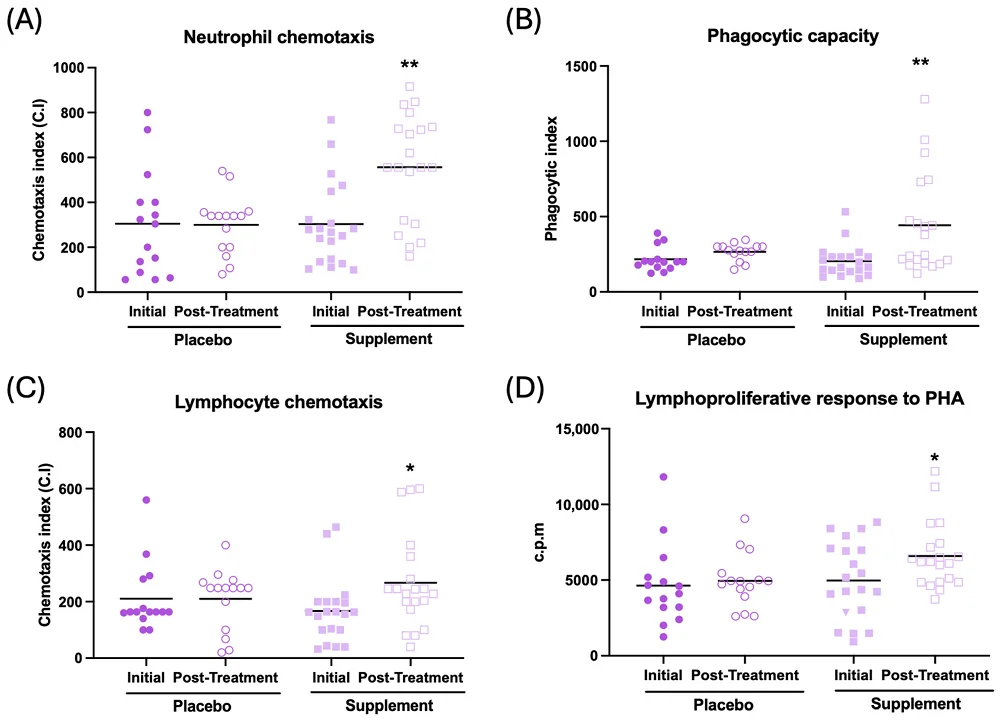
The placebo effect was not statistically significant, while ImmunolAge was significantly decreased in the supplement group by approximately 10 years. While this finding is strongly positive, the researchers also note that this was still higher by a decade than the participants’ chronological ages.

This difference in ImmunolAge was due to stronger responsiveness of both neutrophils and lymphocytes along with an increase in phagocytosis, the ability of immune cells to engulf and consume pathogens. In general, the cells were more responsive to perceived threats and more willing to attack them. Despite these benefits to other immune cell types, natural killer cells were unaffected.

Immune Cell Responsiveness

This increase in immune responsiveness was accompanied by significant decreases in circulating inflammation. The well-known inflammatory factors TNF-α and IL-1β were significantly decreased, while the anti-inflammatory factor IL-10 was increased. However, the inflammatory factor IL-6 was also increased.

Oxidative stress was also significantly affected by this supplement combination. The natural antioxidant glutathione was found to be more active, while the amount of used, oxidized glutathione in the blood was decreased.

Moreover, the researchers hold that this supplement combination has significant effects on oxi-inflammaging, a combination of oxidative stress and inflammaging that has been suggested to have significant effects on lifespan [12].

More research needed

While this was a randomized, controlled trial with significant positive results, it was a pilot trial of only 35 people, not a Phase 2 or larger Phase 3 trial. This trial solely used an immune system-based calculation as a proxy for biological age; no epigenetic clock was used, and other lifespan-related biomarkers were not obtained. Cellular senescence, which the researchers had mentioned and was likely to be affected by the circulating biomarkers studied here, was also not directly analyzed. This study was conducted on a middle-aged group; it is unclear whether or not older people would have responded in the same way.

The researchers also noted that such factors as diet were not altered, with participants encouraged to continue their usual eating habits, and it was unclear how many natural antioxidants the participants were already consuming. Additionally, it is infeasible to determine if such a supplement combination can actually extend lifespan in healthy people through direct analysis, and the researchers recommend animal studies in further work.

We would like to ask you a small favor. We are a non-profit foundation, and unlike some other organizations, we have no shareholders and no products to sell you. All our news and educational content is free for everyone to read, but it does mean that we rely on the help of people like you. Every contribution, no matter if it’s big or small, supports independent journalism and sustains our future.

Literature

[1] JA, G. M., & Schamann, F. (1992). Immunologic clinical evaluation of a biological response modifier, AM3, in the treatment of childhood infectious respiratory pathology. Allergologia et Immunopathologia, 20(1), 35-39.

[2] Villarrubia, V. G., Koch, M., & MC, C. C., González, S. and Alvarez-Mon, M.(1997) The immunosenescent phenotype in mice and humans can be defined by alterations in the natural immunity reversal by immunomodulation with oral AM3. Immunopharmacology and Immunotoxicology, 19, 53-74.

[3] Zhang, H., & Simon, A. K. (2020). Polyamines reverse immune senescence via the translational control of autophagy. Autophagy, 16(1), 181-182.

[4] Niechcial, A., Schwarzfischer, M., Wawrzyniak, M., Atrott, K., Laimbacher, A., Morsy, Y., … & Spalinger, M. R. (2023). Spermidine ameliorates colitis via induction of anti-inflammatory macrophages and prevention of intestinal dysbiosis. Journal of Crohn’s and Colitis, 17(9), 1489-1503.

[5] Li, S., Hao, L., Hu, X., & Li, L. (2023). A systematic study on the treatment of hepatitis B-related hepatocellular carcinoma with drugs based on bioinformatics and key target reverse network pharmacology and experimental verification. Infectious Agents and Cancer, 18(1), 41.

[6] Mirzaei, A., Mirzaei, A., Khalilabad, S. N., Askari, V. R., & Rahimi, V. B. (2023). Promising influences of hesperidin and hesperetin against diabetes and its complications: a systematic review of molecular, cellular, and metabolic effects. EXCLI journal, 22, 1235.

[7] Xiong, H., Wang, J., Ran, Q., Lou, G., Peng, C., Gan, Q., … & Huang, Q. (2019). Hesperidin: A therapeutic agent for obesity. Drug design, development and therapy, 3855-3866.

[8] Morshedzadeh, N., Ramezani Ahmadi, A., Behrouz, V., & Mir, E. (2023). A narrative review on the role of hesperidin on metabolic parameters, liver enzymes, and inflammatory markers in nonalcoholic fatty liver disease. Food Science & Nutrition, 11(12), 7523-7533.

[9] Lee, H. J., Im, A. R., Kim, S. M., Kang, H. S., Lee, J. D., & Chae, S. (2018). The flavonoid hesperidin exerts anti-photoaging effect by downregulating matrix metalloproteinase (MMP)-9 expression via mitogen activated protein kinase (MAPK)-dependent signaling pathways. BMC complementary and alternative medicine, 18, 1-9.

[10] Camps-Bossacoma, M., Franch, À., Pérez-Cano, F. J., & Castell, M. (2017). Influence of hesperidin on the systemic and intestinal rat immune response. Nutrients, 9(6), 580.

[11] Martínez de Toda, I., Vida, C., Díaz-Del Cerro, E., & De la Fuente, M. (2021). The immunity clock. The Journals of Gerontology: Series A, 76(11), 1939-1945.

[12] Miquel, J. (2009). An update of the oxidation-inflammation theory of aging: the involvement of the immune system in oxi-inflamm-aging. Current pharmaceutical design, 15(26), 3003-3026.

Rejuvenation Roundup November 2024

Rejuvenation Roundup November 2024

While the United States has just celebrated a holiday that opposes caloric restriction, researchers there and around the world continue to discover the effects of it and other interventions against aging. Let’s see what’s been done in November.

Interviews

Rozalyn Anderson InterviewRozalyn Anderson Explains Caloric Restriction: At the University of Wisconsin-Madison, Dr. Rozalyn Anderson is studying one of the oldest-known and yet most powerful anti-aging interventions: caloric restriction (CR).

Advocacy and Analysis

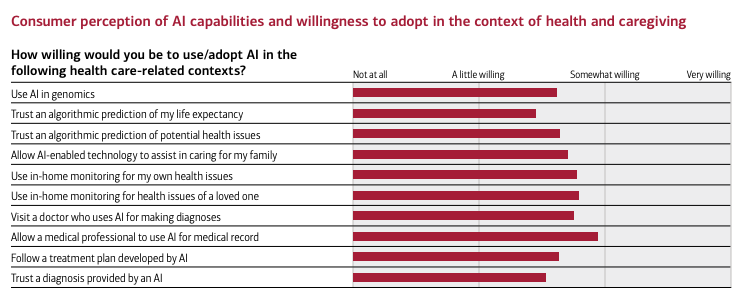
AI in Longevity: The Reality Today: Back in 2006, a website called “The Death Clock” appeared on the internet, with a promise to answer one of life’s greatest questions: “When will I die?” Just like the fascination with death dates drove internet traffic to that particular site in the 90s, so too does the interest in a healthier, longer lifespan drive longevity investment in 2024.

GSA 2024The Best Talks of GSA 2024: We bring you a selection of presentations from the annual conference organized by the Gerontological Society of America.

Research Roundup

Towards Fine-Tuned Control of Gene Expression: In a groundbreaking Nature paper, researchers have developed synthetic regulatory sequences that could prevent targeted gene therapies from having effects in unwanted cell types.

Ketogenic DietKetogenic Diet Effective Against Multiple Sclerosis in Mice: Scientists have found that both a ketogenic diet and oral supplementation with ketone bodies alleviate symptoms of multiple sclerosis, a serious autoimmune disorder, in a mouse model.

Mesenchymal Stem Cells Rejuvenate Aged Mice: In a new study, the researchers administered human umbilical cord-derived mesenchymal stem cells to aged mice and observed reduced degeneration in multiple organs, changes to microbial composition, metabolic alterations, improvements in behavior and ability, and reduced fearfulness.

Vesicles for jointsExtracellular Vesicles for Treating Arthritis: A study in Pharmacological Research has found that small extracellular vesicles derived from embryonic stem cells alleviate osteoarthritis in cells and mice.

Rejuvenating the Hippocampus With Metabolites: Researchers have reported in Aging Cell that injecting specific one-carbon metabolites into the hippocampus can rejuvenate its cells.

OvariesA Senolytic Accelerates Reproductive Aging in Aged Mice: In a new study, researchers tested the impact of the senolytic drug ABT-263 on the reproductive systems of old female mice. ABT-263 treatment did not rescue age-related changes in hormonal levels, further depleted ovarian reserves, and didn’t improve most of the tested signs of reproductive aging.

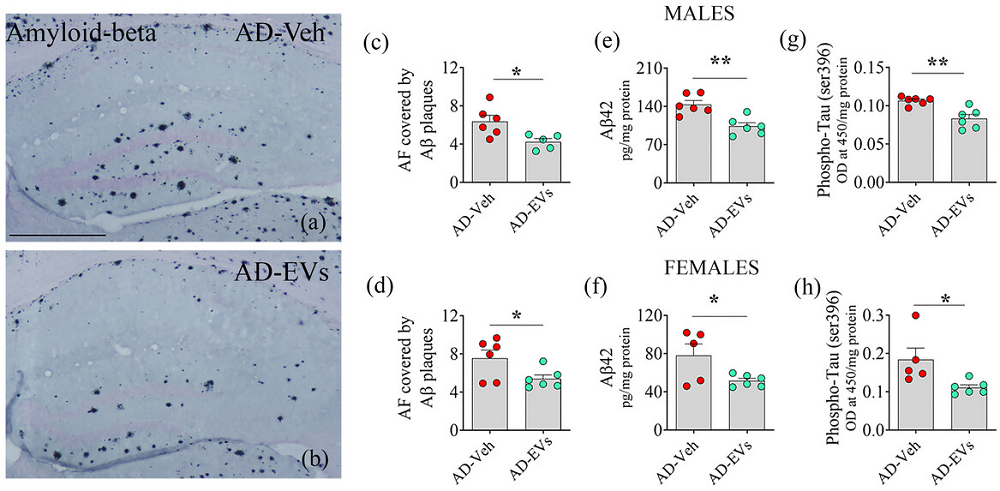
Preventing Alzheimer’s Proteins From Accumulating: Boosting a key autophagy-related protein discourages a core component of Alzheimer’s from taking hold, according to a study published in Aging Cell.

Cell illustrationStudy of Direct Reprogramming Challenges Consensus: Scientists have shown that in a direct cellular reprogramming scenario, neurons are produced almost exclusively by a rare subtype of multipotent cells. Their findings, they claim, change our understanding of reprogramming, but not everyone agrees.

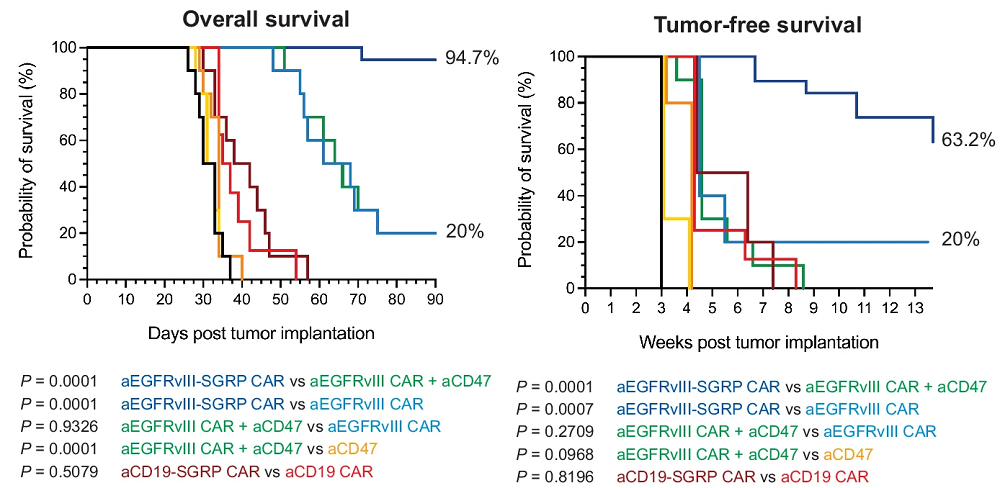
Engineering T Cells to Fight Brain Cancer: Researchers publishing in Nature have reported a new advance in developing chimeric antigen receptor (CAR) T cells to fight solid tumors in the brain.

Growing neuronIntranasal Spray Alleviates Early Alzheimer’s in Mice: A novel therapy based on induced neuronal stem cells shows promise in a mouse model of Alzheimer’s disease – and it can be administered intranasally.

Dietary Diversity Is Associated With Delayed Aging: An analysis of data from over twenty thousand people has indicated that greater dietary diversity is associated with slower biological aging.

Older man exercisingHow Exercise Preserves Function in Motor Nerves: In Aging Cell, researchers have described the specific cell types that give exercise protective effects against motor nerve degeneration.

Finding Cells That Send Signals Against Arthritis: In Aging, researchers have reported that deriving extracellular vesicles from mesenchymal stromal cells (MSCs) in fat tissue has beneficial effects in models of osteoarthritis.

MenopauseBuilding an Atlas of Human Ovarian Aging: The researchers of a Nature Aging paper used multi-omics approaches to investigate cellular, molecular, and genetic drivers of human ovarian aging.

Time-restricted eating reveals a “younger” immune system and reshapes the intestinal microbiome in human: Overall, TRE showed multiple anti-aging effects, which may help humans maintain a healthy lifestyle to stay “young”.

Association of dietary anthocyanidins intake with all-cause mortality and cardiovascular diseases mortality in USA adults: This research indicates that an appropriate dietary intake of anthocyanins is associated with a reduction in overall mortality rates

Acute exercise boosts NAD+ metabolism of human peripheral blood mononuclear cells: These results demonstrate that acute exercise triggers NAD+ biosynthesis of human PBMCs with potential implications for immunometabolism, immune effector function, and immunological exercise adaptions.

High-intensity interval exercise is more efficient than medium intensity exercise at inducing neurogenesis: These findings suggest that HIIT enhances neurogenesis more robustly than MIIT in both niches, with HCA1 playing a crucial role in V-SVZ neurogenesis.

Pterostilbene Targets Hallmarks of Aging in the Gene Expression Landscape in Blood of Healthy Rats: The findings provide a rationale for pre-clinical and clinical longevity studies and encourage investigations on PTS in maintaining cellular homeostasis, decelerating the process of aging, and improving conditions with chronic inflammation.

Effect of nicotinamide riboside on airway inflammation in COPD: a randomized, placebo-controlled trial: In exploratory analyses, treatment with NR showed indications of upregulated gene pathways related to genomic integrity in the airways and reduced epigenetic aging, possibly through a reduction in cellular senescence.

Investigating the efficacy of ergothioneine to delay cognitive decline in mild cognitively impaired subjects: These results add to existing data that ergothioneine is safe for extended consumption and may hold the potential to delay cognitive decline in elderly adults.

Sex Differences in Response to Diet Enriched with Glutathione Precursors in the Aging Heart: This work supports the concept that aged male and female hearts are phenotypically different. These basic differences may affect the response to pharmacological and diet interventions, including antioxidants.

The Administration of Resveratrol and Vitamin C Reduces Oxidative Stress in Postmenopausal Women: Vitamin C increased the total antioxidant capacity of postmenopausal women with insulin resistance by up to 33%. However, using resveratrol and/or vitamin C alone or in combination did not present significant differences in insulin resistance.

Human Supplementation with AM3, Spermidine, and Hesperidin Enhances Immune Function, Decreases Biological Age, and Improves Oxidative-Inflammatory State: The researchers propose that this supplement may be a strategy to rejuvenate biological age and achieve healthy aging.

Metabolite signatures of chronological age, aging, survival, and longevity: These results characterize many metabolites involved in aging and point to nutrition as a source of intervention for healthy aging therapeutics.

A small-molecule screen identifies novel aging modulators by targeting 5-HT/DA signaling pathway: This study offers a way for the discovery of drugs that promote healthy aging, and provides potential interventions for preventing behavioral deterioration in the elderly.

Mendelian randomization analyses support causal relationships between gut microbiome and longevity: These microbial taxa and pathways may potentially play a protective role in promoting longevity or have a suppressive effect on lifespan.

Gut microbiota and epigenetic age acceleration: a bi-directional Mendelian randomization study: This study implicates the potential causal effects of specific microbiota on EAA, potentially providing novel insights into the prevention aging through specific gut microbiota.

Slowed epigenetic aging in Olympic champions compared to non-champions: The data suggest that rigorous and long-term exercise from adolescence to adulthood has beneficial effects on epigenetic aging.

Attitudes towards geroprotection: measuring willingness, from lifestyle changes to drug use: Future research may want to delve deeper into the role of facilitating trust relations between medical institutions and the public in promoting the use of geroprotective drugs.

Negative effects of lifespan extending intervention on resilience in mice: None of the three age-sensitive assays responded to the health-extending interventions in the way the researchers expected, and for some assays, including anesthesia response, interventions actually worsened outcomes.

Stem cell transplantation extends the reproductive life span of naturally aging cynomolgus monkeys: These findings demonstrate the beneficial effects of M-cell transplantation on aging ovaries and expand the understanding of the molecular mechanisms underlying ovarian aging and stem cell-based alleviation of this process.

Restoration of hair follicle inductive properties by depletion of senescent cells:  These data revealed that senolytic treatment of cultured human dermal papilla cells markedly increased their inductive potency in hair follicle regeneration.

News Nuggets

Found the needleNew Crowdfunding Project Looks for a “Better Rapamycin”: Ora Biomedical and the Rapamycin Longevity Lab have launched a project to screen more than 600 mTOR inhibitors in the hope of finding some that are superior to geroscience’s poster child, rapamycin.

Coming Up

The Longevity Summit Announces Fourth Annual Event: The Longevity Summit, a leading conference bringing together the complete ecosystem of longevity science and biotechnology, will hold its fourth annual event on December 3-4, 2024, at the Buck Institute for Research on Aging in Novato, California.

We would like to ask you a small favor. We are a non-profit foundation, and unlike some other organizations, we have no shareholders and no products to sell you. All our news and educational content is free for everyone to read, but it does mean that we rely on the help of people like you. Every contribution, no matter if it’s big or small, supports independent journalism and sustains our future.

Menopause

Building an Atlas of Human Ovarian Aging

The researchers of a Nature Aging paper used multi-omics approaches to investigate cellular, molecular, and genetic drivers of human ovarian aging [1].

An early decline

A decline in ovarian function occurs before a similar decline in other organs. Already in their mid-to-late thirties, women can experience symptoms such as fertility problems or increased frequency of offspring disabilities [2]. Fertility-related issues are not the only symptoms: this decline in ovarian function also impacts the proper functioning of other bodily systems, leading to various health problems and impacting lifespan [3, 4].

Sequencing ovarian cells

In this new study, the researchers used human ovarian tissues from four young (23-29 years) and four reproductively aged (49-54 years) healthy donors and performed two types of sequencing: one that provides a gene expression profile and another that provides information about chromatin accessibility across the genome.

Sequencing data analysis identified eight clusters representing all major somatic cell types in the ovary. The proportion of each cell type differed between young and aged ovaries, suggesting an impact of aging on ovarian architecture.

In aged ovaries compared to young ovaries, the researchers observed significantly decreased numbers of components of ovarian follicles, granulosa, and theca cells, as well as blood vessel and lymphatic endothelial cells. Since the number of follicles decreases with age, it is unsurprising that the number of cellular components that build them also would decrease. Only epithelial cell numbers were higher in aged ovaries, and the authors suggest that it is linked to “lifetime ovulation-induced rupture and repair.”

Comparing the changes in gene expression in ovarian tissues and eight age-matched human tissues indicated “high coordination in aging-related transcriptomic changes” among ovarian cells but not in cells from other tissues. Therefore, the researchers believe that the nature of ovarian aging is distinct from that of other tissues.

Ovary-specific mTOR

Identifying differentially expressed genes (DEGs) indicated that most changes among aging-associated DEGs were similar and shared among cell types; however, some were cell type-specific.

Analysis of pathways and ovarian aging-specific genes suggested mTOR signaling as an ovary-specific pathway with a central role in ovarian aging. This is particularly interesting given that previous research has shown that mTOR can delay mouse ovarian aging [5] and that mTOR has a sex-specific effect on lifespan extension, being more potent in females [6].

Aging-related changes

Aging results in many changes on the molecular level. The researchers in this article looked into cellular senescence and cellular communication. Aged ovarian tissues showed an increase in one of the senescence markers and presented with a subset of upregulated senescence-associated secretory phenotype (SASP) genes.

On the other hand, the researchers generally observed reduced intracellular communication with age. However, there were some differences between different cell types, with epithelial cells experiencing more and more robust interactions with all cell types.

Researchers described pathways, such as ones essential for follicle development and growth, that were higher in young granulosa cells and oocytes but decreased in aged cells. However, there were also pathways related to cell adhesion and fibroinflammation that showed higher communication probability in most cell types in aged ovaries.

Losing identity with age

The researchers investigated the master transcription factor networks that define cell identity since cell identity loss is an age-related change that cells undergo. First, they identified transcription factor motifs related to each ovarian cell type and compared their activity in young and aged cells. They noted significantly decreased motif activity of identity-associated transcription factors in most cells during ovarian aging. The exception was epithelial cells that had increased identity-associated transcription factor activity.

Additional proof of age-related cell identity loss came from analysis of the expression of the top 100 cell-type-specific genes. For young ovarian cells, the expression of those genes was high except for smooth muscle and epithelial cells. In aged granulosa, immune, and theca cells, the level of cell-type-specific genes was low, suggesting cell identity loss.

Building regulatory networks

The researchers used the data they obtained to build cell-type-specific transcription factor regulatory networks for human ovarian aging in different ovarian cell types. This network highlighted the important role of the CEBPD protein in human ovarian aging. “CEBPD target genes were enriched in key aging processes, including mTOR signaling, MAPK signaling and cellular senescence, across multiple cell types.”

Age at menopause

Age at natural menopause (ANM) impacts female fertility and other health aspects. Multiple genome-wide association studies (GWASs) underscore the importance of genetics in determining ANM, with almost all of the locations in the genome (genomic loci) associated with ANM located in the non-coding regions and related to cell type-specific gene regulation.

The researchers aimed to better understand the relationship between ANM-associated gene variants and ovarian aging. They used data from previous studies to identify ANM-associated variants and compared them to the putative enhancers and promoters they identified in this study. Ths search for regulatory elements again pointed to the involvement of mTOR signaling and DNA damage response.

The researchers focused more deeply on one of the genetic variants related to the latter, located in the HELB gene’s putative promoter, which was associated with delayed ANM. HELB encodes DNA helicase B, a negative regulator of homologous recombination. The researchers identified one genetic variant that could decrease the activity of transcription factors to bind to the HELB promoter and potentially affect its expression. This could potentially affect genome maintenance and delay ANM.

In-depth functional analysis into HELB expression regulation, using human stem cells differentiated into ovarian cell types, confirmed that a late ANM-associated HELB regulatory genetic variant reduced HELB gene expression.

Further, the post-GWAS analysis allowed the authors to identify candidate gene regulatory variants and their putative target genes associated with ANM and narrow the list to ovarian tissue-specific hits. This list can inform future studies of non-coding variants that impact human ovarian aging.

From genetic insights to therapies

The authors of this study created resources that can be used to further the understanding of female ovarian aging. Their analysis already pointed out a few critical observations, such as “upstream factors (for example, CEBPD) and downstream effectors (for example, mTOR signaling) contributing to ovarian aging.”

The importance of mTOR and its role in ovarian aging can be a potential target for developing future therapies to slow it down. However, to achieve that, a deeper mechanistic understanding of molecular processes is necessary.

Additionally, while this study brought valuable new tools, future studies should include larger sample sizes with women of different ages and reproductive life stages. The stages of the menstrual cycle should also be considered as a variable.

We would like to ask you a small favor. We are a non-profit foundation, and unlike some other organizations, we have no shareholders and no products to sell you. All our news and educational content is free for everyone to read, but it does mean that we rely on the help of people like you. Every contribution, no matter if it’s big or small, supports independent journalism and sustains our future.

Literature

[1] Jin, C., Wang, X., Yang, J., Kim, S., Hudgins, A. D., Gamliel, A., Pei, M., Contreras, D., Devos, M., Guo, Q., Vijg, J., Conti, M., Hoeijmakers, J., Campisi, J., Lobo, R., Williams, Z., Rosenfeld, M. G., & Suh, Y. (2024). Molecular and genetic insights into human ovarian aging from single-nuclei multi-omics analyses. Nature aging, 10.1038/s43587-024-00762-5. Advance online publication.

[2] Nagaoka, S. I., Hassold, T. J., & Hunt, P. A. (2012). Human aneuploidy: mechanisms and new insights into an age-old problem. Nature reviews. Genetics, 13(7), 493–504.

[3] Muka, T., Oliver-Williams, C., Kunutsor, S., Laven, J. S., Fauser, B. C., Chowdhury, R., Kavousi, M., & Franco, O. H. (2016). Association of Age at Onset of Menopause and Time Since Onset of Menopause With Cardiovascular Outcomes, Intermediate Vascular Traits, and All-Cause Mortality: A Systematic Review and Meta-analysis. JAMA cardiology, 1(7), 767–776.

[4] Cargill, S. L., Carey, J. R., Müller, H. G., & Anderson, G. (2003). Age of ovary determines remaining life expectancy in old ovariectomized mice. Aging cell, 2(3), 185–190.

[5] Heng, D., Sheng, X., Tian, C., Li, J., Liu, L., Gou, M., & Liu, L. (2021). Mtor inhibition by INK128 extends functions of the ovary reconstituted from germline stem cells in aging and premature aging mice. Aging cell, 20(2), e13304.

[6] Harrison, D. E., Strong, R., Sharp, Z. D., Nelson, J. F., Astle, C. M., Flurkey, K., Nadon, N. L., Wilkinson, J. E., Frenkel, K., Carter, C. S., Pahor, M., Javors, M. A., Fernandez, E., & Miller, R. A. (2009). Rapamycin fed late in life extends lifespan in genetically heterogeneous mice. Nature, 460(7253), 392–395.

GSA 2024

The Best Talks of GSA 2024

Today, we bring you a selection of presentations from the annual conference organized by the Gerontological Society of America.

Most of our savvy readers, if asked to name the biggest gerontology conference, would probably go with the venerable ARDD in Copenhagen or the new favorite, Hevolution Foundation’s Healthspan Summit in Riyadh. Yet, both pale in comparison with the enormous conference (still not the biggest in the world though) organized annually by the Gerontological Society of America. GSA 2024 was held in my hometown of Seattle earlier this month, and I was there to witness all the grandeur.

And big it was! There were 4,000 participants over four days (five if you count the pre-conference workshops), and it occupied the entire four floors of the Seattle Convention Center. However, the lion’s share of the conference was focused not on the biology of aging or longevity biotech companies but rather on caring for the elderly and the societal aspects of aging. We in the longevity field tend to forget about this immense industry of helping people during their last decades of life and the legions of dedicated people who provide this help.

In sharp contrast, the biology of aging track at the conference was tiny, with a couple of dozen people struggling to fill the modestly sized auditorium. Nevertheless, it featured high-quality talks and some of the biggest names in the longevity field, such as Harvard Professor David Sinclair. Sinclair’s talk was a part of the pre-conference workshop on the hallmarks of aging, which makes it a great starting point for this selection of talks.

Cellular reprogramming is moving closer to the clinic

Fame and controversy notwithstanding, Sinclair remains one of the leading and most productive geroscientists, conducting cutting-edge research out of his Harvard lab and overseeing a few companies. In his talk, he provided an overview of his information theory of aging and the recent research by his team, which we have previously featured on our site.

Information, Sinclair said, is becoming ever more relevant to understanding aging. All the hallmarks of aging “talk to each other.” However, with time, this biological information becomes corrupted by “noise,” which is introduced in several ways, including via DNA mutations and unwanted changes in gene expression (epimutations).

Mutations and epimutations are inextricably linked by the fact that certain proteins (namely, some of the members of the sirtuin family) participate both in regulating gene expression by repressing chromatin and in repairing DNA breaks. When those proteins are summoned to a DNA break, they abandon their posts as chromatin guardians and do not always successfully return.

Sinclair’s lab has created a mouse model involving induced changes to the epigenome (ICE) into which the researchers can induce a modest amount of DNA breaks, which are faithfully repaired, thus not leading to mutations – however, the repair process leads to epimutations. This allowed the team to uncouple genetic and epigenetic changes and look at how the latter affect aging. According to Sinclair, experiments with ICE mice have confirmed that epigenetic changes induce aging across multiple hallmarks, even in the absence of DNA mutations.

Sinclair’s idea is that the information required to restore the epigenome to its original or at least younger state, which happens during cellular reprogramming, must be stored somewhere in the cell; therefore, every epigenetic change is “recorded” by yet unknown molecular mechanisms. Sinclair believes his group might have taken the first steps in identifying these mechanisms: they showed that the enzymes SIRT1 and TET2, which are involved in epigenetic alterations, bind to the same sites in certain genes as the Yamanaka reprogramming factors.

Another direction that Sinclair pursues is cellular reprogramming’s clinical applications. His team has developed a protocol that uses three of the four classic Yamanaka factors (OCT4, SOX2, and KLF4, or “OSK”), deliberately omitting c-Myc, which is an oncogene. In addition to improving safety, this allows for continuous expression of the reprogramming factors without throwing the cells back into pluripotency. For more details, read our recent interview with Sharon Rosenzweig-Lipson, CSO of Life Biosciences, one of Sinclair’s companies.

Life builds on Sinclair’s work in restoring vision via cellular reprogramming. In his talk, Sinclair showed a video of a formerly blind aged mouse responding to visual stimuli after just three weeks of OSK treatment. Experiments have also been performed on rats and non-human primates. Life Biosciences might be very close to bringing cellular reprogramming to the clinic, as Sinclair announced human trials scheduled for August 2025.

While gene therapy with these factors would be expensive, the Sinclair lab is developing more affordable alternatives. The researchers have identified cocktails of small molecules that can induce partial cellular reprogramming.

The research has progressed from cells to miniature tissue models (organoids). The researchers’ work with cellular senescence has delivered particularly promising results, with senescent cells showing dramatic improvements after just ten days of treatment.

While the initial focus is on eye diseases such as glaucoma and AMD (age-related macular degeneration, a very hard disease to tackle), Sinclair hopes that their findings “might be relevant to a whole variety of diseases, not just the eye.”

From toast to aging: the hidden impact of glycation

For most of his career, Prof. Pankaj Kapahi of the Buck Institute on Aging has been studying glycation, a non-enzymatic chemical reaction where sugar molecules, such as glucose, bond to proteins, lipids, or DNA. Glycation is also the chemical process that makes toast brown and flavorful (“We’re slowly toasting away,” Kapahi joked).

Glycation impairs molecules’ normal function and is known to contribute to aging and diseases like diabetes and Alzheimer’s. Advanced glycation end-products are abbreviated as AGEs.

Kapahi’s recent research focuses on methylglyoxal (MGO), a highly reactive molecule produced whenever cells use glucose and a precursor to AGEs. “It’s about 1,000 times more reactive than glucose,” Kapahi explained. “It has both aldehyde and ketone groups that can bind DNA, proteins, and lipids through covalent bonds, and there’s no escape from its production.”

This reactivity affects multiple hallmarks of aging, including mitochondrial function and epigenetic state. The researchers discovered that it also drives cellular senescence. Things are complicated by the fact that MGO might not be just a harmful byproduct but also have regulatory roles, including appetite regulation and glycolysis control.

“Our current research shows glycation accelerates aging in multiple organs: heart, eye, fat cells, brain (by affecting myelination), and pancreas,” Kapahi said. “It also increases senescence markers in fat and affects glucose homeostasis.”

The team screened about 600 compounds to find AGE-lowering agents. Bictinamide emerged as a promising candidate, and the team has developed a five-compound cocktail. It includes lipoic acid, which effectively reduces the burden of methylglyoxal and AGE across tissues.

This cocktail, called Gly-Low, improves aortic stiffening, glucose tolerance even in normal mice, and neuromuscular balance. Impressively, it extends lifespan in mice when administered late in life (around 24 months). In high-fat diet models, it reduces blood glucose and improves glucose tolerance while significantly reducing inflammatory cytokine loads.

The researchers are now investigating the mechanisms behind these effects. “We’re using click chemistry to identify methylglyoxal-modified proteins,” Kapahi explained, “hypothesizing that these modifications might make proteins appear foreign to the immune system, triggering inflammatory responses. This work should help us understand how glycation drives aging and age-related diseases.”

When life gives you fibroblasts, make neurons!

Larissa Traxler from Jerome Mertens’s Lab at UC San Diego gave a talk titled “From Old Skin to Old Neurons: Direct Conversion to Explore the Interface between Cellular Aging and Disease.”

One of the reasons we lack cures for diseases like Alzheimer’s, she said, is because aging, a major risk factor, is so heterogeneous. No unifying etiology for Alzheimer’s exists, and almost all cases are sporadic. This inspired Traxler’s team to develop individual-specific analysis approaches that can capture this heterogeneity, which they achieve by using direct cellular reprogramming of patient-derived fibroblasts into neurons.

Starting from patient skin biopsies, they then use lentiviral factors to induce direct conversion with 40-50% efficiency. After cell sorting, more than 95% purity is achieved. The resulting induced neurons (iNs) are a combination of excitatory and inhibitory types and are mostly similar to frontal cortex neurons. Using various combinations of transcription factors such as Ngn2 and Ascl1, the team can generate different neuronal subtypes.

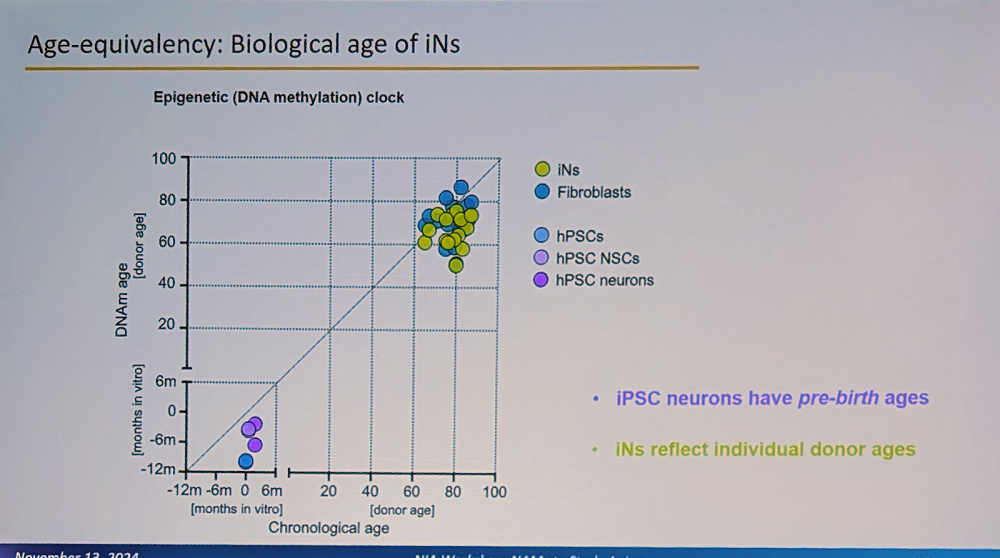
A crucial aspect of the system is that these iNs maintain the biological age of the donor and their specific aging signature. “This is fundamentally different from iPSC-derived neurons, which reset to pre-birth ages according to methylation clocks,” Traxler said. “Our iNs reflect individual donor ages and display adult-stage characteristics, while iPSC neurons resemble fetal stages.”
GSA2024 1

This age retention is particularly visible in adult neuronal splicing, such as in MAPT (Tau) genes, where the researchers observe adult-specific combinations of isoforms and their phosphorylation. Interestingly, humans have much more alternative splicing than mice, a feature that cannot be properly modeled in mouse systems (mouse models of Alzheimer’s have indeed been unreliable, and their relevance to human Alzheimer’s is questioned).

The group went even further, having developed multicellular constructs that combine iNs with glial cells on polymer scaffolds. These form dense three-dimensional structures with synaptic connections. In these 3D constructs, the researchers have observed amyloid deposition with clear differences between familial and sporadic AD cases.

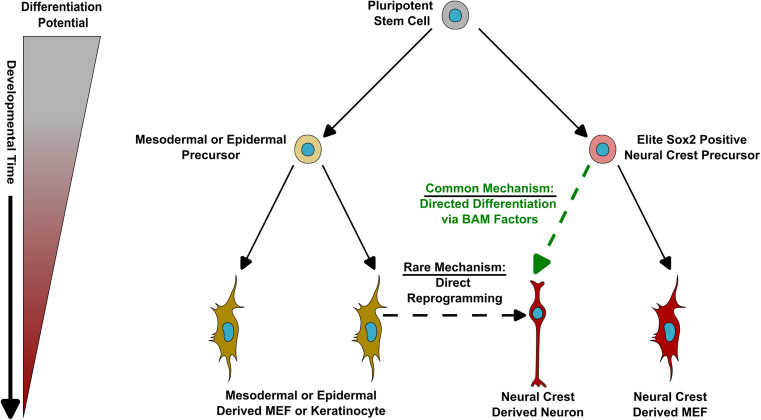
Interestingly, we recently reported on a study claiming that low efficiency of direct fibroblast-to-neuron reprogramming happens because only a small subset of stemlike cells (neuron crest progenitor cells) embedded within differentiated skin cells can produce neurons. However, the much higher efficiency cited by Traxler seems to contradict this claim. It is possible that her team uses a stronger reprogramming protocol that can cause a wider variety of skin cells to transition into neurons.

Can this diabetes drug extend lifespan?

Carolina Solis-Herrera from the University of Texas spoke at a session focused on repurposing existing drugs for slowing aging. Sodium-glucose cotransporter-2 (SGLT2) inhibitors, originally developed as glucose-lowering medications for type 2 diabetes, have attracted considerable attention in the longevity field after evidence appeared that this class of drugs positively affects both lifespan and healthspan. In particular, canagliflozin was among the handful of drugs that produced significant life extensions in mice in the rigorous Interventions Testing Program (ITP) trials.

Solis-Herrera’s group is trying to unravel the mechanisms of action behind those benefits. Recent evidence from trials shows that patients on SGLT2 inhibitors, both with and without diabetes, experienced fewer cardiovascular events, reduced hospitalization for heart failure, and improved kidney function. Cardiovascular and renal problems are, of course, two major causes of death in both diabetic and non-diabetic people.

“The cardiovascular protection we see with SGLT2 inhibitors emerges remarkably quickly – between six to eight weeks, far too fast to be explained by traditional risk factor improvements,” Solis-Herrera said. “This suggests there must be other mechanisms at work.”

Results show that SGLT2 inhibitors work along several pathways. They enhance the clearance of senescent cells; induce calorie loss by promoting urinary glucose excretion, which resembles caloric restriction; modulate key nutrient-sensing pathways involved in aging, such as mTOR and AMPK; and reduce age-related low-grade inflammation (inflammaging) and oxidative stress.

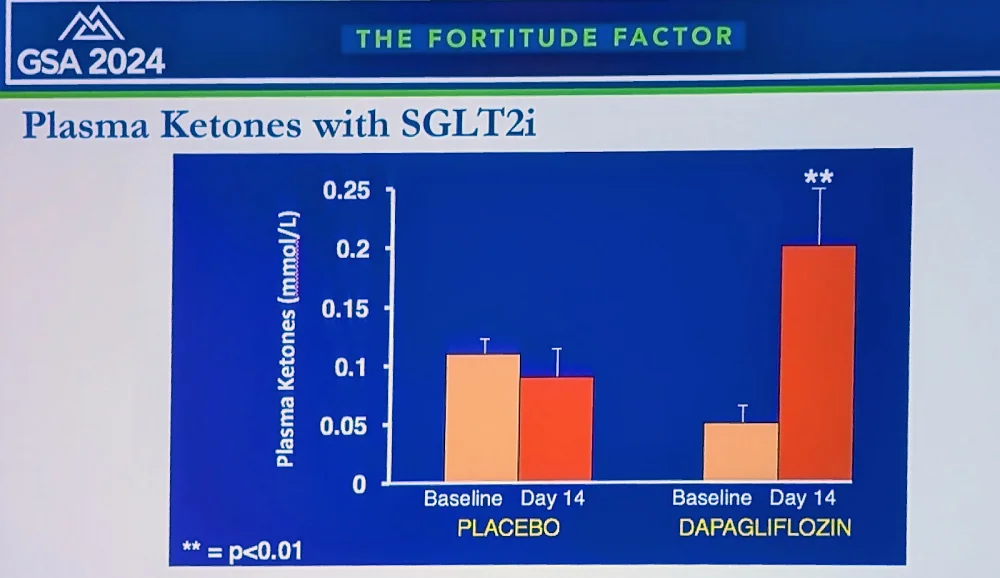
The researchers currently focus on the “ketone hypothesis”: that SGLT2 inhibitors increase the production of ketone bodies, such as beta-hydroxybutyrate (BHB). “We found that ketones reduce oxygen consumption and increase efficiency in various organs, including heart and kidneys,” Solis-Herrera said. “We’re now investigating applications in Alzheimer’s, diabetic retinopathy, dementia, and post-transplant patients for reducing rejection – that’s why we call SGLT2 inhibitors “the gift that keeps giving.”
GSA2024 2

Solis-Herrera reported on a new study in humans, where patients on SGLT2 inhibitors showed decreased inflammatory biomarkers, including TNF-alpha; a decrease in oxidation markers and senescent cell burden; and a significant decrease in visceral fat across multiple organs. “In summary,” she concluded, “SGLT2 inhibitors, originally created for diabetes, have emerged as potentially powerful anti-aging compounds. Their mechanisms likely involve a metabolic shift from glucose excretion to ketogenesis, which appears to be beneficial rather than maladaptive. They modulate key molecular pathways like mTOR and AMPK, reducing inflammation and oxidation.”

Looking beyond weight loss

John Newman, another representative of Buck Institute on Aging at the conference, talked about an even more hyped type of drug: glucagon-like peptide (GLP-1) receptor agonists, such as semaglutide, the principal ingredient of Ozempic and Wegovy. These drugs have revolutionized the treatment of diabetes and obesity, but many researchers believe they provide anti-aging benefits outside this context. Newman said he was very enthusiastic about GLP-1 agonists, but “there are critical gaps that need filling before we let that enthusiasm run away.”

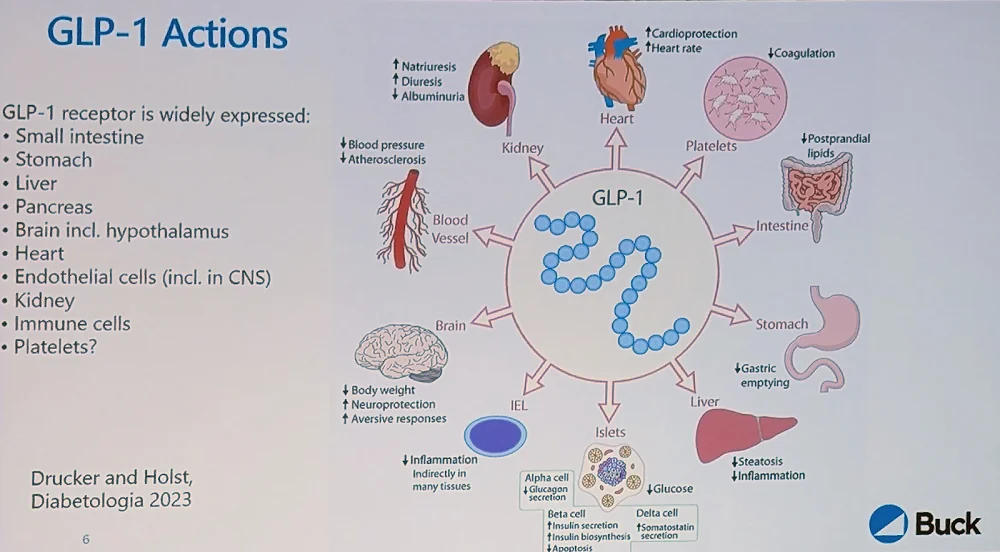
Newman explained that GLP-1, a small peptide hormone secreted by L cells in the gut epithelium and circulating throughout the body, reduces motility in the gut and slows glucose absorption. In the pancreas, it enhances glucose-stimulated insulin secretion to reduce hyperglycemia. However, endogenous GLP-1 is rapidly degraded, with a half-life in plasma “in the order of minutes.”

The GLP-1 receptor also interacts intracellularly with various aging-related pathways, such as mTOR and FOXO, enhancing mitochondrial function and dampening inflammation. “All these pathways,” Newman said, “are very familiar to geroscientists, and this integration of GLP-1 receptor signaling with mechanisms of aging is part of why the idea of GLP-1 receptor agonists as gerotherapeutics is so tempting.”
GSA2024 3

The GLP-1 receptor is widely distributed in the body, including in hypothalamic neurons, which is how it regulates satiety and appetite. It is also present in the heart, which might explain the cardiovascular benefits.

Large-scale trials have shown a significant decrease in cardiovascular mortality in obese and/or diabetic patients. However, gastrointestinal side effects are a major problem: virtually all patients on GLP-1 receptor agonists will eventually experience them, and they are severe enough to cause a 5%-8% dropout in studies.

“The results are striking for diabetes treatment and, within either diabetes or obesity, for atherosclerotic disease, kidney disease, and heart failure with preserved ejection fraction,” Newman said. “But does this make them gerotherapeutics? Not necessarily – it makes them highly effective diabetes and obesity treatments.”

For us to decide that these drugs are indeed geroprotectors, he explained, we have to see efficacy in diseases outside this metabolic cluster, such as neurodegenerative disease, cancer, and osteoporosis. Small trials in Parkinson’s and Alzheimer’s diseases showed some promise, but the results were not dramatic. A large Alzheimer’s trial (EVOKE) is ongoing. Importantly, this is one of the first large trials in non-obese people.

“The big picture,” Newman summarized, “is that while these are very effective agents in obesity and diabetes, we don’t know if benefits extend beyond these conditions or if cardiovascular and kidney protection is independent of weight loss – crucial questions for their potential as gerotherapeutics. Questions remain about the effects on sarcopenic obesity and diseases of aging not caused by obesity or diabetes. Much work remains to be done.”

Cellular reprogramming for organ transplantation

Pradeep Reddy of Juan Carlos Izpisua Belmonte’s lab gave a fascinating talk on cellular reprogramming. Belmonte is one of the pioneers of partial reprogramming and the first to demonstrate significant life extension in progeroid mice. Like several other first-tier geroscientists, Belmonte, previously at Salk Institute, was recruited by Altos Labs. Reddy’s talk presented a rare opportunity to gauge how things are going at the best-funded longevity startup in the world.

Reddy started by bringing up the lab’s work from several years ago on Hutchinson-Gilford progeria syndrome (HGPS). When the researchers reprogrammed fibroblasts from HGPS patients to induced pluripotent stem cells (iPSCs), “one striking observation was that all the aging hallmarks their cells initially showed were totally reversed, even though the mutation was still present,” Reddy said.

When these iPSCs were re-differentiated back to somatic lineages, they started to manifest the disease phenotype again. However, the team realized the importance of the first part: “that it’s possible to take a pre-diseased cell and reset or reverse those disease markers.”

Previously, partial reprogramming was mostly discussed in the context of aging. However, their results led the team to look for opportunities to apply reprogramming to contexts other than aging, “changing the trajectory of cells from diseased to healthy.”

“We conducted several studies in aged animals across different tissues,” Reddy said. “It’s not specific to only certain cell types – it can be a broad, agnostic approach. One thing that happens during loss of chromatin stability in disease or aging is loss of cell identity, which leads to decreased functional fidelity.”

One epigenetic alteration that is ubiquitous and important in aging is the epithelial-to-mesenchymal transition (EMT), in which epithelial cells lose cellular adhesion and become more motile. EMT can play a beneficial role in wound healing, but it also harms the original function of epithelial cells and is one of the central mechanisms of invasion and metastasizing in cancer.

The researchers observed increased EMT signatures in models of liver disease. “Similarly, we see the same phenotype in different cardiomyopathies, lung, and kidney disease,” Reddy said. “It’s a common phenotype, not specific to one tissue.” Partial reprogramming led to the erasure of these mesenchymal signatures in a matter of two to four days, which can explain early benefits.

One area where the researchers attempted to apply partial reprogramming is cellular senescence since senescence cells undergo drastic epigenetic changes. They saw decreased levels of SASP (senescence-associated secretory phenotype) elements such as p16, increased resilience, less hair graying, and improved wound healing in treated mice.

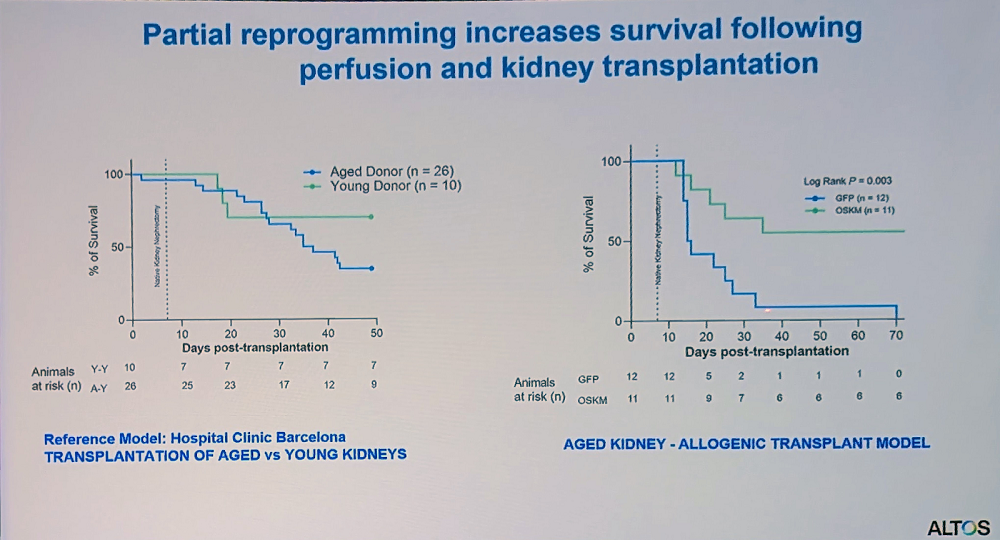
Delivering reprogramming factors via viral vectors remains a challenge since, with systemic delivery, most particles end up in the liver. Reddy’s team sought to rejuvenate kidneys, but the delivery problem seemed insurmountable until they decided to take a page from clinical practices, where donor organs are often connected to perfusion machines ex vivo for up to several hours to keep them viable. The idea was to add reprogramming factors to the perfusion solution in order to increase the organ’s fitness.

In collaboration with a clinic in Barcelona, the researchers worked on kidney transplantation in rats. As expected, organs from old donors were less viable, but reprogramming during perfusion showed promising results.
GSA2024 4

“This platform could help expand the donor pool by allowing us to improve suboptimal organs that would otherwise be discarded,” Reddy said. “We’ve built a modified perfusion system that doesn’t require complete transplantation – organs can remain connected to the body while undergoing perfusion, making it more applicable for age-related disease cases.”

No limit for New Limit

Not as hyped as Altos Labs, New Limit is nevertheless another exciting company working in the field of cellular reprogramming. Jacob Kimmel, who co-founded the company after stints at UCSF and Alphabet’s anti-aging company Calico, gave a captivating overview of its research.

New Limit is built on the premise that the classic Yamanaka reprogramming factors (OSKM) are not special, and many other rejuvenating factors and combinations can be found, tailored to specific cell types and contexts. “We plan to formulate these combinations into medicines using mRNA technology, similar to what many of us experienced with COVID vaccines,” Kimmel said. “Finally, we want to deploy these clinically to treat pathologies that will eventually affect all of us.”

While New Limit is working on several cell types and indications, in this talk, Kimmel focused on their T cell program, which targets infectious diseases by improving resilience. “There’s an enormous number of possible combinations,” he said. “We can’t experiment our way through that, so we need to be both efficient and smart about which experiments we choose.”

To solve this problem, New Limit has developed a proprietary high-throughput discovery process that begins with predictive computer models. The work then moves into primary human cells from multiple young and old donors.

When the researchers introduce pools of transcription factors, “due to the stochasticity of delivery, each cell picks up a different subset of factors,” Kimmel explained. “The result is a dish where all possible subcombinations up to a certain number are represented. We’ve attached DNA barcodes to these factors, allowing us to use single-cell genomics downstream to measure what happened – which genes the cell is expressing and which transcription factors achieved that outcome.”

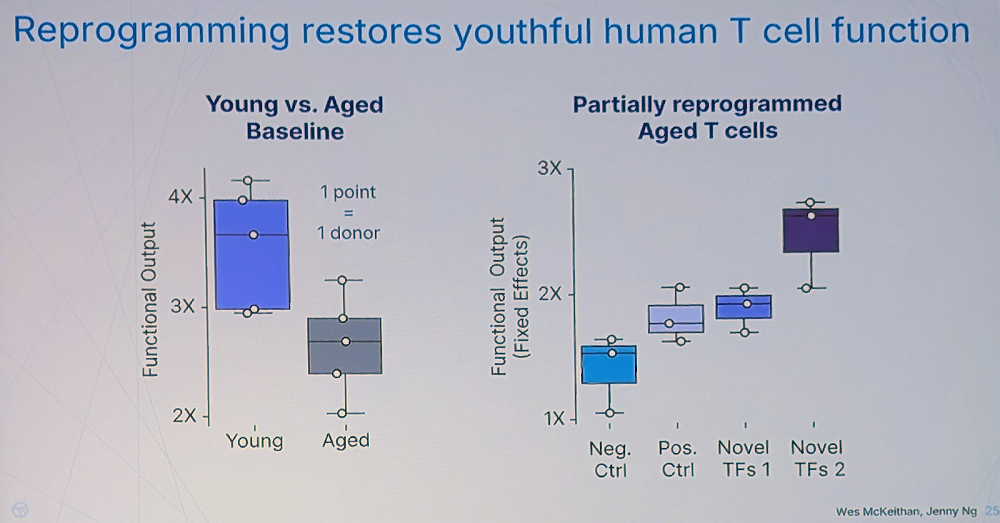
To detect if any combination resulted in rejuvenation, the researchers use machine learning models to predict cell age from gene expression profiles. Using this system, they have screened around 9,000 combinations of transcription factors for their effect on cell age – “about 500 times more than the roughly 19 combinations tested in academic literature,” Kimmel said.

Interestingly, the researchers have found that many different transcription factors can reverse T cell aging, often to the same degree as the Yamanaka factors. That said, those factors were not just variants of Yamanaka’s but are “broadly distributed across different transcription factor families, suggesting multiple paths to reprogram cell age.” Kimmel reported seeing a lot of synergy as if transcription factors tend to work better in combinations.
GSA2024 5

Rejuvenation apparently leads to improved T-cell fitness. “We found canonical cytotoxicity functions of human T cells are significantly impaired with age – something not clearly established in the literature before our work,” Kimmel said. However, the team has found many novel combinations that restore T cells’ fitness even stronger than the Yamanaka factors.

The question of durability, according to Kimmel, is crucial – effects that only last while mRNAs are expressed would be difficult to translate into treatments. “But we found that some combinations produce durable changes, measurable many days after turning off the factors,” he said.

Y is this happening?

Nick Chavkin, Assistant Professor at the Department of Pediatrics at Seattle Children’s Research Institute (hence, a local), gave a talk about a particularly interesting mutation affecting blood cells: the loss of the Y chromosome. Due to hematopoietic clonal expansion (when hematopoietic stem cells with certain mutations become more successful in reproduction and, as a result, dominate the cell pool), this mutation is quite prevalent in aged people, but for obvious reasons, only in men. According to the UK Biobank, by age 70, about 45% of men show appreciable Y chromosome loss, which, according to Chavkin, makes it the most common known human post-zygotic mutation.

Large biobank datasets also revealed the link between this long-known condition and all-cause mortality. Men with Y chromosome loss are about twice as likely to die at any given age compared to men without Y loss.

“The first associations were with cancer mortality and Alzheimer’s disease diagnosis – men with Y loss show higher rates of both,” Chavkin said. “We also demonstrated an increased rate of cardiovascular disease. This led us to investigate the mechanistic aspects. While the correlations are interesting, we wanted to know: could Y loss actually promote these disease states, or is it just an age-related phenomenon associated with genomic instability?”

The researchers created a mouse model with 80-90% Y-loss in hematopoietic stem cells. Compared to controls, those mice showed diminished survival, age-related cardiomyopathy, pulmonary and renal fibrosis, and cognitive decline: all the known hallmarks of Y loss.

Y-loss mice also showed exacerbated heart failure conditions. Looking for mechanistic explanations, the researchers discovered that Y-loss macrophages have a preference for fibrotic polarization, unlike some other known clonal mutations that promote inflammation.

Chavkin’s team then looked for the specific Y chromosome genes that drive these effects. “This was relatively straightforward because the Y chromosome is often considered a genetic “wasteland” post-puberty,” Chavkin said. “In mouse macrophages, only four Y chromosome genes are appreciably expressed, all within about a million base pairs: KDM5D, EIF2S3Y, UTY, and DDX3Y.”

Three knockouts had no effect, but UTY knockout recapitulated the full Y-loss phenotype. UTY is an epigenetic modifier that probably has broad regulatory effects.

Further experiments suggested that UTY inhibits pro-fibrotic macrophage polarization by regulating genomic DNA accessibility. UTY knockout probably allows certain transcription factors to bind and promote this polarization, leading to fibrosis.

The team’s current hypothesis is that Y chromosome loss leads to UTY insufficiency in monocytes. This increases chromatin accessibility for pro-fibrotic genes, allowing fibrotic transcription factor activity and ultimately leading to pro-fibrotic polarization and myocardial fibrosis.

“In summary, Y chromosome loss appears to be an age-related somatic mutation contributing to male mortality,” Chavkin said. “Our work suggests UTY plays a key role in this process. This mutation affects multiple hallmarks of aging – these X0 cells show intrinsic genomic instability, epigenetic alterations, effects on chronic inflammation, and altered intercellular communication.”

We would like to ask you a small favor. We are a non-profit foundation, and unlike some other organizations, we have no shareholders and no products to sell you. All our news and educational content is free for everyone to read, but it does mean that we rely on the help of people like you. Every contribution, no matter if it’s big or small, supports independent journalism and sustains our future.

MSCs

Finding Cells That Send Signals Against Arthritis

In Aging, researchers have reported that deriving extracellular vesicles from mesenchymal stromal cells (MSCs) in fat tissue has beneficial effects in models of osteoarthritis.

Which source to use?

Earlier this month, we wrote about how small extracellular vesicles derived from embryonic cells (ESC-sEVs) alleviate arthritis in rodent models. While these researchers acknowledge the potential of ESC-based therapies, this study focuses on EVs from a different source: MSCs, specifically those derived from fat (adipose) tissue (ASCs). ASCs from ruminants’ antler tissues, just like EVs derived from other tissues, have been found to alleviate osteoarthritis in rat models [1] for the same fundamental reason: the alleviation of cellular senescence.

Similar results were found in a study of ASC-EVs in human cells derived from patients with advanced osteoarthritis [2], and a conditioned medium derived from ASCs was found to do similar things [3]. However, these researchers also realize that most studies, such as the one we covered earlier this month, are more focused on cells driven senescent by inflammation rather than DNA damage [4], and cells driven senescent by different origins can have different effects.

Positive effects against different senescence origins

This paper, therefore, conducts experiments on cartilage-generating chondrocytes that were driven senescent by DNA damage, which was inflicted through the administration of the toxin etoposide. As expected, these cells started exhibiting the senescence marker SA-β-gal along with the DNA damage marker γH2AX, with a trend towards an increase in the SASP.

Exposing these cells to ASC-EVs along with etoposide blunted the effects of the toxin. SASP markers, SA-β-gal expression, and even DNA damage as measured by γH2AX were all reduced. These changes were found to be at least partially due to a restoration of the balance between the metabolic buildup process of anabolism and the breakdown process of catabolism.

The researchers then turned to the more conventional method of inducing senescence through the inflammatory factor IL-1β. Compared to the etoposide-induced group, cells exposed to this factor did not exhibit DNA damage, although they had still had enlarged nuclear surfaces just as the etoposide group did. The SASP factors induced by IL-1β, however, were markedly increased compared to the etoposide group.

Fortunately, most of these factors were significantly downregulated when ASC-EVs had been previously introduced. The interleukins IL-6 and IL-8, two major SASP components, were affected, as were matrix metalloproteinases (MMPs). The researchers describe the effect as “senoprotective”, as it had prevented the cells from going senescent.

There was a very interesting difference between this study and the study from two weeks ago. In that study, the researchers reported that FOXO1 was upregulated, and FOXO3 was not; this study, on the other hand, reported the exact opposite. This suggests a distinction between the two EV sources and a possibility of combination treatments that use EVs derived from both sources.

Benefits in a mouse model

The researchers replicated their findings in a mouse model of induced osteoarthritis through collagen destruction with collagenase. Most notably, 24 days after the introduction of ASC-EVs, the treated group’s osteoarthritis score was nearly identical to that of the arthritis-free control group, and even after 42 days, the treatment still appeared to be effective in most mice. While not all of the many tested biomarkers went in the desired direction at 9 days or 14 days, an analysis of the expression of various genes led these researchers to conlude that ASC-EVs have a “therapeutic effect” in these mice.

This paper, like others before it, spends a considerable amount of time characterizing and diagnosing the target cells to which the treatment is targeted. With the various sources of EVs being shown to have effects in cells, this may be enough to bring these sorts of treatments into clinical trials, possibly if EVs from these sources are combined. However, it might also be of value to closely examine just what is in these tiny packages being sent from the donor cells and if it is possible to include or exclude any of their contents.

We would like to ask you a small favor. We are a non-profit foundation, and unlike some other organizations, we have no shareholders and no products to sell you. All our news and educational content is free for everyone to read, but it does mean that we rely on the help of people like you. Every contribution, no matter if it’s big or small, supports independent journalism and sustains our future.


Literature

[1] Lei, J., Jiang, X., Li, W., Ren, J., Wang, D., Ji, Z., … & Wang, S. (2022). Exosomes from antler stem cells alleviate mesenchymal stem cell senescence and osteoarthritis. Protein & cell, 13(3), 220-226.

[2] Tofiño-Vian, M., Guillén, M. I., Pérez del Caz, M. D., Castejón, M. A., & Alcaraz, M. J. (2017). Extracellular vesicles from adipose‐derived mesenchymal stem cells downregulate senescence features in osteoarthritic osteoblasts. Oxidative Medicine and Cellular Longevity, 2017(1), 7197598.

[3] Platas, J., Guillén, M. I., Del Caz, M. D. P., Gomar, F., Castejón, M. A., Mirabet, V., & Alcaraz, M. J. (2016). Paracrine effects of human adipose-derived mesenchymal stem cells in inflammatory stress-induced senescence features of osteoarthritic chondrocytes. Aging (Albany NY), 8(8), 1703.

[4] Philipot, D., Guérit, D., Platano, D., Chuchana, P., Olivotto, E., Espinoza, F., … & Brondello, J. M. (2014). p16 INK4a and its regulator miR-24 link senescence and chondrocyte terminal differentiation-associated matrix remodeling in osteoarthritis. Arthritis research & therapy, 16, 1-12.

Older man exercising

How Exercise Preserves Function in Motor Nerves

In Aging Cell, researchers have described the specific cell types that give exercise protective effects against motor nerve degeneration.

A different level of back problems

With aging, the prevalence of nerves connecting to muscle tissue dwindles, a phenomenon known as denervation [1]. This has been linked to a depopulation of the alpha motor neurons in the spinal cord [2]. Unless interventions are undertaken, the muscles themselves dwindle as a result [3], being gradually replaced by non-muscle fibrosis instead [4].

This fibrotic replacement is driven by meschenchymal fibroblasts [5] instead of the muscle fibroblasts that would replenish the normal tissue [6]. Fibroblasts have also been reported to secrete factors that encourage nerve regrowth [7], as have muscle stem cells [8].

While it is disputed, some work even suggests that, in middle age, human beings’ dwindling nerves are replaced by these natural processes [9] and that this results in more complex nerve centers than younger people have, particularly in people who exercise regularly [10]. While the accelerated decline caused by runaway aging processes leads to degradation without regeneration of the nervous tissue [11], intensive exercise has been found to efficiently protect against this [12].

The precise molecular mechanisms and cells involved, however, had not been fully described. This research focuses on muscle fibroblasts and stem cells in an effort to discover precisely what makes exercise such a powerful treatment for motor nerve degradation.

Cell type matters

In the first experiment, primary motor neurons were cultured from rat embryos, while muscle fibroblasts and stem cells were taken from human muscle biopsies. Despite the species difference, these cells were found to interact in a compatible way. Four of the human volunteers were young, four were old and sedentary, and six were old people who had exercised throughout their lives.

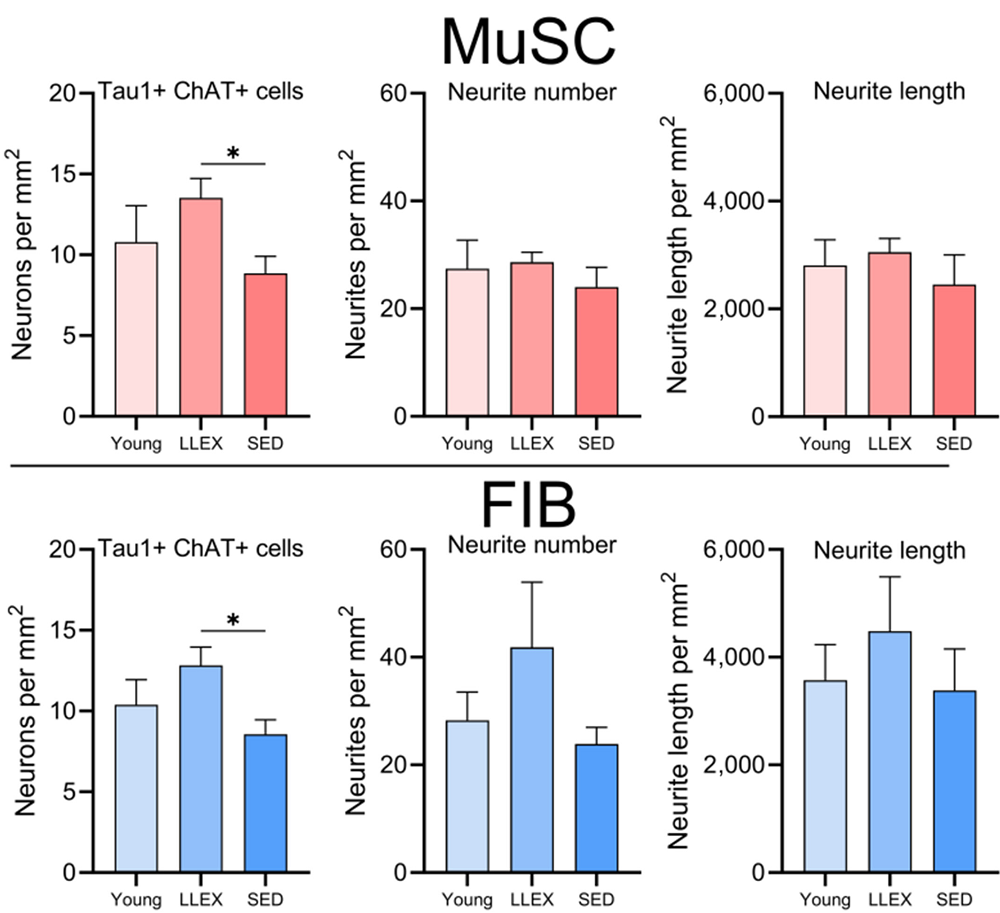
Muscle stem cells and fibroblasts were found to have starkly different gene expression profiles and stimulate the rat neurons in starkly different ways: a total of 11% of the neurons’ genes were expressed differently between the two groups, with roughly equal amounts of upregulation and downregulation. Considering the functions of these genes, culturing with fibroblasts seemed to encourage neural growth in a way that culturing with stem cells did not, including two genes that code for synapse transmission and a gene for the formation of new neurons (neurogenesis).

Culturing the rat neurons with conditioned media from these cell types, instead of directly, yielded somewhat similar results. Here, the researchers found that motor neurons are affected in complementary ways by each of these cell types, with fibroblasts still appearing to be more important for growth and development.

Lifelong exercisers have multiple advantages

The researchers then started comparing the cells of the different groups. Interestingly, they found that, while the young people were still better at exerting force than the older people and had slightly more lean mass, the older exercisers’ muscles appeared to be more efficient than younger people and older sedentary people. CAF, a key biomarker of neurological impairment, was not elevated in the older exercisers compred to the younger people, while older sedenary people had significantly elevated amounts.

Culturing the motor neurons with cells grown from older sedentary people had substantially negative effects: a full 53% more of the neurons survived after being cultured with cells derived from older exercisers versus their sedentary counterparts. The older exercisers’ cells even appeared to promote neuronal health more than those taken from younger people, although there was no statistically significant difference found with this small group.

Neuronal survival with exercised cells

This was a relatively small study, and it did not delve into the precise molecular mechanisms involved in this communication between muscle fibroblasts, muscle stem cells, and motor neurons. However, it has clearly identified the cell types involved. An analysis of such factors as extracellular vesicles and other intercellular communication will be necessary to translate these findings into a useful treatment.

Despite its limitations, however, this study makes it absolutely clear that exercise is necessary for long-term muscle health and defense against motor neuron loss with age. It is unknown when life-changing biological interventions will enter the clinic; right now, according to this and many other studies, exercise remains one of the best treatments that is broadly available.

We would like to ask you a small favor. We are a non-profit foundation, and unlike some other organizations, we have no shareholders and no products to sell you. All our news and educational content is free for everyone to read, but it does mean that we rely on the help of people like you. Every contribution, no matter if it’s big or small, supports independent journalism and sustains our future.

Literature

[1] Soendenbroe, C., Andersen, J. L., & Mackey, A. L. (2021). Muscle-nerve communication and the molecular assessment of human skeletal muscle denervation with aging. American Journal of Physiology-Cell Physiology, 321(2), C317-C329.

[2] McNeil, C. J., Doherty, T. J., Stashuk, D. W., & Rice, C. L. (2005). Motor unit number estimates in the tibialis anterior muscle of young, old, and very old men. Muscle & Nerve: Official Journal of the American Association of Electrodiagnostic Medicine, 31(4), 461-467.

[3] McPhee, J. S., Cameron, J., Maden-Wilkinson, T., Piasecki, M., Yap, M. H., Jones, D. A., & Degens, H. (2018). The contributions of fiber atrophy, fiber loss, in situ specific force, and voluntary activation to weakness in sarcopenia. The Journals of Gerontology: Series A, 73(10), 1287-1294.

[4] Madaro, L., Passafaro, M., Sala, D., Etxaniz, U., Lugarini, F., Proietti, D., … & Puri, P. L. (2018). Denervation-activated STAT3–IL-6 signalling in fibro-adipogenic progenitors promotes myofibres atrophy and fibrosis. Nature cell biology, 20(8), 917-927.

[5] Rebolledo, D. L., González, D., Faundez-Contreras, J., Contreras, O., Vio, C. P., Murphy-Ullrich, J. E., … & Brandan, E. (2019). Denervation-induced skeletal muscle fibrosis is mediated by CTGF/CCN2 independently of TGF-β. Matrix Biology, 82, 20-37.

[6] Wosczyna, M. N., & Rando, T. A. (2018). A muscle stem cell support group: coordinated cellular responses in muscle regeneration. Developmental cell, 46(2), 135-143.

[7] Theret, M., Rossi, F. M., & Contreras, O. (2021). Evolving roles of muscle-resident fibro-adipogenic progenitors in health, regeneration, neuromuscular disorders, and aging. Frontiers in Physiology, 12, 673404.

[8] Liu, W., Klose, A., Forman, S., Paris, N. D., Wei-LaPierre, L., Cortes-Lopez, M., … & Chakkalakal, J. V. (2017). Loss of adult skeletal muscle stem cells drives age-related neuromuscular junction degeneration. Elife, 6, e26464.

[9] Deschenes, M. R. (2011). Motor unit and neuromuscular junction remodeling with aging. Curr Aging Sci 4 (3): 209–220.

[10] Jones, E. J., Piasecki, J., Ireland, A., Stashuk, D. W., Atherton, P. J., Phillips, B. E., … & Piasecki, M. (2021). Lifelong exercise is associated with more homogeneous motor unit potential features across deep and superficial areas of vastus lateralis. GeroScience, 1-11.

[11] Snow, L. M., Mcloon, L. K., & Thompson, L. V. (2005). Adult and developmental myosin heavy chain isoforms in soleus muscle of aging Fischer Brown Norway rat. The Anatomical Record Part A: Discoveries in Molecular, Cellular, and Evolutionary Biology: An Official Publication of the American Association of Anatomists, 286(1), 866-873.

[12] Soendenbroe, C., Heisterberg, M. F., Schjerling, P., Kjaer, M., Andersen, J. L., & Mackey, A. L. (2022). Human skeletal muscle acetylcholine receptor gene expression in elderly males performing heavy resistance exercise. American Journal of Physiology-Cell Physiology, 323(1), C159-C169.

Diverse diet

Dietary Diversity Is Associated With Delayed Aging

An analysis of data from over twenty thousand people has indicated that greater dietary diversity is associated with slower biological aging [1].

Your health is what you eat

Good dietary habits are linked to many health benefits, and different diets were previously reported to impact the speed of aging and senescence. For example, adherence to the Mediterranean diet is positively associated with increased lifespan and healthspan.

We have also previously reported on some health benefits linked to different dietary patterns, such as associations linking an anti-inflammatory diet and the Mediterranean diet with a reduced risk of dementia, the positive impact of a ketogenic diet on symptoms of multiple sclerosis, the impact of Mediterranean, keto, and plant-based diets on cancer risk and progression, and the metabolic benefits of a ketogenic diet and the Mediterranean diet in pre-diabetes and Type 2 diabetes patients.

The authors of this study did not focus on any specific diet; instead, they focused on the diversity of food consumed by the study participants. They discuss the impact of a diverse diet, which is rich in macronutrients, micronutrients, antioxidants, and bioactive compounds, on the speed of aging.

Biological age is not just a number

Compared to chronological age alone, the relationship between biological age and chronological age is a better estimate of health and the risk of developing age-related diseases. A higher biological age suggests a higher possibility of developing age-related diseases and a higher chance of dying.

The researchers analyzed data from 22,600 participants (49.3% male) with an average age of 48 years from the National Health and Nutrition Examination Survey (NHANES), a cross-sectional survey conducted in the United States. People under 20 years of age, pregnant, and those with no available food intake or biological age data were excluded from the analysis.

The researchers in this study used phenotypic age and Klemera–Doubal method (KDM) biological age to represent the biological age of study participants. Those measures are based on the composite clinical biomarkers.

They used systolic blood pressure, blood creatinine, urea nitrogen, albumin, total cholesterol, glycosylated hemoglobin A1c, percentage of lymphocytes, mean erythrocyte volume, leukocyte count, and alkaline phosphatase as biomarkers for their assessment.

The more diverse, the better

The researchers assessed the dietary diversity score (DDS), which was described as simple, effective, and validated in clinical trials. It measures the number of food groups in one’s diet, based on five major food groups and 18 subgroups. “A higher DDS is generally indicative of a more varied diet and is associated with a broader intake of essential nutrients.” Previous research had reported an association between a higher DDS and a lower risk of chronic diseases such as diabetes mellitus [2] and cardiovascular diseases (CVD) [3].

In the analyzed group, the researchers measured DDS based on the average score from two self-reported 24-hour dietary recalls.

Higher diversity, lower biological age

The researchers used a few models to analyze the data. In the first model, they didn’t include any confounding variables. The second and third models were adjusted for different factors. Model two included demographic factors. The third model also included health metrics, such as cancer, smoking, alcohol consumption, and metabolic data. The researchers performed multiple modeling analyses using different variables (continuous and categorical) and corrected for multiple confounders.

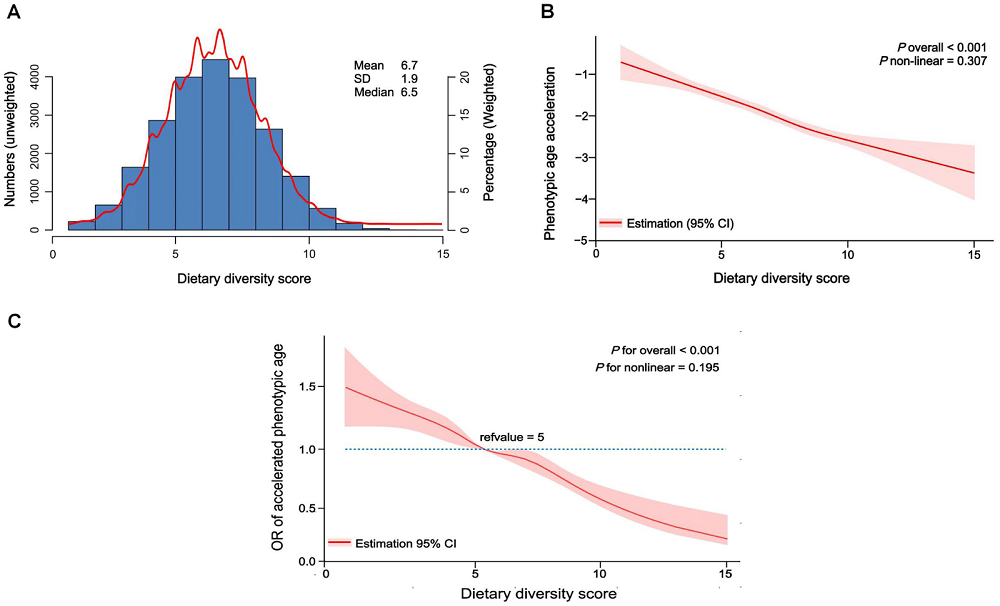
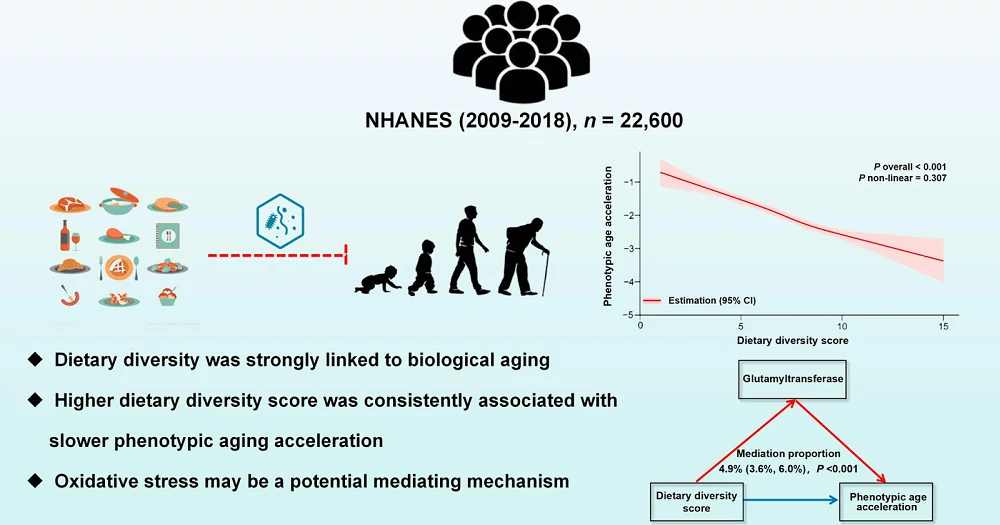
Their results suggested an association between higher DDS and slower biological aging. They note that this relationship is both highly significant (overall p of under 0.001) and linear.

DDS 1

Analysis of the participants’ subgroups divided by different health or demographic factors suggested an inverse relationship between DDS and phenotypic age acceleration across subgroups; however, these results were mainly not statistically significant.

The researchers also performed a sensitivity analysis that ensured the robustness of their observations. They did this analysis using multiple adjustments and concluded that the consistency of all three models suggests “a higher dietary diversity is significantly associated with lower phenotypic age acceleration, regardless of the adjustment methods employed.”

The researchers also explored the idea of oxidative stress being the factor mediating the relationship between dietary diversity and aging. They observed that “the oxidative stress indicator GGT had a significant mediating effect on the association of DDS and phenotypic age acceleration.”

Glutamyltransferase (GGT) was one of the proteins that was significantly lower in people with higher DDS. White blood cell count and neutrophil-lymphocyte ratio, two indicators of inflammation, were also significantly reduced. In contrast, levels of albumin, a potential indicator of anti-inflammatory capacity, and serum klotho, a protein with anti-aging properties, were higher.

Robust results, but without mechanistic understanding

Since this study is based on observational data, it cannot determine the mechanism behind the observed association. Still, the researchers proposed some hypotheses. They believe that oxidative stress and inflammation could be key processes mediating the effect of diet on aging, as a more diverse diet includes more antioxidants and anti-inflammatory compounds that protect cells from aging-related processes. They also consider the possible role of gut microbiota since a diverse diet can help maintain microbial diversity, an important factor for gut health. However, that particular aspect was not explored in this study.

The researchers claim that their results are robust and can be extrapolated to multi-ethnic and otherwise varied populations due to this data’s consistency and analysis.

While this analysis suggested that some associations are mediators, it cannot establish causality, and potential confounding factors (beyond what was tested) cannot be ruled out. The reporting of food intake should also be optimized for future studies.

Overall, this study’s results align with previous research, which linked reduced food diversity to an increased risk of age-related chronic diseases and mortality [2-5]. As the authors note, “promoting dietary diversity may facilitate healthy aging, which has significant implications for public health.”

DDS 2
We would like to ask you a small favor. We are a non-profit foundation, and unlike some other organizations, we have no shareholders and no products to sell you. All our news and educational content is free for everyone to read, but it does mean that we rely on the help of people like you. Every contribution, no matter if it’s big or small, supports independent journalism and sustains our future.
Literature

[1] Liao, W., & Li, M. Y. (2024). Dietary diversity contributes to delay biological aging. Frontiers in medicine, 11, 1463569.

[2] Zheng, G., Cai, M., Liu, H., Li, R., Qian, Z., Howard, S. W., Keith, A. E., Zhang, S., Wang, X., Zhang, J., Lin, H., & Hua, J. (2023). Dietary Diversity and Inflammatory Diet Associated with All-Cause Mortality and Incidence and Mortality of Type 2 Diabetes: Two Prospective Cohort Studies. Nutrients, 15(9), 2120.

[3] Chalermsri, C., Ziaei, S., Ekström, E. C., Muangpaisan, W., Aekplakorn, W., Satheannopakao, W., & Rahman, S. M. (2022). Dietary diversity associated with risk of cardiovascular diseases among community-dwelling older people: A national health examination survey from Thailand. Frontiers in nutrition, 9, 1002066.

[4] Zheng, G., Xia, H., Lai, Z., Shi, H., Zhang, J., Wang, C., Tian, F., & Lin, H. (2024). Dietary Inflammatory Index and Dietary Diversity Score Associated with Sarcopenia and Its Components: Findings from a Nationwide Cross-Sectional Study. Nutrients, 16(7), 1038.

[5] Chalermsri, C., Rahman, S. M., Ekström, E. C., Ziaei, S., Aekplakorn, W., Satheannopakao, W., & Muangpaisan, W. (2023). Dietary diversity predicts the mortality among older people: Data from the fifth Thai national health examination survey. Archives of gerontology and geriatrics, 110, 104986.

Growing neuron

Intranasal Spray Alleviates Early Alzheimer’s in Mice

A novel therapy based on induced neuronal stem cells shows promise in a mouse model of Alzheimer’s disease – and it can be administered intranasally [1].

Who needs cells?

Stem cell therapies have made great strides in recent decades. They have been successfully employed against numerous diseases, from cancer to osteoarthritis. However, storing, transporting, and administering cells is not easy. Moreover, in some cases, cells, with their extraordinarily complex metabolisms, can produce unwanted side effects. For instance, neural stem/progenitor cells (NSCs) have been shown to improve symptoms of certain brain diseases [2] but can also trigger pathological changes in the brain [3].

However, the whole cell might not always be necessary. Cells have been known to communicate with each other by excreting extracellular vesicles (EVs), tiny membrane-bound bubbles that can carry various cargoes, such as RNA molecules and proteins. Scientists have learned to harvest vesicles produced by cells and administer them locally or systemically, often recapitulating much of the effect of cell administration.

Unlike stem cells, EVs can be frozen and thawed without compromising their therapeutic efficacy. Furthermore, cells of different types can now be easily produced from induced pluripotent stem cells (iPSCs). Those are somatic cells reverted into pluripotency by applying certain molecules, such as the original reprogramming cocktail of Yamanaka factors (OSKM).

Less inflammation

In a new study published in the Journal of Extracellular Vesicles, researchers from Texas A&M University took human iPSCs and re-differentiated them into NSCs. They then harvested the extracellular vesicles produced by the cells, purified them, and administered them intranasally to a mouse model of familial Alzheimer’s disease (5xFAD mice). Despite decades of research and tens of billions of dollars spent, a cure for Alzheimer’s remains elusive.

While mouse models of Alzheimer’s have their limitations, as mice naturally don’t develop this disease, 5xFAD mice have been widely used. These animals start displaying Alzheimer’s-like pathologies, such as amyloid beta (Aβ) plaques and increased neuroinflammation at the age of three months, which is when the treatment was administered. About two months later, the mice underwent cognitive and neuropathological assessments.

The researchers confirmed that the EVs were indeed taken up by the brain’s resident macrophages (microglia). In Alzheimer’s, these cells surround Aβ plaques, presumably in an attempt to remove them. They display increased activation and inflammation, which has been linked to disease progression.

“Prolonged activation causes microglia to lose their normal function and begin to harm neurons, leading to progressive neuron loss,” explains Ashok K. Shetty, Ph.D., a University Distinguished Professor and associate director at the Institute for Regenerative Medicine in the Department of Cell Biology and Genetics, and the corresponding author on the study.

RNA sequencing revealed that the treatment downregulated multiple inflammation-related pathways that were significantly upregulated in 5xFAD mice compared to healthy controls. Notably, this occurred without compromising the microglia’s phagocytosis function: their ability to engulf and destroy pathogens.

The treatment also led to a significant reduction in the burden of Aβ plaques and phosphorylated tau protein, two major hallmarks of Alzheimer’s. While both sexes showed improvements, males demonstrated a more robust response to the treatment.

EVs Alzheimer's Mice

By the age of five months, 5xFAD mice typically demonstrate significant cognitive decline, which was also observed in this study. The EV treatment, however, appeared to effectively block this decline. Tests included the object location test, in which cognitively healthy animals are expected to spend more time exploring an object in a novel place than in a familiar place, and the pattern recognition test, which measures the ability to discern novel objects from familiar ones.

Interestingly, the researchers also assessed the mice’s mood. Mood changes are increasingly gaining recognition as a clinically important aspect of Alzheimer’s disease. Just like many human Alzheimer’s patients, untreated 5xFAD mice exhibited anhedonia, the inability to enjoy things – in this case, sweetened water. The EV treatment restored the rodents’ joie de vivre – or at least their preference for sugar.

Similar effects in human cells

While the researchers did not test their treatment in human patients, they pursued the next best alternative: applying NSC-derived EVs to human microglia in vitro. When challenged with Aβ-42, an isoform of Aβ known for its high aggregation propensity and central role in the pathology of Alzheimer’s disease, microglia exhibited overactivation and an inflammatory phenotype. These effects, however, were reversed by the EV treatment.

According to the paper, EVs are superior to NSCs in that they do not replicate and readily cross the blood-brain barrier. Intranasal administration is easy, non-invasive, and characterized by rapid action. While the study was conducted on animals at early stages of the disease, constant advances in diagnostics make this less of a limitation.

“This approach is effective because the cargo carried by these extracellular vesicles could reduce the neuropathological changes in the brain,” says Shetty, who has filed a patent on the intranasal application of neural stem cell-derived extracellular vesicles for treating Alzheimer’s and other neurological disorders. “Our journey to advance the application of this therapy for Alzheimer’s disease is just beginning.”

We would like to ask you a small favor. We are a non-profit foundation, and unlike some other organizations, we have no shareholders and no products to sell you. All our news and educational content is free for everyone to read, but it does mean that we rely on the help of people like you. Every contribution, no matter if it’s big or small, supports independent journalism and sustains our future.

Literature

[1] Madhu, L. N., Kodali, M., Upadhya, R., Rao, S., Somayaji, Y., Attaluri, S., … & Shetty, A. K. (2024). Extracellular vesicles from human‐induced pluripotent stem cell‐derived neural stem cells alleviate proinflammatory cascades within disease‐associated microglia in Alzheimer’s disease. Journal of Extracellular Vesicles, 13(11), e12519.

[2] Temple, S. (2023). Advancing cell therapy for neurodegenerative diseases. Cell stem cell, 30(5), 512-529.

[3] Abdi, S., Javanmehr, N., Ghasemi-Kasman, M., Bali, H. Y., & Pirzadeh, M. (2022). Stem cell-based therapeutic and diagnostic approaches in Alzheimer’s disease. Current Neuropharmacology, 20(6), 1093-1115.

CAR T Cells Attack

Engineering T Cells to Fight Brain Cancer

Researchers publishing in Nature have reported a new advance in developing chimeric antigen receptor (CAR) T cells to fight solid tumors in the brain.

A difficult endeavor

CAR T cell-based therapies are normally discussed in the context of blood cancers, as getting them to effectively attack solid tumors has proven very difficult, despite intensive research on the subject [1]. They have been used to attack glioblastomas, the most aggressive brain tumors in adults [2], even though targeting of antigens associated with this cancer can have toxic, off-target effects [3].

One safer method involves targeting of EGVRvIII, a molecule that appears on roughly 40% of these tumors [4]. However, a clinical trial utilizing this approach failed: the tumors were able to mutate and protect themselves against the treatment [5]. New approaches are being developed, and tested in trials, to better combat these tumors [6].

The researchers note the challenges involved in this sort of work. Glioblastoma tumors are very unfriendly to the immune system, suppressing its functions with increasing severity as the tumor grows [7]. For example, these tumors will secrete CD47, a natural immunosuppressant, in order to prevent macrophages from consuming them [8]. However, targeting CD47 has been found to be ineffective, as the therapy fails to penetrate the tumor, and dangerous to other tissues [9].

These researchers, therefore, have developed a fourth-generation therapy to target these tumors. These anti-EGFRvIII CAR T cells also release SGRP, a protein that binds to CD47, thereby directly fighting the immunosuppressive environment; however, cells also need CD47 to function properly, and the researchers were pleased to note that this alteration did not interfere with the cells’ own function.

Effective in mice

In experiments against cultured glioblastoma cells, which do not have such a protective environment, these new cells performed just as well as other CAR T cells. These cells were also found to be target-specific: cells that do not produce EGVRvIII were not harmed by these engineered cells.

In these sorts of experiments, it is relatively easy to graft human cancer cells into a mouse model and then have the CAR T cells defeat them there; however, this does not sufficiently mimic the actual tumor microenvironment, so preclinical successes can lead to clinical failures. Therefore, the researchers chose a model that avoids this problem.

The previous anti-EGFRvIII therapy was found to be effective in this scenario, extending the tumor-grafted mice’s lives and offering a one-in-five survival rate after 90 days, versus the zero they had with ineffective treatments. However, the new one performed incredibly well in comparison: after 90 days, almost none of the mice had died at all, and about two-thirds of them were completely free of tumors. The systemic toxicity associated with some forms of CAR treatment was not found in the animals treated with the new approach.

CAR T SGRP Survival

Letting other cells do their jobs

The researchers believe that some of the benefits are due to immune cell invasion of the tumors, not just of these particular T cells but of endogenous immune cells of all types. The engineered cells’ expression of SGRP within these tumors appeared to be effective. These findings were further confirmed by an analysis of cellular consumption (phagocytosis). The CAR T SGRP treatment encouraged local cells to do their jobs and consume cancer cells at a higher rate.

Spurred by their findings, the researchers also tested their SGRP approach against a mouse model of lymphoma. While they were not able to obtain the same impressive results as their glioblastoma experiment, they were able to obtain a 20% survival rate after 80 days; none of the animals treated with SGRP-less CAR T cells survived that long. While this approach did not stop lymphoma growth, it greatly slowed it down, even with just one initial treatment.

Despite sharing some of the same qualities, the researchers believe that their approach is superior to previous anti-CD47 approaches because it is expressed consistently and directly into the tumor to which the CAR T cells are attracted, a task that even locally injected antibodies have been found unable to properly do. While this is still just a mouse experiment, it may yield better clinical trial results than previous approaches.

We would like to ask you a small favor. We are a non-profit foundation, and unlike some other organizations, we have no shareholders and no products to sell you. All our news and educational content is free for everyone to read, but it does mean that we rely on the help of people like you. Every contribution, no matter if it’s big or small, supports independent journalism and sustains our future.

Literature

[1] Hou, A. J., Chen, L. C., & Chen, Y. Y. (2021). Navigating CAR-T cells through the solid-tumour microenvironment. Nature reviews Drug discovery, 20(7), 531-550.

[2] Ostrom, Q. T., Cioffi, G., Gittleman, H., Patil, N., Waite, K., Kruchko, C., & Barnholtz-Sloan, J. S. (2019). CBTRUS statistical report: primary brain and other central nervous system tumors diagnosed in the United States in 2012–2016. Neuro-oncology, 21(Supplement_5), v1-v100.

[3] Luksik, A. S., Yazigi, E., Shah, P., & Jackson, C. M. (2023). CAR T cell therapy in glioblastoma: overcoming challenges related to antigen expression. Cancers, 15(5), 1414.

[4] Felsberg, J., Hentschel, B., Kaulich, K., Gramatzki, D., Zacher, A., Malzkorn, B., … & Weller, M. (2017). Epidermal growth factor receptor variant III (EGFRvIII) positivity in EGFR-amplified glioblastomas: prognostic role and comparison between primary and recurrent tumors. Clinical Cancer Research, 23(22), 6846-6855.

[5] O’Rourke, D. M., Nasrallah, M. P., Desai, A., Melenhorst, J. J., Mansfield, K., Morrissette, J. J., … & Maus, M. V. (2017). A single dose of peripherally infused EGFRvIII-directed CAR T cells mediates antigen loss and induces adaptive resistance in patients with recurrent glioblastoma. Science translational medicine, 9(399), eaaa0984.

[6] Choi, B. D., Gerstner, E. R., Frigault, M. J., Leick, M. B., Mount, C. W., Balaj, L., … & Maus, M. V. (2024). Intraventricular CARv3-TEAM-E T cells in recurrent glioblastoma. New England Journal of Medicine, 390(14), 1290-1298.

[7] Yeo, A. T., Rawal, S., Delcuze, B., Christofides, A., Atayde, A., Strauss, L., … & Charest, A. (2022). Single-cell RNA sequencing reveals evolution of immune landscape during glioblastoma progression. Nature immunology, 23(6), 971-984.

[8] Willingham, S. B., Volkmer, J. P., Gentles, A. J., Sahoo, D., Dalerba, P., Mitra, S. S., … & Weissman, I. L. (2012). The CD47-signal regulatory protein alpha (SIRPa) interaction is a therapeutic target for human solid tumors. Proceedings of the National Academy of Sciences, 109(17), 6662-6667.

[9] Sikic, B. I., Lakhani, N., Patnaik, A., Shah, S. A., Chandana, S. R., Rasco, D., … & Padda, S. K. (2019). First-in-human, first-in-class phase I trial of the anti-CD47 antibody Hu5F9-G4 in patients with advanced cancers. Journal of Clinical Oncology, 37(12), 946-953.

Cell illustration

Study of Direct Reprogramming Challenges Consensus

Scientists have shown that in a direct cellular reprogramming scenario, neurons are produced almost exclusively by a rare subtype of multipotent cells. Their findings, they claim, change our understanding of reprogramming, but not everyone agrees [1].

Direct action

In the world of cellular reprogramming, the two most well-known realms are pluripotent reprogramming, in which somatic cells are thrown back all the way into pluripotency, and partial reprogramming, in which these cells are rejuvenated without making them lose their cellular identity.

However, there is a third route called direct reprogramming, in which somatic cells are directly transformed into differentiated cells of another type [2]. A similar process happens in the body naturally in some cases, but scientists have learned to facilitate it by expressing certain factors. Transitions have been reported even between relatively distant cell types.

Both direct and pluripotent reprogramming are characterized by low efficiency, with only a fraction of the cells making the transition. There are two types of theories as to why this happens. According to one, due to multiple stochastic changes accumulated throughout cells’ lives, some of them lose the ability to transition. The other posits that from the start, only a small subset of cells has the properties necessary for transitioning.

It takes a special type of cell

In a new study published in Stem Cell Reports, researchers from the university of Toronto set out to test those theories in neonatal murine fibroblasts, which are thought to be able to transition into neurons.

The scientists obtained the cells for reprogramming from the head-and-neck region of mouse embryos. They then applied a standard protocol for direct reprogramming by virally delivering and overexpressing three neuron fate-specifying transcription factors: BRN2, ASCL1, and MYT1L, collectively known as BAM.

It is generally assumed that a large majority of cells in such a culture are murine embryonic fibroblasts (MEF) and that treating them with BAM should produce neurons, albeit with low effectiveness. What the researchers found, however, is that almost all induced neurons could be traced back to a subset of stem-like “neural crest cells”, specialized cells that originate in the developing embryo along the edges of the neural tube, the precursor to the central nervous system.

These cells can turn into a variety of cell types, including smooth muscle cells, osteoblasts, melanocytes, and fibroblasts. However, as the researchers found, they don’t disappear past the early development stage. Instead, a small number of NC cells lingers in the tissue. According to the paper, induced neurons originate almost exclusively from those NC cells.

The researchers performed several experiments to validate their findings, including the depletion of NC cells in culture, in which case, there was almost no transition into neurons.

Reprogramming paths

Overturning the consensus?

This study’s results question the idea that a differentiated cell can be induced to directly transition into a distantly related cell type.

“We believed that most cases of cell reprogramming could be attributed to a rare, multi-potential stem cell that is found throughout the body and lays dormant within populations of mature cells,” said Justin Belair-Hickey, first author on the study and graduate student of U of T’s Donnelly Centre for Cellular and Biomolecular Research. “It was not fully understood why reprogramming tends to be an inefficient process. Our data explain this inefficiency by demonstrating that the neural crest stem cell is one of the few stem cells that can produce the desired reprogrammed cell type.”

“I think claims about direct reprogramming are either overstated or based on inaccurate interpretations of the data. We set out to demonstrate that the identity of a cell is much more defined and stable than the field of cellular reprogramming has proposed. At first glance, it appears that we’ve found skin cells that can be reprogrammed into neurons, but what we’ve actually found are stem cells in the skin that are derived from the brain.”

“Neural crest stem cells may have gone unnoticed by others studying cell reprogramming because, while they are widespread throughout the body, they are also rare,” said Derek van der Kooy, principal investigator on the study and professor of molecular genetics at the Donnelly Centre and U of T’s Temerty Faculty of Medicine. “As such, they may have been mistaken for mature cells of various types of tissue that could be reprogrammed into other cell types. I think what we’ve found is a unique group of stem cells that can be studied to understand the true potential of cell reprogramming.”

Relevance to the field

While their new paper focuses on direct reprogramming, the researchers mention their earlier 2019 study into pluripotent reprogramming [3], in which “a subset of MEFs exhibited an a priori propensity for reprogramming and dominance.”

However, some other researchers caution against generalizing the results. Vittorio Sebastiano, associate professor at Stanford, who is also a co-founder and SAB chair at the reprogramming-related startup Turn Biotechnologies, said to lifespan.io: “The work is certainly interesting, but the conclusions cannot be generalized. iPSCs (induced pluripotent stem cells) can be made from many different cell types. While skin fibroblasts are poorly and loosely characterized (which may support the authors’ claims), in other reprogramming experiments, more defined and characterized cell types, such as blood cells, are used.”

“While it is important to understand the process of full reprogramming, at the end of the day, making sure you have iPSCs is what matters, and also that their pluripotency and differentiation potential are established. In summary, while understanding how the full reprogramming to pluripotency is important, these results do not really ‘cripple’ any of the findings that have been made so far.”

According to another cellular reprogramming entrepreneur, Yuri Deigin, co-founder and CEO of YouthBio Therapeutics, “these findings are specific to direct lineage reprogramming and do not impact our understanding of full pluripotent reprogramming using the Yamanaka factors.”

“Contrary to the overarching idea from the authors’ 2019 paper — that reprogramming efficiency is driven by rare ‘elite’ clones — recent work by Konrad Hochedlinger and colleagues demonstrated that transient inhibition of H3K36 methylation enables nearly 100% of somatic cells to reprogram into iPSCs,” he said. “This indicates that all cells have the potential for reprogramming when certain epigenetic barriers are overcome. While it is true that under standard conditions, only a small fraction of cells typically reach full pluripotency, this limitation is not inherent.”

We would like to ask you a small favor. We are a non-profit foundation, and unlike some other organizations, we have no shareholders and no products to sell you. All our news and educational content is free for everyone to read, but it does mean that we rely on the help of people like you. Every contribution, no matter if it’s big or small, supports independent journalism and sustains our future.

Literature

[1] Belair-Hickey, J. J., Fahmy, A., Zhang, W., Sajid, R. S., Coles, B. L., Salter, M. W., & van der Kooy, D. (2024). Neural crest precursors from the skin are the primary source of directly reprogrammed neurons. Stem Cell Reports.

[2] Wang, H., Yang, Y., Liu, J., & Qian, L. (2021). Direct cell reprogramming: approaches, mechanisms and progress. Nature Reviews Molecular Cell Biology, 22(6), 410-424.

[3] Shakiba, N., Fahmy, A., Jayakumaran, G., McGibbon, S., David, L., Trcka, D., … & Zandstra, P. W. (2019). Cell competition during reprogramming gives rise to dominant clones. Science, 364(6438), eaan0925.

Protein aggregates on neurons

Preventing Alzheimer’s Proteins From Accumulating

Boosting a key autophagy-related protein discourages a core component of Alzheimer’s from taking hold, according to a study published in Aging Cell.

Taking out the trash

Autophagy is the maintenance process of the cell, in which autophagosomes engulf unwanted organelles and other material and fuse together with lysosomes to be digested. As these unwanted components include such things as misfolded proteins, this is far from the first study to link autophagic deficiencies to Alzheimer’s [1, 2].

Along with the well-known amyloid beta, misfolded and modified tau is the key biomarker of Alzheimer’s disease. Tau is a necessary protein for brain function, as it provides key functions for structure and signaling [3]; however, it can also be modified in a very large number of ways, many of which lead to the death of neurons and thus cognitive decline [4]. The most well-known, and possibly most dangerous, is phosphorylation, and phosphorylated tau has been known to be core to Alzheimer’s for decades [5]. Even worse, an excess of misfolded tau can cause failures in autophagy, leading to a rapid increase in the related problems [6].

To fight back against this process and restore autophagy to distressed neurons, this research focuses on tectonin beta-propeller repeat-containing protein 1 (TECPR1), which encourages autophagosomes and lysosomes to fuse [7], accelerates the consumption of protein aggregates, including in stem cells [8], and repairs damaged lysosomes [9]. However, TECPR1 had never been previously investigated in the context of Alzheimer’s.

Tau tangles lead to impaired clearance

This study began by causing a harmful, mutated form of tau, P301S-tau, to form in HEK293 human kidney cells. They found two harmful effects: first, that P301S-tau was discouraging autophagosomes from forming in the first place and then that this form of tau was preventing autophagosomes and lysosomes from combining.

This finding was replicated in mice. Transgenic mice that expressed P301S-tau actually had more autophagosomes than wild-type mice; they were just unable to complete their jobs, being left free-floating within the cell. As the researchers expected, there was far less TECPR1 in the cells of the transgenic mice, including in hippocampal neurons, which are responsible for learning and memory; this held true whether the mice were born transgenic or transfected with a retrovirus at a young age. The levels of other autophagy-related proteins were also heavily dysregulated.

Transfecting HEK293 cells with TECPR1 appeared to do the opposite of P301S-tau. More autophagosomes were created in the TECPR1-transfected cells, and autosomal and lysosomal fusion was increased as well.

TECPR1 fights tau tangles in mice

With these positive results in hand, the researchers then turned to their mouse population. 8-month-old wild-type and P301S mice were transfected with a retrovirus that causes the overexpression of TECPR1, then studied a month later. In wild-type mice, this did nothing in terms of brain capability; there were no changes in learning ability nor behavior.

However, in the P301S group, there were a few marked changes. In the Morris water maze test, P301S mice were much slower to explore, and their memory was much worse. Transfection with TECPR1 brought these metrics much closer to those of wild-type mice. The transfection also caused benefits in object recognition; TECPR1-treated P301S mice were much better at distinguishing between new and old objects than their untreated, tau-tangled counterparts, and they had a greater ability to retain fear memories as well.

TECPR1 Mouse Results

These findings were confirmed when the mice’s brains were analyzed. While TECPR1 did nothing beneficial for wild-type mice, using it to combat the mutant tau caused the neurons to stay alive and to make more connections with other neurons. Fundamental proteins that were reduced with P301S were restored with TECPR1. Overall, the researchers concluded that TECPR1 restores neuroplasticity to tau-impaired mice.

Further work found that the mechanism of action was indeed as the researchers had believed: both total tau and phosphorylated tau were reduced in the hippocampi of the P301S mice. An examination of gene expression found that TECPR1 did not affect the production of tau, only its consumption, and further work found that administering other autophagy-inhibiting compounds will prevent TECPR1 from having any positive effect.

With these results, the researchers believe that TECPR1 is a good target for treating Alzheimer’s disease. However, there are no known methods of getting more TECPR1 into the neurons of living people. To begin a clinical trial, either a gene therapy, ideally one that only targets the affected neurons, must be developed or a small molecule or nanoparticle must be found to efficiently administer TECPR1 into the affected cells or to cause them to upregulate it themselves.

We would like to ask you a small favor. We are a non-profit foundation, and unlike some other organizations, we have no shareholders and no products to sell you. All our news and educational content is free for everyone to read, but it does mean that we rely on the help of people like you. Every contribution, no matter if it’s big or small, supports independent journalism and sustains our future.

Literature

[1] Zhang, Z., Yang, X., Song, Y. Q., & Tu, J. (2021). Autophagy in Alzheimer’s disease pathogenesis: Therapeutic potential and future perspectives. Ageing research reviews, 72, 101464.

[2] Zhang, W., Xu, C., Sun, J., Shen, H. M., Wang, J., & Yang, C. (2022). Impairment of the autophagy–lysosomal pathway in Alzheimer’s diseases: pathogenic mechanisms and therapeutic potential. Acta Pharmaceutica Sinica B, 12(3), 1019-1040.

[3] Wang, J. Z., & Liu, F. (2008). Microtubule-associated protein tau in development, degeneration and protection of neurons. Progress in neurobiology, 85(2), 148-175.

[4] Li, C., & Götz, J. (2017). Tau-based therapies in neurodegeneration: opportunities and challenges. Nature Reviews Drug Discovery, 16(12), 863-883.

[5] Braak, H., & Braak, E. (1991). Neuropathological stageing of Alzheimer-related changes. Acta neuropathologica, 82(4), 239-259.

[6] Feng, Q., Luo, Y., Zhang, X. N., Yang, X. F., Hong, X. Y., Sun, D. S., … & Wang, J. Z. (2020). MAPT/Tau accumulation represses autophagy flux by disrupting IST1-regulated ESCRT-III complex formation: a vicious cycle in Alzheimer neurodegeneration. Autophagy, 16(4), 641-658.

[7] Kim, J. H., Hong, S. B., Lee, J. K., Han, S., Roh, K. H., Lee, K. E., … & Song, H. K. (2015). Insights into autophagosome maturation revealed by the structures of ATG5 with its interacting partners. Autophagy, 11(1), 75-87.

[8] Wetzel, L., Blanchard, S., Rama, S., Beier, V., Kaufmann, A., & Wollert, T. (2020). TECPR1 promotes aggrephagy by direct recruitment of LC3C autophagosomes to lysosomes. Nature communications, 11(1), 2993.

[9] Corkery, D. P., Castro‐Gonzalez, S., Knyazeva, A., Herzog, L. K., & Wu, Y. W. (2023). An ATG12‐ATG5‐TECPR1 E3‐like complex regulates unconventional LC3 lipidation at damaged lysosomes. EMBO reports, 24(9), e56841.

Ovaries

A Senolytic Accelerates Reproductive Aging in Aged Mice

In a new study, researchers tested the impact of the senolytic drug ABT-263 on the reproductive systems of old female mice. ABT-263 treatment did not rescue age-related changes in hormonal levels, further depleted ovarian reserves, and didn’t improve most of the tested signs of reproductive aging [1].

Not created equal

Aging doesn’t seem to affect all organs equally. The female reproductive system appears to be an outlier in aging, as its functionality declines much earlier in life than the rest of the body. Not only does ovarian aging lead to infertility, it is associated with an increased risk of age-related diseases, including cardiovascular diseases, osteoporosis, and mortality [2].

The authors note that one of the issues with aged ovaries is the accumulation of senescent cells. Accumulation of senescent cells can be reversed by using senolytic drugs, such as ABT-263, a drug that has been shown to be able to induce apoptosis, “eliminate senescent cells in various disease models,” and attenuate mice’s ovarian aging when administered early [3]. However, fertility interventions are usually needed at later ages, for which ABT-263 has not been previously tested.

Lack of improvement

The researchers treated seven 16-month-old mice with ABT-263 and used another seven 16-month-old mice and six 2-month-old mice as controls. Sixteen months of age is the rough equivalent of a human who is 45 years old, which is around the age of menopause for human females. Mice were treated with ABT-263 for 7 consecutive days, had a 7-day break, and then another 7 days of treatment.

Following the treatment, the researchers examined the mice’s estrus cycles for six consecutive days. The estrus cycle of mice consists of hormonal, cyclical changes that allow for oocytes to mature and be ready for fertilization. It is akin to human females’ monthly cycles; however, the cycles in mice last just 4-5 days.

The researchers observed a difference between the young control group and the two groups with older animals. Older mice, ABT-263-treated and untreated, had irregular estrus cycles, and half of the ABT-263-treated older animals were stuck in the diestrus phase of the cycle. The diestrus phase is the last phase in the cycle, when ovulation has already occurred but the new cycle hasn’t started yet.

Those observations and measurements of levels of specific hormones indicated no significant differences between ABT-263-treated older mice and untreated aged mice, suggesting that ABT-263 treatment didn’t improve estrus cycles in aged mice.

An analysis of ovaries also highlighted a lack of improvements in aged mice despite the ABT-263 treatment. Compared to young mice, aged ABT-263-treated and untreated mice had smaller ovaries with bleeding outside of blood vessels (hematomas). The ovaries of ABT-263-treated aged mice were, as this image shows, even smaller than those of untreated aged mice.

Ovarian aging

More harm than good

The researchers analyzed the presence of different stages of ovarian follicles. The ovarian follicle is a cellular structure that releases hormones that impact menstrual cycles and releases an egg that can be fertilized. Each female has a set number of follicles at birth. As time passes, those reserves are depleted.

However, it is not only about the quantity of the follicles being reduced with age; the quality also suffers. When the process of activation, development, selection of dominant follicle, and follicle maturation (folliculogenesis) becomes dysregulated due to aging, it leads to poor oocyte quality.

The authors used α-SMA staining to localize follicles, as α-SMA is highly expressed around follicles and the corpus luteum, the remains of the follicle. As expected, young mice had plenty of follicles, and the number was lower in aged mice. The researchers expected the ABT-263 treatment to increase or at least maintain the number of follicles in aged ovaries, but this was not the case. ABT-263 treatment not only didn’t rescue this decrease in follicles in aged mice, it made it worse, suggesting that ABT-263 treatment reduced the ovarian reserves of these mice.

This is in line with measurements of serum AMH, another marker of ovarian reserve. AMH levels were lower in ABT-263-treated mice compared to aged untreated controls. However, the difference was not statistically significant. In light of the other results, this should be tested with a more significant cohort of animals to get a solid answer.

Hallmarks of ovarian aging

A reduced number of follicles is not the only aspect of ovarian aging. There is also the formation of multinucleated giant cells (MGCs), ovarian fibrosis, and a higher expression of γ-H2AX, a marker of DNA double-strand damage response in granulosa cells and ovarian stromal cells, which are different cell types that reside in the ovary. The number of ovarian stromal cells that expressed γ-H2AX wasn’t significantly different between the groups of mice.

DNA double-strand damage response is a process that drives apoptosis and senescence. However, the researchers noted a difference in apoptosis, with aged groups (ABT-263 treated and untreated) showing more apoptosis than the young mice, suggesting that cell apoptosis is independent of DNA damage in ovarian stromal cells. In this study, the researchers observed the presence of MGCs in the ovaries of aged mice, and ABT-263 treatment didn’t prevent MGCs formation in aged mice.

Despite the lack of positive results on multiple aspects of ovarian aging, there were also some positive effects of ABT-263 treatment; for example, age-related fibrosis in ovarian tissue was mitigated by ABT-263. However, this reduced fibrosis cannot prevent ABT-263’s negative impact on follicles and acceleration of ovarian aging in aged mice.

ABT-263 treatment also positively impacted the expression of genes impacting the production of steroid hormones (steroidogenic genes). However, almost all those changes were statistically insignificant. Increasing the number of animals in future experiments might show more conclusive results.

Context dependence

While this study was performed on a small number of animals, the results suggest that some interventions might be context-specific. In this case, a senolytic previously shown to be successful in attenuating mice’s ovarian aging when administered early doesn’t have the same effect on older mice. The mechanism behind these differences requires further investigation. Still, these results highlight the importance of testing the same drug or intervention in different contexts, such as different ages, and the importance of early intervention in preserving female fertility.

While this research was done in rodents and still needs to be tested in humans, the authors suggest that “ABT-263 treatment accelerated the depletion of ovarian follicles in aged mice, suggesting that the administration of senolytic drugs in aged women may expedite the process of reproductive aging.”

The researchers tested many phenotypes associated with reproductive aging and the impact of ABT-263 treatment on those phenotypes. However, the ultimate test for reproduction is whether an animal can produce healthy offspring. This, however, was not tested in this study, and future research should address this question.

We would like to ask you a small favor. We are a non-profit foundation, and unlike some other organizations, we have no shareholders and no products to sell you. All our news and educational content is free for everyone to read, but it does mean that we rely on the help of people like you. Every contribution, no matter if it’s big or small, supports independent journalism and sustains our future.
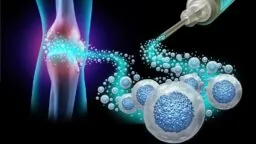
Literature

[1] Xia, X., Yang, Y., Liu, P., Chen, L., Dai, X., Xue, P., & Wang, Y. (2024). The senolytic drug ABT-263 accelerates ovarian aging in older female mice. Scientific reports, 14(1), 23178.

[2] Christensen, M. W., Kesmodel, U. S., Christensen, K., Kirkegaard, K., & Ingerslev, H. J. (2020). Early ovarian ageing: is a low number of oocytes harvested in young women associated with an earlier and increased risk of age-related diseases?. Human reproduction (Oxford, England), 35(10), 2375–2390.

[3] Yan, H., Miranda, E. A. D., Jin, S., Wilson, F., An, K., Godbee, B., Zheng, X., Brau-Rodríguez, A. R., & Lei, L. (2024). Primary oocytes with cellular senescence features are involved in ovarian aging in mice. Scientific reports, 14(1), 13606.

Rozalyn Anderson Interview

Rozalyn Anderson Explains Caloric Restriction

At the University of Wisconsin-Madison, Dr. Rozalyn Anderson is studying one of the oldest-known and yet most powerful anti-aging interventions: caloric restriction (CR). Back in 1935, CR helped launch the entire longevity field when a pioneering study by Clive McCay and his colleagues at Cornell University demonstrated that CR without malnutrition significantly extends the lifespan of laboratory rats.

Almost 90 years later, scientists still study CR, and Rozalyn is at the forefront of this research. The golden standard of animal models is non-human primates, but lifespan studies in them last decades. Rozalyn is leading one of the very few studies of CR in monkeys, which began in 1989. Finally, we have lifespan data and a trove of other information that Rozalyn has presented at several recent conferences. We talked to Rozalyn about her fascination with CR and aging and the profound insights her study had produced.

How did you end up working on the biology of aging?

I started my first foray into aging research in David Sinclair‘s lab at Harvard. I came over from Ireland after completing my PhD in yeast to work in David’s lab, which at the time was mostly using yeast models. He had been working on genome instability in yeast but at that time, he became interested in aging and caloric restriction (CR) in particular.

Because my training was as a biochemist, I was immediately interested in the metabolic component. It fascinated me that you could study aging in yeast. We used to talk about  “the awesome power of yeast genetics.” Using these tools, we uncovered a role for metabolism in delaying aging by CR.

This is how I got started in CR and the metabolism of aging. Toward the end of my post-doc, I discovered, quite by happenstance, that there were individuals studying mice on CR. That sparked my interest, so I moved to Wisconsin to work with Rick Weindruch. That was terrific, but then I discovered there were monkeys on CR, which led me to take an appointment with the Wisconsin National Primate Research Center, again with Rick Weindruch as my mentor.

As a scientific discipline, aging is fascinating. Aging animals aren’t broken – they’re just different. I try to stay away from the oversimplified idea that if something’s up with aging, we should bring it down, or if it’s down, we should bring it up. What we see with aging are often small changes from middle age to later age to advanced age. They’re not overt changes, just subtle alterations. I think this idea that things are altered rather than simply inhibited or activated is closer to the truth.

Another fascinating aspect is the heterogeneity of aging. Take inbred mice, for example. They’re genetically identical clones, yet in a lifespan study, you see a survival curve – some die sooner, some later. Even siblings or littermates in the same study can age very differently.

Instead of treating this heterogeneity as a problem to control for, we see it as a trait of aging. We’re doing quite a bit of work trying to understand this process, finding correlates among age-related changes and trying to trace back to individual events that might trigger the variation we see at advanced age. Each tissue has its job, each cell has its function, each zone has its control nodes, and they’re all massively integrated.

Let’s dive deeper into your area of research. Caloric restriction is among the most powerful anti-aging interventions we know.

It’s obviously something that delays aging when implemented correctly – we know different strains respond differently, sex is a factor, and diet composition matters, but you can extend longevity, not just survival, in animals on CR.

So, how does that work? What does it tell us about aging? You delay disease onset, reduce comorbidities, and extend survival time. What’s happening there that makes the pace of aging different in CR animals?

For me, it always comes back to metabolism. I believe all of life is about energy – metabolism and organization of energy, communication of energetic status, and decisions about where that energy is invested – it’s the ordering of energy that gives us life.

That resonates a lot with the perhaps simplified idea that it all comes down to the choice between growth and maintenance and that CR switches the organism toward maintenance. To what extent is this correct?

I think that’s absolutely it. We see metabolism and growth working as a tag team – not opposing each other but balanced with each other. One distinction I’d make is that when people talk about growth, they often think of things getting bigger. In fact, most of the time, it’s about growth signaling.

Growth signaling is a response to the availability of nutrients and energy so you can build and create. In adults, most cells are post-mitotic – they’re not dividing, which is good: if left unchecked, we’d be the size of a metro city bus by age 15. The mechanisms that regulate growth are also involved in how cells respond to things independent of increasing size, whether it’s an insult, a stimulus, or an inhibitory cue. Importantly, they work hand in hand with metabolism because executing any task requires available energy.

I think that’s the biggest missing piece in what we teach students now – the cost of being alive, the metabolic cost, the energetic cost. I remind students, and sometimes, it hits them like a revelation: we are precisely what we eat. Our entire body is synthesized based on what we’ve ingested. It’s amazing when you think about it.

If you’re a new parent nursing a child, you see how they grow based on what you provide before they transition to ingesting food. After that, for all of us, literally all the cells we replace, all the processes we maintain, all the experiences and tasks we execute – we do it using food as building blocks and as fuel.

A person’s body is most interesting for what it does, not what it looks like. When you think about what the body can do – growth and development through adulthood, producing offspring, responding to different environmental cues, healing itself, adjusting – it’s amazing.

What exactly does CR do to the organism? What are your main takeaways from these decades-long studies?

I think what happens with CR is that reduced nutrient availability stimulates a program involving increased efficiency and curtailed recruitment of growth signaling pathways. Growth signaling is dampened, and I believe the reduced immune decline and lower inflammatory tone we see are direct results of that growth signaling component.

People think of insulin as the diabetes hormone, but insulin is fundamentally a growth signal. When you have nutrients and energy, it’s time to make and store things. We’re so focused on insulin’s role in diabetes that its actual physiological role can be overlooked. When you have dysregulated growth signaling, you’ll have problems with any kind of adaptive response that requires coordination.

There’s an effect, a response, and a resolution of that response – all requiring tight coordination of energetic and signaling components. We think of this as homeostasis and resilience: the ability to respond and come back. These processes get leaky with age, and I think CR’s finer balance of improved efficiency and dampened growth helps prevent this dysregulation.

What is the role of fasting in CR?

It’s one of CR’s main features. What happens during fasting is a fuel switch – this is Biochemistry 101. When the body has no nutrients coming in, you get what’s called glucose sparing. The liver’s job is to use fat as a fuel source and deplete glycogen to give glucose to everyone else. Any tissue able to switch to lipid use will do so, preserving available stored glucose for cells and tissues that preferentially use glucose. As fasting extends, you get more gluconeogenesis, which is deriving glucose from other carbon sources.

Glycogen is like a big warehouse of glucose units that can be liberated. It’s periodic – if you’re fasting, you liberate it; if not, you won’t. When fed, you store it. When those glycogen levels get low, you ramp up gluconeogenesis, using amino acids or the glycerol component of triglycerides as the carbon source. These feed into biochemistry pathways to produce glucose.

During fasting, the idea is to share and spare glucose. If you’re the liver, you share it; everyone else agrees not to use glucose unless absolutely necessary – like being chased by a bear – and instead uses lipids. Lipids are a denser fuel and are entirely dependent on mitochondrial function because to use them as fuel, you need respiration.

I think this lipid turnover component is one of CR’s most important features. In obesity, you see lipids accumulating not just in cells but outside them, expansion of adipocytes in unwanted places, and elevated circulating lipids. Lipids are quite toxic – they’re hydrophobic and sticky, you don’t want them floating around.

CR clears everything out efficiently. The fat (adipose) tissue in CR animals is different – generally lower mass, smaller adipocyte size. We can see it by MRI in our monkeys. We also see fewer signatures of inflammation in CR adipose tissue compared to age-matched controls.

Adipose tissue is an endocrine organ, sending signals to regulate metabolism in other tissues. We’re particularly interested in a protein called adiponectin. It comes from adipose tissue and tells other tissues to use fat as a fuel source. Taking that clue from CR, where adiponectin levels are elevated, we started treating animals with a drug that mimics adiponectin to change their metabolism. In males, we can preserve physical function – they can run longer, faster, stronger when given this drug because it’s similar to CR.

Interestingly, adiponectin uses some of the same mechanisms as exercise – the kinase AMPK and the transcriptional coactivator PGC1 alpha. There’s an area of overlap in fuel use between exercise and CR. They’re not identical, but they share features. This explains why both exercise and CR produce health benefits, but with exercise, your growth signaling stays at full tilt, while with CR, it’s not. That’s why exercise improves health but not longevity, while CR does both.

Let’s go back for a moment. Can you give me some background on CR research on non-human primates? There were two big studies, the NIA study, and the UW study, and you’re continuing with the original UW study, correct?

That’s right. Our first paper, which showed that CR was effective in improving survival, came out in 2009. We published a follow-up later because some animals were still alive at the time of that first publication. We had MRI imaging showing differences in gray matter volume preservation in CR animals, and that was too significant to hold back until the lifespan component of the study was completed,

There had been earlier publications on things like sarcopenia and metabolic health, but we needed enough animals to pass on and reach sufficient age to discuss survival. In 2009, we had significant differences in age-related survival but not all-cause mortality because our numbers were small. By 2014, we had significant differences in both age-related and all-cause survival, plus differences in age-related conditions between controls and CR animals.

The NIH team, currently led by my friends Julie Mattison and Rafael de Cabo, published their study in 2012. Here at UW Madison, it’s currently Ricki Colman and me. Before, all of us were Don Ingram and George Roth at NIH, Rick Weinrauch, and Joe Kemnitz here at UW. The UW Madison study started in ’89, and while all our animals are gone now, I think they may still have a couple at NIA.

NIA didn’t seem to see the same effects we did, which created some controversy. Our groups got together to write a manuscript using data from both studies – something quite unusual. Julie and I even did a comedy sketch, giving talks together and poking fun at each other’s studies.

Looking at all the data together, one thing is absolutely clear: animals that eat less and weigh less live longer. The NIH had different cohorts, including very early onset CR, which in retrospect, might not be ideal for primates. In monkeys, very early onset probably has benefits outweighed by detrimental effects, but when CR begins in adulthood, things look good. Their old-onset cohort, starting at 20 years, included some of the oldest animals ever recorded in captivity, and those animals looked similar to our CR animals.

There’s a widespread perception in the longevity field that the UW group wasn’t receiving a very good diet, and CR simply minimized the deleterious effects of that diet, which led to the observed difference in lifespan.

That story was such a red herring! Let me tell you why. First, even though our control animals were pudgy – not slim and trim – they were only slightly overweight compared to the Primate Aging Database. The crucial point is that our CR animals got the exact same diet – they just ate less of it, were healthier, and lived longer. So, the diet itself doesn’t explain the differences we see.

The control animals were fed what we’d call an approximation of ad libitum, but their food was removed in the late afternoon. Both groups were effectively on time-restricted feeding with no food overnight. Our control animals completely align with the lifespan curve for monkeys in the US, sitting exactly on the line. Our median survival matched what everyone else in the monkey research world sees. They weren’t anomalous.

The diet issue came up because the formulations were different – purified diet at UW, naturally sourced at NIA. UW chose a purified diet to know exactly what was in it and avoid seasonal variation. Neither approach is better – they’re just different.

Rafa (de Cabo) invited me to join him in a study where he took both monkey diets – Wisconsin and NIA – and fed them to mice. His team gave ad libitum monkey diet to mice, and because of slight differences in density, they did a swap to pair-feed so animals got exactly the same calories. A separate group was put on CR using one or the other diet.

The results? Animals fed ad libitum lived exactly the same whether on a Wisconsin or NIA diet. The pair-fed animals lived the same as each other again, independent of diet, and the CR animals lived the longest of all, with no difference between Wisconsin and NIA diets. That was definitive proof that diet wasn’t the primary driver of differences between studies.

An interesting finding emerged – the pair-fed animals got their food in one meal, ate it within hours, and had no food until the next day. They were effectively time-restricted eating, unintentionally. They lived longer than ad libitum mice despite having the same amount of food. Studies since then have shown the fasting component contributes to lifespan extension with CR: the maximum benefit comes from fasting plus calorie reduction, but you can get some benefits just from fasting.

There’s not a lot of clarity on the effect size of time-restricted feeding, but you’re saying it does help?

Time-restricted feeding is a reasonable paradigm. When you look at all the evidence from caloric restriction, fasting, time-restricted feeding, and alternate-day eating across species – from yeast to flies to worms to mice to monkeys to people – it’s compelling. The fasting component is hugely beneficial.

One challenge – not that I’d tell anyone what to do – is the food people eat without realizing it. Snacks, especially in the evening, when you decide to have something nice, and before you know it, half the pack is gone.

There is some anecdotal evidence that time-restricted feeding might interfere with exercise. Interestingly, your CR monkeys at later ages remained fitter and had more muscle mass.

That’s right, we saw that effect. The idea of CR in opposition to exercise is interesting. It’s not difficult to see that exercise increases energy demand, and so it comes down to energy balance – you have to fuel the body to do what it needs to do. Look at master athletes or Olympians: they eat vast quantities of food to support enormous energetic output. The energy requirement for something like the pommel horse is mind-blowing – the strength, the training. That energetic demand must be met.

If you’re demanding energy through exercise while imposing energetic restriction, the system is at odds – you’re not delivering what the body needs for what you’re asking it to do. There are interesting data from the first phase of CALERIE, the NIH human caloric restriction study. The Pennington team compared a group of individuals on 25% calorie reduction with another group where a 12% reduction in calories was combined with a 12% increase in energetic demand. There were overlaps and similarities, but these two interventions were not the same. For a typical person with a normal life, the key might be some exercise and moderate eating rather than CR per se.

In terms of general health, it seems clear that metabolic fitness is crucial, and I’d separate that from body composition. Body composition usually correlates with metabolic fitness in population studies, but metabolic fitness is what’s important. Take diabetes: many people with diabetes are overweight or obese, but far from all overweight people have diabetes. The key difference is metabolic fitness. When you’re metabolically compromised, you’re open to chronic diseases.

Personally, I think the CR paradigm as a lifestyle is unappealing. From a scientific point of view, I think CR’s best value is in the insights it delivers about the biology of aging and sustaining health into older age.

Another interesting finding concerned the differences between visceral and subcutaneous fat. It’s a platitude that visceral fat is the “unhealthy” one, but you have shown how exactly it exerts its bad effects.

Adipose tissue is crucial, and lipids are important beyond just being fuel. All organelles are lipid membrane-bound; the cell has a lipid membrane, and receptors sit in lipid membranes. In many neurodegenerative diseases, we see imbalances in lipids or issues with how they’re used – as stores, structural components, or signaling molecules. We see subtle differences at the molecular level between subcutaneous and visceral adipose depots; metabolism pathways are enriched in the subcutaneous, and immune and inflammatory pathways are enriched in the visceral.

These tissues also respond differently to CR, which is likely to be highly relevant to humans. Adipose tissues are the major reservoir for lipids; they are released to be used as fuel and play a role structurally and as signaling molecules. When we look at the molecular level, the parallels between humans and monkeys are striking – how adipose tissue looks, subcutaneous versus visceral, matches what we see in humans, as does the response to CR.

When you run lipidomics in monkey plasma or other tissues, you see thousands of lipids, and we’ve only annotated and defined a small fraction. Exciting developments are emerging with spatial lipidomics. I saw a wonderful talk by Kristin O’Connell, who is based in the Jackson labs, showing spatial lipidomics in the brain – they can identify brain regions simply by lipid profiles. The brain is second only to adipose tissue in fat content. Differences in lipids across regions of the brain would have huge implications for neural growth, synaptic activity, and remodeling of neural networks.

We have compelling data from our monkeys through MRI, looking at gray matter volume and white matter integrity. We can see both age and CR effects. In specific regions of the brain, gray matter volume tracks with insulin sensitivity, and white matter integrity shows interesting connections to circulating cholesterol and adiponectin. Our PET imaging examining glucose uptake also shows connections to insulin sensitivity. In all these measures, there’s a link to peripheral metabolic status. What happens from the neck down completely influences what happens in the brain. I bet that the lipid story is going to be fascinating and extremely important for brain aging and cognition.

We touched briefly on CR mimetics, like adiponectin. Do you believe CR-mimicking drugs are feasible and can change how people age?

All exploration is valuable. The beauty of drug interventions is that you can examine changes in old animals over different time frames, immediate to long term, and then remove the drug to look for lasting effects. While there are plenty of molecules targeting specific pathways, right now, the tools we have align more with the hallmarks of the aging idea than the CR mimetic concept.

Take rapamycin: I’m involved in the trial of rapamycin in the Dog Aging Project. Evidence suggests that low-dose intermittent rapamycin is beneficial for healthy aging, but it’s not a CR mimetic – it’s more about growth suppression.

That said, you can recapitulate some CR aspects through growth suppression, similar to what we see in genetic mutant long-lived dwarf mice. Reduced growth signaling correlates with a more youthful immune system and less inflammation. Other approaches target senescence directly through things like SASP inhibitors, focusing on cytokine release or senescent cell pathways that are important in chronic inflammation.

Metformin is closer to a CR mimetic, but it’s mainly effective in metabolically compromised animals, not healthy ones. The ketogenic diet is another interesting approach, acting as a fasting mimetic by recreating what happens during fasting.

What’s next for you after this extensive study?

NIH/NIA have been terrific in their support of this long-term big data monkey study. We’re still generating and analyzing the data. We’re collaborating with computer scientists, mathematicians, and bioinformaticians to build programs for data integration. There’s no established pipeline for this sort of thing – we’re blazing new trails in data analysis. It’s incredibly exciting.

Next year, we hope to publish findings on aging trajectories and inflection points specific to metabolites and lipids, developing biomarkers, and adding complexity. We have several studies on adipose tissue and brain in progress, with future plans for liver and skeletal muscle.

Thanks to funding from the Simons Foundation, we’ve maintained our brain research using the tissues from our Monkey Aging and CR study. One of the next things I’d love to examine is lipid tracers in the brain; it would be very cool to explore white matter integrity and neural network activity. We’re also engaged in studies of the effect of CR on neurovascular coupling and neural networks with live imaging capabilities, but those studies are only in mice. I am hoping to investigate how the brain takes out the garbage through a specialized lymph system.

One of my current interests is cells as communities. When you grow primary cells in isolation – neurons, astrocytes, hepatocytes – they do perform functions but not exactly as they would in a community. I’m fascinated by how cells communicate and support each other through information and metabolite delivery.

This represents the real frontier in aging biology – expanding from reductive research, which remains necessary, to understanding how everything works together. New technologies allow us to examine things spatially, study organoids in three dimensions, and observe cells growing together. The interactions between cells touching each other are different from cells merely sharing media and different still from isolated cells.

We would like to ask you a small favor. We are a non-profit foundation, and unlike some other organizations, we have no shareholders and no products to sell you. All our news and educational content is free for everyone to read, but it does mean that we rely on the help of people like you. Every contribution, no matter if it’s big or small, supports independent journalism and sustains our future.

Hippocampus back

Rejuvenating the Hippocampus With Metabolites

Researchers have reported in Aging Cell that injecting specific one-carbon metabolites into the hippocampus can rejuvenate its cells.

A small molecule approach

Epigenetic alterations have been found to impact the neuroplasticity of the brain, leading to problems with learning and memory [1]. This research team has previously found that reversing these alterations with Yamanaka factors has positive effects on memory retention, restoring it to a more youthful state [2]. However, these researchers contend that approaches using these factors are still out of reach for clinical use.

Instead, they focus on metabolites derived from one-carbon (1C) pathways, which are involved in the basics of epigenetic methylation. Previous work has found that exposing cells to these metabolites in a 1C-MIM cocktail results in epigenetic rejuvenation, restoring function to brain astrocytes and muscle strength to older mice [3]. However, two components of that cocktail were found to be harmful to neurons.

Effects on epigenetics and gene expression

These researchers decided to omit those two compounds, creating 1C-4-MIM. Because memory loss is prominent in aging, the researchers injected this reduced cocktail directly into the dentate gyrus, the part of the hippocampus most responsible for memory formation, in 12-month-old mice. They found that H4K20me3, an epigenetic marker that increases with age, was reduced in these mice; however, H3K9me3, which decreases with age, was unaffected.

Testing further on 4-month-old and 16-month-old mice, the researchers did not find evidence that a single dose of these metabolites reduces epigenetic age acceleration. However, 248 separate epigenetic loci were found to be significantly affected by the treatment. The researchers found that the two that were most affected are already known to have effects on the brain: Cacna2d2 controls calcium channels related to plasticity, while Zic4 affects a transcriptor associated with both memory and spatial learning [4].

Several other genes related to memory and learning were also affected, and, unsurprisingly, many more genes were significantly affected in older mice than younger mice. These results were replicated in RNA sequencing, which found that genes related to cellular proliferation were also affected; indeed, both proliferation in cells and the formation of new neurons (neurogenesis) in the mice were improved, as was the neuroplasticity marker GluN2B. Some of these effects may have been related to changes in oxidative stress, although the researchers could not confirm this finding.

Works on mice, but does it work on other animals?

Most importantly, these brain changes were found to have concrete effects on the mice’s behavior. Mice that had been injected with 1C-4-MM performed better in both a maze-based memory test and an object recognition test.

While it is unclear if this cocktail is safe or effective for human use, and this cocktail was not tested on truly old (22- to 24–month) mice, these are promising results that warrant further experimentation, possibly with a careful analysis of oxidative stress and with different species.

We would like to ask you a small favor. We are a non-profit foundation, and unlike some other organizations, we have no shareholders and no products to sell you. All our news and educational content is free for everyone to read, but it does mean that we rely on the help of people like you. Every contribution, no matter if it’s big or small, supports independent journalism and sustains our future.
Literature

[1] Creighton, S. D., Stefanelli, G., Reda, A., & Zovkic, I. B. (2020). Epigenetic mechanisms of learning and memory: implications for aging. International Journal of Molecular Sciences, 21(18), 6918.

[2] Rodríguez-Matellán, A., Alcazar, N., Hernández, F., Serrano, M., & Ávila, J. (2020). In vivo reprogramming ameliorates aging features in dentate gyrus cells and improves memory in mice. Stem Cell Reports, 15(5), 1056-1066.

[3] Hernandez-Benitez, R., Wang, C., Shi, L., Ouchi, Y., Zhong, C., Hishida, T., … & Belmonte, J. C. I. (2024). Intervention with metabolites emulating endogenous cell transitions accelerates muscle regeneration in young and aged mice. Cell Reports Medicine, 5(3).

[4] Chiavellini, P., Lehmann, M., Canatelli Mallat, M., Zoller, J. A., Herenu, C. B., Morel, G. R., … & Goya, R. G. (2022). Hippocampal DNA methylation, epigenetic age, and spatial memory performance in young and old rats. The Journals of Gerontology: Series A, 77(12), 2387-2394.

AI in Healthcare

AI in Longevity: The Reality Today

Back in 2006, a website called “The Death Clock” appeared on the internet, with a promise to answer one of life’s greatest questions: “When will I die?” Since then, over 60 million people have used the site, which gives a somewhat grim countdown to the day they’ll meet their demise, or does it?

Far from being just a random number generator, The Death Clock is an early, if somewhat crude, way of utilizing data to predict lifespan. It analyzes information such as date of birth, lifestyle, gender, and location to generate its results in a semi-entertaining, although somber, way.

Of course, since 2006, more options have appeared on the playing field, such as a different Death Clock powered by AI. Its modern versions draw from larger levels of data and work with more sophisticated models, and this is where AI comes into play.

Market value

Just like the fascination with death dates drove internet traffic to that particular site in the 90s, so too does the interest in a healthier, longer lifespan drive longevity investment in 2024. AI is a tool to accomplish this.

According to data by Markets and Markets, the AI in healthcare market in 2024 is estimated to be $20.9 billion, with a rise to $148.4 billion within the next 5 years. This averages to a compound annual growth rate (CAGR) of 48.1%, showing a high level of confidence in the industry.

Its drivers are the growth in data volume and complexity, pressure to reduce healthcare costs, and the need for improvised healthcare services. Meanwhile, the usage of such technologies is mistrusted by medical professionals who believe them to be more hype than substance.

Statistics covering the AI and longevity market aren’t as easy to come by, primarily due to the relative newness of the field. The latest available studies by Allied Market Research show a suggested market value of $25.1 billion in 2020, with an estimated CAGR of 6.1% by 2030, giving a predicted value of $44.2 billion.

Where is all that AI money going?

With billions at stake, funding has poured into various areas across healthcare, longevity, and the research behind it all.

In healthcare, AI is used to:

  • Manage and analyze patient data — language-based models can be used to transcribe consultations, while predictive risk models can help manage current and future healthcare needs.
  • Analyze medical imaging and diagnostics — analytics models of AI are used in radiology and pathology to improve  the cost and speed of diagnosis. Accuracy within this field remains a hotly debated topic.
  • Drug discovery and precision medicine — AI can accelerate the development process and help tailor treatments to an individual using genomic therapies.
  • Mental health and virtual assistance — just as chatbots have provided an instant support system for many companies, so too could they be integrated into healthcare outcomes. Although currently no commercial solution is a match for a human, these AI-based models could offer a lifeline at a time when connection is so valuable.

Within longevity, growth is expected across several general therapeutic areas:

  • Senolytic drugs — These remove or alter senescent cells, which contribute to various age-related diseases. They may impact major age-related diseases that involve neurology, metabolism, and the cardiovascular system.
  • Gene therapy — attempting to repair or modify genes or genetic components in order to slow down this aspect of aging. These therapies seek to impact the underlying genetic causes within aging as a whole.
  • Immunotherapy — COVID-19 has done significant harm to the world’s health, the full extent of which is still yet to be determined. However, it has also boosted interest in immunotherapeutic solutions that can help improve immune function and fight age-related conditions.
  • Biomarker discovery — research into biomarkers seeks to establish insights into biological and chronological age as well as to identify metrics for early detection of age-related diseases.
  • Clinical trial optimization — real-time monitoring, big data analysis, and streamlining of trials are some of the potential benefits of integration AI solutions into scientific processes.
  • Personalized longevity plans — similar to the approaches of precision medicine, personalized longevity seeks to address genetic and lifestyle factors in a longevity-focused approach to healthcare. These can range from personalized regimes to app-focused treatments to others.

These approaches do not exist in silos. Instead, they complement one another, with disciplines often crossing, and are by no means exhaustive.

Companies working on AI longevity solutions

Numerous companies around the world are working to integrate AI into their longevity solutions. These are some of the industry’s top players.

Insilico Medicine

Founded in 2014, this Hong Kong- and New York-based company uses AI technology to develop and accelerate therapeutics for age-related diseases. In 2023, it filed for an IPO and was valued at approximately $895 million according to Forbes. An early adopter of AI for medicine technology, the company kicked off discussions about the use of generative AI for drug discovery back in 2016. In 2024, it released the latest Phase IIa results of a proof-of-concept AI-designed drug treatment for pulmonary fibrosis.

BioAge Labs

US-based BioAge Labs is a biotech company that targets metabolic aging. It leverages machine learning, AI, and longevity science to identify and target biomarkers. Topping Crunchbase’s Longevity Start-Up list, this biotech underwent Series D funding recently and filed for an IPO in September 2024, which was estimated to raise $198 million to support the company’s current and future developments.

Altos Labs

Perhaps one of the most well-known names in longevity due to its famous founder, no other than Amazon’s former CEO, Jeff Bezos. However, fame and fortune can only fund progress, not buy achievements, and this company has made some notable ones. In August of 2024, it launched an AI and computational biology institute, which is set to address some of the industry disparity with AI skills, and in addition, it is continuing its mission of finding the so-called “fountain of youth” through longevity research and targeting fundamental aging processes at the cellular level.

California Life Company (Calico)

Bezos isn’t the only Silicon Valley face to back AI and longevity solutions. Calico is a subsidiary of Alphabet, the parent company of Google. Having received a recent investment of $2 million, the company has continued its research approach into the biology of aging using AI technology. In 2024, it was estimated to have produced revenue of $42.3 million.

Juvenescence

UK-based biotech Juvenescence is focused on using AI to develop therapies that target senescent cells. In doing so, it seeks to develop drugs that reduce cellular damage and enhance the human healthspan. According to statistics by Crunchbase, it is said to have received a total funding amount of $219.2 million.

Unity Biotechnology

Seeking to develop a new class of therapeutics to slow diseases of aging, Unity Biotechnology, also known as UNITY, reports a total of $294.9 million according to Crunchbase. Like BioAge, it’s also listed on the NASDAQ and trades under the ticker UBX. Its latest report notes that the company plans to continue its ASPIRE study to treat diabetic macular edema (DME), using UBX1325 (foselutoclax) a small molecule senolytic drug inhibitor which acts on the proto-oncogene protein c-bcl-2 inhibitors.

Perceptions of trust

According to a 2021 report from the Massachusetts Institute of Technology (MIT), trust in AI technology is approximately the same across most generations, with the majority saying they think AI is somewhat risky. However, when asked about the benefits, this opinion diverges. Generation Xers and Millennials were quicker to suggest its potential benefits than both Baby Boomers and Generation Zers.

When specifically looking at AI use in health care and caregiving, the majority ranked AI as “a little” and “somewhat” risky, while results for its benefits spread primarily across being “extremely” useful, “quite” and “somewhat”. This indicates a level of uncertainty in AI usage among the general public but with a piqued interest in its potential.

Diving further into the details of use cases within healthcare, people appeared skeptical regarding its usage when predicting life expectancy, while supporting its usage in more accurate medical record keeping.

AI in Longevity

With public opinion very much on the fence, it appears as AI is integrated into healthcare, there will be substantial challenges in building trust in platforms. This aligns with expert opinion on the matter, with ethical and trust concerns being raised, highlighting that there are genuine questions, such as accuracy, bias, transparency, privacy, and fairness, among others that need to be answered before AI can prove itself as a trustworthy tool within the scientific community.

Ethical concerns

As one famous movie said, “with great power comes great responsibility,” and that could not be more accurate when it comes to AI. Hidden among the excitement at a new technological approach is a mixture of fear and concern, not only for the practicalities and accuracy of the technology but also how ethical it is used. Some of these include issues surrounding:

Hallucinations and trust — Large language models (LLMs) are known to generate outcomes that are not always based on reality. These are commonly referred to as hallucinations. Knowing this possibility, the inclusion of predictive AI tools in particular should be checked thoroughly before implementation.

Data protection — laws such as GDPR, HIPAA, and patient-doctor confidentiality define trust in the healthcare world and beyond. AI, at its source, relies on data, so how can that data be protected? This is one of the major questions puzzling law makers, scientists, and medical staff alike.

Bridging a staffing gap — lack of medical staffing is a concern across the world, with World Health Organization (WHO) estimating a shortfall of 10 million healthcare workers worldwide. To put this in perspective, this is the entire population of Sweden, or more than the population of New York. AI’s integration in healthcare is intended to bridge the gap and relieve some of the workforce pressure. However, there are concerns about how this would be implemented and whether it would be accepted by the population.

Inequality — like the majority of healthcare solutions, it is suggested that lower- to middle-income countries could be faced with inequality when it comes to AI implementation. These concerns were expressed at the World Economic Forum Annual Meeting in 2024. Unreliable tools and inappropriate applications could drive even greater inequalities with some of the world’s strongest economies.

Accountability — in general research or medical practice, when it comes to accountability, there is a defined chain of responsibility both professional and ethical. When the stakes are high, it becomes more difficult to accept “the computer did it” as a reason, and if this is the case, who holds the responsibility?

Knowledge — as a modern technology, AI is still in a somewhat fledgling state, estimated to be somewhere between a clumsy toddler and awkward teen, depending on the expert. However, as it grows in usage, it raises the question of who is equipped to use it accurately and effectively. In 2022, Deloitte estimated the world’s total AI work-force to be at around 22,000. Although the situation can be suggested to have improved since then, both company leaders and experts agree that the current work-force is in need of serious up-skilling, and that’s before specializations in health or longevity.

Potential for results

As of 2024, it’s clear that AI is set to infiltrate our lives in a significant way, and the mass use of tools such as ChatGPT and other predictive models is evidence of this. However, when the stakes are high, as they are in longevity, a more cautious approach is needed.

To date, there are many promising AI-based approaches to healthcare and excellent examples of how it can be integrated into research, learning, and treatment. However, the lack of specialists, and the challenges in trying out new approaches and providing their scientific basis, mean that it is likely that commercially available trustworthy longevity outcomes could be a discussion for the near, but not immediate, future. What is more likely is the increased use of AI within data analysis with the careful scrutiny of human scientists.
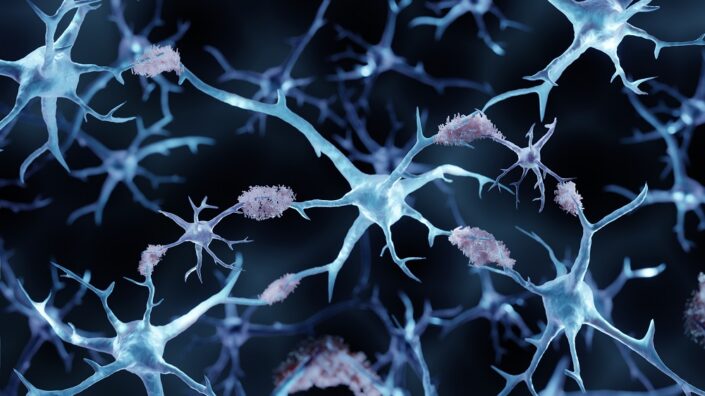

We would like to ask you a small favor. We are a non-profit foundation, and unlike some other organizations, we have no shareholders and no products to sell you. All our news and educational content is free for everyone to read, but it does mean that we rely on the help of people like you. Every contribution, no matter if it’s big or small, supports independent journalism and sustains our future.