The Blog

Building a Future Free of Age-Related Disease

Healthy Foods

New Study Calculates Lifespan Gains From Five Popular Diets

Scientists have pitted five diets against each other to see which one is associated with more years of life gained [1].

The clash of the diets

Unhealthy eating is recognized as a globally leading cause of death [2]. Surprisingly, few studies have actually evaluated the gains in life expectancy associated with adherence to a healthy diet. In a new study published in Science Advances, an international group of scientists pitted five leading dietary practices against each other using data from UK Biobank, a huge repository of health-related information on hundreds of thousands of British citizens.

The sample was comprised of 103,649 participants (mean age 58.3 years, 56.4% female) who had completed two or more web-based 24-hour dietary assessments and were free of cardiovascular disease (CVD) and cancer at baseline. Each participant was scored on five dietary pattern indices based on what they reported eating: Alternate Healthy Eating Index (AHEI-2010), Alternate Mediterranean Diet (AMED), healthful Plant-based Diet Index (hPDI), Dietary Approaches to Stop Hypertension (DASH), and Diabetes Risk Reduction Diet (DRRD).

Each score was divided into quintiles. The five scores were moderately-to-highly intercorrelated, meaning that the dietary patterns they capture are often overlapping (which is expected), but not identical. The model was adjusted for race, education, socioeconomic deprivation, smoking status, physical activity, BMI, total energy intake, baseline dyslipidemia, hypertension, diabetes, and, for hPDI, DASH, and DRRD, alcohol consumption.

The researchers also wanted to see how dietary patterns interact with known longevity gene variants. They calculated a longevity polygenic risk score (PRS) from 19 single nucleotide polymorphisms (SNPs) which were significantly associated with longevity in a genome-wide association study (GWAS). This model was additionally adjusted for ten genetic principal components.

The winners and the losers

DRRD showed the strongest association with longevity, as the top quintile had 24% lower mortality than the bottom quintile. The authors attribute this to the fact that DRRD’s scoring algorithm directly includes dietary fiber and glycemic index, the two components that individually showed the strongest associations with mortality: fiber was protective, while high glycemic index was detrimental. Product-wise, sugar-sweetened beverages turned out to be the most harmful, in line with previous research [3].

Other scores followed DRRD closely, with 20% reductions in mortality for the top quintiles of AHEI and AMED compared to the bottom ones, 19% for DASH, and 18% for hPDI. Interestingly, noticeable sex-related differences were observed. When the researchers looked at life expectancy, the top performer for men was DRRD, with 3 years gained between the lowest and the highest quintiles, while for women, it was AMED, with 2.3 years. For both sexes, the least effective diet was hPDI (1.9 and 1.5 years, respectively).

How do “longevity genes” factor in?

The team then analyzed PRS’ association with remaining life expectancy, and it turned out to be slightly lower: 1.4 years for men and 1.7 years for women. However, the PRS was split into tertiles, so the researchers compared the top and bottom tertiles. Importantly, the effects of diet and genetics were roughly additive, with DRRD showing the largest combined gains in both sexes. Being both in the top DRRD quintile and in the top PRS tertile was associated with 3.2 years of additional life expectancy for men and 5.5 years for women.

However, the combined estimates are peculiarly noisy, especially for men. For instance, having a top AMED score and a top PRS gives only 1 year for men, which is actually less than either diet alone (2.2) or PRS alone (1.4). This is probably because the combined estimates come from much smaller slices of the cohort, resulting in noise, rather than due to any negative interaction. The women’s combined numbers behave more sensibly and are roughly additive.

Crucially, these estimates are for a 45-year-old person. The life expectancy benefits of switching to a better diet, naturally, diminish with age, as fewer years remain for the risk reduction to play out, while the risk of dying from something unrelated to diet increases.

While this is a well-executed and carefully sensitivity-tested observational study, a few caveats apply. The effect sizes are modest, and the confidence intervals are wide enough for the true benefit to be as small as about 0.5 years in some comparisons. These are also best-case comparisons that compare top and bottom quintiles, while most people usually do not switch their diets from the worst to the best. Finally, the PRS interaction story is intriguing but might not be statistically robust, leaving room for further research.

We would like to ask you a small favor. We are a non-profit foundation, and unlike some other organizations, we have no shareholders and no products to sell you. All our news and educational content is free for everyone to read, but it does mean that we rely on the help of people like you. Every contribution, no matter if it’s big or small, supports independent journalism and sustains our future.

Literature

[1] Lv, Y., Song, J., Ding, D., Luo, M., He, F. J., Yuan, C., MacGregor, G. A., Liu, L., & Chen, L. (2026). Healthy dietary patterns, longevity genes, and life expectancy: A prospective cohort study. Science advances, 12(7), eads7559.

[2] Afshin, A., Sur, P. J., Fay, K. A., Cornaby, L., Ferrara, G., Salama, J. S., … & Murray, C. J. (2019). Health effects of dietary risks in 195 countries, 1990–2017: a systematic analysis for the Global Burden of Disease Study 2017. The lancet, 393(10184), 1958-1972.

[3] Imamura, F., O’Connor, L., Ye, Z., Mursu, J., Hayashino, Y., Bhupathiraju, S. N., & Forouhi, N. G. (2015). Consumption of sugar sweetened beverages, artificially sweetened beverages, and fruit juice and incidence of type 2 diabetes: systematic review, meta-analysis, and estimation of population attributable fraction. Bmj, 351.

Maze mouse

Silencing Growth Hormone Has Strong Effects in Mouse Brains

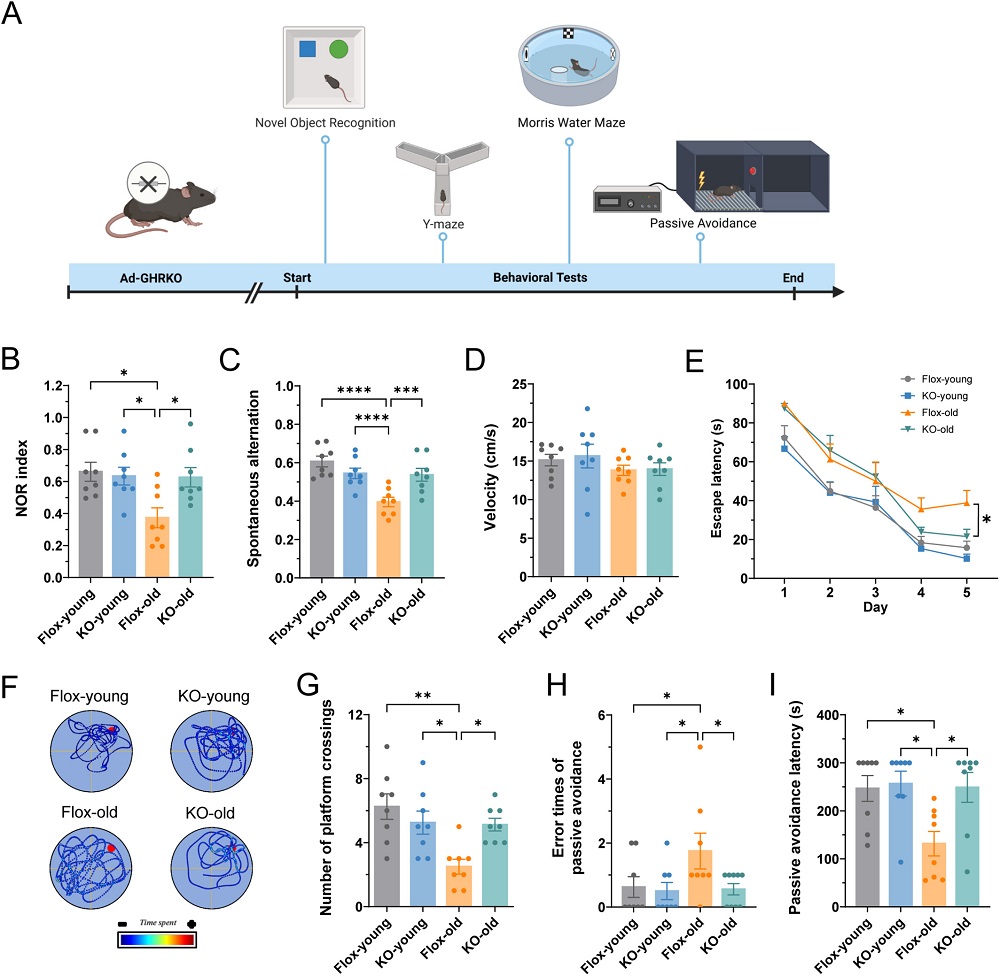
Researchers have found that altering a growth hormone receptor in the brain adipose tissue of aged male mice slows their mental aging and allows them to perform far better on cognitive tests.

Growth signaling is not necessarily good

The axis of growth hormone and insulin-like growth factor 1 (IGF-1) is well-known in aging, and the relationship between this regulator and brain aging has been previously documented [1]. Interestingly, while circulating growth hormone and IGF-1 levels decline with aging [2], suppressing this signaling extends lifespan [3], and mice with reduced levels of this signaling perform better on cognitive tests [4]; this also occurs when the mice express an agonist that suppresses it [5].

The researchers of this study focused on its effects on fatty (adipose) tissue, which is metabolically active and secretes factors that affect other systems [6], including the brain [7]. While previous work has discovered that adipose-specific growth hormone knockout (Ad-GHRKO) mice have better insulin sensitivity and longer lives [8], how well these mice perform on cognitive tests had not been previously measured.

Benefits for neural function and inflammation

The researchers first directly examined the brains of these mice, comparing 18- to 24-month-old Ad-GHRKO mice to controls. The modified mice were more neurally active overall and had less neuronal loss in the dentate gyrus, the part of the hippocampus responsible for forming new memories. This was accompanied by an increase in synapse formation and a decrease in neuroinflammation: there were decreases in the inflammatory factors IL-6 and TNF-α along with an increase in the anti-inflammatory factor IL-10.

There was also a reduction in cellular senescence. The modified mice had significantly less of the senescence marker SA-β-gal throughout their brains, including the amyglada, the dentate gyrus, and the cortex. They also had significantly less tau phosphorylation, an age-related protein alteration that contributes to cognitive decline and, in humans, is a sign of Alzheimer’s disease.

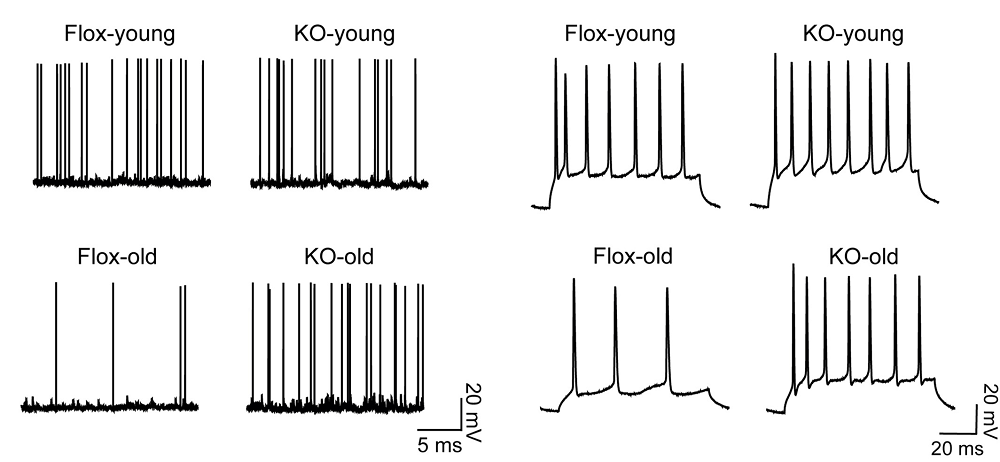
The excitability of neurons declines with age, and here, too, knocking out growth hormone in the adipose tissue proved beneficial; the aged modified mice fired their neurons much more like younger mice did, while aged controls had stark reductions in neural firing frequency.

Adipose growth hormone KO frequency

Stark benefits on cognitive tests

The researchers then turned to four standard cognitive tests: the novel object recognition test, which shows that the mice can discriminate between familiar and unfamiliar things; the Y-maze tests, which tests for exploration ability; the Morris water maze test, which tests memory and navigation behavior; and a floor shock test, which tests memory in adversive conditioning. On all four of these tests, the aged modified mice performed almost exactly like their younger counterparts, while the aged controls performed far worse; this was in spite of the modification not noticeably affecting the older mice’s physical ability.

Adipose growth hormone KO brain

According to the authors, “this study provides evidence that adipose tissue acts as a key peripheral regulator of brain aging.” While the number and power of cognitive and biochemical benefits that arose from this modification are striking, these experiments were performed on a single-sex group of genetically altered mice. Aapplying these findings to wild-type animals, and then human beings, is a challenge of its own.

We would like to ask you a small favor. We are a non-profit foundation, and unlike some other organizations, we have no shareholders and no products to sell you. All our news and educational content is free for everyone to read, but it does mean that we rely on the help of people like you. Every contribution, no matter if it’s big or small, supports independent journalism and sustains our future.

Literature

[1] Ashpole, N. M., Sanders, J. E., Hodges, E. L., Yan, H., & Sonntag, W. E. (2015). Growth hormone, insulin-like growth factor-1 and the aging brain. Experimental gerontology, 68, 76-81.

[2] Liu, H., Bravata, D. M., Olkin, I., Nayak, S., Roberts, B., Garber, A. M., & Hoffman, A. R. (2007). Systematic review: the safety and efficacy of growth hormone in the healthy elderly. Annals of internal medicine, 146(2), 104-115.

[3] Bartke, A. (2008). Growth hormone and aging: a challenging controversy. Clinical interventions in aging, 3(4), 659-665.

[4] Kinney-Forshee, B. A., Kinney, N. E., Steger, R. W., & Bartke, A. (2004). Could a deficiency in growth hormone signaling be beneficial to the aging brain?. Physiology & behavior, 80(5), 589-594.

[5] Basu, A., McFarlane, H. G., & Kopchick, J. J. (2017). Spatial learning and memory in male mice with altered growth hormone action. Hormones and Behavior, 93, 18-30.

[6] Booth, A., Magnuson, A., Fouts, J., & Foster, M. T. (2016). Adipose tissue: an endocrine organ playing a role in metabolic regulation. Hormone molecular biology and clinical investigation, 26(1), 25-42.

[7] Letra, L., & Santana, I. (2017). The influence of adipose tissue on brain development, cognition, and risk of neurodegenerative disorders. Obesity and Brain Function, 151-161.

[8] List, E. O., Berryman, D. E., Slyby, J., Duran-Ortiz, S., Funk, K., Bisset, E. S., … & Kopchick, J. J. (2022). Disruption of growth hormone receptor in adipocytes improves insulin sensitivity and lifespan in mice. Endocrinology, 163(10), bqac129.

Longevity Innovation Forum 2026

Longevity Innovation Forum in San Diego

San Diego, CA – March 11–12, 2026 – Longevity Global will host the inaugural Longevity Innovation Forum, a two-day gathering bringing together leading scientists, clinicians, biotech founders, investors, and longevity enthusiasts advancing the science and translation of healthy aging. Held in San Diego’s thriving biotech hub, the Forum will spotlight Southern California’s growing longevity ecosystem while fostering collaboration across academia, industry, and the broader community interested in extending healthspan.

The program will feature an exceptional lineup of speakers, including Mike Snyder (Stanford University), Eric Verdin (Buck Institute for Research on Aging), Steve Horvath (Altos Labs), Jeanne Loring (Scripps Research & Aspen Neuroscience), Irina Conboy (Generation Lab), and other leaders at the forefront of aging biology and translational medicine. Sessions will explore biomarkers of exceptional longevity, women’s health and aging, epigenetic clocks, cellular rejuvenation, translational and clinical approaches to age-related disease, and emerging strategies to modulate the biological drivers of aging.

Designed as a high-signal yet accessible forum, the Longevity Innovation Forum aims to bridge cutting-edge research with real-world application. By convening researchers, founders, clinicians, investors, and engaged members of the longevity community, the event seeks to create a shared space for dialogue, partnership, and forward-thinking ideas. Building on the momentum of Longevity Global’s established programming, the San Diego Forum extends that vision to one of the world’s most dynamic biotech clusters.

“Our goal is to create an environment where scientific breakthroughs, entrepreneurship, and community can intersect,” said Salah Mahmoudi, organizer of the Longevity Innovation Forum. “Longevity research is progressing rapidly, and advancing the field will require collaboration across disciplines – from laboratory science to clinical practice to informed public engagement. We’re excited to bring that energy to San Diego.”

Event Details

Dates: March 11–12, 2026

Location: Pacific Center, San Diego, California

Format: Two-day summit featuring keynote presentations, panel discussions, startup pitches, and curated networking opportunities

Registration: https://luma.com/ib3870so

Confirmed Speakers

Mike Snyder (Stanford, Personalis, january AI, Mirvie) • Eric Verdin (Buck Institute) • Steve Horvath (Altos Labs) • Jeanne Loring (Scripps Research & Aspen Neuroscience), Irina Conboy (Generation Lab) • Sonia Setayesh (Civilization Ventures) • Pinchas Cohen (USC, CohBar) • Lauren Booth (Calico) • Aladdin H. Shadyab (UCSD) • Manish Chamoli (LongGame Ventures) • Peter (Højer) Mathiesen (Iduna Capital) • Christin Glorioso (NeuroAge) • Hanadie (Juvena Tx) • Ben Blue (Ora Biomedical) • Daniel Sollinger (Jellyfish DAO) • Alan Alexander (CoreViva) • Bérénice Benayoun (USC) • Heather Koshinsky (Berkeley SkyDeck) • Christopher Shen (Aleutian Tx) • Carter Palmer (Third Element Bio) • Karl Pfeleger (AGINGBIOTECH.INFO) • Vittorio Sebastiano (UC Irvine, TurnBio) • Shasha Jumbe (LEVEL 42 AI) • David Scieszka (Vertical Longevity Pharma) • Chris Patil (BioAge) • Amir Kiani (Genexgen) • Salah Mahmoudi (ReneuBio) • Ashley Webb (Buck Institute, Bolden Tx) • Brenda Eap (A4LI) • Lauren Carnevale (Torrion) • Sunjya Schweig (California Center for Functional Medicine) • Matthew Shtrahman (UCSD) • Erin Gibson (Stanford) • Amit Sharma (Lifespan Research Institute) • Anthony Molina (UCSD) • Frederick Beddingfield (Rubedo Life Sciences) • Tom Zuber (Zuber Law) • Dorothea Portius (Nutrition Scientist) • Irit Rappley, PhD (NNP Laboratories) • Aimee Schoof (Jellyfish DAO) • Joshua Johnson (University of Colorodo, Llifeahead) • Julio de Unamuno IV (SDVC) • Alison Moore (Chief of Geriatrics, UCSD) • Thomas Butler (BioRevolution) • Krista Ramonas (LabXMD) • Ronjon Nag (R42, Stanford)

Sponsors

Vibrome • Generation Lab • Zero Gravity • HomeLab • Zuber Law • Sterling Bay • ReneuBio • Chen Institute • AthenaDAO • Juvena Tx • GROWISE

Media Partners

Lifespan.io • Nucleate • Berkeley SkyDeck • Connect • LaunchBio • A4LI • NeuroAge

About Longevity Global

Longevity Global, a branch of nonprofit Academics for the Future of Science (AFS), connects longevity researchers, entrepreneurs, and investors through curated summits and community-driven programming. Its flagship Longevity Summit at the Buck Institute has become a leading annual convening in the field. Through events in California and beyond, Longevity Global works to accelerate collaboration and the translation of aging science into clinical and commercial impact.

Media Contact

Salah Mahmoudi, Director Longevity Global San Diego

Organizer, Longevity Innovation Forum

Email: salah@longevitygl.org

Phone: (650) 714-1244

We would like to ask you a small favor. We are a non-profit foundation, and unlike some other organizations, we have no shareholders and no products to sell you. All our news and educational content is free for everyone to read, but it does mean that we rely on the help of people like you. Every contribution, no matter if it’s big or small, supports independent journalism and sustains our future.
Mouse in maze

Cellular Reprogramming Rescues Memory-Encoding Neurons

Scientists have applied partial reprogramming to memory-encoding neurons (engrams) and achieved memory improvements in Alzheimer’s models and wild-type mice [1].

Rejuvenating neurons

Partial cellular reprogramming, which uses certain factors to rejuvenate cells while maintaining their identity) has shown promise across various conditions and cell types, including neurons [2]. Rejuvenating these long-lived brain cells is imperative for achieving meaningful life extension, since, unlike most organs, the brain cannot be simply replaced.

In a new study published in Neuron, a team of researchers from the Swiss Federal Technology Institute of Lausanne (EPFL) achieved targeted reprogramming of engram cells, the specific neurons that encode memories. The team used three of the four Yamanaka factors, Oct4, Sox2, and Klf4, to create the reprogramming cocktail OSK; cMyc was left out. This “abridged” formula supposedly allows for safer reprogramming without de-differentiation and is analogous to the one used in the upcoming very first clinical trial of cellular reprogramming in humans.

The team built a clever dual-AAV system, with one virus carrying a transcriptional activator that turns on during learning and the other encoding the OSK factors. The entire system is gated by doxycycline: removing it from drinking water opens a labeling window around the learning event so that only neurons active during learning get tagged and reprogrammed. Doxycycline is then reintroduced to shut off expression.

The team began with 9- to 10-month-old mice, which, like humans, exhibit age-related declines in cognitive abilities. Aged animals showed decreased freezing (representing worse memorization of danger) compared to young mice, confirming age-related memory impairment. OSK-injected aged mice were rescued to young-like freezing levels. Importantly, reprogrammed hippocampal engrams were preferentially reactivated upon recall compared to non-reprogrammed ones, suggesting specific enhancement of the functional cells.

The reprogramming also reversed age-related cellular hallmarks while preserving neuronal fate. “These results suggest that OSK induction does not lead to a loss in cell identity but rather strengthens it,” the paper says.

Memory improvements

To test whether the effect extends to remote memory, which depends on the medial prefrontal cortex (mPFC) rather than the hippocampus [3], the team targeted mPFC engrams in a separate cohort of aged mice using the same system. Again, aged controls showed impaired freezing, while OSK-injected aged mice did not. The researchers detected restoration of identity and functional markers, demonstrating that the effect is not region-specific.

Next, they moved to APP/PS1 mice, which develop amyloid pathology and memory deficits and are often used as an Alzheimer’s disease model. In a five-day water maze test, control APP/PS1 mice showed reduced use of spatial search strategies and took longer paths compared to wild type controls, indicating cognitive and memory impairment. OSK-injected APP/PS1 animals showed significantly increased use of spatial strategies and took shorter paths. Basically, while wild-type Alzheimer’s mice got stuck using random-like strategies, OSK-treated Alzheimer’s mice regained normal learning progression. Here too, the experiments targeted both hippocampal and mPFC engrams, with comparable results.

“This paper directly addresses a big fear of brain reprogramming – ‘won’t it scramble memories?’ They target learning-activated engram neurons, test recall two days later, and see the opposite of memory erasure: memory is rescued,” said Yuri Deigin, CEO of YouthBio, which is gearing up for its own clinical trials of partial reprogramming in Alzheimer’s. “Moreover, they explicitly ask whether OSK causes dedifferentiation, and the identity readouts move the other way, suggesting identity is being reinforced, not lost. And they don’t just show a short-term bump: they restore remote memory at two weeks via mPFC engrams.” Deigin and YouthBio were not involved in this study.

Reduced biological age

Finally, the team built a regression model using learning metrics from the water maze to predict chronological age in mice. This model achieved moderate power (R = 0.57), predicting age with a median error of 10 weeks. When applied to OSK-injected aged wild-type mice, it showed a significant reduction in predicted cognitive age. For Alzheimer’s mice (two different models – APP/PS1 and 5xFAD), non-treated animals showed accelerated cognitive aging, while OSK-injected mice returned to chronological age levels.

One important nuance is that in the OSK system the researchers used, the reprogramming and learning events are necessarily simultaneous; the labeling strategy can only identify engram neurons at the moment they fire during encoding, so there is no way to target OSK to those cells in advance. Therefore, the cognitive benefits likely arise less from improved encoding of memories and more from better recall, as engram neurons undergo rejuvenation during the days to weeks after learning. In principle, if engram neurons could be identified while quiescent, pre-treating them with OSK before a learning challenge might yield even stronger effects.

“On a personal note, it’s validating,” said Deigin. “I proposed back in 2019 that partial reprogramming could counteract Alzheimer’s and age-related cognitive decline, and we built YouthBio Therapeutics around that hypothesis. There are now multiple independent mouse studies pointing in the same direction. Biology R&D moves slowly, but the implications are profound: partial reprogramming may be disease-modifying well beyond Alzheimer’s.”

We would like to ask you a small favor. We are a non-profit foundation, and unlike some other organizations, we have no shareholders and no products to sell you. All our news and educational content is free for everyone to read, but it does mean that we rely on the help of people like you. Every contribution, no matter if it’s big or small, supports independent journalism and sustains our future.

Literature

[1] Berdugo-Vega, G., Sierra, C., Astori, S., Calati, V., Orsat, J., Scoglio, M. J., Sandi, C., & Gräff, J. (2026). Cognitive rejuvenation through partial reprogramming of engram cells. Neuron. Advance online publication.

[2] Antón-Fernández, A., Roldán-Lázaro, M., Vallés-Saiz, L., Ávila, J., & Hernández, F. (2024). In vivo cyclic overexpression of Yamanaka factors restricted to neurons reverses age-associated phenotypes and enhances memory performance. Communications Biology, 7(1), 631.

[3] Frankland, P. W., & Bontempi, B. (2005). The organization of recent and remote memories. Nature reviews neuroscience, 6(2), 119-130.

T cwlls

Creating CAR-T Cells Using Current Alzheimer’s Antibodies

A team of researchers has biologically engineered T cells with currently available Alzheimer’s drugs in order to directly attack the characteristic amyloid plaques of Alzheimer’s disease.

Building on the current paradigm

Most Alzheimer’s treatments used in the clinic are -mabs, monoclonal antibodies that are designed to attack the amyloid beta plaques that accumulate in the brains of people with Alzheimer’s. However, while they have been found to have enough meaningful benefits in clinical trials to be approved by the FDA, they are not a cure, and some analyses question their effectiveness [1].

The immune system has been documented to play various roles in neurodegenerative diseases, although those roles can be both beneficial [2] and harmful [3]. CD4+ T cells, which were engineered in this study, naturally have beneficial effects against Alzheimer’s [4] and protect injured neurons [5].

The chimeric antigen receptor (CAR) approach also uses antibodies; however, these antibodies are attached to immune cells in an effort to encourage them to destroy pathologies. Most research in this area has focused on cancer; particularly leukemia [6], and we have written about this technology being used against a broad variety of cancers and senescent cells in the gut.

Instead of destroying cells, however, these researchers want their engineered cells to destroy the Alzheimer’s plaques themselves and to home in on damaged sites in the hope that their presence might protect the damaged area [5]. The CARs they used were built with two of the same -mabs currently used in the clinic: aducanumab and lecanemab.

Tentatively positive initial results

Testing against various forms of amyloid beta peptides, they found that the lecanemab-derived CAR (Lec28z) was significantly more responsive than the aducanumab-derived one (Adu28z). Only assembled fibrils were targeted; neither of the CARs was responsive to the monomer or oligomer forms of this amyloid. Lec28z was also more responsive to brain extracts derived from mice modified to get Alzheimer’s; therefore, the researchers continued using this version throughout the rest of their experiments.

The researchers injected a key vein of Alzheimer’s model mice with Lec28z-modified T cells derived from wild-type mice, and then delivered another injection three weeks later. After three more weeks, the brains of the injected mice were examined.

Compared to control groups injected with saline or unmodified T cells, the CAR-T-injected mice had significant increases of both CAR T cells and regular T cells at the sites of amyloid beta plaques. The overall amount of amyloid beta was reduced, both near the injection site and throughout the brain’s dura.

However, there was no decrease in amyloidosis throughout the bulk of the brain. While these cells were in fact dispersed throughout the brain and homing in on plaque sites, they also activated the local T cells and microglia, “raising concerns about prolonged T cell activation and the potential emergence of detrimental phenotypes including cytotoxicity.”

Transience is highly beneficial

Therefore, the researchers attempted a more transient approach. Three doses of CAR-T cells transfected with Lec28z mRNA were given ten days apart, with a brain examination conducted 10 days after the final dose. This approach was found to be more effective; the treated animals had less microglial activation and amyloid throughout the brain along with less overall pathology.

These findings, while positive and potentially groundbreaking, are very preliminary. The researchers did not conduct behavioral tests, and mice do not naturally get Alzheimer’s disease. Substantial further work, including a trial involving human beings, needs to be done to determine if -mab drugs can be replaced in the clinic with CAR-T versions.

We would like to ask you a small favor. We are a non-profit foundation, and unlike some other organizations, we have no shareholders and no products to sell you. All our news and educational content is free for everyone to read, but it does mean that we rely on the help of people like you. Every contribution, no matter if it’s big or small, supports independent journalism and sustains our future.

Literature

[1] Knopman, D. S., Jones, D. T., & Greicius, M. D. (2021). Failure to demonstrate efficacy of aducanumab: An analysis of the EMERGE and ENGAGE trials as reported by Biogen, December 2019. Alzheimer’s & Dementia, 17(4), 696-701.

[2] Marsh, S. E., Abud, E. M., Lakatos, A., Karimzadeh, A., Yeung, S. T., Davtyan, H., … & Blurton-Jones, M. (2016). The adaptive immune system restrains Alzheimer’s disease pathogenesis by modulating microglial function. Proceedings of the National Academy of Sciences, 113(9), E1316-E1325.

[3] Chen, X., Firulyova, M., Manis, M., Herz, J., Smirnov, I., Aladyeva, E., … & Holtzman, D. M. (2023). Microglia-mediated T cell infiltration drives neurodegeneration in tauopathy. Nature, 615(7953), 668-677.

[4] Mittal, K., Eremenko, E., Berner, O., Elyahu, Y., Strominger, I., Apelblat, D., … & Monsonego, A. (2019). CD4 T cells induce a subset of MHCII-expressing microglia that attenuates Alzheimer pathology. Iscience, 16, 298-311.

[5] Walsh, J. T., Hendrix, S., Boato, F., Smirnov, I., Zheng, J., Lukens, J. R., … & Kipnis, J. (2015). MHCII-independent CD4+ T cells protect injured CNS neurons via IL-4. The Journal of clinical investigation, 125(2), 699-714.

[6] Grupp, S. A., Kalos, M., Barrett, D., Aplenc, R., Porter, D. L., Rheingold, S. R., … & June, C. H. (2013). Chimeric antigen receptor–modified T cells for acute lymphoid leukemia. New England Journal of Medicine, 368(16), 1509-1518.

Intestinal bacteria

Young Microbes Rejuvenate Intestinal Function in Mice

Transferring microbiota from young to aged mice helped to restore molecular signaling necessary for proper intestinal function and improved the regenerative capacity of intestinal stem cells [1].

Everyday companions

Bacteria, viruses, and other microbes are well-known as agents that cause disease and should be avoided. However, the microbes that make us sick, while more noticeable, are in the minority. The majority of microbes are either harmless or beneficial, and we all coexist with millions of them every day. Moreover, we cannot function properly without their assistance. Researchers refer to these microbes as microbiota: microbes that reside both inside and outside the human body and are especially abundant in the intestine.

Microbiota affect multiple aspects of health, including digestion and immune modulation, along with aging processes; aging-related changes in microbiotal composition are associated with age-related conditions such as obesity [2], inflammatory bowel disease [3], and irritable bowel syndrome [4].

The microbiome matters

The authors of this study focused on the aging processes in the intestinal epithelium. Aging is associated with reduced intestinal epithelial turnover and a decline in the self-renewal and differentiation abilities of its stem cells. At the molecular level, previous studies have linked this functional decline in intestinal stem cells to reduced canonical Wnt signaling [5].

The researchers began by assessing Wnt gene expression in the intestinal crypts of mice, which are home to these stem cells. Microbiotal abundance was found to affect Wnt signaling, and its removal reduces regenerative capacity after irradiation.

Transferring microbiota

One approach that has the potential to restore age-related changes in microbiotal composition is fecal microbiota transfer. Those researchers performed heterochronic fecal microbial transfers (FMTs), transferring young microbiota to aged animals and aged microbiota to young animals, along with control groups of homochronic control transfers (young microbiota to young animals and aged microbiota to aged animals).

Seven days after this transfer, an analysis suggested that it impacted the composition of the microbiome of the recipient, “with the age clock of the microbiota in the intestine of the recipient animal set to the clock of the FMT donor.”

An analysis of Wnt gene expression found that the control group of young animals that received young microbiota had more expression of Wnt3 and of the canonical Wnt signaling genes Ascl2 and Lgr5, as well as the intestinal stem cell marker gene Olmf4 in crypts, compared to aged animals that received aged microbiota.

When aged animals received young fecal samples, the expression levels of central canonical Wnt signaling genes in aged crypts and intestinal stem cells increased compared to aged animals that received an aged microbiome. Transferring young microbiota to aged animals also improved the function of aged intestinal stem cells, specifically the regeneration of intestinal epithelial tissue.

“This reduced signaling causes a decline in the regenerative potential of aged intestinal stem cells,” said co-author Yi Zheng, PhD, director of the Division of Experimental Hematology and Cancer Biology at Cincinnati Children’s. “However, when older microbiota were replaced with younger microbiota, the stem cells resumed producing new intestine tissue as if the cells were younger. This further demonstrates how human health can be affected by the other life forms living inside us.”

Complex interactions

The microbiome contains many species of microbes, and the researchers investigated which of them affect Wnt signaling and intestinal stem cells. To narrow their search, they identified 7 microbial groups whose abundance was affected by both aging and the transfer of young microbiota to aged animals. One of those microbial species was Akkermansia muciniphila, whose abundance was higher in the aged animals that received aged microbiota and young animals that received aged microbiota compared to the young animals that received young microbiota and the aged animals that received young microbiota.

Akkermansia muciniphila’s role in the biology of aging appears complex and ambiguous. On one hand, elevated levels of this bacterium are generally considered beneficial for the intestine [6], and it has been shown to extend the lifespan of progeroid animals, which suffer from accelerated aging [7]. Several studies have also shown enrichment of Akkermansia muciniphila in the guts of healthy, long-lived older adults [8]. However, on the other hand, different reports show that centenarians, who are considered to be ‘successful agers’, have reduced levels of Akkermansia muciniphila [9], suggesting that its impact on aging processes might be negative.

In this study, orally providing more Akkermansia muciniphila to young and aged mice increased its levels in the the first and shortest segment of the small intestine (the duodenum) of aged mice, while levels in young mice were unchanged. The researchers suggest that this is due to insufficient mucin levels in the young intestinal epithelium. Mucin serves as a food source for Akkermansia muciniphila, and mucin levels in young animals may be insufficient to support its abundance; however, this was not tested.

Akkermansia muciniphila negatively impacted the expression levels of canonical Wnt signaling genes in aged animals. In aged mice, following the administration of this bacterium, the researchers observed a further reduction in Ascl2 and Lgr5 gene levels compared to untreated age-matched controls, but only a small change in young mice that received Akkermansia muciniphila. Further experiments also indicated a “reduced regenerative potential of aged intestinal stem cells exposed to A. muciniphila.”

The increased levels of Akkermansia muciniphila in the intestines of aged mice following treatment were accompanied by changes in the levels of other microbes. Researchers hypothesized that it is possible that these other microbes may be partially responsible for the observed changes in intestinal function and gene expression following its administration. However, the changes of other microbiome components and their impact on Wnt signaling and the regenerative capacity of intestinal stem cells were not evaluated in this study.

Despite the lack of mechanistic understanding, this study contributed to the growing body of scientific evidence demonstrating the microbiome’s impact on intestinal aging. As concluded by the corresponding author, Hartmut Geiger, PhD, director of the Institute of Molecular Medicine at Ulm University and former member of the Division of Experimental Hematology and Cancer Biology at Cincinnati Children’s, “Our findings show that younger microbiota can prompt older intestine to heal faster and function more like younger intestine.”

We would like to ask you a small favor. We are a non-profit foundation, and unlike some other organizations, we have no shareholders and no products to sell you. All our news and educational content is free for everyone to read, but it does mean that we rely on the help of people like you. Every contribution, no matter if it’s big or small, supports independent journalism and sustains our future.

Literature

[1] Nalapareddy, K., Haslam, D. B., Kissmann, A. K., Alenghat, T., Stahl, S., Rosenau, F., Zheng, Y., & Geiger, H. (2026). Microbiota from young mice restore the function of aged ISCs. Stem cell reports, 102788. Advance online publication.

[2] Sun, L., Ma, L., Ma, Y., Zhang, F., Zhao, C., & Nie, Y. (2018). Insights into the role of gut microbiota in obesity: pathogenesis, mechanisms, and therapeutic perspectives. Protein & cell, 9(5), 397–403.

[3] Zuo, T., & Ng, S. C. (2018). The Gut Microbiota in the Pathogenesis and Therapeutics of Inflammatory Bowel Disease. Frontiers in microbiology, 9, 2247.

[4] Theodorou, V., Ait Belgnaoui, A., Agostini, S., & Eutamene, H. (2014). Effect of commensals and probiotics on visceral sensitivity and pain in irritable bowel syndrome. Gut microbes, 5(3), 430–436.

[5] Nalapareddy, K., Nattamai, K. J., Kumar, R. S., Karns, R., Wikenheiser-Brokamp, K. A., Sampson, L. L., Mahe, M. M., Sundaram, N., Yacyshyn, M. B., Yacyshyn, B., Helmrath, M. A., Zheng, Y., & Geiger, H. (2017). Canonical Wnt Signaling Ameliorates Aging of Intestinal Stem Cells. Cell reports, 18(11), 2608–2621.

[6] Naito, Y., Uchiyama, K., & Takagi, T. (2018). A next-generation beneficial microbe: Akkermansia muciniphila. Journal of clinical biochemistry and nutrition, 63(1), 33–35.

[7] Bárcena, C., Valdés-Mas, R., Mayoral, P., Garabaya, C., Durand, S., Rodríguez, F., Fernández-García, M. T., Salazar, N., Nogacka, A. M., Garatachea, N., Bossut, N., Aprahamian, F., Lucia, A., Kroemer, G., Freije, J. M. P., Quirós, P. M., & López-Otín, C. (2019). Healthspan and lifespan extension by fecal microbiota transplantation into progeroid mice. Nature medicine, 25(8), 1234–1242.

[8] Zeng, S. Y., Liu, Y. F., Liu, J. H., Zeng, Z. L., Xie, H., & Liu, J. H. (2023). Potential Effects of Akkermansia Muciniphila in Aging and Aging-Related Diseases: Current Evidence and Perspectives. Aging and disease, 14(6), 2015–2027.

[9] Wang, F., Yu, T., Huang, G., Cai, D., Liang, X., Su, H., Zhu, Z., Li, D., Yang, Y., Shen, P., Mao, R., Yu, L., Zhao, M., & Li, Q. (2015). Gut Microbiota Community and Its Assembly Associated with Age and Diet in Chinese Centenarians. Journal of microbiology and biotechnology, 25(8), 1195–1204.

Sleep problems

Sleep Deprivation Affects Cognition via Myelin Loss

A new study links sleep loss to the thinning of the myelin layer, which slows signal transmission in axons. Restoring cholesterol homeostasis reverses the damage [1].

Sleep loss hurts myelin

Sleep quality is a strong extrinsic determinant of longevity [2]. Not only does sleep loss affect cognitive function [3], it has also been linked to a plethora of health problems, including increased dementia risk, cardiovascular disease, and immune dysfunction [4]. However, the underlying mechanisms are still being investigated. In a new study, published in the Proceedings of the National Academy of Sciences, a team of researchers from Italy and Spain has shed new light on this question.

The team started with scouring through the Human Connectome Project database for correlations between sleep loss and structural problems in the brain. They found a significant negative correlation between sleep quality and MRI-measured white matter microstructural integrity. In other words, poor sleep was linked to worse white matter, and this effect was brain-wide.

Oligodendrocytes are the cells that build myelin sheaths around axons; this myelin layer insulates axons, ensuring swift and faithful signal transmission. The researchers subjected rats to 10 days of sleep restriction and found widespread reductions in white matter integrity, reduced myelin basic protein (MBP) staining in the corpus callosum, thinner myelin sheaths, and fewer oligodendrocyte precursor cells (OPCs), all of which point to myelin deficiency.

Importantly, the team then ran a separate chronic mild stress cohort to rule out stress as the driver. Cortico-cortical evoked responses and corticosterone levels were unchanged with stress alone, suggesting that the effects are specific to sleep loss.

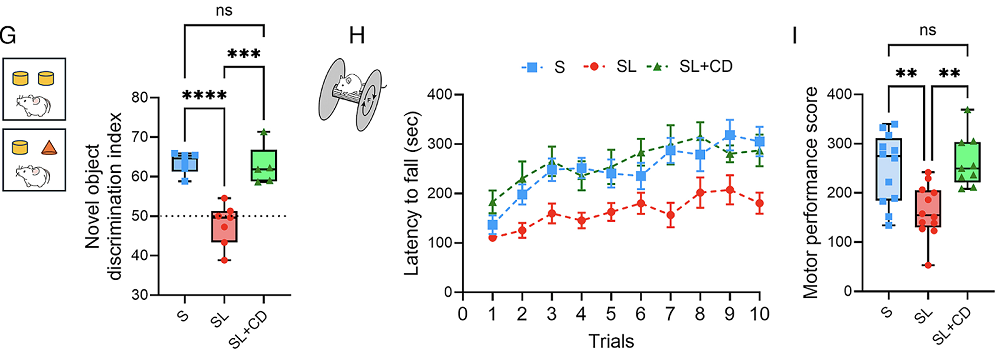
Sleep-restricted rats showed approximately 33% increased latency in transcallosal conduction; essentially, signals traveling between hemispheres were substantially slower. Sleep loss also affected cognitive function, causing worse novel object recognition and motor performance on rotarod, and impaired interhemispheric synchronization of neuronal activity, particularly during NREM sleep.

It’s all about cholesterol

Using transcriptomic data from oligodendrocyte-specific datasets, the researchers found that sleep loss massively dysregulated cholesterol-related pathways: biosynthesis and transport genes were downregulated, while endoplasmic reticulum (ER) stress and lipid degradation genes were upregulated. “In summary, the analysis of gene expression in oligodendrocytes revealed that sleep loss significantly impaired ER and lipid homeostasis, particularly affecting cholesterol metabolism,” the paper says.

Direct measurements confirmed markedly reduced cholesterol in purified myelin fractions from sleep-deprived mice. This cholesterol loss increased membrane fluidity in the inner leaflet of the myelin membrane, which would weaken the insulating properties of myelin. “Optimal membrane fluidity and curvature in myelin necessitate high cholesterol levels,” the authors explain. “This ensures membrane stability, minimizes ion leakage, and reinforces the insulating properties of myelin membranes.”

The researchers link the observed reduction in myelin cholesterol to deficits in intracellular trafficking and transport mechanisms. Sleep loss caused minimal changes in other lipids. “The impact of sleep loss on major cholesterol-related transcripts was more pronounced in oligodendrocytes than in other brain cell types,” the paper clarifies.

An almost complete rescue

The team reasoned that by boosting cholesterol redistribution during sleep loss, it would be possible to minimize or prevent myelin dysfunctions and restore optimal conduction velocity in rats. They performed a rescue experiment, administering 2-hydroxypropyl-β-cyclodextrin (cyclodextrin), a drug that promotes cholesterol redistribution to myelin membranes, via three subcutaneous injections during the 10-day sleep restriction.

When they measured cholesterol in purified myelin fractions afterward, the sleep-loss-plus-cyclodextrin group was statistically indistinguishable from normally sleeping controls: the drug completely prevented the myelin cholesterol depletion that sleep restriction would otherwise cause. Cyclodextrin partially fixed myelin ultrastructure, although it did not reduce the proportion of unmyelinated axons back to control levels, and it didn’t fully restore OPC density in the corpus callosum. The treated animals showed no significant change from baseline, meaning that the conduction delay was fully prevented.

Sleep loss cyclodextrin results

Importantly, the treatment also achieved behavioral rescue. For novel object recognition, sleep-restricted rats had a significantly reduced discrimination index (couldn’t distinguish new from familiar objects), but cyclodextrin-treated sleep-restricted rats performed comparably to controls. On the rotarod, where untreated sleep-restricted rats showed lower motor performance scores, the cyclodextrin group again performed at control levels. The authors note that since animals were given 24 hours of recovery before behavioral testing, residual physical fatigue is unlikely to explain the motor deficits.

Cyclodextrin, however, is not a precision tool. It facilitates broad cholesterol redistribution. While recent work suggests its effects are predominantly on oligodendrocytes, the authors admit that it also might be helping other cell types. While the rescue demonstrates that restoring cholesterol homeostasis is sufficient to prevent the behavioral deficits, further research is required to prove oligodendrocytes are the only cell population that matters.

We would like to ask you a small favor. We are a non-profit foundation, and unlike some other organizations, we have no shareholders and no products to sell you. All our news and educational content is free for everyone to read, but it does mean that we rely on the help of people like you. Every contribution, no matter if it’s big or small, supports independent journalism and sustains our future.

Literature

[1] Simayi, R., Ficiarà, E., Faniyan, O., Cerdán Cerdá, A., Aboufares El Alaoui, A., Fiorini, R., … & Bellesi, M. (2026). Sleep loss induces cholesterol-associated myelin dysfunction. Proceedings of the National Academy of Sciences, 123(4), e2523438123.

[2] Cappuccio, F. P., D’Elia, L., Strazzullo, P., & Miller, M. A. (2010). Sleep duration and all-cause mortality: a systematic review and meta-analysis of prospective studies. Sleep, 33(5), 585-592.

[3] Killgore, W. D. (2010). Effects of sleep deprivation on cognition. Progress in brain research, 185, 105-129.

[4] Shi, L., Chen, S. J., Ma, M. Y., Bao, Y. P., Han, Y., Wang, Y. M., … & Lu, L. (2018). Sleep disturbances increase the risk of dementia: a systematic review and meta-analysis Sleep medicine reviews, 40, 4-16.

Restoring the Strength of Natural Killer Cells

In Aging Cell, researchers have described why older natural killer (NK) cells lose their ability to eliminate harmful cells and a potential treatment for this decline.

Judgment and ability

At the cellular level, there is no due process. Natural killer (NK) cells judge other cells’ guilt or innocence by their surface proteins. They ruthlessly exterminate any foreign cells they find, which is what causes organ rejection; when they mistakenly attack the body’s own functional cells, autoimmune disorders are the result.

Even when uninfected and native to the body, cells can be guilty of two severe crimes: cancer and senescence. Encouraging NK cells to attack cancer despite its protections is a core part of modern oncology, and senescent cells are able to evade immune clearance as well [1].

However, errors in judgment are not the only potential issues with NK cells. This paper focuses on the armament of these cells, investigating the age-related reduction of their ability to do their jobs at all.

Older cells are much weaker

In their first experiment, the researchers derived NK cells from old groups of approximately 70-year-old humans and 700-day-old mice alongside young groups of approximately 21-year-old humans and 100-day-old mice. The human cells were tested against four groups of human dermal fibroblasts: three that had been driven senescent through toxicity, replication, or radiation, and a fourth that was derived from 75-year-old people; the mouse cells were tested against similar murine counterparts.

The results were entirely unsurprising. In every case, particularly against the naturally aged cells, the younger NK cells were far more effective in killing senescent fibroblasts than their older counterparts.

The differences were obvious even under a microscope. Young human NK cells were able to rapidly and tightly bind to senescent cells, killing them quickly, and then rapidly move on to the next senescent cell. Older NK cells failed at both; they were unable to form tight bonds, and they were lethargic in moving on to the next target.

Testing against various cancer cell lines yielded similar results. Older NK cells were less effective against multiple varieties of lymphoma and leukemia. Like their interactions with the senescent cells, this was found to be due to a lack of conjugation; the older NK cells were simply less able to bind with and properly destroy the cancer cells. An investigation into targeting mechanisms found that recognition of defective cells was not the reason why the older NK cells were less able to attack.

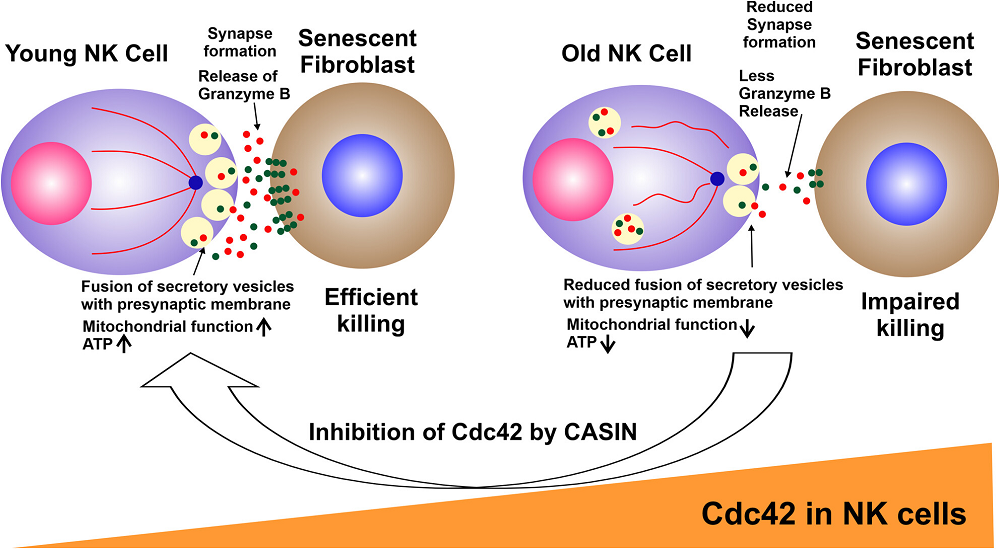
Instead, the older cells were found to have issues with their fundamental cytotoxic machinery. Normally, an NK cell will bind to a target cell and then attack it with a combination of perforin, which penetrates the cell, and granzyme B, which kills it. The attack itself requires granules of these weapons to be released in degranulation, and older NK cells were found to have both less binding ability and less degranulation than younger cells.

Cdc42 NK

These reductions in ability were confirmed with a gene expression analysis. As expected, the older cells had downregulations in metabolism, activation, and core processes responsible for membrane transport and degranulation; the older cells were simply less able to bring their weapons to bear.

A potential solution

The researchers noted a key protein that was upregulated in their analysis: Cdc42, which has been noted to affect microtubular organization and increases with age. Previous work has found that Cdc42 has been implicated in the aging of hematopoietic stem cells (HSCs) [3], and proper microtubular organization is critical in correctly polarizing NKs and allowing cytotoxic granules to get to where they need to be.

A closer look at these cells’ microtubules suggested that this is likely to be the key issue. Older NK cells were significantly less organized than younger cells; in younger cells, Cdc42 sits on one side of the cell while tubulin sits on the other, but older cells did not have this polarity. Exposing older NK cells to CASIN, an inhibitor of Cdc42, was found to be successful in helping the older cells restore this balance.

Older NK cells exposed to CASIN received benefits in both conjugation and degranulation; in conjugation, the CASIN-exposed older cells even appeared to be slightly stronger than the younger ones. There were also benefits for mitochondria as well; older cells exposed to CASIN had even more of the energy transfer molecule ATP than their younger counterparts did, potentially further bolstering their overall ability.

However, CASIN did not give perfect results. While being substantially better than the unexposed older cells, the CASIN-treated older cells were not nearly as able to kill as many leukemic or senescent cells as younger cells were. Compared to untreated older and younger mice, CASIN-treated older mice were roughly halfway between those groups in their ability to remove senescent cells in the bone marrow and the spleen. CASIN was found to only affect the ability of NK cells and did not affect their proliferation.

These results, while substantially beneficial, were still only done in mice, and the potential side effects of using CASIN or another Cdc42 inhibitor in human beings have not been eludicated. The researchers suggest that further work should be done in exploring this approach as a treatment for age-related diseases that involve cancer or senescence.

We would like to ask you a small favor. We are a non-profit foundation, and unlike some other organizations, we have no shareholders and no products to sell you. All our news and educational content is free for everyone to read, but it does mean that we rely on the help of people like you. Every contribution, no matter if it’s big or small, supports independent journalism and sustains our future.

Literature

[1] Pereira, B. I., Devine, O. P., Vukmanovic-Stejic, M., Chambers, E. S., Subramanian, P., Patel, N., … & Akbar, A. N. (2019). Senescent cells evade immune clearance via HLA-E-mediated NK and CD8+ T cell inhibition. Nature communications, 10(1), 2387.

[2] Topham, N. J., & Hewitt, E. W. (2009). Natural killer cell cytotoxicity: how do they pull the trigger? Immunology, 128(1), 7-15.

[3] Florian, M. C., Dörr, K., Niebel, A., Daria, D., Schrezenmeier, H., Rojewski, M., … & Geiger, H. (2012). Cdc42 activity regulates hematopoietic stem cell aging and rejuvenation. Cell stem cell, 10(5), 520-530.

Optic nerve

First Human Cellular Reprogramming Trial Cleared by the FDA

Life Biosciences has announced that its trial of cellular reprogramming aimed at two age-related vision diseases has received a go-ahead from the FDA. We spoke with the company’s CSO to get more details.

Life Biosciences, the biotech company based on Harvard professor David Sinclair’s research into cellular reprogramming, stunned everyone last year by announcing that its clinical trial, the first-ever human trial of a reprogramming technology, will commence in the first quarter of 2026. A few days ago, the company cleared the last major hurdle on its way to this ambitious goal by receiving an Investigational New Drug (IND) clearance from the FDA to test the experimental drug ER-100 against optic neuropathies.

ER-100’s story begins with highly successful experiments in rodents, where Sinclair’s team used their own partial cellular reprogramming recipe to restore vision after a severe optic nerve injury, and then proceeded to a successful trial in non-human primates. This upcoming trial is focused on open-angle glaucoma (OAG) and non-arteritic anterior ischemic optic neuropathy (NAION), which is a “stroke of the eye” that can cause sudden blindness. Both diseases are age-related, with NAION being the most common acute optic neuropathy in adults over fifty.

Life Biosciences uses a proprietary reprogramming cocktail based on three out of four of the original Yamanaka factors: OCT-4, SOX-2, and KLF-4 (OSK). The company believes that this approach solves several problems that plagued early reprogramming research.

“It’s incredibly meaningful to see this science reach clinical testing after more than 30 years of work,” Sinclair said to Lifespan News. “I’m grateful to the many students, collaborators, and partners whose dedication helped bring these ideas from the lab to this milestone. For me personally, it’s deeply rewarding to see this work move into the clinic, with the potential to protect and restore vision for patients and to help unlock a new generation of therapies that target the diseases of aging across tissues.”

As this is the first reprogramming clinical trial, and one of the first longevity therapy clinical trials, many people in this industry view it as a seismic event. “This is a huge milestone for the entire partial reprogramming field, and it aligns with what we’ve seen as well: the FDA has been notably open and forward-thinking in how it engages with this approach,” said Yuri Deigin, CEO of YouthBio, which is developing its own anti-Alzheimer’s reprogramming-based therapy. “It’s also a strong signal for the broader longevity space that regulators are increasingly willing to evaluate therapies that aim to modify upstream epigenetic drivers of aging, rather than only treating downstream symptoms.”

We have long followed Life Biosciences and interviewed both David Sinclair and Life CSO Sharon Rosenzweig-Lipson. Following the FDA clearance announcement, we spoke with Sharon again to get her perspective on the trial timeline, Life Biosciences’ experience of interacting with the FDA, and the company’s future trajectory.

When are you planning to start the actual trial, and when can we expect results?

We’re in the final stages of getting our first site activated. We expect that to happen within a few weeks and to start enrolling patients right after that. By March, we’ll have begun enrolling patients.

And the ETA on results?

Because it’s a gene therapy, we’re going to enroll patient number one, wait 28 days, then enroll patients two and three, wait another 28 days. Then we’ll make decisions about going up and down on the dose. It’s going to take time to get through that, but we hope to have enough information by the end of the year on one or more doses. This will allow us to make decisions about whether we go to Phase 2 and start planning the next stage. We’re as eager as everybody else to move this as quickly as possible.

Usually, partial reprogramming involves pulsing with very carefully calculated doses so that the cells don’t undergo dedifferentiation. I understand that your therapy is “one-shot” – based on a single round of continuous administration.

I want to separate what we call partial reprogramming from what others do, which is transient reprogramming. Sometimes, you see transient reprogramming where you give it one or two days, wait a few more days in animals, then give it one or two more days. That’s often done with all four factors.

That’s not what we’re doing. We’re going to give doxycycline systemically – it’s an inducible system – keeping OSK on for an eight-week period. We have data showing that we can do it not just for two months, but for three months, or even beyond that in mice, demonstrating that we can achieve good reprogramming and good safety with a more continuous expression system.

Do you see at least some shift toward dedifferentiation with more time on the therapy?

We do not. What’s amazing about using OSK is that it’s not causing de-differentiation. It’s resetting the epigenetic code. That code, which made normal hearts, lungs, livers, retinal ganglion cells, gets degraded as we age or with age-related diseases. Our therapy resets that code back to a healthy, youthful state, but not all the way back, not to pluripotency. Cell identity is maintained.

It looks like you cracked one of the hardest problems in partial reprogramming by taking out the M out of the original four-factor Yamanaka cocktail.

Exactly. Taking the M out makes it impossible to go all the way back. You just can’t push the system hard enough.

What can you tell me about your interactions with the FDA? Was there something that pleasantly surprised you?

We met with the FDA almost two years ago to plan for our tox studies and make sure that they bought into what we were doing in a way that we could move it forward. We went through a series of questions and together with our recommendations and their recommendations, we outlined a path for our toxicology studies, distribution studies, and what they wanted to see us do clinically. We were very conscious of all the FDA guidance. Overall, we had a very smooth interaction with the FDA as it related to our IND clearance.

Since it’s the very first human trial of cellular reprogramming, you would think they would be extremely cautious to the point of seriously slowing you down, but you’re saying it was smooth sailing?

Our experience was very collaborative and positive. We have a lot of data that we walked into the room with supporting the safety profile. We had data in mice, data in non-human primates. We had our IND studies. We walked in with a lot of safety data, and I think that really helped.

Do you think this signals a broader change in the FDA’s attitude toward longevity therapies in general?

It’s hard for me to say. It’s a one-off, right? We haven’t put seven things through the FDA, so it’s hard to get a bigger picture of what this means for them. We’re pleased that for what we did, it was positively perceived and most importantly, we got to our “may proceed” letter without any major issues.

If we look past the indications you’re currently working with, what’s next for Life Biosciences?

We’ve already talked publicly about having nice data on reprogramming in the liver, which is quite exciting. We’re continuing to work on the liver, and you may see in the next few months a little more information on some other indications we’re working on. We’re excited that we’re continuing to achieve proof of concepts across a range of indications.

We would like to ask you a small favor. We are a non-profit foundation, and unlike some other organizations, we have no shareholders and no products to sell you. All our news and educational content is free for everyone to read, but it does mean that we rely on the help of people like you. Every contribution, no matter if it’s big or small, supports independent journalism and sustains our future.
A mitochondrion

Increasing Senolytic Effectiveness by Stressing Mitochondria

Researchers publishing in Nature Aging have described how mitochondrial stress is a key part of why senolytics are effective.

Finding targeted effectiveness

The researchers began this study by summarizing senescent cells and the senolytics created to eliminate them. They noted that few attempts have been made to determine which senolytics are the most broadly effective against senescent cells while having the least effects on non-senescent ones [1].

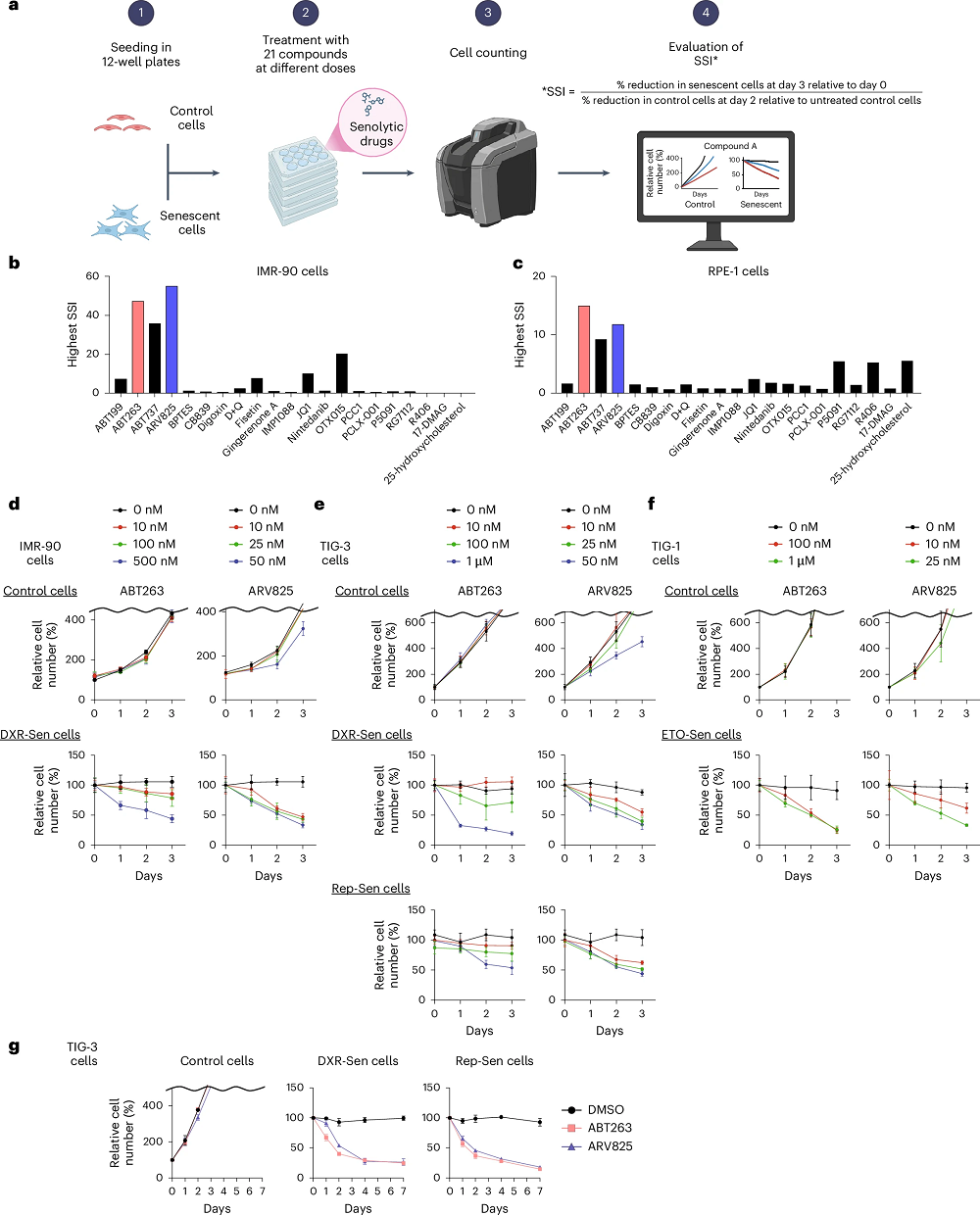
To that end, they created a senolytic specificity index (SSI), a simple metric that compares the number of senescent cells removed to the number of non-senescent cells removed. They tested 21 distinct agents, ranging from the well-known combination of dasatinib and quercetin (D+Q) to three different ABT compounds, one of which, ABT263 (Navitoclax), is well-known in the field as being an effective senolytic.

This researchers’ initial experiment confirmed that finding. Navitoclax was the most effective at selectively removing RPE-1 cells, which are human epithelial cells that are commonly used in senescence research; it was barely edged out in effectiveness by ARV825 at dealing with IMR-90, a line of human fibroblasts that serve the same purpose. Unfortunately, D+Q and fisetin performed very poorly on the SSI metric compared to these two compounds. Testing other types of senescent cells, and driving them senescent both replicatively and through toxin exposure, confirmed the broad effectiveness of both navitoclax and ARV825.

Senolytic effectiveness

Some cells refuse to die

While these and similar compounds have advantages over other senolytics, such as not prompting suicidal apoptotic responses in non-senescent cells, they are not perfect. The researchers noted that previous work has found that BCL-2 inhibitors such as navitoclax are not effective against senescent preadipocytes [2] and that their own work has found imperfect clearance; roughly a quarter of the treated senescent cells survived navitoclax or ARV825, even after a week of senolytic treatment.

The researchers then took a step further, looking into why such strong senolytics failed against those particular cells. They found that the survivors had unusually high expressions of senescent cells’ characteristic SASP factors and that they fought more strongly against oxidative stress, decreasing the reactive oxygen species (ROS) that may have contributed to the other cells’ death.

Further analysis found that these cells were also better at clearing damaged mitochondria. One particular gene, ATP6V0E1, plays a key role in this process [3], and knocking this gene down greatly increased the effectiveness of navitoclax. The accumulation of damaged mitochondria is key to the effectiveness of both navitoclax and ARV825; cells with depleted mitochondria were significantly less likely to die to these senolytics.

Mitochondrial stress helps senolytics do their job

The researchers then experimented with various methods of imposing mitochondrial stress. First, they did so directly through gene silencing, finding that direct downregulation of mitochondrial maintenance functions causes senescent cells to die in the same way as when they are treated with these two senolytics. Directly interfering with mitochondrial DNA replication boosted their effects as well, and, critically, did not appear to kill off non-senescent cells.

The researchers switched cells from glycolysis to oxidative phosphorylation (OXPHOS) by reducing the amount of glucose that the cells received, simulating a low-carbohydrate diet and causing oxidative stress [4], but this had effects on normal cells as well as senescent ones. They then tested a GLUT1 inhibitor, BAY-876 [5], to force this shift; co-treating cells with BAY-876 along with navitoclax or ARV825 was found to increase the effectiveness of these senolytics while still sparing non-senescent cells from death.

These findings were replicated in mice. Older male mice were injected with melanoma cells that are known to co-locate with senescent cells, which fuel the growth of this cancer. Then, they were fed either navitoclax or ARV825 alongside either a normal or a low-carbohydrate ketogenic diet. The mice receiving the ketogenic diet had significantly stronger responses to senolytics; two key SASP factors that are known to attract this cancer were substantially reduced in the low-carb groups compared to the normal ones. While some previous work has linked ketogenic diets to cellular senescence [6], these researchers did not observe this in the lungs of their tested mice.

These findings are limited, and they present a conundrum to the field. The same basic stresses that prime senescent cells for removal by senolytics also affect how normal cells function. While these experiments showed benefits when stresses were combined with senolytics, it is still uncertain whether senolytics should be combined with physical interventions, such as low-carb diets or intensive exercise, for maximum effectiveness. Further work will need to be done on animals and people in order to determine if such combinations are helpful or harmful in the long run.

We would like to ask you a small favor. We are a non-profit foundation, and unlike some other organizations, we have no shareholders and no products to sell you. All our news and educational content is free for everyone to read, but it does mean that we rely on the help of people like you. Every contribution, no matter if it’s big or small, supports independent journalism and sustains our future.

Literature

[1] Di Micco, R., Krizhanovsky, V., Baker, D., & d’Adda di Fagagna, F. (2021). Cellular senescence in ageing: from mechanisms to therapeutic opportunities. Nature reviews Molecular cell biology, 22(2), 75-95.

[2] Zhu, Y. I., Tchkonia, T., Fuhrmann‐Stroissnigg, H., Dai, H. M., Ling, Y. Y., Stout, M. B., … & Kirkland, J. L. (2016). Identification of a novel senolytic agent, navitoclax, targeting the Bcl‐2 family of anti‐apoptotic factors. Aging cell, 15(3), 428-435.

[3] Colacurcio, D. J., & Nixon, R. A. (2016). Disorders of lysosomal acidification—The emerging role of v-ATPase in aging and neurodegenerative disease. Ageing research reviews, 32, 75-88.

[4] Liu, Y., Song, X. D., Liu, W., Zhang, T. Y., & Zuo, J. (2003). Glucose deprivation induces mitochondrial dysfunction and oxidative stress in PC12 cell line. Journal of cellular and molecular medicine, 7(1), 49-56.

[5] Siebeneicher, H., Cleve, A., Rehwinkel, H., Neuhaus, R., Heisler, I., Müller, T., … & Buchmann, B. (2016). Identification and optimization of the first highly selective GLUT1 inhibitor BAY‐876. ChemMedChem, 11(20), 2261-2271.

[6] Wei, S. J., Schell, J. R., Chocron, E. S., Varmazyad, M., Xu, G., Chen, W. H., … & Gius, D. (2024). Ketogenic diet induces p53-dependent cellular senescence in multiple organs. Science advances, 10(20), eado1463.

Vitamins and supplements

Association Between Vitamins and Slower Biological Aging

A recent study analyzed data from over 15,000 participants and their intake of 11 vitamins, and the results suggested that higher vitamin intake, particularly of Vitamins C and B2, is associated with slower biological aging [1].

Beneficial molecules

One of the easiest and most accessible ways to improve health and lifespan is to consume a diet and supplements that provide adequate nutrition. Studies conducted in cell cultures and animals suggest that various vitamins, through their antioxidant and anti-inflammatory properties, have beneficial effects against aging processes [2, 3]. Human data suggest that vitamins have specific benefits, including improved lipid levels, better cognition and memory, reduced incidence of age-related macular degeneration, and lower mortality in cancer patients [4, 5, 6].

More granular approach

We recently covered a review that discussed the impact of multivitamins and minerals on health and longevity. That study analyzed the findings from 19 meta-analyses published in the last 25 years. While that study took a broad look at the impact of vitamins and minerals on different aspects of health, this study took a more granular approach and investigated the impact of 11 vitamins (A, B1, B2, B3, B6, B9, B12, C, D, E, and K), from both dietary and supplementary sources, on different aspects of biological aging. The authors used data from 15,050 participants, with a median age of 51 years, who were part of the nationally representative National Health and Nutrition Examination Survey (NHANES) between 2007 and 2018.

The authors used three methods to measure different aspects of biological aging: the Klemera-Doubal method biological age (KDM-BA), PhenoAge, and homeostatic dysregulation (HD), each using multiple different biomarkers to assess the speed of biological aging.

The choice of these aggregated measures of biological aging stems from limitations in previous studies, which often focus on single aging-related outcomes, whereas aging is a process that affects multiple systems. Therefore, measuring the speed of aging using aggregate measures of aging that incorporate multiple biomarkers is an attempt to reflect the complexity of the process.

All together and one-by-one

The epidemiological data on the relationship between vitamin intake and biological aging have limitations; for example, studies often focus on the impact of a single vitamin rather than a vitamin complex, which more accurately reflects reality. Those who investigate vitamins in combination often do not examine the effects of individual ingredients within the mixture. To address this gap, those researchers analyzed both scenarios.

An initial analysis, which divided participants into four quartiles by total vitamin intake, showed that those in the highest quartile were, on average, older, had higher socioeconomic status, and had healthier lifestyles. All three metrics of biological aging showed less accelerated aging in the highest quartile group than in those in the lowest quartile. After adjusting for multiple factors, the highest quartile still showed lower biological age acceleration, as measured by KDM-BA and PhenoAge; however, while there was a trend toward reduced age acceleration, the association was not statistically significant for HD.

The researchers also examined the effects of individual vitamins. Reduced biological aging was observed among individuals in the highest quartile for all vitamins, as measured by PhenoAge, but only for B2, B9, and C Vitamin intake, when measured by KDM. In contrast, analysis of HD didn’t show a significant impact of any vitamin.

Biological aging indicators agreed that among all vitamins tested, Vitamin C was the “primary protective driver.” B2, important for supporting metabolic and immune health, came in second. The researchers suggest that the potent role of Vitamin C might stem from its antioxidant effects, which protect against aging-related oxidative damage.

On the other hand, the results suggest that Vitamins B12 and D may have adverse effects. Vitamin B12 is important for blood and nerve cells health and helps make DNA. Vitamin D has many bodily functions, including calcium absorption in the gut; metabolism of calcium, phosphorus, and glucose; bone growth support, remodeling, and mineralization; reduction of inflammation; modulation of cell growth; and neuromuscular and immune function. The researchers suggest the adverse effects of Vitamin D may be due to the absence of a linear, dose-dependent relationship between Vitamin D intake and biological aging, in which higher doses accelerate aging, but this remains to be tested.

We have previously reported on the complex relationship between Vitamin D and the biology of aging. For example, while studies have linked Vitamin D supplementation to slower epigenetic aging, other research suggests that in some cases Vitamin D supplementation may not be beneficial, as a study published in Aging Cell suggests that administering Vitamin D to Alzheimer’s patients may actually make the problem worse.

Subgroup differences

The effects of vitamin intake were found to vary based on demographic and health characteristics. Males, people with a BMI under 30, current alcohol drinkers, people with lower education levels, people who ate less than 1500 calories a day, and people with comorbidities saw more beneficial effects. These results suggest that “individuals with higher underlying physiological stress or inflammation might derive greater benefit from adequate vitamin intake.”

When an analysis was conducted using only dietary data, the researchers obtained similar results: a protective effect of total dietary vitamin intake and a prominent role of Vitamin C in joint protective effects, highlighting the importance of obtaining vitamins through a healthy, whole-food diet.

Achieving nutritionally adequate levels

This study contributes to the growing body of evidence linking vitamin-rich diets to reduced biological aging. [7,8]. However, supplementation doesn’t have to imply taking excessive amounts, as the authors highlight that the “higher intake in our study primarily corresponds to achieving nutritionally adequate levels: over 90% of participants in the highest intake quartile met the Recommended Dietary Allowance for most vitamins.”

We would like to ask you a small favor. We are a non-profit foundation, and unlike some other organizations, we have no shareholders and no products to sell you. All our news and educational content is free for everyone to read, but it does mean that we rely on the help of people like you. Every contribution, no matter if it’s big or small, supports independent journalism and sustains our future.

Literature

[1] Zhang, X., Xu, Y., Wang, X., Chen, M., Xiong, J., & Cheng, G. (2026). Association between vitamin intake and biological aging: evidence from NHANES 2007-2018. The journal of nutrition, health & aging, 30(2), 100776. Advance online publication.

[2] Monacelli, F., Acquarone, E., Giannotti, C., Borghi, R., & Nencioni, A. (2017). Vitamin C, Aging and Alzheimer’s Disease. Nutrients, 9(7), 670.

[3] Kaźmierczak-Barańska, J., & Karwowski, B. T. (2024). The Protective Role of Vitamin K in Aging and Age-Related Diseases. Nutrients, 16(24), 4341.

[4] Seddon J. M. (2007). Multivitamin-multimineral supplements and eye disease: age-related macular degeneration and cataract. The American journal of clinical nutrition, 85(1), 304S–307S.

[5] Yeung, L. K., Alschuler, D. M., Wall, M., Luttmann-Gibson, H., Copeland, T., Hale, C., Sloan, R. P., Sesso, H. D., Manson, J. E., & Brickman, A. M. (2023). Multivitamin Supplementation Improves Memory in Older Adults: A Randomized Clinical Trial. The American journal of clinical nutrition, 118(1), 273–282.

[6] Harris, E., Macpherson, H., & Pipingas, A. (2015). Improved blood biomarkers but no cognitive effects from 16 weeks of multivitamin supplementation in healthy older adults. Nutrients, 7(5), 3796–3812.

[7] Canudas, S., Becerra-Tomás, N., Hernández-Alonso, P., Galié, S., Leung, C., Crous-Bou, M., De Vivo, I., Gao, Y., Gu, Y., Meinilä, J., Milte, C., García-Calzón, S., Marti, A., Boccardi, V., Ventura-Marra, M., & Salas-Salvadó, J. (2020). Mediterranean Diet and Telomere Length: A Systematic Review and Meta-Analysis. Advances in nutrition (Bethesda, Md.), 11(6), 1544–1554.

[8] Hu F. B. (2024). Diet strategies for promoting healthy aging and longevity: An epidemiological perspective. Journal of internal medicine, 295(4), 508–531.

Bicep curl

Weight Training Load Doesn’t Affect Muscle Mass or Strength

A new study suggests that, if sets are taken close to failure, the amount of weight on the bar does not determine muscle growth. However, individual differences in muscle-building ability appear to be real [1].

How should we train?

Muscle mass and strength are among the strongest predictors of longevity, but the best way to gain them is a matter of ongoing debate. In a study published in The Journal of Physiology, a team of scientists from McMaster University, with collaborators from Queen’s University and Liverpool John Moores University, set out to test the long-standing question of whether larger weights and fewer repetitions are superior to smaller weights and more repetitions for building muscle.

The scientists recruited 20 healthy, recreationally active but untrained young men and ran an ingeniously designed experiment: each participant trained both arms and both legs, but one arm and one leg were randomly assigned to high-load training (HL), and the other arm/leg did low-load training (LL).

HL was set at 8-12 repetitions at about 70%-80% 1RM (one-repetition maximum, the heaviest weight a person can lift for a single repetition with proper form). LL was set at 20-25 repetitions at about 30%-40% 1RM. Crucially, every set was taken to volitional fatigue, the inability to complete another repetition with good form (“close to failure”), so the overall effort was matched even though the weights differed. The baseline 1RM values were 18 ± 4 kg for bicep curls (about 40 pounds) and 40 ± 14 kg (almost 90 pounds) for knee extensions.

The weight is largely irrelevant

After 10 weeks of 3 supervised sessions per week, the researchers assessed muscle growth with several readouts: DXA to measure arm and leg lean mass, ultrasound to measure muscle cross-sectional area and thickness, and biopsies (from the vastus lateralis) to quantify type I and type II muscle-fiber growth. Muscle strength was also tested; in cohort studies, muscle strength often predicts mortality more strongly than muscle mass [2]. Across all these outcomes, the HL and LL conditions were statistically indistinguishable.

This does not mean, however, that all the participants performed at the same level. In fact, variability in responses between participants was quite high, even when accounting for baseline differences. In other words, some people were just better at gaining muscle mass and strength than others. The researchers tried to control for dietary differences, including by providing every participant with enough protein to support muscle gain. They hypothesize that this variability in individual muscle-building capacity stems mostly from intrinsic causes, such as genetic differences.

Complicating things even further, individual rankings for muscle mass gain and for muscle strength gain did not match. In other words, some participants were big “muscle size responders” without being big “strength responders,” and vice versa.

While it is tempting to interpret the results through the lens of total “volume load” (sets × reps × weight), this does not seem to cleanly reflect outcomes here, at least for bicep curls, in which HL produced a significantly higher volume load than LL, yet the hypertrophy readouts were still similar. This suggests that, under the study’s conditions (sets taken to volitional fatigue), volume load alone is not a reliable predictor of hypertrophy.

Muscle building gets slower with time

To probe the mechanism, the authors measured myofibrillar protein synthesis (MyoPS), the rate at which muscle builds new contractile proteins (actin and myosin). Because MyoPS was assessed on a time course (baseline, week 1, and week 10), they could report a clear dynamic: MyoPS rose early in training but was much smaller by week 10, signifying that it was attenuated with training, both in high-load and low-load limbs.

In contrast, the main hypertrophy and strength outcomes were measured only at two points: baseline and the end of week 10. Therefore, the study could compare net changes and HL/LL differences, but it could not determine whether those size/strength changes followed an “early spike then slowing” trajectory due to the lack of intermediate time points.

The authors suggest that early training may elevate MyoPS more due to novelty and muscle damage. Later, as the muscle adapts and damage decreases, the MyoPS response gets smaller even with progressive overload. Only vastus lateralis muscles (leg muscles), but not biceps, were biopsied, making a direct MyoPS comparison between arms and legs impossible.

While providing interesting and potentially actionable insights, the study also had limitations, including a small sample size, short duration, and possible “cross-education” effects (when training one limb affects the other), although such effects are thought to be minimal [3]. The study’s conclusions are also conditional on training to true fatigue, which is not trivial in real life.

We would like to ask you a small favor. We are a non-profit foundation, and unlike some other organizations, we have no shareholders and no products to sell you. All our news and educational content is free for everyone to read, but it does mean that we rely on the help of people like you. Every contribution, no matter if it’s big or small, supports independent journalism and sustains our future.

Literature

[1] Lees, M. J., Mcleod, J. C., Morton, R. W., Currier, B. S., Fliss, M. D., McKellar, S. R., … & Phillips, S. M. (2025). Resistance training load does not determine resistance training‐induced hypertrophy across upper and lower limbs in healthy young males The Journal of Physiology.

[2] Newman, A. B., Kupelian, V., Visser, M., Simonsick, E. M., Goodpaster, B. H., Kritchevsky, S. B., … & Harris, T. B. (2006). Strength, but not muscle mass, is associated with mortality in the health, aging and body composition study cohort. The Journals of Gerontology Series A: Biological Sciences and Medical Sciences, 61(1), 72-77.

[3] Song, J. S., Yamada, Y., Kataoka, R., Hammert, W. B., Kang, A., Spitz, R. W., … & Loenneke, J. P. (2024). Does Unilateral High‐Load Resistance Training Influence Strength Change in the Contralateral Arm Also Undergoing High‐Load Training?candinavian Journal of Medicine & Science in Sports, 34(12), e14772.

Life Biosciences

Life Biosciences Announces FDA Clearance of IND for ER-100

Life Biosciences, Inc., (“Life Bio”) a biotechnology company pioneering cellular rejuvenation therapies to reverse and prevent multiple diseases of aging, today announced that the U.S. Food and Drug Administration (FDA) has cleared its Investigational New Drug (IND) application for ER-100.

The IND clearance allows Life Bio to initiate a clinical program evaluating ER-100’s safety and potential to improve vision in patients with optic neuropathies. The Phase 1 first-in-human study (NCT07290244) will enroll individuals with open-angle glaucoma (OAG) and non-arteritic anterior ischemic optic neuropathy (NAION) to assess safety, tolerability, immune responses and impact on multiple visual assessments.

ER-100 originated from Life Bio’s Partial Epigenetic Reprogramming (PER) platform, which aims to restore aged or injured cells to a younger state by modifying the epigenome of cells, biochemical markers that regulate gene expression without altering the underlying DNA sequence. Life Bio’s approach allows for the controlled expression of three of the four Yamanaka factors, the transcription factors OCT-4, SOX-2, and KLF-4 (OSK), and has demonstrated safety and efficacy in multiple preclinical animal models by local injection into the eye (intravitreally). ER-100 is the first ever cellular rejuvenation therapy using epigenetic reprogramming to receive FDA clearance to enter human clinical trials.

“This important milestone in reaching the clinic is the result of years of research, optimization, and comprehensive nonhuman primate studies demonstrating controlled OSK expression, restoration of methylation patterns, and improved visual function, all of which has culminated in this IND clearance,” said Sharon Rosenzweig-Lipson, Ph.D., Chief Scientific Officer, Life Biosciences. “These results have paved the way for first-in-human evaluation of our cellular rejuvenation approach with the goal of improving the lives of people facing debilitating age-related disease, starting with optic neuropathies.”

About Optic Neuropathies

Optic neuropathies are a group of disorders characterized by the irreversible death of retinal ganglion cells (RGCs), the primary neurons connecting the eye to the brain. Because RGCs cannot naturally regenerate, their loss results in permanent vision impairment. Open-angle glaucoma (OAG) is a chronic neurodegenerative disease and a leading cause of blindness. While often associated with elevated intraocular pressure, RGC damage frequently continues despite treatment, and some patients suffer from OAG despite normal intraocular pressure. Non-arteritic anterior ischemic optic neuropathy (NAION)often termed “stroke of the eye,” is the most common acute optic neuropathy in adults over fifty. It involves sudden, painless vision loss due to insufficient blood flow, for which there are currently no approved treatments. Prevalence and incidence of both of these diseases rise with age, creating a growing global burden. Yet current standards of care fail to address the underlying neuronal degeneration, leaving a significant unmet medical need for disease-modifying therapies that can directly protect or regenerate RGCs to restore or preserve sight.

About Life Biosciences

Life Bio is a clinical-stage biotechnology company pioneering cellular rejuvenation therapies to reverse and prevent multiple diseases of aging. The company’s proprietary Partial Epigenetic Reprogramming (PER) platform utilizes three transcription factors—OCT4, SOX2, and KLF4—to restore older and damaged cells to a younger and healthier state. This innovative approach targets a root cause of aging at the epigenetic level, thereby offering the potential to address a wide range of serious age-related diseases. Life Bio’s lead program, ER-100, in development for optic neuropathies, including open-angle glaucoma (OAG) and non-arteritic anterior ischemic optic neuropathy (NAION), with a Phase 1 clinical trial initiated in the first quarter of 2026 for both indications. Beyond ER-100, the company is strategically broadening its therapeutic pipeline to address additional age-related diseases, underscoring the platform’s versatility and transformative potential. For more information, visit www.lifebiosciences.com or follow Life Bio on Twitter (X) and LinkedIn.

Media Contact

Jason Braco, PhD

LifeSci Communications

lifebio@lifescicomms.com

We would like to ask you a small favor. We are a non-profit foundation, and unlike some other organizations, we have no shareholders and no products to sell you. All our news and educational content is free for everyone to read, but it does mean that we rely on the help of people like you. Every contribution, no matter if it’s big or small, supports independent journalism and sustains our future.
Rejuvenation Roundup January 2026

Rejuvenation Roundup January 2026

2026 has kicked off with several key research insights, and we’ve taken a look at the state of the industry and how rejuvenation biotechnology is moving forward. Here’s what’s been done in January.

Advocacy and Analysis

Year 2025Longevity Biotech in 2025: The Expert Roundup: How did the year 2025 turn out for longevity biotech? Was it surprising or more of the same? Exciting or disappointing? Was the progress fast-moving or excruciatingly slow? What should we expect in 2026? We asked five leading experts to weigh in.

Geroscience in 2025: The Expert Roundup: 2025 was a good year for geroscience, marked by rapid strides and critical milestones. Yet, the path wasn’t always smooth: progress in some areas lagged, research hit dead ends, and familiar bottlenecks persisted.

MegaphoneLongevity Advocacy in 2025: The Expert Roundup: The last installment in our end-of-year series of expert roundups might be the least flashy, but it is arguably no less important than the previous ones dedicated to longevity biotech and geroscience.

Research Roundup

A Single Gut Microbe Suppresses Weight Gain in Mice: Scientists have found that a single microbial species can blunt the negative effects of a high-fat diet due to the unique mix of lipids it produces. They intend to identify its specific lipids in future work.

Connecting neuronsRecombinant Human Protein Stops Neuronal Loss in Alzheimer’s: A recent study investigated biomarkers that can help monitor trajectories of Alzheimer’s disease-related molecular processes, such as neuronal cell death, and how patients respond to treatments.

How Harmful Extracellular Vesicles Cause Brain Inflammation: In a paper published in Aging Cell, researchers have described how older cells send long interspersed nuclear element-1 (LINE-1) RNA to other cells in extracellular vesicles (EVs), spurring inflammation.

ArthritisA Small Molecule Regenerates Cartilage in Aged Mice: By inhibiting the aging-related enzyme 15-PGDH, scientists have shifted cartilage cells towards a healthier phenotype, leading to a significant improvement in a mouse model of osteoarthritis.

A Protein That Exacerbates Heart Disease With Age: Researchers publishing in Aging Cell have found that Hevin, a protein found in the extracellular matrix that increases with age, leads to heart problems in older male mice.

Women discussing optionsThe Geroprotective Potential of Hormone Replacement Therapy: A recent review of literature investigated the risks and benefits of hormone replacement therapy. The authors point out that this approach could be used as a geroprotector to extend the healthspan of women.

Vast Majority of Alzheimer’s Cases Attributable to One Gene: According to a new study, as many as 90% of Alzheimer’s cases can be attributed to “suboptimal” variants of the APOE gene. These results highlight the gene’s importance for Alzheimer’s prevention.

Blood cellsA New Look at How Blood Stem Cells Age: In Aging Cell, four Japanese researchers have recently described the aging of the hematopoietic system, which is responsible for the creation of blood.

Study Uncovers How Obesity Drives Chronic Inflammation: Scientists have discovered that obesity causes macrophages to ramp up mitochondrial DNA production, leading to more inflammation [1].

PregnancyThe Impact of Childbearing Trajectories on Aging: The authors of a recent study investigated the relationship between reproduction, aging, and survival. Two groups, women with the most live births and childless women, showed accelerated aging and increased mortality risk.

How Senescent Astrocytes Don’t Support Neurons: Resesarchers have found that thrombospondin-1 (TSP-1), a compound that is critical in growing brain synapses, is secreted by normal astrocytes but not senescent ones.

Outdoor exerciseExercise Variety Is Associated With Lower Mortality Risk: A new study links exercise variety, defined as regularly engaging in several types of physical activity, to significantly lower all-cause mortality. Exercise amount matters as well, but the effect plateaus quickly.

Using Placental Cells to Test Anti-Aging Compounds: Researchers publishing in Aging Cell have discovered that cells derived from the human placenta may be useful in estimating the effects of potential anti-aging treatments.

Rapamycin moleculeRapamycin Protects Immune Cells by Reducing DNA Damage: A new study from the Universities of Oxford and Nottingham has uncovered a potential new mechanism by which rapamycin counters immunosenescence. Rather than increasing autophagy or reducing protein synthesis, the effect appears to involve directly reducing DNA damage burden in immune cells.

Shingles Vaccination Is Associated With Slower Aging: An analysis of over 3800 older adults found that shingles vaccination is associated with lower inflammation scores, slower epigenetic and transcriptomic aging, and a lower composite biological aging score.

Heartbeat chartEngineered Extracellular Vesicles Reduce Arrhythmia in Rats: In Nature Communications, researchers have described how small extracellular vesicles (sEVs) fused with plasma membrane proteins successfully treated heart arrhythmia in a rat model.

CRISPR-Based Screen Reveals Possible Anti-Tau Mechanism: Using an ingenious CRISPR-based screening technique, scientists have found a protein that tags tau for degradation and is more strongly expressed in tau-resilient neurons.

Minimum combined sleep, physical activity, and nutrition variations associated with lifeSPAN and healthSPAN improvements: Modest concurrent improvements in sleep, physical activity, and diet were associated with meaningful gains in lifespan and healthspan.

Optimal type and dose of exercise to improve cognitive function in healthy and pre-sarcopenic older adults: Exercise is a scalable, safe, and clinically effective approach for preserving late-life cognition. For healthy older adults, aerobic or resistance training at ≥600 MET·min/week is recommended; for pre-sarcopenic individuals, multimodal programs at approximately 700–800 MET·min/week offer the best balance of efficacy and sustainability.

Exploring the physiological limits of aging: a case study of the male 50-km world record in the 80+ age category: The exceptional endurance performance of this master athlete was attributed to his well-preserved VO2max. Analyses on the limiting factors to VO2max suggest that his exceptional performance was mostly due to the final steps of the oxygen cascade.

Epigenetic age deceleration reflects exercise-induced cardiorespiratory fitness improvements: This study supports the use of GrimAge in evaluating longevity interventions and highlights the importance of accounting for leukocyte composition in epigenetic aging research.

High-protein diet promotes aging by activating the CG6415/AMT gene and disrupting mitochondrial homeostasis: This is partly via activation of the CG6415/AMT gene and subsequent disruption of mitochondrial homeostasis. Isoleucine plays a relatively key role in this process.

The effects of magnesium L-threonate (Magtein®) on cognitive performance and sleep quality in adults: a randomised, double-blind, placebo-controlled trial: The results from this study suggest Magtein® supplementation for 6 weeks improves overall cognition, cognitive age, working memory, reaction time, HR, HRV, and some subjective, but not objective measures of sleep in healthy adults with self-reported dissatisfied sleep.

Whey Protein Supplementation Positively Modulates Lung Function and Pulmonary and Systemic Immune Response in Older Adults: IWPS improved pulmonary and systemic immune response, lung function and functional capacity of older adults.

Association between vitamin intake and biological aging: evidence from NHANES 2007–2018: Higher intake of dietary vitamin mixture was associated with slower biological aging, with vitamin C as the key protective driver. These findings support recommending vitamin-rich diets to promote healthy aging.

Metabolomic sweet spot clock predicts mortality and age-related diseases in the Canadian Longitudinal Study on Aging: The Sweet Spot Clock provides a reproducible and interpretable measure of biological age. By modeling deviations from optimal metabolite levels and training on health status rather than age, it offers a tool for understanding aging heterogeneity and identifying individuals at risk of health decline.

Heritability of intrinsic human life span is about 50% when confounding factors are addressed: When extrinsic mortality is accounted for, estimates of heritability of life span due to intrinsic mortality rise to about 55%, more than doubling previous estimates.

Microbiota from young mice restore the function of aged ISCs: Elevated levels of Akkermansia muciniphila in aged mice cause an attenuation of Wnt signaling and reduced regenerative function of aged ISCs in vivo. Aging-associated changes in the microbiota can thus be causatively linked to a reduced function of aged ISCs.

Oral Delivery of R-spondin1-Loaded Small Extracellular Vesicles Activates WNT Signalling Pathway to Accelerate Intestinal Injury Repair and Reverse Ageing: Collectively, this study establishes evRSPO1 as a potential first-in-class, orally deliverable therapeutic that overcomes biological barriers to activate ISCs, enabling efficient intestinal tissue repair and rejuvenation.

Intermittent hypobaric pressure induces selective senescent cell death and alleviates age-related osteoporosis: This study reveals a previously unknown role of HP as a natural senolytic to eliminate senescent cells, and identifies TMEM59 as a new HP-activated ion channel protein.

Comparative analysis of senolytic drugs reveals mitochondrial determinants of efficacy and resistance: These findings suggest that mitochondrial quality control is a key determinant of resistance to ABT263-induced and ARV825-induced senolysis, providing a possible framework for rational combination senotherapies.

IGF2BP3-dependent glutamine/BCAA metabolic rewiring rejuvenates aged human adipose-derived stem cells for enhanced tissue regeneration: This study proposed two therapeutic strategies: nutrient supplementation to rescue metabolic deficits and m6A modulation to stabilize key mRNAs, providing a clinically feasible protocol to optimize elderly-derived hASCs for tissue regeneration.

Systematic identification of single transcription factor perturbations that drive cellular and tissue rejuvenation: These results suggest a shared set of molecular requirements for cellular and tissue rejuvenation across species.

How and why does aging occur? Updating evolutionary theory to meet a new era of data: The researchers provide an overview of existing models that address heterogeneity and outline future directions and applications that would advance this key area in aging and biomedical research.

The Longevity Medicine Patient Experience Framework: A Seven-Domain Model for Optimizing Person-Centered Longevity Medicine: By operationalizing a patient-experienced, person-centered approach, this framework offers potential solutions to common challenges in longevity medicine, including care fragmentation, accessibility barriers, and poor patient engagement.

Coming Up

LWFThe Longevity World Forum Confirms Madrid for 2026: The Longevity World Forum announces its move to Madrid, reinforcing its international positioning with a new location aligned with its growth and leadership objectives in the field of longevity science and healthy aging.

Rejuve.AI Launches International Longevity Research Database: Rejuve.AI is activating the International Longevity Research Database (IRLDB) through its first real-world study cohort at the Longevity Biomarkers Competition and Summit, taking place February to March 2026 as part of the Infinite Games in Roatán, Honduras.

We would like to ask you a small favor. We are a non-profit foundation, and unlike some other organizations, we have no shareholders and no products to sell you. All our news and educational content is free for everyone to read, but it does mean that we rely on the help of people like you. Every contribution, no matter if it’s big or small, supports independent journalism and sustains our future.

Tangles in neurons

CRISPR-Based Screen Reveals Possible Anti-Tau Mechanism

Using an ingenious CRISPR-based screening technique, scientists have found a protein that tags tau for degradation and is more strongly expressed in tau-resilient neurons [1].

Some neurons are more equal than others

The accumulation of tau protein fibrils in neurons is a hallmark of Alzheimer’s and several other diseases [2]. Scientists have long noticed that even in the brains of people who died of Alzheimer’s, some neurons are markedly healthier than others, suggesting that neurons differ in how they handle tau and that these differences may explain selective vulnerability in tauopathies [3].

In a new study published in the journal Cell, scientists from the University of California San Francisco built a human-neuron CRISPR interference (CRISPRi) screening platform and asked, genome-wide, which genes push tau toward or away from oligomer accumulation. Tau oligomers, which consist of chains of several tau molecules, are considered a crucial step in the formation of tau fibrils.

Full-genome screening

The team compared isogenic iPSC-derived neurons with or without a familial tauopathy mutation (V337M) in the gene MAPT. Using the oligomer-selective antibody T22, they found elevated tau oligomer levels in the mutated neurons. The signal dropped with MAPT knockdown, showing that the assay depends on tau expression and can report genetically driven changes.

The researchers used a genome-wide CRISPR “turn-down” screen in human neurons to find genes that control tau oligomers – without having to test 20,000 genes one by one. Essentially, they washed the cells in a cocktail of viral vectors, each one carrying a CRISPR-based construct to silence a particular gene. The concentration was such that the vast majority of cells received only one vector or none at all, creating a variety of cells with one different gene turned down.

The researchers then stained the neurons with T22, an antibody that recognizes tau oligomers, and used flow cytometry to sort cells into low-oligomer and high-oligomer bins. They then sequenced the CRISPR guide RNAs present in each bin to see which genes were knocked down.

This produced a ranked list of candidate genes, which the authors stress-tested in follow-up screens. One gene in particular, CUL5 – part of the ubiquitin-proteasome machinery that tags proteins for degradation – was a top hit across these different screens, making it a natural focus for a deeper mechanistic analysis.

CUL-ling tau

Because CUL5 is a key component of an E3 ubiquitin ligase, which is part of the cellular machinery that tags specific proteins for proteasomal destruction, the authors suspected that altering CUL5 would change how efficiently neurons can clear tau. To test this, they used individual CRISPRi guides to dial down CUL5 and RNF7, its core partner, and then directly measured tau.

The team found that tau levels rose when this ligase machinery was impaired. They then showed that the effect was post-translational, meaning that, with CUL5 knocked down, tau was becoming more stable, not just more expressed. Blocking the proteasome eliminated the CUL5-linked difference, tying the pathway to proteasomal clearance. Finally, they found the specific region of tau (around residues 80-130) that the ligase complex uses to target it for disposal.

In multiple human single-cell datasets, higher expression of CUL5 and key complex members was linked to neuronal resilience in Alzheimer’s disease and other tauopathies, suggesting that stronger CUL5-based ubiquitin-proteasome capacity may help certain neuron populations better withstand tau stress.

“CUL5 is uniquely suited to getting rid of tau,” said Martin Kampmann, Ph.D., professor of Biochemistry and Biophysics at UCSF. “Maybe a future therapy could enhance the body’s natural mechanism for avoiding neurodegeneration. It’s the first time we’ve been able to screen human neurons for genes that determine their resilience to tau. We hope that CUL5 can be the first of many new targets for drug discovery against dementias.”

Mitochondrial function flagged, too

A separate signal from the same CRISPRi screens also demanded attention: beyond the CUL5 “tau clearance” pathway, the strongest pathway-level hits pointed to mitochondrial oxidative phosphorylation/ETC (electron transport chain) genes as major modifiers of tau-oligomer burden.

The authors pivoted to ask what mitochondrial dysfunction does to tau. Using drugs that inhibit the ETC (notably rotenone and antimycin A), they caused tau levels to rise. Moreover, neurons started producing a form of tau that resembles what Alzheimer’s biomarker tests are designed to detect.

They traced this effect to oxidative stress (ROS) rather than generic energy failure: ROS increased alongside fragment formation, adding hydrogen peroxide to generate ROS could reproduce the effect, and antioxidants blunted it. While the role of mitochondrial dysfunction in dementias is known, this study provides more details that may be relevant for future therapies.

We would like to ask you a small favor. We are a non-profit foundation, and unlike some other organizations, we have no shareholders and no products to sell you. All our news and educational content is free for everyone to read, but it does mean that we rely on the help of people like you. Every contribution, no matter if it’s big or small, supports independent journalism and sustains our future.

Literature

[1] Samelson, A. J., Ariqat, N., McKetney, J., Rohanitazangi, G., Parra Bravo, C., Bose, R. S., Travaglini, K. J., Lam, V. L., Goodness, D., Ta, T., Dixon, G., Marzette, E., Jin, J., Tian, R., Tse, E., Abskharon, R., Pan, H. S., Carroll, E. C., Lawrence, R. E., … Kampmann, M. (2025). CRISPR screens in iPSC-derived neurons reveal principles of tau proteostasis. Cell.

[2] Serrano-Pozo, A., Frosch, M. P., Masliah, E., & Hyman, B. T. (2011). Neuropathological alterations in Alzheimer disease. Cold Spring Harbor perspectives in medicine, 1(1), a006189.

[3] Roussarie, J. P., Yao, V., Rodriguez-Rodriguez, P., Oughtred, R., Rust, J., Plautz, Z., … & Greengard, P. (2020). Selective neuronal vulnerability in Alzheimer’s disease: a network-based analysis. Neuron, 107(5), 821-835.