The Blog

Building a Future Free of Age-Related Disease

Synapses

How Senescent Astrocytes Don’t Support Neurons

Resesarchers have found that thrombospondin-1 (TSP-1), a compound that is critical in growing brain synapses, is secreted by normal astrocytes but not senescent ones.

Senescence is harmful to the brain

It is well-known that cellular senescence causes brain damage and impairment. The SAMP8 mouse, which is used in this study, has accelerated senescence and quickly develops related brain problems [1]. For example, last year, we reported that senescent microglia are overly aggressive in pruning brain synapses.

This research, however, focuses on astrocytes, other resident brain cells that fulfill a wide variety of maintenance functions [2]. The authors of this paper note that the exact effects of astrocytic senescence on neural synapses have not been particularly well-studied. To remedy this, they closely examined SAMP8 mice to determine how their senescent astrocytes might be indirectly affecting their neurons.

Direct cellular contact is not required

In their first experiments, the researchers verified that hippocampal astrocytes derived the SAMP8 mice were indeed more senescent than those of a control group, including increased expression of the characteristic SA-β-gal. Then, they developed conditioned media (CM) from these astrocytes and discovered that unmodified neural stem cells derived from wild-type mouse embryos were much more able to grow synapses in the CM derived from control astrocytes than in CM from SAMP8 astrocytes. These results held whether the CM was derived from astrocytes differentiated from neural stem cells (NSCs) or from astrocytes directly derived from SAMP8 animals.

The researchers then investigated the molecules present in this CM. As previous work had found that TSP-1 decreases with aging [3] and that its function is critical in cognitive maintenance [4], they took a close look at this particular factor, finding decreases in both the TSP-1 protein and the expression of the Thbs1 gene that encodes it in mice. Once again, these results were verified in both NSC-derived astrocytes and directly taken astrocytes, and unsurprisingly, TSP-1 was also decreased in the hippocampi of SAMP8 mice compared to controls.

Focusing on TSP-1

The biological effects were confirmed through the use of gabapentin, a compound that blocks the receptor of TSP-1. Introducing gabapentin nullified the differences between SAMP8-derived CM and control-derived CM.

Encouraged, the researchers then did the opposite in two ways: they simply added TSP-1 into CM, and they engineered SAMP8 astrocytes to overexpress Thbs1 and then derived CM from those. Both of these approaches had the desired effect: neurons exposed to either one of these CMs were much more able to develop synapses.

It is clear that further work needs to be done to determine whether or not TSP-1 can be used as a functioning strategy in living organisms. The researchers did not attempt to use TSP-1 to treat mice, particularly naturally aged mice, nor did they create a SAMP8 or other model mouse that overexpresses Thbs1. Combined with cognitive tests, such experiments could inform the research world whether or not this might be a viable path to restoring neuroplasticity and cognitive function to older people.

We would like to ask you a small favor. We are a non-profit foundation, and unlike some other organizations, we have no shareholders and no products to sell you. All our news and educational content is free for everyone to read, but it does mean that we rely on the help of people like you. Every contribution, no matter if it’s big or small, supports independent journalism and sustains our future.


Literature

[1] Akiguchi, I., Pallàs, M., Budka, H., Akiyama, H., Ueno, M., Han, J., … & Hosokawa, M. (2017). SAMP8 mice as a neuropathological model of accelerated brain aging and dementia: Toshio Takeda’s legacy and future directions. Neuropathology, 37(4), 293-305.

[2] Phatnani, H., & Maniatis, T. (2015). Astrocytes in neurodegenerative disease. Cold Spring Harbor perspectives in biology, 7(6), a020628.

[3] Clarke, L. E., Liddelow, S. A., Chakraborty, C., Münch, A. E., Heiman, M., & Barres, B. A. (2018). Normal aging induces A1-like astrocyte reactivity. Proceedings of the National Academy of Sciences, 115(8), E1896-E1905.

[4] Cheng, C., Lau, S. K., & Doering, L. C. (2016). Astrocyte-secreted thrombospondin-1 modulates synapse and spine defects in the fragile X mouse model. Molecular brain, 9(1), 74.

LWF

The Longevity World Forum Confirms Madrid for 2026

The Longevity World Forum announces its move to Madrid, reinforcing its international positioning with a new location aligned with its growth and leadership objectives in the field of longevity science and healthy ageing.

The Spanish capital beats the cities that were postulated as possible venues for the next edition and thus adds an important asset to its program of benchmark events related to science, research and technological innovations.

A new stage is beginning that will culminate with the celebration of the 4th edition of the Longevity World Forum from 18 to 20 February 2026. An edition that, in the words of Francisco Larrey, director of this project, “raises the profile of an event that aims to revolutionize knowledge and practices in the field of longevity. In this sense, bringing Longevity World Forum to Madrid will enrich the link between the region and science by bringing together international experts, scientists and technologists to learn about the latest research in this field”.

2024: A successful edition

In October 2024, Alicante hosted the third edition of the Longevity World Forum. A global event which, over two days, brought together nearly 1,000 people around a program with top international experts. A program that addressed issues on preventive medicine, epigenetics and lifestyle and their impact on longevity and healthy ageing.

The Longevity World Forum announces its move to Madrid, reinforcing its international positioning with a new location aligned with its growth and leadership objectives in the field of longevity science and healthy ageing.

The event confirmed its global relevance by presenting itself as an international meeting place for the exchange of ideas and the creation of synergies between different actors in the sector.

2026: An opportunity for international projection

From 18 to 20 February 2026, Longevity World Forum will hold its fourth edition at the La Nave innovation center, the first in the key international city of Madrid.

Within this framework, the congress will reinforce its role as the epicenter of the scientific community, the innovative ecosystem and the industry linked to the sector. To this end, it is already working on a hybrid format that will allow both in-person and virtual attendance.

It is also announcing new features, such as the inclusion of a conference aimed at start-ups to generate a new pole of attraction for emerging companies related to the longevity industry.

The conference is aimed at anyone with scientific, business, social and economic interests related to longevity. This includes healthcare professionals and researchers, companies in the sector, E-Health startups, students and anyone curious about this topic. The global accessibility of the event will allow the participation of interested people from all over the world, breaking geographical barriers and promoting a global community of knowledge and collaboration.

More information: www.longevityworldforum.com

We would like to ask you a small favor. We are a non-profit foundation, and unlike some other organizations, we have no shareholders and no products to sell you. All our news and educational content is free for everyone to read, but it does mean that we rely on the help of people like you. Every contribution, no matter if it’s big or small, supports independent journalism and sustains our future.

Pregnancy

The Impact of Childbearing Trajectories on Aging

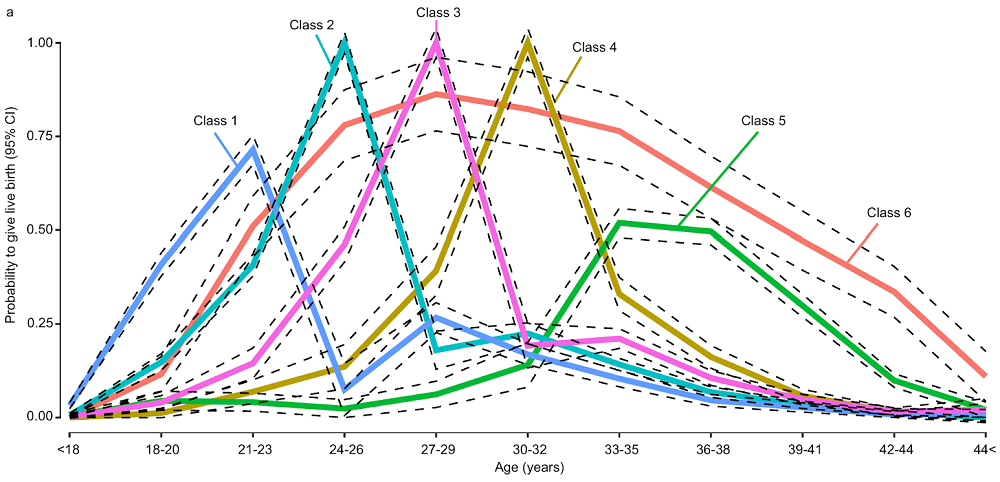
The authors of a recent study investigated the relationship between reproduction (number and timing of children), aging, and survival. An analysis of seven distinct reproductive trajectories suggested that two groups, women with the most live births and childless women, showed accelerated aging and increased mortality risk [1].

To maintain the body or to reproduce?

“From an evolutionary biology perspective, organisms have limited resources such as time and energy. When a large amount of energy is invested in reproduction, it is taken away from bodily maintenance and repair mechanisms, which could reduce lifespan.” This idea from evolutionary biology, explained by the doctoral researcher Mikaela Hukkanen, who conducted the study, has been under investigation for many years.

Previous studies investigating this theory often focused on a single variable in female reproduction: the number of children. However, childbearing is much more complex than that. Some women have their first child as teenagers, while others wait until their late 30s or even 40s. Some do not have children at all, while others might have ten or more. This study recognized these facts and investigated childbearing’s impact on aging in a more complex way.

The researchers used data on the timing and number of childbearing events from almost 15,000 women born between the 1880’s and the mid-20th century. This data comes from the Finnish Twin Cohort, a population-based study that also included data on socioeconomic background and lifestyle-related factors. The researchers used advanced modeling techniques to group women based on their childbearing history, and these models suggested seven distinct trajectories (including childlessness).

Classes of Childbearing Women  

The biggest risks are at the extremes

After adjusting for different living standards in different time periods, the researchers found distinctions between each class’s survival rate. They observed the greatest increases in risk of death for women with many (6.8 on average) live births throughout life (Class 6) and childless women (Class 0), and these findings were consistent between different models. There was also a somewhat higher risk for women who only had a few live births early in life (Classes 1 and, to a lesser extent, 2) when compared to Class 3, which was used as a reference. The strength of this association weakened but remained significant after adjustment for known risk factors, including BMI, tobacco and alcohol use, and education.

These different childbearing trajectories were also associated with distinct epigenetic aging profiles, which better reflect the impact of childbearing on age acceleration before old age.

First, the authors used GrimAge, an epigenetic clock known for its strong predictive ability for time-to-death and its association with many age-related conditions. According to this clock and DNA methylation data from over 1,000 women, women in class 1 have the most accelerated aging compared to Classes 3, 4, and 5, which include women who gave birth in their late 20s and early 30s.

When the data was adjusted for known risk factors, childless women had more accelerated aging by 1 year compared to class 5, which consisted of females with some of the lowest numbers of children (2 children on average) but had those children rather late in life. However, the largest difference in epigenetic age acceleration (1.35 higher epigenetic aging rate) was between class 6, which consisted of females with the highest number of children, and Class 5. The latter group was epigenetically younger. Class 6 also had the highest rate of aging compared to Class 0 and Classes 2-5 when the same analysis was performed using two different epigenetic clocks.

“A person who is biologically older than their calendar age is at a higher risk of death. Our results show that life history choices leave a lasting biological imprint that can be measured long before old age,” says the study lead, Dr. Miina Ollikainen.

“In some of our analyses, having a child at a young age was also associated with biological aging. This too may relate to evolutionary theory, as natural selection may favor earlier reproduction that entails shorter overall generation times, even if it entails health-related costs associated with aging.”

The connection between early motherhood, the pace of aging, and survival can also be driven by limited access to healthcare and resources and a generally worse socioeconomic situation, all of which lead to higher physical, emotional, and economic stress loads in young mothers; however, this study didn’t directly investigate this.

U-shaped pattern

The researchers summarized that the patterns they observed, especially increased mortality risk and accelerated aging among childless women and those with a high number of children, are in line with previous studies that reported a U-shaped relationship between the number of children and health [2-5].

The findings regarding the high number of children might not be surprising, since childbearing requires significant resources, tilting the balance away from body maintenance towards reproduction. However, the opposite might be expected of childless women, whose resources should be devoted entirely to body maintenance, thus suggesting a longer lifespan, but the results suggest a higher mortality risk and accelerated aging in this group.

Such an observation was previously explained by pre-existing risk factors that negatively affected reproduction. Those same factors might accelerate aging and increase mortality risk in those women. However, in this study, the association between increased mortality risk and accelerated aging among childless women is significant even after adjusting for risk factors, suggesting that such pre-existing risk factors cannot fully explain the effect on lifespan and healthspan and “that childbearing history itself may have a direct effect on survival and age acceleration.” The authors suggest that childless women might suffer those higher risks and accelerated aging due to a lack of pregnancy and lactation’s protective effects on certain diseases as well as a lack of social support from children.

On average, the women who aged the slowest gave birth to 2-2.4 children and had their children when they were around 27 years old, with 24 and a half years and almost 30 years for first and last childbirth. However, differences in survival and aging profiles between different classes are rather modest, which suggests “reproductive timing and number of offspring may have a smaller impact on aging and survival than we initially expected.”

The researchers underscore that those results are based on this specific sample and are not only driven by biological parameters but also by socioeconomic and cultural effects. While they support the idea of balancing resources between offspring and body maintenance, this study can only indicate associations, not causal effects. Additionally, the researchers caution that they do not suggest any reproductive choices on the individual level, as this study focuses on population-level observations. “An individual woman should therefore not consider changing her own plans or wishes regarding children based on these findings,” said the study lead, Dr. Miina Ollikainen.

We would like to ask you a small favor. We are a non-profit foundation, and unlike some other organizations, we have no shareholders and no products to sell you. All our news and educational content is free for everyone to read, but it does mean that we rely on the help of people like you. Every contribution, no matter if it’s big or small, supports independent journalism and sustains our future.
Literature

[1] Hukkanen, M., Kankaanpää, A., Heikkinen, A., Kaprio, J., Cristofari, R., & Ollikainen, M. (2026). Epigenetic aging and lifespan reflect reproductive history in the Finnish Twin Cohort. Nature communications, 17(1), 44.

[2] Long, E., & Zhang, J. (2023). Evidence for the role of selection for reproductively advantageous alleles in human aging. Science advances, 9(49), eadh4990.

[3] Wang, X., Byars, S. G., & Stearns, S. C. (2013). Genetic links between post-reproductive lifespan and family size in Framingham. Evolution, medicine, and public health, 2013(1), 241–253.

[4] Grundy, E., & Tomassini, C. (2005). Fertility history and health in later life: a record linkage study in England and Wales. Social science & medicine (1982), 61(1), 217–228.

[5] Keenan, K., & Grundy, E. (2018). Fertility History and Physical and Mental Health Changes in European Older Adults. European journal of population = Revue europeenne de demographie, 35(3), 459–485.

Fat on liver

Study Uncovers How Obesity Drives Chronic Inflammation

Scientists have discovered that obesity causes macrophages to ramp up mitochondrial DNA production, leading to more inflammation [1].

Obesity and inflammation

Obesity is associated with multiple acute and chronic conditions, including cardiovascular disease and various metabolic disorders [2]. Increased sterile (not pathogen-induced) chronic inflammation is a major mechanism behind this wide impact [3]. A new study from the University of Texas Southwestern Medical Center, published in Science, sheds light on one peculiar inflammatory pathway triggered by obesity.

Obesity-associated sterile inflammation is largely driven by the activation of a protein complex called the NLRP3 inflammasome, primarily in macrophages. Activation of NLRP3 leads to the production of pro-inflammatory cytokines, especially IL-1β, which disrupts insulin signaling and promotes inflammation in the liver, contributing to conditions such as fatty liver (steatohepatitis), cirrhosis, and even cancer.

Why does NLRP3 get activated in the absence of pathogens? One mechanism involves mitochondrial DNA (mtDNA) sensing: when mitochondrial DNA leaks into the cytosol – especially in an oxidized form – it can act as a danger signal that strongly promotes NLRP3 activation.

mtDNA is subject to oxidative damage from reactive oxygen species (ROS). Oxidized mtDNA is a particularly strong NLRP3 trigger. More mtDNA also means more substrate that can become oxidized under mitochondrial stress.

Increased dNTP influx

The researchers wanted to know how obesity contributes to this dynamic. First, they took peripheral blood mononuclear cells (PBMCs) from lean and obese people and isolated monocytes, which were then differentiated into macrophages. Macrophages from obese individuals showed NLRP3 inflammasome hyperactivation and higher levels of mature IL-1β. Similar effects were observed in macrophages taken from mice on a high-fat diet.

Importantly, the levels of tumor necrosis factor (TNF), a central modulator of inflammation, were not elevated in cells derived from obese subjects, showing that the difference is in the specific NLRP3/IL-1β pathway rather than a broader inflammatory issue.

This hyperactivation correlated with elevated mtDNA levels in macrophages from obese subjects. These cells also produced more oxidized mtDNA following stimulation. Impeding mtDNA production or oxidized mtDNA binding to NLRP3 inhibited the obesity-linked NLRP3 hyperactivation.

Increased dNTP influx

MtDNA is produced from deoxyribonucleoside triphosphates (dNTPs). Mitochondria can obtain them via two main routes: the intramitochondrial salvage pathway and dNTPs from the cytosol. The researchers found that overproduction of mtDNA in obese subjects occurs mostly via the latter.

Since the enzyme SAMHD1 degrades excess dNTPs, preventing mitochondria from overproducing mtDNA, the researchers measured its expression and functional state. Apparently, cells from obese subjects have more phosphorylated SAMHD1, indicating inhibition of function. The researchers then prove that it’s specifically the loss of SAMHD1’s dNTP-degrading ability that causes the inflammation-related problems.

SAMHD1-deficient mice and zebrafish, as well as human macrophages, showed much higher IL-1β with NLRP3 triggers. The study reports that myeloid-specific SAMHD1 knockout mice on a high-fat diet developed insulin resistance and glucose intolerance compared with controls, despite similar body weight and composition. The animals also progressed towards steatohepatitis and fibrosis.

In their final mechanistic test, the authors asked whether excess dNTPs in the cytosol are actually feeding the inflammasome loop by being imported into mitochondria. They demonstrated that all four dNTPs accumulate when SAMHD1 is absent, consistent with the idea that mitochondria are being over-supplied. Pharmacologically blocking mitochondrial dNTP transport prevented the NLRP3 hyperactivation phenotype in SAMHD1-deficient mouse cells and in macrophages from obese human donors, supporting the idea that abnormal nucleotide influx helps drive mtDNA and oxidized mtDNA production that sensitizes NLRP3.

More energy – at a cost

In obesity, macrophages need lots of energy for jobs like phagocytosis and lysosomal cleanup. The authors suggest that SAMHD1 may be blunted to keep up with higher metabolic demands by increasing mitochondrial DNA synthesis. Instead of relying mainly on the slower, more energy-costly salvage pathway, macrophages may start importing ready-made dNTPs from the cytosol as a quicker alternative. The tradeoff is that this could also fuel NLRP3 hyperactivation, inflammation, and metabolic damage.

“It’s been known for a long time that obesity causes uncontrolled inflammation, but no one knew the mechanism behind it. Our study provides novel insights about why this inflammation occurs and how we might be able to stop it,” said Zhenyu Zhong, Ph.D., Assistant Professor of Immunology and member of the Harold C. Simmons Comprehensive Cancer Center at UT Southwestern, who co-led the study with Danhui Liu, Ph.D.

We would like to ask you a small favor. We are a non-profit foundation, and unlike some other organizations, we have no shareholders and no products to sell you. All our news and educational content is free for everyone to read, but it does mean that we rely on the help of people like you. Every contribution, no matter if it’s big or small, supports independent journalism and sustains our future.

Literature

[1] Liu, D., Zhou, C., Wang, X., Luo, Z., Xu, R., Huo, S., … & Zhong, Z. (2026). Nucleotide metabolic rewiring enables NLRP3 inflammasome hyperactivation in obesity. Science, 391(6782), eadq9006.

[2] Powell-Wiley, T. M., Poirier, P., Burke, L. E., Després, J. P., Gordon-Larsen, P., Lavie, C. J., … & American Heart Association Council on Lifestyle and Cardiometabolic Health; Council on Cardiovascular and Stroke Nursing; Council on Clinical Cardiology; Council on Epidemiology and Prevention; and Stroke Council. (2021). Obesity and cardiovascular disease: a scientific statement from the American Heart Association. Circulation, 143(21), e984-e1010.

[3] Rohm, T. V., Meier, D. T., Olefsky, J. M., & Donath, M. Y. (2022). Inflammation in obesity, diabetes, and related disorders. Immunity, 55(1), 31-55.

Blood cells

A New Look at How Blood Stem Cells Age

In Aging Cell, four Japanese researchers have recently described the aging of the hematopoietic system, which is responsible for the creation of blood.

A system that affects all the others

Aging and age-related diseases are often discussed in terms of hallmarks, such as senescence and genomic instability. However, the bodies of complex organisms, such as humans, have systems that are all affected differently by these hallmarks, and many of them have downstream consequences for the rest of the body.

These researchers note that hematopoietic aging appears to be driven by metabolic issues, epigenetic alterations, genomic instability, and inflammaging, although they contend that inflammaging may have more roots in environmental factors than intrinsic ones [1].

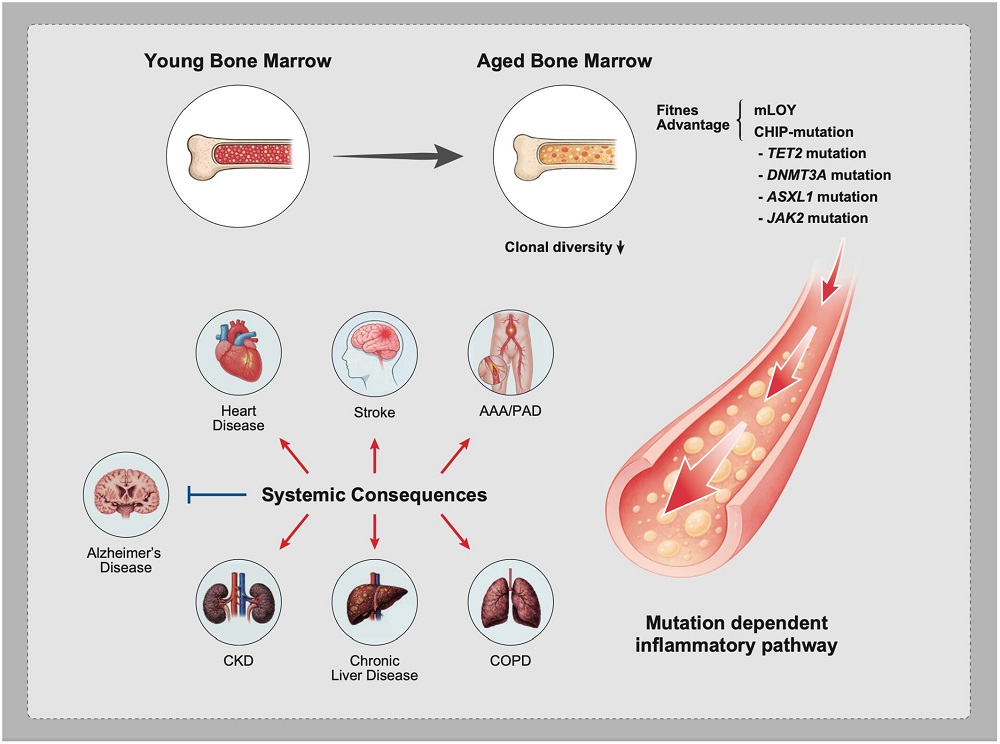
Being responsible for the creation of blood, this particular aging leads to severe consequences. One major aspect of this system’s aging is clonal hematopoiesis, which generates a steady population of mutant cells that have evolved more towards parasitism than fulfilling the body’s needs; this is directly linked to multiple age-related diseases, such as atherosclerosis [2], and as can be expected, aging of the blood system is linked to the aging of many other organs.

Bone marrow aging consequences

This review, therefore, aims to summarize the current state of knowledge about hematopoietic aging an what might be done about it.

Fundamental causes

DNA aging caused by oxidative stress has been found to be a key part of hematopoietic aging; fortunately, this appears to be potentially mitigated through antioxidants [3]. Mitochondrial dysfunction, another hallmark of aging, spurs this oxidative stress [4], and this is exacerbated by a reduction in the cellular maintenance process known as autophagy, which destroys defective mitochondria and other unwanted organelles [5].

This DNA damage is key to the beginnings of clonal hematopoiesis. Three epigenetic regulator genes, DNMT3A, TET2, and ASXL1, have been identified as conferring advantages to these mutants over more functional cells. Broader changes such as mosaic mutations can also occur, and in men, the Y chromosomes of these cells may be entirely absent with advanced age, making them more susceptible to age-related diseases [6].

The mutant cells are better adapted to survive in an inflammatory environment than regular cells are. They have less mitochondrial maintenance, but their mitochondria are more active, and they have abandoned function in favor of proliferation. While they are still technically stem cells, they behave somewhat more like cancer. Metformin has been reported to mitigate the advantages that these clones have, preventing them from excessively proliferating [7]. Other cells upregulate mitochondrial activity while still maintaining their function, and those cells have been suggested as being useful for therapies [8].

Clonal hematopoiesis survival

When the marrow promotes aging

Among the characteristics of aged bone marrow, the reviewers found that three stand out in particular: a reduction in the number of blood vessels [9], an increase in fat [10], and the depletion of osteoblasts [11], which are responsible for building bone. Not all bones suffer the same amount of this dysregulation; the femur ages rapidly, but the skull is less vulnerable, and its bone marrow remains robust throughout life [12].

Physical stresses have been reported to be a key part of these negative effects. As the extracellular matrix stiffens, the bone marrow stem cell niche is degraded [13]. Likewise, an increase in fat might be both a cause and consequence of altered hematopoiesis [14]. The contributions of inflammation in the microenvironment are unsurprising, with even short bursts of inflammation leading to long-lasting consequences [15]. This inflammation can come from multiple sources, including the gut flora [16]; while gut-related therapies have been found to work in mice [17], it is uncertain if they can work in people.

Potential therapies

Other than the potential interventions already discussed, the reviewers suggest other strategies for abating this problem. Cellular senescence is one obvious target, as senescent cells leak factors that promote systemic inflammation; however, while senolytics and senomorphics that target these cells have been found to have broad benefits, the researchers note that their effects in this particular context are unclear.

Youthful plasma transfusion appears to be effective in some contexts, such as for bone marrow stromal cells [18], although it may or may not directly affect hematopoietic decline. The reviewers suggest that therapies directly targeted at the hematopoietic niche, such as directly targeting clones, may be more effective. Future work will need to be done to determine the approaches that can halt or reverse clonal hematopoiesis and related problems.

We would like to ask you a small favor. We are a non-profit foundation, and unlike some other organizations, we have no shareholders and no products to sell you. All our news and educational content is free for everyone to read, but it does mean that we rely on the help of people like you. Every contribution, no matter if it’s big or small, supports independent journalism and sustains our future.
Literature

[1] Franck, M., Tanner, K. T., Tennyson, R. L., Daunizeau, C., Ferrucci, L., Bandinelli, S., … & Cohen, A. A. (2025). Nonuniversality of inflammaging across human populations. Nature aging, 1-10.

[2] Jaiswal, S., Natarajan, P., Silver, A. J., Gibson, C. J., Bick, A. G., Shvartz, E., … & Ebert, B. L. (2017). Clonal hematopoiesis and risk of atherosclerotic cardiovascular disease. New England Journal of Medicine, 377(2), 111-121.

[3] Yahata, T., Takanashi, T., Muguruma, Y., Ibrahim, A. A., Matsuzawa, H., Uno, T., … & Ando, K. (2011). Accumulation of oxidative DNA damage restricts the self-renewal capacity of human hematopoietic stem cells. Blood, The Journal of the American Society of Hematology, 118(11), 2941-2950.

[4] Bratic, A., & Larsson, N. G. (2013). The role of mitochondria in aging. The Journal of clinical investigation, 123(3), 951-957.

[5] Warr, M. R., Binnewies, M., Flach, J., Reynaud, D., Garg, T., Malhotra, R., … & Passegué, E. (2013). FOXO3A directs a protective autophagy program in haematopoietic stem cells. Nature, 494(7437), 323-327.

[6] Bruhn-Olszewska, B., Markljung, E., Rychlicka-Buniowska, E., Sarkisyan, D., Filipowicz, N., & Dumanski, J. P. (2025). The effects of loss of Y chromosome on male health. Nature Reviews Genetics, 26(5), 320-335.

[7] Hosseini, M., Voisin, V., Chegini, A., Varesi, A., Cathelin, S., Ayyathan, D. M., … & Chan, S. M. (2025). Metformin reduces the competitive advantage of Dnmt3a R878H HSPCs. Nature, 1-10.

[8] Totani, H., Matsumura, T., Yokomori, R., Umemoto, T., Takihara, Y., Yang, C., … & Suda, T. (2025). Mitochondria-enriched hematopoietic stem cells exhibit elevated self-renewal capabilities, thriving within the context of aged bone marrow. Nature Aging, 1-17.

[9] Stucker, S., Chen, J., Watt, F. E., & Kusumbe, A. P. (2020). Bone angiogenesis and vascular niche remodeling in stress, aging, and diseases. Frontiers in cell and developmental biology, 8, 602269.

[10] Ambrosi, T. H., Scialdone, A., Graja, A., Gohlke, S., Jank, A. M., Bocian, C., … & Schulz, T. J. (2017). Adipocyte accumulation in the bone marrow during obesity and aging impairs stem cell-based hematopoietic and bone regeneration. Cell stem cell, 20(6), 771-784.

[11] Morrison, S. J., & Scadden, D. T. (2014). The bone marrow niche for haematopoietic stem cells. Nature, 505(7483), 327-334.

[12] Koh, B. I., Mohanakrishnan, V., Jeong, H. W., Park, H., Kruse, K., Choi, Y. J., … & Adams, R. H. (2024). Adult skull bone marrow is an expanding and resilient haematopoietic reservoir. Nature, 636(8041), 172-181.

[13] Zhang, X., Cao, D., Xu, L., Xu, Y., Gao, Z., Pan, Y., … & Yue, R. (2023). Harnessing matrix stiffness to engineer a bone marrow niche for hematopoietic stem cell rejuvenation. Cell stem cell, 30(4), 378-395.

[14] Tuljapurkar, S. R., McGuire, T. R., Brusnahan, S. K., Jackson, J. D., Garvin, K. L., Kessinger, M. A., … & Sharp, J. G. (2011). Changes in human bone marrow fat content associated with changes in hematopoietic stem cell numbers and cytokine levels with aging. Journal of anatomy, 219(5), 574-581.

[15] Bogeska, R., Mikecin, A. M., Kaschutnig, P., Fawaz, M., Büchler-Schäff, M., Le, D., … & Milsom, M. D. (2022). Inflammatory exposure drives long-lived impairment of hematopoietic stem cell self-renewal activity and accelerated aging. Cell stem cell, 29(8), 1273-1284.

[16] Agarwal, P., Sampson, A., Hueneman, K., Choi, K., Jakobsen, N. A., Uible, E., … & Starczynowski, D. T. (2025). Microbial metabolite drives ageing-related clonal haematopoiesis via ALPK1. Nature, 1-11.

[17] Zeng, X., Li, X., Li, X., Wei, C., Shi, C., Hu, K., … & Qian, P. (2023). Fecal microbiota transplantation from young mice rejuvenates aged hematopoietic stem cells by suppressing inflammation. Blood, 141(14), 1691-1707.

[18] Baht, G. S., Silkstone, D., Vi, L., Nadesan, P., Amani, Y., Whetstone, H., … & Alman, B. A. (2015). Exposure to a youthful circulation rejuvenates bone repair through modulation of β-catenin. Nature communications, 6(1), 7131.

Single gene

Vast Majority of Alzheimer’s Cases Attributable to One Gene

According to a new study, as many as 90% of Alzheimer’s cases can be attributed to “suboptimal” variants of the APOE gene. These results highlight the gene’s importance for Alzheimer’s prevention [1].

Three alleles of APOE

A growing amount of research links Alzheimer’s disease to the gene APOE, which codes for apolipoprotein E [2]. This protein helps move cholesterol and other fats around the body and brain, facilitating, among other things, membrane repair and post-injury cleanup.

APOE has three common alleles: ε2, ε3, and ε4 (often written APOE2/3/4). APOE3 is the most widespread and is usually considered the “normal” one – that is, neither protective nor risk-associated. Having APOE4 substantially increases the risk of eventually getting Alzheimer’s, especially in homozygous (ε4/ε4) individuals. Conversely, APOE2 confers significant protection, but it’s also the rarest of the three. A new study from University College London, published in the journal npj Dementia, purports to show how much of Alzheimer’s burden can be directly attributed to APOE genetics.

Genetics explain the majority of cases

The study analyzes data from approximately 470,000 participants across four large cohorts: UK Biobank (UKB), FinnGen, the A4 Study, and the Alzheimer’s Disease Genetics Consortium (ADGC). It included participants aged 60 and older, focusing on those with genetic data and confirmed diagnoses.

Outcomes were assessed through clinical diagnoses, neuropathology, and amyloid-β positivity, with population attributable fractions (PAFs) calculated to quantify the burden of Alzheimer’s and dementia linked to APOE genotypes. PAF is the proportion of cases that would not occur in a population if the causal effect of the exposure were removed, assuming everything else stayed the same.

The PAF for Alzheimer’s cases attributable to APOE3 and APOE4 ranged from 71.5% in FinnGen to 92.7% in ADGC, linking a vast majority of Alzheimer’s cases to these alleles. For all-cause dementia, PAFs were 44.4% in UKB and 45.6% in FinnGen. In the A4 Study, where the outcome was amyloid-β positivity on PET scans at baseline, 85.4% of cerebral amyloidosis cases were attributable to APOE3 and APOE4.

These striking results were mostly due to choosing the most protective ε2/ε2 variant as baseline, despite it also being the rarest (0.3% to 0.6% in the study’s cohorts). This constitutes a significant departure from most previous studies, which treated APOE3 as the baseline “neutral” allele and only considered the additional risk from APOE4.

Lead author Dr. Dylan Williams said: “We have long underestimated how much the APOE gene contributes to the burden of Alzheimer’s disease. The ε4 variant of APOE is well recognized as harmful by dementia researchers, but much disease would not occur without the additional impact of the common ε3 allele, which has been typically misperceived as neutral in terms of Alzheimer’s risk.”

Some experts push back

Not all Alzheimer’s researchers appreciated this approach. “The claim that ‘most cases’ are linked to a single gene is simply an artefact of the authors’ choice to use the rare, protective ε2/ ε2 genotype as their baseline, effectively labelling approximately 95% of the population (who have ε3 or ε4 alleles) as being ‘at genetic risk’,” said Anneke Lucassen, Professor of Genomic Medicine at the University of Oxford.

Some scientists also highlighted the fact that Alzheimer’s is a multifactorial disease, where “nothing is guaranteed” and where risk can be substantially reduced by lifestyle interventions such as diet, exercise, and sleep [3].

“While these findings offer a better understanding of the role of genetics, it is important to remember that having a high-risk form of the gene is not a certain diagnosis,” said Dr. Richard Oakley, Associate Director of Research and Innovation at Alzheimer’s Society: “Alzheimer’s remains a complex condition influenced by a mix of people’s backgrounds, genetics, and lifestyle. As we continue to further our understanding of risks and causes, we must not lose sight of the risk factors that remain within our control.”

A paradigm shift

The authors’ choice to treat the most protective genetic variant as baseline is a sign of a paradigm shift worth dwelling on. Conventional medicine tends to equate “normal” with “good enough” – something that does not warrant investigation or intervention. This study, on the other hand, considers the entire range of effects of various APOE genotypes on Alzheimer’s risk, demonstrating an approach that can be described as “suboptimal is pathological” as opposed to “abnormal is pathological.”

This echoes the geroscience postulate that aging is a pathological process in its entirety. Armed with the latest tech, including rapidly advancing gene editing techniques, medicine should aim at the biggest possible prize rather than confine itself to treating deviations from the norm.

“There has been major progress in recent years in gene editing and other forms of gene therapy to target genetic risk factors directly,” said Williams, “Moreover, genetic risk also points us towards parts of our physiology that we could target with more conventional drugs. Intervening on the APOE gene specifically, or the molecular pathway between the gene and the disease, could have great, and probably under-appreciated, potential for preventing or treating a large majority of Alzheimer’s disease.”

That said, the study had several noteworthy limitations. The PAF estimates may be imprecise due to the rarity of ε2 homozygotes, which served as the reference group, potentially affecting confidence intervals. Additionally, most participants were of European ancestry, limiting the generalizability of findings to other ethnic groups.

We would like to ask you a small favor. We are a non-profit foundation, and unlike some other organizations, we have no shareholders and no products to sell you. All our news and educational content is free for everyone to read, but it does mean that we rely on the help of people like you. Every contribution, no matter if it’s big or small, supports independent journalism and sustains our future.

Literature

[1] Williams, D. M., Heikkinen, S., Hiltunen, M., FinnGen, Davies, N. M., & Anderson, E. L. (2026). The proportion of Alzheimer’s disease attributable to apolipoprotein E. npj Dementia, 2(1), 1.

[2] Troutwine, B. R., Hamid, L., Lysaker, C. R., Strope, T. A., & Wilkins, H. M. (2022). Apolipoprotein E and Alzheimer’s disease. Acta Pharmaceutica Sinica B, 12(2), 496-510.

[3] Livingston, G., Huntley, J., Liu, K. Y., Costafreda, S. G., Selbæk, G., Alladi, S., … & Mukadam, N. (2024). Dementia prevention, intervention, and care: 2024 report of the Lancet standing Commission. The lancet, 404(10452), 572-628.

Megaphone

Longevity Advocacy in 2025: The Expert Roundup

The last installment in our end-of-year series of expert roundups might be the least flashy, but it is arguably no less important than the previous ones dedicated to longevity biotech and geroscience.

Public advocacy is a powerful lever. To quote Abraham Lincoln: “Public sentiment is everything. With it, nothing can fail; against it, nothing can succeed.”

Wide public support could turn longevity into the next global moonshot project, with governments dedicating immense resources and creating a favorable regulatory climate, while the public pushes for faster change. Currently, we are far from this point, but the tide might be turning.

We asked six prominent figures in longevity advocacy to share their thoughts on the movement’s ups and downs in 2025 and its prospects going into 2026.

What successes and failures did longevity advocacy have in 2025, and how did they change your long-term outlook on its prospects?

Andrew Steele, author of Ageless, longevity scientist and advocate

I think 2025 continues a trend we’ve seen over the last few years which is both good and bad: the word ‘longevity’ has become increasingly visible, and concepts like biological age are being discussed more both on social media and in traditional newspapers, magazines, and so on. The good news is that the idea of measuring and even slowing biological aging is catching on. The bad news for longevity science is that it’s mostly a repackaging of well-worn lifestyle advice – sleep well, get some exercise, eat whatever diet the newly pivoted ‘longevity’ influencer was promoting before, and so on – and doesn’t touch on the idea of medical interventions to slow aging, which is where the real prize is.

Melissa King and Bernard Siegel, co-founders of the Healthspan Action Coalition (HSAC)

2025 marked longevity’s shift from marginal science to mainstream policy concern. States tested the boundaries of access and regulation. Montana expanded “Right to Try” beyond terminal illness, and Florida legislation increased access to unapproved stem cell therapies, but both demand scrutiny for patient safety and efficacy.

The THRIVE Act (Therapeutic Healthspan Research, Innovation, and Validation Enhancement Act), proposed U.S. legislation, was spearheaded by the Kitalys Institute and HSAC to create a new FDA regulatory pathway for healthspan-extending products, incentivizing treatments that improve the years lived in good health rather than just extending lifespan. This act aims to overcome current barriers by offering incentives like market exclusivity for therapies targeting aging-related diseases, making healthy longevity a national health priority.

Washington has, in Lifespan.io’s words, “arguably the most pro-longevity administration in history,” through key appointments, while pharma committed billions to longevity programs. However, proposed budget cuts for NIH and NSF budget cuts threaten critical basic research. Broad institutional and patient advocacy coalitions likely will prevail keeping the budgets close to being fully funded. More problematic is a loss of expertise and experience in Institute leadership.

Commercialization setbacks, including Unity Biotechnology’s shutdown and Calico partnership dissolution, exposed the field’s uncertainty. Meanwhile, premature clinic proliferation, inconsistent biomarker validation, and high-cost interventions risked eroding public trust and deepening equity gaps.

Our outlook is optimistic. Political recognition creates unprecedented regulatory opportunities, but funding crises and credibility risks could close this window quickly. The field must prioritize rigorous evidence, standardized protocols, and equitable access, or risk squandering a historic moment. The infrastructure we build now determines whether longevity becomes a transformative public health policy or boutique medicine for elites.

Dylan Livingston, founder and CEO of the Alliance for Longevity Initiatives (A4LI)

2025 felt like a turning point. The biggest signal to me was getting someone like Jim O’Neill [O’Neill is a former CEO of SENS Research Foundation] into the Deputy Secretary of HHS role; that’s a level of institutional leverage the field hasn’t had before.

Some people expected overnight change, and that was the main “failure” of our industry in 2025: unrealistic timelines and impatience. Biotech and policy compound slowly, then quickly. My long-term outlook is more bullish, not because everything changed instantly, but because the right levers are now closer to being pulled – and once one major barrier moves, a lot of other things can move behind it. I also think Jim’s appointment set a precedent by making it easier for future administrations to bring longevity-literate leaders into senior roles and treat this as a serious policy priority.

Adam Gries, co-founder of the Vitalism Society

2025 marked a shift from aspiration to law. States led the charge: New Hampshire’s HB 701 substantially expands right-to-try for terminal patients; Montana’s SB 535 created a licensed framework for experimental treatment centers using post-Phase I therapies, positioning the state as a potential hub for innovation. Florida’s stem cell carve-out (effective July 1) allowed physicians to administer certain non-FDA-approved therapies under rigorous manufacturing and consent rules – controversial, but a clear signal of demand for faster translation.

Federally, Dylan Livingston and A4LI grew the bipartisan Longevity Science Caucus significantly, with Dr. Mehmet Oz headlining their fly-in and lending real political momentum.

Some gaps remain. We still lack a pathway for prevention-focused biologics, and the community hasn’t encouraged enough great scientists and innovators into government roles.

My outlook is unchanged and bullish. Advocacy is still the cheapest, highest-ROI lever for change, especially with overall longevity-positive tailwinds.

Anastasia Egorova, CEO of Open Longevity

If we measure success by public recognition, then yet again, no one outperformed Bryan Johnson. However, that is a very niche type of fame, and the jury is still out on whether it actually benefits longevity R&D – you know, the science that will actually extend our lifespans.

I know of several projects initiated in 2025 that went barely noticed, even by the longevity community itself (a couple of new books, a new documentary in the making, and so on). Let’s count them as seeds planted for the future; they have potential, even if they’re quiet.

As for advocacy’s influence on policy and funding? It’s too early to call. The year felt like one long transition period; this world moves slowly.

In summary: there were no obvious wins for advocacy in 2025, but R&D itself isn’t looking too bad. I’d say the probability of success within our lifetimes (specifically for those currently 35-55) shifted from 0.1% to… let’s say, 0.1-something-percent. It’s movement.

Which event from 2025 – in politics, policy, public opinion, media, or popular culture – do you consider the most influential for longevity advocacy, and why? You’re welcome to name a runner-up.

Andrew Steele

I think, frustratingly, that the biggest longevity story of 2025 was the exchange between Chinese and Russian presidents Xi Jinping and Vladimir Putin in September, where they were caught on mic discussing living to 150 through repeat organ transplantation. This was heavily covered by global media and played into multiple negative stereotypes about longevity science: that it will mean dictators can hold onto power for longer, that the medicines will only be available to the rich, and so on. This is another reason longevity science needs a stronger voice in popular culture; none of the coverage I saw pushed back on these stereotypes, and it would be great if the positive sides of longevity got an airing too after an event like this.

Melissa King and Bernard Siegel

For HSAC, the core takeaway is not technological acceleration but governance. 2025 is the year that longevity entered the public policy arena but before it earned durable public legitimacy. Longevity is no longer just a scientific or commercial conversation. It is now a question of public responsibility. Who gets access, under what standards of evidence, and with what protections against harm and inequity are all questions that must be answered.

Our role is to help ensure that this transition strengthens public trust and does not undermine or seek to abuse it. The field advanced, and continues to advance, faster than its regulatory, ethical, and equity frameworks. Without coordinated action, early policy wins risk being interpreted, and even implemented, as deregulation rather than public health progress.

Dylan Livingston

Since I already mentioned Jim, I’ll be a shameless self-promoter and say A4LI’s Montana Right-to-Try bill. It put longevity on the map in a really meaningful way. We’ve never had longevity legislation written about in the Wall Street Journal and other major outlets, and that matters because it shows two things at once: first, the industry is making real progress, and second, the mainstream is starting to take longevity seriously.

Runner-up: the continued acceleration of the science and the companies behind it – more trials moving forward, more funding, and more real momentum.

Adam Gries

Hands down, the most influential was the appointment of key longevity-friendly leaders: Jim O’Neill as Deputy HHS (a longtime advocate who ran SENS Research Foundation), Dr. Oz at CMS, Marty Makary at FDA, and Alicia Jackson at ARPA-H.

All have publicly framed aging as malleable and are positive towards longevity science. This makes the current administration the most pro-longevity in U.S. history. The respective roles oversee NIH funding, FDA approvals, Medicare/Medicaid policy, and high-risk research, directly impacting translation of aging biology into therapies.

Collectively, these shifts move longevity to the mainstream of public priority.

Anastasia Egorova

Like most other causes, longevity advocacy is at the mercy of macro-politics. We have a new administration in the country responsible for the bulk of longevity R&D, and we have wars burning through resources and distracting the public. Worse, these conflicts harden the collective psyche, making people even more prone to justifying death. The value of human life, economic stability, global optimism – all of these affect our field. The problem is we still don’t have good metrics for this influence and public attitudes towards longevity in general.

On the media front, MIT Technology Review ran two bold ethics-related articles on a topic that was tabooed until recently: “Spare” living human bodies might provide us with organs for transplantation” and “Ethically sourced “spare” human bodies could revolutionize medicine.” Then we had that viral clip of Putin and Xi discussing immortality and organ transplantation. That is certainly publicity, but did it actually help the science of organ replacement? Again, we don’t have a way to measure it.

AI might help with both the activism and measuring its effects. We just need more actual human talent in longevity advocacy.

Thinking back to what you believed about the state of longevity advocacy on January 1, 2025: did anything in 2025 genuinely surprise you or make you update your priors?

Andrew Steele

I think the most surprising thing was when my dentist asked me about my appearance in Don’t Die, the Bryan Johnson documentary that came out on January 1, 2025! I live in Berlin, so that means I’m a step further removed from English-language longevity content, but apparently the message is getting through. To me, it was another sign of how fast the concept of longevity has moved in the last year and another example of the public receiving the message in a form that doesn’t always do longevity science favors.

Melissa King and Bernard Siegel

HSAC anticipated that longevity advocacy would advance through scientific validation first, then cultural acceptance, followed by policy change. We expected public institutions to wait for consensus on biomarkers, endpoints, and interventions before committing resources or political capital.

It surprised us how quickly policy moved, often ahead of scientific consensus. State-level Right-to-Try expansions and early federal proposals revealed political appetite for action, but not always for the guardrails needed to ensure safety, efficacy, and equity.

This updated our prior belief that policy would be guided by science. Instead, we saw policy move first, shaping the field for better or worse. Advocacy therefore cannot wait for scientific closure. Without early engagement, longevity risks being defined through deregulation rather than responsible governance.

We were struck by the fragility of public support for research. Proposed cuts to NIH, including the NIA, exposed a disconnect between growing interest in longevity and sustained investment in the science required to legitimize it, even as ARPA-H directed a significant share of its smaller budget toward longevity.

Most unexpectedly, credibility emerged as the field’s most immediate risk. Premature commercialization, inconsistent biomarker claims, and rapid clinic proliferation threatened public trust, while high-cost interventions increased, rather than decreasing, equity concerns.

Dylan Livingston

Not really. If you’ve tracked the field for years, you know the trajectory has been building. Biotech takes time, and a lot of the organizations and companies launched in the late 2010s and early 2020s are now reaching stages where tangible things start happening.

To a non-insider, the pace of clinical updates, funding, and legislation can look surprising, but I expected the tempo to increase around now. If you zoom out (Kurzweil-style timelines and all), this is roughly the window that many people have pointed to as the start of more visible acceleration toward longevity.

Adam Gries

The diversity and speed of state-level regulatory strategies. Bills like Montana’s SB 535, New Hampshire’s HB 701, and Florida’s stem cell expansions showed states willing to innovate, creating platforms for accelerated innovation and delivery of potential longevity therapies.

The key goal, which affects longevity therapies alongside all therapies is: how can we get therapies to humans faster and more cheaply without sacrificing safety.

While longevity advocacy remains highly underfunded, these outcomes prove targeted effort can yield outsized results. It updated my priors upward on how quickly regulatory momentum can build bottom-up when the science is compelling, and public interest in healthier aging grows.

Anastasia Egorova

[After some deliberation, Anastasia decided not to respond to this question.]

What are your expectations for 2026 in terms of opportunities and risks for longevity advocacy?

Andrew Steele

As a field, we need to work harder to own the narrative and reclaim the word ‘longevity’ for real longevity science. That’s why in 2025 I co-founded The Longevity Initiative with lawyer and longevity advocate Kamen Shoylev. We want to bring real longevity research to policymakers, scientists, doctors and the public, and be a part of recapturing ‘longevity’ for real lifespan- and healthspan-extending research. We’re starting out in the UK and Europe, not least because there are already excellent organizations like the Lifespan Research Institute with more of a US focus, and we look forward to working together to spread this vitally important message in 2026.

Melissa King and Bernard Siegel

We believe that healthspan should be declared a fundamental human right. In 2026, this global advocacy campaign will begin in earnest. Promotion of this lofty goal will unify stakeholders, galvanize public discourse, and bring healthy longevity, and the benefits of converging technologies, to all populations.

2026 will be a year of institutionalization. Longevity advocacy has an opening to move from pilot policies and exploratory legislation into more durable structures, including regulatory pathways, public-sector research commitments, and early reimbursement conversations.

The federal interest in healthspan, combined with continued pharmaceutical and biotech investment, creates a rare chance to align innovation with public health goals. For advocates, this is the moment to shape standards for evidentiary thresholds, biomarker validation, post-market surveillance, and equity safeguards. 2026 can be the year we start anchoring longevity within mainstream health policy rather than exceptional access frameworks.

The primary risk is overreach. If access expands faster than evidence, or if credibility erodes through premature commercialization and uneven clinical practices, public trust could collapse. Funding instability, especially at the US federal level, remains a structural threat. Equity risks will also intensify as high-cost interventions reach the market without clear pathways for broad access.

2026 will reward disciplined advocacy. Progress will depend less on breakthrough science than on whether the field proves it can govern itself responsibly in the public interest. If all goes well, the world will be changed for the better.

Dylan Livingston

More of the same, in the best way: more readouts, more new companies, more funding, and more foundational science translating into programs people can actually point to. The risk is PR and narrative warfare. As we get closer to real-world access and real-world policy, opposition gets louder and more creative. Our polling showed that when you explain longevity in plain language, people are broadly supportive. But the SB 535 testimony showed the other side of the coin: if you don’t control the framing, a loud minority can hijack the narrative, strip out the context, and replace it with misinformation.

In 2026, that means advocates need to fight on messaging as hard as we fight on policy – tight talking points, fast response, and repeatable, values-based framing that ties longevity to what people already want: more healthy years, more independence, less disease, and more dignity as we age.

Adam Gries

We need to encourage great talent to join the public sector, especially at NIH, FDA, CMS, and ARPA-H. States will keep innovating on regulation. We’ll see more proof-of-concept in accelerated translation, real-world data collection, and treatments. Also, growing the Longevity Caucus and securing more legislative support will build lasting momentum.

Risks include failing to attract top talent or pushing poorly scoped initiatives without considering the full set of stakeholder incentives. Progress could also be slowed if longevity gets politicized instead of staying bipartisan. With the right thoughtfulness and focus, we have a rare window to see rapid acceleration of meaningful aging science.

Anastasia Egorova

The biggest risk for longevity advocacy is irrelevance. In fact, this is, sadly, our starting point: we ARE currently mostly irrelevant. Compared to mainstream politics or entertainment, we barely register.

But therein lies some good news, too. If you have ideas and an appetite for longevity advocacy, the bar is low. Think about it: your biggest competition is a guy swapping plasma with his son. I have the utmost respect for Bryan and his team; it just shows that the field is wide open. So, be bold. Do whatever you want. Connect with others. Launch projects. Break boundaries.

We would like to ask you a small favor. We are a non-profit foundation, and unlike some other organizations, we have no shareholders and no products to sell you. All our news and educational content is free for everyone to read, but it does mean that we rely on the help of people like you. Every contribution, no matter if it’s big or small, supports independent journalism and sustains our future.
Women discussing options

The Geroprotective Potential of Hormone Replacement Therapy

A recent review of literature investigated the risks and benefits of hormone replacement therapy. The authors point out that this approach could be used as a geroprotector to extend the healthspan of women. However, the risk-benefit ratio should be individually evaluated. [1]

Sex-specific aging trajectories

Female and male aging trajectories differ, and one contributor is sex-specific hormones and reproductive organ aging. We have discussed this in detail in two pieces dedicated to female reproductive aging and menopause, but in brief, the decline in female reproduction, specifically the decrease in estrogen and progesterone production, occurs relatively early in life, accelerating many aging processes.

The roles of estrogens and progesterone are not limited to reproductive organs; they affect the whole body’s health. Therefore, their withdrawal leads to numerous disturbances and negative consequences, such as a higher risk of osteoporosis, sarcopenia, cardiovascular disease, metabolic syndrome, and cognitive impairment along with many unpleasant everyday symptoms such as hot flashes and sleep disturbances [2].

More than managing symptoms

To remedy the loss of hormones associated with menopausal transition and address associated symptoms, women might be prescribed hormone replacement therapy. Currently, clinical practice uses this treatment for symptomatic menopausal patients. However, the authors of this review present evidence that it could be used as a “continued proactive geroprotective strategy in healthy, mid-life women, independent of ongoing symptom status.” In this light, hormone replacement therapy can be used as an intervention to slow or reverse biological aging processes.

This is supported by the molecular roles of estrogen and progesterone, which affect different “hallmarks of aging,” suggesting that hormone replacement can help mitigate the negative impact of estrogen and progesterone withdrawal on those hallmarks.

Estrogen has been described to have geroprotective effects across the 12 hallmarks of aging. Broadly speaking, estrogen was shown to “enhance genomic stability, support telomere maintenance, modulate epigenetic patterns, and promote mitochondrial efficiency, preserve proteostasis, suppress chronic inflammation, and maintain intercellular communication and extracellular matrix integrity.” Progesterone also has ben shown to have many positive effects on cellular processes, including “modulating autophagy, maintaining general hormonal and immune balance, and supporting tissue regeneration and stem cell homeostasis.” Therefore, they can work in concert to preserve health.

Ovarian aging effects

Weighing risks and benefits

Going beyond first-order molecular interactions, hormone replacement therapy has also been shown to have geroprotective effects on many systems, including improving cardiovascular health by reducing progression of atherosclerosis and coronary events [3]; reducing postmenopausal osteoporosis by reducing vertebral and hip fractures by around 34% [4]; improving sleep quality; improving different metrics of memory and visuospatial skills [5]; and improving metabolic health by counteracting various aging-related metabolic changes, such as increased adiposity and insulin resistance [6]. It was also reported to improve sexual function and improve overall quality of life [7].

Those reported beneficial effects suggest that there is a need to change current clinical guidance and include women who do not experience menopause-related symptoms as potential candidates for hormone replacement therapy.

That said, the authors recognize that this approach has been associated with some adverse effects. For example, it was shown to increase the risk of venous thromboembolism (VTE), especially when taken as oral estrogen preparations. The risk of stroke and coronary events can also increase if hormone replacement is initiated more than 10 years after menopause [8].

Timing appears to be a crucial factor here, and its importance is underscored by a recent subgroup analysis of the Women’s Health Initiative (WHI) data and findings from the ELITE trial, which suggest that initiating hormone replacement therapy within 10 years of menopause or before age 60 decreases its risks and may lead to greater cardiovascular benefits [9].

The route of administration is also essential. Studies have found that transdermal estrogen formulations and micronized progesterone are safer when it comes to VTE, stroke, breast cancer, and metabolic effects [10, 11].

There are also other factors that are important in personalizing such a therapy, including whether the patient had a hysterectomy or still has a uterus; in the former case, estrogen-only therapy is better, and in the latter, combined estrogen/progesterone is recommended [12], with micronized progesterone appearing to be a safer option in general.

Personalizing the approach

The authors propose dividing women into three groups based on risk-benefit ratio:

  • The low-risk group consists of women who can be considered for early hormone replacement therapy. Women in this group are below the age of 60, have experienced less than 10 years since menopause, have a BMI lower than 30, no cardiovascular diseases, and do not smoke.
  • The intermediate-risk group consists of women who may be considered for a personalized approach and should be monitored during use. They might have mild metabolic syndrome, a family history of cardiovascular diseases, or a history of smoking.
  • The high-risk group should avoid hormone replacement therapy. Those are patients with prior VTE, stroke, active malignancies, or uncontrolled cardiovascular diseases.

However, this general framework could be further personalized by evaluating aging-related biomarkers. The authors propose including epigenetic clocks, inflammatory biomarkers since chronic low-grade inflammation frequently increases during the menopausal transition, metabolic markers, cardiovascular aging metrics, bone turnover biomarkers, neurocognitive and sleep biomarkers, and ovarian aging markers. While those biomarkers can provide a lot of information, they also have limitations. It is also recommended to integrate information from multiple biomarkers rather than relying on a single one.

The authors also suggest conducting larger future trials to continue evaluating different trajectories and personalized approaches, as well as the possibility of combining hormone replacement with other geroprotective therapies.

We would like to ask you a small favor. We are a non-profit foundation, and unlike some other organizations, we have no shareholders and no products to sell you. All our news and educational content is free for everyone to read, but it does mean that we rely on the help of people like you. Every contribution, no matter if it’s big or small, supports independent journalism and sustains our future.
Literature

[1] Rabinovici, J., Oonk, H. P., Huang, Z., Mirando, T., Zhou, M., Strauss, T., Olari, L. R., Wilczok, D., Maier, A. B., & Bischof, E. (2025). Perimenopausal Hormone Replacement Treatments as a Geroprotective Approach – Adapting Clinical Guidance. Aging and disease, 10.14336/AD.2025.1391. Advance online publication.

[2] Dong, L., Teh, D. B. L., Kennedy, B. K., & Huang, Z. (2023). Unraveling female reproductive senescence to enhance healthy longevity. Cell research, 33(1), 11–29.

[3] Hodis, H. N., & Mack, W. J. (2014). Hormone replacement therapy and the association with coronary heart disease and overall mortality: clinical application of the timing hypothesis. The Journal of steroid biochemistry and molecular biology, 142, 68–75.

[4] Mosekilde, L., Beck-Nielsen, H., Sørensen, O. H., Nielsen, S. P., Charles, P., Vestergaard, P., Hermann, A. P., Gram, J., Hansen, T. B., Abrahamsen, B., Ebbesen, E. N., Stilgren, L., Jensen, L. B., Brot, C., Hansen, B., Tofteng, C. L., Eiken, P., & Kolthoff, N. (2000). Hormonal replacement therapy reduces forearm fracture incidence in recent postmenopausal women – results of the Danish Osteoporosis Prevention Study. Maturitas, 36(3), 181–193.

[5] Santoro N. (2025). Understanding the menopause journey. Climacteric : the journal of the International Menopause Society, 28(4), 384–388.

[6] Nejat, E. J., Polotsky, A. J., & Pal, L. (2010). Predictors of chronic disease at midlife and beyond–the health risks of obesity. Maturitas, 65(2), 106–111.

[7] Portman, D. J., Gass, M. L., & Vulvovaginal Atrophy Terminology Consensus Conference Panel (2014). Genitourinary syndrome of menopause: new terminology for vulvovaginal atrophy from the International Society for the Study of Women’s Sexual Health and the North American Menopause Society. Menopause (New York, N.Y.), 21(10), 1063–1068.

[8] Canonico, M., Plu-Bureau, G., Lowe, G. D., & Scarabin, P. Y. (2008). Hormone replacement therapy and risk of venous thromboembolism in postmenopausal women: systematic review and meta-analysis. BMJ (Clinical research ed.), 336(7655), 1227–1231.

[9] Hodis, H. N., Mack, W. J., Henderson, V. W., Shoupe, D., Budoff, M. J., Hwang-Levine, J., Li, Y., Feng, M., Dustin, L., Kono, N., Stanczyk, F. Z., Selzer, R. H., Azen, S. P., & ELITE Research Group (2016). Vascular Effects of Early versus Late Postmenopausal Treatment with Estradiol. The New England journal of medicine, 374(13), 1221–1231.

[10] Scarabin, P. Y., Oger, E., Plu-Bureau, G., & EStrogen and THromboEmbolism Risk Study Group (2003). Differential association of oral and transdermal oestrogen-replacement therapy with venous thromboembolism risk. Lancet (London, England), 362(9382), 428–432.

[11] Fournier, A., Berrino, F., Riboli, E., Avenel, V., & Clavel-Chapelon, F. (2005). Breast cancer risk in relation to different types of hormone replacement therapy in the E3N-EPIC cohort. International journal of cancer, 114(3), 448–454.

[12] Academic Committee of the Korean Society of Menopause, Lee, S. R., Cho, M. K., Cho, Y. J., Chun, S., Hong, S. H., Hwang, K. R., Jeon, G. H., Joo, J. K., Kim, S. K., Lee, D. O., Lee, D. Y., Lee, E. S., Song, J. Y., Yi, K. W., Yun, B. H., Shin, J. H., Chae, H. D., & Kim, T. (2020). The 2020 Menopausal Hormone Therapy Guidelines. Journal of menopausal medicine, 26(2), 69–98.

Biological research

Geroscience in 2025: The Expert Roundup

2025 was a good year for geroscience, marked by rapid strides and critical milestones. Yet, the path wasn’t always smooth: progress in some areas lagged, research hit dead ends, and familiar bottlenecks persisted.

Against this backdrop, we asked five prominent geroscientists to share their perspectives on the highs and lows of 2025, along with their outlook for 2026. We are proud to have covered many of the breakthrough papers they highlight, and we remain committed to keeping you at the forefront of science’s most important field in the year ahead.

Where did geroscience exceed your expectations in 2025, and where did it underperform or stall? Has this changed your long-term outlook for the field’s progress?

Steve Horvath, Principal Investigator at Altos Labs

Geroscience exceeded my expectations through the rapid integration of AI and foundation-model thinking into aging biology. Large language-style models are now being adapted to molecular data, enabling representations that generalize across cohorts, species, tissues, and platforms. A striking example is CpGPT: A Foundation Model for DNA Methylation by Lucas Paulo de Lima Camillo.

CpGPT illustrates how such models can already generate improved versions of established epigenetic clocks, e.g. new versions of GrimAge that appear to outperform existing epigenetic clocks. This represents a qualitative shift: from handcrafted biomarkers to self-improving aging models. In this context, I also want to mention the paper on BioLearn by Albert Ying and Vadim Gladyshev in Nature Aging: “A unified framework for systematic curation and evaluation of aging biomarkers.”

Where the geoscience field disappointed me was in human rejuvenation trials. In particular, plasmapheresis, despite compelling animal data and strong narratives. A couple of published studies largely failed to produce convincing improvements in epigenetic clocks or other molecular aging markers in humans. For example, the negative or null findings reported by Borsky et al. underscore how difficult it remains to translate systemic interventions into durable molecular rejuvenation.

George Church, Professor at Harvard Medical School & MIT

Previously neglected categories of aging-reversal targets exceeded expectations as they matured from 2024. For example, the ATPIF1 gene product (mitochondrial ATPase inhibitory protein) has renewed interest in reactive oxygen species (ROS) and led to the use of a repurposed ischemia drug. We also saw progress in engineered enzymes designed to break extracellular crosslinks, such as the glycoxidation end-product N-epsilon-(Carboxymethyl)lysine (CML).

Clinical trials for dietary supplements underperformed and were underfunded. Similarly, overfunded multi-billion-dollar startups seemed to lag behind, lapped by nimble, creative NewCos. The long-term outlook is bright as more research teams commit seriously to the multiple targets and tissues of aging (polypharmacy).

Andrea Maier, Professor in Medicine at the National University of Singapore

In 2025, geroscience exceeded expectations in the precision and scalability of biological age measurement. We finally moved from “promising biomarkers” to clinically deployable, interoperable aging phenotypes combining multi-omic clocks, digital mobility signatures, and organ-specific functional reserves. The integration of cardiovascular, immune, and musculoskeletal risk trajectories into actionable platforms is a milestone I did not think we would reach this soon; this enables precision geromedicine.

Where the field clearly underperformed was in late-stage interventional trials. The pipeline is rich, but translation slowed due to inconsistent phenotyping and regulatory uncertainty around composite aging endpoints. Several highly anticipated therapies showed safety but only modest clinical effect sizes, an expected but still sobering reminder that human aging biology is multi-dimensional.

These dynamics have not dampened my long-term optimism. If anything, 2025 reinforced that precision multimodal interventions, not single gerotherapeutics, are the path forward. We are entering the era in which geroscience becomes truly medical: measurable, monitorable, and modifiable.

Matt Kaeberlein, CEO of Optispan

One thing that impressed me in 2025 was how much traction geroscience gained outside the usual scientific circles. There’s been a clear shift in awareness among industry leaders and policymakers.

At the A4Li Summit in April, for example, Dr. Mehmet Oz, now Administrator of the Centers for Medicare & Medicaid Services, explicitly referenced geroscience and the Hallmarks of Aging in his remarks. That would have been unthinkable not long ago.

We now have a Longevity Science Caucus in the U.S. House, and similar initiatives are emerging internationally. Geroscience is increasingly part of a broader conversation about healthcare sustainability, prevention, and long-term outcomes, and that momentum is encouraging.

On the flip side, 2025 was another year where no intervention convincingly outperformed rapamycin, let alone caloric restriction, in terms of effect size on aging biology. While there has been meaningful progress translating geroscience principles into clinical practice, particularly around lifestyle-based interventions, and while a few promising candidates are moving through regulatory pipelines, I don’t see strong evidence that we’re close to large-effect interventions that can substantially slow or partially reverse aging. There’s no shortage of hype, but the data simply haven’t caught up yet. That hasn’t dampened my long-term optimism, but it has reinforced the need for rigor and innovative discovery science.

Oliver Medvedik, Chief Science Officer at Lifespan Research Institute

There wasn’t really one critical moment in 2025 in this field for me; rather, it has been the culmination of progress that I have witnessed over the years. There has been an explosion of interest in this field from students, along with biotech companies that are specifically focusing on aging that just wasn’t there 20 years ago.

This has been driven by both new discoveries, such as the identification of the role of epigenetic alterations in aging, along with new technologies such as CRISPR and cellular reprogramming factors. However, despite these advances, it is sobering to realize that we don’t have any therapeutic interventions available that significantly outperform calorie restriction when it comes to extending lifespan.

Which paper, experiment, or trial from 2025 do you consider the most influential, and why? You’re welcome to name a runner-up.

Steve Horvath

Based on both scientific impact and personal correspondence, the most influential paper of 2025 appears to be: Lei, J., et al. Senescence-resistant human mesenchymal progenitor cells counter aging in primates. Cell, 2025. This study crossed a critical boundary by demonstrating that engineered, senescence-resistant human cells can improve aging-related phenotypes in non-human primates.

The paper that most altered my personal thinking was Jayne, L. et al. A torpor-like state in mice slows blood epigenetic aging and prolongs healthspan. Nature Aging, 2025. By showing that reduced body temperature and torpor-like physiology slow epigenetic aging, this work clarified that epigenetic clocks are deeply responsive to thermometabolic states. It taught me something fundamental about what the methylome is sensing. Overall, 2025 was a landmark year for understanding the mechanisms underlying epigenetic aging, with multiple breakthrough studies substantially advancing the field.

George Church

The grand challenge of highly specific therapeutic delivery – required for lower doses and lower toxicity – saw numerous advances. For example, intravenous injection of a new AI-designed AAV vector showed 280-fold higher brain transduction and 50-fold lower liver transduction compared to the previous best in this category (AAV9).

This underlines how AI applications for protein engineering and target discovery are arguably the most impressive and rapidly improving areas of the field. Their influence is beginning to impact powerful de-aging and anti-cognitive decline strategies. The use of multiplex libraries with molecular barcodes enables an immediate path from millions of AI designs into primate testing for the cost of a single animal, skipping often-misleading in vitro and rodent phases or under-powered ‘single-design-at-a-time’ approaches.

Andrea Maier

The single most influential contribution in 2025 was ‘From geroscience to precision geromedicine’ led by Guido Kroemer. This was not just a review or a position piece; it represented a collective, cross-disciplinary manifesto from leaders across molecular biology to translational medicine. The unusually broad authorship functions as a de facto consensus about how we should now conceptualize aging: as a systemic, network-mediated process driven by “gerogenes” (aging-promoting pathways) and modulated by “gerosuppressors,” interacting dynamically with environment and behavior.

We describe a shared framework that has the power to unify previously fragmented subfields – proteostasis, immunosenescence, metabolic dysregulation, and organ cross-talk – under a clinically relevant, mechanistic paradigm. It does so not by rehashing old “hallmarks,” but by advocating for a precision geromedicine approach: identifying actionable pathways, matching interventions to individual molecular “aging signatures,” and integrating multi-omic, functional, and clinical data to inform real-world treatments. It means geroscience is no longer just a promising theory but feeds into the translational, precision-medicine discipline.

A close runner-up was Tony Wyss-Coray’s organ-specific proteomic clock study, which offered the most granular evidence to date that biological age is fundamentally organ-resolved. By quantifying distinct proteomic trajectories for brain, liver, kidney, muscle, and vasculature, the study showed that individuals do not age uniformly and that interventions will need organ-specific endpoints and timing. Clinical data were already available; now we also have biological evidence. This has immediate implications for trial design, risk stratification, and clinical implementation.

Matt Kaeberlein

It’s hard to single out one “most influential” result in a field as broad as geroscience. From a pragmatic, real-world perspective, I was particularly impressed by the LinAge2 paper from Jan Gruber’s group. It represents one of the first aging clocks that is both easy to implement and grounded in actionable, clinically validated measures, with a clear link to future mortality risk. That combination of being practical, interpretable, validated, and clinically relevant is exactly what the field needs right now.

As a runner-up, I’d point to the FDA approval of rapamycin for veterinary use under the brand name Felycin-CA1. Although the indication – heart disease in cats – is not a pure geroscience endpoint, the scientific rationale for using rapamycin in age-related cardiac decline comes directly from geroscience research in mice and dogs. This approval represents a critical regulatory milestone and may provide a template for how existing gerotherapeutics can be responsibly repurposed, particularly in companion animals.

Oliver Medvedik

Not a paper or trial necessarily, but rather the progress of organizations such as the Biomarkers of Aging Consortium in promoting the research and adoption of a variety of biomarkers of aging in determining biological age. As a runner-up, I know this is biased, but I’ll add the recent paper from the Sharma Lab, “Cell-Surface LAMP1 is a Senescence Marker in Aging and Idiopathic Pulmonary Fibrosis.” I thought it to be a well-crafted paper that identifies a potentially very useful target for senescent cells.

Thinking back to what you believed about aging biology on January 1, 2025: did any results this year genuinely surprise you or make you update your priors?

Steve Horvath

I was genuinely surprised by evidence showing that acute, high-intensity exercise can transiently reduce epigenetic age measured in saliva within 90 minutes. In professional soccer players, 90 minutes of intense match play produced measurable reductions in epigenetic age estimates, which rebounded within a day.

This finding was surprising not because exercise is beneficial but because it revealed how rapidly and reversibly the DNA methylome can respond to extreme physiological stress. It forced me to update my assumptions about temporal stability and reinforced the importance of sampling timing, tissue choice, and acute exposures when interpreting epigenetic clock data. This has consequences for geroscience clinical trial design and biomarker deployment. Arkadi Mazin wrote a very nice article about this study.

George Church

Since aging impacts most or all body tissues, the tendency to target the liver would seem to leave many holes. However, in addition to the intravenous targeting mentioned above, another ray of hope is that seemingly non-secreted (ergo cell-autonomous) therapies – like transcription factors (OSK) and RNA splicing factors (SRSF1) – can nevertheless (surprisingly) impact total body function. This is reflected in preclinical (animal) survival curves even if administered very late in life.

Such survival curves are not required (or even welcome) for FDA approval, but they are good signs that the field is getting closer to general and core aging mechanisms, not just biomarkers or one-off symptoms.

Andrea Maier

The study by Li et al “Multiomics and cellular senescence profiling of aging human skeletal muscle uncovers Maraviroc as a senotherapeutic approach for sarcopenia” builds the first senescence atlas of human skeletal muscle by applying single-nucleus multi-omics (RNA + chromatin accessibility) to over 50,000 muscle-derived nuclei from young and older donors. Aging muscle harbors widespread and highly heterogeneous senescent cells across multiple cell types (muscle stem cells, fibro-adipogenic progenitors, endothelial and smooth muscle cells), with considerable variation in transcriptomic and epigenomic senescence signatures.

They also map the senescence-associated secretory phenotype (SASP) of these cells, revealing both shared and cell type-specific SASP factors. Importantly, the study identifies drugable SASP components and demonstrates in mice that the HIV drug Maraviroc can mitigate age-associated muscle mass decline (sarcopenia), suggesting a senomorphic (SASP-modulating) therapeutic strategy. That moves senescence from a theoretical hallmark into an actionable therapeutic target in humans. Trials are needed!

Matt Kaeberlein

My thinking about aging biology has shifted based on several talks and conversations from the Global Conference on Gerophysics held at NUS this year. There seems to be a growing consensus that species’ maximum lifespan may be harder to overcome in humans than we’ve previously anticipated.

The work of Peter Fedichev and others in this area is compelling and suggests that the mechanisms underlying the maximum-lifespan barrier in humans may be fundamentally different than the mechanisms the field has been focused on for several decades, which may be more able to impact healthspan and population median lifespan in humans. It’s a reframing that doesn’t diminish the importance of geroscience, but it does sharpen our expectations and suggests, once again, the importance of a return to discovery science for this field.

Oliver Medvedik

Nothing has really surprised me, nor have any results from this year have had me update any major priors, as of yet. I still view aging as a consequence of the inability of various intrinsic cellular repair systems to keep up with the pace of damage accumulation/cellular entropy of varying sorts until homeostasis has collapsed. Species and populations of cells have evolved mechanisms that effectively solve this problem, whereas individual cells and somatic cells in tissues, for example, have not. Therein lies the rub.

What do you expect from 2026 in terms of scientific breakthroughs, clinical progress, and the regulatory or business climate for geroscience?

Steve Horvath

I expect the unexpected. We have entered a phase of accelerating convergence, where biological insight, data scale, and computational power are reinforcing one another. Datasets are becoming unprecedented in both size and depth, enabling questions that were simply inaccessible a few years ago. At the same time, AI models are becoming reusable and transferable.

Clinically, a new generation of well-powered, biomarker-informed trials is coming into view. Scientifically, this convergence is reshaping how we think about aging as a modifiable process. It has truly never been a more exciting time to work in geroscience.

George Church

I expect 2026 to see more cases of dramatic shortening in the FDA approval process, representing a general sea change. Examples include the first iPSC-derived therapy to receive FDA clearance for a Phase 3 trial (the Fertilo product from Gameto), and the sprint from disease diagnosis to FDA-approved cure in just 7 months for ‘Baby KJ’ (using kayjayguran abengcemeran, an intravenous LNP-delivered CRISPR base editor) [4].

Systems medicine and AI, along with the multiplex primate testing mentioned above, should help catalyze this trend via better initial designs for safety and efficacy. We expect better antibodies and other categories of binders to create improved agonists, antagonists, targeting mechanisms, and delivery systems.

2026 could also be a turning point for life-extending cell and organ therapies, as 2025 marked by far the longest xenotransplant (pig-to-human) survival, keeping a patient free of kidney dialysis for 271 days. The ARPA-H FRONT program (Functional Repair of Neocortical Tissue) recognizes this and seeks to catalyze progress in the most challenging and inspiring area of aging-relevant repair: specifically, the brain regions impacted by stroke and other late-onset maladies.

Andrea Maier

In 2026, I expect the field to pivot decisively from generalized gerotherapeutics to stratified, mechanism-matched, and gerodiagnostic-matched therapeutics. We will see the first trials powered on organ-specific biological age reversal – specifically muscle, immune, and vascular – and regulators will increasingly accept multi-dimensional aging outcomes when linked to validated risk reduction.

Scientifically, I anticipate breakthroughs in the safety of human in vivo cellular reprogramming, particularly regarding transient, tissue-restricted epigenetic reset strategies.

Clinically, we will see the expansion of healthy longevity medicine (academically termed precision geromedicine) into mainstream healthcare systems, as insurers recognize the value of quantifying and modifying risk for age-related diseases and functional decline decades earlier. The business environment will reward companies that integrate gerodiagnostics, gerointerventions, and longitudinal monitoring, rather than those chasing single-product silver bullets based on no evidence.

Matt Kaeberlein

I think there’s a very high likelihood that we’ll see the first FDA approval for a pure geroscience indication in companion animals. Loyal, for example, appears to be on track for conditional approval for lifespan extension in dogs, and that would be a watershed moment for the field. Success there would lower regulatory barriers and create a clearer pathway for others to follow.

Clinically, I expect continued acceleration in the integration of AI into healthspan medicine. We’ll certainly see advances in imaging analysis and predictive biomarker algorithms. What I’m most excited about, though, is the emergence of personalized healthspan agents: AI systems capable of integrating medical records, diagnostics, and wearable data to provide continuous, individualized feedback. If done well, these tools have the potential to make geroscience actionable at scale while keeping the focus on evidence rather than hype.

Oliver Medvedik

I find it impossible to have expectations when it comes to scientific breakthroughs or clinical progress. That said, I do have some rather modest expectations for the regulatory landscape in 2026 that should be attainable and, if enacted, quite possibly would lead to the largest boost in the field of geroscience to date.

Simply put, if we can identify biomarkers of aging that reliably predict biological age, and thus reliably couple that with increased risk of morbidity, then we can identify a sub-population that can be characterized as having “accelerated aging.” This would enable us to then recognize this particular group as having a true disease, as medically defined, rather than considering all of aging as a disease state, which the medical establishment is averse to do.

Having “accelerated aging” thus defined would, in my opinion, open the floodgates towards more streamlined clinical trials that encourage the development and adoption of novel classes of drugs that target the root causes of aging. Initially prescribed for people who fit the category of “accelerated aging,” i.e. having a biological age that is maybe 5-10 years older than their predicted chronological age, these classes of drugs would in turn be predicted to have efficacy in people who exhibit “normal aging” as well. This, to me, is the best way to get through the present bottleneck of translating the findings of geroscience into the clinic.

We would like to ask you a small favor. We are a non-profit foundation, and unlike some other organizations, we have no shareholders and no products to sell you. All our news and educational content is free for everyone to read, but it does mean that we rely on the help of people like you. Every contribution, no matter if it’s big or small, supports independent journalism and sustains our future.
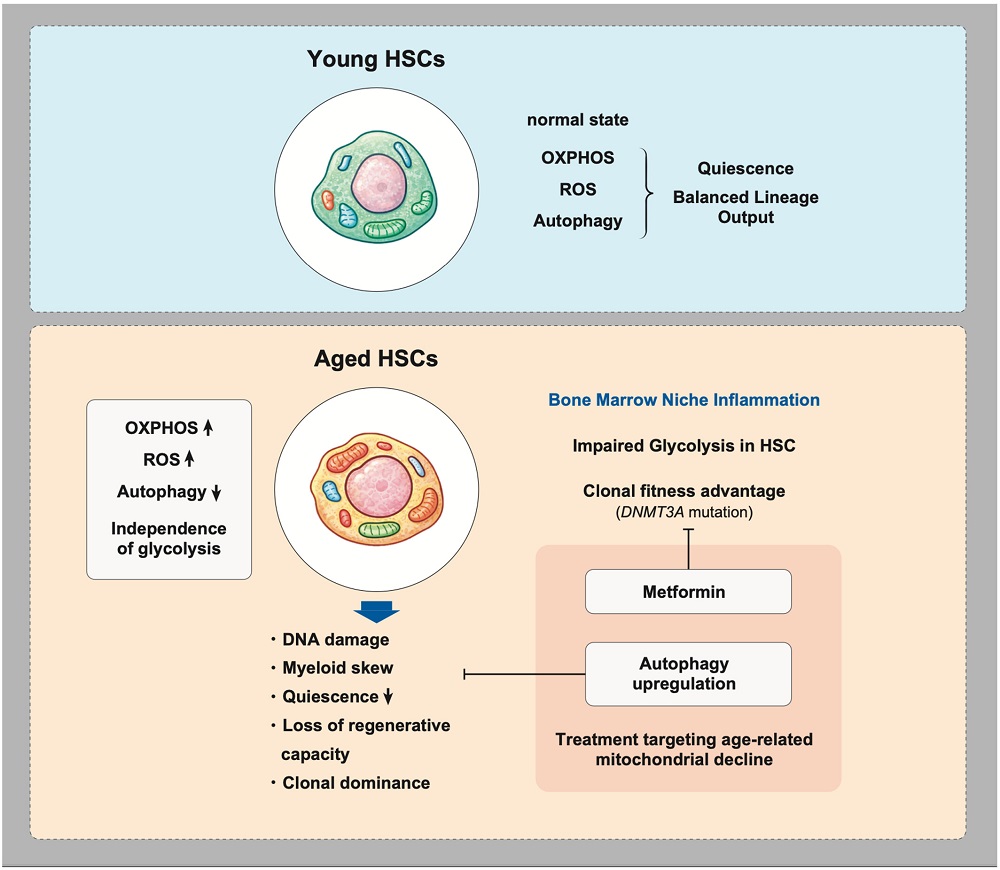
Human heart

A Protein That Exacerbates Heart Disease With Age

Researchers publishing in Aging Cell have found that Hevin, a protein found in the extracellular matrix that increases with age, leads to heart problems in older male mice.

Inflammaging contributes to heart disease

The researchers begin by outlining the mechanisms involved in inflammaging, noting how it is closely connected to various progressive problems in the heart, leading to its gradual loss of function [1, 2]. Unsurprisingly, suppressing inflammatory cytokines led to better cardiac outcomes in mice [3], and prolonging lifespan by preventing inflammaging-related heart disease has been a biotechnology goal for some time.

Macrophage behavior is a key part of this relationship. Pro-inflammatory M1-polarized macrophages are good at killing off pathogens, but they cause damage to surrounding tissues; M2-polarized macrophages reverse this process and repair tissues. Aging drives a shift from M2 to M1 behavior [4], and one of the main chemical culprits is CCL5, a ligand that impedes the polarization of macrophages towards M2 [5].

Hevin, which is found in the extracellular matrix, plays a variety of roles in disease. We have previously reported that Hevin has significant benefits against brain aging in mice, but other work has found entirely different functions, including activity against cancer by recruiting macrophages [6]; however, the recruitment is of M1 macrophages, potentially worsening diseases such as pneumonia [7] and non-alcoholic fatty liver disease [8].

Hevin is hell for older animals

Unsurprisingly, Hevin in the plasma increases with age in people, particularly in people over 60 [9]. In line with previous work finding it to be a biomarker of heart failure [10], these researchers found that it is associated with a decrease in ejection fraction.

In mice, Hevin expression does not increase in the heart; rather, it increases in fatty tissues and is then distributed throughout the body, and this increase in Hevin distribution is accompanied by a decrease in the heart’s ability to effectively pump blood. Directly introducing Hevin to 20-month-old mice did not change blood pressure nor heart rate, but it promoted cellular senescence and shortened telomeres in the heart, increased macrophage infiltration along with inflammatory cytokines in cardiac tissue, and increased fibrosis and hypertrophy while contributing to the heart weakening already seen in older mice. However, these negative effects were only seen in older animals; injecting 8-month-old mice with Hevin caused none of these problems.

Hevin effects

The researchers then used an adeno-associated virus (AAV) to knock down Hevin. Just like with introducing Hevin itself, this treatment had no effects on younger animals; however, in the 20-month-old mice, many age-related diseases were ameliorated by this treatment. Senescent cell biomarkers decreased, telomeres were lengthened, hypertrophy was diminished, and both hypertrophy and fibrosis were significantly decreased.

Inflammation plays a key role

These effects were found to be largely due to Hevin’s effects on CCL5 in particular, as it significantly promotes the expression of this ligand and CCL5 was indeed found to promote M1 macrophage polarization in the heart. Older mice that were also treated with an anti-CCL5 antibody were partially spared from the inflammatory effects of Hevin injection, and this antibody also partially reversed the associated hypertrophy and fibrosis. Blocking toll-like receptor 4 (TLR4) and its associated p65 pathway had similar effects.

This study had certain limitations. While Hevin expression has sex-related differences in people, only male mice were used in this study, and further work will have to discover its effects on females. While the researchers surmise that Hevin has an amplifying effect on existing age-related processes, precisely why it had no effects on younger animals was not thoroughly investigated.

The connection between Hevin and fat was noted, and the authors suggest that reducing adipose tissue, such as through semaglutide, may be effective against its age-related increase. This, however, remains an open question as well. As Hevin is known to have beneficial effects in other contexts, whether or not it is wise to target it directly or indirectly is still a topic that requires more detailed investigation.

We would like to ask you a small favor. We are a non-profit foundation, and unlike some other organizations, we have no shareholders and no products to sell you. All our news and educational content is free for everyone to read, but it does mean that we rely on the help of people like you. Every contribution, no matter if it’s big or small, supports independent journalism and sustains our future.

Literature

[1] Liberale, L., Badimon, L., Montecucco, F., Lüscher, T. F., Libby, P., & Camici, G. G. (2022). Inflammation, aging, and cardiovascular disease: JACC review topic of the week. Journal of the American College of Cardiology, 79(8), 837-847.

[2] Liberale, L., Montecucco, F., Tardif, J. C., Libby, P., & Camici, G. G. (2020). Inflamm-ageing: the role of inflammation in age-dependent cardiovascular disease. European heart journal, 41(31), 2974-2982.

[3] Hu, C., Zhang, X., Hu, M., Teng, T., Yuan, Y. P., Song, P., … & Tang, Q. Z. (2022). Fibronectin type III domain‐containing 5 improves aging‐related cardiac dysfunction in mice. Aging Cell, 21(3), e13556.

[4] Becker, L., Nguyen, L., Gill, J., Kulkarni, S., Pasricha, P. J., & Habtezion, A. (2018). Age-dependent shift in macrophage polarisation causes inflammation-mediated degeneration of enteric nervous system. Gut, 67(5), 827-836.

[5] Li, M., Sun, X., Zhao, J., Xia, L., Li, J., Xu, M., … & Xia, Q. (2020). CCL5 deficiency promotes liver repair by improving inflammation resolution and liver regeneration through M2 macrophage polarization. Cellular & molecular immunology, 17(7), 753-764.

[6 Zhao, S. J., Jiang, Y. Q., Xu, N. W., Li, Q., Zhang, Q., Wang, S. Y., … & Zhang, Z. G. (2018). SPARCL1 suppresses osteosarcoma metastasis and recruits macrophages by activation of canonical WNT/β-catenin signaling through stabilization of the WNT–receptor complex. Oncogene, 37(8), 1049-1061.

[7] Zhao, G., Gentile, M. E., Xue, L., Cosgriff, C. V., Weiner, A. I., Adams-Tzivelekidis, S., … & Vaughan, A. E. (2024). Vascular endothelial-derived SPARCL1 exacerbates viral pneumonia through pro-inflammatory macrophage activation. Nature Communications, 15(1), 4235.

[8] Liu, B., Xiang, L., Ji, J., Liu, W., Chen, Y., Xia, M., … & Lu, Y. (2021). Sparcl1 promotes nonalcoholic steatohepatitis progression in mice through upregulation of CCL2. The Journal of clinical investigation, 131(20).

[9] Lehallier, B., Gate, D., Schaum, N., Nanasi, T., Lee, S. E., Yousef, H., … & Wyss-Coray, T. (2019). Undulating changes in human plasma proteome profiles across the lifespan. Nature medicine, 25(12), 1843-1850.

[10] Di Salvo, T. G., Yang, K. C., Brittain, E., Absi, T., Maltais, S., & Hemnes, A. (2015). Right ventricular myocardial biomarkers in human heart failure. Journal of cardiac failure, 21(5), 398-411.

Arthritis

A Small Molecule Regenerates Cartilage in Aged Mice

By inhibiting the aging-related enzyme 15-PGDH, scientists have shifted cartilage cells towards a healthier phenotype, leading to a significant improvement in a mouse model of osteoarthritis [1].

The hard-to-repair part

Articular cartilage (the smooth, load-bearing cartilage on the ends of bones) doesn’t repair well with age or after injury [2], which is why osteoarthritis is hard to treat. This disease affects 1 in 5 adults, leading to reduced quality of life for 33 million patients in the US alone. Current treatments primarily focus on pain relief and joint replacement, with no approved therapies targeting the cartilage loss that causes osteoarthritis.

Previous research has shown that 15-hydroxyprostaglandin dehydrogenase (15-PGDH) increases with age in multiple tissues and can blunt regeneration by degrading key prostaglandins, lipid signaling molecules that influence inflammation and tissue repair. In those earlier models, which studied muscle, nerve, bone, and blood, inhibition of 15-PGDH boosted endogenous prostaglandin signaling and improved tissue repair [3].

Since osteoarthritis is fundamentally a problem of failed repair in articular cartilage, and cartilage regeneration strategies based on endogenous repair have been limited, a team led by researchers from Stanford Medicine decided to investigate the role of 15-PGDH in aged and injured cartilage. Their study was published in the journal Science.

More healthy cartilage

Using immunohistochemistry on knee joints from young (4 months) and aged (24 months) mice, the team discovered that cells expressing 15-PGDH were present in multiple joint tissues. In cartilage specifically, 15-PGDH abundance was about twice as high in aged mice. Aged knee joints had much thinner cartilage and multiple breaks in the cartilage surface.

A cohort of aged male mice was treated daily intraperitoneally with a small molecule 15-PGDH inhibitor (PGDHi) for one month. As a result, the knee joints of PGDHi-treated aged mice showed increased cartilage thickness and uniformness, almost on par with young mice.

The “extra” cartilage in treated aged mice was not fibrous and rough, as often happens after an injury heals, but bore many signs of normal cartilage, with increased expression of type II collagen (COL-2) and aggrecan (ACAN), the main structural building blocks of healthy cartilage, and of lubricin (PRG4), a surface lubricant that helps cartilage glide with low friction.

Cartilage condition PGDHi

Safranin O staining: red/orange marks proteoglycan-rich cartilage matrix (healthier cartilage); fading indicates cartilage matrix depletion.

The researchers then wanted to know whether local joint delivery is sufficient in an injury-driven osteoarthritis model. Three-month-old male mice were treated with a series of intra-articular injections of PGDHi starting one week after injury, twice a week for two weeks.

The response was similar to what the team had seen with systemic administration: improved cartilage quality, higher COL-2, and increased aggrecan/lubricin. Pain responses were also better in treated mice: PGDHi-injected mice looked closer to uninjured controls across gait and mechanical pain measures. This particular experiment is relevant to young people as well: even after a successful repair, half of the people who suffer an ACL tear develop osteoarthritis in the injured joint within about 15 years.

No stem cells involved

Tissue regeneration often involves proliferation and differentiation of stem cells, but such cells in cartilage have rarely been seen, which might be a reason why cartilage regenerates poorly. The team made an exciting discovery: the regeneration they had witnessed was mostly due to gene expression changes in existing differentiated cartilage cells rather than a result of stem cell expansion.

The researchers identified multiple chondrocyte clusters in aged cartilage and described three that shift with PGDHi. Hypertrophic chondrocytes, the type that drives cartilage ossification, showed high expression of 15-PGDH. The treatment lowered the abundance of this subtype from 8% to 3%. Another largely harmful subset, fibro-chondrocytes, shifted from 16% down to 8% in the presence of PGDHi.

Conversely, the healthy subtype that actively maintains the extracellular matrix increased in prevalence from 22% to 42%. There was no evidence of drastically increased cellular division, supporting the idea that the positive effect mostly came from the existing cells shifting their behavior.

To make their findings more relevant to humans, the researchers studied samples from 11 osteoarthritis patients undergoing knee replacement and found signs of increased 15-PGDH expression and lower prostaglandin levels. Finally, they treated human cartilage with PGDHi in vitro and saw results similar to those in mice, with increased stiffness pointing to healthy load-bearing behavior.

“This is a new way of regenerating adult tissue, and it has significant clinical promise for treating arthritis due to aging or injury,” said Helen Blau, PhD, professor of microbiology and immunology and a senior author on the study. “We were looking for stem cells, but they are clearly not involved. We are very excited about this potential breakthrough. Imagine regrowing existing cartilage and avoiding joint replacement.”

“Millions of people suffer from joint pain and swelling as they age,” added Nidhi Bhutani, PhD, associate professor of orthopedic surgery, and another senior author. “It is a huge unmet medical need. Until now, there has been no drug that directly treats the cause of cartilage loss. But this [PGDH] inhibitor causes a dramatic regeneration of cartilage beyond that reported in response to any other drug or intervention. Cartilage regeneration to such an extent in aged mice took us by surprise. The effect was remarkable.”

We would like to ask you a small favor. We are a non-profit foundation, and unlike some other organizations, we have no shareholders and no products to sell you. All our news and educational content is free for everyone to read, but it does mean that we rely on the help of people like you. Every contribution, no matter if it’s big or small, supports independent journalism and sustains our future.

Literature

[1] Singla, M., Wang, Y. X., Monti, E., Bedi, Y., Agarwal, P., Su, S., … & Bhutani, N. (2025). Inhibition of 15-hydroxy prostaglandin dehydrogenase promotes cartilage regeneration. Science, eadx6649.

[2] Hu H, et al. “Endogenous Repair and Regeneration of Injured Articular Cartilage: A Challenging Balance.” Cells. 2021.

[3] Palla, A. R., Ravichandran, M., Wang, Y. X., Alexandrova, L., Yang, A. V., Kraft, P., … & Blau, H. M. (2021). Inhibition of prostaglandin-degrading enzyme 15-PGDH rejuvenates aged muscle mass and strength. Science, 371(6528), eabc8059.

RNA

How Harmful Extracellular Vesicles Cause Brain Inflammation

In a paper published in Aging Cell, researchers have described how older cells send long interspersed nuclear element-1 (LINE-1) RNA to other cells in extracellular vesicles (EVs), spurring inflammation.

Evil EVs

In the literature, EVs are often discussed in a therapeutic context, as they can be used to send beneficial signals. However, EVs are the natural communications method of cells; their contents can consist of nearly any molecular information, not all of which is beneficial.

EVs can even pass through the blood-brain barrier (BBB), the protective layer between the brain’s vasculature and its cells, and previous work has found that this can indeed spur inflammation [1] and even Parkinson’s disease [2]. However, what these harmful EVs contain and where they come from are questions that have not been thoroughly answered.

These researchers focus on LINE-1, a series of mobile genetic elements that comprise a full sixth of the human genome and whose activation has been associated with mutation [3] and aging [4]. LINE-1 RNA is known to be reverse transcribed into DNA [5], and previous work had found that this RNA can be transmitted through EVs [6]. These researchers, therefore, sought to determine the effects of these EVs on microglial inflammation and brain aging.

LINE-1 dramatically increases with aging

First, the researchers purified and quantified the EVs derived from 185 people between 20 and 95 years old. As expected, EVs containing distinctly identifiable LINE-1 elements were far lower in younger people; 20- to 45-year-olds had roughly a third of the LINE-1 elements of 46- to 65-year-olds, who themselves had roughly a quarter of the LINE-1 elements in people over 65. There was a significant correlation between LINE-1 elements in EVs and markers of brain aging, including amyloid beta, even when adjustments were made for age and other possibly confounding factors such as heart disease and diabetes.

To find out where these harmful EVs were coming from, the researchers studied 3-month-old and 21-month-old mice. The older animals had many more EVs coming from the brain and heart, but there was no significant upregulation in the kidney and liver. In the older animals, LINE-1 elements were significantly upregulated in the brain and lung but not in other tissues.

Harmful in younger animals

The researchers then confirmed that these older EVs were harmful by administering them to 10-month-old mice. Compared to a control group, the mice that had received these EVs suffered significant cognitive impairment, including depressive behaviors, a lack of interest in novel objects, and poorer results on the Y-maze test. However, if the mice were injected with EVs derived from older animals that had been previously treated with a LINE-1 inhibitor, the harmful effects were considerably blunted.

These findings were recapitulated in an examination of the mice’s brains. Older EVs without LINE-1 had very limited harmful effects that did not always rise to the level of statistical significance, but LINE-1 EVs significantly increased markers of both microglial activation and cellular senescence, and they decreased the number of healthy neurons in the hippocampus as well.

These effects were found to be due to the well-known cGAS/STING pathway, which promotes inflammation. Its downstream effects, such as an increase in the pro-inflammatory cytokine TNF-α, were readily apparent. Alongside the LINE-1 EVs, the researchers injected the treated mice with inhibitors of either LINE-1 retrotranscription or STING. Both approaches were found to be effective; these treated animals had microglial effects and inflammation levels that were much more like the control group, compared to animals that had received LINE-1 EVs alone.

As it is extremely difficult to intercept EVs in transit, the researchers suggest investigating both LINE-1 and STING inhibition as possible treatments. However, this was only a mouse study, and much more work needs to be done to determine whether such approaches can be developed into safe therapies for human beings.

We would like to ask you a small favor. We are a non-profit foundation, and unlike some other organizations, we have no shareholders and no products to sell you. All our news and educational content is free for everyone to read, but it does mean that we rely on the help of people like you. Every contribution, no matter if it’s big or small, supports independent journalism and sustains our future.

Literature

[1] Ramos-Zaldívar, H. M., Polakovicova, I., Salas-Huenuleo, E., Corvalán, A. H., Kogan, M. J., Yefi, C. P., & Andia, M. E. (2022). Extracellular vesicles through the blood–brain barrier: a review. Fluids and Barriers of the CNS, 19(1), 60.

[2] Guo, M., Wang, J., Zhao, Y., Feng, Y., Han, S., Dong, Q., … & Tieu, K. (2020). Microglial exosomes facilitate α-synuclein transmission in Parkinson’s disease. Brain, 143(5), 1476-1497.

[3] Cordaux, R., & Batzer, M. A. (2009). The impact of retrotransposons on human genome evolution. Nature reviews genetics, 10(10), 691-703.

[4] Miller, K. N., Victorelli, S. G., Salmonowicz, H., Dasgupta, N., Liu, T., Passos, J. F., & Adams, P. D. (2021). Cytoplasmic DNA: sources, sensing, and role in aging and disease. Cell, 184(22), 5506-5526.

[5] Thawani, A., Florez Ariza, A. J., Nogales, E., & Collins, K. (2024). Template and target-site recognition by human LINE-1 in retrotransposition. Nature, 626(7997), 186-193.

[6] Kawamura, Y., Sanchez Calle, A., Yamamoto, Y., Sato, T. A., & Ochiya, T. (2019). Extracellular vesicles mediate the horizontal transfer of an active LINE-1 retrotransposon. Journal of Extracellular Vesicles, 8(1), 1643214.

Connecting neurons

Recombinant Human Protein Stops Neuronal Loss in Alzheimer’s

A recent study investigated biomarkers that can help monitor trajectories of Alzheimer’s disease-related molecular processes, such as neuronal cell death, and how patients respond to treatments. The authors reported that using biomarkers enabled them to gain insights into the molecular processes that contribute to improved cognition following human recombinant granulocyte macrophage colony-stimulating factor (GM-CSF, sargramostim) treatment [1].

Measuring the damage

Alzheimer’s disease is accompanied by neuronal loss and increased inflammation [2, 3]. However, to monitor those processes, whether for diagnostic purposes or to aid in the development of Alzheimer’s disease therapies, easy-to-measure blood biomarkers are indispensable.

The authors of this study investigated such biomarkers. They focused on three proteins: ubiquitin C-terminal hydrolase-L1 (UCH-L1) for neuronal cell loss, neurofilament light (NfL) for neuron and axon damage, and glial fibrillary acidic protein (GFAP) for astrogliosis (an abnormally high number of astrocytes in response to neuronal destruction) and inflammation.

Changes in the healthy population

The researchers assessed the levels of UCH-L1, NfL, and GFAB in 317 healthy participants aged 2 to 85. Plasma UCH-L1 and NfL concentrations grew exponentially from ages 2 to 85. However, there were some differences between the two markers. For UCH-L1, the rate of exponential increase in females is faster than in males. For NfL, the estimated change per year is greater than that of UCH-L1, and the rate of exponential increase in females is slower than in males (opposite to that of UCH-L1).

Such an exponential age-dependent increase in neuronal damage markers suggests that brain aging is a lifelong process; however, its effects are evident in older age, “as the accumulated neuronal damage overcomes neurogenesis, functional redundancy, and resiliency in some individuals but not all.”

GFAP showed a different type of relationship with age. GFAP levels remain relatively constant up to 25, and around 40, they start to rise exponentially. As with previous markers, there are sex-specific differences, with females showing higher GFAP plasma levels across all ages.

It appears that plasma biomarkers of neuronal damage, UCH-L1 and NfL, increase earlier in life than the astrogliosis marker (GFAP), suggesting that astrogliosis and inflammation are responses to age-related neuronal damage.

Alzheimer’s disease trajectories

Once the trajectories of plasma markers of neurodegeneration (UCH-L1 and NfL) and of astrogliosis and inflammation (GFAP) in healthy individuals throughout their lifespan were established, the researchers compared them with those observed in 36 people with Alzheimer’s disease and 32 patients with mild cognitive impairment.

Patients diagnosed with mild cognitive impairment or mild-to-moderate Alzheimer’s disease had higher levels of NfL and GFAP compared to healthy controls of the same age. The same was true for UCH-L1 levels in plasma from participants with mild cognitive impairment, but in patients with mild-to-moderate Alzheimer’s disease, UCH-L1 levels in plasma were comparable to those of healthy participants of the same age.

Efficacy

The biomarkers investigated in this study can provide a better understanding of the mechanisms and trajectories of brain aging and help assess the efficacy of interventions aimed at slowing brain aging and neurodegenerative diseases.

The researchers used their previous study to evaluate the usefulness of those biomarkers in testing the efficacy of Alzheimer’s disease treatment, specifically using the immune-system-modulating cytokine GM-CSF, a long-approved drug that has also been investigated in the treatment of many other neurological injuries and diseases, including age-related cognitive decline, Down syndrome, stroke, traumatic brain injury, and Parkinson’s disease [4-8].

Treatment of a mouse model of Alzheimer’s disease with GM-CSF “reverses cognitive decline and the rate of neuron death after just a few weeks of treatment,” said the study’s senior author, Professor Huntington Potter, PhD, director of the University of Colorado Alzheimer’s and Cognition Center at CU Anschutz. The benefits of GM-CSF extend beyond Alzheimer’s disease and also benefit normal brain aging, as it improves impaired cognition and reduces neuronal function in aged wild-type mice [9].

The benefits are not limited to mice. These researchers conducted a phase 2, double-blind, randomized, placebo-controlled trial of human recombinant GM-CSF (sargramostim) in people suffering from mild-to-moderate Alzheimer’s disease [10]. “This drug improved one measure of cognition and reduced a blood measure of neuron death in people with AD in a relatively short period of time in its first clinical trial,” Potter said.

However, one of the most significant improvements was observed in the plasma UCH-L1 concentrations. “When people with AD were given sargramostim in the clinical trial, their blood levels of the UCH-L1 measure of neuronal cell death dropped by 40% – in our study, this was similar to levels seen in early life,” Potter said. “We were very surprised.”

Given the high sensitivity of UCH-L1 to sargramostim/GM-CSF, this biomarker might be a good candidate for assessing the efficacy of many Alzheimer’s disease treatments, including lifestyle changes.

NfL and GFAP were not reduced. The most likely reason is the very short treatment period (only 3 weeks) and the short plasma half-life of UCH-L1 relative to NfL and GFAP.

GM-CSF Effectiveness

Understanding the mechanism

An aged rat model of Alzheimer’s disease helped to understand the mechanism behind GM-CSF treatment’s effects on caspase-3, a marker of cellular death by apoptosis. The number of caspase-3-positive cells is increased in humans and animal models with Alzheimer’s disease, and this was also evident in the aged Alzheimer’s disease rats used in this experiment, specifically in hippocampal neurons. GM-CSF treatment significantly reduced those numbers to levels comparable to those of wild-type untreated animals, suggesting that GM-CSF reduces neuronal cell death. Assessment of GFAP staining showed that GM-CSF treatment also reverses astrogliosis in some hippocampal regions of the Alzheimer’s disease rat model.

Those results suggest that the beneficial effects of GM-CSF treatment on cognition and various biomarkers are “likely due to a reduction in the number of apoptotic neurons in the brain.” The authors also add that since the GM-CSF can stimulate some of the immune cells, it can also contribute to “removal of damaged, apoptotic, and senescent neurons, thus allowing the remaining neurons to function more effectively.”

Informative biomarkers

Potter summarized, “These findings suggest that the exponentially higher levels of these markers with age, likely accelerated by neuroinflammation, may underlie the contribution of aging to cognitive decline and AD and that sargramostim treatment may halt this trajectory.”

Additionally, using those markers, the researchers can identify people with mild cognitive impairment, suggesting they may be used to predict future Alzheimer’s disease. However, variability in marker levels indicates that other players also influence the risk of developing the disease, and factors such as genetics or lifestyle can shape the trajectory of cognitive decline.

We would like to ask you a small favor. We are a non-profit foundation, and unlike some other organizations, we have no shareholders and no products to sell you. All our news and educational content is free for everyone to read, but it does mean that we rely on the help of people like you. Every contribution, no matter if it’s big or small, supports independent journalism and sustains our future.
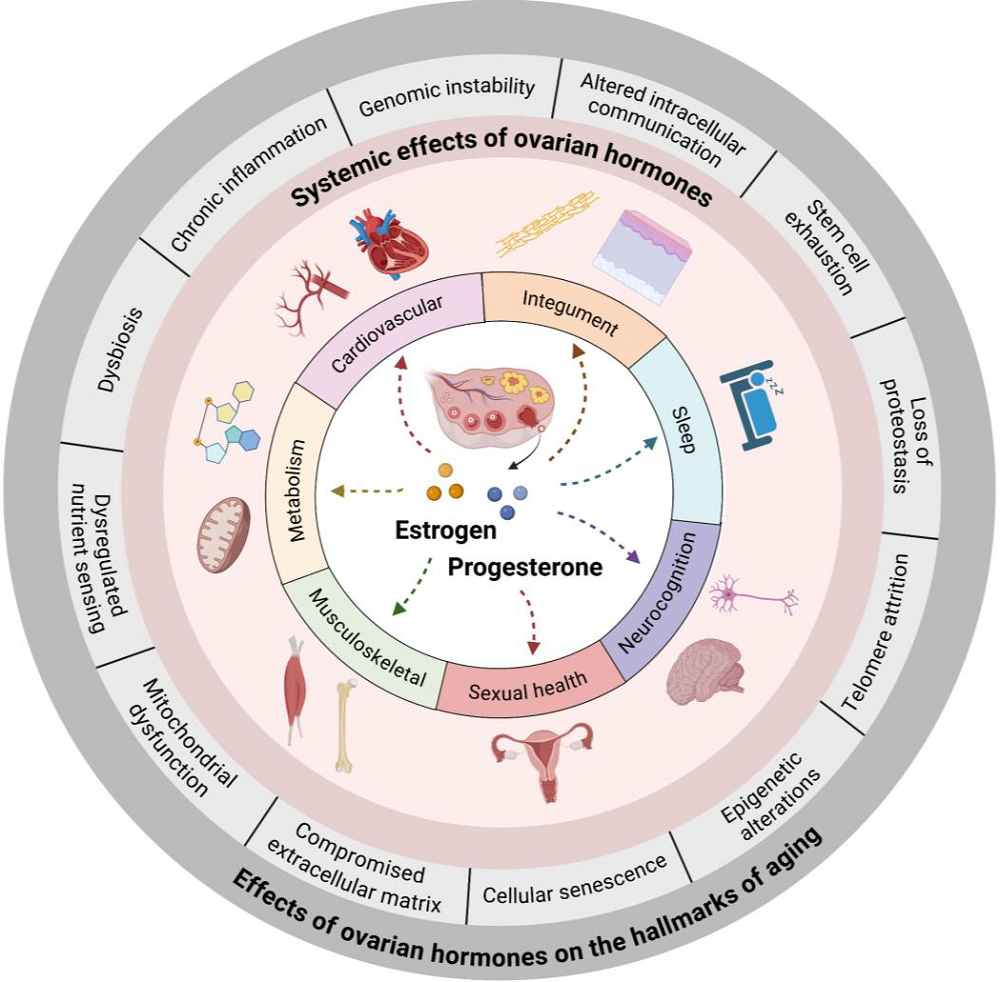
Literature

[1] Sillau, S. H., Coughlan, C., Ahmed, M. M., Nair, K., Araya, P., Galbraith, M. D., Ritchie, A., Ching-Jung Wang, A., Elos, M. T., Bettcher, B. M., Espinosa, J. M., Chial, H. J., Epperson, N., Boyd, T. D., & Potter, H. (2025). Blood measure of neuronal death is exponentially higher with age, especially in females, and halted in Alzheimer’s disease by GM-CSF treatment. Cell reports. Medicine, 102525. Advance online publication.

[2] Risacher, S. L., Anderson, W. H., Charil, A., Castelluccio, P. F., Shcherbinin, S., Saykin, A. J., Schwarz, A. J., & Alzheimer’s Disease Neuroimaging Initiative (2017). Alzheimer disease brain atrophy subtypes are associated with cognition and rate of decline. Neurology, 89(21), 2176–2186.

[3] Hyman, B. T., Van Hoesen, G. W., Damasio, A. R., & Barnes, C. L. (1984). Alzheimer’s disease: cell-specific pathology isolates the hippocampal formation. Science (New York, N.Y.), 225(4667), 1168–1170.

[4] Kim, N. K., Choi, B. H., Huang, X., Snyder, B. J., Bukhari, S., Kong, T. H., Park, H., Park, H. C., Park, S. R., & Ha, Y. (2009). Granulocyte-macrophage colony-stimulating factor promotes survival of dopaminergic neurons in the 1-methyl-4-phenyl-1,2,3,6-tetrahydropyridine-induced murine Parkinson’s disease model. The European journal of neuroscience, 29(5), 891–900.

[5] Kelso, M. L., Elliott, B. R., Haverland, N. A., Mosley, R. L., & Gendelman, H. E. (2015). Granulocyte-macrophage colony stimulating factor exerts protective and immunomodulatory effects in cortical trauma. Journal of neuroimmunology, 278, 162–173.

[6] Kong, T., Choi, J. K., Park, H., Choi, B. H., Snyder, B. J., Bukhari, S., Kim, N. K., Huang, X., Park, S. R., Park, H. C., & Ha, Y. (2009). Reduction in programmed cell death and improvement in functional outcome of transient focal cerebral ischemia after administration of granulocyte-macrophage colony-stimulating factor in rats. Laboratory investigation. Journal of neurosurgery, 111(1), 155–163.

[7] Schneider, U. C., Schilling, L., Schroeck, H., Nebe, C. T., Vajkoczy, P., & Woitzik, J. (2007). Granulocyte-macrophage colony-stimulating factor-induced vessel growth restores cerebral blood supply after bilateral carotid artery occlusion. Stroke, 38(4), 1320–1328.

[8] Olson, K. E., Abdelmoaty, M. M., Namminga, K. L., Lu, Y., Obaro, H., Santamaria, P., Mosley, R. L., & Gendelman, H. E. (2023). An open-label multiyear study of sargramostim-treated Parkinson’s disease patients examining drug safety, tolerability, and immune biomarkers from limited case numbers. Translational neurodegeneration, 12(1), 26.

[9] Boyd, T. D., Bennett, S. P., Mori, T., Governatori, N., Runfeldt, M., Norden, M., Padmanabhan, J., Neame, P., Wefes, I., Sanchez-Ramos, J., Arendash, G. W., & Potter, H. (2010). GM-CSF upregulated in rheumatoid arthritis reverses cognitive impairment and amyloidosis in Alzheimer mice. Journal of Alzheimer’s disease : JAD, 21(2), 507–518.

[10] Potter, H., Woodcock, J. H., Boyd, T. D., Coughlan, C. M., O’Shaughnessy, J. R., Borges, M. T., Thaker, A. A., Raj, B. A., Adamszuk, K., Scott, D., Adame, V., Anton, P., Chial, H. J., Gray, H., Daniels, J., Stocker, M. E., & Sillau, S. H. (2021). Safety and efficacy of sargramostim (GM-CSF) in the treatment of Alzheimer’s disease. Alzheimer’s & dementia (New York, N. Y.), 7(1), e12158.

Year 2025

Longevity Biotech in 2025: The Expert Roundup

How did the year 2025 turn out for longevity biotech? Was it surprising or more of the same? Exciting or disappointing? Was the progress fast-moving or excruciatingly slow? What should we expect in 2026? We asked five leading experts to weigh in.

Where did longevity biotech exceed your expectations in 2025, and where did it underperform or stall? Has this changed your long-term outlook for how fast the field will translate into approved therapies?

Kristen Fortney, CEO, BioAge

Longevity biotech exceeded my expectations in 2025 in how quickly it went mainstream within big pharma, largely because the GLP‑1 era made it obvious that metabolism, inflammation, and aging biology are deeply connected. Where it stalled is still clinical translation: we have many compelling preclinical mechanisms, but a comparatively thin set of rigorous human trials and hard endpoints. Approvals take time and real capital, so speed will come from anchoring aging mechanisms in tractable indications and using modern biomarkers to de‑risk early.

Mehmood Khan, CEO, Hevolution Foundation

2025 marked a real inflection point for healthspan science. We saw growing recognition from investors, policymakers, and the public that extending healthy years of life is not a niche ambition but a macroeconomic and societal imperative. At the same time, it became clear that human judgment remains essential. AI and digital tools are powerful, but they must be deployed within strong ethical, governance, and regulatory frameworks. These technologies are only as effective as the data, intent, and oversight behind them, making human wisdom and accountability non-negotiable.

Translation from discovery to clinical impact continues to be the bottleneck. Despite exciting scientific advances, moving from laboratory insights to scalable interventions is still slow. A major constraint is the absence of universally accepted biomarkers of biological aging: a shared language that researchers, industry, and regulators can trust, much like LDL cholesterol in cardiovascular disease. Overall, I remain optimistic but realistic. Progress will come from disciplined science, robust standards, and sustained collaboration rather than shortcuts.

Jamie Justice, Executive Director, XPRIZE Healthspan

Insilico Medicine brought my biggest breakthrough of the year: their AI-driven drug discovery pipeline focused on longevity targets delivered a novel target, a small molecule design for an inhibitor of Traf2- and Nck-interacting kinase (TNIK), and an accelerated testing pipeline that culminated in a successful Phase 2a clinical trial in the age-related disease idiopathic pulmonary fibrosis. This is without a doubt a huge win for biotech in general, but seeing this breakthrough launched by a biotech rooted in longevity is beyond expectation. The potential of generative AI-discovered pathways and accelerated translational testing for aging-related conditions and longevity is difficult to overstate.

[Full disclosure: Alex Zhavoronkov is a scientific advisor to XPRIZE Healthspan, but I assure you that this in no way influenced my opinion. Insilico is not a team in our competition, and I am not an advisor to Insilico; I just get to fan-girl from the arena like everyone else!]

Nathan Cheng, General Partner at Healthspan Capital, Co-Founder of Vitalism and Longevity Biotech Fellowship

Venture funding in longevity still hasn’t recovered, but that’s mostly macroeconomic; biotech broadly went through a downturn and only started bottoming out mid-year. Progress is taking longer than I expected. For investors with dry powder, it’s an opportunity for good deals and higher impact.

What exceeded expectations was Washington. I didn’t anticipate the new administration being so explicitly pro-longevity. Jim O’Neill appointed as HHS Deputy Secretary, Dr. Oz at CMS, the new NIH and FDA leadership – each is knowledgeable on longevity and/or an outright advocate. The recent MAHA summit in DC had a panel on age reversal in the brain. On the state level, multiple states recently advanced right-to-try legislation (New Hampshire, Montana). The leverage of policy is seriously underrated in this space; more attention needs to be paid here.

Karl Pfleger, Investor, Founder of AgingBiotech.info

Nothing that happened in 2025 significantly changed my long-term outlook. Things move slowly in biotech. Most of what happened in terms of clinical progress, especially late-stage clinical, was in view long before 2025. Clinical trial stages advance slowly. A highlight was Stealth Bio finally getting approval (accelerated approval in this case) for elamipretide (aka SS-31) for a rare disease (Barth) after a long road of ups and downs. This approval is notable for being the first – likely of many – significant approval of a mitochondria therapeutic. Approaches targeting mitochondria will likely have wide applicability to many aging diseases.

An unexpected stall was that the manufacturing plant producing Scholar Rock’s anti-myostatin antibody had problems with the FDA, delaying its approval despite positive Phase 3 trial data, but this should hopefully just be a temporary setback. On the funding side, ARPA-H has been great, but NIH funding cuts and attacks on universities have been unexpectedly severe. Venture funding for biotechs also remains very tight.

Which event in longevity biotech from 2025 do you consider the most influential, and why? You’re welcome to name a runner-up.

Kristen Fortney

My pick is the “FGF21 moment”: within months, GSK (Boston Pharma), Roche (89bio), and Novo Nordisk (Akero) basically bought the class, putting ~$10B of validation behind a key longevity pathway that hits metabolism, inflammation, and fibrosis. It looks very real for MASH, with potential upside beyond that based on what we know from aging biology.

Mehmood Khan

One of the most influential developments in 2025 was the growing number of aging biology programs entering mid-stage clinical trials. Several senolytic, immune modulation, and epigenetic reprogramming approaches are now moving beyond early safety studies into trials that assess functional outcomes, reflecting the progression of the field. At the same time, strategic partnerships between longevity biotech startups and major pharmaceutical and technology companies signaled that healthspan is moving from the fringe into mainstream research and development.

For me, a defining moment was the Global Healthspan Summit in Riyadh. Bringing together global leaders across science, policy, investment, and industry demonstrated that healthspan has become a top-tier global priority and showed what is possible when the world aligns around a shared ambition for healthier, longer lives.

As a runner-up, the momentum of the XPRIZE Healthspan was notable. Seeing teams advance toward measurable restoration of function, not just lifespan extension, reinforced the field’s shift toward outcomes that truly matter to people such as mobility, cognition, and independence. Hevolution’s early anchoring support reflects our belief in bold, results-driven science.

Jamie Justice

As Executive Director of XPRIZE Healthspan, I am of course most influenced by the incredible progress within our own competition. We now have over 700 teams of academic scientists, biotechs, clinics, and students from 71 countries engaged in our competition. Our judges vetted more than 200 complete applications to name the Top 100 teams and awarded the Top 40 teams. Instituting rigorous processes to vet teams and setting audacious milestones to accelerate the translation of therapeutics to trials is incredibly rewarding professionally, and influential for our global teams, investors, funders, and partnership ecosystem.

Beyond our competition, other ecosystem drivers and announcements have been influential. Of note: 1) in the US, the ARPA-H Proactive Solutions for Prolonging Resilience (PROSPR) program received well-deserved attention as a driver of progress in healthy aging and longevity; 2) large pharmaceutical companies are investing and signaling strong interest in aging and longevity. This includes new XPRIZE Healthspan sponsors GSK – announced in May 2025 – and Eli Lilly and Novo Nordisk, who were both present and vocal about interests in longevity and age-related disease pathways at the Aging Research and Drug Discovery (ARDD) event hosted in Copenhagen in August. Collectively, these announcements and investments signal a watershed moment and promise for commercial development and scientific discovery in aging and longevity. The convergence of regulatory validation (see below), clinical trial initiation, and massive capital influx suggests we’re transitioning from pure research to translational medicine.

Nathan Cheng

Jean Hébert’s FRONT program launching at ARPA-H, easily. On the surface, it’s a US government program using stem cells and tissue engineering to repair brain damage. Few understand that this is actually an opening shot on goal to solve aging in the brain, not just slow aging or target one hallmark. FRONT is a significantly funded moonshot, and it will catalyze substantial matching private investment in replacement therapies.

The replacement paradigm is gaining traction more broadly. ARDD 2025 had its first replacement workshop. YZi/Binance Labs invested in Renewal Bio (stembroids). Vadim Gladyshev is doing serious work on heterochronic organ transplantation at Harvard and spoke optimistically about this strategy for longevity. Watch this space.

Karl Pfleger

I’d say that the collective, nearly simultaneous financing rounds of the big epigenetic partial reprogramming companies Life Bio, NewLimit, and Retro Bio, together with the involvement from big pharma’s biggest company, Lilly, in at least NewLimit’s round, is the collective “biggest thing.” The size of these rounds and their valuations may not be officially public but are on the whole quotable as numbers of, or fractions of, billions; a $1.6B valuation for NewLimit is reported on some websites. The whisper numbers for Life Bio’s valuation are lower but only by a fewfold, and multiple reports suggest Retro is trying to raise at a $5B valuation, though this round does not seem to be done unlike the others. In aggregate, these are gigantic numbers and will likely influence other valuations.

Thinking back to what you believed about longevity biotech on January 1, 2025, did anything this year genuinely surprise you or make you update your priors?

Kristen Fortney

I was surprised in a good way by how quickly big pharma and the government started treating longevity biology as a core R&D strategy. Lilly and Novo pushed their GLP‑1 ambitions well beyond weight loss and embraced the “longevity” label; Novartis is building out DARe around diseases of aging; and multiple biotechs that frame their work around extending healthspan are landing large partnerships from top pharma – not despite that framing, but because of it. On the government side, ARPA‑H is making big swings in healthspan and regeneration with PROSPR and FRONT.

Mehmood Khan

What stood out most this year was the strength of public demand. Citizens are increasingly calling for prevention and healthy aging to be central responsibilities of health systems. Our Global Healthspan Report reflects this growing expectation that governments invest earlier rather than simply treating later.

I was also reminded that capital alone cannot unlock this field. The real constraint is infrastructure, shared data, agreed biomarkers, and regulatory pathways. Without these foundations, innovation cannot scale, no matter how much money is deployed. This has updated my view on the next phase of progress. It will be driven less by isolated breakthroughs and more by global collaboration, aligned standards, and shared priorities across science, industry, and policy.

Jamie Justice

Our XPRIZE Healthspan registration closed in January 2025, leaving me the daunting task of directing the review of global submissions to award $10M at Milestone 1. I was uncertain about field quality and therapeutic originality. Our competition’s moonshot depends entirely on exceptional teams; snake oil won’t deliver results. To my relief, teams arrived with both practical approaches and novel therapies testable through rigorous, transparent methods.

We created an Innovations Landscape Report documenting team development, global scope, and paths to clinical trials for our teams – some entering trials for the first time, others seasoned. The report identifies potential and critical gaps requiring attention fo field progress. The response to our competition has been both overwhelming and surprising in the best possible way.

Nathan Cheng

Big Pharma’s interest in longevity surprised me. I had the standard model in my head: pharma is conservative, waits for de-risked assets, and acquires rather than innovates. Then at ARDD 2025, representatives from Eli Lilly and Novo Nordisk stood up and suggested GLP-1s (like semaglutide) are longevity drugs. Whether that’s true is debatable. What matters is the vibe shift.

GLP-1 agonists made Eli Lilly the first pharma ever to hit $1 trillion USD in market cap. That success rewired how pharma thinks about markets. The old model was to find people with a disease and treat it. The new model is to find the largest possible patient population and prevent disease. Listen to Dave Ricks on the Stripe podcast. Eli Lilly’s CEO sounds like a tech founder – talking direct-to-consumer models, AI partnerships with NVIDIA. The most conservative industry in healthcare is suddenly hungry for what’s next, and after obesity, what’s next is aging.

Karl Pfleger

Big pharma companies talking about and explicitly devoting resources to aging programs became much clearer in 2025. Their presence and explicitness in talking about aging at ARDD, such as specifically addressing it with respect to GLP-1 drugs, was much more direct than in prior years. It’s become clear that several big pharma companies are supporting the subsector.

Age1’s pharma report card is another source that reflects some of this shift. The partnerships data highlighted there was largely in the AgingBiotech.info/companies table already, but the report gathered that plus other indicators, and a few of the partnerships, such as Juvena’s, were only announced in 2025. A lowlight within this overall category, however, is Abbvie pulling out of their Calico partnership in 2025. But, 2025 showed me that big pharma is turning towards the aging sector a bit faster than I expected, which is great.

What are your expectations for 2026 in longevity biotech?

Kristen Fortney

In 2026, I’m focused on the clinical pipeline. Multiple clinical milestones are on the horizon, including readouts from the FGF21 class, NewAmsterdam’s CETP inhibitor, NLRP3 inhibitors (including BioAge’s), Insilico’s TNIK inhibitor, as well as Phase 1 data from exciting mechanisms at Retro, Rubedo, Juvena, Life, Cyclarity, and more. I’m also hopeful for sharper biomarker strategies and tighter trial designs in the space as a whole, so we can learn faster per dollar.

Mehmood Khan

Equity must be front and center. My greatest hope is that healthspan science does not become the privilege of a few. At Hevolution, our mission is to help ensure these advances are affordable, accessible, and globally relevant, so healthier aging becomes a universal opportunity rather than a luxury. I would like to see more multinational collaboration, including shared data, joint research, and co-funded initiatives. From a business perspective, public-private partnerships with structured risk-sharing between sectors will be critical to accelerate development and adoption. Ultimately, can this field help accelerate the shift from sickcare to preventive healthcare?

Jamie Justice

2026 marks a pivotal transition from preclinical promise to clinical reality in longevity biotech. XPRIZE Healthspan will award our Top 10 finalists $10M each to support one-year clinical trials restoring functional capacity. Beyond the competition, mega-funded programs like Retro Biosciences, and possibly Altos Labs, will advance toward human study, while Life Biosciences launches its epigenetic reprogramming therapeutic in trials.

Senolytic trials for Alzheimer’s continue progressing, mitochondrial therapeutics advance, and inflammation- or immune-targeting companies pursue new indications and fundraising rounds. Critically, some companies, trials, and therapeutics will inevitably fail to meet registered endpoints. This is not evidence of overhype or field-wide failure; it’s essential to testing. As we develop therapeutics, we must simultaneously develop testing frameworks: building trial ecosystems, establishing appropriate biomarkers and lead indicators, and identifying suitable populations and contexts of use. The field’s maturation depends on conducting this work openly, transparently, and with appropriate risk tolerance. Success requires embracing both breakthrough and setback as equally valuable data points informing our path toward interventions that genuinely extend human healthspan.

Nathan Cheng

Three things. First, replacement goes mainstream. The FRONT program will accelerate the space. Retro Biosciences is also advancing cellular replacement approaches: microglia replacement for the brain, blood stem cell replacement for the immune system. Investors will be forced to pay attention.

Second, the U.S.-China biotech race forces regulatory innovation. China surpassed the U.S. in clinical trial volume in 2024 – over 7,100 trials versus about 6,000. First-in-human trials launch faster and cheaper there. That data has compounding value, especially as AI gets better at learning from clinical outcomes. The U.S. will have to respond.

Third, AI gets serious about biology. Almost every major AI lab head – Dario, Demis, Sam – has longevity as a core motivation for their work. We’ve already seen AI solve protein folding, so what’s next? Perhaps virtual cells? Lots of hype in 2025, but still early. Gen-AI drugs? The first bets there are advancing in the clinic. The rate of progress of AI in jagged domains is likely to continue, and I’m curious to see what miracle the silicon gods will perform next.

Karl Pfleger

This is a broad question. Obviously, there will be more science, some clinical progress along with probably some setbacks, and more funding rounds along with some companies failing. The most important thing that I expect is continued progress at the late stage of the clinical pipeline. I expect Scholar Rock’s anti-myostatin antibody that succeeded in its Phase 3 trial to get FDA approval once the hiccups at the manufacturing plant are worked out or the company establishes a new location for production. While I haven’t analyzed the expected end dates of all interventions currently in Phase 3 that truly target core aging mechanisms, hopefully a couple of the 14 or so will announce some positive data.

We would like to ask you a small favor. We are a non-profit foundation, and unlike some other organizations, we have no shareholders and no products to sell you. All our news and educational content is free for everyone to read, but it does mean that we rely on the help of people like you. Every contribution, no matter if it’s big or small, supports independent journalism and sustains our future.

A Single Gut Microbe Suppresses Weight Gain in Mice

Scientists have found that a single microbial species can blunt the negative effects of a high-fat diet due to the unique mix of lipids it produces [1]. They intend to identify its specific lipids in future work.

Good neighbors

The billions of gut microbes that we share our bodies with can profoundly influence our health. For instance, microbiome diversity is generally reduced in obese people [2]. Transferring microbiota from obese to lean mice causes the latter to put on weight [3], while entirely germ-free mice stay lean under a high-fat diet (HFD) [4], suggesting that some bacteria promote weight gain while others restrict it.

Scientists have known for a while that spore-forming (SF) bacteria support healthy metabolism and leanness. The team at the University of Utah that originally discovered this connection recently looked for particular bacterial strains that can produce an oversized effect, and they published their result in Cell Metabolism.

The lone hero

The researchers found that among all the SF species, the bacterium Turicibacter single-handedly improved the metabolic health of mice on HFD when supplied continuously, including lowering triglyceride levels more robustly than the entire SF community. Turicibacter also reduced weight gain and shrank white adipose tissue (WAT). It pushed down sphingolipid metabolism in the small intestine and lowered circulating ceramides. Ceramides, a subclass of sphingolipids, tend to rise on HFD and are often linked to insulin resistance and lipid overload.

“I didn’t think one microbe would have such a dramatic effect; I thought it would be a mix of three or four,” said June Round, PhD, professor of microbiology and immunology at U of U Health and senior author on the paper. “So when [we did] the first experiment with Turicibacter and the mice were staying really lean, I was like, ‘This is so amazing.’ It’s pretty exciting when you see those types of results.”

The team then used a human metagenomic database to compare Turicibacter levels across people categorized by obesity status. In that dataset, Turicibacter was markedly lower in individuals with obesity, which matches several prior studies.

As HFD in mice is also associated with reduced microbial diversity, the researchers hypothesized that diet might directly suppress Turicibacter, rather than the latter simply being a passive marker of obesity. To prove this, they used Turicibacter-monocolonized mice (germ-free mice colonized with Turicibacter alone), feeding them either HFD or normal chow. HFD almost eliminated Turicibacter from the small intestine and significantly reduced it in the lower GI tract, despite it being the only organism in the gut. Interestingly, palmitate, a major saturated fat in HFD, reduced Turicibacter growth in vitro.

These results suggest that HFD may promote weight gain in part by suppressing the bacteria that normally counteract it. Since HFD is hostile to stable colonization, in the in vivo experiments, the mice had to be not only monocolonized with Turicibacter but also constantly fed it to keep them exposed to the bacteria.

The secret is in the mix

Using bacterial lipidomics, the researchers showed that Turicibacter produces a highly specific mix of lipids dominated by galactolipids with relatively low phosphatidylcholine. They note, however, that 95% of the Turicibacter lipidome is unannotated, so it could be making sphingolipid-like molecules that current databases miss.

Importantly, experiments showed that lipids from Turicibacter can get into intestinal epithelial cells. Once there, they downregulate genes that support ceramide synthesis. The team suggests that this slowing down of ceramide production, which leads to reduced fatty acid uptake by epithelial cells, is likely a major contributor to the bacterium’s effect on weight gain. Apparently, HFD does not just reduce Turicibacter abundance, it also shifts its lipid composition, blunting its effect on ceramide synthesis.

Treating epithelial cells with Turicibacter-derived lipids in vitro recapitulated the bacterium’s effect on lipid uptake. When this lipid extract was fed to mice, the animals showed reduced weight gain, lower fasting glucose, lower WAT, and blunted sphingolipid-related gene expression.Bacterium lipid effects

Next, the researchers hope to identify the particular lipids responsible. “Identifying what lipid is having this effect is going to be one of the most important future directions,” Round said, “both from a scientific perspective because we want to understand how it works, and from a therapeutic standpoint. Perhaps we could use this bacterial lipid, which we know really doesn’t have a lot of side effects because people have it in their guts, as a way to keep a healthy weight.”

“With further investigation of individual microbes, we will be able to make microbes into medicine and find bacteria that are safe to create a consortium of different bugs that people with different diseases might be lacking,” said Kendra Klag, PhD, MD candidate at the Spencer Fox Eccles School of Medicine at the University of Utah and first author of the paper. “Microbes are the ultimate wealth of drug discovery. We just know the very tip of the iceberg of what all these different bacterial products can do.”

We would like to ask you a small favor. We are a non-profit foundation, and unlike some other organizations, we have no shareholders and no products to sell you. All our news and educational content is free for everyone to read, but it does mean that we rely on the help of people like you. Every contribution, no matter if it’s big or small, supports independent journalism and sustains our future.

Literature

[1] Klag, K., Ott, D., Tippetts, T. S., Nicolson, R. J., Tatum, S. M., Bauer, K. M., … & Round, J. L. (2025). Dietary fat disrupts a commensal-host lipid network that promotes metabolic health. Cell Metabolism.

[2] Davis, C. D. (2016). The gut microbiome and its role in obesity. Nutrition today, 51(4), 167-174.

[3] Ridaura, V. K., Faith, J. J., Rey, F. E., Cheng, J., Duncan, A. E., Kau, A. L., … & Gordon, J. I. (2013). Gut microbiota from twins discordant for obesity modulate metabolism in mice. Science, 341(6150), 1241214.

[4] Bäckhed, F., Manchester, J. K., Semenkovich, C. F., & Gordon, J. I. (2007). Mechanisms underlying the resistance to diet-induced obesity in germ-free mice. Proceedings of the National Academy of Sciences, 104(3), 979-984.