The Blog

Building a Future Free of Age-Related Disease

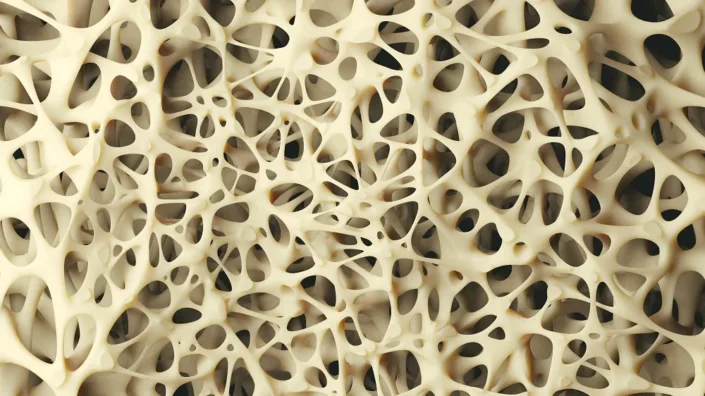
Bone structure

A Key Molecular Link Between Aging and Osteoporosis

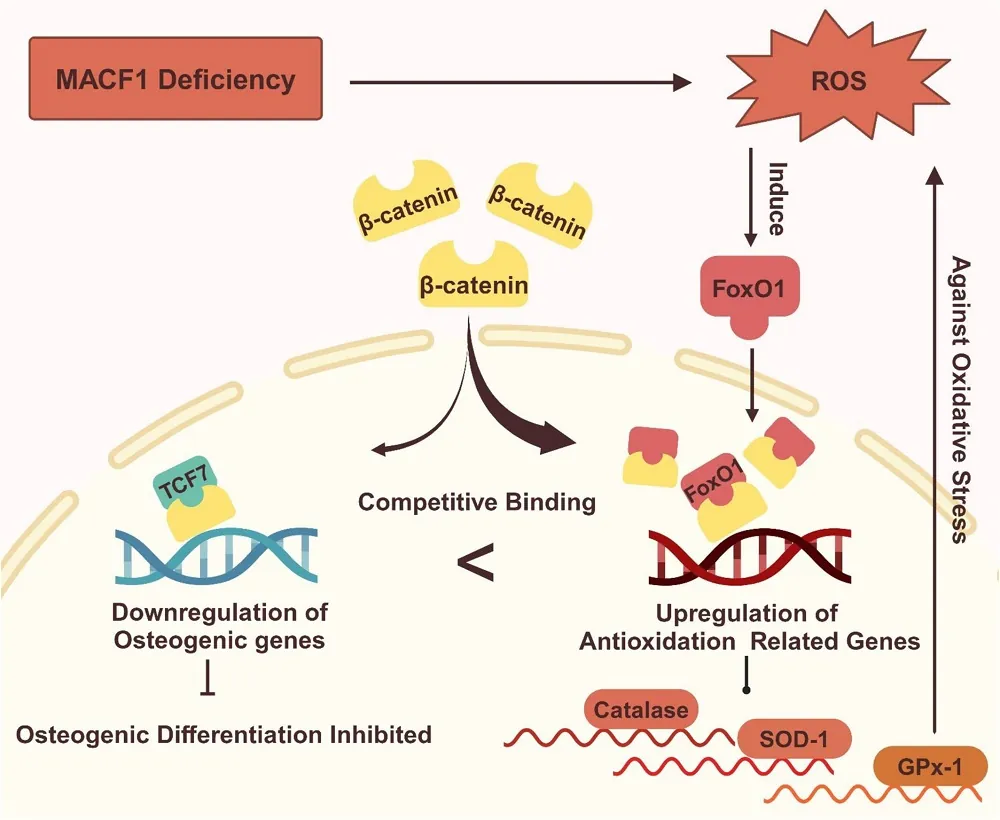
In Aging Cell, researchers have described how an age-related deficiency in another compound leads the antioxidant FoxO1 to contribute to bone deterioration in osteoporosis by siphoning from a bone-building pathway.

A harmful antioxidant?

Because they fight against harmful reactive oxygen species (ROS), antioxidants, both external and internal, are normally viewed as having positive effects against aging. This includes bone tissue, as previous work has found that knocking out FoxO1 harms bone formation while inducing its overexpression leads to more bone building [1].

On the other hand, another team of researchers has found that knocking out FoxO1 in osteoblasts, the cells responsible for building bone, can lead to greater bone formation rather than any depletion [2]. Those researchers discovered some of the reasons why, finding that FoxO1 can have a negative effect on the Wnt/β-catenin signaling pathway in older animals [3].

This paper builds upon that research, focusing on MACF1, a protein that diminishes with age and has been pinpointed as playing a key role in osteoporosis. Unsurprisingly, it too plays a crucial role in the Wnt/β-catenin signaling pathway that osteoblasts need to function [4]. These researchers, therefore, decided to investigate the relationship between FoxO1 and MACF1 in this context.

MACF1 knockout leads to oxidative stress

The researchers took populations of mesenchymal stem cells (MSCs), some of which had MACF1 knocked out, and exposed them to hydrogen peroxide, a strong oxidant. Runx2 and Alp, two factors necessary for the differentiation and function of osteoblasts, were significantly reduced by both MACF1 knockout and by oxidative stress. While either MACF1 knockout or oxidative stress had measurable negative effects on mineralization, mineralization loss was especially profound in the MACF1-knockout cells exposed to the peroxide.

Overall, this experiment led the researchers to hold that “the absence of MACF1 in cells results in persistent and high levels of ROS, leading to chronic oxidative stress and inhibiting the differentiation of osteoblastic cells.”

A further experiment on mice found that oxidative stress was indeed a key link in this relationship. Untreated, mice with MACF1 knocked out experience significantly greater frailty and live significantly shorter lives than unmodified mice, having a 50% mortality rate at only 19 months of age. Treatment with the antioxidant NAC increased this survival rate to 100%, the same as wild-type mice, and restored some of the frailty markers.

Too focused on survival to differentiate

The researchers then turned to the main thrust of their paper, linking MACF1, β-catenin, and FoxO1. They found that exposing cells to hydrogen peroxide significantly reduced β-catenin, but supplying them with NAC did not affect it. MACF1-knockout cells always had elevated levels of FoxO1, whether or not they were exposed to hydrogen peroxide. A fluorescence measurement found that treatment with NAC reduced the intensity of FoxO1.

Most crucially, the researchers found that FoxO1 “seizes” β-catenin away from TCF7, a crucial compound in osteoblast differentiation. This altered the cells’ fate; instead of properly differentiating into osteoblasts, the affected cells were focused on fighting their own oxidation. The MACF1 knockdown spurred this transition, causing FoxO1 and β-catenin to co-locate in greater amounts than in unmodified cells. Treatment with NAC partially alleviated this condition.

This research pinpoints MACF1 as a key target in future work, particularly since it dovetails with other research showing that MACF1 plays a key function in the stability of other cells, including neurons [5]. While treatment with antioxidants, which reduces the need for FoxO1, appears to be beneficial in allowing osteoblasts to properly differentiate, restoring the levels of MACF1, a key compound that decreases with age, appears to be necessary. Further work will have to be done to determine how this may be accomplished.

We would like to ask you a small favor. We are a non-profit foundation, and unlike some other organizations, we have no shareholders and no products to sell you. All our news and educational content is free for everyone to read, but it does mean that we rely on the help of people like you. Every contribution, no matter if it’s big or small, supports independent journalism and sustains our future.

Literature

[1] Rached, M. T., Kode, A., Xu, L., Yoshikawa, Y., Paik, J. H., DePinho, R. A., & Kousteni, S. (2010). FoxO1 is a positive regulator of bone formation by favoring protein synthesis and resistance to oxidative stress in osteoblasts. Cell metabolism, 11(2), 147-160.

[2] Xiong, Y., Zhang, Y., Guo, Y., Yuan, Y., Guo, Q., Gong, P., & Wu, Y. (2017). 1α, 25-Dihydroxyvitamin D3 increases implant osseointegration in diabetic mice partly through FoxO1 inactivation in osteoblasts. Biochemical and biophysical research communications, 494(3-4), 626-633.

[3] Xiong, Y., Zhang, Y., Zhou, F., Liu, Y., Yi, Z., Gong, P., & Wu, Y. (2022). FOXO1 differentially regulates bone formation in young and aged mice. Cellular Signalling, 99, 110438.

[4] Yin, C., Tian, Y., Hu, L., Yu, Y., Wu, Z., Zhang, Y., … & Qian, A. (2021). MACF1 alleviates aging‐related osteoporosis via HES1. Journal of cellular and molecular medicine, 25(13), 6242-6257.

[5] Okenve-Ramos, P., Gosling, R., Chojnowska-Monga, M., Gupta, K., Shields, S., Alhadyian, H., … & Sanchez-Soriano, N. (2024). Neuronal ageing is promoted by the decay of the microtubule cytoskeleton. PLoS biology, 22(3), e3002504.

Rhesus macaque

Stem Cell-Derived Vesicles Improve Cognition in Aged Monkeys

In a new study, extracellular vesicles (EVs) derived from mesenchymal stem cells (MSCs) improved spatial working memory in rhesus macaques, suggesting a possible reversal of age-related cognitive decline [1].

The “normal” decline

Even “healthy” aging (not accompanied by obvious age-related diseases such as dementia) leads to cognitive impairments, particularly in working memory, executive function, and recognition memory [2]. This incessant cognitive decline, which starts at midlife, is linked to myelin pathology in the brain, rather than widespread neuronal loss [3].

In this new study published in the journal GeroScience, researchers at Boston University Chobanian & Avedisian School of Medicine tested the hypothesis that extracellular vesicles derived from young MSCs can reverse this age-related decline in rhesus monkeys.

EVs are tiny lipid bubbles secreted by cells. Containing molecules such as proteins and RNA, they are used for intercellular communication. EVs derived from stem cells have been shown to recapitulate some of the benefits of stem cell therapies without the immunogenic risk that comes with them [4].

Thirteen late middle-aged rhesus monkeys (17-24 years old, roughly equivalent to 51-72 human years) were selected for this study. The animals underwent baseline cognitive testing and MRI scans before being randomly assigned to MSC-EV or control groups for treatment. Bone-marrow MSC-derived EVs were taken from a single young monkey (about 6 years old) and administered intravenously bi-weekly for 18 months. The control group got the same schedule of sham injections without EVs.

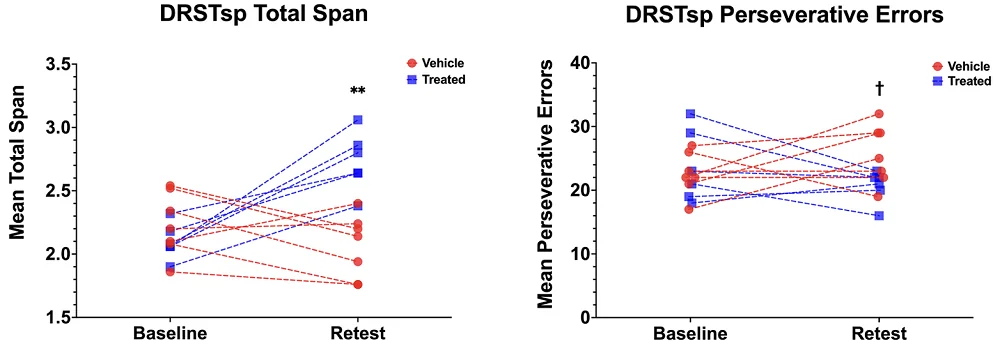
MRI scans were conducted at baseline and every six months during treatment to monitor changes in white matter integrity and functional connectivity. For cognitive assessments, the team used two tests: the Delayed Non-Matching to Sample (DNMS) task and the Delayed Recognition Span Task – Spatial (DRSTsp). The former evaluates recognition memory, while the latter assesses spatial working memory.

Improvements in working memory and white matter

Over the course of the study, MSC-EV treatment led to significant improvements in spatial working memory. The treatment not only maintained performance but also reversed age-related cognitive decline, with treated monkeys performing at levels comparable to younger monkeys in one of the team’s previous studies.

It was, however, a bit more complicated with recognition memory. While the difference between the two groups at the end of the study was not statistically significant, the control group had better baseline scores. When this and some other variables were accounted for, the results of one part of the DNMS test (the two-minute delay) did cross the significance threshold.

MRI results indicated improvements in white matter structural integrity in regions such as the right middle temporal area and the fornix along with preserved functional connectivity in the MSC-EV group compared to the control group. In correlation analyses, certain connectivity patterns at the end of treatment were associated with better performance, suggesting that structural and functional brain changes are associated with cognitive outcomes.

While this study did not include biochemical or histological readouts, the same group has previously shown that MSC-derived EVs reduce microglia-mediated neuroinflammation and injury-related pathology and support synapse remodeling in aged rhesus monkeys after cortical injury. In related rodent and primate models, similar EV therapies have been shown to also promote remyelination and reduce white-matter damage.

Outline for future studies

“By applying secreted stem cells, specifically EVs, we found that the aging brain retains a remarkable capacity for resilience. Our findings suggest that aging is not set in stone; that brain health can be supported and maintained even in older age,” explained corresponding author Evan Mackie, a Ph.D. student in the school’s department of anatomy and neurobiology.

“Because similar vulnerabilities in brain structure and function also occur in conditions such as Alzheimer’s disease, multiple sclerosis, stroke and brain injury, this approach may one day help protect the brain in both healthy aging and disease,” added senior author Tara L. Moore, Ph.D., professor of anatomy and neurobiology.

This study had several limitations. For instance, the MSC-EV group was not sex-balanced (four females, two males). Given that the females showed better baseline scores in some of the tasks, this might have affected the results.

The researchers recommend larger sample sizes and longer treatment periods for future studies to enhance statistical power and explore treatment effects. If those future studies replicate the results of this one, investigation into molecular changes and histological analysis of brain pathways is still needed to better understand the mechanisms behind the cognitive improvements.

We would like to ask you a small favor. We are a non-profit foundation, and unlike some other organizations, we have no shareholders and no products to sell you. All our news and educational content is free for everyone to read, but it does mean that we rely on the help of people like you. Every contribution, no matter if it’s big or small, supports independent journalism and sustains our future.
Literature

[1] Mackie, E. C., Cheng, C. H., Alibrio, M. N., Rutledge, C., Xin, H., Chopp, M., … & Moore, T. L. (2025). Mesenchymal cell-derived extracellular vesicles ameliorate age-related deficits in working memory and in vivo MRI measures of white matter structure and function in rhesus monkeys. GeroScience, 1-25.

[2] Buckner, R. L. (2004). Memory and executive function in aging and AD: multiple factors that cause decline and reserve factors that compensate. Neuron, 44(1), 195-208.

[3] Gong, Z., Bilgel, M., Kiely, M., Triebswetter, C., Ferrucci, L., Resnick, S. M., … & Bouhrara, M. (2023). Lower myelin content is associated with more rapid cognitive decline among cognitively unimpaired individuals. Alzheimer’s & Dementia, 19(7), 3098-3107.

[4] Tan, F., Li, X., Wang, Z., Li, J., Shahzad, K., & Zheng, J. (2024). Clinical applications of stem cell-derived exosomes. Signal transduction and targeted therapy, 9(1), 17.

Nasal tissue

Nasal Tissue Extracellular Vesicles Improve Health in Mice

Researchers have discovered that extracellular vesicles (EVs) derived from the nasal mucosa provide significant regenerative benefits to tissues throughout the body, including the brain.

A very regenerative tissue

Previous work involving the transection of sizable portions of the nasal mucosa has found that this tissue grows back quickly and without scarring, even in older people [1], signifying that the tissue has intrinsic regenerative properties that persist despite aging. These researchers hypothesized that extracellular vesicles (EVs), which cells use to send proteins, RNA, and DNA to one another [2] and are a common subject of aging research, may be a key part of this ability.

However, the effects of EVs from regenerative tissues on entirely different, far less regenerative, tissues are little explored. Therefore, these researchers decided to take a broad look at mice injected with human-derived nasal mucosa EVs, with a focus on multiple crucial organs including the brain.

Overall benefits

The experimenters began by introducing human nasal mucosa EVs (nmEVs) into the tail veins of 20-month-old mice twice weekly for two months, assessing their physical performance every two weeks. The researchers observed no toxic effects from this treatment; instead, the treated mice had healthier fur, more body weight, stronger grips, and better balance on a rotating rod compared to a similarly aged control group.

Basic biomarker tests also suggested that the treated animals were in better health and more like younger animals: albumin was higher, while uric acid, aspartate aminotransferase, and blood lactate were lower than the control group. There were also improvements in bone health: while mice lose bone volume and density with age, both of these metrics was substantially improved in the treatment group.

There were improvements in memory as well. The treated mice performed much better on the Morris water maze test, with results approximating those of much younger mice, and they expressed significantly less inflammatory and senescence-related compounds along with more compounds related to neuroplasticity and the generation of axons.

Benefits for the brain

The researchers sequenced the RNA of individual nuclei derived from ten different cell types from the hippocampus, including types of glia and neurons. Compared to the control group, the treatment group experienced a marked shift in cell types, with a significant increase in neurons and a related decrease in glial cells. Examining the cells’ phases, the researchers found that the cells of the treated mice were proliferating more rapidly. Overall, the researchers hold that “systemic administration of nmEVs appears to preserve a more balanced neuro–glial composition in the aged hippocampus.”

An even closer look found very particular shifts. While glial cells were generally decreased in the treatment group, one particular type of astrocyte was markedly increased. These cells were found to express genes that relate to the circadian rhythm along with several pathways related to neuronal function and regulation. The researchers hold that this remodeling is likely to be neuroprotective.

Similarly, two types of metabolically active inhibitory neurons suspected to be prone to inflammation were decreased, while another type of inhibitory neuron was increased. The increased type was also related to the circadian rhythm, and other upregulated pathways led the researchers to the idea that this upregulation may improve the integrity of the brain’s synapses.

The most upregulated population, however, was a group of excitatory neurons. These neurons were found to be strongly enriched in both plasticity and metabolism, along with prevention of cellular death by apoptosis and more robust responses to DNA damage and oxidative stress. The researchers describe these neurons as “functionally enhanced” and suggest that this is why the mice’s cognitive abilities were improved.

Benefits for multiple other organs

Across multiple other tissue types, circadian rhythm-related genes were downregulated rather than upregulated, but the researchers suggested that this may be due to a reset of age-related circadian dysfunction. To test this hypothesis, they monitored the animals’ behavior during light and dark periods. In addition to running on a wheel for longer and being less prone to exhaustion, young mice and the treatment group had a distinct preference for running during the dark periods, while the untreated animals did not follow this rhythm.

Cellular senescence was downregulated as well, particularly in the spleen and heart. Certain immune pathways were also upregulated, but the researchers interpret this as being a beneficial immune reconfiguration rather than a sign of chronic inflammation. p53, which is overexpressed in aged tissues and is related to death by apoptosis, was also downregulated; further work established a strong link between p53 and the circadian rhythm at the cellular level, suggesting that this senescence-related factor affects that rhythm as well. The researchers also found that exposure to nmEVs reduces senescence in human bone marrow stem cells.

Overall, a detailed examination of protein expression, including senescence-related and inflammatory proteins, led the researchers to conclude that “nmEV treatment attenuated tissue fibrosis, reduced cellular senescence, and promoted an anti-inflammatory tissue environment.”

Sourcing autologous EVs, which are derived from the patient’s own cells, is usually difficult for older people. However, as the regenerative capacity of the nasal mucosa continues into old age, the researchers note that nmEVs can be repeatedly derived, making this tissue a significantly easier and most likely more potent source of these beneficial signals. Time, and clinical trials, will tell if nmEVs have the same effects in people as they do in mice, and more work needs to be done to determine which components of nmEVs are responsible for these effects.

We would like to ask you a small favor. We are a non-profit foundation, and unlike some other organizations, we have no shareholders and no products to sell you. All our news and educational content is free for everyone to read, but it does mean that we rely on the help of people like you. Every contribution, no matter if it’s big or small, supports independent journalism and sustains our future.

Literature

[1] Agrawal, A. (Ed.). (2024). Skull Base Surgery-Pearls and Nuances: Pearls and Nuances. BoD–Books on Demand.

[2] Lei, Q., Gao, F., Liu, T., Ren, W., Chen, L., Cao, Y., … & Guo, A. Y. (2021). Extracellular vesicles deposit PCNA to rejuvenate aged bone marrow–derived mesenchymal stem cells and slow age-related degeneration. Science translational medicine, 13(578), eaaz8697.

Microglial cell on neuron

Microglia Replacement Already Working in Humans

A new review highlights the promise of microglia replacement, a strategy that made the leap from mouse studies to the first successful human trial in just five years [1].

Repair or replace

Microglia, the resident immune cells of the brain, have been implicated in various diseases, including Alzheimer’s [2]. However, treatments modulating microglial behavior are scarce, partly because they hide behind the blood-brain barrier (BBB), which blocks many potential drugs and makes it hard to target them precisely [3].

Replacing defective microglia is an interesting solution, but until several years ago, it sounded like something out of this world. Surprisingly, the required technology has matured fast, making its way from mouse studies to a successful human trial in five years. Now, the team behind these breakthroughs, from Fudan University in China, has published an enlightening review of the field in the journal Cell Stem Cell.

“Microglial gene mutations can either cause or accelerate the course of CNS disorders. Conceptually, replacing pathogenic microglia with gene-corrected or wild-type counterparts offers a promising therapeutic avenue to restore homeostatic function and mitigate disease progression,” said corresponding author and team leader Bo Peng, professor at Fudan University.

Success at a cost

As is the case with many promising but ambitious directions, the team chose a rare and severe disease, adult-onset leukoencephalopathy with axonal spheroids and pigmented glia (ALSP), as their first target. Like some other primary microgliopathies, ALSP is caused by mutations in microglial genes such as CSF1R. In July of this year, the researchers reported highly encouraging results of microglia replacement in human patients, with a two-year follow-up suggesting that disease progression had slowed or halted.

While done in a small, highly selected cohort, the trial showed that large-scale microglia replacement is possible in humans and can change the trajectory of a devastating microgliopathy. However, it came at a cost.

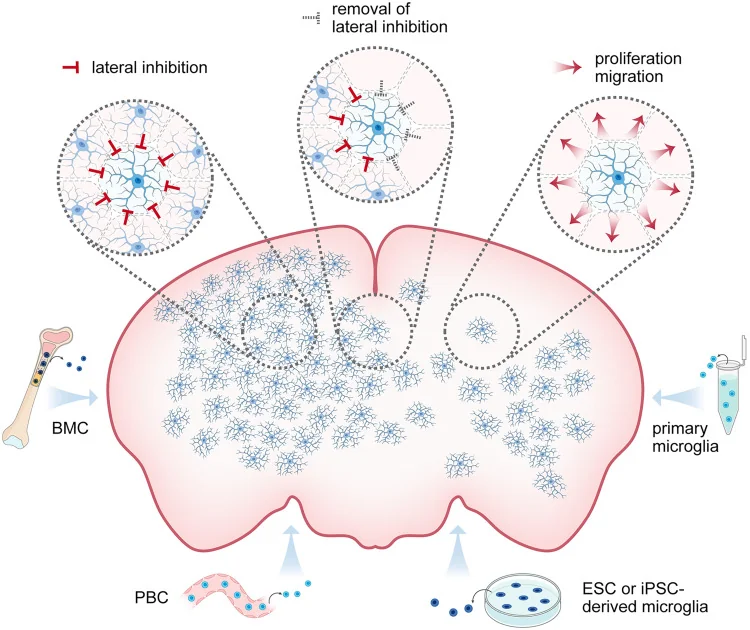
Microglia replacement is easier said than done. In a healthy brain, microglia form a dense, self-renewing grid. They occupy territories and suppress each other’s proliferation, so newcomers cannot easily move in. Early attempts mostly involved local injections or incomplete depletion and ended up with small patches of donor cells or rapid rebound of the original microglia.

“Even though microglia replacement is recognized for its potential for disease treatment, early approaches in the pre-replacement era lacked an efficient and robust strategy for microglia replacement, which is key for a meaningful and effective therapy,” co-author Junhao Rao said.

Hey, MISTER!

A successful therapy must combine effective clearance of the resident microglia with a strong influx of donor cells. In practice, that means depleting resident microglia simultaneously with myeloablative conditioning similar to what is used before bone marrow transplantation. Conditioning wipes out much of the host’s hematopoietic system and triggers strong chemokine signals in the brain, which invites donor-derived myeloid cells from bone marrow or peripheral blood to enter the CNS and differentiate into microglia-like cells.

This led the researchers to develop Microglia Intervention Strategy for Therapy and Enhancement by Replacement (MISTER), which includes several protocols. In Mr BMT, microglia are replaced using classical bone marrow transplantation. In Mr PB, the donor source is peripheral blood, which is easier on donors and still achieves high levels of replacement (80% compared to 90% for Mr BMT in mice).

Looking into the future

Can this therapy, today or in the future, treat more common diseases? Some genetic mutations have been linked to dementia. Even if they do not cause disease on their own, they can heavily tilt the odds. “TREM2 mutations may not be sufficient to cause Alzheimer’s disease independently, but they can act as pathogenic amplifiers that synergistically drive disease risk,” Peng said, noting that this is just one example; another one would be mutations in APOE, an Alzheimer’s-related gene strongly expressed in glia, including microglia.

However, the authors are careful about the limitations of their approach. Myeloablative conditioning is still a harsh, cancer-level intervention, which currently confines microglia replacement to rare, life-threatening indications. For common neurodegenerative diseases or risk reduction, the risk-benefit balance must be better, especially in frail older patients. The review explicitly points to safer, more targeted conditioning and better control over engineered microglia as key design goals.

If more tolerable protocols are developed, the authors envisage an even broader use for microglia replacement: genetically engineered microglia that essentially work as drug factories, secreting missing lysosomal enzymes, anti-amyloid antibodies, or neurotrophic factors from within the brain. This would turn microglia replacement into a long-lived delivery system behind the blood-brain barrier.

“Overall, microglia replacement is a newly emerging but rapidly progressing field,” Peng said. “Challenges in safety, compatibility, and long-term function remain, yet they represent solvable design targets. With continued mechanistic insight, clinical innovation, and broad collaboration, microglia replacement can mature from early breakthroughs into a generalizable platform across neurological diseases.”

We would like to ask you a small favor. We are a non-profit foundation, and unlike some other organizations, we have no shareholders and no products to sell you. All our news and educational content is free for everyone to read, but it does mean that we rely on the help of people like you. Every contribution, no matter if it’s big or small, supports independent journalism and sustains our future.
Literature

[1] Peng, B., Rao, Y., & Wu, J. (2025). The evolution of microglia replacement: A new paradigm for CNS disease therapy. Cell Stem Cell, 32(12), 1487–1503.

[2] Hansen, D. V., Hanson, J. E., & Sheng, M. (2018). Microglia in Alzheimer’s disease. Journal of Cell Biology, 217(2), 459-472.

[3] Pardridge, W. M. (2005). The blood-brain barrier: bottleneck in brain drug development. NeuroRx, 2(1), 3-14.

Engineering Immune Cells to Fight Gut Senescence

In Nature Aging, researchers have published their finding that targeting urokinase plasminogen activator receptor (uPAR), a senescence-associated protein, restores gut function in mice.

One way the gut lining ages

Of all the tissues in the human body, the intestinal epithelium, which lines the gut, replaces its cells most quickly [1]. This self-renewal diminishes with aging [2], leading to leaky gut and an overall decline in function [3]. While there has been substantial previous research in this area, leading to multiple potential treatments, these researchers note that the safety and efficacy of such approaches remain unproven in human beings.

They point out two main hallmarks of aging that are of interest in this context: the chronic, age-related inflammation known as inflammaging and the increasing numbers of senescent cells. Their previous work has revealed that senescent cells that express uPAR are harmful in excess and that CAR T cells programmed to attack this receptor may be useful in dealing with them [4]. Other researchers have concurred, finding that using CAR T cells against uPAR-expressing cells fights liver fibrosis in a mouse model [5].

That previous work was on other tissues, and this is the first study that specifically uses CAR T cells to target uPAR cells in the intestinal epithelium.

Removing uPAR cells restores gut function

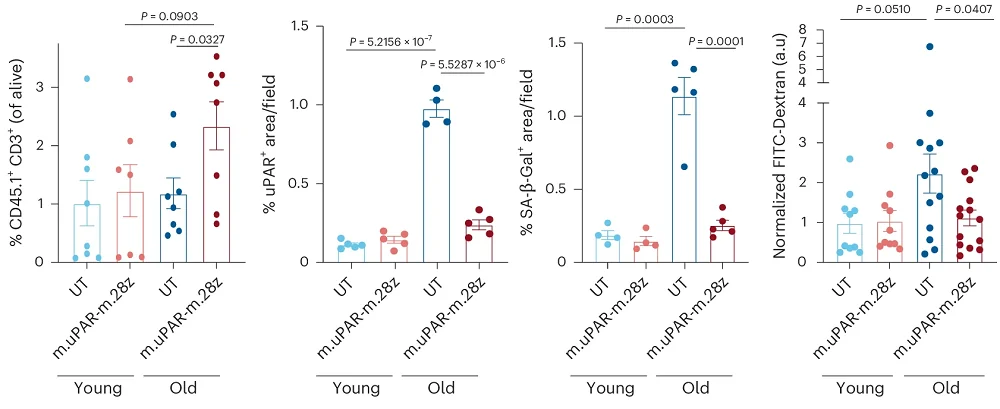
To begin their study, the researchers analyzed cells from the small intestines of 3-month-old and 20-month-old mice. Unsurprisingly, the older mice had more uPAR-expressing cells, and these cells were also very likely to express the senescence biomarker SA-β-gal and have other presentations of senescence, such as a lack of proliferation. A gene expression analysis found that these uPAR cells had upregulated DNA repair and immune response. Of all the cells identified as senescent by SenMayo analysis [6], roughly three-fifths expressed uPAR.

Similar results were found in cells derived from human beings; using samples taken from 25- to 30-year-olds and 65- to 70-year-olds, the researchers found that, like mice, older people have more uPAR-expressing cells and that these cells have similar gene expression profiles and a similar relationship to senescence.

The researchers then introduced their CAR T cells into the bloodstreams of 3-month-old and 18- to 20-month-old mice. In the small intestines of the older animals, this cell population rapidly expanded, dramatically reducing the numbers of cells that expressed uPAR and SA-β-gal, while restoring intestinal integrity as measured by FITC-Dextran.

The numbers of stem cells and proliferating cells were also restored, with the stem cells of treated mice more readily able to form organoids. There was also a decrease in inflammation and dysbiosis, with the treated animals having gut flora that more strongly resembled that of younger animals. Further work found that these results were due to the CAR T cells’ effects on intestinal tissues rather than on immune cells.

The study also took a look at the well-known senolytic combination of dasitnib and quercetin. The results were similar to CAR T cells, with this combination also reducing senescent cell levels and restoring stem cells in the small intestine.

Long-term benefits

Amazingly, one treatment with anti-uPAR CAR T cells in 3-month-old mice persisted throughout the lifespans of these animals, despite having negligible effects during youth. The mice so treated had detectable uPAR-fighting cells 15 months later, with a signfiicant decline in cellular senescence along with improvements in stem cell numbers, intestinal integrity, and gut health.

In total, the researchers hold that “uPAR+ epithelial cells are key drivers of intestinal aging and associated inflammation and dysfunction.” While regeneration-promoting approaches have been previously linked to cancer, the researchers note that none of the mice that received CAR T cells developed intestinal cancer as a result. Clinical trials are needed to determine if this approach is safe and effective in humans.

We would like to ask you a small favor. We are a non-profit foundation, and unlike some other organizations, we have no shareholders and no products to sell you. All our news and educational content is free for everyone to read, but it does mean that we rely on the help of people like you. Every contribution, no matter if it’s big or small, supports independent journalism and sustains our future.

Literature

[1] Barker, N. (2014). Adult intestinal stem cells: critical drivers of epithelial homeostasis and regeneration. Nature reviews Molecular cell biology, 15(1), 19-33.

[2] Brunet, A., Goodell, M. A., & Rando, T. A. (2023). Ageing and rejuvenation of tissue stem cells and their niches. Nature Reviews Molecular Cell Biology, 24(1), 45-62.

[3] Dumic, I., Nordin, T., Jecmenica, M., Stojkovic Lalosevic, M., Milosavljevic, T., & Milovanovic, T. (2019). Gastrointestinal tract disorders in older age. Canadian Journal of Gastroenterology and Hepatology, 2019(1), 6757524.

[4] Amor, C., Feucht, J., Leibold, J., Ho, Y. J., Zhu, C., Alonso-Curbelo, D., … & Lowe, S. W. (2020). Senolytic CAR T cells reverse senescence-associated pathologies. Nature, 583(7814), 127-132.

[5] Dai, H., Zhu, C., Huai, Q., Xu, W., Zhu, J., Zhang, X., … & Wang, H. (2024). Chimeric antigen receptor-modified macrophages ameliorate liver fibrosis in preclinical models. Journal of hepatology, 80(6), 913-927.

[6] Saul, D., Kosinsky, R. L., Atkinson, E. J., Doolittle, M. L., Zhang, X., LeBrasseur, N. K., … & Khosla, S. (2022). A new gene set identifies senescent cells and predicts senescence-associated pathways across tissues. Nature communications, 13(1), 4827.

Used cigarettes

Second-Hand Smoke Alters Protein Expression

A recent study investigated plasma proteins in people exposed to secondhand smoke and found that exposure affected multiple molecular processes, including immune, inflammatory, and tissue repair pathways [1].

Carrying the consequences of something you didn’t do

It is widely known and researched that smoking is bad for health, and there are even similarities between smoking and aging on the molecular level. However, second-hand smoke, despite affecting around one third of the population [2], appears to get less attention, even though it’s also bad for human health and has been linked to 1.2 million deaths per year among non-smokers [3]. In non-smokers, second-hand smoke was also linked to developing coronary artery disease, lung cancer cases, breast cancer, chronic obstructive pulmonary disease (COPD), and diabetes [2, 4].

A broader look

To better understand the molecular mechanism underlying second-hand smoke’s systemic impact on health, the researchers investigated all the plasma proteins (the proteome) of 48 healthy restaurant workers occupationally exposed to second-hand smoke. They conducted an initial study on those same workers previously reporting on the impact of second-hand smoking on nasal epithelial cells, which showed changes in levels of various proteins involved in oxidative stress and cell detoxification. This time, they aimed to investigate “global protein expression changes in plasma” following exposure to second-hand smoke.

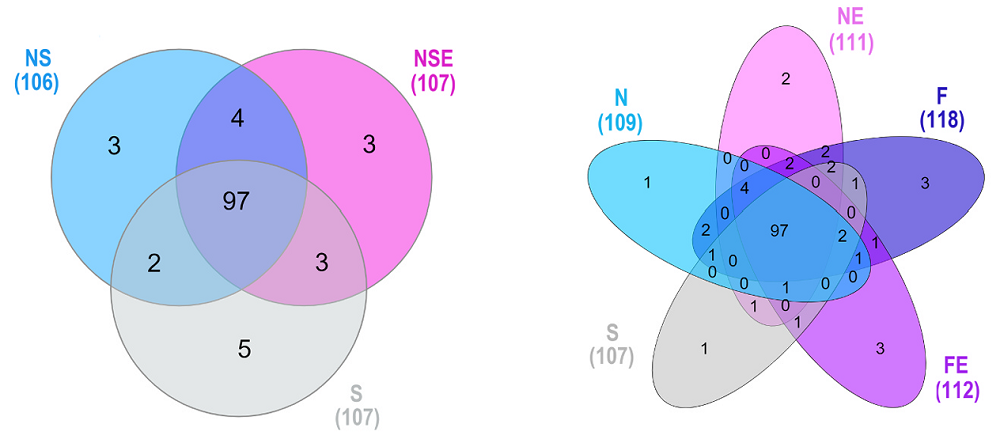
The researchers divided the cohort into three main categories: Non-Smokers (NS), Non-Smokers Exposed (NSE), and Current Smokers (S), or into five subgroups: Never Smokers (N), Never Smokers Exposed (NE), Former Smokers (F), Former Smokers Exposed (FE), and Current Smokers (S). The authors analyzed differentially expressed proteins across those groups, with the restriction that proteins had to be detected in at least 80% of each group or subgroup.

Smoking proteomic analysis

The researchers highlighted several proteins and functions that were differentially expressed across subgroups. This data showed that processes linked to immunity, inflammatory responses, gene transcription, autophagy, blood transport, mTORC1 signalling, and protein breakdown, among others, were impacted by smoking and secondhand smoke.

Focusing on single proteins

The researchers also discussed specific proteins identified in their analysis, including those that showed the most significant differences in expression across groups, and suggested the possible impact of those proteins on people exposed to second-hand smoke. They found that one of the proteins whose levels were increased in such people is butyrylcholinesterase (BChE), an enzyme that can neutralize toxic compounds. The authors suggest that increased levels of this protein can be “a compensatory detoxification response.”

Another protein that had reduced levels in the plasma of the Never and Former Exposed subgroups is Vitamin D-binding protein (GC), which is essential for vitamin D transport and clearance of actin. The researchers hypothesized that exposure to second-hand smoke “may lead to epithelial injury and actin release into circulation, increasing the demand for these scavenger proteins.”

Vitamin D-binding protein also plays a role in inflammatory processes; therefore, this result suggests that there is endothelial inflammation in smokers and people exposed to second-hand smoke. This is unsurprising, as previous research also linked second-hand smoke exposure to increased levels of systemic inflammatory markers [5]. This study, besides Vitamin D-binding protein, identified eight more inflammation-related proteins linked to second-hand smoke, strengthening the evidence of its pro-inflammatory effects.

Because of these proteomic results, the researchers proposed that second-hand smoke exposure might disrupt the clearance of cellular debris, modulate the immune system, and reduce the capacity for tissue repair. These disruptions contribute to tissue damage, chronic inflammation, or autoimmune-like responses.

The researchers also note that previous research has linked “mild systemic inflammation coupled with cellular debris from cell death” to cardiovascular disease [6]. Earlier research also showed secondhand smoke to induce acute atherothrombosis, that is, the formation of a blood clot on atherosclerotic plaque that leads to such conditions as heart attack or stroke.

The current study also shows links between those processes and secondhand smoke. For example, in the Never Smokers Exposed, Former Smokers, and Former Smokers Exposed groups, they identified an increased level of the protein alpha-2-antiplasmin (SERPINF2), which plays an essential role in blood clotting, making secondhand-exposed people more prone to blood clotting. Elevated levels of this protein have previously been linked to atherosclerosis and thrombosis risk [7].

Another protein, whose low levels have previously been linked to poor outcomes in cardiovascular disease [8], apoA4, was downregulated in the Non-Smokers Exposed group.

Those are only a few examples, and the researchers briefly discuss a few more, some of which are linked to insulin signaling, thyroid hormones, or immune function, indicating that second-hand smoke dysregulates multiple molecular processes.

Possible biomarkers

The researchers conclude that exposure to second-hand smoke was associated with changes in protein expression that are linked to the “response to toxic elements in the blood, systemic inflammation/autoimmunity, and blood vessel diseases.” Long-term follow-up to detect changes over time would provide more answers about how second-hand smoke affects health in the long term. Still, even this small study provides valuable information on possible changes. It also helps identify protein signatures that can aid in developing biomarkers to assess the health risks associated with second-hand smoke.

We would like to ask you a small favor. We are a non-profit foundation, and unlike some other organizations, we have no shareholders and no products to sell you. All our news and educational content is free for everyone to read, but it does mean that we rely on the help of people like you. Every contribution, no matter if it’s big or small, supports independent journalism and sustains our future.

Literature

[1] Neves, S., Pacheco, S. A., Vaz, F., Valentim-Coelho, C., Saraiva, J., James, P., Simões, T., & Penque, D. (2025). Second-hand smoke exposure modulates plasma proteins linked to detoxification, inflammation and atherothrombosis. Environmental toxicology and pharmacology, 120, 104864. Advance online publication.

[2] Flor, L. S., Anderson, J. A., Ahmad, N., Aravkin, A., Carr, S., Dai, X., Gil, G. F., Hay, S. I., Malloy, M. J., McLaughlin, S. A., Mullany, E. C., Murray, C. J. L., O’Connell, E. M., Okereke, C., Sorensen, R. J. D., Whisnant, J., Zheng, P., & Gakidou, E. (2024). Health effects associated with exposure to secondhand smoke: a Burden of Proof study. Nature medicine, 30(1), 149–167.

[3] GBD 2019 Risk Factors Collaborators (2020). Global burden of 87 risk factors in 204 countries and territories, 1990-2019: a systematic analysis for the Global Burden of Disease Study 2019. Lancet (London, England), 396(10258), 1223–1249.

[4] Daylan, A. E. C., Miao, E., Tang, K., Chiu, G., & Cheng, H. (2023). Lung Cancer in Never Smokers: Delving into Epidemiology, Genomic and Immune Landscape, Prognosis, Treatment, and Screening. Lung, 201(6), 521–529.

[5] DiGiacomo, S. I., Jazayeri, M. A., Barua, R. S., & Ambrose, J. A. (2018). Environmental Tobacco Smoke and Cardiovascular Disease. International journal of environmental research and public health, 16(1), 96.

[6] Ząbczyk, M., Ariëns, R. A. S., & Undas, A. (2023). Fibrin clot properties in cardiovascular disease: from basic mechanisms to clinical practice. Cardiovascular research, 119(1), 94–111.

[7] Humphreys, S. J., Whyte, C. S., & Mutch, N. J. (2023). “Super” SERPINs-A stabilizing force against fibrinolysis in thromboinflammatory conditions. Frontiers in cardiovascular medicine, 10, 1146833.

[8] Peng, J., & Li, X. P. (2018). Apolipoprotein A-IV: A potential therapeutic target for atherosclerosis. Prostaglandins & other lipid mediators, 139, 87–92.

Amyloid beta

Arginine Reduces Signs of Alzheimer’s in Mice

In a new study, the amino acid arginine shows promise in animal models of amyloid aggregation due to its ability to promote protein folding. The researchers suggest that it could be useful for early prevention and treatment of Alzheimer’s [1].

Hold it and fold it

Amino acids, the building blocks of proteins, can be potent bioactive molecules in their own right. Arginine, an amino acid abundant in foods like pumpkin and meat, has been shown to act as a chaperone, a molecule that assists in protein folding, [2] and is already used to treat several diseases. In this study, published in Neurochemistry International, researchers from Kindai University in Japan and partner institutions attempted to use this quality of arginine to tackle Alzheimer’s disease.

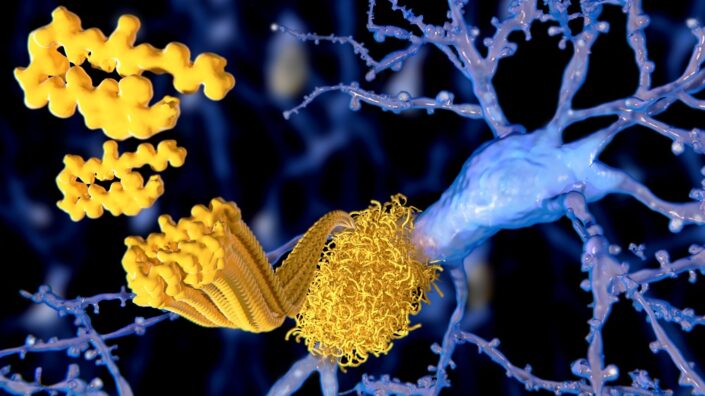
While scientists still don’t fully understand the etiology of Alzheimer’s, protein misfolding definitely plays a big role [3]. Misfolded amyloid beta (Aβ) protein forms fibrils and then plaques, which are Alzheimer’s most iconic hallmark, although the role of soluble Aβ may be even greater. Chaperones can sometimes inhibit misfolding of aggregation-prone proteins [4].

Preventing fibril formation

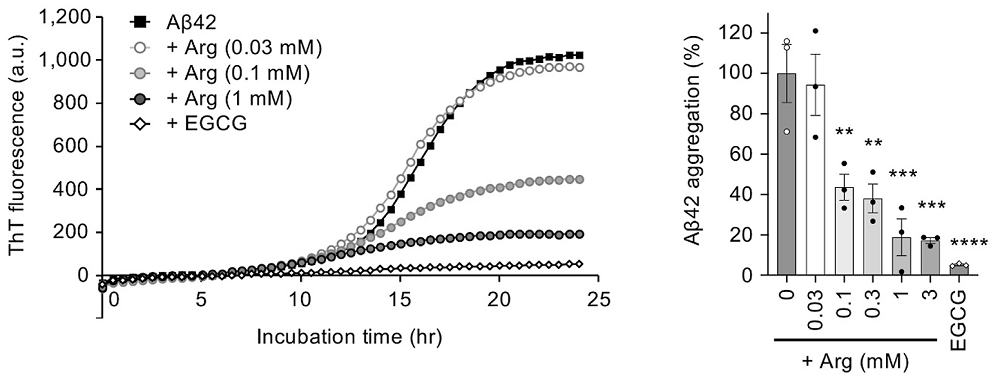
First, the researchers incubated synthetic Aβ42 peptide (the 42-amino acid form of amyloid-beta that is especially prone to aggregation) and monitored aggregation in vitro. As a positive control, they used epigallocatechin gallate (EGCG), a green tea polyphenol known to prevent amyloid aggregation [5].

Adding arginine reduced the fibril formation signal in a concentration-dependent way, up to roughly 80% inhibition at 1 mM arginine. Transmission electron microscopy (TEM) showed shorter, less developed fibrils.

Interestingly, EGCG, a ‘gold-standard’ amyloid inhibitor in vitro, was more potent than arginine. The authors, however, did not take EGCG into their fly or mouse experiments, possibly because its profile is already well explored and less drug-like: EGCG has poor oral bioavailability, binds promiscuously to many proteins, is slow to cross the blood-brain barrier, and has shown liver toxicity at therapeutic doses.

Arginine amyloid beta

Fruit flies with human Aβ

The researchers then experimented with drosophila flies genetically modified to express human Aβ42 in the eye (a standard neurodegeneration model). Arginine reduced the fraction of cells with Aβ aggregates in a dose-dependent manner. The authors reported no change in Aβ transgene expression, meaning that arginine affected aggregation/clearance, not production. Aβ toxicity, which in this model, manifests in eye shrinkage, was reduced as well.

“Our study demonstrates that arginine can suppress Aβ aggregation both in vitro and in vivo,” explaind Prof. Yoshitaka Nagai, a senior author. “What makes this finding exciting is that arginine is already known to be clinically safe and inexpensive, making it a highly promising candidate for repositioning as a therapeutic option for AD.”

Fewer dense plaques in mice

Finally, the researchers moved to a mouse model, which carries three amyloid precursor protein (APP) mutations and is used to mimic Aβ42 plaque deposition starting around 3-4 months. These mice also develop behavioral abnormalities.

Mice received 6% arginine in drinking water starting at 5 weeks of age. This translates to a human equivalent of 940 mg/kg/day, about twice the maximum oral arginine dose currently approved in Japan for urea cycle disorders.

At 6 months (mid-stage), immunohistochemistry for Aβ showed a clear reduction in plaque area and number in the cortex and hippocampus compared to controls. However, at 9 months (near saturation of plaque load), the effect was weaker, with only a nonsignificant trend toward reduced plaque area in the hippocampus, likely because deposition was already near the ceiling. Notably, arginine-treated mice had fewer dense-core plaques than controls at both 6 and 9 months.

Insoluble Aβ42 was significantly reduced by arginine at 6 months, while soluble Aβ42 was unchanged. Like with the flies, App mRNA expression was unchanged, again arguing for an aggregation/clearance effect rather than changes in APP production.

The researchers then tested the mice’s cognitive abilities. In the Y-maze test, which assesses memory and anxiety via spontaneous alternation and locomotor activity, arginine significantly improved results at 9 months. At 6 months, however, only a weak trend toward improvement was observed, which somewhat contradicts the Aβ accumulation results.

Variability between individual mice was high, which the authors note as a possible reason for inconsistent behavioral results. However, it is also possible that the level of dense plaques, which was lower at 9 months than at 6 months, played a decisive role.

Aβ42 accumulation drives neuroinflammation, so the researchers measured mRNA levels of the pro-inflammatory cytokines IL-1β, IL-6, and TNF-α in the cortex. These were all significantly reduced in treated mice compared to controls.

A candidate for early prevention

The authors concluded that arginine behaves as a disease-modifying candidate that targets Aβ aggregation rather than just symptoms, with the benefit of being orally available, relatively cheap, and already clinically used for other indications. Because Aβ pathology begins 15 to 20 years before Alzheimer’s symptoms, they see arginine as particularly suited to long-term, preventive, or early-stage use, in contrast to expensive intravenous antibodies.

“Our findings open up new possibilities for developing arginine-based strategies for neurodegenerative diseases caused by protein misfolding and aggregation,” noted Nagai. “Given its excellent safety profile and low cost, arginine could be rapidly translated to clinical trials for Alzheimer’s and potentially other related disorders.”

We would like to ask you a small favor. We are a non-profit foundation, and unlike some other organizations, we have no shareholders and no products to sell you. All our news and educational content is free for everyone to read, but it does mean that we rely on the help of people like you. Every contribution, no matter if it’s big or small, supports independent journalism and sustains our future.

Literature

[1] Fujii, K., Takeuchi, T., Fujino, Y., Tanaka, N., Fujino, N., Takeda, A., … & Nagai, Y. (2025). Oral administration of arginine suppresses Aβ pathology in animal models of Alzheimer’s disease. Neurochemistry International, 106082.

[2] Tanimoto, S., & Okumura, H. (2024). Why is arginine the only amino acid that inhibits polyglutamine monomers from taking on toxic conformations?. ACS Chemical Neuroscience, 15(15), 2925-2935.

[3] Bloom, G. S. (2014). Amyloid-β and tau: the trigger and bullet in Alzheimer disease pathogenesis. JAMA neurology, 71(4), 505-508.

[4] Liberek, K., Lewandowska, A., & Ziętkiewicz, S. (2008). Chaperones in control of protein disaggregation. The EMBO journal, 27(2), 328-335.

[5] Fernandes, L., Cardim-Pires, T. R., Foguel, D., & Palhano, F. L. (2021). Green tea polyphenol epigallocatechin-gallate in amyloid aggregation and neurodegenerative diseases. Frontiers in neuroscience, 15, 718188.

Rejuvenation Roundup November 2025

Many researchers in the United States have finished eating turkey and begun shopping, but their work continues. Here’s what people around the world have been doing to fight aging in November.

Interviews

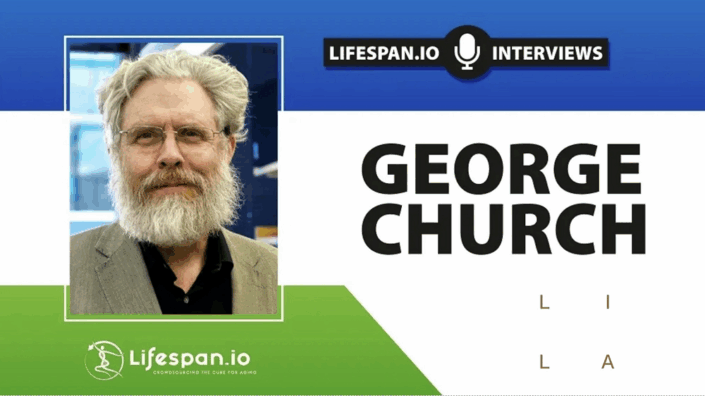
George Church LilaGeorge Church on Building “Scientific Superintelligence”: This involves creating an array of AI models and building huge robotic labs to quickly test AI-generated hypotheses and feed the data back into the model.

Advocacy and Analysis

If Death Were Optional, Would You Still Choose It?: The idea of living longer, healthier lives thanks to rejuvenation biotechnology has steadily become more common, but the answers to questions about it depends on how they are presented.

Scientific questionsThe Key Questions of Longevity Research: In GeroScience, a large team of researchers, including João Pedro de Magalhães, has described a hundred currently unsolved problems in the field.

Research Roundup

Skin Aging Underlined by Loss of Capillary Macrophages: A new study ties the disappearance of capillary-associated macrophages to age-related vascular degeneration in the skin.

IVFRapamycin May Delay Age-Related Fertility Decline: In a recent study, researchers identified that an increase in the expression of ribosome-related genes and a loss of protein homeostasis contribute to the age-related decline in female fertility.

EDA2R May Be an Aging Biomarker and Inflammaging Target: A review in Aging Cell has cataloged the harmful effects of EDA2R, a protein that affects three distinct inflammation-related pathways.

AstrocytesMice With Reduced Astrocytic Oxidative Stress Live Longer: Directly reducing the production of reactive oxygen species at their source in astrocytes, mitochondrial complex III, improves neuronal health and significantly increases lifespan in a mouse model of Alzheimer’s.

High-Fiber Foods May Fight T Cell Senescence: Researchers have discovered that butyrate, a short-chain fatty acid with well-documented gut benefits, fights senescence in T cells.

CRISPR EditingNew Gene Therapy Robustly Lowers LDL and Triglycerides: A new Phase 1 trial produced encouraging safety and efficacy results for a CRISPR-based gene therapy that silences a gene important for lipid regulation.

Multilingualism Is Associated With Delayed Aging: The protective effect of speaking one foreign language diminished with age, while the protective effect of speaking two or more foreign languages was more robust with aging

DNA CloseupNAD+ Rescues Mouse Tauopathy by Fixing Alternative Splicing: A new study reveals a surprising mechanism that might be behind the beneficial effects of NAD+ in preclinical models of Alzheimer’s disease.

A Sarcopenia-Related MicroRNA May Help Pinpoint Its Origin: In Aging Cell, researchers have discovered a potential way to use a microRNA to diagnose sarcopenia, the age-related loss of muscle.

Cynomolgus monkeyImproved Stem Cells Rejuvenate the Brains of Monkeys: Scientists have genetically modified human mesenchymal progenitor cells to express a more potent version of the “longevity gene” FOXO3, producing rejuvenative effects in monkeys, mice, and human cells.

The Impact of Plant Polyphenols on Ovarian Aging: A recent review in the Journal of Ovarian Research summarizes current knowledge of the impact of various polyphenols on different aspects of ovarian aging.

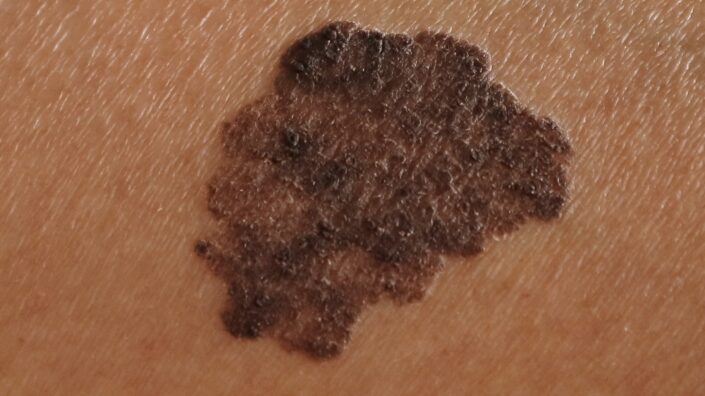
MelanomaHow Senescent Cells Encourage Melanoma Growth: Researchers publishing in Aging Cell have documented a key reason why older people are much more likely to get melanoma, finding that it is directly attracted to senescent cells.

Nanoparticles Improve Intercellular Mitochondrial Transfer: Scientists have created “nanoflowers” that nudge donor cells to produce more mitochondria, which can then be transferred to recipient cells to boost their mitochondrial function.

Bone marrowFixing Lysosomes Improves Blood Stem Cell Function: In a recent study, scientists have demonstrated that lysosomal dysfunction actively decreases the potency of hematopoietic stem cells. Calming lysosomes reversed this process, opening avenues for new treatments.

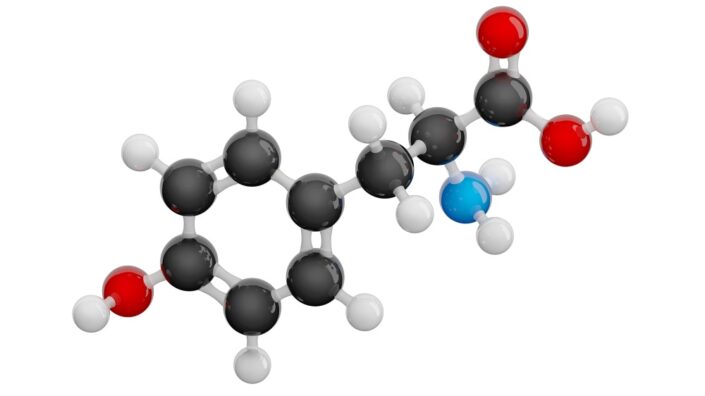
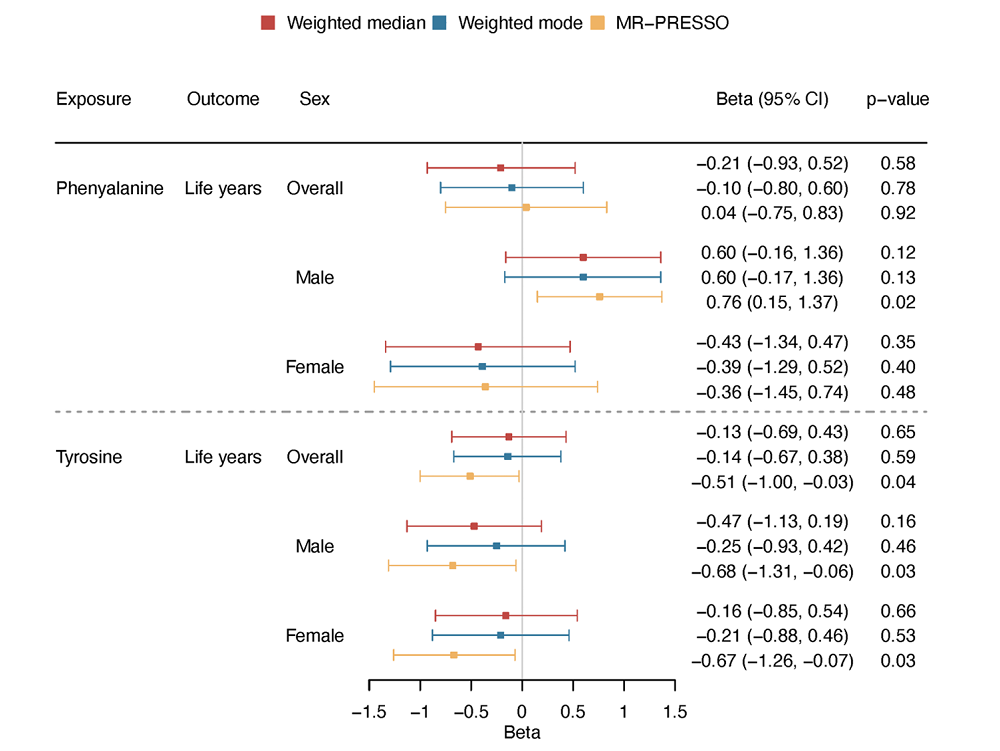
The Roles of Phenylalanine and Tyrosine in Lifespan: Using UK Biobank data, the researchers reported an association between tyrosine and shorter lifespan, with sex-specific differences. The results for phenylalanine were more inconsistent.

Human Robot HandshakeAn AI-Based System Has Found a Potential Longevity Drug: Prof. Vadim Gladyshev and a team of researchers have used an artificial intelligence-based system to discover a wide variety of potential interventions, including a drug that significantly improves biomarkers of frailty in mice.

A Subtype of T Cells Counters Senescence in Mice: Scientists have discovered that a cytotoxic subtype of CD4 T cells, which is enriched in old people, helps control cellular senescence.

A collagen amino acid composition supplementation reduces biological age in humans and increases health and lifespan in vivo: Oral supplementation in humans demonstrated improved skin features within three months and a reduction in biological age by 1.4 years (p = 0.04) within 6 months.

Body-wide multi-omic counteraction of aging with GLP-1R agonism: These findings have broad implications for the mechanisms behind GLP-1RAs’ pleiotropic benefits, guiding clinical trials, and informing the development of anti-aging-based therapeutics.

NAD+ reverses Alzheimer’s neurological deficits via regulating differential alternative RNA splicing of EVA1C: NAD+ reduces Alzheimer’s pathologies, at least partially, via amplification of the NAD+-EVA1C splicing axis, pointing to a potential splice-switching therapy for Alzheimer’s.

Organ-specific proteomic aging clocks predict disease and longevity across diverse populations: The brain aging clock further stratified Alzheimer’s disease risk across APOE haplotypes, and a super-youthful brain appears to confer resilience to APOE4.

Human Umbilical Cord Plasma Metabolomics Uncover Potential Metabolites for Combating Aging: These findings provide novel insights into the distinctive characteristics of the human cord plasma metabolome and identify promising metabolites with therapeutic potential for antiaging and other cord blood-based medical applications.

Nasal Mucosa-Derived Extracellular Vesicles as a Systemic Antiaging Intervention: These findings support the translational potential of nmEVs as a multifaceted therapeutic candidate for systemic aging intervention.

Low-dose ionizing radiation promotes lifespan extension and stress resistance of C. elegans via DAF-16/SKN-1 mediated adaptive response: This work identifies a critical regulatory network that drives lifespan extension and stress resistance in C. elegans, and provides candidate targets and mechanistic insights for preventive interventions.

Reporting quality, effect sizes, and biases for aging interventions: a methodological appraisal of the DrugAge database: Although anti-aging interventions may have different effects depending on when they are started, most studies began giving the intervention under investigation very early in the organism’s lifespan.

Life-extending interventions do not necessarily result in compression of morbidity: a case example offering a robust statistical approach: This framework offers a valuable tool for future studies, and further refining this method will be crucial to determine under which circumstances lifespan extension leads to morbidity compression.

Targeting RhoA nuclear mechanoactivity rejuvenates aged hematopoietic stem cells: Together, these data outline an intrinsic RhoA-dependent mechanosignaling axis, which can be pharmacologically targeted to restore aged stem cell function.

Anti-uPAR CAR T cells reverse and prevent aging-associated defects in intestinal regeneration and fitness: These findings reveal the deleterious role of uPAR-positive cells on intestinal aging in vivo and provide proof of concept for the potential of targeted immune-based cell therapies to enhance tissue regeneration in aging organisms.

Machine learning predicts lifespan and suggests underlying causes of death in aging C. elegans: Different life-extending treatments result in distinct patterns of suppression of senescent pathology.

REVIVE: a computational platform for systematically identifying rejuvenating chemical and genetic perturbations: When applied to a large-scale in silico screen of more than 10000 compounds and genetic perturbations, REVIVE recapitulates known interventions as well as 477 novel compounds that restore a more youthful transcriptional state.

News Nuggets

Insilico MedicineInsilico Unveils Portfolio of Unique Cardiometabolic Assets: Insilico Medicine, a clinical-stage drug discovery and development company, announced the launch of its innovative cardiometabolic disease portfolio of unique highly-differentiated molecules discovered using generative AI.

Vincere Biosciences Awarded $5 Million Grant: Vincere Biosciences announced the receipt of a $5 million grant from The Michael J. Fox Foundation for Parkinson’s Research through its Therapeutics Pipeline Program.

We would like to ask you a small favor. We are a non-profit foundation, and unlike some other organizations, we have no shareholders and no products to sell you. All our news and educational content is free for everyone to read, but it does mean that we rely on the help of people like you. Every contribution, no matter if it’s big or small, supports independent journalism and sustains our future.

T cell

A Subtype of T Cells Counters Senescence in Mice

Scientists have discovered that a cytotoxic subtype of CD4 T cells, which is enriched in old people, helps control cellular senescence. This hints at a new type of anti-senescence strategy but also suggests that an immune system can be “overly youthful.”

When generals become fighters

CD4 T cells usually behave as “generals”, directing immune attacks from behind the front lines. However, previous research suggests that some of these cells can themselves become killers under certain conditions; for instance, cytotoxic CD4 T cells are enriched in very old people, according to a study of Japanese centenarians [1].

Since aging is also associated with an increasing burden of senescent cells, scientists from the Ben-Gurion University of the Negev, in a new study published in Nature Aging, asked whether these “killer” CD4 T cells are induced by senescent cells and if they help to control senescent cells and the damage they cause.

The senescence connection

First, the researchers transferred a mixture of splenic immune cells from young mice to either young or old recipient mice and tracked what happened to the CD4 T cells. The donors and the recipients were slightly different genetically so that the researchers could follow the donor-originated cells.

After a month, the researchers analyzed the fraction of T cells expressing the “killer” phenotype, which is characterized in particular by the expression of Eomesodermin (Eomes), a transcription factor that, in T cells, helps drive a cytotoxic program. In old recipients, the transferred young CD4 T cells acquired a much higher fraction of Eomes-positive cells while other subtypes (naïve, effector, and Treg) were unchanged or reduced. T cells transplanted into old hosts also showed increased markers of exhaustion.

Interestingly, the proportion of CD4-Eomes among transferred young cells in old mice matched that of the endogenous old CD4 pool, implying that this differentiation is dictated by the environment.

Using a dye that gets diluted every time a cell divides, the team found that donor-derived CD4-Eomes were created by extensive cell division. That shows that the old, senescent environment actively drives young CD4 T cells to proliferate and then differentiate into this cytotoxic state.

Treating old recipients with the senolytic drug navitoclax before transfer reduced liver senescence markers and lowered the ratio of transferred/host CD4-Eomes cells without altering other CD4 subsets. This suggests that the senescent cell burden specifically drives the expansion and differentiation of CD4-Eomes cells.

The researchers then created genetically modified mice with tamoxifen-inducible CD4 T cell-specific Eomes deficiency. When Eomes knockout was triggered in 20-month-old mice, CD4-Eomes frequencies dropped, and the animals developed worse grip strength and reduced spontaneous activity. The livers of Eomes-KO mice showed increased accumulation of senescent cells, both immune and non-immune.

Next, the team placed 15-month-old mice on a long-term tamoxifen treatment (40 weeks). As a result, in the Eomes-KO cohort, survival dropped precipitously compared to Eomes-normal animals. However, in Eomes-KO mice treated with navitoclax, survival rates were closer to controls. These results suggest that CD4-Eomes cells in old mice restrain senescent cell accumulation and help preserve function and lifespan.

Is appropriate better than young?

In addition to aging, increased senescent cell accumulation also occurs in various diseases. To investigate the role of CD4 Eomes cells in a disease setting, the researchers used a mouse model of liver cirrhosis.

Eomes-KO livers had more extensive scarring and more severe fibrosis than controls as well as an increased senescent cell burden. Adding navitoclax reduced both fibrosis and senescence markers. It also reduced the frequency of CD4-Eomes in wild type mice, consistent with the idea that less senescence leads to fewer cytotoxic Eomes-positive T cells.

This is not the first recent study suggesting that simply keeping the immune system young and strong might not be an ideal anti-aging strategy. Another one recently uncovered a connection between “overly youthful” immune systems and autoimmune disease, which become more prevalent as we age [2]. In the context of this study, according to its authors, it means that a more “aged” phenotype of increased CD4-Eomes T cells may be important for countering age-related senescence.

“People say that to reverse aging and ‘rejuvenate’, we need to reset their immune system like the immune systems of people in their 20s,” said Prof. Alon Monsonego, a senior author. “However, our research shows that this might not be the case. People don’t need a super-charged immune system; they need one that is working properly and appropriate for their stage in life. So, one of the ‘axioms’ of how to reduce aging may be incorrect.”

“The authors integrate rigorous in vivo and ex vivo approaches to make a compelling case that immune-mediated senescence surveillance is not a peripheral feature of aging biology, but a central regulatory axis,” said Dr. Amit Sharma, a senior researcher from Lifespan Research Institute, who was not involved in this study. “For years, I’ve believed that unraveling this immune–senescence interface is key not only to understanding the biology of aging but also to developing effective therapeutics for age-related diseases. This paper strongly reinforces that view.”

We would like to ask you a small favor. We are a non-profit foundation, and unlike some other organizations, we have no shareholders and no products to sell you. All our news and educational content is free for everyone to read, but it does mean that we rely on the help of people like you. Every contribution, no matter if it’s big or small, supports independent journalism and sustains our future.

Literature

[1] Hashimoto, K., Kouno, T., Ikawa, T., Hayatsu, N., Miyajima, Y., Yabukami, H., … & Carninci, P. (2019). Single-cell transcriptomics reveals expansion of cytotoxic CD4 T cells in supercentenarians. Proceedings of the National Academy of Sciences, 116(48), 24242-24251.

[2] Weyand, C. M., & Goronzy, J. J. (2025). Sustained immune youth risks autoimmune disease in the aging host. Nature Aging, 5(8), 1404-1414.

Human Robot Handshake

An AI-Based System Has Found a Potential Longevity Drug

In a preprint published in bioRxiv, Prof. Vadim Gladyshev and a team of researchers have used an artificial intelligence-based system to discover a wide variety of potential interventions, including a drug that significantly improves biomarkers of frailty in mice.

Repurposing previous data

Previous research efforts have created a massive dataset in the form of the Gene Expression Omnibus (GEO), which contains the results of a great many experiments related to potentially disease-modifying drugs, many of which are tissue-specific [1]. These researchers refer to this dataset as a “massive missed opportunity” in aging research, because the vast majority of the experiments in the GEO were unrelated to aging and their data was never investigated in that context.

However, investigating all of that data by hand is practically impossible. These researchers note that modern LLMs can “autonomously generate hypotheses, execute complex analytical pipelines, synthesize findings across multiple data sources, and identify patterns that human researchers might overlook.” Combining that ability with the latest generation of clocks, including causality-based clocks such as AdaptAge, CausAge, and DamAge [2], may yield insights that would have simply gotten lost in the noise.

To that end, these researchers created ClockBase Agent, which uses over two million human and murine samples, including both RNA sequencing and epigenetic measurements, and 40 separate aging clocks. Unlike previous efforts in this area, which used simpler AI systems to simply link compounds to improvements in aging biomarkers, ClockBase is built to exhibit real agentic behavior: it uses an LLM to generate hypotheses about this data, then verifies these hypotheses with more in-depth examinations of both the raw data and the literature from which the data was derived.

Much of the data agrees with existing databases

Unsurprisingly, the clocks showed their natures rapidly. The researchers found that first-generation clocks, which were simply meant to estimate chronological age, were strongly correlated with each other, while healthspan-based clocks such as GrimAge were indeed correlated with healthspan and had data clusters accordingly.

Of a total of 43,529 interventions, which included genetics, diseases, pharmacology, and environment, the researchers’ AI model identified 5,756 that were statistically likely to have age-modifying effects. One was the knocking out of IFR4, which is essential in immune cell differentiation, and another was the knockout of Mettl3, which methylates RNA.

The expression of Bach2, which keeps T cells quiescent, was also associated with reduced aging, as was the overexpression of miR-155, a result that the AI gave an extraordinarily low p-value (2.69 * 10^-10), reflecting very high confidence, and the researchers found surprising due to miR-155’s pro-inflammatory effects. On the other hand, the disruption of hedgehog signaling, which is required for tissue homeostasis, and the knockout of H3K9 methyltransferases substantially increased aging; the latter result is wholly unsurprising due to H3K9’s effects on methylation. Most of its results agreed with the existing GeneAge database, and the few that did not could mostly be explained by the negative, age-increasing effects of knocking out “anti-longevity” genes such as Mtor.

The AI agreed wth the consensus that rapamycin and metformin reduce biological aging. It also found that ouabain, a little-known but established senolytic, also substantially reduces aging according to these clocks, as does the dyslipidemia drug fenofibrate. The immunomoulator Serpina3n was strongly linked to reduced aging, while the immune activator 3M-052 accelerated it. Many of the drugs the model identified are already approved by the FDA; unfortunately, it found that nearly two-thirds of the drugs it identified accelerate aging rather than slow it down. Only five of its results were found in the existing DrugAge database, which agreed with the direction of all five.

This model also found that environmental causes led to biological effects. A combination of mechanical overload, which may reflect exercise practices such as resistance training, along with senolytic administration was substantially associated with reductions in age. Hypoxia, the ischemia-reperfusion injury associated with heart attacks and their treatment, infection with viruses, and some metabolic disorders also accelerated age. Exposing embryos to high-intensity light sources accelerates their aging as well.

Overall, the researchers found that their agent found a substantial amount of both corroborating information and potentially actionable new information, stating that it “reveals a substantial set of new intervention candidates for aging research.” While the AI did make a handful of mistakes in its generation of hypotheses, such as being tripped up on clock age versus chronological age and some issues relating to control groups and treatment groups in complex experiments, its overall results provide an immense potential starting point for further work.

Verifying the AI’s data

The researchers took a crucial step to determine if their model was accurate: they used ouabain, the senolytic that the AI identified as being age-decelerating, in their own experiment with standard, 20-month-old, Black 6 mice. They followed the same protocol as the ouabain experiment that the AI had used to generate its conclusion.

In this experiment, the treatment group was far healthier than the control group after three months of intermittent ouabain exposure. This included metrics of frailty, cognitive ability, and fur condition. Their hearts functioned better, as did the microglia in some but not all brain regions. In total, the AI model had correctly identified ouabain as a potential age-modifying drug.

Of course, this was a murine result published in a preprint paper, and ouabain and many of the other interventions will have to go through further experiments and clinical trials before they can be confirmed as treatments and applied to human beings. The AI’s occasional flaws in reasoning mean that, despite the tremendous advances in this field over the past couple of years, it still cannot be fully relied upon to yield perfectly accurate information. However, it is clearly an invaluable tool in giving researchers critical clues that they would probably never have found without it.

We would like to ask you a small favor. We are a non-profit foundation, and unlike some other organizations, we have no shareholders and no products to sell you. All our news and educational content is free for everyone to read, but it does mean that we rely on the help of people like you. Every contribution, no matter if it’s big or small, supports independent journalism and sustains our future.

Literature

[1] Edgar, R., Domrachev, M., & Lash, A. E. (2002). Gene Expression Omnibus: NCBI gene expression and hybridization array data repository. Nucleic acids research, 30(1), 207-210.

[2] Ying, K., Paulson, S., Reinhard, J., de Lima Camillo, L. P., Träuble, J., Jokiel, S., … & Biomarkers of Aging Consortium. (2024). An open competition for biomarkers of aging. bioRxiv.

Tyrosine

The Roles of Phenylalanine and Tyrosine in Lifespan

A recent study investigated the impact of two amino acids, phenylalanine and tyrosine, on lifespan using UK Biobank data. The researchers reported an association between tyrosine and shorter lifespan, with sex-specific differences. The results for phenylalanine were more inconsistent [1].

One by one

Model animal research has shown that protein restriction can extend lifespan. However, proteins are complex molecules built from 20 different amino acids, and to determine whether it is one or more amino acids that impact healthspan and lifespan, researchers need to investigate them individually.

For example, we recently reported that dietary methionine restriction improves healthspan and that dietary isoleucine restriction boosts lifespan in mice. On the other hand, increased protein intake, particularly leucine, can exacerbate atherosclerosis, an age-related disease. Also, some amino acids might be needed in greater amounts to help protect against aging-associated diseases. For example, we have reported that increasing glutathione levels with GlyNAC, a supplement that combines glycine and cysteine, significantly reverses age-related cognitive decline in naturally aged mice. Those reports point to the complex role of amino acids in aging and age-related diseases along with the need to investigate their individual impacts on healthspan and lifespan.

In this study, the researchers focused specifically on two amino acids, phenylalanine and tyrosine, and their impacts on lifespan, including sex-specific differences.

Tyrosine is an essential metabolite in many metabolic processes and a precursor to neurotransmitters such as dopamine, norepinephrine, and epinephrine, which regulate mood, cognition, and stress responses [2]. Animal experiments suggest that tyrosine restriction plays a role in lifespan extension, potentially by suppressing insulin signaling and the mTORC1 pathway [3].

Phenylalanine is the precursor of tyrosine. Its elevated levels were linked to such detrimental processes as telomere loss [4], inflammatory disease [5], and type 2 diabetes [6]. Its toxic derivative has been shown to shorten the lifespan of model organisms [7].

For the investigation, the researchers used a UK Biobank cohort of 272,475 participants that had all the necessary information for this analysis. However, they note some limitations of the dataset. For example, the available data included only a single measurement of tyrosine and phenylalanine levels. Therefore, they were unable to test the impacts of changes in these amino acid levels over time.

They also note that the observational design of UK Biobank data is susceptible to confounding factors arising from differences in participants’ health and socioeconomic status, the latter being especially difficult to measure accurately. To address that, they also used Mendelian randomization (MR), which uses “genetic variants as instruments, which are less affected by socioeconomic positions.” However, using these different analyses might yield different results that need to be interpreted in light of the data used in each test.

The kind of amino acid makes a difference

The initial analysis of UK Biobank data, adjusted for multiple confounders, showed an association between plasma phenylalanine and elevated all-cause mortality in the whole population and in men and women when analyzed separately. For tyrosine, the researchers also observed an association between plasma tyrosine and a higher risk of all-cause mortality in the whole study population and in men but not in women.

When specific causes of death were investigated, the analysis revealed positive associations between phenylalanine, but not tyrosine, and both cardiovascular disease (CVD) and cancer mortality, suggesting a role for phenylalanine in molecular pathways related to cardiovascular health and carcinogenesis.

Further analysis investigating the relationship between the two amino acids showed a link between a higher tyrosine-to-phenylalanine ratio and a lower overall risk of all-cause mortality in the general population and in women but not in men.

Using genetic data

A genetic analysis identified gene variants that are significantly linked to phenylalanine and tyrosine. The researchers narrowed their list to several single-nucleotide polymorphisms (SNPs, genetic variants with a single DNA base difference) and used them as instruments in their analysis. Those SNPs were “located within genes critical for amino acid metabolism, transport, and regulation.”

Then, they used those SNPs in an MR analysis to estimate their effects on lifespan. “Genetically predicted higher phenylalanine was related to longer lifespan in men but not related to lifespan in overall analysis or in women.” Those associations were the same even when different analytics methods were used.

“Genetically mimicked higher tyrosine levels were linked to a shorter lifespan in the overall population and in both sexes” in two types of analysis, and there was the same trend in the same way in the other analysis. They also conducted a similar analysis using data from different populations outside the UK, obtaining comparable results.

Tyrosine phenylalanine results

Following an MR analysis that included both amino acids, the researchers found that phenylalanine didn’t affect lifespan when controlling for tyrosine. However, the effect of tyrosine, associated with shorter lifespan in men but not women persisted even after controlling for phenylalanine.

Tyrosine reduction as a possible intervention

Summarizing, the researchers observed an association between tyrosine and shorter lifespan in observational and MR studies, which was independent of phenylalanine. The effect was stronger in men than in women, possibly due to sex-specific differences or insufficient statistical power in some tests to detect it. Future studies with larger sample sizes might confirm or debunk these results.

On the other hand, the phenylalanine results were less consistent. An observational analysis found an association between plasma phenylalanine and elevated all-cause mortality, but in an MR analysis, in which the researchers controlled for tyrosine, phenylalanine did not affect lifespan.

The researchers suggest that, based on their results and on rodent studies that also implicate tyrosine in lifespan, “reducing tyrosine in people with elevated concentrations may contribute to prolonging lifespan”. However, there is a need for a better understanding of the molecular mechanisms that link tyrosine restriction to lifespan extension.

We would like to ask you a small favor. We are a non-profit foundation, and unlike some other organizations, we have no shareholders and no products to sell you. All our news and educational content is free for everyone to read, but it does mean that we rely on the help of people like you. Every contribution, no matter if it’s big or small, supports independent journalism and sustains our future.

Literature

[1] Zhao, J. V., Sun, Y., Zhang, J., & Ye, K. (2025). The role of phenylalanine and tyrosine in longevity: a cohort and Mendelian randomization study. Aging, 17(10), 2500–2533.

[2] Fernstrom, J. D., & Fernstrom, M. H. (2007). Tyrosine, phenylalanine, and catecholamine synthesis and function in the brain. The Journal of nutrition, 137(6 Suppl 1), 1539S–1548S.

[3] Kosakamoto, H., Sakuma, C., Okada, R., Miura, M., & Obata, F. (2024). Context-dependent impact of the dietary non-essential amino acid tyrosine on Drosophila physiology and longevity. Science advances, 10(35), eadn7167.

[4] Eriksson, J. G., Guzzardi, M. A., Iozzo, P., Kajantie, E., Kautiainen, H., & Salonen, M. K. (2017). Higher serum phenylalanine concentration is associated with more rapid telomere shortening in men. The American journal of clinical nutrition, 105(1), 144–150.

[5] Neurauter, G., Schröcksnadel, K., Scholl-Bürgi, S., Sperner-Unterweger, B., Schubert, C., Ledochowski, M., & Fuchs, D. (2008). Chronic immune stimulation correlates with reduced phenylalanine turnover. Current drug metabolism, 9(7), 622–627.

[6] Guasch-Ferré, M., Hruby, A., Toledo, E., Clish, C. B., Martínez-González, M. A., Salas-Salvadó, J., & Hu, F. B. (2016). Metabolomics in Prediabetes and Diabetes: A Systematic Review and Meta-analysis. Diabetes care, 39(5), 833–846.

[7] Dato, S., Hoxha, E., Crocco, P., Iannone, F., Passarino, G., & Rose, G. (2019). Amino acids and amino acid sensing: implication for aging and diseases. Biogerontology, 20(1), 17–31.

Bone marrow

Fixing Lysosomes Improves Blood Stem Cell Function

In a recent study, scientists have demonstrated that lysosomal dysfunction actively decreases the potency of hematopoietic stem cells. Calming lysosomes reversed this process, opening avenues for new treatments [1].

Few and far between

Hematopoietic stem cells (HSCs) are rare and precious: they produce blood progenitor cells, which, in turn, produce all differentiated blood cells. With age, HSC function gets increasingly dysregulated, which has been linked to immune decline, increased inflammation and atherosclerosis, and higher cancer risk [2].

One particular consequence is clonal hematopoiesis, which occurs when some HSCs acquire mutations that make them more reproductive. However, their progeny, which overwhelms the blood cell pool, is usually of lesser quality. Clonal hematopoiesis is increasingly recognized as an important driver of aging and mortality [3], especially in the oldest people.

Lysosomes are the cell’s recycling plants: they break down worn-out proteins, lipids, and even whole organelles into reusable building blocks, keeping the cell clean, fueled, and functional. Scientists have been unsure whether lysosomal dysfunction, which worsens with age, is a causal driver of HSC aging. A new study from the Icahn School of Medicine at Mount Sinai, published in Cell Stem Cell, asks the question: do lysosome changes in old HSCs actively cause dysfunction, and if so, can reversing these changes restore youthful HSC function?

The lysosome connection

The team took mouse HSCs from young (8-week) and old (22- to 24-month) mice. First, they sorted the cells into more quiescent/potent and more activated/less potent subsets. The researchers then analyzed lysosomes and found that lysosomal function was markedly dysregulated in aged cells and present across both subsets, pointing to a general aging-related decline.

Old HSCs showed reduced lysosomal mass and had lysosomes with a lower pH than normal (hyperacidification). The older lysosomes overall had leakier, compromised membranes. Surprisingly, they were also more active compared to lysosomes in young cells, like older, more polluting engines operating at higher speeds.

Inhibiting the enzyme v-ATPase, a proton pump that acidifies lysosomes, with a compound called ConA dampened lysosomal activity and normalized pH levels. Markers of lysosomal integrity bounced back as well. This showed that lysosomal defects in old HSCs are at least partly driven by v-ATPase and can be reversed.

Old HSCs had higher levels of mTORC1, a nutrient-sensing kinase that pushes cells toward growth and cycling. Essentially, hyperactive lysosomes helped keep old HSCs metabolically active. Inhibiting v-ATPase reduced mTORC1 expression and its lysosomal colocalization back toward young levels associated with a restrained, quiescent metabolism.

The researchers also found that lysosomes in old HSCs mis-process damaged mitochondria. As a result, mitochondrial DNA (mtDNA) escapes into the cytosol. Cells mistake cytosolic mtDNA for foreign (such as viral) DNA and activate the cGAS-STING inflammatory pathway. ConA reduced extramitochondrial mtDNA and suppressed cGAS-STING activation.

Rebuilding the blood system

For their in vivo experiments, the scientists took HSCs out of mice and cultured them with ConA for four days. Mice were then irradiated to wipe out their bone marrow – much like after high-dose chemotherapy – so transplanted stem cells had to rebuild the entire blood system from scratch.

A small number of treated old HSCs were transplanted back into these mice, together with a much larger number of ordinary bone-marrow cells from a healthy mouse. The ability of HSCs to produce substantial progeny despite the competition would indicate success. Another group received sham-treated HSCs.

ConA pretreatment boosted old HSC output up to 16-fold compared to sham-treated cells over the 21-week follow-up, showing that the cells regained the ability to sustain blood production long-term, not just transiently. Several recipients of sham-treated old HSCs died by 21 weeks, while survival in the ConA group was higher. ConA also increased lymphoid compared to myeloid output from old HSCs, reversing this hallmark of clonal hematopoiesis, and significantly increased the number of donor-derived T and B cells.

“Our findings reveal that aging in blood stem cells is not an irreversible fate. Old blood stem cells have the capacity to revert to a youthful state; they can bounce back,” said Saghi Ghaffari, MD, Ph.D., Professor of Cell, Developmental, and Regenerative Biology at the Icahn School of Medicine. “By slowing down the lysosomes and reducing their acidity, stem cells became healthier and could make new balanced blood cells and new stem cells much more effectively. By targeting lysosomal hyperactivity, we were able to reset aged stem cells to a younger, healthier state, improving their ability to regenerate blood and immune cells.”

“Lysosomal dysfunction emerges as a central driver of stem cell aging,” he added. “Targeting this pathway may one day help maintain healthy blood and immune systems in the elderly, improve their stem cells for transplantation, and reduce the risk of age-associated blood disorders and perhaps have an effect on overall aging.”

We would like to ask you a small favor. We are a non-profit foundation, and unlike some other organizations, we have no shareholders and no products to sell you. All our news and educational content is free for everyone to read, but it does mean that we rely on the help of people like you. Every contribution, no matter if it’s big or small, supports independent journalism and sustains our future.

Literature

[1] Tasleem Arif, Jiajing Qiu, Hossein Khademian, Anusree Lohithakshan, Anagha Menon, Vijay Menon, Mary Slavinsky, Maxime Batignes, Miao Lin, Robert Sebra, Kristin G. Beaumont, Deanna L. Benson, Nikolaos Tzavaras, Mickaël M. Ménager, Saghi Ghaffari. (2025). Reversing lysosomal dysfunction restores youthful state in aged hematopoietic stem cells, Cell Stem Cell

[2] Kasbekar, M., Mitchell, C. A., Proven, M. A., & Passegué, E. (2023). Hematopoietic stem cells through the ages: A lifetime of adaptation to organismal demands. Cell Stem Cell, 30(11), 1403-1420.

[3] Jaiswal, S., & Ebert, B. L. (2019). Clonal hematopoiesis in human aging and disease. Science, 366(6465), eaan4673.

Molybdenum sulfide

Nanoparticles Improve Intercellular Mitochondrial Transfer

Scientists have created “nanoflowers” that nudge donor cells to produce more mitochondria, which can then be transferred to recipient cells to boost their mitochondrial function [1].

Mitochondrial transfer is difficult to improve

Energy is required for life, and most energy in our cells is produced by mitochondria. When these organelles start to falter, it’s a sign of trouble. Numerous diseases are linked to mitochondrial dysfunction, which is a hallmark of aging.

Intercellular mitochondrial transfer (IMT) is a natural rescue mechanism that is defined as stressed cells receiving healthy mitochondria from their neighbors, especially mesenchymal stem cells (MSCs), via tunneling nanotubes (TNTs), extracellular vesicles, or gap junction channels [2]. However, transfer rates are low, and most current methods to boost them are cumbersome and may involve genetic engineering.

In a new study from Texas A&M University, published in Proceedings of the National Academy of Sciences, the researchers describe a novel method for improving IMT, which involves some nanotechnological wizardry.

“Nanoflowers” boost mitochondrial output

The team looked for ways to improve mitogenesis in MSCs, reasoning that this might boost their ability to donate mitochondria. They started with molybdenum sulfide (MoS2) and subjected it to “defect engineering.” This process takes out some of the sulfur atoms, exposing molybdenum atoms that have electrons to donate. Molybdenum is a transition metal, which means it has variable oxidation states and can either donate or accept electrons depending on the context.

This unusual material can mimic the enzyme catalase, neutralizing ROS (reactive oxygen species). ROS react with various biomolecules, such as proteins, lipids, and DNA, damaging them and creating oxidative stress, which hurts mitochondrial function [3].

The exposed molybdenum atoms act as traps and catalysts for ROS molecules. For instance, when a molecule of hydrogen peroxide (H2O2), the most ubiquitous ROS, approaches the site, it accepts two electrons from a molybdenum atom, separating the extra oxygen atom from the peroxide and leaving behind water. When the next H2O2 molecule approaches the site, another oxygen atom pulls itself away from the peroxide and becomes bound to the first trapped oxygen atom, forming free diatomic oxygen (O2) and another molecule of water while returning the electrons to the molybdenum.

For further improvement, the researcher designed a process of MoS2 self-assembling into “nanoflowers”, delicate structures that greatly increase the material’s surface-to-weight ratio. MSCs were able to take nanoflowers up, which decreased ROS levels and improved mitochondrial output. After seven days of treatment, the amount of mitochondrial DNA, a marker of mitochondria abundance, doubled, and the production of ATP, the “energy currency” of the cell, increased as well.

“MoS2 nanoflowers with atomic vacancies activate the PGC-1α pathway by modulating cellular ROS levels and stimulating the SIRT1 signaling pathway,” the paper says. “This activation leads to increased mitochondrial biogenesis and enhanced cellular bioenergetics.” In other words, by clearing up ROS, nanoflowers triggered cells to signal that stress has decreased and mitochondria production can be ramped up.

“MitoFactories” to the rescue

To assess the effectiveness of IMT, the researchers induced mitochondrial damage in smooth muscle cells. “Nanoflower”-treated MSCs, which the researchers refer to as “MitoFactories,” were several-fold more effective in transferring their increased mitochondrial load into their damaged neighbors than untreated controls.

“We have trained healthy cells to share their spare batteries with weaker ones,” said Dr. Akhilesh K. Gaharwar, a professor of biomedical engineering and a senior author. “By increasing the number of mitochondria inside donor cells, we can help aging or damaged cells regain their vitality – without any genetic modification or drugs.”

“The several-fold increase in efficiency was more than we could have hoped for,” added Ph.D. student John Soukar, lead author of the paper. “It’s like giving an old electronic a new battery pack. Instead of tossing them out, we are plugging fully-charged batteries from healthy cells into diseased ones.”

Putting new mitochondria to work

The damaged recipient cells not just successfully accepted mitochondria from the “MitoFactories” via TNTs, but also put them to work, integrating them into their mitochondrial network. Enhanced mitochondrial transfer restored cellular function and survivability to a notable degree. Interestingly, undamaged recipient cells also benefited from improved TNT, showing higher respiratory capacity and ATP production.

“This is an early but exciting step toward recharging aging tissues using their own biological machinery,” Gaharwar said. “If we can safely boost this natural power-sharing system, it could one day help slow or even reverse some effects of cellular aging.”

The strictly in vitro design was an obvious limitation of this study. In a more realistic setting, especially in an aged, fibrotic tissue, donor cells might have been unable to approach the recipient’s cells to initiate IMT. However, this is an exciting proof of concept, and the researchers are optimistic.

“You could put the cells anywhere in the patient,” Soukar said. “For cardiomyopathy, you can treat cardiac cells directly – putting the stem cells directly in or near the heart. If you have muscular dystrophy, you can inject them right into the muscle. It’s pretty promising in terms of being able to be used for a whole wide variety of cases, and this is just the start. We could work on this forever and find new things and new disease treatments every day.”

We would like to ask you a small favor. We are a non-profit foundation, and unlike some other organizations, we have no shareholders and no products to sell you. All our news and educational content is free for everyone to read, but it does mean that we rely on the help of people like you. Every contribution, no matter if it’s big or small, supports independent journalism and sustains our future.

Literature

[1] Soukar, J., Singh, K. A., Aviles, A., Hargett, S., Kaur, H., Foster, S., … & Gaharwar, A. K. (2025). Nanomaterial-induced mitochondrial biogenesis enhances intercellular mitochondrial transfer efficiency. Proceedings of the National Academy of Sciences, 122(43), e2505237122.

[2] Spees, J. L., Olson, S. D., Whitney, M. J., & Prockop, D. J. (2006). Mitochondrial transfer between cells can rescue aerobic respiration. Proceedings of the National Academy of Sciences, 103(5), 1283-1288.

[3] Guo, C., Sun, L., Chen, X., & Zhang, D. (2013). Oxidative stress, mitochondrial damage and neurodegenerative diseases. Neural regeneration research, 8(21), 2003-2014.

George Church Lila

George Church on Building “Scientific Superintelligence”

George Church, a Harvard professor and a famed geroscientist, is also known as a serial entrepreneur who has co-founded dozens of biotech companies. While Church maintains that he’s involved in them all, one company has been seeing an unusual amount of his attention: Lila Sciences, where he assumed the role of Chief Scientist.

On its website, Lila sets a lofty goal: to build a “Scientific Superintelligence.” Practically, this involves creating an array of AI models and, perhaps Lila’s defining feature, building huge robotic labs to quickly test AI-generated hypotheses and feed the data back into the model.

This company, founded in 2023, has raised $550 million and is now valued at $1.3 billion. It has already made several promising discoveries and appears well on its way to revolutionize the way we do science. We spoke with Dr. Church to learn more about this giant startup and his role in it.

You’ve co-founded many startups, but usually you retain an advisory role without investing too much energy in the company. With Lila, things seem different. You’re the chief scientist, and you said in an interview that you really want to invest a lot of your time in Lila. What’s different this time?

With previous companies, I have put a fair amount of effort into them, at least for periods of time, and they’re all advisory roles when you come right down to it. Even my own laboratory at Harvard Medical School is an advisory role.

But Lila is special in the sense that I’ve been working on computational biology and AI for many years, and I keep looking around for the big players. Who’s got the most interesting story that could conceivably fit in with other things that I’m trying to do, like longevity? Lila is not a longevity company, but it is a science AI company.

In particular, most of the AI companies are scraping the internet and seeing what they can do to use natural language processing to sort through what’s in the abstracts and maybe even the supplementary material for articles. Lila is using that a little bit, but by far the biggest component is new empirical data. So, rather than the open data that everybody has, this is to develop new proprietary data.

It’s partly based on my observation that every new technology we develop, within the first year or so, can redo almost everything in history up to that point in that field and then start multiplying it by factors of 10, so there’s no reason to try to scrape the poorly configured ancient history. It’s better to go forward where you’ve constructed it so that it’s maximally compatible with AI and with whatever ultimate applications you have in mind. That’s a big game changer for me. It struck me as the best thing you can do with AI.

In fact, there are other things you can do with AI that I think are not as useful and potentially a little bit more dangerous. I’m not a doomsayer or anything, but I’m just saying the ratio of benefit to risk is not appealing for going after artificial general intelligence. That’s not as likely to benefit society as just working on AI applied to science.

Here, I want to quote a press release from Lila. It says, “Lila’s mission is to responsibly achieve scientific superintelligence.” So, they are talking about superintelligence.

Scientific, not general superintelligence.

Still, “responsibly” implies that this can also be done irresponsibly and probably do some damage. So, how do you do it responsibly, and what could happen if we fail?

I think the first step in doing it responsibly is keeping the focus narrow. In other words, if you’re dealing with a natural intelligence (a group of people) and you give them total power, infinite resources, and no guidance on what they’re going to do with it, there’s a certain chance they’ll go rogue. I think it’s even more so if you’re dealing with an intelligence that’s completely alien, but that’s not what we’re doing.

We’re not empowering a superintelligence to consider whether humans are the best thing or not. That’s a dangerous question, at least for starters, until the new intelligence has had the time that the old intelligence has had to get adjusted to the real world and to evolve. So, you don’t want to just rush into it and say, “Okay, here are the keys to the kingdom,” and start asking philosophical questions that can lead to extermination. You want to keep it narrow.

Beyond that, “responsibly” means to make sure that you are being transparent about it and make sure that software is capable of explaining why it’s doing things.

About that: it’s always interpretability versus the model’s power. Where are you in this debate? Would you prefer a weaker but more interpretable AI or a stronger but less interpretable one?

I lean on the interpretability side. It’s not an either-or, but… we’re in science. Few engineers are willing to just pull a rabbit out of a hat, just a black box. Scientists and engineers, by and large, want to know the mechanism. The FDA likes to know mechanisms. Typically, the autocatalytic loop where you learn something and then you invent something is better if it’s mechanistically grounded. So, I lean pretty heavily in the direction of interpretability, explainability, transparency, et cetera, and also it’s safer.

I just honestly think that we will soon be faced with this dilemma, where we will have to choose between the power of the model to do things and its actual interpretability, but maybe we’re not there yet.

If you look at the human scientist experience, the most powerful sciences are the ones that are better articulated mechanistically on a solid foundation rather than black boxes. The black boxes tend to include artifacts, dead ends. Most of the progress in science and engineering has been part of community efforts with strong mechanistic underpinnings.

Let’s move to Lila’s model. Can you give me any more details? For instance, is the reasoning happening on the human language level?

Well, it’s really models, plural. There’s the meta-model that I’ve already mentioned, which is obtaining proprietary data using new high-throughput methods. Then there is a language model where we interface with it the way essentially everybody interfaces with computers at this point, which is through natural language, but then there are specific models for each scientific enterprise.

We’re getting better and better at the meta-level of learning from the specific models to make the next specific model, but the bitter lesson is to not over-engineer and over-educate; it’s to let the data speak for themselves. I think that’s turned out again and again in the Lila experience. We’ve done about 12 different model systems, and in each case, there usually are some industry milestones or standards. We can ask, how do we stand? In almost every case, we’ve managed to exceed whatever the milestone points were at the time. These are wildly different fields of science, and we were able to pass the milestones. So, it probably means we’re on the right track.

We’ve seen before companies that are building foundation models in biology, companies that use AI to create drugs, and companies that are developing robotic labs. Sometimes they combine two of those. I don’t think I’ve ever seen a company that combines all three. You already said this is in part about getting proprietary data that you can feed into the model. Can you expand on this?

I think there are two conventional sources of large data. One of them is PubMed and things like that, and the other is theoretical. But as powerful as AI is, both at scraping the internet with natural language and at doing theoretical constructs, the empirical is something that’s often ignored.

We’ve gotten to an era where we can make very large libraries for certain fields of science. We can make material libraries; DNA, RNA, and protein libraries; cellular libraries, and they can be barcoded and multiplexed effectively. Then it becomes a question of how clever the human-AI team can be at analyzing and manufacturing these libraries.

With AAV, we designed a million changes that were highly diverse, but then how can you test them in a way that might not be easy to simulate with just computational simulations? So, we injected them directly into primates. Putting a million designed, not random, structures into primates simultaneously saves a lot of money relative to, say, doing a million primates each with a single injection, which was and still is the standard practice.

You can get things that are very hard to simulate. You can get it to be a hundred times better to go through the brain and detarget everything else. In principle, to simulate that in a computer, you’d have to know all the possible ligand binding sites throughout the endothelium and maybe throughout the entire “surface-ome” of the body. But instead, if you do it empirically, you get a perfect simulation, 100% correct, and you get it quickly. You get a million at once, and you can actually ask for all the different tissues. It’s like you got a million constructs times hundreds of different cell types.

This is sometimes called natural computing. It’s just as valid as von Neumann silicon computers or quantum computers. I think that’s a fundamental new capability. And you’re right, there are very few that try to do all these things at once, but there is something synergistic about it that we anticipated and we’re not disappointed.

Let’s go back for a second to that “scientific superintelligence.” I’m not asking if AI will replace human scientists. I’m asking how soon it will replace human scientists, and does it bother you in any way?

I think it’s kind of like saying, “How soon will automobiles replace runners and horsemen? How soon will jets replace all of those?” They don’t. It’s almost always a hybrid system. It’s like, “How soon will my cerebral cortex replace my cerebellum?” Why would you bother? They both do specialized tasks.

I think we already have, and we’ve had for years, things that computers could do way better than humans, starting with math, calculations, especially where speed is an issue, and then they did chess, Jeopardy, and Go. But there still are things where the hybrid system is likely to persist for science in particular.

I know this argument, but I think it’s too optimistic. It’s true that for our entire history, technology has been helping us, but now it looks like it’s finally going to replace us. Automobiles did replace horsemen almost completely, it’s just that those horsemen had other fields they could migrate to. This might not be the case this time. Do you honestly believe that for the foreseeable future, human scientists will remain relevant, will possess something that the models won’t?

The correct answer is I don’t know, but I still will speculate a little. First, we still are very efficient: the 20-watt brain versus megawatt GPU farms. Second, there’s considerable skepticism as to how hard it is to get the machine to think out of the box, or even think of what the box should be, to plan new experiments.

I also think humans are not necessarily a fixed target. It’s not like machines are progressing exponentially and biotechnology is standing still. They’re both progressing exponentially. To me, it’s not clear that humans won’t be augmented in some way. Given that we’re already ahead in energy efficiency, we might just get further and further ahead rather than falling behind. I’m not making a strong prediction there. I’m just saying there’s a lot of assumptions being made as to whether A will replace B or whether it’s going to be some hybrid system.

I agree. I just think that technically, creating such a hybrid system is really hard.

We already have a hybrid system. Every human is augmented and vice versa: the computer is currently augmented by the queries that we come up with. We’re coming up with a non-random set of prompts, and so far, it seems like we’re prompting the computer in ways that it wouldn’t prompt itself.

Even if Lila’s vision is fully realized in a few years, we will still have a lot of downstream bottlenecks. What are these bottlenecks that science will face, and what can be done about them?

Of course, one of the classic bottlenecks in therapeutics has been FDA approval or the equivalent in other countries, but that’s changing. I think the FDA has always been an agent of change, even if people sometimes don’t see it. The FDA loves it when scientists come across a new method or technology that is safe and effective.

For example, the COVID vaccine was a brand new technology, at least in terms of FDA approval, and it got approved very quickly in 11 months. Baby KJ got approved from birth to cure in seven months. I think that will probably still be a bottleneck, and rightly so, because we do want things to be safe and effective, but it starts to widen.

Typically, funding is a bottleneck until it’s not. I think clever scientists, and in the future, clever AI-plus-scientists, will come up with ways to reduce costs. For example, the cost of reading and writing DNA has dropped by 20 million-fold over less than two decades. And of course, electronics have a similar story over longer periods of time.

Certainly, a bottleneck for GPUs is energy. They’re talking more and more about locating near hydroelectric plants and investing in fusion power that doesn’t exist yet, but the alternative is to bring down the power consumption per FLOP. You want to get the FLOP-per-joule to be as low as possible. These are all bottlenecks that I think are addressable.

Another bottleneck that maybe hasn’t been considered very often (and also part of the reason we think that our biotechnology is static and the AI is dynamic) is that we’re not allowed to mess with the human brain very much. This is for ethical reasons, but it could be that that asymmetry may vanish in a variety of ways. It could be that silicon systems will demand more ethics, or “wetware” living brains might come up with a way that they can modify themselves that would be considered ethical, and they’ll probably converge on the same level of sentience and ethics of modification.

Let me know if you don’t want to be dragged into politics, but I’m trying to understand the net impact of the current administration. On one hand, it has cut down research funding, hurting a lot of people and research in our field. On the other hand, it seems to be very AI-friendly, and on the FDA level, they are now more open towards new testing modalities like organoids. Do you have an opinion on all that?

I don’t mind responding briefly. I’m a beneficiary on the organoid front. We do a lot of research in organoids, in particular brain organoids and embryos. I think that every now and then it’s helpful to science and society to stir things up a little bit. There will be winners and losers, and if there are enough losers, then there will be a backlash.

Both in science and in government, experiments can’t last for long, and they can’t fail for long. They can’t cause hardship for long. Science probably has a longer payoff that’s tolerated, especially if it’s inexpensive, but almost everything that the government does ends up being expensive and hurting somebody enough that it becomes a cause for a pushback.

So, I like the idea of doing experiments, even economic ones, but one has to be cautious that it’s a limited time. And you can see that the latest elections reflected some disappointment. In the midterms, we might see even more disappointment. It’s a feedback system. You do a radical experiment, and if you luck out, then everybody votes for you. Time will tell, but this is not something that’s going to play out in centuries. This is something that’s going to play out in months.

I have been thinking lately about the difference in public opinion on science and AI. It seems that the public generally loves science but vilifies AI. How do we get out of this?

It’s not quite that black and white. The public occasionally doesn’t like or trust certain kinds of science. With AI, part of it has to do with what Hollywood and screenwriters are writing about. If they see a new technology, it’s an opportunity to create both dystopias and utopias.

I think you need a large benefit as a prerequisite. One of the reasons GMOs were not popular is because the benefit wasn’t clear to many. The same thing is kind of true of AI. Most people either didn’t care about getting answers from Google, or if they did, the old pre-AI Google search was good enough. So, it really depends on convincing them that things that are positively affecting the economy and their health are actually due to AI.

Can you give me your vision for AI in biology in several years from now, a decade, maybe two? What will it be able to do? How would it change science and human aging?

I think AI has proven that it’s really useful for protein design, and protein structural prediction as well. And aging has proven that it is the ultimate disease. It involves possibly every subsystem of our physiology. So, it’s a perfect candidate for systems that can handle high complexity, and AI is one of those.

It’s also something you can de-black-box by doing experiments to test things. You can say, “Oh, this is how this is working.” In fact, AI can help design experiments that will not only screen these big libraries I was talking about, but also when you get the answers, you can have mechanistic interpretations, and you can test them.

It’s not that I disagree, I just think that everything about AI is a race. So maybe we will be able, theoretically, to de-black-box everything. We might just not have the time and the resources to do it because everyone’s racing to the goal.

That’s a fair statement, but it could be that the people that get to the goal faster are the ones that are working on mechanisms. It’s not incompatible with the history of science. Every now and then, people come up with a clever way to go a little bit faster.

It’s going to be empirical, and I think that we’re well on our way to solving some of the big engineering tasks that we need to get both longevity and age reversal. Aging reversal or disease reversal is what’s going to get FDA approval, and longevity is going to come along for the ride.

I think we have these exponential biotechnologies, which until recently did not depend on AI, while being exponential nonetheless. When you add them to AI, it might get us faster to mechanisms and faster to, let’s say, polypharmacy, where you need multiple drugs to handle all the different tissues, and each tissue might have a slightly different aging program.

So, you might need a very large number of drugs working in some kind of coherent way, and maybe devices to help the feedback loop. Those devices might be biological, or they might be electronic, or some hybrid.

It’s a great point about polypharmacy; I do see future anti-aging therapies as a complex array, where people will have to constantly do things to stay young (still worth it, though). So, fast forward to 10 years from now. Given how fast things are changing, do you even have this vision, this mental model of where we are going to be in a decade or two?

10 years used to be just barely enough time to do one clinical trial. Now you can do many clinical trials in parallel, but I think we soon will be doing clinical trials in less than a year. That means 20 years is 20 cycles of these things happening in parallel.

I think longevity and reversal of age-related diseases seem a lot less mysterious now than they used to, and all the exponential technologies are applicable. I would not be surprised if age-related diseases, and for that matter, diseases of poverty, will be easily solved in 20 years from now.

We would like to ask you a small favor. We are a non-profit foundation, and unlike some other organizations, we have no shareholders and no products to sell you. All our news and educational content is free for everyone to read, but it does mean that we rely on the help of people like you. Every contribution, no matter if it’s big or small, supports independent journalism and sustains our future.
Melanoma

How Senescent Cells Encourage Melanoma Growth

Researchers publishing in Aging Cell have documented a key reason why older people are much more likely to get melanoma.

Why older people have significantly worse melanoma cases

While melanoma is much more treatable now than in the past, it still remains a serious danger. Melanoma can develop resistance to otherwise effective techniques [1], meaning that they only delay instead of permanently stop the disease.

Fortunately, the origins of melanoma are largely well-understood. The first thing that drives most melanoma cases is a point mutation of the BRAF gene [2]. This does not trigger melanoma by itself, but further mutations of other genes lead to malignancy [3].

The severity of melanoma is measured by its thickness, as it has been known for over half a century that thicker melanomas are much more dangerous [4]. The cancer’s transition from horizontal to vertical growth is associated with increasing mutation frequency [5], and, unsurprisingly, older people are typically diagnosed with considerably thicker melanomas than younger people are [6].

The researchers of this study have pinpointed cellular senescence as the most likely driver of this increase in severity, and significant previous work has been done to establish the connection between these cells’ potentially dangerous SASP secretions and melanoma [7]. However, that previous work did not completely elucidate the biological relationship between the two, which is what this study was created to find.

Melanoma is attracted to senescent cells

In their first experiment, the researchers confirmed a direct relationship between the prevalence of senescent skin fibroblasts and the incidence of melanoma. While p16 is a tumor suppressor and appears in both the benign and malignant portions of melanoma, it is bypassed by other cancerous mutations [8]. Injecting melanoma cells together with senescent or non-senescent fibroblasts into the skin of mice confirmed this relationship: the mice given senescent fibroblasts had tumors that were ten times as thick.

The researchers then looked into why this is the case. Cultivating melanoma in conditioned media that contains secretions from senescent fibroblasts, but not non-senescent fibroblasts, greatly increases the cancer’s growth. The researchers found two compounds of particular interest: GCL-2 and ENA-78, which melanoma cells were discovered to actively grow towards in a chemotaxic response, resulting in independent, unanchored growth. Neutralizing these compounds in conditioned media through antibodies greatly reduces the growth of melanoma, and enhancing GCL-2 production in non-senescent cells causes their related conditioned media to encourage the growth of this cancer.

These two compounds, which are considerably more abundant in the skin of older adults compared to young adults, are generated by senescent fibroblasts and not significantly by other cell types.

Further work found that GCL-2 is considerably more important than ECL-78 in encouraging the growth of cancer cells, as silencing GCL-2 had significant effects on the growth of melanoma in mice but silencing ECL-78 did not. Furthermore, senescent fibroblasts were confirmed to be the source of the harmful GCL-2, as silencing this compound in the melanoma itself had no significant effect.

The protein that drives melanoma’s growth

A more in-depth examination found this to be due to the phosphorylation of the cAMP-responsive element binding protein (CREB). CREB activation leads to tumor progression in melanoma, activating several related cancer genes, and GCL-2 was found to significantly drive this effect, with ECL-78’s effect being much weaker. Removing GCL-2 from the environment of melanoma was found to almost completely stop CREB activation, both in conditioned media and in mice.

The researchers found that significant CREB activation occurs only in the malignant part of melanoma, not the benign part. It drives glycolysis, a form of energy use that encourages cancer progression. Directly inhibiting this process, either by suppressing CREB or suppressing glycolysis in these cells, prevents the related acceleration of cancer, thus providing strong evidence that this is indeed the biological cause. An examination of naturally occurring melanomas confirmed their glycolytic nature.

As the researchers note, their data “allows several options for novel strategies for therapeutic intervention.” While fighting fibroblast senescence itself would be an ideal solution, targeting GCL-2 or its receptors offers a few potential avenues, and directly targeting CREB offers another. As targeting GCL-2 receptors is already being investigated in the context of other cancers [9], it may be that translating these drugs to melanoma is on the short-term horizon.

We would like to ask you a small favor. We are a non-profit foundation, and unlike some other organizations, we have no shareholders and no products to sell you. All our news and educational content is free for everyone to read, but it does mean that we rely on the help of people like you. Every contribution, no matter if it’s big or small, supports independent journalism and sustains our future.

Literature

[1] Kim, K. B., Kefford, R., Pavlick, A. C., Infante, J. R., Ribas, A., Sosman, J. A., … & Lewis, K. D. (2013). Phase II study of the MEK1/MEK2 inhibitor Trametinib in patients with metastatic BRAF-mutant cutaneous melanoma previously treated with or without a BRAF inhibitor. Journal of Clinical Oncology, 31(4), 482-489.

[2] Gray-Schopfer, V. C., Dias, S. D. R., & Marais, R. (2005). The role of B-RAF in melanoma. Cancer and Metastasis Reviews, 24(1), 165-183.

[3] Dankort, D., Curley, D. P., Cartlidge, R. A., Nelson, B., Karnezis, A. N., Damsky Jr, W. E., … & Bosenberg, M. (2009). Braf V600E cooperates with Pten loss to induce metastatic melanoma. Nature genetics, 41(5), 544-552.

[4] Breslow, A. (1970). Thickness, cross-sectional areas and depth of invasion in the prognosis of cutaneous melanoma. Annals of surgery, 172(5), 902.

[5] Greene, V. R., Johnson, M. M., Grimm, E. A., & Ellerhorst, J. A. (2009). Frequencies of NRAS and BRAF mutations increase from the radial to the vertical growth phase in cutaneous melanoma. Journal of investigative dermatology, 129(6), 1483-1488.

[6] Kruijff, S., Bastiaannet, E., Francken, A. B., Schaapveld, M., Van Der Aa, M., & Hoekstra, H. J. (2012). Breslow thickness in the Netherlands: a population-based study of 40 880 patients comparing young and elderly patients. British journal of cancer, 107(3), 570-574.

[7] Liu, J., Zheng, R., Zhang, Y., Jia, S., He, Y., & Liu, J. (2023). The cross talk between cellular senescence and melanoma: From molecular pathogenesis to target therapies. Cancers, 15(9), 2640.

[8] Mooi, W. J., & Peeper, D. S. (2006). Oncogene-induced cell senescence—halting on the road to cancer. New England Journal of Medicine, 355(10), 1037-1046.

[9] Campbell, L. M., Maxwell, P. J., & Waugh, D. J. (2013). Rationale and means to target pro-inflammatory interleukin-8 (CXCL8) signaling in cancer. Pharmaceuticals, 6(8), 929-959.