The Blog

Building a Future Free of Age-Related Disease

Two rats

Hyperbaric Oxygen Therapy Improves Bone Health in Rats

Scientists have demonstrated that hyperbaric oxygen therapy can reverse some aspects of bone deterioration caused by aging and obesity in rats [1].

Under pressure

Hyperbaric oxygen therapy (HBOT) involves placing the patient in a chamber with elevated levels of oxygen and atmospheric pressure. HBOT has been approved for treating certain conditions, such as air embolism, severe anemia, and certain infectious diseases, and it is credited with many more health benefits [2], including against age-related conditions such as cognitive decline. However, the research is still sparse and ambiguous.

In this new study, the researchers used HBOT on artificially aged rats to see how it would affect age-related changes in bone structure, including in the context of obesity. The relationship between obesity and osteoporosis is complex: on one hand, it was long thought that higher BMI leads to lower fracture risk. On the other hand, recent research suggests that abdominal obesity is associated with osteopenia and osteoporosis [3]. Several studies have shown that HBOT can ameliorate bone loss [4], and this one adds to this growing body of knowledge.

HBOT restores bone health

In their study, the researchers used a rat model in which accelerated aging is induced by treating the rats with D-galactose, which increases oxidative stress and inflammation. Half of the rats were put on a high-fat diet (HFD), which led to rapid weight gain and an unfavorable lipid profile. HBOT was unable to ameliorate this obese phenotype. However, D-galactose treatment additionally decreased insulin sensitivity in both normally fed and obese groups, and this specific effect was reversed by HBOT.

D-galactose induces cellular senescence, as evidenced by elevated levels of two popular senescence markers, p16 and p21, in the bone. In both lean and obese aged rats, HBOT was able to restore those markers almost to the levels of lean, non-aged controls.

HBOT Obesity  

Senescence is tightly tied to inflammation, since senescent cells secrete lots of pro-inflammatory factors. The bones of lean and obese aged rats had equally increased expression of two of these factors, TNF-a and IL-6. Here, too, HBOT reduced those markers basically to the levels of young lean controls.

HBOT Obesity 2

While the effect of D-galactose alone on antioxidant markers was muted, combining it with HFD resulted in a synergistic deleterious effect that was reversed by HBOT, although not according to all markers.

Bone homeostasis is supported by osteoblasts and osteoclasts (cells that build and degrade bone, respectively). A high-fat diet in combination with aging resulted in a substantial upregulation of osteoclast-related genes, which hints at increased bone resorption. HBOT reversed this abnormal gene expression. In both lean and obese rats, the treatment also restored levels of some osteoblast-related factors that had been decreased by D-galactose.

HFD and D-galactose independently impaired bone microarchitecture, bone volume fraction, and bone thickness. HBOT completely reversed the effect of D-galactose alone, but it worked only partially in aged obese rats. On the bright side, even in this group, HBOT completely rescued bone demineralization.

Paradoxically effective

The researchers proposed possible mechanisms of action. One of them includes the “hyperoxia-hypoxia paradox”. As the effects of hyperoxidation created by HBOT wear off, this creates “relative hypoxia” without actually reaching harmfully low oxygen levels. This affects two hypoxia-induced factors, HIF-1a and HIF-2a, which are thought to increase osteoclast activity. Lowering their levels could possibly lead to the improvements in bone health observed in this study. Interestingly, both of those factors were higher in obese aged rats.

This study is subject to several limitations, starting with the small sample size. Also noteworthy is that models of accelerated aging are considered less reliable and informative than naturally aged animals. Specifically, the model used by the researchers, in which certain aging-like features are induced by D-galactose, is not the most popular one.

This study demonstrated that HBOT exerted an anti-osteoporotic effect via attenuation of bone cellular senescence, reduction of oxidative stress, and the anti-inflammatory response, and the restoration of the bone microenvironment. These mechanisms consequently led to an alleviation of bone loss and bone demineralization, as also summarized in Table 2. Interestingly, all of these benefits of HBOT were observed in both the lean and obese conditions.

We would like to ask you a small favor. We are a non-profit foundation, and unlike some other organizations, we have no shareholders and no products to sell you. All our news and educational content is free for everyone to read, but it does mean that we rely on the help of people like you. Every contribution, no matter if it’s big or small, supports independent journalism and sustains our future.

Literature

[1] Imerb, N., Thonusin, C., Pratchayasakul, W., Chanpaisaeng, K., Aeimlapa, R., Charoenphandhu, N., … & Chattipakorn, S. C. (2023). Hyperbaric oxygen therapy exerts anti-osteoporotic effects in obese and lean D-galactose-induced aged rats. The FASEB Journal, 37(11), e23262.

[2] Ortega, M. A., Fraile-Martinez, O., García-Montero, C., Callejón-Peláez, E., Sáez, M. A., Álvarez-Mon, M. A., … & Canals, M. L. (2021). A general overview on the hyperbaric oxygen therapy: applications, mechanisms and translational opportunities. Medicina, 57(9), 864.

[3] Gkastaris, K., Goulis, D. G., Potoupnis, M., Anastasilakis, A. D., & Kapetanos, G. (2020). Obesity, osteoporosis and bone metabolism. Journal of musculoskeletal & neuronal interactions, 20(3), 372.

[4] Sammarco, M. C., Simkin, J., Cammack, A. J., Fassler, D., Gossmann, A., Marrero, L., … & Muneoka, K. (2015). Hyperbaric oxygen promotes proximal bone regeneration and organized collagen composition during digit regeneration. PloS one, 10(10), e0140156.

Longevity Desci Oct 2023

Longevity and DeSci Recap – October 2023

Welcome back to the latest edition of the Longevity and DeSci Recap. Here, you’ll discover the latest interviews, insights, and research in the longevity tech sphere over the past month, and learn more about blockchain, DAOs, cryptocurrency, DeSci, and events.

This October saw ExcepGEN, a genetic medicine start-up, raise $4 million in funding, taking their total seed round to $14 million, the launch of MatrixBio, and increased recognition for DAOs as legitimate scientific communities.

Upcoming conferences

New longevity pop-up event coming soon: Vitalia.city, a brand-new popup event for longevity, is coming next January. Running for two months, the event will start to build a longevity network society under the motto “life is good, death is bad.” Applications for the event are now in process here.

Longevity Med Summit 2024: Focused on the medical side of longevity science, the Longevity Med Summit of 2024 will take place from May 8th and 9th, 2024, in Lisbon, Portugal. People interested in the event can expect a full schedule packed with functional medicine, AI & digital interests, regenerative medicine, mental health, lifestyle medicine, and more. Tickets are available to purchase from the website.

Longevity investment and development news

Dublin Longevity Declaration: The long-overdue Dublin Longevity Declaration, a groundbreaking document advocating for a shift in focus in aging research, was just unveiled and has gathered immediate support. Gathering over a thousand signatures within two days and counting, the declaration underscores the interconnectedness of healthspan and lifespan, viewing them as key connected concepts, while critiquing misconceptions on life-expansion, and the need for engaging with key decision-makers at a policy level.

Dr. Aubrey de Grey, Prof. Brian Kennedy, and Martin O’Dea spearheaded the initiative, which envisions a future in which longevity becomes a norm in sciences. The Declaration highlights that even a 5- to 10-year increase in average healthspan would revolutionize medical practice and significantly cut healthcare costs and calls for a multidisciplinary approach, utilizing AI and large health data sets, and encourages embracing high-risk, high-reward research to achieve this goal. While the document does not set out a definitive plan of action, it offers a clear direction for longevity science. We have an article about the Declaration and its implications, and you can put your name to the document here.

ExcepGen gains $14 million in seed funding: Pioneering genetic medicine start-up ExcepGen has just acquired $4 million in its latest funding round, taking its total seed funding to an impressive $14 million. This latest funding round was led by RA Capital Management with backing from Gravity Fund, Apollo Projects (Sam Altman), and other notable investors.

The start-up will continue to focus on developing innovative technologies and the usage and tolerability of novel nucleic acid therapeutics for longevity. Its solution works by encoding a unique “shield” protein alongside the primary nucleic acid to improve cellular responses to DNA and RNA, with potential implications for genetic medicines. The team behind the project is led by Barbara Mertins and Thomas Folliard, who founded the project following years of experience.

$6 million in Series A funding for Gero: Gero is a generative artificial intelligence (GenAI) biotech company focused on aging and chronic diseases. It has recently secured $6 million in Series A extension round funding to expand its scientific team, strengthen its drug development programs and expand its US presence. Led by Melnichek Investments, the round hopes to support Gero’s research into using generative AI tools to analyze human health data, which can inform further research into drug development and expand human healthspan. This latest announcement is in addition to an ongoing partnership with Pfizer, regarding treatments for fibrotic diseases, among other discussions with large pharmaceutical companies.

Tech breakthroughs & new research

Phase 2 trial in the works for BioAge Labs: Mid-2024 will see the start of BioAge Labs’ Phase 2 trial for its novel obesity treatment: BGE-105 (azelaprag), an oral apelin receptor agonist, used in combination with tirzepatide. Azelaprag is an “exerkine” peptide which mimics apelin. To date, it has shown benefits in energy metabolism and muscle regeneration. The Phase 2 trial’s goal is to observe a reduction in total weight loss, which could be used in the treatment of weight loss and improving longevity.

DAOs and communities

Nature Biotechnology publishes a paper on DAOs: How we do science is officially changing. This month, Nature Biotechnology published a paper noting the rise of decentralized autonomous organizations, known as DAOs, and their impact as novel research funding models and their creation of diverse scientific communities.

The paper notes the wide-spreading effect of this as scientists work together for increased participation, engagement and even funding. DAOs utilize blockchain technology to facilitate their operations and fundraising, allowing them to support less conventional, poorly funded, but high-potential scientific areas, one of which is longevity. Read the paper in full here.

Matrix Biosciences launches marking first DAO spin-off: Since its foundation, VitaDAO has focused on investing into promising researchers and companies in the longevity arena. Now, it’s just launched its very own spin-off company, Matrix Biosciences (MatrixBio), an early-stage startup dedicated to developing groundbreaking treatments for cancer and other age-related disorders.

Under this collaboration, Vera Gorbunova, Ph.D., Co-Chair of the University of Rochester’s Aging Research Center, will lead the team’s work and collaboration with VitaDAO. Initial plans for MatrixBio include commencing preclinical studies to test novel hyaluronic acid-based compounds in order to identify an optimal drug candidate to improve human lifespan and cancer resistance in the future.

MatrixBio is launching with $300K initial funding from VitaDAO, which will be further supplemented by IP-NFTs based on the company’s further research.

Michael Baran of Pfizer Ventures speaks on R&D 2030: Following Pfizer’s investment into VitaDAO back in January of this year, it’s no secret that the pharmaceutical giant’s approach to research and development (R&D) is expanding. That latest expansion includes some newer technologies, such as AI and blockchain, as well as encompassing DAOs and other non-traditional organizational types. In this 20-minute video, Michael Baran of Pfizer’s Venture wing talks about the latest approaches and how R&D could look in 2030.

World Longevity News

In case you missed it: Our very own Steve Hill recaps just why decentralized science is key to funding age research and brings together take-aways from this year’s Ending Age-Related Diseases 2023 (EARD2023) conference.

Social media pages to follow this month

Molecule YouTube: Molecule is a platform for promoting DeSci projects, connecting life science research to funding. Watch along to see the latest interviews and insights for the community.

VitaDAO YouTube: Known for being at the forefront of all things DAO, VitaDAO’s channel brings together insightful interviews, unwraps complex topics, and is overall a worthwhile watch.

lifespan.io YouTube: No longevity video collection could be complete without our own channel. Follow to get the latest longevity insights, thought leadership, and research.

We would like to ask you a small favor. We are a non-profit foundation, and unlike some other organizations, we have no shareholders and no products to sell you. All our news and educational content is free for everyone to read, but it does mean that we rely on the help of people like you. Every contribution, no matter if it’s big or small, supports independent journalism and sustains our future.

Lab rats

Bacteria from Alzheimer’s Patients Induced Symptoms in Rats

New research published in Brain investigated the influence of fecal microbiota transplants from Alzheimer’s patients on cognitive function and neurogenesis in rats and human cell cultures [1].

Microbiota-gut-brain axis

There is a growing body of research reporting changes to the composition and metabolites in the microbiomes of Alzheimer’s patients [2]. Studies have also linked the microbiota-gut-brain axis to the origins of neurodegenerative disorders [3].

Previous experiments done on mouse models of Alzheimer’s have suggested connections between gut microbiota and some features of Alzheimer’s, such as endoplasmic reticulum stress [4] and impairment of spatial memory [5].

Transferring gut bacteria from Alzheimer’s patients to healthy rats

The authors of this study asked whether fecal transplants from people with Alzheimer’s disease can induce cognitive and cellular changes in healthy rats. First, the researchers analyzed the plasma from Alzheimer’s patients and healthy controls. Their results indicated that markers of systemic and intestinal inflammation were elevated in Alzheimer’s patients.

Then, the researchers analyzed the gut microbiota composition in a subset of study participants. They observed a higher abundance of pro-inflammatory species in Alzheimer’s patients, while groups of microbes that produce beneficial metabolites were less common. For example, they observed decreased levels of healthy aging-associated microbes that produce the short-chain fatty acid butyrate.

Those alterations correlated with the clinical status of Alzheimer’s patients assessed by the Mini-Mental State Examination (MMSE). Specifically, researchers observed a positive correlation between MMSE score and the abundance of microbes producing short-chain fatty acids. An inverse correlation was observed between the MMSE score and the abundance of disease-associated microbes.

Following the microbiota assessment, the researchers performed fecal transplantation. They acquired fecal samples from people with Alzheimer’s disease and healthy controls and transplanted them to young adult rats whose microbiomes were depleted by antibiotic treatment. An average of 40% of the human gut bacteria became engrafted into these rats.

The researchers evaluated the health of the rats’ intestines following the transplant. Most markers were unaffected: the researchers didn’t observe any differences in fecal and pellet output, caecum weight, body weight composition, food intake, pro-inflammatory cytokine gene expression in colonic tissue, nor the presence of cytokines in systemic circulation.

However, the researchers observed that in the colonized rats, fecal water content and intake were increased and colon length was reduced. Researchers also observed structural changes in the depth of the colonic crypts compared to the control colonized rats and fewer mucus cells in the colon and ileum.

Impaired cognitive abilities and neurogenesis

10 days after the transplantation, the researchers started to perform several behavioral tests on microbiotally colonized rats. Some behaviors seemed unaffected, as the researchers observed no change in locomotor parameters or anxiety-related behavior. The rats also did not form the characteristic Alzheimer’s plaques.

However, differentiating between familiar and novel locations and memory performance was impaired in several tests in rats that received transplants from Alzheimer’s patients. Interestingly, the researchers observed a correlation between the clinical human donor profile and rats’ behavioral readouts.

Those results suggest the role of microbiota in promoting cognitive deficits and impairment of   adult hippocampal neurogenesis (AHN)-dependent memory performance. AHN occurs in the adult hippocampus throughout life and is essential for multiple cognitive functions, such as spatial learning or distinguishing between similar events and environments. Many of those functions are impaired in Alzheimer’s disease.

Since the cognitive tests suggested impairment in AHN-dependent memory, the researchers began to test it. They performed their experiments on the dentate gyrus (DG) since it has a role in differentiating highly similar environments, an ability that was impaired in rats harboring human Alzheimer’s microbiota. The researchers observed a reduction in new neuron survival compared to controls. Those rats also had fewer cells expressing markers of cell proliferation and differentiation.

New neurons in the hippocampus of the DG are important in recalling memories. Additionally, proper dendritic sprouting and branching are essential for their function. To test that, the researchers created a 3D reconstruction of cells expressing differentiation markers. They observed that the microbially affected rats had reduced dendritic complexity. Additionally, total dendritic length was reduced in those rats; however, there was no change in the average dendritic length per neuron.

The researchers investigated neurogenesis using embryonic human hippocampal progenitor cells (HPCs). Upon exposing those cells to serum from Alzheimer’s and control patients, they observed that exposure to the Alzheimer patients’ serum led to a reduction in HPCs’ proliferative capacity and neuronal differentiation while altering their morphology. The authors again emphasize that their experimental observations are associated with the Alzheimer’s patients’ clinical phenotype.

The researchers wanted to learn which metabolites might link the gut microbiota with the observed changes in behavior and brain. An analysis of intestinal content and hippocampal tissue discovered a few differences between the metabolites of controls and rats with Alzheimer’s microbiomes.

The authors believe this suggests that cognition and AHN alterations precede amyloid deposition. Those findings corroborate previous findings from post-mortem human brains [6].

In this study, we demonstrate that the transplantation of human gut microbiota from Alzheimer’s patients is sufficient to produce core cognitive symptoms of Alzheimer’s disease coupled with an impairment in AHN, in healthy young adult rats. Moreover, application of human Alzheimer’s disease serum provoked an impairment in AHN in human cells in vitro, supporting AHN as a converging cellular process regulating systemic circulatory and gut-mediated factors in Alzheimer’s disease.

We would like to ask you a small favor. We are a non-profit foundation, and unlike some other organizations, we have no shareholders and no products to sell you. All our news and educational content is free for everyone to read, but it does mean that we rely on the help of people like you. Every contribution, no matter if it’s big or small, supports independent journalism and sustains our future.

Literature

[1] Grabrucker, S., Marizzoni, M., Silajdžic, E., Lopizzo, N., Mombelli, E., Nicolas, S., Dohm-Hansen, S., Scassellati, C., Moretti, D. V., Rosa, M., Hoffmann, K., Cryan, J. F., O’Leary, O. F., English, J. A., Lavelle, A., O’Neill, C., Thuret, S., Cattaneo, A., & Nolan, Y. M. (2023). Microbiota from Alzheimer’s patients induce deficits in cognition and hippocampal neurogenesis. Brain : a journal of neurology, awad303. Advance online publication.

[2] Connell, E., Le Gall, G., Pontifex, M. G., Sami, S., Cryan, J. F., Clarke, G., Müller, M., & Vauzour, D. (2022). Microbial-derived metabolites as a risk factor of age-related cognitive decline and dementia. Molecular neurodegeneration, 17(1), 43.

[3] Kowalski, K., & Mulak, A. (2019). Brain-Gut-Microbiota Axis in Alzheimer’s Disease. Journal of neurogastroenterology and motility, 25(1), 48–60.

[4] Wang, F., Gu, Y., Xu, C., Du, K., Zhao, C., Zhao, Y., & Liu, X. (2022). Transplantation of fecal microbiota from APP/PS1 mice and Alzheimer’s disease patients enhanced endoplasmic reticulum stress in the cerebral cortex of wild-type mice. Frontiers in aging neuroscience, 14, 858130.

[5] Kim, N., Jeon, S. H., Ju, I. G., Gee, M. S., Do, J., Oh, M. S., & Lee, J. K. (2021). Transplantation of gut microbiota derived from Alzheimer’s disease mouse model impairs memory function and neurogenesis in C57BL/6 mice. Brain, behavior, and immunity, 98, 357–365.

[6] Moreno-Jiménez, E. P., Flor-García, M., Terreros-Roncal, J., Rábano, A., Cafini, F., Pallas-Bazarra, N., Ávila, J., & Llorens-Martín, M. (2019). Adult hippocampal neurogenesis is abundant in neurologically healthy subjects and drops sharply in patients with Alzheimer’s disease. Nature medicine, 25(4), 554–560.

Rejuvenation Roundup October 2023

Rejuvenation Roundup October 2023

As we head towards the end of fall, biotechnology companies have made greater investments into rejuvenation as research advancements have shown what might be possible. Here’s what’s happened in October.

LEAF News

Overcoming Age-Related DiseasesHelp Us Solve Aging With Cryptocurrency: If you want to contribute to lifespan.io and use cryptocurrency, there is a great opportunity happening right now to support our work! We are currently fundraising on Giveth as part of our Optimism Round. You can find our fundraiser over at the lifespan.io Giveth page.

Team and activities

Decentralized Science is Key to Funding Aging Research: We believe that DeSci projects are a way to speed up progress in aging research. This is why our conference this year included longevity, rejuvenation, and Desci in its talks, workshops, and panels.

Longevity Summit Dublin LogoThe Longevity World Meets in Dublin for a Second Time: Last year’s inaugural Longevity Summit Dublin conference was a good start. Its second iteration, held in August this year, was universally acclaimed for being even bigger and better. Just like the last time, this conference was marked by a considerable presence of longevity advocates alongside scientists and entrepreneurs.

Lifespan News

David Sinclair on Age Reversal: At Abundance 360, David Sinclair made quite a number of encouraging comments about the future of aging research, including methods of resetting epigenetics to a youthful state. Emmett Short discusses these comments.

Interviews

Decentralized Autonomous OrganizationPfizer-Backed VitaDAO Launches Biotech Company: VitaDAO, a decentralized autonomous organization (DAO), has launched its first biotech, Matrix Biosciences. The launch is in collaboration with Vera Gorbunova from the University of Rochester’s Aging Research Center.

Journal Club

DNA Methylation Clocks and Their Limitations: The Journal Club has returned to the lifespan.io Facebook page, where we discussed the new paper from Conboy et al. that examines current DNA meythlation clocks and their limitations in the context of aging. The Conboys themselves were part of this discussion.

Advocacy and Analysis

Dublin Longevity DeclarationDublin Longevity Declaration Off to a Good Start: The Dublin Longevity Declaration, an unprecedented initiative that aims to change humanity’s perception of aging, is scooping signatures at a record pace.

Research Roundup

NMN Reduces Systolic Blood Pressure in Clinical Trial: Combining human clinical trial research, cellular analysis, and mouse studies, researchers publishing in the Nature journal Signal Transduction and Targeted Therapy have discovered a relationship between NAD+, hypertension, and the immune signal CD38.

Centenarian CakeBlood Biomarkers as Predictors of Longevity: A recent study’s authors investigated whether biomarkers measured earlier in life can predict if someone will live to their 100th birthday. Previous research has found that people who become centenarians have fewer disabilities, comorbidities, and hospitalizations earlier in life.

Improving Quality and Length of Life with Stem Cells: A review article published in Stem Cell Research & Therapy has described the ways in which mesenchymal stromal cells (MSCs) are being developed to treat diseases, including age-related diseases.

Mouse in MazeA Mutation Improves Lifelong Memory in Worms and Mice: A study published in Cell Reports has shown how the activation of a common protein in neurons improves memory in both worms and mammals.

SIRT2 Works Against Cardiac Aging in Mice and Monkeys: Working with non-human primates, scientists have discovered that the protein SIRT2, a member of the sirtuin family, might play an important role in slowing cardiac aging.

Omega 3 SourcesCorrelations Between Omega-3 Fatty Acids and Brain Function: The authors of a study published in Brain Sciences have investigated the relationship between omega-3 fatty acid levels, brain volume, and cognitive function.

Why Long-Lived Animals Are Needed for Life Extension Studies: A team of researchers, including Matt Kaeberlein and Brian Kennedy, has published a preprint discussing the necessity of using long-lived animals in life extension research.

Cells and DNAStudy Suggests a New Mechanism of Cellular Senescence: Scientists have found that leakage of mitochondrial DNA in senescent cells is a major cause of their pro-inflammatory activity, and it can be targeted without clearing those cells out.

Spermidine May Improve Egg Health and Fertility: Reporters publishing in Nature Aging have identified a metabolite that appears to restore the age-related loss of quality of egg cells (oocytes) in mice. While it was originally found in semen, the metabolite spermidine has been found in many different tissues, including ovaries.

Blood and brainTreating Hypertension May Reduce Dementia Risk: Research published in JAMA Geriatrics analyzed the link between blood pressure, hypertension, and the risk of dementia. Published research has been inconsistent regarding the link between hypertension and dementia.

A Link Between Genetic Damage and Cardiovascular Disease: In a paper published in Aging, researchers have explored the relationship between DNA damage and aging of the blood vessels. Cardiovascular disease is the single most common cause of death in the world.

High protein dietHigh-Protein Diets Have Few Benefits in Mice: A new study suggests that high protein intake leads to fat gain and worse metabolic outcomes, but some of these effects are blocked by resistance training.

Remembering Where We Are in Alzheimer’s Research: A pair of neurologists have published a review in Cell discussing the current state of Alzheimer’s therapies, including drugs in early development, treatments in clinical trials, and therapies that are prescribed today.

Interrupted SleepSleep Disruption Leads to Cellular Senescence in Mice: A new preprint suggests that continuous sleep disruption might drive health problems via increased cellular senescence in visceral fat tissue.

New Insight Into How APOE4 Drives Alzheimer’s: A new study suggests that the gene variant APOE4 promotes Alzheimer’s disease by increasing gliosis, but this effect can be blocked by inhibiting the protein HMGB1.

ClockworksCreating a New Clock with Medical Records: Assisted by TruDiagnostic, a team of researchers has published a preprint paper in which -omics data has been used to create an epigenetic methylation clock.

Cannabinoid Therapy as a Treatment for Alzheimer’s Disease: The authors of a recent paper have reviewed the literature regarding the potential of cannabinoids to treat Alzheimer’s disease.

Prostate enlargementProstate Enlargement and Metabolic Syndrome Linked: Researchers publishing in Aging have explained a relationship between inflammation, metabolic syndrome, and prostate enlargement.

Intermittent Fasting Partially Offsets Alzheimer’s in Mice: Scientists have found that intermittent fasting can ameliorate Alzheimer’s in mice by improving sleep patterns. Both groups consumed the same amount of food and maintained the same body weight, so any impact that it had was not due to caloric restriction.

Resveratrol foodsResveratrol May Improve Mitochondrial Function: According to a review published in Food Science and Human Wellness, resveratrol has a positive impact on mitochondrial dysfunction, one of the hallmarks of aging.

Plasma from Young Pigs Halves Old Rats’ Epigenetic Age: A new study used a plasma fraction from young pigs to robustly reduce the biological age of old rats. This could potentially open doors to rejuvenation in humans.

CapillariesA Key Reason Why Brain Protection Declines with Aging: Researchers publishing in GeroScience have discovered the molecular mechanisms through which fibrinogen, a protein that increases with aging, causes toxic compounds to more easily leak into the brain.

Metabolically Healthy Obesity Still Increases Diabetes Risk: A new study suggests that while it is possible to be both obese and healthy, this phenotype considerably increases the risk of getting diabetes, mainly because it is hard to maintain.

Calorie restriction modulates the transcription of genes related to stress response and longevity in human muscle: Two years of sustained CR in humans positively affected skeletal muscle quality, and impacted gene expression and splicing profiles of biological pathways affected by CR in model organisms.

Diet strategies for promoting healthy aging and longevity: An epidemiological perspective: This narrative review aims to summarize recent findings on the dietary factors influencing chronic diseases and longevity, primarily from large cohort studies.

The effects of olive oil consumption on cognitive performance: a systematic review: The consumption of olive oil was found to enhance cognitive functioning and to reduce cognitive decline. Further large-scale investigations are required to strengthen this conclusion.

Alcohol consumption and epigenetic age acceleration across human adulthood: These findings suggest that alcohol consumption is associated with greater biological aging quantified by epigenetic aging metrics, which may mediate the association of alcohol consumption with quantitative traits, such as hypertension.

Dose–response effects of resistance training on physical function in frail older Chinese adults: Both the intensity and volume of exercise were found to greatly value physical function in frail older adults. Low–moderate-intensity resistance training and low–moderate-volume resistance training also had some advantages.

Muscle Mass and Strength Gains Following Resistance Exercise Training in Older Adults: Prolonged resistance exercise training increases muscle mass, strength, and physical performance in the aging population,

The effect of glycine administration on the characteristics of physiological systems in human adults: The nervous system demonstrated the most positive effects, including improved psychiatric symptoms from longer-term glycine administration in psychiatric populations.

Intersection clock reveals a rejuvenation event during human embryogenesis: Together, these data suggest that human embryos are rejuvenated during early embryogenesis.

Nanotopographical Cues Tune the Therapeutic Potential of Extracellular Vesicles for the Treatment of Aged Skeletal Muscle Injuries: The beneficial effects of the sequential EV treatment strategy were further validated in vivo, as evidenced by increased myofiber size and improved functional recovery.

Bifidobacterium bifidum and Lactobacillus paracasei alleviate sarcopenia and cognitive impairment in aged mice: This study found that probiotics do this by regulating gut microbiota-mediated signaling pathways.

The association of herpes zoster and influenza vaccinations with the risk of developing dementia: Both zoster vaccine for prevention of shingles / herpes zoster and influenza vaccine to prevent influenza were associated with diminished risk of dementia.

Low-molecular-weight collagen peptide supplement promotes healthy skin: Taken together, these findings suggest that low-molecular-weight collagen peptide supplementation can safely enhance human skin wrinkling, hydration, elasticity, and whitening properties.

Prim-O-glucosylcimifugin ameliorates aging-impaired endogenous tendon regeneration by rejuvenating senescent tendon stem/progenitor cells: Thus, the strategy of pharmacological intervention with the deep learning-predicted compound POG could rejuvenate aged TSPCs and improve the regenerative capacity of aged tendons.

Survival improvements of marine mammals in zoological institutions mirror historical advances in human longevity: This study found that life expectancy increased up to 3.40 times, and first-year mortality declined up to 31%, during the last century in zoos.

News Nuggets

Kariko WeissmannNobel Prize in Medicine Goes to Two mRNA Vaccine Researchers: Katalin Karikó and Drew Weissman received this year’s Nobel Prize in Physiology or Medicine for a groundbreaking discovery that facilitated the development of mRNA vaccines and can be relevant to future anti-aging therapies.

GenAI Biotech Gero Raises $6M to Find Root Causes of Aging: Gero, a biotechnology company focused on aging and chronic diseases, has closed $6M in a Series A extension round. This funding round positions Gero to continue internal drug development programs, grow its scientific team to boost platform technology development, and expand its US presence.

Turn.bio logoTurn Bio on Track to Have First Cell Rejuvenation in Clinic: Turn Biotechnologies, a cell rejuvenation company developing novel mRNA medicines for untreatable, age-related conditions, received positive feedback during an FDA meeting to review progress and plans for its therapeutic treatment to rejuvenate skin cells.

BioAge Labs Announces Plans for Phase 2 Trial of BGE-105: BioAge, a clinical-stage biotechnology company developing therapeutics that target the molecular causes of aging to extend healthy human lifespan, announced plans to initiate a Phase 2 trial of its oral apelin receptor agonist BGE-105 (azelaprag) co-administered with the GLP-1/GIP receptor agonist tirzepatide for treatment of obesity.

We would like to ask you a small favor. We are a non-profit foundation, and unlike some other organizations, we have no shareholders and no products to sell you. All our news and educational content is free for everyone to read, but it does mean that we rely on the help of people like you. Every contribution, no matter if it’s big or small, supports independent journalism and sustains our future.

Exercising Obesity

Metabolically Healthy Obesity Still Increases Diabetes Risk

A new study suggests that while it is possible to be both obese and healthy, this phenotype considerably increases the risk of getting diabetes, mainly because it is hard to maintain [1].

Chubby and happy?

Obesity is a known comorbidity in numerous chronic conditions, including age-related ones. It has been shown to positively correlate with cardiovascular diseases, metabolic disorders, dementia, and cancers: basically, all the major killers. However, this increase in risk does not affect every individual. Some obese people are perfectly metabolically healthy, just as many lean people are metabolically unhealthy. One meta-analysis found that 35% of obese people display a phenotype referred to as  metabolically healthy obesity (MHO) [2].

Given the name, it is reasonable to believe that metabolically healthy obese people may be off the hook, can stop worrying about the possible health consequences of their weight, and can just enjoy living. One study found no increased risk of cardiovascular diseases in people with MHO compared to healthy lean people [3]. Another study reported largely similar results for CVD and diabetes [4]. However, other recent studies reached the opposite conclusion [5]. A new study published in Diabetes, Obesity, and Metabolism utilizes data from a large-scale longitudinal study to answer this question.

1.5 times higher risk

In the early 2000s, the Korean Genome and Epidemiology study enrolled around 10,000 people aged 49-60 to investigate risk factors for chronic diseases. The study is still ongoing, and follow-up data is collected every two years. The researchers identified 6265 people with obesity and excluded those who had had serious diseases or conditions at baseline. Interestingly, obesity phenotypes were determined using not only the body mass index (BMI) but also waist circumference and body fat percentage, which might be more accurate criteria than BMI.

The study population was divided into three more subgroups in addition to MHO: metabolically unhealthy obesity (MUO), metabolically healthy normal weight (MHNW), and metabolically unhealthy normal weight (MUNW). The researchers controlled for several confounding variables, including a polygenic score of predisposition to diabetes. Other potential covariates included age, sex, education levels, smoking, drinking, physical activity, diet quality, total energy intake, and several clinical markers.

Close to 40% of the obese participants fell into the MHO category. Unsurprisingly, MHO participants were generally younger and more likely to engage in physical activity. They were also more educated, which often correlates with healthier lifestyles.

During the follow-up period, 903 cases of diabetes onset were identified. In the unadjusted model, the risk of diabetes compared to metabolically healthy people with normal weight was 1.7 times higher for MHO, 2.5 times higher for MUNW, and 3.6 times higher for MUO. After adjusting for the covariates, people with MHO were still 1.5 times more likely to develop diabetes than MHNW, with smoking and genetic predisposition exacerbating the ratio. The risk remained unchanged even when people who developed diabetes during the first five years of follow-up were excluded to preempt a reverse association.

Staying obese and healthy is hard

In agreement with some other longitudinal studies, this one suggests that metabolically healthy obesity is often a transient phenotype. At the end of the follow-up period (16 years), 53% of MHO people had joined the MUO category (although some had moved to MHNW), despite them leading healthier lifestyles on average. This transition probably explains most of the increased risk of diabetes. One earlier meta-analysis found that metabolically healthy obese people had an almost two-fold higher risk of transitioning to a metabolically unhealthy state than metabolically healthy lean people.

While those findings are valid at a populational level, every person is different, and a person can reasonably hope to stay healthy despite being overweight. However, losing weight seems a much safer bet.

In conclusion, our results indicate that, even when considering obesity phenotype as a time-varying exposure, individuals with MHO are still at higher risk for developing diabetes than those with MHNW. As such, to reduce health risks, individuals with MHO should strive to avoid transitioning to metabolically unfavourable conditions and should make efforts to reduce and maintain their body weight within a normal range.

We would like to ask you a small favor. We are a non-profit foundation, and unlike some other organizations, we have no shareholders and no products to sell you. All our news and educational content is free for everyone to read, but it does mean that we rely on the help of people like you. Every contribution, no matter if it’s big or small, supports independent journalism and sustains our future.

Literature

[1] Lee, H. A., & Park, H. (2023). Metabolically healthy obese individuals are still at high risk for diabetes: Application of the marginal structural model. Diabetes, Obesity and Metabolism.

[2] Lin, H., Zhang, L., Zheng, R., & Zheng, Y. (2017). The prevalence, metabolic risk and effects of lifestyle intervention for metabolically healthy obesity: a systematic review and meta-analysis: a PRISMA-compliant article. Medicine, 96(47).

[3] Meigs, J. B., Wilson, P. W., Fox, C. S., Vasan, R. S., Nathan, D. M., Sullivan, L. M., & D’Agostino, R. B. (2006). Body mass index, metabolic syndrome, and risk of type 2 diabetes or cardiovascular disease. The Journal of Clinical Endocrinology & Metabolism, 91(8), 2906-2912.

[4] Appleton, S. L., Seaborn, C. J., Visvanathan, R., Hill, C. L., Gill, T. K., Taylor, A. W., … & North West Adelaide Health Study Team. (2013). Diabetes and cardiovascular disease outcomes in the metabolically healthy obese phenotype: a cohort study. Diabetes care, 36(8), 2388-2394.

[5] Zhou, Z., Macpherson, J., Gray, S. R., Gill, J. M., Welsh, P., Celis-Morales, C., … & Ho, F. K. (2021). Are people with metabolically healthy obesity really healthy? A prospective cohort study of 381,363 UK Biobank participants. Diabetologia, 64(9), 1963-1972.

Capillaries

A Reason Brain Protection Fails As We Age

Researchers publishing in GeroScience have discovered the molecular mechanisms through which fibrinogen, a protein that increases with aging, causes toxic compounds to more easily leak into the brain.

The deteriorating blood-brain barrier

In the brain, the microvessels (MVs) that are responsible for carrying blood to neurons and other cells provide careful filtration, both from infectious diseases and toxins. This is the blood-brain barrier (BBB), and it leaks with aging, causing inflammation and cognitive impairment [1].

These researchers have done prior work on this topic. They have found that, as mitochondrial dysfunction and the loss of proteostasis take hold, the MV begins to deteriorate and so the BBB begins to leak [2]. That work was focused on the differentially expressed genes between young, middle-aged, and old animals, and one of their findings was an unexpected increase in fibrinogen in the MVs. However, that work was not focused on fibrinogen, which is why the researchers moved forward with this study.

Fibrinogen increases, beneficial proteins decrease

While some mice had considerably more of this protein than others, young mice (4-6 months) were found to have an average of less than half of the fibrinogen beta found in old (20-21 months) mice. Meanwhile, ZO and CTNN proteins, which are responsible for tight junctions and are involved in the proper functioning of the BBB were found to decrease. Proteins responsible for mitochondrial fusion and fission were dramatically lower in the MVs of older animals, suggesting significant mitochondrial dysfunction.

An examination of protein interactions provided insight into why. Fibrinogen directly interacts with tight junction and other proteins along with related signals. Direct interactions were also found to occur with the mitochondrial proteins that were observed to decrease.

Exposing human cells to fibrinogen was detrimental to their survival. Human brain microvascular endothelial cells (HBMECs), the cells responsible or MVs in people, were exposed to fibrinogen. While lower concentrations could be tolerated, at roughly 5 grams per liter, the cells began to suffer significant problems with morphology and viability.

As expected, HBMECs exposed to fibrinogen, even in somewhat reduced quantities, produced considerably reduced quantities of the junction proteins they needed to function. Mitochondrial fusion and fission proteins suffered the same fate, with many of these proteins being significantly reduced at 2 grams per liter of fibrinogen.

A potential target for interventions

Fibrinogen is a protein that is produced by the liver and serves critical blood clotting functions. However, excess fibrinogen is not just a problem for the BBB; it has long been known to be associated with cardiovascular risk and is decreased with regular exercise [3]. While the effects of excess fibrinogen were not tested in the MVs of living animals, it is highly likely that fibrinogen is an appropriate target. If MV cells can be prevented from being affected by too much fibrinogen, whether through pharmaceutical or other interventions, it may be possible to fortify the blood-brain barrier for longer and thus defend against one source of cognitive decline.

We would like to ask you a small favor. We are a non-profit foundation, and unlike some other organizations, we have no shareholders and no products to sell you. All our news and educational content is free for everyone to read, but it does mean that we rely on the help of people like you. Every contribution, no matter if it’s big or small, supports independent journalism and sustains our future.

Literature

[1] Hussain, B., Fang, C., & Chang, J. (2021). Blood–brain barrier breakdown: an emerging biomarker of cognitive impairment in normal aging and dementia. Frontiers in neuroscience, 15, 688090.

[2] Chandra, P. K., Cikic, S., Rutkai, I., Guidry, J. J., Katakam, P. V., Mostany, R., & Busija, D. W. (2022). Effects of aging on protein expression in mice brain microvessels: ROS scavengers, mRNA/protein stability, glycolytic enzymes, mitochondrial complexes, and basement membrane components. Geroscience, 1-18.

[3] Ernst, E. (1993). Regular exercise reduces fibrinogen levels: a review of longitudinal studies. British journal of sports medicine27(3), 175-176.
Happy pig

Plasma from Young Pigs Halves Old Rats’ Epigenetic Age

A new study used a plasma fraction from young pigs to robustly reduce the biological age of old rats. This could potentially open doors to rejuvenation in humans [1].

The blood connection

People have been trying to use young blood to rejuvenate old organisms for millennia, but only in recent years has this concept been scientifically validated. In heterochronic parabiosis, a young mouse and an old mouse are surgically connected to each other in order to share vasculature, and this has been found to rejuvenate the old mouse and make the young one age faster [2]. Stitching people together is obviously impractical, and no one would want to be the young parabiont that’s getting older; however, scientists have been developing less invasive ways to recapitulate the rejuvenating effects of heterochronic parabiosis, such as blood plasma exchange.

In this interesting new paper, which includes the two prominent geroscientsts Steve Horvath and Harold Katcher as its corresponding authors, researchers treated old rats with an exosome-containing plasma fraction from the blood of young adult pigs. Exosomes are tiny lipid bubbles that are secreted by cells and carry various molecular cargo, such as RNA and proteins. They are an important element of intracellular communication. Previous research has shown various rejuvenating effects of young exosomes [3].

Robust epigenetic age reversal

Old rats received two series of four injections of an exosome-containing blood fraction that the researchers call E5. The first series was administered for eight days at the beginning of the experiment, and the second one started 95 days later. The overall length of the experiment was 155 days. The researchers measured the treatment’s effect using several tailor-made epigenetic clocks, which measure biological age by analyzing changes in the epigenome.

“Plasma treatment of the old rats”, the researchers report, “reduced the epigenetic ages of blood, liver, and heart by a very large and significant margin, to levels that are comparable with those of the young rats.” According to the six epigenetic clocks used, the treatment rejuvenated liver tissue by 74.6% on average, blood by 64.3%, heart tissue by 46.5%, and the hypothalamus by 24.4%.

When DNA methylation profiles from the untreated controls were added to the clocks’ training set to make the clocks even more accurate, the effect sizes got bigger, with the liver at 77.6%, the blood at 68.2%, the heart at 56.5%, and the hypothalamus at 29.6%. The average rejuvenation across the four tissues was 67.4%. “In other words, the treatment more than halved the epigenetic age”, the researchers note.

One-two punch approach

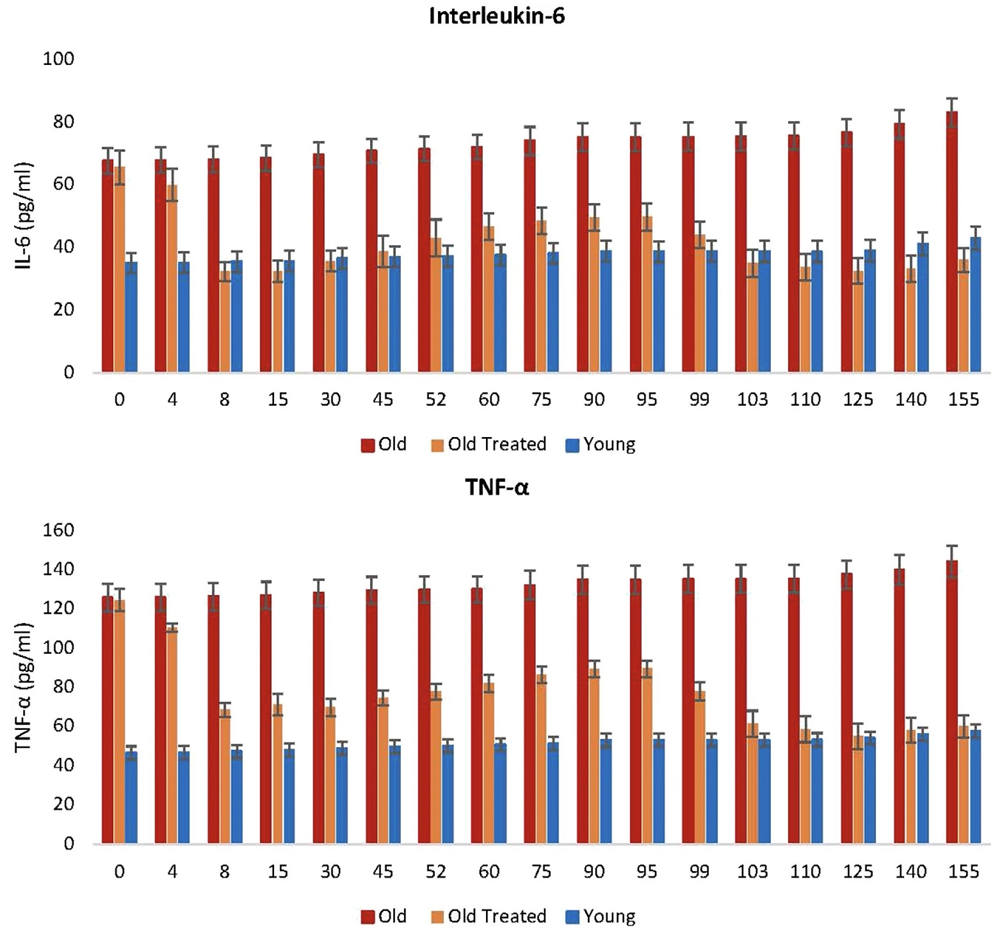
While epigenetic clocks, when implemented right, are considered a robust measure of biological age and rejuvenation, the researchers ran a battery of additional tests several times over the course of this experiment. Many of the parameters, such as the lipid profile and blood glucose, were greatly improved by the treatment, converging by the end of the experiment with those of young controls:

Pig Plasma 1

Despite the epigenetic age reversal being relatively modest in the hippocampus, the treatment led to a significant improvement in cognitive function as measured by a Barnes maze, in which rats are required to find the exit. Interestingly, after the first series of injections, the initial improvement gradually disappeared, but the second series resulted in a more robust and prolonged effect. The researchers concluded that this “one-two punch approach” is crucial for sustained rejuvenation.

A similar picture was observed with inflammation: levels of pro-inflammatory cytokines measured by the scientists dropped sharply after the first treatment, then crept back up, and then were brought down again by the second treatment. This time, the levels plateaued until the end of the study.

Markers of oxidative stress, a major factor in age-related degeneration, as well as markers of liver and kidney function, were robustly affected by the treatment, almost converging by the end of the study with those in young controls. While there were certain sex-related differences in how rats reacted to the treatment, it generally worked well in both males and females.

Investigating the contents of the plasma fraction used in the study, the researchers found that it was abundant in long non-coding RNAs. With age, the cellular secretome undergoes changes, including a reduction in longer transcripts. The researchers hypothesize that their treatment works by helping rectify this disparity, although this demands further investigation.

Pigs to humans?

The importance of successful rejuvenation of one mammalian species using blood plasma from a different species is hard to overstate. “Not only does this reinforce the universality of the aging process in different mammalian species”, the authors conclude, “but it also demonstrates that the source of the rejuvenating material can be readily obtained from species other than humans, which will greatly address the issue of supply, economics, and ethics, which would otherwise be highly challenging.”

We would like to ask you a small favor. We are a non-profit foundation, and unlike some other organizations, we have no shareholders and no products to sell you. All our news and educational content is free for everyone to read, but it does mean that we rely on the help of people like you. Every contribution, no matter if it’s big or small, supports independent journalism and sustains our future.

Literature

[1] Horvath, S., Singh, K., Raj, K. et al. Reversal of biological age in multiple rat organs by young porcine plasma fraction. GeroScience (2023)

[2] Conboy, M. J., Conboy, I. M., & Rando, T. A. (2013). Heterochronic parabiosis: historical perspective and methodological considerations for studies of aging and longevity. Aging cell, 12(3), 525-530.

[3] Sanz-Ros, J., Romero-García, N., Mas-Bargues, C., Monleón, D., Gordevicius, J., Brooke, R. T., … & Borrás, C. (2022). Small extracellular vesicles from young adipose-derived stem cells prevent frailty, improve health span, and decrease epigenetic age in old mice. Science Advances, 8(42), eabq2226.

Resveratrol foods

Resveratrol May Improve Mitochondrial Function

According to a review published in Food Science and Human Wellness, resveratrol has a positive impact on mitochondrial dysfunction, one of the hallmarks of aging.

A hallmark with downstream consequences

The reviewers begin this paper by discussing various chronic and age-related diseases associated with mitochondrial dysfunction, including proteostasis-related diseases such as Alzheimer’s [1] and Parkinson’s [2], sarcopenia [3], cardiovascular disease [4], and even cancer [5] and obesity [6].

While there are drugs to alter mitochondrial function, these reviewers note a lack of therapies other than exercise that can affect fundamental mitochondrial maintenance processes, such as fusion, fission, and autophagy. In an effort to find such a therapy, these researchers have investigated the effects of resveratrol, a natural compound that has frequently been investigated as having potential use against the processes of aging.

Resveratrol and mitochondria

Neurological diseases

Previous research has found that in Alzheimer’s disease, mitochondria supply less ATP to the neurons and exhibit signs of genetic damage [7]. However, one study has found that by using specially engineered nanoparticles, it is possible to direct resveratrol directly to the neurons, and this approach has had success in rodent models [8]. Orally administered resveratrol has also had success in enhancing signaling for removing damaged mitochondria (mitophagy) in Alzheimer’s disease models [9].

The compound has also had success in Parkinson’s disease models. In a rat model, resveratrol nanoparticles reduced Parkinson’s-like symptoms and ameliorates mitochondrial dysfunction [10]. Another study expanded upon the pathway involved, noting how resveratrol improved mitochondrial health and decreased cellular death in another model [11].

Cardiovascular diseases

This review also cites multiple papers reporting that resveratrol may be effective in treating both acute and chronic cardiovascular diseases. One paper suggests that resveratrol may help in recovery from ischemic stroke by reducing hydrogen peroxide [12]. Another paper has reported that resveratrol decreases the cellular death caused by oxidized low-density lipoprotein [13]. In another model of stroke, resveratrol was reported to protect both neurons and heart cells from death [14].

Many teams of researchers have reported that resveratrol may be effective in decreasing oxidative stress, thus keeping vascular tissue healthier for longer. One paper reported that resveratrol both increases the formation of mitochondria and decreases oxidative stress through the SIRT1 pathway [15]. The SIRT1 pathway is also involved in resveratrol’s potential protective effects against fat accumulation and obesity [16].

Age-related frailty disorders

Resveratrol may also be effective in the treatment of arthritis. According to one study, resveratrol’s positive effects on mitochondria lead to an reduction in damage to chondrocytes, the cells responsible for building cartilage [17]. Another study found that cells that encouraged arthritis symptoms had a lower survival rate when exposed to resveratrol [18].

The age-related muscle wasting known as sarcopenia has also been reported to be affected by resveratrol. Sirtuins are involved here as well, with their upregulation being accompanied by increased numbers of mitochondria, thus making more energy available for muscles [19]. However, in a human study, resveratrol supplementation needed to be combined with exercise to be effective against sarcopenia, suggesting a more complicated interaction [20].

Despite its various effects, however, resveratrol has never been proven to extend lifespan in people, and it does not appear to lengthen the lives of healthy mice. However, the data found in these studies remains valuable, and the basic mechanisms involved in resveratrol’s purported effects may be better targeted through resveratrol-containing nanoparticles or with other compounds or interventions that preserve mitochondrial function.

We would like to ask you a small favor. We are a non-profit foundation, and unlike some other organizations, we have no shareholders and no products to sell you. All our news and educational content is free for everyone to read, but it does mean that we rely on the help of people like you. Every contribution, no matter if it’s big or small, supports independent journalism and sustains our future.

Literature

[1] Sharma, C., Kim, S., Nam, Y., Jung, U. J., & Kim, S. R. (2021). Mitochondrial dysfunction as a driver of cognitive impairment in Alzheimer’s disease. International Journal of Molecular Sciences, 22(9), 4850.

[2] Bose, A., & Beal, M. F. (2016). Mitochondrial dysfunction in Parkinson’s disease. Journal of neurochemistry, 139, 216-231.

[3] Christian, C. J., & Benian, G. M. (2020). Animal models of sarcopenia. Aging Cell, 19(10), e13223.

[4] Stamerra, C. A., Di Giosia, P., Giorgini, P., Ferri, C., Sukhorukov, V. N., & Sahebkar, A. (2022). Mitochondrial dysfunction and cardiovascular disease: pathophysiology and emerging therapies. Oxidative Medicine and Cellular Longevity, 2022.

[5] Vasan, K., Werner, M., & Chandel, N. S. (2020). Mitochondrial metabolism as a target for cancer therapy. Cell metabolism, 32(3), 341-352.

[6] de Mello, A. H., Costa, A. B., Engel, J. D. G., & Rezin, G. T. (2018). Mitochondrial dysfunction in obesity. Life sciences, 192, 26-32.

[7] Perez Ortiz, J. M., & Swerdlow, R. H. (2019). Mitochondrial dysfunction in Alzheimer’s disease: Role in pathogenesis and novel therapeutic opportunities. British journal of pharmacology, 176(18), 3489-3507.

[8] Han, Y., Chu, X., Cui, L., Fu, S., Gao, C., Li, Y., & Sun, B. (2020). Neuronal mitochondria-targeted therapy for Alzheimer’s disease by systemic delivery of resveratrol using dual-modified novel biomimetic nanosystems. Drug Delivery, 27(1), 502-518.

[9] Wang, H., Jiang, T., Li, W., Gao, N. A., & Zhang, T. (2018). Resveratrol attenuates oxidative damage through activating mitophagy in an in vitro model of Alzheimer’s disease. Toxicology letters, 282, 100-108.

[10] Palle, S., & Neerati, P. (2018). Improved neuroprotective effect of resveratrol nanoparticles as evinced by abrogation of rotenone-induced behavioral deficits and oxidative and mitochondrial dysfunctions in rat model of Parkinson’s disease. Naunyn-Schmiedeberg’s Archives of Pharmacology, 391, 445-453.

[11] Zeng, W., Zhang, W., Lu, F., Gao, L., & Gao, G. (2017). Resveratrol attenuates MPP+-induced mitochondrial dysfunction and cell apoptosis via AKT/GSK-3ß pathway in SN4741 cells. Neuroscience letters, 637, 50-56.

[12] Yousuf, S., Atif, F., Ahmad, M., Hoda, N., Ishrat, T., Khan, B., & Islam, F. (2009). Resveratrol exerts its neuroprotective effect by modulating mitochondrial dysfunctions and associated cell death during cerebral ischemia. Brain research, 1250, 242-253.

[13] Chang, H. C., Chen, T. G., Tai, Y. T., Chen, T. L., Chiu, W. T., & Chen, R. M. (2011). Resveratrol attenuates oxidized LDL-evoked Lox-1 signaling and consequently protects against apoptotic insults to cerebrovascular endothelial cells. Journal of Cerebral Blood Flow & Metabolism, 31(3), 842-854.

[14] Wang, R., Liu, Y. Y., Liu, X. Y., Jia, S. W., Zhao, J., Cui, D., & Wang, L. (2014). Resveratrol protects neurons and the myocardium by reducing oxidative stress and ameliorating mitochondria damage in a cerebral ischemia rat model. Cellular Physiology and Biochemistry, 34(3), 854-864.

[15] Li, Y. G., Zhu, W., Tao, J. P., Xin, P., Liu, M. Y., Li, J. B., & Wei, M. (2013). Resveratrol protects cardiomyocytes from oxidative stress through SIRT1 and mitochondrial biogenesis signaling pathways. Biochemical and Biophysical Research Communications, 438(2), 270-276.

[16] Lagouge, M., Argmann, C., Gerhart-Hines, Z., Meziane, H., Lerin, C., Daussin, F., … & Auwerx, J. (2006). Resveratrol improves mitochondrial function and protects against metabolic disease by activating SIRT1 and PGC-1a. Cell, 127(6), 1109-1122.

[17] Dave, M., Attur, M., Palmer, G., Al-Mussawir, H. E., Kennish, L., Patel, J., & Abramson, S. B. (2008). The antioxidant resveratrol protects against chondrocyte apoptosis via effects on mitochondrial polarization and ATP production. Arthritis & Rheumatism, 58(9), 2786-2797.

[18] Nakayama, H., Yaguchi, T., Yoshiya, S., & Nishizaki, T. (2012). Resveratrol induces apoptosis MH7A human rheumatoid arthritis synovial cells in a sirtuin 1-dependent manner. Rheumatology international, 32, 151-157.

[19 Higashida, K., Kim, S. H., Jung, S. R., Asaka, M., Holloszy, J. O., & Han, D. H. (2013). Effects of resveratrol and SIRT1 on PGC-1a activity and mitochondrial biogenesis: a reevaluation. PLoS biology, 11(7), e1001603.

[20] Polley, K. R., Jenkins, N., O’Connor, P., & McCully, K. (2016). Influence of exercise training with resveratrol supplementation on skeletal muscle mitochondrial capacity. Applied physiology, nutrition, and metabolism, 41(1), 26-32.

Sleeping mice

Intermittent Fasting Partially Offsets Alzheimer’s in Mice

Scientists have found that intermittent fasting can ameliorate Alzheimer’s in mice by improving sleep patterns [1].

Time to eat, time to fast

Time-restricted eating, also referred to as intermittent fasting (IF), can take different shapes, such as the one-meal-a-day regimen, alternate-day fasting, or 16/8, in which a person fasts for 16 hours and eats during the remainder of the day. However, the debate around IF is ongoing. While it has been credited with providing benefits in obesity, diabetes, cardiovascular disease, cancers, and neurological disorders [2], some experts doubt that IF is doing anything beyond helping people consume fewer calories.

There is evidence that IF might improve sleep quality [3], which is known to deteriorate in Alzheimer’s disease. Up to 80% of Alzheimer’s patients experience sleep-related problems, such as difficulty falling or staying asleep [4]. The relationship between Alzheimer’s and poor sleep quality might be bi-directional, with one exacerbating the other. Some studies suggest that alterations of circadian rhythms emerge early during Alzheimer’s progression and directly contribute to pathology [5].

TRF rescues sleep patterns impaired by Alzheimer’s

In this new study published in Cell Metabolism, the researchers used a mouse model of Alzheimer’s disease and an 18/6 regimen of time-restricted feeding (TRF) to understand the interplay between them. The treatment group was put on TRF at three months old, prior to the appearance of Alzheimer’s symptoms. By six months, the mice developed progressive pathology, including formation of amyloid plaques, the foremost Alzheimer’s hallmark. At 11 months, the control group showed various signs of sleep problems, such as decreased total sleep duration and altered activity rhythms.

The researchers detected some well-known effects of TRF in the treated mice, such as reduced levels of blood glucose and higher levels of ketone bodies. Importantly, both groups consumed the same amount of food and maintained the same body weight, so any impact that TRF had was not due to caloric restriction.

TRF significantly improved sleep quality, albeit in a sex-specific manner. Females seemed to benefit more, with improvements in total sleep time that put them on par with non-Alzheimer’s controls. Males showed no changes in total sleep duration but benefited from improved mid-day wakefulness and faster onset of sleep. The treated mice’s activity patterns, according to the researchers, “became indistinguishable from those observed in non-transgenic mice.”

Markers of Alzheimer’s reduced

The researchers then performed RNA sequencing to identify the impact of TRF on gene expression. Between the treated and non-treated mice, dozens of Alzheimer’s- and inflammation-related genes were differentially expressed in the brain, including those associated with autophagy, myelination, and immune response. The researchers report TRF having “a profound impact on the brain transcriptome” in Alzheimer’s mice. Amazingly, 40% of the genes aberrantly expressed in the hippocampi of these mice were restored to levels approaching those of non-transgenic controls.

Several markers of Alzheimer’s pathology were reduced by TRF, including loss of neurons in the hippocampus, the total area of amyloid plaques, and their number. Via a series of experiments, the researchers determined that TRF both helped in clearing pre-existing plaques and reduced the rate of new amyloid deposition. While there is considerable doubt that amyloid-ß accumulation is a cause of Alzheimer’s, it does show a strong correlation with its progression. The researchers then validated their findings in a second, more aggressive model of Alzheimer’s, where TRF began much closer to the appearance of symptoms, suggesting that it might be beneficial even if started after the diagnosis.

Improved cognition

Finally, the researchers evaluated changes in cognitive function in this model. Treated mice demonstrated improvements in short- and long-term memory in the radial arm test and performed better in the novel object recognition test.

However, murine Alzheimer’s trials have an abysmally low rate of translation to humans. Moreover, due to differences in metabolism, intermittent fasting in mice might not recapitulate this intervention in humans very well. More rigorous studies are needed to support these intriguing findings.

Here, we demonstrate the efficacy of a circadian intervention based on TRF in rescuing pathology and behavior in two mouse models of AD. We provide ample evidence of the pleiotropic effects of TRF treatment in modulating behavior and sleep, normalizing hippocampal gene expression in specific pathways associated with AD and neuroinflammation, and improving memory deficits. Importantly, our results show that TRF can alter disease trajectory by slowing the progression of amyloid pathology, as evidenced by reduced plaque load, slower rate of amyloid deposition, and increased Aß42 clearance.

We would like to ask you a small favor. We are a non-profit foundation, and unlike some other organizations, we have no shareholders and no products to sell you. All our news and educational content is free for everyone to read, but it does mean that we rely on the help of people like you. Every contribution, no matter if it’s big or small, supports independent journalism and sustains our future.

Literature

[1] Whittaker, D. S., Akhmetova, L., Carlin, D., Romero, H., Welsh, D. K., Colwell, C. S., & Desplats, P. (2023). Circadian modulation by time-restricted feeding rescues brain pathology and improves memory in mouse models of Alzheimer’s disease. Cell Metabolism, 35(10), 1704-1721.

[2] McStay, M., Gabel, K., Cienfuegos, S., Ezpeleta, M., Lin, S., & Varady, K. A. (2021). Intermittent fasting and sleep: A review of human trials. Nutrients, 13(10), 3489.

[3] Queiroz, J. D. N., Macedo, R. C. O., Tinsley, G. M., & Reischak-Oliveira, A. (2021). Time-restricted eating and circadian rhythms: the biological clock is ticking. Critical reviews in food science and nutrition, 61(17), 2863-2875.

[4] Colwell, C. S. (2021). Defining circadian disruption in neurodegenerative disorders. The Journal of clinical investigation, 131(19).

[5] Cronin, P., McCarthy, M. J., Lim, A. S., Salmon, D. P., Galasko, D., Masliah, E., … & Desplats, P. (2017). Circadian alterations during early stages of Alzheimer’s disease are associated with aberrant cycles of DNA methylation in BMAL1. Alzheimer’s & Dementia, 13(6), 689-700.Chicago

Prostate enlargement

Prostate Enlargement and Metabolic Syndrome Linked

Researchers publishing in Aging have explained a relationship between inflammation, metabolic syndrome, and prostate enlargement.

Not so benign

Benign prostatic hyperplasia (BPH) is only called ‘benign’ to differentiate it from another well-known cause of prostate enlargement: prostate cancer. BPH is known to lead to bladder obstruction and lower urinary tract issues. It also coincides with other diseases, including neurological and cardiovascular disorders along with diabetes [1].

Similarly, previous research has established a link between BPH and metabolic syndrome [2], the well-known combinatin of obesity, insulin resistance, high blood pressure, and related problems. Inflammation seems to be a likely cause [3], although it can be from multiple sources, not all of which are age-related [4]. Specifically, IL-17, an interleukin secreted by lymphocytes, activates an inflammatory pathway that activates further interleukins [5].

This work was conducted to confirm and expand on those previous findings by directly examining associations between metabolic syndrome, short-chain fatty acids, and interleukin expression in prostate tissue.

Metabolic syndrome seems to make things slightly worse

This study recruited 103 participants with BPH, 42 of whom had metabolic syndrome. All of these participants were qualified for transurethral resection of the prostate, a surgical procedure that involves cutting away excess tissue.

These two populations did not significantly differ in age or many other physical metrics. In general, they differed in ways that define metabolic syndrome, such as blood pressure and cholesterol. Interestingly, there were no statistically significant differences between the groups in inflammatory biomarkers, and their concentrations of these biomarkers in serum were comparable to healthy groups in other studies.

Tissue samples were slightly different. Increased IL-6 expression was slightly but significantly more visible in the prostate stromal cells of patients with metabolic syndrome, and there was more IL-18 in their prostate glandular cells.

A limited but existing connection

Despite these lukewarm results, the researchers were able to observe a critical correlation: men with less of the “good cholesterol” HDL had more IL-6 in their prostate glandular and stromal cells, whether they had metabolic syndrome or not. In men who were diagnosed with metabolic syndrome, this only applied to the stromal cells.

For IL-18, similar results were found for both triglycerides and HDL. The ratio of triglycerides and HDL, along with the relationship between LDL and HDL, were also found to have associations with this inflammatory compound. These relationships were more pronounced in men with metabolic syndrome.

Short-chain fatty acids were also found to be involved. There were limited associations between IL-18 and the SCFAs isocaproic acid and acetic acid in certain tissues and patient groups.

In total, metabolic syndrome apparently has an association with prostate enlargement in specific ways. However, this association is surprisingly limited. Further work in other areas should be done to determine why BPH is so common in men of advanced age and what can be done to combat this root cause.

We would like to ask you a small favor. We are a non-profit foundation, and unlike some other organizations, we have no shareholders and no products to sell you. All our news and educational content is free for everyone to read, but it does mean that we rely on the help of people like you. Every contribution, no matter if it’s big or small, supports independent journalism and sustains our future.

Literature

[1] Parsons, J. K. (2010). Benign prostatic hyperplasia and male lower urinary tract symptoms: epidemiology and risk factors. Current bladder dysfunction reports, 5, 212-218.

[2] Gacci, M., Sebastianelli, A., Salvi, M., De Nunzio, C., Vignozzi, L., Corona, G., … & Serni, S. (2017). Benign prostatic enlargement can be influenced by metabolic profile: results of a multicenter prospective study. BMC urology, 17, 1-6.

[3] Gacci, M., Vignozzi, L., Sebastianelli, A., Salvi, M., Giannessi, C., De Nunzio, C., … & Maggi, M. (2013). Metabolic syndrome and lower urinary tract symptoms: the role of inflammation. Prostate cancer and prostatic diseases, 16(1), 101-106.

[4] De Nunzio, C., Salonia, A., Gacci, M., & Ficarra, V. (2020). Inflammation is a target of medical treatment for lower urinary tract symptoms associated with benign prostatic hyperplasia. World journal of urology, 38(11), 2771-2779.

[5] Krušlin, B., Tomas, D., Džombeta, T., Milković-Periša, M., & Ulamec, M. (2017). Inflammation in prostatic hyperplasia and carcinoma—basic scientific approach. Frontiers in Oncology, 7, 77.

BioAge Labs

BioAge Labs Announces Plans for Phase 2 Trial of BGE-105

BioAge Labs, Inc., (“BioAge”), a clinical-stage biotechnology company developing therapeutics that target the molecular causes of aging to extend healthy human lifespan, today announced plans to initiate a Phase 2 trial of its oral apelin receptor agonist BGE-105 (azelaprag) co-administered with the GLP-1/GIP receptor agonist tirzepatide for treatment of obesity. BioAge plans to initiate the trial in mid-2024.

Chorus, an operationally independent clinical development organization within Eli Lilly and Company (“Lilly”) dedicated to working with biotechs to develop their assets from candidate through clinical proof of concept, will advise and assist BioAge on all aspects of the Phase 2 trial design and execution, under the terms of an agreement signed by both companies. As part of the collaboration, Lilly will also provide BioAge with tirzepatide.

“We are thrilled to work directly with the clinical development experts at Chorus and benefit from Lilly’s expertise in obesity drug development,” said Kristen Fortney, PhD, CEO and co-founder of BioAge. “Our Phase 2 trial is designed to assess whether azelaprag can substantially increase the weight loss achieved with drugs of the incretin class. This combination could enhance the performance of both injectable and oral incretin drugs. The oral route of administration of azelaprag makes it particularly exciting as a combination partner for next-generation oral incretins currently in development. As an additional benefit, azelaprag may help promote healthier weight loss. Treating obesity has the potential to prevent or delay multiple diseases of aging and increase healthspan for a large segment of the population.”

The primary endpoint of the Phase 2 trial will be total weight loss, with related secondary endpoints to characterize additional potential benefits of the mechanism. BioAge will also collect aging-related biomarkers from the participants.

In preclinical studies, co-administration of azelaprag and tirzepatide to diet-induced obese mice increased total weight loss achieved on tirzepatide alone, normalized body composition to levels observed in lean controls, and decreased fed glucose levels without an appreciable decrease in calorie intake.

Azelaprag mimics the activity of apelin, an “exerkine” peptide that is released in response to exercise. Apelin acts on skeletal muscle, heart, and central nervous system to regulate metabolism and promote muscle regeneration. Apelin signaling has demonstrated multiple benefits in energy metabolism in mouse models, including increased insulin sensitivity and reduction in fat mass.

In December 2022, BioAge announced positive topline results from a Phase 1b clinical trial showing that azelaprag treatment resulted in statistically significant prevention of muscle atrophy and maintenance of muscle protein synthesis in healthy volunteers aged 65 or older after 10 days of strict bed rest (link). Azelaprag was well tolerated in this study and at all doses tested to date in 227 subjects, with a safety profile consistent with the findings of prior phase 1 trials conducted by Amgen.

“Lilly is committed to enabling the biotech ecosystem by catalyzing breakthrough science,” said Nisha Nanda, Ph.D., Group VP of External Innovation at Lilly. “We are creating access to a suite of capabilities aimed at removing barriers to innovation such as our ‘one stop shop’ candidate to clinical Proof of Concept development unit Chorus. We are excited about the opportunity to collaborate with BioAge to share Lilly’s expertise in incretins, and utilize our Chorus clinical development engine to continue to advance the science to treat cardiometabolic diseases, like obesity.”

Chorus uses an internal staff of experienced drug developers and a network of external vendors to design and implement chemistry, manufacturing and control processes, preclinical toxicology and biology, and Phase I/II clinical trials, and deliver a ‘pharma-quality’ data package to maximize value inflection, in a rapid and highly capital-efficient manner.

About BioAge Labs, Inc.

BioAge is a clinical-stage biotechnology company developing a pipeline of treatments to extend healthy lifespan by targeting the molecular causes of aging. The company uses its discovery platform, which combines quantitative analysis of proprietary longitudinal human samples with detailed health records to map out the key molecular pathways that impact healthy human aging. By targeting the mechanisms of aging with a large and mechanistically diverse portfolio of drugs, BioAge is unlocking opportunities to treat or even prevent age-related disease in entirely new ways. BioAge’s growing portfolio includes multiple assets targeting muscle, immune, and brain aging. To date, BioAge has raised $127M from Andreessen Horowitz, Kaiser Foundation Hospitals, and others.

Contacts

PR: Chris Patil, media@bioagelabs.com

IR: Daniel Ferry, daniel@lifesciadvisors.com

Partnering: partnering@bioagelabs.com

Web: https://bioagelabs.com

We would like to ask you a small favor. We are a non-profit foundation, and unlike some other organizations, we have no shareholders and no products to sell you. All our news and educational content is free for everyone to read, but it does mean that we rely on the help of people like you. Every contribution, no matter if it’s big or small, supports independent journalism and sustains our future.
Cannabinoids

Cannabinoid Therapy as a Treatment for Alzheimer’s Disease

The authors of a recent paper have reviewed the literature regarding the potential of cannabinoids to treat Alzheimer’s disease [1].

The endocannabinoid system and Alzheimer’s disease

Aging is a well-known risk factor for Alzheimer’s, and more than 50% of people over 85 are expected to suffer from it [2]. There is a need to find an effective Alzheimer’s therapy, since currently used treatments only address its symptoms.

The research found that the endocannabinoid system (ECS) is dysregulated in Alzheimer’s [3]. Review authors speculate that restoring the levels of endocannabinoids and ECS receptor activity can be a potential avenue to prevent Alzheimer’s progression.

ECS has several components, including the cannabinoid 1 receptor (CB1R), the cannabinoid 2 receptor (CB2R), endocannabinoids, and their transport and metabolism proteins. CBRs are naturally activated by endocannabinoids, which include eicosanoids, such as 2-AG and anandamide/AEA.

Aging is associated with changes to ECS. Human and animal studies reported reduced expression of CB1R  and ECR-related metabolites in different brain regions [4].

Analyzing postmortem brain tissues from Alzheimer’s patients revealed overexpression of CB2R in glial cells that surround the senile plaques. Additionally, one of the proteins that take part in the AEA metabolism, namely, fatty acid amino hydrolase (FAAH) that converts AEA into inflammatory pathway precursor, arachidonic acid, is increased in reactive astrocytes that surround neuritic plaques. On the other hand, CB1R expression was found to be downregulated in the tissues of the frontal cortex [5].

Since phytocannabinoids, compounds extracted from the plant Cannabis sativa, modulate ECS, the authors suggest that they could potentially be used as therapeutics for Alzheimer’s. Several metabolites of Cannabis sativa interact with the components of ECS signaling. Two major ones are cannabidol (CBD), the major non-psychotropic component, and Δ9-tetrahydrocannabinol (Δ9THC), the major psychotropic component. Both have an affinity for CB1R and CB2R. However, cannabinol (CBN), cannabigerol (CBG), cannabidivarin (CBDV), and cannabichromene (CBC) are also important players.

Cannabinoids as Alzheimer’s therapeutics

The review’s authors address different aspects of Alzheimer’s and discuss research that has shown that those aspects can be remedied by cannabinoid treatment. First, they address neuroinflammation, as Alzheimer’s patients often chronically experience this. Non-clinical evidence shows that phytocannabinoids can modulate neuroinflammation by their impact on ECS.

Investigation in mouse cell cultures has shown that phytocannabinoids can suppress cytokine production and influence T cell function. In human cell cultures, CBD has shown promise in potentially repairing the blood-brain barrier, which can be disrupted in Alzheimer’s [6, 7].

Similar results were obtained in vivo. Research done in rodents inoculated with amyloid beta has shown that CBD led to a reduction in cytokines and pro-inflammatory mediators. Similar results were obtained with synthetic cannabinoids [8, 9].

The next aspect of Alzheimer’s discussed in the paper is neurotrophic factor signaling. Neurotrophic factors are molecules that regulate synaptic plasticity and neurogenesis and prevent neuroinflammation and neuronal death. Neurotrophic factors include such molecules as TGF-1, BDNF, and Insulin-like growth factor 1 (IGF1).

Research in healthy subjects has shown that acute administration of Δ9THC led to increased BDNF levels. However, chronic exposure to Δ9THC leads to CB1R downregulation and reduces BDNF release [10].

In the early stages of Alzheimer’s, IGF1 levels are increased. Δ9THC and CBD may potentially decrease elevated IGF1 levels; however, this experiment was conducted on a Huntington’s disease model [11].

Effects on plaques

Amyloid beta plaques are one of the main characteristics of Alzheimer’s. Therefore, preventing their accumulation is often a main goal of treatment.

Research in cell cultures has shown that CBD can inhibit amyloid beta-induced tau protein hyperphosphorylation and decrease amyloid beta production [12, 13]. Δ9THC shows similar properties, and it potentially inhibits amyloid beta synthesis and may prevent amyloid beta aggregation [14].

In vitro studies in a human neuron-like cell line suggest that other phytocannabinoids, specifically CBDV, CBG, CBC, CBN, and CBD, can remove already formed and aggregated amyloid beta and stimulate their degradation [15].

When a combination of Δ9THC and CBD was used in mice, there were lower levels of the most toxic soluble amyloid beta form and a reduction of amyloid beta oligomers and tau pathology. Synthetic cannabinoids, when administered in rats, also showed accelerated amyloid beta clearance [16, 17, 18].

Dendritic spine density and morphology was the next main area of focus in this review. Dendritic spines are small protrusions from dendrites. They form contacts with axons of neighboring neurons. During aging, the researchers observed reduced spine volume and length along with lower density of dendritic spines [19, 20].

The authors note the scarcity of research on dendritic spines and cannabinoids. In their review, they noted that evidence from cell cultures and mouse models points to the neuroprotective effects of both synthetic cannabinoids and phytocannabinoids. Cannabinoids have been found to reduce neuronal death and cell gaps and to enable neurogenesis [21, 22, 23].

There were also memory and cognitive tests on mice with amyloid beta-induced deficits. The reviewers noted a reversal in spatial memory and learning deficits along with improvements in social recognition memory and novel object recognition [24, 25, 26].

Pleiotropic effects of cannabinoids and their therapeutic potential

The authors emphasize that there are not many studies on cannabinoids being used as Alzheimer’s treatments. However, the existing data shows the pleiotropic effect of cannabinoids on Alzheimer’s, as it targets many mechanisms and pathways.

Despite the limited research and lack of clinical data, the authors believe that cannabinoids have high therapeutic potential, however, several obstacles will need to be addressed, such as administration routes, as oral administration has variable and low bioavailability.

We would like to ask you a small favor. We are a non-profit foundation, and unlike some other organizations, we have no shareholders and no products to sell you. All our news and educational content is free for everyone to read, but it does mean that we rely on the help of people like you. Every contribution, no matter if it’s big or small, supports independent journalism and sustains our future.

Literature

[1] Fonseca, C., Ettcheto, M., Bicker, J., Fernandes, M. J., Falcão, A., Camins, A., & Fortuna, A. (2023). Under the umbrella of depression and Alzheimer’s disease physiopathology: Can cannabinoids be a dual-pleiotropic therapy?. Ageing research reviews, 90, 101998.

[2] Liu R. M. (2022). Aging, Cellular Senescence, and Alzheimer’s Disease. International journal of molecular sciences, 23(4), 1989.

[3] Tudorancea, I. M., Ciorpac, M., Stanciu, G. D., Caratașu, C., Sacarescu, A., Ignat, B., Burlui, A., Rezuș, E., Creanga, I., Alexa-Stratulat, T., Tudorancea, I., & Tamba, B. I. (2022). The Therapeutic Potential of the Endocannabinoid System in Age-Related Diseases. Biomedicines, 10(10), 2492.

[4] Nidadavolu, P., Bilkei-Gorzo, A., Effah, F., Leidmaa, E., Schürmann, B., Berger, M., Bindila, L., Schmid, M., Lutz, B., Zimmer, A., & Bailey, A. (2022). Dynamic Changes in the Endocannabinoid System during the Aging Process: Focus on the Middle-Age Crisis. International journal of molecular sciences, 23(18), 10254.

[5] Talarico, G., Trebbastoni, A., Bruno, G., & de Lena, C. (2019). Modulation of the Cannabinoid System: A New Perspective for the Treatment of the Alzheimer’s Disease. Current neuropharmacology, 17(2), 176–183.

[6] Kaplan, B. L., Springs, A. E., & Kaminski, N. E. (2008). The profile of immune modulation by cannabidiol (CBD) involves deregulation of nuclear factor of activated T cells (NFAT). Biochemical pharmacology, 76(6), 726–737.

[7] Hind, W. H., England, T. J., & O’Sullivan, S. E. (2016). Cannabidiol protects an in vitro model of the blood-brain barrier from oxygen-glucose deprivation via PPARγ and 5-HT1A receptors. British journal of pharmacology, 173(5), 815–825.

[8] Esposito, G., Scuderi, C., Valenza, M., Togna, G. I., Latina, V., De Filippis, D., Cipriano, M., Carratù, M. R., Iuvone, T., & Steardo, L. (2011). Cannabidiol reduces Aß-induced neuroinflammation and promotes hippocampal neurogenesis through PPARγ involvement. PloS one, 6(12), e28668.

[9] Zhong, C. C., Gao, Y. N., Huang, X. C., Zhu, X., Miao, H. H., Xu, X. G., & Qin, Y. B. (2021). Cannabinoid receptor agonist WIN55212-2 reduces unpredictable mild stress-induced depressive behavior of rats. Annals of translational medicine, 9(14), 1170.

[10] D’Souza, D. C., Pittman, B., Perry, E., & Simen, A. (2009). Preliminary evidence of cannabinoid effects on brain-derived neurotrophic factor (BDNF) levels in humans. Psychopharmacology, 202(4), 569–578.

[11] Valdeolivas, S., Satta, V., Pertwee, R. G., Fernández-Ruiz, J., & Sagredo, O. (2012). Sativex-like combination of phytocannabinoids is neuroprotective in malonate-lesioned rats, an inflammatory model of Huntington’s disease: role of CB1 and CB2 receptors. ACS chemical neuroscience, 3(5), 400–406.

[12] Scuderi, C., Steardo, L., & Esposito, G. (2014). Cannabidiol promotes amyloid precursor protein ubiquitination and reduction of beta amyloid expression in SHSY5YAPP+ cells through PPARγ involvement. Phytotherapy research : PTR, 28(7), 1007–1013.

[13] Esposito, G., De Filippis, D., Carnuccio, R., Izzo, A. A., & Iuvone, T. (2006). The marijuana component cannabidiol inhibits beta-amyloid-induced tau protein hyperphosphorylation through Wnt/beta-catenin pathway rescue in PC12 cells. Journal of molecular medicine (Berlin, Germany), 84(3), 253–258.

[14] Cao, C., Li, Y., Liu, H., Bai, G., Mayl, J., Lin, X., Sutherland, K., Nabar, N., & Cai, J. (2014). The potential therapeutic effects of THC on Alzheimer’s disease. Journal of Alzheimer’s disease: JAD, 42(3), 973–984.

[15] Schubert, D., Kepchia, D., Liang, Z., Dargusch, R., Goldberg, J., & Maher, P. (2019). Efficacy of Cannabinoids in a Pre-Clinical Drug-Screening Platform for Alzheimer’s Disease. Molecular neurobiology, 56(11), 7719–7730.

[16] Aso, E., Sánchez-Pla, A., Vegas-Lozano, E., Maldonado, R., & Ferrer, I. (2015). Cannabis-based medicine reduces multiple pathological processes in AßPP/PS1 mice. Journal of Alzheimer’s disease : JAD, 43(3), 977–991.

[17] Casarejos, M. J., Perucho, J., Gomez, A., Muñoz, M. P., Fernandez-Estevez, M., Sagredo, O., Fernandez Ruiz, J., Guzman, M., de Yebenes, J. G., & Mena, M. A. (2013). Natural cannabinoids improve dopamine neurotransmission and tau and amyloid pathology in a mouse model of tauopathy. Journal of Alzheimer’s disease : JAD, 35(3), 525–539.

[18] Wu, J., Bie, B., Yang, H., Xu, J. J., Brown, D. L., & Naguib, M. (2013). Activation of the CB2 receptor system reverses amyloid-induced memory deficiency. Neurobiology of aging, 34(3), 791–804.

[19] Pchitskaya, E., & Bezprozvanny, I. (2020). Dendritic Spines Shape Analysis-Classification or Clusterization? Perspective. Frontiers in synaptic neuroscience, 12, 31.

[20] Benavides-Piccione, R., Fernaud-Espinosa, I., Robles, V., Yuste, R., & DeFelipe, J. (2013). Age-based comparison of human dendritic spine structure using complete three-dimensional reconstructions. Cerebral cortex (New York, N.Y. : 1991), 23(8), 1798–1810.

[21] Zhong, C. C., Gao, Y. N., Huang, X. C., Zhu, X., Miao, H. H., Xu, X. G., & Qin, Y. B. (2021). Cannabinoid receptor agonist WIN55212-2 reduces unpredictable mild stress-induced depressive behavior of rats. Annals of translational medicine, 9(14), 1170.

[22] Campos, A. C., Fogaça, M. V., Sonego, A. B., & Guimarães, F. S. (2016). Cannabidiol, neuroprotection and neuropsychiatric disorders. Pharmacological research, 112, 119–127.

[23] Esposito, G., Scuderi, C., Valenza, M., Togna, G. I., Latina, V., De Filippis, D., Cipriano, M., Carratù, M. R., Iuvone, T., & Steardo, L. (2011). Cannabidiol reduces Aß-induced neuroinflammation and promotes hippocampal neurogenesis through PPARγ involvement. PloS one, 6(12), e28668.

[24] Cheng, D., Spiro, A. S., Jenner, A. M., Garner, B., & Karl, T. (2014). Long-term cannabidiol treatment prevents the development of social recognition memory deficits in Alzheimer’s disease transgenic mice. Journal of Alzheimer’s disease : JAD, 42(4), 1383–1396.

[25] Coles, M., Watt, G., Kreilaus, F., & Karl, T. (2020). Medium-Dose Chronic Cannabidiol Treatment Reverses Object Recognition Memory Deficits of APPSwe/PS1ΔE9 Transgenic Female Mice. Frontiers in pharmacology, 11, 587604.

[26] Watt, G., Shang, K., Zieba, J., Olaya, J., Li, H., Garner, B., & Karl, T. (2020). Chronic Treatment with 50mg/kg Cannabidiol Improves Cognition and Moderately Reduces Aß40 Levels in 12-Month-Old Male AßPPswe/PS1ΔE9 Transgenic Mice. Journal of Alzheimer’s disease : JAD, 74(3), 937–950.


Turn.bio logo

Turn Bio on Track to Have First Cell Rejuvenation in Clinic

Turn Biotechnologies, a cell rejuvenation company developing novel mRNA medicines for untreatable, age-related conditions, received positive feedback during an FDA Initial Targeted Engagement for Regulatory Advice on CBER producTs (INTERACT) meeting to review progress and plans for its therapeutic treatment to rejuvenate skin cells.

The meeting focused on the path forward for TRN-001, which would be the first treatment to repair damaged skin at the cellular level, improving its integrity and reducing inflammation and cell senescence. The results of the INTERACT meeting mean that Turn Bio is well positioned to be the first company to take a cell rejuvenation therapy to clinical trials.

“We were gratified at the strong alignment between Turn Bio’s approach to developing TRN-001 and the comments of FDA reviewers,” said Anja Krammer, CEO of Turn Bio. “We look forward to advancing our pre-clinical work as we work toward IND submission.”

TRN-001 was developed using Turn Bio’s proprietary ERA™ technology, an mRNA-based platform designed to restore youthful function to cells. The therapy is delivered using the company’s eTurna™ lipid particle carrier system, designed to effectively deliver and target drugs to specific tissue in the body.

About Turn Biotechnologies

Turn Bio is a pre-clinical-stage company focused on repairing tissue at the cellular level and developing transformative drug delivery systems. The company’s proprietary mRNA-based ERA™ technology restores optimal gene expression by combatting the effects of aging in the epigenome. This restores cells’ ability to prevent or treat disease and heal or regenerate tissue. It will help to fight incurable chronic diseases. Its eTurna™ Delivery Platform uses unique formulations to precisely deliver cargo to specific organs, tissues, and cell types.

The company is completing pre-clinical research on tailored therapies targeting indications in dermatology and immunology, and developing therapies for ophthalmology, osteo-arthritis, and the muscular system. For more information, see www.turn.bio.

For more information, contact:

Jim Martinez, 367478@email4pr.com or (312) 543-9026

We would like to ask you a small favor. We are a non-profit foundation, and unlike some other organizations, we have no shareholders and no products to sell you. All our news and educational content is free for everyone to read, but it does mean that we rely on the help of people like you. Every contribution, no matter if it’s big or small, supports independent journalism and sustains our future.

Clockworks

Creating a New Clock with Medical Records

Assisted by TruDiagnostic, a team of researchers has published a preprint paper in which omics data has been used to create an epigenetic methylation clock.

Why -omics?

The researchers begin this preprint by discussing multiple biomarkers that are used to measure physical aging, including immune cell counts, telomeres, neurological imaging, and various -omics data, which are used to gain a broad biological understanding of an organism.

This team has brought up a different source of data: electronic medical records (EMRs). The point of an EMR is to give physicians a full understanding of a patient’s health in deep and ongoing detail [1], thus allowing for personalized medicine and better therapeutic choices. Therefore, they would be a logical choice for developing a clock of higher accuracy than a clock built around chronological age or mortality risk, such as GrimAge.

These researchers note the importance of integrating molecular -omics data with the physiological data that is emphasized in diagnostic-focused EMRs. They also note that just because one element of a epigenetic clock can be used as a predictor of aging, it does not mean that there is any causal relationship between that particular genetic site and any age-related process [2].

A wealth of data for an accurate clock

In order to build the biomarker clock EMRAge from plasma and clinical data, the researchers used data from roughly 30,000 people in the Massachusetts General Brigham (MGB) Biobank. More detailed -omics data from almost 3,500 people was used to build the methylation clocks DNAmEMRAge and OMICmAge. These clocks were validated by a TruDiagnostic cohort of data from almost 13,000 people, which had fewer comorbidities than the MGB Biobank cohort.

EMRAge was correlated with chronological age by over .75. It was also correlated with conditions known to increase mortality, including chronic obstructive pulmonary disease (COPD), depression, cardiovascular diseases, stroke, diabetes, and cancer.

As its name suggests, DNAmEMRAge is a methylation clock built directly from EMRAge. These clocks are correlated with one another at a rate of roughly 0.82, with an average error of more than 8 years. The methylation clock OMICmAge focuses on the thousands of metabolites and hundreds of proteins involved in -omics that are associated with EMRAge, and this clock was of slightly higher accuracy, at 0.83. The average error was also substantially less than DNAmEMRAge, at less than 5 years.

The researchers also noticed the role of epigenetic biomarker proxies (EBPs), which are connected to specific biological systems, such as the cardiovascular system and inflammation. Some diseases, such as diabetes and COPD, also had direct relationships to some EBPs.

Better than GrimAge?

GrimAge, true to its name, has long been the standard clock for predicting all-cause mortality. However, these researchers found that both DNAmEMRAge and OMICmAge were better than GrimAge at this task, as well as being more predictive of most hazardous conditions, and they used entirely different epigenetic sites.

We observed strong positive associations between OMICmAge and male sex, tobacco smoking, chronological age, and body mass index (BMI) while we observed significant negative associations with physical activity and higher education.

While no clock is perfect, the development of these -omics-based clocks clearly represents a step forward for the field. Further development of clocks that predict specific conditions may also be on the horizon.

We would like to ask you a small favor. We are a non-profit foundation, and unlike some other organizations, we have no shareholders and no products to sell you. All our news and educational content is free for everyone to read, but it does mean that we rely on the help of people like you. Every contribution, no matter if it’s big or small, supports independent journalism and sustains our future.

Literature

[1] Pendergrass, S. A., & Crawford, D. C. (2019). Using electronic health records to generate phenotypes for research. Current protocols in human genetics, 100(1), e80.

[2] Wu, L., Xie, X., Liang, T., Ma, J., Yang, L., Yang, J., … & Wu, Q. (2021). Integrated multi-omics for novel aging biomarkers and antiaging targets. Biomolecules, 12(1), 39.

Damaged Brain

New Insight Into How APOE4 Drives Alzheimer’s

A new study suggests that the gene variant APOE4 promotes Alzheimer’s disease by increasing gliosis, but this effect can be blocked by inhibiting the protein HMGB1 [1].

The dreaded E4

While scientists still do not know the precise causes of Alzheimer’s disease or how to treat it, a person’s APOE gene variant is highly predictive of whether that person eventually gets the disease. APOE codes for a protein that is central to the metabolism and transport of cholesterol and other lipids. Most people have two APOE3 alleles. People who happen to have APOE2 tend to get Alzheimer’s less, while for people with APOE4, it’s quite the opposite.

One APOE4 allele raises the risk of Alzheimer’s slightly, but people who are homozygous for APOE4 are in much greater danger [2]. How exactly APOE4 increases Alzheimer’s risk is still a mystery, but this new study published in Cell Reports offers a hint.

Recent studies show that APOE4 promotes gliosis. This process usually happens following a brain injury caused by trauma, infection, or other stressor and involves astrocytes and maintenance-performing brain cells (microglia) proliferating and growing in size to form a barrier that would mitigate the spread of damage. However, this protective effect comes at a price: the activated glial cells form a “glial scar” that can impair normal brain function. Excessive APOE4-driven gliosis is a known driver of neurodegeneration in Alzheimer’s [3].

APOE4 works via HMGB1

The researchers created a mouse model of Alzheimer’s that is prone to tauopathy, the abnormal accumulation of tau protein that is one of the disease’s hallmarks. These mice were also homozygous for either APOE3 or APOE4 human alleles. At 10 months of age, APOE4-carrying mice displayed much more neurodegeneration and more pronounced tau pathology than the APOE3 group. They also showed increased signs of gliosis. Hippocampal volume, which decreases in Alzheimer’s, was inversely correlated in APOE4 mice with glial coverage area, suggesting that gliosis indeed exacerbates neurodegeneration.

The researchers suspected a connection between APOE4 and the protein HMGB1, a nuclear protein known as a major factor in glial cell activation. Under pathological conditions, HMGB1 translocates from the nucleus to the cytoplasm of stressed cells and is then released as a part of the pro-inflammatory damage-associated molecular pattern (DAMP), leading to glial cell activation [4]. APOE4 mice showed much more HMGB1 in the cytoplasm of hippocampal neurons, and its levels strongly correlated with hallmarks of Alzheimer’s.

To initially validate their findings in humans, the researchers analyzed several cortex tissue samples from deceased Alzheimer’s patients. In samples taken from APOE4 carriers, significantly higher HMGB1 translocation in neurons was observed.

The researchers then collected hippocampal interstitial fluid (ISF) from the mice and found much more HMGB1 in samples from APOE4 animals. This suggests that APOE4 promotes the release of HMGB1 from cells, driving inflammation and glial activation. Sure enough, a strong correlation was found between the levels of HMGB1 in hippocampal ISF and the coverage area of activated microglia in the hippocampus.

In an interesting experiment, ISF, either rich or poor in HMGB1, was injected into the brains of healthy wild-type mice. HMGB1-enriched ISF caused a significant increase in the coverage area of microglia, highlighting its role as an intercellular messenger that drives inflammation and neurodegeneration.

The sweet inhibitor

Using two known inhibitors of HMGB1 translocation, ethyl pyruvate and glycyrrhizic acid, the researchers showed that a short-term treatment results in the decreased activation of microglia and astrocytes, while a long-term treatment completely blocks the detrimental effects of APOE4 on tau pathology, neurodegeneration, and myelin deficits; the treated APOE4 mice did not differ in this regard from APOE3 mice. The treatment also diminished disease-associated populations of astrocytes and microglia and increased the number of those cells with the protective phenotype.

Both of these small molecules are classified as generally regarded as safe by the FDA and can cross the blood-brain barrier in humans. Glycyrrhizic acid is also the main sweet-tasting ingredient in licorice root.

Alzheimer’s studies in mice are inherently problematic, since unmodified mice don’t get Alzheimer’s. All mouse models of the disease are imperfect, and this particular one, as the researchers note, involves a much more aggressive tauopathy than what is observed in Alzheimer’s patients. Further research is needed to validate the relevance of this exciting discovery for humans.

We would like to ask you a small favor. We are a non-profit foundation, and unlike some other organizations, we have no shareholders and no products to sell you. All our news and educational content is free for everyone to read, but it does mean that we rely on the help of people like you. Every contribution, no matter if it’s big or small, supports independent journalism and sustains our future.

Literature

[1] Koutsodendris, N., Blumenfeld, J., Agrawal, A., Traglia, M., Yip, O., Rao, A., … & Huang, Y. APOE4-promoted gliosis and degeneration in tauopathy are ameliorated by pharmacological inhibition of HMGB1 release. Cell Reports.

[2] Corder, E. H., Saunders, A. M., Strittmatter, W. J., Schmechel, D. E., Gaskell, P. C., Small, G., … & Pericak-Vance, M. A. (1993). Gene dose of apolipoprotein E type 4 allele and the risk of Alzheimer’s disease in late onset families. Science, 261(5123), 921-923.

[3] Shi, Y., Manis, M., Long, J., Wang, K., Sullivan, P. M., Remolina Serrano, J., … & Holtzman, D. M. (2019). Microglia drive APOE-dependent neurodegeneration in a tauopathy mouse model. Journal of Experimental Medicine, 216(11), 2546-2561.

[4] Wang, M., Gauthier, A., Daley, L., Dial, K., Wu, J., Woo, J., … & Mantell, L. L. (2019). The role of HMGB1, a nuclear damage-associated molecular pattern molecule, in the pathogenesis of lung diseases. Antioxidants & Redox Signaling, 31(13), 954-993.