The Blog

Building a Future Free of Age-Related Disease

Mouse in Maze

A Mutation Rejuvenates Memory in Worms and Mice

A study published in Cell Reports has shown how the activation of a common protein in neurons improves memory in both worms and mammals.

Common between animals

This paper begins with a striking fact: C.elegans worms, mice, and people all lose memory with age [1] and for at least one of the same reasons: the cAMP element binding protein (CREB), which is a necessary part of the neural plasticity that allows the formation of new long-term memories [2], declines with age [3].

In worms, EGL-30 activates CREB to stimulate memory formation [4] and has been found to be critical to their behavior. In mammals, GNAQ appears to do the same thing [5], although it is less well-studied. This paper, therefore, takes a look at these compounds’ effects on CREB in both worms and mice and how it can affect memory..

Restoring memory until the end of life

Normally, C.elegans worms lose their ability to form long-term memories at four days old [6], as measured by teaching them food-smell associations. While these researchers had previously found that activating a gain-of-function EGL-30 mutation restored memory in these worms [7], they did not know how late in life this could be applied. Therefore, they used genetically modified worms that express EGL-30 as a heat shock protein and activated it at day 6 of the worms’ lifespans.

The worms gained far more ability to associate food and smells, remembering things on day 7 that they had learned on day 6 with far more ability than the control group. Howeve, past day 8, the effects can no longer be measured: the worms lose their ability to move before they lose their memory. Gain-of-function EGL-30 activation appears to only affect memory, as it did nothing to rescue the worms’ motor function, nor did it improve lifespan at all.

The mammalian equivalent restores mouse memory

These researchers confirmed previous work showing that GNAQ declines with normal aging [8]. Specifically, they focused on the hippocampus, the part of the brain in which new memories are formed. They found that every part of the murine hippocampus had decreased GNAQ expression.

The researchers then compared three groups of mouse neurons. One had increased wild-type GNAQ, another had a gain-of-function mutation similar to the worms they had used, and there was a control group. Only the neurons in the gain-of-function group had increased in size and complexity. The gene expression of this group was also greatly altered compared to either of the other groups.

This mutation was then tested in very old mice. 24-month-old mice were given lentiviral vectors that caused them to express it. As expected, these mice had increased expression of CREB and its downstream factors, demonstrating the modified GNAQ’s biological effects. Downstream genes related to synaptic plasticity, and the complexity and length of synapses, were improved just as they were in the cellular study.

Behaviorally, the mice, like the worms, had very specific improvements. While short-term memory was unaffected, treated mice nested more like younger animals, and their long-term memory was significantly improved, as shown by remarkably fewer errors on a water maze test.

GNAQ Mutation

A specific and powerful effect

These researchers note many of the things that the gain-of-function GNAQ mutation does not do. It doesn’t improve neurogenesis, the formation of new neurons, and it doesn’t seem to have any effects on inflammation or microglia. Therefore, the researchers suggest that other memory-improving interventions may work alongside a GNAQ-based intervention for a greater total effect. They also suggest that GNAQ-based interventions may improve memory in younger people as well, although this was not tested in mammals.

We would like to ask you a small favor. We are a non-profit foundation, and unlike some other organizations, we have no shareholders and no products to sell you. All our news and educational content is free for everyone to read, but it does mean that we rely on the help of people like you. Every contribution, no matter if it’s big or small, supports independent journalism and sustains our future.

Literature

[1] Arey, R. N., & Murphy, C. T. (2017). Conserved regulators of cognitive aging: From worms to humans. Behavioural brain research, 322, 299-310.

[2] Lakhina, V., Arey, R. N., Kaletsky, R., Kauffman, A., Stein, G., Keyes, W., … & Murphy, C. T. (2015). Genome-wide functional analysis of CREB/long-term memory-dependent transcription reveals distinct basal and memory gene expression programs. Neuron, 85(2), 330-345.

[3] Villeda, S. A., Plambeck, K. E., Middeldorp, J., Castellano, J. M., Mosher, K. I., Luo, J., … & Wyss-Coray, T. (2014). Young blood reverses age-related impairments in cognitive function and synaptic plasticity in mice. Nature medicine, 20(6), 659-663.

[4] Brundage, L., Avery, L., Katz, A., Kim, U. J., Mendel, J. E., Sternberg, P. W., & Simon, M. I. (1996). Mutations in a C. elegans Gqa gene disrupt movement, egg laying, and viability. Neuron, 16(5), 999-1009.

[5] Qian, N. X., Winitz, S., & Johnson, G. L. (1993). Epitope-tagged Gq alpha subunits: expression of GTPase-deficient alpha subunits persistently stimulates phosphatidylinositol-specific phospholipase C but not mitogen-activated protein kinase activity regulated by the M1 muscarinic acetylcholine receptor. Proceedings of the National Academy of Sciences, 90(9), 4077-4081.

[6] Kauffman, A. L., Ashraf, J. M., Corces-Zimmerman, M. R., Landis, J. N., & Murphy, C. T. (2010). Insulin signaling and dietary restriction differentially influence the decline of learning and memory with age. PLoS biology, 8(5), e1000372.

[7] Arey, R. N., Stein, G. M., Kaletsky, R., Kauffman, A., & Murphy, C. T. (2018). Activation of Gaq signaling enhances memory consolidation and slows cognitive decline. Neuron, 98(3), 562-574.

[8] Peng, S., Zeng, L., Haure-Mirande, J. V., Wang, M., Huffman, D. M., Haroutunian, V., … & Tu, Z. (2021). Transcriptomic changes highly similar to Alzheimer’s disease are observed in a subpopulation of individuals during normal brain aging. Frontiers in Aging Neuroscience, 13, 711524.

MatrixBio

VitaDAO Approves Launch and Financing of Biotech Company

VitaDAO, the global online community driving early-stage longevity research through innovative funding collaborations announced today the launch of its very first biotech company, Matrix Biosciences. This significant milestone comes from a community-wide vote and approval in favor of a collaboration with Vera Gorbunova, Ph.D., Co-Chair of the University of Rochester’s Aging Research Center.

“I am looking forward to beginning this partnership with VitaDAO,” said Dr. Gorbunova, “The funding and support from the VitaDAO community will bring Matrix Biosciences one step closer to delivering groundbreaking treatments that will significantly improve outcomes for our vulnerable aging patient population. While this is a first step for Matrix Biosciences, it is only the beginning of the transformative impact these treatments can have on the lives of individuals suffering from cancer and aging-related disorders.”The community decision to launch Matrix Biosciences marks a significant step forward for VitaDAO as it advances its early portfolio assets toward its next development milestones. The first tranche of $300,000 from VitaDAO will be followed by further funding through IP-NFT fractionalization in early 2024.

This essential support will facilitate the commencement of preclinical studies aimed at testing novel hyaluronic acid-based compounds. Leveraging its cutting-edge research, Matrix Biosciences aims to pinpoint an optimal drug candidate for the treatment of cancer and aging diseases.

Anthony Schwartz, PhD from VitaDAO, added, “Matrix Biosciences is navigating a complex development pathway commonly encountered by many early-stage companies during the initial stages of drug discovery. Thanks to the collective drug development experience from VitaDAO’s online community and the collaborative nature and expertise of Dr. Gorbunova and the Matrix Biosciences team, we now have a well-designed development strategy in an area that has traditionally lacked the know-how or an established path. We are pleased with the early data generated thus far and its potential for advancing into clinical trials. On behalf of the community, VitaDAO is excited to embark on this journey with the Matrix Biosciences team.”

VitaDAO is focused on being the most efficient allocator of resources in aging and longevity research. By leveraging the talent of its academic community,  VitaDAO continues to drive transformative advancements in aging diseases and longevity research.

About Matrix Biosciences

Matrix Biosciences is a pioneering company dedicated to the development of high molecular weight hyaluronic acid (HMW-HA) therapeutics for cancer and aging-related disease. The company’s pipeline is based on the observation that naked mole rats, long-lived rodents with a lifespan of up to 40 years, compared to normal rats which live about 3 years. These rodents are found to be cancer resistant which is controlled by an abundance of HMW-HA in their tissues. Research has demonstrated that transgenic mice expressing naked mole rat hyaluronan synthase gene (NHAS2) have fewer tumors, improved health, and live 10% longer than rats without the transgene. The Company is developing a class of small molecules that modulate hyaluronidases for potential applications in cancer and increasing human healthspan and lifespan.

For more information about Matrix Biosciences and its research, please visit www.matrixbio.co.

About VitaDAO

VitaDAO is a community-owned collective dedicated to funding and advancing early stage longevity research. With strategic contributors such as Pfizer Ventures and Shine Capital among over 10,000 members, VitaDAO brings together the forefront of decentralized science and web3 including enthusiasts like Balaji Srinivasan, former CTO of Coinbase. VitaDAO has successfully funded 19 projects, deploying over $4M in capital to date. Members can join VitaDAO by purchasing VITA tokens or earning them through contributions of work or intellectual property.

For more information about VitaDAO, please visit www.vitadao.com.

Contacts

Media Contact:

Alex Dobrin, Community and Awareness Lead

alex@vitadao.com

+40 751 240 794

Investor Contact:

Todd White, Operations Steward

todd@vitadao.com

+1 (613) 793-7090

Dublin Longevity Declaration

Dublin Longevity Declaration Off to a Good Start

The Dublin Longevity Declaration, an unprecedented initiative that aims to change humanity’s perception of aging, is scooping signatures at a record pace.

The need for a paradigm shift

Last August, hundreds of longevity enthusiasts, from certified geroscience stars to graduate students, gathered in Dublin for the annual Longevity Summit conference. As the attendants were enjoying the talks, far from the spotlight, a first-of-a-kind document was taking shape: the Dublin Longevity Declaration. Now, the Declaration is out, and it has been an immediate success, garnering more than a thousand signatures in just two days.

The effort was spearheaded by Dr. Aubrey de Grey, head of the Longevity Escape Velocity Foundation (LEVF), Prof. Brian Kennedy of the National University of Singapore, and Martin O’Dea, CEO of Longevity Summit Dublin. The Declaration, subtitled “Consensus Recommendation to Immediately Expand Research on Extending Healthy Human Lifespans”, asserts the urgent need for a paradigm shift in how humanity views aging.

Both healthspan and lifespan

According to the Declaration, “for millennia, the consensus of the general public has been that aging is inevitable”, but recent advances in geroscience call for a major reassessment.

Deeply rooted misconceptions about life extension, it continues, slow down the acceptance of the idea that aging can be targeted. For instance, many people mistakenly think that only the last part of life, which is accompanied by frailty and diseases, can be extended. This led the longevity community to embrace “healthspan” as a goal. In reality, however, lifespan and healthspan are closely linked.

Yet, the relationship between them is not linear, and many potential therapies, such as small molecules, “might only extend average healthspan by five or ten years and may not extend maximum lifespan at all.” This would still amount to a revolution in medical practice, explains the Declaration, saving trillions per year in medical costs and drastically improving life quality, but the possibilities are much greater than that.

Great expectations

We need to boldly and persistently tackle the fundamental questions, such as “What biological processes cause aging?” “Can aging be reversed, or just significantly slowed?” “How would extending lifespan change humans and human society?”

Answering those questions is a monumental task in terms of time and resources, but it would “undoubtedly pay for itself many times over”, the Declaration claims. However, it is more than just numbers and calculations. Embarking on this journey would align with humans’ fundamental itch to acquire “knowledge for knowledge’s sake”.

The Declaration then offers a glimpse into a world where aging has been put under control. In this world, “the energy of youth [would be] combined with the wisdom of experience” and people would live long enough for space travel, be able to start a new career at 80, and so on.

Countering aging would be a multi-disciplinary effort, facilitated by the ever-growing amount of health data and the power or AI. Importantly, ideas that today might seem far-fetched should be seriously explored, and “there needs to be an acceptance and tolerance of significantly higher levels of failure in longevity research, knowing that big ideas are sometimes wrong and that the ones that are right will far outweigh the setbacks.”

The Declaration then recounts some of the emerging anti-aging strategies, including combinatorial approaches, cellular reprogramming, and gene therapies. It ends with the question that until recently would have been seen by most scientists as outlandish: “Is radical life extension foreseeable?” The answer, according to the Declaration, is not negative. Rather, we would have to figure it out by mobilizing humanity’s vast material and creative resources.

Why now?

Judging by the reaction of the longevity community, such a document was long overdue. Numerous researchers promoted the Declaration on social media, including Harvard professor David Sinclair, who said to lifespan.io that the Declaration “represents a call to arms for scientists, entrepreneurs and governments to rally against the leading cause of disease and suffering on the planet: aging. If the goals in this document are realized, and we develop medicines to slow and even reverse the aging process, the healthy lifespan of billions of people will be longer, happier and more productive, saving the US trillions of dollars in healthcare costs over the coming decades.”

Asked about the meaning and importance of the Declaration, de Grey said to lifespan.io that it was his long-time goal to bring the longevity community to make a joint statement about aging “not being a completely immutable thing that’s woven into the fabric of the universe.”

“We’ve gone far enough in the laboratory and in the clinic,” he continued, “that it now becomes possible, even for people who were not willing to say anything before, to come out and be at least willing to sign up to something quite optimistic.” De Grey credited Brian Kennedy and Martin O’Dea with crafting a wording that enough scientists felt comfortable to support.

While the Declaration does not mention more radical concepts, such as lifespan escape velocity, according to de Grey, it still contains “quite a lot of things that only a small minority of the mainstream community would have been willing to talk about before.”

A basis for action

Asked why the Declaration lacks a clear call to action, de Grey explained that this was intentional: the main goal of the document is to assert the possibility of controlling aging, “providing reinforcement to future calls to action, where people can say: listen, many very credential experts say it’s not science fiction.”

Still, de Grey plans to actively engage policymakers, mainstream media, celebrities, and prominent scientists from other fields. “As things build up,” he said, “we’re going to get more and more attention, and that will take things to another level. We’re working on that.”

De Grey is not angry or frustrated about not being able to move the needle for two decades, because he is aware of how deeply the idea of the inevitability of aging is rooted in the human psyche: “I’ve always taken the view that this irrationality is not something I can blame anybody for, because it arises from millennia of inability to do anything about aging.”

We would like to ask you a small favor. We are a non-profit foundation, and unlike some other organizations, we have no shareholders and no products to sell you. All our news and educational content is free for everyone to read, but it does mean that we rely on the help of people like you. Every contribution, no matter if it’s big or small, supports independent journalism and sustains our future.

Stem Cells for the Knee

Improving Quality and Length of Life with Stem Cells

A review article published in Stem Cell Research & Therapy has described the ways in which mesenchymal stromal cells (MSCs) are being developed to treat diseases, including age-related diseases.

A lack of clinical treatments

The reviewers begin their paper by discussing the most common age-related diseases. Immune system problems such as multiple sclerosis [1], brain diseases such as Alzheimer’s [2] and Parkinson’s [3], and metabolic issues such as diabetes [4] and obesity [5] are all linked to aging. While some of these problems have lifestyle-related treatments, many of these diseases lack any effective treatments at all.

The reviewers also spend time discussing cellular senescence and other signifiers of aging. In particular, rather than epigenetics, they focus on physical metrics, such as grip strength, bone health, cognitive function, agility, and respiration. They also note the utility and meaning of chemical biomarkers, such as inflammatory compounds, reactive oxygen species, and the DNA damage marker γH2AX.

These researchers also note the role of stem cell exhaustion, one of the hallmarks of aging, and they characterize one of the prime aspects of aging as being an increase in senescent cells and a loss of healthy replacements [6]. Therefore, this paper focuses around therapies built around stem cells, specifically MSCs, as potential solutions to age-related problems.

MSCs can be taken from a variety of tissues, including bone marrow, fat tissue, and the umbilical cord [7]. The authors outline three factors they deem necessary for the utility of MSCs: they must adhere to a location and grow there, they must express specific molecular antigens on the surface, and they must be able to differentiate into other cellular types.

Treatments for skin and hair

While age-related hair loss (alopecia) has established treatments, they are of somewhat limited effectiveness. MSCs have significant paracrine effects, which are brought about by the release of factors such as exosomes, that can facilitate hair growth [8]. One study has found that MSCs derived from bone marrow can encourage hair follicle cells to grow instead of rest [9].

Other studies have found that the skin may also be positively affected by MSC-based treatment. The paracrine factors secreted by MSCs discourage the formation of harmful metalloproteinases and improve blood vessel formation [10]. They also help the skin repair after ultraviolet-induced damage, restoring collagen and elastin fibers to the area [11].

Potential benefits for bone, heart, brain, and other tissues

Skin and hair are, of course, only the most visible problems with aging. These reviewers note that MSCs appear to have both direct and paracrine effects on osteoporosis. MSCs can directly differentiate into osteoblasts [12], and the factors that they secrete have been reported to encourage bone repair [13].

One study found that injecting MSCs directly into the knees of aged model mice restored their bone structure and increased their lifespan [14]. While the number of patients was small, a human clinical trial reported some effectiveness in using MSCs to treat spinal fracture in osteoporosis [15].

The same effects appear to be true for cardiovascular diseases. MSCs can directly differentiate into beating heart cells [16] that can be used to develop organoids and potentially replenish depleted tissues, and their paracrine effects have also been reported to positively impact many aspects of cardiac health [17].

Generation of new neurons normally requires neural stem cells (NSCs) [18], although specific neurons have been reported to be derived from MSCs as well [19]. Unfortunately, while MSCs can secrete anti-inflammatory molecules [20], injecting MSCs into the human brain appears to promote inflammation in practice [21], and more work is being done to alleviate this issue [22].

Positive effects on the kidneys [23], lungs [24], and joints [25] have also been documented.

A potential for lifespan extension

In addition to all the ways in which MSCs might improve health, some research has found that MSCs directly affect lifespan. Most of this research is largely based on extrapolations of its biochemical effects, and other studies are built around mouse models of accelerated aging. However, one human study, the CRATUS study, has found that injection of allogeneic MSCs improves lifespan in frail patients [26]. More studies will need to be done to determine if MSCs improve the lifespan and healthspan of other groups.

In total, however, MSCs and their paracrine exosomes appear to be an extremely valuable tool for researchers and clinicians looking to find ways to extend human life and health. This has gone beyond animal trials and towards the clinic, and we look forward to the full commercialization and broad acceptance of MSC-based therapies that have been proven to be effective.

We would like to ask you a small favor. We are a non-profit foundation, and unlike some other organizations, we have no shareholders and no products to sell you. All our news and educational content is free for everyone to read, but it does mean that we rely on the help of people like you. Every contribution, no matter if it’s big or small, supports independent journalism and sustains our future.

Literature

[1] Kritsilis, M., V. Rizou, S., Koutsoudaki, P. N., Evangelou, K., Gorgoulis, V. G., & Papadopoulos, D. (2018). Ageing, cellular senescence and neurodegenerative disease. International journal of molecular sciences, 19(10), 2937.

[2] Grosse, L., Wagner, N., Emelyanov, A., Molina, C., Lacas-Gervais, S., Wagner, K. D., & Bulavin, D. V. (2020). Defined p16High senescent cell types are indispensable for mouse healthspan. Cell Metabolism, 32(1), 87-99.

[3] Kip, E., & Parr-Brownlie, L. C. (2022). Reducing neuroinflammation via therapeutic compounds and lifestyle to prevent or delay progression of Parkinson’s disease. Ageing Research Reviews, 78, 101618.

[4] Palmer, A. K., Gustafson, B., Kirkland, J. L., & Smith, U. (2019). Cellular senescence: at the nexus between ageing and diabetes. Diabetologia, 62, 1835-1841.

[5] Liu, Z., Wu, K. K., Jiang, X., Xu, A., & Cheng, K. K. (2020). The role of adipose tissue senescence in obesity-and ageing-related metabolic disorders. Clinical science, 134(2), 315-330.

[6] López-Otín, C., Blasco, M. A., Partridge, L., Serrano, M., & Kroemer, G. (2023). Hallmarks of aging: An expanding universe. Cell.

[7] Meirelles, L. D. S., Chagastelles, P. C., & Nardi, N. B. (2006). Mesenchymal stem cells reside in virtually all post-natal organs and tissues. Journal of cell science, 119(11), 2204-2213.

[8] Shimizu, Y., Ntege, E. H., Sunami, H., & Inoue, Y. (2022). Regenerative medicine strategies for hair growth and regeneration: A narrative review of literature. Regenerative therapy, 21, 527-539.

[9] Inoue, A., Piao, L., Yue, X., Huang, Z., Hu, L., Wu, H., … & Cheng, X. W. (2022). Young bone marrow transplantation prevents aging-related muscle atrophy in a senescence-accelerated mouse prone 10 model. Journal of Cachexia, Sarcopenia and Muscle, 13(6), 3078-3090.

[10] Jo, H., Brito, S., Kwak, B. M., Park, S., Lee, M. G., & Bin, B. H. (2021). Applications of mesenchymal stem cells in skin regeneration and rejuvenation. International journal of molecular sciences, 22(5), 2410.

[11] Wang, L., Abhange, K. K., Wen, Y., Chen, Y., Xue, F., Wang, G., … & Wan, Y. (2019). Preparation of engineered extracellular vesicles derived from human umbilical cord mesenchymal stem cells with ultrasonication for skin rejuvenation. ACS omega, 4(27), 22638-22645.

[12] Pino, A. M., Rosen, C. J., & Rodríguez, J. P. (2012). In osteoporosis, differentiation of mesenchymal stem cells (MSCs) improves bone marrow adipogenesis. Biological research, 45(3), 279-287.

[13] Macías, I., Alcorta-Sevillano, N., Rodríguez, C. I., & Infante, A. (2020). Osteoporosis and the potential of cell-based therapeutic strategies. International journal of molecular sciences, 21(5), 1653.

[14] Shen, J., Tsai, Y. T., DiMarco, N. M., Long, M. A., Sun, X., & Tang, L. (2011). Transplantation of mesenchymal stem cells from young donors delays aging in mice. Scientific reports, 1(1), 67.

[15] Shim, J., Kim, K. T., Kim, K. G., Choi, U. Y., Kyung, J. W., Sohn, S., … & Han, I. (2021). Safety and efficacy of Wharton’s jelly-derived mesenchymal stem cells with teriparatide for osteoporotic vertebral fractures: A phase I/IIa study. Stem Cells Translational Medicine, 10(4), 554-567.

[16] Metzger, J. M., Samuelson, L. C., Rust, E. M., & Westfall, M. V. (1997). Embryonic stem cell cardiogenesis: applications for cardiovascular research. Trends in cardiovascular medicine, 7(2), 63-68.

[17] Madonna, R., Petrov, L., Teberino, M. A., Manzoli, L., Karam, J. P., Renna, F. V., … & De Caterina, R. (2015). Transplantation of adipose tissue mesenchymal cells conjugated with VEGF-releasing microcarriers promotes repair in murine myocardial infarction. Cardiovascular research, 108(1), 39-49.

[18] Negredo, P. N., Yeo, R. W., & Brunet, A. (2020). Aging and rejuvenation of neural stem cells and their niches. Cell stem cell, 27(2), 202-223.

[19] Singh, M., Kakkar, A., Sharma, R., Kharbanda, O. P., Monga, N., Kumar, M., … & Mohanty, S. (2017). Synergistic effect of BDNF and FGF2 in efficient generation of functional dopaminergic neurons from human mesenchymal stem cells. Scientific reports, 7(1), 10378.

[20] Le Blanc, K., & Ringden, O. (2007). Immunomodulation by mesenchymal stem cells and clinical experience. Journal of internal medicine, 262(5), 509-525.

[21] Kim, H. J., Cho, K. R., Jang, H., Lee, N. K., Jung, Y. H., Kim, J. P., … & Na, D. L. (2021). Intracerebroventricular injection of human umbilical cord blood mesenchymal stem cells in patients with Alzheimer’s disease dementia: A phase I clinical trial. Alzheimer’s Research & Therapy, 13(1), 1-11.

[22] Myeong, S. H., Kim, H., Lee, N. K., Hwang, J. W., Kim, H. J., Jang, H., … & Na, D. L. (2022). Intracerebroventricular Administration of Human Umbilical Cord Blood—Derived Mesenchymal Stem Cells Induces Transient Inflammation in a Transgenic Mouse Model and Patients with Alzheimer’s Disease. Biomedicines, 10(3), 563.

[23] Yun, C. W., & Lee, S. H. (2019). Potential and therapeutic efficacy of cell-based therapy using mesenchymal stem cells for acute/chronic kidney disease. International journal of molecular sciences, 20(7), 1619.

[24] Le Thi Bich, P., Nguyen Thi, H., Dang Ngo Chau, H., Phan Van, T., Do, Q., Dong Khac, H., … & Van Pham, P. (2020). Allogeneic umbilical cord-derived mesenchymal stem cell transplantation for treating chronic obstructive pulmonary disease: a pilot clinical study. Stem cell research & therapy, 11(1), 1-14.

[25] Lin, Y. L., Yet, S. F., Hsu, Y. T., Wang, G. J., & Hung, S. C. (2015). Mesenchymal stem cells ameliorate atherosclerotic lesions via restoring endothelial function. Stem cells translational medicine, 4(1), 44-55.

[26] Golpanian, S., DiFede, D. L., Pujol, M. V., Lowery, M. H., Levis-Dusseau, S., Goldstein, B. J., … & Hare, J. M. (2016). Rationale and design of the allogeneiC human mesenchymal stem cells (hMSC) in patients with aging fRAilTy via intravenoUS delivery (CRATUS) study: A phase I/II, randomized, blinded and placebo controlled trial to evaluate the safety and potential efficacy of allogeneic human mesenchymal stem cell infusion in patients with aging frailty. Oncotarget, 7(11), 11899.

Lifespan io Editorial

Decentralized Science is Key to Funding Aging Research

Autumn is upon those of us in the Northern Hemisphere. A lot has happened, and as usual, we have been busy supporting human longevity research to end age-related diseases.

The first talks from EARD2023 are available

The Ending Age-Related Diseases 2023 (EARD2023) conference is over, and it was a huge success. This year’s event focused on the union of aging and rejuvenation research and decentralized science (DeSci).

DeSci aims to increase funding for scientific research, free knowledge from silos, and cut out profit-motivated intermediaries, such as publishers. It allows diverse sources, such as DAOs and blockchain-based initiatives, to crowdfund research free from the limitations of traditional funding models.

We believe that DeSci projects are a way to speed up progress in aging research. This is why our conference this year included longevity, rejuvenation, and Desci in its talks, workshops, and panels.

As part of our commitment to open science and education, we have started to publish videos from the conference. So far, we have published three of the conference talks, and there are many more to come!

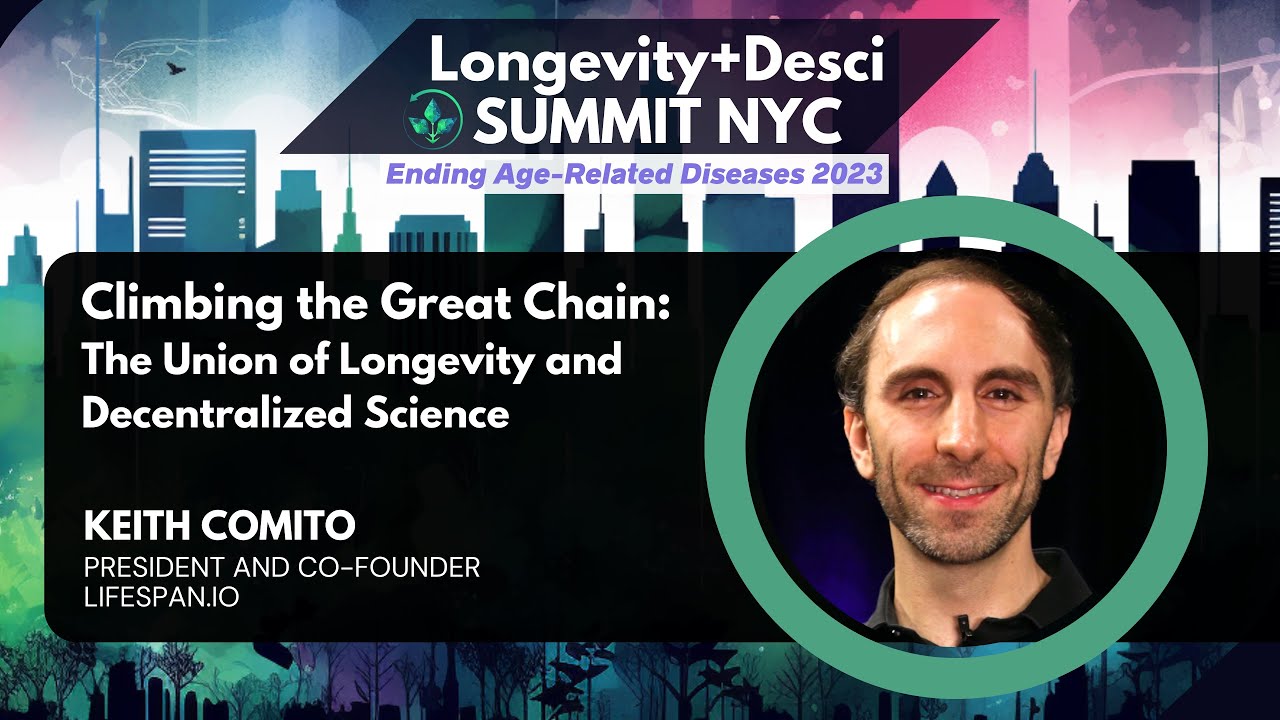
Climbing the Great Chain - The Union of Longevity and Decentralized Science - Keith Comito: EARD2023 Climbing the Great Chain - The Union of Longevity and Decentralized Science - Keith Comito: EARD2023

You can find the videos from the event on the lifespan.io Youtube EARD2023 playlist soon. More videos will be made available in the following months. We will have some initial details about EARD2024 towards the end of the year; we hope you can join us there!

On-demand videos are still open to ticket holders

Missed a presentation you wanted to see, or just want to relive the experience? Ticket holders can still sign into the event and watch the on-demand replays of all the talks and workshops.

Watch the entire conference by clicking the replay button on the left-hand side of the screen after you log in.

Thanks to Maxwell Biosciences and Gero (our Platinum sponsors), NOVOS and quadraScope (our Gold sponsors), and the rest of our sponsors:

EARD All Sponsors

lifespan.io in the media

We wanted to highlight some of the news stories that came from the conference.

Cointelegraph

According to Cointelegraph, Blockchain takes the stage at Longevity+DeSci summit in New York. The popular finance-focused website was enthusiastic about the fusion of rejuvenation research and decentralized science. If you are interested in how the future of research funding could pan out in the near future, check it out!

Microdose, a site focused on psychedelics for medical use, said that lifespan.io was “Advancing the Frontiers of Longevity Science”. They spoke highly about the rejuvenation research that was showcased at our conference. They also talked about the wider implications of using DeSci as an alternative funding source for research.

The Global Affair at EARD2023

Nicole Gibson from the Global Affair podcast was at the conference and interviewed some of the guest speakers. She had this to say about the event:

My experience in New York echoed a sci-fi novel. Yet, this was no fiction. It was in the studio of The Global Affair Luminaries painted a breathtaking picture of the future. If you’ve ever dreamt of a world where science is democratized, where aging is a historical belief, and where the vast cosmos is our next home, brace yourself.

Decentralised Science (DeSci) is breaking down walls of institutions. DeSci is unlocking the true potential of collaborative, global research. No boundaries, no limits, just pure, unadulterated scientific pursuit. Systems that will perpetuate freedom and sovereignty (what’s truly organic) are coming together to form alliances like never before.

The Global Affair has made four episodes from the conference covering various aspects of longevity and DeSci:

Thank you to Nicole for taking the time to attend and make these thought-provoking podcasts.

Join the Lifespan Alliance and help us solve aging

If you represent a company or organization, please consider joining the Lifespan Alliance and becoming a corporate partner. These philanthropic partnerships foster mutual support with a shared goal of accelerating progress for longevity biotech and extending and improving human lives.

Support our work with your company with the Lifespan Alliance.

Your support means that we can continue to advocate, report, educate, and fundraise for the technologies that could end age-related diseases. We are a non-profit organization: we cannot do what we do without support from you. Please join the Lifespan Alliance today!

Thank you to the current members of the Lifespan Alliance for supporting our important work!

We would like to ask you a small favor. We are a non-profit foundation, and unlike some other organizations, we have no shareholders and no products to sell you. All our news and educational content is free for everyone to read, but it does mean that we rely on the help of people like you. Every contribution, no matter if it’s big or small, supports independent journalism and sustains our future.
Centenarian Cake

Blood Biomarkers as Predictors of Longevity

A recent study’s authors investigated whether biomarkers measured earlier in life can predict if someone will live to their 100th birthday [1].

35-year-long centenarian study

Previous research has found that people who become centenarians have fewer disabilities, comorbidities, and hospitalizations earlier in life. They are also characterized by better cognitive functions than people who will not reach 100 [2,3,4].

Since health seems to correlate with becoming a centenarian, these researchers asked whether a simple blood test can predict a person’s chance of reaching 100. They conducted the biggest study to date that compares biomarker profiles measured at similar ages earlier in life in centenarians and non-centenarians.

The study population consisted of 44,636 individuals from Stockholm County who underwent clinical laboratory testing between 1985 and 1996. Participants were followed up until the end of 2020.

Researchers focused specifically on people born between 1893 and 1920. Those people were between 64 and 99 years old when their first blood sample was taken for measurement. This enabled researchers to follow up with the study participants until they reached 100.

2.7% (1,224 people) of the participants reached their 100th birthday, which is representative of Stockholm’s general population in this time period.

The predictive power of blood samples

Researchers analyzed twelve blood-based biomarkers involved in inflammatory (uric acid), metabolic (total cholesterol and glucose), liver (liver enzymes and proteins), and kidney (creatinine) functions. There were also biomarker tests related to malnutrition (albumin) and anemia (iron and iron-binding capacity).

The authors compared the distribution of biomarker values between people who did and did not end up becoming centenarians. Then they studied the association between each biomarker and the possibility of becoming a centenarian. They found that except for two biomarkers (liver enzyme ALAT and albumin), all of the measured biomarkers were associated with the likelihood of becoming a centenarian.

The likelihood of becoming centenarians was higher for people who displayed increased levels of total cholesterol and iron. However, for glucose, creatinine, uric acid, liver enzymes, and total iron-binding capacity, it was the opposite: lower levels of these biomarkers are correlated with higher chances of becoming a centenarian.

The researchers also noted that blood levels of the liver enzymes ALP and LD in most of the participants, whether they were future centenarians or not, were outside of the range considered normal according to clinical guidelines.

They believe that since clinical guidelines are created for younger, healthy populations, they may not always be adequate for the elderly. This observation is even more interesting since researchers observed that higher total cholesterol levels were correlated with an increased chance of becoming a centenarian. Such observations go against clinical guidelines.

Centenarians appear generally healthier

The group that lived to become centenarians was, on average, older when the first measurement was taken. Their mean age was 79.6 years, while for non-centenarians, it was 76.7 years. Despite that, people who lived to their 100th birthday had a lower prevalence of morbidities at the time of the first measurement.

They also observed that centenarians had smaller differences in biomarker differences between the first and second measurements compared to non-centenarians.

In the centenarian group, biomarker profiles were rather homogeneous. However, the analysis identifies two profiles within the centenarian population. Researchers named them “higher nutrition” and “lower but enough nutrition.”

The “higher nutrition” profile had more similarities to the non-centenarian profiles. The differences between groups were mostly not statistically significant, with the exception of total iron-binding capacity, total cholesterol, and albumin.

Total iron-binding capacity, total cholesterol, and albumin are markers of inflammation and nutrition status [5]. Liver function and anemia can also impact their values. Researchers speculated that heterogeneity regarding total iron-binding capacity, total cholesterol, and albumin within the centenarian population might reflect nutrition but not inflammation, as other markers of inflammation, liver function, and anemia didn’t show differences within this population.

On the other hand, since the authors observed differences between centenarians and non-centenarians regarding a marker of inflammation, uric acid levels, they speculate that it is inflammation or both inflammation and nutrition that play an essential role in deciding who will live to 100.

More biomarkers could improve predictions

This research shows that from the age of 65 onwards, people who would eventually become centenarians show a difference in biomarkers.

Researchers noted that their results regarding liver and kidney function and inflammation being predictive of longevity are in agreement with previous research [6,7]. They also hypothesize that alcohol consumption might play a role in exceptional longevity. The hypothesis is based on their observation that several biomarkers that are higher in non-centenarians are alcohol-related. However, they leave this topic for future research.

The authors point out that one limitation of this study is a lack of access to all the biomarkers they had wanted to test, including ones related to immunity and inflammation. Lifestyle information, such as smoking, alcohol consumption, and physical activity, would also be informative.

We would like to ask you a small favor. We are a non-profit foundation, and unlike some other organizations, we have no shareholders and no products to sell you. All our news and educational content is free for everyone to read, but it does mean that we rely on the help of people like you. Every contribution, no matter if it’s big or small, supports independent journalism and sustains our future.

Literature

[1] Murata, S., Ebeling, M., Meyer, A. C., Schmidt-Mende, K., Hammar, N., & Modig, K. (2023). Blood biomarker profiles and exceptional longevity: comparison of centenarians and non-centenarians in a 35-year follow-up of the Swedish AMORIS cohort. GeroScience, 10.1007/s11357-023-00936-w. Advance online publication.

[2] Vetrano, D. L., Grande, G., Marengoni, A., Calderón-Larrañaga, A., & Rizzuto, D. (2021). Health Trajectories in Swedish Centenarians. The journals of gerontology. Series A, Biological sciences and medical sciences, 76(1), 157–163.

[3] Engberg, H., Oksuzyan, A., Jeune, B., Vaupel, J. W., & Christensen, K. (2009). Centenarians–a useful model for healthy aging? A 29-year follow-up of hospitalizations among 40,000 Danes born in 1905. Aging cell, 8(3), 270–276.

[4] Ismail, K., Nussbaum, L., Sebastiani, P., Andersen, S., Perls, T., Barzilai, N., & Milman, S. (2016). Compression of Morbidity Is Observed Across Cohorts with Exceptional Longevity. Journal of the American Geriatrics Society, 64(8), 1583–1591.

[5] Stromberg, B. V., Davis, R. J., & Danziger, L. H. (1982). Relationship of serum transferrin to total iron binding capacity for nutritional assessment. JPEN. Journal of parenteral and enteral nutrition, 6(5), 392–394.

[6] Hirata, T., Arai, Y., Yuasa, S., Abe, Y., Takayama, M., Sasaki, T., Kunitomi, A., Inagaki, H., Endo, M., Morinaga, J., Yoshimura, K., Adachi, T., Oike, Y., Takebayashi, T., Okano, H., & Hirose, N. (2020). Associations of cardiovascular biomarkers and plasma albumin with exceptional survival to the highest ages. Nature communications, 11(1), 3820.

[7] Arai, Y., Martin-Ruiz, C. M., Takayama, M., Abe, Y., Takebayashi, T., Koyasu, S., Suematsu, M., Hirose, N., & von Zglinicki, T. (2015). Inflammation, But Not Telomere Length, Predicts Successful Ageing at Extreme Old Age: A Longitudinal Study of Semi-supercentenarians. EBioMedicine, 2(10), 1549–1558.

Kariko Weissmann

Nobel Prize in Medicine Goes to Two mRNA Vaccine Researchers

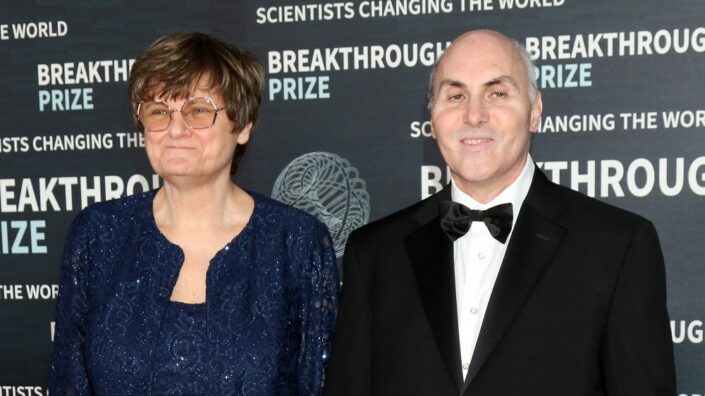
Katalin Karikó and Drew Weissman received this year’s Nobel Prize in Physiology or Medicine for a groundbreaking discovery that facilitated the development of mRNA vaccines and can be relevant to future anti-aging therapies.

A crucial discovery

The COVID-19 pandemic was one of the biggest health challenges that humanity has ever seen. At its dawn, things looked grim: the virus was clearly both highly contagious and lethal: a combination worthy of a horror movie. Healthcare workers fought back bravely, and many of them succumbed to the disease themselves, but their efforts were hampered by insufficient knowledge about the virus’ behavior and the lack of good therapeutic and preventive care.

While the COVID-19 pandemic led to a staggering loss of life, the death toll could have been many times higher if not for advances in science and manufacturing. Researchers, pharma companies, and regulators truly outdid themselves by putting out effective vaccines in just one year. Of the discoveries that made this possible, probably the most important one is owed to the biochemist Katalin Karikó and immunologist Drew Weissman, who two days ago received the Nobel Prize in Physiology or Medicine.

Modified nucleosides fool the immune system

The general idea behind vaccines is to make the immune system familiar with the pathogen, such as a virus, before the actual infection happens. Traditional vaccines use deactivated pathogens to do so. However, it is enough to “feed” to the immune system a single protein from the pathogen. Those proteins can be produced by the cell’s own machinery, but it needs instructions in the form of DNA or mRNA (messenger RNA).

The problem is that the human body has mechanisms that recognize foreign genetic material and degrade it, which is why the idea of mRNA vaccines was long considered untenable. Karikó and Weissman’s fundamental research during the 2000s, when they both worked at the University of Pennsylvania, was aimed at elucidating and circumventing those defense mechanisms.

The two discovered that our immune system is less responsive to mammalian than to viral RNA because the former is abundant in modified nucleosides; for instance, the nucleoside uridine is often replaced by a slightly different molecule called pseudouridine [1]. Interestingly, their first paper on the subject was rejected by both Nature and Science and eventually published in the journal Immunity.

This discovery opened the door to cheap and effective vaccines based on pseudouridine-containing mRNA. Two such vaccines, produced by Moderna and Pfizer, spearheaded the world’s anti-COVID effort. The importance of pseudouridine is illustrated by the fact that the third mRNA vaccine, produced by the German company CureVac using unmodified RNA, was a major letdown [2].

To be clear, COVID-19 vaccines come in all shapes and sizes. Some are old-school, based on deactivated viruses, while others use viral vectors (mostly adenoviruses) to deliver viral DNA to the cells. However, mRNA vaccines offer several clear advantages, such as the ease of design and manufacturing.

Another essential component of mRNA vaccines is lipid nanoparticles (LNPs), which enclose the mRNA molecules. The creation of mRNA vaccines would not be possible without recent advances in the LNP field. Some people in the scientific community have argued that the researchers involved in the development of LNP technologies are not less worthy of the Nobel Prize, but this was more of a collective effort.

The anti-aging connection

Just how relevant are mRNA vaccines and this Nobel Prize to the field of anti-aging research? Gene therapies are considered one of the most promising avenues in geroscience. Some experts, such as Harvard professor George Church, argue that they are indispensable if we want to achieve meaningful life extension.

Many age-related diseases are caused by diminished production of certain proteins, which can theoretically be fixed by mRNA delivery. It is also possible to instruct human cells to produce proteins that are normally found in long-lived species, such as the bowhead whale’s extremely effective version of SIRT6 [3].

“The ability to deliver mRNA of interest into cells in vivo and circumvent the immune system is important well beyond its application in COVID vaccines,” explains another Harvard professor and renowned geroscientist, Vadim Gladyshev. “While it is early to predict how it will play out in the aging field, further advances in mRNA delivery involving multiple genes to sites of interest may allow to target aging and perhaps partially reverse it under some circumstances.”

We would like to ask you a small favor. We are a non-profit foundation, and unlike some other organizations, we have no shareholders and no products to sell you. All our news and educational content is free for everyone to read, but it does mean that we rely on the help of people like you. Every contribution, no matter if it’s big or small, supports independent journalism and sustains our future.

Literature

[1] Karikó, K., Buckstein, M., Ni, H., & Weissman, D. (2005). Suppression of RNA recognition by Toll-like receptors: the impact of nucleoside modification and the evolutionary origin of RNA. Immunity, 23(2), 165-175.

[2] Dolgin, E. (2021). Covid vaccine Flop Spotlights Mrna Design Challenges. Nature, 594, 483-483.

[3] Firsanov, D., Zacher, M., Tian, X., Zhao, Y., George, J. C., Sformo, T. L., … & Gorbunova, V. (2023). DNA repair and anti-cancer mechanisms in the longest-living mammal: the bowhead whale. BioRxiv, 2023-05.

Blood pressure

NMN Reduces Systolic Blood Pressure in Clinical Trial

Combining human clinical trial research, cellular analysis, and mouse studies, researchers publishing in the Nature journal Signal Transduction and Targeted Therapy have discovered a relationship between NAD+, hypertension, and the immune signal CD38.

A vital component in metabolic function

This research begins with a discussion of NAD+ and its nature as a fundamental aspect of human metabolism. In particular, the authors home in on the immune factor CD38, which has been previously found to suppress NAD+. Blocking CD38 has been found to improve the metabolism of aged mice [1]. Macrophage infiltration, in which immune cells penetrate the blood vessels and release CD38, has been found to release inflammatory cytokines, which encourage CD38 expression [2].

As previous research has found that the NAD+ precursor nicotinamide riboside (NR) may have positive effects on arterial stiffness in people [3], these researchers decided to use another precursor, nicotinamide mononucleotide (NMN), to determine if this NAD+ supplement would help in hypertension.

Positive effects in humans

First, the researchers examined 102 people, 52 of whom were healthy and 50 of whom were recently diagnosed with hypertension. While the relative levels of NAD+ precursors were similar, the hypertensive group had far less NAD+ than the healthy group. Similarly, there was an inverse correlation with blood NAD+ and blood pressure.

The researchers also looked specifically at the aortas of hypertensive patients. They found that NAD+ was depleted by nearly half in this tissue. These results were recapitulated in mice. However, these biometrics were substantially improved in mice given NMN, which enjoyed lower blood pressure and better aortic health.

This was also tested in people. A total of 19 people completed a second study, in which 9 were treated with lifestyle modifications and 10 were treated with lifestyle modifications plus NMN. As expected, NMN significantly increased NAD+ in the treated group. Diastolic blood pressure was not affected to the level of statistical significance, but systolic blood pressure was significantly reduced in the NMN group. Brachial-ankle pulse wave velocity, a marker of blood vessel damage, was also reduced in the NMN group.

The role of CD38

The researchers found that the mRNA expression of CD38 was far higher in the aortic tissue of people with hypertension. Interestingly, people with hypertension were found to have significantly more SIRT6 as well.

To confirm this connection, the researchers used silencing and promoter RNA on human aortic cells cultivated in an environment containing NMN. Compared to the control groups, the role of CD38 was confimed: cells that had their CD38 production stifled by silencing RNA had more NAD+, and cells with additional CD38 had less. Less CD38 was also found to be associated with better healing abilities. This, the researchers hold, demonstrates that CD38 is a vital part of NAD+ metabolism.

Depleting CD38 from mice showed benefits. Whether the mice had CD38 genetically knocked out from birth or they were transfected with an adeno-associated virus, the effects of hypertension were substantially reduced. Administering NMN did not have statistically significant effects on these modified mice.

Further experimentation explored the connection between macrophage infiltration and CD38. Macrophages taken from hypertensive patients were found to have more of the interleukin IL-1ß, which is associated with inflammation. The connection to CD38 was found to be due to the JAK/STAT pathway, confirming previous research [4].

Is a better treatment on the horizon?

As directly inhibiting CD38 seems to be a considerably more effective technique than NAD+ supplementation, it is logical that this should be the next approach for research. However, the techniques that are appropriate for laboratory mice can’t be used in the clinic. We look forward to research into a CD38 inhibitor that can be safely used on human beings.

We would like to ask you a small favor. We are a non-profit foundation, and unlike some other organizations, we have no shareholders and no products to sell you. All our news and educational content is free for everyone to read, but it does mean that we rely on the help of people like you. Every contribution, no matter if it’s big or small, supports independent journalism and sustains our future.

Literature

[1] Tarragó, M. G., Chini, C. C., Kanamori, K. S., Warner, G. M., Caride, A., de Oliveira, G. C., … & Chini, E. N. (2018). A potent and specific CD38 inhibitor ameliorates age-related metabolic dysfunction by reversing tissue NAD+ decline. Cell metabolism, 27(5), 1081-1095.

[2] Ogiya, D., Liu, J., Ohguchi, H., Kurata, K., Samur, M. K., Tai, Y. T., … & Anderson, K. C. (2020). The JAK-STAT pathway regulates CD38 on myeloma cells in the bone marrow microenvironment: Therapeutic implications. Blood, The Journal of the American Society of Hematology, 136(20), 2334-2345.

[3] Martens, C. R., Denman, B. A., Mazzo, M. R., Armstrong, M. L., Reisdorph, N., McQueen, M. B., … & Seals, D. R. (2018). Chronic nicotinamide riboside supplementation is well-tolerated and elevates NAD+ in healthy middle-aged and older adults. Nature communications, 9(1), 1286.

[4] Ogiya, D., Liu, J., Ohguchi, H., Kurata, K., Samur, M. K., Tai, Y. T., … & Anderson, K. C. (2020). The JAK-STAT pathway regulates CD38 on myeloma cells in the bone marrow microenvironment: Therapeutic implications. Blood, The Journal of the American Society of Hematology, 136(20), 2334-2345.

Rejuvenation Roundup September 2023

Rejuvenation Roundup September 2023

On some corners of the Internet, “Spooktober”, effectively a month-long Halloween, has just begun. Here at lifespan.io, though, we talk about something scary all year long. Here’s what’s been done to fight aging last month.

LEAF News

EARD2023

Lifespan io EditorialEnding Age-Related Diseases 2023: Longevity/DeSci Success: The Ending Age-Related Diseases 2023 conference has ended, and it was a big success. This is the first of our conference videos: the opening talk from the event given by our President, Keith Comito.

EARD2023: Proving Your Philanthropy on the Blockchain: In this talk given at Ending Age-Related Diseases 2023, Weavechain CEO Omar ElNaggar goes into detail on how Weavechain worked together with lifespan.io’s President Keith Comito to build dynamic PoP NFTs.

EARD2023 Games for GoodEARD2023: Using NFTs to Support Video Gaming for Good: In this talk, lifespan.io President Keith Comito describes use cases for “Proof of Philanthropy” (PoP) dynamic NFTs – a new type of NFT that powers up based on tracked on-chain giving.

Lifespan News

Age Reversal Pill: Emmett Short talks about David Sinclair’s serious effort to epigenetically rejuvenate cells by using small molecules, which would lead to the creation of a genuine age reversal pill. This technology could be significantly cheap and simple to produce.

Elon Musk and the Living Forever Curse: Ryan O’Shea ruminates on Elon Musk’s statement on living forever being a curse rather than a blessing.

Journal Club

Exporting a Longevity Mechanism Between Species: The Journal Club for August returned live to Facebook on September 5th at 12:00 Eastern hosted by Dr. Oliver Medvedik. This time, we took a look at a paper where researchers have transfered a lifespan- and healthspan-boosting mechanism from the naked mole rat, a very-long lived rodent, to mice.

Extracellular Vesicles Improve Cardiac Health in Old Rats: The Journal Club returned with Dr. Oliver Medvedik on September 29th at 12:00 Eastern time on our Facebook page. We took a look at a recent study published in Nature, in which extracellular vesicles derived from neonatal cardiac progenitors produced significant rejuvenation in old rats and human cells.

Advocacy and Analysis

Liar at tableTwo Industries in One Field: While rejuvenation therapies that aim to prevent, stop, or even reverse aging and age-related diseases are gradually moving towards becoming a reality, the field has a problem. Our community has long had two distinctly different groups in its ranks.

Is There a Single Essence of Aging?: In the Proceedings of the National Academy of Science, Dr. Jesse Poganik and Prof. Vadim Gladyshev of Harvard Medical School have presented an opinion proposing a consensus understanding of aging.

ARDD CrowdARDD 2023: The Mother of All Longevity Conferences: Once a year, Copenhagen becomes a Mecca for the longevity community. Hundreds of people flock to the picturesque Danish capital to attend the Aging Research and Drug Discovery Meeting (ARDD) for five full days of talks by geroscientists and biotech leaders, mingling and networking with like-minded longevity enthusiasts, and not-so-healthy late night-outs.

Research Roundup

Extracellular Vesicles Improve Cardiac Health in Old Rats: In a new study published in Nature, extracellular vesicles derived from neonatal cardiac progenitors produced significant rejuvenation in old rats and human cells.

Columbia sheepFisetin Reduces Senescence in the Brains of Sheep: A study published in Antioxidants has found that the senolytic fisetin significantly decreases cellular senescence in the brains of sheep.

Biomarkers of Aging for Facilitating Future Research: The Biomarkers of Aging Consortium, an initiative uniting about 200 geroscientists around the goal to inform and guide the use of biomarkers of aging, has put out its first paper.

Healthy and unhealthy foodsImpact of Plant-Based Diets on Biological Aging: In new research published in BMC Medicine, the authors recruited a large cohort of participants in order to assess how plant-based foods affect aging trajectories.

A Metformin and Galantamine Combination for Sarcopenia: Researchers associated with Rejuvenate Biomed and publishing in JCI Insight have conducted multiple experiments on a combination of metformin and galantamine in animal models. These preclinical experiments are intended to be a prelude to a human trial for sarcopenia.

Elderly SitupsTaking Up Exercise Late in Life May Prevent Fitness Decline: According to a new study published in Aging Cell, previously sedentary old people who took up an exercise program were able to improve their fitness and maintain it for at least four years.

Jumping Genes Influence the Speed of Aging in Worms: According to a newly published paper in Nature Communications, transposable elements impact aging in C.elegans. Transposable elements are often referred to as mobile genetic elements or jumping genes, as these DNA pieces can change their position in the genome.

Elderly hobbiesHaving a Hobby Might Lead to a Healthier Life: A new publication in Nature Medicine has provided evidence from multiple countries supporting the idea that older people who have hobbies are healthier and less likely to have depression.

How Pollution Makes Aging Worse: A review paper published in GeroScience has detailed a substantial amount of research into the ways that environmental pollutants accelerate aging.

Elderly brainA Potential Exercise Mimetic to Restore Youthful Memory: Researchers have identified a platelet-derived factor that improves cognition in mice and published their findings in Nature Communications.

Senolytics as a Potential Back Pain Treatment: In a recent paper, researchers from McGill University in Canada have investigated how a combination of two senolytics, RG-7112 and o-Vanillin, influences the intervertebral disc cells of back pain patients.

Foreground ClockCreating a Noise Clock to Measure Biological Age: Publishing in Aging, the Conboy research lab has outlined the problems with existing machine learning-based clocks and created a new clock based on epigenetic noise.

Developing a Treatment for Arthritis from Stem Cell Signals: Resarchers publishing in Aging have found that extracellular vesicles (EVs) derived from human umbilical cord mesenchymal stem cells (MSCs) reduce inflammatory markers in chondrocytes, which are responsible for building and maintaining human cartilage.

AstrocyteAn Unexplored Link Between Inflammation and Alzheimer’s: An article in GeroScience describes a previously unexplored relationship between FABP7, an inflammatory molecule that binds to fatty acids, and Alzheimer’s disease.

Human Clinical Trials of NMN for Safety and Effectiveness: In a recent paper, researchers reviewed the literature for human clinical trials that address NMN’s safety and anti-aging effects. These studies were done using different doses of NMN, and they differed in length, number, and age of participants.

EKGRestoring Heart Regeneration With a Metabolic Switch: In a recent article in Nature, researchers have restored cardiac regeneration to adult mice by disabling fatty acid oxidation, discovering a potential pathway for human treatments. As heart muscle cells (myocytes) mature, they make a metabolic switch from glycolysis to the oxidation of fatty acids.

Study: Waist-to-Hip Ratio Predicts Mortality Better Than BMI: A new study suggests that waist-to-hip ratio (WHR) has a more linear correlation with all-cause mortality than either body mass index (BMI) or fat mass index (FMI) and might replace BMI as a metric of choice.

Senolytic therapy in mild Alzheimer’s disease: a phase 1 feasibility trial: In summary, central nervous system penetrance of dasatinib was observed with outcomes supporting safety, tolerability and feasibility in patients with Alzheimer’s.

Association between life’s essential 8 and biological ageing among US adults: LE8 and its subscale scores were strongly negatively related to biological ageing. Encouraging optimal cardiovascual health levels may be advantageous in preventing and slowing down ageing.

The effect of polyphenols on DNA methylation-assessed biological age attenuation: the DIRECT PLUS randomized controlled trial: To the researchers’ knowledge, this is the first clinical trial to indicate a potential link between polyphenol intake, urine polyphenols, and biological aging.

Inverse J-Shaped Relationship of Dietary Carbohydrate Intake with Serum Klotho in NHANES 2007–2016: A non-linear inverse J-shaped relationship exists among the general U.S. middle-aged and older population between the carbohydrate energy percentage and serum Klotho levels, with the highest levels observed at 48.92% to 56.20% carbohydrate intake.

Oral supplementation with fish cartilage hydrolysate in an adult population suffering from knee pain and function discomfort: These data provide insights on the mode of action of fish cartilage hydrolysate in humans and contribute to explain how it may relieve pain and improve joint function in subjects with knee discomfort.

Omega-3 Fatty Acids, Cognition, and Brain Volume in Older Adults: This exploratory study found that among healthy, cognitively older adults, increased levels of omega-3 FAs are associated with better memory, processing speed, and structural brain measures.

Use of Antihypertensives, Blood Pressure, and Estimated Risk of Dementia in Late Life: Antihypertensive use was associated with decreased dementia risk compared with individuals with untreated hypertension through all ages in late life.

Metformin combined with rapamycin ameliorates podocyte injury in idiopathic membranous nephropathy through the AMPK/mTOR signaling pathway: Metformin combined with rapamycin decreased proteinuria and improved renal fibrosis and podocyte autophagy via AMPK/mTOR pathway in IMN rats.

Mesenchymal-derived extracellular vesicles enhance microglia-mediated synapse remodeling after cortical injury in aging Rhesus monkeys: These mechanisms may act to preserve synaptic cortical motor networks and balanced, normative function to support functional recovery after injury.

Neuronal activation of Gaq EGL-30/GNAQ late in life rejuvenates cognition across species: C. elegans is a powerful model to identify mammalian regulators of memory, leading to the identification of a pathway that improves memory in extremely old mice.

Application of mesenchymal stem cells for anti-senescence and clinical challenges: The authors review the recent progresses of MSC-based therapies in the research of age-related diseases and the challenges in clinical application.

Periodic ethanol supply as a path toward unlimited lifespan of Caenorhabditis elegans dauer larvae: Based on the comparison of the model with experimental data for fixed ethanol concentration, the researchers proposed the range of feeding protocols that could lead to even longer dauer survival, and it can be tested experimentally.

News Nuggets

An image of telomeres shortening which could lead to DNA damage.Turning Back the Clock With mRNA Telomerase Therapy: Since its launch in 2016, Rejuvenation Technologies, located in Mountain View, California, has been developing a therapeutic to restore telomeres in humans. The company has been in stealth mode for a number of years, but there is finally some news!

SENS Research Foundation Returns with Ending Aging Forum: SRF has hosted its second Ending Aging Forum on September 21st and 22nd, at 9 AM to 1 PM Pacific Time. This event was a great opportunity to catch up with SRF’s team and to hear the exciting things that SRF has been working on this past year. It was also a great showcase not only for the senior researchers but also for the students currently working at the foundation.

We would like to ask you a small favor. We are a non-profit foundation, and unlike some other organizations, we have no shareholders and no products to sell you. All our news and educational content is free for everyone to read, but it does mean that we rely on the help of people like you. Every contribution, no matter if it’s big or small, supports independent journalism and sustains our future.

Longevity DeSci Sep 2023

Longevity and DeSci Recap – September 2023

Welcome back to the latest edition of the Longevity and DeSci Recap. Here, you’ll discover the latest interviews, insights, and research in the longevity tech sphere over the past month and learn more about topics including blockchain, DAOs, cryptocurrency, DeSci, and related events.

This September marked a lucrative month for biotech and decentralized science companies in the longevity arena, with multiple sizable investments spanning a variety of interest areas, such as neurodegenerative disease, immune system function, and digestive health. The summer conference season has wrapped up: the ARDD2023 conference, dubbed the ‘mother of all longevity conferences’, was held in Copenhagen at the end of August.

Upcoming conferences

Longevity & Crypto Day Abu Dhabi October 12, 2023: Abu Dhabi is set to host an exclusive Longevity and decentralized science (DeSci) event this month. Located in the city’s center, the Longevity and Crypto Day will gather together experts, scientists, enthusiasts, and investors from around the globe to explore the advancements in human longevity and the role of decentralized technologies. This one-day-only event will cover longevity medicine, longevity biotech, the landscape of longevity investment, and the pivotal roles that AI and blockchain technologies are playing in accelerating longevity research. Speakers will include Abdishakur Abdulle, PhD of the UAE Healthy Future Study, Sergey Young of the Longevity Vision Fund, Peter Fedichev of Gero.AI, Nikolina Lauc of GlycanAge, Prof. Even Bischof or the Sheba Longevity Center, andmany other notable names. Find out more about attending the event here.

Longevity investment and development news

“Mother of All Longevity Conferences” ARDD2023 held in Copenhagen: From August 26-30, the University of Copenhagen in Denmark played host to one of the world’s largest longevity conferences, Aging Research and Drug Discovery (ARDD). This year’s sold-out event marked the 10th time that this conference has been held and featured 5,000+ online attendees and 120+ speakers from across the globe, including top scientists, biotechs, academics, and investors.

This year featured presentations and discussions from scientists, academics, investors, and longevity enthusiasts covering longevity medicine, geroscience, gerotherapeutics, digital biomarkers, stem cell aging, and financial models for longevity research. The organizers announced that the conference’s next session is scheduled for August 26-30, 2024.

Rejuveron Life Sciences secures $75 million in Series B round funding: This longevity biotech firm has just secured $75 million in a Series B funding round to bolster its innovative research to develop therapies promoting healthy aging and targeting age-related diseases. Co-led by Capital Management and Apeiron Investment Group, with participation from Mubadala Capital, Rejuveron Life Sciences plans to use a portion of the funding as part of its strategic move to open an Abu Dhabi office, integrating the company into the evolving longevity research hub movement in the UAE.

In addition, a recent acquisition of a stake in Boost Neuroscience aligns with the company’s mission to support transformative advancements in aging. This supports the company’s multi-pronged approach that aims to tackle various aspects of aging through different clinical trials into several therapeutic approaches.

San Francisco-based venture capital firm age1 launches with $35 million: A dedicated venture capital firm specializing in longevity biotech has launched in San Francisco. age1 launched with an initial closing of $35 million, which it plans to invest in innovative entrepreneurs developing therapeutics, tools, and technologies aimed at aging and age-related diseases. Supporting companies from the earliest stages by providing funding as well as strategic and regulatory guidance along with networking opportunities with longevity experts, age1 plans to accelerate longevity advancements. The team behind the firm have long-reaching experience in the sector and include Laura Deming, founder of The Longevity Fund, and Alex Colville, Ph.D, who previously established the investment pathway of Starbloom Capital among many other endeavors.

$700,000 research grant awarded to Vincere Biosciences for neurodegenerative disease therapies: Vincere Biosciences, a company focused on developing therapies for neurodegenerative disease, has received $700,000 in funding for research from the National Institute of Neurological Disorders and Stroke. This sizable grant aims to advance the company’s research into its USP30 inhibitor molecule and its efficacy and pharmacokinetics in treating Parkinson’s disease. Early research shows that Vincere’s molecule enhances mitophagy, the removal of damaged mitochondria, and offers a potentially novel approach to slowing or stopping the progression of Parkinson’s disease. The received funding will cover the two-year project and seeks to be a step forward in both therapeutic solutions and slowing the progression of neurodegenerative disorders.

US government body invests $37 million into longevity project: Thymmune Therapeutics received a $37 million grant from the US Department of Health and Human Services in ARPA-H funding for a project designed to rejuvenate the thymus, an organ that is critical in immune system function. Known as the Thymus Rejuvenation project, the research seeks to restore damaged or non-functional thymus tissue, which, in turn, could potentially enhance the function of the immune system. Currently in its initial phase, the project is developing protocols for creating functional thymus tissue from induced pluripotent stem cells, which have the potential to “reboot” the immune system. This latest investment follows the company’s track record of securing funding, having been backed by industry experts and secured significant seed financing in the past.

$31 million secured for AI-driven digestive health project: Vivante Health, a digestive health biotech company, has received $31 million in Series B funding. The proceeds are planned to go toward advancing its GIThrive platform, which is a comprehensive solution providing virtual gastrointestinal care and support for the 70+ million Americans affected by chronic digestive conditions.

GIThrive offers AI-driven personalized care plans, connects users to healthcare professionals, and provides features like food and symptom tracking and educational resources. The newly acquired funds will be invested in refining the platform’s predictive capabilities and expanding support teams to assist new employers, health plans, and channel partners. The investment, led by Mercato Partners, elevates the total capital amassed by Vivante to $47 million, aiming to bridge existing gaps in digestive health management and deliver valuable returns to employers by minimizing digestive-related healthcare costs.

Tech breakthroughs & new research

Exo launches Iris, an AI-backed handheld ultrasound device: With huge investment in the longevity sector, we often may be led to believe that progress should be at lightning speed. However, often it takes time to move from gaining investment to product or service realization, but progress is worth it.

Exo, a biotech company, has recently launched its handheld AI-based ultrasound device. This launch comes almost ten years after the company’s launch, $300 million in total, and a development sprint lasting 18 months. The company’s mission in creating this device was to make ultrasounds more flexible or as simple as using a smartphone camera. It is embedded with SweepAI technology, which captures scans as the clinician uses the device.

DAOs and communities

Longevity Fellowship applications are open: VitaDAO’s Longevity Fellowship, which offers a $2,000 grant to scientists, students, and longevity enthusiasts, is open for applications. The fund covers applications for interested parties to attend conferences, follow up on research objectives, and dive deeper into the longevity sphere. Anyone interested in finding out more about the grant or making an application can do so here.

Eyes and aging – a discussion with Prof. Dorota Skowronska- Krawczyk: Prof. Dorota Skowronska-Krawczyk recently spoke with the VitaDAO Aging Science Podcast team on the impact of aging on the eyes and how longevity science is tackling age-related eye diseases. Prof. Skowronska-Krawczyk highlighted that the eye is susceptible to aging and emphasized its role of senescence, stress, and inflammation, including age-related macular degeneration (AMD) and glaucoma. Currently, there is a lack of animal models for studying these conditions and potential treatments.

Prof. Skowronska-Krawczyk discussed how the work of her team focuses on deciphering the mechanisms of age-related eye degeneration, utilizing modern technologies to study unresolved issues such as the role of fatty acids in age-related neurodegeneration and stress in accelerated aging and how studying cases in the animal world could hold the key to eye health preservation.

World Longevity News

Lifespan’s Ryan O’Shea delves into Musk’s hate-hate relationship with living forever: Elon Musk’s perspective on longevity has long been noted as somewhat of a hate-hate relationship, with Musk describing ‘living forever’ as a curse more so than a blessing. Lifespan’s Ryan O’Shea weighs in on the discussion by discussing a recent Musk interview. The conversation unwraps Musk’s perspective on life extension and aging, which he views as a risk to creating a stagnant society and suggests that there’s value in human mortality.

O’Shea suggests that the longevity community acknowledges Musk’s statements and the questions that they raise about the ethical aspects of science and the importance of autonomy in life decisions. However, he also notes the advancements in regenerative biotechnology hold promise in enhancing the quality of life, which should not be held back. Underscoring the discourse is the need for individuals to have control over their own existence and its quality.

Social media pages to follow this month

TheHumanAgingProject: Follow to get more insights into aging research.

Nir Barzilai: Check out Professor of Medicine and Genetics Nir Barzilai’s account to discover insights into the wider longevity sphere.

Morgan Levine: As a founding principal investigator of Altos Labs and former Yale professor, Morgan Levine covers a number of longevity-related interest areas.

We would like to ask you a small favor. We are a non-profit foundation, and unlike some other organizations, we have no shareholders and no products to sell you. All our news and educational content is free for everyone to read, but it does mean that we rely on the help of people like you. Every contribution, no matter if it’s big or small, supports independent journalism and sustains our future.
Obesity Measurement

Study: Waist-to-Hip Ratio Predicts Mortality Better Than BMI

A new study suggests that waist-to-hip ratio (WHR) has a more linear correlation with all-cause mortality than either body mass index (BMI) or fat mass index (FMI) and might replace BMI as a metric of choice [1].

Is BMI good enough?

Comparing total mass to height, the body mass index (BMI) metric has become the most popular measure of adiposity, despite its obvious limitations. BMI fails to account for many important things, such as large muscle mass in athletes or low muscle mass in people with sarcopenia (muscle loss), yet it remains central to discussions about obesity and its health outcomes.

Recently, several attempts have been made to find a replacement for BMI that would be just as convenient but more reflective of the true relationship between obesity and disease [2]. Among the suggested metrics are fat mass, fat mass index (FMI), waist circumference, and waist-to-hip ratio (WHR). This study highlights WHR as a good candidate.

No J-curve for WHR

The study uses data from UK Biobank, a repository of health information on half a million British citizens. Its sheer size and the vast array of metrics it contains make it a gold mine for researchers. BMI, FMI (the ratio between fat mass and height), and WHR were all measured at baseline, and multi-year follow-up provided information on mortality. The researchers adjusted their model for several mortality-related parameters: age, sex, smoking status, diabetes status, alcohol consumption, cholesterol profile, blood pressure, and obesity-associated genetic variants.

In all models, both BMI and FMI showed a J-shaped association with all-cause mortality, with the hazard ratio lowest at 25.5 BMI (borderline overweight). This is a familiar picture, although the causes and the clinical relevance of the seeming increase in mortality for lower BMIs are hotly debated. Contrarily, WHR showed a monotonic relationship, with the lowest hazard ratio associated with the lowest WHR. Not surprisingly, among all mortality causes, all three measurements were most strongly correlated with cardiovascular mortality.

Obesity Metric Curves

Developing a connection

The researchers added another level of analysis via mendelian randomization (MR). This technique looks at traits, in this case BMI, FMI, and WHR, that are associated with outcomes. MR essentially mimics the randomization found in clinical trials and allows researchers to see through the environmental factors, such as lifestyle.

MR showed that among the three metrics, WHR had the strongest association with all-cause mortality, although the difference between it and FMI was not statistically significant. However, considerable sex differences emerged. According to MR, the association between WHR and mortality was much stronger in males, while in females, FMI took the crown. Interestingly, in the observational models, sex-related differences were small.

Still, according to the researchers, their MR findings “support a possible causal relationship between WHR and mortality”, which suggests that WHR can be used not only as a clinical marker but as an intervention target as well. They cite another MR study that found WHR was more strongly associated with blood pressure than BMI [3].

WHR as a primary metric

Interpreting their results in the context of the J-shaped relationship between mortality and BMI/FMI, the researchers suggest that even with low BMI, increased abdominal fat mass is still unhealthy. As previous research shows, lower BMI can be due to disease-related cachexia [4] or malnutrition, even with abdominal fat still present, especially in older people.

The researchers suggest using WHR alongside BMI to improve risk stratification for patients and maybe even incorporating WHR as a primary outcome for future clinical interventions. Their MR results, the authors say, might mean that targeting WHR specifically in males can bring considerable benefits.

As usual, the study was not without limitations. First, UK Biobank’s population is relatively genetically homogeneous, which makes generalizing results to other populations harder. Second, adiposity measures were only assessed at baseline. Still, these results are an important addition to the growing body of knowledge threatening to dethrone BMI as the main measurement of adiposity in diagnostics and research.

In this cohort study, compared with BMI, WHR had the strongest, most robust, and consistent association with all-cause mortality and was the only measurement unaffected by BMI. Current WHO recommendations for optimal BMI range are inaccurate across individuals with various body compositions and therefore suboptimal for clinical guidelines. Future research is needed to explore whether using WHR as the primary clinical measure of adiposity would help to improve long-term health outcomes in distinct patient populations compared with BMI. Our results provide further support to shift public health focus from measures of general adiposity, such as BMI, to adiposity distribution using WHR.

We would like to ask you a small favor. We are a non-profit foundation, and unlike some other organizations, we have no shareholders and no products to sell you. All our news and educational content is free for everyone to read, but it does mean that we rely on the help of people like you. Every contribution, no matter if it’s big or small, supports independent journalism and sustains our future.

Literature

[1] Khan, I., Chong, M., Le, A., Mohammadi-Shemirani, P., Morton, R., Brinza, C., … & Paré, G. (2023). Surrogate Adiposity Markers and Mortality. JAMA Network Open, 6(9), e2334836-e2334836.

[2] Ahima, R. S., & Lazar, M. A. (2013). The health risk of obesity—better metrics imperative. Science, 341(6148), 856-858.

[3] Giontella, A., Lotta, L. A., Overton, J. D., Baras, A., Regeneron Genetics Center, Minuz, P., … & Fava, C. (2021). Causal effect of adiposity measures on blood pressure traits in 2 urban swedish cohorts: A mendelian randomization study. Journal of the American Heart Association, 10(13), e020405.

[4] Wada, H., Ikeda, A., Maruyama, K., Yamagishi, K., Barnes, P. J., Tanigawa, T., … & Iso, H. (2021). Low BMI and weight loss aggravate COPD mortality in men, findings from a large prospective cohort: the JACC study. Scientific reports, 11(1), 1531.

EKG

Restoring Heart Regeneration With a Metabolic Switch

In a recent article in Nature, researchers have restored cardiac regeneration to adult mice by disabling fatty acid oxidation, discovering a potential pathway for human treatments.

A question of metabolism

As heart muscle cells (myocytes) mature, they make a metabolic switch from glycolysis to the oxidation of fatty acids. Previous research has found that this switch is connected to chromatin reconfiguration and a lack of proliferation [1], which therefore leads to the inability of the heart to self-repair.

As previous research has suggested that reversing this metabolic switch might also lead to a a restoration of repair ability [2], this research team investigated its effects in living adult mice, including its effects on αKG, which plays a crucial role in metabolism and heart development [3].

What happens when they don’t switch

RNA sequencing analysis has found that the metabolic switch in heart cells begins to happen to mice within the very first week after birth. This was found to be in accordance with previous work showing a relationship between fatty acid oxidation and the end of proliferation [4].

One specific gene, Cpt1b, was found to be a large part of this change. Therefore, the researchers created a population of mice without this gene and compared them to a control group. At 10 weeks of age, the Cpt1b-deficient mice had hearts that were twice as large and far higher numbers of cells showing proliferation markers and less biological maturity.

These mice did not show the typical symptoms of an enlarged heart. There was no cardiac dysfunction nor myocardial fibrosis measured in the transgenic mice.

Interestingly, both glycolysis and fatty acid oxidation led to no significant differences in reactive oxygen species. However, the transgenic mice had significantly reduced DNA damage markers in the heart. αKG was greatly increased, and the biological immaturity was pinpointed as being linked to histone methylation, specifically H3K4me3.

The potential to switch back

These researchers created another strain of transgenic mice: this time, mice whose Cpt1b could be turned off by administering tamoxifen. Doing so led to similar behavior as in the mice whose Cpt1b was completely knocked out from the start, showing that reversal to a proliferative state is possible in these cells.

Both types of mice, as well as a control group, were subjected to an ischemic reperfusion injury, which mimics a heart attack in a human being. Both transgenic groups had significant less fibrosis and less scarring than the control group.

Critically, this regeneration could even be accomplished by administering tamoxifen to the relevant group of mice three days after the injury had happened; within a month after the injury, these mice were pumping just as much blood from their left ventricles as they had before the injury. Meanwhile, the control mice had lost half of their left ventricle ejection fraction at that time. This offers significant hope for people whose hearts have sustained lasting damage from heart attacks.

Further experimentation found that inducing cells to produce more αKG resulted in a similar phenotype. Digging into the biology, they found that one of the Kdm5 genes, most likely Kdm5b, was directly responsible for these effects, as inhibiting them prevented the effects of αKG from occurring.

This provides a wealth of potential druggable targets and potentials for treatment. If any element of the Cpt1b-aKG-Kdm5b pathway can be affected, it may be possible to develop a therapy that encourages older people’s heart muscle to proliferate, regenerating lasting wounds and restoring heart function that was once thought to be permanently lost.

We would like to ask you a small favor. We are a non-profit foundation, and unlike some other organizations, we have no shareholders and no products to sell you. All our news and educational content is free for everyone to read, but it does mean that we rely on the help of people like you. Every contribution, no matter if it’s big or small, supports independent journalism and sustains our future.

Literature

[1] Maroli, G., & Braun, T. (2021). The long and winding road of cardiomyocyte maturation. Cardiovascular Research, 117(3), 712-726.

[2] Zhu, Y., Do, V. D., Richards, A. M., & Foo, R. (2021). What we know about cardiomyocyte dedifferentiation. Journal of molecular and cellular cardiology, 152, 80-91.

[3] Kaneda, R., Takada, S., Yamashita, Y., Choi, Y. L., Nonaka-Sarukawa, M., Soda, M., … & Mano, H. (2009). Genome-wide histone methylation profile for heart failure. Genes to Cells, 14(1), 69-77.

[4] Lopaschuk, G. D., & Jaswal, J. S. (2010). Energy metabolic phenotype of the cardiomyocyte during development, differentiation, and postnatal maturation. Journal of cardiovascular pharmacology, 56(2), 130-140.

Human Clinical Trials of NMN for Safety and Effectiveness

In a recent paper, researchers reviewed the literature for human clinical trials that address NMN’s safety and anti-aging effects [1].

The roles of NAD+ and NMN in aging

NAD+ (nicotinamide adenine dinucleotide) is a molecule essential in such processes as metabolism, cell death, aging, DNA repair, gene expression, or neuroinflammation.

Its concentration in human tissues decreases with age. This decrease is linked to several age-related diseases, including metabolic diseases and cognitive decline, along with the hallmarks of aging. Fortunately, it has been found to be possible to increase the concentration of NAD+ with the precursor known as NMN.

NMN is promoted as an anti-aging health supplement and is used in cosmetic products, even though most of the studies that show its possible anti-aging effect have only been conducted in cells or on animals. There have also been concerns regarding NMN’s safety as a supplement.

Therefore, researchers reviewed ten recent NMN clinical trials to gain an understanding of its safety and physiological effects on humans. They also summarized current knowledge about NMN in humans and animals:

NMN in human clinical trials

The first and most essential question for anything given to human beings is its safety, which is addressed by all ten human clinical trials [2-11].

These studies were done using different doses of NMN, and they differed in length, number, and age of participants. Doses ranged from 100 mg once a day to a full gram twice a day. The duration of these studies varied from 14 days to 12 weeks. Overall, NMN was well tolerated, and the researchers concluded that NMN is safe.

In these studies, most selected participants were over 55, and middle-aged people (below 40)  were recruited for only two trials. However, as it may be more effective to start this intervention earlier, there is a need for longitudinal studies in younger populations. There is also a need for larger cohorts in order to better assess the appropriate dosage of NMN.

Even though, so far, human clinical trials of NMN didn’t report any adverse effects, other studies have reported possible toxic effects. For example, another study [12] reported that NMN supplementation could lead to the enhancement of the pro-inflammatory senescence-associated secretory phenotype (SASP) in senescent cells. It can also promote pancreatic cancer progression in mouse models. Overall, there is limited information on the full toxicology ofl NMN.

Testing specifics and subgroups

Some researchers assessed sleep quality as one of the indicators of health effects. Populations included in those studies included either healthy men or overweight and obese elderly people (age 65 and older). However, there was no significant difference in sleep quality and fatigue before and after NMN supplementation.

NMN was reported to improve the functions of an organism that are also improved by endurance exercise, such as mitochondrial function. Therefore, some researchers looked into how NMN supplementation influences physical activity in older adults.

In 20 healthy men aged 65 and older, researchers didn’t observe NMN having an impact on insulin sensitivity, skeletal muscle, or visceral fat mass. On the other hand, participants who took NMN performed better in the speed and strength tests, suggesting that NMN supplementation can help prevent age-related muscle dysfunction.

Another paper investigated the influence of NMN supplementation on the physical performance of older adults. Participants showed significant improvement in only one of the strength tests before and after supplementation.

Some researchers also looked at middle-aged people. One paper included 48 recreational runners between 27 to 50 years old. During the trial, participants performed aerobic exercise, such as running and cycling, five or six times a week. NMN supplementation was linked to increased oxygen and energy consumption, suggesting that NMN supplementation has the potential to improve athletic performance.

Another research group tested a 6-minute walking endurance test among 40- to 65-year-olds. At the end of the 60-day period, people who took NMN showed improvement in walking endurance, but it was not statistically significant.

NMN was also tested for its effect on diabetes. One of the studies, which investigated 25 postmenopausal women, has shown that NMN supplementation can lead to an increase in muscle insulin sensitivity and insulin signaling in overweight or obese women with prediabetes.

Previous studies on mice have reported that NMN can help maintain telomere length in the liver [13]. A study of 8 middle-aged men (45-60 years old) reported that after 90 days of NMN supplementation, telomere length in blood cells nearly doubled, suggesting an anti-aging effect.

Challenges ahead

Clinical trials related to NMN are far from done. Beyond the already published trials, the authors identified 13 completed but unpublished and 11 ongoing clinical trials. Those trials aim to address the safety of NMN in healthy adults and address the effects of NMN on various diseases, such as diabetes and hypertension.

There are also ongoing investigations into the anti-aging effects of NMN. Some of those trials investigate NMN’s effect on the skin, for example, its impact on fine lines and wrinkles, eyebags, dark circles, or skin texture. On the molecular level, some studies address changes in hormonal levels and aging markers, male fertility markers, cardiovascular and metabolic function, and physical activity.

Even though published clinical trials suggest that NMN is safe and has potential anti-aging effects, several challenges must be addressed before NMN should be confidently marketed to the public.

First, there is a need for longer and larger clinical trials with proper experimental design. Since supplements are usually taken for a long time, trials should be run longer to address adverse effects that may become evident upon long-term use. Similarly, diverse populations should be included in the studies to test whether the effects impact only certain subpopulations.

Studies should also address the mechanism through which NMN exerts its effects and gain a better understanding of its potential toxicology. Such things as the influence of NMN on different enzymes or the microbiome, as well as safe dose ranges in different populations, were almost absent in the completed studies. These issues should be addressed for better understanding of side effects and the understanding of the molecular mechanism of NMN in the human body.

We would like to ask you a small favor. We are a non-profit foundation, and unlike some other organizations, we have no shareholders and no products to sell you. All our news and educational content is free for everyone to read, but it does mean that we rely on the help of people like you. Every contribution, no matter if it’s big or small, supports independent journalism and sustains our future.

Literature

[1] Song, Q., Zhou, X., Xu, K., Liu, S., Zhu, X., & Yang, J. (2023). The Safety and Antiaging Effects of Nicotinamide Mononucleotide in Human Clinical Trials: an Update. Advances in nutrition (Bethesda, Md.), S2161-8313(23)01359-5. Advance online publication.

[2] Fukamizu, Y., Uchida, Y., Shigekawa, A., Sato, T., Kosaka, H., & Sakurai, T. (2022). Safety evaluation of ß-nicotinamide mononucleotide oral administration in healthy adult men and women. Scientific reports, 12(1), 14442.

[3] Irie, J., Inagaki, E., Fujita, M., Nakaya, H., Mitsuishi, M., Yamaguchi, S., Yamashita, K., Shigaki, S., Ono, T., Yukioka, H., Okano, H., Nabeshima, Y. I., Imai, S. I., Yasui, M., Tsubota, K., & Itoh, H. (2020). Effect of oral administration of nicotinamide mononucleotide on clinical parameters and nicotinamide metabolite levels in healthy Japanese men. Endocrine journal, 67(2), 153–160.

[4] Okabe, K., Yaku, K., Uchida, Y., Fukamizu, Y., Sato, T., Sakurai, T., Tobe, K., & Nakagawa, T. (2022). Oral Administration of Nicotinamide Mononucleotide Is Safe and Efficiently Increases Blood Nicotinamide Adenine Dinucleotide Levels in Healthy Subjects. Frontiers in nutrition, 9, 868640.

[5] Pencina, K. M., Lavu, S., Dos Santos, M., Beleva, Y. M., Cheng, M., Livingston, D., & Bhasin, S. (2023). MIB-626, an Oral Formulation of a Microcrystalline Unique Polymorph of ß-Nicotinamide Mononucleotide, Increases Circulating Nicotinamide Adenine Dinucleotide and its Metabolome in Middle-Aged and Older Adults. The journals of gerontology. Series A, Biological sciences and medical sciences, 78(1), 90–96.

[6] Yoshino, M., Yoshino, J., Kayser, B. D., Patti, G. J., Franczyk, M. P., Mills, K. F., Sindelar, M., Pietka, T., Patterson, B. W., Imai, S. I., & Klein, S. (2021). Nicotinamide mononucleotide increases muscle insulin sensitivity in prediabetic women. Science (New York, N.Y.), 372(6547), 1224–1229.

[7] Liao, B., Zhao, Y., Wang, D., Zhang, X., Hao, X., & Hu, M. (2021). Nicotinamide mononucleotide supplementation enhances aerobic capacity in amateur runners: a randomized, double-blind study. Journal of the International Society of Sports Nutrition, 18(1), 54. https://doi.org/10.1186/s12970-021-00442-4

[8] Igarashi, M., Nakagawa-Nagahama, Y., Miura, M., Kashiwabara, K., Yaku, K., Sawada, M., Sekine, R., Fukamizu, Y., Sato, T., Sakurai, T., Sato, J., Ino, K., Kubota, N., Nakagawa, T., Kadowaki, T., & Yamauchi, T. (2022). Chronic nicotinamide mononucleotide supplementation elevates blood nicotinamide adenine dinucleotide levels and alters muscle function in healthy older men. npj aging, 8(1), 5.

[9] Kim, M., Seol, J., Sato, T., Fukamizu, Y., Sakurai, T., & Okura, T. (2022). Effect of 12-Week Intake of Nicotinamide Mononucleotide on Sleep Quality, Fatigue, and Physical Performance in Older Japanese Adults: A Randomized, Double-Blind Placebo-Controlled Study. Nutrients, 14(4), 755.

[10] Niu, K. M., Bao, T., Gao, L., Ru, M., Li, Y., Jiang, L., Ye, C., Wang, S., & Wu, X. (2021). The Impacts of Short-Term NMN Supplementation on Serum Metabolism, Fecal Microbiota, and Telomere Length in Pre-Aging Phase. Frontiers in nutrition, 8, 756243. https://doi.org/10.3389/fnut.2021.756243

[11] Huang H. (2022). A Multicentre, Randomised, Double Blind, Parallel Design, Placebo Controlled Study to Evaluate the Efficacy and Safety of Uthever (NMN Supplement), an Orally Administered Supplementation in Middle Aged and Older Adults. Frontiers in aging, 3, 851698.

[12] Nacarelli, T., Lau, L., Fukumoto, T., Zundell, J., Fatkhutdinov, N., Wu, S., Aird, K. M., Iwasaki, O., Kossenkov, A. V., Schultz, D., Noma, K. I., Baur, J. A., Schug, Z., Tang, H. Y., Speicher, D. W., David, G., & Zhang, R. (2019). NAD+ metabolism governs the proinflammatory senescence-associated secretome. Nature cell biology, 21(3), 397–407.

[13] Amano, H., Chaudhury, A., Rodriguez-Aguayo, C., Lu, L., Akhanov, V., Catic, A., Popov, Y. V., Verdin, E., Johnson, H., Stossi, F., Sinclair, D. A., Nakamaru-Ogiso, E., Lopez-Berestein, G., Chang, J. T., Neilson, J. R., Meeker, A., Finegold, M., Baur, J. A., & Sahin, E. (2019). Telomere Dysfunction Induces Sirtuin Repression that Drives Telomere-Dependent Disease. Cell metabolism, 29(6), 1274–1290.e9.

ARDD Crowd

ARDD 2023: The Mother of All Longevity Conferences

Once a year, Copenhagen becomes a Mecca for the longevity community. Hundreds of people flock to the picturesque Danish capital to attend the Aging Research and Drug Discovery Meeting (ARDD) for five full days of talks by geroscientists and biotech leaders, mingling and networking with like-minded longevity enthusiasts, and not-so-healthy late night-outs.

ARDD is organized by Insilico founder and CEO Dr. Alex Zhavoronkov, Prof. Morten Scheibye-Knudsen of the University of Copenhagen, and their dedicated team of helpers who did a fantastic job putting this vast event together. Since 2019, ARDD has been held under the auspices of the University of Copenhagen, which provides its opulent Festival Hall as the main stage for the talks.

ARDD is one of the longest-running longevity conferences, and this was its tenth incarnation. According both to dry numbers and the consensus of the crowd, this year’s conference was the biggest and best of them all, hosting some 600 in-person participants and around ten times more online viewers.

It was also quite intense, with wall-to-wall talks, panel discussions, and poster sessions from 9 am to as late as 9 pm. In the final talk of the conference, Prof. Vadim Gladyshev of Harvard jokingly referred to those who had sat through all the 100+ talks as “centenarians” (just like with real centenarians, there were very few of them). Exciting and fascinating as all the talks were, we are only able to present a fraction of them here. Our apologies to those who were left out.

Proving the geroscience hypothesis

In the inaugural talk, the veteran geroscientist James Kirkland, director of the Robert and Arlene Kogod Center on Aging, gave an overview of some aspects of the longevity field, including ongoing trials (mostly senolytic-related) and the search for good biomarkers of aging. According to Kirkland, more than 80 clinical gerotherapeutic studies are underway, interventional and observational, but biomarkers that reliably react to interventions are needed, which cannot be said about all current tentative biomarkers of aging.

More broadly, Kirkland talked about recent research supporting the geroscience hypothesis, which predicts that aging processes start early in life and that targeting them should delay, prevent, and alleviate multiple diseases. We are seeing more and more of it – for now, mostly in pre-clinical models. As long as the underlying hypothesis is correct, we can hope to eventually find those elusive anti-aging treatments.

Among the recent studies mentioned by Kirkland were a 2021 study that showed great results for the senolytic quercetin against COVID-19 infection (quercetin drastically lowered hospitalization, need of oxygen, and need of ICU) and two studies suggesting a “1-2 punch approach” for cancer, when cancer cells that had gone senescent following an anti-cancer treatment are subsequently eliminated by senolytics.

So much is owed to so few MSCs

Thomas A. Rando, Deputy Director of Stanford Center on Longevity, invited the audience into the amazing world of muscle stem cells (MSC) and muscle rejuvenation in the context of exercise. Muscle’s high regenerative potential, which makes it a good model of tissue repair and rejuvenation, is mediated by a small number of normally quiescent muscle stem cells that enter a proliferation frenzy when needed. Age-related decline in this proliferation capacity results in slower regeneration, more scarring, and stiffer muscle tissue.

Rando reported on some of the recent work on rekindling muscle stem cells’ regeneration prowess. Exercise enhances aged muscle regeneration, and scientists are beginning to understand the molecular mechanisms behind this effect. For instance, exercise robustly upregulates the multi-role protein cyclin D1 in aged muscle stem cells. This negatively correlates with the expression of the cytokine TGFß, which plays a central role in inflammation. Both induction of cyclin D1 and nhibition of TGFß restore functionality of aged muscle stem cells.

Interestingly, exercise positively affects multiple types of stem cells, including neural stem cells. Its benefits are also seen in immune cells, such as muscle resident macrophages. This allows us to view muscle as an endocrine organ highly relevant to organismal aging. Rando also reported that plasma from exercised mice positively affects aspects of aging in age-matched non-exercised animals.

On day 2, Rando delivered a second talk on epigenetic control of stem cell aging and rejuvenation. Aging results in dysregulation of the methylation of histones, the proteins that chromatin is packed around. Muscle stem cells exhibit dense heterochromatin. Since chromatin-related enzymes use metabolites as cofactors, the epigenome is basically modified by metabolism. According to Rando, S-adenosylmethionine (SAM) is required for the methylation process, as it serves as a methyl group donor. Polyamines, such as spermine and spermidine, consume SAM, and their levels increase with age. Inhibition of polyamine synthesis restores histone expression and loss of heterochromatin, and supplementation with SAM rescues the regenerative potential of muscle stem cells.

The need for a strong grassroots movement

In contrast to previous strictly scientific talks, Michael Ringel, managing director and senior partner at Boston Consulting Group, talked mostly about the economics of longevity and the importance of advocacy and education.

Ringel began his talk with the largely undisputable maxim “Life and health are valuable”. Geroscience is a way to extend lifespan and healthspan for all, but amazingly, it’s “not yet on the public radar” – at least, not as the net positive thing it clearly is. To turn things around, Ringle said, the longevity field needs a strong grassroots movement.

Today, he continued, conventional medicine is close to the limit of its abilities to fight age-related diseases, where spending more money results in only minuscule gains in life expectancy. Even conquering all major degenerative diseases, a hardly achievable goal, can only get us so far. Targeting the underlying processes of aging instead, which is what geroscience is trying to do, seems the only way forward.

ARDD Social Model

In one impressive slide, Ringel outlined his view of the process of taking anti-aging therapies to the market. This, according to him, should start with influencing public opinion, which, in turn, drives legislation and resource allocation. Having advocated for more longevity education and lobbying for years, we at lifespan.io cannot agree more.

Ringel specifically mentioned two examples: Mary Lasker’s public awareness campaign, which led to the War on Cancer, and the more recent ALS Ice Bucket Challenge. The latter not only raised 220 million dollars in direct donations but also led to a four-fold increase in NIH funding, a 20% increase in research, and ultimately to three new FDA-approved drugs. Sadly, geroscience is still the stepchild of healthcare spending, with zero legislative initiatives, a meager 0.7 billion dollars in federal funding, and no FDA-approved drugs. The upside is that there is no way from here but up.

Prevention is the key

In his talk titled “From geroscience to gerotherapeutics”, Prof. Nir Barzilai of Albert Einstein College of Medicine echoed the previous speaker by pointing out that most of the increase in life expectancy humanity has achieved so far was due to prevention; hence, our goal is to prevent age-related diseases. To do so, future gerotherapeutics must target more than one hallmark of aging, as rapamycin does in animal models.

Since the first day of the conference was partly devoted to longevity medicine, Barzilai, himself a medical doctor, touched on the relationship between geroscience and physicians. “From geroscience to gerotherapeutics,” he said, “we are on the right path. However, our biggest challenge is that there are many ways to target aging, and demand is outpacing supply. Many people could already benefit from maximizing their health, and having more clinics and physicians will pave a brighter path for all”. Barzilai puts a lot of hope in educating physicians on geroscience, but admits that the principle “do no harm”, taken too literally, “makes MDs conservative” when it comes to adopting the geroscience paradigm.

Barzilai, the world’s foremost expert on metformin and the principal investigator in the upcoming much-anticipated TAME (Targeting Aging with Metformin) trial, gave an update on this drug. While things have sometimes been rough for metformin, with the Intervention Testing Program (ITP) failing to detect lifespan extension in mice, and one paper last year casting doubt on some previous assertions about it, Barzilai presented more optimistic data.  According to him, people on metformin had half the mortality rate and hospitalization with COVID, which ties metformin to the hallmarks of aging.

Discussing the appropriate time for a healthy person to start taking metformin, Barzilai mentioned the antagonistic pleiotropy principle, which suggests that not all drugs that are good for you when you’re old are also good for you when you’re young, and metformin might be one of those drugs. The bottom line is that metformin might not be advised for younger healthy people, although this demands further investigation.

AI is the future

One of the conference’s hosts, Dr. Alex Zhavoronkov of InSilico Medicine, delivered an update on AI use for drug discovery. Zhavoronkov described Pharma.ai, an end-to-end drug discovery and development platform developed by InSilico that consists of three modules: Panda.ai for omics analysis and target and biomarker identification; Chemistry42 for de novo small molecule generation and virtual screening, and InClinico for clinical trial outcomes prediction. According to Zhavoronkov, Panda.ai is already used by hundreds of companies and scientific teams.

The era of generative AI is coming to geroscience, promising to speed up drug discovery even more while also saving a lot of money. This was made evident by some of the case studies Zhavoronkov presented.

InSilico is also an active educator, helping create some of the best online geroscience and longevity medicine courses around. In his talk, Zhavoronkov announced a new course on disease modeling and target discovery, consisting of seven lectures and now available on the company’s website.

Zhavoronkov was also visibly proud to present the new roboticized InSilico lab, looking straight out of a well-funded Hollywood sci-fi movie, thanks to elaborate ambient lighting and sliding doors.

However, the big announcement came a few days after the conference: apparently, while in Copenhagen, Zhavoronkov was working on finalizing a major deal with the pharma company Exelixis. The latter has licensed ISM3091, InSilico’s leading candidate drug for treating BCMA-mutated cancers, for 80 million dollars in addition to undisclosed milestone payments. The drug is currently undergoing Phase I trials.

Interestingly, among all the data-packed slides, Zhavoronkov also touched on the question of whether aging is a disease. In his view, it hardly matters in the context of pharmaceutical drug approvals, since “if the drug works in aging, it should work in a variety of diseases.” While there is truth in this, it is unclear to what extent this approach of hitting one disease at a time is limiting geroscience’s potential.

Longevity medicine in the spotlight

Longevity medicine, a budding field that aims at shifting the focus towards disease prevention in accordance with the geroscience principles, was on full display in Copenhagen. Prof. Tzipi Strauss reported on the world’s first longevity clinic affiliated with a public hospital, which opened in Israel earlier this year. Sheba Hospital has been on the list of ten best hospitals in the world for several years now, and it might be the perfect place for research into longevity medicine, as Strauss told us in her interview. Sheba is also a university research hospital affiliated with Tel Aviv University and running cutting-edge research.

The executive medical board of the new center boasts big names, such as Nir Barzilai and Alex Zhavoronkov. In her talk, Strauss listed “the four A’s”, the principles that will guide the center’s work: Accessibility, Affordability, Academic (research), and AI.

Israel’s healthcare system is among the best in the world, flexible and highly digitized, which should help the center to obtain various healthcare data and effectively run human trials. Tzipi reported on the upcoming SHARP trial (n=1500), the center’s first initiative, which will include several interventions that are rigorously tested using a battery of biomarkers.

Another prominent expert in the field of longevity medicine, Prof. Evelyne Bischof, announced at the conference her moving to Israel to co-pilot the center.

In her talk, Bischof reiterated the tenets of longevity medicine, including replacing the current “reactive medicine” that many people call “sickcare” with the prevention paradigm, which requires deploying methods novel to MDs such as multi-omic analyses. Longevity medicine starts with healthy longevity diagnostics and continues with developing highly personalized regimens. Bischof stated that it is imperative that high-quality longevity medicine eventually becomes available to all. Shealso gave a second, more science-oriented talk at the conference, centered on geroncology, where she argued for integrating longevity medicine into oncology decision making and guidelines.

Dr. Andrea Maier of the National University of Singapore announced the opening of another hospital-affiliated longevity clinic, this time in Singapore. The new clinic, which opened its doors on August 31st, is affiliated with Alexandra Hospital and collaborates with the longevity center in Sheba (both centers are also collaborating with Mayo Clinic).

Stressing the importance of biomarkers of aging for longevity medicine, Maier also gave an overview of this topic based on this fresh-off-the-press paper by Biomarkers of Aging Consortium, of which she is a member.

ARDD Biomarkers

Exercise and inflammaging

Bente Klarlund Pedersen, of the Center for Physical Activity Research at Rigshospitalet, Denmark, gave a talk on the anti-inflammatory effects of exercise.

Inflammaging, the ubiquitous sterile age-related inflammation, might contribute to as many as 50% of all deaths. It is known that exercise lowers inflammation, but the actual story behind it is much more complex and fascinating. Bente described the “IL-6 paradox”: while high resting levels of this inflammatory cytokine are associated with obesity and physical inactivity, acute exercise also induces a marked increase in IL-6.

Apparently, IL-6 is released by muscle into the blood, which is followed by an increase in anti-inflammatory cytokines (sometimes up to 100-fold). This process is markedly different from sepsis, in which a similar spike in IL-6 is induced by an increase in another pro-inflammatory cytokine, TNF. While sepsis is basically an acute inflammatory response followed by an anti-inflammatory response, exercise induces a much healthier interplay of cytokines (probably by inhibiting TNF), which not just lowers inflammation but also increases glucose uptake, improving insulin resistance. Exercise also counters the increase in TNF induced by endotoxin.

ARDD Exercise Inflammation

Pedersen told the audience about a study in which healthy young males voluntarily and drastically decreased their daily physical activity for a period of two weeks, which led to impaired glucose uptake and insulin signaling, hyperlipidemia, loss of muscle mass and fitness, and an increase in visceral fat mass. The main takeaway is that physical inactivity induces chronic systemic inflammation (at least in part via macrophage infiltration triggered by visceral fat accumulation), while exercise lowers it.

How do you want your gene spliced?

Luigi Ferrucci from the National Institute on Aging gave a fascinating talk on a topic which clearly is not getting the attention it deserves yet: alternative splicing (AS), a molecular process that allows a single gene to produce multiple distinct messenger RNA molecules by including or excluding various exons or their parts in the final mRNA.

AS evolved to increase the biodiversity of proteins produced by the same single gene, and, accordingly, it adds a significant layer of complexity to the genomic coding potential. AS is highly active during development and is relevant to determining tissue-specific gene expression.

According to Ferrucci, alternative splicing is an essential component of biology that plays an important role in responses to such stressors as scarcity of energy (such as caloric restriction) or cellular senescence. Ferrucci’s group is also beginning to unravel the effect of exercise on alternative splicing, but, he admitted, “we are only scratching the surface”. It looks however that physical activity downregulates alternative splicing, which might be one of the mechanisms behind PA’s health benefits.

Lipofuscin and macular degeneration

In his talk aptly titled “Tales of the molecular garbageman”, Kelsey Moody of Ichor Life Sciences turned the audience’s attention towards another rarely mentioned player in age-related processes: lipofuscin.

Lipofuscin is a yellow-brownish, lipid-rich pigment granule which accumulates in the cells of many tissues over time, especially in post-mitotic cells such as neurons and cardiac muscle cells. Due to the age-related nature of its accumulation, lipofuscin is sometimes referred to as an “aging pigment.”

Lipofuscin granules are composed of a mix of lipids, metals (like iron), and proteins: a result of the incomplete breakdown of damaged cellular structures, mostly in the lysosomes.

While the exact implications of lipofuscin accumulation are still a topic of research, it’s generally believed to be detrimental to cells. In neurons, for instance, it can affect cellular communication and might play a role in neurodegenerative diseases.

In the retina, the accumulation of lipofuscin is associated with age-related macular degeneration (AMD), a leading cause of vision loss in older adults and a popular target of candidate geroprotective interventions. Inspired by research from SENS Foundation, Lysoclear, a company from Ichor’s portfolio, uses recombinant manganese peroxidase to counter lipofuscin accumulation in the context of AMD and has achieved some success both in vitro and in vivo. The company chose lipid nanoparticles (LNPs) as the delivery system, and the goal for IND-enabling studies has been set to spring 2024.

Neural stem cells and lipids

Anne Brunet from Stanford University talked about brain aging and rejuvenation. What makes this topic especially important is the brain’s irreplaceability. While we can hope to eventually be able to replace virtually every organ in the human body, this does not include the brain, for obvious reasons. This means that we have to find ways to rejuvenate it.

The brain has some regenerative capacity due to several of its regions harboring stem cells. However, like in other organs, brain stem cells lose function due to age-related causes, such as transcriptomic changes and a decline in proteostasis. This leads to decreased migration of those cells to other brain regions, where they could have given rise to much-needed young glial cells and neurons.

Brunet’s group focuses on lipidomic analysis of neural stem cells. According to Brunet, lipids, of which 50,000 to 150,000 varieties exist, are “vastly understudied”, and “little is known about their function, especially in the context of aging.”

Most lipids that change with age in quiescent neural stem cells are complex membrane lipids. Interestingly, neural stem cell aging is accompanied by accumulation of PUFAs (polyunsaturated fatty acids, generally considered “good fat”).

Changing lipid composition leads to less rigid and more permeable cell membranes and probably causes loss of stem cell function, but direct lipid supplementation has shown some promise against it.

Fixing the matrix

Sara Wickström from the Max Planck Institute for Molecular Biomedicine delivered a talk on another non-canonical subject: the role of the extracellular matrix (ECM) in stem cell aging. Stem cell niches are complex environments that actively affect stem cell health. As the ECM gets stiffer with age, it changes the niche’s mechanical properties. Those properties are critical for stem cell activation, as evidenced by in vitro experiments using hydrogels with variable stiffness. Scientists are not sure about how this happens, but one proposed mechanism is heterochromatin remodeling.

Bottom line: old cells experience increased mechanical stress and remain in the quiescent state for much longer, which impairs tissue regeneration. Interestingly, old cells in young mice perform normally, thus lending additional support to this hypothesis.

Another important talk on this topic was delivered by Collin Ewald from ETH Zurich, Switzerland. He talked about how a faulty ECM contributes to numerous age-related diseases. 333 ECM genes have been linked to the human “diseasesome”. In addition to this “matrisome”, Collin proposed the concept of the “matreotype” – a snapshot of ECM composition associated with or caused by a phenotype or a physiological state (such as health, disease, aging, or longevity).

Restoring the healthy remodeling of collagen, the most abundant protein in our body, might be one of the most important goals for geroscience. However, ECM-related therapies are currently at the bottom of the geroscience’s agenda, with only 8 targets and 27 clinical interventions being studied, mostly in the context of cancer fibrosis.

Collin also reported on a small-scale pilot clinical trial of DracoBelle, an extract from Moldavian dragonheads that boosts collagen production. Two-month supplementation led to marked increases in skin moisturization, elasticity, and density.

David Sinclair takes the stage

The third day of the conference saw a brief appearance of geroscience’s poster child, Harvard professor David Sinclair. Along with maintaining a high-visibility public profile, Sinclair remains a heavyweight researcher. Recently, his lab put out two important papers related to what he calls “the information theory of aging”. This theory sees loss of epigenetic information as the underlying feature of aging and claims that cells retain a “backup copy” of this information that can be used for rejuvenation.

In the first study, the lab created a murine model of genomic instability via a mild increase in double-strand breaks (DSBs) in non-essential DNA loci. According to Sinclair, some elements of DSB repair, such as Sir2, also play an important role in maintaining chromatin stability; in essence, they are guardians of both the genome and the epigenome.

How this “double duty” came to be is not clear, but it leads to increased epigenetic noise when this repair mechanism becomes too strained with age. In this study, Sinclair claimed, his team had been able to show that epigenomic dysregulation drives aging even when DSB repair is faithful and no harmful mutations occur, suggesting that loss of epigenetic information rather than mutations is indeed an underlying (or even the underlying) cause of aging.

In the second, more recent, study, Sinclair and another Harvard geroscientist, Vadim Gladyshev, collaborated on partial reprogramming using small molecules. The study produced encouraging preliminary results, although much more work is needed before reprogramming with small molecules becomes as widely accepted as that with the Yamanaka factors.

A while ago, Sinclair also made waves by restoring crushed optical nerves in mice using partial cellular reprogramming. In his talk, he reported on this year’s developments, which include a study that showed a similar improvement in vision in non-human primates.

ARDD OSK Vision

After answering the audience’s questions in a fully packed auditorium, posing for a few selfies, and signing autographs on his popular book “Lifespan: Why We Age and Why We Don’t Have To”, Sinclair was rushed to the speakers’ dinner, ending this rare in-person appearance.

Aging trajectories, senescence, and cancer

One of the conference’s organizers, Prof. Morten Scheibye-Knudsen, reported on his team’s work, which includes trying to understand various trajectories of aging using unconventional data such as medical records. These records, according to Scheibye-Knudsen, strongly correlate with age and reveal aging’s complexity and variability. For instance, aging is gender-specific, with males and females tending to have different trajectories (“males age faster but later, and females earlier but slower”, as Scheibye-Knudsen put it). Of course, aging trajectories also differ on an individual level.

Organs and tissues also age in different ways:  for example, the liver, according to Scheibye-Knudsen, ages in an almost linear fashion, while in the lung, aging progresses gradually (that is, steadily but not necessarily linearly). It appears that it is possible to predict age from a tissue’s (specifically, lung tissue) clinical features.

Scheibye-Knudsen also talked about his team’s project that involves gleaning insights into possible anti-aging interventions by associating terms in scientific papers’ abstracts to aging. As an example, he brought up nintedanib, which showed a senolytic effect in fruit flies.

Scheibye-Knudsen had more news on cellular senescence (a popular topic at the conference). In a paper currently published as a pre-print, his team shows a link between cellular senescence and risk of cancer. Senescence is known to have a complex relationship with cancer: it can be both a barrier to cancer and its promoter, depending on the context. By analyzing senescence-associated cellular morphological features in about 4000 non-malignant biopsies the team was able to predict the risk of developing breast cancer in the future.

At the end of his talk, Scheibye-Knudsen announced the founding of the Nordic Aging Society – yet another organization that aims to help aging research and advocacy.

Fasting without fasting

Prof. Valter Longo of USC Davis School of Gerontology, a prominent geroscientist who rarely appears at conferences, talked about the fasting-mimicking diet (FMD), multi-system regeneration, and longevity.

FMD was originally developed for cancer patients to recapitulate the beneficial effects of water fasting, which is hard to maintain. It differs from keto diets in several aspects, including low protein consumption and a less strict position on carbohydrates. Unlike keto, FMD is a periodic diet, not intended to be followed continuously.

According to Longo, FMD leads to life extension and rejuvenation of the immune system in mice. It also appears to be beneficial for stem cell function by boosting proliferation and differentiation, including into insulin-producing ß-cells. In 2017, a study showed that FMD reverses hyperglycemia and prevents death in a mouse model of type 2 diabetes. FMD cycles can also reverse type 1 diabetes in a mouse model.

What about human trials? Longo presented some promising unpublished data from a very recent one, but we are not at liberty to divulge it yet.

Mitochondria: central to both apoptosis and senescence

Among the several speakers who talked about cellular senescence was João Passos of Mayo Clinic. In his talk, Passos raised the painful topic of senescence heterogeneity, which hampers research in this otherwise promising area. While several senescence markers have been used in studies, not all of them are present in every senescent cell. For instance, both p16 and p21 kinase inhibitors are considered markers of senescence, but Passos showed that they have very different dynamics and can be expressed transiently. The senescence-associated secretory phenotype (SASP), can also differ considerably between senescent cell subtypes.

ß-galactosidase, another popular senescence marker, can be present in non-senescent cells, such as activated macrophages. Inflammatory factors commonly associated with SASP can be produced by non-senescent cells too. Passos concluded that senescent cells should be identified via multi-marker approaches, including by spatial methods with single cell resolution, since senescent cells can be quite rare and far apart. “Single cell transcriptomics, proteomics, epigenomics will likely be the optimal way to detect senescence and its heterogeneity”, he said.

The second part of the talk was devoted to why we need to understand mitochondria in order to develop senotherapies. Mitochondrial dysfunction, Passos said, is an often-unappreciated hallmark of senescence. Mitochondria are actually required for SASP production. A major mechanism behind this link is that mitochondrial DNA leaking into the cytoplasm through the membrane of dysfunctional mitochondria is recognized by the cytosolic-DNA sensing cGAS–STING pathway. This activates pro-inflammatory genes and SASP production, which can be prevented by clearing out diseased mitochondria.

But why do dysfunctional mitochondria leak mtDNA? Apparently, it happens due to MOMP (mitochondrial outer membrane permeability) mediated by the proteins BAK and BAX. Originally, this is supposed to trigger apoptosis, meaning both apoptosis and senescence are regulated by similar mitochondria-related processes. Inhibition of the BAK/BAX complex suppresses mtDNA leakage and SASP production and improves healthspan in mice. Interestingly, stopping apoptosis is essentially the opposite of what senolytics are trying to do. According to Passos, it might be wise to go after the SASP while keeping damaged cells arrested instead of trying to nudge them towards apoptosis.

The 106th talk

Somewhat symbolically, in a closing talk or the conference named “Final Line, Final Talk: Defying Time, Defying the Clock”, Harvard Prof. Vadim Gladyshev went back to basics: namely, to the fundamental question of what aging is. He reminded the audience that among the 106 talks at the conference, very few were about aging per se. Is aging the continuous accumulation of damage or functional decline, or should we measure it via disease burden or mortality?

Gladyshev’s view is that aging starts with damage, while almost the entire field of longevity biotechnology is currently focusing on late manifestations of aging. But how do we design experiments that measure aging? Gladyshev suggested that in order to target aging, scientists must identify multi-marker “signatures” of longevity (those associated with increased lifespan, including across species), of aging (those associated with processes of aging), and of rejuvenation (those associated with the rare events of transitioning from an ‘older’ to a ‘younger’ phenotype).

Gladyshev is fascinated with the rejuvenation event (sometimes called “the embryonic reset”) that occurs during early development and allows an old organism to produce perfectly young offspring. Like many other geroscientists, Gladyshev thinks this event might hold the keys to understanding and eventually defeating aging. He announced a new paper from his lab on this topic, currently in press with Aging Cell. We will make sure to cover this paper as soon as it is published.

We would like to ask you a small favor. We are a non-profit foundation, and unlike some other organizations, we have no shareholders and no products to sell you. All our news and educational content is free for everyone to read, but it does mean that we rely on the help of people like you. Every contribution, no matter if it’s big or small, supports independent journalism and sustains our future.

Astrocyte

An Unexplored Link Between Inflammation and Alzheimer’s

An article in GeroScience describes a previously unexplored relationship between FABP7, an inflammatory molecule that binds to fatty acids, and Alzheimer’s disease.

Not just a transporter

Originally, as the authors explain, fatty acid binding proteins (FABPs) were considered to be simple biological chaperones that did not perform biological functions. Further research found that they play an active role in metabolism and inflammation [1]. These researchers have done previous work that found that one member of this family, FABP7 causes astrocytes to be toxic to neurons in the context of amyotrophic lateral sclerosis (ALS) [2].

On the other hand, previous work has found that inflammation is a double-edged sword in Alzheimer’s. While astrocytes degrade the amyloid beta protein characteristic of Alzheimer’s disease [3], the inflammation they produce was found to be toxic in Alzheimer’s as well [4].

Other research has found that the issue is complicated, as the well-known anti-Alzheimer’s allele APOE4 is associated with downregulation of FABP7 in neurons but not astrocytes [5]. These researchers, therefore, decided to further explore the role of FABP7 in Alzheimer’s disease.

FABP7 is increased in Alzheimer’s mice

Just like the mouse model they used of ALS [2], mice that have been genetically engineered to experience Alzheimer’s have twice as much FABP7 in the cortex as wild-type mice. Most, but not all, astrocytes showing the specific GFAP+ marker were found to express dozens of times more FABP7 than in wild-type controls. This increase was directly linked to proximity to amyloid beta plaques, as nearby cells produced about one and a half times more FABP7 than cells that were slightly farther away.

This increase, however, did not cause apparent harm to the astrocytes in question, with astrocyte survival being very similar between Alzheimer’s mice and controls. However, RNA analysis found that more FABP7 was associated with increases in inflammation, including cytokines

FABP7 and inflammation in human cells

The researchers then turned to astrocytes created from human stem cells. They created three populations: a control group that only expressed a reporter protein, a group expressing normal FABP7, and another group expressing a mutant form of FABP7 that lacks the ligand binding necessary for proper function.

Only the second group affected the well-known NF-κB signaling pathway. The overexpression of NF-κB was linked to multiple inflammatory compounds, including interleukins and the CXCL10 protein, along with nitric oxide synthesis. These results were confirmed in cell cultures taken from mice, demonstrating a similarity in pathology and a potential explanation for inflammation in Alzheimer’s disease.

However, while this sheds light on a previously unexplored relationship and adds yet another puzzle piece to Alzheimer’s biology, it is a downstream explanation of the likely effects of amyloid beta on inflammation rather than the other way around. Furthermore, no treatment directly targeting FABP7 has been found. More work will need to be done in order to determine if reducing FABP7 levels is effective in modulating harmful neuroinflammation and slowing the decline associated with Alzheimer’s and other diseases.

We would like to ask you a small favor. We are a non-profit foundation, and unlike some other organizations, we have no shareholders and no products to sell you. All our news and educational content is free for everyone to read, but it does mean that we rely on the help of people like you. Every contribution, no matter if it’s big or small, supports independent journalism and sustains our future.


Literature

[1] Thumser, A. E., Moore, J. B., & Plant, N. J. (2014). Fatty acid binding proteins: tissue-specific functions in health and disease. Current Opinion in Clinical Nutrition & Metabolic Care, 17(2), 124-129.
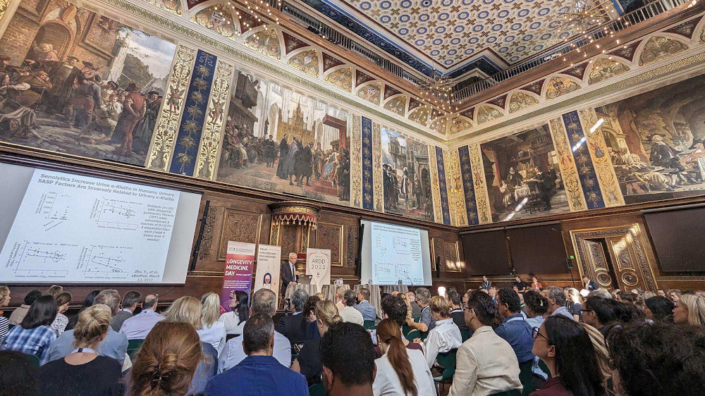
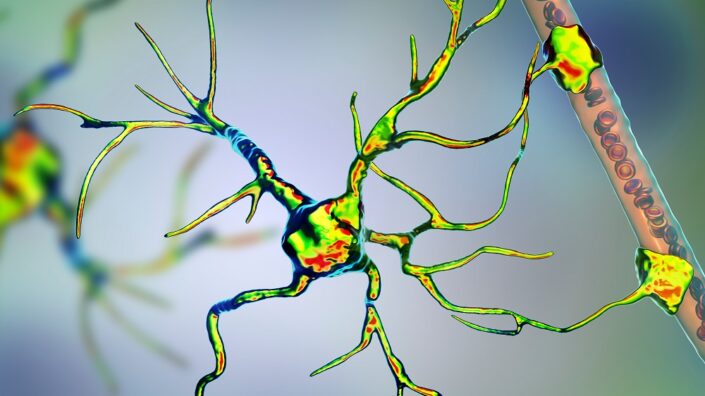
[2] Killoy, K. M., Harlan, B. A., Pehar, M., & Vargas, M. R. (2020). FABP7 upregulation induces a neurotoxic phenotype in astrocytes. Glia, 68(12), 2693-2704.

[3] Wyss-Coray, T., Loike, J. D., Brionne, T. C., Lu, E., Anankov, R., Yan, F., … & Husemann, J. (2003). Adult mouse astrocytes degrade amyloid-ß in vitro and in situ. Nature medicine, 9(4), 453-457.

[4] Van Eldik, L. J., Carrillo, M. C., Cole, P. E., Feuerbach, D., Greenberg, B. D., Hendrix, J. A., … & Bales, K. (2016). The roles of inflammation and immune mechanisms in Alzheimer’s disease. Alzheimer’s & Dementia: Translational Research & Clinical Interventions, 2(2), 99-109.

[5] Asaro, A., Sinha, R., Bakun, M., Kalnytska, O., Carlo-Spiewok, A. S., Rubel, T., … & Willnow, T. E. (2021). ApoE4 disrupts interaction of sortilin with fatty acid-binding protein 7 essential to promote lipid signaling. Journal of cell science, 134(20), jcs258894.