Lifespan Research Institute

The Blog

Building a Future Free of Age-Related Disease

Public Longevity Group

Lifespan Research Institute Launches Public Longevity Group

[Mountain View, September 17, 2025]Lifespan Research Institute (LRI) today announced the launch of the Public Longevity Group (PLG), a new initiative focused on bridging the cultural gap between scientific breakthroughs in aging and their public acceptance. To kickstart its work, PLG has opened a crowdfunding campaign to develop tools that measure and strengthen public trust in longevity science.

While the science of longevity biotechnology continues to advance, skepticism and cultural resistance limit progress, with some studies showing that more than half of Americans would reject a safe, proven therapy to extend life. This hesitation poses risks of raising costs, delaying health-promoting regulation, and slowing the delivery of treatments that could combat age-related diseases and extend healthy lifespan.

“The breakthrough that unlocks all other breakthroughs is public trust,” said Sho Joseph Ozaki Tan, Founder of PLG. “Without it, even the most promising therapies may never reach the people they’re meant to help. PLG exists to change that.”

“Persuasion is a science too,” said Keith Comito, CEO of Lifespan Research Institute. “To bring health-extending technologies to the public as quickly as possible, we must approach advocacy with the same rigor as our research. With PLG, we’ll be able to systematically measure and increase social receptivity, making the public’s appetite for credible longevity therapies unmistakable to policymakers, investors, and the public itself.”

PLG is developing the first data-driven cultural intelligence system for longevity—a platform designed to track real-time sentiment, test narratives, and identify which messages resonate and which backfire. Early tools include:

  • The Longevity Cultural Clock: a cultural barometer mapping readiness and resistance across demographics and regions.
  • Sentiment Dashboards: real-time monitoring of public, investor, and policymaker perceptions.
  • Narrative Testing Tools: data-driven analysis that will enable robust pathways to public support.

The crowdfunding campaign will provide the initial $100,000 needed to launch these tools, creating the cultural foundation required for healthier, longer lives.

With a lean, data-driven team, the group aims to provide open-access cultural insights for advocates and policymakers while offering advanced analytics to mission-aligned partners.

Campaign Timeline:

  • Campaign completion: November 2, 2025
  • Dashboard development: Dec 2025 – Feb 2026
  • First survey deployment: Feb – Apr 2026
  • Beta dashboard launch: May 2026
  • First public insight report: June 2026

Supporters can contribute directly at: https://lifespan.io/campaigns/public-longevity-group/

The PLG campaign is sponsored by the members of LRI’s Lifespan Alliance, a consortium of mission-aligned organizations that believe in the promise of extending healthy human lifespan. Newly-joined members include OpenCures, AgelessRx, and Lento Bio.

About Lifespan Research Institute

Lifespan Research Institute accelerates the science and systems needed for longer, healthier lives by uniting researchers, investors, and the public to drive lasting impact. LRI advances breakthrough science, builds high-impact ecosystems, and connects the global longevity community.

Media Contact:

Christie Sacco

Marketing Director

Lifespan Research Institute

christie.sacco@lifespan.io

(650) 336-1780

We would like to ask you a small favor. We are a non-profit foundation, and unlike some other organizations, we have no shareholders and no products to sell you. All our news and educational content is free for everyone to read, but it does mean that we rely on the help of people like you. Every contribution, no matter if it’s big or small, supports independent journalism and sustains our future.

LongX Logo

Xplore Program 2026: A Remote Summer Fellowship in Longevity

For the third summer in a row, Longevity Xplorer (LongX) is opening applications for the Xplore Program, a fully remote summer fellowship designed to help students and early-career professionals translate interest in longevity into practical experience. The program is structured to do two things well: (1) build a shared foundation in aging biology and the longevity industry, and (2) move fellows into defined project work with partner organizations so they leave with concrete outputs, not just reading lists.

Why this matters

A common problem in longevity is that the field looks accessible from the outside, papers, podcasts, conferences, company launches, yet the first meaningful step can be hard to locate. Many people are not located in major biotech ecosystems, don’t have access to the “usual” networks, or are unsure what an entry-level contribution in longevity biotech actually looks like. Xplore was built as an on-ramp: a time-boxed program that makes the pathway explicit, sets expectations early, and lets fellows test-drive real work with real teams.

At a glance

  • Format: Fully remote
  • Program flow: ~1 month learning + 2-3 months project placement
  • Time commitment: 8-10 hours/week during Month 1; typically more during placement depending on the project scope
  • Selection: Two-part application + interviews
  • Deadline (Part 1): March 13
  • Deadline (Part 2): One week after Part 1
  • Apply: https://airtable.com/appZoqFkezq9OjMV0/paggwAfu6a0mUgIbP/form
  • Contact: team@longx.bio

What you’ll do

1) Education (1 Month)

Fellows complete two short courses led by LongX, covering core topics in aging biology and the longevity landscape. The goal is not to “turn everyone into a geroscientist” in four weeks, but to establish shared language, mechanisms, common intervention strategies, major bottlenecks, and a realistic view of how the industry is organized.

2) Incubator (runs alongside the education phase)

In parallel, fellows participate in workshops and hands-on exercises, plus fireside chats with professionals. This component focuses on what often gets missed in self-study: how to operate day to day in a biotech environment, how projects are scoped, how evidence is evaluated, how work is communicated, and what consistent execution looks like.

3) Career Development Experience (CDE) (2-3 months)

Fellows are matched with a longevity biotech company or organization and work on a defined project over 2-3 months, with the potential for extension depending on partner needs and performance. The emphasis here is applied contribution: fellows are expected to deliver outputs that are useful to the partner team, rather than treating the placement as a casual internship.

Who it’s best suited for

Xplore is best suited for applicants with a scientific or quantitative foundation who want a practical entry point into longevity biotech. Many of the strongest fellows have traditionally come with scientific training, but applicants do not need to be specialized in aging biology to be a good fit. LongX looks for people who can learn quickly, communicate clearly, and follow through consistently over the full program.

LongX is also especially interested in supporting applicants outside major longevity biotech hubs, since longevity is a global challenge and talent is widely distributed even when opportunities are not.

What’s new for 2026

For 2026, LongX has made the process and expectations clearer: applicants complete a two-part application followed by interviews, designed to improve fit for both fellows and partner organizations.

  • Part 1 is a written application due March 13.
  • Part 2 is a career-specific practical assignment due one week later.

This structure helps reduce mismatches that can happen in early-career programs, where enthusiasm is high, but day-to-day expectations can be unclear until the placement begins.

How to decide quickly if you should apply

Xplore may be a good fit if you:

  • want a structured way to move from “reading about longevity” to contributing to real work;
  • can commit steady hours for several months;
  • are comfortable with technical learning, analysis, or evidence-based reasoning;
  • value feedback, iteration, and delivering concrete outputs.

It may be a poor fit if you’re looking for a light-touch community program with minimal time commitment, or if you’re not ready to engage with technical material and project execution.

About LongX

Longevity Xplorer (LongX) was formed in 2023 to lower the barrier of entry for emerging early career professionals in longevity. Our goal is to drastically increase the number and capacity of people who meaningfully contribute to the longevity industry on a global scale. We encourage exploration beyond traditional roles and aim to equip future experts with the skills to drive progress in the field. The LongX Substack is home to various articles and interviews showcasing developments within the longevity space, resources, opportunities, experiences, and advice.

Apply: https://airtable.com/appZoqFkezq9OjMV0/paggwAfu6a0mUgIbP/form

Contact: team@longx.bio

We would like to ask you a small favor. We are a non-profit foundation, and unlike some other organizations, we have no shareholders and no products to sell you. All our news and educational content is free for everyone to read, but it does mean that we rely on the help of people like you. Every contribution, no matter if it’s big or small, supports independent journalism and sustains our future.
Vitalist Bay

Vitalist Bay 2026 Returns to Berkeley May 14–17

BERKELEY, CA — The Vitalism Foundation announces Vitalist Bay 2026, the world’s largest longevity festival, returning to the Lighthaven Campus in Berkeley, California from May 14–17, 2026. Now in its second year, Vitalist Bay condenses the scope into four high-intensity days and six themes — Biotech, Investors, Replacement, Longevity Science, AI x Bio, Biostasis.

Organized by the Vitalism Foundation, a nonprofit dedicated to making the defeat of aging humanity’s defining priority, Vitalist Bay brings together the world’s foremost researchers, biotech founders, clinicians, investors, and longevity enthusiasts in a single, purpose-built environment designed for breakthrough thinking and meaningful connection.

“Death is humanity’s core problem, and aging its primary agent,” said Adam Gries, co-founder of the Vitalism Foundation. “What makes Vitalist Bay unprecedented isn’t just its scale — it’s the density of interaction between scientists, entrepreneurs, and investors all converging in one dedicated space. In 2026, we’re doing it bigger and better.”

Speakers

Vitalist Bay 2026 has already revealed an exceptional lineup of more than 60 confirmed speakers spanning aging biology, artificial intelligence, translational medicine, longevity investment, biopreservation, policy, and beyond. Sessions will explore epigenetic reprogramming, the role of AI in defeating aging, vascular rejuvenation, female longevity, cryopreservation, geroscience, immune system reset strategies, and the future of longevity policy and regulation.

Aubrey de Grey (LEV Foundation) • Andrew Steele (Author) • Michael Snyder (Stanford University) • Morgan Levine (Altos Labs) • Nathan Price (Buck Institute) • Derya Unutmaz (The Jackson Laboratory) • Morten Scheibye-Knudsen (University of Copenhagen) • Charles Brenner (City of Hope) • Ralph Merkle (Alcor Life Extension Foundation) • Emil Kendziorra (Tomorrow Bio) • Matthew O’Connor (Cyclarity Therapeutics) • Marco Quarta (Rubedo Life Sciences) • Matt Scholz (Oisin Bio) • Martin Borch Jensen (Gordian Bio / Norn Group) • Kevin Caldwell (Ossium Health) • Amy Killen (Humanaut Health) • Molly Maloof (M3 Healthspan) • Kayla Barnes-Lentz (The Female Longevity Protocol) • Joe Betts-LaCroix (Retro Bioscience) • Mac Davis (Minicircle) • Yuri Deigin (YouthBio Therapeutics) • Adam Bataineh (Numenor) • Xiaoxi Wei (X-Therma) • Richard Fuisz (nonfiction.bio) • Alessandro Maggi (Ecate Inc.) • Michael Andregg (Eon Systems) • Jeff Chen (Radicle Science) • Jack Scannell (Etheros Pharmaceuticals) • Jacob Peters (Superpower) • Allison Duettmann (Foresight Institute) • Christine Peterson (Foresight Institute) • Raiany Romani (Institute for Life and Technology) • Laurence Ion (VitaDAO / Vitalia) • Karl Pfleger (Aging Biotech Info) • Nishant Bhat (Carbon Silicon Ventures) • Dave Messina (Pioneer Fund) • Jarod Rutledge (Starbloom Capital) • Andrew Herr (Flykitt) • Ari Tulla (Elo Health) • Ian Huyett (Cornerstone) • Curtis Estes (The Anti-Retirement Club) • Danielle Strachman (1517 Fund) • Omri Amriav-Drory (Nfx Bio) • Farbood Nivi (Ravikant Capital) • Patri Friedman (Pronoms Capital) • Sergey Jakimov (LongeVC) • Elaine Shi (Bodyspec) • P.D. Mangan (Independent Researcher & Author) • Nikolina Lauc (GlycanAge) • Eric Morgen (BioAge) • Richard K. Burt (Northwestern University) • Sebastian Giwa (Organ Preservation Alliance) • Robin Hanson (George Mason University) • Jean Hebert (ARPA-H) • Kelsey Moody (Ichor Therapeutics) • Laura Minquini (AthenaDAO) • Chris Bradley (Matter Bio) • And more

Vitalist Bay Workshop

Hands-on Workshops

Most impressively, Vitalist Bay 2026 features an extensive program of expert-led workshops, each hosted by leading scientists, clinicians, founders, and investors at the cutting edge of their fields. Whether you’re a researcher, entrepreneur, investor, or engaged member of the longevity community, these sessions offer rare, hands-on access to the minds actively shaping the future

of human healthspan. Attendees can expect to leave not just inspired, but genuinely equipped with frameworks, data, and strategies they can apply immediately.

50+ Workshop topics include:

  • The Future of Drug Discovery & R&D Productivity
  • Building New Models for Health Governance
  • Rebranding Longevity: Unlocking New Funding Pathways
  • Building the Future of Transplant Medicine
  • Nature-Inspired Biopreservation for Longevity
  • The Science of Evidence-Based Wellness
  • Investing in the Biology of Aging
  • Metabolic Health & Longevity
  • Systems Biology & AI-Driven Aging Research
  • Perspectives on Longevity & Technology
  • Precision Nutrition for Healthspan
  • Inflammation & the Hidden Health Effects of Travel
  • Bottlenecks in Cryopreservation
  • Health & Longevity as the Investment Opportunity of the Decade
  • Financial Planning for a Longer Life
  • Personalized Longevity: Designing Your Own Health Experiments
  • The Aging Vasculature: Degeneration & Rejuvenation
  • Cryonics & the Future of Life Extension
  • Multi-Omics & Precision Health
  • Gene Therapy Approaches to Reversing Aging
  • Ocular Longevity: The Future of Vision Health
  • Making Longevity Accessible

Health Optimization & Activations

Vitalist Bay is not a passive conference. Every aspect of the festival is designed to let attendees live longevity, not just study it. The 2026 program includes an extensive slate of practitioner-led physical and mental wellness activations:

Somatic meditation session • 7-Minute Presence • Strength Isometrics • Sci-fi breathing exercise + Drums • HIIT workout • Posture Reset Lab (Scapula + Spine) / Mobility • Morning run • Body Mid Method class • Krav Maga classes • Supplement tasting room • Cold plunge corner • Murphyjitsu • From Mattress to Mat: Morning Pilates • Tapping and meditation • Reference Class Forecasting • Breathwork and HRV training

On-Site Health Diagnostics & Testing

Attendees will have direct access to a comprehensive suite of cutting-edge health diagnostics and biomarker testing — all on-site, including:

DEXA body composition scanning • Full blood panels • Continuous glucose monitoring (CGM) • Blood banking • Research study participation • And many more

Investment & Startup focus

Vitalist Bay 2026 is purpose-built to accelerate capital formation in longevity. Through structured matchmaking, attendees gain curated introductions connecting investors directly with the founders and projects most aligned with their thesis, cutting through the noise of traditional networking. Each day of the festival features a dedicated startup pitch session, giving early-stage companies direct exposure to some of the most active investors in the longevity and biotech space.

The Venue: Lighthaven

Vitalist Bay 2026 takes place at Lighthaven, a 30,000 sq. ft. campus tucked into the heart of Berkeley, California — and there is no better setting for an event built around deep conversation and bold ideas. Unlike sterile convention centers, Lighthaven is a cluster of beautifully designed buildings and outdoor spaces that feels more like a private estate than a conference venue. Cozy nooks, whiteboard-filled discussion rooms, garden seating areas, an outdoor auditorium, and 20+ distinct session spaces create an environment where spontaneous conversation flows as naturally as the formal programming. Attendees describe it as “rambly and wondrous,” with “a wide array of nooks and pathways” that make every corner of the campus an invitation to connect. On-site accommodation is also available for those who want to be fully immersed in the Vitalist Bay experience from morning to night.

Vitalist Bay Layout

Lighthaven Campus • Berkeley, California

About Vitalist Bay

Vitalist Bay is the flagship event of the Vitalism Foundation, a nonprofit organization building the movement, infrastructure, and influence networks needed to make solving aging humanity’s top priority. Launched in 2025 as an eight-week longevity zone at the Lighthaven Campus in Berkeley, California, Vitalist Bay rapidly became the most ambitious and comprehensive convening in the global longevity movement, drawing over a thousand participants across eight themed conferences. The 2026 edition returns May 14–17 as a four-day festival — bigger, bolder, and more accessible than ever.

Media Contact

Adam Gries, Co-Founder

Vitalism Foundation / Vitalist Bay

Email: ops@vitalism.io

Website: vitalistbay.com

Launch Announcement: x.com/adamgries

Apply to pitch your startup: https://tally.so/r/mRj9Vv

Vitalist Bay Socials: – Linkedin Instagram X.com

We would like to ask you a small favor. We are a non-profit foundation, and unlike some other organizations, we have no shareholders and no products to sell you. All our news and educational content is free for everyone to read, but it does mean that we rely on the help of people like you. Every contribution, no matter if it’s big or small, supports independent journalism and sustains our future.
Clogged artery

The Many Dangers of 7-Ketocholesterol

A group of researchers, including Matthew O’Connor of Cyclarity Therapeutics, has published a review detailing what effects 7-ketocholesterol (7KC) has in the human body.

An oxidized cholesterol

7KC, an oxidized cholesterol (oxysterol) gets its name from being oxidized at the C7 position within the cholesterol molecule [1]. This compound is formed by non-enzymatic processes driven by reactive oxygen species (ROS); like the collagen crosslinks of glucosepane, it is formed as a byproduct rather than something that the body has any use for [2].

The 7KC non-enzymatic modification can also be formed as part of cholesterols that were oxidized enzymatically. This review names 25-hydroxycholesterol (25-OHC) and 27-hydroxycholesterol (27-OHC) as two of the most important, which can become 7-keto-25-OHC and 7-keto-27-OHC, respectively. However, this paper notes that little research has been done into these two compounds, making them potential targets for future work.

Foam cells and beyond

7KC is widely found within artherosclerotic lesions, moreso than other oxysterols [3], and it has several well-known negative effects. Probably the most concerning of these is that it cannot be properly digested by macrophages [1]; when macrophages ingest enough 7KC, they become foam cells, which cause further damage to tissues by excreting inflammatory factors, including a wide variety of interleukins such as IL-1β [4].

Foam cells also become much more prone to ingesting lipids, which bloat them further and prevent them from digesting other molecules [5]. The resulting accumulation of lipid-filled foam cells within the arteries is well-known as a core driver of cardiovascular disease and a major contributor to ischemias, such as strokes and heart attacks.

Foam cells, however, are not the only danger of 7KC. This review notes that 7KC is particularly toxic to neurons; neurons that take up 7KC sustain damage to their nuclei and have increased levels of caspase-3, a compound that leads to their death [6]. Similarly, 7KC also promotes lipid accumulation in neurons along with myelin figures that lead to death by apoptosis [7].

There are other, broader dangers as well. As it damages the mitochondria, 7KC encourages the production of further ROS, compounding the initial problem and reducing the cellular ability to handle cholesterol at all [8]. 7KC within cells has also been found to impair the cellular maintenance process known as autophagy, by which cells would normally consume malfunctioning components [9].

7KC as a biomarker

Because it is so strongly tied to oxidative stress and cardiovascular disease, this paper devotes a section for discussing 7KC’s potential value as a biomarker. While cholesterol, including LDL and HDL cholesterol, is well-known as a biomarker, there is no currently accepted blood assay for detecting 7KC the way there is for many other harmful circulating compounds. This, the researchers lament, is due to a “lack of standardized, scalable, and cost-effective measurement techniques.” Creating such techniques would allow for both a systemic analysis along with organ-specific analyses that detect potential damage to the brain, liver, and vascular tissue.

Dealing with 7KC

The human body has evolved some limited protections against 7KC accumulation. Within the liver, liver X receptor (LXR) along with oxysterol-binding-proteins (OSBPs) are activated in response, and this has been demonstrated to have some benefits for neurons [10]. However, the complete effects of these two secretions against 7KC in the human body are not fully known.

This paper notes that several compounds, such as flavonoids and other broad-spectrum antioxidants, have been investigated as potential treatments for 7KC. However, there are several shortcomings; these compounds lack specificity for 7KC, are poorly taken up by the body, and do not penetrate tissues, meaning that they fail to achieve statistically significant effects against oxysterol accumulation in living organisms. Targeting oxidative stress itself through a variety of means may have some limited effects, but, because oxidative stress occurs throughout the body due to a wide variety of causes, this paper holds that “it is likely that the effect would not be robust enough to meaningfully impact 7KC levels system-wide.”

Other methods involve using drugs to target oxidized cholesterol more directly. However, this paper further holds that “it will certainly not reverse foam cell formation”, as such drugs can only affect circulating oxidized cholesterol rather than 7KC that has already been taken up into cells.

To accomplish that, Cyclarity Therapeutics intends to use a cyclodextrin that is specific to 7KC and is able to pull it from cells. This paper suggests that this approach, currently in a Phase 1 clinical trial as UDP-003, is more effective than 2-hydroxypropyl-β-cyclodextrin (HPBCD), another compound that binds to 7KC [11]. Of course, only after it has passed through the clinical trial process will we be able to say for sure.

We would like to ask you a small favor. We are a non-profit foundation, and unlike some other organizations, we have no shareholders and no products to sell you. All our news and educational content is free for everyone to read, but it does mean that we rely on the help of people like you. Every contribution, no matter if it’s big or small, supports independent journalism and sustains our future.


Literature

[1] Anderson, A., Campo, A., Fulton, E., Corwin, A., Jerome III, W. G., & O’Connor, M. S. (2020). 7-Ketocholesterol in disease and aging. Redox biology, 29, 101380.

[2] Nury, T., Yammine, A., Ghzaiel, I., Sassi, K., Zarrouk, A., Brahmi, F., … & Lizard, G. (2021). Attenuation of 7-ketocholesterol-and 7β-hydroxycholesterol-induced oxiapoptophagy by nutrients, synthetic molecules and oils: Potential for the prevention of age-related diseases. Ageing Research Reviews, 68, 101324.

[3] Hitsumoto, T., Takahashi, M., Iizuka, T., & Shirai, K. (2009). Clinical significance of serum 7-ketocholesterol concentrations in the progression of coronary atherosclerosis. Journal of atherosclerosis and thrombosis, 16(4), 363-370.

[4] Lemaire, S., Lizard, G., Monier, S., Miguet, C., Gueldry, S., Volot, F., … & Néel, D. (1998). Different patterns of IL-1β secretion, adhesion molecule expression and apoptosis induction in human endothelial cells treated with 7α-, 7β-hydroxycholesterol, or 7-ketocholesterol. FEBS letters, 440(3), 434-439.

[5] Maor, I., Mandel, H., & Aviram, M. (1995). Macrophage Uptake of Oxidized LDL Inhibits Lysosomal Sphingomyelinase, Thus Causing the Accumulation of Unesterified Cholesterol–Sphingomyelin–Rich Particles in the Lysosomes: A Possible Role for 7-Ketocholesterol. Arteriosclerosis, thrombosis, and vascular biology, 15(9), 1378-1387.

[6] Nury, T., Sghaier, R., Zarrouk, A., Menetrier, F., Uzun, T., Leoni, V., … & Lizard, G. (2018). Induction of peroxisomal changes in oligodendrocytes treated with 7-ketocholesterol: Attenuation by α-tocopherol. Biochimie, 153, 181-202.

[7] Vejux, A., Kahn, E., Dumas, D., Bessede, G., Ménétrier, F., Athias, A., … & Lizard, G. (2005). 7‐Ketocholesterol favors lipid accumulation and colocalizes with Nile Red positive cytoplasmic structures formed during 7‐ketocholesterol–induced apoptosis: Analysis by flow cytometry, FRET biphoton spectral imaging microscopy, and subcellular fractionation. Cytometry Part A: The Journal of the International Society for Analytical Cytology, 64(2), 87-100.

[8] Charles, K. N., Shackelford, J. E., Faust, P. L., Fliesler, S. J., Stangl, H., & Kovacs, W. J. (2020). Functional peroxisomes are essential for efficient cholesterol sensing and synthesis. Frontiers in cell and developmental biology, 8, 560266.

[9] Yuan, X. M., Sultana, N., Siraj, N., Ward, L. J., Ghafouri, B., & Li, W. (2016). Autophagy induction protects against 7-oxysterol-induced cell death via lysosomal pathway and oxidative stress. Journal of cell death, 9, JCD-S37841.

[10] Okabe, A., Urano, Y., Itoh, S., Suda, N., Kotani, R., Nishimura, Y., … & Noguchi, N. (2014). Adaptive responses induced by 24S-hydroxycholesterol through liver X receptor pathway reduce 7-ketocholesterol-caused neuronal cell death. Redox biology, 2, 28-35.

[11] Kritharides, L., Kus, M., Brown, A. J., Jessup, W., & Dean, R. T. (1996). Hydroxypropyl-β-cyclodextrin-mediated efflux of 7-ketocholesterol from macrophage foam cells. Journal of Biological Chemistry, 271(44), 27450-27455.

New growth from old tree

People With Positive Outlooks Have Better Aging Outcomes

A recent study published in Geriatrics debunks the assumption that an older chronological age results in an inevitable and universal decline in health. The researchers reported that a significant number of older adults who participated in the study experienced an improvement in cognitive and/or physical functioning [1].

Challenging the status quo

Older age is known as a time of decline in both physical and cognitive health. Surveys have found that the vast majority of the general population, as well as health professionals, wrongly believe that everyone will develop dementia or that, as they age, their cognitive abilities will decline [2]. Even the tools used by the World Health Organization (WHO) to measure later-life cognitive and physical health only show whether there is or isn’t a decline, without the option for improvement [3].

Beyond not considering improvement as a possible outcome, there is also another reason the health improvements at older ages are not widely reported: researchers most often use average values to represent trajectories, and people who experienced improvements, if they are in the minority, do not show up in the results. “What’s striking is that these gains disappear when you only look at averages,” said lead author Becca R. Levy, a professor of social and behavioral sciences at the Yale School of Public Health (YSPH). “If you average everyone together, you see decline. But when you look at individual trajectories, you uncover a very different story.” Additionally, if some individuals show visible improvements, they are often viewed as exceptions rather than as part of a broader pattern [2].

The overall results perpetuates the idea that chronological aging leads to inevitable decline. However, this study challenges that assumption and presents evidence that improvement is possible, even at an older age.

Beyond extraordinary people

To give examples in support of the possibility of late-age improved performance, the authors start their paper with examples of people who achieved their biggest life achievements in later life, such as Diana Nyad, who, despite earlier failed attempts, at the ripe age of 64, set a world record in the 110-mile swim from Cuba to Florida.

Such anecdotes may lead to a conclusion that only very special, gifted individuals can improve with age. Therefore, these researchers analyzed data from a nationally representative Health and Retirement Study (HRS) of participants aged 65 and older to investigate whether improvement is possible even for the average person and “whether positive age beliefs predicted this potential improvement”.

In this study, physical health was assessed in almost 5,000 participants using walking speed, and global performance measures of cognitive health were collected in over 11,000 participants using a test that covers a broad range of cognitive domains, including short-term memory, delayed recall, and mathematical skills. The measures were taken at the beginning of the study and during follow-ups up to 12 years.

The power of belief

When the researchers in this study analyzed the study participants as a single homogeneous group, they observed, on average, declines in cognitive function and walking speed. However, upon closer, more granular examination, the researchers reported that, when analyzing a smaller subset of participants (those who had measurements of both walking speed and cognition), over 45% showed improved levels of cognitive and/or physical functioning beyond baseline, with many showing improvement in both domains. When analyzed separately, almost 32% of participants improved their cognition, and 28% improved their walking speed. A similar pattern of results was seen even with more stringent criteria.

Improvement in cognitive and physical health was predicted by the study participants’ positive age-related beliefs, even after adjusting for various factors and when more stringent criteria were applied to the analysis. Positive age beliefs associated with improvements were observed not only in participants who had some deficits at the beginning of the study (and were recovering from them) but also among people who had normal levels of functioning and improved beyond those levels.

In line with these results are the results of a previous study from this group that showed an association between negative age-related beliefs and biomarkers of Alzheimer’s disease, such as plaque and tangle accumulation, as well as lower hippocampal volume [4]. However, future studies should examine whether such an association exists between positive age-related beliefs and biomarkers of improved brain functioning, such as neurogenesis.

These results also agree with the stereotype embodiment theory (SET). According to this theory, the internalization of beliefs about old age begins at a young age and comes from various environmental sources. Those beliefs, when an individual becomes older, not only apply to others but also to oneself and can be used to predict better or worse cognitive and physical health [5].

Contradicting common views

The results of this study “contradict a dominant belief about aging held by scientists, health care professionals, and the lay public that it is a time of inevitable and universal decline in functioning.” This study provides additional evidence in support of previous studies that show a similar pattern, all suggesting that geroscience studies should go beyond investigating the speed of decline and also consider the possibility of improvements [6-8].

“Many people equate aging with an inevitable and continuous loss of physical and cognitive abilities,” said Levy. “What we found is that improvement in later life is not rare, it’s common, and it should be included in our understanding of the aging process.”

“Our findings suggest there is often a reserve capacity for improvement in later life,” she said. “And because age beliefs are modifiable, this opens the door to interventions at both the individual and societal level.”

We would like to ask you a small favor. We are a non-profit foundation, and unlike some other organizations, we have no shareholders and no products to sell you. All our news and educational content is free for everyone to read, but it does mean that we rely on the help of people like you. Every contribution, no matter if it’s big or small, supports independent journalism and sustains our future.

Literature

[1] Levy, B. R., & Slade, M. D. (2026). Aging Redefined: Cognitive and Physical Improvement with Positive Age Beliefs. Geriatrics, 11(2), 28.

[2] Mehegan, L., & Rainville, C. (2023). ADULTS’ UNDERSTANDING OF COGNITIVE DECLINE, DEMENTIA, AND ALZHEIMER’S DISEASE. Innovation in Aging, 7(Suppl 1), 130.

[3] World Health Organization. (2004). Integrated Care for Older People (ICOPE): Guidance for Person-Assessment and Pathways in Primary Care; World Health Organization: Geneva, Switzerland

[4] Levy, B. R., Ferrucci, L., Zonderman, A. B., Slade, M. D., Troncoso, J., & Resnick, S. M. (2016). A culture-brain link: Negative age stereotypes predict Alzheimer’s disease biomarkers. Psychology and aging, 31(1), 82–88.

[5] Levy B. (2009). Stereotype Embodiment: A Psychosocial Approach to Aging. Current directions in psychological science, 18(6), 332–336.

[6] Levy, B. R., Pilver, C., Chung, P. H., & Slade, M. D. (2014). Subliminal Strengthening: Improving Older Individuals’ Physical Function Over Time With an Implicit-Age-Stereotype Intervention: Improving Older Individuals’ Physical Function Over Time With an Implicit-Age-Stereotype Intervention. Psychological Science, 25(12), 2127-2135.

[7] Meisner B. A. (2012). A meta-analysis of positive and negative age stereotype priming effects on behavior among older adults. The journals of gerontology. Series B, Psychological sciences and social sciences, 67(1), 13–17.

[8] Westerhof, G. J., Nehrkorn-Bailey, A. M., Tseng, H.-Y., Brothers, A., Siebert, J. S., Wurm, S., Wahl, H.-W., & Diehl, M. (2023). Longitudinal effects of subjective aging on health and longevity: An updated meta-analysis. Psychology and Aging, 38(3), 147–166.

Cryogenics

Scientists Successfully Freeze and Rewarm Mouse Brain Slices

In a new study, researchers have vitrified mouse brain slices and then a complete brain with encouraging results: upon rewarming, much of the neuronal function was preserved [1].

The bumpy road to cryopreservation

Successful cryopreservation is a coveted prize in medicine, as cryopreserving organs and tissues can make transplantation more accessible. It is also a hot (or rather very cold) topic in the longevity community, where many people see it as the last resort if aging is not completely defeated during our lifetimes. While several companies have operated in this field for years, and the number of cryopreserved humans is now in the hundreds, cryopreservation remains a huge leap of faith, as there is no currently reliable way to freeze and rewarm a human body or even the brain.

Recent years have seen successes with rat kidneys (with subsequent life-sustaining transplantation) [2], livers [3], and hearts [4]. However, the brain had never been shown to recover function after cryopreservation. In a new study from Friedrich-Alexander-Universität Erlangen-Nürnberg (FAU) and Uniklinikum Erlangen in Germany, published in the journal Proceedings of the National Academy of Sciences, the researchers set out to change that.

The central obstacle to cryopreserving any tissue is ice. When water freezes, expanding ice crystals physically rupture cell membranes, shear synaptic connections, and destroy tissue architecture. Traditional freezing of adult brain tissue has repeatedly failed to preserve synaptic function.

“The formation of ice crystals is the reason why extreme cold is usually so harmful to living beings,” explains Dr. Alexander German from the Department of Molecular Neurology at Uniklinikum Erlangen. “This is because the crystals can mechanically damage cells, thereby destroying the sensitive nanostructure of the tissue.”

A technique named vitrification (from the Latin vitro, meaning “glass”) offers a theoretical solution. Instead of letting water freeze into crystals, much of the tissue water is replaced with cryoprotective agents (CPA), such as dimethyl sulfoxide, ethylene glycol, and formamide. At sufficiently high concentrations, with rapid enough cooling, the aqueous phase turns glass-like rather than into ice, preventing mechanical disruption. Vitrification basically stops all molecular processes and preserves the current state of the tissue virtually indefinitely.

Structure and function mostly intact

The team designed a proprietary vitrification protocol and tested it first on mouse brain slices. After vitrification, slices were stored in liquid nitrogen at −150 °C for 10 minutes to 7 days and then rewarmed. Tweaking their vitrification solution recipe, the team was able to completely avoid crystallization.

The question became whether these slices were actually alive and functional. To test whether mitochondria still functioned, the authors measured oxygen consumption rate in the CA1 region of the hippocampus. In the optimal CPA concentration, they found a 22% reduction in basal respiration versus fresh controls – mild but not negligible. However, the entire slump in mitochondrial function came from CPA toxicity rather than from the vitrification/rewarming process, which was demonstrated when the researchers used CPA loading and washing out without vitrification/rewarming. This suggests that safer CPA cocktails could further improve the results.

Mitochondrial respiration is a coarse measure of viability, and the researchers needed to determine whether the fine structure – synapses, dendrites, membranes – survives. Electron microscopy of ultrathin sections from the CA1 region revealed clear membranes and intact neuronal and synaptic structures. Quantitative analysis of dendritic spine density and spine length showed no differences between control and post-vitrification slices.

The synaptic structure seemed intact, but was it working? The team found that basic synaptic transmission was preserved but modestly attenuated. Short-term plasticity (STP) – brief, transient changes in synaptic strength – was attenuated in postvitrification slices but not due to neurotransmitter availability, which was identical in all three groups.

The crucial test was long-term potentiation (LTP), the activity-dependent, persistent strengthening of synaptic connections, widely regarded as the cellular mechanism behind learning and memory. If LTP survives vitrification, it means the molecular machinery for encoding new memories remains operational. Cryopreserved slices reliably produced LTP, and in one particular synapse type it was actually stronger than before vitrification. However, this is not necessarily a good sign, and the authors currently don’t have an explanation for this effect. Single-neuron excitability was also largely preserved, although that differed somewhat across cell subtypes.

Full brain vitrification achieved?

Having established that brain slices survive vitrification, the authors scaled up to the whole mouse brain, a substantially harder problem because CPA must be delivered through the vasculature, which means crossing the blood-brain barrier. This caused a major complication: when the CPA solution was perfused through the vasculature, water exited the brain faster than CPA entered, causing catastrophic dehydration and physically shrinking the brain. The imperfect solution that the team found was partial rehydration between CPA loading pulses.

After craniectomy, brains were vitrified in situ, stored at -140°C for 1 to 8 days, rewarmed, and had CPA washed out. The success rate, however, was less than stellar: one out of three iterations of the final protocol produced tissue suitable for physiological evaluation. The good news is that most functional metrics were preserved after rewarming, although the team only analyzed the neuron subtype that fared best in the slice experiments – granule cells in the dentate gyrus (DG) region of the hippocampus – so we currently don’t know whether other neurons fared just as well.

While the road to successful cryopreservation of a full organism or a large brain is still long, this is an encouraging proof-of-concept study. German has high hopes for their discovery: “This could be an option for space travel, for example, or for people suffering from a currently incurable disease, because at a later date, there may be a treatment option that can help the person affected.”

We would like to ask you a small favor. We are a non-profit foundation, and unlike some other organizations, we have no shareholders and no products to sell you. All our news and educational content is free for everyone to read, but it does mean that we rely on the help of people like you. Every contribution, no matter if it’s big or small, supports independent journalism and sustains our future.
Literature

[1] German, A., Akdaş, E. Y., Flügel-Koch, C., Erterek, E., Frischknecht, R., Fejtova, A., … & Zheng, F. (2026). Functional recovery of the adult murine hippocampus after cryopreservation by vitrification. Proceedings of the National Academy of Sciences, 123(10), e2516848123.

[2] Han, Z., Rao, J. S., Gangwar, L., Namsrai, B. E., Pasek-Allen, J. L., Etheridge, M. L., … & Finger, E. B. (2023). Vitrification and nanowarming enable long-term organ cryopreservation and life-sustaining kidney transplantation in a rat model. Nature communications, 14(1), 3407.

[3] Sharma, A., Lee, C. Y., Namsrai, B. E., Han, Z., Tobolt, D., Rao, J. S., … & Finger, E. B. (2023). Cryopreservation of whole rat livers by vitrification and nanowarming. Annals of biomedical engineering, 51(3), 566-577.

[4] Chiu-Lam, A., Staples, E., Pepine, C. J., & Rinaldi, C. (2021). Perfusion, cryopreservation, and nanowarming of whole hearts using colloidally stable magnetic cryopreservation agent solutions. Science advances, 7(2), eabe3005.

Heart in body

A Review of How the Heart Ages

The European Heart Journal has published a review of what happens to the human heart as it ages, noting the cellular effects of mitochondrial dysfunction and cellular senescence along with more visible changes such as hypertrophy and fibrosis.

A constantly working organ

The reviewers begin this paper by noting the constant work of the heart, as it must unceasingly pump blood for us to be able to live. Unfortunately, this organ is well-known to fail with age; while only roughly 1% of people under 55 suffer heart failure, it occurs in over 10% of people over 70 [1].

Understanding and classifying the myriad ways in which the heart ages is a crucial first step in developing therapies against age-related diseases. To that end, members of the International Consortium to Classify Ageing-Related Pathologies (ICCARP) [2] have banded together to write this review, aiming to categorize the age-related diseases of the heart.

Heart aging

Cellular changes

Functional heart muscle cells (cardiomyocytes), which comprise 30% to 50% of the heart’s cells but most of its size [3], normally do not decrease in number with age outside of cardiovascular disease [4], despite the heart losing mass with age [5]. While the mechanism of new cardiomyocyte formation has not been directly observed in adult humans, they are most often directly generated from existing cardiomyocyte division, rather than from stem cells, in mice [6].

However, these cells are known to become senescent, which impairs their ability to function. This puts more workload on the healthy cardiomyocytes, leading to hypertrophy [7], and these cells secrete the well-known inflammatory factors common across senescent cells, causing further problems [8].

Senolytics, treatments that kill senescent cells, have been found to have beneficial effects against cardiac senescence in mice [9]. However, one of the most powerful, navitoclax, may affect how stem cells transition and may not be beneficial for overall mortality in this case [10]. Senomorphics, which modify how senescent cells function, have been also found to have some benefits, such as reducing the production of reactive oxygen species (ROS) along with fibrosis and cellular death by apoptosis [11].

Oxidative stress and other mitochondrial issues

Mitochondria naturally generate ROS, and the resulting oxidative stress is a key aspect of aging in the heart. It causes mitochondrial DNA (mtDNA) to oxidize [12] and mitochondria to swell [13], leading to functional impairment. It may be possible to deal with this mitochondrial swelling by administering sirtuins, and this approach has been found to alleviate hypertrophy in mice [14].

Mitochondrial dysfunction in the heart also manifests in other forms, with reductions in crucial forms of cellular respiration. While the enzymatic activities of the four main mitochondrial supercomplexes were found to be unaffected with age in the human heart [15], work in rats found that older heart tissue simply produces less of them [16]. Unsurprisingly, this coincides with a reduction in the energy currency ATP [17].

There are also alterations to how cardiomyocytes process food energy. Fatty acid oxidation decreases, resulting in an increase in glucose metabolism instead [18]. This leads to lipid accumulation inside cells, which is associated with diabetes [19] and a decrease in function [20].

Fibrosis, blood flow, and systemic problems

The sinoatrial node, which governs the pacemaking ability of the heart, is altered substantially with age. After fats and elastic tissue have infiltrated the area, this natural pacemaker of the average 75-year-old is completely different from that of the average 30-year-old [21]. Unsurprisingly, these changes, along with an increase in overall fibrosis that affects the heart and many other organs with age, lead to arrythmias and explain why artificial pacemakers are commonly used [22]. This increase in fibrosis is linked to an overproduction of matrix metalloproteinases (MMPs) and collagens, while their related inhibitors are reduced [23].

The heart needs its own blood supply to function, and losing this supply is the definition of a heart attack. Angiogenesis, the process by which the body produces more blood vessels, is reduced with age, contributing to the problem [24]. Blood vessel blockages known as ischemias, which cause heart attacks and strokes, are well-known in the cardiac context but, as they occur throughout the circulatory system, are not exclusive to any one organ.

Apart from direct aging of the heart’s basic systems, the researchers mention other systemic issues that cause heart aging. Immune cell dysfunction can lead to senescence being exacerbated, and inflammaging, the age-related increase in overall inflammation in the absence of pathogens, is also a key factor in the heart [25]. Similarly, circulating extracellular vesicles can be beneficial or harmful.

The reviewers also note that not all age-related changes to the heart are harmful. Hypertrophy itself, for example, is a reaction to damage; trying to directly address hypertrophy without addressing the underlying causes of senescence would not be beneficial. The reviewers also suggest that the lipids and fatty tissues that accumulate in the natural pacemaker serve a similar purpose.

Overall, there are several heart-specific and systemic issues that must be addressed if this crucial organ is to completely treated for age-related diseases. While its function of pumping blood may be relatively simple, its internal workings distinctly are not, and each of them will need to be dealt with if medicine is to substantially reduce heart failure in older people.

We would like to ask you a small favor. We are a non-profit foundation, and unlike some other organizations, we have no shareholders and no products to sell you. All our news and educational content is free for everyone to read, but it does mean that we rely on the help of people like you. Every contribution, no matter if it’s big or small, supports independent journalism and sustains our future.

Literature

[1] van Riet, E. E., Hoes, A. W., Wagenaar, K. P., Limburg, A., Landman, M. A., & Rutten, F. H. (2016). Epidemiology of heart failure: the prevalence of heart failure and ventricular dysfunction in older adults over time. A systematic review. European journal of heart failure, 18(3), 242-252.

[2] Short, E., Calimport, S., & Bentley, B. (2025). Defining an ageing-related pathology, disease or syndrome: International Consensus Statement. GeroScience, 47(2), 1713-1720.

[3] Litviňuková, M., Talavera-López, C., Maatz, H., Reichart, D., Worth, C. L., Lindberg, E. L., … & Teichmann, S. A. (2020). Cells of the adult human heart. Nature, 588(7838), 466-472.

[4] Bergmann, O., Zdunek, S., Felker, A., Salehpour, M., Alkass, K., Bernard, S., … & Frisén, J. (2015). Dynamics of cell generation and turnover in the human heart. Cell, 161(7), 1566-1575.

[5] Olivetti, G., Melissari, M., Capasso, J. M., & Anversa, P. (1991). Cardiomyopathy of the aging human heart. Myocyte loss and reactive cellular hypertrophy. Circulation research, 68(6), 1560-1568.

[6] Senyo, S. E., Steinhauser, M. L., Pizzimenti, C. L., Yang, V. K., Cai, L., Wang, M., … & Lee, R. T. (2013). Mammalian heart renewal by pre-existing cardiomyocytes. Nature, 493(7432), 433-436.

[7] Suda, M., Paul, K. H., Minamino, T., Miller, J. D., Lerman, A., Ellison-Hughes, G. M., … & Kirkland, J. L. (2023). Senescent cells: a therapeutic target in cardiovascular diseases. Cells, 12(9), 1296.

[8] Evangelou, K., Vasileiou, P. V., Papaspyropoulos, A., Hazapis, O., Petty, R., Demaria, M., & Gorgoulis, V. G. (2023). Cellular senescence and cardiovascular diseases: moving to the “heart” of the problem. Physiological reviews, 103(1), 609-647.

[9] Walaszczyk, A., Dookun, E., Redgrave, R., Tual‐Chalot, S., Victorelli, S., Spyridopoulos, I., … & Richardson, G. D. (2019). Pharmacological clearance of senescent cells improves survival and recovery in aged mice following acute myocardial infarction. Aging cell, 18(3), e12945.

[10] Sutanto, H., Fetarayani, D., Narendra, M. R., & Nasution, S. A. (2025). The role of the senescence-associated secretory phenotype in cardiovascular disease among the elderly. European Journal of Internal Medicine, 106488.

[11] Zheng, H., Li, T., Hu, Z., Zheng, Q., & Wang, J. (2024). The potential of flavonoids to mitigate cellular senescence in cardiovascular disease. Biogerontology, 25(6), 985-1010.

[12] Hayakawa, M., Hattori, K., Sugiyama, S., & Ozawa, T. (1992). Age-associated oxygen damage and mutations in mitochondrial DNA in human hearts. Biochemical and biophysical research communications, 189(2), 979-985.

[13] Lesnefsky, E. J., Chen, Q., & Hoppel, C. L. (2016). Mitochondrial metabolism in aging heart. Circulation research, 118(10), 1593-1611.

[14] Hafner, A. V., Dai, J., Gomes, A. P., Xiao, C. Y., Palmeira, C. M., Rosenzweig, A., & Sinclair, D. A. (2010). Regulation of the mPTP by SIRT3-mediated deacetylation of CypD at lysine 166 suppresses age-related cardiac hypertrophy. Aging (albany NY), 2(12), 914.

[15] Miró, Ò., Casademont, J., Casals, E., Perea, M., Urbano-Márquez, Á., Rustin, P., & Cardellach, F. (2000). Aging is associated with increased lipid peroxidation in human hearts, but not with mitochondrial respiratory chain enzyme defects. Cardiovascular research, 47(3), 624-631.

[16] Gómez, L. A., Monette, J. S., Chavez, J. D., Maier, C. S., & Hagen, T. M. (2009). Supercomplexes of the mitochondrial electron transport chain decline in the aging rat heart. Archives of biochemistry and biophysics, 490(1), 30-35.

[17] Okada, M., Mitsunami, K., Inubushi, T., & Kinoshita, M. (1998). Influence of aging or left ventricular hypertrophy on the human heart: contents of phosphorus metabolites measured by 31P MRS. Magnetic resonance in medicine, 39(5), 772-782.

[18] Kates, A. M., Herrero, P., Dence, C., Soto, P., Srinivasan, M., Delano, D. G., … & Gropler, R. J. (2003). Impact of aging on substrate metabolism by the human heart. Journal of the American College of Cardiology, 41(2), 293-299.

[19] Zhang, L., Ussher, J. R., Oka, T., Cadete, V. J., Wagg, C., & Lopaschuk, G. D. (2011). Cardiac diacylglycerol accumulation in high fat-fed mice is associated with impaired insulin-stimulated glucose oxidation. Cardiovascular research, 89(1), 148-156.

[20] Van Der Meer, R. W., Rijzewijk, L. J., Diamant, M., Hammer, S., Schär, M., Bax, J. J., … & Lamb, H. J. (2008). The ageing male heart: myocardial triglyceride content as independent predictor of diastolic function. European heart journal, 29(12), 1516-1522.

[21] Davies, M. J., & Pomerance, A. (1972). Quantitative study of ageing changes in the human sinoatrial node and internodal tracts. British heart journal, 34(2), 150.

[22] Feinberg, W. M., Blackshear, J. L., Laupacis, A., Kronmal, R., & Hart, R. G. (1995). Prevalence, age distribution, and gender of patients with atrial fibrillation: analysis and implications. Archives of internal medicine, 155(5), 469-473.

[23] Biernacka, A., & Frangogiannis, N. G. (2011). Aging and cardiac fibrosis. Aging and disease, 2(2), 158.

[24] Rivard, A., Fabre, J. E., Silver, M., Chen, D., Murohara, T., Kearney, M., … & Isner, J. M. (1999). Age-dependent impairment of angiogenesis. Circulation, 99(1), 111-120.

[25] Młynarska, E., Kowalik, A., Krajewska, A., Krupińska, N., Marcinkowska, W., Motor, J., … & Franczyk, B. (2025). Inflammaging and senescence-driven extracellular matrix remodeling in age-associated cardiovascular disease. Biomolecules, 15(10), 1452.

Fatty acid chains

Fat Composition Affects T Cell-Mediated Immunity

Scientists have found that the ratio between poly- and monounsaturated fatty acids affects the viability of T cells as well as both humoral and anti-tumor immunity [1].

The iron death

Some fats are broadly recognized as healthy while others are considered unhealthy, but the reality might be more complicated than that. Poly- and monounsaturated fats (PUFAs and MUFAs) are both considered to be healthy. PUFAs are abundant in fatty fish and nuts, while MUFAs are in olive oil and avocado. However, a new study from the University of Queensland and international collaborators, published in Nature, suggests that, when it comes to immunity, PUFAs and MUFAs are far from equal.

Apart from the usual form of programmed cell death, apoptosis, T cells are also regulated by a different iron-mediated death pathway called ferroptosis [2]. In ferroptosis, PUFAs, which have multiple double bonds, sit in phospholipids, the main structural element of cellular membranes. Iron-dependent chemistry oxidizes those double bonds in a chain reaction, generating toxic lipid hydroperoxides that perforate the membrane.

Prior work had established that ferroptosis regulates anti-tumor immunity, antibody-related (humoral) immunity, and memory T cell longevity [3]. A fundamental unanswered question was: what determines how resistant a given T cell is to ferroptosis in the first place?

The authors stumbled onto a clue from an unexpected source: they noticed that T cells from mice fed different standard laboratory diets (all considered nutritionally complete) had dramatically different susceptibility to ferroptosis. This observation was striking because these diets are used interchangeably across the field, with the implicit assumption that they are functionally equivalent for immune studies. So, the team dug deeper.

Establishing the mechanism

First, the researchers put young mice on one of the three standard rodent diets, SF-NIH31, SF00-100, or SF-AIN93G, which have high, medium, and low PUFA/MUFA ratios, respectively. All groups grew normally with comparable splenic T cell numbers and subset distributions. Splenocytes were then challenged ex vivo with increasing concentrations of a GPX4 inhibitor. GPX4 is the cell’s main defense against ferroptosis, which neutralizes hydroperoxides before they become lethal. The concentration needed to kill 50% of cells was defined as the “ferroptosis resistance index” (FRI).

T cells from high-ratio-fed mice were the most sensitive to ferroptosis, with FRIs two- to threefold lower than those from low-ratio-fed animals. This was confirmed with an alternative ferroptosis inducer. A ferroptosis inhibitor rescued all death, confirming it was genuinely ferroptotic. The entire effect was ferroptosis-specific: inducing apoptosis worked equally across the cells.

To test the effect in living animals, mice with T cell-specific GPX4 deletion, which makes them vulnerable to ferroptosis, were fed each diet. The severity of T cell loss in these mice was dramatically diet-dependent. On the low-ratio diet, the animals retained 35% of CD8+ T cells relative to controls – 3.5-fold more than on the high-ratio diet. CD4+ T cells showed a similar but milder pattern.

The next question was: does this actually matter for an immune response? The team chose to test this using TFH cells – a specialized subset of T cells that help B cells produce high-quality antibodies. Previous work had shown TFH cells are especially vulnerable to ferroptosis, making them a sensitive readout. The recipient mice were unable to form their own TFH cells, so, any antibody response had to come from the transferred T cells.

The results were stark: on the low-ratio diet, these GPX4-deficient T cells produced almost normal levels of TFH cells, several times higher than on the high-ratio diet. The authors systematically excluded alternative explanations, including gene expression, microbiota, and individual nutrients, and directly confirmed that FRIs inversely correlated with the PUFA/MUFA ratio across all three diets.

The PUFA/MUFA ratio in T cell zones, the areas where T cells preferentially reside, mirrored the dietary ratio. Crucially, free fatty acid abundance in T cell zones was correlated with corresponding phospholipid species. The researchers concluded that dietary PUFAs arrive in lymphoid tissue, get incorporated into T cell membrane phospholipids, and create more substrate for lipid peroxidation.

Superior anti-tumor immunity

Having established DEFs for humoral immunity, the team moved to anti-cancer immunity. In mice inoculated with melanoma, tumors that trigger adaptive immunity grew significantly slower in low-ratio-fed mice. These mice also had more effector CD8+ T cells and dramatically greater clonal expansion.

The researchers did not stop there and performed experiments in humans. In 24 healthy young adults, plasma PUFA/MUFA ratios in phospholipids were positively correlated with T cell lipid ROS and negatively correlated with T cell FRI. A parallel cohort of 12 children showed the same pattern. Notably, BMI itself did not correlate with FRI in either cohort; lipid composition, not body mass, predicted ferroptosis vulnerability.

Going back to animal experiments, immunodeficient mice were engrafted with human leukemia cells and treated with human CAR T cells. In low-ratio-fed mice, these cells had lower lipid ROS and two- to fourfold greater persistence in circulation. Without CAR T therapy, leukemia progressed identically on both diets, but with CAR T therapy, low-ratio-fed mice achieved markedly better tumor control and survival.

“The findings mark a profound leap in understanding of how our diet directly impacts immune system function,” said Professor Di Yu of UQ’s Frazer Institute. “Our immune system relies on T cells to manage the body’s immune response. The kinds of fats you eat change the fat composition inside your T cells, and those changes can make T cells either weaker or stronger in terms of immune protection. This discovery shows that dietary changes could potentially boost the effectiveness of vaccines and cancer therapies.”

We would like to ask you a small favor. We are a non-profit foundation, and unlike some other organizations, we have no shareholders and no products to sell you. All our news and educational content is free for everyone to read, but it does mean that we rely on the help of people like you. Every contribution, no matter if it’s big or small, supports independent journalism and sustains our future.

Literature

[1] Wang, N., Chen, Z., Yao, Y., Sun, C., Wei, W., Sun, L., Zhang, H., Li, F., Butcher, D., Sun, S. R., Gong, J., Jiang, Y. C., Qi, Y., Huang, J., Nettelfield, S., Liu, R., Zheng, X., Li, C., Fu, Y., Geng, H., … Yu, D. (2026). Lipid metabolism drives dietary effects on T cell ferroptosis and immunity. Nature, 10.1038/s41586-026-10193-4. Advance online publication.

[2] Matsushita, M., Freigang, S., Schneider, C., Conrad, M., Bornkamm, G. W., & Kopf, M. (2015). T cell lipid peroxidation induces ferroptosis and prevents immunity to infection. Journal of Experimental Medicine, 212(4), 555-568.

[3] Ma, X., Xiao, L., Liu, L., Ye, L., Su, P., Bi, E., … & Yi, Q. (2021). CD36-mediated ferroptosis dampens intratumoral CD8+ T cell effector function and impairs their antitumor ability. Cell metabolism, 33(5), 1001-1012.

Inflamed Lungs

How Inflammaging Makes Pneumonia Worse in Mice

Researchers publishing in Aging Cell have discovered how older organisms’ susceptibility to pneumonia is related to inflammatory factors.

Short-lived infection fighters

Polymorphonuclear leukocytes, more commonly known as neutrophils, are part of the first line of defense against lung infections. Illnesses cause these immune cells to be recruited from the bone marrow in a process called emergency granulopoiesis [1].

Unfortunately, with aging, it takes longer for these cells to be recruited and they become overactive once they join the fight [2], leading to tissue damage that may make the condition worse [3]. A previous experiment that involved transferring young neutrophils to old mice reversed their susceptibility to pneumonia [4].

These researchers pinned this age-related decline on two well-known facets of aging: inflammaging, the well-known increase in general inflammation even in the absence of infection, and cellular senescence, which occurs when cells become unable to continue dividing and behave in idiosyncratic ways. Because neutrophils are fully differentiated cells that do not normally last very long after creation, these cells have not been thoroughly investigated in the context of senescence; however, inflammation causes them to stick around for longer [5], and they can exhibit a senescence-like phenotype that has negative effects, including in the context of cancer [6]. This work, therefore, sought to determine how aging drives these changes and if they can be intervened against.

Immature but senescent cells

In their first experiment, the researchers compared the gene expression of neutrophils from young and old mice that had been infected with Streptococcus pneumoniae. While there were few differences at 12 hours after infection, by 24 hours, there were a wide variety of differentially expressed genes. The young mice had stronger immune responses, but the older mice’s neutrophils had enrichment in terms relating to differentiation; this suggests that, in older animals, neutrophils are being released before they fully mature. Meanwhile, these older neutrophils had reduced activation and reduced amounts of phagocytosis, which is required for neutrophils to dispose of bacteria.

The older neutrophils also had alterations in metabolism. Neutrophils in younger mice exhibit more aerobic glycolysis, while older ones have more of the citric acid cycle and less metabolic activity overall. Further work found that this is directly related to these cells’ ability to get rid of bacteria; halting glycolysis through other means, in both murine and human cells, almost completely destroyed younger neutrophils’ phagocytosis.

Despite being immature upon release, the older neutrophils were enriched in genes relating to cellular senescence. In fact, the expression of the senescence biomarker SA-β-gal was directly correlated with cellular immaturity. Older cells also failed to die off as younger neutrophils naturally do. During an infection, the neutrophils in young mice experience more acute oxidative stress, but the older mice consistently exhibit oxidative stress even when not infected, preventing an acute response.

The role of inflammation

Not all of the senescent-like differences appear immediately. The researchers found that, upon release from the bone marrow, older neutrophils exhibit more DNA damage and less proliferation, but it is not until they migrate that they exhibit further signs of senescence.

Many of these differences were found to be due to tumor necrosis factor alpha (TNFα), which is both inflammatory and secreted by senescent cells. Older mice that were treated with antibodies to block TNFα had less SA-β-gal and more neutrophils that died off when they were supposed to. They also had far better responses to infection; the treated older mice had a tenth of the bacterial burden in the lungs that the untreated older mice had.

Therefore, the researchers concluded that the constant inflammatory environment found in older organisms is a strong contributor to older neutrophils’ inability to properly fight infection and that focusing on these senescent-like neutrophils may provide an avenue for new clinical treatments. Of course, this was not a human study, and futher work needs to be done to determine if these particular findings persist in people.

We would like to ask you a small favor. We are a non-profit foundation, and unlike some other organizations, we have no shareholders and no products to sell you. All our news and educational content is free for everyone to read, but it does mean that we rely on the help of people like you. Every contribution, no matter if it’s big or small, supports independent journalism and sustains our future.
Literature

[1] Manz, M. G., & Boettcher, S. (2014). Emergency granulopoiesis. Nature Reviews Immunology, 14(5), 302-314.

[2] Simmons, S. R., Herring, S. E., Tchalla, E. Y., Lenhard, A. P., Bhalla, M., & Bou Ghanem, E. N. (2024). Activating A1 adenosine receptor signaling boosts early pulmonary neutrophil recruitment in aged mice in response to Streptococcus pneumoniae infection. Immunity & Ageing, 21(1), 34.

[3] Taenaka, H., Fang, X., Maishan, M., Trivedi, A., Wick, K. D., Gotts, J. E., … & Matthay, M. A. (2024). Neutrophil reduction attenuates the severity of lung injury in the early phase of pneumococcal pneumonia in mice. American Journal of Physiology-Lung Cellular and Molecular Physiology.

[4] Bhalla, M., Simmons, S. R., Abamonte, A., Herring, S. E., Roggensack, S. E., & Bou Ghanem, E. N. (2020). Extracellular adenosine signaling reverses the age‐driven decline in the ability of neutrophils to kill Streptococcus pneumoniae. Aging cell, 19(10), e13218.

[5] Ovadia, S., Özcan, A., & Hidalgo, A. (2023). The circadian neutrophil, inside-out. Journal of leukocyte biology, 113(6), 555-566.

[6] Rys, R. N., & Calcinotto, A. (2025). Senescent neutrophils: a hidden role in cancer progression. Trends in Cell Biology, 35(5), 399-411.

Woman lifting weight

Resistance Exercise Training Slows Down Brain Aging

Using brain clock models that analyzed MRI images of the brains of elderly people who underwent one year of resistance training, researchers concluded that both heavy and moderate resistance training slow brain aging [1].

The broad benefits

Exercise has been linked to many benefits, such as lowering blood pressure, slowing down cancer progression, preventing fitness decline in old age, and lowering biological age. We have also recently reported an association between exercise variety and a lower risk of mortality.

Exercise has also been linked to better brain health; studies suggest that it can improve cognition in older people, offer a protective effect against Alzheimer’s disease (however, only to a certain point), and, in some cases, help to alleviate age-related cognitive decline. The impact of exercise on brain structures was also investigated. Exercise has been shown to affect brain volume, specifically the hippocampus [2, 3]. However, there is a variability in how individuals respond to exercise [4]. Additionally, those previous studies have notable limitations, such as short-term interventions, and often investigate only a single brain region, which can miss global changes in the brain.

The authors of this study decided to address some of those shortcomings. Their study included 309 adults, between 62 and 70 years old, who were randomized into three groups: heavy resistance training (HRT), moderate-intensity resistance training (MIT), and a non-exercise control group. The exercise groups followed a 1-year program combining resistance and functional training to improve strength, endurance, and balance. Then, the researchers assessed how the training impacted the brain health.

Global changes with local enhancers

Previous studies suggested that specific brain regions are involved in exercise-mediated cognitive improvement [2]; however, they didn’t determine whether only certain regions are affected or whether exercise affects the brain beyond the identified regions.

In this study, brain connectivity analysis indicated that a year of heavy resistance training, but not moderate-intensity resistance training, resulted in significantly greater activity than in the group that didn’t exercise. Significant clusters of activity were especially evident in prefrontal regions, as well as in motor cortex and superior parietal areas of the brain. Those regions are responsible for such functions as attention, executive control, and working memory [5, 6]. The observed strengthening of connections in those specific brain regions might suggest a mechanism that links exercise and cognitive improvements that should be investigated further.

However, while these effects were more prominent in some brain regions, this study suggests that exercise-related changes were present beyond those specific regions, indicating general improvements in brain health. The researchers also suggest that these broad effects are likely due to exercise-induced “systemic molecular and vascular processes”; however, this remains to be experimentally tested.

Exercising your way to slower brain aging

In the next step, the researchers used recently developed brain clocks, a new class of biomarkers of brain health. Those models combine different imaging modalities, in this case functional magnetic resonance imaging (rs-fMRI), to estimate brain age. The difference between the model’s estimated age and the participant’s chronological age reflects the speed of brain aging. The researchers trained brain clock models on an independent dataset of 2,433 participants in a different study and used those models in the 309 participants of this study.

The brain age gap (BAG), which indicates “whether the brain appears older or younger than the chronological age at a given time point,” decreased in the exercise groups following one year of exercise and one year after the exercise regimen stopped. For the heavy resistance training group, the researchers observed a 1.4-year reduction at one year after the exercise regimen began and a 1.84-year reduction one year after the exercise regimen ended. For the moderate-intensity resistance training group, reductions of 1.39 and 2.26 years were observed at those time points, respectively. As expected, the group that didn’t exercise showed no significant changes in BAGs.

Those results suggest the brains of people who exercised were younger than their chronological age and that the beneficial effects of training are lasting, as the positive impact is seen even a year after the training regimen ended.

Those changes are consistent with the effect sizes reported in other studies examining the impact of lifestyle factors, such as physical activity or education, on the aging brain [7, 8]. Even though such changes appear rather modest, their overall effect is meaningful. As the authors explain: “Given that brain aging is a gradual and cumulative process, differences of this magnitude are considered biologically meaningful and have been linked to improved brain integrity and cognitive performance in older adults.”

Changes in BAGs were also correlated with changes in leg strength but were significant only in the moderate exercise group. The authors offer explanations for why only the moderate-intensity resistance training group shows the association. One of them might be the non-linear dose-response relationship, meaning that higher levels of exercise do not necessarily produce greater effects. There may also be varying baseline fitness levels among study participants, varying individual responsiveness to training, or measurement noise.

Good design with limitations

In summary, the obtained results suggest that both heavy and moderate resistance training slow brain aging, indicating that resistance training, among other modifiable lifestyle factors, can improve brain health in the elderly. What’s more, developing these models allows other researchers to use them to test the impact of other interventions on brain health.

This study, while relatively small, uses a randomized, controlled design, making it a stronger methodological approach than previous cross-sectional studies. However, the results may not be broadly generalizable to everyone, as the study sample consisted of high-income Europeans rather than a representative sample of the population.

We would like to ask you a small favor. We are a non-profit foundation, and unlike some other organizations, we have no shareholders and no products to sell you. All our news and educational content is free for everyone to read, but it does mean that we rely on the help of people like you. Every contribution, no matter if it’s big or small, supports independent journalism and sustains our future.

Literature

[1] Gonzalez-Gomez, R., Demnitz, N., Coronel, C., Gates, A. T., Kjaer, M., Siebner, H. R., Boraxbekk, C. J., & Ibanez, A. M. (2026). Randomized controlled trial of resistance exercise and brain aging clocks. GeroScience, 10.1007/s11357-026-02141-x. Advance online publication.

[2] Erickson, K. I., Voss, M. W., Prakash, R. S., Basak, C., Szabo, A., Chaddock, L., Kim, J. S., Heo, S., Alves, H., White, S. M., Wojcicki, T. R., Mailey, E., Vieira, V. J., Martin, S. A., Pence, B. D., Woods, J. A., McAuley, E., & Kramer, A. F. (2011). Exercise training increases size of hippocampus and improves memory. Proceedings of the National Academy of Sciences of the United States of America, 108(7), 3017–3022.

[3] Jonasson, L. S., Nyberg, L., Kramer, A. F., Lundquist, A., Riklund, K., & Boraxbekk, C. J. (2017). Aerobic Exercise Intervention, Cognitive Performance, and Brain Structure: Results from the Physical Influences on Brain in Aging (PHIBRA) Study. Frontiers in aging neuroscience, 8, 336.

[4] von Cederwald, B. F., Johansson, J., Riklund, K., Karalija, N., & Boraxbekk, C. J. (2023). White matter lesion load determines exercise-induced dopaminergic plasticity and working memory gains in aging. Translational psychiatry, 13(1), 28.

[5] Friedman, N. P., & Robbins, T. W. (2022). The role of prefrontal cortex in cognitive control and executive function. Neuropsychopharmacology : official publication of the American College of Neuropsychopharmacology, 47(1), 72–89.

[6] Menon, V., & D’Esposito, M. (2022). The role of PFC networks in cognitive control and executive function. Neuropsychopharmacology : official publication of the American College of Neuropsychopharmacology, 47(1), 90–103.

[7] Dunås, T., Wåhlin, A., Nyberg, L., & Boraxbekk, C. J. (2021). Multimodal Image Analysis of Apparent Brain Age Identifies Physical Fitness as Predictor of Brain Maintenance. Cerebral cortex (New York, N.Y. : 1991), 31(7), 3393–3407.

[8] Steffener, J., Habeck, C., O’Shea, D., Razlighi, Q., Bherer, L., & Stern, Y. (2016). Differences between chronological and brain age are related to education and self-reported physical activity. Neurobiology of aging, 40, 138–144.

Synapses

Novel Mechanism for Parkinson’s Is Linked to ATP Deficiency

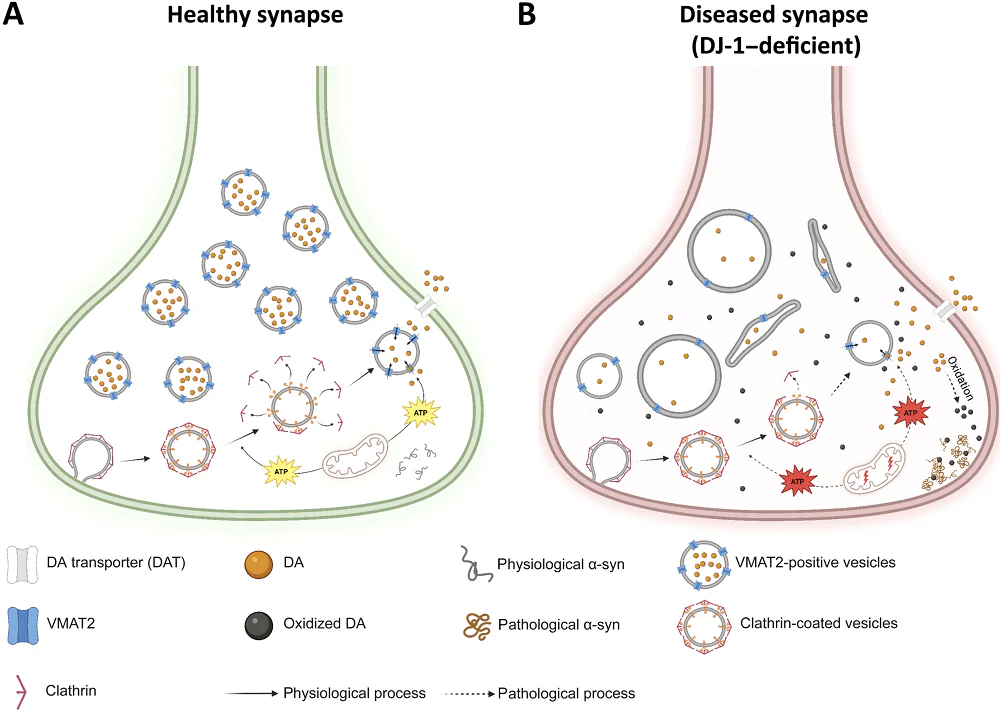
Scientists have discovered that ATP deficiency disrupts dopamine processing in synapses, leading to the accumulation of the harmful protein species that characterize Parkinson’s disease. ATP supplementation helps, but the road to the clinic might be long [1].

Parkinson’s and dopamine

Parkinson’s disease is defined by two hallmarks: the death of dopamine-producing neurons in a midbrain region called the substantia nigra, and the accumulation of the protein α-synuclein into clumps known as Lewy bodies [2]. Dopamine is a neurotransmitter, a chemical messenger that neurons use to communicate, and its loss has been linked to Parkinson’s symptoms such as tremor, rigidity, and movement difficulties [3].

Inside neurons, dopamine, being chemically unstable, must be rapidly packaged into membrane-enclosed bubbles called synaptic vesicles to prevent it from oxidizing, as its oxidized form can damage proteins and organelles. The key molecule responsible for loading dopamine into vesicles is vesicular monoamine transporter 2 (VMAT2), which functions as a pump embedded in the vesicle membrane that actively pushes dopamine inside. Crucially, this pump requires energy in the form of ATP, the cell’s universal energy currency, supplied by resident mitochondria.

DJ-1 is a small protein involved in mitochondrial quality control and cellular antioxidant defense. Mutations in the PARK7 gene, which codes for DJ-1, cause a rare, early-onset form of familial Parkinson’s. Importantly, prior studies have hinted that DJ-1 can directly stimulate VMAT2, but this had never been investigated in genuine human dopaminergic neurons. Scientists from Ludwig Maximilian University of Munich attempted to bridge this knowledge gap in this new study published in Science Advances. The same team had previously shown that this mechanism is probably also relevant for sporadic Parkinson’s, which constitutes a majority of cases [4].

Interestingly, mouse models of Parkinson’s have historically failed to reproduce the dopamine oxidation and neuron death characteristic of human disease [4]. The authors, however, used neurons derived from human induced pluripotent stem cells (iPSCs), a model far more disease-relevant than rodent systems for this particular question.

Connecting the dots

After differentiating iPSCs from two DJ-1 knockout lines and their paired healthy controls into mature midbrain dopaminergic neurons, the researchers performed a proteomics analysis and found that VMAT2 was among the most downregulated proteins in the DJ-1-KO lines. Gene ontology analysis of the downregulated proteins implicated pathways related to synaptic vesicles, transmembrane transporter activity, and chemical synaptic transmission.

Confocal microscopy showed reduced density of dopaminergic VMAT2-positive synapses in DJ-1 KO neurons. Using an even more advanced imaging technology, MINFLUX-DNA PAINT, an ultra-high-resolution single-molecule imaging method, the researchers were able to look at individual dopaminergic synapses. Both the total number of VMAT2-positive vesicles per synapse and the copy number of VMAT2 molecules per vesicle were reduced; the latter directly determines how much dopamine can be loaded into each vesicle.

Next, the scientists added a third model: neurons derived from an actual patient with DJ-1-linked Parkinson’s. VMAT2 protein levels, ATP levels, and mitochondrial membrane potentials were significantly reduced in all three DJ-1-deficient lines. This suggests that the vesicle-loading defect is not just anatomical but functional: the neurons do not merely have less VMAT2 but actually sequester their cargo less effectively, and ATP deficit is directly relevant to that effect.

Vesicles also showed morphological abnormalities. Researchers were able to connect this to clathrin-mediated vesicle recycling: clathrin is the protein that covers newly endocytosed vesicles and needs to be removed in a process that uses ATP, just like dopamine loading. If ATP is low, vesicle uncoating could stall, producing malformed vesicles. Consistent with that, clathrin levels were roughly doubled in DJ-1-deficient neurons.

In the crucial next experiment, the team confirmed that DJ-1-deficient neurons had elevated oxidized dopamine and more of both total α-synuclein and its pathological species. This finalized a clear chain of events: vesicular dopamine handling breaks down, dopamine oxidizes, and pathological α-synuclein rises.

Synapses ATP deficiency

ATP rescues the pathology

Finally, the team ran a rescue experiment, simply treating DJ-1-deficient neurons with ATP for 72 hours and using a “broken” ATP analog as control. As a result, vesicular loading went up while the levels of clathrin, oxidized dopamine, and total and pathological α-synuclein fell.

“Dopamine oxidizes to produce toxic substances and causes lasting damage to the neurons if it is not properly packaged in vesicles – but the cause of this dysfunctional packaging of dopamine was hitherto unclear,” said Lena Burbulla, Professor of Metabolic Biochemistry in the Faculty of Medicine at LMU and a senior author of the study. “The lack of DJ-1 causes energy problems that occur in many variants of Parkinson’s. This discovery links energy deficiency to the packaging of dopamine and neuron vulnerability – a new mechanism for Parkinson’s.”

Interestingly, the team also ran a set of experiments with mouse DJ-1 knockout iPSC-derived dopaminergic neurons, which also showed reduced VMAT2 protein but did not accumulate oxidized dopamine. The authors hypothesize that rodents may have compensatory dopamine-handling mechanisms that humans lack or use less effectively. This both highlights the limitations of murine PD models and suggests that these rodent-specific mechanisms might potentially be studied and translated into humans.

While this proof-of-concept in vitro study suggests a possible rescue route for PD, the way to the clinic might be long and bumpy, as effective ATP supplementation, especially in the brain, is currently out of reach. It would be reasonable to target mitochondrial dysfunction at large, but several trials of mitochondrial treatments for PD have already failed.

We would like to ask you a small favor. We are a non-profit foundation, and unlike some other organizations, we have no shareholders and no products to sell you. All our news and educational content is free for everyone to read, but it does mean that we rely on the help of people like you. Every contribution, no matter if it’s big or small, supports independent journalism and sustains our future.

Literature

[1] Heger, L. M., Gubinelli, F., Huber, A. J., Cardona-Alberich, A., Rovere, M., Matti, U., … & Burbulla, L. F. (2026). VMAT2 dysfunction impairs vesicular dopamine uptake, driving its oxidation and α-synuclein pathology in DJ-1–linked Parkinson’s neurons. Science Advances, 12(7), eadz5645.

[2] Choong, C. J., & Mochizuki, H. (2022). Neuropathology of α‐synuclein in Parkinson’s disease. Neuropathology, 42(2), 93-103.

[3] Rodriguez-Oroz, M. C., Jahanshahi, M., Krack, P., Litvan, I., Macias, R., Bezard, E., & Obeso, J. A. (2009). Initial clinical manifestations of Parkinson’s disease: features and pathophysiological mechanisms. The Lancet Neurology, 8(12), 1128-1139.

[4] Burbulla, L. F., Song, P., Mazzulli, J. R., Zampese, E., Wong, Y. C., Jeon, S., … & Krainc, D. (2017). Dopamine oxidation mediates mitochondrial and lysosomal dysfunction in Parkinson’s disease. Science, 357(6357), 1255-1261.

Rejuvenation Roundup February 2026

Rejuvenation Roundup February 2026

Plenty of crucial work has been done in the rejuvenation world over the past four weeks, and last month, we’ve spoken to several researchers about the progress being made.

Interviews

Joao Pedro de Magalhaes InterviewJoão Pedro de Magalhães on the Ethics of Longevity: João Pedro de Magalhães, professor at the University of Birmingham, is a skilled longevity advocate who has long taken interest in the ethics of longevity, first offering his perspective as far back as 2003.

Advocacy and Analysis

First Human Cellular Reprogramming Trial Cleared by the FDA: Life Biosciences has announced that its trial of cellular reprogramming aimed at two age-related vision diseases has received a go-ahead from the FDA. We spoke with the company’s CSO to get more details.

CellsCellular Reprogramming: The Expert Roundup: We asked four experts, all involved in reprogramming-related biotech companies, to talk about their companies’ approaches and the opportunities and bottlenecks that the field faces and to offer predictions for the near and not-so-near future.

Research Roundup

Weight Training Load Doesn’t Affect Muscle Mass or Strength: A new study suggests that, if sets are taken close to failure, the amount of weight on the bar does not determine muscle growth. However, individual differences in muscle-building ability appear to be real.

Vitamins and supplementsAssociation Between Vitamins and Slower Biological Aging: A recent study analyzed data from over 15,000 participants and their intake of 11 vitamins, and the results suggested that higher vitamin intake, particularly of Vitamins C and B2, is associated with slower biological aging.

Increasing Senolytic Effectiveness by Stressing Mitochondria: Researchers publishing in Nature Aging have described how mitochondrial stress is a key part of why senolytics are effective.

Natural killer cellsRestoring the Strength of Natural Killer Cells: In Aging Cell, researchers have described why older natural killer (NK) cells lose their ability to eliminate harmful cells and a potential treatment for this decline.

Sleep Deprivation Affects Cognition via Myelin Loss: A new study links sleep loss to the thinning of the myelin layer, which slows signal transmission in axons. Restoring cholesterol homeostasis reverses the damage.

Intestinal bacteriaYoung Microbes Rejuvenate Intestinal Function in Mice: Transferring microbiota from young to aged mice helped to restore molecular signaling necessary for proper intestinal function and improved the regenerative capacity of intestinal stem cells.

Creating CAR-T Cells Using Current Alzheimer’s Antibodies: A team of researchers has biologically engineered T cells with currently available Alzheimer’s drugs in order to directly attack the characteristic amyloid plaques of Alzheimer’s disease.

Mouse in mazeCellular Reprogramming Rescues Memory-Encoding Neurons: Scientists have applied partial reprogramming to memory-encoding neurons (engrams) and achieved memory improvements in Alzheimer’s models and wild-type mice.

Silencing Growth Hormone Has Strong Effects in Mouse Brains: Researchers have found that altering a growth hormone receptor in the brain adipose tissue of aged male mice slows their mental aging and allows them to perform far better on cognitive tests.

Healthy foodsNew Study Calculates Lifespan Gains From Five Popular Diets: Scientists have pitted five diets against each other to see which one is associated with more years of life gained.

Lifetime Cognitive Enrichment Associated With Less Dementia: A recent study suggests that cognitive enrichment throughout life is associated with reduced dementia risk, and it has the potential to delay the onset of dementia and mild cognitive impairment by five to seven years.

Doctor holding heart modelA Circulating Inflammation Suppressor Decreases Mortality: Researchers publishing in Aging have used Mendelian randomization to conclude that the inflammatory factor IL6 causes increased mortality and that its circulating receptor, IL6R, decreases it.

AI Tool Sets New Standard in Diagnosing Rare Diseases: A new system, which consists of a large LLM and a network of agentic tools, outperformed several other models and human physicians.

NeuronHow a Sirtuin Protects Against Brain Diseases: In Aging Cell, researchers have explained how the sirtuin SIRT6 protects against proteostasis-related brain disorders by maintaining the function of nucleoli and limiting protein production.

Thermogeneration by White Fat Could Be Used to Treat Obesity: Scientists have discovered that, like brown fat, white fat has a mechanism that burns fuel to produce heat. This effect could potentially be used to create weight loss drugs.

MenopauseMenopausal Hormone Therapy Does Not Increase Mortality: An analysis of over 800,000 women found no association between menopausal hormone therapy and increased mortality.

A Metabolic Shift Fuels Stem Cell Dysfunction: Researchers publishing in the Nature journal Cell Discovery have described how the age-related attenuation of a key metabolic axis causes human adipose-derived stem cells (hASCs) to lose functional capabilities.

Randomized controlled trial of resistance exercise and brain aging clocks: Resistance exercise training decelerates brain ageing, as indexed by brain clocks, reinforcing its role as a preventive strategy for brain health.

Creatine plus β-Hydroxy-β-Methylbutyrate supplementation is associated with preserved glutathione redox-balance and redox–function associations in older adults: Creatine plus HMB supplementation was associated with nominal modulation of glutathione-centered redox balance during training in active older adults.

A multicomponent intervention consisting of exercise, proteins and omega-3 supplementation to improve sarcopenia in community-dwelling older adults: Preliminary efficacy results showed that exercise with protein supplementation may improve physical function.

A Multidomain Lifestyle Intervention Is Associated With Improved Functional Trajectories and Favorable Changes in Epigenetic Aging Markers in Frail Older Adults: These findings suggest potential geroprotective effects of a multidomain intervention and indicate that DNAm PhenoAge and methylation-based telomere length may serve as complementary markers for assessing health span-related changes in frail older adults.

Imaging-based organ-specific aging clock predicts human diseases and mortality: The imaging-based aging clocks demonstrate organ-specificity at both macro and micro scales, which could promote personalized intervention and treatment of organ aging.

Dietary intake of live microbes is inversely associated with fatigue and modified by serum folate among adults aged 40 years or more: Intake of microbe-rich foods and higher levels of circulating 5-methyltetrahydrofolate are both associated with lower levels of fatigue in midlife and older adults.

Probiotic Lactiplantibacillus plantarum OL3246 supports healthy aging by enhancing quality of life, reducing inflammation, and modulating gut microbiota: Microbiome analyses showed greater diversity and enrichment of health-associated taxa. These findings indicate that Lactiplantibacillus plantarum OL3246 may support healthy aging.

No evidence for squaring the survival curve: lifespan-extending treatments increase variation in age- at-death: Any gains in mean age-at-death are matched by corresponding increases in variation.

Systems-level modelling of DNA damage, senescence, and stem cell dynamics in ageing: This model captures the long-lasting effects of interventions such as telomere lengthening and stem-cell therapy. It offers a quantitative, extendable platform that supports hypothesis testing and helps identify which ageing interventions warrant experimental validation.

Short-Term Rapamycin Mitigates the Senescence of Ovaries and Somatic Stem Cells in Multiple Organs in Reproductively Aged Mice: These results indicated the importance of intervention timing and suggest the therapeutic scope of rapamycin during female reproductive aging.

Randomized phase 2b dose-escalation trial of stem cell therapy with laromestrocel for aging frailty: These findings identify a stem cell therapy approach for the management of patients with hypomobility and other features of aging frailty.

News Nuggets

NUS Healthy Longevity ConferenceGlobal Conference to Tackle Longevity Clinical Translation: The Geromedicine Conference took place from February 26-27, 2026 at the National University of Singapore. This premier event gathered global experts in geroscience, researchers, clinicians and industry leaders to explore the translation of geroscience into real-world interventions aimed at optimizing health and extending healthspan.

Coming Up

Longevity Innovation Forum in San Diego: On March 11-12, Longevity Global will host the inaugural Longevity Innovation Forum, a two-day gathering bringing together leading scientists, clinicians, biotech founders, investors, and longevity enthusiasts advancing the science and translation of healthy aging

We would like to ask you a small favor. We are a non-profit foundation, and unlike some other organizations, we have no shareholders and no products to sell you. All our news and educational content is free for everyone to read, but it does mean that we rely on the help of people like you. Every contribution, no matter if it’s big or small, supports independent journalism and sustains our future.
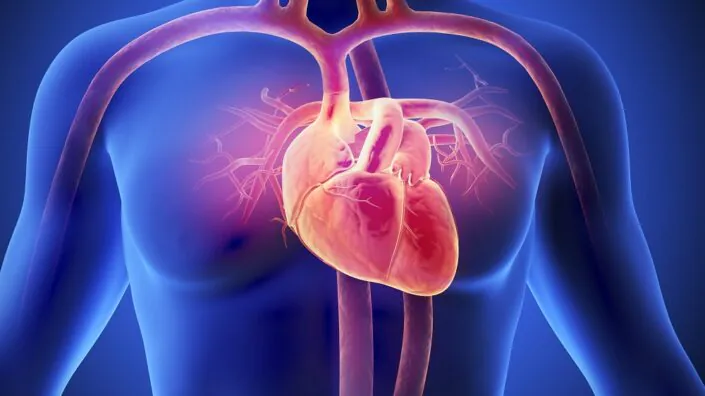
Cells

Cellular Reprogramming: The Expert Roundup

Cellular reprogramming is one of the technologies most associated with longevity. The field was created in 2006, when Shinya Yamanaka showed that a cocktail of four transcription factors, commonly known as OSKM, can cause de-differentiation and massive rejuvenation of a cell, creating an iPSC (induced pluripotent stem cell). About a decade later, partial reprogramming was demonstrated in vivo, where a more subtle application of the factors led to rejuvenation without compromising the cell’s identity.

Today, this field is maturing quickly, with its first clinical trials just around the corner. Academic teams and companies are working on dozens of directions and applications. We asked four experts, all involved in reprogramming-related biotech companies, to talk about their companies’ approaches and the opportunities and bottlenecks that the field faces and to offer predictions for the near and not-so-near future.

What do you find most compelling about cellular reprogramming, and what convinced you it was worth pursuing seriously?

Vittorio Sebastiano, Associate Professor of OBGyN, Stanford, Founder and Scientific Advisory Board Chair at Turn Biotechnologies

What I find most compelling about cellular reprogramming is that it revealed aging to be, at least in part, an actively maintained biological state rather than irreversible accumulation of damage. The discovery that somatic cells retain a latent capacity to reset their epigenetic and functional identity fundamentally changed how we think about cellular plasticity, identity, and time.

For me, the decisive moment was the realization that reprogramming is not merely a tool for generating pluripotent cells, but a window into the mechanisms that establish and stabilize cellular age. Once it became clear that transient or partial reprogramming could decouple rejuvenation from loss of identity, the field shifted from something conceptually fascinating to something therapeutically plausible.

At that point, it was no longer just a powerful biological phenomenon. It became a potential platform for intervention across a wide range of age-associated diseases. The combination of deep mechanistic insight, broad applicability, and the possibility of durable functional restoration made it clear that this was worth pursuing with real rigor and long-term commitment.

Joe Betts-Lacroix, CEO, Retro Biosciences

What I find most compelling about cellular reprogramming is how clearly it shows that aging isn’t just wear and tear. When you can take an old cell and push it back toward a younger functional state, you’re seeing evidence that much of aging is driven by regulatory programs that can be modulated.

What convinced me it was worth pursuing seriously was how strong the effects were. Partial reprogramming doesn’t produce small, ambiguous signals. In well-designed experiments, you see large shifts in gene expression and cellular function, while cells keep their identity. That combination is rare in biology and hard to dismiss.

The other piece was translation. This isn’t just an elegant idea. If cellular state can be reset in a controlled way, it creates a path to treating diseases where aging itself is the dominant risk factor. That’s when reprogramming stopped feeling speculative to me and started to look like a real foundation for medicine.

Sharon Rosenzweig-Lipson, CSO, Life Biosciences

What I find most compelling about partial epigenetic reprogramming is that it targets a root cause of aging, the progressive erosion of youthful epigenetic information, rather than just managing downstream symptoms in individual diseases. As someone who has spent decades advancing neuroscience and aging‑related therapies through the clinic, the preclinical data showing that OSK‑based reprogramming can restore function in aged tissues, including in the eye and liver, convinced me this was a modality worth pursuing with the same rigor we apply to traditional therapeutics.

One of our co-founders, David Sinclair, showed that controlled expression of three transcription factors, OCT-4, SOX-2, and KLF-4, or OSK, could reverse retinal aging and restore vision in animal models without losing cell identity. Seeing those findings replicated and extended into non‑human primate models of optic neuropathy, with measurable recovery of visual function, provided exactly the kind of robust, translatable signal that my prior pharma experience has taught me to look for before committing to a new platform.

Yuri Deigin, Co-Founder and CEO, YouthBio

What I find most compelling is that partial reprogramming works via epigenetic mechanisms and I think the epigenome is the closest thing biology has to a writable operating system that dictates cellular age — a view I’ve argued for publicly in my Strong Epigenetic Theory of Aging. In essence, partial reprogramming looks like a controlled way to rewind gene regulation toward a more youthful state without changing cell identity.

What made it even more compelling is that biology already performs rejuvenation naturally after fertilization, but epigenetic clock data suggest that biological age isn’t reset right at fertilization; instead, it declines during early development and reaches a minimum around gastrulation, implying an active, staged program. That offers a plausible reason OSKM is such a powerful lever: it may be reactivating parts of the early-embryo reset machinery — the same kind of transcriptional and chromatin reconfiguration that helps ensure every baby is born young.

I was convinced as soon as I read the 2016 Ocampo et al. paper — that’s why I founded Youthereum back in 2017 to translate partial reprogramming ASAP. Alas, the journey has been slower than I hoped, but I am still bullish on the transformative potential of partial reprogramming.

How is your company unique in the reprogramming landscape – what is your technical approach, and why was it chosen? Please also address safety.

Vittorio Sebastiano

Our company is built around the idea that reprogramming should be treated as a safe precision intervention, not a blunt reset. Our approach focuses on tightly controlled, lineage-preserving rejuvenation driven by defined molecular programs engaged by delivery of reprogramming factors as mRNAs. We selected this strategy because it is the safest, the most tunable and controllable approach to restore youthful function while maintaining tissue architecture and physiological integration.

From the beginning, safety has been a central design constraint rather than an afterthought. We prioritize transient, reversible modalities, strict temporal control, and delivery strategies that minimize systemic exposure. We also invest heavily in orthogonal readouts of safety, including genomic stability, epigenetic integrity, and long-term functional behavior in relevant human cell models.

Importantly, we do not assume that rejuvenation is universally beneficial. Context matters, and different tissues require different degrees and modes of intervention. This philosophy has led us to favor approaches that are tunable, measurable, and grounded in human biology rather than extrapolated from extreme states in animal models.

Joe Betts-Lacroix

Retro is different because we’re very selective about how and where we use reprogramming. The field has shown that cellular age can be reset. The hard part is turning that insight into something that actually works as a therapy.

Our technical approach is to presently focus on specific cell therapy programs where reprogramming can plausibly deliver a large benefit. In our case, that means reprogramming cells outside the body and then introducing their differentiated products back as a cell replacement therapy. This approach is sometimes called full reprogramming, with the huge benefit of providing essentially 100% rejuvenation. It involves canonical iPSC generation. It allows for much tighter control over cell state, identity, and quality before anything reaches a patient, but it’s also inherently limited to cell types that can be removed, reprogrammed, and safely reintroduced.

There is also growing interest in partial reprogramming (PR), which may be done directly inside the body. This approach is exciting because, in principle, it could be applied to a much broader range of cell types directly in vivo. At the same time, it’s less mature from a clinical and safety perspective – because in this scenario, the interventions are directly delivered in the body as gene therapies; they’re harder to control and harder to fully characterize today.

We are exploring in vivo PR as an early discovery effort, but we’re very deliberate about how we do that. As with everything we work on, any progress there will be gated by stringent assessments of safety and efficacy as the programs move through successive stages of development.

We also use AI in ways that accelerate how we explore reprogramming biology. In collaboration with OpenAI, we developed and applied a custom GPT model to help design new variants of the Yamanaka factors. In lab studies, those engineered proteins showed much higher expression of key reprogramming markers compared to the standard factors, expanding the set of tools our scientists can use as we work toward therapies.

Importantly, safety drives how we work. Before anything moves toward the clinic, our teams do extensive preclinical work, starting with in vitro proof of concept, then in vivo proof of concept, followed by the full set of studies required to meet stringent regulatory standards. Reprogramming is powerful biology, and it needs to be handled with care.

At a higher level, we approach this like serious drug development. We narrow the problem, generate strong evidence, and move forward only when the data support it. While we are interested in pushing the biology as far as possible, we also have to stay focused on building therapies that clinicians, regulators, and patients can have confidence in.

Sharon Rosenzweig-Lipson

Life Biosciences focuses specifically on partial epigenetic reprogramming using OSK. Partial epigenetic reprogramming allows for a reversal of age/injury degradations of the epigenetic code without a reset of cells to a stem-like state. Our lead program, ER‑100, is designed to rejuvenate cells by resetting the epigenetic code to a younger, healthier state, while preserving their cell identity, enabling cells to function more like their younger counterparts.

In non‑human primate studies, we have demonstrated that intravitreal administration of ER-100 enables expression of OSK in targeted retinal regions, a reset of the epigenetic code to a non-injured profile (DNA methylation patterns), and improvements in visual function. Our GLP-toxicology studies were designed and completed in consultation with the FDA to assess the safety of ER-100 in non-human primates and to confirm a safety profile appropriate for human testing. As an additional safety control, we are using a dual-vector system that allows for OSK to be turned on or off. Our first‑in‑human Phase 1 study in optic neuropathies (including glaucoma and NAION) includes careful safety, tolerability, and immunologic monitoring.

Yuri Deigin

At YouthBio, we realized from day one that partial reprogramming has to be tissue-specific and tightly controllable. Our ultimate goal is systemic rejuvenation, but we think the most realistic way to get there is via a bottom-up approach: go organ by organ — and, when necessary, cell type by cell type — until you can start combining the “winners.” Our intuition tells us that the first meaningful combination therapy will target the 20% of organs that drive 80% of systemic aging, and we’re starting with the organ we think matters most: the brain.

The brain is also a great starting point from a safety standpoint. Neurons are highly resistant to dedifferentiation compared to many proliferative tissues, which gives us a larger safety window than you’d have in something like the liver. Within the brain, Alzheimer’s is an obvious first indication: the unmet need is massive, the standard of care is still limited, and the number of patients is growing quickly.

Technically, our approach is a brain-targeted, inducible OSKM gene therapy, delivered locally to relevant regions (for example, the hippocampus in AD) so we can maximize on-target exposure and minimize systemic risk. Safety is the central concern in this field, so we treat it as the top design constraint. Our next step is IND-enabling safety studies to stress-test the approach before taking it into human Alzheimer’s patients.

What is your strategy for bringing your therapy to the clinic, including target indications and work with partners and regulators?

Vittorio Sebastiano

Our clinical strategy is indication-driven rather than platform-driven. We are prioritizing diseases where aging is a primary driver of pathology, where there is a clear unmet medical need, and where reprogramming-based rejuvenation offers a mechanistically distinct advantage over existing therapies. Early indications are selected to balance biological tractability, clinical relevance, and regulatory clarity.

From the outset, we engage with regulators to align on safety expectations, appropriate biomarkers, and trial design, recognizing that reprogramming challenges traditional categories of therapeutics. We place particular emphasis on demonstrating durable functional benefits rather than short-term molecular changes alone.

Partnerships play a critical role, especially in areas such as delivery, manufacturing, and clinical development, where established expertise can accelerate progress without compromising scientific rigor. Our goal is not to rush reprogramming into the clinic prematurely, but to build a credible path that regulators, clinicians, and patients can trust. I believe we should set a high bar for the entire field rather than cutting corners to be first.

Joe Betts-Lacroix

Our plan for getting therapies into the clinic is shaped by how the regulatory system actually works today. Aging isn’t an indication regulators recognize, so we can’t run a trial just to treat aging. To move forward, we have to demonstrate safety and efficacy in specific diseases, working within the existing framework.

That’s why we use stepping-stone indications. We focus on conditions with clear unmet medical need where the same underlying reprogramming mechanisms can produce meaningful benefits. Those programs let us test the biology in a serious clinical context and generate the kind of evidence regulators expect. Because our lead programs are ex vivo cell therapies, we can generate manufacturing, safety, and characterization data that regulators are already accustomed to reviewing, which makes this a practical place to start.

Partnerships are an important part of that strategy. For example, we’ve licensed foundational intellectual property from the Murdoch Children’s Research Institute covering iPSC to hematopoietic stem cell (HSC) differentiation, and we collaborate closely with the academic groups that developed key parts of the underlying biology.

We’ve also started engaging with regulators early. Our first engagement with the FDA was an INTERACT meeting for our HSC replacement program, which is a cell therapy aimed at replacing diseased (and ultimately aged) HSCs in the bone marrow to restore immune function. An INTERACT meeting is an early discussion designed to get feedback on a novel therapeutic approach, including preclinical plans, manufacturing considerations, and what the agency will want to see before an IND.

That conversation was constructive and gave us practical guidance. It helped shape the HSC program and also informed how we think about our microglia replacement program. More broadly, it reinforced our view that reprogramming will reach patients by building confidence step by step, using real data, in real disease settings.

Sharon Rosenzweig-Lipson

Our clinical strategy starts with areas where the biology, delivery, and unmet need align with the serious global impact of aging-related disease. Beginning with optic neuropathies, in which loss of retinal ganglion cells leads to permanent vision impairment, ER‑100 is being developed initially for primary open‑angle glaucoma and non‑arteritic anterior ischemic optic neuropathy (NAION), where there are no approved therapies that can reverse or prevent vision loss and where the eye offers a relatively contained, well‑characterized organ for first‑in‑human testing.

The Phase 1 trial cleared for initiation by the FDA in January is designed to evaluate safety, tolerability, immune responses, and multiple visual function endpoints in patients with these conditions, with the goal of building a rigorous, data‑driven foundation for subsequent dose selection and Phase 2 design. From my experiences leading programs from discovery through Phase 2B clinical trials and leading translational efforts over a greater than 30-year career, we are intentional about translational endpoints, trial design, and patient selection so that each study meaningfully de‑risks the next step.

On the partnership and regulatory side, we see ourselves as part of a broader ecosystem that defines what reprogramming-based therapies look like in the clinic. We prioritize engaging with regulators to align on clinical requirements, trial design, and safety monitoring for a first‑in‑class modality, and we collaborate with academic and clinical partners who bring deep expertise in ophthalmology, regenerative medicine, and aging biology. Over time, as the platform matures, we expect to expand to additional indications, informed in part by the promising initial preclinical data we are seeing in liver diseases such as MASH.

Yuri Deigin

We’re taking a very conventional, tried-and-true path to the clinic. Long-term, we would love global approval, but we are starting with the U.S. and building the program around FDA expectations from the beginning, with Alzheimer’s as our lead indication.

A big part of our strategy is to engage regulators early and make sure we’re solving the right problems in the right order. We had a positive FDA INTERACT meeting a few months ago, and the next major step is IND-enabling work — especially safety studies designed to stress-test controllability, biodistribution, and longer-term tolerability — so that when we go into humans, we’re doing it with the strongest possible safety foundation.

How close do you think we are to seeing multiple approved reprogramming-based therapies, and what most limits the pace of progress today?

Vittorio Sebastiano

I think we are closer than many people realize. The underlying biology has advanced rapidly, and proof-of-concept data continue to accumulate across tissues and disease models. That said, translating reprogramming into approved therapies requires solving challenges that are not purely scientific. The biggest limiting factors today are control, measurement, and trust.

Control refers to achieving precise, predictable outcomes across heterogeneous human tissues. Measurement reflects the need for robust biomarkers that convincingly link reprogramming to durable clinical benefit. Trust encompasses regulatory confidence, physician acceptance, and public perception, all of which depend on a strong safety record. I expect the first approvals to emerge in narrowly defined indications rather than broad “anti-aging” applications.

Once those footholds are established and the risk profile is better understood, progress will likely accelerate. In that sense, the pace of the field is limited less by what reprogramming can do, and more by how carefully we choose to prove it.

Joe Betts-Lacroix

I think we are closer than people would have said five or ten years ago, but still early in terms of approved therapies. It’s worth remembering how young this field really is. Shinya Yamanaka first showed that differentiated cells could be reprogrammed back to a pluripotent state in 2006. The first clear demonstrations of partial reprogramming in living animals, showing rejuvenation without erasing cell identity, came about a decade later, in 2016.

That’s not a long time in medicine. What has moved quickly is the biology. We now know that cellular state can be reset in meaningful ways. What takes time is everything required to turn that scientific insight into clinical therapies that meet the standards needed for use in patients.

The biggest limiter today isn’t whether reprogramming works in principle. It’s manufacturing, safety, delivery, and proving benefit in the clinic, especially for cell therapies. Those are hard problems, and they don’t yield to a single breakthrough experiment.

Another constraint is focus. There is powerful biology behind reprogramming, and it’s tempting to apply it broadly or make big claims early. In practice, progress comes from narrowing the problem, choosing the right indications, and generating clear evidence step by step.

So, I’m optimistic, but not impatient. I expect we’ll see multiple approved reprogramming-based therapies emerge by starting with well-defined diseases, building confidence with regulators and clinicians, and expanding from there. That’s how new therapeutic platforms usually mature, and I don’t think reprogramming will be an exception.

Sharon Rosenzweig-Lipson

The field has moved from concept to first‑in‑human trials remarkably quickly, and the recent IND clearance for ER‑100 marks an important inflection point for partial epigenetic reprogramming in patients. That said, from my experience in drug development, I would still view broad approval of multiple reprogramming‑based therapies as years away as we need to generate robust safety and efficacy data across several trials.

The main constraints on pace today are less about imagination and more about execution. For example, because this is a first‑in‑class modality, we are working with regulators to build the framework essentially in real time, which requires thoughtful, transparent dialogue but ultimately will benefit the entire field.

Yuri Deigin

I think we’re very close to seeing partial reprogramming therapies tested in humans. The FDA green light for Life Bio’s eye trial was an important milestone for the field, and I’d expect several more programs to enter the clinic over the next 5 years, including our own.

Approvals will take longer — mainly because this is a brand-new modality, and regulators will want careful dose/control, biodistribution, and longer-term safety follow-up, plus clear clinical endpoints. So, my rough expectation is that the first approvals are more likely on a 5–10-year horizon.

As for what limits pace: while I can’t speak for our peers, especially better-funded ones, for us, funding is the biggest limiter. If we didn’t have to be uber-capital efficient, we could parallelize a lot of our activities, as well as tackle more organs and diseases in parallel. And then there’s the universal truth in biotech: biology is hard, and translation always takes longer than you think, even when the underlying science is solid.

What do you expect reprogramming therapies will be able to do for humans in the short and long term?

Vittorio Sebastiano

In the short term, reprogramming therapies will likely function as disease-modifying interventions for specific age-associated conditions, improving tissue function, resilience, and repair where current treatments can only manage symptoms. These early applications will probably be local, targeted, and conservative in scope, but they will demonstrate that restoring youthful cellular states can translate into meaningful clinical benefit.

Over the longer term, I expect reprogramming to reshape how we think about chronic disease and aging itself. Rather than treating degeneration as inevitable, we may be able to periodically restore functional capacity at the cellular and tissue level, extending healthspan rather than simply prolonging life. Importantly, this does not imply immortality or a single universal reset, but a new class of interventions that maintain biological systems within a healthier operating range. If developed responsibly, reprogramming could become a foundational technology, one that complements prevention, regeneration, and precision medicine to fundamentally change how humans experience aging.

Joe Betts-Lacroix

In the short term, I expect reprogramming therapies to look like treatments for specific diseases, not like general anti-aging interventions. The earliest impact will be in conditions where aging is clearly driving loss of function and where resetting cellular state can restore something meaningful, such as immune competence, tissue maintenance, or brain health. What will matter in those first programs is whether they safely produce clear, reproducible clinical benefits.

Over the longer term, the implications are much broader. If we can reliably reset aspects of cellular state without changing cell identity, then aging starts to look more like a modifiable process than an inevitable decline. That doesn’t mean people suddenly stop aging. It means the rate and consequences of aging could be altered in ways that meaningfully extend healthy lifespan.

What matters most to me is that this isn’t just about living longer. The real goal is preserving function. If reprogramming therapies work the way we hope, they could reduce the burden of age-related disease, keep people healthier for longer, and change how we think about the later decades of life. That shift would come gradually, built on therapies that work in real patients.

Sharon Rosenzweig-Lipson

In the near term, I believe partial epigenetic reprogramming therapies like ER‑100 have the potential to preserve or restore function in specific tissues that are critically affected by aging, such as retinal ganglion cells in the eye. If we can show that we can safely help retinal cells function more effectively and improve visual outcomes in glaucoma or NAION, that alone would be a major advance for patients who currently have very limited options once damage has occurred.

Longer term, as we learn more about dosing, timing, and tissue‑specific delivery, I expect reprogramming to help address multiple age‑related diseases across organs by intervening at the level of the aging machinery itself. That does not mean “turning back the clock” in a science‑fiction sense; rather, it means extending healthspan by maintaining cellular resilience and function for longer, ideally delaying or mitigating the onset of several age‑driven conditions at once. As a scientist who has seen how devastating neurodegenerative and age‑related diseases can be, that vision of improving quality of life is what motivates me and the team every day.

Yuri Deigin

In the short term, I expect partial reprogramming to produce disease-modifying therapies in specific indications. The first wins will likely be in localized, well-controlled settings — where you can deliver to a defined tissue, dial expression tightly, and measure clear functional endpoints. In that regime, I’d expect partial reprogramming to do things like restore aspects of cellular function and slow or even reverse disease-relevant decline in specific indications.

Longer term, if we really learn to control it safely and repeatedly, reprogramming has the potential to become a platform — something closer to adjusting the body’s “maintenance setpoints” by rewinding the epigenetic operating system across multiple tissues. That’s where you can start talking about systemic rejuvenation, reducing multimorbidity, and delaying multiple age-associated diseases at once. The sky’s the limit but to get there we first need to ensure precise targeting, reliable shutoff, durable benefit, and a safety profile that holds up over many years.

We would like to ask you a small favor. We are a non-profit foundation, and unlike some other organizations, we have no shareholders and no products to sell you. All our news and educational content is free for everyone to read, but it does mean that we rely on the help of people like you. Every contribution, no matter if it’s big or small, supports independent journalism and sustains our future.
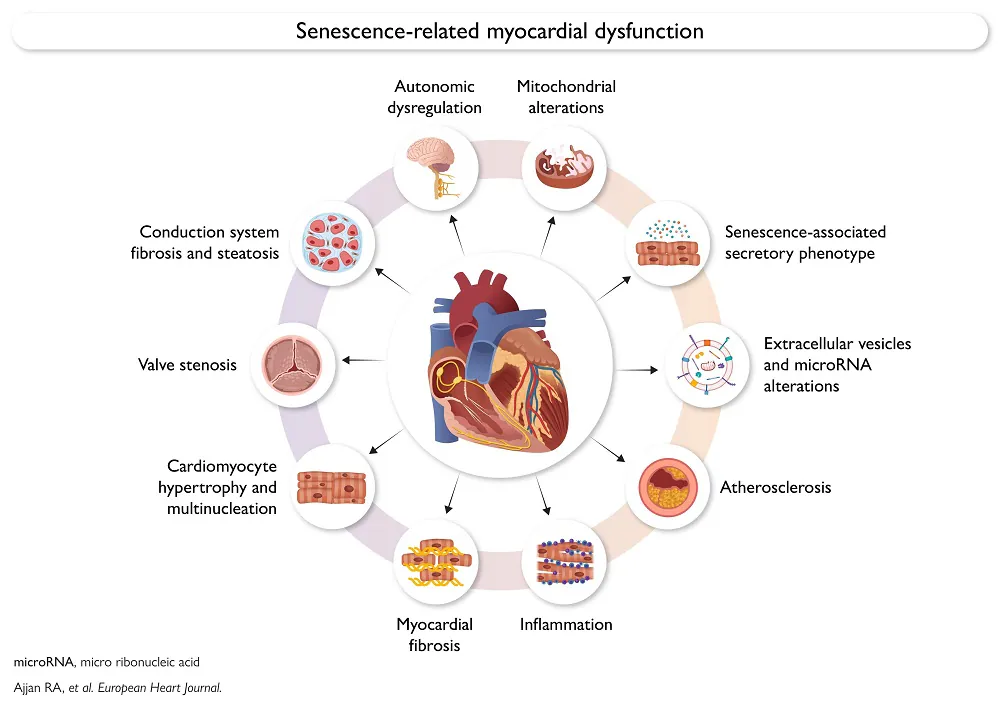
Gelatinous stem cells

A Metabolic Shift Fuels Stem Cell Dysfunction

Researchers publishing in the Nature journal Cell Discovery have described how the age-related attenuation of a key metabolic axis causes human adipose-derived stem cells (hASCs) to lose functional capabilities.

Pinpointing the loss of function

This paper begins by highlighting a core problem of using self-derived (autologous) stem cells for treatments in older people: the cells themselves have aged, leading to a loss of basic self-renewal and inability to fulfill their natural functions, harming rather than helping recipients [1].

The paper also notes that mesenchymal stem cells (MSCs), a group that includes hASCs, have aging that is associated with key changes in several metabolic components. Reduced glutathione (GSH) is associated with senescence in these cells [2]. N6-Methyladenosine (m6A), a key component of RNA modification that is necessary for cellular function, has also been found to be responsible for the fates of bone marrow MSCs [3], and its link to GSH processing has also been found to be connected to cellular senescence [4]. These researchers, therefore, sought to find out just how much m6A and its related pathways affect stem cell aging.

Older stem cells cannot perform

In their first experiment, the researchers compared aged and young hASCs to determine the extent to which aging affects these cells’ function. Unsurprisingly, despite being passaged the same number of times, hASCs derived from infants (I-hASCs) were far more able to proliferate and less likely to become senescent than hASCs derived from elderly people around the age of 80 (E-hASCs). The I-hASCs also had better cell morphology, faster migration, and greater viability, along with a greater expression of genes related to fat creation (adipogenesis), blood vessel creation (angiogenesis), metabolic function, wound healing, and overall activity.

The researchers tested these cells in a mouse model of injury and fat transplantation, comparing I-hASCs, E-hASCs, and a control group given no stem cells at all. Unsurprisingly, the mice given I-hASCs healed more quickly and had more angiogenesis in the transplanted fat, along with reduced inflammation, very few cysts or vacuoles, and nearly no fibrosis. However, even compared to the control group, the group given E-hASCs had intense inflammation, a large number of cysts and vacuoles, and intense fibrosis.

A closer look at gene expression using single-cell RNA sequencing revealed potential reasons why. The researchers were able to divide cells into five functional clusters: Cluster 1 (ACTA2+TAGLN+), which was most common in the I-hASCs, was associated with more angiogenesis, bone formation, and metabolic processes; further work found that this group had more stemness and more functional ability than the other groups. Cluster 2 was related to certain metabolic pathways specific to lipids. Cluster 3, which was abundant in E-hASCs, was related to senescence and aging along with the destruction of proteins and the dissolution of the extracellular matrix. Cluster 4 involved cell adhesion, while Cluster 5 involved division and the cell cycle.

Even among all of these various clusters, E-hASCs had more upregulated age-related pathways while I-hASCs had more gene expression related to the synthesis of amino acids and overall metabolism.

A crucial gene is methylated with age

The researchers also found that I-hASCs had more gene expression of a fundamental GSH-related pathway. An upregulation of IGF2BP3 allowed these cells to produce more enzymes that processed branched-chain amino acids (BCAAs) and glutamine, thus prompting these cells to have more GSH than their older counterparts. The expression of IGF2BP3 was also linked to a reduction in senescence-related gene expression and cellular death by apoptosis along with increases in cell proliferation and migration. IGF2BP3 was specifically identified as being downregulated by epigenetic alterations in aging: this gene is hypermethylated with age, preventing its expression.

A further experiment involving BCAA and glutamine found that supplementing these two molecules to mice was able to slightly restore the wound healing abilities of E-hASCs. According to the researchers, “these findings underscore the promise of metabolic modulation as a translational approach to mitigate cellular aging and improve regenerative therapies.”

While supplementation cannot fully reverse the effects of the dwindling IGF2BP3 with age, this metabolic approach provides a crucial starting point for potential near-term therapies. Further work will determine if such an approach will allow for autologous or other stem cell-related therapies to become more effective.

We would like to ask you a small favor. We are a non-profit foundation, and unlike some other organizations, we have no shareholders and no products to sell you. All our news and educational content is free for everyone to read, but it does mean that we rely on the help of people like you. Every contribution, no matter if it’s big or small, supports independent journalism and sustains our future.
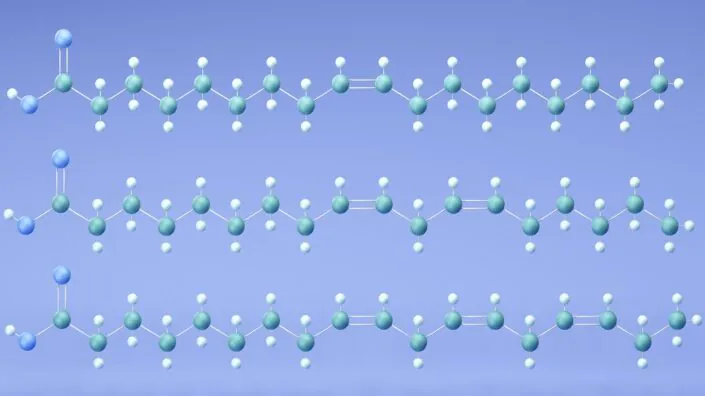
Literature

[1] Wang, B., Liu, Z., Chen, V. P., Wang, L., Inman, C. L., Zhou, Y., … & Xu, M. (2020). Transplanting cells from old but not young donors causes physical dysfunction in older recipients. Aging cell, 19(3), e13106.

[2] Benjamin, D. I., Brett, J. O., Both, P., Benjamin, J. S., Ishak, H. L., Kang, J., … & Rando, T. A. (2023). Multiomics reveals glutathione metabolism as a driver of bimodality during stem cell aging. Cell metabolism, 35(3), 472-486.

[3] Wu, Y., Xie, L., Wang, M., Xiong, Q., Guo, Y., Liang, Y., … & Yuan, Q. (2018). Mettl3-mediated m6A RNA methylation regulates the fate of bone marrow mesenchymal stem cells and osteoporosis. Nature communications, 9(1), 4772.

[4] Weng, H., Huang, F., Yu, Z., Chen, Z., Prince, E., Kang, Y., … & Chen, J. (2022). The m6A reader IGF2BP2 regulates glutamine metabolism and represents a therapeutic target in acute myeloid leukemia. Cancer cell, 40(12), 1566-1582.

Joao Pedro de Magalhaes Interview

João Pedro de Magalhães on the Ethics of Longevity

João Pedro de Magalhães, professor at the University of Birmingham, is known as a prominent geroscientist who has been in the field forever, enriching it with top-tier research. He is also a skilled longevity advocate who has long taken interest in the ethics of longevity, first offering his perspective as far back as 2003. Prof. de Magalhães has been collaborating on this topic for years with Uehiro Institute at the University of Oxford.

A couple of weeks ago, de Magalhães and his co-author, Zhuang Zhuang Han from University of Cambridge, published a paper titled “The ethics case for longevity science” at the journal Aging Research Reviews. At a time when the debate around longevity is quickly moving into the mainstream, and public attitudes towards life extension can either accelerate or hamstring the progress of geroscience, a clear-eyed, well-argued overview of the ethics of longevity is a welcome addition to the discourse. As another pioneer of longevity advocacy, Lifespan News immediately jumped on the opportunity to discuss our favorite topic.

Why did you choose a scientific journal rather than mainstream media or podcasts? It seems a bit like preaching to the choir.

In the field of aging and longevity, we’ve always had this problem: if I give a public lecture and say I’m trying to cure Alzheimer’s, or cancer, or cardiovascular disease, people are delighted. But if I say I’m trying to cure aging – to cure all age-related diseases at once – there’s suddenly a lot of concern. It’s a fascinating and, I think, even disturbing phenomenon: the public wants to cure individual age-related diseases but doesn’t like the idea of curing all of them simultaneously. As researchers, I think we have an obligation to address that.

Some of these concerns are genuine. Overpopulation is a real issue, and if people aren’t dying as much, it’ll be worse. The equality question – what if longevity drugs are so expensive that only billionaires can access them – is also reasonable. These are not new questions; I’ve been encountering them for more than twenty years. I’ve actually had an essay addressing them on my website since 2003. I wrote a book chapter on the topic in 2013 with a colleague, and I’ve had an affiliation with the Uehiro Institute in Oxford, which focuses on philosophy and bioethics, where I gave a talk a couple of years ago.

More recently, in 2024, I participated in a debate in Cambridge on these very issues – that’s where I met my collaborator on this paper, a brilliant PhD student who is also interested in the ethics of aging research. So, it was a confluence of ideas over the past couple of years that made the time feel right to write this up. As for the choice of medium: the idea is that colleagues working on aging and longevity can use this paper as a reference. When ethical concerns come up – at conferences, on social media, in public talks – they can point to a piece in Ageing Research Reviews and say: here’s how we address these arguments. It provides the ammunition, so to speak.

Like you said, you’ve been in this discussion for more than 20 years. What has changed – in attitudes, in your own views, in the arguments being made?

Honestly, not that much. The concerns people had twenty years ago are still largely the same: equality, overpopulation, the ossification of society if people don’t die – something Elon Musk, for instance, has mentioned, and there is an argument to be made there. The “aging is natural and we shouldn’t intervene” position has also been around for a long time. If you think about it in terms of actual interventions, caloric restriction – first demonstrated in 1935 – is still the most robust longevity intervention we have. Life expectancy continues to increase, and there have been advances in statins, vaccines, and so on, but there hasn’t been a radical change in terms of dedicated longevity therapies. So no, I don’t think the landscape of arguments has changed dramatically.

Here is something I keep thinking about in this context: do we even need to engage the public on this now, when we’re still quite far from meaningful life extension, i.e., from the point where most ethical concerns about longevity even become relevant?

I think it’s about having clear goals. There’s a lovely paper from over a hundred years ago – from the turn of the twentieth century – openly discussing curing cancer. That was a goal. People have been talking about curing cancer for at least 120 years, and they still talk about it even if may not happen in their lifetimes. That’s what makes it attractive as a mission.

Contrast that with what some organizations in our field do. Altos Labs, for example, takes great pains not to sound like a longevity company. There’s still a reluctance, among both companies and academics, to say plainly that they’re working on aging, and I think we need to be honest about what the ultimate goal is: to completely abolish age-related diseases. Being healthy is good; being sick is bad. I cannot believe I still have to make that case.

What you’re saying, essentially, is that we need to own the aim of meaningfully extending the human lifespan rather than trying to hide or obfuscate it.

Yes, we shouldn’t be afraid of it. We have to be realistic – this isn’t happening anytime soon. But if a cancer charity said, “We don’t actually want to cure cancer; we just want cancer patients to be a bit healthier while they’re dying of it,” everyone would find it absurd. Nobody would support it. Yet, in aging, we effectively do the same thing – we say we want to improve health a little but not completely. That, I think, is a discussion we need to have openly.

One of the strongest points in your paper is the idea that people don’t apply the same ethical framework to longevity medicine that they apply to any other branch of medicine. Can you expand on that?

Curing cancer would be wonderful, but it wouldn’t radically extend life expectancy; the calculations suggest we’re talking about single-digit years of gain. It would improve health, but it wouldn’t fundamentally change the human condition. Curing aging would be a transformative shift in how human societies work, in everything. I’ve written about how longevity is depicted in science fiction, and the changes would be massive. I suspect that’s why some people are uncomfortable: it would be such a dramatic revolution in the fabric of society that they apply a different standard to aging research than to disease research.

I mostly agree with your paper, but let me play the devil’s advocate about two concrete problems. The first is eternal dictators – that hot-mic chat between Xi and Putin last year got a lot of attention. The second is the US Supreme Court: its justices hold lifelong appointments, and this is enshrined in the Constitution, which is virtually impossible to amend in today’s political climate. I think these are actually compelling examples of the problems meaningful life extension could create.

The Supreme Court is a good example I hadn’t thought about. I suppose many social and government structures would have to be adjusted – like what “life in prison” means if you’re living a thousand years. Twenty years in prison is a very significant portion of a normal adult’s life, but if you live a thousand years, it’s a rounding error. Legal structures would certainly need to be revised across the board, and the Supreme Court’s lifelong appointments would fall into that category.

On immortal dictators: yes, I think that’s a valid concern. A dictator with an enormous grip on power who never ages could remain entrenched indefinitely. North Korea is instructive here – dictators do die, and yet power simply passes to a family member, and the system carries on. We don’t have an easy solution to that even now. The silver lining is that the proportion of the world living under dictatorships is much lower than it was a hundred or two hundred years ago. But I do think immortal dictatorships are a genuine potential issue.

Combine this with the plausible idea that AI-powered surveillance and enforcement will enable dictators to rule eternally, nipping any opposition in the bud, and you get a rather grim picture.

It’s a concern, yes. The argument about the ossification of institutions applies broadly: if the CEO of a company never ages, they could remain in place essentially forever, which stifles progress. Scale that up to a state with AI-augmented control, and the concern is amplified. I don’t think there’s an easy solution.

Which brings me to a broader point: I feel our field should have a much more structured, “friendly-adversarial” discussion about these questions. We need to break out of our echo chamber and stress-test our arguments. Do you agree, and do you have ideas on how to achieve this?

I completely agree. I’ve done some of this – in Oxford, in Cambridge, in France, and now with colleagues in Birmingham on a project addressing future technological developments more broadly. But the key thing is to be honest: curing aging would not make everything magically wonderful. There are real issues. Overpopulation is already a problem, and reducing mortality will make it worse. I agree with that. The right response, though, is not to abandon the goal of keeping people healthy; it’s to engage with philosophers and bioethicists who have valid concerns, acknowledge what’s legitimate, and debate what isn’t.

Regarding overpopulation and similar concerns, you write about the moral priority of existing persons over abstract future populations, which I read as a pointed argument against long-termism – a camp that is well-represented within the longevity field as well.

The core moral argument is that the people alive today matter more than prospective future individuals who don’t yet exist. You can make all sorts of arguments premised on the interests of people who don’t actually exist – “it’s immoral not to have more children,” and so on – but it’s very difficult to make those claims with confidence. What we can say with confidence is that technological progress has, historically, expanded our capacity to support larger populations at higher living standards. We now have the largest human population in history and the highest life expectancy and the best quality of life in the history of civilization, simultaneously. The Malthusian doomsday predictions never materialized because human ingenuity adapted.

More practically: nobody in their right mind would argue we should kill people to solve overpopulation. So why would we let people die of disease for the same reason? Besides, the major driver of population growth is fertility rates, not life expectancy. The way societies that face genuine population pressure deal with it is by reducing fertility – not by allowing people to die.

Let’s move to the inequality argument, which says that anti-aging therapies will be available only to the privileged few. What I’m concerned about is whether we’re not accounting enough for the nature of longevity treatments. It begins to look like in order to reach any meaningful life extension, it will have to be a barrage of many interventions starting from a young age. That doesn’t fit our current healthcare model, which basically works by redistributing money from young people who rarely require healthcare to older ones. I understand that investing in longevity treatments for younger people will eventually reduce the cost of healthcare for old people, but I’m worried about a possible transition period.

You’re right that healthcare costs are heavily skewed toward older individuals, and there are real open questions – how early do interventions need to start? Does caloric restriction, which works better when initiated earlier in animal models, set the template? We don’t know yet whether rejuvenation technologies will be more applicable later in life, but the economic logic of intervening in aging is actually very strong. Even a drug that slows aging by ten percent – not radical life extension, just ten percent – would generate enormous medical and economic benefits. Andrew Scott and David Sinclair have a paper in Nature Aging on exactly this point, and we cite it in our paper.

On the accessibility question: yes, novel therapies start expensive and available only to the wealthy. That’s the pattern across the history of medicine. Antibiotics, when first available, were so scarce that urine from patients who had received a dose was collected and the antibiotic was purified from it to give to the next person. Today, antibiotics are widely available. The market for an effective anti-aging intervention would be enormous, and strong market demand has historically driven the democratization of technology. I would expect longevity interventions to follow the same trajectory.

Regarding the “naturalness” argument. I think it’s the easiest one to refute, and I’m actually wondering if people still use it.

Rarely, at this point. We’re so accustomed to technology – AI, global video calls, air travel – that the “nature knows best” argument has little traction with most people. There are specific groups, certain religious communities for instance, that refuse particular medical interventions. But they’re exceptional. The embrace of mobile phones, of medicine, of technology generally, is now a worldwide phenomenon – not confined to wealthy countries. So, I don’t think the “aging is natural” argument carries much weight anymore.

That said, there is one corner of the “naturalness” landscape that I do think deserves more serious engagement: genetic interventions. Curing a disease is one thing; changing someone’s genome to prevent a disease is another, and people instinctively feel the difference. Personally, I think that’s largely a technical safety issue rather than a philosophical one – if we could safely modify genes in embryos to eliminate, say, the APOE4 allele that dramatically raises Alzheimer’s risk, most people would consider that a straightforward medical intervention.

Your paper also addresses more individualist objections: boredom and loss of meaning. Personally, I find these almost too subjective to discuss seriously – some people are bored at thirty, some are never bored. People should simply have the choice. But walk me through how you engage with these arguments.

I never really found the boredom argument compelling, and frankly it wasn’t in the first draft of the paper. We added it after discussions at the Uehiro Institute in Oxford, where some people raised it. But, you’re right – boredom is an individual experience. It can happen at twenty, at fifty, or never. If someone with an extended lifespan reaches a point where they feel they’ve had enough, they retain individual agency to end their life on their own terms. It’s not an argument against offering the option of a longer life.

I’ve always found these arguments a little apologetic about aging. Aging and death are, for now, inevitable – and I think a lot of these “death gives life meaning” claims are coping mechanisms. We say, “maybe it’s not so bad after all,” because we have no alternative. The paper actually does address this: we note that the “death gives meaning” thesis mistakes a coping strategy for a normative truth. If boredom is a real concern for someone after several centuries, the solution is individual choice, not denying everyone the option.

I liked your autonomy argument – the idea that access to life extension is fundamentally a matter of individual freedom.

It’s about taking responsibility for our own lives. At the moment, aging is the binding constraint – a shackle on individual existence. If we can lift that constraint, people can live longer and, I would argue, happier lives. The argument for autonomy is also a counterweight to the paternalistic reasoning embedded in the anti-longevity position: the idea that some authority should decide how long a life ought to be, or what counts as sufficient years. That strikes me as deeply problematic.

You make an interesting analogy in the paper between geroscience and the Apollo program – the idea that a concerted effort on aging could actually accelerate progress across many fields.

The Apollo program generated technologies that impacted fields far beyond space exploration. Aging underpins most of the diseases and functional changes that accumulate in our bodies over a lifetime. A well-funded, systematic program with geroscience at its core – modulating aging itself rather than tackling each disease separately – would, in principle, cross-fertilize and benefit medicine and biology much more broadly. We’re not there yet; the field of aging is still relatively small compared to, say, cancer research. But, the aspiration of an Apollo program for aging is something that comes up in the field, and I think it’s worth articulating explicitly.

Another point you raise is that the anti-longevity discourse is often heavily ageist: it makes an implicit assumption that older people have had their run and are now disposable. Why does this attitude persist, and how do people not see themselves defending a fundamentally inhumane position?

It’s almost always implicit rather than explicit. There’s a general cultural tendency to view older individuals as having “lived their lives,” as if their remaining years are somehow worth less. You see it in some of these arguments: “Well, you’ve had a good run; a natural lifespan of about a hundred years is enough.” That is a form of ageism, even if the person making the argument doesn’t recognize it as such.

Should we be confronting this directly – trying to change attitudes not just toward longevity research, but toward older people and aging in general?

Probably, though the right framing is an open question. Should we talk about “healthspan,” “longevity,” “anti-aging,” or “aging research”? I’ve had many discussions about what language best advances the field. My instinct is that there’s no single answer – different framings work better for different audiences. If you’re addressing governments, medical doctors, or students, you’ll need to tailor the message. I don’t think there’s a one-size-fits-all approach to marketing the field.

Do you think public attitudes have become more favorable to longevity in recent years?

There’s certainly more awareness. People like Aubrey de Grey, David Sinclair, and Bryan Johnson have pushed the ideas toward a broader audience, and the internet and social media enable mass communication that simply didn’t exist thirty years ago. But, there’s still a lot of suspicion, and part of the reason is that we don’t yet have treatments that demonstrably work. Into that vacuum have stepped a lot of “longevity influencers” – some of whom come across as snake oil salesmen. The field has a long history of charlatans promising extended life.

The recent controversy around Peter Attia and the Epstein files generated criticism of the longevity field more broadly. That perception problem is real, and the way to address it is by doing rigorous science, not overhyping results, and – ultimately – producing something that actually works. If we develop an intervention that demonstrably slows aging in humans, people will take us much more seriously.

On the other hand, I wonder whether we should be less apologetic and more aggressive in making the ethical case – essentially shame people into supporting the longevity agenda and research, even if we still don’t have a lot to show for it.

It depends on context and audience. When we face ethical pushback, we should push back in return. We’re sometimes too cautious. We can make a strong case that this is an ethical endeavor: we have an aging population, aging is the primary driver of suffering, disease and death in modern societies, and we should be addressing it. We shouldn’t be ashamed of that. At the same time, we have to be realistic and not overpromise. Don’t claim we’re about to cure aging next year, but also don’t apologize for trying.

Last question: what is your “elevator pitch” for our cause?

The major killers – the major sources of suffering – in modern societies are age-related diseases: cardiovascular disease, dementia, Alzheimer’s, frailty, multimorbidity. These are horrible conditions with no effective treatments. Dementia is watching someone’s mind be destroyed. If we could understand the underlying processes that drive all of these diseases simultaneously, and slow those processes down, people would be healthier for longer. That would be a massive medical advance with enormous social and economic benefit. That is what we are trying to do, and we should be proud of it.

We would like to ask you a small favor. We are a non-profit foundation, and unlike some other organizations, we have no shareholders and no products to sell you. All our news and educational content is free for everyone to read, but it does mean that we rely on the help of people like you. Every contribution, no matter if it’s big or small, supports independent journalism and sustains our future.

Menopause

Menopausal Hormone Therapy Does Not Increase Mortality

An analysis of over 800,000 women found no association between menopausal hormone therapy and increased mortality [1].

A controversial therapy

One of the first major changes that women undergo as they age is menopause, which usually occurs between 45 and 55 years of age. Menopause not only marks the end of reproduction, the hormonal changes that accompany it are associated with declines in cognition, cardiovascular health, and other unpleasant symptoms that affect around 80% of women, such as hot flushes, night sweats, and decreased libido [2, 3]. Menopause also has a profound impact on the economy, with menopause-related unemployment having an estimated $2.1bn (£1.5bn; €1.7bn) impact annually in the United Kingdom alone [4].

Menopausal hormone therapy containing the sex hormone estrogen can reduce menopause-related symptoms; however, its use has recently decreased due to safety concerns [5, 6]. Those concerns were raised by the 2002 Women’s Health Initiative study, which linked hormone replacement therapy to a higher risk of breast cancer, heart attack, stroke, and blood clots [7]. However, this study had a major caveat: the participants were, on average, 63 years old at enrolment, well past menopause.

Other studies, investigating women who are just before menopause (perimenopausal) and are younger compared to the Women’s Health Initiative study, paint a different picture. For example, in a review that we have recently covered, the authors examined a broad range of studies assessing the risks and benefits of hormone replacement therapy. They suggested that, while the risk-benefit ratio should be evaluated on an individual basis, hormone replacement therapy could be used as a geroprotector to extend women’s healthspan.

Similarly, previous studies also suggest that menopausal hormone therapy use leads to either a reduction or no change in mortality [8-10]. However, as the authors of this study suggest, those studies have many shortcomings, such as data having unknown treatment durations or samples that are too small.

A robust dataset

To address this, the authors of this study used nationwide Danish registers to obtain data from over 800,000 women born between 1950 and 1977 and living in Denmark on their 45th birthdays. This study excluded women with any risk factors for menopausal hormone therapy (except for the primary analysis; however, this exclusion didn’t change the conclusions), women who started using menopausal hormone therapy before age 45, and women who underwent surgical removal of the ovaries (oophorectomy). Participants were followed up for 7 to 21 years. The authors used this data to determine whether menopausal hormone therapy increases the risk of all-cause mortality.

Among the participants, almost 12% were exposed to menopausal hormone therapy. The type of hormone used varied among participants; however, the most common were tablets containing estradiol and continuous norethisteronacetat. Median treatment duration, recorded at the end of the follow-up period, was short (1.7 years), and fewer than 1% of women reported 10 or more years of use.

There were some differences between groups of women who took and didn’t take hormone replacement therapy. Those who did take the therapy, on average, “had delivered slightly fewer children, were more often divorced, had hypertension, had three or more hospital contacts between age 44 and 45, and had previously undergone hysterectomy and/or bilateral oophorectomy” (removal of uterus or ovaries) compared to women who did not.

Neutral or beneficial?

The researchers did not find an association between menopausal hormone therapy use and increased mortality. When looking at specific causes of death, no significant difference was found for long-term (≥5 years) menopausal hormone therapy use for either cardiovascular or cancer mortality, and only a modest change for short-term (<5 years) use of menopausal hormone therapy.

The lack of association between menopausal hormone therapy and increased risk of mortality was also observed when the researchers compared data from siblings, where at least one sister used the therapy and one didn’t. This analysis minimized the impact of unmeasured confounding factors, as siblings are more likely to have similar lifestyles than the general population.

When analyzing a subgroup of women who underwent bilateral oophorectomy between 45 and 54 years, they observed 27-34% lower mortality risk, dependent on the duration of use, among women who used menopausal hormone therapy compared to those who didn’t. For women who underwent a hysterectomy, no significant increase in mortality was found.

Those findings are similar to other previous studies and agree with the guidelines from the Royal College of Obstetricians and Gynaecologists, which recommend “offering hormone therapy to all women who undergo bilateral oophorectomy before menopause, until the average age of natural menopause is reached (about 51 years), provided there are no contraindications” [11].

Hormone replacement therapy is not a uniform therapy, and its dosage and administration can vary. The authors, therefore, divided women who underwent therapy into categories and noted that lower mortality, as compared with never having used menopausal hormone therapy, was observed in groups who used transdermal menopausal hormone therapy formulations, such as plaster or gel; used estrogen monotherapy or estrogen with cyclic progesterone; or started menopausal hormone therapy at age 52 or older.

They also noted that the side effects of hormone replacement therapy do not necessarily occur after the use but during the therapy. To investigate this, the researchers completed a separate analysis by excluding women at menopausal hormone therapy cessation and found that, in this case, menopausal hormone therapy was associated with a significantly reduced mortality. While this might suggest hormone replacement benefits that cease after the therapy is discontinued, there is also a possibility of healthy user bias. Therefore, these results should be interpreted with caution.

Strengthening support for the current policy

The findings of this study add evidence in support of the Endocrine Society’s guidelines, which “recommend menopausal hormone therapy for women who have recently begun menopause who have moderate to severe symptoms and no contraindications” [12].

Menopausal hormone therapy mortality
We would like to ask you a small favor. We are a non-profit foundation, and unlike some other organizations, we have no shareholders and no products to sell you. All our news and educational content is free for everyone to read, but it does mean that we rely on the help of people like you. Every contribution, no matter if it’s big or small, supports independent journalism and sustains our future.

Literature

[1] Mikkelsen, A. P., Bergholt, T., Lidegaard, Ø., & Scheller, N. M. (2026). Menopausal hormone therapy and long term mortality: nationwide, register based cohort study. BMJ (Clinical research ed.), 392, e085998.

[2] El Khoudary, S. R., Greendale, G., Crawford, S. L., Avis, N. E., Brooks, M. M., Thurston, R. C., Karvonen-Gutierrez, C., Waetjen, L. E., & Matthews, K. (2019). The menopause transition and women’s health at midlife: a progress report from the Study of Women’s Health Across the Nation (SWAN). Menopause (New York, N.Y.), 26(10), 1213–1227.

[3] Avis, N. E., Crawford, S. L., Greendale, G., Bromberger, J. T., Everson-Rose, S. A., Gold, E. B., Hess, R., Joffe, H., Kravitz, H. M., Tepper, P. G., Thurston, R. C., & Study of Women’s Health Across the Nation (2015). Duration of menopausal vasomotor symptoms over the menopause transition. JAMA internal medicine, 175(4), 531–539.

[4] NHS Confederation. Women’s health economics: investing in the 51 per cent.

[5] Yang, L., & Toriola, A. T. (2024). Menopausal Hormone Therapy Use Among Postmenopausal Women. JAMA health forum, 5(9), e243128.

[6] Ameye, L., Antoine, C., Paesmans, M., de Azambuja, E., & Rozenberg, S. (2014). Menopausal hormone therapy use in 17 European countries during the last decade. Maturitas, 79(3), 287–291.

[7] Rossouw, J. E., Anderson, G. L., Prentice, R. L., LaCroix, A. Z., Kooperberg, C., Stefanick, M. L., Jackson, R. D., Beresford, S. A., Howard, B. V., Johnson, K. C., Kotchen, J. M., Ockene, J., & Writing Group for the Women’s Health Initiative Investigators (2002). Risks and benefits of estrogen plus progestin in healthy postmenopausal women: principal results From the Women’s Health Initiative randomized controlled trial. JAMA, 288(3), 321–333.

[8] Grodstein, F., Stampfer, M. J., Colditz, G. A., Willett, W. C., Manson, J. E., Joffe, M., Rosner, B., Fuchs, C., Hankinson, S. E., Hunter, D. J., Hennekens, C. H., & Speizer, F. E. (1997). Postmenopausal hormone therapy and mortality. The New England journal of medicine, 336(25), 1769–1775.

[9] Holm, M., Olsen, A., Au Yeung, S. L., Overvad, K., Lidegaard, Ø., Kroman, N., & Tjønneland, A. (2019). Pattern of mortality after menopausal hormone therapy: long-term follow up in a population-based cohort. BJOG : an international journal of obstetrics and gynaecology, 126(1), 55–63.

[10] Manson, J. E., Aragaki, A. K., Rossouw, J. E., Anderson, G. L., Prentice, R. L., LaCroix, A. Z., Chlebowski, R. T., Howard, B. V., Thomson, C. A., Margolis, K. L., Lewis, C. E., Stefanick, M. L., Jackson, R. D., Johnson, K. C., Martin, L. W., Shumaker, S. A., Espeland, M. A., Wactawski-Wende, J., & WHI Investigators (2017). Menopausal Hormone Therapy and Long-term All-Cause and Cause-Specific Mortality: The Women’s Health Initiative Randomized Trials. JAMA, 318(10), 927–938.

[11] Manchanda, R., Gaba, F., Talaulikar, V., Pundir, J., Gessler, S., Davies, M., Menon, U., & Royal College of Obstetricians and Gynaecologists (2022). Risk-Reducing Salpingo-Oophorectomy and the Use of Hormone Replacement Therapy Below the Age of Natural Menopause: Scientific Impact Paper No. 66 October 2021: Scientific Impact Paper No. 66. BJOG : an international journal of obstetrics and gynaecology, 129(1), e16–e34.

[12] Stuenkel, C. A., Davis, S. R., Gompel, A., Lumsden, M. A., Murad, M. H., Pinkerton, J. V., & Santen, R. J. (2015). Treatment of Symptoms of the Menopause: An Endocrine Society Clinical Practice Guideline. The Journal of clinical endocrinology and metabolism, 100(11), 3975–4011.