The Blog

Building a Future Free of Age-Related Disease

Public Longevity Group

Lifespan Research Institute Launches Public Longevity Group

[Mountain View, September 17, 2025]Lifespan Research Institute (LRI) today announced the launch of the Public Longevity Group (PLG), a new initiative focused on bridging the cultural gap between scientific breakthroughs in aging and their public acceptance. To kickstart its work, PLG has opened a crowdfunding campaign to develop tools that measure and strengthen public trust in longevity science.

While the science of longevity biotechnology continues to advance, skepticism and cultural resistance limit progress, with some studies showing that more than half of Americans would reject a safe, proven therapy to extend life. This hesitation poses risks of raising costs, delaying health-promoting regulation, and slowing the delivery of treatments that could combat age-related diseases and extend healthy lifespan.

“The breakthrough that unlocks all other breakthroughs is public trust,” said Sho Joseph Ozaki Tan, Founder of PLG. “Without it, even the most promising therapies may never reach the people they’re meant to help. PLG exists to change that.”

“Persuasion is a science too,” said Keith Comito, CEO of Lifespan Research Institute. “To bring health-extending technologies to the public as quickly as possible, we must approach advocacy with the same rigor as our research. With PLG, we’ll be able to systematically measure and increase social receptivity, making the public’s appetite for credible longevity therapies unmistakable to policymakers, investors, and the public itself.”

PLG is developing the first data-driven cultural intelligence system for longevity—a platform designed to track real-time sentiment, test narratives, and identify which messages resonate and which backfire. Early tools include:

  • The Longevity Cultural Clock: a cultural barometer mapping readiness and resistance across demographics and regions.
  • Sentiment Dashboards: real-time monitoring of public, investor, and policymaker perceptions.
  • Narrative Testing Tools: data-driven analysis that will enable robust pathways to public support.

The crowdfunding campaign will provide the initial $100,000 needed to launch these tools, creating the cultural foundation required for healthier, longer lives.

With a lean, data-driven team, the group aims to provide open-access cultural insights for advocates and policymakers while offering advanced analytics to mission-aligned partners.

Campaign Timeline:

  • Campaign completion: November 2, 2025
  • Dashboard development: Dec 2025 – Feb 2026
  • First survey deployment: Feb – Apr 2026
  • Beta dashboard launch: May 2026
  • First public insight report: June 2026

Supporters can contribute directly at: https://lifespan.io/campaigns/public-longevity-group/

The PLG campaign is sponsored by the members of LRI’s Lifespan Alliance, a consortium of mission-aligned organizations that believe in the promise of extending healthy human lifespan. Newly-joined members include OpenCures, AgelessRx, and Lento Bio.

About Lifespan Research Institute

Lifespan Research Institute accelerates the science and systems needed for longer, healthier lives by uniting researchers, investors, and the public to drive lasting impact. LRI advances breakthrough science, builds high-impact ecosystems, and connects the global longevity community.

Media Contact:

Christie Sacco

Marketing Director

Lifespan Research Institute

christie.sacco@lifespan.io

(650) 336-1780

We would like to ask you a small favor. We are a non-profit foundation, and unlike some other organizations, we have no shareholders and no products to sell you. All our news and educational content is free for everyone to read, but it does mean that we rely on the help of people like you. Every contribution, no matter if it’s big or small, supports independent journalism and sustains our future.
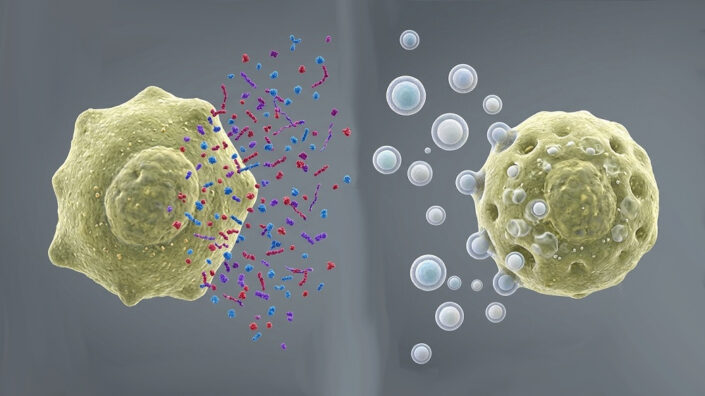
B cell releasing antibodies

Engineered Stem Cells Become Lifelong Protein Factories

Researchers have genetically engineered blood stem cells to produce B cells that can churn out rare broad-action antibodies to fight HIV, malaria, and flu. This platform can also be used to produce other essential proteins [1].

The rare gems

Vaccination works because a small number of B cells, which recognize the vaccine antigen upon encountering it, multiply enormously and mature into plasma cells that can each produce thousands of antibody molecules per second and survive in the bone marrow for years. This is why a childhood measles shot still protects you decades later.

Most antibodies produced during an infection or vaccination recognize only one version of a virus surface protein and stop working if the virus mutates. For instance, the flu virus mutates too fast for the immune system to keep up, so we need a flu shot every year [2]. A similar problem arises with HIV and many other infections.

However, very rarely – usually as a result of prolonged infection that drives extensive antibody mutation – a person’s immune system produces broadly neutralizing antibodies (bNAbs), which target regions of the pathogen that can’t easily mutate, mostly because those regions are essential for the pathogen’s function [3].

If you harvest these antibodies and transfer them to a different person, they protect that person from the disease, but their numbers wane quickly. Scientists have also tried genetically engineering B cells to produce those rare antibodies. While it’s doable in principle, engineered mature B cells don’t reliably generate the specific long-lived memory and plasma cell populations that confer prolonged immunity.

In a new study from the Rockefeller University, published in Science, the researchers attempted to solve this problem by moving one step upstream and genetically altering hematopoietic stem and progenitor cells (HSPC), which give rise to various blood cell types, including B cells.

Long-lasting immunity achieved

After creating an ingenious construct that silences the cell’s original antibody sequence and replaces it with a new one, which produces an anti-HIV bNAb, the researchers made sure that the resulting engineered HSPCs successfully differentiate into B cells in mice. Several weeks later, a small percentage of the recipients’ B cells were indeed producing the coveted bNAbs.

Given those small percentages of edited B cells, would it be enough to actually provide long-lasting immunity? The team immunized the mice with an HIV antigen designed to bind to this specific bNAb and tracked the antibody levels in blood over many months.

Despite the low fraction of edited B cells, vaccination produced high antibody levels in blood. They declined slowly over more than nine months, but a single booster shot amplified them again. Tests confirmed that the antibody could block HIV across multiple viral strains.

The team then wanted to know how few edited HSPCs are needed, since editing HSPCs is technically difficult. As few as about 370 cultured HSPCs, of which only 29 were actually edited, still produced measurable antibody levels.

HSPCs consist of two populations: long-term hematopoietic stem cells (LT-HSCs), which self-renew for life, and progenitors, which can produce blood cells for a while but eventually run out. For a lifelong therapy, the edits need to be in the LT-HSCs. The researchers confirmed that at least some of the edited cells were indeed LT-HSCs.

Protein production and protection

The team then created a construct that expresses an unrelated fluorescent protein alongside the antibody. This allowed them to track the edited B cells in a mouse’s body. The cells behaved exactly like normal antigen-responding B cells: they entered germinal centers in lymph nodes (sites where B cells mature) and expanded there, then they populated the spleen and bone marrow as plasma cells and so-called class-switched memory B cells – a signature of a mature immune response.

Importantly, this also provided a proof of concept for tailored protein production in vivo: theoretically, such cells can be used to produce various proteins the body needs, upon activation by a vaccine shot. Possible cargoes include enzymes, clotting factors for hemophilia, and so on. However, the system’s mechanics (such as rapid expansion) create dosing problems, so not every protein would be a good fit.

For pathogens like HIV, a single antibody isn’t enough, so the team also created a construct with two different anti-HIV bNAbs. Both antibodies were produced simultaneously at high levels, and the researchers were able to boost them selectively.

The team then switched to human HSPCs, which they injected into mice that were engineered to support human immune cell development (humanized mice). Editing efficiency in human cells was actually much higher than in mouse cells: an important translational milestone.

Finally, the researchers tested their platform against two other pathogens. Mice carrying engineered HSPCs with anti-malaria antibodies produced serum that stopped the parasite (Plasmodium falciparum) from crossing into human liver cells in culture, a key early step of malaria infection.

In the second experiment, they engineered HSPCs with a broadly neutralizing anti-influenza antibody. Mice were vaccinated against one flu strain and then challenged with totally different, highly lethal strains that the vaccine wouldn’t protect against on its own. Several-times-lethal doses of the virus killed most mice in the control group but none or few in the study groups.

“Our goal is to permanently impact the genome with a single injection, so that the body can make proteins of interest,” says Harald Hartweger, a research assistant professor in Michel Nussenzweig’s Laboratory of Molecular Immunology. “We want to find a way of making any protein – HIV antibodies, of course, but also solutions that address protein deficiencies and metabolic disease, as well as an antibody to treat inflammatory disease or the flu, or one for cancer. This is a step in that direction – showing the feasibility of making life-saving proteins.”

We would like to ask you a small favor. We are a non-profit foundation, and unlike some other organizations, we have no shareholders and no products to sell you. All our news and educational content is free for everyone to read, but it does mean that we rely on the help of people like you. Every contribution, no matter if it’s big or small, supports independent journalism and sustains our future.

Literature

[1] Harald Hartweger et al. (2026). B lymphocyte protein factories produced by hematopoietic stem cell gene editing. Science, 392, eadz8994

[2] Treanor, J. (2004). Influenza vaccine—outmaneuvering antigenic shift and drift. New England Journal of Medicine, 350(3), 218-220.

[3] Landais, E., & Moore, P. L. (2018). Development of broadly neutralizing antibodies in HIV-1 infected elite neutralizers Retrovirology, 15(1), 61.

Climbing mouse

Targeting an Appetite Hormone Receptor for Stronger Muscles

In Aging Cell, researchers have described how suppressing the ghrelin receptor improves muscle function and fights sarcopenia in older mice.

An appetite hormone with negative effects

Ghrelin has been well-documented as stimulating both appetite and growth [1]. However, this hormone, which increases with aging [2], has negative effects in older organisms; deleting ghrelin has been found to restore mitochondrial function, fight obesity, and restore muscle strength in older mice [3], thus delaying the age-related loss of muscle known as sarcopenia.

Removing ghrelin itself, however, may be difficult to translate to the clinic. These researchers, therefore, have chosen to target its receptor instead, noting that targeting its only known receptor “represents a viable anti-sarcopenia strategy” and “may be a more translatable approach than deleting the ghrelin ligand itself.” Therefore, this paper focuses on what happens when GHSR-1a is inhibited through various means in mice.

Less fatigue and more efficient mitochondria

For their first experiment, the researchers created a strain of mice that do not expres GHSR-1a and tested them at 6, 24, and 28 months of age. At 6 months, the mice with GHSR-1a knocked out were smaller than the other mice, in both total weight and lean body mass. However, the GHSR-1a knockout mice were stronger for their weight, and they were strictly stronger at 24 months of age. At 24 months of age, the knockout mice could run nearly 30% longer than wild-type mice, and at 28 months, this number increased to nearly 45%. Overall, metrics of sarcopenia were reduced in the knockout mice with aging.

There were also changes to fiber types, although there were no effects on fiber size. In wild-type mice, the number of IIB muscle fibers gradually declines. In the knockout mice, there was an increase in IIB fibers between 6 and 24 months, although there was a steep decrease between 24 and 28 months.

A direct muscle fatigue test, in which muscles are electrically stimulated in living mice, found that the knockout mice had less fatigue. 6-month-old knockout mice were able to exert more force than wild-type mice of the same age after two minutes or more of stimulation; 28-month-old knockout mice showed advantages over their wild-type counterparts at 30 and 60 seconds.

As expected, these physiological advantages were accompanied by mitochondrial benefits. The knockout mice did not exhibit a significant age-related decrease in citrase synthase the way wild-type mice did, nor did they have significant decreases in mitochondrial DNA (mtDNA) production. PGC-1α, which signals the formation of new mitochondria, increased at 28 months in the knockout mice instead of decreasing, and at that age, the knockout mice also benefited from higher levels of mitophagy, a process that clears out damaged mitochondria.

Reduces sarcopenia but does not improve lifespan

A gene expression analysis confirmed this knockout’s effects against sarcopenia, as the wild-type animals expressed genes in more ways that were associated with this disease. Many of these genes were directly related to mitochondrial respiration, and others were closely connected to muscular performance.

Unfortunately, there were no direct benefits for lifespan; the knockout mice and the wild-type mice lived for approximately the same amount of time.

The researchers then sought to see if these effects could be pharmacologically replicated. They tested PF-5190457, an inhibitor of GHSR-1a, for a month in 9- to 11-month-old mice. As expected, the appetite reduction caused by this inhibition reduced the treated mice’s body weight and fat mass. They also had increases in running time and mitophagy. Similar results were found in 25- to 27-month-old mice.

Targeting the ghrelin receptor is obviously not a cure-all for sarcopenia, as these effects were significant but not perfect. Furthermore, these researchers did not observe the lifespan increases that occurred in mice that had ghrelin targeted more directly [4]. However, this study makes it clear that it may be possible to, counterintuitively, reduce frailty in older organisms by suppressing instead of bolstering a growth hormone receptor.

We would like to ask you a small favor. We are a non-profit foundation, and unlike some other organizations, we have no shareholders and no products to sell you. All our news and educational content is free for everyone to read, but it does mean that we rely on the help of people like you. Every contribution, no matter if it’s big or small, supports independent journalism and sustains our future.
Literature

[1] Kojima, M., Hosoda, H., Date, Y., Nakazato, M., Matsuo, H., & Kangawa, K. (1999). Ghrelin is a growth-hormone-releasing acylated peptide from stomach. Nature, 402(6762), 656-660.

[2] Sun, Y., Garcia, J. M., & Smith, R. G. (2007). Ghrelin and growth hormone secretagogue receptor expression in mice during aging. Endocrinology, 148(3), 1323-1329.

[3] Guillory, B., Chen, J. A., Patel, S., Luo, J., Splenser, A., Mody, A., … & Garcia, J. M. (2017). Deletion of ghrelin prevents aging‐associated obesity and muscle dysfunction without affecting longevity. Aging Cell, 16(4), 859-869.

[4] Aguiar-Oliveira, M. H., & Bartke, A. (2019). Growth hormone deficiency: health and longevity. Endocrine reviews, 40(2), 575-601.

Cynomolgus monkey

Vitamin C Alleviates Aging in Cynomolgus Monkeys

A recent study described a process called ferro-aging, in which iron accumulation leads to oxidative damage and cellular senescence. This process can be delayed by Vitamin C [1].

A two-faced atom

Iron, like many components of biological systems, has two faces. On the one hand, it’s essential for developmental and metabolic processes [2, 3]. On the other hand, it is a catalyst for reactive oxygen species (ROS) generation and lipid peroxidation, processes that are linked to aging [4-6].

While disruptions in iron metabolism and iron-dependent programmed cell death (ferroptosis) have been linked to multiple age-related diseases [7-11], there is still an unsolved question of whether “aging involves a coordinated, iron-dependent metabolic program that promotes cellular senescence and progressive organ decline”. This study was created to address this question.

Defining ferro-aging

The researchers began by assessing iron accumulation across multiple human cellular aging models, including human mesenchymal stem cells induced to senesce, cells expressing mutated genes associated with various accelerated aging diseases (progerias), and terminally differentiated cells. In aged or senescent cells, they detected iron accumulation as well as changes in gene expression related to iron metabolism, including one of the drivers of lipid peroxidation, the lipid-metabolism enzyme ACSL4, which plays a role in the metabolism of long-chain polyunsaturated fatty acids (PUFAs). In line with those observations, they also reported increased levels of ROS, membrane lipid peroxidation, and the lipid peroxidation end-product malondialdehyde (MDA).

These cell culture observations prompted experiments on the organismal level. A serum sample from elderly humans also showed increased free ferrous iron, a highly redox-active form of iron that contributes to ROS generation, along with the iron storage protein ferritin (FTH). Peripheral blood mononuclear cells showed higher ACSL4 and MDA levels. Iron deposition and increased markers of lipid peroxidation, including ACSL4, were also observed in samples from multiple organs of aged human tissues and cynomolgus monkeys.

The authors proposed the term ‘ferro-aging’ to describe these processes, which they believe to constitute a “coordinated program” in which iron accumulation leads to oxidative damage and thus cellular senescence.

Further experiments confirmed a causal role of iron in senescence. The researchers treated cells in cultures with two different forms of iron. Both treatments increased iron levels, ACSL4, and MDA while inducing senescence.

ACSL4 levels were consistently elevated across various iron overload-induced senescence experiments, suggesting that it may play a central role in this process. Overexpressing ACSL4 in cell cultures led to elevated lipid peroxidation and accelerated senescence, whereas knocking down its activity in senescent cells reduced lipid peroxidation and reversed senescence phenotypes.

The key roles of iron and ACSL4 were confirmed in mouse experiments. The researchers fed 5-month-old mice a high-iron diet for 2 months. As in cell cultures, multiple tissues in mice exposed to high iron levels showed increased lipid peroxidation, senescence, and inflammatory markers. At the functional level, those mice exhibited impaired cognitive function, reduced exploratory behavior, diminished muscle strength and endurance, and poorer motor coordination.

Additionally, aged mice, like primates, had increased hepatic ACSL4 levels and lipid peroxidation. To test whether decreasing those levels would have geroprotective properties, the researchers designed a genetically engineered virus to inactivate ACSL4 in the livers of aged mice. A single dose of this treatment improved cognitive function, exploratory behavior, and motor coordination, as well as markers of liver function and senescence. Similar effects were seen in a mouse model of progeria.

Fighting back

Knowing the molecular processes that contribute to aging is one thing, but finding a way to counteract them is another. These researchers moved beyond describing a process of ferro-aging to addressing how to remedy it. For this, they performed a screen of a selected library of 100 molecules previously linked to ferroptosis-related pathways. The most potent hit from the screen was vitamin C. It was able to reduce lipid peroxidation, partially restore senescent cells’ self-renewal capacity, and suppress both ferro-aging biomarkers and hallmarks of cellular senescence.

Further investigation into the mechanism of vitamin C’s effectiveness revealed that it binds to the central regulator of ferro-aging, ACSL4, and strongly inhibits this protein in a dose-dependent manner.

Treatment with vitamin C had the same effect on lipid profiles as inactivating ACSL4, and it strengthens the cells’ antioxidant capacity by activating molecular pathways governed by the master regulator of the oxidative stress response.

These findings prompted further testing in 12- to 16-year-old cynomolgus monkeys, which translates to around 40–50 years in humans. The monkeys received a daily dose of vitamin C at 30 mg/kg for 40 months. This treatment appeared not to cause any adverse effects.

However, vitamin C treatment affected ferro-aging processes. Monkeys that received vitamin C supplementation had reduced levels of ferro-aging-related genes across multiple tissues, including ACSL4; reduced age-related increases in plasma iron; decreased lipid peroxidation and MDA levels; and increased levels of the activated master regulator of the oxidative stress response.

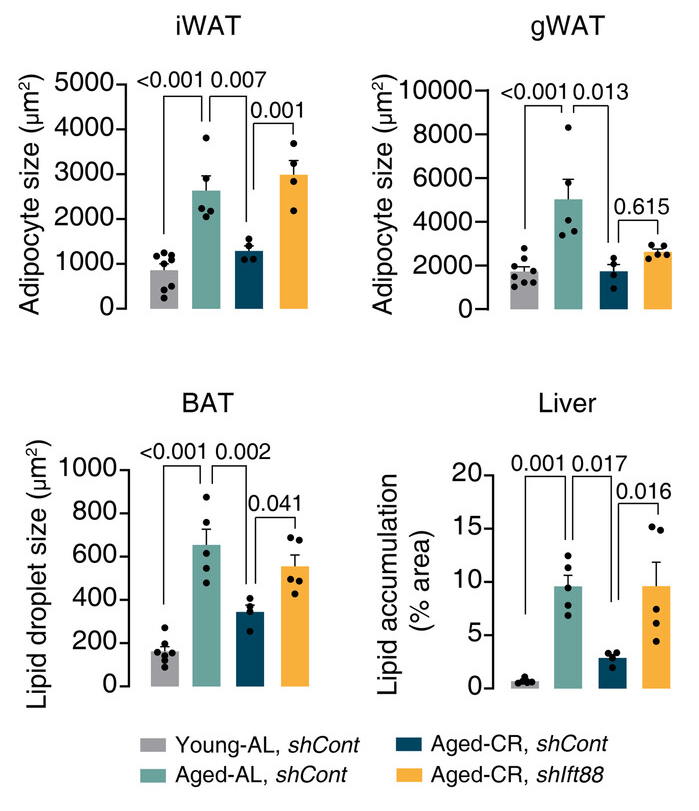
Subsequent analysis of a broad spectrum of aging biomarkers across various tissues from aged cynomolgus monkeys receiving vitamin C suggested widespread geroprotective activity. The researchers reported improved aging hallmarks in cardiovascular tissues, lungs, liver, kidney, and pancreas, decreased adipocyte size in visceral fat, and neuroprotective effects.

The geroprotective effects of vitamin C in monkeys were also confirmed by epigenetic, transcriptomic, and metabolomic aging clocks as well as a structural MRI analysis, which showed that vitamin C supplementation helped alleviate age-related brain atrophy. The treatment also improved metabolic parameters of the animals and “reduced age-associated expansions in visceral and total fat area.”

A druggable target

As the authors summarize, this study identified “a specific, druggable pathway contributing to aging: an iron-triggered, lipid peroxidation-dependent process we term ferro-aging.” They also identify vitamin C as an inhibitor of this pathway with geroprotective potential.

This study was conducted on cell cultures and model organisms (mice and monkeys). Since monkeys are more closely related to humans than other model systems, vitamin C having positive effects in these animals makes it a promising candidate for human trials. However, since there is still a need to better understand the full impact of vitamin C on different aspects of health and to optimize its dosage and treatment timing; rigorous long-term safety evaluation is also necessary.

We would like to ask you a small favor. We are a non-profit foundation, and unlike some other organizations, we have no shareholders and no products to sell you. All our news and educational content is free for everyone to read, but it does mean that we rely on the help of people like you. Every contribution, no matter if it’s big or small, supports independent journalism and sustains our future.

Literature

[1] Liu, L., Zheng, Z., You, W., Yang, P., Wen, Y., Qiao, Y., Ma, S., Zhang, H., Zhang, S., Xu, G., Ma, C., Tian, A., Jiang, M., Zhang, T., Geng, L., Li, J., Sun, X., Wang, F., Xiong, M., Yang, Y., … Liu, G. H. (2026). Vitamin C inhibits ACSL4 to alleviate ferro-aging in primates. Cell metabolism, 38(4), 673–693.e17.

[2] Hentze, M. W., Muckenthaler, M. U., & Andrews, N. C. (2004). Balancing acts: molecular control of mammalian iron metabolism. Cell, 117(3), 285–297.

[3] Donker, A. E., van der Staaij, H., & Swinkels, D. W. (2021). The critical roles of iron during the journey from fetus to adolescent: Developmental aspects of iron homeostasis. Blood reviews, 50, 100866.

[4] Minotti, G., & Aust, S. D. (1989). The role of iron in oxygen radical mediated lipid peroxidation. Chemico-biological interactions, 71(1), 1–19.

[5] Yang, W. S., Kim, K. J., Gaschler, M. M., Patel, M., Shchepinov, M. S., & Stockwell, B. R. (2016). Peroxidation of polyunsaturated fatty acids by lipoxygenases drives ferroptosis. Proceedings of the National Academy of Sciences of the United States of America, 113(34), E4966–E4975.

[6] HARMAN D. (1956). Aging: a theory based on free radical and radiation chemistry. Journal of gerontology, 11(3), 298–300.

[7] Belaidi, A. A., Gunn, A. P., Wong, B. X., Ayton, S., Appukuttan, A. T., Roberts, B. R., Duce, J. A., & Bush, A. I. (2018). Marked Age-Related Changes in Brain Iron Homeostasis in Amyloid Protein Precursor Knockout Mice. Neurotherapeutics : the journal of the American Society for Experimental NeuroTherapeutics, 15(4), 1055–1062.

[8] Fang, X., Wang, H., Han, D., Xie, E., Yang, X., Wei, J., Gu, S., Gao, F., Zhu, N., Yin, X., Cheng, Q., Zhang, P., Dai, W., Chen, J., Yang, F., Yang, H. T., Linkermann, A., Gu, W., Min, J., & Wang, F. (2019). Ferroptosis as a target for protection against cardiomyopathy. Proceedings of the National Academy of Sciences of the United States of America, 116(7), 2672–2680.

[9] Levi, S., Ripamonti, M., Moro, A. S., & Cozzi, A. (2024). Iron imbalance in neurodegeneration. Molecular psychiatry, 29(4), 1139–1152.

[10] Ru, Q., Li, Y., Chen, L., Wu, Y., Min, J., & Wang, F. (2024). Iron homeostasis and ferroptosis in human diseases: mechanisms and therapeutic prospects. Signal transduction and targeted therapy, 9(1), 271.

[11] Zhang, Y. Y., Han, Y., Li, W. N., Xu, R. H., & Ju, H. Q. (2024). Tumor iron homeostasis and immune regulation. Trends in pharmacological sciences, 45(2), 145–156.

Sauna

A Single Sauna Session Causes White Blood Cell Mobilization

A new study shows that hitting a sauna for 30 minutes causes a transient spike in the number of circulating white blood cells. The researchers suggest that this exercise-like effect might provide health benefits by improving immune surveillance [1].

How does a sauna do its trick?

Robust epidemiological data has associated sauna use with health benefits. Large prospective cohort studies – mostly from Finland, where sauna use is culturally ubiquitous – have linked regular sauna bathing to reduced risks of cardiovascular disease, stroke, dementia, pneumonia, and all-cause mortality. However, the biological mechanisms explaining these robust associations between heat exposure and health outcomes remain poorly understood.

One plausible candidate pathway is the immune system. This link was investigated in a new study from the University of Eastern Finland, published in the journal Temperature. The same group had previously shown in large population studies that regular sauna users have lower levels of C-reactive protein (CRP), a standard blood biomarker of systemic inflammation [2].

In middle-aged adults, the authors measured the counts of different white blood cell subtypes circulating in the blood, and the levels of 37 cytokines before, immediately after, and 30 minutes after a single Finnish sauna session. Cytokines are small signaling proteins that cells use to coordinate responses, regulate inflammation, and communicate with other cells. Measuring both cell counts and cytokines together, alongside body temperature changes, was designed to give a more complete picture of what happens to the immune system during heat stress.

The group consisted of 51 adults (27 women, 24 men, mean age 50, mostly with at least one cardiovascular risk factor but no active cardiovascular disease). The participants underwent a single 30-minute sauna session at 73°C with 10-20% relative humidity. Participants were allowed to drink half a liter of water during the session.

A spike in circulating WBCs

The first step was to address a critical potential confounder: plasma volume change. Sweating causes blood to become more concentrated, meaning that cell and protein counts per unit volume go up simply because there’s less water diluting them. The authors measured hemoglobin and hematocrit, which measure red blood cell proportions, to calculate individual plasma volume shifts, then mathematically corrected all cell and cytokine measurements accordingly. In practice, plasma volume did not change significantly on average, as participants drank enough water to compensate, but there were slight hemoglobin and hematocrit changes, which the authors corrected for nonetheless.

Ear (tympanic) temperature increased from 36.4°C to 38.4°C on average by the end of the session. This indicates a genuine, if moderate, heat stress, putting the body in the low fever territory. It is worth noting that tympanic temperature is an imperfect proxy for true core temperature, but rectal or esophageal measurements, which are the gold standards, are less suited for large cohort studies.

Total white blood cell (WBC) count rose significantly immediately after sauna use in both sexes. Neutrophils and lymphocytes (T cells and B cells) both increased immediately post-sauna but returned to baseline within 30 minutes. The MXD cell group, a combined metric of monocytes, eosinophils, and basophils, also rose immediately but remained elevated at the 30-minute mark, particularly in women.

Importantly, while total cell counts changed, the proportions of each cell type within the WBC pool did not. In other words, all subtypes went up together rather than one being preferentially recruited, suggesting a generalized, non-selective mobilization as opposed to the immune system targeting a specific threat. The authors argue that this reflects immune cell mobilization from tissue reservoirs into the bloodstream.

“This may indicate that sauna bathing mobilizes additional white blood cells into the bloodstream from tissues, where they are then redeposited after the session. This kind of periodic release of white blood cells into the bloodstream is beneficial, as once they leave their storage sites, they are better able to patrol the body and respond to pathogens,” said Ilkka Heinonen, an Academy Research Fellow at the University of Turku, and one of the authors.

Cytokines mostly unchanged

Despite the clear WBC mobilization, only two of the measured 37 cytokines changed significantly in response to the sauna session, demonstrating that cytokine signals unexpectedly did not coordinate that mobilization. So, the coordination probably happens via non-cytokine-related pathways. Alternatively, the cytokine changes might be too localized or too brief to be captured in blood at these timepoints; future studies with more participants might help to elucidate this particular point. However, there was a certain link between cytokine dynamics and temperature: participants who heated up more tended to show different cytokine trajectories than those who heated up less.

“Interestingly, the levels of several cytokines changed in relation to how much body temperature rose during sauna bathing,” said Professor Jari Laukkanen, who led the study at the University of Eastern Finland, another author. “No similar association was observed between white blood cell counts and changes in body temperature.”

While the WBC recruitment that the researchers observed might indeed be beneficial, this was not something that the study tested. It also does not provide any additional insights into the possible mechanisms. However, similar transient WBC mobilization happens during exercise [3], suggesting that the two types of stress might have something in common. Other research has framed repeated sauna use as a hormetic stressor (hormesis is a dose-response phenomenon in which low-dose exposure to a stressor stimulates adaptive and protective effects, while high doses are harmful) [4].

We would like to ask you a small favor. We are a non-profit foundation, and unlike some other organizations, we have no shareholders and no products to sell you. All our news and educational content is free for everyone to read, but it does mean that we rely on the help of people like you. Every contribution, no matter if it’s big or small, supports independent journalism and sustains our future.
Literature

[1] Heinonen, I. H., Koivula, T., Hollmén, M., Immonen, J., Kunutsor, S. K., Jalkanen, S., & Laukkanen, J. A. (2026). Acute Finnish sauna heat exposure induces stronger immune cell than cytokine responses. Temperature, 1-14.

[2] Kunutsor, S. K., Laukkanen, T., & Laukkanen, J. A. (2018). Longitudinal associations of sauna bathing with inflammation and oxidative stress: the KIHD prospective cohort study. Annals of medicine, 50(5), 437-442.

[3] Sand, K. L., Flatebo, T., Andersen, M. B., & Maghazachi, A. A. (2013). Effects of exercise on leukocytosis and blood hemostasis in 800 healthy young females and males. World journal of experimental medicine, 3(1), 11.

[4] Hussain, J., & Cohen, M. (2018). Clinical effects of regular dry sauna bathing: a systematic review. Evidence‐Based Complementary and Alternative Medicine, 2018(1), 1857413.

Wrinkled skin

Why Fast-Cycling Skin Cells Decrease With Age

In Aging Cell, researchers have described how one dermal protein is related to maintaining the populations of fast-cycling skin cells and preserving skin integrity.

Not all skin cells are the same

The outer layer of the skin (the epidermis) is naturally regenerated by two distinct populations of stem cells: slow-cycling and fast-cycling [1]. The former are distinguished by the expression of DLX1, while the latter express SLC1A3 [2]. However, with aging, the fast-cycling type begins to decline [3].

This decline occurs alongside several other markers of skin aging. The extracellular matrix (ECM), most known for maintaining tissue integrity and well-known to be damaged with aging, also has significant effects on the behavior of skin cells [4]. Integrins, which give signals to cells about the extracellular environment, decline with aging as well [5]. Further work has found that one particular extracellular matrix component, fibulin-7, is crucial to allowing the proliferation of fast-cycling skin cells [3].

This work focuses on a related protein, fibulin-5, which was also found to decrease with aging [6] and has been documented to directly interact with integrins [7]. This paper, then, set out to demonstrate that it may also be related to the loss of fast-cycling cells.

Mice without fibulin-5 age faster

The researchers created a strain of mice that do not express fibulin-5. Even when young, these mice had loose skin much like that of much older wild-type mice. Additionally, their coats were browner from their usual black, their hair was thinner, and they had less body weight. By 12 months of age, their skin was significantly thinner than that of wild-type mice.

At very young ages, these mice had similar proportions of interscale and scale areas that represent the homes of slow-cycling and fast-cycling skin cells. However, at 12 months, the scale areas were significantly diminished compared to those of wild-type mice, representing a decline in fast-cycling cells.

The modified mice also had significantly diminished amounts of many genes needed for proper skin maintenance, including genes related to replication, cellular adhesion, formation of the extracellular matrix, and one form of signaling. Inflammatory cytokines and a different signaling pathway were upregulated instead. These changes were found to have many aspects in common with ordinary aging.

There was also a significant decrease in the integrity of the ECM at the junction between the epidermal and dermal layers of skin. Like in naturally aged mice, two related  integrins and a crucial collagen were downregulated; however, unlike the naturally aged mice, the mice without fibrulin-5 had another integrin downregulated as well. The researchers found that the interaction between integrin β3 and the cellular adhesion molecule nectin-3 was diminished in both naturally aged wild-type mice and in the fibrulin-5 knockout mice.

Cells need to YAP at each other

The overall loss of fast-cycling skin cells was found to be related to the YAP intercellular signaling pathway. There was a decrease in YAP in the mice deficient in fibrulin-5, aged wild-type mice, and skin cells derived from human patients. Using verteporfin to inhibit YAP in wild-type mice significantly decreased their populations of fast-cycling skin cells, and using verteporfin on human skin cells decreased their expression of SLC1A3 as well. Directly exposing these cells to fibulin-5, on the other hand, promoted the expression of SLC1A3, signifying that this compound promotes a fast-cycling state.

Fibulin-5 skin

The researchers, however, did not administer fibulin-5 to living animals, nor did they perform any experiments that increase YAP in mice. Such future work will determine if this is a potential path towards rebalancing these cellular populations and potentially treating this form of skin aging in people.

We would like to ask you a small favor. We are a non-profit foundation, and unlike some other organizations, we have no shareholders and no products to sell you. All our news and educational content is free for everyone to read, but it does mean that we rely on the help of people like you. Every contribution, no matter if it’s big or small, supports independent journalism and sustains our future.
Literature

[1] Ghuwalewala, S., Lee, S. A., Jiang, K., Baidya, J., Chovatiya, G., Kaur, P., … & Tumbar, T. (2022). Binary organization of epidermal basal domains highlights robustness to environmental exposure. The EMBO journal, 41(18), EMBJ2021110488.

[2] Sada, A., Jacob, F., Leung, E., Wang, S., White, B. S., Shalloway, D., & Tumbar, T. (2016). Defining the cellular lineage hierarchy in the interfollicular epidermis of adult skin. Nature cell biology, 18(6), 619-631.

[3] Raja, E., Changarathil, G., Oinam, L., Tsunezumi, J., Ngo, Y. X., Ishii, R., … & Sada, A. (2022). The extracellular matrix fibulin 7 maintains epidermal stem cell heterogeneity during skin aging. The EMBO Reports, 23(12), EMBR202255478.

[4] Wang, Y., Kitahata, H., Kosumi, H., Watanabe, M., Fujimura, Y., Takashima, S., … & Natsuga, K. (2022). Collagen XVII deficiency alters epidermal patterning. Laboratory investigation, 102(6), 581-588.

[5] Giangreco, A., Goldie, S. J., Failla, V., Saintigny, G., & Watt, F. M. (2010). Human skin aging is associated with reduced expression of the stem cell markers β1 integrin and MCSP. Journal of Investigative Dermatology, 130(2), 604-608.

[6] Kadoya, K., Sasaki, T., Kostka, G., Timpl, R., Matsuzaki, K., Kumagai, N., … & Amano, S. (2005). Fibulin‐5 deposition in human skin: decrease with ageing and ultraviolet B exposure and increase in solar elastosis. British Journal of Dermatology, 153(3), 607-612.

[7] Budatha, M., Roshanravan, S., Zheng, Q., Weislander, C., Chapman, S. L., Davis, E. C., … & Yanagisawa, H. (2011). Extracellular matrix proteases contribute to progression of pelvic organ prolapse in mice and humans. The Journal of clinical investigation, 121(5), 2048-2059.

2026 HLIS

APLMS and Kitalys to Host Healthy Longevity in Hong Kong

The Asia-Pacific Longevity Medicine Society (APLMS), in partnership with The Kitalys Institute, announced that the 2026 Asia-Pacific Healthy Longevity International Summit (APAC-LMIS) will be held in Hong Kong from October 1–4, 2026, at the Hopewell Hotel.

The Summit is expected to bring together more than 2,000 global leaders across longevity medicine, geroscience, pharmas, digital health, artificial intelligence, and regulatory science. As aging populations reshape healthcare systems and economic priorities worldwide, the event positions Hong Kong as a strategic hub for advancing innovation and collaboration in the rapidly expanding longevity economy.

Organized under the theme From Vision to Action in Healthy Longevity,” the Summit will focus on accelerating the translation of scientific breakthroughs into scalable clinical practice and real-world health solutions.

Pre-summit programs (October 1–2) will include a curated series of high-impact activities, such as the Global Top 10 Longevity Breakthrough Awards, executive training for longevity clinic leaders, and expert-led sessions on regulatory frameworks and emerging technologies. The main Summit (October 3–4) will emphasize cross-sector collaboration, bringing together academia, healthcare providers, industry innovators, and policymakers to define next-generation standards, investment pathways, and delivery models in healthy longevity.

A central focus of the Summit will be the role of longevity clinics as the front line of clinical translation, alongside the integration of lifestyle medicine, digital health platforms, and AI-driven systems to enable earlier, more personalized interventions.

“The future of longevity medicine is no longer just about scientific discovery—it is about implementation at scale,” said the organizers. “This Summit is designed to connect research, clinical practice, regulation, and investment to accelerate real-world impact.”

With strong support from regional partners and growing international participation, the 2026 APAC-LMIS is expected to become a flagship global platform for advancing healthy longevity across the Asia-Pacific region and beyond.

Contact email: bd@apaclongevitysociety.org

HLIS Venue

About The Asia-Pacific Longevity Medicine Society (APLMS) www.apaclongevitysociety.org

The mission of APLMS is to promote the vision of “Live Longer, Live Healthier and Embrace the Best Lifestyle.”

The Asia-Pacific Longevity Medicine Society (APLMS) is a newly established non-profit professional organization registered in Hong Kong, China. Its founding member regions and countries include Mainland China, Hong Kong, Taiwan, Macau, Japan, South Korea, Singapore, Thailand, Australia and India.

APLMS is governed by a nine-member Executive Board, with each member representing one of the founding regions or countries. Dr. Tim Z. Shi, MD, PhD, Chief Representative of the GlobalMD Organization China Office, has been elected to serve as the Founding Chairman.

Additionally, APLMS has appointed twenty-one international advisory board members, representing global expertise across longevity medicine, geroscience, precision medicine, longevity technology, functional medicine, AI and digital health, clinical research and the pharmaceutical sector.

Key Focus Areas:

  • Education and Advisory: Hosting conferences and creating educational content for scientists, industry leaders, longevity clinics, and the public;
  • Collaboration: Building a network of researchers, entrepreneurs and investors dedicated to the longevity field;
  • Coordination: Initiating and coordinating regional clinical trials and facilitating data sharing across member countries;
  • Policy: Advocating for regulatory frameworks that support the advancement of longevity therapeutics.

Global Top 10 Longevity Breakthrough Awards:

https://longevityawards.org/

About The Kitalys Institute

Kitalys Institute (www.kitalys.org) is a 501(c)(3) tax-exempt not-for-profit organization dedicated to accelerating the translation of science into public health to prevent chronic diseases and extend healthy longevity for all.  Kitalys, and previously, its affiliate, Kinexum, a life sciences strategic advisory firm (www.kinexum.com), have been organizing the Targeting Healthy Longevity (previously Targeting Metabesity) conference, which since 2017 has convened leaders of NIH, FDA, Congress, the UK Parliament, geroscience and chronic disease research, industry and capital markets to identify obstacles and solutions to the emergence of the age of healthy longevity for all.  Over 200 conference sessions are posted on Kitalys’s YouTube channel at www.healthy-longevity.org. Kitalys has advised XPRIZE Healthspan and ARPA-H PROSPR on strategic regulatory matters, and proposed draft legislation, the THRIVE Act, that establishes an optional regulatory pathway, escalating tiers of evidence and incentives for drugs, devices and supplements that increase healthspan, while Kinexum represents a number of longevity biotech companies, including semi-finalists in XPRIZE Healthspan.

We would like to ask you a small favor. We are a non-profit foundation, and unlike some other organizations, we have no shareholders and no products to sell you. All our news and educational content is free for everyone to read, but it does mean that we rely on the help of people like you. Every contribution, no matter if it’s big or small, supports independent journalism and sustains our future.

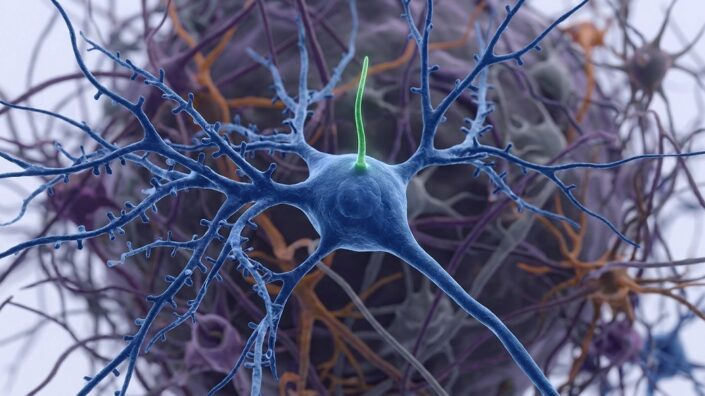
Microglia among neurons

Affecting a Signaling Pathway Alleviates Alzheimer’s in Mice

A new study shows that the overexpression of somatostatin (SST), a neuropeptide produced in neurons and acting mostly on microglia, lowers inflammation and amyloid β burden, improving cognitive abilities in a mouse model of Alzheimer’s. Drugs affecting this pathway are already available [1].

The unusual suspect

In Alzheimer’s disease, many signaling pathways in the brain become dysregulated. Since going after the main hallmarks of the disease (amyloid β and tau protein accumulation) has only yielded modest results so far, scientists are exploring various secondary targets whose levels correlate with the disease.

One such molecule is SST, a small signaling protein (a neuropeptide) released by a specific class of inhibitory neurons in the brain, which help regulate brain activity, mostly by calming it. SST binds to a family of five receptors called somatostatin receptors (SSTR1-5), and those are preferentially expressed by microglia, the brain’s resident immune cells. Microglia hyperactivation leads to chronic inflammatory states and has been linked to Alzheimer’s and other dementias [2].

Importantly, SST levels are lower in Alzheimer’s patients than in healthy people [3]. However, whether SST actually talks to microglia directly and whether the loss of SST in AD could be making microglial activation worse had never been systematically tested.

In a new study from Daegu Gyeongbuk Institute of Science and Technology in South Korea, published in Brain, Behavior, and Immunity, the authors hypothesized that SST normally keeps microglia in a healthier, more controlled state, and that its loss in Alzheimer’s contributes to the harmful microglial hyperactivation seen in the disease. They tested their idea first in isolated cells, and then in living mice.

Reduced microglial activation and inflammation

First, the researchers grew separate cultures of neurons, astrocytes (supportive brain cells), and microglia, and confirmed that microglia indeed express SSTR2, but not SST, which was expressed exclusively in neurons. Essentially, neurons have the key, and microglia have the lock.

They then treated primary microglia, isolated directly from mouse brains, with SST at various doses and time periods. Measurements of phagocytosis, the process when cells engulf and digest particles and the primary mechanism by which microglia clear amyloid β and debris, found that SST treatment indeed boosted phagocytosis in a dose-dependent manner, while blocking SST abolished the effect.

The researchers then treated microglia with SST for 48 hours and measured mRNA levels of a panel of signaling proteins that coordinate inflammatory responses (cytokines). They found that the treatment dampened the levels of the pro-inflammatory cytokine IL-12 and, conversely, elevated the levels of TGF-β1, a broadly immunosuppressive and tissue-remodeling cytokine associated with microglial homeostasis. Together, these shifts suggest that SST nudges microglia toward a less inflammatory state, hinting at a neuroprotective effect. However, the effect sizes were modest, and several cytokines tested showed no significant change.

What would happen to microglia if we manipulated SST levels in living animals? The researchers delivered an SST overexpression gene into the dentate gyrus neurons, the hippocampal region associated with memory and learning and heavily affected in Alzheimer’s, of healthy mice. Overexpressing SST did not affect microglial morphology and function, as the mice’s microglia were also mostly healthy and stayed that way following the treatment. Still, the treatment reduced markers of microglia activation. Conversely, knocking down endogenous SST led to microglia acquiring activation-associated morphology.

The team then moved to a mouse model of Alzheimer’s: 5xFAD, which shows extremely rapid Aβ plaque accumulation. The authors first confirmed that microglial activation in these mice is age-dependent and becomes pronounced around 5 months.

Overall microglial density was significantly reduced in SST-overexpressing 5xFAD mice compared to controls (a good sign), and microglial morphology was partially preserved. PCR analysis showed reversal of several activation-associated markers. Importantly, even at this early stage of the disease, there were positive signs with regard to Aβ accumulation, but overall plaque burden was not one of them.

Cognitive benefits in vivo

Two weeks after injection, the mice underwent a battery of cognitive and behavioral tests. Anxiety and recognition memory were unaffected, but SST-overexpressing 5xFAD mice eventually started showing significant improvements in spatial memory.

Finally, the researchers repeated the overexpression experiment in 10-month-old 5xFAD mice – a late-disease timepoint with extensive, well-established plaque burden. At this point, two weeks of SST overexpression clearly reduced microglial activation, Aβ plaque density, and average plaque size. This suggests that SST’s effects on overall plaque burden become evident when plaques are more established.

Importantly, approved drugs targeting SST receptors already exist, such as for treating acromegaly. This raises the possibility of repurposing them to treat Alzheimer’s patients, who currently have very few options.

Professor Jiwon Um from the Center for Synapse Diversity and Specificity at DGIST, the study’s lead author, said: “This study demonstrates for the first time that somatostatin, a brain neurotransmitter, can directly regulate the state of immune cells to alleviate dementia pathology and improve memory function. Previous clinical trials for dementia faced significant limitations. However, drugs already approved and used to treat other conditions now show new potential for application in treating dementia and neuroinflammation based on this newly discovered mechanism.”

We would like to ask you a small favor. We are a non-profit foundation, and unlike some other organizations, we have no shareholders and no products to sell you. All our news and educational content is free for everyone to read, but it does mean that we rely on the help of people like you. Every contribution, no matter if it’s big or small, supports independent journalism and sustains our future.
Literature

[1] Jung, H., Hyun, G., Kim, S., Jeon, Y., Han, K. A., Lee, K. J., … & Um, J. W. (2026). Somatostatin-induced modulation of microglial activity contributes to mitigating Alzheimer’s disease pathology. Brain, Behavior, and Immunity, 106563.

[2] Lue, L. F., Kuo, Y. M., Beach, T., & Walker, D. G. (2010). Microglia activation and anti-inflammatory regulation in Alzheimer’s disease. Molecular neurobiology, 41(2), 115-128.

[3] Davis, K. L., Davidson, M., Yang, R. K., Davis, B. M., Siever, L. J., Mohs, R. C., … & Targum, S. D. (1988). CSF somatostatin in Alzheimer’s disease, depressed patients, and control subjects. Biological psychiatry.

Drug combination

A Combination NAD+ Treatment Has Benefits for Mice

Researchers have found that simultaneously supplying NAD+ through NMN and reducing its loss through apigenin restores muscle function and bone structure to aged mice.

A well-documented issue

NAD+ is one of the most well-documented compounds in biology, including within the context of aging. Precursor supplementation has been repeatedly documented to have measurable benefits; for example, a human clinical trial found that one precursor, nicotinamide riboside (NR) reduces mortality in chronic obstructive pulmonary disorder [1], and another found that a different precursor, nicotinamide mononucleotide (NMN), restores insulin senstivity [2].

However, CD38, an enzyme that consumes NAD+, increases with age [3]. Its inhibitor, apigenin [4], has also been researched and found to have beneficial effects in various organisms.

Combining NMN and apigenin into a formulation known as N + A has been previously researched as well. In muscle precursor cells, N + A was found to fight inflammation and senescence [5]. This study builds upon that work by administering this formulation to other types of cells along with in vivo experimentation.

Restoring NAD+ restores cellular function

At first, the researchers used biopsy data from publicly available datasets to measure four types of cells: myofibers, muscle stem cells, chondrocytes, and osteoblasts. As expected, samples derived from older people had fewer muscle stem cells than samples derived from younger people did. A gene expression analysis revealed that a broad swath of genes related to NAD+ were downregulated in the older samples.

The researchers then performed their own experiment, driving three types of musculoskeletal cells senescent through oxidative stress, doxocirubin, or replication. All three approaches reduced the prevalence of NAD+ within these cells while reducing the amount of available ATP and suppressing their differentiation capabilities.

Their next experiment involved administering NMN, apigenin, or their combination to cells that had been driven senescent through oxidative stress. Individually, NMN slightly restored NAD+ in treated cells while apigenin may have restored slightly more; their combination was stronger than either individually, restoring NAD+ levels nearly to that of a control group that had never been driven senescent.

In all three cell types, senescence increased levels of the pro-inflammatory chemokine CXCL8; NMN did little to alleviate this, but apigenin reduced it, and the combination appeared to reduce it down to nearly normal levels. Both NMN and apigenin reduced levels of the DNA damage marker γ-H2ax, while their combination reduced it further in these cells. There were benefits for mitochondrial respiration as well, as the combination restored ATP synthesis and promoted proper mitochondrial membrane potential.

N + A was also found to assist in cellular differentiation. Cell precursors of cartilage, bone, and muscle tissue all had their cell-specific differentation markers upregulated by the treatment.

Broad benefits in mice

The researchers then turned to mice. With natural aging, the muscles of mice visibly shrink, and senescent cells accumulate throughout musculoskeletal tissues. Fibrosis also becomes visible, and the gaits of the animals become noticeably impaired.

According to this study, N + A administration alleviated all of these age-related issues, although not quite to the levels of young mice. More vigorous voluntary movement was restored, and the treated mice had better limb strength. Like with the cellular study, the N + A combination was found to be stronger than either compound individually.

These benefits were found to be partially dependent on the sirtuin SIRT3. Aged mice that had been genetically modified to be deficient in SIRT3 enjoyed significantly fewer benefits from taking N + A than wild-type mice did, including in senescence biomarkers, serum NAD+, and muscle strength.

N + A also provided benefits for the gut. Treated wild-type mice had more diversity in the gut microbiome. Ferroptosis, a form of cellular death caused by iron, was reduced in the gut tissues of the treated group. Furthermore, administering fecal bacteria from aged mice that had been treated with N + A was found to have benefits in untreated aged mice, similarly to fecal bacteria derived from young mice. The intestinal metabolite phytosphingosine (PHS) was found to confer some of these benefits, and the researchers hold that it deserves further study.

Of course, these experiments were only performed in cells and mice. It is not known whether administering a combination of NMN and apigenin has side effects in human beings that outweigh any benefits. However, as the researchers contend, this “increasing income and reducing expenditure” approach has “potential clinical translational value” in restoring muscle, cartilage, and bone tissue; trials on larger animals, and possibly human clinical trials, can determine if this is indeed the case.

We would like to ask you a small favor. We are a non-profit foundation, and unlike some other organizations, we have no shareholders and no products to sell you. All our news and educational content is free for everyone to read, but it does mean that we rely on the help of people like you. Every contribution, no matter if it’s big or small, supports independent journalism and sustains our future.
Literature

[1] Norheim, K. L., Ben Ezra, M., Heckenbach, I., Andreasson, L. M., Eriksen, L. L., Dyhre-Petersen, N., … & Scheibye-Knudsen, M. (2024). Effect of nicotinamide riboside on airway inflammation in COPD: a randomized, placebo-controlled trial. Nature aging, 4(12), 1772-1781.

[2] Yoshino, M., Yoshino, J., Kayser, B. D., Patti, G. J., Franczyk, M. P., Mills, K. F., … & Klein, S. (2021). Nicotinamide mononucleotide increases muscle insulin sensitivity in prediabetic women. Science, 372(6547), 1224-1229.

[3] Camacho-Pereira, J., Tarragó, M. G., Chini, C. C., Nin, V., Escande, C., Warner, G. M., … & Chini, E. N. (2016). CD38 dictates age-related NAD decline and mitochondrial dysfunction through an SIRT3-dependent mechanism. Cell metabolism, 23(6), 1127-1139.

[4] Escande, C., Nin, V., Price, N. L., Capellini, V., Gomes, A. P., Barbosa, M. T., … & Chini, E. N. (2013). Flavonoid apigenin is an inhibitor of the NAD+ ase CD38: implications for cellular NAD+ metabolism, protein acetylation, and treatment of metabolic syndrome. Diabetes, 62(4), 1084-1093.

[5] Wu, J., Singh, K., Lin, A., Meadows, A. M., Wu, K., Shing, V., … & Sack, M. N. (2022). Boosting NAD+ blunts TLR4-induced type I IFN in control and systemic lupus erythematosus monocytes. The Journal of clinical investigation, 132(5).

Human eye

Life Bio’s Trial: Is the FDA Warming to Rejuvenation?

The FDA views aging as an inevitability, not a medical target. However, with Life Biosciences moving the first cellular reprogramming therapy into human trials this year, things might be changing there. If this technique works in resetting the biological age of the human eye, the entire multibillion-dollar longevity industry could move to the center of mainstream medicine.

As this trial approaches enrollment, potentially this month, let’s take a look at what that might mean for the future of rejuvenation-based approaches.

Keeping eyes on the prize

In January 2026, the FDA cleared Life Biosciences’ Investigational New Drug (IND) filing for ER-100, an epigenetic treatment designed to perform partial cellular reprogramming in the human eye.

Initial testing will begin with patients who have optic nerve disorders, including glaucoma and non-arteritic anterior ischemic optic neuropathy. The first trial phase will be limited in size, emphasizing safety, tolerability, immune responses, and routine vision endpoints.

Cellular reprogramming holds significant promise for addressing age-related diseases by rejuvenating cells to a younger state. This is supported by numerous laboratory findings and animal studies. This approach represents a shift in longevity research, moving from merely slowing decline to active reversal.

The FDA seems open to rejuvenation technologies

The FDA does not currently recognize aging itself as a disease, so the trial is happening under current frameworks. Consequently, they have not approved a trial for aging, only a trial for glaucoma and NAION.

This suggests that the FDA is open to rejuvenation technologies, but only if they are focused on a recognized disease with an accepted clinical outcome. This does provide a way forward for the field that doesn’t require waiting for aging to be made an approved focus for trials.

The current problem is the lack of an FDA-approved universal aging biomarker. So while companies can test aging biomarkers in these studies, the FDA focus depends on disease modification. However, these aging biomarkers can also be used as supporting data and will further strengthen the case.

The Plausible Mechanism Pathway

A sign that things are changing at the FDA is the launch of the Plausible Mechanism Pathway (PMP). This new regulatory framework was officially launched in early 2026 to speed up the approval of highly individualized therapies.

The PMP is focused on situations in which traditional clinical trials are not possible due to small patient numbers. To get around this, the FDA can authorize therapies based on mechanistic science and clinical improvements in small numbers of patients.

The FDA’s draft guidance published in February this year focuses on rare diseases and might not seem relevant to rejuvenation technologies. However, the pathway could be a possible way forward for cellular rejuvenation therapies like the ones that Life Biosciences is developing.

While ER-100 is currently following the traditional Phase 1 safety route, the PMP is a potential faster track suited to its platform. Glaucoma is a common condition, but NAION is significantly rarer and has no effective treatment. They could use the PMP for NAION to get the mechanistic proof that reprogramming rejuvenates the eye; such a clinical trial could involve only a few dozen patients instead of hundreds.

A key part of the PMP is the concept of platform technology approvals. If a company can prove that its delivery method is safe and effective for one condition, it can use that data to expand into other conditions and organs.

Success in a few patients could lead to approval for an entire approach. For example, if Life Biosciences prove that its approach is safe and effective for one condition, it goes a long way towards broader approval of the platform. That could include other organs and ultimately system-wide rejuvenation of multiple organ systems.

Indeed, Life Biosciences has plans to follow ER-100 trials with ER-300, which targets the liver and has been shown to significantly improve liver health markers in animal studies. These include reducing liver weight, fat accumulation (steatosis), and key enzymes like ALT and AST. It works by delivering the reprogramming factors directly to liver cells.

Life Biosciences would use the safety data from its ongoing ocular trials to accelerate an IND application for ER-300, potentially entering human trials for liver disease by 2027-2028. Life Biosciences believes that success here would be confirmation that its platform can move between organs. Showing that the platform is capable of doing this would be a strong case for further expansion.

Potential safety concerns

The concerns about the activities of companies like Life Biosciences are primarily focused on safety. Experts in the stem cell and related fields likely worry that a high-profile failure here could hold the field back for years. Such concerns include cancer risk, cells losing their identities by being overprogrammed, and AAV delivery issues.

These concerns absolutely have merit. However, the FDA is unlikely to approve a clinical trial for cellular reprogramming unless it is confident in the data and safety risks.

One of the reasons the agency cleared ER-100 is because it uses local delivery to an isolated organ. It was also approved on the merit of preclinical data that included non-human primates, a much closer match to us.

Based on its published research and a recent interview with Sharon Rosenzweig-Lipson, Life Biosciences believes that it has addressed primary safety concerns regarding oncogenicity and loss of cell identity, satisfying FDA requirements for human trials by utilizing partial, three-factor (OSK) reprogramming without c-Myc. Safety measures, including a doxycycline-controlled kill switch and localized eye delivery to avoid systemic exposure, are designed to ensure controlled transient expression.

The company has clearly considered these potential issues while working towards its IND filing. Applying scientific rigor and working with the FDA is exactly what the company has done to reach this point.

Addressing the hype factor

Some critics are focused on the hype and marketing aspect behind the announcement of this upcoming clinical trial. Others have concerns about historical results being overstated by David Sinclair. The “miracle molecule” resveratrol is often cited as a reason for concern.

In science, the goal is to find the truth, even if things don’t work as hoped. In venture capital, the goal is to protect the investment. Skeptics worry that this financial entanglement could lead to publication bias: a situation in which negative results are hidden and positive ones are promoted to increase company valuations. Again, such concerns are valid.

While David Sinclair remains a polarizing figure due to his commercialization and optimistic public timelines, the scientific community remains divided. Critics warn that his ‘evangelical’ approach may undermine the field’s credibility. However, others argue that without his ability to raise billions in capital and public interest, the current human trials would likely be decades away.

With that in mind, the focus should be on the science and what that tells us. The 2026 clinical data from Life Biosciences will be the final word. If successful, it will shift the conversation from concerns about hype to the clinical reality.

It won’t be a ChatGPT moment, but it will be impactful

There is a lot of excitement around the ER-300 trial, and it is indeed an important moment in our field. However, realistically, positive results from this Phase 1 trial are unlikely to ignite public imagination and cause a sea change.

There is no doubt that people will be supportive and acknowledge it will be good for those with the conditions, but it is unlikely to go beyond that, yet. The actual impact won’t be with the public, it will be within the scientific, regulatory, and financial communities.

In the scientific community, a success would confirm that cellular rejuvenation in humans is possible without causing cancer. Removing this red flag would open the floodgates for whole-organ trials such as the liver, heart, kidneys.

The other likely outcome would be a reallocation of research grants toward epigenetic reprogramming. Research would start to pivot away from treating individual diseases and focus on the root cause: aging.

Positive data may encourage the FDA to accept epigenetic reversal as a valid clinical endpoint if it also shows improved patient outcomes. It would be the first rigorous human evidence needed to justify broader study designs. This may cause the agency to evaluate therapies that modify upstream drivers of aging rather than just the downstream symptoms.

It could also put more pressure on the FDA to potentially create a new department specifically focused on rejuvenation-based technologies. That said, the plausible mechanism pathway, fast track designation, and other pathways such as RMAT could provide a way forward anyway.

In the financial sector, positive results for Life Biosciences in 2027 would significantly de-risk investment in the sector. Longevity investment should shift from speculative VC to institutional capital, such as pension funds and sovereign wealth funds. Once the technical risk is removed, the potential market would simply be too large to be ignored.

It would justify massive capital investment into expansion into other organ trials. Big pharma, facing losing revenue on old drugs as patents expire, would likely try to acquire startups like NewLimit, Turn Bio, and Retro. Big pharma would then throw its massive resources into cellular rejuvenation and production at scale.

De-risking would likely cause a rising tide effect for competitors like Altos Labs, NewLimit, Turn Biosciences, and Shift Bio. These companies are no doubt watching closely and preparing their own trials. The fear of missing out (FOMO) is a powerful motivation, and these companies cannot afford to let Life Biosciences get too much of a lead before they act.

It would not be surprising to see Altos and others announce their own clinical trials this year or early next year once Life Biosciences announces initial results. These will likely focus on specific organs as a precursor to more ambitious things.

The path for rejuvenation technology is there

It is clear that the FDA is establishing the foundations of a route for longevity- and rejuvenation-focused interventions. However, it is currently focused on specific diseases/organs, local delivery, on/off control of gene activation, and accepted outcomes.

This is probably not as fast as most of us would like, but it is a starting point. If the clinical trial is successful, it will help foster trust in rejuvenation technologies with the FDA. The biomarker data and demonstration of disease modification should help to convince the FDA that wider studies are plausible.

Companies that follow this current path with scientific rigor will help the FDA and the healthcare system get used to the idea of cellular reprogramming. This could open up the road to more organ-specific trials and to systemic reprogramming. That would mean reversing age-related damage across the entire body at a cellular level.

Following this path is especially important given that a number of companies working in this space have declared that systemic reprogramming is their ultimate goal. Altos Labs, Life Biosciences, NewLimit, and Shift Bioscience have all indicated this is their aim.

Companies must first prove their technology can safely rejuvenate a specific organ before they can attempt to rejuvenate a whole body. The pathway to do that is here, and companies like Life Biosciences are laying the foundations that others will follow.

Time-restricted eating

The Timing of Meals Matters for Biological Aging

A recent study investigated a connection between the timing of meals and the rate of biological aging. These findings suggest that later timing of the first and last meals is associated with faster aging [1].

Finding the right patterns and rhythms

Chrono-nutrition is an approach that connects eating patterns, circadian rhythms, and health outcomes [2]. Previous studies in chrono-nutrition have linked certain dietary patterns, such as skipping breakfast or late-night eating, to an increased risk of obesity, cardiovascular disease, and metabolic syndrome [3, 4]. On the other hand, approaches such as time-restricted eating, in which food consumption is limited to specific intervals of the day, were associated with metabolic health benefits [5, 6], but their connection to aging and lifespan is still debated. While research in model systems shows benefits [7], human data do not confirm this, and, to the contrary, suggest elevated cardiovascular disease mortality [8].

To address some of the knowledge gaps, these researchers used data from the National Health and Nutrition Examination Survey (NHANES) database, which includes 14,012 participants, and assessed how various dietary rhythms affect the rate of aging of the heart, liver, kidneys, and overall body.

Timing matters

This analysis of dietary rhythms indicated that the answers to these questions are nuanced and depend on whether whole-body aging or organ-specific aging is analyzed.

For the whole body and the heart, the rate of biological aging was significantly lower among people who ate their last meals between 3 p.m. and 5 p.m. than among those who ate after 9 p.m. However, earlier doesn’t always mean better: consuming the last meal before 3 p.m. was associated with increased aging in the heart and liver, whereas a positive effect was observed for those organs when the last meal occurred between 5 p.m. and 7 p.m. The authors discuss how late meals disrupt metabolic activity during the time intended for rest and cellular repair, leading to elevated insulin levels and inflammation [9].

The timing of the first meal also mattered. In models of the body, heart, and liver, but not the kidney, there was a trend suggesting an association between a later consumption of the first meal and faster aging, which was especially evident when eating before 8 a.m was compared to eating after 12 p.m. Similarly, the body, heart, and liver, but not the kidney, showed an association between increased aging and an extended feeding window (over 16 hours) when compared to a feeding window of less than 8 hours.

The results regarding the late first meal and the feeding window might seem contradictory. Since a shorter feeding window is better for biological aging, shouldn’t skipping breakfast (thus extending the fast) be beneficial? The authors address this by explaining that “the timing of the first meal sets the metabolic tone for the day.” While later consumption of the first meal extends the fast, it might also disrupt the “morning peak of insulin sensitivity,” setting in motion metabolic processes that increase metabolic load in the heart and liver.

Not all are created equal

Not everyone was equally impacted by those findings. When the population was divided by different characteristics, several trends emerged. Factors such as age, sex, disease status, caloric intake, and diet quality all affected the impacts of meal timing on biological aging; however, these impacts were not uniform across all organs.

For example, in most cases, the timing of the first and last meals, as well as feeding duration, had a significant impact on people over 40 but not on younger participants. Similarly, men were much more impacted by the timing of the first and last meals than women weret. Alterations to feeding and fasting durations impacted women’s aging more than men’s.

The number of calories consumed, and their quality, also impacted these results. In people who had low caloric intake, “dietary rhythms were consistently associated with body and organ-specific biological aging.” Among people with high calorie intake, these associations were weaker.

For people with low caloric intake, the optimal timing of the last meal differed depending on which body or organ-specific clock was used as a metric, but they all generally agreed that aging was slower for people eating their last meals somewhere between 3 p.m. and 7 p.m. as compared to people eating after 9 p.m. Such an association did not apply to the high-calorie group, but late eating of the first meal was relevant in both the low- and high-calorie groups and was associated with increased body- and organ-specific aging.

Feeding and fasting durations impacted both groups differently. In the low-calorie group, a feeding duration of over 16 hours was associated with faster aging of the body and heart, but these associations were weaker in the high-calorie group.

People eating healthy diets who delayed their first meals showed increased aging in the body and liver, whereas this was not the case for people eating unhealthy diets. However, the unhealthy diet group showed associations between heart aging and later timing of the first and last meals, and both groups showed an association between a longer feeding duration and increased heart aging. A feeding duration of at least 16 hours was also associated with faster aging of the body in the healthy diet group and of the kidney in the unhealthy diet group.

What, how much, and when

In summary, the results of this study show that later first- and last-meal consumption and increased feeding durations are associated with accelerated aging, suggesting, as the authors summarize, that “meal timing may be a powerful modulator of biological aging,” which aligns with a concept of chrono-nutrition that points to the importance of aligning meal times with circadian rhythms.

A more detailed analysis suggests differences across characteristics such as age and sex, indicating that personalized approaches are necessary when creating guidelines to optimize aging outcomes. Such guidelines should take into account what an individual eats, how much, and when, since, as some of this data suggests, a suboptimal timing of meals might reduce the positive effect of a healthy diet, while for people already eating unhealthy food, eating it at suboptimal times might exacerbate the detrimental effects.

We would like to ask you a small favor. We are a non-profit foundation, and unlike some other organizations, we have no shareholders and no products to sell you. All our news and educational content is free for everyone to read, but it does mean that we rely on the help of people like you. Every contribution, no matter if it’s big or small, supports independent journalism and sustains our future.

Literature

[1] Zheng, L., Jia, Z., Gong, S., Zheng, T., Zhuang, Y., Lin, L., Li, Q., Lin, F., & Ren, M. (2026). Dietary rhythms and biological aging risk across multiple organs. Npj Science of Food.

‌[2] Franzago, M., Alessandrelli, E., Notarangelo, S., Stuppia, L., & Vitacolonna, E. (2023). Chrono-Nutrition: Circadian Rhythm and Personalized Nutrition. International journal of molecular sciences, 24(3), 2571.

[3] Palomar-Cros, A., Andreeva, V. A., Fezeu, L. K., Julia, C., Bellicha, A., Kesse-Guyot, E., Hercberg, S., Romaguera, D., Kogevinas, M., Touvier, M., & Srour, B. (2023). Dietary circadian rhythms and cardiovascular disease risk in the prospective NutriNet-Santé cohort. Nature communications, 14(1), 7899.

[4] Yoshida, J., Eguchi, E., Nagaoka, K., Ito, T., & Ogino, K. (2018). Association of night eating habits with metabolic syndrome and its components: a longitudinal study. BMC public health, 18(1), 1366.

[5] Hatori, M., Vollmers, C., Zarrinpar, A., DiTacchio, L., Bushong, E. A., Gill, S., Leblanc, M., Chaix, A., Joens, M., Fitzpatrick, J. A., Ellisman, M. H., & Panda, S. (2012). Time-restricted feeding without reducing caloric intake prevents metabolic diseases in mice fed a high-fat diet. Cell metabolism, 15(6), 848–860.

[6] Schuppelius, B., Peters, B., Ottawa, A., & Pivovarova-Ramich, O. (2021). Time Restricted Eating: A Dietary Strategy to Prevent and Treat Metabolic Disturbances. Frontiers in endocrinology, 12, 683140.

[7] Ulgherait, M., Midoun, A. M., Park, S. J., Gatto, J. A., Tener, S. J., Siewert, J., Klickstein, N., Canman, J. C., Ja, W. W., & Shirasu-Hiza, M. (2021). Circadian autophagy drives iTRF-mediated longevity. Nature, 598(7880), 353–358.

[8] Chen, M., & Zhong, V. W. (2024). Abstract P192: Association Between Time-Restricted Eating and All-Cause and Cause-Specific Mortality. Circulation, 149(Suppl_1).

[9] Qian, J., Dalla Man, C., Morris, C. J., Cobelli, C., & Scheer, F. A. J. L. (2018). Differential effects of the circadian system and circadian misalignment on insulin sensitivity and insulin secretion in humans. Diabetes, obesity & metabolism, 20(10), 2481–2485.

Excited neurons

APOE4 Increases Neurons’ Excitability Before Symptoms Appear

The pro-Alzheimer’s allele APOE4 makes hippocampal neurons in mice smaller and hyperexcitable. This effect, which resembles epilepsy and accelerated aging, can be mitigated by manipulating a neuronal protein [1].

Before symptoms arise

Alzheimer’s disease begins long before symptoms appear, building silently for decades. The single strongest genetic risk factor for the common, late-onset form of Alzheimer’s is the ε4 variant of the apolipoprotein (APOE) gene, APOE4. Carrying a single copy of this variant (being heterozygous) roughly triples your Alzheimer’s risk; having two copies increases it about 12-fold.

Scientists have long known that years before visible symptoms appear, the brain’s hub for learning and memory (the hippocampus) becomes abnormally overactive [2]. This hyperexcitability manifests as interictal spikes (IIS): brief, spontaneous bursts of synchronized neuronal firing, similar to what occurs in epilepsy.

These spikes are common in preclinical and early Alzheimer’s, and their frequency predicts the rate of cognitive decline [3]. Young, cognitively normal APOE4 carriers exhibit hippocampal hyperactivation, and APOE4 is associated with higher epilepsy risk and earlier onset [4].

However, the mechanisms behind this APOE4-related hippocampal hyperexcitability have been largely unknown. A new study from Gladstone Institutes, published in Nature Aging, aimed to bridge this gap.

Don’t get too excited

The authors analyzed in vivo local field potential (LFP) recordings: electrical signals recorded from brain probes implanted in freely moving mice, which had one of two human APOE alleles knocked-in: APOE4 (E4-KI) or the less Alzheimer’s-associated variant APOE3 (E3-KI). Data was collected at young (5-10 months) and aged (12-18 months) timepoints.

Young E4-KI mice showed elevated IIS rates in certain hippocampal regions (specifically, in CA3 and dentate gyrus, but not in CA1), compared to age-matched E3-KI animals. Aged E3-KI mice also showed some increase in IIS rates, suggesting that this particular Alzheimer’s feature resembles accelerated aging.

Next, a cohort of E3-KI and E4-KI mice underwent LFP recordings when they were young, and they were tested on the standard Morris water maze test at both young and old ages. This was to see whether early IIS rates correlate with later learning performance in the same individual animals.

Young E4-KI mice performed normally on the water maze, but by 14 months, the same animals developed significant spatial learning deficits. Early IIS rates in young E4-KI mice significantly predicted how poorly those same mice would perform on the water maze in old age, while no such correlation existed in E3-KI mice.

“To the best of our knowledge, this is the first study that has directly examined what APOE4 does to the function of neurons at different ages,” said Misha Zilberter, Ph.D., principal staff research scientist at Gladstone and a senior author of the study. “We found fundamental changes in brain circuits occurring in young mice that still had normal learning and memory, and importantly, that those changes predicted the development of cognitive deficits at older ages.”

Using whole-cell patch-clamp recordings, in which a tiny glass pipette is sealed onto a cell, the researchers precisely measured the electrical properties of single neurons. CA3 pyramidal neurons in young E4-KI mice turned out to be hyperexcitable compared to E3-KI animals. E4-KI neurons were also smaller, which seemed to directly contribute to their hyperexcitability.

By old age, E3-KI CA3 cells became smaller and more excitable as well, eliminating the genotype difference and again hinting at accelerated aging. No significant differences were found in CA1 pyramidal neurons between genotypes at either age, confirming the phenomenon’s region-specific nature.

APOE is mainly produced by astrocytes in the brain, though stressed neurons can also make it. To determine which cellular source drives the phenotype, the authors used E4-KI mice with APOE4 deleted either from astrocytes or from neurons. Removing APOE4 from neurons completely rescued all morphological and electric abnormalities in CA3 pyramidal neurons, while removing APOE4 from astrocytes had no effect.

The researchers found two robust neuronal clusters: one characterized by smaller size and higher excitability (the “hyperexcitable” cluster) and one with normal properties. Young E4-KI mice had significantly more neurons in the hyperexcitable cluster, and aging shifted E3-KI neurons into this cluster. Deleting APOE4 in neurons depleted the hyperexcitable cluster back to E3-KI levels.

Identifying the target

Single-nucleus RNA sequencing produced several genes differentially expressed between E4-KI and E3-KI mice. Neural epidermal growth factor-like protein 2 (Nell2) stood out. The authors then used an interference technique called CRISPRi to knock Nell2 down, which led to reduced excitability and larger cell size.

“This study is a big breakthrough for the field of Alzheimer’s research,” said Yadong Huang, MD, Ph.D., associate director of the Gladstone Institute of Neurological Disease and a senior author of the study. “What’s exciting about Nell2 is that we were able to reverse the disease manifestations in adult mice by lowering its level. That tells us the damage is not irreversible, and that there may be a window for intervention even after disease processes have been triggered.”

While these findings are indeed encouraging, it is still unknown how Nell2 does what it does or whether manipulating it would translate into reduced network hyperexcitability in vivo or improved learning and memory. Setting up such an experiment is a complex task likely to be tackled in a separate follow-up study.

We would like to ask you a small favor. We are a non-profit foundation, and unlike some other organizations, we have no shareholders and no products to sell you. All our news and educational content is free for everyone to read, but it does mean that we rely on the help of people like you. Every contribution, no matter if it’s big or small, supports independent journalism and sustains our future.
Literature

[1] Tabuena, D. R., Jang, S. S., Grone, B., Yip, O., Aery Jones, E. A., Blumenfeld, J., … & Zilberter, M. (2026). Neuronal APOE4-induced early hippocampal network hyperexcitability in Alzheimer’s disease pathogenesis Nature Aging, 1-19.

[2] Putcha, D., Brickhouse, M., O’Keefe, K., Sullivan, C., Rentz, D., Marshall, G., … & Sperling, R. (2011). Hippocampal hyperactivation associated with cortical thinning in Alzheimer’s disease signature regions in non-demented elderly adults. Journal of Neuroscience, 31(48), 17680-17688.

[3] Vossel, K. A., Tartaglia, M. C., Nygaard, H. B., Zeman, A. Z., & Miller, B. L. (2017). Epileptic activity in Alzheimer’s disease: causes and clinical relevance. The Lancet Neurology, 16(4), 311-322.

[4] Briellmann, R. S., Torn–Broers, Y., Busuttil, B. E., Major, B. J., Kalnins, R. M., Olsen, M., … & Berkovic, S. F. (2000). APOE ε4 genotype is associated with an earlier onset of chronic temporal lobe epilepsy. Neurology, 55(3), 435-437.

Waking up after surgery

A Target for Ameliorating Post-Operative Delirium

Researchers have discovered a potential treatment for post-operative delirium, which accelerates cognitive decline in older people.

A common problem with long-term effects

Roughly a quarter of older people suffer from delirium after surgery [1], which rises to around half if the surgery is particularly invasive or high-risk [2]. This increases the length of hospital stays and roughly triples mortality risk [3].

Furthermore, post-operative delirium is linked to further permanent damage to already damaged brains [4]. Nearly two-thirds of people with existing mild cognitive impairment went on to develop full-blown Alzheimer’s disease within three years of experiencing delirium after surgery [5]. This team noted that little work has been done in analyzing why this occurs.

For their own investigations, they turned to microglia, the immune cells of the brain. Previous research has noted that these cells are overactivated in cases of post-operative delirium [6], which occurs alongside metabolic reprogramming that is linked to Alzheimer’s disease [7]. This is linked to the formation of stress granules, a protective mechanism that goes out of control during neurodegeneration [8].

These researchers have previously discovered that knocking down RUVBL2 increases ATP in cells, leading to more rapid dissolution of these granules and restoring function in a rat model [9]. This paper builds upon that work, focusing on RUVBL2’s role in metabolic reprogramming in the context of post-operative delirium.

Anaesthetic surgery causes hippocampal changes

In their first experiment, the researchers conducted surgery on 8-month- to 9-month-old rats in which they used a 3% sevoflurane anaesthetic for three hours, then conducted cognitive tests to determine its effects. Compared to a control group and a sham surgery group, the pro-inflammatory cytokine IL-1β was increased in the sevoflurane group while the anti-inflammatory cytokine IL-10 was decreased.

The treated rats also had significantly worse performance on the Barnes maze and novel object recognition tests, which occurred alongside metabolic differences in the hippocampus. This brain region was overactivated, with a metabolic shift from oxidative phosphorlylation to glycolysis. Further analysis found that this occurred alongside a more inflammatory profile in the microglia, with fewer microglia branches and an increase in CD86. Unsurprisingly in light of their previous work, the researchers also found increases in RUVBL2 alongside an increase in stress granule formation in the treatment group.

Suppressing RUVBL2 has significant effects

The researchers then chose to investigate RUVBL2 more directly. In an older rat model of mild cognitive impairment, the researchers confirmed the function of two lentiviruses, one of which increases RUVBL2 expression and the other of which decreases it. These rats were then subjected to the same anaesthetic surgery as the younger rats.

As expected, the rats with increased RUVBL2 expression performed worse on the novel object and Barnes maze tests. Suppressing RUVBL2 had dramatic benefits for both tests alongside a significant decrease in inflammation. The glycolytic metabolic shift was attenuated, available ATP was increased, and the number and size of stress granules were decreased. “In conclusion, these data suggest that reduced RUVBL2 expression inhibits metabolic reprogramming progression and effectively alleviates postoperative cognitive deficits in aged MCI rats subjected to sevoflurane anesthesia and surgical trauma.”

With these data in hand, these researchers believe that RUVBL2 is a therapeutic target worthy of further investigation. However, they note the study’s limitations, a major one of which is that microglia are highly heterogenous and that significantly more in-depth study may be required to understand the full effects of anaesthesia on microglial function and how RUVBL2 fits into this dynamic. If a therapy can be created from this line of research, performing significant surgery on older people may become much less dangerous for their long-term cognitive health.

We would like to ask you a small favor. We are a non-profit foundation, and unlike some other organizations, we have no shareholders and no products to sell you. All our news and educational content is free for everyone to read, but it does mean that we rely on the help of people like you. Every contribution, no matter if it’s big or small, supports independent journalism and sustains our future.

Literature

[1] Wildes, T. S., Mickle, A. M., Ben Abdallah, A., Maybrier, H. R., Oberhaus, J., Budelier, T. P., … & Avidan, M. S. (2019). Effect of electroencephalography-guided anesthetic administration on postoperative delirium among older adults undergoing major surgery: the ENGAGES randomized clinical trial. Jama, 321(5), 473-483.

[2] Adelaars, S., Te Pas, M. E., Jansen, S. W., van der Linden, C. M., Oosterbos, E., van de Kerkhof, D., … & Bouwman, R. A. (2025). Incidence of delirium post cardiac surgery: Discrepancy between clinical observation, DOS scores, and single‑lead EEG. Journal of Clinical Anesthesia, 106, 111896.

[3] Lander, H. L., Dick, A. W., Joynt Maddox, K. E., Oldham, M. A., Fleisher, L. A., Mazzeffi, M., … & Glance, L. G. (2025). Postoperative delirium in older adults undergoing noncardiac surgery. JAMA Network Open, 8(7), e2519467.

[4] Goldberg, T. E., Chen, C., Wang, Y., Jung, E., Swanson, A., Ing, C., … & Moitra, V. (2020). Association of delirium with long-term cognitive decline: a meta-analysis. JAMA neurology, 77(11), 1373-1381.

[5] Olofsson, B., Persson, M., Bellelli, G., Morandi, A., Gustafson, Y., & Stenvall, M. (2018). Development of dementia in patients with femoral neck fracture who experience postoperative delirium—A three‐year follow‐up study. International journal of geriatric psychiatry, 33(4), 623-632.

[6] Ishii, T., Wang, T., Shibata, K., Nishitani, S., Yamanashi, T., Wahba, N. E., … & Shinozaki, G. (2025). Glial contribution to the pathogenesis of post-operative delirium revealed by multi-omic analysis of brain tissue from neurosurgery patients. bioRxiv, 2025-03.

[7] Guillot-Sestier, M. V., Araiz, A. R., Mela, V., Gaban, A. S., O’Neill, E., Joshi, L., … & Lynch, M. A. (2021). Microglial metabolism is a pivotal factor in sexual dimorphism in Alzheimer’s disease. Communications biology, 4(1), 711.

[8] Cui, Q., Liu, Z., & Bai, G. (2024). Friend or foe: The role of stress granule in neurodegenerative disease. Neuron, 112(15), 2464-2485.

[9] Wang, Z., Yang, C., Wang, X., Liao, H., Liu, X., Liu, H., … & Wang, H. (2025). Knockdown of RUVBL2 improves hnRNPA2/B1‐stress granules dynamics to inhibit perioperative neurocognitive disorders in aged mild cognitive impairment rats. Aging Cell, 24(3), e14418.

Insilico Medicine

Insilico and Eli Lilly Announce a Major Collaboration

Building on two previous deals between the companies, this new agreement is potentially worth up to $2.75 billion and involves Lilly licensing assets from Insilico’s pipeline.

More than software

Earlier this week, the AI-driven drug discovery company Insilico Medicine announced a large-scale collaboration with the pharmaceutical giant Eli Lilly. The deal is worth up to $2.75 billion, with $115 million upfront, plus milestones and tiered royalties, making it one of the largest deals of its kind in the longevity space. However, numbers are not the whole story. What makes this notable is the apparent shift from Lilly using Insilico’s tools to licensing its drug programs.

The core of Insilico’s business is its software suite for drug discovery automation, the Pharma.AI platform, which the company touts as the most comprehensive out there, covering the entire process starting with target identification. Insilico, founded by Alex Zhavoronkov in 2014, claims that it collaborates with 13 of the top 20 largest global pharma companies by 2024 sales and that Pharma.AI can speed up drug discovery times significantly. For instance, the company says that its IPF program, now known as rentosertib, which it describes as the first wholly AI-discovered and AI-designed small-molecule drug, went from project start to preclinical candidate in about 18 months and to Phase 1 in under 30 months.

The relationship between Insilico and Lilly started in 2023 with a software licensing deal and was followed by a larger 2025 research collaboration. In parallel, Insilico has been developing its own drug pipeline, where it either advances programs itself or partners them out. Apparently, part of the current deal is for Lilly to buy into assets from Insilico’s pipeline, which would be a stronger form of validation and a marker of growing trust between the two companies.

“The agreement grants Lilly an exclusive worldwide license for the development, manufacturing, and commercialization of potentially best-in-class, novel oral therapeutics in preclinical development for certain indications,” the press release says. “In addition, Insilico and Lilly will collaborate on multiple R&D programs focused on targets selected by Lilly, by combining Insilico’s state-of-the-art Pharma.AI platforms with Lilly’s development capabilities and deep disease-area expertise.”

The companies have not publicly disclosed the exact number of licensed assets, the targets, or the disease areas. Some reporting has suggested that a GLP-1-related asset may be part of the deal, but that has not been confirmed publicly.

Experts weigh in

“The Insilico–Eli Lilly deal marks a turning point for AI in drug discovery,” said Garri Zmudze, co-founder of LongeVC, an early investor in Insilico. “Having followed Alex Zhavoronkov for years, his level of commitment and work ethic has been exceptional, and this milestone feels well deserved. This is a landmark moment for AI in biotech, because it proves that AI-driven platforms can consistently translate science into commercial partnerships. Alex’s relentless dedication over many years has played a key role in making this possible.”

Alexey Strygin, longevity entrepreneur and early Insilico team member, shares the same enthusiasm: “This collaboration validates what those of us who were there early have always believed – that AI-driven drug discovery would eventually earn the trust of the world’s largest pharma companies. Deals like this grow Insilico’s war chest and valuation, and Alex is already allocating those resources toward the aging cause, both internally (the company is hiring longevity researchers) and as an angel investor in bold new ventures (including biostasis).”

Karl Pfleger, longevity investor and creator of AgingBiotech.info, has a more nuanced view on whether Insilico is a “true” longevity company: “Insilico is unique among the many AI-driven-drug-discovery (AIDD) companies in having a nontrivial focus on aging and being led by someone clearly passionate about aging. On the one hand, there’s much more money in AI & AIDD than in aging, so considering any AIDD companies to be part of the aging field can skew the numbers, because even Insilico’s pipeline is largely cancer and non-aging related. On the other hand, Insilico really is special, as evidenced again recently by its saving of the ARDD conference. Other aging biotechs have been increasingly making big-pharma deals, including with Lilly, but this new deal is by far the largest in the aging sector if we consider it to be in that sector. It takes the total value of announced deals with aging biotechs from at least $8.5 billion to over $11 billion based on the data in AgingBiotech.info/companies.”

We asked Alex Zhavoronkov a few questions in a flash interview:

What changed between Lilly’s earlier work with Insilico and this larger licensing deal?

Our relationship with Eli Lilly has evolved from tools to collaboration to assets. We began with an AI software licensing agreement in 2023, expanded into a research collaboration in 2025, and now this latest deal reflects a shift to licensing actual drug candidates. This progression demonstrates growing confidence not just in the platform, but in the output of the platform.

Should we see this as validation not just of your AI platform, but of actual drug assets?

Yes – this is validation of both. This agreement gives Lilly exclusive rights to develop and commercialize specific AI-discovered drug candidates, not just access to the technology. That represents a meaningful shift, as large pharma is now betting on AI-generated assets entering the pipeline.

Your release refers to a portfolio of oral therapeutics; can you give details?

While we cannot disclose specific molecules, the deal includes preclinical-stage oral therapeutics across selected disease areas. These were discovered using our end-to-end AI platform and are designed to address high-value, high-unmet-need indications, with Lilly leading downstream development and commercialization.

There’s speculation about metabolic or GLP-1-related assets; can you comment?

We do not comment on specific assets, but public reporting suggests a GLP-1–related program may be part of the broader portfolio licensed. More broadly, we are active across metabolic disease, and our platform is well suited to identifying targets relevant to multiple diseases simultaneously.

More broadly, where do you think AI-driven drug discovery stands today – what is working, what is still overhyped, and what should we realistically expect in the next few years?

We are transitioning from AI hype to real-world execution. AI can now generate viable targets and molecules and move them into pipelines, significantly compressing early discovery timelines. However, fully autonomous drug development remains overhyped. In thecoming years, we expect more AI-designed drugs entering clinical trials and more partnerships shifting toward asset-level deals.

Loose fat cells

How an Enzyme’s Depletion Makes Fat Worse

In Aging Cell, researchers have described how the enzyme Pck1, a core part of metabolic activity, is required for staving off senescence in fat (adipose) cells.

The aging of fat

With the decrease in metabolic activity that frequently occurs with aging, human beings often accumulate fat. This fat, itself, also ages; this paper describes it as “one of the most vulnerable tissues”, noting its association with physical problems [1] and its link to metabolic disorders, including insulin resistance [2]. Previous research has found that, in mice, clearing out senescent adipose cells mitigates some of these problems [3].

These researchers have done previous work demonstrating that phosphoenolpyruvate carboxykinase 1 (Pck1) deficiency shortens the lifespan of yeast [4]. As this enzyme is required for proper metabolic function in adipose tissue, the researchers sought to determine its relationship to senescence and aging in this context.

Necessary for mouse health

Unsurprisingly, as in many other tissues, 24-month-old mice were found to have more senescent fat cells (adipocytes) than 4-month-old mice. While overall Pck1 expression was largely restricted to mature adipocytes, the senescent cells expressed considerably less of it. Feeding mice a high-fat diet also decreased Pck1 expression.

The researchers then investigated the role of this enzyme by creating a strain of mice that does not express Pck1 in adipocytes. Compared to wild-type controls, these mice exhibited substantial increases in adipocyte senescence and metabolic issues, such as insulin resistance, at 12 and 24 months of age, with young mice being less affected; this was in spite of the mice not having any significant differences in body weight. A high-fat diet had even more negative effects on these modified mice than it had on wild-type mice.

The adipocytes of these modified mice were found to secrete substantially more SASP factors than those of unmodified mice, particularly at middle age. There was an increase of fibrosis as well along with more signs of immune cell infiltration, demonstrating increased inflammatory effects. Therefore, the researchers surmised that a lack of Pck1 in these cells exacerbates inflammaging, the age-related chronic inflammation that occurs even in the absence of pathogens.

Mitochondrial dysfunction and metabolic effects

Pck1 depletion led to a substantial increase in mitochondrial dysfunction. The affected cells had smaller and more misshapen mitochondria than unaffected cells. The mitochondria were also depolarized, showing a lack of functional ability, and they were afflicted by a rise in reactive oxygen species (ROS). A gene expression analysis found significant downregulations in key proteins needed for proper mitochondrial respiration.

This work identified four metabolites that accumulate in Pck1-depleted adipocytes: fumarate, succinate, glutamate, and DL-glutamate. All four are part of the TCA cycle, which is fundamental to cellular metabolism. Adding additional fumarate to these cells increased their expression of the senescence markers p21 and p16 even further. Further work targeting fumarate found that it was the key metabolite in these problems: removing it mitigated ROS and reduced the expression of the inflammatory cGAS/STING pathway, which had driven these cells senescent.

Pck1 effects

The researchers note that they do not know why Pck1 decreases in adipocytes with age, stating that this is a topic that they plan to investigate in further research. Similarly, they have not confirmed whether or not Pck1 is specific to adipocytes or if it applies to other tissues as well; they intend to use multi-organ models in order to discover this. However, they note that Pck1 is a “novel therapeutic target” and believe that targeting it may lead to effective treatments in the future.

We would like to ask you a small favor. We are a non-profit foundation, and unlike some other organizations, we have no shareholders and no products to sell you. All our news and educational content is free for everyone to read, but it does mean that we rely on the help of people like you. Every contribution, no matter if it’s big or small, supports independent journalism and sustains our future.
Literature

[1] Ou, M. Y., Zhang, H., Tan, P. C., Zhou, S. B., & Li, Q. F. (2022). Adipose tissue aging: mechanisms and therapeutic implications. Cell death & disease, 13(4), 300.

[2] Reyes-Farias, M., Fos-Domenech, J., Serra, D., Herrero, L., & Sanchez-Infantes, D. (2021). White adipose tissue dysfunction in obesity and aging. Biochemical pharmacology, 192, 114723.

[3] de Oliveira Silva, T., Lunardon, G., Lino, C. A., de Almeida Silva, A., Zhang, S., Irigoyen, M. C. C., … & Diniz, G. P. (2025). Senescent cell depletion alleviates obesity-related metabolic and cardiac disorders. Molecular Metabolism, 91, 102065.

[4] Yuan, Y., Lin, J. Y., Cui, H. J., Zhao, W., Zheng, H. L., Jiang, Z. W., … & Liu, X. G. (2020). PCK1 deficiency shortens the replicative lifespan of Saccharomyces cerevisiae through upregulation of PFK1. BioMed Research International, 2020(1), 3858465.

King penguins

Becoming Well-Fed and Sedentary Accelerates Penguin Aging

A recent study suggests that the transition of king penguins from the wild to a zoo environment, which resembles a sedentary, well-fed Western lifestyle, results in accelerated aging and changes in metabolic pathways [1].

A unique model system

A sedentary lifestyle and obesity are linked to accelerated aging in humans and, at the molecular level, negatively impact the hallmarks of aging [2, 3]. On the other hand, such interventions as increasing physical activity [4], caloric restriction [5], and manipulation of nutrient-sensing pathways [6] are reported to have a positive impact on the rate of aging. However, much of the data on this topic comes from mouse models, which have limitations, and whether these findings will translate to humans and provide lifelong improvements remains debated [7], creating the need for alternative model systems.

A team of researchers based in Europe decided to explore this research area using king penguins. King penguins, when living in the wild, show a unique behavior among model systems studied to date: voluntary fasting. Specifically, during their breeding cycle, king penguins undergo prolonged fasting periods (up to 8 weeks) that have been shown to involve physiological traits similar to those observed in human fasting [8]. These fasting periods are followed by periods of extreme physical activity.

While penguins are not the kind of animals routinely kept in labs, they are frequent inhabitants of zoos around the world, where researchers can study them. When penguins are moved from the wild to the zoo, the transition resembles a shift to a Western lifestyle in humans: their physical activity levels decline, and animals frequently become overweight. [9] This kind of lifestyle change creates a unique opportunity for experimentation, in which the wild environment, with high levels of physical activity and voluntary caloric restriction, serves as the control state, while the zoo environment, with continuous feeding and sedentary behavior resembling the Western lifestyle, is treated as the experimental manipulation. The researchers hypothesized that such a Western-style environment would accelerate aging in zoo-housed king penguins.

“We wanted to investigate whether turning these penguins into nonchalant, well-fed, and well-cared-for individuals would alter their aging trajectory. Since this lifestyle already occurs in zoos, the setup was ideal,” said Robin Cristofari from the University of Helsinki, first author of the study.

Faster aging but longer lives

To estimate penguins’ biological age, the researchers relied on a penguin genome-adapted methylation-based epigenetic clock, as is commonly done in other species and humans. The results showed that zoo-housed king penguins exhibit accelerated epigenetic aging compared with age-matched penguins living in the wild. The numerical value of the acceleration varied between different modeling approaches but was estimated to be between around 2.5 and 6.5 years. Such age acceleration is comparable (when adjusted for the penguin’s lifespan) to the differences seen between smokers and non-smokers in humans.

This accelerated epigenetic aging didn’t translate to faster death. The researchers reported that the median survival age was almost 21 years for zoo-housed penguins and 13.5 years for those in the wild. Those differences are caused by high mortality among young penguins in the wild and zoo animals being protected from predators and having an abundance of food and medical care that allows them to live longer.

“A 15-year-old penguin in the zoo has the body of a 20-year-old penguin in the wild. However, the interesting part is that zoo penguins also live longer, overall. They may be less physically fit, but with no natural predators or Antarctic storms to contend with and with access to veterinary care, they can survive long past the age at which they would typically die in the Southern Ocean,” explains co-researcher Céline Le Bohec, from the French CNRS. This data suggests that the Western lifestyle might increase lifespan but not healthspan, which is in line with observations in humans.

Metabolic changes

To understand age acceleration in the zoo environment, the researchers searched for differences in methylation patterns between the two groups, identifying nearly 300 genes clustered into 11 different molecular pathways. Those pathways were involved in cell growth and in linking nutrient sensing to aging and age acceleration, all supporting the hypothesis that a Western-like sedentary, well-fed lifestyle influences core metabolic processes in king penguins.

Further analysis of the specific genes identified in this study emphasizes their impact on metabolism. For example, a few identified genes are known to play a role in coping with excessive nutrient intake, while others were linked to heart function and physical activity.

The researchers report that their results suggest that zoo-housed penguins need to make significant changes in their gene expression and metabolism to compensate for shifts in diet, especially in lipid composition and food abundance, compared with their wild diet. Additional epigenetic changes are also caused by the substantial decrease in physical activity

Finding a balance

This study adds additional data supporting the detrimental role of a sedentary lifestyle combined with abundant food in age acceleration, a phenomenon that appears to be conserved across various animal species. What’s more, the conclusions drawn from these observations suggest that age acceleration results from the suppression of physical activity and periodic caloric restriction, rather than from being overweight, as the penguins in this study were not clinically obese.

The researchers plan to continue this research in the hope of identifying a lifestyle that can extend both lifespan and healthspan. “We are currently conducting a study in which we induce penguins to eat less and exercise more. It is important to find a moderate lifestyle in a world of abundance—for us humans as well,” concluded research curator Leyla Davis from Zoo Zurich.

We would like to ask you a small favor. We are a non-profit foundation, and unlike some other organizations, we have no shareholders and no products to sell you. All our news and educational content is free for everyone to read, but it does mean that we rely on the help of people like you. Every contribution, no matter if it’s big or small, supports independent journalism and sustains our future.
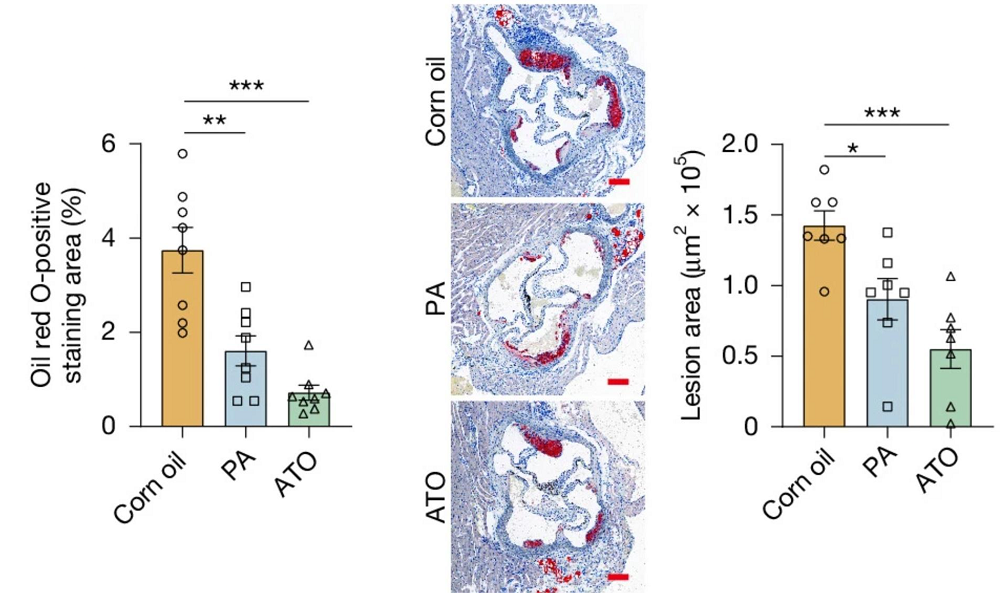
Literature

[1] Cristofari, R., Davis, L. R., Bardon, G., Nitta Fernandes, F. A., Figueroa, M. E., Franzenburg, S., Gauthier-Clerc, M., Grande, F., Heidrich, R., Hukkanen, M., Le Maho, Y., Ollikainen, M., Paciello, E., Rampal, P., Stenseth, N. C., Trucchi, E., Zahn, S., Le Bohec, C., & Meyer, B. S. (2026). Lifestyle change accelerates epigenetic ageing in King penguins. Nature communications, 10.1038/s41467-026-70527-8. Advance online publication.

[2] de Rezende, L. F., Rey-López, J. P., Matsudo, V. K., & do Carmo Luiz, O. (2014). Sedentary behavior and health outcomes among older adults: a systematic review. BMC public health, 14, 333.

[3] Tam, B. T., Morais, J. A., & Santosa, S. (2020). Obesity and ageing: Two sides of the same coin. Obesity reviews : an official journal of the International Association for the Study of Obesity, 21(4), e12991.

[4] Ekelund, U., Steene-Johannessen, J., Brown, W. J., Fagerland, M. W., Owen, N., Powell, K. E., Bauman, A., Lee, I. M., Lancet Physical Activity Series 2 Executive Committe, & Lancet Sedentary Behaviour Working Group (2016). Does physical activity attenuate, or even eliminate, the detrimental association of sitting time with mortality? A harmonised meta-analysis of data from more than 1 million men and women. Lancet (London, England), 388(10051), 1302–1310.

[5] Maegawa, S., Lu, Y., Tahara, T., Lee, J. T., Madzo, J., Liang, S., Jelinek, J., Colman, R. J., & Issa, J. J. (2017). Caloric restriction delays age-related methylation drift. Nature communications, 8(1), 539.

[6] Madeo, F., Pietrocola, F., Eisenberg, T., & Kroemer, G. (2014). Caloric restriction mimetics: towards a molecular definition. Nature reviews. Drug discovery, 13(10), 727–740.

[7] Phelan, J. P., & Rose, M. R. (2005). Why dietary restriction substantially increases longevity in animal models but won’t in humans. Ageing research reviews, 4(3), 339–350.

[8] Groscolas, R., & Robin, J. P. (2001). Long-term fasting and re-feeding in penguins. Comparative biochemistry and physiology. Part A, Molecular & integrative physiology, 128(3), 645–655.

[9] Fens, A., & Clauss, M. (2024). Nutrition as an integral part of behavioural management of zoo animals. Journal of Zoo and Aquarium Research, 12(4), Epub ahead of print.