The Blog

Building a Future Free of Age-Related Disease

Public Longevity Group

Lifespan Research Institute Launches Public Longevity Group

[Mountain View, September 17, 2025]Lifespan Research Institute (LRI) today announced the launch of the Public Longevity Group (PLG), a new initiative focused on bridging the cultural gap between scientific breakthroughs in aging and their public acceptance. To kickstart its work, PLG has opened a crowdfunding campaign to develop tools that measure and strengthen public trust in longevity science.

While the science of longevity biotechnology continues to advance, skepticism and cultural resistance limit progress, with some studies showing that more than half of Americans would reject a safe, proven therapy to extend life. This hesitation poses risks of raising costs, delaying health-promoting regulation, and slowing the delivery of treatments that could combat age-related diseases and extend healthy lifespan.

“The breakthrough that unlocks all other breakthroughs is public trust,” said Sho Joseph Ozaki Tan, Founder of PLG. “Without it, even the most promising therapies may never reach the people they’re meant to help. PLG exists to change that.”

“Persuasion is a science too,” said Keith Comito, CEO of Lifespan Research Institute. “To bring health-extending technologies to the public as quickly as possible, we must approach advocacy with the same rigor as our research. With PLG, we’ll be able to systematically measure and increase social receptivity, making the public’s appetite for credible longevity therapies unmistakable to policymakers, investors, and the public itself.”

PLG is developing the first data-driven cultural intelligence system for longevity—a platform designed to track real-time sentiment, test narratives, and identify which messages resonate and which backfire. Early tools include:

  • The Longevity Cultural Clock: a cultural barometer mapping readiness and resistance across demographics and regions.
  • Sentiment Dashboards: real-time monitoring of public, investor, and policymaker perceptions.
  • Narrative Testing Tools: data-driven analysis that will enable robust pathways to public support.

The crowdfunding campaign will provide the initial $100,000 needed to launch these tools, creating the cultural foundation required for healthier, longer lives.

With a lean, data-driven team, the group aims to provide open-access cultural insights for advocates and policymakers while offering advanced analytics to mission-aligned partners.

Campaign Timeline:

  • Campaign completion: November 2, 2025
  • Dashboard development: Dec 2025 – Feb 2026
  • First survey deployment: Feb – Apr 2026
  • Beta dashboard launch: May 2026
  • First public insight report: June 2026

Supporters can contribute directly at: https://lifespan.io/campaigns/public-longevity-group/

The PLG campaign is sponsored by the members of LRI’s Lifespan Alliance, a consortium of mission-aligned organizations that believe in the promise of extending healthy human lifespan. Newly-joined members include OpenCures, AgelessRx, and Lento Bio.

About Lifespan Research Institute

Lifespan Research Institute accelerates the science and systems needed for longer, healthier lives by uniting researchers, investors, and the public to drive lasting impact. LRI advances breakthrough science, builds high-impact ecosystems, and connects the global longevity community.

Media Contact:

Christie Sacco

Marketing Director

Lifespan Research Institute

christie.sacco@lifespan.io

(650) 336-1780

We would like to ask you a small favor. We are a non-profit foundation, and unlike some other organizations, we have no shareholders and no products to sell you. All our news and educational content is free for everyone to read, but it does mean that we rely on the help of people like you. Every contribution, no matter if it’s big or small, supports independent journalism and sustains our future.
Matthew O'Connor

Matthew O’Connor on Cyclarity’s Successful Phase 1 Trial

Most cardiovascular trials focus on lowering LDL cholesterol or reducing inflammation to slow disease progression. UDP-003 targets the root cause: toxic 7-ketocholesterol (7KC) inside macrophages and soft plaques. It is designed to convert bloated foam cells back into healthy macrophages that can actively clear the hard plaque.

This clinical trial took place at CMAX, a leading clinical research center in Australia, in partnership with Monash University. It is a two-part Phase 1 study intended to establish safety in human participants. We took the opportunity to catch up with Dr. Matthew O’Connor and talk about how the first part of Cyclarity’s clinical trial went.

Hi Matthew, and thanks for joining us for this third follow-up interview for the new atherosclerosis drug UDP-003. We have covered how UDP-003 works and breaks down plaques in the arteries in previous interviews, so let’s jump right to the big news.

Thank you, Steve. It’s great to talk to you again. We have completed the first in-human study of UDP-003. It was performed in 72 healthy volunteers in Australia under the direction of the Victorian Heart Institute, which is under Dr. Steve Nichols, renowned cardiologist and expert on atherosclerosis, arguably the world’s expert on the subject. It’s super exciting to have finished a safe conclusion of that trial.

So, how did it go?

Amazingly well, everything that we could have hoped for and more was accomplished, and that is divided into three broad categories, two of which are going to be most interesting to your audience.

The first and most important being that UDP-003 is extraordinarily safe. What that means, in slightly technical terms, is that there were no serious adverse events and there were no halts or individuals who had to pull out or who chose to pull out of the trial due to any side effects or suspected side effects. It was as safe as we possibly could have hoped. We got all the way up to the maximum dose with no associated side effects of concern, which allows us to pass freely onto the next stage at the highest dose that we tested: to start testing that dose in patients.

Second, pharmacokinetics, which means what happens to the drug in your body, and that is: nothing happens to the drug. It is not metabolized at all, and you excrete the drug completely in the urine. It happens very quickly, in under three hours, which is exactly what we designed it to do, what we wanted it to do, what we expected it to do. It behaved exactly the way that we wanted it to.

Third and most excitingly is that our drug did exactly what it was designed to do, which was to grab the toxin that it is supposed to be removing from your body. This is the oxidized cholesterol, specifically 7-ketocholesterol (7KC), so that’s tremendously exciting.

I can delve into a bit more detail on that, which is that number one, you’re excreting 7KC into the urine, which has never happened before. Normally, it never goes into your urine, and so we’re causing people to pee out 7KC for the first time.

The data on it is looking really, really nice. It’s a perfect dose response, meaning when we give a little bit of the drug, just a little bit of 7KC comes out in the urine. With every increase in dose, you see more 7KC coming out in the urine, so it’s a beautiful dose-response.

The combination of the safety and the target engagement on the 7KC, I think, means that these healthy volunteers who got our drug came out healthier than they started. That’s not a medical conclusion. That’s an opinion, but it’s an exciting one.

So it works, or it seems to work?

It works to get rid of the toxic 7KC, so if you believe that’s a good in and of itself, like I do, then we’ve already succeeded at exactly what we set out to do. Now to get our drug approved, we need to prove that it has some measurable improvement in people’s health. The way that we want to do that is by showing that it can impact plaque and perhaps inflammation, so that’s what we’re going to be looking at next.

That would be the goal. Speaking of next, what will happen now?

We have already received permission and have already begun a small patient clinical trial in Australia with the same group that ran the healthy volunteer trial. It’s going to be very small, only 12 patients with a placebo group. That is an even smaller number receiving the drug, but they will have a diagnosis of a type of coronary artery disease. We will get to study the safety and the pharmacology, and also the impact on blood biomarkers related to cardiovascular disease. Super excitingly, we’ll get to do imaging on them before and after they receive our drug.

That’s the way to go, isn’t it, soft plaque removal. What about the hard plaques?

Well, we’ll see what we see. We’ll be able to image soft and hard plaque, and our data shows that our drug can penetrate hardened plaque tissue, so we’ll see what impact we have on the characteristics of the plaque, the size of the plaque, the density of the plaque, all of that we’ll get to investigate.

Editor’s note: The researchers are looking for more than just a reduction of plaque size. Because 6 weeks is a very short window for physical remodeling, they are looking for stabilisation and compositional changes of the plaque. These things will signal that UDP-003 has started to remove the 7KC.

That sounds good, so that’s the next step. Then, what about other trials in other jurisdictions like the UK and US, are those on the horizon?

Absolutely, we have already designed our Phase 2 clinical trial, which would only be in patients, so kind of a much larger version of the trial that I just described in the 12 patients, we would do in 150 patients. It will be an international trial, so it will still happen, partially in Australia and partially in the United States, and we are also planning to bring it to the UK and possibly to the EU as well.

Interesting, and you’re on the ILAP pathway, the innovative licensing and access pathway in the UK, so they might even fast-track it based on the promising results of that early data rather than waiting for you to complete a full trial. Speaking of which, last time you gave the most optimistic estimate that “2030 would be the absolute fastest we could be approved and reach the market”. Do you stand by that still?

For a broad, traditional drug release, that’s probably overly optimistic, and going through a complete coronary artery disease approval would probably take until at least 2031-2032. Having different accelerated approval pathways, such as using ILAP or using an accelerated program in the US or elsewhere, are things that we’re constantly exploring, and there’s still an optimistic potential that we could have something released by around 2030.

That would be great. That’s really just around the corner. When will Phase 2 start?

If we can secure funding sooner rather than later, we can start Phase 2 this year and complete it within three years. We would release interim data sooner, but for completely wrapping up and putting a bow on Phase 2, it would be early 2029.

That’s great. Any interest from big pharma?

I can’t say too much about that, but we do have some interesting discussions going with various pharmaceutical companies, and hopefully we will definitely plan to be partnering at least on our first drug. We would like to be partnering around the time of the release in 2029. That said, we do have discussions ongoing, and we could do something much sooner. I think that there could be a lot to gain on both sides. There’s a lot of resources, not just financial, that we could take advantage of with the best partner.

I’d be very surprised if there was no uptake if you demonstrated that it works.

So far, we know that 7KC is coming out, and we just have to wait and see on the plaque regression. If that works and we demonstrate clear and substantial plaque regression in our Phase 2, it’s a slam dunk because it’s never been done before. It is just such an unmet need, and there’s such tremendous impact of plaque in your blood vessels, and the predictions of the reductions in heart attacks and strokes, not to mention all the other health benefits that we think we will eventually be able to demonstrate by removing 7KC. There hasn’t been a pharma company yet that hasn’t said “Yes, if you demonstrate plaque regression, we are very, very interested.”

I think at that point, they would basically buy the license and take it to mass production. You could be on for that 2030 timeline.

Exactly, and the best part of such a partnership would be getting to move as quickly as possible.

Do you think that the price point would be initially very expensive, or do you think that mass production and the large audience for it would effectively make it pennies on the dose?

It’s never going to be pennies on the dose, even at the mass production scale, but we’re working on making it as cheap as possible so that it can be distributed at a worldwide level. We’ve already managed to scale the process so that we can mass-produce it, and we’re working on bringing the cost of production down.

I hope by the time it gets released, we’ll have the manufacturing costs down by something like 90%, which would enable it to be quite affordable on everyone’s insurance plans and to government healthcare agencies.

We will definitely make sure that we do everything we can to convince the authorities that it’s a good use of their funds, because I think we’re going to transform people’s lives with our drug treatment.

What’s next for Cyclarity?

We’re actively working on two broad things, one of which is expanding the uses for UDP-003 into other diseases of aging. We want to look at neurological disease and other chronic diseases, especially dyslipidemic disease.

We don’t have anything new to announce yet but hope to in the coming year. Of course, we’re using our technology platform to invent the next several drugs in the lineup. Again, no big reveals there yet, but we’re hoping to have something that we can bring to the public soon.

To finish, Cyclarity just closed on a bridge funding round for 6 million USD. That will help to keep the lights on for a while longer.

Thanks for taking the time to talk with us today, and we will watch progress eagerly.

We would like to ask you a small favor. We are a non-profit foundation, and unlike some other organizations, we have no shareholders and no products to sell you. All our news and educational content is free for everyone to read, but it does mean that we rely on the help of people like you. Every contribution, no matter if it’s big or small, supports independent journalism and sustains our future.
Cyclarity

Cyclarity Unveils Oxidized Cholesterol Excretion Data

Cyclarity Therapeutics, Inc., a clinical stage biopharmaceutical company engineering cyclodextrin molecules into simple, scalable, and affordable therapies that bind and remove toxic targets to address root causes of age-related disease, has just unveiled data from a clinical trial of its lead candidate, UDP-003, at the American Heart Association Vascular Discovery Scientific Sessions.

Data from a study conducted at Monash Victorian Heart Institute (VHI), offers the first clinical evidence that 7-ketocholesterol (7KC), the root cause of atherosclerosis, 7-Ketocholesterol (7KC) can be safely targeted and removed from the human body, marking a pivotal milestone toward moving cardiovascular treatments from managing arterial damage to achieving true plaque reversal. Plaque reversal is significant because research suggests that even a 1% reduction in coronary plaque burden has been associated with up to 25% lower risk of major cardiovascular events, such as heart attack or stroke.

“Cardiovascular disease remains the world’s leading cause of death, yet most treatments focus on slowing its progression rather than removing the underlying damage that drives it,” said Dr. Stephen Nicholls, Director of the Monash Victorian Heart Institute and lead investigator of the trial.“Initial data from this clinical trial of UDP-003, offering the first evidence of safe excretion of oxidized cholesterol in humans, represents a fundamental shift in how we think about treating cardiovascular disease; it’s an early step but suggests we may be able to reverse the course of atherosclerosis and protect against the accumulation of future oxidized cholesterol in the first place.”

Most cardiovascular drugs, including statins, anti-inflammatories, and RNA-based therapies, work systemically throughout the body to alter how cholesterol, inflammation, and gene expression are regulated. In contrast, Cyclarity’s UDP-003 binds directly to 7KC, the root cause of plaque buildup, then facilitates urinary excretion of it. Much like removing rust from metal, this approach directly targets a key source of damage within plaque with the goal of reversing and preventing atherosclerosis, a primary underlying cause of cardiovascular disease, and does so locally within the plaque to reduce risks of unintended systemic effects.

“Maintaining cardiovascular health is one of the most powerful levers for extending both lifespan and healthspan, given its central role in slowing systemic aging and preserving brain, kidney, muscle, and metabolic function. Yet directly targeting 7KC—a key driver of plaque buildup—without disrupting essential biological processes has remained a critical and unsolved challenge in medicine.” said Cyclarity co-CEO and co-founder, Dr. Matthew O’Connor. By demonstrating it is possible to precisely bind to and safely excrete this toxic byproduct without disrupting the systems the body depends on, we look forward to furthering our work to bring forward treatments that save millions of lives and fundamentally change the trajectory of how we age.”

7KC is considered a biologically active driver of cardiovascular disease, contributing to inflammation, cell death, and plaque instability and has emerged as an important target in emerging therapies aimed at treating the disease at its root. In addition to cardiovascular disease, 7KC is implicated in Alzheimer’s disease, Non-Alcoholic Steatohepatitis (NASH), and other age-related conditions.

UDP-003 is the first clinical-stage therapeutic discovered using Cyclarity’s proprietary drug discovery AI Platform which engineers cyclodextrin molecules to reverse disease and protect against future accumulation of harmful molecules and aging pathologies. These engineered cyclodextrins precisely attract and encapsulate hydrophobic molecules, rendering them dissolvable in water and thus destined to be purged from the bloodstream. This gives them disease-modifying capabilities as well as the potential to prevent the onset of future pathologies by protecting against accumulation of toxins.

About the Trial

Participants in this first-in-human, randomized, double-blind, placebo-controlled trial were randomized to receive UDP-003 or placebo at one of 6 dose levels, for either a single dose or for a series of 6 administrations over 17 days. One cohort of patients had a history of Major Adverse Cardiac Events (MACE).

Results of the phase 1 trial met and exceeded primary, secondary, and exploratory endpoints, evaluating the safety, pharmacokinetics (PK), and pharmacodynamics (PD) of UDP-003. Key findings include:

  • Target Neutralization (Exploratory Endpoint: Met): Pharmacodynamic data demonstrated clear, dose-dependent urinary excretion of 7KC in participants receiving active UDP-003. This constitutes the first clinical demonstration that 7KC can be mobilized and excreted from the human body and builds on a preclinical body of evidence.
  • Safety & Tolerability (Primary Endpoint: Met): Was well tolerated at all dose levels. No serious adverse events (SAEs) were observed across dose-escalation cohorts. UDP-003 demonstrated a remarkably low half life of just 3 hours and no meaningful bioaccumulation was observed.
  • Pharmacokinetics (Secondary Endpoint: Met): A complete PK profile was established in human subjects, demonstrating a linear dose-exposure relationship and a half-life of approximately three hours, consistent with the intended dosing regimen. This robust PK profile supports the feasibility of infrequent dosing schedules that could significantly enhance patient adherence.

Cyclarity is currently enrolling patients with acute coronary syndrome (ACS) into the efficacy cohort of the ongoing Phase 1 trial, which includes pre- and post-treatment coronary CT angiography (CCTA) to assess plaque changes. The Company expects to initiate a Phase 2 trial later in 2026, designed to demonstrate plaque regression as a primary endpoint.

“Most people believe statins shrink plaque, but in reality, even the highest tolerated doses often result in less than 1% reduction,” said Dr. Daniel M. Clemens, Vice President of Biology at Cyclarity. “Our approach is fundamentally different. UDP-003 is a custom-engineered molecule designed to find 7KC, capture it, and safely escort it to the kidneys for urinary excretion. We aren’t just slowing down the fire; we’re sending in the ‘firemen’ to clear out the toxic fuel.”

About UDP-003

UDP-003 is an investigational injectable small molecule (cyclodextrin) designed to shrink plaque by the selective removal of 7-ketocholesterol.

About Atherosclerosis

Atherosclerosis, the buildup of plaque that narrows arteries and can lead to heart attack and stroke, is a primary underlying cause of cardiovascular disease—the world’s leading cause of death.

About Cyclarity

Cyclarity Therapeutics is a biopharma company developing cardiovascular and age-related therapies aimed at disease modification and prevention. The company’s lead candidate is the first clinical asset discovered by Cyclarity’s proprietary AI platform, which leverages the unique chemistry of cyclodextrins to create disease modifying treatments for the world’s deadliest diseases. To learn more, visit https://cyclaritytx.com/.

We would like to ask you a small favor. We are a non-profit foundation, and unlike some other organizations, we have no shareholders and no products to sell you. All our news and educational content is free for everyone to read, but it does mean that we rely on the help of people like you. Every contribution, no matter if it’s big or small, supports independent journalism and sustains our future.
Current Clinical Trials of Alzheimer’s Drugs

This month, a group of researchers published an annual report on the clinical trials that are testing drugs for Alzheimer’s disease. Overall, they reported an increase in the number of trials, with 158 drugs investigated across 192 trials [1].

A growing problem

The projections regarding the prevalence of Alzheimer’s disease are merciless. While in 2017, the number of people with detectable Alzheimer’s in the United States was estimated to be around 50 million, this number is projected to almost double by 2060. However, not all of these people will suffer from cognitive impairment, a symptom that most people associate with Alzheimer’s disease. These statistics and projections include people within the whole continuum of Alzheimer’s disease progression, including asymptomatic biomarker-positive people (46.7 million in 2017 versus a projected 75.68 million in 2060), people with mild cognitive impairment (MCI) with Alzheimer’s disease pathology (2.43 million vs. 5.7 million), and people with Alzheimer’s disease dementia (3.65 million vs. 9.3 million) [2]. These projections make the need for a treatment to address the diseases urgent.

The annual report

Over the past decade, the authors of this paper have been preparing an annual report on the state of clinical trials for Alzheimer’s disease drugs. This year, they reported that in the last decade, the number of trials and tested agents increased by approximately 35% and 40%, respectively, and in 2025, 59 new trials have been registered.

Alzheimer's Trials 1

In this year’s publication, they reported on the state of the tested interventions as of January 1, 2026. Among the agents investigated, almost three-fourths are intended to slow disease progression, including small-molecule disease-targeting therapies (DTTs) (39%), which include drugs usually taken orally, and biologic disease-targeting therapies (34%), which include such treatments as monoclonal antibodies, vaccines, and antisense oligonucleotides. Other agents under investigation include cognition-enhancing symptom-targeted therapies (STTs) (18%) and drugs targeting neuropsychiatric symptoms (10%). Not all of the drugs are new; around 35% are repurposed drugs: drugs that have already been approved for other conditions and are now being tested for their effectiveness in Alzheimer’s disease.

Given the large potential market for Alzheimer’s disease drugs, it’s not surprising that the pharmaceutical industry sponsors 59% of all clinical trials.

The drugs currently under investigation target diverse biological processes and are mostly tested as single agents (i.e., targeting a single process); however, several trials combine multiple agents. “It is clear that Alzheimer’s is a complex disease with many contributing elements,” said Jeffrey L. Cummings, M.D., ScD, from the Kirk Kerkorian School of Medicine at UNLV and the corresponding author of the study. “Inflammation is consistently present in the brain of Alzheimer’s patients, and reducing the inflammatory response promises to slow the disease process. Researchers are seeking ways to complement the approved anti-amyloid therapies. The development of combination therapies is likely, and combinations are being studied in current trials,” he said.

To map which biological processes are targeted by different trials, the authors used descriptive categories of the Common Alzheimer’s Disease Research Ontology (CADRO). Most commonly targeted CARDO categories include neurotransmitter receptors (24% of drugs), inflammation/immune processes (18%), Aß protein-related pathophysiology (16%), and tau-related processes (9%).

Alzheimer's Trials 2

Over the past decade, there has also been a general shift in the Alzheimer’s disease-related molecular processes targeted in trials. Both inflammation and immune dysfunction, as well as tau-targeted agents, increased from around 6% to around 20% of the pipeline, while amyloid-targeted agents decreased from 33% to 20%.

Alzheimer's Trials 3

The authors of the report point out that most clinical trials make use of Alzheimer’s disease biomarkers. Biomarkers are used “to confirm the diagnosis of Alzheimer’s disease for trial eligibility, stratify or enroll patients based on likelihood of progression, monitor therapeutic effects longitudinally, and verify the pharmacodynamic effect of the candidate therapy as a study outcome.“ [3]

The source of data

The data used for this report were collected by the authors for active trials as of January 1, 2026, from clinicaltrials.gov, “a clinical trial registry maintained by the US National Library of Medicine of the National Institutes of Health (NIH).” The trials that are required to be registered on that website “have at least one site in the US, are conducted under a Food and Drug Administration (FDA) Investigational New Drug (IND) authorization, or involve a drug that is manufactured in the United States or its territories.” Therefore, this study might have missed some trials that are not registered on the website.

The authors reported that 54,728 participants are taking part in 192 clinical trials assessing 158 therapies. Most of the participants are involved in Phase 3 trials. 36 potential treatments are already being assessed in 54 Phase 3 trials, 84 treatments in 89 Phase 2 trials, and 45 treatments in 49 Phase 1 trials.

People at all stages of Alzheimer’s disease development are included in the current trials. However, people at the first stages, who present biomarker or genetic evidence of Alzheimer’s disease but are not cognitively impaired, are represented only in ten trials (5%), while more than half of the trials include people with mild Alzheimer’s disease dementia.

Results coming soon

There are 8 Phase 3 trials (and 29 Phase 2 trials) scheduled for completion in 2026. These include drugs such as metformin, an insulin sensitizer; valiltramiprosate, an amyloid anti-aggregation agent; or Wujia Yizhi, a Chinese herbal therapy, among others. There are also 11 drugs in 14 Phase 3 trials (and 19 drugs in 21 Phase 2 trials) scheduled to be completed before 2026, so reports from those trials might be coming soon.

Dr. Cummings is looking forward to those reports: “Alzheimer’s is no longer an untreatable disease,” he said. “It is now a disease with treatments that successfully interfere in the disease process. In addition to the recently approved therapies, several novel compounds are reading out this year and could increase the number of treatments available for Alzheimer’s. The study of donanemab in cognitive normal people with blood tests positive for very early Alzheimer’s may be read out and will reveal if Alzheimer’s symptoms can be prevented or delayed in those with normal memory function.”

We would like to ask you a small favor. We are a non-profit foundation, and unlike some other organizations, we have no shareholders and no products to sell you. All our news and educational content is free for everyone to read, but it does mean that we rely on the help of people like you. Every contribution, no matter if it’s big or small, supports independent journalism and sustains our future.

Literature

[1] Cummings, J. L., Zhou, Y., Yang, Y., Zhong, K., Fonseca, J., Osse, A. L., & Cheng, F. (2026). Alzheimer’s disease drug development pipeline: 2026. Alzheimer’s & dementia (New York, N. Y.), 12, e70251.

[2] Brookmeyer, R., Abdalla, N., Kawas, C. H., & Corrada, M. M. (2018). Forecasting the prevalence of preclinical and clinical Alzheimer’s disease in the United States. Alzheimer’s & dementia : the journal of the Alzheimer’s Association, 14(2), 121–129.

[3] Cummings, J. L., Teunissen, C. E., Fiske, B. K., Le Ber, I., Wildsmith, K. R., Schöll, M., Dunn, B., & Scheltens, P. (2025). Biomarker-guided decision making in clinical drug development for neurodegenerative disorders. Nature reviews. Drug discovery, 24(8), 589–609.

AI for Practical Longevity

Forever Healthy Releases AI4L 1.0 for Practical Longevity

We are super excited to share with you that today we released AI4L – “AI for Practical Longevity”, an open-source system that enables anyone to produce rigorous, evidence-based reviews of health and longevity interventions using frontier AI models.

Our novel “Audit-Driven Prompting” method enables iterative self-auditing and eliminates hallucinations with live citation verification and zero-tolerance quality gates.

The 1.0 release is available under the MIT license at github.com/forever-healthy/AI4L

The first generation of longevity therapies is available today, but the evidence is scattered

Senolytics, NAD+ restoration, mTOR modulation, geroprotectors, peptides. Unfortunately, the underlying evidence is incoherent and distributed across journals, clinical trials, expert commentary, and specialist communities.

A conventional approach does not scale

We previously produced intervention reviews with a dedicated research team, each requiring more than two months of work for a team of two. That approach did not scale to the full universe of interventions, let alone keep existing reviews up to date.

Conventional AI summaries are not really helpful either

They often sound equally confident whether they’re right or wrong. Due to the heuristic nature of AI, models often hallucinate studies and URLs, misrepresent evidence, or miss critical nuances.

AI4L takes a novel approach

Instead of instructing an AI to “write a review,” the project’s prompt describes a 390+ item quality assurance audit — the same kind of specification one would hand to a human auditor. The AI is then asked to generate a review capable of passing that audit and, afterward, to perform the audit itself.

Independent, history-isolated agents handle creation and auditing to avoid context bias and self-confirming hallucinations.

Auditors are required to actively fetch URLs, retrieve metadata, and verify citations against live sources.

Reviews cycle through creation, audit, and correction until they achieve a 100% pass across all QA criteria.

We call the approach Audit-Driven Prompting.

AI4L is designed to be model-agnostic. It runs as a single prompt in any major chat interface (including Claude Desktop) or in CLI environments for repeatable, automated workflows. The project ships with example reviews, audit transcripts, and documented limitations.

Resources

About Forever Healthy

Forever Healthy is a private, humanitarian initiative with the mission of enabling people to vastly extend their healthy lifespan. More at forever-healthy.org

Media contact

hello@forever-healthy.org

We would like to ask you a small favor. We are a non-profit foundation, and unlike some other organizations, we have no shareholders and no products to sell you. All our news and educational content is free for everyone to read, but it does mean that we rely on the help of people like you. Every contribution, no matter if it’s big or small, supports independent journalism and sustains our future.
Muscle and fat

GLP-1 Drugs’ Muscle Effects Similar to Ordinary Weight Loss

A new study suggests that GLP-1 receptor agonists do not affect muscle mass any more than weight loss caused by caloric restriction, and this appears to be true for strength as well [1].

What do we lose when we lose weight?

GLP-1-based drugs, such as semaglutide and tirzepatide, have transformed obesity treatment. People on these drugs lose 15-20% of their body weight over several months [2], which was previously achievable only with bariatric surgery. That success has caused a new worry: where exactly is all that weight coming from?

Scientists roughly divide the body into fat mass and lean body mass (LBM). LBM is more than just muscle: it also includes the internal organs, bones, skin, connective tissue, and the water inside them. While skeletal muscle is the biggest component of LBM, it is not the only one, and changes in LBM do not translate directly to changes in muscle.

In healthy people who lose weight gradually (through diet and/or exercise), about 25% of the weight loss is LBM and 75% is fat; this is known as the “quarter fat-free mass rule” and is associated with healthy weight loss. However, when the landmark trials of semaglutide (STEP 1) and tirzepatide (SURMOUNT-1) measured body composition, they found that in some analyses, around 40% of weight loss came from LBM.

If GLP-1 drugs accelerate muscle loss beyond what is caused by weight loss alone, the consequences for public health could be very serious. It may be too early to sound the alarm, since those big trials measured LBM and not specifically muscle mass or function, which is what matters for daily life. A new study by an international group of scientists, published in Cell Reports Medicine, tried to address the looming questions more rigorously.

The liver contributes to LBM reduction

The paper essentially combines several studies performed by different teams in different institutions. This can be seen as a problem due to lack of standardization or as a feature that actually makes the findings more robust: whatever design flaws exist in one study are probably absent from the rest.

The first experiment asked whether a dual GLP-1/GIP agonist (tirzepatide, the active ingredient in Mounjaro) causes outsized muscle loss in obese mice. Diet-induced obese (DIO) male mice were given daily subcutaneous tirzepatide (50 μg/kg) or vehicle for 14 days. Tirzepatide produced dramatic weight loss, roughly 20% of which was LBM, which is close to the “quarter FFM” formula.

The researchers then analyzed the mice’s hindlimb muscles. Only two of the five showed a statistically significant reduction in absolute mass, and the drops were modest (about 10%). Because body weight fell faster than muscle mass, the muscle-to-body-weight ratio improved in three of the five cases.

Importantly, liver mass fell by about 20%. This was reproduced in a companion experiment with semaglutide and MAR709, another GLP-1/GIP dual agonist. This lends support to the researchers’ idea that LBM is not equal to muscle mass and that other tissues can contribute to LBM loss considerably.

Function is not impacted

A reduction in muscle mass matters mostly if it impairs function. In the second experiment, the researchers asked whether semaglutide-treated mice were actually weaker or less mobile. DIO mice received semaglutide (40 μg/kg/day) or vehicle for 28 days, with lean chow-fed mice as controls. Semaglutide-treated mice lost 22% of their body weight, with fat mass dropping 46% and LBM dropping only about 4%.

Absolute grip strength fell slightly with semaglutide, but grip strength relative to body weight improved. On a treadmill VO2max test (a metric of endurance), semaglutide-treated mice ran almost as long as lean control mice and much longer than untreated obese mice. This suggests that whatever muscle loss occurs, it does not dramatically impact muscle strength.

The third study added immobilization, a well-established stimulus for muscle wasting, to see if not exercising the muscle would reveal any hidden harmful effects of GLP-1-based drugs on muscle mass. Crucially, the study included a calorie-restricted “pair-fed” group whose daily food intake was matched to the semaglutide group to isolate the effect of the drug from the effect of eating less. Immobilization was achieved by casting one hindlimb.

When normalized to body weight, the muscle loss in the immobilized leg was just a few percent below DIO controls. Crucially, pair-feeding and semaglutide produced virtually identical effects on muscle, showing that muscle loss was driven by reduced calorie intake and not by anything specific to GLP-1 signaling. In this study, too, liver mass dropped significantly as a result of weight loss.

GLP-1 drugs affect muscle proteomics

The fourth experiment analyzed skeletal muscle proteomics in the mice from the casting study to determine any possible effects of the drug at the molecular level. Despite nearly identical body weights, food intake, and muscle masses, the proteomes differed meaningfully between the semaglutide group and the “pair-fed” group.

In the non-immobilized leg, semaglutide markedly increased several mitochondrial proteins, including components of the electron transport chain. Electron transport, oxidative phosphorylation, and mitochondrial respiration were among the most upregulated processes. Interestingly, as the authors note, skeletal muscle does not appear to express a functional GLP-1 receptor. This means that whatever semaglutide is doing to the muscle proteome must be mediated indirectly – through some other tissue signaling to muscle.

A (tiny) human trial

Finally, the authors conducted a small proof-of-concept human study, directly measuring muscle size and muscle strength in the same patients before and after treatment. Ten patients with obesity and type 2 diabetes received weekly subcutaneous semaglutide, escalated from 0.25 mg to 1 mg over 4 weeks and maintained for 8 more weeks (12 weeks total).

Body weight, fat mass, and lean body mass all decreased significantly, but fat dropped much more than LBM (70% of weight loss was fat, 30% was LBM – close to the “quarter FFM rule”). While vastus lateralis cross-sectional area decreased significantly, maximum voluntary contraction during isometric knee extension (a direct measurement of leg strength) did not change, nor did handgrip strength. Overall, the paper suggests that the effect of GLP-1-based drugs on muscle appears to be comparable to that of “natural” weight loss except for the different molecular signature, which may have yet undiscovered long-term effects.

We would like to ask you a small favor. We are a non-profit foundation, and unlike some other organizations, we have no shareholders and no products to sell you. All our news and educational content is free for everyone to read, but it does mean that we rely on the help of people like you. Every contribution, no matter if it’s big or small, supports independent journalism and sustains our future.
Literature

[1] Langer, H. T., Gilmore, N. K., Hayden, C. M., Roux, J., Bariohay, B., Rouquet, T., … & Baar, K. (2026). Weight loss with GLP-1 medicines does not result in a disproportionate loss of muscle mass or function in obese mice and humans. Cell Reports Medicine, 7(3).

[2] Wilding, J. P. H., Batterham, R. L., Calanna, S., Davies, M., Van Gaal, L. F., Lingvay, I., McGowan, B. M., Rosenstock, J., Tran, M. T. D., Wadden, T. A., Wharton, S., Yokote, K., Zeuthen, N., & Kushner, R. F. (2021). Once-weekly semaglutide in adults with overweight or obesity. New England Journal of Medicine, 384(11), 989–1002.

[3] Prentice, A. M., Goldberg, G. R., Jebb, S. A., Black, A. E., Murgatroyd, P. R., & Diaz, E. O. (1991). Physiological responses to slimming. Proceedings of the Nutrition Society, 50(2), 441–458.

[4] Jastreboff, A. M., Aronne, L. J., Ahmad, N. N., Wharton, S., Connery, L., Alves, B., Kiyosue, A., Zhang, S., Liu, B., Bunck, M. C., & Stefanski, A. (2022). Tirzepatide once weekly for the treatment of obesity. New England Journal of Medicine, 387(3), 205–216.

Junyue Cao Interview

Junyue Cao on How the Body Ages, Cell by Cell

Dr. Junyue Cao is a professor at the Rockefeller University, and his lab develops ultra-high-throughput single-cell technologies and applies them to the biology of aging. In a recent paper published in Science, his team used a technique called EasySci-ATAC to profile chromatin accessibility in about seven million cells from 21 mouse tissues across three ages, producing what is probably the most comprehensive epigenomic atlas of mammalian aging to date.

This atlas paints a detailed picture of how the body’s cellular landscape changes with age. For instance, about a quarter of all cell types shift significantly, many of these shifts are coordinated across organs, and males and females often age quite differently at the cellular level. Understanding those changes is a prerequisite for designing interventions that target aging itself rather than individual diseases. We talked to Dr. Cao about what his data tells us about the nature of aging, where the data points in therapeutic terms, and why he thinks that aging having certain program-like features is actually good news.

Let’s start with how you ended up doing what you’re doing. Do you feel passionate about human lifespan, or is it just a research subject for you?

I’ve been a big fan of aging biology since high school. It’s one of the most critical questions to answer. On one side, there’s aging itself – something people have been interested in for thousands of years. On the other, aging is associated with many chronic diseases, which means that if you target aging, you’re not only targeting one molecular process but potentially slowing down many diseases at once. That’s why I went to Peking University to study biological science.

At the time, I was very naive. I thought the major challenge was that we didn’t have a drug that could reverse aging. So, my first thought was: maybe it’s a drug design problem. That became my undergrad research – designing small chemicals to target specific inflammatory factors. But as I went through my studies, I realized the problem wasn’t that we couldn’t design drugs. The problem was that we didn’t know what the targets were. Even with a great drug design platform, if you can’t find a target that really addresses aging, it doesn’t help.

So, I switched back from chemistry to biology to identify those targets, and I moved to the US. I started as a research assistant working on three signaling pathways: the unfolded protein stress pathway, mTOR signaling, and stress signaling. All three are associated with aging.

I spent three years on that, and it was very helpful for understanding the system, but at the end, I realized that these signaling pathways aren’t directly linked to aging at the organism level. They operate inside individual cells, and different signaling pathways have different activities in different cells. Their changes don’t affect all cells – they may just change a specific group. That makes it hard to directly link them to the aging process.

I felt the need to fill this gap: first identify which cells actually change during aging and then target those cells and their molecular programs. The question became: how can we identify what’s happening in individual cells across the entire system?

That’s why I started my PhD in Jay Shendure’s lab at the University of Washington, which focused on developing highly scalable single-cell technologies. At the time, commercial platforms could only profile several thousand cells. But a mammalian body contains billions of cells – if you only sample a few thousand, you can’t capture all the different cell types and know which ones are really changing with aging. My goal was to expand from several thousand cells to millions.

And in this paper from February this year, you ended up with seven million, right?

Yes, but that was after about ten years. We developed the first technology that could give you one or two million cells in a single experiment – about a hundredfold increase over commercial platforms.

We continued improving the technology throughput so we could scan even more cells. Last year, we published a paper where we sequenced over 20 million single-cell transcriptomes, and in this paper, we profiled the single-cell chromatin landscape of seven million cells, fully devoted to aging. It’s maybe not a traditional path – I started from drug design, which is the most downstream part, and kept moving upstream.

You kept moving upstream, which makes a lot of sense. So, let’s talk about the technique. You used ATAC-seq rather than RNA-seq, which most atlases rely on. Why was that your choice?

We also use RNA-seq a lot in the lab. Last year, we published a large-scale single-cell RNA atlas of aging across many different tissues. But gene expression changes are downstream – they tell you which genes get changed, but not what the upstream regulators are. The advantage of ATAC-seq is that it tells you which regions of the genome are accessible, which parts are open for the cell to read. Basically, you can imagine the genome as the recipe for making dishes, and ATAC-seq tells you which pages of that recipe are accessible to the chef.

And RNA-seq is like a snapshot of what’s being prepared in the kitchen right now.

Exactly. So, using this information, we can not only see what has changed but also infer the transcription factor activity – which TFs are driving these changes. There’s another advantage: the optimized version of single-cell ATAC-seq that we developed can scale to scan the entire organism – over 20 different tissues in a single experiment. That’s relatively hard for RNA-seq, especially because some cells have low RNA content. Senescent cells, apoptotic cells, certain low-content cells are very hard to capture with RNA-seq. But ATAC-seq is based on genomic DNA, so it’s relatively easy to capture them. That’s also why we could use this to scan the entire system.

Let’s move to the core findings. First, you identified around 1,800 cell subtypes, and some of them are more vulnerable to aging.

This is potentially the unique feature of the study. Each of these 1,800 cell states has its own unique molecular features. It’s just like a human society – different individuals have different jobs, different proportions of the population work on different things. The cells in your body are a cell society. We visualized the aging process not as the disruption of a specific cell type or organ, but as the disruption of the entire cell society.

It’s like you can zoom in or zoom out, and then you have this bird’s eye view.

Exactly. On one side, we can see which cells are more vulnerable during aging. It’s not one or two cell types – it turns out that about a quarter of the global cell population, a quarter of the “jobs,” are highly vulnerable to aging. Their abundances change significantly. The rest are generally more stable. So, it’s not that every cell gets changed, but it’s not just a few either. And now we know which ones are more vulnerable, so we can think about ways to target them.

The second interesting feature is the very strong coordination across different organs. For the same cell lineage – endothelial cells, fibroblasts, immune cells – we consistently see the emergence or depletion of the same cellular state during aging, even though they’re from different organs. This includes not just immune cells that can easily transport across organs, but also endothelial cells and fibroblasts that don’t really move around.

This cross-organ coordination seems pretty heavily driven by immune cells and by the response to various cytokines. How does it relate to the concept of inflammaging?

It could be related to the inflammaging process, or it could be related to other factors – we’re not sure yet. We also see similar transcription factor activation across the same cell lineages during aging in different organs. Maybe the same group of cells in different organs are vulnerable to similar damage, resulting in a similar response, or they could be more vulnerable to the same external inflammatory signals.

But I think this generally means that instead of targeting each cell type separately, in theory, they may be driven by the same upstream signals, either internal or external, that we can target to rescue them all. What exactly those signals are – that’s what we’re currently working on in the lab.

There’s a lot of immune cell dynamics in your paper. I personally think immune aging is underestimated as a factor in aging in general. What can your study tell us about its role?

Immune cell dynamics is definitely one of the focuses. The good thing with this data is that we can capture the global map of immune cells across many different organs – from the very early progenitor cells in the thymus to many other T cell states in different organs. That’s not easily captured in studies that only look at one or a few organs.

One surprising thing: we generally assumed that since immune cells circulate through the body, they should show the same dynamics everywhere. We do see a lot of shared dynamics across organs, but most immune cell aging-associated expansions or depletions are still limited to a few organs – they’re not truly universal.

We also identified some less-characterized immune cell state changes. For example, we found the well-known depletion of naive T cells, but also a group of less-characterized T cell subtypes that show depletion in the intestine and other tissues. Because we profiled all immune cells across organs, pooling them together gives higher power to detect these less-characterized populations.

Another surprising finding is the very strong sex specificity. Some specific T cells and B cells show quite different dynamics in males and females. They mostly change in the same direction, but the scale is quite different. And it’s not that one sex always has higher expansion of inflammatory immune cells – each sex has its own preferred immune cell dynamics.

For example, we found a type 17 T cell expansion that’s preferentially expanded in males. When we checked the literature, this has also been reported in humans, where researchers attributed it to male-specific behaviors like smoking. But in our mice – who obviously don’t smoke – we still see the same dynamics.

We also saw aging-associated B cells, two different groups of them. One was well-characterized before, but the other wasn’t, and we confirmed it across multiple organs. Both show female-specific expansion, and their gene markers relate to autoimmune disease, which potentially correlates with female vulnerability to autoimmune conditions.

The sex dimorphism is indeed one of the most interesting findings. It sits well with what we know about sex differences in aging and, importantly, how geroprotectors work differently in males and females. There might be some serious translational consequences here.

Exactly. One thing I should mention is that about one-third of the aging-associated cell states we identified show significant differences between males and females. One potentially translational example: in the kidney, we see a specific reactive inflammatory epithelial cell state that emerges during aging, and it expands in a very female-specific way. This relates to the fact that female animals are more vulnerable to kidney dysfunction at end of life. And when you check the gene features of this cell state, they’re also associated with human disease.

This is a study of the aging process, but when we check the aging-associated cell states and their gene features, they also link to human chronic diseases. More analysis is needed to confirm these links, but this study can be used to infer the targeted cell types for chronic disease. I think it will give people a list of critical cell types to focus on for the future.

You show a clear switch in transcription factor motifs with age – inflammatory factors opening up and stemness factors closing down. How do you interpret this?

This is potentially one of the most critical findings of the paper. Previously, when we thought about aging, we imagined it could be random damage or stochastic shifts in the epigenetic landscape – something hard to rescue. But from this data, we can zoom into the changed cell types and see that there’s a highly programmed process at work. These aging-associated chromatin changes aren’t only seen in one cell – they’re consistently observed across many cells in the same animal, in the same organ, across different organs, across different individuals, and in both sexes.

This means there’s a lot of programmed process that could potentially be targeted. That’s why we did two levels of analysis. First, the internal molecular program: by identifying the TF regulators, we found the stemness-related transcription factors closing down and the inflammatory factors opening up, along with many other transcription factors that haven’t previously been linked to aging. Importantly, we found not just individual transcription factors but also transcription factor interactions – it’s not just the activity of a single factor that gets strongly altered, but their combinations.

Second, we identified the external signals. We integrated our data with a cytokine response dataset to nominate the top cytokines that could be driving the cellular and molecular state changes – factors like TNF-alpha and interferon signaling.

You said something really important about this being a programmed process. I wonder what this means for the major theories of aging – hyperfunction, damage accumulation, and so on.

I think all our results suggest that aging is not just a stochastic process. It’s a highly programmed process. There are specific groups of cells that change, and they reproducibly change across many different individuals. These cells are not randomly chosen – they have unique molecular programs that determine whether they expand or deplete. At the cell level, it’s a programmed process.

Related to that, in a paper we published last year using single-cell RNA-seq, we saw the same pattern and found that these changes are highly constrained to specific time windows. In a very early phase, one group of cells changes; at another time, another group changes. They’re highly coordinated across organs and across time.

When we check these cell groups across multiple animals at a given stage, they all show the same depletion or expansion. It’s very reproducible. And these cells that are distributed across different organs – even though they may seem unrelated – they show very sharp changes in the same time window. They don’t deplete gradually across the lifespan in a linear way. One group shows sharp depletion between, say, three and six months. Another group depletes sharply between six and twelve months. Another shows strong expansion after middle age. They don’t change linearly – they change in waves.

I think our data do not argue against classic theories such as damage accumulation or hyperfunction, but they add another layer. There is certainly stochastic molecular damage during aging. However, what we see is that the organismal response to that damage is not random. Specific cell populations expand or deplete reproducibly across animals, across organs, and within defined time windows. This fits very well with the idea that aging involves regulated biological programs becoming maladaptive. For example, immune activation, tissue repair, inflammatory signaling, and remodeling programs may be useful earlier in life, but later they can persist or become overactive — which is related to the hyperfunction view of aging.

So, when I say aging is “programmed,” I do not mean that the body is intentionally programmed to die. I mean that the cellular remodeling of aging has program-like features: it is reproducible, temporally organized, and cell-type-specific. Damage may be stochastic, but the downstream cellular response is highly structured. In that sense, our work suggests a synthesis: aging may begin with accumulated molecular stress and damage, but its effects are executed through specific gene-regulatory programs, cell-cell interactions, and population-level changes. That is important because it means aging is not just something that happens passively to every cell. It is a coordinated remodeling process, and some of its key regulatory nodes may be targetable.

That actually sits well with some recent research in humans, where we also see those waves of aging rather than a clean curve.

Yes, it clearly correlates with human changes. This supports the idea that it’s a highly programmed and coordinated process, similar to early developmental processes.

Personally, I’m not sure if it’s good news or bad news that aging resembles a program. On one hand, there’s something to act upon, rather than a multitude of cell-specific stochastic changes. On the other hand, this program might be deeply rooted and hard to override.

I think it’s a great relief. If it were just random changes in every cell in your body, it would be very hard to reprogram. But because it’s a programmed process, we can reprogram it. As long as we identify the cell types and understand the program, we can target them.

And the coordination across different cell states is another relief – it means they may be driven by the same upstream signals, so we may not need to target each of them separately. If we can identify the upstream signaling, we may be able to rescue multiple cell types at the same time. This gives me hope that we’re working in the right direction.

Of course, this requires a lot of follow-up studies. We end up with maybe around a hundred different cell types and several hundred cell states that strongly change with aging, but we don’t know which ones are real drivers and which are just passengers. We need to identify the functionally important ones. That’s why we’re currently developing highly scalable perturbation platforms – so we can perturb many different cells and molecular processes to identify the real drivers.

But if aging is at least partly a coordinated response to stochastic damage, how can we stop or reverse it without losing those protections? Is this something like a Catch-22?

I don’t think it’s really a Catch-22, because the protective and pathological sides of the program are separated in time and in cell state, not in the signal itself. An acute inflammatory response, for instance, is essential – it clears damage, recruits repair, and then resolves. The problem in aging is not that the response exists; it’s that it fails to resolve, and specific cell populations get stuck in an activated state. We don’t want to cancel the response. We want to restore its dynamics – the off switch as much as the on switch.

The data give us several handles that don’t sacrifice protection. The maladaptive states we see (aging-associated B cells, reactive inflammatory epithelial cells in the kidney, certain activated T cell populations) are largely absent in young animals. They’re the chronic byproduct of the response, not the acute response itself, so we can target those cells specifically rather than block the upstream pathway globally. Many other changes are depletions rather than expansions, where you don’t have to suppress anything, but to replenish! And because the program unfolds in distinct temporal waves, intervening early can prevent the chronic, locked-in version from forming in the first place, which is much easier than reversing it later.

So, the program is not a single switch we either keep or destroy. It is a multi-cell, multi-time-window remodeling process, and we now have a map of where and when it goes wrong. That tells us where to intervene and where to leave things alone.

One particular thing I wanted to ask about: retrotransposons, which are a very hot topic in geroscience. You saw retrotransposon elements becoming more accessible with age while conserved developmental enhancers become less accessible. And this transposon derepression is probably related to inflammation through pathways like cGAS-STING. What are your thoughts?

This finding supports the current direction of the field – that transposable elements could be targeted to see whether we can alter some signaling in the aging process. This activation of transposable elements correlates with increased inflammatory signaling in aging cells.

Our dataset could also be used to ask whether this activation is universal across all cells or whether specific cell types are more vulnerable and show more activation, linking the molecular changes in transposable element activation to vulnerable cell types and phenotypes. We haven’t done a lot of follow-up on that part yet, but it could be a very exciting direction.

But retrotransposon derepression doesn’t quite look like a useful program, rather like an unwanted side effect.

It potentially depends on how you define “program.” If it were a fully random process, we’d expect chromatin to open and close randomly, and we wouldn’t see a strong enrichment of openness specifically in these transposable element regions. But here we see that aging-associated open regions are enriched in transposable elements, which indicates a strong bias for these regions to become activated in aging. We can regard that as a random stochastic process, but we can also regard it as a partially programmed process.

Let’s talk about translational implications. Is there something in this dataset to go after therapeutically?

It’s not directly linked to clinical application; it’s more about understanding basic aging mechanisms using animal models. Many aging-associated changes are shared between mouse and human, including many aging hallmarks like stem cell depletion and signaling dysregulation. So, the dataset could be used to identify aging-associated cell states that relate to chronic disease in humans.

Also, this could serve as a foundation for evaluating anti-aging interventions. Previously, we knew some interventions work and some don’t, but now, using this platform and technology, we can directly tell you which specific group of aging-associated cell states is targeted by a given intervention. If two interventions target distinct groups of aging-associated cell states, it means we can combine them for a more powerful combination therapy.

One very important thing is that we see cell population changes happening in a very temporal manner. Some cells are already depleted before middle age, which means that if you want to tackle aging, you may need to start early, before the depletion is finished. This is also consistent with current data showing that interventions have a very strong time-dependent effect – if you start at a very late stage, the effect is much weaker than if you start earlier. This data can also tell people the potential intervention time windows.

Although now we have cellular reprogramming that might help recreate depleted cell populations.

Exactly. And now we can tell which cells you need to replenish.

Because of this monumental work, how have your own views on aging changed? What priors have you had to update?

One critical update is the realization that aging is not a single pathway or a single cell type problem. It’s a society. It’s due to the disruption of the cell society. This is really helpful for thinking about the aging problem, because it’s a system process. For any intervention we test in the lab, we always want to see how it affects the entire society instead of just looking at specific organs.

This gives you a global view of the system so that you don’t miss something. When you study the disruption of the society, you have to consider every “job” – every cell type – because each could be important for maintaining homeostasis.

I think it also demonstrates the importance of developing highly scalable perturbation technologies so we can systematically test all these different aging-associated molecular programs to see which ones are really important. This is actually what we’re mostly focused on now: combining highly scalable profiling with high-throughput perturbation to identify the real drivers.

We would like to ask you a small favor. We are a non-profit foundation, and unlike some other organizations, we have no shareholders and no products to sell you. All our news and educational content is free for everyone to read, but it does mean that we rely on the help of people like you. Every contribution, no matter if it’s big or small, supports independent journalism and sustains our future.

Gut bacteria

How Intestinal Aging Encourages Harmful Bacteria

In Aging Cell, researchers have elucidated the relationship between intestinal aging and age-related changes to the gut microbiome.

Two interdependent biologies

The human gut works through the interaction of two entirely different sets of cells. The first is the body’s actual cells, including the intestinal barrier between the gut and the rest of the body, various types of ordinary immune cells, and Peyer’s patches with follicle-associated epithelium (FAE) areas that contain microfold cells (M cells), which perform crucial immunoregulatory tasks [1]. The second is the gut microbiome, the various types of bacteria that help us digest food.

In a healthy system, these co-evolved biologies support one another. Short-chain fatty acids generated by beneficial microbiomes support immune function [2], perform Toll-like receptor (TLR) signaling, and summon T regulatory cells (Tregs) [3]. With aging, however, this relationship begins to decline. Beneficial Bifidobacterium and Faecalibacterium populations dwindle, replaced by harmful Enterobacteriaceae that produce different metabolites, which do not include the needed SCFAs [4].

A decline in immune function

To investigate this relationship, the authors first examined the intestines of 3-month-old and 24-month-old wild-type Black 6 mice. Unsurprisingly, like in other parts of the body, the aged mice had more of the senescence-associated secretory phenotype (SASP), including inflammatory factors and the senescence biomarker p16, while markers relating to intestinal barrier function were decreased.

The overall population of T helper cells in the intestines declined with age, and the cells that remained were disproportionally of the Th1 and Th17 subtypes, signifying increased inflammation. Immunoglobin A (IgA) excretions were reduced in aged mice as well. Meanwhile, lipopolysaccharide (LPS) in excretions remained unchanged, despite an age-related increase in serum; this may signify a decline in intestinal barrier function, as bacterial components make their way from the intestines into the bloodstream.

The researchers also investigated FAE cells. Compared to youthful mice, these cells in aged mice had 446 upregulated genes and 132 downregulated genes. As expected, the affected genes were similar to the changes found in the excretions, relating to IgA, mucosal immunity, and various immunoregulatory processes.

Bacterial changes and intestinal aging are tightly intertwined

While Bacillota (formerly known as Firmicutes) species remained the overwhelming majority in both younger and older mice, the proportion of these bacteria were found to decrease with age, replaced with Bacteroidota; Lactobacillus; Desulfovibrio, which produces hydrogen sulfide [5]; Candidatus Saccharimonas, a pathogenic bacterium that promotes intestinal adenoma [6]; and various other species, some of which are poorly documented.

There was also an increase in Marvinbryantia, a bacterial type that may be beneficial instead of harmful with aging in some contexts; these researchers note another study that has found it to be protective against cirrhosis [7]. However, in this study, Marvinbryantia, along with Candidatus Saccharimonas and Desulfovibrio, was found to be associated with the failure of M cells to properly recognize antigens, as measured by changes in related genes.

When an even more pathogenic species, Clostridium difficile, was introduced into the intestines, the older mice had significantly more immune infiltration and more visibie inflammation. However, only the young mice demonstrated a higher level of short-term inflammation as measured by IL-17A. There was no statistically significant increase in the older mice, which had much higher levels of IL-17A even in the absence of this pathogen.

The researchers summarize the failures of the intestinal barrier and the increases in senescence and inflammation as a “complex, interdependent feedback loop” that leads to an “age-related disruption of host-microbiota coordination”, a deteriorating relationship that encourages the colonization of hostile bacteria that take advantage of the decreased protection, kicking off a downward spiral that causes further damage. The authors note that they were unable to prove whether bacterial changes or native organismal aging were the initial drivers of this spiral.

This was a mouse study, and laboratory mice live under far different conditions than human beings, who live near many more sources of bacteria and eat many different foods that impact bacterial populations. Additionally, some of the bacterial species that play key roles in murine gut health are not prevalent in people and do not have exact equivalents. For example, one group of “Segmented Filamentous Bacteria”, which was found to play a key role in T helper activation in mice, does not have a human counterpart. The researchers comment that organoids made from human gut cells may be necessary in properly understanding the relationship between the human gut and the bacteria it hosts.

We would like to ask you a small favor. We are a non-profit foundation, and unlike some other organizations, we have no shareholders and no products to sell you. All our news and educational content is free for everyone to read, but it does mean that we rely on the help of people like you. Every contribution, no matter if it’s big or small, supports independent journalism and sustains our future.
Literature

[1] Nakamura, Y., Kimura, S., & Hase, K. (2018). M cell-dependent antigen uptake on follicle-associated epithelium for mucosal immune surveillance. Inflammation and regeneration, 38(1), 15.

[2] Xiao, Y., Feng, Y., Zhao, J., Chen, W., & Lu, W. (2025). Achieving healthy aging through gut microbiota-directed dietary intervention: Focusing on microbial biomarkers and host mechanisms. Journal of Advanced Research, 68, 179-200.

[3] Thevaranjan, N., Puchta, A., Schulz, C., Naidoo, A., Szamosi, J. C., Verschoor, C. P., … & Bowdish, D. M. (2017). Age-associated microbial dysbiosis promotes intestinal permeability, systemic inflammation, and macrophage dysfunction. Cell host & microbe, 21(4), 455-466.

[4] Fadzuli, N. I. A., Lim, S. M., Neoh, C. F., Majeed, A. B. A., Tan, M. P., Khor, H. M., … & Ramasamy, K. (2024). Faecal intestinal permeability and intestinal inflammatory markers in older adults with age-related disorders: a systematic review and meta-analysis. Ageing Research Reviews, 101, 102506.

[5] Singh, S. B., Carroll-Portillo, A., & Lin, H. C. (2023). Desulfovibrio in the gut: the enemy within?. Microorganisms, 11(7), 1772.

[6] Guo, C., Xu, Y., Han, X., Liu, X., Xie, R., Cheng, Z., & Fu, X. (2021). Transcriptomic and proteomic study on the high-fat diet combined with AOM/DSS-induced adenomatous polyps in mice. Frontiers in Oncology, 11, 736225.

[7] Yuan, M., Hu, X., Yao, L., Chen, P., Wang, Z., Liu, P., … & Li, L. (2023). Causal relationship between gut microbiota and liver cirrhosis: 16S rRNA sequencing and Mendelian randomization analyses. Journal of Clinical and Translational Hepatology, 12(2), 123.

Creatine powder

Creatine Shows Synergy With Exercise in Older Adults

In a new study, the popular supplement creatine seemed to add to some of the beneficial effects of power training [1].

Trying the combination in older people

Exercise might be the most potent anti-aging intervention known to humans, but with age, building strength and muscle mass becomes harder. Also, not all types of exercise are equally effective. Creatine, a small molecule that enhances the production of ATP, the “energy currency” of the cell, is often touted as an exercise enhancer, even though actual research shows moderate effects at best [2]. It is also less studied in older people, who might actually benefit more from its muscle- and cognition-boosting effects, especially in combination with exercise.

In a new study published in Experimental Gerontology, a group of Spanish scientists combined creatine supplementation with a particular type of exercise: high-load, velocity-intentional resistance training (HL-VIRT), also called power training. HL-VIRT, where a person lifts moderate-to-heavy loads trying to move them as fast as possible during the lifting phase, has emerged as more effective than slow, traditional strength training for older adults [3], because aging selectively degrades fast-twitch muscle fibers and the ability to produce force quickly [4].

The authors chose two ways to deliver this kind of training. The first was elastic bands on land, as bands provide variable resistance: the harder you stretch, the more they push back. The second was aquatic resistance training, as water creates hydrodynamic drag proportional to the speed of movement, which naturally fits the “try to move fast” idea.

They divided 103 community-dwelling older adults (mean age 68) into six groups in total – one with and one without creatine for each type of exercise plus non-exercising controls – and recorded a wide variety of metrics encompassing physical function, neuroplasticity, oxidative stress, inflammation, and cognitive performance.

The training groups exercised over 16 weeks for 3 times a week in intervals of about an hour. Importantly, the aquatic and control groups had heavier pre-intervention attrition due to mostly logistical causes: the pool was in a different town, and controls lived farther from the assessment site. As a result, groups ended up unequally sized (n=13-24), which reduced the study’s statistical power and complicated some analyses.

Improvements in neuroplasticity and inflammation

Neuroplasticity was measured by levels of brain-derived neurotrophic factor (BDNF), a protein crucial for neuronal survival and growth. In all four training groups, serum BDNF increased significantly (8-14%), while both control groups actually saw BDNF decline by 4-6%. Creatine amplified the BDNF response when combined with training.

Oxidative stress was measured by two markers: F2-isoprostanes (F2-iso), which indicate the damage that free radicals inflict on cell membranes, and glutathione peroxidase (GPx), a key antioxidant enzyme. All four training groups reduced F2-iso (23-52%) and raised GPx (7-20%), while both control groups moved in the wrong direction (F2-iso rose by 15–23%, while GPx fell by about 8%). Creatine amplified the antioxidant response when combined with training, and creatine alone reduced F2-iso even without exercise.

Inflammation was measured by the pro-inflammatory cytokine IL-6 and the transcription factor TNF-α, which activates inflammatory pathways, particularly in response to oxidative stress. All four training groups significantly reduced both IL-6 (14-33%) and TNF-α (5-20%), with the aquatic groups showing the largest TNF-α reductions. The creatine-only control group held steady, and creatine combined with training produced the largest reductions in inflammation.

Synergy in strength but not in cognition

All training groups significantly improved the isokinetic strength of knee and elbow flexion and extension, while controls showed no change or slight declines. Elastic band training produced larger upper-limb strength gains than aquatic training, and creatine added further benefits.

The authors’ post-hoc explanation is that elastic bands provide a more controlled and linear load, precisely targeting a muscle, while water resistance is more variable and direction-dependent. Creatine’s classic mechanism of action might be most useful when external load is precisely controlled and progressively overloaded.

All four training groups also improved on the Senior Fitness Test battery: the 30-second chair stand (lower-limb endurance), Timed Up and Go (agility/balance), six-minute walk (aerobic capacity), and handgrip strength. Here, aquatic training tended to produce slightly larger functional gains than elastic-band training. Creatine specifically improved TUG performance beyond what aquatic training alone produced, suggesting that agility and balance may be potential targets for creatine use.

The participants also underwent the Trail Making Test (TMT), a paper-and-pencil test in which consecutively marked circles must be connected as fast as possible. All training groups significantly improved, while controls were essentially unchanged. Creatine did not provide additional cognitive benefit on top of training, and the creatine-only group showed only modest gains. This fits the long-standing view that aerobic and resistance exercise improve cognition in older adults, possibly through a BDNF-mediated pathway, and the authors indeed note significant correlations between BDNF and TMT changes.

This study involved only two similar types of training and one age group. Add unequal sample sizes and a dose that might be too small (3 grams per day, compared to the 5 grams recommended by most supplement manufacturers), and questions about the results’ generalizability loom large. However, this study adds important data that generally confirms creatine’s beneficial effects, which are possibly synergistic with physical activity, at least in some settings.

We would like to ask you a small favor. We are a non-profit foundation, and unlike some other organizations, we have no shareholders and no products to sell you. All our news and educational content is free for everyone to read, but it does mean that we rely on the help of people like you. Every contribution, no matter if it’s big or small, supports independent journalism and sustains our future.
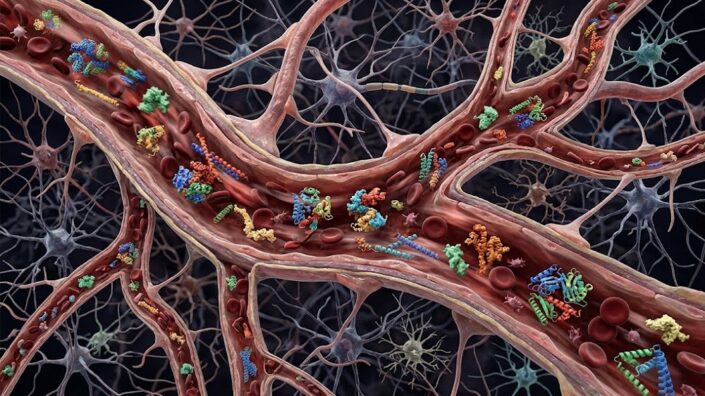
Literature

[1] Fernandez-Garrido, J., Martin, E. G., Saez-Berlanga, A., Gargallo-Bayo, P., Gene-Morales, J., Alix-Fages, C., … & Colado, J. C. (2026). Effects of high-load, velocity-intentional variable resistance training combined with creatine supplementation on neuroplasticity, oxidative stress, inflammation, physical function, cognitive performance and quality of life in older adults: A randomized, double-blind, placebo-controlled trial. Experimental Gerontology, 113122.

[2] Wax, B., Kerksick, C. M., Jagim, A. R., Mayo, J. J., Lyons, B. C., & Kreider, R. B. (2021). Creatine for Exercise and Sports Performance, with Recovery Considerations for Healthy Populations. Nutrients, 13(6), 1915.

[3] Balachandran, A. T., Steele, J., Angielczyk, D., et al. (2022). Comparison of Power Training vs Traditional Strength Training on Physical Function in Older Adults: A Systematic Review and Meta-analysis. JAMA Network Open, 5(5), e2211623.

[4] Nilwik, R., Snijders, T., Leenders, M., et al. (2013). The decline in skeletal muscle mass with aging is mainly attributed to a reduction in type II muscle fiber size. Experimental Gerontology, 48(5), 492–498.

Robot doctor

“Thinking” AI Outperforms Human Doctors on Real-Life Data

A new study has pit an advanced large language model against human physicians in tasks involving complex reasoning, treatment recommendations, and messy real-world patient records [1].

Testing a “thinking” model

The dream of a ‘computer doctor’ has existed since at least 1959 [2], but until the recent rise of large language models, no computer program could come near human physicians in working on complex clinical cases. The rise of LLMs ignited new hope and spawned numerous studies with encouraging results [3]. The next big step was the appearance of reasoning models, which maintain an internal chain of thought and can explain their decisions.

This has made the human-machine showdown much more interesting, and now the first rigorous study of a reasoning LLM directly pitted against human doctors is out and published in Science. Despite the study being fresh off the press, the head-spinning pace of progress in the field of AI means that the LLM used – OpenAI’s first reasoning model, o1-preview – is already obsolete, and the newest models should perform even better.

Outperforming humans on hard cases

The researchers tested the model across six different physician-style tasks, comparing it against hundreds of physicians and against earlier models like GPT-4. First, they fed o1-preview the full text of 143 NEJM clinicopathological conferences (CPCs) and asked it to produce a ranked list of possible diagnoses (a differential diagnosis). Two physicians independently scored the outputs. A CPC is a commonly used teaching format in which a real, usually challenging, case is presented in detail to a discussant who works through it aloud, building a differential diagnosis and reasoning toward a final answer.

o1-preview included the correct diagnosis somewhere in its differential in 78.3% of cases and named it as the top guess in 52% of cases. When “very close” answers were also counted as wins, accuracy reached 97.9%.

A critical concern with LLMs on published cases is memorization, as a model may have seen the case and its answer during training. The authors addressed this by comparing performance on cases that were published before and after o1-preview’s pretraining cutoff and found no significant difference, suggesting genuine reasoning rather than recall.

GPT-4 performed meaningfully worse. More importantly, on a 101-case subset where responses from human physicians were previously documented, o1-preview outperformed humans in both top-1 and top-10 accuracy.

AI, what do you recommend?

Making a diagnosis is just the first step. Will the model be able to correctly recommend further actions? To answer this question, on 136 of the same CPCs, the authors asked o1-preview which diagnostic test it would order next. In 87.5% of cases, the model picked the correct test; in another 11%, it picked something the reviewers judged to be helpful; and in only 1.5% was the choice unhelpful.

Next, the team tested o1-preview on 20 cases from NEJM Healer, a virtual-patient educational tool, scoring responses across four domains of written clinical reasoning such as problem representation and differential justification. The model scored a perfect 10 on 78 of 80 responses, significantly outperforming GPT-4 (47/80), attending physicians (28/80), and residents (16/72). In one bright spot for human physicians, o1-preview was not meaningfully better in including “cannot-miss” diagnoses (the high-stake possibilities that must be considered even when they are remote).

In another test of AI’s ability to make recommendations and not just diagnoses, the authors used five clinical vignettes from a prior study in which 25 expert physicians participated. o1-preview scored a median of 89% – dramatically better than GPT-4 alone (42%), physicians using GPT-4 (41%), and physicians using conventional resources (34%).

To more rigorously address memorization concerns, the authors used six diagnostic vignettes that were taken from a 1994 study and have never been publicly released. o1-preview scored a median of 97% compared to 92% for GPT-4, 76% for physicians + GPT-4, and 74% for physicians + conventional resources. However, none of the differences reached statistical significance due to the small case count.

Handling real clinical data with gusto

In the final experiment that distinguishes this paper from earlier studies, the authors collected 76 real, randomly selected ER cases from Beth Israel Deaconess Medical Center, with all identifiers and unstructured notes intact – the messy real-world clinical data. They then constructed three “diagnostic touchpoints” representing the information available at successive stages of an ER visit: initial triage (minimal data), ER physician evaluation (history, exam, and initial labs already available), and admission to floor or ICU (most complete data).

At each touchpoint, o1, GPT-4o, and two attending physicians independently produced differential diagnoses. Two separate attending physicians, blinded to source, scored every differential. Interestingly, blinding worked extremely well: the raters guessed whether the diagnoses were from AIs or humans correctly only 3-15% of the time, choosing “Can’t tell” 84-94% of the time, indicating that o1’s outputs were stylistically indistinguishable from human outputs.

o1 handily beat both attendings and GPT-4o. The advantage was largest at initial triage, where the least data is available and the stakes are highest. By admission, when the data is rich, the gap narrowed and was no longer statistically significant, suggesting that o1 extracts more diagnostic signal from sparse information than physicians do.

“We didn’t pre-process the data at all,” said Adam Rodman, MD, MPH, a hospitalist and clinical researcher at BIDMC. “The model is literally just processing data as it exists in the health record.” “I thought it was going to be a fun experiment but that it wouldn’t work that well. That was not at all what happened.”

“We tested the AI model against virtually every benchmark, and it eclipsed both prior models and our physician baselines,” added co-senior author Arjun (Raj) Manrai, assistant professor of biomedical informatics at Harvard Mecal School. “However, this does not mean AI will necessarily improve care – how and where it should be deployed remain understudied, and we desperately need rigorous prospective trials to evaluate the impact of AI on clinical practice.”

We would like to ask you a small favor. We are a non-profit foundation, and unlike some other organizations, we have no shareholders and no products to sell you. All our news and educational content is free for everyone to read, but it does mean that we rely on the help of people like you. Every contribution, no matter if it’s big or small, supports independent journalism and sustains our future.

Literature

[1] Peter G. Brodeur et al. (2026). Performance of a large language model on the reasoning tasks of a physician. Science 392,524-527

[2] Rs, L., & LB, L. (1959). Reasoning foundations of medical diagnosis; symbolic logic, probability, and value theory aid our understanding of how physicians reason. Science (New York, NY), 130(3366), 9-21.

[3] Goh, E., Gallo, R., Hom, J., Strong, E., Weng, Y., Kerman, H., … & Chen, J. H. (2024). Large language model influence on diagnostic reasoning: a randomized clinical trial. JAMA network open, 7(10), e2440969.

LIN Report

The Longevity Investor Network Looks Back at 2025

The Longevity Investor Network (LIN) was created to help bridge the gap between promising longevity startups and the investors capable of helping them scale. Through curated monthly pitch sessions, educational seminars, collaborative diligence, and ecosystem-building events, LIN provides a structured platform for investors to discover, evaluate, and support companies working at the forefront of aging biology and rejuvenation biotechnology.

The Longevity Investor Network is one of Lifespan Research Institute’s core ecosystem-building initiatives, designed to complement our work in scientific research, science communication, and strategic partnerships. While LRI advances the longevity field through nonprofit programming and public engagement, LIN serves as our dedicated platform for connecting high-potential startups with informed investors, helping translate promising aging science into funded companies and real-world impact.

LIN 1

Since its founding in 2020, LIN has invested in 23 companies and helped facilitate more than $6.7 million in capital deployment into longevity-focused startups worldwide. These companies span a wide range of areas, including cellular reprogramming, regenerative medicine, senotherapeutics, diagnostics, neurodegeneration, mitochondrial health, and tissue engineering.

In 2025 alone, LIN invested over $1.2 million in capital into longevity focused companies invited to pitch at our monthly sessions. In addition to hosting monthly pitch sessions, the network expanded its educational programming and in-person events. This broader role became especially important in a more difficult venture environment, where access to trusted networks, curated deal flow, and informed diligence became even more valuable.

LIN 2

2025 Presenting Companies by Session

LIN 3 LIN 4

January Sessions

  • XM Therapeutics https://www.xmtherapeutics.com/ Develops extracellular matrix-based therapeutics for chronic diseases, including heart failure and pulmonary fibrosis. The company focuses on regenerative approaches that restore tissue function rather than simply treating symptoms.
  • Vivian Therapeutics https://www.vivantx.com/ Develops personalized cancer therapies using AI and in vivo drug screening to identify treatments for individual patients. Its platform is designed to improve precision oncology outcomes.
  • AniBiome https://www.ani.ai/ Focuses on microbiome-based interventions for longevity and healthspan using AI, omics, and personalized therapeutics. The company aims to improve metabolic health and healthy aging through gut biology.
  • Rejuvenation Technologies https://rejuvenationtech.com/ Develops telomere-extension therapies intended to reverse cellular aging and improve regenerative capacity. The company is focused on directly targeting one of the hallmarks of aging.
  • Lucina Biotherapeutics https://lucina.bio/ Develops therapies for dry age-related macular degeneration by restoring molecules lost with age. The company is targeting one of the largest unmet needs in age-related vision loss.
  • Dermatherix https://www.dermatherix.com/ Develops biologic therapies for chronic wounds and tissue repair. Its lead programs are designed to accelerate healing and reduce complications in aging populations.

February Sessions

  • Renewal Bio https://www.renewal.bio/ Develops regenerative medicine approaches using stem-cell-derived embryonic technologies to address age-related disease and organ failure. The company is pursuing highly ambitious therapies at the frontier of regenerative biology.
  • Asima Health https://asimahealth.com/ Builds diagnostic and monitoring tools that help individuals and clinicians better understand health risks and disease progression. The company is part of the growing longevity diagnostics ecosystem.

March Sessions

  • X-Therma https://x-therma.com/ Develops advanced biopreservation technologies for organs, tissues, and biologics. Its platform could play an important enabling role in regenerative medicine and transplantation.
  • Sensi.AI https://www.sensi.ai/ Uses AI-powered audio monitoring to improve care for older adults and detect health or behavioral changes in the home. The company sits at the intersection of aging, caregiving, and digital health.
  • HepaTx https://hepatx.com/ Develops regenerative therapies for liver disease and liver failure. The company aims to provide alternatives to transplantation through tissue engineering and cell therapy.

April Sessions

  • VeLo Pharma https://vertical-longevity-pharma.com/ Clearance of senescent cells with a Virus-Like Particle (VLP) Vaccine demonstrating clear atherosclerotic plaque reduction and cardiovascular protection
  • Maxwell Biosciences https://maxwellbiosciences.com/ Develops synthetic antimicrobial peptide technologies designed to treat infectious and inflammatory disease. Its platform may have important applications in immune health and resilience.
  • ETTA Biotechnology https://ettabiotechnology.com/ Develops enabling biotechnology tools and platforms for advanced therapeutics. The company is focused on making next-generation therapies more scalable and manufacturable.
  • Turn Biotechnologies https://www.turn.bio/ Develops epigenetic reprogramming therapies designed to restore cellular function and reverse age-related decline. The company is one of the most visible players in the rejuvenation biology category.
  • New Brain Developing a method to replace brain tissue to treat neurological diseases. The approach involves engineering human precursor brain tissue ex vivo from iPSC-derived cells and their normal extracellular environment.

May Sessions

  • Unlimited Bio https://unlimited.bio/ Builds infrastructure and services designed to accelerate access to experimental therapeutics and longevity interventions.
  • Ora Biomedical https://orabiomedical.com/ Develops high-throughput screening tools to discover compounds that extend lifespan and healthspan. The company enables faster identification of promising longevity therapeutics.
  • Galilei Biosciences Pioneering a novel class of small-molecule therapeutics that activate SIRT6, a validated longevity gene with neuroprotective effects.
  • Sundial Therapeutics https://sundialtx.substack.com/ Developing cell therapies for non-invasive brain repair and replacement. Working with an early placental progenitor stem cell population which has been shown to cross into the maternal body during pregnancy.
  • Cyclarity Therapeutics https://cyclaritytx.com/ Develops therapies that remove toxic oxidized cholesterol linked to cardiovascular disease. Its approach is directly relevant to one of the largest age-related causes of death.

June Sessions

  • Sinaptica Therapeutics https://sinapticatx.com/ Develops noninvasive neuromodulation therapies for Alzheimer’s disease and cognitive decline.
  • Inner Cosmos https://innercosmos.ai/ Develops brain-computer-interface technologies for depression and mental health. Its implantable system combines neurostimulation with AI-based monitoring.
  • CelineBio Develops therapies relevant to aging, inflammation, or regenerative medicine. Final website and company description to be confirmed.
  • Inapill https://www.inapill.com/ Develops oral delivery technologies designed to improve how biologic drugs are administered. Its platform could help make advanced therapeutics easier and cheaper to use.
  • Cat Health https://thecathealth.com/ Developing novel therapeutics targeting mammalian muscle and kidney aging using novel computational advances by world-class bioinformaticians. Lead candidates are currently undergoing clinical trials in Europe.
  • AgeisBio https://www.ageisbio.com/ Develops therapies and technologies targeting biological aging and age-related decline. The company is focused on translating aging science into therapeutic interventions.

July Sessions

  • WakeBio https://www.wake.bio/ Using machine learning and rapid experimentation to develop technologies for reversible preservation of whole organisms, with the goal of reversibly preserving humans.
  • Minovia Therapeutics https://minoviatx.com/ Develops mitochondrial cell therapies to treat diseases associated with mitochondrial dysfunction. Its approach may have important implications for age-related degeneration.
  • Telos Biotech https://www.telosbio.com/ Develops technologies focused on telomeres, genomic stability, and cellular fitness.
  • CUTISS https://cutiss.swiss/ Develops personalized skin tissue engineering and regenerative medicine products. Its technology has applications in burns, reconstructive surgery, and wound healing.

August Sessions

  • Shift Bioscience https://shiftbioscience.com/ Develops partial cellular reprogramming approaches to reverse age-related decline. The company focuses on restoring youthful gene-expression patterns without losing cell identity.
  • Neoclease https://www.neoclease.ai/ Uses AI to design next-generation nucleases and gene-editing tools. Its platform could become important enabling infrastructure for advanced therapeutics.
  • Prohibix https://prohibix.com/ Developing injectable biotherapeutics based on a HYALUTE microparticle technology that enables long-acting tissue lubrication, anti-inflammatory activity and controlled release through a proprietary chemistry.
  • Caren Pharma https://www.carenpharma.com/ Developing a novel long-acting injectable that safely elevates brain hormone levels by combining synergistic agents to optimize dosing and mitigate risk.

September Sessions

  • Solyn Bio https://solynbio.com/ Develops diagnostics and biomarkers that help measure biological aging and health status.
  • LifeCraft Sciences https://lifecraftsciences.com/ Develops rejuvenation therapies aimed at restoring cellular function and resilience.
  • ReverAging https://reveraging.com/ Develops therapeutics designed to reverse aspects of biological aging. The company focuses on mechanisms that may restore youthful cellular behavior.
  • Forever Labs https://www.foreverlabs.com/ Provides stem cell banking services that allow individuals to preserve younger cells for potential future therapeutic use. The company is part of the growing longevity services and infrastructure market.

October Sessions

  • RiboGenyX https://ribogenyx.com/ Develops RNA-targeting therapeutics and gene-regulation technologies. Its platform may have broad applications across aging and disease.
  • Lento Bio https://lentobio.com/ Develops therapies for retinal disease and age-related vision loss. The company is focused on preserving visual function in aging populations.
  • Revel Pharmaceuticals https://revelpharmaceuticals.com/ Develops therapies targeting advanced glycation end products and other molecular drivers of aging. The company focuses on damage-repair approaches to longevity.
  • BASE4 Biotechnology https://www.base4.bio/ Develops RNA and synthetic biology technologies that support next-generation therapeutics. Its platform has applications across biotech manufacturing and drug development.

November Sessions

  • KeryxBio https://keryx.bio/ Developing diagnostics that detects dysfunction early & a therapeutic pipeline that restores cellular function
  • Hayflick Partners https://www.hayflickpartners.com/ Advancing a first-in-class, prescription topical cream to treat the root biological causes of aging. Targeting the skin to harness the anti-aging activity of rapamycin and extend disease-free life.

December Sessions

  • reThink64 https://www.rethink64.com/ Develops large-molecule delivery technologies intended to improve drug penetration into tissues such as the brain. Its platform may help unlock new therapeutic possibilities in neurology and beyond.
  • Regelife Developing a new paradigm in regenerative medicine by integrating iPSC-derived neural cells, biomaterials-engineered microenvironments, and machine-learning optimization to achieve true tissue regeneration.

Subsector Analysis

LIN small icon 11) Cellular rejuvenation and reprogramming remained one of the strongest recurring themes

A meaningful share of the 2025 lineup clustered around the idea that aging can be modified at the cellular level rather than only managed symptom-by-symptom. This bucket included companies such as Rejuvenation Technologies, Turn Biotechnologies, Shift Bioscience, LifeCraft Sciences, ReverAging, AgeisBio, and potentially others whose programs are adjacent to epigenetic restoration, stress-response biology, or cell-state control.

This is important for investors because it suggests that the Longevity Investor Network is not merely seeing companies that treat downstream age-related disease. It is seeing founders trying to intervene further upstream in the aging processes themselves. That generally carries higher scientific upside and, often, higher technical and regulatory risk. It also tends to produce platform-style stories rather than single-asset stories, which can be attractive in venture if the underlying biology holds.

Investor takeaway: 2025 reinforced that rejuvenation biology is still one of the highest-conviction areas in longevity, but the field is diversifying beyond classic Yamanaka-factor narratives into safer, more targeted, more chemically precise, and more indication-led approaches.

LIN small icon 22) Longevity is increasingly being commercialized through age-related disease entry points

Many of the year’s presenters were best understood not as generic longevity companies but as businesses attacking large diseases of aging through longevity-relevant mechanisms. Examples include:

  • Neurodegeneration / brain health: Sinaptica Therapeutics, Inner Cosmos, New Brain, Sundial Therapeutics, Caren Pharma, RegenaLife
  • Cardiovascular aging: Cyclarity Therapeutics
  • Ocular aging / vision: Lucina Biotherapeutics, Lento Bio
  • Liver degeneration: HepaTx
  • Wound healing / tissue repair: Dermatherix, CUTISS
  • Inflammation / immune regulation: Inapill, Maxwell Biosciences, CelineBio

This pattern matters because it reflects one of the most investable routes into longevity: start with a recognized medical indication, generate clearer clinical endpoints, and then expand into broader healthspan narratives over time.

Investor takeaway: One of the healthiest signs in the 2025 pipeline was the number of companies using disease-specific beachheads rather than trying to sell an abstract promise of “anti-aging.” That usually improves regulatory clarity, reimbursement logic, and near-term financing narratives.

LIN small icon 33) Neurotech and brain longevity emerged as a particularly visible cluster

A notable 2025 theme was the density of companies focused on the brain, cognition, neurodegeneration, or noninvasive/adjacent neurotechnology. Sinaptica Therapeutics, Inner Cosmos, Sundial Therapeutics, New Brain, Caren Pharma, and RegenaLife all fit within this broader category.

This is notable because brain aging sits at the intersection of enormous unmet need, difficult biology, and high investor interest. It also broadens what counts as a longevity company. Not every brain-health company is a geroscience company, but many become highly relevant to longevity investors if they address age-related decline, neuroplasticity, dementia risk, or the preservation of cognitive function over time.

Investor takeaway: Brain longevity may be becoming one of the most important bridges between mainstream healthcare markets and longevity-native capital.

LIN small icon 44) Regenerative medicine remained central, but with more product variety than in earlier waves

The 2025 cohort included multiple regenerative medicine approaches: Renewal Bio, HepaTx, CUTISS, Minovia, X-Therma, Turn Biotechnologies, and Telos Biotech each reflect different pieces of the regenerative stack.

Some were building replacement or restorative biological therapies. Others were enabling preservation, manufacturing robustness, or tissue engineering. That variety is important. It suggests the field is moving from a single-theme regenerative story into a more complete ecosystem of tools required to actually make regenerative medicine scalable and investable.

Investor takeaway: Regenerative medicine in longevity is no longer just about stem cells. It increasingly includes preservation, cell fitness, tissue engineering, mitochondrial function, and manufacturing enablement.

LIN small icon 55) Diagnostics, screening, and measurement are becoming more integral to the longevity thesis

Asima Health, Sensi.AI, AniBiome, Solyn Bio, and possibly additional companies in the cohort indicate that investors are also being exposed to businesses that improve measurement, prediction, monitoring, or personalization.

This is strategically important because longevity needs better ways to identify risk, stratify patients, monitor decline, and show that interventions work. Diagnostic and monitoring companies may not always look as exciting as therapeutic moonshots, but they can become some of the most commercially practical businesses in the ecosystem.

Investor takeaway: A mature longevity market needs picks-and-shovels companies that help define, quantify, and manage aging-related risk. The 2025 lineup suggests that the network is seeing more of these infrastructure layers.

LIN small icon 66) Delivery technologies and platform infrastructure are becoming more investable in their own right

A number of companies presented not just a disease thesis but a platform or delivery thesis: reThink64 on large-molecule delivery, Neoclease on AI-designed nucleases, BASE4 on RNA-targeting small molecules, X-Therma on preservation, Telos on telomere-linked cell fitness, and ETTA on enabling technologies.

For investors, these businesses can be especially interesting because they may create value across multiple indications. They are often less “consumer longevity” and more core biotech infrastructure, but they can become foundational to the future of rejuvenation and regenerative therapies.

Investor takeaway: The network’s 2025 flow suggests longevity investing is broadening from end-products to the enabling systems that will make advanced therapies possible.

LIN small icon 77) The network also captured the widening boundary of longevity itself

Some presenters sat closer to the outer edge of what traditional biotech investors would define as longevity: Forever Labs, WakeBio, companion-animal health companies such as Cat Health, and businesses that blend wellness, access, prevention, or patient services with a longevity framing.

That boundary expansion is worth noting because it reflects how the market is actually evolving. Longevity is becoming a broader economic category that includes therapeutics, diagnostics, regenerative platforms, clinical services, data, prevention, and consumer gateways.

Investor takeaway: The network’s deal flow suggests longevity is not consolidating into a single category. It is becoming a layered market, and investors may benefit from thinking in terms of a longevity stack rather than a longevity niche.

The 2025 Longevity Investor Network pipeline showed that longevity is maturing from a narrow anti-aging thesis into a full innovation stack spanning rejuvenation therapeutics, age-linked disease companies, regenerative medicine, neurotechnology, diagnostics, and enabling platform infrastructure.

Additional 2025 LIN Satellite Events

Beyond the core investor pitch sessions, LIN also hosted a set of satellite events that expanded the network’s value proposition beyond deal flow alone. These events helped position LIN not only as a venue for startup presentations but also as a platform for investor education, ecosystem convening, and relationship-building across the broader longevity field.

Investor education and policy-facing programming

One standout example was the investor education seminar featuring ARPA-H and Jean Hebert, centered on the Functional Repair of Neocortical Tissue (FRONT) program and broader public-sector efforts relevant to longevity companies. This was a strategically important topic for the network because it exposed investors to non-dilutive government funding pathways, translational infrastructure, and the ways federal programs may help de-risk advanced therapeutic development.

LIN 5

Why these events mattered in 2025

These satellite events were particularly relevant given the financing backdrop of 2025. When capital is harder to access, the value of trusted networks, better-informed investors, and high-signal curation tends to rise. In that context, LIN’s educational and convening work became an even more important complement to the formal pitch sessions.

Live Events and Ecosystem Building

In addition to its monthly virtual pitch sessions and virtual investor education seminars, LIN hosted several in-person events in 2025 designed to strengthen relationships between investors, founders, researchers, and operators across the longevity ecosystem. These events provided opportunities for deeper discussion, more informal networking, and the kind of trust-building that often leads to future diligence and investment activity.

Longevity Biotech Pre-JPM Event

LIN hosted a Longevity Biotech Pre-JPM gathering in San Francisco ahead of the JPM healthcare conference season. The event brought together founders, investors, scientists, and longevity advocates for networking and discussion around the major themes likely to shape the year ahead in longevity biotechnology.

The event served as an opportunity to connect investors with promising founders before the start of one of the busiest weeks in biotech. Discussions focused on fundraising trends, the state of longevity therapeutics, regenerative medicine, diagnostics, and how the field could continue to mature despite a difficult capital environment.

LIN 6

Longevity Biotech Happy Hour

LIN also hosted a Longevity Biotech Happy Hour event in San Francisco focused on building stronger community ties across the ecosystem. Unlike formal pitch sessions, this event emphasized relationship-building between investors, startup founders, operators, scientists, and ecosystem partners in a more informal setting.

The event created space for conversations around fundraising conditions, founder challenges, recent scientific progress, and areas of growing investor interest such as cellular reprogramming, neurodegeneration, and diagnostics. These more casual gatherings can be especially valuable in difficult markets because they help create familiarity and trust between participants before formal diligence processes begin.

LIN 7

Longevity Biotech Pitch Night – Boston

One of LIN’s largest in-person events of the year was the Longevity Biotech Pitch Night held at the historic Wightman Mansion in Boston during Boston Longevity Week. The event brought together a curated audience of investors to hear presentations from longevity startups in an intimate, invite-only environment.

This event’s agenda included founder presentations, networking sessions, and remarks from Lifespan Research Institute leadership. Companies presenting included BioIO and XM Therapeutics, among others, with the event designed to give investors early exposure to high-potential companies before broader fundraising activity. This event emphasized the value of curated, investor-only environments where founders could engage in more detailed conversations with potential backers.

Collectively, these live events reinforced LIN’s role not just as a pitch platform but as a broader community hub for the longevity ecosystem. In a financing environment where investors became more selective and relationship-driven, in-person events played an increasingly important role in helping founders and investors build trust, exchange information, and identify opportunities for future collaboration.

LIN 8

2025 Funding Environment: Context for Investors

The broader financing environment is important context for interpreting 2025 outcomes. 2025 remained a difficult year for many venture-backed therapeutic startups, especially those without near-term clinical catalysts.

LIN small icon 81) Venture capital remained available, but it became far more concentrated

A central theme of 2025 was not the complete disappearance of capital but its concentration into fewer themes and fewer companies. AI absorbed a disproportionate share of venture capital attention and dollars, while many non-AI sectors faced a much more selective environment. Even within biotech, investors increasingly favored later-stage, de-risked, asset-centric, or platform-differentiated companies.

LIN small icon 92) Early-stage therapeutics remained the hardest part of the market

This matters directly for longevity companies, many of which are still preclinical, biologically ambitious, and relatively early in their capital formation journey. In a market like 2025, those companies can still raise but generally under tougher conditions, with longer timelines, heavier diligence, more syndication challenges, and stronger demands for translational clarity.

LIN small icon 103) Exit conditions still constrained risk appetite

One reason investors remained more conservative in 2025 is that venture still had an incomplete exit recovery. Healthcare and biotech IPO activity remained much weaker than the most favored tech categories, which reduced confidence in downstream liquidity for many life-science startups. When exit visibility is limited, investors often become more selective at the front end.

LIN small icon 114) Why this context matters for LIN’s annual report

Any moderation in check sizes, slower fundraising cycles, or lower aggregate capital placed through the network should be interpreted against the backdrop of a tougher market. That makes this network’s role in curation, investor education, and relationship-building more important than ever.

Looking Ahead and Thank You

A banner for the Longevity investors network.

As we reflect on 2025, we want to thank all of the investors, founders, scientists, operators, and ecosystem partners who contributed to the Longevity Investor Network over the course of the year.

We are especially grateful to our investor members, whose time, expertise, diligence, and willingness to support early-stage companies make this network possible. Early-stage longevity investing remains a challenging category: the science is complex, timelines are long, and the path from breakthrough biology to clinical and commercial success is rarely straightforward. The willingness of investors to engage with these opportunities, often well before they become obvious to the broader market, is one of the key reasons the field continues to move forward.

We also want to recognize all of the founders and companies that presented through LIN in 2025. Building a biotechnology company is difficult in any environment, but it was especially challenging in a year when capital became more concentrated, investors became more selective, and fundraising timelines lengthened across much of the venture market. Despite these challenges, the companies we saw this year continued to push forward with new ideas, ambitious science, and a shared commitment to addressing some of the largest unmet needs in aging and age-related disease.

One of the most encouraging themes of 2025 was the continued expansion of the longevity field itself. The companies presenting through LIN reflected not only the growing maturity of core rejuvenation biotechnology, but also the rise of adjacent areas such as regenerative medicine, neurotechnology, diagnostics, biomarker development, tissue engineering, AI-enabled drug discovery, and companion-animal longevity. Together, these companies are helping define what the future of the longevity economy may look like.

Looking ahead, we remain committed to building LIN into one of the most valuable early-stage investor communities in longevity biotechnology. Our goal is to continue surfacing the most compelling companies in the field, helping investors better understand the science and commercial landscape, and supporting founders as they move from early concepts to funded businesses and, ultimately, to therapies that can improve and extend healthy human life.

At a time of extraordinary scientific progress in aging biology, we believe there has never been a more important moment to support the development of longevity therapeutics. We are proud to play a role in that process and look forward to continuing to help build the ecosystem in the years ahead.

About Us

Lifespan Research Institute (“LRI”) is a 501(c)(3) nonprofit organization focused on the defeat of age-related disease and the extension of healthy human lifespan through raising funds and awareness for scientific work addressing the root causes of aging, building a thriving ecosystem of mission aligned stakeholders which can be mobilized to strategic action, and spearheading relevant research projects directly. We work to identify, develop, and promote initiatives with outsized impact and the greatest potential to realize widespread access to regenerative medicine solutions targeting the disabilities and diseases of aging.

Lifespan.io Sponsors & Members of the Lifespan Alliance

​We are deeply honored by and grateful for the support of our Lifespan Alliance members, whose contributions are integral to our mission to extend healthy human lifespan and overcome age-related disease. These forward-thinking organizations empower our work at the forefront of scientific discovery and advocacy, advancing transformative interventions and fostering breakthroughs that will redefine health and aging for generations to come. Join the Lifespan Alliance today.

We would like to ask you a small favor. We are a non-profit foundation, and unlike some other organizations, we have no shareholders and no products to sell you. All our news and educational content is free for everyone to read, but it does mean that we rely on the help of people like you. Every contribution, no matter if it’s big or small, supports independent journalism and sustains our future.

Rejuvenation Roundup April 2026

Rejuvenation Roundup April 2026

Aging is a multifaceted topic, and it’s becoming more and more clear that the only way to deal with it is piece by piece. Here’s what pieces our industry has put together in April.

Advocacy and Analysis

SpringtimeIt’s Springtime and the Rejuvenation Field Is Flourishing: For those of us in the Northern Hemisphere, spring is here. This is a time of renewal and hope for better times ahead, echoing what our field is trying to achieve: the rejuvenation of aging cells and tissues to keep older people free from age-related diseases.

Some Researchers Choose Replacement Over Repair in Aging: A perspective published in Aging Cell details the replacement-based approaches being investigated by several research organizations.

AI’s Promise of Healthy Longevity: Exploring the Implications of Extended Lifespans Under International Law: This article questions whether there already is, or should be, an international human right to facilitate considerably extended lifespans, along with other relevant legal frameworks.

Research Roundup

King penguinsBecoming Well-Fed and Sedentary Accelerates Penguin Aging: A recent study suggests that the transition of king penguins from the wild to a zoo environment, which resembles a sedentary, well-fed Western lifestyle, results in accelerated aging and changes in metabolic pathways [1].

How an Enzyme’s Depletion Makes Fat Worse: In Aging Cell, researchers have described how the enzyme Pck1, a core part of metabolic activity, is required for staving off senescence in fat (adipose) cells.

Waking up after surgeryA Target for Ameliorating Post-Operative Delirium: Researchers have discovered a potential treatment for post-operative delirium, which accelerates cognitive decline in older people.

APOE4 Increases Neurons’ Excitability Before Symptoms Appear: The pro-Alzheimer’s allele APOE4 makes hippocampal neurons in mice smaller and hyperexcitable. This effect, which resembles epilepsy and accelerated aging, can be mitigated by manipulating a neuronal protein.

Time-restricted eatingThe Timing of Meals Matters for Biological Aging: A recent study investigated a connection between the timing of meals and the rate of biological aging. These findings suggest that later timing of the first and last meals is associated with faster aging.

Life Bio’s Trial: Is the FDA Warming to Rejuvenation?: If this technique works in resetting the biological age of the human eye, the entire multibillion-dollar longevity industry could move to the center of mainstream medicine.

Drug combinationA Combination NAD+ Treatment Has Benefits for Mice: Researchers have found that simultaneously supplying NAD+ through NMN and reducing its loss through apigenin restores muscle function and bone structure to aged mice.

Affecting a Signaling Pathway Alleviates Alzheimer’s in Mice: The overexpression of somatostatin (SST), a neuropeptide produced in neurons and acting mostly on microglia, lowers inflammation and amyloid β burden, improving cognitive abilities in a mouse model of Alzheimer’s.

Wrinkled skinWhy Fast-Cycling Skin Cells Decrease With Age: In Aging Cell, researchers have described how one dermal protein is related to maintaining the populations of fast-cycling skin cells and preserving skin integrity.

A Single Sauna Session Causes White Blood Cell Mobilization: A new study shows that hitting a sauna for 30 minutes causes a transient spike in the number of circulating white blood cells. The researchers suggest that this exercise-like effect might provide health benefits by improving immune surveillance.

Cynomolgus monkeyVitamin C Alleviates Aging in Cynomolgus Monkeys: A recent study described a process called ferro-aging, in which iron accumulation leads to oxidative damage and cellular senescence. This process can be delayed by Vitamin C.

Targeting an Appetite Hormone Receptor for Stronger Muscles: In Aging Cell, researchers have described how suppressing the ghrelin receptor improves muscle function and fights sarcopenia in older mice.

B cell releasing antibodiesEngineered Stem Cells Become Lifelong Protein Factories: Researchers have genetically engineered blood stem cells to produce B cells that can churn out rare broad-action antibodies to fight HIV, malaria, and flu.

How Inflammaging Is Linked to Epigenetic Aging: A paper in Cell Genomics has described how age-related systemic inflammation is related to epigenetic aging as measured by four established clocks.

Hiking on Easter IslandRapamycin Might Blunt Exercise Response in Humans: According to a new study, rapamycin probably interferes with exercise, blunting its effects in older human subjects. This result, however, might be specific to the particular protocol.

The Immune System Ages Differently in Men and Women: An investigation into the aging immune system identified age-related changes, including sex-dependent differences, in immune cell subpopulations and gene expression.

Heart attackReprogrammed Cardiomyocytes Soften the Blow in Heart Attack: A new study has found that partial reprogramming mitigates the damage of myocardial infarction in mice by helping heart muscle cells to complete division.

A Robust Senescence Response Helps Wounds Heal: A team of scientists has examined how younger and older mice heal from wounds and found that more robust senescent cell activation in younger animals helps them heal faster.

Obese mouse and healthy mouseObesity’s Effects on the Immune System May Linger for Years: A new study has suggested that T cells might retain a pro-inflammatory phenotype long after normal weight is regained following a period of obesity.

A Popular Senolytic Treatment Causes Brain Damage in Mice: A new study calls for caution in using the well-known senolytic treatment of dasatinib and quercetin (D+Q), showing that it causes damage in certain regions of the brain, similar to what is observed in multiple sclerosis.

Sleeping at deskDaytime Napping and Mortality Association in Older Adults: A recent study found an association between longer and more frequent daytime napping and higher mortality risk.

Electromagnetic field-inducible in vivo gene switch for remote spatiotemporal control of gene expression: Overall, a remotely controlled EMF-inducible gene switch represents a versatile and effective biomedical platform.

Why dietary interventions fail or succeed in ageing: Metabolic resilience as the missing integrative framework: This perspective supports a shift towards resilience-oriented endpoints, improved biological stratification, and the integration of functional phenotypes into study design.

Epigenetic Age Feedback as a Catalyst for Sustained Lifestyle Change: One-Year Results from the EU iHelp Study: The marked variation between epigenetic clocks highlights the importance of selecting models designed for clear communication when used in public-facing health interventions.

The effects of metformin and exercise training on cardiorespiratory, blood pressure, and metabolic adaptations across the spectrum of glucose dysregulation: Compared with exercise alone, metformin was associated with smaller improvements in VO2peak, attenuated reductions in systolic blood pressure, and attenuated reductions in diastolic blood pressure.

Effects of high-load, velocity-intentional variable resistance training combined with creatine supplementation: Creatine supplementation confers complementary, modality-specific benefits and supports their use in combination to high-speed resistance exercise to promote healthy aging.

An Extracellular Matrix Aging Clock Based on Circulating Matrisome Proteins Predicts Biological Aging and Disease: These findings establish circulating ECM proteins as sensitive biomarkers of aging and disease and suggest that targeting ECM remodeling may offer new strategies for promoting healthy aging.

Harnessing viral strategies to reverse cognitive dysfunction through the integrated stress response: This treatment reversed cognitive and synaptic deficits in mouse models of Down syndrome, Alzheimer’s disease, and aging.

Combined effects of a low-dose multi-target supplement (CaHMB, CBP, and HA) on delaying musculoskeletal aging: The low-dose combination of CaHMB, CBP, and HA provides comprehensive benefits against age-related muscle and bone loss, likely by modulating the muscle–bone axis, and outperforms individual components.

SRN-901, a Novel Longevity Drug, Extends Lifespan and Healthspan by Targeting Multiple Aging Pathways: SRN-901-treated 18-month-old mice showed a significant increase of 33% in median remaining lifespan compared to placebo-treated mice.

Clearance of Senescent Cells by BCLXL-PROTAC: A Novel Approach to Treat COPD?: BCLXL-PROTAC is a potent and selective senolytic agent that may promote lung cell rejuvenation, supporting its potential as a novel therapeutic strategy for age-related diseases, including COPD.

Tomatidine is a senotherapeutic compound that improves cognitive function and reduces cellular senescence in aged mice: Tomatidine also diminished brain endothelial cell senescence while enhancing tight junction protein expression, suggesting preserved blood–brain barrier integrity.

News Nuggets

Insilico MedicineInsilico and Eli Lilly Announce a Major Collaboration: Building on two previous deals between the companies, this new agreement is potentially worth up to $2.75 billion and involves Lilly licensing assets from Insilico’s pipeline.

BioAge Reports Positive Phase 1 Data for BGE-102: BioAge Labs, Inc., a clinical-stage biopharmaceutical company, reported results from the Phase 1 clinical trial of BGE-102, a potent, structurally novel, orally available, brain-penetrant small molecule NLRP3 inhibitor.

Coming Up

2026 HLISAPLMS and Kitalys to Host Healthy Longevity in Hong Kong: The Asia-Pacific Longevity Medicine Society (APLMS), in partnership with The Kitalys Institute, announced that the 2026 Asia-Pacific Healthy Longevity International Summit (APAC-LMIS) will be held in Hong Kong from October 1–4, 2026, at the Hopewell Hotel.

Longevity Day at NFC Summit Lisbon Announces Speaker Lineup: Longevity Day at NFC Summit Lisbon has announced its confirmed speaker lineup ahead of its debut on 4 June 2026 at the Unicorn Factory in Lisbon. The event will bring together scientists, clinicians, founders, and investors from across the longevity ecosystem for a full-day program spanning ancestral wisdom, cutting-edge science, and frontier biotech.

We would like to ask you a small favor. We are a non-profit foundation, and unlike some other organizations, we have no shareholders and no products to sell you. All our news and educational content is free for everyone to read, but it does mean that we rely on the help of people like you. Every contribution, no matter if it’s big or small, supports independent journalism and sustains our future.

New part and old part

Some Researchers Choose Replacement Over Repair in Aging

A perspective published in Aging Cell details the replacement-based approaches being investigated by several research organizations.

Repair versus replacement

This perspective begins by noting the inherent difficulty of rejuvenating the human body because of the vast variety of interventions that need to be performed at multiple levels, from the molecular to the whole-body. It defines replacement-based interventions as “strategies that replace cells, tissues, organs, physiological systems, or cellular components (e.g., mitochondria or genes) with biological or synthetic alternatives” and notes that endogenous repair process have inherent limitations. It cites a paper suggesting that such interventions may be more practical than attempting to repair aged biology [1], and some of that paper’s authors are listed on this paper as well.

Biological replacements include such well-known interventions as lab-generated stem cells, including in the brain, along with bioprinted tissues and organs. Therapeutic plasma exchange, which removes age-related protein accumulation from the bloodstream, is also listed as a biological replacement. Synthetic replacements include prostheses and medical devices that interface with the human body.

To this end, the authors hosted a Replacement in Aging workshop at last year’s Aging Research and Drug Discovery conference. They listed a great number of current challenges, including well-known immune rejection issues, the difficulties of introducing novel biological components into living organisms, and the tendency of introduced tissues to rapidly exhibit the same signs of aging as their hosts (age assimilation). They also listed several emerging potential interventions, including tissues with receptor knockouts that prevent rapid aging along with mass production of stem cells useful for off-the-shelf treatments.

Current work

This perspective also contains information about the ways that specific labs are putting forward replacement-based therapies.

For example, Anthony Atala of the Wake Forest Institute of Regenerative Medicine (WFIRM) mentioned several clinical trials of replacement-based therapies, including trials of stem cells into the urinary sphincter to treat incontinence, satellite cells to treat rotator cuff injuries in the shoulder, and reprogrammed autologous cells to treat severe knee osteoarthritis. The organization is using placentally sourced multipotent cells, and it claims to have enough types that it can find an immunological match with 80% of the population.

Additionally, WFIRM continues a Phase 3 trial of bioprinted kidneys that appear to be effective enough to keep patients off of dialysis machines. It is also using organ-on-a-chip technologies to test cancer treatments.

Kyle M. Loh’s lab at Stanford University focuses on differentiating human pluripotent stem cells (hPSCs). Some of these cells can be turned into vascular cells, which is crucial for the development of functional organs; the formation of blood vessels (vascularization) within these organs has long been a problem in bioprinting. This lab is also working on differentiating neurons into specific subpopulations, allowing them to be used to bolster the human brain, specifically the hindbrain responsible for autonomic nervous functions.

Vera Gorbunova of Rochester University brought forward the idea of genetic replacements. For example, genes from the naked mole rat, such as its overexpression of hyaluronan, may be useful for fighting cancer. Bowhead whales overexpress the CIRBP protein, which has been found to enhance DNA repair in human cells [2]. Overexpression of sirtuins, such as SIRT6, may also have life-extending benefits.

A complicated and ambitious undertaking

This perspective explains what needs to happen for replacement therapies to be truly effective, mentioning that “hundreds of forms of molecular and organellar damage” need to be simultaneously dealt with and that the extracellular matrix, which is nearly impossible to replace in large quantities, also needs to be addressed. Enhancing pathways that eliminate damaged components from cells may increase their lifespan as well.

However, this line of research is not without its many challenges. The minimum amount of tissue that needs to be replaced may be different between organs, and dealing with specifically damaged tissue, such as fibrotic tissue, may be necessary. Replacing certain types of cells, such as immune cells, is not yet feasible outside of specific contexts.

While some current treatments are included, this perspective is largely speculative in nature. However, its authors frequently offer concrete avenues for further work. Genetic editing to prevent immunorejection, better targeting of disease states, and more efficient creation of cellular replacement therapies will all be necessary in staving off aging through this replacement-based approach.

We would like to ask you a small favor. We are a non-profit foundation, and unlike some other organizations, we have no shareholders and no products to sell you. All our news and educational content is free for everyone to read, but it does mean that we rely on the help of people like you. Every contribution, no matter if it’s big or small, supports independent journalism and sustains our future.

Literature

[1] Lore, S., Poganik, J. R., Atala, A., Church, G., Gladyshev, V. N., Scheibye-Knudsen, M., & Verdin, E. (2025). Replacement as an aging intervention. Nature aging, 5(5), 750-764.

[2] Firsanov, D., Zacher, M., Tian, X., Sformo, T. L., Zhao, Y., Tombline, G., … & Gorbunova, V. (2025). Evidence for improved DNA repair in the long-lived bowhead whale. Nature, 648(8094), 717-725.

Sleeping at desk

Daytime Napping and Mortality Association in Older Adults

A recent study found an association between longer and more frequent daytime napping and higher mortality risk. The authors suggest using napping frequency and duration as behavioral markers of increased mortality risk [1].

Common activity with a dark side

Daytime napping is a relatively common activity among older adults. It is estimated that between 20% and 60% of older adults take daytime naps [2]. The feeling of reduced fatigue and increased alertness after a brief nap can give the impression that naps have a positive impact, but there is also a dark side to napping, especially excessive napping, which was linked to many adverse health effects in the elderly [3-5].

“Excessive napping later in life has been linked to neurodegeneration, cardiovascular diseases and even greater morbidity, but many of those findings rely on self-reported napping habits and leave out metrics like when and how regular those naps are,” said lead author Chenlu Gao, Ph.D., an investigator at the Department of Anesthesiology in Mass General Brigham and an affiliated research fellow at the Division of Sleep and Circadian Disorders in the Department of Medicine.

The authors of this study addressed those shortcomings by analyzing data from wrist actigraphy, which was continuously recorded for up to 14 days. An actigraph is a device that records movement and, when combined with computer algorithms, estimates sleep parameters. While the device may have difficulty distinguishing sleep from quiet wakefulness, the chosen algorithm achieves high accuracy in doing so.

The data came from the Rush Memory and Aging Project (MAP), a study was initiated in 1997 and tracked mortality until 2025. During that time, almost 70% of participants died. That study included 1338 participants aged 56 years or older from retirement communities, senior and subsidized housing, and church groups in northern Illinois.

Duration and frequency matter

Analysis of the obtained data showed that both the duration and frequency of napping, but not variability in duration across days, affected mortality risk. The authors report that longer nap duration and each additional daily nap taken were associated with increased mortality. Specifically, “a 1-hour increase in nap duration corresponded to the risk associated with being approximately 1.1 years older.” While each additional daily nap corresponds to “a risk associated with being approximately 0.6 years older.”

The timing of naps also mattered: people who napped in the morning (between 9 AM and 1 PM) had a higher mortality risk than those who napped in the early afternoon. This risk was “equivalent to being approximately 2.5 years older.” However, in a subsequent analysis examining subgroups more closely, the association was absent when the analysis was limited to cognitively healthy individuals.

Napping at different times of the day might mean different things. While afternoon naps are associated with naturally decreased alertness at that time of day [6] and often linked to local cultural customs such as the siesta, morning naps might indicate disrupted circadian rhythms [7].

Understanding the connection

This study aligns with the results of the previous studies on this topic. For example, a recent meta-analysis showed that taking short naps (less than one hour) wasn’t associated with increased mortality risk, whereas taking longer naps (more than one hour) was [8].

The researchers speculate on the reasons linking napping and mortality risk. One possible reason for daytime naps is an underlying sleep disorder, such as obstructive sleep apnea; however, the researchers exclude this possibility because the models they used accounted for nighttime sleep duration and quality.

Similarly, they speculated that many chronic conditions can cause daytime fatigue, prompting napping. Although the researchers observed the associations even after adjusting for various comorbidities, they suggest that there may be patients with subclinical or undiagnosed conditions not accounted for in the analysis. Such undiagnosed conditions can lead to increased fatigue, napping, and mortality risk. In such a case, excessive napping would be a marker for an underlying health condition, which, if not addressed and treated, can lead to increased mortality risk.

Another possibility is cardiovascular system-related problems. The researchers explain that napping can result from sleep disruption or circadian misalignment, which can also lead to such problems as increased blood pressure [9], which further leads to a pro-inflammatory and pro-atherogenic state, all increasing mortality risk. What’s more, previous studies have shown an association between long daytime naps and cardiovascular risk factors and cardiovascular diseases [10].

Systemic inflammation was also previously linked to daytime napping. Specifically, an observational study found higher levels of inflammatory markers among those who took naps compared to those who didn’t [11], suggesting that chronic inflammation might lead to fatigue and daytime napping. Further studies indicated that the prevalence of inflammatory markers varies across times of day [12], suggesting possible links to distinct underlying conditions.

A better understanding of those connections should be addressed in future studies, but for now, the researchers propose using napping patterns, which can be easily tracked with increasingly popular wearable devices that monitor activity, as biomarkers to identify patients at health risk.

“Now that we know there is a strong correlation between napping patterns and mortality rates, we can make the case to implement wearable daytime nap assessments to predict health conditions and prevent further decline,” said Gao.

Correlation not causation

The study authors advise against drawing causal inferences from their results and to understand them in the broader context of aging processes. “It is important to note that this is correlation, not causation. Excessive napping is likely indicating underlying disease, chronic conditions, sleep disturbances, or circadian dysregulation,” said Gao.

We would like to ask you a small favor. We are a non-profit foundation, and unlike some other organizations, we have no shareholders and no products to sell you. All our news and educational content is free for everyone to read, but it does mean that we rely on the help of people like you. Every contribution, no matter if it’s big or small, supports independent journalism and sustains our future.
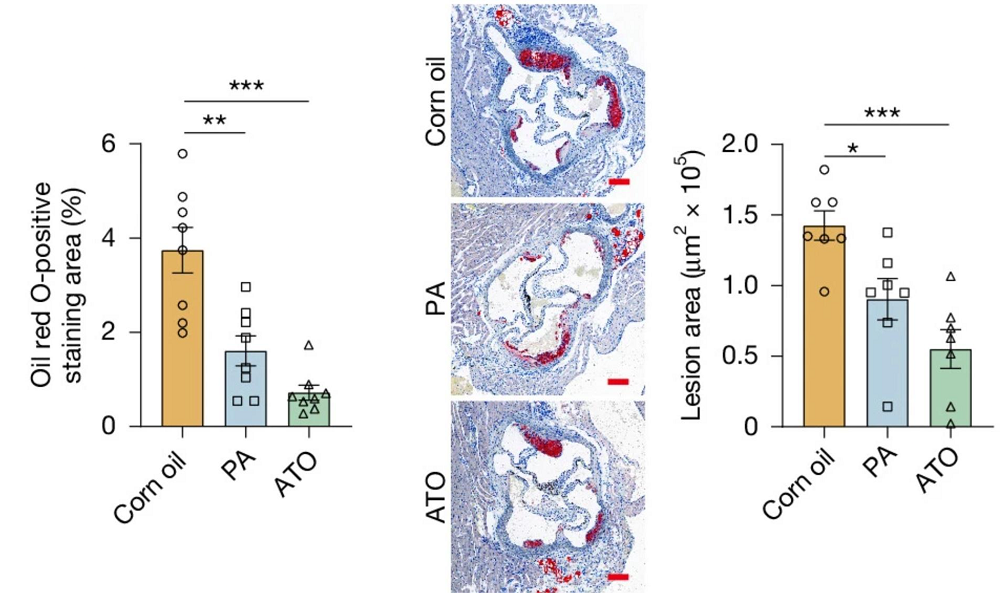
Literature

[1] Gao, C., Cai, R., Zheng, X., Gaba, A., Yu, L., Buchman, A. S., Bennett, D. A., Gao, L., Hu, K., & Li, P. (2026). Objectively Measured Daytime Napping Patterns and All-Cause Mortality in Older Adults. JAMA network open, 9(4), e267938.

[2] Zhang, Z., Xiao, X., Ma, W., & Li, J. (2020). Napping in Older Adults: A Review of Current Literature. Current sleep medicine reports, 6(3), 129–135.

[3] Sun, J., Ma, C., Zhao, M., Magnussen, C. G., & Xi, B. (2022). Daytime napping and cardiovascular risk factors, cardiovascular disease, and mortality: A systematic review. Sleep medicine reviews, 65, 101682.

[4] Li, P., Gao, L., Yu, L., Zheng, X., Ulsa, M. C., Yang, H. W., Gaba, A., Yaffe, K., Bennett, D. A., Buchman, A. S., Hu, K., & Leng, Y. (2023). Daytime napping and Alzheimer’s dementia: A potential bidirectional relationship. Alzheimer’s & dementia : the journal of the Alzheimer’s Association, 19(1), 158–168.

[5] Leng, Y., Wainwright, N. W., Cappuccio, F. P., Surtees, P. G., Hayat, S., Luben, R., Brayne, C., & Khaw, K. T. (2014). Daytime napping and the risk of all-cause and cause-specific mortality: a 13-year follow-up of a British population. American journal of epidemiology, 179(9), 1115–1124.

[6] Milner, C. E., & Cote, K. A. (2009). Benefits of napping in healthy adults: impact of nap length, time of day, age, and experience with napping. Journal of sleep research, 18(2), 272–281.

[7] Bonnet M. H. (1986). Performance and sleepiness as a function of frequency and placement of sleep disruption. Psychophysiology, 23(3), 263–271.

[8] Wang, M., Xiang, X., Zhao, Z., Liu, Y., Cao, Y., Guo, W., Hou, L., & Jiang, Q. (2024). Association between self-reported napping and risk of cardiovascular disease and all-cause mortality: A meta-analysis of cohort studies. PloS one, 19(10), e0311266.

[9] Covassin, N., Bukartyk, J., Singh, P., Calvin, A. D., St Louis, E. K., & Somers, V. K. (2021). Effects of Experimental Sleep Restriction on Ambulatory and Sleep Blood Pressure in Healthy Young Adults: A Randomized Crossover Study. Hypertension (Dallas, Tex. : 1979), 78(3), 859–870.

[10] Sun, J., Ma, C., Zhao, M., Magnussen, C. G., & Xi, B. (2022). Daytime napping and cardiovascular risk factors, cardiovascular disease, and mortality: A systematic review. Sleep medicine reviews, 65, 101682.

[11] Leng, Y., Ahmadi-Abhari, S., Wainwright, N. W., Cappuccio, F. P., Surtees, P. G., Luben, R., Brayne, C., & Khaw, K. T. (2014). Daytime napping, sleep duration and serum C reactive protein: a population-based cohort study. BMJ open, 4(11), e006071.

[12] Wright, F., Hammer, M., Paul, S. M., Aouizerat, B. E., Kober, K. M., Conley, Y. P., Cooper, B. A., Dunn, L. B., Levine, J. D., DEramo Melkus, G., & Miaskowski, C. (2017). Inflammatory pathway genes associated with inter-individual variability in the trajectories of morning and evening fatigue in patients receiving chemotherapy. Cytokine, 91, 187–210.

A Popular Senolytic Treatment Causes Brain Damage in Mice

A new study calls for caution in using the well-known senolytic treatment of dasatinib and quercetin (D+Q), showing that it causes damage in certain regions of the brain, similar to what is observed in multiple sclerosis [1].

Stem cell senescence prevents brain repair

Multiple sclerosis (MS) is a brain disorder in which the patient’s own immune system attacks oligodendrocytes: cells in the nervous system that provide a myelin coating for neurons, which is essential for their function and survival. MS is much more common in older patients, who are also more likely to have progressive disease and a worse response to treatment.

This has been linked to an increase in senescence among neural progenitor cells (NPCs) [2]. NPCs are stem cells that can repopulate lost oligodendrocytes and restore their function in the brain. In patients with MS, many NPCs are senescent, meaning that they’ve lost their ability to divide and instead remain in the tissue, promoting local inflammation. This observation has led the authors of a new study published in the journal PNAS to explore whether clearing away senescent cells may improve MS outcomes, with potential implications for other neurodegenerative diseases.

Effects on a healthy brain

To test this idea, the researchers administered the well-known senolytic combination of D+Q to aged mice. D+Q became popular after it was found to kill senescent cells in culture while generally sparing non-senescent cells [3]. It is considered the gold standard for senolytic interventions and has advanced to clinical trials for senescence-related conditions, including diseases of the lungs and kidneys, diabetes, and general age-related frailty, with promising results.

However, D+Q is not perfect. Both D and Q target molecules and molecular pathways that are not entirely unique to senescent cells, which runs the risk of off-target effects. Nevertheless, few studies have examined the effects of D+Q on a healthy brain, and this study was conducted to fill that gap.

D+Q stresses and reduces function in oligodendrocytes

The authors delivered D+Q orally three times a week on alternating weeks. In previous studies, similar protocols were found to extend the lives of mice.

One month after the start of the treatment, they collected the rostral corpus callosum (CC), a part of the brain connecting the left and right frontal lobes. The CC acts as a central wiring structure between the two hemispheres and balances the controls of higher cognitive functions. Neurons in the CC are organized into bundles that are wrapped in layers of myelin.

The CCs were analyzed by transmission electron microscopy (TEM) to measure myelination and compare it between treated and untreated mice. Surprisingly, D+Q treatment reduced myelination levels. The reduction was very modest but statistically significant. This was later confirmed in young animals, suggesting that the effect is age-independent.

Further analysis found that the treatment did not kill oligodendrocytes but altered their morphology, making them less complex and causing them to retract their outgrowths and reduce myelin deposition. This change occurred within 20 minutes of treatment onset.

To understand the underlying cause of this effect, the authors analyzed gene expression patterns in cells treated with D+Q. They found that cells that had received D+Q exhibited extensive endoplasmic reticulum stress, a condition in which newly produced proteins are not folded properly.

This led to the silencing of the machinery that normally controls myelin deposition. The injured oligodendrocytes still maintained myelin production and their cellular identity, but they were no longer able to deliver and organize myelin correctly, leaving the neurons exposed. In many ways, these changes are similar to those that occur during MS.

D+Q Neural Effects

Key takeaways

For people who are interested in using senolytics to extend life and healthspan, this study serves as a warning that some treatments may have unintended and serious consequences. It’s a call for caution and for the discovery and development of more selective treatments.

For MS researchers, however, the study points to a surprising opportunity. The D+Q treatment affects oligodendrocytes in ways similar to those observed in MS, but the cells themselves remain viable. Hence, the changes they experience may be reversible, making D+Q a useful model to study that possibility.

We would like to ask you a small favor. We are a non-profit foundation, and unlike some other organizations, we have no shareholders and no products to sell you. All our news and educational content is free for everyone to read, but it does mean that we rely on the help of people like you. Every contribution, no matter if it’s big or small, supports independent journalism and sustains our future.
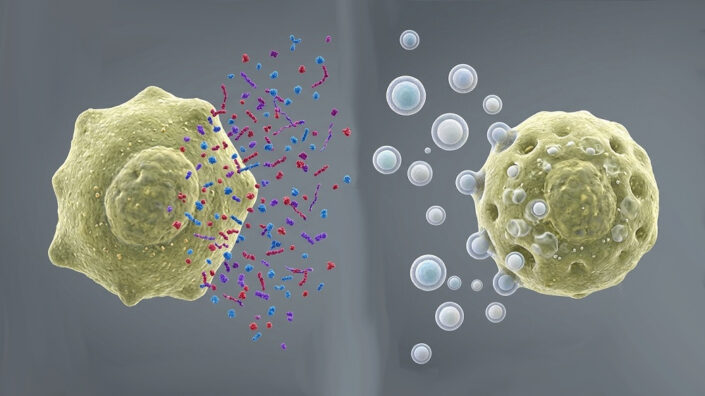
Literature

[1] Lombardo, E. R., Pijewski, R. S., Lustig, J. T., Dhari, Z., Lahiri, A., Papile, L. E., … & Crocker, S. J. (2026). Senolytic treatment induces oligodendrocyte dysfunction and demyelination in the corpus callosum. Proceedings of the National Academy of Sciences, 123(12), e2524897123.

[2] Nicaise, A. M., Wagstaff, L. J., Willis, C. M., Paisie, C., Chandok, H., Robson, P., … & Crocker, S. J. (2019). Cellular senescence in progenitor cells contributes to diminished remyelination potential in progressive multiple sclerosis. Proceedings of the National Academy of Sciences, 116(18), 9030-9039.

[3] Zhu, Y. I., Tchkonia, T., Pirtskhalava, T., Gower, A. C., Ding, H., Giorgadze, N., … & Kirkland, J. L. (2015). The Achilles’ heel of senescent cells: from transcriptome to senolytic drugs. Aging cell, 14(4), 644-658.

Obese mouse and healthy mouse

Obesity’s Effects on the Immune System May Linger for Years

A new study has suggested that T cells might retain a pro-inflammatory phenotype long after normal weight is regained following a period of obesity. In mice, the effect lasts for weeks, while its existence and duration in humans are to be determined [1].

The inflammation that stays

Obesity is a chronic, relapsing condition linked to many adverse health outcomes and increased mortality [2]. The difficulties involved in losing weight and not regaining it are well-known, and even if the endeavor is successful, recent research has found that the consequences of obesity might linger long after returning to a normal weight. However, the mechanisms behind these long-term effects are not completely understood. A new study by a European research team suggests that helper T cells remain in the obesity-associated state for a long time, possibly continuing to drive health risks.

Healthy abdominal fat tissue is patrolled by anti-inflammatory immune cells, most notably regulatory T cells (Tregs), which dampen inflammation. In obesity, the immune milieu shifts towards pro-inflammatory cells, which produce chronic low-grade inflammation that drives metabolic disease [3]. Some of the authors of this new study have previously shown that obesity specifically drives CD4+ (helper) T cells toward the especially aggressive and pro-inflammatory effector memory (Tem) phenotype and that saturated fatty acids (SFAs) like palmitate and stearate, which are abundant in high-fat Western diets, can signal directly to CD4+ T cells to drive this bias [4].

Confirmed in mice and (sort of) in humans

To dig deeper, the team started with cohorts of female mice on different diets to model obesity and recovery: chow diet (CD) for 14 weeks, high-fat diet (HFD) for 14 weeks, or HFD for 8 weeks followed by 6 weeks of chow (HFD-RE, “recovery”). Basically, the researchers wanted to see whether getting the mice back on a healthy diet would normalize things. At the end of the experiment, the mice received an antigenic challenge to investigate their T cells’ response.

The HFD-RE mice fully normalized their adipose tissue mass back to chow-fed levels, so by the metric of fat, “recovery” worked. Despite this metabolic recovery, the inflammatory Tem response remained stuck at HFD-like levels in the 14-week recovery group.

Importantly, a male cohort showed comparable HFD-induced Tem expansion, but there was no recovery period. The female-only composition of the main cohorts might have been chosen to maximize the chances of discovery as females have stronger adaptive immune responses, but this is also a genuine gap limiting the results’ generalizability.

When recovery was extended to 12 weeks, the Tem populations did normalize toward CD levels, suggesting that the immune dysregulation is reversible but only with prolonged weight maintenance. Using a mouse-to-human age conversion, the researchers extrapolated this to suggest several years of sustained weight control might be needed in humans, though this is just a hypothesis.

Professor Claudio Mauro from the Department of Inflammation and Aging at the University of Birmingham, a co-lead author of the study, said, “The findings suggest that short-term weight loss may not immediately reduce the risk of some disease conditions associated with obesity, including type 2 diabetes and some cancers. Instead, ongoing weight management following loss will see the ‘obesity memory’ slowly fade. This may take several years of sustained weight loss maintenance, likely five to 10 years, though this requires further study, to fully reverse the effects of obesity on T cells.”

To test whether this finding is human-relevant, the authors examined three human cohorts: patients with obesity treated for 6 months with a GLP-1 receptor agonist; people with Alström Syndrome, a rare monogenic obesity-causing disorder; and people who had participated in a 10-week randomized controlled trial of exercise. Neither the semaglutide cohort nor the exercise cohort showed T cell normalization, despite the real weight loss in the former and the metabolic improvements in the latter. This resembles the already familiar delay in getting T cells back to normal, at least in these relatively short timeframes.

Methylation and autophagy

Next, the team performed a DNA methylation analysis on naive and memory T cells from the spleens of the three 14-week mouse groups. They identified 104 genes whose methylation in memory T cells was similarly altered in HFD and HFD-RE compared to CD – i.e., genes where the methylation changes “stuck” through weight loss. Two hypomethylated genes popped out (hypomethylation suggests chromatin derepression, meaning that the gene is more active): Bcl6, a transcription factor known to drive memory T-cell differentiation, and Stk26, an inducer of intracellular junk removal (autophagy).

Inflammatory Tem cells in the HFD-RE group indeed showed sustained autophagy flux, significantly higher than in the CD group. While autophagy is generally associated with lower inflammation, here it possibly indicates increased Tem activity and fitness.

Given their previous results with saturated fatty acids, the researchers wanted to test whether SFAs alone could induce these changes. They treated human CD4+ T cells from healthy donors with palmitate, stearate, or oleate (the unsaturated control). Both palmitate and stearate increased the proportion of Tem cells. Stearate also reduced regulatory T cells. Palmitate specifically upregulated STK26 in activated helper T cells and increased autophagy.

To test causality, the team then put STK26-deficient mice on 8 weeks of CD or HFD. STK26 knockout impaired autophagy and reduced antigen-induced expansion of inflammatory Tem populations on both CD and HFD. The means that autophagy via STK26 is required for the Tem expansion, which is evidence of a causal role.

Apart from using mainly female mice, the study had several more limitations. Most importantly, further studies must be conducted to confirm the effect and its duration in humans. Regarding possible translational implications, Mauro said: “Our study suggests potential therapeutic opportunities to expedite this process, such as repurposing drugs like SGLT2 inhibitors, which have shown promise in reducing inflammation and promoting immune-mediated clearance of senescent cells in obesity.”

We would like to ask you a small favor. We are a non-profit foundation, and unlike some other organizations, we have no shareholders and no products to sell you. All our news and educational content is free for everyone to read, but it does mean that we rely on the help of people like you. Every contribution, no matter if it’s big or small, supports independent journalism and sustains our future.

Literature

[1] Niven, J., Kucuk, S., Gope, A. et al. (2026). DNA methylation-mediated memory of obesity in CD4 T lymphocytes perpetuates immune dysregulation. EMBO Rep

[2] Abdelaal, M., le Roux, C. W., & Docherty, N. G. (2017). Morbidity and mortality associated with obesity. Annals of translational medicine, 5(7), 161.

[3] Feuerer, M., Herrero, L., Cipolletta, D., Naaz, A., Wong, J., Nayer, A., … & Mathis, D. (2009). Lean, but not obese, fat is enriched for a unique population of regulatory T cells that affect metabolic parameters. Nature medicine, 15(8), 930-939.

[4] Mauro, C., Smith, J., Cucchi, D., Coe, D., Fu, H., Bonacina, F., … & Marelli-Berg, F. M. (2017). Obesity-induced metabolic stress leads to biased effector memory CD4+ T cell differentiation via PI3K p110δ-Akt-mediated signals. Cell metabolism, 25(3), 593-609.