

September 17, 2025
[Mountain View, September 17, 2025] — Lifespan Research Institute (LRI) today announced the launch of the Public Longevity Group (PLG), a new initiative focused on bridging the cultural gap between scientific breakthroughs in aging and their public acceptance. To kickstart its work, PLG has opened a crowdfunding campaign to develop tools that measure and strengthen...
August 31, 2026
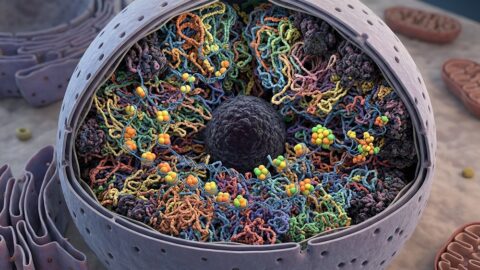
Researchers have found that the sirtuin SIRT1 stabilizes the human genome by suppressing retrotransposition, which occurs when parts of the genome transcribe themselves onto other parts. When DNA modifies itself Long interspersed elements-1 (LINE-1) have existed in organisms' genomes, including our own, for well over a billion years [1]. They are the only autonomous elements...

August 28, 2026
Michael Snyder, Director of the Center for Genomics and Personalized Medicine at Stanford University, is obsessed with health-tracking wearables. During our interview, he wore four wrist-worn devices – watches and bands – and two rings. He is convinced that these small but powerful gadgets will help drive the transition from today’s “sickcare” to true healthcare,...
August 27, 2026
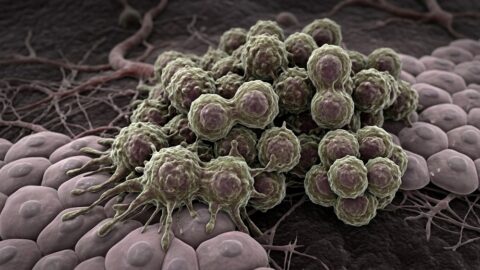
A recent study has examined whether senescence might allow cancer cells to survive oncogene withdrawal and become even more dangerous [1]. Some blocking techniques are temporary Many cancers depend heavily on a particular oncogenic signal to maintain their growth. Drugs that block these drivers can, therefore, produce dramatic tumor shrinkage. A major clinical problem, however,...

August 26, 2026
A new study compared high-intensity sprint-interval exercise with moderate-intensity exercise. The former produced larger changes in circulating protein and metabolite levels than the latter and stimulated proteins associated with cardiometabolic health benefits [1]. Short and intense vs. long and moderate Exercise is a well-known lifestyle factor that can positively impact health. Exercise benefits multiple cells,...
August 24, 2026
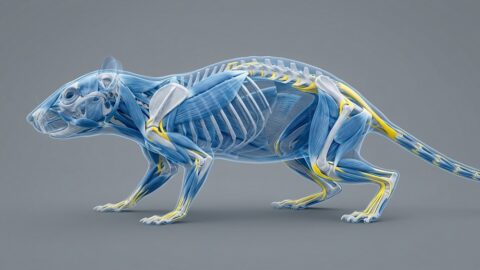
Researchers have found that an upstream promoter of two extracellular matrix proteins increases healing and strength capabilities in the tendons of rats. Tendon injuries in older people Previous research has found that, like with many other injuries, tendon injuries have an age-related component. The tendons of the biceps and rotator cuffs are more commonly injured...
August 21, 2026
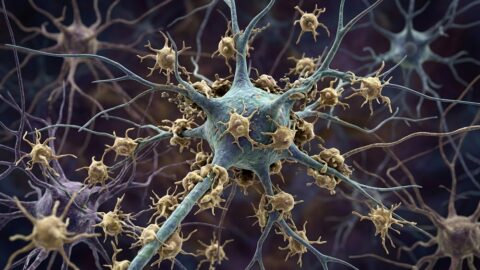
A new study suggests that in amyotrophic lateral sclerosis – and possibly other neurodegenerative diseases – the brain’s immune cells devour stressed but still living neurons due to altered signaling [1]. The living dead Amyotrophic lateral sclerosis (ALS), an age-related neurodegenerative disease, is characterized by the progressive loss of motor neurons. Historically, much of ALS...