



Epigenetic Biomarker for Measuring Aging Through Fitness
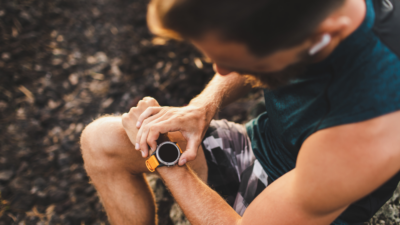
A new biomarker for measuring biological aging based on physical fitness has been published in Aging, and it has been found to be useful in predicting health issues. A clock

Healthy Lifestyle Associated with Reduced Aging Biomarkers
Researchers publishing in BMC Medicine have found that there is a relationship between biomarkers of aging and measurements of health and mental well-being [1]. “Healthy lifestyle” is not just a

Glycans as Biomarkers of Aging
In a new review published in Clinica Chimica Acta, researchers from the University of Zagreb discuss immunoglobulin G glycans, the changes that their composition undergoes with aging, and their potential

Blueberry Extract Reduces Aging Biomarkers in Rat Livers
A study published in Oxidative Medicine and Cellular Longevity has shown how blueberry extract moderately improves several age-related biomarkers in the livers of aging male rats. Rich in polyphenols In

Combining Epigenetic and Imaging Biomarkers
Cardiologists, epidemiologists, and other researchers publishing in Aging have discovered that epigenetic aging and brain scans can be combined to accurately predict cognitive decline. Two entirely different measurements The ongoing

Isthmin 1 as a Biomarker and Therapeutic Target for Aging
A recent study published in Biogerontology has discovered a potential new aging biomarker and longevity therapeutic target [1]. Isthmin 1 (Ism1) in aging fish Ism1 is not a well-known protein,

Fasting May Be Beneficial For Human Longevity
A recent study in Clinical and Translational Medicine followed people who went 5 days without eating and found improvements both immediately afterwards and up to 98 days later. Fasting for

Crypto and Aging With Vitalik Buterin and Aubrey de Grey
VitaDAO, the world’s first decentralized intellectual property collective, hosted a discussion and AMA on Youtube yesterday. The event featured guests Dr. Aubrey de Grey from SENS Research Foundation and Vitalik

A Non-Invasive Biomarker to Track Cellular Senescence
A lipid metabolite could serve as a novel biomarker to test the performance of senolytics, according to a new study [1]. Such a biomarker can be detected from blood or

A Biomarker Based on Senescent Cell Secretions
Researchers have published a new study suggesting that some of the inflammatory signals secreted by senescent cells could be used as a biomarker to measure aging and health. What are

The Challenges of Developing Aging Biomarkers
A new study reviews the state of the art of aging biomarkers and explores the future development of even better ways of measuring biological age. The need for better aging
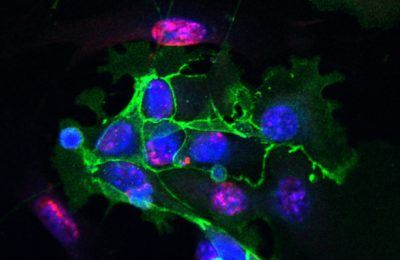
Developing Better Senescent Cell Biomarkers
In aging research, there has long been a need for better biomarkers that can detect and confirm the presence of senescent cells. This has become particularly urgent in recent years
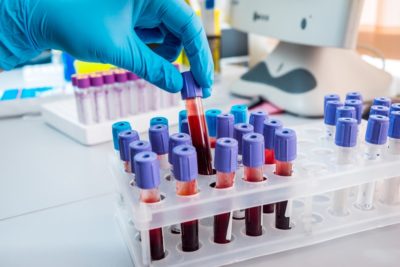
Lab on a Chip Measures Aging Biomarkers Almost Instantly
A new palm-sized testing system has been developed to measure the levels of aging biomarkers circulating in the body. The new biomarker system, called Click-A+Chip, was developed by Sarah Balderston
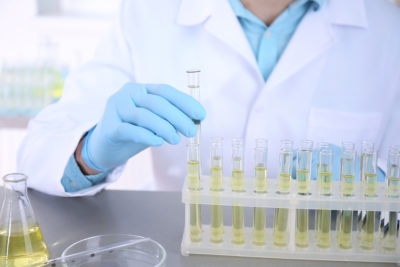
Potential New Aging Biomarker in Urine
A potential new biomarker of aging has been discovered by researchers. This substance, found in urine, indicates oxidative damage that could be used to determine how much someone has aged
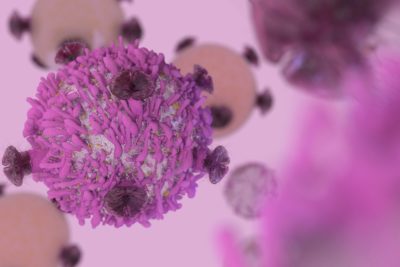
TIGIT as a Biomarker for T Cell Senescence and Exhaustion
In a new study, researchers propose that TIGIT is a marker of T cell senescence and exhaustion in the immune system [1]. However, not only is TIGIT just a biomarker,

Epigenetic Biomarker for Measuring Aging Through Fitness
A new biomarker for measuring biological aging based on physical fitness has been published in Aging, and it has been found to be useful in predicting health issues. A clock with a different purpose Epigenetic clocks are most notable for their direct relationship to biological age,

Healthy Lifestyle Associated with Reduced Aging Biomarkers
Researchers publishing in BMC Medicine have found that there is a relationship between biomarkers of aging and measurements of health and mental well-being [1]. “Healthy lifestyle” is not just a phrase It is very well known that unhealthy behaviors are strongly linked to adverse health outcomes.

Glycans as Biomarkers of Aging
In a new review published in Clinica Chimica Acta, researchers from the University of Zagreb discuss immunoglobulin G glycans, the changes that their composition undergoes with aging, and their potential as biomarkers of aging [1]. Glycans are not AGEs One of the review’s co-authors is Prof.

Blueberry Extract Reduces Aging Biomarkers in Rat Livers
A study published in Oxidative Medicine and Cellular Longevity has shown how blueberry extract moderately improves several age-related biomarkers in the livers of aging male rats. Rich in polyphenols In their introduction, the researchers describe polyphenols, a broad category of plant compounds that includes flavonoids. Specifically,

Combining Epigenetic and Imaging Biomarkers
Cardiologists, epidemiologists, and other researchers publishing in Aging have discovered that epigenetic aging and brain scans can be combined to accurately predict cognitive decline. Two entirely different measurements The ongoing CARDIA study was started in 1985 to monitor coronary artery risk development in young adults (who

Isthmin 1 as a Biomarker and Therapeutic Target for Aging
A recent study published in Biogerontology has discovered a potential new aging biomarker and longevity therapeutic target [1]. Isthmin 1 (Ism1) in aging fish Ism1 is not a well-known protein, but it has been shown to play a role in multiple aspects of biology. It contributes

Fasting May Be Beneficial For Human Longevity
A recent study in Clinical and Translational Medicine followed people who went 5 days without eating and found improvements both immediately afterwards and up to 98 days later. Fasting for longevity Fasting is a practice in which an individual abstains from food and calories for a

Crypto and Aging With Vitalik Buterin and Aubrey de Grey
VitaDAO, the world’s first decentralized intellectual property collective, hosted a discussion and AMA on Youtube yesterday. The event featured guests Dr. Aubrey de Grey from SENS Research Foundation and Vitalik Buterin, one of the co-founders of Ethereum. Introducing Aubrey de Grey and Vitalik Buterin Dr. Aubrey

A Non-Invasive Biomarker to Track Cellular Senescence
A lipid metabolite could serve as a novel biomarker to test the performance of senolytics, according to a new study [1]. Such a biomarker can be detected from blood or urine, allowing for non-invasive testing, and experiments have shown that it plays a functional role in

A Biomarker Based on Senescent Cell Secretions
Researchers have published a new study suggesting that some of the inflammatory signals secreted by senescent cells could be used as a biomarker to measure aging and health. What are senescent cells? As you age, increasing numbers of your cells enter into a state known as

The Challenges of Developing Aging Biomarkers
A new study reviews the state of the art of aging biomarkers and explores the future development of even better ways of measuring biological age. The need for better aging biomarkers Human life expectancy has been increasing throughout the 20th and 21st centuries due to improvements

Developing Better Senescent Cell Biomarkers
In aging research, there has long been a need for better biomarkers that can detect and confirm the presence of senescent cells. This has become particularly urgent in recent years due to the meteoric rise of the senescent cell-clearing therapies known as senolytics. Traditional ways of

Lab on a Chip Measures Aging Biomarkers Almost Instantly
A new palm-sized testing system has been developed to measure the levels of aging biomarkers circulating in the body. The new biomarker system, called Click-A+Chip, was developed by Sarah Balderston and Mandeep Sandhu, who are part of the Keck Graduate Institute team led by Assistant Professor

Potential New Aging Biomarker in Urine
A potential new biomarker of aging has been discovered by researchers. This substance, found in urine, indicates oxidative damage that could be used to determine how much someone has aged biologically. Why do we need biomarkers of ageing? It is important for us to develop accurate

TIGIT as a Biomarker for T Cell Senescence and Exhaustion
In a new study, researchers propose that TIGIT is a marker of T cell senescence and exhaustion in the immune system [1]. However, not only is TIGIT just a biomarker, it is also a potential therapeutic target; as the researcher team discovered, lowering levels of TIGIT