



Move Beyond the Hallmarks, Urges New Paper
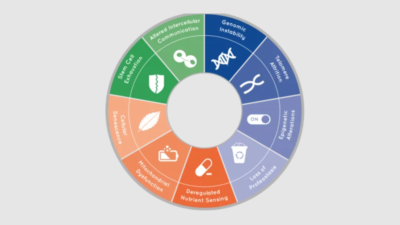
The hallmarks of aging, as presented in a 2013 paper [1], have been useful but do not provide a genuine explanatory paradigm, argue David Gems of University College London and

Elevant’s Leaders Introduce Elevant Prime
Elevant launched its first product, Prime, in January 2021. Prime is a daily NMN supplement featuring a unique form of cGMP-manufactured NMN called NMN-C. Guillaume Bermond is a French entrepreneur

Deep Longevity Partners With LifeHub & LifeClinic
Today, we have a bit more positive news with the announcement that Deep Longevity has added LifeHub and LifeClinic to its network of longevity-focused companies. This company plans to use

Nicotinamide Riboside Rejuvenates Blood Stem Cells in Mice
Researchers have reversed the age-related decline in the function of hematopoietic stem cells (HSCs) in older mice using nicotinamide riboside. This success can make our blood more youthful and increase

SIRT6 Linked to Slower Aging in Mice
A study published in Aging has shown that the sirtuin SIRT6 has positive effects on multiple hallmarks of aging in the hearts of mice. Sirtuins Sirtuins are a family of

Crypto and Aging With Vitalik Buterin and Aubrey de Grey
VitaDAO, the world’s first decentralized intellectual property collective, hosted a discussion and AMA on Youtube yesterday. The event featured guests Dr. Aubrey de Grey from SENS Research Foundation and Vitalik

Why Quality Sleep Should Be Part of Your Longevity Strategy
Quality sleep is one of the foundations of health, and a new study suggests that poor sleep quality is a major risk factor for developing Alzheimer’s disease and other dementias.

Intermittent Fasting During Ramadan Alters Gut Bacteria
Intermittent fasting changes the composition of the gut microbiome, according to new research [1]. An increase in the abundance of a group of bacteria known as Lachnospiraceae may explain some

DHE Reduces Inflammation, Senescence in Intervertebral Discs
Recent research out of Frontiers in Pharmacology has shown that a natural herbal compound reduces senescence and intervertebral disc degeneration in mice. Cellular senescence in intervertebral disc degeneration Located between

Some People think Life Extension is “Just a Fear of Death”
Sometimes those working in the field of rejuvenation biotechnology face the accusation that what they are doing is just a fear of death, like not being scared of age-related diseases

Gene Therapy Improves the Brains of Mice With Alzheimer’s
Scientists have successfully improved learning and memory, as well as neuronal morphology, in Alzheimer’s-prone mice with the help of a gene therapy that upregulates a vital protein [1]. Alzheimer’s disease

Harnessing the Unaging Germline
A team of researchers, including Michael West of AgeX Therapeutics, has authored a review paper that posits a fundamental difference between “immortal” germline cells and “mortal” somatic cells. The two

Aging Begins After a Rejuvenation Event in Early Life
The Journal Club hosted by Dr. Oliver Medvedik returns for another episode on May 25th at noon Eastern / 5 UK time live on our Facebook page. This month, we

People Living 105+ Years Appear to Repair DNA Better
A new study has shown that people who live for over 105 years typically have a genetic makeup that allows better repair of DNA damage [1]. Looking at the genomes

No Sign of Aging in Long-Lived Bigmouth Buffalo Fish
Extremely long-lived bigmouth buffalo fish show no signs of a physiological decline with age, according to a new study. This clear example of negligible senescence in aging vertebrates demonstrates the

Move Beyond the Hallmarks, Urges New Paper
The hallmarks of aging, as presented in a 2013 paper [1], have been useful but do not provide a genuine explanatory paradigm, argue David Gems of University College London and João Pedro de Magalhães of the University of Liverpool in a pre-print paper [2]. They propose

Elevant’s Leaders Introduce Elevant Prime
Elevant launched its first product, Prime, in January 2021. Prime is a daily NMN supplement featuring a unique form of cGMP-manufactured NMN called NMN-C. Guillaume Bermond is a French entrepreneur and founder of Elevant, an American health and wellness brand that develops cellular health solutions with

Deep Longevity Partners With LifeHub & LifeClinic
Today, we have a bit more positive news with the announcement that Deep Longevity has added LifeHub and LifeClinic to its network of longevity-focused companies. This company plans to use multiple AI-based biological aging clocks to test a variety of longevity interventions, including supplements, drugs, and

Nicotinamide Riboside Rejuvenates Blood Stem Cells in Mice
Researchers have reversed the age-related decline in the function of hematopoietic stem cells (HSCs) in older mice using nicotinamide riboside. This success can make our blood more youthful and increase the effectiveness of stem cell transplantation [1]. There will be blood HSCs are the progenitors of

SIRT6 Linked to Slower Aging in Mice
A study published in Aging has shown that the sirtuin SIRT6 has positive effects on multiple hallmarks of aging in the hearts of mice. Sirtuins Sirtuins are a family of proteins that have been shown to have significant effects on longevity in multiple model organisms. In

Crypto and Aging With Vitalik Buterin and Aubrey de Grey
VitaDAO, the world’s first decentralized intellectual property collective, hosted a discussion and AMA on Youtube yesterday. The event featured guests Dr. Aubrey de Grey from SENS Research Foundation and Vitalik Buterin, one of the co-founders of Ethereum. Introducing Aubrey de Grey and Vitalik Buterin Dr. Aubrey

Why Quality Sleep Should Be Part of Your Longevity Strategy
Quality sleep is one of the foundations of health, and a new study suggests that poor sleep quality is a major risk factor for developing Alzheimer’s disease and other dementias. Dementia is a rising global problem Worldwide, close to fifty million people currently live with Alzheimer’s

Intermittent Fasting During Ramadan Alters Gut Bacteria
Intermittent fasting changes the composition of the gut microbiome, according to new research [1]. An increase in the abundance of a group of bacteria known as Lachnospiraceae may explain some of the health benefits linked with dietary restriction. A natural experiment Intermittent fasting—the repeated, severe restriction

DHE Reduces Inflammation, Senescence in Intervertebral Discs
Recent research out of Frontiers in Pharmacology has shown that a natural herbal compound reduces senescence and intervertebral disc degeneration in mice. Cellular senescence in intervertebral disc degeneration Located between our vertebral bones, intervertebral discs are the shock-absorbing tissues that allow the spine to bend. Like

Some People think Life Extension is “Just a Fear of Death”
Sometimes those working in the field of rejuvenation biotechnology face the accusation that what they are doing is just a fear of death, like not being scared of age-related diseases is somehow brave. War used to be fashionable but now it isn’t These days, war is

Gene Therapy Improves the Brains of Mice With Alzheimer’s
Scientists have successfully improved learning and memory, as well as neuronal morphology, in Alzheimer’s-prone mice with the help of a gene therapy that upregulates a vital protein [1]. Alzheimer’s disease (AD) has been a notoriously hard problem to crack, despite major R&D investment. AD has long

Harnessing the Unaging Germline
A team of researchers, including Michael West of AgeX Therapeutics, has authored a review paper that posits a fundamental difference between “immortal” germline cells and “mortal” somatic cells. The two types of cells This review paper, which cites 175 other papers, goes back throughout history, discussing

Aging Begins After a Rejuvenation Event in Early Life
The Journal Club hosted by Dr. Oliver Medvedik returns for another episode on May 25th at noon Eastern / 5 UK time live on our Facebook page. This month, we have one of the authors, Dr. Vadim Gladyshev, joining us, and he will be talking us

People Living 105+ Years Appear to Repair DNA Better
A new study has shown that people who live for over 105 years typically have a genetic makeup that allows better repair of DNA damage [1]. Looking at the genomes of people who enjoy extreme longevity There has always been lots of interest in what allows

No Sign of Aging in Long-Lived Bigmouth Buffalo Fish
Extremely long-lived bigmouth buffalo fish show no signs of a physiological decline with age, according to a new study. This clear example of negligible senescence in aging vertebrates demonstrates the need to better understand the mechanisms underlying senescence and points the way towards research that could