




Lowering the Bar to Invest in Longevity
Maximon, Marcuard Heritage, and GenTwo have announced the launch of a new longevity-related investment opportunity. Their proposal allows professional investors to get access to Maximon’s portfolio of longevity companies via

Looking for Safety in Epigenetic Rejuvenation
In Nature Communications, Ali Yücel and Vadim Gladyshev have published a review of the current state of the art in partial cellular reprogramming, detailing what this technology does and how

Intermittent Rapamycin Lessens Negative Effects in Mice
A recent Molecular Metabolism paper dives into the differences between intermittent and chronic rapamycin treatment and its differential impact on male and female mice [1]. The dark side of rapamycin
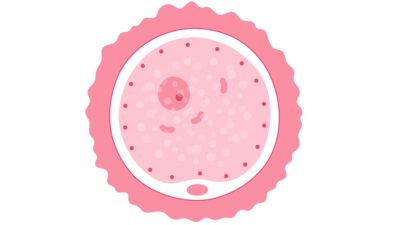
Decreasing Autophagy Might Reverse Ovarian Aging
Experimenting in vitro and in mice, scientists have found that ovarian aging is linked to increased autophagy and apoptosis in granulosa cells and that it can be reversed by an

Using Ultrasound to Assist Gene Therapy
A new publication in iScience has described a novel way in which heart tissue can be encouraged to accept a gene therapy by using ultrasound to create cavitation bubbles. A
Longevity and DeSci Recap – February 2024
Last month has been a hive of activity in the longevity finance sphere, with a number of significant fundings taking place that are set to generate new lifespan solutions for

Ultra-Processed Food Linked to Numerous Health Risks
A new massive umbrella review of epidemiological meta-analyses reinforces the idea that ultra-processed food is bad for most aspects of human health [1]. Is it even food? Many words have

Rejuvenation Roundup February 2024
The leap year is here, so we’ve had an extra day to showcase interviews and report on all-new ways to combat cancer. Here’s everything that we’ve published in February. LEAF
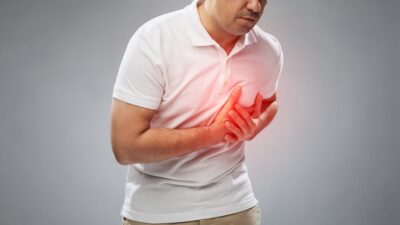
Niacin (Vitamin B3) Linked to Cardiovascular Risk
A new study shows that niacin, a popular food fortifier, supplement, and NAD precursor, might increase the risk of major adverse cardiovascular events by as much as twofold [1]. The

Higher Abdominal Fat Associated with Cognitive Decline
A group of Japanese researchers has published a paper reporting an association between higher abdominal fat levels and cognitive decline [1]. Abdominal fat and brain connection Aging is often linked

Physically Fit Older People Have Better Visual Processing
Publishing a study in GeroScience featuring people over 80 years old, researchers have described a link between physical fitness and maintenance of specific brain functions. Executive functions This paper begins

Epigenetic Clocks Help Predict Health Outcomes
Researchers publishing in PNAS have found that well-known epigenetic clocks are valuable in predicting health outcomes, including mortality, in human beings. The usefulness of clocks This paper begins with a

Fasting-Mimicking Diet Might Extend Lifespan in Humans
A new study into Valter Longo’s fasting-mimicking diet shows metabolic and immune benefits that, according to a simulation, might translate into years of additional lifespan [1]. Fasting in disguise Caloric

Meaningful Improvements in Human Trial For Sarcopenia
Rejuvenate Biomed has recently concluded a clinical trial for sarcopenia. The results have shown “meaningful improvements in muscle strength, function and fatigue resistance”. What is sarcopenia? Sarcopenia is an age-related
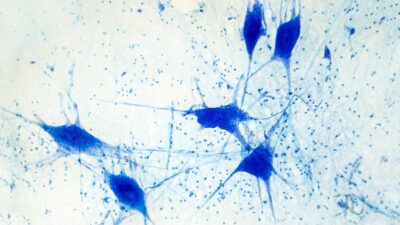
A Nanoparticle Reduces Brain Inflammation in Mice
A recent preprint paper from researchers at Sachi Bio has described how this company’s technology can be used to alleviate brain inflammation in a mouse model. The problem of tau

Lowering the Bar to Invest in Longevity
Maximon, Marcuard Heritage, and GenTwo have announced the launch of a new longevity-related investment opportunity. Their proposal allows professional investors to get access to Maximon’s portfolio of longevity companies via an actively managed certificate (AMC). According to Maximon, there have been many requests to launch an

Looking for Safety in Epigenetic Rejuvenation
In Nature Communications, Ali Yücel and Vadim Gladyshev have published a review of the current state of the art in partial cellular reprogramming, detailing what this technology does and how it might be used safely. Affecting methylation directly This paper begins by treading familiar ground on

Intermittent Rapamycin Lessens Negative Effects in Mice
A recent Molecular Metabolism paper dives into the differences between intermittent and chronic rapamycin treatment and its differential impact on male and female mice [1]. The dark side of rapamycin Rapamycin doesn’t need much introduction in the lifespan extension community. This mTOR inhibitor has been shown

Decreasing Autophagy Might Reverse Ovarian Aging
Experimenting in vitro and in mice, scientists have found that ovarian aging is linked to increased autophagy and apoptosis in granulosa cells and that it can be reversed by an estrogen receptor inhibitor [1]. When ovaries get tired Female reproductive aging is an intriguing phenomenon that

Using Ultrasound to Assist Gene Therapy
A new publication in iScience has described a novel way in which heart tissue can be encouraged to accept a gene therapy by using ultrasound to create cavitation bubbles. A little-known target and a new delivery vector This paper begins with a discussion of S-adenosylhomocysteine (SAH),

Longevity and DeSci Recap – February 2024
Last month has been a hive of activity in the longevity finance sphere, with a number of significant fundings taking place that are set to generate new lifespan solutions for the future. Highlights include Yuva Biosciences’ $7.5 million for anti-hair loss tech, Tagomics’ £6.7 million for

Ultra-Processed Food Linked to Numerous Health Risks
A new massive umbrella review of epidemiological meta-analyses reinforces the idea that ultra-processed food is bad for most aspects of human health [1]. Is it even food? Many words have been uttered about the dangers of ultra-processed food, so can another study add anything new? The

Rejuvenation Roundup February 2024
The leap year is here, so we’ve had an extra day to showcase interviews and report on all-new ways to combat cancer. Here’s everything that we’ve published in February. LEAF News Interviews Patrick Linden’s Case Against Death: People come to the longevity field from all walks
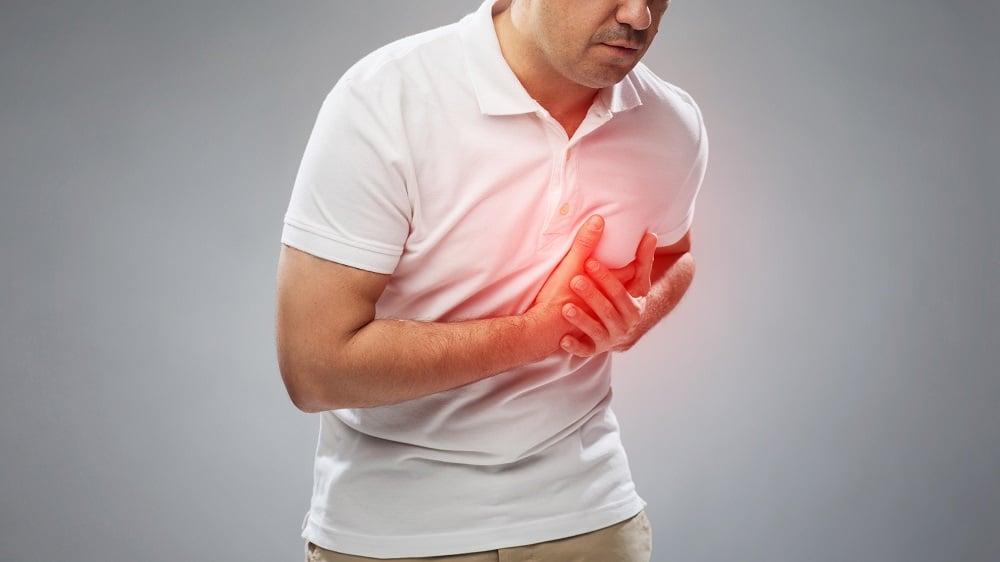
Niacin (Vitamin B3) Linked to Cardiovascular Risk
A new study shows that niacin, a popular food fortifier, supplement, and NAD precursor, might increase the risk of major adverse cardiovascular events by as much as twofold [1]. The dark side of niacin? Vitamins are good for you, but caveats apply. Too much of some

Higher Abdominal Fat Associated with Cognitive Decline
A group of Japanese researchers has published a paper reporting an association between higher abdominal fat levels and cognitive decline [1]. Abdominal fat and brain connection Aging is often linked to many comorbidities, one of which is dementia, and developing drugs to treat this condition is

Physically Fit Older People Have Better Visual Processing
Publishing a study in GeroScience featuring people over 80 years old, researchers have described a link between physical fitness and maintenance of specific brain functions. Executive functions This paper begins with a description of executive functions, the basic abilities involved in performing the fundamental goal-oriented behaviors

Epigenetic Clocks Help Predict Health Outcomes
Researchers publishing in PNAS have found that well-known epigenetic clocks are valuable in predicting health outcomes, including mortality, in human beings. The usefulness of clocks This paper begins with a discussion of epigenetic clocks, most notably the later-generation clocks, such as PhenoAge, DunedinPACE, and the strong
Fasting-Mimicking Diet Might Extend Lifespan in Humans
A new study into Valter Longo’s fasting-mimicking diet shows metabolic and immune benefits that, according to a simulation, might translate into years of additional lifespan [1]. Fasting in disguise Caloric restriction is among the most powerful life-extending interventions in mice [2]. However, there is a lack
Meaningful Improvements in Human Trial For Sarcopenia
Rejuvenate Biomed has recently concluded a clinical trial for sarcopenia. The results have shown “meaningful improvements in muscle strength, function and fatigue resistance”. What is sarcopenia? Sarcopenia is an age-related progressive loss of muscle mass and strength that affects many older adults. This decline in muscle

A Nanoparticle Reduces Brain Inflammation in Mice
A recent preprint paper from researchers at Sachi Bio has described how this company’s technology can be used to alleviate brain inflammation in a mouse model. The problem of tau Along with the infamous amyloid beta, tau is well-known as a pathological factor in both Alzheimer’s