

A human trial found that even without caloric restriction, a low-fat, plant-based diet improved blood sugar control, reduced liver fat, and lowered the quantity of advanced glycation end products (AGEs) in the skin [1].
An all-you-can-eat vegan buffet
Type 2 diabetes is an age-related metabolic disorder in which the body becomes less able to regulate blood glucose. Two major problems usually underlie disease onset: tissues respond less strongly to insulin signaling, meaning that they take up less glucose from the bloodstream, and pancreatic beta cells, which produce insulin, become less able to meet the body’s needs.
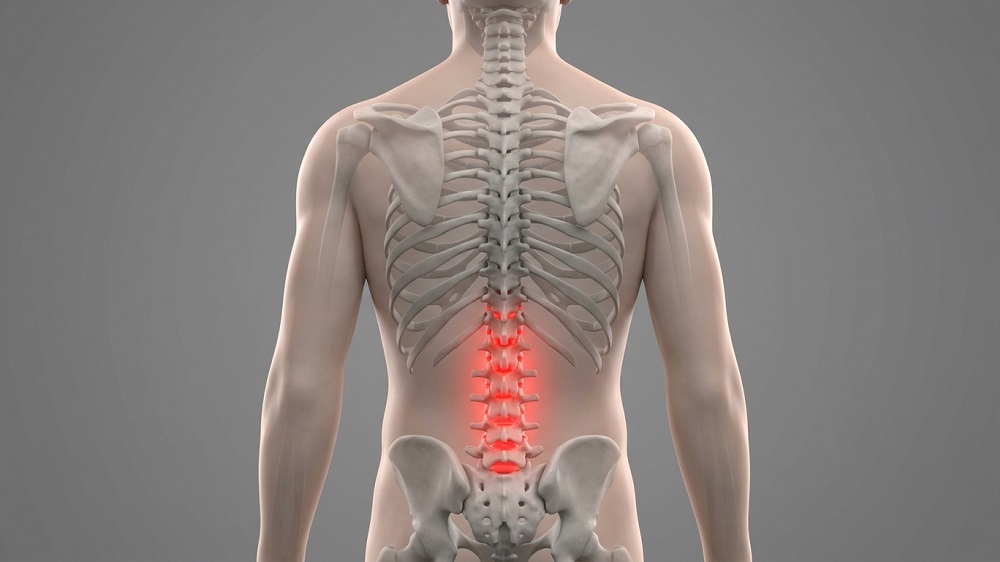
As with many biological processes, a self-reinforcing loop can develop: insulin resistance increases the demand for insulin, while insufficient secretion allows glucose levels to rise, further impairing beta-cell function. The accumulation of fat surrounding the internal organs (visceral fat) and fat deposited outside its usual storage sites (ectopic fat), such as inside liver and muscle cells, is thought to be a major contributor to this metabolic dysfunction [2].
Dietary interventions for type 2 diabetes usually require reducing caloric intake and can be hard to adhere to. A new clinical trial, led by researchers at the Physicians Committee for Responsible Medicine, in collaboration with the Yale School of Medicine, and published in BMJ Open Diabetes Research & Care, tried a different approach: an all-you-can-eat low-fat plant-based diet. While previous studies have investigated plant-based diets in obesity and diabetes, this is “the first to simultaneously measure liver fat, muscle fat, visceral fat, and tissue advanced glycation end-products (AGEs) in a single plant-based dietary intervention in people with type 2 diabetes,” according to the accompanying press release.
Fewer calories without counting
25 adults with type 2 diabetes began a 16-week low-fat vegan diet, and all but one completed it. They averaged 59 years of age, had an average BMI of about 31, and had lived with diabetes for about 6.6 years. People using insulin, sulfonylureas, or weight-loss medications were excluded, while diabetes medications such as metformin were allowed.
The prescribed diet was based on vegetables, grains, legumes, and fruit, with animal products and added fats completely excluded. Its target composition was approximately 75% carbohydrate, 15% protein, and 10% fat. Participants were told to eat to satiety, without counting calories, and to maintain their exercise habits.
Despite that, participants reported eating about 346 fewer calories per day. Average carbohydrate consumption increased only modestly, from 198 to 259 grams a day; fiber consumption increased almost twofold; total fat consumption dropped by more than three times, and saturated fat consumption by more than five times; and protein consumption decreased only slightly, from 70 to 59 grams a day.
Participants lost 6 kilograms on average, or 6.6% of their starting weight. Fat mass fell by 4.2 kilograms, and visceral fat volume decreased by approximately 290 cm³, from 2,168 to 1,878 cm³. Liver fat decreased substantially, by 33% on average. Some lean mass was lost as well, which is something that future trials may address.
Importantly, these changes did not come from more exercise, as reported physical activity actually decreased. Neither fasting nor post-meal energy expenditure changed significantly, as well as the increase in energy expenditure after eating (the thermic effect of food). Among the 16 metformin users who completed the study, five reduced their dose and two discontinued it. No participant started or increased a glucose-lowering medication.
Better glucose control and less AGEs
The “under the hood” results were impressive as well, with blood glucose control improving substantially. Average fasting glucose fell from 155 mg/dL to 116 mg/dL, fasting insulin from 13.5 µU/mL to 8.8 µU/mL, and harmful LDL cholesterol from 108 mg/dL to 86 mg/dL. HbA1c, a marker of long-term glucose trends, fell from 7.6% to 6.6%, dipping below the usual treatment target of 7% for many adults with diabetes. On the other hand, beneficial HDL cholesterol also fell, from approximately 55 to 47 mg/dL, and triglycerides did not change significantly.

Several metrics suggested that beta cells became more responsive to glucose. Estimated insulin secretion increased at higher glucose concentrations, and rate sensitivity improved: beta cells responded more strongly to the speed at which glucose was rising.
AGEs are compounds formed when sugars react with proteins or fats. They accumulate with age and can impair tissue function by stiffening structural proteins and promoting inflammation. In this study, one of the first to measure AGEs in this context, skin AGE score fell from 3.1 to 2.7.
“For years, people with diabetes have been told to count calories and measure portions,” said Hana Kahleova, MD, PhD, the lead author of the study and director of clinical research at the Physicians Committee for Responsible Medicine. “This study shows that a simple shift in what you eat – toward vegetables, whole grains, legumes, and fruit – can reduce the fat clogging the liver by a third and improve how the pancreas makes insulin, without anyone having to count a single calorie.”
Literature
[1] Kahleova, H., Petersen, K., Shulman, G. I., Znayenko-Miller, T., Dufour, S., Brennan, H., … & Barnard, N. D. (2026). Changes in ectopic lipids, insulin sensitivity, and beta cell function after a low-fat vegan diet in adults with type 2 diabetes: a 16-week single-arm clinical trial. BMJ Open Diabetes Research & Care, 14(5).
[2] Chang-Chen, K. J., Mullur, R., & Bernal-Mizrachi, E. (2008). β-cell failure as a complication of diabetes. Reviews in Endocrine and Metabolic Disorders, 9(4), 329-343.
[3] Semba, R. D., Nicklett, E. J., & Ferrucci, L. (2010). Does accumulation of advanced glycation end products contribute to the aging phenotype?. Journals of Gerontology Series A: Biomedical Sciences and Medical Sciences, 65(9), 963-975.