




Ginkgolide B Improves Healthspan and Lifespan in Female Mice
The authors of a recent study describe Ginkgolide B, a compound with senotherapeutic potential that improved muscle health, metabolism, frailty, inflammation, and senescence metrics and increased lifespan in female mice

Genes Affect Aging and Mortality Less Than Extrinsic Factors
A massive study from the University of Oxford has evaluated the relative impact of genetic and non-genetic factors on aging, mortality, and disease prevalence. A deeper dive The question of
A Protein That Controls Senescent Cell Structure
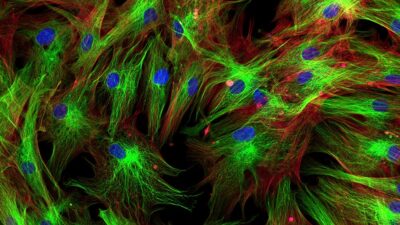
Researchers publishing in Cellular Signaling have explained how the protein AP2A1 affects stress fibers that change with cellular senescence. Stress fibers Stress fibers naturally hold cells into their proper shape.

Effects of Estradiol and Progesterone on Knee Osteoarthritis
Recent research has addressed menopause-related molecular processes that impact the high prevalence of knee osteoarthritis in post-menopausal women. Restoration of female sex hormones in a post-menopausal mouse model improved joint

Young Plasma Decreases Inflammation After Surgery in Trial
In the Journal of Translational Medicine, researchers have published the results of a randomized, controlled clinical trial demonstrating that plasma proteins from young donors have beneficial effects against inflammation in

Repurposing Drugs to Lower Dementia Risk
The authors of a recent review analyzed the results of 14 studies that included 139 million people to identify patterns that connect dementia risk to commonly used medications [1]. Finding
A Key Protein for Tendon Health
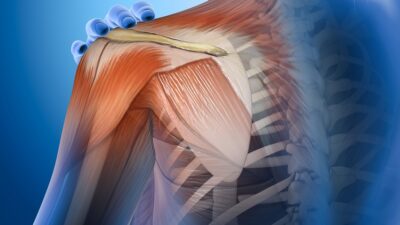
Researchers publishing in Matrix Biology Plus have discovered that cochlin, a protein that decreases with age, is vital for the health of tendons. Tendons require a healthy extracellular matrix Previous

A Potential New Target for Normal Brain Aging
Yesterday in Aging Cell, researchers published their findings that using gene therapy to overexpress a synaptic promoter increases cognitive ability in ordinary, middle-aged mice. Hevin vs. SPARC Astrocytes are general-purpose
Probiotics Slow Down Alzheimer’s Disease in Mice
A new study dives into a human-derived probiotic cocktail meant to protect against Alzheimer’s disease. The treatment improves gut health and reduces inflammation in mice [1]. The earlier, the better
Mitochondrial Damage May Drive Type 2 Diabetes
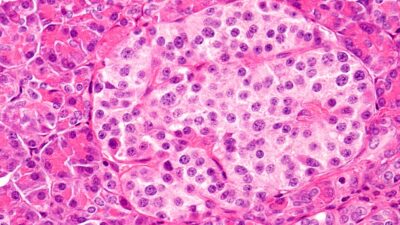
A new study suggests that damaged mitochondria activate the integrated stress response, which causes pancreatic β-cells, as well as liver and fat cells, to lose their identity and malfunction [1].

Creating a Functional Pancreas From Human Cells
In Cell Reports Medicine, researchers have described how they created a fully functional pancreas made from human cells and found it to work in mice. A new era of organ
Some Stem Cells Remain Youthful With Age
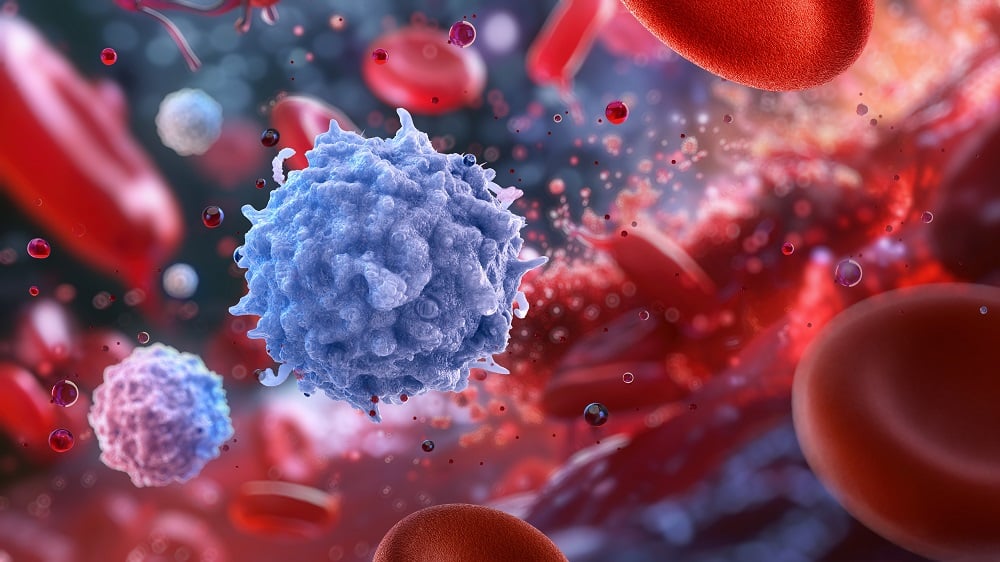
A team of scientists has discovered that some hematopoietic stem cells (HSCs) lose their ability to differentiate into useful somatic cells and that removing those bad HSCs is beneficial. Blood

How the Yamanaka Factors Affect Female Reproduction in Rats
The authors of a recent study reported that OSKM/Yamanaka factor gene therapy in rats results in higher fertility at an older age compared to controls and allows older rats to
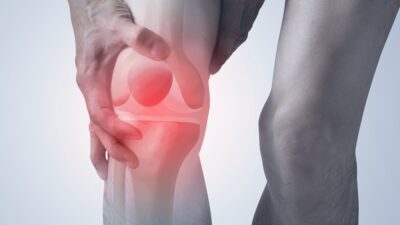
New Nanoparticles for Treating Arthritis
In the Journal of Nanobiotechnology, researchers have described a new method of delivering a long-lasting treatment into cartilage. A protein that promotes autophagy Previous work has linked expression of the
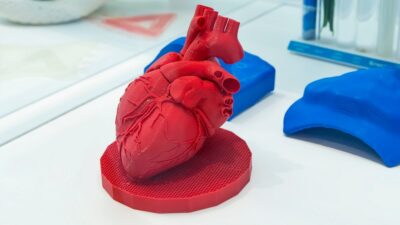
Artificially Grown Tissue Repairs Heart Failure in Monkeys
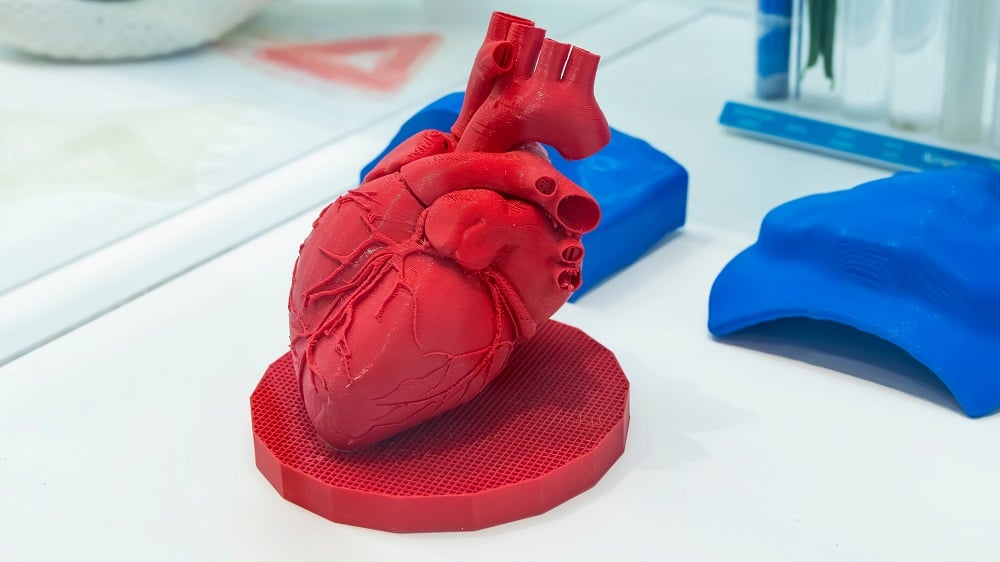
German scientists have created lab-grown “patches” of heart muscle tissue derived from pluripotent stem cells. Following a success with rhesus monkeys, they have obtained approval for a human trial [1].

Ginkgolide B Improves Healthspan and Lifespan in Female Mice
The authors of a recent study describe Ginkgolide B, a compound with senotherapeutic potential that improved muscle health, metabolism, frailty, inflammation, and senescence metrics and increased lifespan in female mice [1]. From East Asia to the clinic Ginkgolide B is a compound that can be extracted

Genes Affect Aging and Mortality Less Than Extrinsic Factors
A massive study from the University of Oxford has evaluated the relative impact of genetic and non-genetic factors on aging, mortality, and disease prevalence. A deeper dive The question of how strongly genes affect our longevity has been asked before, and the emerging answer is not
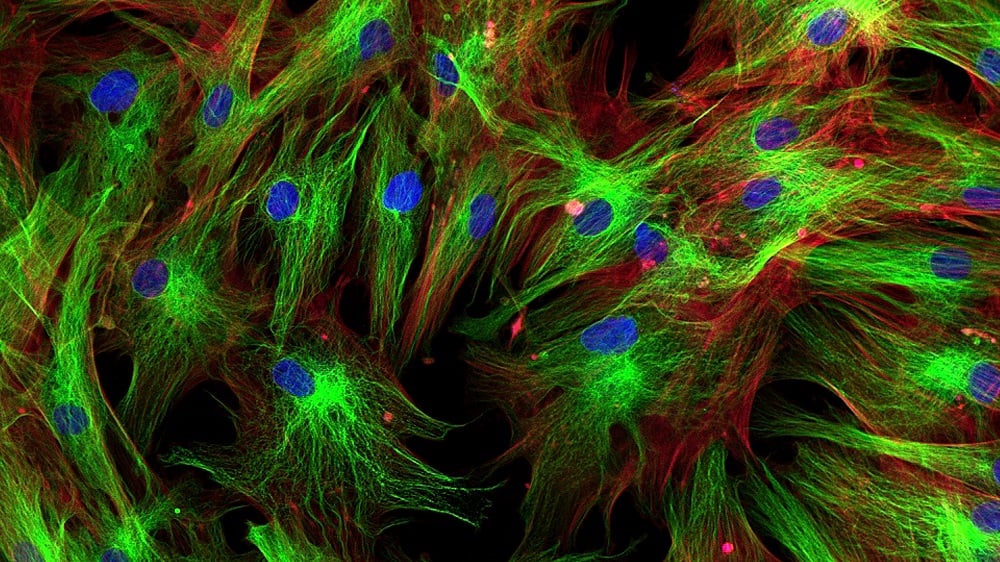
A Protein That Controls Senescent Cell Structure
Researchers publishing in Cellular Signaling have explained how the protein AP2A1 affects stress fibers that change with cellular senescence. Stress fibers Stress fibers naturally hold cells into their proper shape. They are made out of the common protein actin and linked together by α-actinin and a
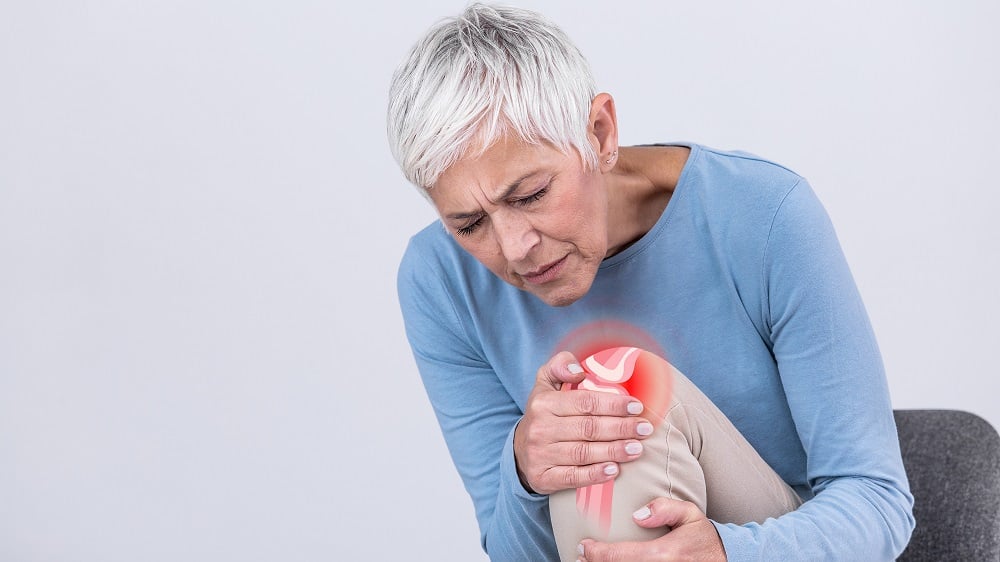
Effects of Estradiol and Progesterone on Knee Osteoarthritis
Recent research has addressed menopause-related molecular processes that impact the high prevalence of knee osteoarthritis in post-menopausal women. Restoration of female sex hormones in a post-menopausal mouse model improved joint health [1]. A centuries-old observation The authors start the article with a quote from the English
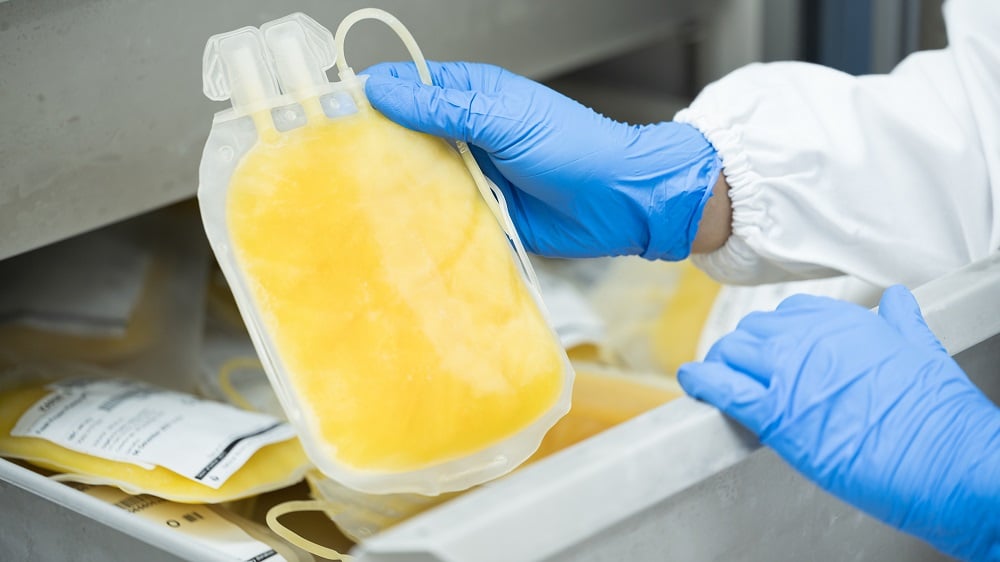
Young Plasma Decreases Inflammation After Surgery in Trial
In the Journal of Translational Medicine, researchers have published the results of a randomized, controlled clinical trial demonstrating that plasma proteins from young donors have beneficial effects against inflammation in a surgical context. From parabiosis experiments to the clinic It has been documented for two decades

Repurposing Drugs to Lower Dementia Risk
The authors of a recent review analyzed the results of 14 studies that included 139 million people to identify patterns that connect dementia risk to commonly used medications [1]. Finding a new purpose Despite its prevalence in the elderly population, there is a lack of effective
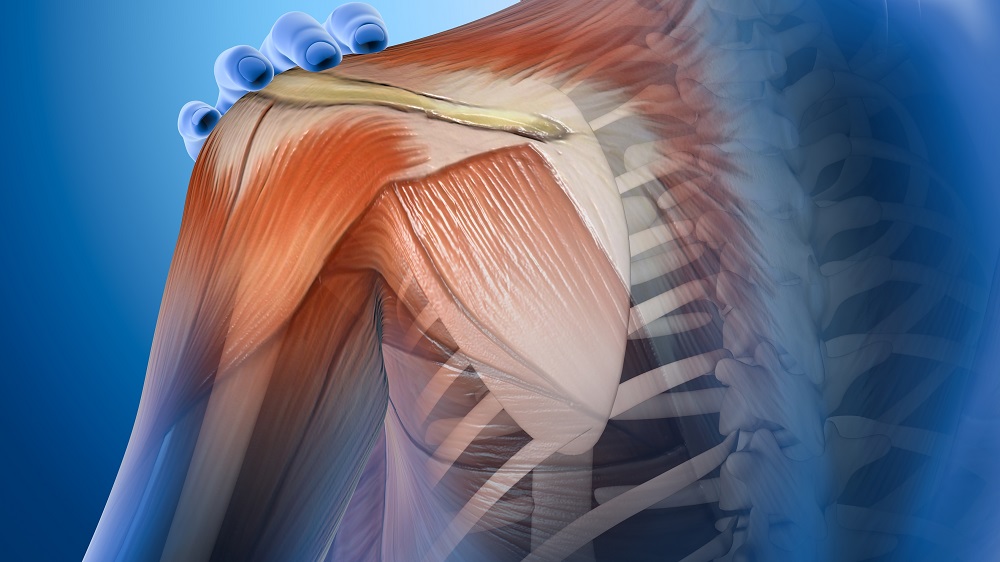
A Key Protein for Tendon Health
Researchers publishing in Matrix Biology Plus have discovered that cochlin, a protein that decreases with age, is vital for the health of tendons. Tendons require a healthy extracellular matrix Previous work has found that tendon tissues, which link muscle to bone, require a healthy extracellular matrix

A Potential New Target for Normal Brain Aging
Yesterday in Aging Cell, researchers published their findings that using gene therapy to overexpress a synaptic promoter increases cognitive ability in ordinary, middle-aged mice. Hevin vs. SPARC Astrocytes are general-purpose helper cells of the brain, and one of their tasks is to maintain synapse structure [1].
Probiotics Slow Down Alzheimer’s Disease in Mice
A new study dives into a human-derived probiotic cocktail meant to protect against Alzheimer’s disease. The treatment improves gut health and reduces inflammation in mice [1]. The earlier, the better Early interventions to prevent or delay Alzheimer’s disease might be a more feasible approach than reversing
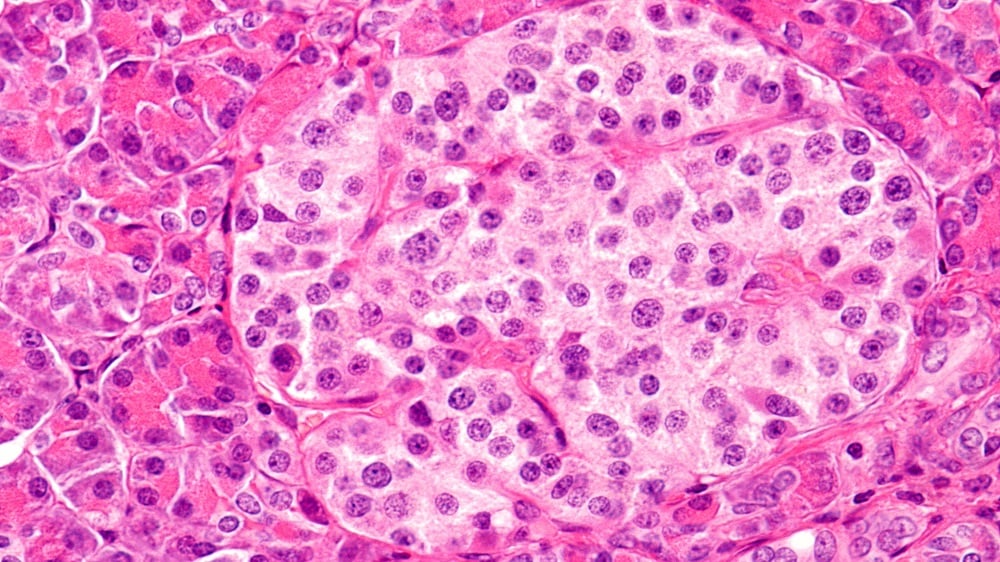
Mitochondrial Damage May Drive Type 2 Diabetes
A new study suggests that damaged mitochondria activate the integrated stress response, which causes pancreatic β-cells, as well as liver and fat cells, to lose their identity and malfunction [1]. Blocking this response had benefits in mouse models. The mitochondria-diabetes connection Like with many diseases, the

Creating a Functional Pancreas From Human Cells
In Cell Reports Medicine, researchers have described how they created a fully functional pancreas made from human cells and found it to work in mice. A new era of organ replacement In their introduction, the researchers discuss the well-known problems with insulin injections to treat Type
Some Stem Cells Remain Youthful With Age
A team of scientists has discovered that some hematopoietic stem cells (HSCs) lose their ability to differentiate into useful somatic cells and that removing those bad HSCs is beneficial. Blood creation diminishes with age Hematopoiesis refers to the production of blood cells, both white and red.
How the Yamanaka Factors Affect Female Reproduction in Rats
The authors of a recent study reported that OSKM/Yamanaka factor gene therapy in rats results in higher fertility at an older age compared to controls and allows older rats to have regular cycles [1]. Rejuvenating Yamanaka factors Multiple studies have suggested that gene therapy that uses

New Nanoparticles for Treating Arthritis
In the Journal of Nanobiotechnology, researchers have described a new method of delivering a long-lasting treatment into cartilage. A protein that promotes autophagy Previous work has linked expression of the FGF18 protein with healthy cartilage and joints [1]. Problems with the gene responsible for FGF18 lead
Artificially Grown Tissue Repairs Heart Failure in Monkeys
German scientists have created lab-grown “patches” of heart muscle tissue derived from pluripotent stem cells. Following a success with rhesus monkeys, they have obtained approval for a human trial [1]. Wear and tear As one of the most hard-working tissues in the body, the heart muscle