


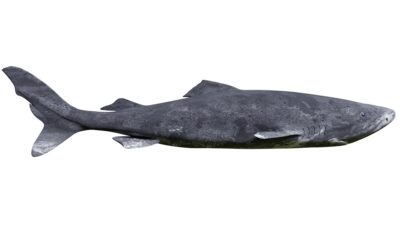
The Greenland Shark’s Genome Reveals Clues to Its Longevity
Scientists have compiled the most complete genome ever of the Greenland shark, an exceptionally long-lived species. Living up to 400 years probably has a lot to do with superior DNA

Axolotls’ Epigenetic Clocks Stop Ticking
In a preprint published in bioRxiv, researchers have published their findings in applying an epigenetic clock to the axolotl, a salamander species that does not age like humans. More than
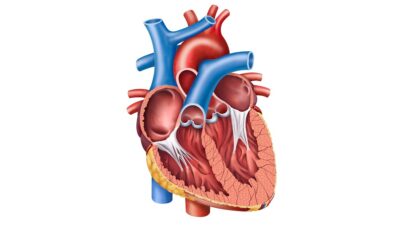
The Ventricles of the Heart Age Differently
In Aging Cell, researchers have published their findings on how the right ventricle of the heart ages differently from the left one. Not just organs, but parts of organs Research

Combining Treatments Against Multiple Hallmarks of Aging
Researchers have published a review of the current state of combination therapies that address multiple Hallmarks of Aging [1]. Some of these combined therapies were found to induce greater lifespan

Light Pollution Linked to Alzheimer’s Disease Prevalence
Scientists have found a correlation between the intensity of nighttime outdoor lighting, which can disrupt sleep, and Alzheimer’s disease [1]. Light pollution – heavy consequences Outdoor lights help us with
Extracellular Vesicles to Fight Liver Fibrosis
Researchers have filled extracellular vesicles (EVs) with micro-RNA that is effective against liver fibrosis in mice and published their breakthrough in Aging Cell. The cellular postal service EVs, which cells

A New Atlas for Cellular Rejuvenation
In Aging, researchers from Spain and Luxembourg have described the creation of Single-cell RNA-seq Investigation of Rejuvenation Agents and Longevity (SINGULAR), an atlas for cellular rejuvenation that describes how interventions
Medium LDL Levels Associated With Lowest Mortality
A new observational study suggests that lower LDL cholesterol levels are not necessarily better. Instead, the ratio of triglycerides to HDL may be more important [1]. Putting common wisdom to
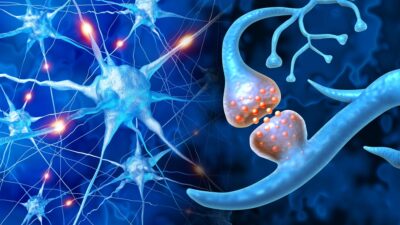
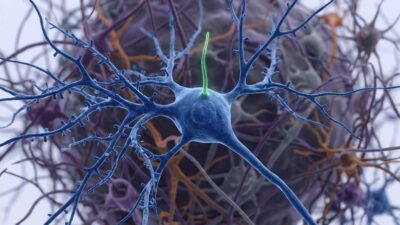
Blocking a Dopamine Receptor May Improve Memory
Neurological researchers, in Aging Cell, have deepened our understanding of the brain, explaining how turning off a dopamine receptor may lead to better memory in older people. Sometimes it’s better

Associations Between Professional Sports and Longevity
A new study analyzed how being an elite athlete in various sports affects human lifespan. Some of the results were surprising [1]. Elite sports and aging Longevity enthusiasts have long
Targeting Senescent Cells by Their Surface Markers
New research in Aging Cell has suggested that targeting senescent cells based on their surface proteins (surfaceome) may be effective in dealing with them. Focusing on what’s easiest to target

Keto Diets May Help Cognitive Function in Alzheimer’s
The results of 10 independently conducted clinical trials suggest that ketogenic diets have a positive impact on the cognitive function of Alzheimer’s disease patients [1]. Keto instead of a pill?

Combination Therapy Works Against Pancreatic Cancer in Mice
In a new study, a multi-prong treatment combined with a clever delivery method has shown promise against one of the deadliest cancers [1]. Lethal and barely treatable Pancreatic ductal adenocarcinoma

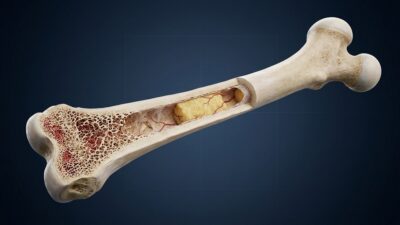
Caffeic Acid Variant May Suppress Bone Deterioration
In Aging, researchers have described how a derivative of caffeic acid inhibits osteoclasts, the cells that break down bone. A modification of a tested compound We have recently published new

Some Cells Age Much Faster Than Others
In Stem Cell Reports, researchers have described how cell subpopulations and division affect the results of epigenetic clocks. Good, but never perfect As these researchers note, epigenetic clocks have had
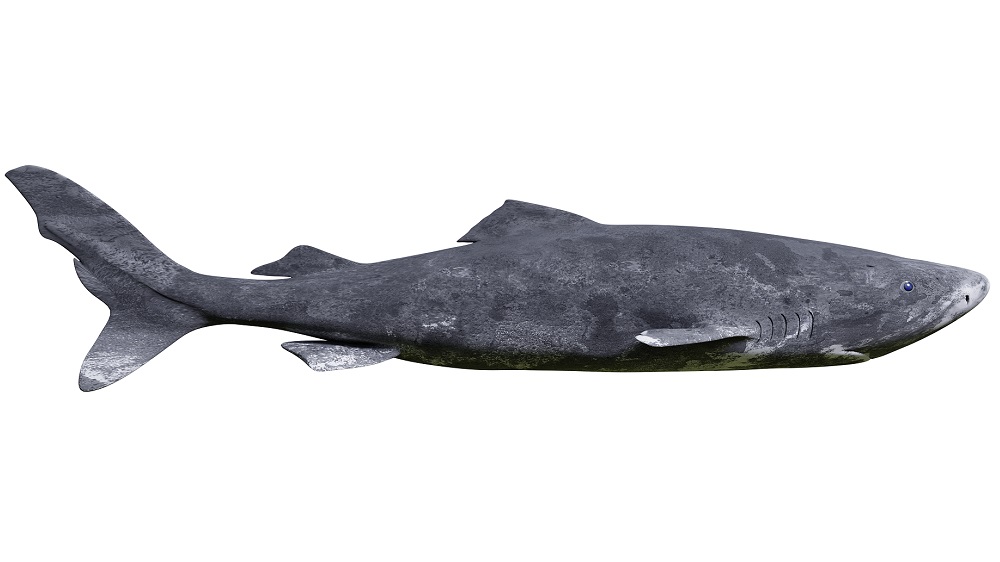
The Greenland Shark’s Genome Reveals Clues to Its Longevity
Scientists have compiled the most complete genome ever of the Greenland shark, an exceptionally long-lived species. Living up to 400 years probably has a lot to do with superior DNA repair mechanisms. Methuselahs of the sea Greenland sharks, giant, slow-moving abyss dwellers, hold the title of

Axolotls’ Epigenetic Clocks Stop Ticking
In a preprint published in bioRxiv, researchers have published their findings in applying an epigenetic clock to the axolotl, a salamander species that does not age like humans. More than just regeneration Axolotls, and salamanders more generally, are well-known for their regenerative capabilities, being able to
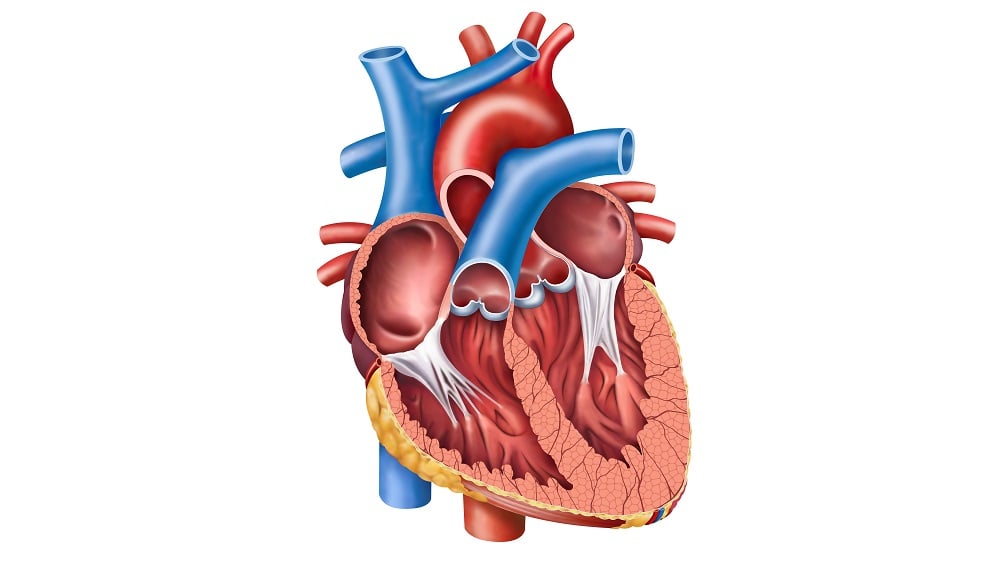
The Ventricles of the Heart Age Differently
In Aging Cell, researchers have published their findings on how the right ventricle of the heart ages differently from the left one. Not just organs, but parts of organs Research on aging has agreed that organs age differently: that the arteries, brain tissue, muscles, and skin,

Combining Treatments Against Multiple Hallmarks of Aging
Researchers have published a review of the current state of combination therapies that address multiple Hallmarks of Aging [1]. Some of these combined therapies were found to induce greater lifespan extension than single treatments. A complex phenomenon calls for complex treatments The complexity of aging cannot

Light Pollution Linked to Alzheimer’s Disease Prevalence
Scientists have found a correlation between the intensity of nighttime outdoor lighting, which can disrupt sleep, and Alzheimer’s disease [1]. Light pollution – heavy consequences Outdoor lights help us with a lot of things, such as illuminating our streets and highways, discouraging crime, and so on.
Extracellular Vesicles to Fight Liver Fibrosis
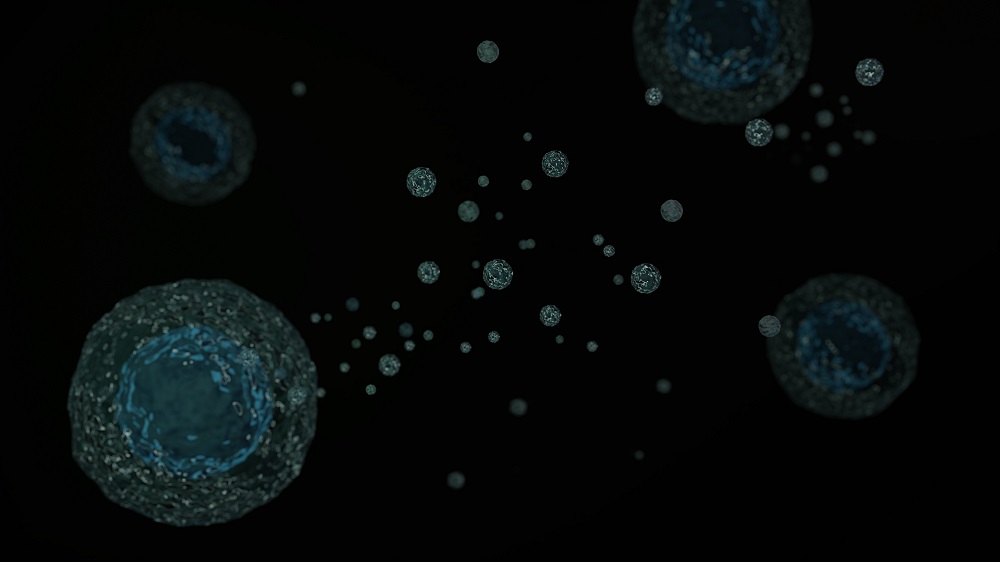
Researchers have filled extracellular vesicles (EVs) with micro-RNA that is effective against liver fibrosis in mice and published their breakthrough in Aging Cell. The cellular postal service EVs, which cells use to send chemical messages and packages to one another, are significantly affected by aging to

A New Atlas for Cellular Rejuvenation
In Aging, researchers from Spain and Luxembourg have described the creation of Single-cell RNA-seq Investigation of Rejuvenation Agents and Longevity (SINGULAR), an atlas for cellular rejuvenation that describes how interventions affect individual cells. Computational biology might light up a better path These researchers begin this paper

Medium LDL Levels Associated With Lowest Mortality
A new observational study suggests that lower LDL cholesterol levels are not necessarily better. Instead, the ratio of triglycerides to HDL may be more important [1]. Putting common wisdom to the test LDL cholesterol is largely considered harmful, but lower levels might not be beneficial according
Blocking a Dopamine Receptor May Improve Memory
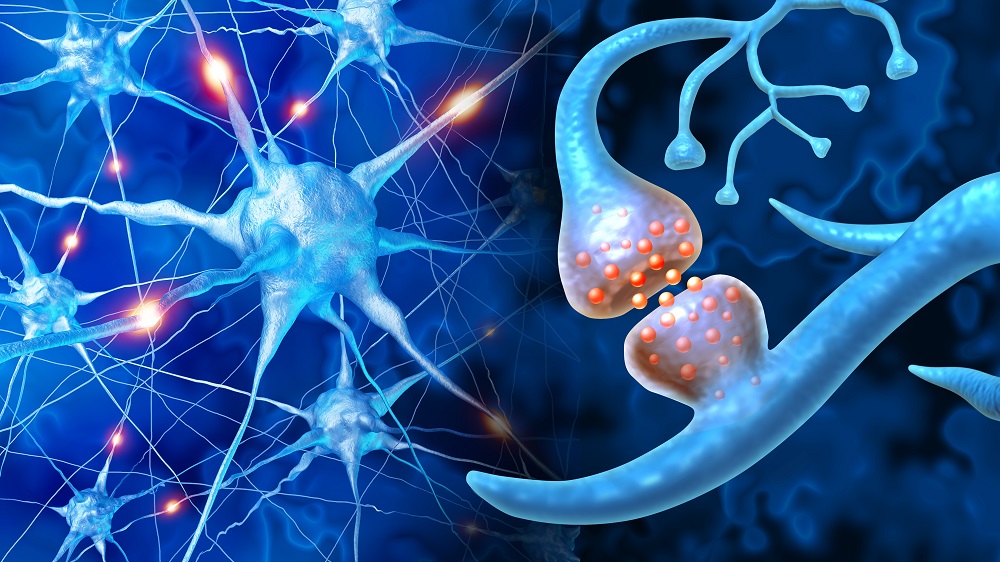
Neurological researchers, in Aging Cell, have deepened our understanding of the brain, explaining how turning off a dopamine receptor may lead to better memory in older people. Sometimes it’s better for the dopamine not to hit With aging comes changes in how the brain processes dopamine

Associations Between Professional Sports and Longevity
A new study analyzed how being an elite athlete in various sports affects human lifespan. Some of the results were surprising [1]. Elite sports and aging Longevity enthusiasts have long wondered if professional athletes live longer than the general population and what sports show stronger associations
Targeting Senescent Cells by Their Surface Markers
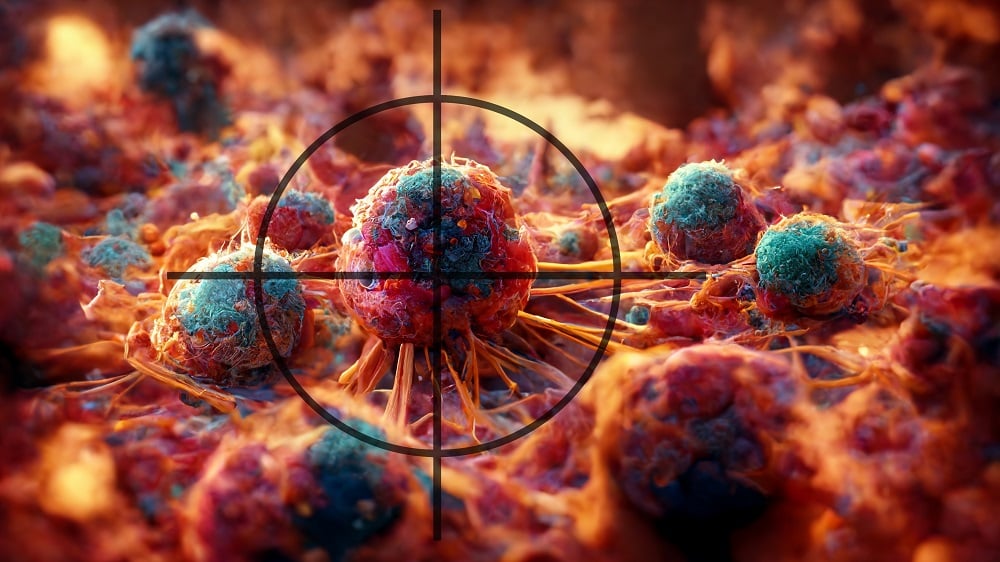
New research in Aging Cell has suggested that targeting senescent cells based on their surface proteins (surfaceome) may be effective in dealing with them. Focusing on what’s easiest to target Senescence and the SASP have well-known markers, such as p16, p21, and the well-known SA-β-gal [1].
Keto Diets May Help Cognitive Function in Alzheimer’s
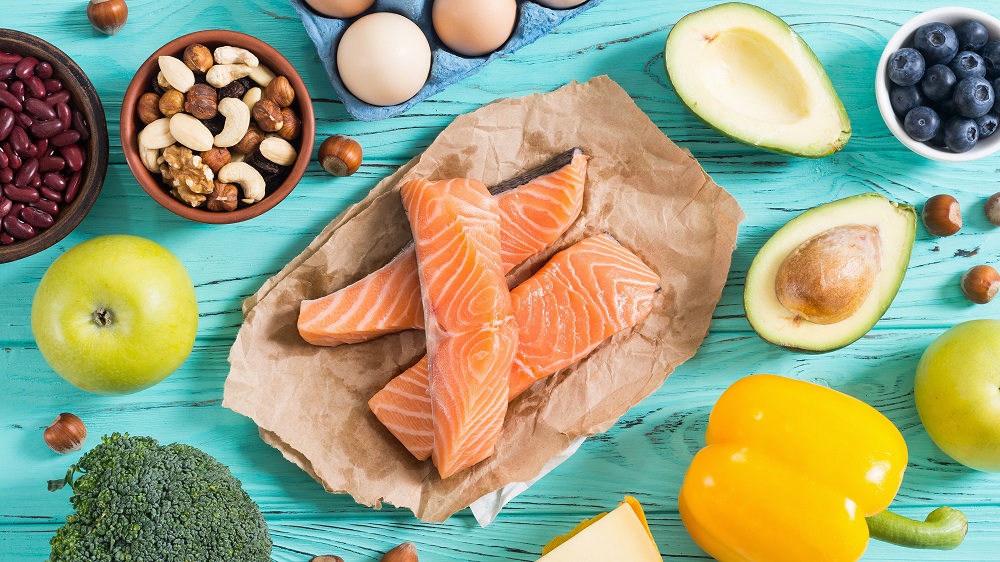
The results of 10 independently conducted clinical trials suggest that ketogenic diets have a positive impact on the cognitive function of Alzheimer’s disease patients [1]. Keto instead of a pill? Despite extensive research, there is stilll no effective treatment for Alzheimer’s disease. Therefore, approaches that aim

Combination Therapy Works Against Pancreatic Cancer in Mice
In a new study, a multi-prong treatment combined with a clever delivery method has shown promise against one of the deadliest cancers [1]. Lethal and barely treatable Pancreatic ductal adenocarcinoma (PDAC) is one of the deadliest types of cancer. It is rarely diagnosed early and very

Caffeic Acid Variant May Suppress Bone Deterioration
In Aging, researchers have described how a derivative of caffeic acid inhibits osteoclasts, the cells that break down bone. A modification of a tested compound We have recently published new information on what triggers the imbalance between bone-destroying osteoclasts and bone-building osteoblasts. This is a well-known

Some Cells Age Much Faster Than Others
In Stem Cell Reports, researchers have described how cell subpopulations and division affect the results of epigenetic clocks. Good, but never perfect As these researchers note, epigenetic clocks have had successes in analyzing the impact of things that impact biological age, such as the effects of