




A Re-Analysis Finds Potential Life-Prolonging Compounds
The authors of a recent paper published in GeroScience used an alternative statistical test to reanalyze data from the Interventions Testing Program and identified additional life‑extending compounds [1]. The crucial

Cannabis Use Linked to Cardiovascular Problems
According to a new study, cannabis consumption is associated with increased risks of coronary heart disease, stroke, and heart attack [1]. It’s growing popular, but is it good for you?

Taking a Look at Proteins in Exercise and Aging
With an in-depth examination tool in hand, researchers publishing in Aging have done a preliminary examination of the muscle protein differences between younger and older people and how older people’s

Aging Measurements Can Vary by Time of Day
Epigenetic aging measurements can vary by the time of day at which they are taken, according to a study published in Aging Cell. The circadian rhythm Living on Earth, organisms

Young Extracellular Vesicles Extend Life in Old Mice
Tiny bubbles that cells use to communicate with each other prolonged lifespan and reversed numerous aging phenotypes when taken from young mice and injected into old ones, even though the

Autophagy Is Essential for Healthy Muscles
A study published in Aging Cell has reported that older people with better regulated autophagy in their skeletal muscles have less age-related frailty. Taking out the trash The researchers begin

Quercetin Delays Ovarian Aging in Middle-Aged Mice
A recent paper published in Nature Aging dives into the gene expression differences between young, middle-aged, and older human ovaries and tests possible interventions to slow down their aging processes

An Inflammatory Molecule May Also Encourage Obesity
A team of researchers has waded into a controversial and contradictory area of study, publishing information on the link between obesity and an inflammatory molecule that increases with aging. A

Mitochondria Injection Alleviates Parkinson’s in Mice
Scientists have tested a novel method of providing cells with healthy mitochondria to fight Parkinson’s disease [1]. Replacing damaged mitochondria Parkinson’s disease is the second-most prevalent neurodegenerative disorder, and it
Very Long-Lived People Have Protected Epigenetics
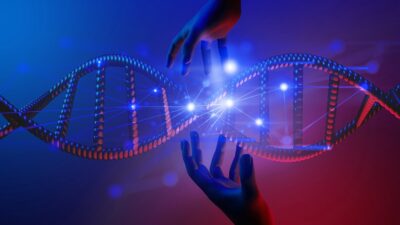
A team of researchers has reported in Aging Cell that longer-lived Chinese women have less epigenetic noise in crucial areas of the genome. Order and disorder We have previously reported
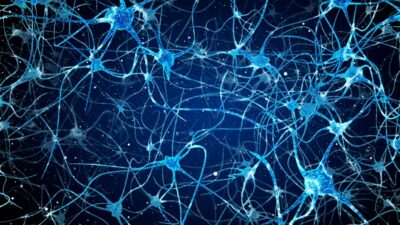
Reprogramming Helps Old Mice Produce More Neurons
Scientists have found that partial cellular reprogramming, both full-body and restricted to specific brain regions, rescues neurogenesis in the brains of old mice [1]. Cells going back in time Partial

Finding Senolytics to Stop Lung Disease
Researchers publishing in the Journal of Clinical Investigation have developed a new method of screening for compounds, and they found one that appears to directly attack senescent cells involved in

Scientists Discover a New Mechanism of Age-Related Obesity
A new study suggests that the reason why aging is associated with obesity lies in specific neurons found in the brain [1]. Tell that to the brain It is often hard
Small Molecules Reverse Many Age-Related Changes in Cells
A team of Harvard researchers has published a paper in eLife detailing the downstream effects of small molecule partial cellular reprogramming. Rejuvenating cells from the ground up We have recently
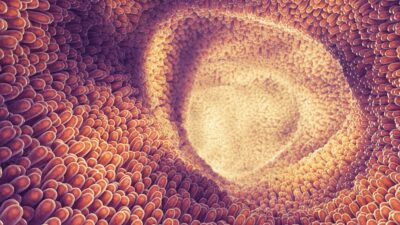
Senolytic CAR T Cells Rescue Intestinal Aging in Mice
Scientists have demonstrated that CAR T cells can be employed against senescent intestinal stem cells, improving regeneration and ameliorating age-related symptoms such as “leaky gut” [1]. Cell-on-cell warfare Cellular senescence

A Re-Analysis Finds Potential Life-Prolonging Compounds
The authors of a recent paper published in GeroScience used an alternative statistical test to reanalyze data from the Interventions Testing Program and identified additional life‑extending compounds [1]. The crucial step of data analysis A typical biological experiment can be divided into three stages: planning, executing,

Cannabis Use Linked to Cardiovascular Problems
According to a new study, cannabis consumption is associated with increased risks of coronary heart disease, stroke, and heart attack [1]. It’s growing popular, but is it good for you? After decades of being banned and demonized, marijuana is making a huge comeback, thanks to a

Taking a Look at Proteins in Exercise and Aging
With an in-depth examination tool in hand, researchers publishing in Aging have done a preliminary examination of the muscle protein differences between younger and older people and how older people’s proteins change with exercise. The power to take a close look This paper begins with a

Aging Measurements Can Vary by Time of Day
Epigenetic aging measurements can vary by the time of day at which they are taken, according to a study published in Aging Cell. The circadian rhythm Living on Earth, organisms have evolved to adapt to our planet’s day/night cycle. This adaptation is known as the circadian

Young Extracellular Vesicles Extend Life in Old Mice
Tiny bubbles that cells use to communicate with each other prolonged lifespan and reversed numerous aging phenotypes when taken from young mice and injected into old ones, even though the treatment started late in life [1]. The tiny messengers For millennia, humans credited young blood with

Autophagy Is Essential for Healthy Muscles
A study published in Aging Cell has reported that older people with better regulated autophagy in their skeletal muscles have less age-related frailty. Taking out the trash The researchers begin this paper by discussing the various activities and effects of autophagy. Obviously, too much autophagy is

Quercetin Delays Ovarian Aging in Middle-Aged Mice
A recent paper published in Nature Aging dives into the gene expression differences between young, middle-aged, and older human ovaries and tests possible interventions to slow down their aging processes [1]. An underexplored area of human aging Female reproductive aging remains a relatively unexplored area of

An Inflammatory Molecule May Also Encourage Obesity
A team of researchers has waded into a controversial and contradictory area of study, publishing information on the link between obesity and an inflammatory molecule that increases with aging. A context-dependent molecule The authors point out previous research that singled out the interleukin IL-6, a key

Mitochondria Injection Alleviates Parkinson’s in Mice
Scientists have tested a novel method of providing cells with healthy mitochondria to fight Parkinson’s disease [1]. Replacing damaged mitochondria Parkinson’s disease is the second-most prevalent neurodegenerative disorder, and it affects 10 million people worldwide. The disease is age-related, as its prevalence rises rapidly in people

Very Long-Lived People Have Protected Epigenetics
A team of researchers has reported in Aging Cell that longer-lived Chinese women have less epigenetic noise in crucial areas of the genome. Order and disorder We have previously reported that the accumulation of epigenetic noise appears to be the main cause of epigenetic alterations. Multiple

Reprogramming Helps Old Mice Produce More Neurons
Scientists have found that partial cellular reprogramming, both full-body and restricted to specific brain regions, rescues neurogenesis in the brains of old mice [1]. Cells going back in time Partial reprogramming improves various health metrics and increases lifespan in animal models [2]. For instance, Dr. David

Finding Senolytics to Stop Lung Disease
Researchers publishing in the Journal of Clinical Investigation have developed a new method of screening for compounds, and they found one that appears to directly attack senescent cells involved in lung fibrosis. A disease of senescence Senescent cells are a major part of an age-related lung

Scientists Discover a New Mechanism of Age-Related Obesity
A new study suggests that the reason why aging is associated with obesity lies in specific neurons found in the brain [1]. Tell that to the brain It is often hard to lose weight, and it becomes harder with age. While it seems simple enough to eat

Small Molecules Reverse Many Age-Related Changes in Cells
A team of Harvard researchers has published a paper in eLife detailing the downstream effects of small molecule partial cellular reprogramming. Rejuvenating cells from the ground up We have recently reported on a review of partial cellular reprogramming that used a cocktail of small molecules named

Senolytic CAR T Cells Rescue Intestinal Aging in Mice
Scientists have demonstrated that CAR T cells can be employed against senescent intestinal stem cells, improving regeneration and ameliorating age-related symptoms such as “leaky gut” [1]. Cell-on-cell warfare Cellular senescence is a heterogeneous phenomenon in which cells stop dividing and malfunction, driving up inflammation. While senescent