



Cold Temperatures Stimulate Lifespan-Associated Protein
A paper published today in Nature Aging describes how cold temperatures stimulate the production of PA28γ, a protein that appears to increase lifespan in worms and cells. An explanation for

Daily Step Count, Less Mortality, Diminishing Returns
A new study using wearable accelerometers suggests that you don’t have to clock extreme numbers of steps every day to stay healthy [1]. Do you always need to hit the

Using AI to Measure Age Through the Eyes
An accepted manuscript in eLife Sciences has described eyeAge, a new clock that uses deep learning to analyze the eye in detail in order to predict chronological age and age acceleration.

Inhibiting DREAM for Enhanced DNA Damage Repair
In a new study published in Nature Structural and Molecular Biology, researchers have demonstrated that by manipulating the DREAM protein complex, a major regulator of DNA damage response, it might

Vesicles from Senescent Cells Encourage Young Stem Cells
Scientists have shown that extracellular vesicles derived from senescent stem cells can improve the proliferation, viability, and migration capacity of healthy stem cells [1]. Cell-to-cell packages Extracellular vesicles (EVs, not

Senescent Cells and Loose Teeth
A team of researchers has recently published a study on the effects of senescence on periodontal tissues in Aging. Connecting bones and teeth We have previously outlined a study showing

Promoting Muscle Regeneration With an Immune Factor
A paper published today in Nature Aging has shown that a macrophage-regulating factor has a significant impact on muscle regeneration. Healing slows with aging The researchers note two key reasons

Vital Muscle Enzyme Declines With Aging
Research published in Nature Metabolism has described PCYT2, an enzyme essential for muscle function, and how it declines with aging. A necessary lipid synthesizer in muscle Human beings need PCYT2

The Human Cost of Metabolic Diseases
A new paper published in Cell Metabolism has shown the growing influence of metabolic diseases in an aging population. Related diseases studied together Metabolic diseases include hypertension, type 2 diabetes,

Rep. Bilirakis on the Longevity Science Caucus
We in the longevity field have received powerful allies on Capitol Hill with the creation of the bipartisan Congressional Caucus for Longevity Science. We had the opportunity to ask questions
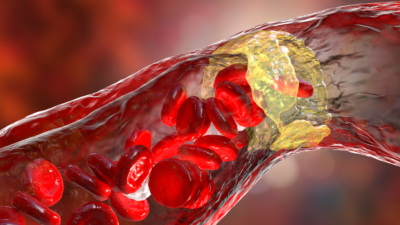
Inflammation Strongly Predicts Mortality After Statin Use
Analyzing data from three clinical trials, scientists have shown that excessive inflammation is a much stronger predictor of cardiovascular and all-cause mortality in patients on statins than excessive LDL cholesterol
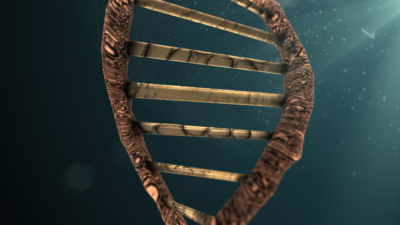
Mitochondria, DNA, and Oxidative Stress
A paper published in Experimental Gerontology has provided a fresh and detailed look at the effects of oxidative stress on longevity. Revisiting an old theory The free radical theory of

New Treatment Alleviates Depression Symptoms in Mice
Scientists have shown that the protein GDF11 can reverse depression-like symptoms in naturally aged mice and in a mouse model of depression. Depressed humans have lower GDF11 as well [1].
Young Blood Alters Gene Expression in Old Brain Cells
Research published today in Nature Aging has shown that heterochronic parabiosis, the circulatory joining of young and old organisms, has rejuvenative effects on the gene expression of multiple types of

Metformin and Rapamycin Rejuvenate Stem Cells in Mice
In a new study published in Aging Cell, researchers have shown that two promising anti-aging agents, the antibiotic rapamycin and the anti-diabetic drug metformin, reverse aging in a population of

Cold Temperatures Stimulate Lifespan-Associated Protein
A paper published today in Nature Aging describes how cold temperatures stimulate the production of PA28γ, a protein that appears to increase lifespan in worms and cells. An explanation for a commonly held belief Cold temperatures have been associated with longevity for more than a hundred

Daily Step Count, Less Mortality, Diminishing Returns
A new study using wearable accelerometers suggests that you don’t have to clock extreme numbers of steps every day to stay healthy [1]. Do you always need to hit the target? A tight association between physical activity and health is widely known [2]. In fact, staying

Using AI to Measure Age Through the Eyes
An accepted manuscript in eLife Sciences has described eyeAge, a new clock that uses deep learning to analyze the eye in detail in order to predict chronological age and age acceleration. Retinal signs of aging This project was developed with the knowledge that fundus imagery, which shows

Inhibiting DREAM for Enhanced DNA Damage Repair
In a new study published in Nature Structural and Molecular Biology, researchers have demonstrated that by manipulating the DREAM protein complex, a major regulator of DNA damage response, it might be possible to alter the number of DNA mutations accumulated with age [1]. Mutations and DREAMs

Vesicles from Senescent Cells Encourage Young Stem Cells
Scientists have shown that extracellular vesicles derived from senescent stem cells can improve the proliferation, viability, and migration capacity of healthy stem cells [1]. Cell-to-cell packages Extracellular vesicles (EVs, not to be confused with electric vehicles) are tiny membrane-bound bubbles that are emitted by cells and

Senescent Cells and Loose Teeth
A team of researchers has recently published a study on the effects of senescence on periodontal tissues in Aging. Connecting bones and teeth We have previously outlined a study showing a relationship between gum disease and biomarkers of inflammation. Noting that aging itself is a risk

Promoting Muscle Regeneration With an Immune Factor
A paper published today in Nature Aging has shown that a macrophage-regulating factor has a significant impact on muscle regeneration. Healing slows with aging The researchers note two key reasons for the decline of regenerative abilities with aging. The first is stem cell exhaustion, the gradual

Vital Muscle Enzyme Declines With Aging
Research published in Nature Metabolism has described PCYT2, an enzyme essential for muscle function, and how it declines with aging. A necessary lipid synthesizer in muscle Human beings need PCYT2 as part of the Kennedy pathway to synthesize two critical components of the phosopholipid membrane that

The Human Cost of Metabolic Diseases
A new paper published in Cell Metabolism has shown the growing influence of metabolic diseases in an aging population. Related diseases studied together Metabolic diseases include hypertension, type 2 diabetes, hyperlipidemia, obesity, and non-alcoholic fatty liver disease [1]. These diseases, representing fundamental problems with how the

Rep. Bilirakis on the Longevity Science Caucus
We in the longevity field have received powerful allies on Capitol Hill with the creation of the bipartisan Congressional Caucus for Longevity Science. We had the opportunity to ask questions of one of its co-chairs. Longevity is bipartisan The fight against aging must become one of

Inflammation Strongly Predicts Mortality After Statin Use
Analyzing data from three clinical trials, scientists have shown that excessive inflammation is a much stronger predictor of cardiovascular and all-cause mortality in patients on statins than excessive LDL cholesterol levels. These findings can upend the current standard of care for such patients [1]. The two

Mitochondria, DNA, and Oxidative Stress
A paper published in Experimental Gerontology has provided a fresh and detailed look at the effects of oxidative stress on longevity. Revisiting an old theory The free radical theory of aging, which purports that reactive oxygen species (ROS) are the core driver of aging, was developed

New Treatment Alleviates Depression Symptoms in Mice
Scientists have shown that the protein GDF11 can reverse depression-like symptoms in naturally aged mice and in a mouse model of depression. Depressed humans have lower GDF11 as well [1]. Depression and aging Severe mental disorders, including depression, have been linked to significantly shorter lifespans [2].

Young Blood Alters Gene Expression in Old Brain Cells
Research published today in Nature Aging has shown that heterochronic parabiosis, the circulatory joining of young and old organisms, has rejuvenative effects on the gene expression of multiple types of brain cells in mice. Parabiosis affects a wide variety of factors at once Heterochronic parabiosis is

Metformin and Rapamycin Rejuvenate Stem Cells in Mice
In a new study published in Aging Cell, researchers have shown that two promising anti-aging agents, the antibiotic rapamycin and the anti-diabetic drug metformin, reverse aging in a population of intestinal stem cells [1]. The aging intestine Older people are more prone to gastrointestinal problems [2].