


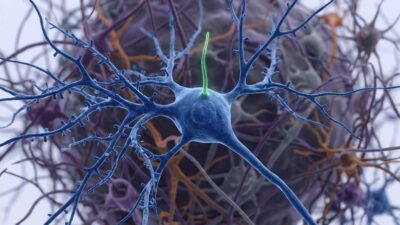


How Uncontrolled Diabetes Is Linked to Cognitive Impairment
A team of Spanish researchers has examined how glucose imbalance leads to neurological disorders through the failure of adipocytokines. What are adipocytokines? These compounds’ name seems a bit concerning: “adipo-”
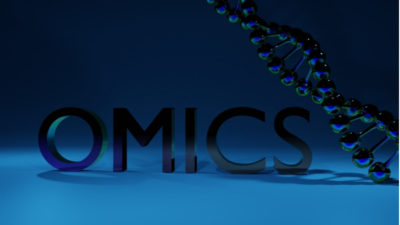
Multi-omics Identifies Longevity Genes, Therapeutic Targets
The latest research in Aging Cell has brought to light new insights into the biology of aging and associated therapeutic candidates. What is multi-omics? “-omics” refers to branches of molecular

Removing Senescent Cancer Cells With Peptides
A study published in EBioMedicine has shown how a peptide targets and kills senescent cancer cells, potentially paving the way for a new class of interventions. Why kill senescent cancer

Rapamycin Has Additional Functions Beyond mTOR
Scientists have discovered a new mechanism of action for Rapamycin, one of geroscience’s favorite molecules, which is related to its anti-cancer effect [1]. Rapamycin – more than a geroprotector Rapamycin

Fortilin Protects Against Cell Death in the Heart
Researchers have found that the protein fortilin, which is abundant in the heart, protects it from failure by blocking apoptotic activity. This discovery opens new possibilities in treating age-related heart

A Review of Clinical Trials of Senolytics
A team of researchers, including Dr. James Kirkland of Mayo Clinic, has published a review of the ongoing efforts of researchers to clear senescent cells through senolytics. A growing push

Potential Mechanisms Behind Skin Aging Identified
The latest research out of the Journal of Cell Biology shines a light on why our skin loses its healing abilities as we age. The skin’s ability to regenerate dramatically

Cellular Senescence: It’s Complicated, but There’s Hope
Two of the most prominent experts in the field have published a review of cellular senescence in the context of metabolism, and we bring you the highlights [1]. We rarely

Resveratrol Aids Spinal Cord Regeneration in Rats
A team of researchers publishing in Aging have shown that resveratrol reduces inflammation and partially restores function in a rat model of spinal injury. In line with previous research This

New Mechanism of Neurodegeneration Identified
Researchers have identified an important mechanism of neurodegeneration that may be useful in treating age-related diseases such as Alzheimer’s and dementia [1]. These neurons must die Age-related neurodegenerative diseases, including

Targeted clearance of senescent cells
The next Journal Club will be on Tuesday 2nd November and Dr. Oliver Medvedik will be taking a look at a new paper called “Targeted clearance of senescent cells using

Energy Metabolism Decline Linked To Alzheimer’s
Researchers publishing in Aging have discovered that an energy metabolism compound is associated with a protein that suppresses amyloid beta in a mouse model of Alzheimer’s. The compounds involved The

Lack of Klotho Associated With All-Cause Mortality
A recent study in The Journals of Gerontology, Series A has associated low klotho levels with mortality in Americans over the age of 40. Klotho and aging Prediction of mortality

Scientists Propose a New Targeted Senolytic
A group of researchers has developed a delivery system that identifies senescent cells and injects them with a deadly compound. This offers a potential solution to the problem of targeted

NR Temporarily Improves Immune Function in Mice
A study published in the Nature journal Aging and Mechanisms of Disease has shown that supplementation with nicotinamide riboside (NR) substantially improves the immune systems of older mice due to

How Uncontrolled Diabetes Is Linked to Cognitive Impairment
A team of Spanish researchers has examined how glucose imbalance leads to neurological disorders through the failure of adipocytokines. What are adipocytokines? These compounds’ name seems a bit concerning: “adipo-” refers to fat, and a cytokine is a cellular signal most commonly known for being part

Multi-omics Identifies Longevity Genes, Therapeutic Targets
The latest research in Aging Cell has brought to light new insights into the biology of aging and associated therapeutic candidates. What is multi-omics? “-omics” refers to branches of molecular biology that attempt to characterize and/or quantify their components in totality, often using recently developed big

Removing Senescent Cancer Cells With Peptides
A study published in EBioMedicine has shown how a peptide targets and kills senescent cancer cells, potentially paving the way for a new class of interventions. Why kill senescent cancer cells? Senescence and cancer are usually considered to be completely opposed, and in many ways, they

Rapamycin Has Additional Functions Beyond mTOR
Scientists have discovered a new mechanism of action for Rapamycin, one of geroscience’s favorite molecules, which is related to its anti-cancer effect [1]. Rapamycin – more than a geroprotector Rapamycin needs no introduction in the longevity community. This molecule was discovered in 1972 in a sample

Fortilin Protects Against Cell Death in the Heart
Researchers have found that the protein fortilin, which is abundant in the heart, protects it from failure by blocking apoptotic activity. This discovery opens new possibilities in treating age-related heart diseases [1]. When your heart fails you As menacing at it sounds, heart failure (HF) does

A Review of Clinical Trials of Senolytics
A team of researchers, including Dr. James Kirkland of Mayo Clinic, has published a review of the ongoing efforts of researchers to clear senescent cells through senolytics. A growing push for senolytics We have recently published a discussion on the various roles of senescent cells within

Potential Mechanisms Behind Skin Aging Identified
The latest research out of the Journal of Cell Biology shines a light on why our skin loses its healing abilities as we age. The skin’s ability to regenerate dramatically decreases with age. Injuries that would have healed in days without a trace in childhood can

Cellular Senescence: It’s Complicated, but There’s Hope
Two of the most prominent experts in the field have published a review of cellular senescence in the context of metabolism, and we bring you the highlights [1]. We rarely cover review papers, but when Cristopher D. Wiley and Judith Campisi, two of the most prominent

Resveratrol Aids Spinal Cord Regeneration in Rats
A team of researchers publishing in Aging have shown that resveratrol reduces inflammation and partially restores function in a rat model of spinal injury. In line with previous research This is far from the first study that aimed to use approaches associated with aging research in

New Mechanism of Neurodegeneration Identified
Researchers have identified an important mechanism of neurodegeneration that may be useful in treating age-related diseases such as Alzheimer’s and dementia [1]. These neurons must die Age-related neurodegenerative diseases, including Parkinson’s and Alzheimer’s, have become more prevalent mostly because of the successes of modern medicine. Today,

Targeted clearance of senescent cells
The next Journal Club will be on Tuesday 2nd November and Dr. Oliver Medvedik will be taking a look at a new paper called “Targeted clearance of senescent cells using an antibody-drug conjugate against a specific membrane marker“. Join us live on Facebook at 1 PM

Energy Metabolism Decline Linked To Alzheimer’s
Researchers publishing in Aging have discovered that an energy metabolism compound is associated with a protein that suppresses amyloid beta in a mouse model of Alzheimer’s. The compounds involved The researchers describe nicotinamide mononucleotide adenylyltransferase 2 (Nmnat2) as a key co-factor for energy metabolism. This compound

Lack of Klotho Associated With All-Cause Mortality
A recent study in The Journals of Gerontology, Series A has associated low klotho levels with mortality in Americans over the age of 40. Klotho and aging Prediction of mortality is a major interest of the aging field and the broader medical field. Epigenetic clocks, senescent

Scientists Propose a New Targeted Senolytic
A group of researchers has developed a delivery system that identifies senescent cells and injects them with a deadly compound. This offers a potential solution to the problem of targeted delivery of senolytics [1]. Cellular senescence has been implicated in numerous aging-related disorders, including fibrosis, diabetes,

NR Temporarily Improves Immune Function in Mice
A study published in the Nature journal Aging and Mechanisms of Disease has shown that supplementation with nicotinamide riboside (NR) substantially improves the immune systems of older mice due to its effects on stem cell fate. However, the benefits do not persist after NR is removed.