



Senescent Cells Recruit Sympathetic Nerves
Researchers publishing in Frontiers of Aging Neuroscience Journal have discovered a new way in which senescent cells contribute to aging and chronic disease. The sympathetic nervous system in age-related diseases

Exercise Found to Have Anti-Senescence Effect
A new review paper delivers evidence that exercise, a powerful anti-aging tool, may be a natural senolytic [1]. Progress in the field of senolytics has been mixed. After the initial

Arterial Stiffening Correlates With Cognitive Decline
Today, we want to highlight the results of a recent long-term study, which collected data over a four-year period to investigate the link between aortic stiffening and cognitive decline, including

Senolytics Reduce Gut Inflammation in Mice
A few years ago, a team at Mayo Clinic led by Dr. James Kirkland treated mice with the cancer drug dasatinib and the popular dietary supplement quercetin, with results suggesting
Groundbreaking New Therapy for Progeria
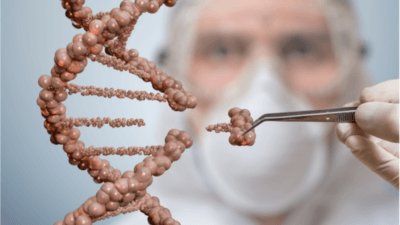
A gene editing technique published in Nature has proven to be effective in a mouse model of Hutchinson–Gilford progeria syndrome (HGPS). A single error causes tremendous damage HGPS is a

A Cause of Genomic Instability Discovered
Research further illuminating the mechanisms of impaired DNA damage repair associated with aging has recently been published in the journal Aging. DNA damage repair is reduced as we age While

Fisetin May Be Useful in Treating Pulmonary Fibrosis
The results of a recent study suggest that fisetin appears to reduce the development of bleomycin-induced pulmonary fibrosis [1]. Fisetin is a plant polyphenol and part of the flavonoid group

Stem Cell Growth Factors Treat Alzheimer’s in Aged Mice
A new article published in Aging and Disease has taken a look at what two stem cell-activating growth factors can do in aged mice with Alzheimer’s-like pathology. Alzheimer’s disease (AD)

MYSM1 Prolongs Lifespan by Regulating DNA Repair
New research has shown that a DNA repair gene modulates lifespan in mice [1]. This may serve as a therapeutic avenue or at least open the way towards dissecting the

Decellularized, Functional Thymus Regeneration in Mice
Recent research published in Nature Communications has regenerated a functional thymus in mice, making several other discoveries along the way [1]. A new sub-type of thymus cell emerges Although it

New Discovery in How Stem Cells Protect Telomeres
Scientists have discovered a new telomere-protecting mechanism in embryonic stem cells. This discovery can bring us closer to solving the notorious problem of telomere attrition and to understanding the immortality

New Aging Clock May Be Most Accurate to Date
These days, it seems like you cannot go for a walk without tripping over another aging clock, and today is no exception. DeepMAge, a DNA methylation aging clock developed using

Gene Therapy Trial Successfully Improves Vision
A team of researchers, including Dr. Patrick Yu-Wai-Man from the University of Cambridge and Dr. José-Alain Sahel from the University of Pittsburgh and Institut de la Vision, Paris, has successfully

Aging Brain Function Partially Restored With Small Molecule
Researchers from the University of California, San Francisco have discovered that a small molecule partially restores the cognitive abilities of mice suffering from age-related memory decline [1]. A response to
Kidney Progenitor Cells Derived from Urine
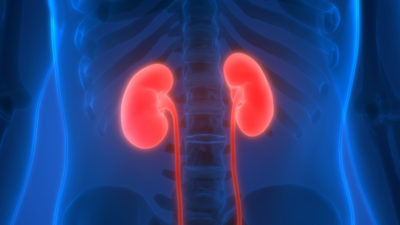
Recent data published in Scientific Reports has characterized human urine-derived renal stem cells, a potential non-invasive source for kidney tissue engineering and regenerative medicine. An unlikely source for kidney cells

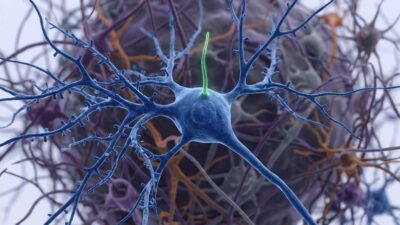
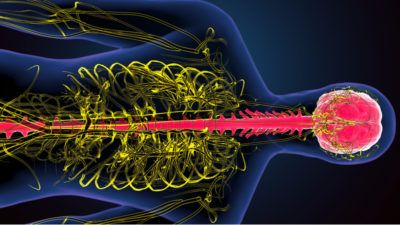
Senescent Cells Recruit Sympathetic Nerves
Researchers publishing in Frontiers of Aging Neuroscience Journal have discovered a new way in which senescent cells contribute to aging and chronic disease. The sympathetic nervous system in age-related diseases Our nervous systems are divided into the central nervous system, which consists of the brain and

Exercise Found to Have Anti-Senescence Effect
A new review paper delivers evidence that exercise, a powerful anti-aging tool, may be a natural senolytic [1]. Progress in the field of senolytics has been mixed. After the initial hype that had spawned dozens of startups, enthusiasm has waned somewhat in the wake of the

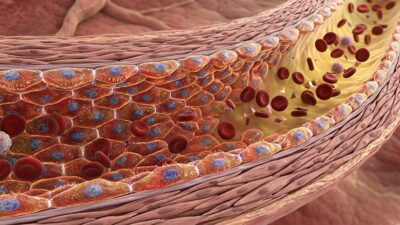
Arterial Stiffening Correlates With Cognitive Decline
Today, we want to highlight the results of a recent long-term study, which collected data over a four-year period to investigate the link between aortic stiffening and cognitive decline, including dementia. During aging, our blood vessels become increasingly stiff and lose their flexibility, and the cells

Senolytics Reduce Gut Inflammation in Mice
A few years ago, a team at Mayo Clinic led by Dr. James Kirkland treated mice with the cancer drug dasatinib and the popular dietary supplement quercetin, with results suggesting that the combination was able to destroy senescent cells. This combination was part of the first

Groundbreaking New Therapy for Progeria
A gene editing technique published in Nature has proven to be effective in a mouse model of Hutchinson–Gilford progeria syndrome (HGPS). A single error causes tremendous damage HGPS is a well-known disease that causes visible aging and early death in children. In progeria, the lamina that

A Cause of Genomic Instability Discovered
Research further illuminating the mechanisms of impaired DNA damage repair associated with aging has recently been published in the journal Aging. DNA damage repair is reduced as we age While we have multiple mechanisms for repairing genomic damage, one type of damage, double-strand breaks, is particularly

Fisetin May Be Useful in Treating Pulmonary Fibrosis
The results of a recent study suggest that fisetin appears to reduce the development of bleomycin-induced pulmonary fibrosis [1]. Fisetin is a plant polyphenol and part of the flavonoid group in the flavonol sub-category. The earliest record of isolated fisetin dates back to 1833 from the

Stem Cell Growth Factors Treat Alzheimer’s in Aged Mice
A new article published in Aging and Disease has taken a look at what two stem cell-activating growth factors can do in aged mice with Alzheimer’s-like pathology. Alzheimer’s disease (AD) is perhaps the most age-related of all age-related diseases. Perhaps not coincidentally, it has also been

MYSM1 Prolongs Lifespan by Regulating DNA Repair
New research has shown that a DNA repair gene modulates lifespan in mice [1]. This may serve as a therapeutic avenue or at least open the way towards dissecting the links between DNA damage and senescence. MYSM1 is a gene that removes a molecular mark known

Decellularized, Functional Thymus Regeneration in Mice
Recent research published in Nature Communications has regenerated a functional thymus in mice, making several other discoveries along the way [1]. A new sub-type of thymus cell emerges Although it is imperative to our immune health, the thymus is an under-studied organ that slowly disappears as

New Discovery in How Stem Cells Protect Telomeres
Scientists have discovered a new telomere-protecting mechanism in embryonic stem cells. This discovery can bring us closer to solving the notorious problem of telomere attrition and to understanding the immortality of cancer cells [1]. Keeping telomeres in the loop One function of telomeres is to prevent

New Aging Clock May Be Most Accurate to Date
These days, it seems like you cannot go for a walk without tripping over another aging clock, and today is no exception. DeepMAge, a DNA methylation aging clock developed using deep learning, has recently been created by the Hong Kong-based company Deep Longevity. There are two

Gene Therapy Trial Successfully Improves Vision
A team of researchers, including Dr. Patrick Yu-Wai-Man from the University of Cambridge and Dr. José-Alain Sahel from the University of Pittsburgh and Institut de la Vision, Paris, has successfully treated 37 participants suffering from Leber hereditary optic neuropathy (LHON). A landmark trial for mitochondrial gene

Aging Brain Function Partially Restored With Small Molecule
Researchers from the University of California, San Francisco have discovered that a small molecule partially restores the cognitive abilities of mice suffering from age-related memory decline [1]. A response to damage As the researchers explain, when neurons detect that something has gone wrong, either through the

Kidney Progenitor Cells Derived from Urine
Recent data published in Scientific Reports has characterized human urine-derived renal stem cells, a potential non-invasive source for kidney tissue engineering and regenerative medicine. An unlikely source for kidney cells The kidney is, by far, the most frequently transplanted organ. This is because donors are much