


The Heterogeneity of Senescent Cells
Cellular senescence, discovered in 1961 by Leonard Hayflick and Paul Moorhead, is a state in which cells no longer perform their functions, instead emitting harmful chemicals that turn other cells

Study Results Suggest Human Aging Can Be Reversed
A small clinical trial, which was conducted by a team of researchers led by Dr. Greg Fahy, has shown for the first time in humans that reversing biological age may

Telomerase Expression Reduces Senescence and Cancer Risk
A joint study by researchers at the National Institutes of Health (NIH) and the University of Maryland (UMD) has revealed a previously undocumented protective function of the telomerase enzyme. Telomerase

Brain, Liver and Muscle Rejuvenated by Calibrating Old Blood
Age-related changes to the signals sent and received by our cells travelling via the bloodstream (altered intercellular communication) are thought to be one of the reasons we age. A team

A New Era Beckons as First Drug Is Created by AI
Insilico Medicine has achieved a world first by successfully designing, synthesizing, and validating a new drug from the ground up and taking just 46 days to do so. It achieved

Heart Inflammation Causes a Shift in Cell Fate Distribution
A study on animals with autoimmune myocarditis was recently released in the journal Cell Reports [1], showing the impact of heart inflammation on the types of immune cell that are

Cellular Reprogramming Reverses Age-Related Vision Loss
Today, we want to draw attention to a new study that shows how partial cellular reprogramming was able to reverse cellular aging and address age- and injury-induced blindness in mice.
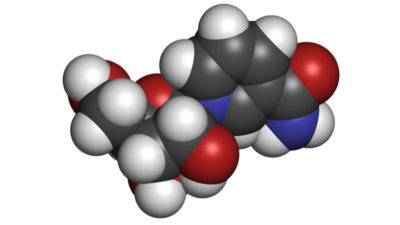
Clinical Trial of Nicotinamide Riboside Completed
Today, we want to highlight a recent human trial of the popular supplement nicotinamide riboside, a compound that has been shown in mice to restore NAD+ levels. The compound has

Machine Learning Identifies Anti-Cancer Molecules in Food
The internet is rife with myths and articles making dubious claims about certain foods and their anti-cancer properties. We have all seen the articles of questionable scientific merit gracing social

T Cells Infiltrate the Aging Brain
As published in a recent study, researchers have discovered that neural stem cells are impeded by the invasion of T cells, immune cells that are not normally present in the
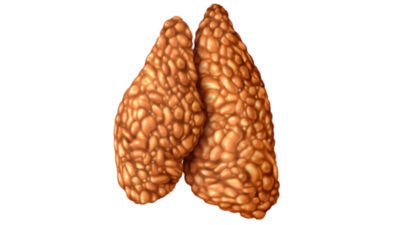
A Step Closer to Regenerating the Aging Thymus
Researchers from the Monash Biomedicine Discovery Institute have made progress in the quest to rejuvenate the aging immune system by identifying the factors responsible for the age-related decline of the
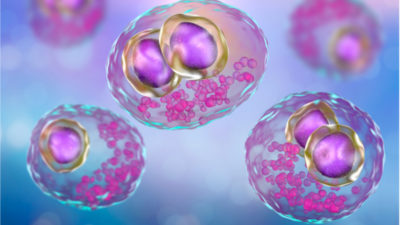
Cytomegalovirus Infection Linked to Metabolic Syndrome
Today, we want to highlight a new publication that looks at cytomegalovirus (CMV) and its potential role in the development of metabolic syndrome. What is cytomegalovirus? CMV is part of
NAD+ and Cellular Senescence Pathways Interact
A new publication highlights how the complex interaction of NAD+ and cellular senescence pathways may complicate proposed anti-aging therapies that boost NAD+ using precursors. What are epigenetic alterations? One of

Creating Thymus Organoids Using Tissue Engineering
Today, we wish to highlight a new open access publication in which the researchers take a novel approach to the regeneration of the thymus, a small but vitally important organ
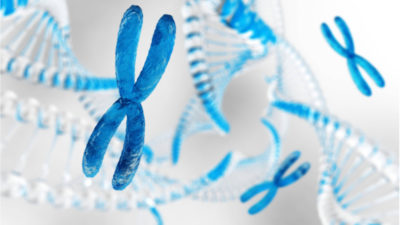
Telomerase Gene Therapy Ameliorates Neurodegeneration in Mice
A group of Spanish researchers, including Dr. Maria Blasco and others at the CNIO, has published a new study that examines the consequences of short telomeres and telomerase deficiency on

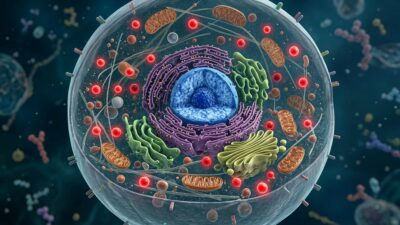
The Heterogeneity of Senescent Cells
Cellular senescence, discovered in 1961 by Leonard Hayflick and Paul Moorhead, is a state in which cells no longer perform their functions, instead emitting harmful chemicals that turn other cells senescent. Senescence is primarily caused by telomere shortening and DNA damage, and senescent cells are known

Study Results Suggest Human Aging Can Be Reversed
A small clinical trial, which was conducted by a team of researchers led by Dr. Greg Fahy, has shown for the first time in humans that reversing biological age may be possible. The results of TRIIM are in The researchers spent a year running the Thymus

Telomerase Expression Reduces Senescence and Cancer Risk
A joint study by researchers at the National Institutes of Health (NIH) and the University of Maryland (UMD) has revealed a previously undocumented protective function of the telomerase enzyme. Telomerase is used by somatic cells too It was thought for a long time that telomerase is

Brain, Liver and Muscle Rejuvenated by Calibrating Old Blood
Age-related changes to the signals sent and received by our cells travelling via the bloodstream (altered intercellular communication) are thought to be one of the reasons we age. A team of researchers, including Drs. Irina and Michael Conboy, has published the results of a new study

A New Era Beckons as First Drug Is Created by AI
Insilico Medicine has achieved a world first by successfully designing, synthesizing, and validating a new drug from the ground up and taking just 46 days to do so. It achieved this impressive feat using AI. This is the first time that AI has been used to

Heart Inflammation Causes a Shift in Cell Fate Distribution
A study on animals with autoimmune myocarditis was recently released in the journal Cell Reports [1], showing the impact of heart inflammation on the types of immune cell that are formed in the heart. This could have a significant impact on our understanding of cardiac aging.

Cellular Reprogramming Reverses Age-Related Vision Loss
Today, we want to draw attention to a new study that shows how partial cellular reprogramming was able to reverse cellular aging and address age- and injury-induced blindness in mice. Epigenetic alterations One of the proposed reasons we age is the changes to gene expression that

Clinical Trial of Nicotinamide Riboside Completed
Today, we want to highlight a recent human trial of the popular supplement nicotinamide riboside, a compound that has been shown in mice to restore NAD+ levels. The compound has had impressive results against some aspects of aging in mouse studies, and there is now some

Machine Learning Identifies Anti-Cancer Molecules in Food
The internet is rife with myths and articles making dubious claims about certain foods and their anti-cancer properties. We have all seen the articles of questionable scientific merit gracing social media suggesting that such-and-such foods can cure cancer, the majority of which are highly questionable. A

T Cells Infiltrate the Aging Brain
As published in a recent study, researchers have discovered that neural stem cells are impeded by the invasion of T cells, immune cells that are not normally present in the neural stem cell niche [1]. The neural stem cell niches Our brains contain neural stem cells

A Step Closer to Regenerating the Aging Thymus
Researchers from the Monash Biomedicine Discovery Institute have made progress in the quest to rejuvenate the aging immune system by identifying the factors responsible for the age-related decline of the thymus. The thymus shrinks as we age The thymus is one of the most important organs

Cytomegalovirus Infection Linked to Metabolic Syndrome
Today, we want to highlight a new publication that looks at cytomegalovirus (CMV) and its potential role in the development of metabolic syndrome. What is cytomegalovirus? CMV is part of the β-subfamily of herpes viruses, a family of viruses that are believed to have been co-evolving

NAD+ and Cellular Senescence Pathways Interact
A new publication highlights how the complex interaction of NAD+ and cellular senescence pathways may complicate proposed anti-aging therapies that boost NAD+ using precursors. What are epigenetic alterations? One of the proposed reasons we age is the changes to gene expression that our cells experience as

Creating Thymus Organoids Using Tissue Engineering
Today, we wish to highlight a new open access publication in which the researchers take a novel approach to the regeneration of the thymus, a small but vitally important organ that is key to our immune system. The thymus shrinks as we age The thymus is

Telomerase Gene Therapy Ameliorates Neurodegeneration in Mice
A group of Spanish researchers, including Dr. Maria Blasco and others at the CNIO, has published a new study that examines the consequences of short telomeres and telomerase deficiency on the brain [1]. This study addresses an aspect of telomere attrition, one of the primary hallmarks