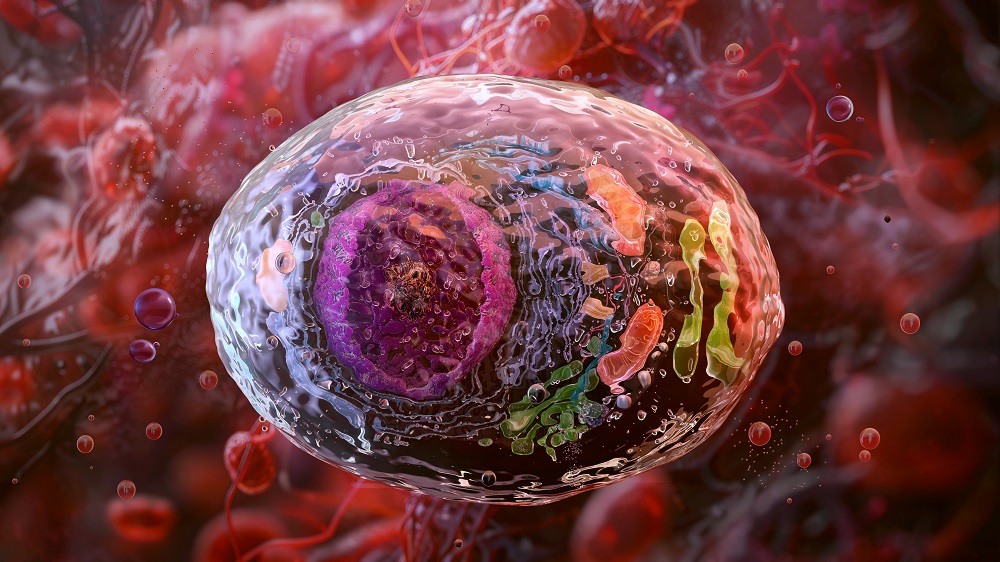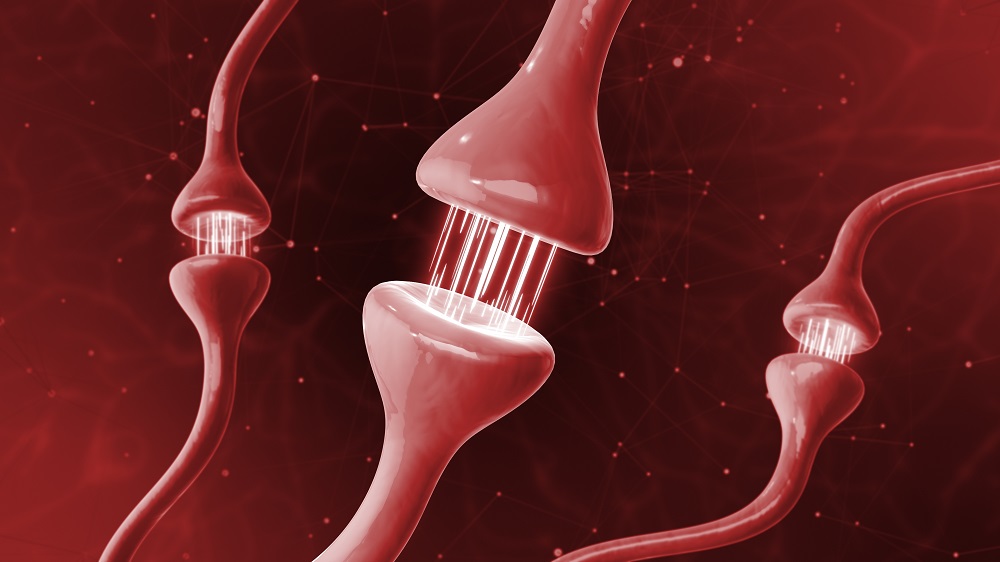
Resesarchers have found that thrombospondin-1 (TSP-1), a compound that is critical in growing brain synapses, is secreted by normal astrocytes but not senescent ones.
Senescence is harmful to the brain
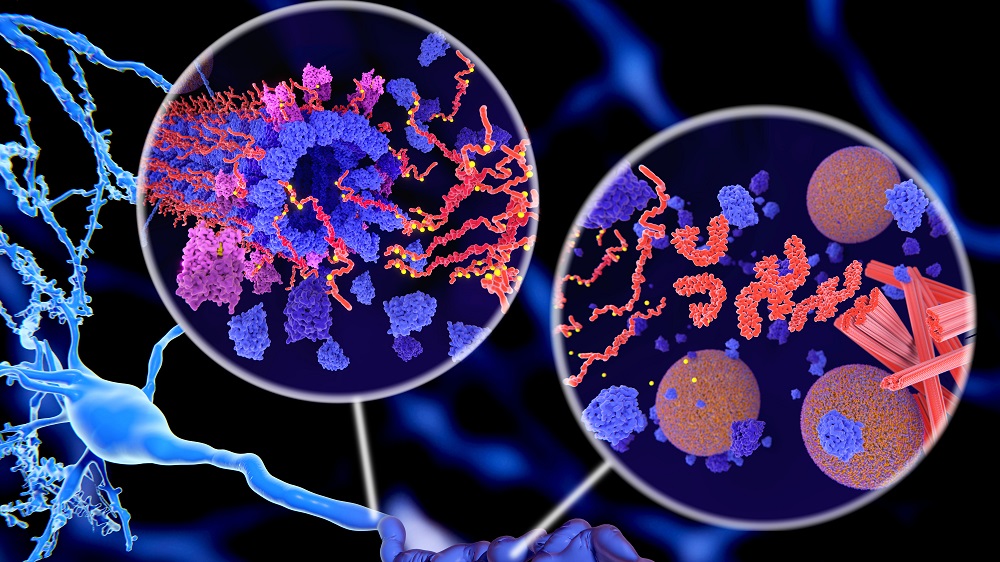
It is well-known that cellular senescence causes brain damage and impairment. The SAMP8 mouse, which is used in this study, has accelerated senescence and quickly develops related brain problems [1]. For example, last year, we reported that senescent microglia are overly aggressive in pruning brain synapses.
This research, however, focuses on astrocytes, other resident brain cells that fulfill a wide variety of maintenance functions [2]. The authors of this paper note that the exact effects of astrocytic senescence on neural synapses have not been particularly well-studied. To remedy this, they closely examined SAMP8 mice to determine how their senescent astrocytes might be indirectly affecting their neurons.
Direct cellular contact is not required
In their first experiments, the researchers verified that hippocampal astrocytes derived the SAMP8 mice were indeed more senescent than those of a control group, including increased expression of the characteristic SA-β-gal. Then, they developed conditioned media (CM) from these astrocytes and discovered that unmodified neural stem cells derived from wild-type mouse embryos were much more able to grow synapses in the CM derived from control astrocytes than in CM from SAMP8 astrocytes. These results held whether the CM was derived from astrocytes differentiated from neural stem cells (NSCs) or from astrocytes directly derived from SAMP8 animals.
The researchers then investigated the molecules present in this CM. As previous work had found that TSP-1 decreases with aging [3] and that its function is critical in cognitive maintenance [4], they took a close look at this particular factor, finding decreases in both the TSP-1 protein and the expression of the Thbs1 gene that encodes it in mice. Once again, these results were verified in both NSC-derived astrocytes and directly taken astrocytes, and unsurprisingly, TSP-1 was also decreased in the hippocampi of SAMP8 mice compared to controls.
Focusing on TSP-1
The biological effects were confirmed through the use of gabapentin, a compound that blocks the receptor of TSP-1. Introducing gabapentin nullified the differences between SAMP8-derived CM and control-derived CM.
Encouraged, the researchers then did the opposite in two ways: they simply added TSP-1 into CM, and they engineered SAMP8 astrocytes to overexpress Thbs1 and then derived CM from those. Both of these approaches had the desired effect: neurons exposed to either one of these CMs were much more able to develop synapses.
It is clear that further work needs to be done to determine whether or not TSP-1 can be used as a functioning strategy in living organisms. The researchers did not attempt to use TSP-1 to treat mice, particularly naturally aged mice, nor did they create a SAMP8 or other model mouse that overexpresses Thbs1. Combined with cognitive tests, such experiments could inform the research world whether or not this might be a viable path to restoring neuroplasticity and cognitive function to older people.
Literature
[1] Akiguchi, I., Pallàs, M., Budka, H., Akiyama, H., Ueno, M., Han, J., … & Hosokawa, M. (2017). SAMP8 mice as a neuropathological model of accelerated brain aging and dementia: Toshio Takeda’s legacy and future directions. Neuropathology, 37(4), 293-305.
[2] Phatnani, H., & Maniatis, T. (2015). Astrocytes in neurodegenerative disease. Cold Spring Harbor perspectives in biology, 7(6), a020628.
[3] Clarke, L. E., Liddelow, S. A., Chakraborty, C., Münch, A. E., Heiman, M., & Barres, B. A. (2018). Normal aging induces A1-like astrocyte reactivity. Proceedings of the National Academy of Sciences, 115(8), E1896-E1905.
[4] Cheng, C., Lau, S. K., & Doering, L. C. (2016). Astrocyte-secreted thrombospondin-1 modulates synapse and spine defects in the fragile X mouse model. Molecular brain, 9(1), 74.