The Blog

Building a Future Free of Age-Related Disease

Tryptophan

Tryptophan as a Therapeutic Target for Inflammaging

A new open access paper takes a look at tryptophan and the role that it plays in the dysfunction of the immune system in the context of the age-related changes that occur in the microbiome [1].

The microbiome

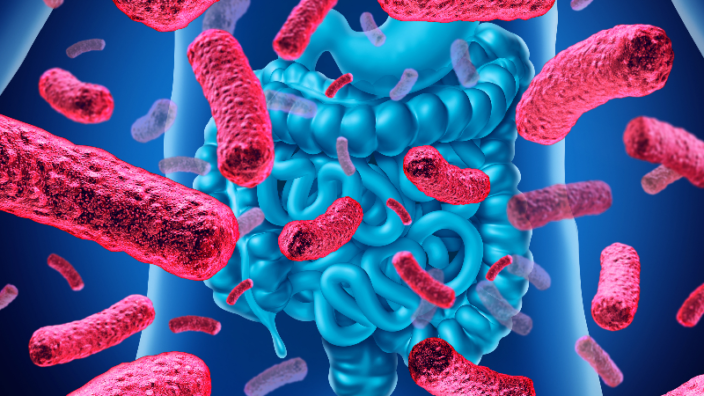
The gut microbiome is a complex ecosystem of bacteria, archaea, eukarya, and viruses that live inside of us, some beneficial and some harmful, the balance of which keeps us alive. Four microbial phyla, Firmicutes, Bacteroides, Proteobacteria, and Actinobacteria, make up 98% of the total population of the intestinal microbiome.

It has taken years of research to start to unravel the complexities of the gut microbiome and how it interacts with our own cells and influences health and lifespan, but that work is starting to bear fruit as our understanding grows.

Many of these teeming bacteria produce useful compounds, such as butyrate, propionate, and indole, that our bodies rely on in order to function. Unfortunately, as we age, the relevant populations of bacteria typically decline along with their beneficial compounds, which can have a significant impact on health.

Tryptophan and the kynurenine pathway

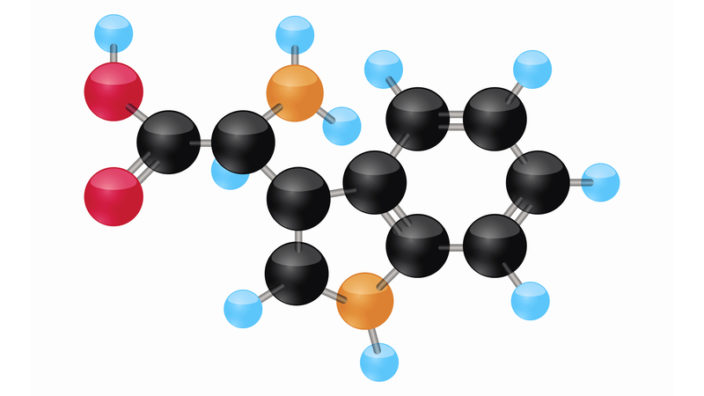
Tryptophan is an α-amino acid that is used in the production of proteins. It is essential in humans: the human body cannot create it, so it must be obtained from dietary sources and processed by the bacteria in the microbiome. Like other compounds, the availability of tryptophan falls as we grow older due to changes to the populations of bacteria that produce it [2].

Generally, the age-related decline of beneficial gut bacteria producing such compounds as tryptophan is accompanied by increasing numbers of harmful bacteria, which contribute to the rise of chronic inflammation typically seen in older people. This smoldering background of persistent low-grade inflammation is known as inflammaging, and it plays havoc with the immune system, cell signaling, and tissue repair, facilitating the development and progression of various age-related diseases.

Nicotinamide adenine dinucleotide (NAD+) is essential for DNA repair, cell signaling, and many other core cellular functions essential to life. This critical coenzyme can be created from scratch (“de novo”) using tryptophan via the kynurenine pathway, which is the only non-vitamin B3 way of creating NAD+. Therefore, the bacteria that produce tryptophan can compensate for shortfalls from dietary sources using this method; if those bacteria decline, then so does that safety net.

In this new paper, the researchers explore how tryptophan creation via the kynurenine pathway regulates inflammaging and supports long-term immune function along with how its levels change during aging and the progression of age-related diseases. Furthermore, they also take a look at how the kynurenine pathway influences other metabolic pathways, including NAD+, microbiota-derived indoles, and the metabolites produced by activation of the kynurenine pathway.

Finally, they also consider the ratio of tryptophan/kynurenine as a potential biomarker of inflammaging and discuss how intervention on the kynurenine pathway may be a therapeutic target to reduce chronic inflammation.

Inflammation aims to restore tissue homeostasis after injury or infection. Age-related decline of tissue homeostasis causes a physiological low-grade chronic inflammatory phenotype known as inflammaging that is involved in many age-related diseases. Activation of tryptophan (Trp) metabolism along the kynurenine (Kyn) pathway prevents hyperinflammation and induces long-term immune tolerance. Systemic Trp and Kyn levels change upon aging and in age-related diseases. Moreover, modulation of Trp metabolism can either aggravate or prevent inflammaging-related diseases. In this review, we discuss how age-related Kyn/Trp activation is necessary to control inflammaging and alters the functioning of other metabolic paths of Trp including Kyn metabolites, microbiota-derived indoles and nicotinamide adenine dinucleotide (NAD+). We explore the potential of the Kyn/Trp ratio as a biomarker of inflammaging and discuss how intervening in Trp metabolism might extend health- and lifespan.

Conclusion

The idea that the microbiome might be manipulated in order to promote health and potentially longevity is an interesting one, and there are multiple potential ways in which tryptophan levels in particular might be increased. The direct delivery of tryptophan is plausible, provided it can get beyond the gut and liver to reach the target cells.

Fecal transplants or probiotics are also a possibility in order to increase the population of bacteria that produce tryptophan and are probably a better long-term solution than repeatedly taking a supplement, which is only compensatory. That said, there is some positive animal data for butyrate supplements that offset changes to the gut microbiome, so both approaches are worth exploring.

We would like to ask you a small favor. We are a non-profit foundation, and unlike some other organizations, we have no shareholders and no products to sell you. All our news and educational content is free for everyone to read, but it does mean that we rely on the help of people like you. Every contribution, no matter if it’s big or small, supports independent journalism and sustains our future.

Literature

[1] Sorgdrager, F. J., Naudé, P., Kema, I., Nollen, E., & De Deyn, P. P. (2019). Tryptophan Metabolism in Inflammaging: From Biomarker to Therapeutic Target. Frontiers in immunology, 10, 2565.

[2] Ruiz‐Ruiz, S., Sanchez‐Carrillo, S., Ciordia, S., Mena, M. C., Méndez‐García, C., Rojo, D., … & Ferrer, M. (2019). Functional microbiome deficits associated with ageing: Chronological age threshold. Aging cell.

sudden downtrend

DNA Testing Company Veritas Genetics Suspends U.S. Operations

After experiencing financial issues, DNA testing company Veritas Genetics has announced the suspension of its U.S. operations in an unexpected announcement on December 4th 2019.

The company is perhaps best known for being co-founded by renowned Harvard University geneticist George Church and has been working towards reducing the costs of genome sequencing so that it could become widely available. There are other companies offering genome sequencing, such as 23andMe, but they only look at a small portion of the total DNA; Veritas, on the other hand, sequences the entire genome for $599.

According to Crunchbase, the company had raised over $50 million in venture funding, but that money appears to have run out. Veritas recently took to Twitter and stated that it had encountered “an unexpected adverse financing situation” that has led to the closure of its U.S. operations.

Allegedly, the closure may be linked in part to investors’ concerns over Chinese investment in the company and the current administration’s moves to prevent Chinese investment in U.S. companies. Veritas’s China-based investors include Lilly Asia Ventures, TrustBridge Partners, and Simcere Pharmaceutical.

The closure sees a total of around 50 members of staff being terminated in Danvers, Massachusetts. While this is a blow for the company, it will continue to operate in China, Latin America, and Europe and has vowed to continue its mission of driving down the cost of genome sequencing.

Conclusion

Hopefully, with more companies becoming involved in genome sequencing and its move towards becoming a more commonly used diagnostic tool in healthcare, we will see the prices of whole genome sequencing tumble in the next decade to become widely accessible and affordable. While this is disappointing news for people interested in sequencing their DNA, it does not necessarily mean the end of the line for Veritas, which will be continuing to operate in regions more conducive to their business.

We would like to ask you a small favor. We are a non-profit foundation, and unlike some other organizations, we have no shareholders and no products to sell you. All our news and educational content is free for everyone to read, but it does mean that we rely on the help of people like you. Every contribution, no matter if it’s big or small, supports independent journalism and sustains our future.

Brian Kennedy Interview

Brian Kennedy on Rapamycin, mTOR, and Interventions

If humans ever reach an average lifespan of well over 100 years, what is going to happen? Are we going to be bored with such long lives? “Well,” says Prof. Brian Kennedy of the National University of Singapore, “If you ask me: ‘Do I want to have cancer at 75? Do I want have Alzheimer’s disease at 85? Or do I want to be bored at 110?’ I know which one I’m going to take.”

It’s hard to argue with that. Finding a new hobby to fend off boredom at age 110 is by far a better problem to have than having to look for your lost marbles at age 85, and Brian Kennedy—one of the top names in biogerontology—is working towards a world where healthy supercentenarians are commonplace.

Meet Prof. Kennedy

Up until 2016, Professor Kennedy was President and CEO of the Buck Institute for Research on Aging, a position to which he was appointed in 2010. While the Buck is still one of Brian’s academic affiliations, he currently serves as the Director of the Centre for Healthy Ageing and Professor of Biochemistry and Physiology at the National University of Singapore (NUS).

After earning a BA in Mathematics and Biochemistry, Molecular Biology, and Cellular Biology at Northwestern University, Kennedy was a doctoral student in Dr. Leonard Guarente’s lab at MIT, where he eventually got his PhD in biology. It was during this time that Kennedy’s interest for aging sparked and led to the discovery that sirtuins—a class of proteins affecting several cellular processes, aging included—influenced the longevity of yeast.

After his postdoctoral studies, which were centered on tumor suppression mechanisms, Brian left the Massachusetts General Hospital Cancer Center to become Assistant, and eventually Associate, Professor at the University of Washington. After Washington, his career as an aging researcher continued at the aforementioned Buck Institute for about six years, during which he also held the title of Visiting Professor in Aging Research at Guangdong Medical College in China. Today, in addition to his position at NUS, he’s also an Affiliate Professor at the University of Washington and an Adjunct Professor at the USC Davis School of Gerontology in Los Angeles, California.

His expertise in the field of aging research has earned Prof. Kennedy consultant and board member positions in several biotech and pharmaceutical organisations, such as Mount Tam Biotechnologies and SENS Research Foundation. He’s also co-Editor-in-Chief of the journal Aging Cell.

Prof. Kennedy’s research

Research at the Kennedy Lab, both in Singapore and back at the Buck, is focused on understanding the biology underlying the aging processes and finding ways to translate results into therapies applicable to humans that can delay, prevent and treat aging and the vast array of diseases that come with it.

Presently, Prof. Kennedy’s research projects focus primarily on the mTOR pathway to determine in which tissues it influences mammalian aging and how long-lasting any effects are.

The mechanistic target of rapamycin (mTOR) pathway is one of the four pathways that make up metabolism (IGF-1, mTOR, sirtuins, and AMP), and it has an influence on deregulated nutrient sensing, one of the reasons we age.

The mTOR pathway is composed of the mTORC1 and mTORC2 protein complexes. It senses amino acids and is associated with nutrient abundance. It is a kinase, meaning that it adds phosphates to molecules. mTOR is a master regulator of anabolic metabolism, the process of building new proteins and tissues.

A lower level of mTOR activity increases lifespan in model organisms, such as mice, yeast, worms, and flies. Though lower mTOR is not always beneficial beyond a certain point, very low levels can affect healing and insulin sensitivity and can cause cataracts and testicular cancer generation in mouse models.

The Kennedy Lab in Singapore studies aging in yeasts and nematodes as well, trying to figure out the interaction between different pathways that control aging. Prof. Kennedy’s other research interests include the genetics of diseases such as dilated cardiomyopathy, muscular dystrophy and Hutchinson-Gilford Progeria Syndrome, which resembles premature aging.

Advocating for healthier, longer lives

However, Prof. Kennedy isn’t just a prolific researcher with nearly 200 published papers. He’s also an outspoken supporter of healthy human lifespan extension and has shown his support in a number of ways and on multiple occasions. In 2016, he took part to the Intelligence Squared debate Lifespans are long enough alongside SENS Research Foundation’s CSO Dr. Aubrey de Grey, where both argued against the debate’s titular motion and won by a good margin.

Speaking of SRF, during Kennedy’s presidency, the Buck hosted the Rejuvenation Biotechnology Conference 2016 (RB2016) which was organized by the SENS Research Foundation. During the event, Kennedy gave a speech outlining the inadequacy of the current funding situation for aging research and the perils that our rapidly aging society will face during the first half of the 21st century if we don’t change our approach to treating age-related diseases. As he pointed out, we currently wait until individual diseases manifest and only then try to attack them one at a time, ignoring that aging is the common denominator driving them all. The result is that late in life, what we really do is not health care, but rather “sick care”, as all that is attained this way is keeping people in a state of debilitation for longer.

More recently, he has given a TEDx Talk as well, titled A Medical Revolution: Targeting aging directly, where he again stressed the importance of targeting aging to prevent not only human suffering but also the otherwise inevitable economic crisis fueled by spiraling late-life health care costs for an ever-growing proportion of people whose health conditions make them unable to contribute wealth anymore. That’s not all there is to it; according to Professor Kennedy, for the first time in human history, we’re close to being able to intervene against aging directly—and as our readership certainly knows, his conviction is shared by an increasing number of other biogerontologists. “We’re on the brink of a medical revolution,” he said in the talk.

To better understand the forthcoming medical revolution envisioned by Prof. Kennedy, we got in touch and asked him a few questions. This interview was taken at the Investing in Immortality conference, which was organized by Forbes Russia and non-profit organization Centaura (WayRay).

What, exactly, led you to study the biology of aging? Was it originally only scientific curiosity, or did you always have the goal of translating basic aging research into clinical applications?

It was totally scientific curiosity. When I got started as a graduate student, I wanted to take a project that was just exciting and answer a question that was totally unknown, and that was what causes aging. That’s been my focus when I started, but as I got more experience doing research in the field, and as I realized the challenge of the demographic population in so many people getting old, that I kind of modified my thinking. Now my primary focus is really on doing translation and extending healthspan, slowing aging.

Do you consider aging to be a disease or, at least, a co-morbid syndrome?

I think you can make an argument that it’s a disease, and you can also make an argument that it’s a risk factor for disease, but to me, fundamentally, it doesn’t matter. It’s the biggest driver of chronic diseases, loss of function late in life, and has a huge impact on life quality and health care costs. So we have to do something about aging, whatever you call it, and I don’t think it’s so important what we call it; it’s more important that we all agree that we have to slow down this process.

Do you think that the definition of aging as a disease called actually improve the regulatory situation with this status?

I think that it could certainly have a positive impact in a regulatory way, because if aging is a disease, then it’s much easier to develop therapies and get reimbursed for therapies, so I’m totally supportive of that effort. I think that, however, as I said in my talk, we don’t call cholesterol a disease, but we treat cholesterol because it’s a risk factor, so the FDA does approve interventions on targeted risk factors as well. I think we have to differentiate whether we’re discussing this from a conceptual point of view or from a regulatory point of view. Either way, we need the FDA to recognize the fact that aging is driving these other diseases that they care so much about, whether they want to call it a disease or recognize it as a validated risk factor. Either way, something has to happen so that we can develop interventions.

We sometimes hear people say that we don’t know enough about aging to do anything about it; however, others argue that we know enough now to start testing interventions and moving forward. Would you agree that we are at the point where we can start doing this?

I’m totally committed to the idea of testing candidate interventions in humans. I think we’re totally ready to do that; we have a range of safe interventions that we can test, so we have very low risk of doing harm, and the field will move forward dramatically if we can validate even one or two of these strategies. I believe exercise is more or less already validated, but what I’m talking about are some of the small molecule strategies and other kinds of interventions that are being developed. If we can validate that a couple of those work, I think it’ll have a huge positive impact on the field.

Targeting the aging processes directly is potentially the best way to prevent age-related diseases and the ultimate in preventative medicine. What do you think it will take for medicine to shift from the current infectious disease approach to age-related diseases to a preventative one?

I think it’s not an infectious disease approach, it’s really a treat disease approach that medicine has right now. The medical community does sick care; they don’t do much health care. Health care is prevention, and sick care is treating diseases, and we spend almost all of our research money and medical interventions’ cost on treating diseases. I think it’s pretty clear that that’s not the most effective way; if we can keep you from getting sick, it’s much better than letting you get sick and then keeping you alive. The challenge is how to change the medical community, the reimbursement system, insurance companies.

One of the reasons I’m in Singapore is that they have a public/private health care system, so everybody has a baseline public health care. Some people pay for more private health care as well, but the government pays a significant component of the health care costs for the individual, and that means the government is incentivized to keep people healthy. If we can develop interventional strategies and validate them in Singapore, we can go to the government and say “you don’t have to make money on the intervention.” We’re going to save a tremendous amount of money by keeping people healthy five or 10 years longer, and that’s really our goal.

If you look at the health care system in the U.S., it’s so screwed up with so many perverse incentives that it’s hard to figure out how you would even develop a drug that slows aging, and that that’s not an indictment on aging research, that’s an indictment on the health care system. I think places like Singapore, which publicly finance healthcare, are much better positioned to be the leaders in trying to develop aging interventions.

You were previously based at the Buck for a number of years and were an incredibly important figure there; what was your motivation to change gear and move country?

There wasn’t just one motivation, but I can answer the question in the following way. I wanted to go somewhere where we had to build into clinical studies which really tested interventions in humans, and that means I needed a research center that has good preclinical research, good basic science, but also hospital and clinical studies that are available, so the center we’re trying to build now is much more clinical in nature. I feel like that’s an important step because, as I said, we’ve developed a lot of ways to slow aging in animals, we need to validate that these things work in humans now, and I feel like Singapore is a good place to do it.

Singapore is projected to have a population made up of nearly 50% of senior citizens by 2050; what do you think will be the biggest challenge facing the elder care sector?

I think that we have to change the system. You can’t just build hospitals, because there are multiple challenges with that. First of all, you have a lot of sick people on a small island; it’s hard to treat all of them. There are not enough doctors and not enough hospitals; there are not enough caregivers to take care of older people. Perhaps most importantly, there are not enough younger workers to keep the economy going to pay for all the costs of the older people.

We have to change the paradigm. I don’t think there’s any solution on Singapore except keeping people healthy longer. We’re going to have to raise the retirement age. The people that are working later, they’re already doing that, and that’s not going to work unless those people are healthy and functional. We think we’re trying to provide an essential component of what Singapore and other countries like it need to get through this demographic crisis that’s happening in the next 30 or 40 years.

How receptive have you found the government and healthcare sector in Singapore to the idea of longer and healthier lives through the development of therapies that target the aging processes directly? How hard was it to convince them?

I think it’s still a process. We haven’t convinced everybody in the government; we have people that really understand and are supportive, and we have other people that we’re still talking to. The thing that excites me about the Singapore government is they think progressively. This is a party that’s been in power for a long time, it’s a democratic country, but the same party has won for many years. It’s probably justified because they’ve dramatically improved the life quality of the population in Singapore in the 1960s.

This was a relatively poor country with a lot of problems, and now it’s one of the richest countries in the world with very low corruption and a very good healthcare system. A lot of things have been accomplished, and the government thinks, “What can I do now to have a positive impact 10 years from now”, and that’s very hard to find in a government these days.

If you look at the U.S. government, everybody’s just worried about the next election cycle, and that’s true of a lot of other democratic governments as well. You have other kinds of governments that may have their own challenges, but if you can find someplace that’s really willing to spend money now that will only return on investment 10 years from now, I think you’ve found a place that has a lot of potential, and I think that’s the most promising thing about Singapore.

You are focusing on the mTOR pathway, part of the deregulated nutrient sensing hallmark of aging. What made you choose this particular pathway as the subject of your studies?

We didn’t choose mTOR, mTOR chose us. Essentially, what happened is that we were screening the simple organism yeast, where we can measure aging really quickly. We were just knocking out every gene one by one by one and finding out which genes lead to longer lifespan, and then we clustered those genes trying to figure out what pathways they’re in. The pathway that jumped out at us was the mTOR pathway.

We were particularly excited about that, because there is a drug, rapamycin, that can inhibit mTOR in mammals and humans even. So there was a clear path toward testing whether mTOR inhibition would have an impact on mammalian aging, and many, many labs have now shown that you can extend lifespan and slow aging, including some work from our lab in mouse models.

Now there’s studies going on in humans that are exciting. I think that it’s emerged now as one of the major pathways that affect aging, and it’s been fun to work on it for the last 10 years; the challenge is that we still don’t really know why reducing TOR activity leads to healthspan extension and lifespan extension, so there’s a lot of basic biology that needs to be done. I’m not planning on giving up on TOR anytime soon.

Rapamycin is the most commonly thought of mTOR inhibitor, but it can suppress the immune system and may have other harmful side effects. Are you investigating the so-called rapalogs as an alternative to rapamycin, and, if so, how do they compare?

There’s two components to this. The first is that there have been studies with current drugs like rapamycin and everolimus in healthy people, and if you dose effectively, you can dramatically reduce side effects. I think there’s potential even for the current generation of rapalogs to be effective.

Having said that, we’ve been working hard in our lab and through a couple of companies to try to develop new versions of rapamycin that have higher efficacy and lower side effects because rapamycin is very effective, but it does have side effects, and that narrows the therapeutic window in which you can give the drug. If we can either improve the efficacy or reduce the side effects, then we have a broader therapeutic window and we can have a better impact, so we’re excited about trying to make derivatives of rapamycin that work even better, but the first generation of drugs look promising on their own.

A number of people interested in longevity already try to reduce mTOR signaling via approaches such as fasting and caloric restriction; do you practice any of these things, and, if so, have you found a method that suits you best in particular?

Yeah, my lifestyle makes it a little bit difficult to control my diet that well because I’m traveling constantly. However, when I’m in one place, I try to do time-restricted feeding where I eat really just one big meal a day and then try to eat within a narrow window during the day. I think that approach tends to work for me well, but it’s hard for me to stay consistently on it because when you start switching time zones every week, it influences your diet. I also try to exercise and do some sort of endurance training and a little bit of resistance training.

Most importantly for me, I’ve been trying to work on stress levels, because, especially when I was CEO of the Buck, there were a lot of things going on. There’s always a problem somewhere in an institute that big; the Institute’s great, but every institute has its problems that you’re dealing with, so if you take all that home and you’re constantly worried about something, your stress levels get very high and that’s not very good, so I’ve been trying to differentiate the signals that generate stress that come in from how I respond to them. I think that that kind of mindfulness is probably beneficial too, so I’d say I’m not a lifestyle freak in terms of being healthy, but I try to do as much as I can to have a healthy lifestyle. Some of this things impact the mTOR pathway, and some of them impact other pathways.

You are also investigating alterations to nuclear lamins, which appear to influence epigenetics and thus gene expression. Progeria is perhaps the best-known example of where defective lamins cause accelerated aging, so do you personally consider progeria and regular aging closely linked?

I suspect that altered lamin function is one of the drivers of normal aging. I don’t think that’s been completely proven yet, but I think the bulk of the data suggests that’s true. The mutation that causes progeria is a dominant mutation, so it makes the protein do something new, and that causes toxicity. It’s very unclear whether that specific variant of the protein occurs in normal individuals or not. There’s some evidence for it, but it’s not strong.

However, lamins go through this proteolytic processing as they’re made, and so you make a large protein that gets clipped into a shorter protein. There’s evidence that that clipping could become defective with aging, and when you have the unclipped longer protein, it has some effects that are very similar to progerin. So we think that unprocessed lamin may be driving aspects of normal aging, and we’re trying to study that.

It still looks like they are closely linked.

I think that we sort of know this. It’s not called a progeria per se, it’s called a segmental progeria. What’s meant by that is that certain aspects of aging are accelerated in these kids and other aspects are not. For instance, they don’t have neurologic problems. They don’t get Alzheimer’s disease. They don’t have cognitive impairment. But they do have cardiovascular disease, particularly strokes, heart attacks, they have cachexia, they lose hair, their hair turns grey. Some aspects of aging are happening and others aren’t. I think that there are probably a number of disease conditions that are segmental in that way. In fact, I think a lot of diseases are linked to aging. It’s just that a lot of these diseases only affect a couple processes of aging, and progeria affects a number of processes of aging.

I’m asking you because a few years ago, I heard Claudio Franceschi saying that in his view, age-related diseases can even be considered as an accelerated aging of a particular system within the human body. So, in some people, some aspects, some systems age faster, and this is why we see age-related diseases manifest.

I agree with that. That’s what differentiates the outcome of one person aging from another person aging, and another way of saying that is personalized aging. We have to really begin to understand not just how we age the same but how we age differently to have the biggest impact down the road, I think.

Do you think that progeric strains of mice serve as useful models of human aging, or do you think, as some critics do, that they are not an accurate representation of real aging?

I think they represent an acceleration of some pathways of aging and not others, so they have value, but I don’t think it’s fair to say that you can learn everything about normal aging by studying any particular progeria model. I’ll give you an example, for instance, that we’ve been studying the mouse model for Hutchinson-Gilford progeria, the lamin mutation. In our hands, rapamycin does not extend the lifespan of that mouse. In normal mice, it does.

There’s a lot of evidence that affects normal aging, but in that particular context, it’s not improving things. Whereas, you know, if you enhance NAD levels with nicotinamide riboside, then we do see positive impacts on aging even though nicotinamide riboside has less of an effect in normal mice. That would suggest that maybe the sirtuin pathways affected in the progeria models, but the TOR pathway’s doing something different, so some aspects of ageing are accelerated and not others. So, the model’s useful, I just think that it becomes dangerous when you say that this recapitulates all of aging, because none of the models do.

Is there a question you never get asked by journalists that you would like us to ask you about your work?

Wow, that’s a hard one. I haven’t been stumped in a long time. I don’t know that I can point to any one question. I think that maybe what I would say is that I rarely get asked anymore what actually causes aging, and we discussed that today. I think that that’s the fundamental challenge in aging right now, as we know how to do interventions to slow aging, and we’re learning how to measure aging with biomarkers, but we still don’t know what causes aging. I think that the people that ask the right biologic questions to answer that are going to be very famous in this field.

Many people say that the hallmarks of aging are the causes.

Yeah, but I don’t think that gets the proximal causes, like you can say altered nutrient signaling, but the altered nutrient signaling is in response to something earlier. You can say DNA damage, but we don’t know how much DNA damage really contributes, and it’s not going to be zero, but it’s not going to be 100% either. Altered stem cell function with age, why, why? How much of inflammation that we see with aging is made by these senescent cells, and how much of it comes from other pathways? These are all open questions, so hallmarks of aging are good at pointing us in the right direction. I think there’s general consensus that most people believe these hallmarks are important, but how they interact with each other, and what are the proximal causes of aging, I still think are open questions.

We would like to ask you a small favor. We are a non-profit foundation, and unlike some other organizations, we have no shareholders and no products to sell you. All our news and educational content is free for everyone to read, but it does mean that we rely on the help of people like you. Every contribution, no matter if it’s big or small, supports independent journalism and sustains our future.
Villi and bacteria

Age-Related Gut Microbiome Changes Happen Early in Life

A new study suggests that harmful changes to the population and diversity of our gut bacteria may occur when we are as young as our mid 30s, which can have serious implications for health and longevity.

The microbiome

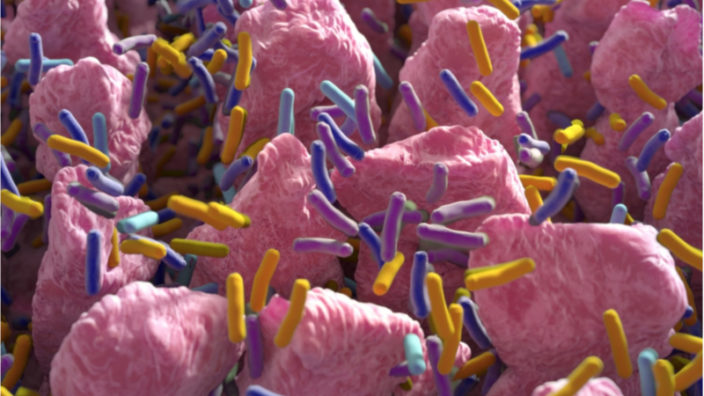
The gut microbiome is a complex and ever-changing ecosystem populated by a myriad of archaea, eukarya, viruses, and bacteria. Four microbial phyla, Firmicutes, Bacteroides, Proteobacteria, and Actinobacteria, make up 98% of the total population of the intestinal microbiome.

The microbiome is a complex ecosystem that regulates various aspects of gut function along with the immune system, the nutrient supply, and metabolism. It also helps to control the growth of pathogenic bacteria, protects from invasive microorganisms, and maintains the intestinal barrier.

As we age, the composition and diversity of the microbiome changes, as the beneficial bacteria populations tend to decline and the harmful bacteria often increase in numbers. One emerging hypothesis is that these changes to the gut microbiome lead to detrimental changes elsewhere in the body and could potentially be the origin point of inflammaging, the chronic low-grade smoldering background of inflammation typically observed in older people.

Many other studies have documented that the range, numbers, and diversity of bacteria in the gut microbiome decline as we get older, while this study has shown a 1.4-fold increase, possibly due to its participants eating a different diet. However, the studies are in agreement that gut microbial changes are linked to the development of a variety of diseases.

Studying the microbiome

In their new study, the researchers provide evidence that harmful changes to the microbiome can actually occur as early as our 30s [1]. These changes include alteration not only to the population and diversity of bacteria in the gut but also to the various compounds they produce, including short-chain fatty acids such as butyrate. The goal of the study was to show the link between those microbial changes and the loss of function associated with aging.

Composition of the gut microbiota changes during ageing, but questions remain about whether age is also associated with deficits in microbiome function and whether these changes occur sharply or progressively. The ability to define these deficits in populations of different ages may help determine a chronological age threshold at which deficits occur and subsequently identify innovative dietary strategies for active and healthy ageing. Here, active gut microbiota and associated metabolic functions were evaluated using shotgun proteomics in three well‐defined age groups consisting of 30 healthy volunteers, namely, ten infants, ten adults and ten elderly individuals. Samples from each volunteer at intervals of up to 6 months (n = 83 samples) were used for validation. Ageing gradually increases the diversity of gut bacteria that actively synthesize proteins, that is by 1.4‐fold from infants to elderly individuals. An analysis of functional deficits consistently identifies a relationship between tryptophan and indole metabolism and ageing (p < 2.8e−8). Indeed, the synthesis of proteins involved in tryptophan and indole production and the faecal concentrations of these metabolites are directly correlated (r2 > .987) and progressively decrease with age (r2 > .948). An age threshold for a 50% decrease is observed ca. 11–31 years old, and a greater than 90% reduction is observed from the ages of 34–54 years. Based on recent investigations linking tryptophan with abundance of indole and other “healthy” longevity molecules and on the results from this small cohort study, dietary interventions aimed at manipulating tryptophan deficits since a relatively “young” age of 34 and, particularly, in the elderly are recommended.

Conclusion

Studies like this can provide valuable insights into how the microbiome changes with age and offer potential solutions to offsetting those changes. There is some evidence in mice that supplementing the loss of the short-chain fatty acid butyrate improves health, and the same may apply to humans. More research is needed, but it is plausible that better health as we age can be supported via interventions focused on the microbiome.

We would like to ask you a small favor. We are a non-profit foundation, and unlike some other organizations, we have no shareholders and no products to sell you. All our news and educational content is free for everyone to read, but it does mean that we rely on the help of people like you. Every contribution, no matter if it’s big or small, supports independent journalism and sustains our future.
Literature

[1] Ruiz‐Ruiz, S., Sanchez‐Carrillo, S., Ciordia, S., Mena, M. C., Méndez‐García, C., Rojo, D., … & Ferrer, M. (2019). Functional microbiome deficits associated with ageing: Chronological age threshold. Aging cell.

The Gut Microbiome’s Influence on Skeletal Muscle Mass

Researcher Dr. Michael Lustgarten has recently published a compact and very readable review that focuses on the role of the gut microbiome and its influence on skeletal muscle mass.

The gut microbiome

The microbiome describes a varied community of bacteria, archaea, eukarya, and viruses that inhabit our gut. The four bacterial phyla of Firmicutes, Bacteroidetes, Proteobacteria, and Actinobacteria comprise 98% of the intestinal microbiome.

The microbiome community is a complex ecosystem whose activity regulates a number of functions in the gut and interacts with the immune system and energy metabolism. The beneficial bacteria in our gut also help to prevent the growth of harmful bacteria, protect us from invasive microorganisms, and help to maintain the integrity of the intestinal barrier.

One of the microbiome’s more important activities is to facilitate energy production and metabolic function, which it achieves by the creation of short-chain fatty acids (SCFAs) and their conjugate bases (acetate, propionate, and butyrate). A number of bacteria, including Faecalibacterium prausnitzii, Roseburia faecis, Anaerostipes butyraticus, Ruminococcaceae, and Christensenellaceae, break down fiber and ferment it to make these SCFAs, which are then used as an energy source for the microbiome and gut membrane cells such as colonocytes. This, in turn, supports the integrity of the intestinal barrier and stimulates the inflammasome pathway in gut homeostasis [1].

The gut microbiome helps facilitate immune function and development, and studies have shown that when the microbiome is absent, such as in animals kept in a sterile environment, the immune system does not develop and mature properly [2]. Gut bacteria such as Candida albicans and Citrobacter rodentium also help with pathogen control by activating T cells and summoning neutrophils and other immune cells. Bacteroides fragilis and Clostridium help to regulate inflammation by inducing the differentiation of regulatory T cells (FoxP3-positive) and the production of interleukin-10 and transforming growth factor β [3].

Reviewing the gut-muscle axis

This new review explores the link between the populations of bacteria in the gut with the age-related loss of skeletal muscle [4]. There is a particular focus on SCFAs during the review along with the excellent suggestion that more studies should include assessment of the presence of SCFAs, which play a vital role in providing the cells lining the intestine with energy and the decline of which may start a cascade that leads to leaky gut.

Within the past year, several studies have reported a positive role for the gut microbiome on the maintenance of skeletal muscle mass, evidence that contrasts previous reports of a negative role for the gut microbiome on the maintenance of whole body lean mass. The purpose of this mini-review is to clarify these seemingly discordant findings, and to review recently published studies that further elucidate the gut-muscle axis.

Conclusion

It is very clear that the health and diversity of our gut microbiome has a strong influence on a number of physiological systems and that adjusting the microbiome may be a useful therapeutic approach to improving health and, potentially, longevity.

Dr. Lustgarten also gave a talk at our Ending Age-Related Diseases 2019 conference in New York, which relates to this research as well as discusses biomarkers and optimal health.

For more info about Dr. Lustgarten and his work, head over to his blog, his university page, or his Twitter or Facebook pages.

We would like to ask you a small favor. We are a non-profit foundation, and unlike some other organizations, we have no shareholders and no products to sell you. All our news and educational content is free for everyone to read, but it does mean that we rely on the help of people like you. Every contribution, no matter if it’s big or small, supports independent journalism and sustains our future.
Literature

[1] Macia, L., Tan, J., Vieira, A. T., Leach, K., Stanley, D., Luong, S., … & Binge, L. (2015). Metabolite-sensing receptors GPR43 and GPR109A facilitate dietary fibre-induced gut homeostasis through regulation of the inflammasome. Nature communications, 6, ncomms7734.

[2] L., & Mazmanian, S. K. (2009). The gut microbiota shapes intestinal immune responses during health and disease. Nature Reviews Immunology, 9(5), 313.

[3] Atarashi, K., Tanoue, T., Oshima, K., Suda, W., Nagano, Y., Nishikawa, H., … & Kim, S. (2013). T reg induction by a rationally selected mixture of Clostridia strains from the human microbiota. Nature, 500(7461), 232.

[4] Lustgarten, M. S. (2019). The role of the gut microbiome on skeletal muscle mass and physical function: 2019 update. Frontiers in Physiology, 10, 1435.

Rapamycin skin

Positive Results of a Human Trial for Skin Aging

The results of a small human clinical trial focused on skin aging have been published, and they are positive.

A topical application of rapamycin, an FDA-approved drug that is used to combat organ rejection during donor transplants and targets the mechanistic target of rapamycin (mTOR) pathway, was tested to see if it had any effect on skin aging.

mTOR is composed of the mTORC1 and mTORC2 protein complexes. It senses amino acids and is associated with nutrient abundance. It is a kinase, which means it adds phosphates to molecules. mTOR is a master regulator of anabolic metabolism, the process of building new proteins and tissues. mTOR is one of the four major pathways which control energy metabolism, and its deregulation is thought to be one of the reasons we age.

Thirty-six participants aged 40 years and over took part in the pilot study and were all chosen due to having signs of photoaging and loss of dermal volume; other than age-related damage to their skin, they were healthy.

The researchers observed that there was a significant decrease in the level of p16INK4A protein following treatment. This protein is typically secreted by senescent cells, which have reached their end of their useful lives or are damaged to the point that they can no longer replicate. Usually these cells enter a self-destruct process known as apoptosis and are disposed of by the immune system, but as we get older, an ever increasing amount of these cells go rogue and avoid this fate. Instead, they remain at large in the body and cause chronic inflammation and are also thought to be another reason we age.

If the presence of p16INK4A protein is falling as a result of treatment, this suggests that there has been a reduction of senescent cells; this could either be a case of them being removed properly by the immune system after entering apoptosis, as happens when we are younger, or that the cells themselves are experiencing a slower pace of aging and reaching senescence later. In either case, the reduction of p16INK4A-expressing cells is a positive thing for longevity, and in animal studies, this is known to lead to an increase of healthy lifespan and the delay of age-related diseases.

The researchers also observed an increase in collagen VII protein in the treated skin. Collagen VII is crucial for the integrity of skin and gives it support and structure; the level of collagen VII also falls as we age and contributes to the formation of wrinkles and other familiar signs of aging in skin.

The researchers suggest that these initial results show that rapamycin has potential in addressing skin aging in humans and could be developed for therapeutic use.

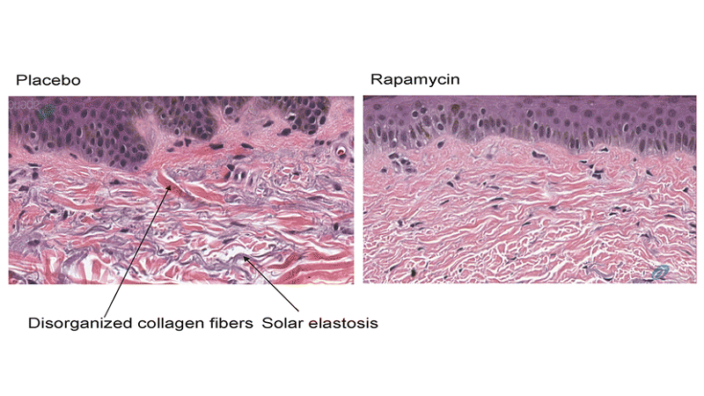
Aging is a major risk factor for the majority of human diseases, and the development of interventions to reduce the intrinsic rate of aging is expected to reduce the risk for age-related diseases including cardiovascular disease, cancer, and dementia. In the skin, aging manifests itself in photodamage and dermal atrophy, with underlying tissue reduction and impaired barrier function. To determine whether rapamycin, an FDA-approved drug targeting the mechanistic target of rapamycin (mTOR) complex, can reduce senescence and markers of aging in human skin, an exploratory, placebo-controlled, interventional trial was conducted in a clinical dermatology setting. Participants were greater than 40 years of age with evidence of age-related photoaging and dermal volume loss and no major morbidities. Thirty-six participants were enrolled in the study, and nineteen discontinued or were lost to follow-up. A significant (P = 0.008) reduction in p16INK4A protein levels and an increase in collagen VII protein levels (P = 0.0077) were observed among participants at the end of the study. Clinical improvement in skin appearance was noted in multiple participants, and immunohistochemical analysis revealed improvement in histological appearance of skin tissue. Topical rapamycin reduced the expression of the p16INK4A protein consistent with a reduction in cellular senescence. This change was accompanied by relative improvement in clinical appearance of the skin and histological markers of aging and by an increase in collagen VII, which is critical to the integrity of the basement membrane. These results indicate that rapamycin treatment is a potential anti-aging therapy with efficacy in humans.

Conclusion

A relatively low dose of rapamycin (10 μM, or 0.001%) is being used for this topical application, while far higher doses (0.1–1%) are used for the treatment of tuberous sclerosis complex (TSC) without serious side effects. In the treatment of TSC, the dose is designed to halt cell growth, but in this application, the dose is massively lower in order to aid healthy cell function without stopping cells from growing and replicating. This dose, therefore, presents a minimal risk to safety.

It is also worth noting that there are a number of other drugs that target mTOR, including several rapalogs, which are based on rapamycin but may be more efficient and with less off-target effects. It would be interesting to test those rapalogs using the same topical delivery approach to see if they are more or less effective at combating skin aging.

Unfortunately, as people are people and are harder to keep track of than mice, 19 participants dropped out of the study before it was completed. This is a shame but highlights why human studies should be as large as possible, as non-compliance and drop-outs are all too common. There were still a reasonable number of remaining participants, especially for an initial study like this, and the data presented here is valuable. We look forward to seeing a larger follow-up study that will hopefully further confirm the viability of topical rapamycin for skin aging.

We would like to ask you a small favor. We are a non-profit foundation, and unlike some other organizations, we have no shareholders and no products to sell you. All our news and educational content is free for everyone to read, but it does mean that we rely on the help of people like you. Every contribution, no matter if it’s big or small, supports independent journalism and sustains our future.
Colombia

Irresponsible Marketing Surrounds Telomerase Trials

Recently, Libella Gene Therapeutics has announced that it will be running a patient-paid trial in Colombia with an eye-watering $1 million USD price tag on enrollment.

Patient-paid trial likely to cause backlash

The topic of patient-paid trials often stirs up considerable debate among the research community, regulatory authorities, and the general public, with many people suggesting that it is unethical to expect patients to pay to participate in clinical trials. While this is a controversial issue, these trials are a legitimate way to test therapies that would otherwise struggle to reach the clinic due to cost constraints, and the data gathered by such trials can still be valuable.

This is certainly the case with therapies that directly target the aging processes in order to address age-related diseases, as this concept is still very new and viewed with skepticism by some healthcare practitioners and researchers. Therefore, running trials to test the approach of directly targeting aging has great potential value and could help build the overwhelming support that is needed to change how healthcare treats aging and age-related diseases.

However, that said, there is almost no doubt whatsoever that this study’s patient-paid status is going to cause considerable backlash and condemnation by many people in the healthcare community.

The huge price tag is no surprise

There is no doubt that a lot of media focus will be on the $1 million per-patient price tag, but this is not really any surprise given the manufacturing costs currently associated with producing the adeno-associated virus (AAV) that is used as a vector for gene therapy.

If we assume Libella is creating viral vectors in accordance with U.S. Good Manufacturing Practice (GMP), and the company very much should be doing so if it is serious about safety and reliable results, then it is likely that the bulk of that $1 million cost per treatment is going into manufacturing costs.

AAV is currently the favorite delivery method for gene therapies; however, even years after its initial development, it remains hugely expensive to create even a single dose of such a vector.

This is, of course, an unacceptable situation for aging and healthcare research in general, and there needs to be a breakthrough in the reduction of manufacturing costs before gene therapy is scalable for broad clinical deployment. We have already seen such cost reductions in things like gene sequencing, which now costs a few hundred dollars per test compared to many thousands just a decade or so ago. Hopefully, we will see similar reductions happen to gene therapy in the near future, as therapies could remain prohibitively expensive until they do.

Small-scale studies only get you so far

Such a study is unlikely to attract the hundreds of patients needed for high-quality data, and with small studies, there is a risk of statistical noise; for example, in mouse research, it is best to have at least a few dozen mice in addition to a similarly sized control group, as a larger group is less likely to be affected by outliers.

Also, lab mice are closely related on a genetic level, unlike humans who have many gene variants and far more confounding factors than mice do, which makes large-scale studies an absolute must when dealing with humans.

Simply put, the larger the test group, the more reliable the data will be; if a large group shows positive results, this greatly supports the efficacy of a therapy. In a small group of 5-10 people, that data is far less reliable, and an outlier has the potential to skew the figures considerably.

Another concern in small-scale studies like this is the lack of a control group, which really is a must in a clinical trial if the resulting data is to be of good quality. Obviously, this very much depends on the study’s design, but the inclusion or absence of a control group is a significant factor in its quality. Granted this is apparently a phase 1 study and therefore focused on determining safety rather than efficacy, but given how important the data could be for such an expensive trial, we would be very surprised if data on its efficacy was not being recorded and if so including a control group would be useful.

In any event, a small study like this could only be considered a pilot, and before wider access could happen, it would still need to go via the proper regulatory channels in the US or EU before it could be approved for use in healthcare. Let us hope that if Libella is successful, it can approach the FDA with its Colombian data and that the agency will take it into consideration while further trials are arranged on U.S. soil.

Medical tourism is often touted by people in the community as the solution to this issue; the idea is that the trial is conducted in a country with less strict regulations, such as Colombia, where people can travel in order to get the treatment. This is perfectly fine if you have the kind of income that allows you to do this, but for regular working folks with modest or low incomes, this is not realistic. These therapies need to be widely available and that isn’t going to happen by sneaking off to countries with less strict regulations instead of tackling the regulatory issues at home. This however does highlight how urgently regulatory systems in the U.S. need to change for the better to discourage this kind of thing.

This is where the real problem starts

Unfortunately, Libella Gene Therapeutics’ announcement has more problems than being a patient-paid trial without a control group, and one look at the hyperbolic title of the press release should be enough to see why.

Breakthrough Gene Therapy Clinical Trial is the World’s First That Aims to Reverse 20 Years of Aging in Humans

While marketing spin and wording is often exaggerated in order to generate excitement and interest, the marketing surrounding this announcement has the potential to do a great deal of harm to the credibility of the field.

Given that a decreasing but still substantial number of people consider this area of science to be fringe, this kind of marketing is plain irresponsible. Libella needs to rein in this press release, as it is filled with hype and overpromise and positively reeks of snake oil and quackery, even if there is some scientific merit to telomerase therapy.

This could lead to Libella offering the world’s only treatment to cure and reverse aging by 20 years.

Quite aside from the ridiculous marketing hype, and apart from the fact that we do not yet know if this AAV will successfully lengthen telomeres in living humans, the suggestion that increasing telomere length will reverse aging by 20 years is completely unfounded. To date, no credible studies have successfully used telomerase therapy in humans, and outside of the petri dish, there is no evidence to support the claim that doing so would reverse 20 years of aging.

While there is certainly evidence that telomeres are important in the context of aging and appear to influence genomic and epigenomic stability, including regulating the expression of certain genes due to the telomere position effect, such bold claims as these are pure nonsense.

The idea that telomeres are the only driver of aging and could cure it is very much firmly rooted in an understanding of aging that dates from the 1990s. Times have moved on since those early days, and the weight of evidence strongly suggests that while telomeres are important, they are almost certainly only one piece of the puzzle. There are a number of core processes that drive aging, and to suggest otherwise is highly reductionist and not representative of the actual scientific evidence.

Conclusion

This study will certainly cause controversy, especially given the huge price tag, which is likely what most media will focus on, but that isn’t the largest problem here. This has the potential to backfire very badly, and the resulting fallout could be harmful to credible researchers working in the field who are very careful about overpromising in the absence of results. While there is a need for marketing, good marketing can be done without resorting to unrestrained hype and nonsense. Ultimately, the success of this endeavor can only be determined with peer-reviewed data.

We will also leave a copy of the original PR just in case it vanishes from the website and to serve as a future record of what this article is refering to.

MANHATTAN, Kan., Nov. 21, 2019 /PRNewswire/ — Libella Gene Therapeutics, LLC (“Libella”) announces an institutional review board (IRB)-approved pay-to-play clinical trial in Colombia (South America) using gene therapy that aims to treat and ultimately cure aging. This could lead to Libella offering the world’s only treatment to cure and reverse aging by 20 years. Under Libella’s pay-to-play model, trial participants will be enrolled in their country of origin after paying $1 million. Participants will travel to Colombia to sign their informed consent and to receive the Libella gene therapy under a strictly controlled hospital environment. Traditionally, aging has been viewed as a natural process. This view has shifted, and now scientists believe that aging should be seen as a disease. The research in this field has led to the belief that the kingpin of aging in humans is the shortening of our telomeres. Telomeres are the body’s biological clock. Every time a cell divides, telomeres shorten, and our cells become less efficient at dividing again. This is why we age. A significant number of scientific peer-reviewed studies have confirmed this. Some of these studies have shown actual age reversal in every way imaginable simply by lengthening telomeres. Bill Andrews, Ph.D., Libella’s Chief Scientific Officer, has developed a gene therapy that aims to lengthen telomeres. Dr. Andrew’s gene therapy delivery system has been demonstrated as safe with minimal adverse reactions in about 200 clinical trials. Dr. Andrews led the research at Geron Corporation over 20 years ago that initially discovered human telomerase and was part of the team that led the initial experiments related to telomerase induction and cancer. Telomerase gene therapy in mice delays aging and increases longevity. Libella’s clinical trial involves a new gene-therapy using a proprietary AAV Reverse (hTERT) Transcriptase enzyme and aims to lengthen telomeres. Libella believes that lengthening telomeres is the key to treating and possibly curing aging. Libella’s clinical trial has been posted at the United States National Library of Medicine (NLM)’s clinicaltrials.gov database. Libella is the world’s first and only gene therapy company with a clinical trial posted at clinicaltrials.gov that aims to reverse the condition of aging. On why they decided to conduct its project outside the United States, Libella’s President, Dr. Jeff Mathis, said, “Traditional clinical trials in the U.S. can take years and millions, or even billions, of dollars. The research and techniques that have been proven to work are ready now. We believe we have the scientist, the technology, the physicians, and the lab partners that are necessary to get this trial done faster and at a lower cost in Colombia.”
gut brain axis diagram

Gut Microbes Promote Neurogenesis and Longevity Hormone

The relationship between health and the microorganisms living in the gut has increasingly reached the spotlight in the last few years, and a new study led by researchers at Nanyang Technological University, Singapore (NTU Singapore) sheds more light on the gut microbiome and how it can influence aging.

The gut microbiome

The gut microbiome is a complex ecosystem that includes a varied community of bacteria, archaea, eukarya, and viruses that inhabit our guts. The four bacterial phyla of Firmicutes, Bacteroidetes, Proteobacteria, and Actinobacteria comprise 98% of the intestinal microbiome.

The activity of the microbiome community regulates a number of functions in the gut and interacts with the immune system and energy metabolism. The beneficial bacteria in our guts also help to prevent the growth of harmful bacteria, protect us from invasive microorganisms, and help to maintain the integrity of the intestinal barrier.

One of the microbiome’s more important activities is to facilitate energy production and metabolic function, which it achieves by the creation of short-chain fatty acids (SCFAs) and their conjugate bases (acetate, propionate, and butyrate). A number of bacteria, including Faecalibacterium prausnitzii, Roseburia faecis, Anaerostipes butyraticus, Ruminococcaceae, and Christensenellaceae, break down fiber and ferment it to make these SCFAs, which are then used as an energy source for the microbiome and by gut membrane cells such as colonocytes. This, in turn, supports the integrity of the intestinal barrier and stimulates the inflammasome pathway in gut homeostasis [1].

The gut microbiome helps facilitate immune function and development, and studies have shown that when the microbiome is absent, such as in animals kept in a sterile environment, the immune system does not develop and mature properly [2]. Gut bacteria such as Candida albicans and Citrobacter rodentium also help with pathogen control by activating T cells and summoning neutrophils and other immune cells. Bacteroides fragilis and Clostridium help to regulate inflammation by inducing the differentiation of regulatory T cells (FoxP3-positive) and the production of interleukin-10 and transforming growth factor ß [3].

Butyrate spurs neurogenesis in young mice

The new study transplanted gut microbes from aged, 24-month-old mice into the guts of 6-week-old germ-free mice, and a control group of 6-week-old germ-free mice received microbe transplants from normal 6-week-old mice [4]. Unexpectedly, after just eight weeks, the mice that had received transplants from the older mice showed an increased level of intestinal growth and higher levels of neurogenesis, the creation of new neurons in the brain, compared to the mice that had received transplants from their same-aged counterparts. This was due to an increased supply of a compound known as butyrate.

Butyrate is a type of short-chain fatty acid (SCFA) and has been shown to reduce inflammation and improve cognitive functions in other animal studies, and the production of butyrate by gut bacteria stimulates the production of the hormone FGF21, which has been associated with longevity and regulates energy metabolism.

A fiber-rich diet supports the butyrate-producing gut bacteria and helps them to thrive, unlike diets more rich in fat or protein, which appear to influence the gut microbiome negatively. It is less clear that supplementing directly with butyrate has the same benefits for humans, though some animal studies suggest it might [5].

As humans age, levels of butyrate generally fall due to changes in the populations of gut bacteria producing it, and some researchers believe it could be the origin point of inflammaging, the chronic background of low-grade inflammation typically found in older people.

In the next step in the study, the researchers gave young germ-free mice butyrate directly and observed the same neurogenesis effect that transplanting gut microbes from old mice achieved.

Butyrate changes the digestive system

Finally, the research team took a look at the effects of gut microbe transplants from aged to young mice on the digestive system. In general, the decline with age of butyrate production in the gut contributes to loss of intestinal wall integrity, so called leaky gut, and the death of the cells lining it. However, butyrate appears to improve the situation by helping the intestinal barrier function and reducing its inflammation.

The researchers found that the young mice saw improvement to their digestive system with increased length and width of the intestinal villi, small finger-like structures in the small intestine that help to absorb digested food.

The young mice given the microbes also had longer small intestines and colons, which means that their digestive systems would be better at processing nutrients given the extra surface area.

The researchers suggest that adjusting populations of gut microbes can somewhat compensate for an aging body and that this opens to the door for using butyrate to counter some of the negative effects of aging.

The gut microbiota evolves as the host ages, yet the effects of these microbial changes on host physiology and energy homeostasis are poorly understood. To investigate these potential effects, we transplanted the gut microbiota of old or young mice into young germ-free recipient mice. Both groups showed similar weight gain and skeletal muscle mass, but germ-free mice receiving a gut microbiota transplant from old donor mice unexpectedly showed increased neurogenesis in the hippocampus of the brain and increased intestinal growth. Metagenomic analysis revealed age-sensitive enrichment in butyrate-producing microbes in young germ-free mice transplanted with the gut microbiota of old donor mice. The higher concentration of gut microbiota–derived butyrate in these young transplanted mice was associated with an increase in the pleiotropic and prolongevity hormone fibroblast growth factor 21 (FGF21). An increase in FGF21 correlated with increased AMPK and SIRT-1 activation and reduced mTOR signaling. Young germ-free mice treated with exogenous sodium butyrate recapitulated the prolongevity phenotype observed in young germ-free mice receiving a gut microbiota transplant from old donor mice. These results suggest that gut microbiota transplants from aged hosts conferred beneficial effects in responsive young recipients.

Conclusion

This is tantalizing evidence that direct supplementation with butyrate may be useful for health and could potentially translate to humans; if it does, then it could be used to support tissue regeneration following strokes or spinal damage and perhaps even slow down cognitive decline.

While it is still unclear if the same benefits will be observed in humans through increasing butyrate via dietary intervention, fecal transplant, butyrate supplementation, or other methods, it is certainly plausible. If nothing else, this study is a good case for including plenty of plant fiber in your diet now while we wait for human studies to be done.

If you are interested in delving deeper into the fascinating world of the microbiome and its relation to health and aging, you may enjoy the microbiome webinar we did earlier this year with leading microbiome researchers Dr. Mike Lustgarten, Dr. Amy Proal, and Dr. Cosmo Mielke.

We would like to ask you a small favor. We are a non-profit foundation, and unlike some other organizations, we have no shareholders and no products to sell you. All our news and educational content is free for everyone to read, but it does mean that we rely on the help of people like you. Every contribution, no matter if it’s big or small, supports independent journalism and sustains our future.
Literature

[1] Macia, L., Tan, J., Vieira, A. T., Leach, K., Stanley, D., Luong, S., … & Binge, L. (2015). Metabolite-sensing receptors GPR43 and GPR109A facilitate dietary fibre-induced gut homeostasis through regulation of the inflammasome. Nature communications, 6, ncomms7734.

[2] L., & Mazmanian, S. K. (2009). The gut microbiota shapes intestinal immune responses during health and disease. Nature Reviews Immunology, 9(5), 313.

[3] Atarashi, K., Tanoue, T., Oshima, K., Suda, W., Nagano, Y., Nishikawa, H., … & Kim, S. (2013). T reg induction by a rationally selected mixture of Clostridia strains from the human microbiota. Nature, 500(7461), 232.

[4] Kundu, P., Lee, H. U., Garcia-Perez, I., Tay, E. X. Y., Kim, H., Faylon, L. E., … & Nicholson, J. K. (2019). Neurogenesis and prolongevity signaling in young germ-free mice transplanted with the gut microbiota of old mice. Science Translational Medicine, 11(518).

[5] Matt, S. M., Allen, J. M., Lawson, M. A., Mailing, L. J., Woods, J. A., & Johnson, R. W. (2018). Butyrate and Dietary Soluble Fiber Improve Neuroinflammation Associated With Aging in Mice. Frontiers in Immunology, 9.

Disappointment

Disappointing Results for ResTORbio Human Trial

ResTORbio announced on Friday 15th that its current phase 3 drug trial for respiratory tract infections did not achieve its primary goal. The drug showed promise in earlier phases of testing, but sadly failed to reduce the incidence of respiratory tract infections in patients aged 65 and above.

A setback for RTB101

This news has led to the startup’s stock price plummeting to almost 82.3 percent, trading at $1.40 per share. This is perfectly understandable, as investor confidence has been shaken.

The drug, known as RTB101, is the only clinical stage drug candidate that the company currently has available, although it is developing additional drugs that target the mTOR metabolic pathway just as RTB101 does.

While the results for combating respiratory tract infections failed, the company is continuing to test the approach for other age-related diseases, most significantly Parkinson’s disease. However, the choice of Parkinson’s as the next target disease for trials has been met with skepticism by some in the industry, though, as Reuters reported, the company has made the following statement regarding these concerns:

“In the Parkinson’s disease trial, the mechanism of action will be completely different than what we were aiming for (in the respiratory illness trial),” Chief Medical Officer Joan Mannick said, adding the doses tested in the two trials were very different.

The company anticipates releasing data from the Parkinson’s trial sometime around mid 2020.

resTORbio Announces That the Phase 3 PROTECTOR 1 Trial of RTB101 in Clinically Symptomatic Respiratory Illness Did Not Meet the Primary Endpoint

BOSTON, Nov. 15, 2019 (GLOBE NEWSWIRE) — resTORbio, Inc., (Nasdaq: TORC), a clinical-stage biopharmaceutical company developing innovative medicines that target the biology of aging to prevent or treat aging-related diseases, today announced that top line data from the PROTECTOR 1 Phase 3 study, evaluating the safety and efficacy of RTB101 in preventing clinically symptomatic respiratory illness (CSRI) in adults age 65 and older, did not meet its primary endpoint, and that it has stopped the development of RTB101 in this indication. RTB101 is an oral, selective, and potent TORC1 inhibitor.

“While we are disappointed in these results, there are extensive preclinical data supporting the potential therapeutic benefit of TORC1 inhibition in multiple aging-related diseases, including Parkinson’s disease, for which we have an active Phase 1b/2a trial of RTB101 alone or in combination with sirolimus,” said Chen Schor, co-founder, president and CEO of resTORbio.  “Multiple pre-clinical models have demonstrated that inhibition of TORC1 decreases protein and lipid synthesis, increases lysosomal biogenesis and stimulates the clearance of misfolded protein aggregates, such as toxic synucleins, that cause neuronal toxicity in Parkinson’s disease. We remain committed to exploring the potential benefits of TORC1 inhibition in patients, and we look forward to the data from our Parkinson’s disease trial, which we expect in mid-2020.”

The PROTECTOR 1 Phase 3 trial was a randomized, double-blind, placebo-controlled clinical trial that evaluated the safety and efficacy of RTB101 10mg given once daily for 16 weeks during winter cold and flu season to subjects 65 years of age and older, excluding current smokers and individuals with chronic obstructive pulmonary disease. The primary endpoint of the trial was the reduction in the percentage of subjects with clinically symptomatic respiratory illness, defined as illness associated with a respiratory tract infection, or RTI, based on prespecified diagnostic criteria, with or without laboratory confirmation of a pathogen.  The PROTECTOR 1 trial included 1024 patients who were randomized 1:1 to receive RTB101 or placebo administered once daily for 16 weeks. In an analysis of the primary endpoint, the odds of experiencing a CSRI were 0.44 in the placebo cohort and 0.46 in the RTB101 cohort (odds ratio 1.07, p=0.65). The Company plans to conduct detailed analyses of the PROTECTOR 1 study, including additional data on safety and secondary and exploratory endpoints, which are not available at this time, with the goal of gaining insights that may explain the difference in RTB101 activity observed in PROTECTOR 1 as compared to prior Phase 2 studies.

Source: Official press release

Conclusion

Unfortunately, science is unpredictable, and the biology of aging is very complex. What works well in mice or even initial trial phases in humans does not always pan out, and there are often setbacks and failures along the road.

Does this mean that the approach of targeting the mTOR pathway to boost the aging immune system is not useful? Not at all, but this study does highlight the challenge we face in developing effective drugs that address aging. Our field of medicine is still in its early days, and, without a doubt, there will be more failed trials in the years to come, so while this news is disappointing, with an ever-growing number of companies and approaches arriving, we should remain optimistic that, eventually, progress will be made.

We would like to ask you a small favor. We are a non-profit foundation, and unlike some other organizations, we have no shareholders and no products to sell you. All our news and educational content is free for everyone to read, but it does mean that we rely on the help of people like you. Every contribution, no matter if it’s big or small, supports independent journalism and sustains our future.

SKM and OSKM

Excluding Oct4 from OSKM Yields Positive Results

A recent open-access study published in Cell Stem Cell has shown that excluding Oct4 from the OSKM cocktail reduces epigenetic aberrations and off-target gene activation.

Induced pluripotency and Yamanaka factors

Pluripotent stem cells are cells that can become other cell types in the body; during natural development, they create differentiated stem cells and ultimately somatic cells, which are the mature cells that actually carry out bodily functions. In 2006, Drs. Takahashi and Yamanaka discovered that it was possible to induce pluripotency in somatic cells with four factors: Oct4, Sox2, Klf4, and c-Myc, which are collectively known as OSKM. Obviously, inducing full, embryo-like pluripotency in existing tissues is harmful, as the cells forget what they are and what they are supposed to be doing, but inducing pluripotency is a method of creating viable stem cell populations for research and therapeutic use.

This is not the first research into alternatives to the four OSKM factors. Turn.bio has experimented with the additional factors LIN28 and Nanog to create the OSKMLN cocktail.

This study, however, shows that introducing Oct4 as part of the OSKM cocktail is not only unnecessary, it causes the overexpression of Oct4, leading directly to epigenetic aberrations and off-target gene activation – not things that researchers want stem cells to be doing! The researchers hypothesize that Oct4 was originally considered an indispensable part of the cocktail due to the silencing of the retroviral factor used to induce pluripotency: an artifact of the process rather than a true biological necessity.

Summary

Oct4 is widely considered the most important among the four Yamanaka reprogramming factors. Here, we show that the combination of Sox2, Klf4, and cMyc (SKM) suffices for reprogramming mouse somatic cells to induced pluripotent stem cells (iPSCs). Simultaneous induction of Sox2 and cMyc in fibroblasts triggers immediate retroviral silencing, which explains the discrepancy with previous studies that attempted but failed to generate iPSCs without Oct4 using retroviral vectors. SKM induction could partially activate the pluripotency network, even in Oct4-knockout fibroblasts. Importantly, reprogramming in the absence of exogenous Oct4 results in greatly improved developmental potential of iPSCs, determined by their ability to give rise to all-iPSC mice in the tetraploid complementation assay. Our data suggest that overexpression of Oct4 during reprogramming leads to off-target gene activation during reprogramming and epigenetic aberrations in resulting iPSCs and thereby bear major implications for further development and application of iPSC technology.

Conclusion

This discovery is certain to shake up the field of stem cell research, as other researchers verify the findings and determine whether or not introducing Oct4 is truly necessary to induce pluripotency. If this research is verified, it will cause a permanent change in the field, leading to different approaches to inducing pluripotency with different combinations of factors and different viral vectors. It may be that different combinations of factors are preferable for different cell populations.

One thing is certain, though: Understanding stem cell reprogramming is vital to understanding the changes in epigenetics that occur during this process. Epigenetic alterations are one of the primary hallmarks of aging, and resetting epigenetics through partial cellular reprogramming may provide a treatment for this hallmark; such a treatment would likely have downstream effects that could greatly increase longevity.

We would like to ask you a small favor. We are a non-profit foundation, and unlike some other organizations, we have no shareholders and no products to sell you. All our news and educational content is free for everyone to read, but it does mean that we rely on the help of people like you. Every contribution, no matter if it’s big or small, supports independent journalism and sustains our future.
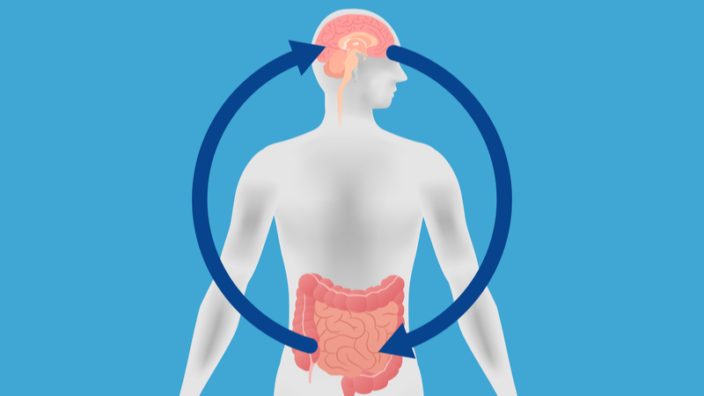
Fat mouse

Combination Gene Therapy Treats Many Age-Related Diseases

A team of researchers, including renowned geneticist Professor George Church, has published a new paper demonstrating the mitigation of multiple age-related diseases using a multi-target gene therapy.

Treating multiple age-related diseases at once

George Church is a very prominent figure in genetics and aging research, and he created quite a stir last year when he co-founded Rejuvenate Bio, a biotech company with the ambitious goal of reversing aging using gene therapies that he has been developing for many years at his Harvard lab. The company has recently stated that its initial data shows that its technology can mitigate multiple age-related diseases at once.

In its recent study, the company published data showing how it used a gene therapy to selectively and simultaneously target three longevity-associated genes: FGF21, sTGF2betaR and alpha-Klotho [1]. These targets were informed by an earlier study showing that mice modified to overexpress these genes saw increased healthy lifespans.

FGF21 was chosen as it is known to have a beneficial role in insulin resistance and fat metabolism. It is also known that beta-Klotho supports weight loss abd glucose metabolism, and it improves insulin sensitivity due to its binding action to FGF21. Alpha-Klotho is also known to modulate the aging process by facilitating FGF23 signalling.

This study used mouse models that emulate obesity, type 2 diabetes, heart failure, and kidney failure. The researchers wanted to see if their hypothesis was correct about these longevity-associated genes and whether giving mice additional copies of these genes could improve health, mitigating or even reversing these disease symptoms. Their results are indeed promising for some combinations of gene targets.

The researchers demonstrated that the combination gene therapy was able to address all four diseases at the same time. When FGF21 was the sole target, this was enough to reverse weight gain and type 2 diabetes in mouse models, and when combined with sTGF2betaR in mouse models of kidney failure, it reduced kidney atrophy by an impressive 75%.

However, it is not all good news. When the research team combined all three gene targets, the results were poor, and mice given the triple combination performed worse than the other treated animals did. The researchers suggest that this may have been due to a reaction between FGF21 and alpha-Klotho, and they intend to test this further to see if this is the case.

Comorbidity is common as age increases, and currently prescribed treatments often ignore the interconnectedness of the involved age-related diseases. The presence of any one such disease usually increases the risk of having others, and new approaches will be more effective at increasing an individual’s health span by taking this systems-level view into account. In this study, we developed gene therapies based on 3 longevity associated genes (fibroblast growth factor 21 [FGF21], αKlotho, soluble form of mouse transforming growth factor-β receptor 2 [sTGFβR2]) delivered using adeno-associated viruses and explored their ability to mitigate 4 age-related diseases: obesity, type II diabetes, heart failure, and renal failure. Individually and combinatorially, we applied these therapies to disease-specific mouse models and found that this set of diverse pathologies could be effectively treated and in some cases, even reversed with a single dose. We observed a 58% increase in heart function in ascending aortic constriction ensuing heart failure, a 38% reduction in α-smooth muscle actin (αSMA) expression, and a 75% reduction in renal medullary atrophy in mice subjected to unilateral ureteral obstruction and a complete reversal of obesity and diabetes phenotypes in mice fed a constant high-fat diet. Crucially, we discovered that a single formulation combining 2 separate therapies into 1 was able to treat all 4 diseases. These results emphasize the promise of gene therapy for treating diverse age-related ailments and demonstrate the potential of combination gene therapy that may improve health span and longevity by addressing multiple diseases at once.

Conclusion

Given the role of genetics in longevity and health outcomes, this research is an important stepping stone towards treating multiple diseases of aging at once. These mouse data will also serve as a good foundation for the company to develop gene therapies that address age-related diseases in humans.

We would like to ask you a small favor. We are a non-profit foundation, and unlike some other organizations, we have no shareholders and no products to sell you. All our news and educational content is free for everyone to read, but it does mean that we rely on the help of people like you. Every contribution, no matter if it’s big or small, supports independent journalism and sustains our future.

Literature

[1] Davidsohn, N., Pezzone, M., Vernet, A., Graveline, A., Oliver, D., Slomovic, S., … & Church, G. M. (2019). A single combination gene therapy treats multiple age-related diseases. Proceedings of the National Academy of Sciences.

gut brain axis diagram

Tweaking Gut Bacteria to Reduce Cognitive Decline

A new paper explores adjusting the types of bacteria in the gut as a potential way to improve health in older people.

The microbiome

The gut microbiome is a fascinating and diverse ecosystem filled with a myriad of bacteria, archaea, protists, fungi, and viruses that interact with each other and our bodies in diverse and complex ways.

In recent years, it has become increasingly apparent that the condition of the gut and the microorganisms living within it can have a significant influence on health and, by association, longevity. Aging, in particular, is known to have an impact on the populations and diversity of the microbiome, with the levels of different bacteria rising and falling, which then has a downstream effect on health.

In early 2019, a study in China looked at the microbiomes of healthy, long-lived people aged 90 to 100+ and observed that such people had gut microbiomes that were similar to those of younger people [1].

Intriguingly, previous studies have demonstrated that health can be improved by restoring the balance of gut microbial populations to more youthful levels. A 2019 study showed that transplanting gut microbes from young to old mice reverses immune decline [2], and a recently published paper builds on this.

Modifying the microbiome to improve health

This new paper explores modifying the gut microbiome to increase production of butyrate and brain-derived neurotrophic factor (BDNF) in order to improve cognitive function [3].

Butyrate is one of the key short-chain-fatty-acids produced by gut bacteria via the breaking down of fiber in the gut, and the body uses it for a variety of functions. In particular, butyrate is a key compound in the creation of the energy that colonocytes, which line the intestinal wall, feed upon.

It is proposed that age-related changes to the bacteria lead to a decline of butyrate production, resulting in a condition known as “leaky gut”, in which the intestinal wall is compromised and leaks bacterial products deeper into the body, driving inflammation and disease. It is likely that other cells also rely on a supply of butyrate to maintain health.

BDNF is a protein that interacts with neurons in the central and peripheral nervous system, helping to support the survival of neurons, and it encourages the growth of new neurons and synapses. It is especially active in the hippocampus, cortex, and basal forebrain, which are parts of the brain that are crucial for learning, memory, and higher thinking. BDNF is also produced in the retina, motor neurons, kidneys, skeletal muscle, and other tissues.

These researchers discuss adjusting the gut microbiome in rats in order to increase the levels of butyrate and BDNF and thus improve cognitive function.

The process of aging underlies many degenerative disorders that arise in the living body, including gradual neuronal loss of the hippocampus that often leads to decline in both memory and cognition. Recent evidence has shown a significant connection between gut microbiota and brain function, as butyrate production by microorganisms is believed to activate the secretion of brain-derived neurotrophic factor (BDNF). To investigate whether modification of intestinal microbiota could impact cognitive decline in the aging brain, Romo-Araiza et al. conducted a study to test how probiotic and prebiotic supplementation impacted spatial and associative memory in middle-aged rats. Their results showed that rats supplemented with the symbiotic (both probiotic and prebiotic) treatment performed significantly better than other groups in the spatial memory test, though not in that of associative memory. Their data also reported that this improvement correlated with increased levels of BDNF, decreased levels of pro-inflammatory cytokines, and better electrophysiological outcomes in the hippocampi of the symbiotic group. Thus, the results indicated that the progression of cognitive impairment is indeed affected by changes in microbiota induced by probiotics and prebiotics. Potential future applications of these findings center around combatting neurodegeneration and inflammation associated not only with aging but also with the damaging posttraumatic effects of ischemic stroke.

Conclusion

This study builds on an increasing amount of evidence that the gut microbiome has a significant influence on health and thus longevity. It also strongly suggests that adjusting the types and numbers of bacteria in the gut to more closely emulate a youthful microbiome may be a viable approach to improve health in older people.

We would like to ask you a small favor. We are a non-profit foundation, and unlike some other organizations, we have no shareholders and no products to sell you. All our news and educational content is free for everyone to read, but it does mean that we rely on the help of people like you. Every contribution, no matter if it’s big or small, supports independent journalism and sustains our future.
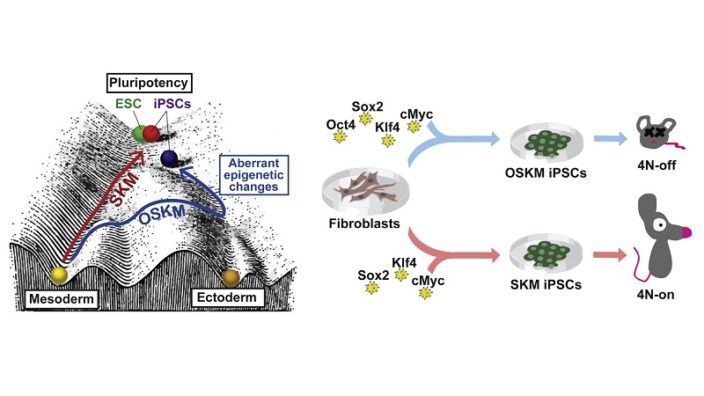
Literature

[1] Feilong Deng,  Ying Li, Jiangchao Zhao (2019). The gut microbiome of healthy long-living people. doi.org/10.18632/aging.101771.

[2] Stebegg, M., Silva-Cayetano, A., Innocentin, S., Jenkins, T. P., Cantacessi, C., Gilbert, C., & Linterman, M. A. (2019). Heterochronic faecal transplantation boosts gut germinal centres in aged mice. Nature Communications, 10(1), 2443.

[3] Heyck, M., & Ibarra, A. (2019). Microbiota and memory: A symbiotic therapy to counter cognitive decline?. Brain Circulation, 5(3), 124.

Greg Fahy

Dr. Greg Fahy Appears on The Damage Report

Dr. Greg Fahy, Chief Scientific Officer of Intervene Immune, has recently appeared on The Damage Report, a news and current events show that is part of The Young Turks (TYT) network. Hosts John Iadarola and Brooke Thomas talked with Dr. Fahy about the recent positive results of his company’s human clinical trial for thymus rejuvenation. We were really pleased to have helped set up this interview, which gave him the opportunity to showcase his amazing research.

The TRIIM study

Last year, Dr. Fahy and his team ran a small human clinical trial called Thymus Regeneration, Immunorestoration, and Insulin Mitigation (TRIIM). The purpose of the trial was to see if the immune systems of older people could be rejuvenated to make them biologically younger and work better, as has been previously shown in mice.

The thymus is a small immune organ that is located just behind the breastbone and produces the majority of T cells, specialized cells that patrol our bodies and defend us from invading pathogens, cancer, and other threats. After puberty, the thymus begins to shrink in a process known as involution, and this shrinkage eventually causes the thymus to stop producing T cells; by age 60, the thymus in most people is all but wasted away and is the reason why so many older people die from infectious diseases such as flu and pneumonia.

In the TRIIM trial, Dr. Fahy and his team were successful in encouraging the thymi of older people to regrow and resume T cell production as they did in youth. While this study was very small, these initial results are great news, as they confirm that what was observed to work in mice also works in humans. This opens the door for larger-scale studies that will, hopefully, pave the way for this technique to be approved for use in healthcare, offering the potential to help older people stay healthier for longer.

Regardless of anyone’s political leanings, it is always a positive thing to have well-known shows covering this field. With 255,000 subscribers to the Damage Report and 4.5 million to the main TYT channel, there are going to be plenty of eyes on this important interview, which will hopefully build further support for this scientific field.

Dr. Fahy also appeared at our Ending Age-Related Diseases conference in New York earlier this year, and he gave a talk and went into further detail about TRIIM and the results of the trial.

Framework

A New Healthcare Framework for Aging Populations

A new publication by an international team of scientists has proposed a new healthcare framework to help older people stay healthier for longer by improving the development of therapies that target age-related diseases.

Society is aging, and we need to change healthcare for the better

This new publication urges World Health Organization (WHO), governments, and the medical science community to work together and develop classifications and staging systems using a new framework as a basis for diagnosing and treating age-related diseases.

Currently, many age-related diseases lack adequate diagnostic criteria and clinical-severity staging, which presents a serious barrier for developing new drugs and therapies for treating them. This lack of framework hampers the development of effective treatments for multiple age-related diseases.

Society is rapidly aging in many developed countries as the ratio of older people to younger people rises due to rising life expectancies. To put this in perspective, currently and for the first time in history, the majority of people can now expect to live to age 60 and beyond. By 2020, the number of people aged 60 plus will outnumber the amount of children aged 5 or under. By 2050, there are projected to be 2 billion people aged 60 or older, an increase from just 900 million in 2015.

This represents an urgent and unmet medical need as well as a serious economic problem, because these older people are often suffering from one or more chronic diseases, and the burden on healthcare systems and younger caregivers is considerable. In order to address this, dedicated research, new disease terminology and classification, aging biomarkers, and diagnostic methods are urgently needed in order to diagnose, develop therapies for, and treat a variety of age-related diseases.

Dr. Stuart Calimport, one of its creators, explained: “This framework will increase our ability to develop drugs and interventions that target the processes of aging and that can accumulate with age, which would have unprecedented benefits in relation to the treatment and prevention of serious diseases.”

A new framework for aging research

The current classification and severity staging of age-related diseases is limited because it is inconsistent, incomplete and non-systematic. For example, some diseases that can develop in multiple organs, such as intrinsic organ aging, are only classified in a single organ but not in other organs that suffer the same disease.

To solve this problem, an international group of scientists and medical practitioners led by Dr. Stuart Calimport and Dr. João Pedro de Magalhães has created a position statement that will act as the foundation for properly and comprehensively classifying and staging the severity of age-related diseases.

The statement includes aging at both the tissue and organ levels, organ atrophy, the pathologic remodeling and calcification of tissues, and age-related systemic and metabolic diseases. If adopted, such a framework could speed up progress in developing drugs and therapies that target the aging processes directly in order to delay, prevent or reverse age-related diseases.

It should be noted at this point that the WHO International Classification of Diseases (ICD-11) already classifies aging as a condition, but this is only in relation to intrinsic skin aging and photoaging. More recently, sarcopenia, the age-related loss of muscle mass, has also been included in its classification system. However, this new framework proposes the classification of aging as conditions in all organs along with the comprehensive classification of all aging-related diseases and syndromes.

Co-author Professor Judith Campisi from the Buck Institute for Research on Aging said: “Bringing WHO and other governments into the effort to identify and classify aging as a condition is the only way we are going to be able to address the unmet needs of aging populations around the world. This effort provides a framework that would guide policy and practice and enable appropriate interventions and the allocation of resources. This is particularly important in countries that have fewer resources to devote to caring for an aging population.”

As part of the new proposed framework, the researchers have already submitted initial classifications relating to age-related diseases to WHO for potential inclusion in the ICD-11.

Dr. João Pedro de Magalhães said: “Aging is the greatest biomedical challenge of the 21st century. As such, this framework will increase our ability to develop longevity drugs and interventions that target diseases related to the aging process.”

Globally, citizens exist for sustained periods in states of aging-related disease and multimorbidity. Given the urgent and unmet clinical, health care, workforce, and economic needs of aging populations, we need interventions and programs that regenerate tissues and organs and prevent and reverse aging-related damage, disease, and frailty (1). In response to these challenges, the World Health Organization (WHO) has called for a comprehensive public-health response within an international legal framework based on human rights law (1). Yet for a clinical trial to be conducted, a disease to be diagnosed, intervention prescribed, and treatment administered; a corresponding disease classification code is needed, adopted nationally from the WHO International Classification of Diseases (ICD). Such classifications and staging are fundamental for health care governance among governments and intergovernmental bodies. We describe a systematic and comprehensive approach to the classification and staging of organismal senescence and aging-related diseases at the organ and tissue levels in order to guide policy and practice and enable appropriate interventions and clinical guidance, systems, resources, and infrastructure.

Conclusion

This is a really important step forward in regulatory matters and, if successfully adopted by WHO, could have a dramatic impact on the development of drugs and therapies aimed at effectively treating age-related diseases. The current system leaves researchers with their hands tied, and with the looming crisis of an aging population, this framework is a much needed shot in the arm for healthcare and medical research and development.

We would like to ask you a small favor. We are a non-profit foundation, and unlike some other organizations, we have no shareholders and no products to sell you. All our news and educational content is free for everyone to read, but it does mean that we rely on the help of people like you. Every contribution, no matter if it’s big or small, supports independent journalism and sustains our future.
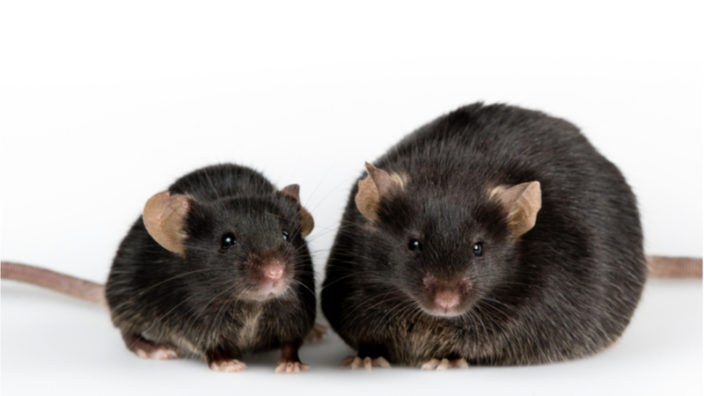
Ronald Kohanski Interview

Ronald Kohanski of the NIA Discusses Potential Therapies

It was a pleasure speaking to Dr. Ronald Kohanski at the 2019 Ending Age-Related Diseases conference. Dr. Kohanski joined the field of aging research in 2005 as a Program Officer for the Division of Aging Biology at the National Institute on Aging. He moved on to become its Deputy Director in 2007 and has held the position ever since. Within aging research, he has focused his efforts on the areas of stem cell and cardiovascular biology.

Besides his work at the NIA, Ronald Kohanski is a co-founder and co-leader of the trans-NIH Geroscience Interest Group (GSIG) with which he has organized several summits to discuss and disseminate the group’s focus. The GSIG directs its attention toward aging as the major risk factor for most chronic age-related diseases, and Dr. Kohanski actively encourages researchers to expand studies beyond laboratory animals. He underwrites the importance of addressing the basic biology of aging explicitly in human and non-laboratory animal populations. He believes that age should be considered a fundamental parameter in research that uses animal models of chronic disease.

Dr. Kohanski was trained in the field of biochemistry. He received his PhD from the University of Chicago in 1981, after which he conducted a postdoctoral fellowship with M. Daniel Lane at the Johns Hopkins University School of Medicine. He held a faculty position at the Mount Sinai School of Medicine for 17 years before returning to Johns Hopkins as a faculty member and researcher in the areas of enzymology and developmental biology of the insulin receptor.

Could you describe where the nine hallmarks of aging that are widely accepted by the scientific community of aging researchers intersect with other, for instance environmental, risk factors for morbidity?

I probably can’t give you specific examples at this time, but you could expect a lot of toxins that are present in the environment to impact any of the hallmarks in liver cells because the liver has a function of detoxification. You would also expect immune senescence to be affected negatively by a lot of environmental toxins.

The mechanisms by which those effects would occur – in the case of liver cells – might have to do with their ability to replicate. Steve Artandi has shown that there’s a subset of liver cells that have elevated telomerase activity from birth, and they seem to be the cells that regenerate the liver when there’s been an injury [1]. Toxins in the liver are injurious and they may also interfere with that subset of cells. I don’t know that, but if I were to speculate, which I’m just doing now, I would look in that area.

For immune senescence, environmental impacts will probably be most visible in the thymus, which is already somewhat gone by the time we’re young adults and doesn’t function that well by the time we’re older adults. That might be a case where early life exposures could have long-term effects on immunity: the damage is done before you notice, and then it’s decades before it really hits you. There are almost certainly examples of that.

One of the areas that gets a lot of attention, for environment-biology interactions, would be cancers due to mutagens. Even backing off from cancer, taking the same example, we know that DNA mutations pretty much accumulate somewhat linearly with age. Their relationship with the diseases of aging is nonlinear, but their relationship with the underlying causes is linear.

The non-linearity comes, in part, because the mutations interact. If you have environmental impacts that stress the capacity for DNA repair, then the rate at which mutations accumulate becomes higher. Those include point mutations, and, in replicating cells, possibly some translocations, it may alter retrotransposon activation, things like that. This is all stuff that we heard from André Gudkov at this conference and from Vera Gorbunova as well [2,3]. So you would expect, again speculatively, to be looking in those areas for interactions between the environment and the hallmarks of aging.

I can say that, just this year, we (at the National Institute on Aging) issued a program announcement for people who are interested in studying the impact of extreme weather events on aging. The National Institute of Environmental Health Sciences has a long standing program to look at chronic environmental impacts on aging, independently of the NIA, and I think we also participate in that one. But this is a new program that has to do with extreme weather events specifically, which seem to be occurring in somewhat greater frequency in the than in the past. We have our first set of applications coming in on that, and it will have a three-year direction, so we may be able to better answer your question in a few years.

In a 2016 article that you wrote as a result of a summit co-organized by the National Institute of Health Geroscience Interest Group and the New York Academy of Sciences, you talked about early exposure to disease and its possible influence on the aging process later in life. Could you briefly explain what the most important considerations surrounding that early disease exposure are for aging?

I’ll give a little background and then I hope I can answer your question directly. The first summit (we organized) was just to explain what geroscience was and try to raise people’s interest in it. That was successful. It was about aging as a driver of disease. We actually know that diseases that occur early in life are drivers of aging. That was mentioned in the meeting here as well. The New York Academy of Sciences approached Felipe Sierra, who was the head of the Geroscience Interest Group, and me as his deputy, and asked us if they could run a summit for us. We said, “Sure, if you’re doing all that work, we’ll just provide some ideas, and our main idea is that early diseases are drivers of aging.”

The major impetus (at the second summit) actually was cancer and HIV. Diabetes is a difficult area to encapsulate in aging, because what was adult-onset diabetes is now juvenile-onset diabetes, which is an example of an environmental impact on a specific disease. It has to do with overwhelming the capacity of the system to metabolize glucose, which is diabetes. That’s a hard one.

However, with survivors of childhood cancer, we knew, through work sponsored by the National Cancer Institute and with the recent guidance of its program officer Dr. Paige Green, that there’s a specific interest in the clinical aspects of the long-term effects of childhood cancer treatment. There’s two problems there. One problem is the cancer itself stressing the body. You’d expect chronic stress like that to have an impact on aging. There’s also a range of treatments, some of which are harsher than others. Radiation therapy is pretty harsh. We know that radiation itself will accelerate aging, depending, of course, on your genetic background and other factors. There are some older survivors of the Hiroshima bombing, but most of them died at younger ages, many of them from cancers.

Arti Hurria, unfortunately recently deceased in a car accident, was running the City of Hope’s Center for Cancer and Aging in Duarte, California and was studying all aspects of cancer as an impactor of the human condition. She had psychiatrists, psychologists, social workers, nurses, physicians, basic biologists, aging and cancer researchers: she really covered everything. She built what I hope will go on to be the paradigm for how people working in cancer and people working in aging, and their related fields, will interact with each other. One outcome of the summit was our interaction at the NIA with her on this.

She took the new cancer therapies that came online in 2017 and 2018 and asked “How do these therapies map to the hallmarks of aging?” I had a little bit of an impact on that, because I asked her to do it. We were trying to answer if these therapies impact both cancer and the hallmarks of aging. That might provide some clues as to where the pressure points are with this, but our perspective is still that these hallmarks all interact. There may be one entry point, but it’s a circle. Therefore, you can come out anywhere else on the circle, either tangentially or radially, or whatever it is bouncing around on the inside. These things will, in some way, connect – not all of them, but you can look for the different interactions among them.

The other one (in the second summit) was HIV. Here’s a rare opportunity in a human population suffering from a horrible illness. Through work done by the National Institute on Allergies and Infectious Diseases under Anthony Fauci and researchers in France, they came to a better understanding about what HIV was in the molecular sense, why it behaved the way it did, and some things about those rare escapers, as it were. People that carry the burden of the virus without having so many different manifestations.

The other thing about them is that these people survive, and they show accelerated aging. People who are 50 look like they’re 80. Now it’s obviously better to be alive, but it would be nicer to be alive in better shape. There’s a problem there, like with cancer and aging: how do you separate the disease from the treatment? It turns out that these people have partners, and their partners, in many cases, prophylactically take the drug regimen; so you have the people with the disease on the regimen, and you have age-matched people who are taking the medication but don’t have the burden of disease. Then you have the reference population, which has neither.

There’s a group in the San Francisco area that agreed to be studied. This offers a rare opportunity to be able to look at the hallmarks of aging, and the biology of aging, in a human population without having to create what would be an unethical intervention. You’re not going to give HIV to people. You’re not going to not treat people with HIV, unless they choose that option. It’s also unique, because it’s pretty hard to come up with a reliable model for the disease. SIV is a bit different, so you’re confined to what you can do for people, either in vivo or ex vivo. From structural biology to caregiving, it’s all there. I think the NIH can be quite proud of what they did, and I’m pretty sure we are.

In the same paper, you and your co-authors posed the question whether it would be a good idea to combine future interventions to delay aging with those that fight serious diseases like cancer. Most people would assume that those therapies can only serve to support each other in promoting health. Can you explain why that might not be the case?

I can give you one example, which is probably fairly reasonable. The standard of care before chemotherapy is to eat. If you remember (the movie) The Bucket List, Jack Nicholson just chowed down while Morgan Freeman’s character knew better. Work from Valter Longo at UCSD started out looking at calorie restriction in yeast. He got it to move along through the pipeline, and he developed the idea that maybe the stress response to starvation, or food deprivation, is mounted by normal cells, but not by cancer cells. There’s a way of coupling what we know about the biology of aging and the consequences of chemotherapy. I don’t know quite where that stands at the moment, but it’s an example of how you could use what you understand about aging as an adjunct to diseases.

The etiology of cancer in humans is different from that in many other organisms. The closest one is dogs, and a lot of things have been researched with them, like the Starling cycle of cardiac function, blood transfusions, and even bone marrow replacement. We support a program that looks at aging in pet dogs. Not laboratory dogs, that’s unethical. People will do astonishing things to support the health of their pets and spend vast quantities of money as well, whether they intend to or not. There may be some options (for collaboration) there, because NCI has a large program involving roughly 14 veterinary schools that study cancers in dogs and their treatments. You can ethically and reasonably do a lot of things with a dog: you can restrict the dog from eating, you can give it an alternative diet; they’ll eat whatever you put in front of them.

They’ve actually shown in some small-scale experiments that if you fast before chemotherapy, it becomes more effective. You’re effectively depriving cancer cells of what they need to survive the chemo.

True, but I don’t know if they’ve been able to expand that. One of the things that they’ve tried to do is to provide a specifically formulated diet that would allow people to have some food but still have the same effect. Getting people to not eat for three days, unless you’re some sort of religiously inclined person, that’s not going to happen very often. I myself once fasted for a week. I was about 20 years old and in college, so it wasn’t that big of a deal. You hallucinate a little bit.

Do you do any caloric restriction or intermittent fasting now?

I don’t do anything regularly. People in my office do all sorts of stuff, though. Several of them subscribed to Sinclair’s company to get NR. Not all of them have maintained it, for various reasons, because there are contraindications. Felipe does an 18-hour fast schedule. I do skip breakfast, but if I’m going to give a talk, I’ll eat before. Actually, I get to telework some days, and it’s easier to not eat on those days because the drive to work makes me nauseous, so I have to have something to calm it down. Also, I stopped drinking coffee, because with coffee I’d have to eat.

Laboratory animals in general, and genetically modified mice with accelerated aging phenotypes in particular, have been criticized as having only limited suitability as model organisms in the quest to understand the basic biology of aging. What are your thoughts on the usefulness of these animal models to further our grasp of aging in humans and the efficacy of rejuvenation interventions?

A mixed bag, I would say. If you have access to my talk, the slide after the last one shows the genetically modified laboratory mice that are used in accelerated aging trials, and where they map to the hallmarks of aging. Some of them, of course, map directly to more than one pathway. I’m stuck on nutrient sensing, but that may be out of date now. Regardless, they are useful in many aspects. Senolysis was worked out nicely by Jan van Deursen’s group [4] and also independently by Judy Campisi’s group.

The accelerated aging phenotype has an advantage: they die younger. To what extent it represents an accelerated form of normal aging is going to be very difficult to answer. I think I know how to answer it, because I’m an arrogant scientist. The question is, in the reference strain C57BL/6 unperturbed, what does aging look like in both males and females? What’s the distribution of cell types in tissue? What’s the distribution of cell types in tissue based on RNA-seq profiling at the single-cell level? You can present that N-dimensional data in a tSNE plot and get a lot of information from that about heterogeneity. You can also microscopically visualize what they look like as they age in different tissues.

Of course, you’re not going to do that longitudinally, because you have to take apart the mice. Averages are also not necessarily what you want (to know about), but you will get a distribution of what aging (in this mouse) looks like without a perturbation. You could also ask what aging looks like with a relatively agnostic perturbation, such as feeding at a specific time of day with or without exercise. In that case, you wouldn’t give them rapamycin because that’s not agnostic. You wouldn’t give them any specific drug, but you might just do something that they would otherwise do. You could say: mice with or without a running wheel, which ones will live longer? I don’t know whether that’s been tested, but they’re certainly healthier.

All in all, you can look at what is healthy at different ages and image it: present it in some way that you can look at it and see what changes. That’s what I mean by imaging. Then you get accelerated aging models, and you can ask questions. Do they look like this (baseline) at a certain age, and, if so, in which tissues? Do they have a similar appearance? If the lifespan is normally three years and the accelerated one is only one year, do you see those same changes at a threefold rate in a one-year period? That would answer the question, but it would take about 10 years. In 10 years, things are not going to stand still and wait, but it would be good to know.

Is there a question that no journalist ever asked you that you would like us to ask?

I’ve been asked a bunch of questions about a bunch of things, but nobody asks me about the systems biology of aging. There may be a reason for that, namely that systems biology can be a bit impenetrable. So what’s my definition of systems biology? It’s my definition of aging. I mean, we could sit here all day and philosophize about it.

I think that’s an underappreciated area, but for a range of reasons. Systems biology started out as who can draw the best hairball. What it was asking was “Can you discover the networks that are essential for a living organism?” One of the things that intrigued me about it was the work of Davies. He mapped the first two days of sea urchin development with engineering diagrams, which was essentially a systems biology or systems level understanding of how development took place. I thought that was great because development is under strong selection, and it’s pretty regular. You can always tell what the species (of sea urchin) is without having to sequence the DNA.

It’s the same for humans. If you walk into a room with 100 people, those are 100 (distinctly) different humans. Essentially, what you have is a system that developed under selective pressure, and it has emergent properties. What are emergent properties? Well, robustness is an emergent property. An example of robustness is those 100 people in a room that are 100 distinct Homo sapiens. They don’t look the same, they behave differently, they will have different trajectories (in life), they will have different interests, they will think differently, they will have different abilities to concentrate, etc. Almost everything about them is different, yet they are the same.

Another emergent property of a network is called buffer. For instance, a terrorist network is highly buffered. Parts of it can be removed, and the whole system will function. Buffering contributes to robustness. A lot of success in biology has to do with success in buffering. In a network, to get from one node in a network to another, you can go through multiple paths, and that’s a systems-level buffer. It may be more or less efficient, but it’s there. Another property of a network is noise. Noise is a good example for aging because it functions two ways. Noise is a signal. The periodicity of noise contributes to the signal. It can also contribute to diminishing the robustness of the system, which is how we normally think of noise.

We often think of populations of mice as being genetically identical, but they’re not. When they’re born, they’re different. All the cardiomyocytes of a mouse are not the same; they are not genetically identical. They have the same set of bases, but they’re not always in the same order. There may have been some rerrangements and some mutations. All of this stuff has happened during development, so by the time you get the mouse pup, it’s different from others. That’s not even considering the epigenome, it’s just that some things have happened during development. It turns out that a lot of “bad things” happen during gestation. We tend to think of it as conception, and then there’s birth. However, it’s actually astonishing that it works at all. That’s because the system is robust. It can produce an outcome that represents viable offspring, even in the face of all of these “bad things” that are going on. All in all, I think there’s a case for thinking about these things (model systems) as a whole system, with robustness and all of its emergent properties included.

We (NIA) support a couple of grants on systems biology of aging where we ask what is changing in the system with age. I guess my answer is just that one thing: I’d like to hear more questions about obscure things like systems biology and robustness, stuff like that.

In addition to this interview, Dr. Kohanski also gave a talk entitled Concepts and Perspectives in Geroscience at Ending Age-Related Diseases 2019. He discussed the ways in which aging affects systems and cells, the problems with using lifespan as an endpoint, the concept of resiliency, parabiosis, telomeres, unexpected effects at a distance with regards to interventions, and several in-depth concepts relating to the aging of specific cell types, such as muscle and brain cells.

We would like to ask you a small favor. We are a non-profit foundation, and unlike some other organizations, we have no shareholders and no products to sell you. All our news and educational content is free for everyone to read, but it does mean that we rely on the help of people like you. Every contribution, no matter if it’s big or small, supports independent journalism and sustains our future.
References

[1] Lin, S., Nascimento, E.M., Gajera, C.R., Chen, L., Neuhöfer, P., Garbuzov, A., Wang, S., Artandi, S.E. (2018). Distributed hepatocytes expressing telomerase repopulate the liver in homeostasis and injury. Nature, 556, 244-248.

[2] Simon, M., van Meter, M., Ablaeva, J., Ke, Z., Gonzalez, R.S., Taguchi, T., De Cecco, M., Leonova, K.I., Kogan, V., et al. Inhibition of retrotransposition improves health and extends lifespan of SIRT6 knockout mice. Poster presented at: Cold Spring Harbor meeting; 2018. Doi: https://doi.org/10.1101/460808.

[3] Simon, M., van Meter, M., Ablaeva, J., Ke, Z., Gonzalez, R.S., Taguchi, T., De Cecco, M., Leonova, K.I., Kogan, V., et al. (2019). LINE1 Derepression in Aged Wild-Type and SIRT6-Deficient Mice Drives Inflammation. Cell Metabolism, 29(4), 871-885.

[4] Childs, B.G., Gluscevic, M., Baker, D.J., Laberge, R.M., Marquess, D., Dananberg, J., van Deursen, J.M. (2017). Senescent cells: an emerging target for diseases of ageing. Nature Reviews: Drug Discovery, 16, 718-735.