The Blog

Building a Future Free of Age-Related Disease

double strand break

DNA Damage Leads to Epigenetic Alterations

A team of researchers, including Dr. David Sinclair, has recently made a new study available as a preprint prior to peer review and publication in the journal Cell.

DNA damage and the double-strand break

Two of the primary hallmarks of aging are genomic instability, which consists of damage to our DNA, and epigenetic alterations, which are the changes in gene expression that occur with aging and are harmful to normal cell function.

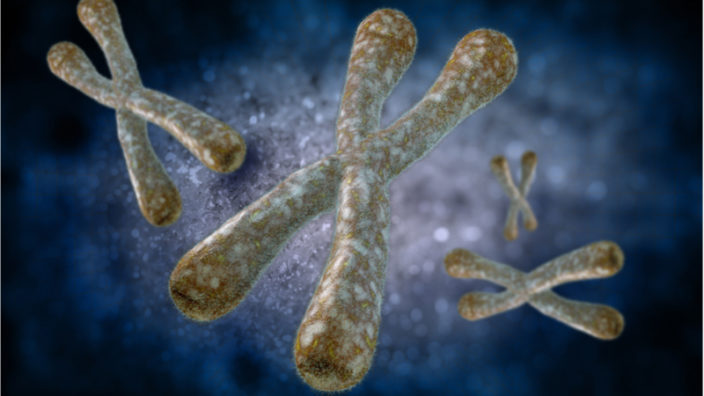
The DNA in our cells is constantly being damaged on a daily basis. This damage comes from sources such as UV radiation from sunlight, exposure to radiation and chemical agents, and byproducts from our cells’ metabolism, including reactive oxygen species that are produced by the mitochondria and can strike and damage the DNA. The end result of this damage is double-strand breaks (DSBs) in the chromosome.

DSBs are a particular concern because if they are not repaired properly, they can cause deletions, translocations, or fusions in the DNA. These alterations are known collectively as genomic rearrangements and are typically seen in cancer cells.

DSBs are the most likely type of DNA damage linked to aging and are thought to occur at a rate of up to fifty times a day per cell. However, there is no need to panic because, thankfully, our bodies have evolved special checkpoint mechanisms that inspect the DNA for damage and facilitate its repair. Unfortunately, when the repair is imperfect, this can lead to mutations, and these are thought to gradually accrue as we age.

The link between DNA damage and epigenetic alterations

Despite it long having been the consensus that DNA damage and the resulting epigenetic changes are drivers of aging, some recent studies have questioned the importance of mutations in aging. For example, the number of mutations present in aged yeast cells is fairly low, and some genetically engineered strains of mice with high levels of free radicals or mutation rates do not appear to age prematurely, nor do they have shorter lifespans than their wild-type counterparts.

This appears to suggest that mutational load may not have such a strong influence on aging as was once thought, and the researchers of this new study consider further evidence suggesting the same. They also suggest that epigenetic alterations are perhaps the most important driver of aging and that, far from being random in nature, these changes are predictable and reproducible.

So, if this shift in gene expression is indeed one of the key drivers of aging (and there is plenty of supporting data to think it is), then what is causing the epigenome to change over time and what is the role of DNA damage in aging?

These researchers suggest that DSBs are a possible reason for epigenetic changes and show that there are clues to be found in yeast. In yeast cells, DSBs trigger a DNA damage signal that summons epigenetic regulators and takes them away from gene promoters to the site of the DSB on the DNA, where they then facilitate the repair of the break. The researchers suggest that after these repairs, the regulators responsible for repairing the DSBs return to their original locations on the genome, thus turning off the DNA damage signal, but this does not always happen.

The researchers suggest that with each successive cycle of DNA damage response and repair, the epigenetic landscape begins to change and regulators gradually become displaced, reaching a point where the DNA damage response remains active, leaving cells in a chronic state of stress. This stressed state then causes them to become dysfunctional and ultimately alters their cellular identity.

There are numerous hallmarks of aging in mammals, but no unifying cause has been identified. In budding yeast, aging is associated with a loss of epigenetic information that occurs in response to genome instability, particularly DNA double-strand breaks (DSBs). Mammals also undergo predictable epigenetic changes with age, including alterations to DNA methylation patterns that serve as epigenetic “age” clocks, but what drives these changes is not known. Using a transgenic mouse system called “ICE” (for inducible changes to the epigenome), we show that a tissue’s response to non-mutagenic DSBs reorganizes the epigenome and accelerates physiological, cognitive, and molecular changes normally seen in older mice, including advancement of the epigenetic clock. These findings implicate DSB-induced epigenetic drift as a conserved cause of aging from yeast to mammals.

Conclusion

If the researchers are correct, epigenetic drift initiated by DSBs is an evolutionarily conserved driver of aging from yeast all the way up to mammals. This research also confirms the link between DNA damage, and thus genomic instability, and epigenetic alterations and how the two collectively drive aging. This also has very interesting ramifications for therapies that reset the epigenome, such as partial cellular reprogramming.

We would like to ask you a small favor. We are a non-profit foundation, and unlike some other organizations, we have no shareholders and no products to sell you. All our news and educational content is free for everyone to read, but it does mean that we rely on the help of people like you. Every contribution, no matter if it’s big or small, supports independent journalism and sustains our future.
Eye

GenSight Biologics Releases Further Trial Data

GenSight Biologics has recently released data showing the effectiveness of GS010, the company’s gene therapy for Leber Hereditary Optic Neuropathy (LHON), a mitochondrial disease that can lead to blindness. Like in previous studies, this therapy had a bilateral effect.

Gene Therapy

In LHON, the mitochondrial protein ND4 is poorly expressed through mitochondrial DNA (mtDNA). GS010 is a gene therapy that causes this protein to be allotropically expressed in the nucleus, after which it is shuttled to the mitochondria through messenger RNA. This makes GS010 a partial treatment for mitochondrial dysfunction, which is one of the hallmarks of aging.

RESCUE and REVERSE

We previously reported the results of GenSight’s REVERSE trial, which studied the effects of GS010 on people whose onset of LHON was between 6 and 12 months ago. RESCUE, by comparison, studied patients with LHON onset of 6 months or less. The studies are nearly identical otherwise, with REVERSE studying 37 patients and RESCUE studying 39.

GenSight’s data shows a similarity in disease progression between the two trials. The relevant graph shows that REVERSE may be more effective than RESCUE, and both injected and sham eyes continued to fail in the RESCUE trial before rebounding from a nadir. This suggests a time-dependent effect and will surely affect the development of future therapies based on GS010.

Bilateral Improvement

Both trials supported the company’s contention that a single injection into one eye affected both eyes, as sham-injected eyes performed only slightly worse than the corresponding treated eyes in both RESCUE and REVERSE. This bilateral improvement make the clinical effectiveness of GS010 less clear, however; neither trial employed pure control groups that did not have GS010 administration at all, as to do so would be to leave participants in these groups completely blind.

As with its REVERSE trial, the company noted the differences between GS010-treated eyes and those of patients in previous natural history studies, and the comparison was approximately as encouraging.

Forward Progress

The company is attempting to bring GS010 to market despite its difficulties in testing; it will have a meeting with the FDA next month and plans on meeting with the EMA (European Medical Agency) in early 2020, with the intent ot submitting a marketing application for European markets in the third quarter of 2020. We hope for GenSight’s success in this endeavor, and not only for the sake of people suffering from LHON, as it demonstrates that targeting mitochondrial dysfunction is a valid approach for therapies.

One of Many Genes

While GenSight’s approach works on ND4, there are many other genes in the mitochondria that could be better protected in the nucleus. If we were to allotropically expressing these genes there, rather than the mitochondria themselves, this would obviate the need for mtDNA at all, finishing the job that evolution started.

Our current MitoMouse campaign focuses on another mitochondrial gene, ATP8; similar to what GenSight is doing, allotropically expressing ATP8 in the nucleus would be a solution for even more mitochondrial disorders, including those caused by aging. Your donations help to make MitoMouse a reality, proving the concept of this therapy and bringing a swifter end to mitochondrial dysfunction.

We would like to ask you a small favor. We are a non-profit foundation, and unlike some other organizations, we have no shareholders and no products to sell you. All our news and educational content is free for everyone to read, but it does mean that we rely on the help of people like you. Every contribution, no matter if it’s big or small, supports independent journalism and sustains our future.

Justin Rebo Interview

Justin Rebo on BioAge and Biotech

At the Ending Age-Related Diseases 2019 Conference in New York City, we had the opportunity to interview Dr. Justin Rebo from the drug discovery biotech company BioAge.

BioAge is developing a drug discovery platform that uses machine learning and artificial intelligence to discover targets that have the potential to promote healthy lifespan (healthspan) by slowing down aging and the ill health that it brings.

As the vice president of in-vivo biology at BioAge, Dr. Rebo leads the company’s internal in-vivo platform to find and assess the viability of new druggable targets for aging diseases and biomedical regeneration. With considerable business as well as academic experience in the aging field under his belt, Justin joined the BioAge team in 2018.

We had the chance to interview Dr. Rebo about his work at BioAge during the conference. During the interview, we had a chance to talk about a wide range of topics, from data-driven approaches to drug development, the necessity for good biomarkers, epigenetic clocks, and his experimental work at Berkeley in heterochronic blood exchange to the advice he would give budding entrepreneurs in the aging space and whether he sticks to a specific lifestyle regimen in order to maximize his health and lifespan.

A lot of people that are not scientists or are not in this field are still relatively unfamiliar with the use of data-driven approaches in aging research. I was wondering if you could briefly explain how BioAge verifies whether the aging targets they identify are valid?

Not a problem. BioAge begins with human data. We find human cohorts that have banked blood samples from decades ago, coupled with electronic health records that have followed those people ever since, in some cases, until their deaths. We send these blood samples for deep omics profiling: proteomics, metabolomics, transcriptomics, stuff like that. From that, we can find what’s in the blood, for instance, the transcription profiles of the blood cells and soluble protein metabolites, which is correlated with age-related diseases and mortality. That’s only part of the picture, of course, because that doesn’t tell you what’s causal, it only tells you what’s correlational. So, from there, we adopt a systems biology approach where we connect the results to whatever datasets we can find out in the world or among those we generate ourselves, which gives us a few extra clues. However, ultimately, the only way we can really verify if a target is valid is by testing it experimentally, and so that’s what we do. After we pull everything together data-wise, that only gives us so much. We really need to test these targets in animal models as well as cell models, but we prefer to test in vivo.

Therapeutic development for some age-related diseases (such as different tauopathies) is slowed by the lack of accurate biomarkers to identify them and their progression as well as by the lack of pharmacodynamic markers of target engagement. For metabolic diseases, on the other hand, several reliable biomarkers have already been identified, and work has started on developing interventions for them. Since research budgets are limited, what is your view on how these budgets should be allocated across these differing priorities, i.e. should the identification of biomarkers for more diseases or the development of interventions take precedence if we need to choose, and why?

That’s how BioAge started: the whole point was to generate biomarkers. At the same time, these so-called biomarkers are often themselves druggable targets. Part of the evolution of BioAge as a company is that first we find these biomarkers, and then we turn them into drugs. In terms of how society should allocate resources (biomarker research versus the development of interventions), we personally don’t have to consider that as much, seeing as we’re doing both in-house. I can’t really say what anyone else should do, but I think we found something that works for us.

Aubrey de Grey, in his keynote speech, was talking about clustering types of damage into categories to increase the pace of therapy development. His idea is that if we develop a therapy for one subtype of damage, it will be much easier to extend that therapy to similar types of damage. Since BioAge is working on using computational approaches to find the molecular pathways that drive aging, I was wondering if you are using a similar type of clustering approach to facilitate faster intervention development?

To some extent, because I love Aubrey’s integrated approach. For me, personally, his ‘seven deadly things’ talk was kind of my introduction into the field back in 2004/2005. But BioAge, at least initially, takes an opposite approach in the sense that we don’t cluster things. We look for mortality as our first differentiating factor. Any target that we look at as something that we might want to pursue must be associated with mortality, and mortality is really as broad as it gets. That being said, once we’ve screened for mortality, we then examine what specific disease indications would make the most sense. I can’t really get into detail about what those are.

But I like the way we look broadly at the data first, in a kind of “hypothesis-free” sense, with an open mind, letting the data speak for itself.

That’s what the whole idea of “data-driven” means, right?

Exactly! We have to have an open mind. The universe is the way it is. It doesn’t care what we want it to be, so our job is just to find out what that is.

What are your views on the usability and value of general and hallmark-specific epigenetic clocks?

The initial Horvath clock was actually quite good at doing one thing, and that was telling you what the age on your driver’s license or passport said. Which isn’t exactly what we need. We need a clock that will tell you how much longer you’re going to live or what diseases you might develop. There have been advances where they’ve actually trained the datasets on information that, instead of telling you how old you are, tells you what kind of diseases someone is likely to get and when they might get them. I think those show great promise. For us, epigenetic clocks are most useful as a tool to measure the efficacy of drugs we’re developing for various targets. I think all different kinds of (robust) biomarkers are useful tools in developing interventions.

You’ve done work on heterochronic blood exchange at Berkeley, finding that this approach acutely, rapidly, and effectively reverses the age of tissue to younger states (and was even capable of producing older states). Do you think we could and should bring extracorporeal blood manipulation for rejuvenation benefits to human application?

I developed a device that could, in a controlled manner, exchange blood between animals for whatever period they (researchers) want to: plug them in for like 20 minutes, do that every day or do it a single time. For the work that we published in Nature Communications, that was all done within a single day. It’s really a short-term exchange, but we still saw many of the phenotypic changes that you see with parabiosis.

I think that this is a valuable research tool, but I do not think that it is directly translatable to humans, for a variety of reasons. One, you can’t do parabiosis on people, but, scientifically, it also doesn’t make sense because when you’re talking about doing this between young and old animals, they are syngeneic. They’re almost clones of each other. There’s really no risk of any kind of immune reaction to the foreign blood or plasma. However, in human beings, we have a fair amount of experience with plasma exchange, for example.

This is typically done to replace someone’s plasma because this person has a highly acute autoimmune disease that is going to kill them if they don’t get rid of the antibodies that are in their plasma. This is a means of washing those out. What we also know from this work is that there is a severe immune reaction to the foreign plasma in a fairly reasonable percent of the cases.

This also increases with more infusions over time. A reaction is noted by the physician, so not necessarily a severe one, in as much as 50 percent of the time. I would not expect any beneficial effect you might get from transfusing young blood in an old individual to be enough to balance the effect of the immune reaction that it would likely cause.

I think the correct way to do something like that would be to essentially adopt BioAge’s approach: find the factors that are positive or negative, and then manipulate those directly. Sometimes, the drug itself would literally just be a recombinant protein that helps to increase the levels of the protein that is beneficial, and there are a number of ways to do that.

Are the aging targets you are identifying from biobanked blood the same across different biobanks and populations? In which class of targets do you see the most diversity?

That’s a really good question. The answer is sometimes yes and sometimes no, but enough of them are strongly in common across different populations and banks. I can’t really get into more detail about which class of targets we’ve found to be more or less diverse though.

You’ve also been involved in several startups in the biotech industry focusing on senescent cell removal, immunology, and regenerative medicine. Could you share some advice on how scientists looking to make the switch from academia to industry or others interested in starting a company in the rejuvenation field could best go about this?

I co-founded my first biotech company in 2010. Immediately after I finished medical school, I moved to the Bay Area. There are a few centers in the world with a concentration of capital: the Bay Area is one, Boston is another, New York is also one. I think you need to go where the money is, so you can immerse yourself in that environment and go to the right meetings, talk to the right people.

So you’d say it’s about talking to the right people when you have a good idea?

Well, I’d say it’s a few things, and you have to do them all right. You have to have a compelling idea that is really worth something. Without that, it doesn’t matter where you go. But you also have to meet the people that are interested in helping you bring that idea forward, and itis up to you to find them! Sometimes, these people will find you: there are cases like that, where the money comes to someone. But that’s definitely the exception. Even if you think that might happen, you’re still better off helping push that process along.

During the conference, Dr. Michael Lustgarten talked about his personal experiment with rejuvenation through nutrition, showing that an assay of blood markers shown to be important in aging, such as albumin, are at roughly 30 yo levels while he is currently 46 years old. Are you personally using any compounds such as metformin or fisetin, or are you applying nutritional regimens to yourself for rejuvenation benefits? If not, why?

I think it’s highly beneficial to follow healthy diets like the Mediterranean diet, for instance, and I think it’s mildly beneficial to exercise. But the fact of the matter is that these kinds of interventions are not going to have a large advantage on your mortality. We need real biotechnology to do that. I’m not really taking anything myself. I don’t think there’s enough evidence to support just about any supplement that is out there.

Look at it this way: there are a few things that you can do to improve your mortality quite a bit. Number one: stop smoking. Smoking doubles your risk of mortality at every age, meaning it takes about 10 years off of your life. Being mildly overweight has very little effect, but being very overweight does. Basically, I think that if someone has a good (rejuvenation technology) idea, they’re better off trying to develop that technology rather than trying to hack their way to a longer lifespan. I don’t think we have the tools all together to do that very effectively right now.

We would like to thank Dr. Rebo for taking the time to conduct this interview with us.

We would like to ask you a small favor. We are a non-profit foundation, and unlike some other organizations, we have no shareholders and no products to sell you. All our news and educational content is free for everyone to read, but it does mean that we rely on the help of people like you. Every contribution, no matter if it’s big or small, supports independent journalism and sustains our future.

References

Butte, A.J., Ito, S. (2012). Translational Bioinformatics: Data-driven Drug Discovery and Development. Clinical Pharmacology & Therapeutics, 91(6), 949-952.

Faber, M.S., Whitehead, T.A. (2019). Data-driven engineering of protein therapeutics. Current opinion in Biotechnology, 60, 104-110.

Khanna, M.R., Kovalevich, J., Lee V.M., et al. (2016). Therapeutic strategies for the treatment of tauopathies: Hopes and challenges. Alzheimers Dement, 12, 1051-1065.

Rebo, J., Mehdipour, M., Gathwala, R., Causey, K., Liu, Y., Conboy, M.J., Conboy, I.M. (2016). A single heterochronic blood exchange reveals rapid inhibition of multiple tissues by old blood. Nature Communications, 7, 1-11.

Rejuvenation Roundup September

Rejuvenation Roundup September 2019

With a new month ahead and an old one behind, it’s again time to review the latest news and progress in the field of rejuvenation biotechnology. There’s a number of past events to look back upon, including Age-Related Diseases 2019, and upcoming ones to look forward to; let’s get started.

LEAF News

Team and activities

Upcoming Campaign: MitoMouse!

On October 1st, we are launching a crowdfunding campaign in support of MitoSENS, a project of the SENS Research Foundation. This time, the tireless team of MitoSENS is going to investigate the possibility of rescuing mitochondrial function in a living organism by moving the mitochondrial genes to the nucleus in transgenic mice. Please support the campaign with a donation, and don’t forget to tell your friends and co-workers to do the same! If the study is successful, it will open the door to controlling mitochondrial function in humans.

Moscow Biohacking Conference: On September 19th, LEAF board member Elena Milova took part in this conference by talking about the motivation for a radically extended lifespan. She reminded the audience that acting on the desire for a long life ultimately means taking personal responsibility for sustainable development and addressing global issues such as population aging, drug resistance, pollution, and inequality before they become threats.

The Heterogeneity of Senescent Cells: Nina Khera returns with another article, this time discussing the characteristics of senescent cells; as they are vastly different, a variety of senolytics and treatments will be required to remove them and their harmful effects.

Rejuvenation Roundup Podcast

Ryan O’Shea of Future Grind hosts this month’s podcast, showcasing the events and research discussed here.

EARD2019 Videos

We’ve shared quite a few videos from Ending Age-Related Diseases 2019 in September, so if you couldn’t attend, here’s your chance to see what you’ve missed.

Greg Fahy: Dr. Greg Fahy of Intervene Immune discussed his company’s efforts in restoring the thymus, a critical organ of the immune system. Phase 1 clinical trials have shown that not only has the organ been successfully regenerated, the patients’ biological age has dropped by 2.5 years according to Dr. Steve Horvath’s epigenetic clock. We also published an article about Dr. Fahy’s research. His intriguing study was covered in Nature Communications and many other editions this month.

Morgan Levine: Associate Professor Morgan Levine of the Yale School of Medicine gave a talk about epigenetic biomarkers, and she went into detail, discussing co-methylation networks and their relationship to cellular senescence.

Michael West: Dr. Michael West of AgeX Therapeutics based his talk around the differences between germ-line and somatic cells, explaining aging and age-related diseases in the context of the Weismann Barrier and the evolution of simpler organisms into more complex forms.

Doug Ethell: Dr. Drug Ethell of Leucadia Therapeutics discussed how the blockage of the cribiform plate, which naturally drains cerebrospinal fluid, contributes to Alzheimer’s disease and how his company is developing a method to unclog this bony structure.

Maria Blasco: Dr. Maria Blasco of the Spanish National Cancer Research Center (CNIO) presented her group’s findings on telomeres and telomerase, showing the relationship between telomere attrition and lifespan between different species while discussing the effectiveness of telomerase in countering this attrition.

Kelsey Moody: Dr. Kelsey Moody of Ichor Therapeutics discussed how lysosome malfunction begins the process of macular degeneration and how his company plans on dealing with this crippling disease.

lifespan.io Interviews

Kevin Strange: We asked Dr. Strange some detailed questions about the function of his company’s flagship product, MSI-1436 (trodusquemine), which has been shown to promote regeneration in animal studies.

David Sinclair: On the day of the release of his new book, Lifespan: Why We Age and Why We Don’t Have To, we published this interview about Dr. Sinclair’s thoughts on multiple topics related to rejuvenation biotechnology.

Jay Olshansky: At International Perspectives in Geroscience, a recent conference hosted in Israel, Elena Milova interviewed Prof. Jay Olshansky, a well-known sociologist and biodemographer and a long-term proponent of the development of rejuvenation biotechnologies.

Research Roundup

A New Era Beckons as First Drug Is Created by AI: Insilico Medicine has performed early-stage drug development in a blazingly fast 46 days through its use of artificial intelligence; the next step is to test the drug in animals.

Brain, Liver and Muscle Rejuvenated by Calibrating Aged Blood: The Conboy lab continues its work on altered intercellular communication, removing pro-aging compounds from blood in order to promote tissue regeneration and youthful function.

Transient Telomerase Expression Mediates Senescence and Reduces Cancer Risk: Researchers at the University of Maryland and the National Institutes of Health have found that somatic cells transiently reactivate telomerase in order to retain their function.

Study Results Suggest Human Aging Can Be Reversed: As Dr. Fahy of Intervene Immune discussed in his presentation at Ending Age-Related Diseases 2019, his company’s drug combination has been shown in a Phase 1 human clinical trial to regenerate the thymus, causing downstream, wide-ranging rejuvenative effects.

SWIFT Provides Synthetic Organ Breakthrough: A new method of producing blood vessels for synthetic organs has allowed Cambridge researchers to go beyond the thin-tissue organoid stage. While SWIFT as a technique still needs refinement, it has taken us one step closer to fully functional synthetic organs.

News Nuggets

Insilico Medicine secures $37M in Series B funding: Insilico Medicine, a Juvenescence partner company employing state-of-the-art artificial intelligence for drug discovery, has recently raised 37 million dollars to further develop its pipeline and commercialize some of the technology that it’s developed. Recently, Insilico made the news with its AI-discovered fibrosis drug.

Sergey Young on Sky News: The mind behind the Longevity Vision Fund, Sergey Young, was briefly interviewed by Sky News about his investment in Insilico Medicine and his involvement in the longevity industry in general.

Methuselah Foundation sponsors Metabesity 2019: Our friends at Methuselah Foundation will be among the sponsors of the upcoming Metabesity 2019 conference (see below), and they are offering a discount code to buy tickets to the event at 20% off; if you’re interested in the conference, you might want to take up the offer.

Coming up in October

Targeting Metabesity 2019: On October 15-15, 2019, Targeting Metabesity 2019 will take place at the Carnegie Institution for Science in Washington, DC. By “metabesity”, the organizers of the event mean “the constellation of chronic diseases and complications of senescence, all which share metabolic, inflammatory, and other drivers”—in other words, aging. This two-day conference will feature many of the brightest stars of science, including Dr. Nir Barzilai, Laura Deming, Dr. Vadim Gladyshev, Dr. Joan Mannick, and many more.

Longing for Longevity: Another interesting event taking place next month is the Trottier Symposium Longing for Longevity, held at the Centre Mont-Royal, 1000 Sherbrooke Street West, Montreal, Canada. Among the speakers is Dr. David Sinclair, who will present his latest book, Why We Age and Why We Don’t Have To. The event is free, so if you’re around, it’s surely worth a visit.

UNITY at the Global Healthcare Conference: The Cantor Global Healthcare Conference will take place in New York City, on October 2-4, 2019 and it will “will feature over 200 innovative industry leaders from public and private companies for an in-depth discussion of the developments and trends shaping biotechnology, specialty pharmaceuticals, medical technology, healthcare facilities and services, and life sciences tools and diagnostics.” UNITY Biotechnology, the famous company testing senolytics in humans for the treatment of knee osteoarthritis, will be present too; if you can’t attend, a podcast of UNITY’s presentation will be available on the company’s website following the event.

OpenBio forum: On October 25, LEAF board member Elena Milova will participate in the biomedical forum OpenBio in Novosibirsk, Russia, where she will give a talk on the investment opportunities and will be a co-moderator of a session on rejuvenation biotechnologies.

RAADfest: Billing itself as “the most powerful inspiration and information for staying alive”, this upcoming conference will discuss multiple facets of the longevity industry, including supplements and a longevity-promoting mindset.

Thank you so much for being a part of our readership; your continued support, in whatever form it may come, is what keeps us going. As usual, special thanks go to the Lifespan Heroes, who allow our organization to stay in business and carry out its activities through their generous donations. Conferences, webinars, YouTube shows, news reports—none of these would be possible without your help. If you’d like to be a Lifespan Hero, visit lifespan.io/hero to make your monthly pledge.

We would like to ask you a small favor. We are a non-profit foundation, and unlike some other organizations, we have no shareholders and no products to sell you. All our news and educational content is free for everyone to read, but it does mean that we rely on the help of people like you. Every contribution, no matter if it’s big or small, supports independent journalism and sustains our future.

Michael West Interview

Michael West Discusses AgeX Therapeutics

At our 2019 Ending Age-related Diseases conference in New York City, we had the pleasure of speaking with Dr. Michael West, the CEO of AgeX Therapeutics.

Dr. West can rightfully be called a pioneer in his field with a substantial background in biomedical and biotechnology corporations. After completing his PhD at Baylor College of Medicine, he founded Geron Corporation in 1990, where he launched and directed programs in telomere biology as it relates to cancer, aging, and human embryonic stem cell technology. He subsequently established the research group that went on to isolate human embryonic stem cells for the first time.

After his time at Geron, Dr. West was chairman and CEO of Advanced Cell Technology, which was acquired by the Japanese company Astellas Pharma in 2016 for $379 Million. Following his success with Advanced Cell Technology and Geron, Dr. West served as the CEO/co-CEO of BioTime Inc. for ten years.

He founded his current company, AgeX Therapeutics, in 2017 as a daughter company of BioTime Inc. Besides his work in the development of rejuvenation therapeutics, Dr. West has also been a vocal advocate of regenerative medicine. He has testified before the U.S. Congress on its potential benefits. Furthermore, Michael West has written and edited seven books on topics ranging from animal cloning to aging, stem cell biology, and regenerative medicine.

We had the opportunity to interview Dr. West during the event and ask him a little more about his research.

During your talk, you mentioned that AgeX Therapeutics has done work on BAT cells and is also working on creating young vascular progenitors. What are the reasons that you are working on these cells, which are important for metabolic processes?

There’s two reasons we’re working on making young cells for old people. In a lot of ways, we think that the human body can be kept going the way an antique car can be kept going if you replace failing components. It’s a little more complicated than that in the sense that cars are generally designed to be repaired. They’re bolted together in ways that they can be disassembled and reassembled. Some of the modern automobiles are actually more difficult. The human body was really not designed to be disassembled and reassembled in that manner, but there are ways in which, if we had a way of manufacturing all of the cellular components of the human body, we could replace worn-out things.

Let me give you a couple of examples. One would be if we had a way of manufacturing young cartilage for your weight-bearing joints, your knee and your hip, that would be absolutely fantastic. The number one complaint in an aging population is the pain of osteoarthritis, and it’s really as simple as a tire wearing out on an automobile. The cartilage wears out, you get bone on bone, and that’s very painful. So if we could just put that cartilage back, like putting a new tire on, we would already solve the number one complaint of an aging population. Well, pluripotent stem cells allow us to make young cells of every kind on an industrial scale. And we now know how to make them so that your immune system would not reject them. So that’d be off-the-shelf products for all people. We can envision fixing that problem.

Probably the most advanced example is for age-related macular degeneration, the leading cause of blindness in the aging world. While osteoarthritis may be the number one complaint, macular degeneration is one of the leading causes of disability. Imagine putting your hand right in front of your eyes and all you have is the vision in the periphery. You can’t really recognize a face, even though you know there’s someone there. You can’t read a newspaper or see your cell phone. It’s not complete blindness, you’re not in the dark, but it is incredibly debilitating. Well, the good news is that we think we know how to fix that with these new technologies. We’d make a particular type of young cell for the retina called RPE (Retinal Pigment Epithelial) cells, transplant them into the eye, and sort of patch the damage. The widespread belief in the scientific community is that this could actually stop the disease process in its tracks. Those are some of the examples of what can be done, essentially, today.

Reprogramming of cells to a pluripotent state in vivo has been shown to erase aging features, but it also has serious downsides, such as the formation of teratomas (a type of tumor), as shown by different researchers in 2013 and 2014. Can you briefly explain how AgeX will circumvent these downsides in their approach?

It’s a good question. If you take these exciting pluripotent stem cells, they’re like a seed that can branch out and make a tree, so they are the ultimate stem cells. We used to call them the mother of all stem cells because they can do that. If you inject the cells themselves into a person, they will branch out and make a mass of random tissues, which is called a teratoma. It’s actually not malignant. It’s uncontrolled differentiation, as we call it. What we do instead is make young cell types that are actually differentiated and make them very pure. Remember the example I gave earlier, in the case of the retina: we make young RPE cells that are pure and inject those in the eye, and those will not make a teratoma. They just restore the function that was lost.

At AgeX, we’re developing a couple of cell types that we think would be very important in aging. Brown adipocytes, which are sort of anti-fat cells, you lose them with age. We believe that throws your metabolism off balance, so you start getting weight gain, central obesity, and type two diabetes, and another cell type, the brown adipocytes, could reset that balance and prevent unwanted weight gain and type two diabetes. Another cell type of interest is the vascular-forming cells. In aging, your vascular system is relatively inefficient. A heart attack is basically poor blood circulation to the heart, and young vascular progenitors can help the body replumb the vascular system with young vascular cells.

What do you envision might be an effective strategy for the clinical implementation of cellular reprogramming methods in humans?

In terms of delivery, that’s a very good question. For delivery, one needs to have the cells in a form that they can be injected where they’re needed in the body and have them reliably stay there and become the tissue type that you want. Fortunately, there are technologies available today that allow cells to be delivered in that manner. An example is a matrix that we call HyStem. It’s like an epoxy glue or mortar that glues the bricks, in this case the cells, in place in order to construct things in the body. When cells are mixed with HyStem, they can be safely delivered into the body. We know that because of clinical trials. With HyStem, cells can become three-dimensional tissue safely in the body. What we imagine, in many cases at least, is that these regenerative cell-based therapies will be delivered in that manner.

Insights into cellular reprogramming have seemed to unify what were previously regarded as differing views on aging. Do you think it would be necessary to use induced tissue regeneration in conjunction with other therapies in order to realize full biological rejuvenation? If so, which therapies would you deem most suitable?

I see induced tissue regeneration as a paradigm shift. Back when embryonic stem cell technology was just some idea that a few of us had, no one had thought of regenerative medicine as we think of it today. That was a paradigm shift. In the same way, I think induced tissue regeneration is something that the majority of medical researchers have not really contemplated or envisioned.

Simply put, the idea of it is based on this: look at the Mexican salamander, of which you can amputate a limb and it just grows back completely, nearly perfectly. If you amputate a limb at the wrist, it just grows back from the wrist. You have to ask yourself, how does it do that? That sounds miraculous! We believe the way it does it is that it’s just repeating the embryology that created the limb in the first place. It never turned off that ability. In humans, we have a similar ability when the body’s first forming. It’s just that we turned it off while the salamander kept it on. The question is: could we actually find a way to reawaken that ability? If so, as I said, that would be a paradigm shift. Can you imagine the consequences?

When I was in Houston some years ago, I was in a hotel where they had a plaque on the wall with Dr. de Bakey. He was a leading heart surgeon from Baylor Medical Center. Underneath his picture, it said “can you imagine a world without heart transplantation?”. I read that the complete inverse of the way it was intended. I looked at that and said: “Yes, I can!” It’d be wonderful if we could find a way to make the heart regenerate. It can actually do that in humans, for about the first week after you’re born. If you purposely cause a heart attack in animals, we see a different effect. For a mouse, in its first few days of being born, it just regrows the heart scarlessly and repairs all the damage. After about a week, it just makes a scar and that’s what humans have for the rest of our lives. If you’re 55 years old and have a heart attack, it does not regenerate. You’ll have scar tissue, which can cause arrhythmias and of course, death.

So, the question is “could you imagine a world without heart transplantation?” or one without kidney transplantation. Can you imagine a world in which a child pulls a burning pot of boiling water on themselves, and someday they’ll have that pristine skin that they originally were born with; they don’t have scars the rest of their life? Yes, I can imagine that, because humans had that ability early in our development. We believe we found the genes that regulate turning that ability on and off, and we believe it’s possible to turn that ability back on: it’s called induced tissue regeneration. What makes it three times more exciting than what I’ve already described? I believe in aging, it’s equally important. You have a lot of tissue damage in aging, so it’d be nice to be able to regrow heart muscle for example. We have reasons to believe that the molecular mechanisms that regulate this regeneration are the same mechanisms that gerontologists are studying today in regard to aging. If you extend the lifespan of laboratory animals, you’re tinkering with those same mechanisms. Thirdly, cancer. We see that about 90% of the time, which is a very high percentage, cancers reactivate the same mechanisms. In conclusion, learning how this biology works could have important applications in regenerative medicine, aging, and cancer. We think this is going to be very important in the future. Time will tell if we’re right.

My mind immediately goes to: are there likely to be any trade-offs? Because there’s probably a reason why this mechanism in humans is shut off. So I was just wondering if you have any ideas or any hypotheses about that?

Yeah, it’s very logical to conclude that. We don’t know if this is true, but it’s very logical to conclude that the repression of regeneration once the body is formed, in the case of humans, is put in place by nature as a tumor suppression mechanism. It reduces the risk that you’re going to get cancer later on in life. It’s not sufficient to cause cancer, because we all had this mechanism once, at least for a few weeks, and it didn’t cause cancer then. The way we think about this is that this new technology, ITR (induced tissue regeneration) would probably be implemented transiently. So if you had a non-healing skin wound, damage to the cartilage in your knee, a heart attack or stroke, you would have this therapy for a short period of time to allow the body to regenerate, and then the treatment is removed. You’d be restored back to this non-regenerative state, because we think it may indeed increase the risk of cancer.

I’ve actually seen an article written by researchers from the Salk Institute that transiently expressed some Salk factors and they did show that this didn’t cause any tumor formation in their models.

Right, that supports our contention that it’s not sufficient for cancer. It’s like that old saying of something being necessary but not sufficient.

Researchers have suggested that reversing telomere attrition can simultaneously reverse epigenetic changes associated with aging, because these markers influence each other through telomere position effect over long distances and other such actions [1]. What are your views on this?

It’s a very good question. A proponent of this, to give credit where credit is due, is Woodring Wright at the University of Texas Southwestern Medical Center in Dallas. Over 20 years ago, back when I was a medical student, Woody (Woodring) proposed this idea to me and others there, and it was based on yeast biology. The length of the telomere in yeast appears to be modulating epigenetics. It appeared to be having broad-ranging effects on the structure of the DNA, which we call telomere position effects. I was not a big fan of the idea. I thought it was an overly complicated model. Woody doggedly stuck to it, would never give up the concept, and he is a brilliant experimentalist. He just continued to work on the idea and ended up demonstrating that there are indeed telomere position effects in humans. I think the role of that in human aging is yet to be clarified, especially how important that is, but there may be some very important biology there. Woody certainly deserves a lot of credit for sticking with the hypothesis long term.

How far away do you think we are from implementing induced tissue regeneration in humans, and what is your estimation based on?

We’re a public company, so whenever we announce timelines, we do it through certain channels. We do SEC filings and all that. We say that we anticipate we’re going to do this and that, around this and that date. I’m not going to announce things new here, but we have filed patents on formulations that we believe would have a really good chance of working in humans as they’re formulated today. Typically, what that would mean, and I’m not saying necessarily that it applies to us, but what that would normally mean in a biotech setting is that you need to do animal preclinical work that will lead to an IND filing. There may be manufacturing issues, although many of those quality control development issues can be worked out with the FDA while you’re doing the clinical trial. So I’d say, typically, we’re a few years away, certainly not decades, not lots of years. If we were still doing very basic discovery research, it’s open-ended, but that’s not where we’re at: we actually have formulations designed that we believe could be implemented immediately. But, of course, we plan to do things in consultation with and with the approval of the Food and Drug Administration.

Besides the work that you’re already doing, do you have a personal top three aging topics that you would still want to research?

I’m a little nervous about this, because I’ve been working in the cell-based therapy area since 95. I first started trying to culture human pluripotent cells that early, and then, of course, we had the (pluripotent) cells in 1998. There’s a mad scramble ever since then to try to turn those into therapies. Induced tissue regeneration, quite candidly, has the potential to make obsolete a lot of cell-based therapies. It would appear that nature has built in developmental programs that can be reactivated that can do the work for us in a much more sophisticated manner, because a lot of tissues are very complex in their organization. If you go back to the example we gave earlier of the Mexican salamander, you can chop off a limb, and it doesn’t necessarily have to be a clean amputation, but, nevertheless, the cells can recognize where they are. If the damage was at the wrist, they say “look, we’re wrist cells”, and they reorganize the tissue and build a new hand with nerves and blood vessels and muscles. It’s just amazing what the developmental program can do.

Someone said once that the miracle of development is made all the more miraculous when you consider it’s more complicated than a modern jet airliner. Imagine that the challenge was to build, let’s say, just a jet airliner, which is far more simple than the human body, but, as we’re making it, the jet has to fly every step of the way. From the first bolt put in place, it has to be a functioning airliner. During human development, we’re alive every step of the way. It’s not like we’re built and then a switch is turned on. It doesn’t work that way. That makes it even far more amazing. So the ability that nature has built into our genome to construct the human body is still resident in the genome (at a later age), and reawakening it has absolutely mind-boggling potential. Much of medicine is about fixing that which is broken in the body, at least modern medicine. In the old days, people died of infectious disease and things like that. Now, we can kill all those bugs. Increasingly, medicine’s facing how to fix hearts after heart failure and trying to deal with the loss of neurons and Parkinson’s disease, etc. Being able to utilize the body’s own brilliant mechanisms to not only generate but regenerate the body in the context of disease is going to have really significant implications for medicine. I think that reversing the damage done in aging is a far simpler maintenance problem than regenerating an amputated limb, for instance.

Is there a question that no journalist ever asks you that you would like us to ask you?

This one comes to my mind: “Why do we do what we do? What’s the motivation?”

I guess maybe someone might have asked me that question once. A lot of people may think that the people working to really intervene in aging, and maybe extend human lifespan and so on, are doing it because they don’t want to die, that they want to live forever. There are people like that in the field of aging research, but if speaking for myself and others in the field, some of us are humanitarian. We all have family members that we’ve lost. Let’s put it plainly. They’re dead. I had this wonderful, wonderful father, and I buried him in the ground.

He (my father) had a truck business. I used to work with him in the parts department. It just pains me thinking about how he would go into work in the middle of the night if the city plow that was plowing snow would break its crankshaft. They called up Fred West, and he’d work all night. He had the parts, he’d pull them out, and he’d fix the darn thing. And it was back on the road on time for the children to get to school in the morning. We could fix the city snowplow, but when my dad had a heart attack, no one in the world knew how to fix it. The reason some of us work on this sort of thing is we want to put an end to that kind of loss. The world is a poorer place without my father in it, and when you multiply that by the millions and millions of people that suffer losses like that every day, this is a wonderful thing for scientists to work on, and it’s certainly my motivation personally.

We would like to thank Dr. West for taking the time to do this interview with us. Dr. West gave a talk at Ending Age-Related Diseases 2019 entitled The Reversal of the Aging of Human Cells: Strategies for Clinical Implementation.

We would like to ask you a small favor. We are a non-profit foundation, and unlike some other organizations, we have no shareholders and no products to sell you. All our news and educational content is free for everyone to read, but it does mean that we rely on the help of people like you. Every contribution, no matter if it’s big or small, supports independent journalism and sustains our future.

References

[1] West, M.D., Binette, F., Larocca, D., Chapman, K.B., Irving, C., Sternberg, H. (2016). The germline/soma dichotomy: implications for aging and degenerative disease. Regenerative Medicine, 11(3), 331-334.

[2] Vaziri, H., Chapman, K.B., Guigova, A., Teichroeb, J., Lacher, M.D., Sternberg, H., Singec, I., Briggs, L., Wheeler, J., Sampathkumar, J., Gonzalez, R., Larocca, D., Murai, J., Snyder, E., Andrews, W.H., Funk, W.D., West, M.D. (2010). Spontaneous reversal of the developmental aging of normal human cells following transcriptional reprogramming. Regenerative Medicine, 5(3), 345-63

Synthetic organs

SWIFT Provides Synthetic Organ Breakthrough

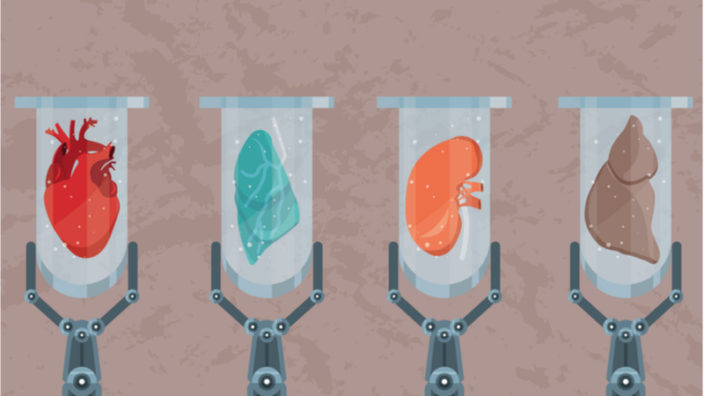
The ability to create synthetic organs has long been desired in medicine. If we could make synthetic organs for patients from their own cells, we could replace injured or damaged organs without risking the body rejecting the organ. This would have huge implications for the treatment of liver and kidney diseases, among others. For years, scientists have tried to perfect this technology but have been unable to solve the blood flow problem that has made the creation of synthetic organs impossible.

In the last few weeks, a group of scientists appear to have found the solution to this problem or, at least, a major part of it [1].

The current situation

The creation of synthetic organs has always been prevented by one major problem: blood flow. While scientists have found out how to create functional tissue for multiple organs, they have been unable to create blood vessels in those tissues. Therefore, these created tissues are unable to accept bodily oxygen if they are even a millimeter thick, effectively suffocating the tissues and causing them to die from the inside out.

It is for this reason that most research in this field has focused on the creation of extremely thin tissues called organoids, which are only a fraction of a millimeter thick so that they can be implanted and have an effect on the body without dying. Unfortunately, while this may work for some organs with functions that do not completely rely on their structure (e.g. the liver), it is unlikely to work for other organs, such as the heart and kidneys.

Is there a solution?

Thankfully, a method called SWIFT provides a breakthrough that allows the survival of thicker tissues [1]. Although it still has significant room for improvement, SWIFT is a major step toward a future with rejection-free and on-demand organ transplants.

First, stem cells are produced and mixed with a solution containing collagen I: a form of structural protein that can exist in liquid at low temperatures but turns into a solid gelatin-like form at higher temperatures. At this point, extremely thin organoids called “organ building blocks” are formed. They are then stacked and crushed together using a centrifuge and a mold to form any desired shape. The created structure is self-healing, allowing the next step to take place without causing damage.

At this point, a nozzle that releases gelatin is inserted into the organ. The nozzle can be moved in order to create a complicated structure that will become the future circulatory system, and it can even contain branching paths. Finally, the nozzle is removed and the synthetic organ is warmed, solidifying its structure. The gelatin can then be removed from the organ, leaving a functional blood vessel. Endothelial cells, the normal cells that form blood vessel walls, can then be sent through the structure within a fluid and integrate with the structure. Tests have shown that tissues containing this structure can survive when they would otherwise be destroyed by suffocation.

What’s the catch?

While impressive, this system still has its weaknesses. Perhaps most significant is that despite the cells in these organoids surviving, a full 95% of them do not mature. This will massively reduce the quality of any synthetic organ until this issue can be fixed.

While endothelial cells can be made to line the artificial blood vessels, this does not yet work in all cases, as only parts of the vessels are coated in endothelial cells, while other parts are left uncovered for reasons yet unknown. The authors of the study have realized many of these flaws and have said that they are working to find solutions to insufficient cell maturation and incomplete endothelial cell linings. However, they have not discussed methods of coating the blood vessels with smooth muscle, meaning that the body would be less able to control blood pressure in these vessels, like it would in a normal artery or vein. It is likely that no progress is being made in this area yet.

Conclusion

Despite still having a few problems, a solution is finally in sight for the long challenge that has constantly gotten in the way of synthetic organ development: insufficient blood vessel formation.

Now that the start of an answer to a decades-long riddle has been found, we can only hope that the hardest part of the puzzle is behind us and that we will quickly solve the rest of the issues holding back the creation of synthetic organs. Either way, this step is a sign of major progress, bringing us that much closer to a future of on-demand synthetic organs.

We would like to ask you a small favor. We are a non-profit foundation, and unlike some other organizations, we have no shareholders and no products to sell you. All our news and educational content is free for everyone to read, but it does mean that we rely on the help of people like you. Every contribution, no matter if it’s big or small, supports independent journalism and sustains our future.

Literature

[1] Skylar-Scott, M. A., Uzel, S. G., Nam, L. L., Ahrens, J. H., Truby, R. L., Damaraju, S., & Lewis, J. A. (2019). Biomanufacturing of organ-specific tissues with high cellular density and embedded vascular channels. Science Advances, 5(9), eaaw2459.

swirl

The Heterogeneity of Senescent Cells

Cellular senescence, discovered in 1961 by Leonard Hayflick and Paul Moorhead, is a state in which cells no longer perform their functions, instead emitting harmful chemicals that turn other cells senescent. Senescence is primarily caused by telomere shortening and DNA damage, and senescent cells are known to contribute to multiple diseases, such as Alzheimer’s, Parkinson’s, and dementia.

One method of removing senescent cells is caloric restriction, which is a temporary reduction of food calories. This has been shown to be one of the most effective methods to decrease and slow the onset of aging phenotypes [1].

This is related to autophagy, which is the cell’s natural method of breaking down parts of itself when it doesn’t have immediate access to food [2]. Autophagy has been shown to both promote and prevent senescence. It removes damaged macromolecules or organelles, such as mitochondria, which would otherwise cause cellular senescence. However, some of the processes that cause autophagy cause cellular senescence as well [3].

People have invented a new method of eradicating senescent cells: senolytics. These are compounds that initiate apoptosis in senescent cells without harming healthy cells [4].

The heterogeneity of senescent cells

However, there is no single senolytic that has been shown to target all of our senescent cells. This is because senescent cells are heterogeneous, meaning that they’re very diverse, and they have different characteristics.

To add to the problem, the senescent cell phenotype is also dynamic and can change at various points after senescence occurs, which makes it even harder to find a single senolytic capable of destroying all the problem cells at once.

Essentially, each of these sub-populations of senescent cells residing in our tissues and organs is using a different pro-survival pathway to avoid apoptosis and destruction, and a single drug is unlikely to kill them all unless a common target can be identified.

This has sparked a race to find a universal biomarker that we are able to target and initiate apoptosis with. For example, researchers have been considering senescent-associated β-galactosidase as a universal biomarker. However, it was shown that not all senescent cells contain it [5].

Metformin, dasatinib, quercetin, and FOXO4-DRI all target senescent cells in different ways. Metformin upregulates GPx7 [6], dasatinib affects dependence receptors/tyrosine kinase senescent cell anti-apoptotic pathways (SCAPs), quercetin affects the the BCL-2/BCL-XL, PI3K/AKT, and p53/p21/serpine SCAPs [7], and FOXO4-DRI blocks the FOXO4-p53 pathway [8]. However, dasatinib and quercetin were unable to affect doxorubicin-induced β-gal-positive senescent cells [9].

Currently, multiple companies are moving into this field, trying to find universal biomarkers and drugs that can target all senescent cell types at once. One example is Cleara Biotechnologies, whose founder, Dr. Peter De Keizer, has talked about senolytic “cocktails” and the problem of heterogeneity in senescent cell populations. We interviewed Peter back in 2018, and he touched upon this issue during our conversation:

The field still considers “senescent cells” as if they are one thing, like cancer. There is not one cancer, and there is not one senescence. This puts us on the wrong track. It’s something that I think more and more people realize, but now we actually have to identify the subgroups.

Other researchers are also working on this problem. Dr. Judith Campisi, one of the pioneering researchers of cellular senescence, is making great strides in this area [10]. In an April interview with us, she talked about how important understanding the heterogeneity of senescent cells is, and she is currently investigating this issue at the Buck Institute.

Conclusion

Senescent cells are thought to greatly contribute to aging, and researchers are currently working to develop therapies for them. However, these cells are heterogeneous, and we will need to work to find a universal biomarker of senescent cells or create the right “cocktail”.

There are many great companies working on this problem and many researchers as well. However, there are a few things you can do to help the development of senolytics and other rejuvenation biotechnologies:

  1. Donate to longevity funding services and help crowdfund their projects, which are working to help extend healthspan!
  2. One seemingly obvious one is to work as a researcher. This is a career path and a lifelong commitment.
  3. Be an advocate. Public support is always needed to help us get therapies to market faster, and a lack of this support is a large barrier to longevity research.

We would like to ask you a small favor. We are a non-profit foundation, and unlike some other organizations, we have no shareholders and no products to sell you. All our news and educational content is free for everyone to read, but it does mean that we rely on the help of people like you. Every contribution, no matter if it’s big or small, supports independent journalism and sustains our future.

Literature

[1] Fontana, Luigi, et al. “Caloric Restriction and Cellular Senescence.” Mechanisms of Ageing and Development, vol. 176, 2018, pp. 19–23., doi:10.1016/j.mad.2018.10.005

[2] Mizushima, Noboru, et al. “Autophagy Fights Disease through Cellular Self-Digestion.” Nature, vol. 451, no. 7182, 2008, pp. 1069–1075., doi:10.1038/nature06639

[3] Autophagy Is Pro-Senescence When Seen in Close-Up, but Anti-Senescence in Long-Shot. (2017). Molecules and Cells. doi: 10.14348/molcells.2017.0151

[4] Xu, Ming, et al. “Senolytics Improve Physical Function and Increase Lifespan in Old Age.” Nature Medicine, vol. 24, no. 8, 2018, pp. 1246–1256., doi:10.1038/s41591-018-0092-9

[5] Cotter, M. A., Florell, S. R., Leachman, S. A., & Grossman, D. (2007). Absence of Senescence-Associated β-Galactosidase Activity in Human Melanocytic Nevi In Vivo. Journal of Investigative Dermatology, 127(10), 2469-2471. doi:10.1038/sj.jid.570090

[6] Fang, J., Yang, J., Wu, X., Zhang, G., Li, T., Wang, X., . . . Wang, L. (2018). Metformin alleviates human cellular aging by upregulating the endoplasmic reticulum glutathione peroxidase 7. Aging Cell, 17(4). doi:10.1111/acel.12765

[7] Kirkland, J. L., & Tchkonia, T. (2017). Cellular Senescence: A Translational Perspective. EBioMedicine, 21, 21-28. doi:10.1016/j.ebiom.2017.04.013

[8] Bourgeois, B., & Madl, T. (2018). Regulation of cellular senescence via the FOXO4-p53 axis. FEBS Letters, 592(12), 2083-2097. doi:10.1002/1873-3468.13057

[9] Kovacovicova, K., Skolnaja, M., Heinmaa, M., Mistrik, M., Pata, P., Pata, I., . . . Vinciguerra, M. (2018). Senolytic Cocktail Dasatinib Quercetin (D Q) Does Not Enhance the Efficacy of Senescence-Inducing Chemotherapy in Liver Cancer. Frontiers in Oncology, 8. doi:10.3389/fonc.2018.00459

[10] Hernandez-Segura, Alejandra, et al. “Unmasking Transcriptional Heterogeneity in Senescent Cells.” Current Biology, vol. 27, no. 17, 2017, doi:10.1016/j.cub.2017.07.033

S. Jay Olshansky Interview

Longevity, Aging, and Life Expectancy

Dr. S. Jay Olshansky is a Professor in the School of Public Health at the University of Illinois at Chicago, Research Associate at the Center on Aging at the University of Chicago and at the London School of Hygiene and Tropical Medicine, and Chief Scientist at Lapetus Solutions, Inc. He has received multiple scientific awards, including the Irving S. Wright Award from the American Federation for Aging Research.

Dr. Olshansky is the co-author of multiple papers related to longevity, mortality, and population aging, and the areas of his current research include estimates of the upper limits to human longevity, opportunities and challenges related to population aging, how morbidity changes over time, and forecasts of the size and age demographics of the population with and without medicines that address the underlying mechanisms of aging. We had the opportunity to interview Dr. Olshansky at International Perspectives in Geroscience, a conference hosted at Weizmann Institute of Science (Israel) on September 4-5.

Would you please give us a brief insight into how life expectancy in the United States has been changing over the last century and how will today’s life expectancy change in the near future, say, in the year 2050?

Life expectancy in 1900 was about 50. Today, it’s close to 80. The vast majority of that 30-year rise in life expectancy was the result of reductions in infant and child mortality. In the latter third of the 20th century to today, we’ve seen reductions in middle age and old age mortality. We experienced a dramatic increase in life expectancy, like never seen before in history, in the matter of a single century. It was mostly because we saved the young; that can only happen once. Once you’ve saved the young, you then have to achieve gains in life expectancy by saving middle-aged and older people.

We’re now at a time where the vast majority of the gains are going to have to come from saving older individuals, and the problem is that aging gets in the way; the vast majority of the population in the United States and elsewhere in the developed world is now exposed to aging. So, in the absence of modifying the biological process of aging, the rise in life expectancy must decelerate. It has already decelerated and probably will continue to do so.

Some population subgroups are actually going to do significantly worse in the future. For example, Hispanics have the highest life expectancy in the United States today. That’s going to disappear probably within the next 20 years, and it will disappear because the majority of the high life expectancy for Hispanics is associated with being first-generation migrants. Second- and third-generation Hispanic migrants do much worse than first generation migrants. So, as second and third generation migrants grow older, they will dominate the mortality component for that population subgroup; life expectancy is going to drop. By 2050, if we don’t slow aging, I wouldn’t be surprised if the life expectancy isn’t far different from where it is today in the United States.

Would it still grow a little bit, or would it decline?

It might decline.

What are the factors that will be contributing the most to this decline?

It depends. We anticipated way back in 2005 that obesity would be the major impact; it has had a major impact for sure. We didn’t anticipate the negative effects of opioids and the early-age mortality that opioids are contributing to. We will see a re-emergence of infectious diseases, which will take out young people. Any time young people die, it has a dramatic negative effect on life expectancy. You have to balance the negatives against the positive. On the positive side, there are going to be breakthroughs that allow us to generate more and more survival time for people who make it out to older ages. Maybe a breakthrough in cancer will allow us to manufacture survival time. The problem is that we’ve reached the point of diminishing returns. If you save a child, you add decades to life; if you save somebody who’s 70, 80, or 90, you add incrementally smaller and smaller amounts of lifespan because aging gets in the way.

What about ecological problems? What role do they play?

Unknown. Climate change will contribute to the re-emergence of infectious diseases. I anticipate infectious diseases will make a comeback. I actually wrote a paper on this several years ago, suggesting that we’re going to experience a f​ifth stage of the epidemiologic transition. The fifth stage will be characterized by the rise and re-emergence of infectious diseases. Part of that has to do with the fact that we’ve become a much older population, and an older population tends to be an immunocompromised population; you add in HIV/AIDS, radiation treatments for cancer, chemotherapy, various other types of treatments that influence the immune system. Plus, you’ve got a lot of people living in nursing homes and prisons and an ability to transport pathogens across the globe in a matter of hours, and we basically set ourselves up for the explosive emergence of infectious diseases.

I think infectious diseases will make a comeback. Will we be able to combat them as effectively as we did in the early 20th century? I don’t know the answer to that. Plus, we have the emergence of pathogens that are resistant to all antibiotics. ​So, we’ve got a series of potentially negative events that are likely to happen. How we react to them, I just don’t know. If we will be successful, I’m hoping we’re successful in combating them, but we will have another pandemic. It’s not a question of if, it’s when, and I don’t know what it’s going to be exactly, an influenza or some other type of pandemic. We have seen some unusual strains of Ebola ​that have been transmitted to different parts of the world. Ebola would be particularly frightening. There’s a lot of uncertainty.

So, our healthcare system should strengthen even more in order to be able to cope with all that.

I would hope so.

Some experts in our field believe that the natural limit to human lifespan is somewhat hard and that we cannot live longer than 120 years on our own, even if we’re lucky to have the genes. Other researchers say that this natural limit is not important at all because they believe that rejuvenation biotechnology therapies, which will be targeting the main mechanisms of aging, will be able, in theory, to promote health so much that extreme longevity will be an inevitable side effect. What gains in lifespan can we realistically expect if a complex therapy that addresses each currently known hallmark of aging becomes accessible to the public?

I honestly don’t know for a therapeutic intervention like the one that I talked about earlier today, or that others have talked about, whether that’s senolytic compounds, treatments for insulin signaling, or metformin; nobody really knows. What bothers me about these claims of exceeding 120 is that every single one of the numbers that somebody comes up with is made up out of thin air. There’s no science behind it at all. As soon as somebody says any number higher than 122, it’s made up. So, if somebody says 150, I usually ask, well, where’d you come up with that one? Somebody says, 200, where’d you come up with that one? To me, it doesn’t matter. If you say 150, 200, 500, or 1000, they’re all exactly the same to me: made up.

This is science that we’re doing here, so we shouldn’t be in the business of making up numbers. When it comes to life expectancy, nobody has any idea of how any of these therapeutic interventions are going to influence the metric. Nobody can know definitively. But I can tell you precisely how much it would have to influence death rates in order to get life expectancy up to 100, or 120, or 130. It’s a very daunting task, once you see what the statistics look like and what’s required to get life expectancy up to 120.

You mentioned lifespan, not life expectancy. Lifespan is one person. I don’t really care about the world record for human longevity. I mean, it’s interesting, it’s fun to talk about, but we’re talking about one person. The one mistake I would avoid is assuming that because one person can live to 122 that we all can, which is flawed reasoning. It’s the same reason why the world record for the one-mile run, which is 3 minutes, 43 seconds today, cannot be achieved by most everyone else. To suggest that we all can run a mile in 3:43 is the same as suggesting we can all live to 122. It’s just not even genetically or biologically plausible. There is no plausibility to that line of reasoning at all. So I wouldn’t draw any conclusions at all based on the observation of one person.

Do you think that these gains might be bigger than they would be in a situation where we defeat just one age-related disease?

Yes, a cure for cancer would yield about a 3.5-year increase in life expectancy; a cure for cardiovascular disease would yield about a 4- to 4.5-year increase in life expectancy. A slowdown in the rate of aging, if it simultaneously influences heart disease, cancer, stroke, and hopefully Alzheimer’s, the gain might be larger than what we see from the elimination of any single disease. Again, I’ve intentionally not tried to estimate the gain in longevity that would result from a deceleration in the rate of aging, because I don’t really care what the gain in life expectancy is. I would care about the gain in healthspan, as it’s easy to make the case that the gain in healthspan would be huge. Again, I argue that we should not be focusing on addressing lifespan. I don’t think we should be paying close attention to that.

What is your view on whether aging is a disease or not, and so you think that it should be classified as a disease in the ICD-11 as suggested by an international group of experts in 2018?

With regard to the aging and disease question, as I’m sure you’re aware, this has been around since the late 1970s – and probably sooner. Aging is no more a disease than puberty or menopause, and in my view, it would be a mistake to create such a classification. Those advocating for this often have a vested interest in such a classification, but there are several reasons not to do so beyond the important one already mentioned. The idea of creating an ICD code for aging was first proposed in the late 1970s, and it was never successful for one obvious reason – if an ICD code for aging were created, it would render meaningless almost all information on the death certificates of many people past age 65 and most people past age 85. The problem is that physicians are trained to detect and treat disease, and since many of the diseases that appear in later life have aging as their primary risk factor, the tendency would be to overuse the aging ICD code. The rich information now appearing on death certificates would be diluted – and for many, it would disappear entirely.

The other main reason not to call aging a disease is because it’s fundamentally ageist. Since everyone ages, and since aging grows as a risk factor the older we get, calling aging a disease would mean that all older people are diseased because of their age – not because they have any particular disease. This in itself is discriminatory. Dr. Bob Butler, the scientist that coined the term “ageism”, was strongly opposed to calling aging a disease for this very reason.

While I agree with many scientists that aging can and should be inherently modifiable, and that interventions are forthcoming that will slow/modify the rate of aging in favorable ways, there is no need to label it a disease in order to do so. The FDA has already come on board with this, so it is counterproductive when other scientists suggest that we need an ICD code for aging.

When many people hear about the idea of healthy life extension for the first time, they argue that one of the downsides will be overpopulation. Could you please tell us if science actually confirms that? What are the other possible social implications of living longer, positive and negative, that we would expect?

Let’s deal with this overpopulation issue, which comes up every single time. It’s almost nonsensical. There’s about 7.5 billion people on the planet today. We are inevitably going to somewhere between 9 to 10 billion by mid-century, no matter what; even if birth rates go down, even if death rates go up, we are inevitably going to 9 to 10 billion people. That’s a demographic certainty, unless there’s some catastrophic event. That has to do with momentum that’s built into the age structure of the population that’s associated with past levels of fertility dating back 100 years, has to do with population size and birth cohorts.

If we achieved immortality today, which I would argue isn’t going to happen, but, hypothetically, let’s assume we became immortal. No more deaths; the growth rate of the population would then be defined by the birth rate. The birth rate is roughly 8 to 10 per thousand, which means that the growth rate is a little less than 1%. A growth rate of 1% means that the population doubles about every 70 years. Since immortality isn’t going to happen, the growth rate is inevitably going to be significantly less than that.

In other words, we’re going to get to 9 to 10 billion people, no matter what. By mid-century, we may be a little bit higher, maybe a little bit lower, depending on where life expectancy goes. The issue of overpopulation is not an issue at all. Nobody should even be discussing it. I understand why they do, but, demographically, there isn’t any support for that line of reasoning at all.

I would say that the biggest challenge associated with what’s going to happen when we slow aging is that we’re going to produce a lot more healthy older people. Well, you and I, hopefully, will say “That’s a challenge I want to have.” Because the alternative is a lot more unhealthy older people; which would you rather have, a lot more unhealthy older people or a lot more healthy older people? There’s an obvious answer: I want a lot more healthy older people. You produce a lot more healthy, older people, you’re going to challenge retirement programs. Social Security, even Medicare, will be challenged somewhat. So, we modify these programs to accommodate the production of a lot more healthy older people. But, if you weigh the alternatives, there is no question which direction we should be going.

In your recent study, Longevity and Health of U.S. Presidential Candidates for the 2020 Election, you try to investigate if age should be considered while choosing the best leader for the country. Could you please share the main conclusions of your study?

Sure. The main conclusion is that the number of times we travel around the Sun should not be a litmus test for the presidency of the United States or any other country for that matter. Age should not be relevant; it should be that the cognitive functioning, the ideas that these presidential candidates bring to the table, should be the only variable that we use. Their age should be irrelevant; whether it’s young or old should not matter. The bottom-line conclusion is that the large increase in the number of older candidates for President is a wonderful sign and signal, which is a reflection of our modern world, where we’ve produced a lot more healthy, vibrant, older people who can do anything, including be President of the United States. My overall conclusion is that the ages of these individuals should be completely irrelevant and should not be addressed at all in any of these discussions or debates.

Now, having said that, any time any of these presidential candidates that are over 70 make a mistake on camera, it’s automatically attributed to their age. They’re called gaffes. People have been making gaffes in their 30s, 40s, and 50s; their age should not be used as the basis for concluding that they’re not qualified to be President. It’s the ideas that they bring to the table, not the chronological age of their bodies, that matters.

Even though the study implies that age is just a number for this demographic group, and that advanced age should not sound alarming, is there still a reasonable limit in your opinion to the age of a presidential candidate, and what factors could define this limit?

No, there’s no limit. There’s no reason why somebody can’t be president at 80, 85, 90, 95. Have you ever met a super-ager? Super-agers are these folks that make it out past the age of 80 that are cognitively functioning at the level of a 50 year old; I sat around a table of super-agers. If I closed my eyes, it was like I was around a group of teenagers that were really smart. So, no, the age of the individual should not be taken into consideration at all.

This was a little over a year ago at Northwestern University; this was the super-ager project run by Dr. Rogalski, and she brought in all of her super-agers, and we took photographs of all of them. We could document the facial ages of these individuals with the hypothesis that the facial ages of many of these extremely healthy older individuals was probably younger than their chronological ages. We’re not done with that research yet.

I must admit that I was a bit surprised when I was reading the paper about the presidential candidates. In my view, political activities are still a huge responsibility that comes with huge stress, which is a factor that contributes to accelerated aging. But people in the corresponding demographic group seem to be very fit, despite their age. There are obviously some strong factors that should be promoting their healthy longevity. ​I​f we wanted everyone else in the country to enjoy the same lifelong health as this group, what kind of changes should we, as a society, make to achieve that?

One of the contributing factors we know that’s associated with the exceptional health and longevity of Presidents, and probably presidential candidates, is that they’re all highly educated, they tend to be wealthier, and they all have access to the best health care in the world. Well, if we created a human population that was all highly educated, all wealthier, with all access to the best health care in the world, we probably would experience some rather dramatic increases in healthspan, without influencing the biological process of aging. It’s right in front of us, it’s right under our nose. It’s not like we don’t know what’s contributing to this.

Having said that, probably very few of us would be able to withstand the rigors of running for president or being president, because of the high stress that’s associated with it. Chances are, these folks that are presidents or presidential candidates are already self-selected for being able to handle the stress of that situation very effectively.

I wouldn’t assume by the way that stress leads to accelerated aging for presidents or presidential candidates. I mean, that’s what led to my article that I published in 2011, and that observed longevity of U.S. presidents, and demonstrated that it’s not true. Presidents don’t experience accelerated aging; in fact, they live longer than average. In spite of the stress. It’s possible that they may be able to handle stress much more effectively. It may not be harmful at all, just like smoking is not harmful for some subgroups of the population. Remember, Jeanne Calment lived for 122 years, and she smoked for 100 of them.

You’re known to have coined the expression “Longevity Dividend” around 10 years ago. Since then, you have been one of the most active proponents of scientific research on developing interventions that could delay aging and postpone or prevent age-related diseases. What advice do you have for supporters of healthy longevity who are trying to educate the general public about the need for more research on aging? What arguments should they be using?

The hardest thing is that everyone has this disease model in their head. Then, they go see a doctor and all they talk about are diseases, “what diseases do you have?” Nobody really understands, including many of the physicians that are treating their patients; they don’t know or understand the importance of the biological process of aging as the primary underlying risk factor for everything that goes wrong with aging bodies. Getting the public to understand the difference between aging and disease is foundational.

Once they understand that, they recognize that a therapeutic intervention to modulate aging will have a cascading effect on everything, all at once. There should be a groundswell of support for work in this area. Who wouldn’t want a single therapeutic intervention that simultaneously lowers the risk of everything? Heart disease, cancer, stroke, Alzheimer’s… I want to be younger longer. The only way this can be achieved is by slowing or manipulating the biological process of aging. I don’t see any other way around it; influencing one disease at a time won’t work. It’s entirely possible that influencing one disease at a time might make health conditions worse for future cohorts. That was actually the point that I made at the end of my presentation, that we have to be careful what we wish for: longer life without increased healthspan would be harmful.

Would you like to tell us about the projects that you’re working on right now?

My colleagues and I are trying to transform the various industries that are associated with life events, like life insurance and health insurance, so that they can bring aging biology and aging science to bear in their decision making. It creates a much more fair and equitable way of assessing risk in individuals. It’s complicated, but it’s just another way of saying that we’re bringing aging science and aging biology to use in other industries. It’s inevitable that it’s going to happen and it’s going to work. Getting them to understand the value is hard because they’ve been doing the same thing for the last 200 years, which is an old-fashioned form of assessing risk. We’re saying that the time has come to wake up and smell the science. If we were to implement rejuvenation therapies or therapies to delay the processes of aging right now, what would be the biggest bottlenecks to actually allowing people to benefit from them?

For disseminating it, it’s going to be cost. If it’s an expensive intervention, it will be inequitably distributed, like anything else of value. There isn’t anything of value that is equitably distributed in the population. If it happens to be an inexpensive therapeutic intervention, like metformin, I think one of the major hurdles we’ll have to overcome is getting doctors to understand the value of administering a therapeutic intervention that has been documented to work.

Right now, one of the biggest hurdles is setting up clinical trials that are required in order to test the therapeutic value of this type of intervention and also the fact that it doesn’t do harm. There’s a lot of exciting work going on in senolytics right now; you heard a discussion earlier today. I don’t know if senolytics are going to prove to be the panacea that they sound like they might be. We have to do the trials; we have to know whether or not it works and whether it’s safe. There have been plenty of instances in the past where therapeutic interventions of one kind or another have made their way to the public, like growth hormone, for example, which began being used by a lot of people prematurely before it was tested for safety and efficacy and ended up doing harm. We should not be administering anything to the public until we know with certainty that it’s safe. Number one, it has to be safe, and number two, it does what we say it does. Until then, it shouldn’t be administered; no one should be taking it, including and especially the scientists that have developed it.

One cannot stop scientists from experimenting with their own bodies, especially if there are some ethical concerns related to the safety of the treatments. For instance, Dr. Gregory Fahy had to test his therapy to regrow the thymus gland on himself first; he became its patient zero. I think it was an important step to further scientific research on this method, which i​s currently bearing fruit. Reversing epigenetic aging by 2.5 years is pretty impressive.

If it’s a scientist who wants to experiment on their own body, that’s their prerogative. As soon as we cross over and start experimenting on other people’s bodies outside of the context of clinical trials, I think that there’s a problem with that. I would not be in favor of anyone promoting or administering therapeutic interventions before we know that they’re safe and efficacious. Are you personally doing something to extend your healthy life? I’ve already been tested genetically. I’m a carrier of the FOXO3 gene and the APOE e2 genetic variant; both are associated with exceptional longevity. You saw a picture of my father, who was very healthy at age 95. I’m hopeful that I make it to that age as healthy as he did. But am I taking any supplements, any intervention of any kind at all, designed specifically for the purpose of influencing longevity? No. Why? Because there are none that are proven. As soon as something is proven, I’ll be first in line.

What about lifestyle?

I exercise as often as I can, usually five days a week. Nothing in excess. Probably one of the more important lessons I learned early on was that it’s okay to really do what you want, but nothing in excess. Any time I’ve done anything in excess, I’ve paid a price for it, every single time. I was just thinking about this the other day. It doesn’t matter; even too much exercise in excess is problematic. In fact, I injured myself in my early 30s trying to run a four-minute mile, and I’m paying the price today. I tore a muscle in my back that’s never fully healed and never will heal completely. I tore my piriformis muscle, and the actual way in which I’m holding my right leg now is stretching that piriformis muscle continuously to relieve the pain.

Am I taking anything? No. Are there some things that I should be doing? That probably would be helpful; I probably would benefit by losing about 20 pounds. How much I would benefit is uncertain, because my family has a history of carrying excess weight in their stomach, and they all live into their 90s. I’m probably more than slightly overweight, so I probably would feel better if I lost some weight. But do I need to drop because of longevity? Probably not. But, no, I’m not taking anything. In fact, I’m only taking one medication now, which I only started. I’m 65. For a 65 year old male to not take any medication for anything at all is pretty unusual, but I started taking one medication for prostate growth last year, and I’ll be on that for the rest of my life. I’d love to see a fix. But other than that, at 65, I don’t really feel any differently than when I was in my 30s and 40s. I can’t run as fast. In fact, I pretty much stopped running; I replaced it with walking, recognizing that there are problems associated with using these hinges. For 60 years, I have no problems with my knees and hips, and I want to keep it that way. I do know that once you get out into your 60s and 70s, if you continue to run, you’re wearing down these joints at a pretty rapid rate. I’d like to keep my joints as healthy as possible, so I replaced my running with walking, even though I’m unhappy about it. And cycling.

What about your diet? Are there any peculiarities in it?

I eat pretty much just about everything, but in moderation. I have dramatically reduced my intake of sugar, and I have dramatically reduced my intake of dairy, only because I’ve learned that it eliminates my heartburn. I had heartburn when I was younger, and I found a way to eliminate my heartburn through dietary modification, and then I learned what foods to eat at certain times of the day and what foods not to eat at certain times of the day to avoid problems with indigestion, and it works beautifully. What I did was I essentially learned about how my body works, and it’ll be different for each of us. You might be sensitive to certain foods that I might not be sensitive to. For each of us, learning about how we work, the mechanics of our own body, I think is essential. I actually learned that lesson by adopting a particular dietary lifestyle for about 60 days, which was a regimen called Whole 30. You basically remove most foods from your diet with very few options for about 60 days, and when you do that, a lot of your health problems disappear in those 60 days, which happened to me.

One of the interesting things was that I had a blocked sinus for about 20 years. When I went on this Whole 30 diet, the blocked sinus opened up and disappeared. It’s an anti-inflammatory way of eating. Then, I reintroduced foods, one at a time, to see what the effect was. It was absolutely eye-opening to learn about what my body liked and didn’t like. Once I learned all those lessons, I adopted them, I avoided this food and chose these foods. It really was very powerful, quite frankly.

I would say removing sugar had the biggest impact, and I didn’t really understand what the impact would be, but it was pretty powerful. The other thing it did was it intensified the flavor of all the food that I was eating by removing sugar, including fruit, by the way. Fruit doesn’t taste like it used to; it tastes much better, just by eliminating all sugar in the diet. I didn’t eliminate it all. I’m probably still going to go out and maybe have a dessert of some kind or another.

Do you have a take-home message for our readers?

Rule number one, don’t exaggerate. Don’t lie. Don’t misrepresent science. There’s no need. You don’t need to do any of those things, to support the work that needs to be done to modulate aging. There’s enough people growing old today, living out into their 70s, 80s, 90s, 100, even 110 plus, to support the logic and the line of reasoning behind the research that we all want to see happen. No need to lie; no need to exaggerate.

No need to conduct experiments on your own bodies, wait for the research to be done. I know some people aren’t willing to wait, and they want to conduct experiments on their own bodies. At one level, I get that. I have a cousin, for example, who just turned 90. He was asking me about taking a compound that was being sold by a well-known scientist. And he said, “What can you tell me?” I said, there’s good science behind it. We don’t have the definitive evidence to tell you whether or not it works. Will it do harm? I don’t know. Might it do some good? I don’t know, maybe, but there is legitimate science behind this. I would say that a 90 year old conducting an experiment on his own body is different than a 50-year-old conducting an experiment because the 90-year-old has much less time, and I get the logic and the rationale behind that.

As a Professor of Public Health, would I recommend that anybody take any of these interventions? No, absolutely not, before they’re tested for safety and efficacy. It cannot be supported, and it shouldn’t be supported, especially by an organization or a foundation that is advocating, we’re all advocating for the same thing, which is healthy life extension. So, I think the message really should be the same for all of us: Let science take its course.

We would like to ask you a small favor. We are a non-profit foundation, and unlike some other organizations, we have no shareholders and no products to sell you. All our news and educational content is free for everyone to read, but it does mean that we rely on the help of people like you. Every contribution, no matter if it’s big or small, supports independent journalism and sustains our future.

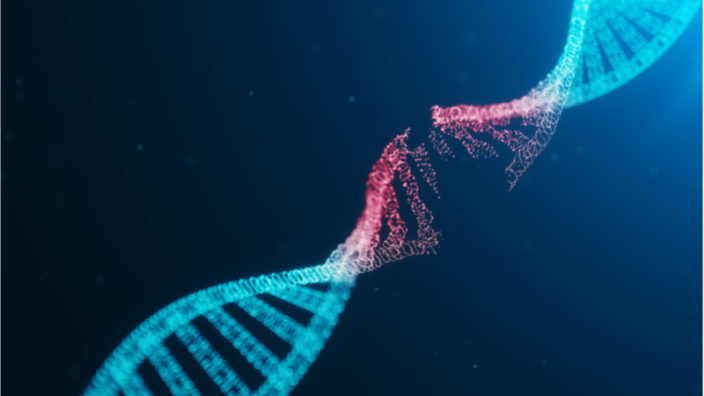
David Sinclar Interview

David Sinclair on NMN and Epigenetics

Dr. David Sinclair, a Professor of Genetics at Harvard Medical School, is one of the most well-known researchers in the field of rejuvenation, and his lab is the beneficiary of a successful lifespan.io campaign.

Today, Dr. Sinclair is releasing his book on Amazon, “Lifespan: Why We Age and Why We Don’t Have To”, and on Wednesday, September 18, we hosted a special webinar with Dr. Sinclair as well.

David has recently appeared on shows such as Joe Rogan, not once but twice, the David Pakman show, and Tom Bilyeu. At International Perspectives in Geroscience, a conference hosted at Weizmann Institute of Science (Israel) on September 4-5, we had the opportunity to interview Dr. Sinclair about his work and his thoughts on the current state of research.

Back in February, you and a group of 16 researchers in the aging field went to the Academy for Health and Lifespan Research with the aim of promoting aging research, fostering the sharing of knowledge between scientists, and helping to guide governments and other key players in the industry. Could you please tell us a little more about the Academy and its current activity?

The Academy is a founding group of scientists who seek to understand the fundamental causes of aging and how to combat it. We have come together to build a society, a group of leaders around the world who will act as one voice to help shape not just the research, but public policy, future economic effects of the research, and medicines that are going to come from this field.

Do you think that aging is a disease or a syndrome or not? What’s your opinion on that?

Well, first of all, there’s no correct answer. There is no law that says something’s a disease and something is not. Currently, the medical definition of a disease is something that causes a dysfunction or disability that happens to less than half of the population. Of course, aging happens to most of the population now, but I think that having a cut-off at 50% is arbitrary. Something that causes decline in functionality and eventual death should be worked on just as vigorously as something that only affects a minority of people.

Do you think that recognizing aging as a disease, in, say, the International Classification of Diseases makes sense in order to accelerate the development of new therapies addressing the root mechanisms of aging?

The World Health Organization’s new definition of aging as a condition is helpful, but the real change will come when a leading country says that aging is a disease that can have a medicine approved for treatment. Right now, because aging is not a condition that’s agreed upon by any regulator, drugs that may slow or reverse aging, and perhaps extend lifespan, healthy lifespan, for many years, doctors are very hesitant to prescribe those medicines. They follow the rule book. Metformin is a good example of a drug that is relatively safe and cheap and could potentially have a big benefit. But, because aging is not a disease, doctors rarely provide it to their patients until they actually become diabetic.

Basically, that means that the position of the government has to change and then once the government declares sort of a war on aging, then there could be some regulation changes, and then it may come to the point when doctors will be mentally ready to prescribe these drugs, right?

That’s right. Also, if aging is a prescriptable condition, then investment in aging-related drugs or longevity medicines will increase by orders of magnitude. The problem today is because aging isn’t a prescriptable condition, drugs have to be developed for other diseases first, with the hope that then they’ll be used more broadly.

Currently, medicine treats the symptoms, not the causes, of age-related diseases. Do you think that we might soon reach the point where therapies will be taken in a preventive manner to delay the onset of age-related diseases? What do you think might be the turning point for things to change? Basically, prevention is always a problem, even though it’s one of the most effective strategies, but we seem to never get there.

Well, there’s a subset of the population, particularly in the US, but increasingly around the world, who are using the internet to educate themselves and are trying to take action before they become sick. Sometimes with medical supervision, sometimes not. It’s a grassroots movement right now; for it to become mainstream, the regulations would have to change so that doctors can feel comfortable prescribing medicines to prevent diseases. But, if we don’t change, then we will continue to practice whack-a-mole medicine and only treat one disease at a time after it’s already developed.

You travel the world a lot. Is there a country that you think is more forward-thinking in how aging is viewed and might take the first move to define aging as a directly treatable condition?

There are a few; the leading contenders right now are Australia, Singapore, and then the US and UK are also talking about it. The first country that does take this first bold step will reap the rewards of that with more investment and, of course, an increasingly productive and healthy population.

You name the countries that seem to have the highest life expectancy, actually. Do you think that it’s related to the understanding that the problem of population aging is becoming severe enough?

That’s exactly right. The countries that have a problem with the healthcare of the elderly have to do something because of the increased amount of elderly will only continue to raise the percent of GDP those countries spend; right now the US already spends 17%. They’re not getting any younger, and their life expectancy isn’t changing. So, for the US to really make progress, they need a new approach to medicine.

Let’s talk a little bit more about your work. You are very well known for your work with NAD+ and its precursors; we’re often asked whether NR or NMN is better. However, the data seems to suggest that different precursors are more or less efficient in a tissue- or organ-dependent manner. Would it be fair to say that rather than asking which is better, we should instead consider these differences and that both may have their place?

They’re very similar molecules, and both have been shown to provide a variety of health benefits in mice. That doesn’t mean either of them will work to slow aging in humans, and that’s why placebo-controlled clinical trials are required to know if one of them, or both of them, will work in certain conditions.

There has been a great deal of debate over the ability of NMN to pass through the plasma membrane to reach the interior of the cell. However, you and your team recently showed that under certain conditions, NMN can indeed enter the cell via a previously undocumented transporter without the need to change back to NR. Have there been any further developments with this? In particular, what does this mean for the efficiency of NMN, given its close proximity to NAD+ in the salvage pathway?

The NMN transporter was recently published by Shin Imai’s group; I wrote a commentary about it. I’m aware of work that’s not yet published by a few different labs, looking at how these molecules travel through the body of a mouse. The conclusion is that some tissues have transporters, some don’t. It can even vary depending on where in the gut you’re talking about. I think, in the end, what’s going to happen, like most areas of science, is that everybody’s right; it just depends on what you’re talking about.

There is a number of human trials in progress for NMN, including one at Brigham and Women’s Hospital. Can you tell us anything about that, and when might we expect to see some results?

Those studies began over a year ago, and they are currently Phase 1 safety studies in healthy volunteers. Next year, the plan is to test the pharmaceutical product in a disease area, most likely a rare disease, but also in the elderly to see if we can recapitulate some of the results we’ve seen in mice, such as increased blood flow and endurance.

Another area that you are involved in is partial cellular reprogramming to reverse age-related epigenetic alterations in cells and tissues. This is a topic that we have written about in the last year or two. Given the success of Belmonte and his team, and the enthusiasm for the approach in general, it really seems to have great potential. Can you please tell us a little bit about this approach and the approach that you are taking and how you’re progressing so far?

For 20 years, we’ve been working on epigenetic changes as a cause of aging, starting with work in yeast and now in mammals. We’ve developed viral vectors and combinations of reprogramming factors that appear to be much safer than the Belmonte work, and we’ve used them to reprogram the eye to restore vision in mice with glaucoma and in very old mice.

Some people argue that epigenetic alterations are similar to the hands of a clock and they only reflect aging, making them not an underlying cause but rather a consequence; do you consider them a cause or a consequence, and when partial programming is initiated, should it be considered to be actual rejuvenation?

Currently, it is believed that the clock is just an indicator of age and not part of the actual aging process, but our recent work that we deposited on bioRxiv strongly suggests that the process of reversing the clock doesn’t just change the apparent age of the body, it actually reverses aging itself by restoring the function of the old cells to behave as though they’re young again. Therefore, the clock may not just be telling time; it may actually be controlling time.

That sounds fascinating. So, it’s actual rejuvenation, right?

It’s early days, but this appears to be as close to rewinding the clock and rejuvenating at least parts of the body than anything that we’ve worked on before.

Back in 2016, when Belmonte and his colleagues demonstrated that partial cellular reprogramming in mice was possible, he estimated that such approaches might reach the public in the next decade. Do you think that we are on track for this to happen?

We’re now more than on track. We’re actually ahead of schedule. We found an apparently safe way to reprogram tissues, complex tissues, and there are at least two companies now expecting to start clinical trials within the next two years in humans.

Can you tell us a little bit more about that, or is that secret for a while?

One of the companies is called Iduna, and I formed this company with Steve Horvath, Belmonte, and Manuel Serrano in Spain. We have the funding to start a clinical trial next year.

Partial reprogramming is altering ourselves at the cellular level; how do you think the general public might react to such an idea, in your view? Is this going to be a real hurdle to getting people on board with using these treatments?

I found that everyone who hears these results of the Belmonte lab and of my lab is extremely excited because it’s a very simple but powerful concept of rewinding the clock, and I don’t know of anybody who has said that we shouldn’t go faster in trying to develop this technology.

In general, what’s your usual way of overcoming the initial skepticism regarding the idea of healthy life extension? Because there is this problem with “life extension”, that people sometimes react weirdly to it.

I’ve faced that my whole career since I started; there’s always going to be a group of individuals who don’t believe that humans are capable of certain things. It was the same with flying back in the early 20th century. I think we know enough now about how aging works and how to slow it and possibly reverse it that it’s going to be possible in our lifetimes to have a big impact on our healthspan and probably lifespan. Anybody who thinks that it’s not doesn’t know how fast science is moving.

What’s your usual way to deal with skepticism; do you have some favorite arguments?

Mostly, I just go back to the lab and do better research and let the data speak for itself. There are a lot of people who won’t be convinced until they see the actual experiments redone many times. What I’ve done in the past two years is I’ve put all my ideas and the advances in the field into a book, so I’m hoping that this book will convince the skeptics or at least make them think hard about what’s possible with their lives, what they can do now, and what soon should become possible.

Wonderful. Actually, my next question was about this book; could you please tell us a little bit more about it and what the readers should look forward to.

“Lifespan” takes the reader on a journey through history, looking at the endeavor of humans to try to live longer and using that historical perspective to look at today’s situation and project into the future. The book also takes readers on a journey through the very cutting edge of aging research and things that the reader can do right now to take advantage of these new discoveries in their daily lives with changes in their daily activity, what they eat, when they eat, but also medicines that are currently available on the market that may extend lifespan. The last chapter is about where we are headed, what are the medicines that are in development, and then when these drugs become available, what does the world look like? Is it a better place or a worse place, and how will our lives change?

Wow, that sounds like a book that I would really like to read. You look pretty amazing for being 50 years old. I’m 40, and I think you look better than me. Are you doing something to support your health, to feel better, to be more productive and to age slowly?

I’m doing an experiment right now in my body. My father, my wife, and my dogs. It’s voluntary, of course; my brother recently complained that he was being treated as the negative control in the experiment. I believed in the research and known the risks to be low, so, starting with resveratrol in 2003, I started taking that and I’m still taking it, and I’ve added to that NMN and some metformin as well. I try not to eat too much. I should exercise more. What I do, and what I’ve learned works for me, and for members of my family, is also written down in detail in my book. So, if people would like to know it, they can read it.

Finally, is there a question that no one ever asks you and that you would like us to ask?

Am I afraid of dying?

Are you?

No.

Why not?

I’ve been in situations where I thought I could die, planes that have lost their control, that kind of thing. I don’t get nervous; I’m not worried about that. The reason that I’m doing what I’m doing is I’d like to leave the world a better place than I found it. I’m also very curious, I’d like to see what we can discover and what the future holds for all of humanity, not just for longevity, but the future of the planet. See if we can point humanity in the right direction and away from the bad scenarios that we seem to be on right now.

We would like to thank Dr. Sinclair for taking the time to make this interview with us and for answering our questions. If you would like to learn more about his work, you may be interested in watching the special webinar we did with Dr. Sinclair in September 2019 which you can see on our YouTube channel here.

We would like to ask you a small favor. We are a non-profit foundation, and unlike some other organizations, we have no shareholders and no products to sell you. All our news and educational content is free for everyone to read, but it does mean that we rely on the help of people like you. Every contribution, no matter if it’s big or small, supports independent journalism and sustains our future.
Kevin Strange at EARD2019

Kevin Strange Teaches Us About MSI-1436

Dr. Kevin Strange is the CEO and co-founder of Novo Biosciences, a biotechnology company focused on regenerating the heart and other organs. We recently had the opportunity to interview him about MSI-1436 (trodusquemine), a compound that promotes regeneration in multiple animal models.

What, if anything, happens to existing scar tissue in the presence of MSI-1436? 

More detailed studies need to be conducted to fully understand how MSI-1436 impacts existing scar tissue. However, our published work is very encouraging. We induced ischemic injury in the adult mouse heart by permanently ligating the left anterior descending coronary artery. This is a standard heart attack model. Twenty-four hours after ligation of the artery, we began treating with MSI-1436 or vehicle (placebo). Hearts were isolated from mice for histological analysis 3 days and 28 days after injury and collagen deposition (i.e., scarring) was quantified. In hearts isolated after 3 days, the scarring index measured as area was the same, ~40%, in both MSI-1436- and vehicle-treated mice. In other words, there was no difference in the extent of initial scarring in the two groups of animals.

The scarring index in hearts isolated from vehicle-treated mice 28 days after injury remained at ~40%. In striking contrast, the scarring index in MSI-1436-treated mice was ~20%. This means that MSI-1436 induced a 50% reduction in the initial scarring. The critical question we are now addressing is whether MSI-1436 can reverse older, more established scars.

Do you think that this molecule can be useful in treating pre-existing ischemic heart damage?

Detailed studies need to be carried out to address this important question. However, we do have some very encouraging results in a related model that I presented at the LEAF conference. The D2.B10-DMDmdx/J Duchenne muscular dystrophy mouse model develops severe heart scarring and dysfunction during aging. Treatment of old (11-14 months) mice with MSI-1436 quite strikingly improves heart function measured as left ventricular ejection fraction.  In contrast, heart function continues to decline in vehicle-treated mice. These data suggest that MSI-1436 may be capable of reversing different forms of pre-existing heart damage, including that caused by a heart attack.

Given that it induces tissue regeneration, do you think that MSI-1436 may have a future as a broad treatment for physical injuries, such as surgery or accidents?

The short answer is yes. Regeneration requires the coordinated function of multiple cellular processes, including immune system responses, metabolism, scar resolution, programmed cell death, and cell dedifferentiation and subsequent redifferentiation. These processes are controlled by signaling networks that are inactivated by PTP1B. Inhibition of PTP1B by MSI-1436 thus allows these signaling networks and the intrinsic tissue regeneration mechanisms that they control to remain active.

While we by no means have conducted exhaustive studies, we have not yet seen tissue damage that MSI-1436 does not reverse. MSI-1436 stimulates regeneration in mice and zebrafish, species that are separated by around 450 million years of evolution. These observations, combined with MSI-1436’s mechanism of action, suggest to us that the molecule may have many uses in regenerative medicine.

In animal models, does tissue regenerated during MSI-1436 administration differ from tissue regenerated in its absence?

We have not observed any morphological or functional differences in tissues that regenerate in the presence of MSI-1436.  Our studies in the zebrafish tailfin amputation model are particularly striking. Tailfins are a composite tissue comprising bone, connective tissue, skin, nerves, vascular tissues, etc. Normally after amputation, the tailfin fully regenerates within 10-14 days. Treatment with MSI-1436 stimulates the initial rate of regeneration ~300%. Even with this greatly increased rate of regeneration, the tailfin retains its normal dimensions, morphology, function, and even pigmentation pattern.

Are there any observed side effects of MSI-1436 in animal models?

To date, we have not observed any side effects in mice or zebrafish.  A toxicity study we have published is particularly noteworthy. Developing animals are often more sensitive to the toxic effects of chemical compounds. We injected 1-cell zebrafish embryos daily with MSI-1436 for 14 days. These embryos developed into completely normal larval and adult fish with no altered mortality or obvious signs of developmental defects.

MSI-1436 was first tested in 2007 for the treatment of obesity and diabetes, yet its use for regeneration was not recognized at the time. Do you think that there are any other compounds whose potential has been similarly missed?

The answer is an unequivocal yes. In our opinion, a very significant problem in the regenerative medicine field is the lack of a systems/integrative biology-level understanding of regeneration. From the beginning, the field was naively focused on the concept that stem cell transplants would somehow repair diverse injury types in multiple organs and tissues. This concept was highly reductionist in nature and lacked a sound scientific foundation. Despite over 20 years of intensive R&D and massive investment, there are no FDA-approved stem cell-based regenerative medicine therapies, and the field remains plagued by fraud and unproven claims of clinical efficacy.

The stem cell field was also predicated on the notion that humans and other mammals could simply not regenerate lost and damaged tissues. This dogma has been overturned.  We now know that the developing fetus has remarkable scar-free regenerative capacity. Newborn mammals including humans also have considerable regenerative capacity that is rapidly reduced during postnatal development. Even certain tissues in adults are capable of regenerating. Blood, skin and gut cells constantly regenerate. Skeletal muscle has considerable regenerative capacity that is greatly reduced during aging. Even the long-held dogmas that heart and brain cells do not turnover, which was thought to underlie the inability of these organs to repair and regenerate, have been overturned. The inescapable conclusion is that the genetic circuits and biological machinery needed for regeneration are encoded in the human genome. As MSI-1436 demonstrates, it is very likely that other pharmaceutical compounds may be able to reactivate intrinsic regenerative capacity in humans.

Finally, it is critical to understand that regeneration requires much more than stem or progenitor cell activation and proliferation. It requires highly coordinated activation and regulation of diverse cellular and physiological processes, including immune system responses, metabolism, scar resolution, programmed cell death, and cell dedifferentiation and subsequent redifferentiation. As we begin to understand these processes at both the molecular (i.e., reductionist) and systems/integrative biology levels, we will be better able to target them with existing and new pharmaceutical compounds to improve tissue repair and regeneration.

Other than PTP1B, do you know of any natural inhibitors of regenerative or other beneficial processes that could potentially be targeted by a small molecule approach?

Our own work has identified several other interesting potential therapeutic targets for regenerative medicine. Much additional work is needed to determine whether modulation of these targets by small molecules or other means will have therapeutic value.

Is there anything that you can tell us about the trial for MSI-1436 in a pig model of heart attack?

These studies are ongoing, but we are very encouraged by early results. The work needs to be completed, though, before we are can draw confident conclusions about efficacy.

Is there anything that you can tell us about the upcoming Phase 1 trial of MSI-1436 as a treatment for Duchenne Muscular Dystrophy?

After a pre-IND review of our findings, the FDA informed us that we had sufficient preclinical efficacy data to support an IND application to test for the ability of MSI-1436 to slow and/or reverse heart and skeletal muscle damage in Duchenne patients. Prior to filing the application, we must carry out a dosing regimen study. We will also need to carry out juvenile toxicity studies if we initially study MSI-1436 in juvenile patients.

Our newer data suggest that MSI-1436 may be capable of improving heart function in adult Duchenne patients. While extensive toxicity testing of MSI-1436 has been carried out in adult animal models and humans, we do not have the right to refer to those data in an IND application. We will thus likely have to repeat adult animal toxicity testing. However, this work will go quickly, since we are very familiar with the findings of previous toxicity studies.

We would like to ask you a small favor. We are a non-profit foundation, and unlike some other organizations, we have no shareholders and no products to sell you. All our news and educational content is free for everyone to read, but it does mean that we rely on the help of people like you. Every contribution, no matter if it’s big or small, supports independent journalism and sustains our future.
Study Results Suggest Human Aging Can Be Reversed

A small clinical trial, which was conducted by a team of researchers led by Dr. Greg Fahy, has shown for the first time in humans that reversing biological age may be possible.

The results of TRIIM are in

The researchers spent a year running the Thymus Regeneration, Immunorestoration, and Insulin Mitigation (TRIIM) trial, which included 9 volunteers aged between 51 and 65. The trial was aimed at testing if a growth hormone and drug combination could be used safely in humans to restore thymic function lost due to aging [1].

The thymus is a vitally important immune organ responsible for producing T cells that combat infections, repel invading pathogens, and destroy cancer. However, after puberty, the thymus begins to shrink in a process known as involution; gradually, the T cell-producing tissues turn to fat, and the organ wastes away with a corresponding decline in T cell production and loss of immune function. This, of course, then leaves us wide open to attack from pathogens and diseases.

Previous animal and some human studies suggested that growth hormone can stimulate the regeneration of the thymus but can also encourage the onset of diabetes. With this in mind, the researchers added two anti-diabetic drugs, dehydroepiandrosterone (DHEA) and metformin, to the treatment regimen.

The participants were given a combination of growth hormone and two types of diabetes medications during the study; on average, their biological ages were reduced by an average of 2.5 years, as measured by the epigenetic clock. This clock works by examining the epigenome, the alterations to gene expression that predictably change throughout lifespan and so can be reliably used to estimate a person’s biological age.

This measurement is a much more accurate way to determine the biological rather than chronological age of a person. Some people are epigenetically older or younger than they are chronologically, meaning that they have aged faster or slower, respectively. Such a measurement system is therefore ideal for measuring changes to biological age in order to test interventions that target the aging processes.

In this study, the participants reduced their biological age by an average of 2.5 years, which is significant, and demonstrates for the first time in humans that it is possible to reverse aging, as has been shown in other species. In addition to the reduction of biological age, the participants also showed signs of immune system rejuvenation.

The thymus in particular showed seemed to improve its level of function, which is important as thymic output is a strong determinant for cancer risk, as shown in a study from last year that included Dr. Sam Palmer [2]. Of the nine participants, the researchers found that seven had experienced regeneration, with fat tissue in the organ being replaced with new T cell-producing thymus tissue, a reversal of what happens during aging.

Conclusion

It should be noted at this point that the results are only preliminary due to the small scale of the clinical trial, and the researchers are urging caution until larger studies can be launched. There was also no control group included in the study, and the results should be viewed with this in mind. This all means that a larger study needs to happen next in order to ascertain safety and efficacy and hopefully this will happen soon. That said, this gives a tantalizing hint at what may be possible in the not too distant future.

Regenerating the thymus could be a major breakthrough for combating the diseases of aging and helping people with weak immune systems, such as older people who often fall prey to infectious diseases such as pneumonia, as their immune systems cannot fight back effectively. This research also has implications for cancer and aging research in general, and it is the first evidence that interventions that target aging could work in humans.

If you would like to learn more about Dr. Fahy and the background to this research, we also interviewed him about rejuvenating the thymus to prevent age-related diseases in a 2017 interview, where he goes into more details about the research published this week. Dr. Fahy also presented a talk at Ending Age-Related Diseases 2019 about this approach and the results of his company’s Phase 1 clinical trial.

We would like to ask you a small favor. We are a non-profit foundation, and unlike some other organizations, we have no shareholders and no products to sell you. All our news and educational content is free for everyone to read, but it does mean that we rely on the help of people like you. Every contribution, no matter if it’s big or small, supports independent journalism and sustains our future.
Literature

[1] Fahy, G. M. et al. Aging Cell (2019). Reversal of epigenetic aging and immunosenescent trends in humans. Aging Cell. https://doi.org/10.1111/acel.13028 (2019).

[2] Palmer, S., Albergante, L., Blackburn, C. C., & Newman, T. J. (2018). Thymic involution and rising disease incidence with age. Proceedings of the National Academy of Sciences, 115(8), 1883-1888.

Telomeres

Telomerase Expression Reduces Senescence and Cancer Risk

A joint study by researchers at the National Institutes of Health (NIH) and the University of Maryland (UMD) has revealed a previously undocumented protective function of the telomerase enzyme.

Telomerase is used by somatic cells too

It was thought for a long time that telomerase is only active in certain cell types, such as stem cells, immune cells, and embryonic cells, in order to protect them from aging. Aside from a few cell types and, of course, cancer cells, which are able to hijack the telomerase enzyme in order to replicate uncontrollably, researchers believed that the enzyme is switched off in other types of cells.

However, a new study published in Proceedings of the National Academy of Sciences (PNAS) has shown that telomerase can be reactivated in healthy adult cells during the course of cell aging. The researchers think that this is a protective mechanism to reduce the chance of DNA damage, which would increase cancer risk due to genomic instability, one of the primary hallmarks of aging. This new discovery significantly changes our understanding of telomerase and how it relates to aging.

This research shows that there is a role for the reactivation of telomerase in adult cells that goes beyond the formation of cancer cells, as the transient activation of telomerase in this manner serves to mediate cellular senescence and reduce the risk of cancer.

Each of the chromosomes that stores our genetic information has a protective cap at each end known as a telomere, a specific DNA sequence that is repeated thousands of times. The sequence has two purposes: firstly, it protects the coding regions of the chromosomes and prevents them from being damaged, and secondly, it acts as a clock that controls the number of replications that a cell can make. Each time a cell divides, the telomeres become shorter; this telomere attrition is the basis of replicative senescence and is another primary hallmark of aging.

In regular adult cells, once the cell reaches its replicative limit triggered by the telomeres reaching a critical length, the cell stops dividing and dies via a self-destruct mechanism called apoptosis. However, sometimes the cell experiences DNA damage, fails to enter apoptosis, and lingers, sometimes becoming a pro-inflammatory senescent cell or, less often, a cancer cell.

In some special types of cells, such as stem and progenitor cells, telomerase remains active, which means that these cells keep topping up their telomeres as they divide, preventing them from reaching a critical length. This is why stem cells can live for many decades compared to the shorter-lived regular cells that make up the majority of the cells in our body.

The telomerase enzyme itself is made up of two parts: the template RNA (TR, telomerase RNA), and the reverse-transcriptase catalytic subunit (TERT, telomerase reverse transcriptase). Previous studies have shown that in mouse strains bred to lack the telomerase gene (telomerase knockout mice), the subsequent generations of mice born tended to have shorter lifespans and increased cancer risk, and the total length of their telomeres was also shorter than regular mice.

A new role for telomerase in aging and transformation

It has also been shown that mice lacking telomerase can have the negative effects of this reversed by reactivating TERT; this led these researchers to wonder if telomerase may also play an additional role in somatic cells with short telomeres that went beyond the formation of cancerous tumors.

In order to investigate this, the researchers compared the skin cells of related wild-type and telomerase-deficient mice and found that the white blood cell lines from both had similarly short telomeres. However, the cells from the telomerase-deficient mice ceased dividing sooner and had a higher rate of cancer formation than the cells from the wild-type mice.

The researchers observed that in the wild-type mice, the skin cells were able to transiently activate telomerase when the telomeres approached critical length, which re-lengthened the telomeres, slowing down the rate of aging and reducing the risk of DNA damage and the resulting increased risk of cancer. The researchers suggest that this final burst of telomerase towards the end of the cell’s lifespan was designed to reduce the impact of this aging process and create a more gradual descent into apoptosis as well as being protective against cancer formation.

The researchers also demonstrated that reactivation of telomerase in telomerase-deficient cells was able to rescue the cells from death, allowed them to keep dividing, and reduced the chance of DNA damage occurring. This is consistent with a number of other previous studies that have shown similar results from the transient activation of telomerase.

Finally, they also showed that this happens in normal human skin cells, which also activate a burst of telomerase as they approach critical telomere length. The researchers then disabled telomerase expression in normal human skin cells and noted that the cells displayed a decline in activity of the genes associated with DNA damage response as they approached replicative senescence.

The next step for the research team will be to explore how this transient telomerase expression is activated in cells approaching replicative senescence and discern the underlying mechanisms through which telomerase provides a cushioning effect on the journey of cells to senescence.

Telomerase is an enzymatic ribonucleoprotein complex that acts as a reverse transcriptase in the elongation of telomeres. Telomerase activity is well documented in embryonic stem cells and the vast majority of tumor cells, but its role in somatic cells remains to be understood. Here, we report an unexpected function of telomerase during cellular senescence and tumorigenesis. We crossed Tert heterozygous knockout mice (mTert+/−) for 26 generations, during which time there was progressive shortening of telomeres, and obtained primary skin fibroblasts from mTert+/+ and mTert−/− progeny of the 26th cross. As a consequence of insufficient telomerase activities in prior generations, both mTert+/+ and mTert−/− fibroblasts showed comparable and extremely short telomere length. However, mTert−/− cells approached cellular senescence faster and exhibited a significantly higher rate of malignant transformation than mTert+/+ cells. Furthermore, an evident up-regulation of telomerase reverse-transcriptase (TERT) expression was detected in mTert+/+ cells at the presenescence stage. Moreover, removal or down-regulation of TERT expression in mTert+/+ and human primary fibroblast cells via CRISPR/Cas9 or shRNA recapitulated mTert−/− phenotypes of accelerated senescence and transformation, and overexpression of TERT in mTert−/− cells rescued these phenotypes. Taking these data together, this study suggests that TERT has a previously underappreciated, protective role in buffering senescence stresses due to short, dysfunctional telomeres, and preventing malignant transformation.

Conclusion

This is an interesting twist in the telomerase story and shakes up what was previously known about how cells use it. These researchers show that telomerase is expressed by mouse and human cells as they approach replicative senescence, almost like a cushioning mechanism to ease the cell into apoptosis easier. In mouse and human cells engineered to not express telomerase, the cells experience senescence sooner and become cancerous more frequently. These results support the proposal that the transient expression of telomerase in cells approaching the end of their lives is important in cellular senescence, transformation, and genomic stability.

We would like to ask you a small favor. We are a non-profit foundation, and unlike some other organizations, we have no shareholders and no products to sell you. All our news and educational content is free for everyone to read, but it does mean that we rely on the help of people like you. Every contribution, no matter if it’s big or small, supports independent journalism and sustains our future.
Blood Vessel

Brain, Liver and Muscle Rejuvenated by Calibrating Old Blood

Age-related changes to the signals sent and received by our cells travelling via the bloodstream (altered intercellular communication) are thought to be one of the reasons we age. A team of researchers, including Drs. Irina and Michael Conboy, has published the results of a new study suggesting that rejuvenation might be achieved by the calibration of these signals found in the blood [1].

The search for rejuvenation

The Conboys had done earlier research in joining of the circulatory systems between young and old animals, a process known as parabiosis, and they showed that tissue aging was not a one-way street and could be rapidly reversed in a matter of weeks, given access to the beneficial signaling from the younger animal [2].

Subsequent experiments discerned some of the particular molecules responsible for the rejuvenation effect along with the molecules responsible for driving aging and making tissue repair increasingly poor, which are found in aged blood.

Proteins such as TGF-β1 were found to prevent stem cells from repairing tissue properly in old mice, and they did the same thing when introduced to the bloodstreams of young mice. Most intriguing, when TGF-β1 was normalized to youthful levels in aged animals, the researchers also found that the old mice had youthful muscle regeneration and improved neurogenesis [3].

Over the course of a few years, it started to become apparent that there were only a handful of key molecules regulating the “age” of the bloodstream and the resulting lack of tissue regeneration.

This led some other researchers to begin searching for factors in young blood which might rejuvenate the old, and, as a result, the popular press was filled with stories of vampires and other nonsense a few years ago.

However, while the research showed that molecules present in young blood were beneficial to aged stem cells, the evidence suggested that the real culprit of age-related loss of tissue repair was the influence of age-accumulated inhibitory signaling proteins in aged tissues and circulation [4].

In other words, it was not so much that there was something special in young blood that could rejuvenate old tissues; instead, old blood had the wrong balance of signaling factors. The Conboys proposed that if the handful of key regulatory signalling molecules that they had identified could be calibrated back to more youthful levels, then rejuvenation should occur simply by restoring aged blood to being more youthful.

Recalibrating old blood to be young again 

The new study suggests that the majority of aging is driven by changes to a limited number of regulatory signals present in blood. This is a reasonable hypothesis given that the bloodstream is the uniting communication network in the body and that the signals traveling through it do indeed have the potential to influence every cell within the body.

The study focuses on two of the key molecules that influence the ability of stem cells to function and regenerate tissues: TGF-β1, which increases during aging, and oxytocin, which falls during aging. Using a pharmacological approach, they were able to reduce TGF-β1 levels and increase oxytocin, spurring rejuvenation and leading to significantly increased neurogenesis, a reduction of neuro-inflammation, increased cognitive performance, and rejuvenation of the liver and muscle in aged mice.

The researchers also noted that recalibration of these signaling factors back to youthful levels additionally reduced the p16 biomarker of cellular senescence. This suggests that there was a reduction of the presence of senescent cells, another hallmark of aging. The researchers go as far as to suggest that the recalibration of signaling factors to a youthful profile may be a superior approach to removing senescent cells using senolytics, given how rapidly this recalibration works.

We hypothesize that altered intensities of a few morphogenic pathways account for most/all the phenotypes of aging. Investigating this has revealed a novel approach to rejuvenate multiple mammalian tissues by defined pharmacology. Specifically, we pursued the simultaneous youthful in vivo calibration of two determinants: TGF-beta which activates ALK5/pSmad 2,3 and goes up with age, and oxytocin (OT) which activates MAPK and diminishes with age. The dose of Alk5 inhibitor (Alk5i) was reduced by 10-fold and the duration of treatment was shortened (to minimize overt skewing of cell-signaling pathways), yet the positive outcomes were broadened, as compared with our previous studies. Alk5i plus OT quickly and robustly enhanced neurogenesis, reduced neuro-inflammation, improved cognitive performance, and rejuvenated livers and muscle in old mice. Interestingly, the combination also diminished the numbers of cells that express the CDK inhibitor and marker of senescence p16 in vivo. Summarily, simultaneously re-normalizing two pathways that change with age in opposite ways (up vs. down) synergistically reverses multiple symptoms of aging.

Conclusion

We have been following the work of the Conboys for a number of years now, and we are enthusiastic about the potential of their work. The recalibration of signaling factors to more youthful levels has the potential to improve regeneration in aged tissues and cells, and, looking at the research so far, it appears to be controlled by only a handful of signaling molecules sitting atop a regulatory network. While metabolism is highly complex, it appears that this complexity is controlled by only a small number of master regulators, and if their levels can be calibrated as the Conboys propose, then there exists the potential for rejuvenation of tissues and organs.

We would like to ask you a small favor. We are a non-profit foundation, and unlike some other organizations, we have no shareholders and no products to sell you. All our news and educational content is free for everyone to read, but it does mean that we rely on the help of people like you. Every contribution, no matter if it’s big or small, supports independent journalism and sustains our future.
Literature

[1] Mehdipour, M., Etienne, J., Chen, C. C., Gathwala, R., Rehman, M., Kato, C., … & Conboy, I. M. (2019). Rejuvenation of brain, liver and muscle by simultaneous pharmacological modulation of two signaling determinants, that change in opposite directions with age. Aging, 11(15), 5628-5645.

[2] Conboy, I. M., Conboy, M. J., Wagers, A. J., Girma, E. R., Weissman, I. L., & Rando, T. A. (2005). Rejuvenation of aged progenitor cells by exposure to a young systemic environment. Nature, 433(7027), 760-764.

[3] Yousef, H., Conboy, M. J., Morgenthaler, A., Schlesinger, C., Bugaj, L., Paliwal, P., … & Schaffer, D. (2015). Systemic attenuation of the TGF-β pathway by a single drug simultaneously rejuvenates hippocampal neurogenesis and myogenesis in the same old mammal. Oncotarget, 6(14), 11959.

[4] Rebo, J., Mehdipour, M., Gathwala, R., Causey, K., Liu, Y., Conboy, M. J., & Conboy, I. M. (2016). A single heterochronic blood exchange reveals rapid inhibition of multiple tissues by old blood. Nature communications, 7.

AI drug discovery

A New Era Beckons as First Drug Is Created by AI
Insilico Medicine has achieved a world first by successfully designing, synthesizing, and validating a new drug from the ground up and taking just 46 days to do so. It achieved this impressive feat using AI. This is the first time that AI has been used to successfully create a new drug, and it took record time compared to traditional methods.

The company used Generative Adversarial Networks (GANs) back in 2016 to design new kinds of molecules and have further developed the system, combining it with reinforcement learning (RL) in order to develop new drugs and biomarkers.

The new drug works by blocking the activity of the DDR1 kinase, which is implicated in fibrosis. Fibrosis currently has no cure, and, as such, a drug that could effectively treat it would address an urgent unmet medical need. The study has been published in the journal Nature Biotechnology today.

September 2, 2019, London, UK: Deep Knowledge Analytics acknowledges the new ground-breaking result of Insilico Medicine, which succeeded to design, synthesize and validate a novel drug candidate end-to-end in just 46 days, which is 15 times less compared to what it typically takes even for the best pharma corporations capable to conduct the most efficient R&D process, as documented in a new scientific paper published in the peer-reviewed journal Nature Biotechnology on September 2, 2019.

This accomplishment is the culmination of Insilico Medicine’s efforts in pioneering the use of cutting-edge techniques in AI and Deep Learning (specifically, the combination of Generative Adversarial Networks and Reinforcement Learning) for drug discovery and biomarker development, which began more than 2 years ago.

“When Deep Knowledge Ventures chose to lead Insilico Medicine’s seed funding round in 2014, we did so because we saw their potential to increase Quality-Adjusted Life Years (QALY) for the betterment of humanity as a whole. Since then they have been the first to use cutting edge deep learning techniques like Generative Adversarial Networks to design novel drug candidates from scratch with specified molecular properties in 2016, and in 2018 to succeed in designing, synthesizing and validating a new drug end to end in less than 2 months. And, importantly, they have made efforts to release their code open-source for public use, to further the efforts of other researchers” said Dmitry Kaminskiy.

Insilico Medicine was the first to utilize Generative Adversarial Networks (GANs) to generale novel molecules in 2016, and since then have spent two years developing the theoretical base for the combined use of GANs and RL, documented in 15+ papers and 80+ conference presentations. Now, for the first time, these efforts have been utilized to design a novel DDR1 kinase inhibitor from scratch in just 21 days, and then to synthesize and preclinically validate the new drug in just 25 days (46 days end-to-end).

The company screens potential drug candidates using GANs. These specialized algorithms create synthetic datasets that are indistinguishable from real datasets by having two neural networks compete against each other. One neural network generates the data and the other compares it to a real data set in iterative cycles so that the degree of error in the synthetic data set is gradually decreased. Rather than using trial and error when looking for molecular leads, requests are made to the network to generate specific leads and leads are generated on demand.

Furthermore, the use of AI in drug discovery has the power to do more than just accelerate drug development timelines. It also has the potential to vastly increase efficiency and decrease preclinical failure rates (which are currently over 99%) by discovering drugs in an intelligent and focused manner, designing particular molecular properties according to the specifics of a given disease target, rather than trying to discover them using a blind, random, trial-and-error method.

“The drug discovery process consists of many phases and often takes decades. In preclinical phases the failure rates are over 99%. Our AI can be used in all phases and in some cases lead to superhuman results. Our AI is exceptionally good at finding the molecular targets in specific diseases and inventing new chemistry” said Alex Zhavoronkov, CEO of Insilico Medicine.

What is also striking is the fact that this new GAN-RL approach represents less than 1% of Insilico Medicine’s lead generation pipeline, and that they are hard at work to ensure that the fruits of their labour are as accessible as possible for other researchers to build on their own progress, and to expedite the industry-wide penetration of AI in pharma, drug development and clinical translation.

This can be thought of as Pharma’s AlphaGo moment, when the potential for AI to radically transform the normal operating procedures and business models in the Pharma industry becomes tangibly obvious to the public. In the case of the AI industry, this was when the AI company DeepMind (acquired by Google for $0.5 billion) succeeded to develop the first computer program capable of beating a professional human world champion in the game “Go”. In the case of the Pharma industry, this may very well be its analogous, totally game-changing moment – the first time a drug was designed from scratch and validated not in years, but in days.

– Official press release

Conclusion

We will be following the progress of the drug with interest and hope that this is the start of a new era of drug discovery and development using the power of deep learning.

We would like to ask you a small favor. We are a non-profit foundation, and unlike some other organizations, we have no shareholders and no products to sell you. All our news and educational content is free for everyone to read, but it does mean that we rely on the help of people like you. Every contribution, no matter if it’s big or small, supports independent journalism and sustains our future.

Sarah Constantin Interview

Sarah Constantin on the Daphnia of Daphnia Labs

We recently had the opportunity to catch up with Sarah Constantin, one of the founders of the new biotech startup company Daphnia Labs. The company is developing a new platform for the discovery of geroprotective drugs: in vivo phenotypic screens in model organisms. The company plans to use high-resolution video to track Daphnia during its lifespan in order to screen for drugs that might extend healthspan.

Can you tell us a little about the company, its founders, and what motivated you to start this biotech company?

I’d been working for about a year at the Longevity Research Institute, which is a nonprofit that funds aging research. LRI focuses on trying to replicate studies on interventions that have been reported to extend lifespan in mammals. Basically, of the 50+ compounds out there that have some mammalian evidence for an anti-aging effect, which ones have the best chance of being viable geroprotectors in humans?

We wanted to expand to doing a high-throughput screening program in a short-lived model organism, because, really, the surface has barely been scratched in terms of searching for aging-modulating small molecules, and this is the kind of research program that machine learning and automation can really help with.

Initially, I imagined we’d do this with C. elegans, but then, fortuitously, I met Leon Peshkin, a systems biologist at Harvard Medical School, and he convinced me that Daphnia was a better pharmacology model organism.

Then, we started getting the advice that this made more sense as a business than as part of a nonprofit, because if we’re looking at novel compounds, that has the potential to generate IP. So, I incorporated Daphnia Labs as a public benefit corporation.

You have chosen to use Daphnia as your model animals for drug discovery; can you explain what things in particular made you decide to use them?

Well, Daphnia are short-lived. They live about a month on average. So, you can do lifespan studies with a fast turnaround time.

The natural point of comparison here is with C. elegans, which are a traditional aging model organism and also short-lived, but they’re more a genetics model organism than a pharmacology model organism. They live in dirt, and they have a very powerful xenobiotic system to excrete toxins. So, if you dose them with a drug, they’re very good at remaining unaffected, which means that drug screens on C. elegans are maybe less predictive of mammalian results than drug screens on Daphnia would be, certainly less predictive of toxicity.

Daphnia survival is actually a standard test for ecological toxicology: to test if something’s safe to put into the water supply. Daphnia are extremely sensitive to toxins, and they’re already used to predict toxicity in humans.

They’re also capable of both parthenogenesis and sexual reproduction. So, they’re exact clones by default, no genetic uncertainty, but you can also get a single generation cohort by giving them a chemical that makes them produce males.

How similar are daphnia to humans in terms of how they age and their genes, organs, and physiology?

Daphnia have about 60% of genes in common with us, roughly the same as a fruit fly, a bit more than a worm. They have a lot of the same organs — they have a chambered heart, a gut, a brain, etc. They have an innate immune system.

They also have homologs of a lot of well-known aging-associated genes: IGF1, Hsp70, FOXO, TOR, SIRT1, etc. There are pathways that are conserved across pretty much all animals, and they seem to exist in Daphnia as well.

We know Daphnia age because their mortality rates increase with time, just like ours do. They die of different things than humans do — usually intestinal malfunction — but they do become less mobile with age, just as most animals and humans do. There’s actually a big literature about the evolutionary biology of Daphnia life-histories, because you have these different genetic populations that arose in different ponds, and you can see that Daphnia live longer when they’re under less predator stress, for instance.

Often, at the early stages of drug discovery, C.elegans are a commonly used model animal. However, traditional manual and even automated drug screening is often time consuming, laborious, and costly. How does your system propose to change this paradigm?

Daphnia are really well suited to an automated approach because they’re easy to visualize. They’re transparent, and they’re large enough to see with the naked eye. With a high-resolution video camera, you can track their motion and some features of their physiology automatically. There’s no need to poke them like you do with worms; you just leave them alone in their water and gather video.

You are proposing to use daphnia as a novel in vivo screening platform; how does this differ to more traditional in vitro screening approaches, and what advantages does it offer?

The advantage is that you’re looking first for a functional phenotype — healthy lifespan — instead of starting with a target. For a problem as multifactorial as aging, it’s very unlikely that we’ve identified all the possible targets involved already. Many of the known aging-modulating drugs already seem to have multiple targets and mechanisms of action. A living organism is not the same as a cell culture; it’s got multiple tissues and hormones that affect the whole organism, so testing in culture isn’t necessarily representative of what you’d see in an organism. Screening for lifespan and activity in living animals means that you can get better prediction of what will work in a mammal than you’d get in an in-vitro screen.

You are using machine learning to screen for geroprotective drugs; can you give us an overview of how the system works and how it identifies promising molecules?

The machine learning is for analyzing the video of Daphnia. From each image, you can extract outlines of individual Daphnia and track their motion. You can also discover features, motion patterns, that correlate with age or mortality. If you do this with many tanks of Daphnia, each testing a different molecule, the ones that make Daphnia live significantly longer, stay active longer, or have motor patterns associated with youth are the geroprotective ones.

Could using machine learning reduce R&D costs for drug development, and in what ways?

If you can predict what will and won’t work in mammalian studies, you can rule out some of the failures earlier and have a higher hit rate on the studies you do conduct. Our calculations say that this could cut preclinical research costs in half.

If this means you can afford to do more mammalian studies, then you can get second-order effects — being more selective about which compounds you take into clinical trials and improving the clinical trial success rate. Since human trials cost tens of millions of dollars and only one in twenty drug candidates succeeds in the clinic, anything that improves predictive validity is a huge cost savings.

Your pipeline proposes to begin by screening 1000s of compounds via your daphnia system, then moving to compound analysis of potential candidates and finally onto mouse studies. What kind of potential candidate hit rate would you anticipate at the initial daphnia stage, and how does that compare to traditional methods?

The closest analogues are the lifespan screens that came out of the Petrascheck lab on C. elegans, including one on compounds with known mammalian bioactivity. A full 5% of those drugs significantly extended worm lifespan. Our expectation is that the hit rate in Daphnia of the same pool of drugs would be comparable or greater.

There isn’t really a direct comparison here with traditional methods, because target-based methods that are looking at binding affinity usually start with a screen of millions and a hit rate of less than 0.1%.

You would screen with the daphnia and generate around 10-20 good candidates for the mouse testing phase. What sort of mice would you be using, and why?

It’s going to depend on the disease indication. We’re indication-agnostic at this point, but knowing something about the expression or proteomics profile changes induced by the Daphnia hit compounds will tell us something about their mechanism, and we’ll decide on a good disease indication to go after from there. In that case, what you’re looking for is a realistic mouse model of the disease in question.

How far has the company developed so far, and what are your next steps into 2020?

Currently, we’ve built a prototype, generated our first data, and are working on experiments to validate Daphnia’s response to known aging-modifying interventions — do they live longer when you give them things like rapamycin and metformin, which make many other animals live longer?

As we go into 2020, we’ll aim to raise our seed round and start scaling up the screening device and software.

Is there anything else you would like to tell us about Daphnia Labs?

We’re always looking to talk to experts in the fields we’re working on. Currently, we’re especially interested in hearing from aquaculture experts and lab automation engineers.

We would like to ask you a small favor. We are a non-profit foundation, and unlike some other organizations, we have no shareholders and no products to sell you. All our news and educational content is free for everyone to read, but it does mean that we rely on the help of people like you. Every contribution, no matter if it’s big or small, supports independent journalism and sustains our future.