The Blog

Building a Future Free of Age-Related Disease

Undoing Aging With Aubrey de Grey Part Two

Welcome to part two of our three-part Undoing Aging 2018 interview of Dr. Aubrey de Grey and his team at SENS Research Foundation. Today, we have some of the scientific questions that the community had about SENS; there are some very detailed responses, and we hope you enjoy them.

Regarding the use of senolytics, are you concerned about their potential to remove highly specialized cells like cardiomyocytes, which do not divide or do so very slowly? Could taking senolytics without the ability to replace these specialized lost cells be risky unless combined with replacement therapies?

Aubrey: This is not a major concern, for a few reasons. First, when cells turn senescent, they cease carrying out their specialized function (as a cardiomyocyte, or neuron, or what have you), so no such function is lost by ablating them. Second, cells that don’t divide (like cardiomyocytes and neurons) are far less likely to become senescent in the first place than cell types that divide; many of the main drivers of senescence are related to cell division. And third, in the specific case of cardiomyocytes, there’s already significant evidence in rodents that it improves cardiac function overall [1] as well as wider cardiovascular health [2-3].

However, there is some reason for concern here, which is why we’re already working to develop the next generation of senescent cell ablation therapies. The selectivity of senolytic drugs for senescent cells comes from the fact that they target the activity or expression of genes involved in cell survival, on which senescent cells are much more reliant than healthy cells under normal, unstressed conditions. But during times in which the cell is under stress, normal cells also rely on those same pathways to carry them through and give them time to recover. Thus, although the net effect of these drugs is undeniably positive, their mechanism of action will necessarily entail occasionally killing off healthy cells that are experiencing a moment of vulnerability when the drug is administered and that they could otherwise have survived. Again, such cells could include difficult-to-replace cells like heart muscle cells and neurons.

Future therapies can target truly senescent cells more selectively, and SENS Research Foundation is helping to advance those next-generation senescent cell therapies even as UNITY prepares for human testing through our investment in Oisín Biotechnologies. We’ll have more to say on this in an upcoming blog post.

But. certainly, no single rejuvenation biotechnology will work as well on its own as it will as part of a comprehensive panel of such biotechnologies, and matching senescent cell ablation with cell replacement therapies is one of the most straightforward examples.

Senolytic drugs gave mice about 35% increased healthy lifespan in experiments. Given that every living organism produces senescent cells the same way, could this mean that it may translate to humans?

Aubrey: First, let’s be clear on just what senescent cell ablation has been shown to do. In the study of which you’re thinking [4], senescent cell ablation didn’t extend lifespans by 35%; it increased median lifespan by 24-27% under most conditions, with no effect on maximum lifespan. It only increased median lifespan by 35% in a subset of animals where the controls were exceptionally short-lived compared to all the other animals in the study. (In fact, all the animals in the study were at least a bit shorter-lived than healthy mice normally are, probably due to some combination of the stress of twice-weekly injections and possibly some effect of the transgenes, though the latter is probably minor — but the 35% figure is clearly not robust and certainly shouldn’t be extrapolated to normal, otherwise-healthy aging humans).

Now, confining ourselves to that 24-27% median lifespan figure: interventions that lead to gains in median lifespan only in laboratory mice, with no corresponding effect on a robust maximum lifespan (tenth-decile survivorship), still need to be heavily discounted when speculating on effects in humans. Interventions that only affect median lifespan primarily affect deaths in the first half of the lifespan — and here there is a critical difference between mice in a lab and modern humans, for whom medicine has already eliminated many causes of such early deaths, from vaccines (which also impact late-life mortality by reducing lifelong inflammatory burden), to surgery, to antibiotics, to drugs that more obviously affect middle-aged people.

The force of this reasoning is somewhat attenuated in the case of interventions like senescent cell clearance, which actually repair aging damage, than with interventions affecting environmental or metabolic risk factors driving “premature” disease (obesity, inflammation, cardiovascular risk factors, environmental toxins, etc). Still, you have to assume that the effect on lifespan of any single damage-repair intervention in isolation will be modest, based on the principle of the “weakest link in the chain”: all the links are weakening over time, and shoring up only one of them still leaves the rest of the links damaged and ready to shear, whereupon the whole chain is broken. To move the needle on lifespan in modern humans, we have to push back on all of the cellular and molecular damage of aging, not just one form.

Are senescent cells fewer in number or less destructive in humans than in other animals because we are more advanced organisms than they are?

Aubrey: Evolutionary biologists would quibble with the notion that humans are “more advanced” organisms than mice (or even than roundworms), but we’re certainly longer-lived organisms than they are — and of necessity, this entails that the rate of accumulation of all the cellular and molecular damage of aging — including senescent cells — is slower in us than in them.

Some proteins can facilitate DNA repair. However, what can SENS do to prevent cells from collecting DNA damage in addition to the proteins that already exist in our body? Also, what approaches are being taken to correct benign mutations?

Aubrey: Because the levels or activity of some of the proteins that repair DNA are downregulated by the downstream metabolic effects of aging damage (such as inflammation and oxidative stress), or are known to be downregulated with age for unknown reasons, removing the underlying damage driving these age-related declines (such as by ablating senescent cells and rendering mitochondrial mutations harmless)  will “take the brakes off” these proteins and restore their ability to repair DNA to the youthful norm, just as rejuvenation biotechnology will reset other downstream derangements of the aging metabolism.

By “benign mutations,” I take it that you mean mutations that don’t cause cancer. Regardless, there is no foreseeable technology (meaning, a technology that can be described in detail and is technically feasible to implement within the next 2-3 decades) that will be able to correct existing mutations. Instead, the focus must be on removing, repairing, or obviating the effects of mutations that are relevant to our health over the course of currently-normal lifespans: clearing senescent cells, replacing cells lost to apoptosis and senescence and other causes, and making the body impervious to cancer. That will buy us time during which scientists can develop future generations of rejuvenation biotechnology to repair DNA mutations directly.

Regarding the breakdown of extracellular aggregates, what will you do if the first wave of treatments using antibodies is unable to repair the whole system?

Aubrey: Certainly, it’s guaranteed that no first-generation SENS therapy will be able to repair every single contributor to any given category of aging damage — and it doesn’t have to. All we have to do to reach “longevity escape velocity“ is to remove or repair the specific forms of cellular and molecular aging damage within each category that meaningfully restrict our lives to the extremes of current lifespans. During the extra decades of healthy life that we’ll then enjoy, scientists can then work to identify the constraints that limit life- and healthspan to those newly-expanded horizons.

Accordingly, all SENS therapies will need to be iteratively improved; we will want safer and more effective ways to repair the damage targeted by earlier iterations of rejuvenation biotechnologies and also to repair additional specific targets within each category. It’s only once those first therapies are developed and in use that we’ll know what their specific limitations will be; what the relative prioritization and, in most cases, even the identities of the next-most important targets will be (our project on Target Prioritization of Adventitious Tissue Crosslinking is tackling a notable exception); and how exactly to design improved or new therapies in each category.

In old age, the vitreous body—an acellular component of the eye—liquifies. The resulting change in viscosity may cause a post-vitreous detachment that can be dangerous for the retina. Where does the relevant age-related damage fit within the SENS categorization? What regenerative interventions might be applied to reverse it?

Aubrey: As with all age-related degeneration, post-vitreous detachment (PVD) can only ultimately flow from stable changes in the cellular and molecular structures responsible for normal, youthful vitreous function. However, the structural basis for PVD is unfortunately still poorly understood. Up until recently, it’s been difficult to study the organ at all, let alone its aging, because of the inherent difficulty of visualizing a tissue that is, by design, invisible and because many of the techniques that have historically been used to study it have required the use of reagents that precipitate the jelly-like material out of the vitreous humor [5]. And even today, with better tools available, there is precious little research in this area.

But let’s focus on what we do know. The vitreous is composed of a network of collagen fibres that are coated by non-covalently bound structural molecules (glycoproteins and chondroitin sulfate) that allow the collagen fibers to slide past one another without sticking to each other and also to interact with the gel phase of the vitreous (primarily comprised of a glycoprotein called hyaluronan). In youth, most of the hyaluronan remains in a gel phase, but over the lifespan, a rising amount of it is degraded into a liquid phase. This degenerative process is already apparent in four-year-old children, and liquid-phase vitreous occupies about 20% of the total vitreous volume by the time one is in one’s late teens; this process accelerates after age 40, to the point where more than half the vitreous has been degraded into a liquid in octogenarians. Along with the shift from gel phase to liquid phase, there is a reduction in the volume of gel vitreous, without a change in total collagen until the extremes of current lifetimes [5].

As the gel shrinks, it begins to separate from the retina, with the gap filled by the accumulated liquid vitreous. If this process of separation happens too quickly in a given area, or if the vitreous gel and the retina remain adherent despite the contraction of the vitreous, then the retina or a retinal blood vessel can tear, leading to symptoms like “flashes” and “floaters.”

As of yet, we don’t know what’s driving these processes. The most suspicious change in the structure of the vitreous with age is the “lateral aggregation” of the collagen fibrils — in other words, the bunching-together of adjacent collagen fibrils. The two prime suspects for this aggregation are age-related loss of the coating proteins that keep the collagen fibrils from naturally sticking to their neighbors, and AGE or other crosslinks forming between the fibrils.

Abnormal AGE crosslinks certainly do occur in the collagen in the vitreous of diabetics, which likely contributes to diabetic retinopathy, an important complication in diabetes that leads to blindness [5]. To the extent that those are involved in PVD in aging nondiabetics, AGE-breakers could be brought to bear to liberate the bound collagen fibrils, allowing them to support gel-phase vitreous hyaluronan again.

Alternatively, the aggregation may result from an age-related loss of the coating proteins that keep the fibrils from sticking together [6]. There are several protein-degrading enzymes in the vitreous that could, in principle, do this if their expression rises with age, and aggregation and liquefaction can be triggered in the lab by injecting any of several common physiologic enzymes into the vitreous. Conversely, peptides have been designed that shield the coating proteins from some of these enzymes; these peptides have protective effects against degradation of bovine vitreous treated with some suspect enzymes, but not others [7].

Along with trypsin, matrix metalloproteinases (MMPs) are among the enzymes most strongly suspected of involvement in an age-related rise in such “stripping” of vitreous collagen [6]. While the link has not been directly made, several lines of circumstantial evidence suggest that a rise in MMP levels with age could be driven by the accumulation of senescent cells in the eye. Senescent cells do accumulate in the retina and other ocular tissues with age, and MMPs are a component of the toxic soup that senescent cells secrete — the so-called senescence-associated secretory phenotype or SASP. And while they didn’t look specifically at MMPs, one study did find increased levels of other components of the SASP in the vitreous of patients suffering from proliferative diabetic retinopathy [8]. If senescent cells are indeed driving an age-related rise in collagen-stripping MMPs, then ablating those cells would put a stop to it, potentially preventing or reversing PVD.

Another possible contributor to PVD is damage to hyaluronan molecules by free radicals, which warp the three-dimensional structure of hyaluronan in model systems. Lifelong exposure to free radicals from metabolic processes and/or ultraviolet light could cause structural changes that either cause gel-phase hyaluronan to dissociate from collagen fibrils or damage hyaluronan decorating adjacent collagen fibrils so that they no longer slide past each other but instead aggregate, leading to liquefaction and PVD [5]. Rendering mitochondrial mutations harmless would eliminate the main driver of the age-related rise in oxidative stress.

Again, none of this is certain; experts don’t know for sure what’s driving the damage underlying PVD, and we’ll need to understand that in order to know what rejuvenation biotechnologies will prevent and treat it. But as with all diseases and disorders of aging, structural changes are driving it, and structural remediation will be the key to ending it; looking at the existing lineup of suspects, it appears that all can be addressed with therapies that contribute to planks of the existing SENS platform.

Increased anabolic signalling, which signals an abundance of nutrients, appears to accelerate aging, while decreased anabolic signalling is shown to extend lifespan. Does this suggest that excessive caloric intake accelerates aging and that a reduced intake may slow it down? If so, may practices such as bodybuilding, which require significant food intake, lead to accelerated aging?

Aubrey: Anabolic signalling is one important driver of the cellular and molecular damage that accumulates over a lifetime, leading ultimately to age-related pathology. This is even true of the normative physiological level of anabolism that supports processes like normal growth and development; wound healing and other regenerative responses; and maintenance of a lean adult body plan. And many interventions that decrease anabolic signalling below this physiologic level meaningfully slow aging in rodents and other relatively short-lived animals; reducing energy intake (i.e., calorie restriction (CR)) and mutations in insulin-like growth factor-1 (IGF-1) pathway are well-known examples.

However, even in rodents, it’s not clear that increasing anabolic signalling above the normative physiological level hastens aging relative to the base case. Obesity, of course, is bad for your health, whether you’re a (wo)man or a mouse — but it’s not clear that the reason it’s harmful is just a matter of “more of the same” anabolic stimuli that contribute to aging in the base case, rather than primarily a distinct pathophysiological process. And the ill-health of obesity is clearly not the simple inverse of the slow-aging phenomenon of low-anabolic states like CR. Further complicating matters, it’s important to bear in mind that there is significant debate as to whether the age-retarding effects of low-anabolic states like CR meaningfully impact aging in humans or other long-lived species [9-10].

Of course, bodybuilders are both lean and have high energy intake. This is also true of endurance athletes, and it’s clear in both rodents and humans that endurance exercise is healthy and does not appear to either accelerate or decelerate aging. The data are significantly more sparse as regards the specific effects of bodybuilding. It’s a difficult kind of activity to model in rodents, and it’s also more difficult to study in the long term in free-living humans than endurance exercises like running: fewer people bodybuild, they are less likely to carry on with it past middle age, there is greater variation in training routines, and the data are confounded by the prevalent abuse of anabolic steroids and other drugs, even among amateurs.

Whatever its effects on “aging itself,” there’s certainly compelling evidence that modest levels of strength training are good for your long-term health, associated with similar or lower risk of mortality as compared with endurance exercise [11], although elite bodybuilders may lose some of its benefits [12-14]. A sensible approach would be to pursue strength training without seeking to push the limits of your genetic potential through very high energy and protein intake or the use of anabolic steroids or IGF-1; this will improve your insulin sensitivity and reduce your risk of osteoporosis and premature frailty, with less risk of injury or truly harmful levels of anabolic signaling.

Has SENS/Aubrey reviewed their position that nuclear mutations matter only in cancer in light of recent research results suggesting that certain ominous mutations in hematopoietic stem cells increase the risk of developing not only blood cancers (50 fold) but dying of all causes (by 40%), particularly cardiovascular diseases, including atherosclerosis and stroke?

Aubrey: The research on this “clonal hematopoiesis” phenomenon is certainly provocative but doesn’t ultimately change our view on this question. Remember first that it has never been our position that nuclear mutations matter only in causing cancer; at a minimum, they also matter in causing apoptosis (“cellular suicide,” which denudes the body of functional cells with age, most importantly stem cells) and cellular senescence (ditto, plus the baleful effects of the SASP). And then remember that SENS is fundamentally an engineering approach to aging, focused on practical solutions rather than acquiring a full understanding of mechanistic details. Our position has been, therefore, that all the effects of nuclear mutations that meaningfully constrain current human lifespan/healthspan can be obviated by removing, repairing, or obviating the effects of mutations that are relevant to our health over the course of currently-normal lifespans: clearing senescent cells, replacing cells lost to apoptosis and senescence and other causes, and making the body impervious to cancer.

In clonal hematopoiesis, blood stem cells with one of a small number of mutations gain a selective advantage over blood stem cells with other genotypes, which allows them to “take over” the stem cell compartment. [15] This isn’t exactly what an oncologist would call “cancer,” but it is a clear case of “cells too many” caused by nuclear mutations proliferating at the expense of their neighbors, which fits the operational criteria for the oncoSENS category. And the periodic purging of all native bone marrow stem cells and their wholesale replacement with fresh, mutation-free, cancer-proof ones — which would immediately eliminate clonal hematopoiesis — is already planned to be the very first clinical phase of the WILT plan to pre-emptively shut down cancer.

Even before we begin implementing WILT, there are rejuvenation biotechnologies in the SENS platform that can minimize the harms that these aberrant cells are suspected of causing. In reported studies, the cause of the excess non-cancer mortality associated with clonal hematopoiesis has been death from cardiovascular disease and stroke [16-18]. In an accompanying animal study, the investigators showed that this could be accounted for by changes in the macrophages derived from bone marrow-bearing clonal hematopoiesis mutations; these macrophages express higher levels of inflammatory mediators that contribute to atherosclerosis than macrophages derived from normal bone marrow [9]. Work by independent researchers also finds that the gene whose loss is modelled in that study is essential to the differentiation of macrophages [19], which could be an additional mechanism.

Of course, atherosclerosis and stroke can be prevented by lysoSENS rejuvenation biotechnology: clearing the macrophage/foam cell lysosome of cholesterol waste products, ablating senescent arterial macrophages and smooth muscle cells, [2, 3] and to a lesser extent, reversing large artery stiffness. So, again, we have ways to deal with the harms that clonal hematopoiesis causes, despite having no medium-term prospects for reversing the underlying mutations.

Finally, it should also be emphasized that this phenomenon should not be extrapolated to other aging tissues. Clonal hematopoiesis is enabled by the very high genetic diversity of the blood stem cell compartment and its high rate of replication as compared to other tissues (even other stem cell compartments) — and even with those enabling characteristics, only about 10%–20% of people develop it by the time they are in their 70s [16]. No other non-cancerous cell types have this inherent potential for mutation-driven clonal expansion.

And while anecdotal, we should also note the case of a female supercentenarian whose exceptional longevity (by current, unremediated aging standards) was still possible despite having nearly all of her blood stem cell compartment dominated by two such clonal lines [19].

That concludes part two of our Undoing Aging 2018 interview; we’ll publish the third and final part tomorrow here on our blog. If you missed part one you can find it here.

Literature

[1] Zhu, Y., Tchkonia, T., Pirtskhalava, T., Gower, A. C., Ding, H., Giorgadze, N., … & O’hara, S. P. (2015). The Achilles’ heel of senescent cells: from transcriptome to senolytic drugs. Aging cell, 14(4), 644-658. [2] Roos, Carolyn M., Bin Zhang, Allyson K. Palmer, Mikolaj B. Ogrodnik, Tamar Pirtskhalava, Nassir M. Thalji, Michael Hagler et al. “Chronic senolytic treatment alleviates established vasomotor dysfunction in aged or atherosclerotic mice.” Aging Cell 15, no. 5 (2016): 973-977. [3] Childs, B. G., Baker, D. J., Wijshake, T., Conover, C. A., Campisi, J., & Van Deursen, J. M. (2016). Senescent intimal foam cells are deleterious at all stages of atherosclerosis. Science, 354(6311), 472-477. [4] Baker, D. J., Childs, B. G., Durik, M., Wijers, M. E., Sieben, C. J., Zhong, J., … & Khazaie, K. (2016). Naturally occurring p16 Ink4a-positive cells shorten healthy lifespan. Nature, 530(7589), 184. [5] Sebag, J. (1992). Anatomy and pathology of the vitreo-retinal interface. Eye, 6(6), 541. [6] Bishop, P. N., Holmes, D. F., Kadler, K. E., McLeod, D., & Bos, K. J. (2004). Age-related changes on the surface of vitreous collagen fibrils. Investigative ophthalmology & visual science, 45(4), 1041-1046. [7] Zhang, Q., Filas, B. A., Roth, R., Heuser, J., Ma, N., Sharma, S., … & Shui, Y. B. (2014). Preservation of the structure of enzymatically-degraded bovine vitreous using synthetic proteoglycan mimics. Investigative ophthalmology & visual science, 55(12), 8153-8162. [8] Oubaha, M., Miloudi, K., Dejda, A., Guber, V., Mawambo, G., Germain, M. A., … & Mallette, F. A. (2016). Senescence-associated secretory phenotype contributes to pathological angiogenesis in retinopathy. Science translational medicine, 8(362), 362ra144-362ra144. [9] de Grey, A. D. (2005). The unfortunate influence of the weather on the rate of ageing: why human caloric restriction or its emulation may only extend life expectancy by 2–3 years. Gerontology, 51(2), 73-82. [10] Rae, M. J. (2006). You don’t need a weatherman: famines, evolution, and intervention into aging. Age, 28(1), 93-109. [11] Stamatakis, E., Lee, I. M., Bennie, J., Freeston, J., Hamer, M., O’Donovan, G., … & Mavros, Y. (2017). Does strength promoting exercise confer unique health benefits? A pooled analysis of eleven population cohorts with all-cause, cancer, and cardiovascular mortality endpoints. American journal of epidemiology. [12] Clarke, P. M., Walter, S. J., Hayen, A., Mallon, W. J., Heijmans, J., & Studdert, D. M. (2015). Survival of the fittest: retrospective cohort study of the longevity of Olympic medallists in the modern era. Br J Sports Med, 49(13), 898-902. [13] Teramoto, M., & Bungum, T. J. (2010). Mortality and longevity of elite athletes. Journal of Science and Medicine in Sport, 13(4), 410-416. [14] Sarna, S. E. P. P. O., Sahi, T., Koskenvuo, M. A. R. K. K. U., & Kaprio, J. A. A. K. K. O. (1993). Increased life expectancy of world class male athletes. Medicine and science in sports and exercise, 25(2), 237-244. [15] Jan, M., Ebert, B. L., & Jaiswal, S. (2017, January). Clonal hematopoiesis. In Seminars in hematology (Vol. 54, No. 1, pp. 43-50). [16] Jaiswal, S., Natarajan, P., Silver, A. J., Gibson, C. J., Bick, A. G., Shvartz, E., … & Baber, U. (2017). Clonal hematopoiesis and risk of atherosclerotic cardiovascular disease. New England Journal of Medicine, 377(2), 111-121. [17] Jaiswal, S., Fontanillas, P., Flannick, J., Manning, A., Grauman, P. V., Mar, B. G., … & Higgins, J. M. (2014). Age-related clonal hematopoiesis associated with adverse outcomes. New England Journal of Medicine, 371(26), 2488-2498. [18] Kallin, E. M., Rodríguez-Ubreva, J., Christensen, J., Cimmino, L., Aifantis, I., Helin, K., … & Graf, T. (2012). Tet2 facilitates the derepression of myeloid target genes during CEBPα-induced transdifferentiation of pre-B cells. Molecular cell, 48(2), 266-276. [19] Holstege, H., Pfeiffer, W., Sie, D., Hulsman, M., Nicholas, T. J., Lee, C. C., … & Meijers-Heijboer, H. (2014). Somatic mutations found in the healthy blood compartment of a 115-yr-old woman demonstrate oligoclonal hematopoiesis. Genome research, 24(5), 733-742.

Undoing Aging With Aubrey de Grey Part One

As the Undoing Aging 2018 Conference approaches, excitement and interest about the event are growing among both aging scientists and rejuvenation enthusiasts alike. If you’re a regular on our blog, neither Undoing Aging 2018’s main organizer, SENS Research Foundation, nor the main sponsor, Michael Greve’s Forever Healthy Foundation, need much of an introduction, but for the benefit of any newcomers, here’s a brief summary of all you need to know before diving into the questions that we’ve asked the SRF team on behalf of the members of the growing rejuvenation community.

SENS Research Foundation

SENS Research Foundation is a medical research charity based in California and the UK. A spin-off of the Methuselah Foundation, SRF is the engine room of research on biotechnologies against aging. Co-founded by Dr. Aubrey de Grey, the first proponent of the so-called “maintenance approach” to aging, the foundation has, over the years, funded and conducted cutting-edge research on the known root causes of aging, producing solid evidence that rejuvenation biotechnologies that can undo the damage of aging may be achievable within a few decades, given sufficient effort and funding.

Forever Healthy Foundation and the Undoing Aging 2018 Conference

Effort is not a problem; while initially controversial, the maintenance approach is now endorsed and pursued by some of the most eminent names of gerontology, not to mention the start-up companies that have spun off SRF itself or conduct SENS-related research. However, funding is still an issue, and this is where the Forever Healthy Foundation has stepped in.

The Forever Healthy Foundation’s stated goal is to be part of the first generation to cure aging. In order to achieve this ambitious goal, the foundation is actively investing significant sums into research and advocacy. The Undoing Aging 2018 Conference, to be held in Berlin on March 15-17, 2018, is part of the foundation’s outreach efforts. The event, open to everyone, will feature leading scientists from all over the world, and it is meant to offer a first-hand understanding of the current state of research in the emerging field of rejuvenation medicine.

The Undoing Aging 2018 SENS Interview Part One

We have been working with the life extension community on the Lifespan Discord server and collecting the best questions about research progress and developments in the field. Dr. Aubrey de Grey and other SRF team members kindly took the time to answer these questions for us. This is the first of our three-part Undoing Aging 2018 interview, which we will publish over three days in support of the Undoing Aging 2018 conference.

Why did you choose Berlin and not California or elsewhere in the USA for the event?

Aubrey: Basically, because the suggestion came from our main German donor, Michael Greve, who is also the conference’s main sponsor. Hard to argue with that!

Will the Undoing Aging conference 2018 be live-streamed and later have videos uploaded so that people can watch the conference at their convenience?

Aubrey: It won’t be live-streamed, but many of the presentations will be available for viewing on our website afterwards.

Can you explain what the motivation was for this show and, in particular, the change from the invite-only format to being open to the wider community?

Aubrey: It’s not really a change – more of a reversion to past practice. The RB conference last year was relatively small, and we wanted it to be available mostly to investors and opinion-formers, but we have in no way lost sight of the role of educated laypeople.

Is SRF planning to make Undoing Aging into a recurring event, much like the Rejuvenation Biotechnology conferences in America?

Aubrey: We’ll certainly be continuing to do both more science-centred events like Undoing Aging and the SENS Conferences, as well as more rejuvenation biotechnology industry-oriented events like the Rejuvenation Biotechnology series, but we haven’t yet decided on the sequence and orientation of future meetings.

With the Undoing Aging show this year, will there be an RB2018, or is this new show format replacing it?

Aubrey: We are still working on that question. We certainly want to maintain a strong conference presence in California, but it may be best to do that with smaller, more frequent events, such as the one we did with the California Life Sciences Association.

Recently, SRF has received significant donations amounting to over 7 million dollars. What priorities does SRF plan to address with this money?

Aubrey: First and foremost, we will be gearing up our existing programs in mitochondrial gene replacement, scaling up glucosepane research, rejuvenation biotechnology against cytosolic aggregates, and so on. We will also be initiating new ones; those are still being discussed with potential extramural collaborators, but you can expect some announcements later this year.

They will all be within the same seven-strand framework that has defined SENS since the beginning. And after having sometimes in the past allocated nearly all of our available research budget at the beginning of the fiscal year and thereby limiting our ability to take advantage of new opportunities that arose later in the year, we will be maintaining a research reserve fund so that we are always poised to get good work funded year-round.

For anyone reading this who is thinking about doing the same as our recent donors, I will just say that we are a very long way from running out of productive ways to invest more money.

What is the current status of the SENS Project 21?

Aubrey: Project 21 was created in order to give greater focus and exposure to our efforts to attract major donations from high-net-worth individuals. It is necessarily an initiative whose success is hard to measure for a while, since, by definition, such donations are very sporadic. However, with the receipt of so much in cryptocurrency over the past few months, nearly all of it in the form of four 7-digit donations, I think it’s fair to say that Project 21 is flourishing. We certainly hope that such donations will accelerate!

Is SRF trying to reach out to other celebrities than those already involved in the “Reimagine Aging” campaign? Are there any celebrities in particular whose endorsement may significantly help spread more awareness?

Aubrey: The Reimagine Aging celebrity campaign was a few years ago; we have not been focused on recruiting celebrities in recent years. We always welcome new people who can carry our message to a wide audience. As to individual celebrities, each person advocates for rejuvenation research and the vision of a future free of age-related debility and disease in their own way, bringing different personal symbolism or personal stories to their advocacy, and will thereby be compelling to different audiences.

How important do you think the work of organizations such as LEAF/lifespan.io are in respect to their activities in advocacy and fundraising? Does our presence make your job easier?

Aubrey: Oh, it’s massive. Thank you so much for existing! I have always felt (and said) that the single biggest thing that this mission needs on the outreach side is diversity: that I can do what I can, but ultimately there are large audiences out there who just aren’t receptive to my way of saying things but who may be much more receptive to other voices saying materially the same thing. Also, we mustn’t forget the simple manpower aspect – like anyone else, I have only 24 hours in my day.

During our advocacy, we often find that people use terms like ‘immortality’ and ‘living forever’ to describe the work we are involved in. What influence do you think such words have on the credibility of the field and also on advocacy efforts?

Aubrey: I’ve been on the record for some time as saying that such terminology is not helpful. Most people who support biomedical intervention in aging who speak in such terms are using it in a stipulative sense to mean what they call “biological immortality” — by which they mean no manner of “immortality” at all, but rather a medical solution to end age-related debility and death. If that’s what they mean, they should just say so! To call this “immortality” (including “biological immortality”) simply confuses the discussion and makes people think that you’re saying things that you don’t mean. It reduces your credibility while also raising concerns that don’t apply to eliminating one very widespread and particularly terrible cause of death.

Policymakers are typically conservative towards disruptive biotechnologies, such as genetic engineering. How do you expect they will react once the first rejuvenation treatments are proven to work? Do you expect a lot of obstructionism, heavy regulations, and perhaps even attempts to ban these treatments, or do you think that politicians will understand the importance of rejuvenation without much need for lobbying from advocates?

Aubrey: Actually, I don’t expect significant amounts of either reaction. We’ve clearly seen already that the vast majority of people (whether bioethicists, or policymakers, or the person on the street) who express reservations about hypothetical therapies that would greatly extend life expectancy will nonetheless still express their support for therapies that would prevent or reverse individual, specific diseases of aging. But remember, rejuvenation biotechnology will not come in the form of a single, permanent ‘cure’ for aging like we have for many infectious diseases. Instead, there will be multiple rejuvenation biotechnologies, each targeting a different kind of cellular or molecular aging damage.

Because various specific diseases of aging are driven primarily by small subsets of such damage, individual rejuvenation biotechnologies will therefore initially appear as treatment and prophylaxis against those specific diseases, with relatively minor effects on life expectancy when considered in isolation. I am supremely confident that the support for each such therapy will be very strong and the opposition confined to a very small number of ever-more isolated ideological holdouts.

Additionally, remember that truly dramatic effects on life expectancy will — of mathematical necessity — not begin to manifest for decades after an entire panel of such therapies is widely available and in use as a comprehensive regimen. It is implausible that any strong constituency will arise in the intervening decades to insist that individual patients be denied any one of these therapies — let alone all of them — because of feared consequences for life expectancy and related social consequences decades into the future.

That concludes part one of our Undoing Aging 2018 interview; check out parts two and three, which we will publish here on our blog over the next two days.

Physical Activity Slows Aging of the Immune System

If you need yet another reason to exercise as part of your health and longevity strategy, then check out this study, which suggests that aging of the immune system can be slowed by exercise.

The problem with our modern lives is that we are, in general, much more sedentary than our ancient ancestors, who hunted and engaged in intense physical activity in order to survive. They often covered great distances in their hunt for food, and their world was one of constant movement and activity. In contrast, we spend more time behind a desk or sitting on the sofa than we do hunting bison on the Great Plains.

To make matters worse, as we age, we become even less physically active, which is seriously bad news for the body and contributes to muscle loss, bone thinning, and even decline of the immune system.

Introduction

What confounds human studies of immunosenescence is that physical activity is not taken into account in either cross-sectional or longitudinal studies of immune aging. The majority of older adults are largely sedentary and fail to meet the recommended guidelines for physical activity of 150 min of aerobic exercise per week. Regular physical activity in older adults has been associated with lower levels of pro-inflammatory cytokines such as IL-6, TNFα, improved neutrophil chemotaxis and NK cell cytotoxicity, increased T-cell proliferation and improved vaccination responses. Thus, the current literature on immunosenescence is not able to determine which aspects of age-related immune change are driven by extrinsic factors and which may be the consequence of a constitutive aging programme.

Here, we studied several aspects of the adaptive immune system in highly physically active older individuals (master cyclists) in which we have shown the maintenance of a range of physiological functions previously reported to decline with age. We show that compared with more sedentary older adults, the cyclists show reduced evidence of a decline in thymic output, inflammaging and increased Th17 cell responses, although accumulation of senescent T cells still occurred. We reveal high serum levels of IL-7 and IL-15 and low IL-6, which would together provide a environment protective of the thymus and also help to maintain naïve T cells in the periphery. We conclude that maintained physical activity into middle and old age protects against many aspects of immune aging which are in large part lifestyle driven.

The decline of the immune system

As we age, the thymus, the organ that produces the majority of T cells, starts to shrink in a process known as involution. During this process, the T cell-producing tissue changes to fat and the production rate of T cells steadily falls.

The first major drop in thymic output occurs towards the end of childhood; prior to this, we produce T cells at a furious rate, which may also somewhat explain why children are so resilient and can heal injuries faster.

Ultimately, the loss of thymic tissue and the decline of T cell production leads to the failure of the immune system, leaving us wide open to infections and microbial invasion. The immune system is also responsible for clearing senescent cells, and, as it declines, more and more of these problem cells build up, leading to chronic inflammation and increasingly poor tissue repair.

Exercise keeps the thymus young

The new study by Janet Lord, Professor of Immune Cell Biology at the University of Birmingham in the UK, looked at 125 male and female cyclists between 55 to 79 years old who had bicycled heavily during their adult lives. They found that these people did not suffer from the typical loss of muscle mass (sarcopenia) seen during aging, nor did their bones become significantly thinner as is often observed in normal aging.

The research also showed that the age-related decline of T cell production in the thymus was negligible in older people who have maintained high physical activity throughout their lives compared to people who did not exercise regularly. The study results showed that active older people have a similar level of T cell production as people in their 20s.

The cyclists had high levels of the hormone interleukin 7 present in their blood, which helps to slow down the shrinking of the thymus. The hormone is produced by various cells in the body, including muscle cells; the researchers believe that the more active the muscles are, the more hormone is produced, which keeps the thymus functionally younger.

Conclusion

While the results are significant and are yet another reason to exercise, it would be interesting to see the outcome if the thymus could be restored to the production level that we all enjoy as children. Certainly, there are researchers working on rejuvenating the thymus, and the initial results have been positive.

Until that therapy arrives, the best we can do right now is to maintain physical activity in order to try to slow down aging of the immune system as much as possible.

Literature

[1] Duggal NA, Pollock RD, Lazarus NR, Harridge S, Lord JM. Major features of immunosenescence, including reduced thymic output, are ameliorated by high levels of physical activity in adulthood. Aging Cell. 2018;e12750. https://doi.org/10.1111/acel.12750

Undoing Aging With Michael Greve

As our readers probably already know, from March 15 to March 17 this year, the Undoing Aging 2018 Conference will be held at the Umspannwerk Alexanderplatz in Berlin, Germany. The event is intended to bring together scientists working on repair-based therapies for aging as well as to give life sciences students—and anyone else who may be interested, really—an occasion to deepen their understanding of the current state of rejuvenation research.

Organised by the Forever Healthy Foundation and the SENS Research Foundation, the conference will feature eminent researchers among its many speakers, such as the director of the Wake Forest Institute for Regenerative Medicine, Dr. Anthony Atala; Dr. Kristen Fortney, who is an expert on computational drug discovery and aging biomarkers; Dr. Michael West, co-CEO of BioTime and founder of Geron Corporation; Dr. James Kirkland, a world-class expert on cellular senescence; and Dr. Vera Gorbunova, a pioneer of the comparative biology approach to the study of aging and co-director of the Rochester Aging Research Center. In addition to its scientific, educational, and networking value, UA2018 will no doubt greatly contribute to the popularisation of this area of research and help spread awareness, both about the problem represented by age-related diseases and the great opportunity we have to finally bring aging under comprehensive medical control within a relatively short time frame.

LEAF, naturally, will attend the event to keep you fully up to date, and our readers can expect extensive coverage during and following the event. Meanwhile, to whet your appetite, we caught up with Forever Healthy’s founder and CEO, Michael Greve, to learn a bit more about his foundation and the story of his involvement in life extension.

Michael and Forever Healthy

Michael’s success as an entrepreneur dates all the way back to the early days of the Internet. In 1995, he and his brother Matthias founded web.de, which grew into one of the largest and most popular Internet portals in Germany. Among the several other ventures started by Michael and his brother are the flight booking website flug.de and the last-minute travel site lastminute.de.

As Michael himself said during his talk at RB2016, which was organised by SRF and hosted by the Buck Institute for Research on Aging, his lifestyle during his hacker days wasn’t among the healthiest; his interest in healthy life extension developed as a consequence of his efforts to switch to a healthier way of living. Eventually, his research into the science of staying healthy led him to the work of Dr. de Grey and the realisation that staving off age-related diseases and preserving health indefinitely was a potentially achievable goal.

Following this serendipitous discovery, he founded and launched the Forever Healthy Foundation, whose goal is to speed up the creation of a rejuvenation biotechnology industry so that aging and the ailments that come with it may soon become relics of the past. The FH Foundation website is an open-source knowledge base meant to provide free access to information with which people can develop personal longevity strategies. However, even the healthiest of lifestyles will not prevent the diseases of aging from manifesting sooner or later; to do so, it will be necessary to repair the damage the body causes to itself as a side effect of its normal operation—in other words, to make use of rejuvenation biotechnologies.

To make sure these technologies will be available sooner rather than later, Michael’s Kizoo Ventures provides mentoring, seed, and early-stage financing for startups that focus on rejuvenation biotech. Up to now, Kizoo has funded Oisin Biotechnologies, Ichor Therapeutics’ LysoCLEAR, and AgeX Therapeutics, among others. Furthermore, in 2016, the FH Foundation committed 5 million dollars specifically to SENS research, while seed investments for at least 5 more million were committed by Kizoo for startups eventually spinning off that very research.

The interview

We thought it’d be interesting to get to know Michael a bit better and learn about his journey into life extension, his expectations for UA2018 and the nascent rejuvenation biotechnology industry in general. Here’s what we talked about.

So, Michael, can you tell us a bit more about your history as an entrepreneur?

As an entrepreneur, it’s been an incredible journey for me. The flourishing of the PC, the internet, smartphones, the cloud, the post-PC era. I am grateful to have been born at this time. Having been able to experience this development first-hand, to co-found and grow several major internet companies in Germany, to go public and today finance and mentor some of our country’s most exciting startups, is something I am thankful for every day.

Now, the same dramatic evolution we saw in information technology is happening in genetics, biology, and nanotechnology. No matter how spectacular our technological development has been so far, I am even more excited about what lies ahead of us.

Did any particular event trigger your decision to switch from your old, unhealthy lifestyle to a better one, or did it just happen, so to speak?

Nothing in particular, just the realization one day that it would be stupid to carry on like this.

Did you just “stumble” upon rejuvenation in your search for healthier ways of living, or did you independently realise that aging is bad for you and decided to see if others had come to the same conclusion?

When you think about how to stay healthy for as long as possible, you naturally conclude that aging itself is your biggest enemy and start asking yourself what to do about it.

Aside from the obvious—healthy eating, exercising, and avoiding bad habits—what else is included in your personal longevity strategy?

On one hand, there are the other significant aspects of primary prevention, such as a proper circadian rhythm and limiting blue light exposure, stress management and meditation, getting rid of toxins and heavy metals, high-end supplementation (both oral and IV), intermittent fasting and a cyclic fast mimicking diet. Additionally, I am continuously applying the latest findings in functional medicine and genetics to monitor and counter my low-level biochemical imbalances and potential risk factors for age-related diseases.

The other two pillars of my personal longevity strategy are regularly using the best possible early detection and applying the most promising, albeit still limited, rejuvenation therapies and geroprotectors available today, such as hormone replacement, de-calcification, metformin, deprenyl, berberine and mitochondrial target Q10. For the near future, I am closely following the latest developments and ongoing trials in rapamycin, NAD+, and young plasma exosomes.

For those interested, we have documented this holistic approach on our forever-healthy.org website, freely available to everyone, and are continuously updating and expanding it. We are in the process of hiring a team of skilled medical professionals to accelerate work on this important project. Interested candidates can directly apply through our website.

During your talk at RB2016, you spoke about your own advocacy efforts. UA2018 is a glaring example of such efforts, but can you tell us about other ways you try to spread awareness and how (if at all) you think the public’s perception of the subject has changed over the years?

We do physical meetups now and then in Berlin and are hosting an active community on Facebook, encouraging people to exchange their personal approach to healthy longevity.

In general, public opinion has already changed significantly over the past two or three years. Nowadays, you read much more often and positive on extending the healthy human lifespan.

I firmly believe that once the first working rejuvenation therapy is out there, the whole discussion will immediately change. It will turn from abstract arguments about over-population and such to a very personal one. Do I want to live twenty more years in good health or not? At that point, I guess nobody will say, “Well no, I won’t use that treatment and rather get cancer because of, you know, overpopulation.”

So, the best thing we can all work on is to make this very first therapy happen and then really promote it.

Many people in our community are hoping to see more wealthy people engaged because they have more resources at their disposal and could have a greater impact by donating even a small share of their wealth. However, we don’t see that happening much. What messages might be more convincing to these wealthy people? Are they any different from what we usually say when we are trying to convince someone?

Large-scale philanthropy in a very early market such as rejuvenation biotech is hard and only for a few very forward-thinking individuals. I think the most straightforward and effective message to rich people, in general, is to show them a way to become even richer.

I see the acceleration of the development of actual rejuvenation therapies as a three-stage process. First, motivate scientists to enter the field and work on the underlying science, then spin out promising research results as early as possible into fundable startups and finally bring in private capital to fuel development of the actual therapies. This last step will allow those high net-worth individuals to both put their money to good use and benefit from it at the same time.

That is why we are organizing the Undoing Aging conference, funding basic research and working hard to move promising research into fundable startups, allowing private capital to fuel the journey from there on. In terms of startups, we have done this already a few times and are seeing a lot of positive effects there.

What do you expect out of UA2018? What do you expect it to impact the most? Public awareness, investors’ interest, or networking among scientists?

First and foremost, we are focussed on the science itself. We want to provide a platform for the existing scientific community that already works on damage repair and strengthens the community itself. At the same time, Undoing Aging offers interested scientists and students a first-hand understanding of the current state of affairs to attract new scientists to our exciting field.

Apart from that, we have invited the broader longevity community to enable extended networking and support all advocates that do public work. Since we have a lot of interest from journalists, bloggers and several TV stations, there is going to be a public aspect as well.

So, yes, you could say it’s networking on all levels to advance our cause.

Are there any plans to make Undoing Aging into an annual event?

Yes, we are in this for the long run. This year, we have already received so much positive feedback and even more registrations than we expected. That is very encouraging.

Tax-funded rejuvenation research could do a lot to speed up the arrival of effective anti-aging therapies to the clinic; the German Party for Health, in which you serve as a strategic advisor, was created exactly to achieve this goal. Do you think it may be possible to get governments involved in early-stage research, or will their interest only spark once feasibility is proven—for example, through robust mouse rejuvenation or even early human trials?

Governments only move if a substantial number of their people demand it, and a sufficient number of people will only realize the potential once the first human rejuvenation therapies are available. I don’t think a mouse will do the trick. Once we are nearing this threshold, organizations like the Party for Health will provide an ideal platform to channel that energy.

Again at RB2016, you talked about the need for this industry to be self-accelerating, just like the internet industry. The latter, though, owes much of its success to the fact that new companies could easily build on existing products and technologies that became cheap and easily accessible fairly soon or were freely available and open source. Do you think there is a way to speed up things in biotech in a similar way? What are the game changers, in your opinion?

There are two fundamental differences here.

First, as you said, we could easily build on what was before. We had the HTTP protocol, a web server, a browser, Linux and freely available databases. You could create virtually any service on top of that platform. Rejuvenation biotech is different. Here, you need one scientific discovery per startup. So this is much harder.

On the other hand, the future rejuvenation biotech market is probably at least two orders of magnitude bigger than the internet industry. Just compare the personal value of, let’s say, an iPhone and the valuation of the company that builds it to the personal value of staying free of cancer and all the other age-related diseases for your whole life and even extending your healthy lifespan by decades. That gives you an idea of what the valuation of such a company could be. In the case of rejuvenation therapies, it’s not going to be a single company or service. Due to the nature of aging, there will be many different therapies and many different companies. So there is a huge incentive to invest in that industry.

Speaking of accelerating progress, how do you see the impact of AI, particularly machine learning, in research in the coming years? Do you believe that it will help speed things up?

AI will be an essential tool in the future of medicine and can also be very helpful in science.

Many people are concerned about affordability. Do you imagine that governments will necessarily have to step in and subsidise rejuvenation therapies that are otherwise difficult to afford?

There is no need to worry about that. We are talking about a market with billions of customers, numerous possible approaches to each aspect of aging, such as clearance of senescent cells. And you can’t patent an approach in general, e.g. clearing senescent cells, just the particular implementation. In such a market, the fundamental economic forces as in any other industry will apply, and healthy competition and a multitude of products in combination with a massive customer base will force quality up and prices down as products quickly mature and become a general commodity.

You are currently supporting several biotech startups that are taking rejuvenation treatments into clinical trials. Is there an estimate of the baseline cost of these therapies, and do you know what the companies are planning to do to make them more affordable?

At the end of the day, these therapies are going to be an extremely affordable commodity.

As an investor, what actions would you recommend other investors to take to help kick-start the rejuvenation industry and make sure that a positive feedback loop will allow it to grow exponentially as the Internet industry did? What traps are there to avoid, and how do we avoid them?

Well, the potential rewards are immense, but so are the potential risks. So you have to be prepared to either write off most of your investments if you invest at an early stage or pay an enormous premium if you invest at later stages.

Finally, something of a personal question. You certainly know about longevity escape velocity—a situation in which life expectancy grows faster than time is passing. How optimistic are you that we may reach it within your lifetime, or ever?

Of course, we don’t know for sure when or at what probability, but I think it is much more motivating, fun and exciting to work under the assumption that we can make it and will also provide the best chances that we do make it. If we don’t make it to LEV, at least we will enjoy an extremely long and healthy life.

Do you have any parting, take-home message for our readers that you would like to share?

I think we are living in the most extraordinary time in human history; let’s make the best of it.

Waking up From the Dream of Longevity

In the course of the last century, science fiction has been a harbinger of things to come. From the automatic sliding doors of Star Trek to visual communication, cyberspace, and even the moon landing, many of our present technological achievements were dreamed up in the futuristic visions of science fiction authors of the 1960s and 70s. Indeed, the fantastical world of science fiction, while not intended to be prophetic, has ended up acting as a blueprint for our modern world.

We have learned from science fiction not only the possibilities of technology, however, but also its irreconcilable dangers. Readers of the genre will recognize the many stories warning us of the hazards of space travel, mind enhancement, and artificial intelligence. These fictional accounts cautioned that if we were not careful, our freedom to transform the world around us would transmogrify into a self-enforced slavery.

Nonetheless, while many of us remembered that these were just stories, intended as speculations about a possible future—in other words, they were fiction before science—through them, we became used to the idea that any advanced technology was inherently dangerous and its use always suspect. Moreover, it became a commonplace idea that technologies whose aim was to change or transform the human being—whether genetic, biological or reconstructive—would lead to a future worthy of Mary Shelley’s Frankenstein.

Paradoxically, science fiction became the torchbearer of the dystopian consequences of unhindered technological progress and showed us a world in which, instead of an optimistic balance between progress and responsibility, an excessive use of technology would lead to our replacement by a host of loving, graceful machines.

Furthermore, the extension of life through scientific means was, until the last few decades, another mainstay motif of science fiction stories and was portrayed as a pretty perilous idea. In many of these stories, the desire for longevity or immortality was often presented as a false goal or as part of a cautionary tale against the narcissistic wish to meddle with nature. In some cases, such as Borges’ “The Immortal”, the struldbrugs in “Gulliver’s Travels” or Moorcock’s “Dancers at the End of Time”, a longer life brought with it the loss of motivation and meaning, as boredom and stagnation became the bulwarks of an ageless society.

In others, overpopulation was to be the deciding factor in the undesirability of longevity, as in Richard Wilson’s “The Eight Billion”, in which this number is described as the population of New York alone following the discovery of a means to extend human life indefinitely. Others still, such as Roger Zelazny’s “The Immortal” and Richard Morgan’s “Altered Carbon”, worried that rejuvenation, if it ever came about, would only be available to the rich, further segregating society into those who could afford to live free of the ravages of aging and those who could not.

Without a doubt, these warnings raise important concerns regarding social inequality and resource management in a world where humans can greatly exceed their expected lifespan. Curiously, similar arguments about an untenable population explosion, a loss of meaning, boredom, and inequality are also the primary objections put forth by those who oppose the scientific pursuit of longevity today. Nevertheless, as important as these are to consider, they might be more suitable for the above-mentioned fictional accounts than to the modest scientific work presently underway.

Certainly, the interest in life extension has taken an enormous leap forward in the last two decades, both in the efforts carried out by scientists across the globe to understand and mitigate the causes of aging itself, and in the explosion of stories and debates on the subject, particularly in the news, public media, podcasts, and television shows.

Today’s search for a longer life is very different to that described by the science fiction of the last century, however. Instead of a common societal effort to cheat death, or a heroic quest to find the fountain of youth, current scientific attempts to treat aging are based on the much more long-term and human-scale work of understanding what aging is to begin with, how it occurs in living organisms, and whether it is possible to prevent or reduce the damages associated with it. To the dismay of some, the focus of aging research is much less grandiose than our former stories might have anticipated, and the spotlight is not on a desire to live forever but on a humanitarian effort to reduce suffering by eradicating age-related diseases.

Nevertheless, the exponential rise in the number of news stories written about longevity indicates that the science fiction of the 20th century has become the science fact of the 21st. In the last few years, we have seen articles on the science of longevity published in every major newspaper, including the New York Times, the Guardian, the Globe and Mail, and Le Monde, to name but a few.

This has been complemented by a parallel upsurge in newscasts and interviews with leading researchers as well as attracting the interest of major investors, including the likes of Google, Larry Ellison, and Jim Mellon along with Silicon Valley startups such as Unity Biotechnology. A simple Google search for news containing stories about human longevity shows the stark difference in interest between the year 2000 (0 results!), and 2018, where more than 800 news stories have already been released, and that is only in the last two months!

The biology of aging has emerged as a real science with the potential to change the way we see health and lifespan in the coming years. The distant dreams of science fiction of the last half-century have become a present reality in which the rapid advances of science and technology offer us, for the first time in human history, the real possibility to undo the damages caused by aging.

Once again, however, we should tread carefully when equating the fictional speculations of our storytellers with that of the scientific pursuit of understanding the mechanisms of aging. It is high time we begin putting the science before the fiction. The day has come to wake up from the dreams of the past and take an active role in building a present in which a life free of aging and unnecessary suffering is not only possible but is pursued as a solution to a real problem that, today, concerns each one of us.

Gene Cocktail Helps Hearts to Regenerate

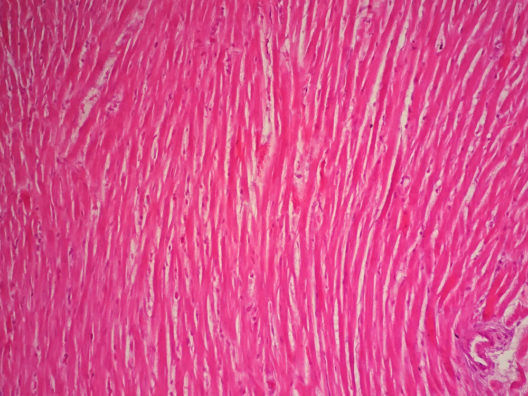
The human heart is an organ whose cells rarely divide, making tissue repair and regeneration a huge problem following a heart attack. Many animals, such as zebrafish and salamanders, are different; they can regenerate damaged hearts easily.

As humans, we also once had the same regenerative capacity during our early development, but after we were born, we lost this ability. This is also true for many other organs, including the brain, spinal cord, and pancreas. The cells in these tissues divide very rarely if at all, and this is a big problem. But, what if we could get that regenerative ability back and repair damage to our hearts the way these amazing animals do?

Researchers have been trying for decades to find out how we can enjoy the same tissue regeneration, but they have met with limited success—until now.

Unlocking cell division in cardiomyocytes

A research team led by Dr. Deepak Srivastava, president of the Gladstone Institutes, has finally achieved this long sought-after goal in a study published in the journal Cell[1]. The researchers have developed an efficient and reliable way of making non-dividing adult cardiomyocytes divide so that they can repair damaged hearts.

They identified four genes that regulate cell division in adult cardiomyocytes. When all four of them are combined together, they cause the cardiomyocytes to re-enter the cell cycle and start dividing quickly. They also demonstrated that following heart failure, these combined genes improve cardiac function significantly.

The researchers tested the technique in animal models using cardiomyocytes derived from human stem cells. They stained newly divided cells with a special dye in order to track them; they found that between 15 to 20 percent of the cells divided and remained alive thanks to the four-gene combo. This is a vast improvement on previous studies, which have only managed around 1 percent cell division in adult cardiomyocytes.

The team also made the technique simpler by identifying drugs that could replace two of the four genes involved in the combination. This still produced the same result as using all four genes and is significantly easier, logistically speaking.

Could be used in multiple tissues

As mentioned, the heart is not the only tissue that has cells that either do not divide or do so very slowly. The researchers believe that their technique could also potentially be applied to encourage other tissues and organs to regenerate. This is because the four genes are not unique to the heart and are found in other cells around the body.

If science can unlock the same regeneration in nerve cells, pancreatic cells, and retinal cells, this could be the basis of therapies for heart failure, brain damage, diabetes, blindness, and many other conditions. The good news is these four genes encourage cell division the same way in mice, rats, and human cells.

Conclusion

Manipulating non-dividing cells and returning them to the cell cycle to boost regeneration in organs and tissues holds great potential. Scientists have been working for decades to achieve this in the heart, and now it has been achieved. The next big step is to translate this approach to humans, and we wish them the very best in their future research.

Literature

[1] Mohamed, T. M., Ang, Y. S., Radzinsky, E., Zhou, P., Huang, Y., Elfenbein, A., … & Srivastava, D. (2017). Regulation of Cell Cycle to Stimulate Adult Cardiomyocyte Proliferation and Cardiac Regeneration.

Potential New Aging Biomarker in Urine

A potential new biomarker of aging has been discovered by researchers. This substance, found in urine, indicates oxidative damage that could be used to determine how much someone has aged biologically.

Why do we need biomarkers of ageing?

It is important for us to develop accurate and reliable biomarkers of aging, as these can show us how much we have aged biologically rather than chronologically. If we know how we are aging on a biological level, it can help to inform our healthcare strategy.

For example, it might help to predict our risk of developing certain age-related diseases as well as our likely life expectancy. Having this information could allow us to address problems sooner and potentially improve our health and lifespan by making lifestyle changes or starting treatment earlier.

There is an urgent need to develop accurate and cost-effective aging biomarkers in order to determine the efficacy of nascent therapies that target the aging processes; without suitable biomarkers, it will be difficult to prove that something has worked in order to get it approved for public use.

Ideally, a number of reliable biomarkers would be used to create a panel that can accurately assess the efficacy of a treatment. This makes it a must to identify cost-effective and practical aging biomarkers.

Oxidative damage markers

The new study has identified a new potential biomarker that is linked to oxidative damage and could be cost-effectively measured via urine samples[1].

One of the ways in which we age and our cells become damaged is through the action of free radicals. These oxygen byproducts are produced within the cell during normal metabolism. In particular, the mitochondria, the power plants of our cells, create these free radicals as they produce energy.

These free radicals then bounce around the inside of our cells, striking the cellular components and potentially damaging them. A strike to DNA, RNA or mtDNA, for example, can cause damage that leads to cell dysfunction. As we age, our levels of free radicals rise, and so we experience more oxidative damage. This damage then leaves oxidative damage markers, and this is the basis of the research here.

The researchers have identified 8-oxo-7,8-dihydroguanosine as a biomarker that results from oxidation of RNA. In a previous mouse study, the researchers found that 8-oxo-7,8-dihydroguanosine increases in urine with age. So, quite simply, as more oxidative damage is experienced, more 8-oxo-7,8-dihydroguanosine is expressed in urine.

It works in humans too

To test if this also applied to humans, the research team measured 8-oxo-7,8-dihydroguanosine in human urine samples from 1,228 people aged 2 to 90 years old. To do this, they used a very fast testing technique called ultra-high-performance liquid chromatography. Sure enough, they discovered an age-dependent increase of urinary 8-oxo-7,8-dihydroguanosine in people aged 21 years old and over.

The team also noted that the levels of 8-oxo-7,8-dihydroguanosine were similar between men and women, the exception being post-menopausal women, who had a higher level of the biomarker. The researchers believe that this may be due to the decrease in estrogen during menopause, as estrogen is an antioxidant.

Conclusion

8-oxo-7,8-dihydroguanosine could be an effective biomarker of aging, as it is a potentially cost-effective and fast way to determine the biological age of a person. This sort of biomarker is an invaluable tool in anti-aging research.

Literature

[1] Gan, W., Liu, X. L., Yu, T., Zou, Y. G., Li, T. T., Wang, S., … & Cai, J. P. (2018). Urinary 8-oxo-7, 8-dihydroguanosine as a potential biomarker of aging. Frontiers in Aging Neuroscience, 10, 34.

Researchers Discover How to Supercharge Stem Cells

Researchers at the School of Molecular Sciences at Arizona State University have discovered a potential way to supercharge our stem cells and reverse some aspects of cellular aging.

The Hayflick limit

Normal cells cannot divide indefinitely; they have a built-in replicative limit, which is often called the Hayflick limit after its discoverer, Leonard Hayflick. This Hayflick limit means that regular human cells are unable to replicate forever; once they reach their replicative limit, they cease to divide and enter senescence, a nondividing state in which the cell destroys itself.

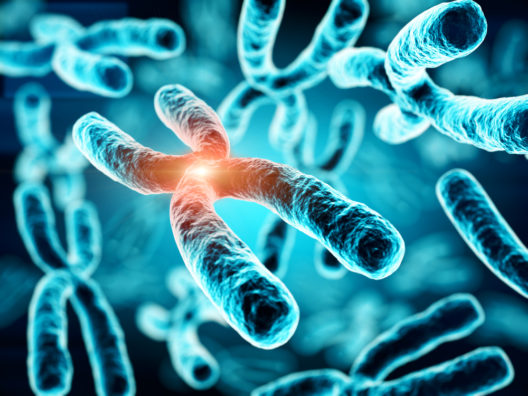
The Hayflick limit is directly related to the length of DNA repeats found on the ends of the chromosomes. These repeats form protective cap-like structures called telomeres, which protect the chromosomes from DNA mutations that can cause the genome to become unstable.

Every time a cell divides and makes a copy of itself, the telomeres shrink in size until they become so short that they cannot protect the chromosome ends. This continual telomere attrition is thought to be one of the reasons we age and acts like a “molecular clock” that counts down the replicative limit of cells. The loss of replicative potential in our cells is linked to the aging process, with reduced cell populations directly leading to the loss of tissue and organ function observed during aging.

A molecular fountain of youth

The enzyme telomerase helps to counteract telomere attrition by adding more DNA repeats to the caps, effectively rewinding the molecular clock to increase the lifespan of a cell and its potential to replicate. Some cells do produce telomerase, but most of our cells do not.

Our regular somatic cells do not produce telomerase, but this is not a problem because we want them to reach their replicative limit and destroy themselves via apoptosis, a programmed cell death process, once they reach their Hayflick limit. This is because aged cells may have picked up mutations during their lives, so keeping aged and potentially damaged cells alive and replicating is an invitation for cancer to develop.

The problem is that this steady loss of telomeres also affects our stem cells; these master cells can become various other types of cells, and they supply tissues with the cells they need to remain healthy. Stem cells combat telomere loss by producing telomerase, but this only serves to slow down the molecular clock and does not immortalize these cells. Stem cells are also better at repairing themselves than somatic cells.

Once stem cells start getting critically short telomeres, they also stop dividing and cannot replenish our organs and tissues. This causes another aging process, stem cell depletion, and leads to organ failure, poor tissue healing, and loss of tissue function.

Supercharging our stem cells

Understanding the underlying mechanisms of telomerase and replicative limits holds the potential to reverse telomere attrition and thus an important part of cellular aging. This has implications for preventing or reversing age-related diseases and potentially allowing us to live longer in good health.

The new study has discovered a critical step in the telomerase enzyme catalytic cycle; this cycle determines the ability of the telomerase enzyme to create extra DNA repeats on chromosome ends and thus maintain the telomeres[1].

The researchers show that telomerase has a kind of “braking system” that ensures the proper synthesis of DNA repeats. However, this brake also limits the overall activity of the telomerase enzyme, and finding a way to release this brake safely holds the potential to effectively restore lost telomere length in stem cells, partially reversing cellular aging and allowing tissue regeneration and the supply of fresh cells to continue.

The researchers demonstrate that this braking system relates to a pause signal that is encoded in the RNA template of telomerase. This means that once it has created a ‘GGTTAG’ repeat sequence, it pauses; when the next sequence is started and DNA synthesis begins again, this pause signal remains active and limits DNA synthesis.

This discovery also explains why a single specific nucleotide stimulates telomerase activity, solving a mystery that has eluded scientists for decades. In effect, this means that by specifically targeting the pause signal and turning it off, we remove its ability to interfere with repeat DNA synthesis. In effect, we could use this discovery to effectively supercharge telomerase, making it more efficient at replacing lost DNA repeats at a faster rate and thus keep pace with loss to a higher degree. This has the potential to rejuvenate our aging stem cells and keep our organs and tissues supplied with vital replacement cells.

It also has implications for treating various diseases that are linked to impaired telomerase activity, such as dyskeratosis congenita, aplastic anemia, and idiopathic pulmonary fibrosis.

Walk the line

While a therapy that targets this pause mechanism could partially reverse cellular aging and thereby prevent some age-related diseases, it would need to be carefully balanced. Too much of a good thing can be harmful, so a therapy would need to be carefully calibrated to maintain efficient cell regeneration without allowing unchecked cell proliferation. Essentially, we would be walking the line between highly efficient cell rejuvenation and tissue regeneration, and increased cancer risk.

The key is targeting the right cells. Somatic cells make up the majority of the cells in our bodies, and as mentioned previously, they do not produce telomerase, meaning that as they divide, they reach their Hayflick limit far sooner. This lack of telomerase activity in somatic cells is a mechanism that reduces the risk of cancer. Telomerase production is what most cancers use to fuel their rampant, uncontrolled growth, so it is a good thing that the ability to produce telomerase is turned off in our somatic cells.

The risk is that drugs that non-selectively increase telomerase activity in both stem cells and somatic cells are potentially dangerous. The researchers’ goal is to enhance telomerase activity and the production of DNA repeats selectively in stem cells while avoiding doing so in somatic cells.

The next step is to screen or design small-molecule drugs that can specifically target stem cells, turning off this pause mechanic as a path to therapies that address age-related diseases and help to restore youthful tissue and organ function to aged people.

Conclusion

Hopefully, we can find a way to walk the line between cancer and enhanced tissue regeneration; after all, a number of species already do, as do we during early development. The usual caveats apply here, this is only initial in vitro data and an in vivo study will need to follow to see if it is effective. Should this pan out then it has the potential to treat various age-related diseases, and that will be very welcome news indeed!

Literature

[1] Chen, Y., J.D. Podlevsky, D. Logeswaran and J.J.-L. Chen (2018). A single nucleotide incorporation step limits human telomerase repeat addition activity. EMBO. J. 37: e97953, DOI 10.15252/emboj.201797953.

Caloric Restriction Improves Regeneration in Intestines

Caloric restriction has long been known to increase the lifespan and healthspan of most studied animals. Research also shows that animals given a calorie-restricted diet are also generally more able to regenerate tissue damage following injury.

Caloric restriction improves tissue regeneration

A new study by the Lengner lab at the University of Pennsylvania has identified the actual cells responsible for this increased regenerative capacity in intestinal tissue[1]. The researchers found that when a mouse given a calorie-restricted diet is exposed to radiation, a specialized type of stem cell known as a reserve stem cell is able to survive and rapidly repair intestinal tissues.

Numerous studies have shown that caloric restriction, while unpleasant, can improve healthspan and reduce the risk of diabetes, heart attack, and some other age-related diseases. Studies also show that caloric restriction allows animals to regenerate injured tissues more efficiently.

However, the effects of caloric restriction are really beyond debate, given the amount of supporting data. What was not clear was the molecular and cellular basis for the observed health benefits.

It had been proposed that caloric restriction works and increases tissue repair by influencing the activity of stem cells. These are tissue-resident stem cells that change into the various cell types of their native tissues. The research team had previously explored how some stem cells in the intestines resist DNA damage and the reasons that caloric restriction might be influencing these stem cells to resist damage.

They had reviewed recent studies that looked at the effects of caloric restriction on the active intestinal stem cells commonly found in this tissue. These active stem cells are the workhorses of the tissue, creating the high turnover of cells needed in this environment, but they are also easily damaged by radiation exposure. The researchers, therefore, felt it was unlikely to be the intestinal stem cells that were responsible for the increased regeneration that caloric restriction provokes.

Reserve stem cells to the rescue

Their attention moved to another type of stem cell found in the intestinal tissue, the reserve stem cell. In a previous study, the team had demonstrated that these particular stem cells are generally in a dormant state and remain well protected from radiation and similar insults, such as chemotherapy. They found that these dormant stem cells become activated when serious injury kills the active stem cells in the tissue; once this happens, the reserve stem cells go into high gear and start to repair the tissue. So, the researchers proposed that these cells were responsible for the regenerative effects of caloric restriction.

In order to test this, the team looked at how these specialized intestinal stem cells responded to caloric restriction in mice and when exposed to insult from radiation.

The mice were given a diet that was 40 percent lower in calories than a regular diet; the researchers saw that the reserve stem cells expanded by a five-fold ratio after becoming increasingly active. Additionally, the team found that selectively removing these cells from mice cut their regenerative capacity in half in the intestinal tissue. This suggests that reserve stem cells play a key role in tissue repair and regeneration and that caloric restriction boosts their activity.

Next, the researchers honed in on the exact mechanisms through which these cells were acting, and to do so, they compared the gene expression of normal mice versus calorie-restricted mice. They found that the reserve stem cells suppressed various pathways known to be regulated by the nutrient-sensing complex mTOR (mammalian target of rapamycin).

The mTOR pathway is one of the four pathways that control metabolism and is known to influence aging; this is part of deregulated nutrient sensing, a hallmark of aging. Other studies show that activating mTOR can mobilize dormant stem cells, which is needed in order for tissue to be regenerated, as it serves as a wake-up call.

The researchers here discovered that reserve stem cells had low mTOR activity, which became even lower during caloric restriction. Also, lower mTOR activity correlates with better resistance to injury. However, if the tissue needs to regenerate after an injury, the reserve stem cells would need mTOR. Strangely, they found that when injured, the calorie-restricted mice could activate mTOR better than the control mice.

This suggests that even though mTOR is initially suppressed by the reserve stem cells, it is also more readily activated in calorie-restricted mice following injury. Why this happens is not yet known, but the researchers intend to find out in a follow-up study.

Finally, the research team tested leucine, an amino acid that activates mTOR, and rapamycin, a drug known to inhibit mTOR activity. They wanted to find out if mTOR regulated the activity of reserve stem cells and found that stem cells proliferate when exposed to leucine and were inhibited when exposed to rapamycin.

The researchers found that on one hand, leucine made reserve stem cells more vulnerable to radiation and less able to regenerate tissue damage following radiation injury. On the other hand, they found that rapamycin protected the reserve stem cells from radiation by keeping them dormant.

The mTOR pathway and its seemingly paradoxical role here poses an intriguing puzzle and as their next step, the researchers plan to look beyond nutrient sensing to see what type of signalling molecules can encourage the activation of reserve stem cells. It seems that keeping mTOR levels lower supports longevity, but that there is a fine balance between keeping it low but allowing it to be expressed when required during injury.

A word of caution

It should be pointed out that this experiment was in mice, but the health benefits do appear to translate to humans, as various studies show. Unfortunately, while mice do live considerably longer when on caloric restriction, this increase in lifespan is not seen in humans.

Broadly, caloric restriction is beneficial to humans, so it is still worth considering, and other studies suggest that this improved regeneration is also seen in other tissues. There are also some people who might think that rapamycin may be a way to have your cake and eat it.

However, we should be cautious here. Rapamycin is not a suitable replacement for caloric restriction, as its effects are long-lasting and would continue to prevent stem cell activation following injury; this would lead to poor tissue regeneration, as reserve stem cells would not be mobilized effectively. While rapamycin and caloric restriction do share some common targets, they are not the same.

Like rapamycin, caloric restriction does inhibit mTOR but, as this experiment shows, can be easily reversed as a response to injury. This is not the case with rapamycin, which remains in the system and continues to inhibit mTOR regardless of injury and thus reduces the regeneration of tissue.

Conclusion

Sorry, folks; for the time being, there is no pill to mimic the effects of caloric restriction, so if you want the health benefits, cutting your calories is currently the only way to go.

Literature

[1] Yousefi M, Langner C (2018). Calorie Restriction Governs Intestinal Epithelial Regeneration through Cell-Autonomous Regulation of mTORC1 in Reserve Stem Cells.Stem cell reports 10.1016/j.stemcr.2018.01.026

FDA RMAT Framework is Win-Win for Gene Therapies

Back in November 2017, the FDA announced a comprehensive policy framework for the development and oversight of regenerative medicine products, including novel cellular therapies. Both draft guidance documents had 90-day comment periods, and we at LEAF joined forces with the Niskanen Center to submit comments to the FDA to ensure that the voice of the community for healthy life extension was heard. These new regulations could have considerable implications for the therapies and technologies being developed as part of the biomedical gerontology field.

The first draft guidance addresses how the FDA intends to optimize its regulatory requirements for devices used in the recovery, isolation, and delivery of RMATs (regenerative medicine advanced therapies), including combination products.

The second document explains what expedited programs may be available to sponsors of regenerative medicine therapies and describes what therapies may be eligible for RMAT designation.

According to new FDA regulations, a drug is eligible for designation as an RMAT if:

  • The drug is a regenerative medicine therapy, which is defined as a cell therapy, therapeutic tissue engineering product, human cell and tissue product, or any combination product using such therapies or products, except for those regulated solely under Section 361 of the Public Health Service Act and part 1271 of Title 21, Code of Federal Regulations;
  • The drug is intended to treat, modify, reverse, or cure a serious or life-threatening disease or condition; and
  • Preliminary clinical evidence indicates that the drug has the potential to address unmet medical needs for such disease or condition

We hope that this joint project will support the improvement of US regulations that concern these innovative treatments and will make the overall regulatory landscape more friendly. Below, we cite the most important notes from our resulting paper.

Last week, the Niskanen Center joined with the Lifespan Extension Advocacy Foundation in filing comments to the Food and Drug Administration (FDA), offering our support for the agency’s new regenerative medicine advanced therapy (RMAT) designation draft guidance for industry. Although there are opportunities for marginal improvements to the guidance, and FDA approval processes more generally, we are happy to see that the agency chose to include gene therapies in its interpretation of what qualifies as a regenerative medicine therapy. Under section 3033 of the 21st Century Cures Act, the FDA was tasked with developing an accelerated approval process for regenerative advanced therapies. Such therapies would qualify for expedited review and approval so long as the drug (a) met the definition of a regenerative medicine therapy, (b) was “intended to treat, modify, reverse, or cure a serious condition,” and (c) “has the potential to address unmet medical needs” for a serious disease or condition. Unfortunately, the bill’s definition of a regenerative medicine advanced therapy was unclear on whether gene therapies, in particular, would qualify. Luckily, the FDA clarified this point. As the RMAT guidance document notes: gene therapies, including genetically modified cells, that lead to a durable modification of cells or tissues may meet the definition of a regenerative medicine therapy. Additionally, a combination product (biologic-device, biologic-drug, or biologic-device-drug) can be eligible for RMAT designation when the biological product component provides the greatest contribution to the overall intended therapeutic effects of the combination product. This is an excellent development and one that portends immense benefits for future gene therapy applications submitted for FDA approval. According to the guidance, the new RMAT designation, unlike other fast-track approval and review processes, “does not require evidence to indicate that the drug may offer a substantial improvement over available therapies.” Liberalizing the threshold standards of evidence for RMAT designation ensures that future gene therapies will encounter fewer unnecessary roadblocks in delivering more effective and innovative treatments for individuals suffering from debilitating diseases. As we note in our concluding remarks: Overall, we consider the RMAT guidance to be a stellar improvement over other expedited programs, especially in its qualifying criteria. However, greater clarity is needed in order to capture the benefits of more advanced cell therapies that can help contribute to the healthy aging and well-being of American citizens. As FDA Commissioner Scott Gottlieb recently noted: “The benefits of [gene therapy] science—and the products that become available—are likely to accelerate. How we define the modern framework for safely advancing these opportunities will determine whether we’re able to fully realize the benefits that these new technologies can offer.” We agree wholeheartedly. Developing a regulatory framework that accommodates safety and innovation will be a key determinant of how quickly the benefits of regenerative medicine, gene therapy, and anti-aging research revolutionize the lives of Americans. This guidance is an important and promising step in the right direction. With the right modifications, it can help usher in a new age of healthcare improvement for individuals from all walks of life.

You can also read and download the full comments submitted to the FDA here.

Dentists May Soon Regenerate Teeth Using GSK3 Antagonists

What if I told you that we could regenerate our teeth? Well, that may soon be a possibility thanks to new research showing that teeth can be encouraged to regrow. Rather than drilling holes into teeth and plugging them with artificial fillers, dentists in the near future may be able to rebuild your teeth with a new technique.

Stimulating stem cells

Professor Paul Sharpe, a scientist based at King’s College in London, and his team have found a way to do just this in mice. They published a study last year that described this new approach[1].

The researchers wanted to increase the natural ability of teeth to repair themselves by activating the stem cells that reside in the dental pulp of teeth. They knew that previous research showed that the wnt signaling pathway is a key pathway for stem cell activity in many parts of the body, and they wanted to see if it works the same way in teeth.

The researchers believed by that using drugs to stimulate the wnt pathway, they could increase stem cell activity in teeth and boost their regenerative potential significantly. Normally, this level of regeneration is only seen in animals like starfish and salamanders, but the researchers wanted to see if we can benefit from the same regenerative capacity.

To see if this would work, the team drilled holes into the molar teeth of mice to simulate dental cavities. Next, they exposed collagen sponges (the same protein found in the dentin in teeth) to a variety of drugs known to stimulate the wnt pathway. Then, they placed these sponges into the cavities and sealed them in for between 4 to 6 weeks.

After this time, the researchers saw that the teeth exposed to these sponges had created a lot more dentin than the control mice and mice given typical dental fillers. The researchers observed that this was essentially a full repair and, in most cases, the teeth of the mice were as good as new.

The next step towards clinical trials

Since then, the researchers have tested the technique on rats, which have considerably larger teeth than mice, making them the logical next step. The research team report that the therapy worked equally well on the rats as it did in the mice in the original study; however, the data is yet to be published.

The researchers are now screening their drug candidates to identify the most effective of the wnt-stimulating drugs. They are also adapting the technique to work with modern dental practices by injecting a gel containing the drug into a dental cavity and hardening it using a UV light to seal it in. This is similar to how dentists currently seal and repair teeth, so this technique would be easy to incorporate into dental practice.

Literature

It will be several years before this enters human clinical trials, but the results so far are promising, and the process may be quicker than normal because a number of the candidate drugs are already approved for human use. The arrival of this technique will revolutionize dentistry and is a great step forward for regenerative medicine in general.

Such techniques have the potential to translate to other tissues to help encourage regeneration, so it is also relevant to aging research. We look forward to more developments from this team in the future.

References

[1] Neves, V. C., Babb, R., Chandrasekaran, D., & Sharpe, P. T. (2017). Promotion of natural tooth repair by small molecule GSK3 antagonists. Scientific reports, 7, 39654.

Treating Aging as a Disease

Aging and cancer are closely linked, with the latter being, more often than not, a consequence of the former. Cancer is caused by the aging hallmark of genomic instability, and the two are intertwined. While it is true that young people can get cancer, it is a disease that generally affects older people; indeed, beyond 60, the risk of cancer rises greatly.

Society often talks about the search for a cure for cancer but rarely considers the root of that disease: the genomic damage that gives rise to uncontrollable cell division and the immortalization of mutant cells. It is therefore quite irrational that some people consider cancer to be a disease but rarely accept that the aging processes behind it are also pathological and could potentially be directly treated to prevent cancer in the first place. These processes are not given disease names, but they drive pathology and the appearance of disease. We explore this topic in more detail here.

Ten years ago, the idea that aging might be treated just the same way as a disease was often the subject of ridicule and mockery; however, things have definitely changed since then. More recently, journalists have taken the topic more seriously, there are more articles exploring the subject, and, on the whole, the level of mockery has fallen. This is likely no surprise to those of you who have been following the field for more than a few years, given its increases in funding, investment, and scientific publications.

“If you can control both the environment and the genetics, you can get people that live youthful healthy lives for exceptionally much longer than others. In industrialised nations, most of the diseases are due to age-related diseases and I think those too can be handled.” – Professor George Church

A great example of this change is the number of popular-media articles that have appeared in the last year or two about clearing senescent cells using senolytics. This is excellent news because senolytics are a true repair-based approach to aging and are now being developed by several companies with serious investment behind them.

“We want to fix the things we don’t like about the changes that happen between the age of 30 and the age of 70” ­- Aubrey De Grey

The ambitious quest to cure aging like a disease

Today, I would like to draw your attention to an article in the BBC, which, in all fairness, is pretty comprehensive in its discussion of the field. It is also nice to note that, in general, this article is also positive about the prospect of doing something about aging.

Of course, no discussion about the potential of a future free from age-related diseases would be complete with the other side of the coin. More often than not, journalists feel almost compelled to include a counterpoint to people advocating for healthier and longer lives through science and technology. The tired old arguments are frequently included for the sake of balance, including the idea that we should just accept aging and suffering as natural and not try to do something about it.

Extending human lifespans by decades or even hundreds of years will present us with some difficult social realities. As BBC Future has explored before, there could be major societal impacts if we all start living longer. There are some that fear greater longevity could lead to swelling populations and raise doubts that our planet could support such numbers.

I am happy to see that such concerns do not dominate this article and that the actual science, progress, and figures working in the field are given more of the spotlight. There is almost no doubt that these disruptive technologies will create challenges for society, but, by the same token, I am confident that, as a society, we will adapt to them and create a better world as a result. Of course, experiencing challenges and finding solutions to them is what mankind has been doing since we first formed societies, and the arrival of rejuvenation biotechnology will be no exception to this rule.

Conclusion

It is refreshing to see a more positive portrayal of the field, especially in such high-profile media as the BBC. More of these kinds of articles are sure to follow as we draw ever closer to the arrival of the technology that could potentially end age-related diseases. A healthy, long life, free from the diseases of old age, is the kind of future that people working in this field want, and hopefully, the greater portion of society will soon agree with us.

A Potential Blood Test for Alzheimer’s Disease

A simple technique to measure the amount of amyloid beta in the brain could improve diagnosis and drug trials for Alzheimer’s disease, according to the results of new research.

A simple blood test

Japanese researchers led by Dr. Katsuhiko Yanagisawa have published a new study suggesting that a screening test could help to boost the success rate of Alzheimer’s drug research. The research team has shown that a simple blood test can accurately measure the amount of amyloid beta, a protein that appears in the early stages of Alzheimer’s disease.

Amyloid is a typical pathological feature of Alzheimer’s disease, so being able to discern how much amyloid is present is key when designing optimal clinical trials. Currently, the only way to measure amyloid accumulation in a living person is either via an expensive positron emission tomography imaging (PET scan) or by taking a sample of cerebrospinal fluid (CSF) via a lumbar puncture, or spinal tap. A blood test would be a far less invasive and costly procedure to help determine how much amyloid is present in a patient.

The researchers believe that suficient amounts of amyloid beta penetrate the blood-brain barrier and enter the bloodstream to be a reliable measure of cognitive function. The hope is to replace the current, costly analysis methods with a simple, cost-effective way to detect preclinical Alzheimer’s and disease progression while improving clinical trials.

In order to measure the amyloid present in the bloodstream, the research team used a technique known as immunoprecipitation with mass spectrometry, which uses antibodies to bind to target proteins. The study included 121 people from Japan and 252 from Australia; of this group, there were people with normal brain function, mild cognitive impairment and Alzheimer’s disease.

The researchers noted that the amount of amyloid present in the bloodstream correlated directly with the level of cognitive impairment. The level of blood amyloid also correlated with results from PET scans and spinal fluid samples from the same patients; this confirms that the blood test is effective.

The researchers are now continuing their study and expanding it in the hopes that they can bring an amyloid blood test closer to standard clinical use.

Conclusion

Having a reliable, non-invasive, and cost-effective biomarker for Alzheimer’s disease is a great result for clinical trials and drug development and may even find utility with home users who wish to monitor their health. We wish the researchers the best of luck and hope that soon, this test will be accepted as standard medical practice.

Literature

[1] Akinori Nakamura, Naoki Kaneko, Victor L. Villemagne, Takashi Kato, James Doecke, Vincent Doré, Chris Fowler, Qiao-Xin Li, Ralph Martins, Christopher Rowe, Taisuke Tomita, Katsumi Matsuzaki, Kenji Ishii, Kazunari Ishii, Yutaka Arahata, Shinichi Iwamoto, Kengo Ito, Koichi Tanaka, Colin L. Masters & Katsuhiko Yanagisawa (2018). High performance plasma amyloid-β biomarkers for Alzheimer’s disease. Nature doi:10.1038/nature25456

Skulls

The Misconception of the Two Deaths

When we talk about life extension, we mean people living much longer than they do now, and, more importantly, people who are healthier for longer. For example, we mean being 120 with the health of a 30-year-old. Hang on, though—hasn’t a person who is 120 years old already more than lived their life? Hasn’t that person’s time more than come?

News flash: you haven’t lived your life until you’re dead, and even then, you might not necessarily have crossed off all the items on your list. So, no, there is no such thing as an age when you have, by definition, “already lived your life”—not 80, 90, 100, nor any other. What people actually mean when they say that someone has “already lived their life” is that, in their opinion, that person has lived long enough, and thus he or she might as well, and perhaps even should, die.

People who, for one reason or another, fear a world without aging tend to say things like that. Personally, I am much more afraid of a world where other people get to tell you when your life has been long enough, and, consequently, I tend to say that the only one who should have the right to decide when you’ve lived long enough, if ever, is you—not other people, not nature, not an imaginary greater good. You.

However, I don’t think that these people just like telling others how long they should live; rather, it is my opinion that they fall prey to a common misconception, which I like to call the misconception of the two deaths.

How many kinds of death are there? Well, as a first approximation, you might be tempted to answer “two”; there is death by old age, and then there are other causes. (In case you’re wondering, these are exactly the two deaths that give the misconception its name, so, as you might guess, this answer is wrong.) Then, if one wants to be pedantic, one could start listing examples of the other causes, and thus the answer might easily become “many”. This is wrong too, by the way.

The correct answer is one. There is only one kind of death, namely death by “something essential in your body stopped working.” Then, of course, we can go into details, such as what specifically stopped working and why, but they’re indeed just details, useful mainly to any doctors who were trying to prevent your death or to the coroner to write on your death certificate.

Let me give you an example. Suppose I got shot in the heart. (Hopefully that won’t happen.) What killed me would be the fact my heart stopped; in turn, what caused my heart to stop was the bleeding hole that the gunshot punched into it. Similarly, if I died of a heart attack, the cause of death would still be that my heart stopped, but what caused it to stop would be something else—probably, I read a pro-aging article or something like that.

So, when people say that someone has died of old age, they’re just using shorthand to say that something essential in that person’s body stopped working, and the cause of that failure was something that has a higher likelihood to happen to you past age 70 or so.

What does this have to do with the whole issue of whether somebody has already lived their life or not? In my opinion—and, mind you, it’s just my opinion that we’re talking about—it has everything to do with it. I think that many people assume that all the deaths in the “other causes” category are not okay in the sense that, when you die of one of those, you have not yet lived your life; conversely, when you die of old age, they think you have. Probably, it’s because they think that the so-called death by old age:

  1. happens of its own accord, without external intervention;
  2. lets you live for as long as “naturally” possible;
  3. generally allows sufficient time for you to do all that is considered standard for human life (study, work, have a family, etc.);
  4. occurs at a point when you’re generally not healthy enough to do much else;
  5. is inevitable, which adds to the feeling that this is how it ought to be.

Point number one is only partially true. Sure enough, even with the healthiest of lifestyles, human genetics is such that you can’t really hope to live much more than 120 years (without more radical interventions, such as rejuvenation biotech). However, sufficiently unhealthy lifestyles can make the very same diseases of old age happen sooner. This means that the way you live your life affects how long your life will be; therefore, it’s not true that death by old age only happens of its own accord. Your external interventions, even something as relatively trivial as what you eat, can and do make a difference.

Consequently, point number two is not true. Even without opening the worm can of the meaning of “natural”, since the age at which the diseases of aging strike (and thus kill) you is influenced by your actions, it is by no means guaranteed that you couldn’t have lived longer than you did if only you had made different lifestyle choices, even something as simple as eating in a more healthy way.

Points three and four are the truly interesting ones here. Currently, the life of an average human entails a number of standard milestones whose achievement pretty much defines how much of a successful, or at least “normal”, life one has lived. We’re talking mainly about studying, having a career, starting a family, perhaps becoming good at any hobbies you might have, having grandkids, and then “enjoying” your “golden years”.

These milestones dictate the rhythm of our lives to such an extent that not only do people cast suspicious glances at you when you fail to deliver on schedule (“You’re thirty already; when are you going to have kids?”, “Isn’t it about time you settled down and had a career?”, etc); but also, most people think that, once these goals are accomplished, there wouldn’t be much else to look forward to even if you were healthy enough to accomplish more, and as per point four, you’re not anyway.

These two points are pretty much the very essence of this whole “having already lived one’s life” thing; past the standard milestones, there isn’t anything else worth doing, and even if there was, you’re in no condition to do it. Hence, you’ve pretty much already lived your life. One might even think that human lifespan is just long enough to let us do precisely all we want or need to do.

This is completely backwards, of course. Human lifespan didn’t stretch and shrink just enough to perfectly accommodate our favourite milestones. Rather, we adapted to our lifespan, planning and scheduling our lives, our societies, and our policies around our biological limitations. Our standard milestones and their chronological progression are a consequence of our average healthspan and lifespan, not vice versa. The “normal” course of life outlined above is by no means the right one, better than others, or what ought to be. It’s just all we could afford under the circumstances. For some people, it might be enough; for others, it might be terribly insufficient. However, I do think that, given the option, many people who profess their satisfaction with the current state of affairs might seriously reconsider.

This brings us to point five, which, up until this moment in history, has made the whole discussion moot; whether it occurs sooner or later, death by old age is inevitable. So, not only is there little point discussing ifs and buts, but maybe, if things stand the way they do, there’s a good reason. Isn’t it comforting to think that, if we’re all doomed to die, there’s a good reason why this is so? Pretty much the way that a fervent believer may not understand why God let so many innocents die in a terrorist attack, or a war, or a catastrophe, but is relieved to think He must have had a good reason to do so, many people think old age comes to take us away for some higher purpose—preventing overpopulation, boredom, or whatever.

With the advent of pioneering rejuvenation biotechnology, the inevitability paradigm of point five is starting to crack, and as it will become clearer and clearer that defeating aging is possible, I argue that many people will do away with the idea that if aging exists, then it ought to, without even bothering going through the (obvious) reasons why this idea is fallacious. The previous four points, as we’ve seen, rest on seriously shaky grounds, and taken all together, these points don’t make death by old age any more acceptable than any other kind of death, and don’t mean in any way that when you die of aging, you had already lived your life and couldn’t—or shouldn’t—ask for more.

Who knows; maybe, there will come a point when you’ve already lived your life. However, when that point is, and whether and how your life should end, I think should be only in your hands.

Could Klotho Treat Dementia by Targeting Aging Itself?

Researcher Dr. Dena Dubal, from the University of California San Francisco, is considering a new approach to combat neurodegenerative diseases, such as Alzheimer’s disease and dementia, using a protein known as klotho.

Aging is the foundation of age-related diseases

Instead of trying to understand each of these diseases and the complex mechanisms unique to both, she considered what all these conditions have in common; the answer, of course, is aging.

Like all age-related diseases, these conditions develop because of the aging processes that damage us and prevent our bodies from repairing themselves effectively. These processes have been defined clearly in the Hallmarks of Aging, which divides aging into a series of processes and offers potential solutions to each[1].

Aging is the greatest risk factor for neurodegenerative diseases and one of the greatest challenges that the biomedical field faces. Dr. Dubal believes that our current understanding of aging could help us to combat neurodegenerative diseases. She asks, “Why don’t we just block aging?” In other words, she suggests targeting the aging processes to potentially halt multiple age-related diseases.

From Greek myth to modern science

With this in mind, she got interested in a protein called klotho, which is named after the Greek legend of Clotho, a mythological figure who created the thread of life and had control over when gods and mortals would die.

The klotho protein was originally documented in 1997 by researchers in Japan[2]. During this study, they also discovered the suppressive role that klotho has against some aspects of the aging process. They also learned that defective klotho gene expression in mice results in a syndrome similar to human aging, including a shorter lifespan, infertility, arteriosclerosis, skin atrophy, osteoporosis and emphysema.

It was later discovered that transgenic mice that produce more klotho live longer [3-4]. This was also confirmed in humans, as people who produce more klotho tend to live longer than people who produce less.

The klotho protein functions as a circulating hormone that binds to a cell-surface receptor and suppresses the intracellular signals of insulin and insulin-like growth factor 1 (IGF1); it is an evolutionarily conserved mechanism for extending lifespan. Klotho influences part of the aging hallmark known as deregulated nutrient sensing, one of the reasons we age.

Klotho is neuroprotective

Back in 2014, Dr. Dubal wanted to find out if klotho levels help our brains remain healthier as we age and reduce the impact of cognitive decline. She and her research team discovered that in both mice and humans, more klotho means better cognition, meaning that it is neuroprotective[5].

In humans, only around 20 percent of people have high levels of klotho, but Dr. Dubal wants everyone to benefit from its neuroprotective effect. Her research team wants to test the potential of klotho as a neuroprotective therapy.

The klotho protein exists in two distinct forms; the first is anchored in the cell membranes of the organs, mostly in the brain and kidneys, and the second form is seen when the protein becomes detached from its anchor and then floats around the bloodstream.

Dr. Dubal’s team discovered that they could simply inject this second form of the protein directly into mice and receive the same effect that genetically high klotho levels have.

Perhaps even more impressive was that the mice treated showed improved brain function within just four hours, and this treatment worked in young mice, old mice and an Alzheimer’s mouse model.

The next step for Dr. Dubal and her team will be to work out how klotho interacts with the brain without it crossing the blood-brain barrier. Once this information is discovered, it could then lead to a klotho therapy for humans to improve cognitive function and protect the brain from age-related diseases.

In a University of California San Francisco article, Dr. Dubal said, “For humans, the end game really is: how can we increase our ‘healthspan?’” She continues, “And that may go hand in hand with an increase in lifespan, because the things that help us to live longer are also the things that help us to live better.”

Conclusion

Once again, it is good to see respected researchers talking about combating age-related diseases by targeting the aging processes themselves. This approach has the potential for treating or preventing multiple diseases at once, and it is a shift in thinking that the medical industry is starting to accept. The sooner the majority of researchers take this approach, the sooner we can start to really do something about age-related diseases.

A therapy that influences deregulated nutrient sensing is an interesting prospect and may lead to a viable neuroprotective therapy if a simple injection works on humans the way it does on mice.

Literature

[1] López-Otín, C., Blasco, M. A., Partridge, L., Serrano, M., & Kroemer, G. (2013). The hallmarks of aging. Cell, 153(6), 1194-1217.

[2] Kuro-o, M., Matsumura, Y., Aizawa, H., Kawaguchi, H., Suga, T., Utsugi, T., … & Iwasaki, H. (1997). Mutation of the mouse klotho gene leads to a syndrome resembling ageing. nature, 390(6655), 45.

[3] Kurosu, H., Yamamoto, M., Clark, J. D., Pastor, J. V., Nandi, A., Gurnani, P., … & Shimomura, I. (2005). Suppression of aging in mice by the hormone Klotho. Science, 309(5742), 1829-1833.

[4] Dubal, D. B., Zhu, L., Sanchez, P. E., Worden, K., Broestl, L., Johnson, E., … & Kuro-o, M. (2015). Life extension factor klotho prevents mortality and enhances cognition in hAPP transgenic mice. Journal of Neuroscience, 35(6), 2358-2371.

[5] Dubal, D. B., Yokoyama, J. S., Zhu, L., Broestl, L., Worden, K., Wang, D., … & Ho, K. (2014). Life extension factor klotho enhances cognition. Cell reports, 7(4), 1065-1076.