The Blog

Building a Future Free of Age-Related Disease

Ultrasound Machine

Ultrasound Rejuvenates Senescent Cells Through Autophagy

In a preprint paper, the researchers have shown that low-frequency ultrasound treatment decreases senescence and improves the physical performance of aged mice [1].

Mechanical approach

Cellular senescence, the inability of aged cells to divide while still being metabolically active, is one of the hallmarks of aging. Although senescent cells play an important role in various physiological processes such as tissue repair and tumor suppression, their accumulation with aging leads to pathologies.

As a result, several biotech companies are developing therapeutics that target senescence, such as Unity Biotechnology and Cleara. However, so far, none of the compounds have yet reached the market, and the only safe ways to slow down senescence seem to be exercise and possibly the consumption of nutraceuticals [2].

While there are still no approved drugs that would eliminate senescent cells or modulate the SASP, the researchers decided to look into mechanical ways of targeting these cells other than working out.

In this study, the scientists employed intermittent low-frequency ultrasound treatment first in vitro and then in vivo. The pressure produced by ultrasound mechanically disturbs cells triggering changes in their metabolism. As the results show, it is an effective method of rejuvenating senescent cells via autophagy activation.

In vitro results

First, the researchers induced senescence in cell cultures using several chemicals. The cells were then irradiated by 20-minute low-frequency ultrasound. The treatment reversed senescence as shown by a decreased cellular size and blocked SASP secretion.

Interestingly, a similar effect was achieved by exposing senescent cells to the factors secreted by low-frequency ultrasound-treated normal cells. Moreover, the treatment resulted in a sustained growth rate of normal cells that would otherwise become senescent.

Next, the researchers show that the treatment led to mitochondrial fragmentation and loss of lysosomes. In addition, when combined with rapamycin, ultrasound irradiation yielded an even better result. These results show that low-frequency ultrasound rejuvenates senescent cells via increased autophagy.

In vivo success

Following the positive results obtained in cell cultures, the researchers tested the effect of low-frequency ultrasound in aged mice of both sexes and how it compared to exercise. The mice were divided into 6 groups: exercise only, ultrasound only, exercise+ultrasound, rapamycin only, rapamycin+ultrasound, and controls.

As shown by a number of physical tests conducted before and after treatment, low-frequency ultrasound alone or in combination with either rapamycin or exercise improved the performance of the aged mice. A beneficial effect of the ultrasound treatment was also observed at the cellular level: the mice had fewer senescent cells in the pancreas and the kidneys.

The researchers also tested several ultrasound treatment frequencies (every day, every other day, every third day) and power levels. All of them proved beneficial performance-wise and in reducing senescence in the two organs.

Abstract 

Accumulation of senescent cells in tissue and organs leads to aging abnormalities. Rejuvenating senescent cells provides a strategy to ameliorate aging. We report here that low frequency ultrasound (LFU) rejuvenates senescent cells causing growth and loss of senescence markers. With fibroblasts and mesenchymal stem cells, LFU can enable increased cell expansion without altering phenotype. At a subcellular level, LFU causes mitochondrial fission and loss of lysosome staining that is enhanced by rapamycin or Rho kinase inhibition and blocked by Sirtuin1 inhibition, consistent with the hypothesis that LFU activates autophagy. In vivo, older mice are rejuvenated by LFU as measured by increased physical performance and decreased levels of senescent cells in kidney and pancreas measured by three markers. Thus, we suggest that LFU alone increases aged cell and whole animal performance.

Conclusion

While this has not been tested in people, this remarkable study demonstrates that it is possible to rejuvenate senescent cells by mechanically manipulating them with ultrasound waves alone. The treatment not only activates autophagy, suppresses SASP, and removes senescent cells, it improves the physical performance of aged animals. Similar to exercise, low-frequency ultrasound irradiation seems to trigger systemic responses in the organism.

We would like to ask you a small favor. We are a non-profit foundation, and unlike some other organizations, we have no shareholders and no products to sell you. All our news and educational content is free for everyone to read, but it does mean that we rely on the help of people like you. Every contribution, no matter if it’s big or small, supports independent journalism and sustains our future.


Literature

[1] Kumar, S. et al. Rejuvenating Senescent Cells and Organisms with Only Ultrasound. bioRxiv 2022.12.08.519320 (2022) doi:10.1101/2022.12.08.519320

[2] Sharma, R. Bioactive food components for managing cellular senescence in aging and disease: A critical appraisal and perspectives. PharmaNutrition 18, 100281 (2021)

Rejuvenation Roundup January

Rejuvenation Roundup January 2023

As 2023 continues, so does new research into rejuvenation, regeneration, and restoration. Let’s see what’s been done to reverse age-related diseases in January.

lifespan.io News

Team and activities

lifespan.io EditorialNew Year, Same Goal to End Age-Related Diseases: The new year is well underway, and we have been our usual busy selves. Join us for the first editorial of the year, and find out about the awesome things we have been doing for longer, healthier lives.

Lifespan News

NMN Optimal Dose: This episode focuses on a recent study showing that NMN has positive effects on walking distances and suggests an optimal dose for the supplement of 600 milligrams.

LSN MediterraneanMediterranean Diet Against Obesity: In this episode of Lifespan News, Emmett Short discusses the well-known, longevity-associated Mediterreanean diet and how a variant can promote weight loss. The Mediterranean diet, rich in olive oil, vegetables, legumes, fish, and nuts, is widely considered to be one of the most healthy and longevity-friendly diets.

Tearing Cells: Emmett Short focuses on a recently published paper in which senescent cells tear off portions of their membranes, leaving them attached to other cells.

Interviews

Emma Teeling Interview ImageEmma Teeling on What We Can Learn from Bats: Emma Teeling is a professor at University College of Dublin, and her research focuses on bats. In this interview, Emma explains why many bats, despite having tiny body sizes and leading very metabolically demanding lifestyles, are so amazingly long-lived.

Aubrey de Grey on LEVF and Robust Mouse Rejuvenation: Dr. Aubrey de Grey is a legend in the longevity field who has been steadfastly promoting the idea of life extension since well before it became mainstream. While with SENS Research Foundation, de Grey made significant contributions to geroscience, and at Longevity Summit Dublin last year, he announced the creation of his new brainchild.

Eric VerdinEric Verdin on the Buck, Nutrition, and Ketosis: Six years ago, Dr. Eric Verdin, already a highly acclaimed veteran geroscientist, was catapulted to the forefront of the field when he agreed to lead the Buck Institute for Research on Aging (or simply “the Buck”), a renowned research institution based in Novato, CA.

Rejuvenation Roundup Podcast

Ryan O’Shea of Future Grind hosts this month’s podcast, showcasing the events and research discussed here.

Journal Club

Partial Reprogramming Extends Lifespan in Old Mice: Journal Club has returned yesterday at noon on our Facebook page with host Dr. Oliver Medvedik. We are looking at a preprint this time where partial reprogramming factors were used to reverse some aspects of aging in old mice.

Advocacy and Analysis

UpdatesThe Hallmarks of Aging’s Original Authors Offer a Fresh View: The year 2023 started with the publication of two remarkable review papers in Cell and Cell Metabolism by researchers addressing the hallmarks of aging and their interplay with the hallmarks of cancer. These papers were authored by the same team that published the original 2013 Hallmarks of Aging paper.

Selfish, Reckless, Satanic: Life Extension in Movies: In the much-awaited sequel to the movie Avatar, there is a passing, peculiar mention of life extension. This mention, as can be expected, is negative.

Younger YouExploring the Biological Aging Advice in “Younger You”: Dr. Kara Fitzgerald’s new book provides an evidence-based approach to diet and lifestyle that aims to reduce your biological age along with a pragmatic and easily understood primer on the role of epigenetics and aging.

Research Roundup

Novel Longevity Gene Variants Identified in Centenarians: In a study published in International Journal of Molecular Sciences, a team of researchers known for their studies on long-lived individuals has discovered four new genetic loci that partially explain extreme longevity.

Injured muscleSenescent Cells Harm Muscle Regeneration in Mice: New research published in Nature has shown that senescent cells hamper muscle regeneration through inflammation and fibrosis.

A Single Target Improves Stem Cells in Aged Mice: Researchers publishing in the Nature journal npj Regenerative Medicine have zeroed in on a major reason behind stem cell exhaustion and determined that inhibiting it has significantly rejuvenative effects.

Completely differentSilly Walking for Serious Exercise: Researchers have shown that a particular walking style that many people immediately recognize can count as exercise, one of the most effective anti-aging interventions known to humans.

Gene Therapy to Induce Epigenetic Reprogramming: A preprint published in bioRxiv by scientists working at Rejuvenate Bio has described how gene therapy that allows for OSKM expression can be used to increase the lifespans of mice.

Intestinal moleculesNAD+ Supplement Protects Intestines from Alcohol in Mice: Scientists have shown that the NAD+ precursor nicotinamide riboside (NR) alleviates symptoms of leaky gut caused by ethanol consumption in mice by improving mitochondrial function.

Obesity Shown to Affect Brain Aging in Mice: Research published in Immunity & Ageing has shown that obesity has significant, aging-associated effects on behavior and immunity in the brains of mice.

DNA DamageDavid Sinclair: Epigenetic Info Loss Is a Cause of Aging: Published in Cell, a new paper by David Sinclair and his team argues that epigenetic dysregulation in the form of information loss is a major driver of aging, but it can be reversed in vivo by partial cellular reprogramming.

NMN Alleviates Silicate Lung Injury in Mice: A new paper published in Nutrients shows that the well-known NAD+ precursor NMN alleviates lung injury caused by silicate inhalation in wild-type mice.

Rodent on exercise wheelThe Microbiome Might Affect Motivation for Exercise: Scientists publishing in Nature have found that compounds produced by some types of gut bacteria can influence dopamine levels in the brain and, as a result, might influence motivation to go on a morning run.

Questioning the Usefulness of Model Organisms: In a new review paper published in GeroScience, the researchers explored the translatability of anti-aging interventions across species and received somewhat alarming results.

Ischemic strokeThe APOE4 Gene Is Associated With Worse Stroke Outcomes: Researchers publishing in Aging have found that there is a correlation between the Alzheimer’s-associated APOE4 gene and poor outcomes after ischemic stroke.

Senescent Cells Leave Fragments Attached to Other Cells: In a preprint paper, scientists have reported that senescent cells transiently adhere to neighboring cells, and, upon departure, leave in place large membrane-enclosed fragments of themselves.

Triple negativeNMN Reduces Metastasis in Difficult Breast Cancer Model: In a new paper published in Nature, scientists have found that raising NAD+ levels via supplementation with nicotinamide mononucleotide (NMN) activates SIRT1 to dampen metastasis in mouse triple negative breast cancer models.

Caloric Restriction Does Not Extend Lifespan in Every Model: In a preprint paper, researchers have evaluated the effect of caloric restriction on two long-lived planarian species in various environments that mimic the stochasticity of the real world.

CapillariesBrain Aging on a Small, Physical Level: A new publication in Nature Aging has explained a great deal about aging of the neurovascular system, showing where and how the brain’s blood supply changes with aging in a mouse model.

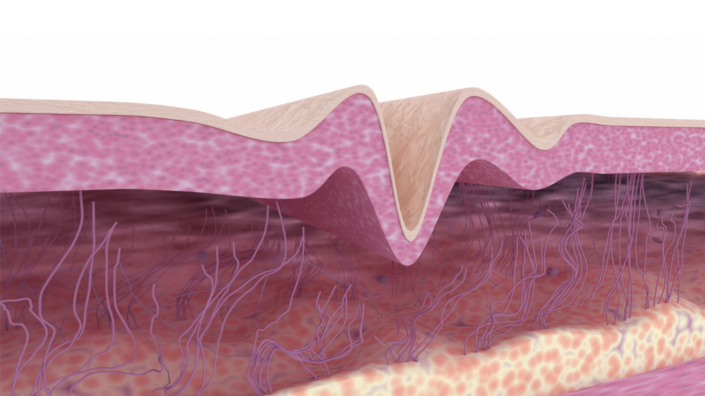
New Way to Help Aging Cells Produce Collagen: Scientists have demonstrated that extracellular vesicles loaded with mRNA coding for collagen production can be easily produced and delivered into aging fibroblasts in vitro and in vivo, boosting collagen levels and eliminating signs of skin aging in mice.

Heart attackGene Therapy for Heart Regeneration in Living Animals: Research published in Cell Stem Cell has described how previously unmodified animals have been given regenerative abilities akin to those of zebrafish, restoring their heart muscle after injury.

Longevity-Associated Allele Protects Heart Function in Mice: Scientists have shown that a longevity-associated variant of the BPIFB4 gene protects cardiovascular health, including when introduced by viral vectors.

Nicotinamide riboside improves muscle mitochondrial biogenesis, satellite cell differentiation, and gut microbiota in a twin study: Overall, these results suggest that NR acts as a potent modifier of NAD+ metabolism, muscle mitochondrial biogenesis and stem cell function, gut microbiota, and DNA methylation in humans irrespective of BMI.

Effect of Sirolimus/Metformin Co-Treatment on Hyperglycemia and Cellular Respiration in BALB/c Mice: This study showed that co-treatment of sirolimus with metformin alleviates hyperglycemia induced by sirolimus without any deleterious effects.

Lithium treatment extends human lifespan: findings from the UK Biobank: Nutritional lithium uptake from drinking water was repeatedly found to be positively correlated with human longevity.

Dietary genistein increases microbiota-derived short chain fatty acid levels, modulates homeostasis of the aging gut, and extends healthspan and lifespan: Genistein-associated propionate also promoted regulatory T cell-derived interleukin 10 production, which alleviated macrophage-derived inflammation.

Effect of phosphodiesterase type 5 inhibitors on major adverse cardiovascular events and overall mortality in a large nationwide cohort of men with erectile dysfunction and cardiovascular risk factors: Rather than evidence of harm, this paper shows that these drugs may have cardioprotective effects.

Topical Lactiplantibacillus plantarum LB244R® ointment alleviates skin aging: An exploratory trial: This approach improved all measured parameters with statistical significance after 56 days of application

NAMPT encapsulated by extracellular vesicles from young adipose-derived mesenchymal stem cells treated tendinopathy in a “One-Stone-Two-Birds” manner: This study demonstrates an effective novel therapy for tendinopathy and uncovers the influence of donor age on curative effects by clarifying the detailed biological mechanism.

Convergent genomics of longevity in rockfishes highlights the genetics of human life span variation: This evolutionary intersection defines and cross-validates a previously unappreciated genetic architecture that associates with the evolution of longevity across vertebrates.

Interactomics: dozens of viruses, co-evolving with humans, including the influenza A virus, may actively distort human ageing: These findings, predicting age-distorters and targets for anti-ageing therapies amongst human viruses, could have fundamental and practical implications for evolutionary biology, ageing study, virology, medicine and demography.

Virus exposure and neurodegenerative disease risk across national biobanks: As vaccines are currently available for some of the associated viruses, vaccination may be a way to reduce some risk of neurodegenerative disease.

Functional T cells are capable of supernumerary cell division and longevity: These observations provide a model to better understand memory cell differentiation, exhaustion, cancer and ageing.

Cross-sectionally calculated metabolic ageing does not relate to longitudinal metabolic changes – support for stratified ageing models: These results are better explained by a stratified model where ageing rates per se are similar in adulthood but differences in starting points explain diverging metabolic fates.

Evolution of Longevity as a Species-Specific Trait in Mammals: The article presents mathematical indicators used to assess the predisposition to longevity in different species.

News Nuggets

ImmunisImmunis Begins Clinical Trial of Stem Cell Secretome: Intending to treat sarcopenia, the private biotechnology company Immunis has begun a human clinical trial of a stem cell secretome product that affects the immune system.

Gero Enters Research Collaboration with Pfizer: Gero announced that it has entered into a research collaboration with Pfizer to apply Gero’s machine learning technology platform to discover potential therapeutic targets for fibrotic diseases using large-scale human-based data.

LonghackIntroducing A Longevity Hackathon for Accelerating Research: The latest hackathon event, LongHack, hosted by the VitaDAO team, focused on discovering new approaches to longevity science and inspiring new initiatives in the field.

Allogeneic CAR-T Cells Complete Phase 1 Trial: The results of a Phase 1 clinical trial of allogeneic CAR T cell therapy against multiple myeloma, a cancer of B cells, have been published today in Nature Medicine, and they appear to be promising.

Open GenesOpen Longevity Foundation Announces Open Genes Database: Open Longevity Foundation has announced Open Genes, a database of longevity-associated genes and a tool for future anti-aging therapy development.

Longevity Investors Lunch at Davos: A Longevity Investors Lunch hosted by Maximon, Longevity Investors Conference, and Biolytica has been hosted at a satellite event of the well-known Davos World Economic Forum (WEF) conference.

Medical fundingVitaDAO Closes $4.1 Million Fundraising Round: VitaDAO, a decentralized organization funding early-stage longevity research and biotech start-ups, has announced the successful closing of a $4.1 million funding round dedicated to financing future longevity projects and furthering its commercialization and licensing strategy for IP-NFT assets.

Coming Up

Longevity Nation – Enhancing Research, Development and Education for Healthy Longevity: This conference will explore the interdisciplinary interrelations of science, technology and society in addressing the challenges of population aging.

2023 HEALinc Future Health Summit: The 2023 HEALinc Future Health Summit, being held at the Atlantis Resort, Paradise Island, the Bahamas, is focused on shifting the paradigm on healthcare, pushing through bureaucratic hurdles and obsolete concepts in order to promote regenerative medicine and human enhancement technologies that can meet the world’s health needs.

We would like to ask you a small favor. We are a non-profit foundation, and unlike some other organizations, we have no shareholders and no products to sell you. All our news and educational content is free for everyone to read, but it does mean that we rely on the help of people like you. Every contribution, no matter if it’s big or small, supports independent journalism and sustains our future.

Medical funding

VitaDAO Closes $4.1 Million Fundraising Round

VitaDAO, a decentralized organization funding early-stage longevity research and biotech start-ups, has announced the successful closing of a $4.1 million funding round dedicated to financing future longevity projects and furthering its commercialization and licensing strategy for IP-NFT assets.

Key contributors to the fundraising round include Shine Capital, L1 Digital, decentralized science and Web3 organizations Beaker DAO and Spaceship DAO, longevity enthusiasts including Balaji Srinivasan (former CTO of Coinbase and General Partner at a16z) and Joe Betts-LaCroix (Retro Biosciences), and traditional pharmaceutical company Pfizer Ventures.

A fundraising round to advance longevity

VitaDAO’s $4.1 million fundraising milestone intends to benefit a number of current and future projects, allowing the DAO to accelerate its mission of improving human longevity.

Utilizing this funding boost, VitaDAO will continue to invest in lifespan and healthspan research, further commercialize emerging technologies, such as IP-NFTs in partnership with Molecule AG, and advance its activities in developing a global community of experts and longevity enthusiasts.

According to the DAO’s Dealflow Working Group Steward, Laurence Ion, “2022 was a highly successful year for VitaDAO, and the quality of research we have seen has been impressive.” He also noted the success of a number of VitaDAO’s projects:

We’ve also seen some of our projects move rapidly to the next stage in development — such as entering into clinical trials with Mantis Photonics and new data from the Morten Scheibye-Knudsen Lab at the University of Copenhagen and the Victor Korolchuk Lab at the University of Newcastle. This has further proven that a highly aligned community can contribute to advancing the science and clinical innovation in longevity research.

A look back at 2022

January

Changes to the voting process (Snapshot) made it easier and more transparent for DAO members to vote with less paid in Ethereum gas fees.

February

The DAO purchased the third IP-NFT relating to Evandro Fang’s lab and its research into Alzheimer’s disease. Additionally, the DAO contributed to a framework on fractionalizing IP-NFTs, setting a precedent for other organizations. The first round of VitaDAO fellows were announced, beginning a program intended to accelerate early-stage research.

March

VitaDAO put $100K towards the Longevity Hackers film, a feature-length piece raising awareness about the longevity field. The DAO also participated in a number of partnerships including with Peter Diamandis and PrimeDAO, the first of many new initiatives this year.

April

VitaDAO hosted the Crypto meets Longevity Symposium, bringing to light the growing integration of science and Web3 technology. In addition, the DAO participated in three discussion panels — female reproductive longevity, novel mechanisms to fund science, and biostasis and cryopreservation — and presented at ETH DeSci Day in Amsterdam.

May

New projects, were approved including Tim Peterson’s research into the development of cellular “soap” to combat pathogens and senescent cells and the funding of a 4-year doctoral program into DNA quadruplexes in age-related proteostasis.

June

Bounty payments as an incentive for creating a decentralized tech transfer network were approved to streamline the payment process for researchers, among other things. June also saw the funding of $50,000 into Repair Biotechnologies, focused on developing universal cell therapy for atherosclerosis.

July

VitaDAO launched the Longevity Prize, which raised over $250,000 to support early-stage ideas and research into longevity initiatives. The DAO also oversaw the introduction of multichain voting allowing its members to utilize both the Ethereum and Gnosis chains, making participation more straightforward.

August

Numerous publications including Lifespan and Nature Biotechnology covered the work of VitaDAO. Meanwhile, Tim Peterson, a VitaDAO member, launched an on-demand peer review service for longevity projects.

September

Jonathan An’s lab, focused on periodontal disease through geroscience, and ApoptoSENS’ work into developing CAR-NK cells were funded via IP-NFT, marking the fourth and fifth projects using this innovative method.

October

From driving awareness through a series of interviews with JellyfishDAO, to articles on the latest longevity research, VitaDAO used October to draw attention to the work done so far. In addition, the DAO also announced a new bounty dedicated to building a community-driven review paper.

November

The initial results of the Genesis funding round were announced, with impressive results coming to light for the first time. Pfizer Ventures ($500K), L1 Digital ($500K), Shine Capital ($1M), Healthspan Capital ($100K), and BeakerDAO ($75K) were named as some of the contributors to the fund.

December

Delegate voting was approved by the DAO, which allows members to allocate their votes to other members who they deem more knowledgeable in order to support the most worthwhile projects. In addition, shield voting was approved, allowing privacy during the initial voting stages.

Summary

VitaDAO is a global community of over 9,000 contributors, enthusiasts, and researchers, centered around the acceleration of research and development in longevity science, and the extension of human life and healthspan.

Its latest fundraising round hit $4.1 million, marking a milestone in the decentralized science (DeSci) sphere with high-profile contributors from a number of well-known organizations and individuals, including Pfizer Ventures, Shine Capital, L1 Digital, Beaker DAO, Spaceship DAO, Balaji Srinivasan (former Coinbase CTO), and Joe Betts-LaCroix of Retro Biosciences.

Funding from the round will be used in support of the DAO’s current and future projects focused on longevity science. In 2022, the DAO deployed $3.5 million across 15+ projects, with a focus on cellular biology and repair of damage related to certain hallmarks of aging.

Interested parties can participate in the DAO or apply for funding for longevity-related projects. VitaDAO welcomes applications from professors, postdoctoral scientists, researchers, and students.

We would like to ask you a small favor. We are a non-profit foundation, and unlike some other organizations, we have no shareholders and no products to sell you. All our news and educational content is free for everyone to read, but it does mean that we rely on the help of people like you. Every contribution, no matter if it’s big or small, supports independent journalism and sustains our future.

Running calico mouse

Longevity-Associated Allele Protects Heart Function in Mice

Scientists have shown that a longevity-associated variant of the BPIFB4 gene protects cardiovascular health, including when introduced by viral vectors [1].

All you need is LAV

Among age-related pathologies, cardiovascular disease is the most prolific killer, claiming about 700,000 victims every year in the US alone and as many as 18 million worldwide. However, some people seem to be more protected from cardiovascular disease, even when taking all other factors into account, which shows a role of genetics.

However, the known protective genetic variants are currently few and far between. Recently, scientists have turned their attention to a specific longevity-associated variant (LAV) of the BPIFB4 gene, which has been linked to longer healthspan and fewer cardiovascular complications. This variant produces a distinct isoform of the BPIFB4 protein and is associated with more of this protein reaching blood and vascular cells, which seems to provide protection from atherosclerosis [2].

Improved cardiac function and vascularization

In this new study, the researchers first conducted an immunohistological analysis of heart tissues from ischemic heart failure (IHF) patients and healthy controls. They found that IHF hearts showed lower levels of BPIFB4 in cardiomyocytes and endothelial cells, which correlated with reduced capillary density and pericyte microvascular coverage; pericytes are cells that sit at intervals along blood vessels and are important for angiogenesis, the formation of new vessels. However, tissues taken from controls were considerably younger than the IHF group, with median ages of 46 and 63, respectively.

In the IHF group, pericyte coverage was the highest in patients that were homozygous for the longevity-associated variant of the BPIFB4 gene. The researchers then analyzed pericytes from either IHF or healthy hearts and found several differences that indicated more prevalent cellular senescence and more signs of oxidative damage in the IHF group. Predictably, IHF pericytes contained less BPIFB4 mRNA and protein.

The researchers wanted to see whether adding recombinant LAV-BPIFB4 to IHF pericytes in vitro would rescue those defects. The treatment did reduce cellular senescence, as measured by the frequency of Ki67-negative and γH2AX-positive cells, and of oxidative stress, as measured by oxidized lipofuscin. These effects were not observed with wild-type BPIFB4. However, both variants similarly decreased the levels of mitochondrial free radicals. The researchers then blocked BPIFB4 activity in cells via short interfering RNA, which led to an almost fourfold increase in senescence markers compared to controls.

Angiogenesis is based on the ability of epithelial cells to form sprout-like structures that will become new vessels. Angiogenesis is important for cardiovascular health and is impaired in older people [3]. Therefore, in their next experiment, the researchers induced replicative senescence in HUVECs (human umbilical vein epithelial cells) and then treated them with LAV-BPIFB4 protein.

The treatment significantly increased the network-forming ability of both healthy and senescent HUVECs and caused changes in the proteome, boosting the expression of pro-angiogenic factors and decreasing that of pro-inflammatory factors. It also largely restored the migration capacity of senescent HUVECs.

Introducing the variant in vivo

For an in vivo experiment, the researchers injected B6 mice with viral vectors containing either vehicle, wild-type BPIFB4, or LAV-BPIFB4. The latter group demonstrated better cardiac fitness as measured by stroke volume and preserved ejection fraction. Diastolic function, which was mildly compromised in middle-aged mice, was improved by the LAV-BPIFB4 treatment.

Capillary and arteriole density was also increased in cardiac sections of LAV-treated mice vs controls. This effect correlated with higher PC coverage and density as well as with reduced senescent cell prevalence.

The research also conducted a similar experiment with aged mice that had impaired cardiac function compared to middle-aged mice from the previous experiment and demonstrated a trend towards further deterioration. Here too, LAV-BPIFB4, but not wild-type BPIFB4 or vehicle, either maintained or improved systolic function parameters. LAV treatment also significantly reduced myocardial fibrosis.

Conclusion

Geroscientists are on a hunt for longevity-associated gene variants, but for now, we only know a handful of them, such as APOE2, which is associated with protection against Alzheimer’s disease [4]. This study investigates the effects of the longevity-associated variant of the BPIFB4 gene, proving that it protects cardiovascular health and providing a glimpse into some of the mechanisms at play. The in vivo part is of particular importance, as it shows that longevity-associated gene variants can be introduced into mammalian models by viral vectors and provide similar protection as when occurring naturally.

We would like to ask you a small favor. We are a non-profit foundation, and unlike some other organizations, we have no shareholders and no products to sell you. All our news and educational content is free for everyone to read, but it does mean that we rely on the help of people like you. Every contribution, no matter if it’s big or small, supports independent journalism and sustains our future.

Literature

[1] Cattaneo, M., Beltrami, A. P., Thomas, A. C., Spinetti, G., Alvino, V., Avolio, E., … & Madeddu, P. (2023). The longevity-associated BPIFB4 gene supports cardiac function and vascularization in aging cardiomyopathy. Cardiovascular Research.

[2] Villa, F., Carrizzo, A., Ferrario, A., Maciag, A., Cattaneo, M., Spinelli, C. C., … & Puca, A. A. (2018). A model of evolutionary selection: the cardiovascular protective function of the longevity associated variant of BPIFB4. International Journal of Molecular Sciences, 19(10), 3229.

[3] Lähteenvuo, J., & Rosenzweig, A. (2012). Effects of aging on angiogenesis. Circulation research, 110(9), 1252-1264.

[4] Li, Z., Shue, F., Zhao, N., Shinohara, M., & Bu, G. (2020). APOE2: protective mechanism and therapeutic implications for Alzheimer’s disease. Molecular Neurodegeneration, 15(1), 63.

Heart attack

Gene Therapy for Heart Regeneration in Living Animals

Research published in Cell Stem Cell has described how previously unmodified animals have been given regenerative abilities akin to those of zebrafish, restoring their heart muscle after injury.

A TREE of life

This study is introduced with a discussion of gene therapy as a field, noting clinical approval for gene therapies against multiple genetic diseases [1]. However, most current applications are relevant to cases when it is desirable to express the new genes all the time, and there are conditions in which this is not the case [2].

Effective regeneration requires selective genetic expression. The genes responsible for regeneration need to be expressed when, and only when, there is an injury to regenerate from; otherwise, tumors might be the result. In zebrafish, these genes are controlled by tissue regeneration enhancer elements (TREEs), which selectively respond to injury [3].

As heart tissue does not normally regenerate in adult mammals for multiple genetic reasons stopping cell division [4], and certain transgenic animals have been shown to regenerate it [5], it was chosen as the basis for these experiments.

An adenovirus to match inborn expression

For the first part of their experiment, the researchers genetically engineered mouse models to express one of three different TREEs throughout life, providing visual indicators of injury response. While not all TREEs applied to all injuries, the TREEs had selective effects: the visual indicators only appeared in the injured mice.

The researchers then applied a similar adeno-associated virus (AAV) vector containing TREEs and a visual indicator to wild-type mice, then examining their hearts with immunofluorescence after injury. The results were the same: in sham-injured and uninjured mice, there was no gene expression, but in the injured mice, the indicator was clearly visible. Roughly 45-65% of targeted cells were affected, and full-length TREEs were more effective than shortened versions.

These results were seen whether the injection was given before or immediately after the injury. Only one of the TREEs was still effective when the injection was delayed by a week or a month.

The effects were recapitulated in pigs. While affecting whole pigs through the bloostream would have required a substantial amount of virus, directly injecting the pigs’ hearts provided similar results to the mice: the indicators were visible only at the injury sites.

Improvements in physical function

The final experiments involved the overexpression of the Yap transcriptional cofactor, which causes rapid cell growth and division. Without a TREE, genetically modifying animals to express Yap in the heart kills them within days due to cardiac muscle overgrowth [6].

With a TREE, however, the results were much different. Choosing the TREE candidate with the most potential, the researchers created an AAV that connected it to Yap expression. Yap was only expressed during injuries and only at injury sites, showing a lack of side effects, and animals injected with this AAV exhibited considerably more cell cycling in the injured sites than controls did.

The researchers then put this technique to the true test: restoration of function. Yap injection restored core metrics of cardiac function, including ejection fraction and left ventricular wall thickness, roughly to the levels of sham-injured animals. This occurred whether the injection was given before or immediately after the injury, and it provided notable improvements in function over an injured control group. However, the formation of fibrotic scar tissue seemed to be unaffected by this approach.

Conclusion

Major tissue regeneration has always been a goal of people interested in living longer, and this is a proof-of-principle study showing that it is a plausible and effective approach in animal models. While this is still not a human clinical trial of a gene therapy that gives human beings some ability to regenerate damaged cardiac muscle, it is a significant step towards one.

If this technique can be proven safe and effective, it may become the standard of care to treat heart attacks or other conditions that cause significant tissue damage. As the researchers touch upon, it may also be possible to simulate short-term injuries and cause cellular regeneration to replace long-term losses. Giving people zebrafish-like regenerative powers is stepping out of the world of science fiction and into the world of medicine.

We would like to ask you a small favor. We are a non-profit foundation, and unlike some other organizations, we have no shareholders and no products to sell you. All our news and educational content is free for everyone to read, but it does mean that we rely on the help of people like you. Every contribution, no matter if it’s big or small, supports independent journalism and sustains our future.

Literature

[1] Phase, I., & IIPhase II, I. P. (2021). The clinical landscape for AAV gene therapies. nature reviews| Drug DIScoVery, 20, 173.

[2] Matagne, V., Borloz, E., Ehinger, Y., Saidi, L., Villard, L., & Roux, J. C. (2021). Severe offtarget effects following intravenous delivery of AAV9-MECP2 in a female mouse model of Rett syndrome. Neurobiology of Disease, 149, 105235.

[3] Kang, J., Hu, J., Karra, R., Dickson, A. L., Tornini, V. A., Nachtrab, G., … & Poss, K. D. (2016). Modulation of tissue repair by regeneration enhancer elements. Nature, 532(7598), 201-206.

[4] Puente, B. N., Kimura, W., Muralidhar, S. A., Moon, J., Amatruda, J. F., Phelps, K. L., … & Sadek, H. A. (2014). The oxygen-rich postnatal environment induces cardiomyocyte cell-cycle arrest through DNA damage response. Cell, 157(3), 565-579.

[5] Chen, Y., Lüttmann, F. F., Schoger, E., Schöler, H. R., Zelarayán, L. C., Kim, K. P., … & Braun, T. (2021). Reversible reprogramming of cardiomyocytes to a fetal state drives heart regeneration in mice. Science, 373(6562), 1537-1540.

[6] Monroe, T. O., Hill, M. C., Morikawa, Y., Leach, J. P., Heallen, T., Cao, S., … & Martin, J. F. (2019). YAP partially reprograms chromatin accessibility to directly induce adult cardiogenesis in vivo. Developmental cell, 48(6), 765-779.

Skin wrinkle

New Way to Help Aging Cells Produce Collagen

Scientists have demonstrated that extracellular vesicles loaded with mRNA coding for collagen production can be easily produced and delivered into aging fibroblasts in vitro and in vivo, boosting collagen levels and eliminating signs of skin aging in mice [1].

Superior delivery method

Finding a good way to deliver molecular cargo into cells is important. Some novel therapies, such as the mRNA-based SARS-CoV2 vaccines, utilize lipid nanoparticles (LNPs) to solve the problem of mRNA’s immunogenicity and instability. However, LNPs are not without their own issues: they too can be immunogenic as well as cytotoxic, and they are often not specific enough with regard to target cell types.

Extracellular vesicles (EVs) can be a good alternative to LNPs. EVs are tiny droplets that, in nature, “bud off” the cellular membrane to facilitate cell-to-cell communication, shuttling various molecules between cells without causing an immune reaction. However, creating customized vesicles loaded with specific molecular cargo is not easy.

Packed with collagen

In this new study published in Nature, the researchers were able to generate vesicles loaded with mRNA that encodes for collagen I alpha I (COL1A1). Age-related collagen depletion leads to degradation of the extracellular matrix and skin aging [2]. Many products and procedures claim to help with collagen deficiency, but as the authors note, none of the currently available technologies has been effective in achieving long-term collagen replacement.

The same group of researchers previously developed a method of EV production called cellular nanoporation (CNP) [3]. Using it, they created similar EVs that were then introduced into aged fibroblasts, cells that produce collagen proteins. EVs generated by the new method contained more than 200 times the amount of COL1A1 mRNA than EVs produced by the more conventional bulk electroporation (BEP) and 3,000 times more than EVs naturally secreted by control cells.

The researchers then treated cultured fibroblasts with COL1A1-EVs for 48 hours. Interestingly, this increased not just collagen content but also proliferation of fibroblasts. Levels of pro-collagen I, a precursor of COL1 protein, were significantly increased following COL1A1-EV treatment, showing a spike in endogenous collagen production.

Wrinkles be gone

For their in vivo experiments, the researchers used a mouse model of UV-induced acute photoaging that closely mimics skin aging in humans, complete with lots of wrinkles. They pitted their EVs against healthy controls that had not been irradiated and a group that had been treated with collagen-containing LNPs.

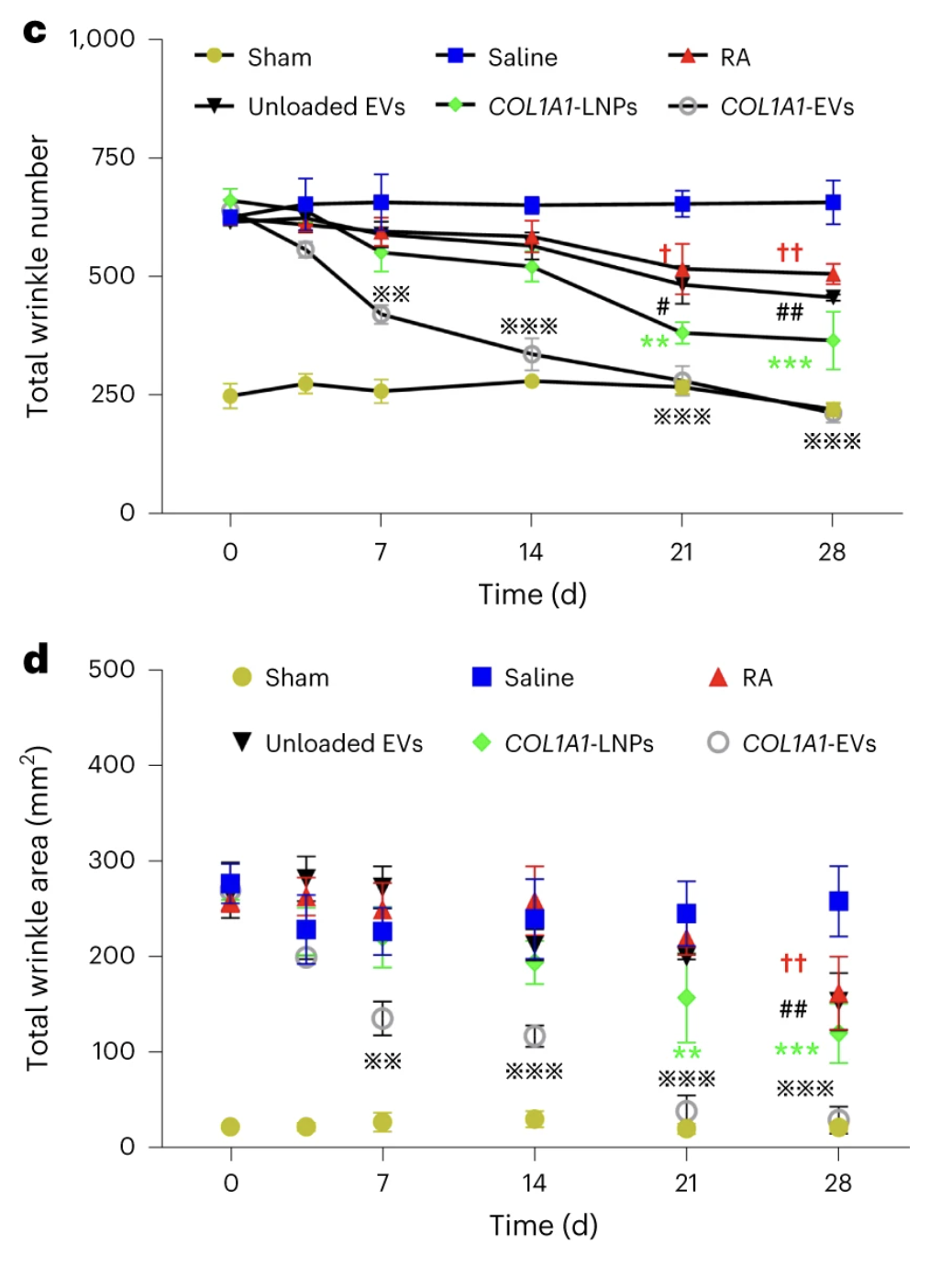
COL1A1 mRNA became significantly elevated in local skin tissue, peaking at 12 hours after the EV delivery and returning to baseline levels after four days. Both LNP and EV treatments led to decreases in wrinkle number and area, but in the EV group, the effect was much more pronounced. By day 28, the EV group had as few wrinkles as the healthy controls. Skin treated with COL1A1-EVs and COL1A1-LNPs also showed higher elasticity and firmness.

mRNA collagen

A subset of mice was monitored for another month. Unfortunately, wrinkles reappeared about one week later, and at the end of the follow-up period (almost two months after the treatment), the wrinkle number and area became indistinguishable from pre-treatment levels.

The researchers also compared the immunogenic side effects of LNPs and EVs. 24 hours after injection, skin treated with COL1A1-LNPs showed redness, swelling, recruitment of immune cells, and high levels of the inflammatory cytokines TNF-α, IL-6, IL-1β, and IFN-γ. Conversely, tissue treated with COL1A1-EVs did not exhibit a strong inflammatory reaction, showing that EVs are much less immunogenic than LNPs.

Microneedles and repeated treatments

The researchers then repeated their experiments with a different method of applying EVs. Instead of injection, they used microneedle patches treated with EVs. Such patches consist of a base and a layer of microneedles. After application, the base is removed, and the microneedles dissolve in the skin along with their cargo.

Analysis showed that while subcutaneous needle injection resulted in uneven delivery of EVs and clumping, EVs delivered by microneedle were better dispersed. The microneedle method was also more effective, causing the reduction in wrinkles to linger twice as long compared to injection.

Finally, to see whether collagen replacement and wrinkle reduction could be maintained for longer, the researchers subjected mice to monthly treatments, which continued to be effective without causing any side effects. The microneedle treatment also proved superior here.

Conclusion

These results show that boosting endogenous collagen production through mRNA might be able to, at least temporarily, ameliorate skin wrinkling with age. This proof-of-concept study delivers encouraging results and showcases two promising technologies with high translational potential: mRNA delivery through CNP-created EVs and microneedles for EV application.

We would like to ask you a small favor. We are a non-profit foundation, and unlike some other organizations, we have no shareholders and no products to sell you. All our news and educational content is free for everyone to read, but it does mean that we rely on the help of people like you. Every contribution, no matter if it’s big or small, supports independent journalism and sustains our future.

Literature

[1] You, Y., Tian, Y., Yang, Z. et al. Intradermally delivered mRNA-encapsulating extracellular vesicles for collagen-replacement therapy. Nat. Biomed. Eng (2023).

[2] Sparavigna, A. (2020). Role of the extracellular matrix in skin aging and dedicated treatment-state of the art. Plastic and Aesthetic Research, 7, 14.

[3] Yang, Z., Shi, J., Xie, J., Wang, Y., Sun, J., Liu, T., … & Lee, L. J. (2020). Large-scale generation of functional mRNA-encapsulating exosomes via cellular nanoporation. Nature biomedical engineering, 4(1), 69-83.

Capillaries

Brain Aging on a Small, Physical Level

A new publication in Nature Aging has explained a great deal about aging of the neurovascular system, showing where and how the brain’s blood supply changes with aging in a mouse model.

A branching network of blood vessels

In the neurovascular system, arteries lead to arterioles, which then branch off into precapillary sphincters. These lead to first-order capillaries, then second-order capillaries, and so on, and these microscopic tubes give oxygen and nutrients to every cell in the brain. Previous research has found the arteriole-capillary junction to be significant in regulating how well these vessels deliver their contents (perfusion) [1]. Unfortunately, capillary cells known as pericytes fail with age, thus leading to neurovascular damage [2].

The researchers in this study set out to better understand how per interact. With mice genetically engineered to express fluorescent proteins in pericytes and other vascular cells (mural cells), the researchers used advanced imaging to determine the tiny neurovascular differences between young and old animals.

Dilation and constriction

Using two-photon microscopy, the researchers examined the capillaries of anaesthetized mice, using electrical stimulation to dilate the vessels. They found that the amount of this dilation was significantly decreased with age in both amount and duration, although second-order and smaller capillaries did not dilate significantly more. However, the onset time and excitatory potentials were found to be unaffected. This suggests an increase in vascular stiffness rather than electrical changes in the brain.

Capillary dilation

The researchers looked deeper into the causes of this stiffness. Using pinacidil and papaverine, two drugs that encourage dilation through their actions on ions, the researchers surmised that the only remaining restraints on dilation were physical ones, namely extracellular matrix elements such as elastin and collagen.

The next step was to test the opposite of dilation: constriction. Using the well-known vasoconstrictor endothelin, the researchers found that constriction ability was preserved everywhere but the precapillary sphincter.

A decline in density

The researchers then carefully examined the brains of the mice. While the number of mural cells did not decline with age, the density of nuclei did, and these cells covered less of the surface area of the capillaries; this occurred everywhere except the precapillary sphincter. This loss of coverage was found to be linearly correlated with an increase in blood pressure.

This was matched by changes in these small vessels’ size. Aged mouse brains had shorter but wider capillaries than their younger counterparts, although this did not apply to the smallest vessels. The resesearchers hypothesize that this increase in width, which also increases flow, is how old brains compensate for their reduced ability to dilate and constrict. It was also noted that the veins responded by increasing in volume and increasing the total vascular volume of the brain. Additionally, arterioles became more curved and twisted (tortuous) with age.

Abstract

The microvascular infow tract, comprising the penetrating arterioles, precapillary sphincters and frst-order capillaries, is the bottleneck for brain blood fow and energy supply. Exactly how aging alters the structure and function of the microvascular infow tract remains unclear. By in vivo fourdimensional two-photon imaging, we reveal an age-dependent decrease in vaso-responsivity accompanied by a decrease in vessel density close to the arterioles and loss of vascular mural cell processes, although the number of mural cell somas and their alpha smooth muscle actin density were preserved. The age-related reduction in vascular reactivity was mostly pronounced at precapillary sphincters, highlighting their crucial role in capillary blood fow regulation. Mathematical modeling revealed impaired pressure and fow control in aged mice during vasoconstriction. Interventions that preserve dynamics of cerebral blood vessels may ameliorate age-related decreases in blood fow and prevent brain frailty

Conclusion

This paper is rich with information about the potential causes and effects of mural cells, arterial aging, and the fundamental processes involved. Most notably, it points towards a potentially strong effect of extracellular matrix stiffening, a topic that is well-known in the world of geroscience.

We would like to ask you a small favor. We are a non-profit foundation, and unlike some other organizations, we have no shareholders and no products to sell you. All our news and educational content is free for everyone to read, but it does mean that we rely on the help of people like you. Every contribution, no matter if it’s big or small, supports independent journalism and sustains our future.

Literature

[1] Zambach, S. A., Cai, C., Helms, H. C. C., Hald, B. O., Dong, Y., Fordsmann, J. C., … & Lauritzen, M. J. (2021). Precapillary sphincters and pericytes at first-order capillaries as key regulators for brain capillary perfusion. Proceedings of the National Academy of Sciences, 118(26), e2023749118.

[2] Bell, R. D., Winkler, E. A., Sagare, A. P., Singh, I., LaRue, B., Deane, R., & Zlokovic, B. V. (2010). Pericytes control key neurovascular functions and neuronal phenotype in the adult brain and during brain aging. Neuron, 68(3), 409-427.

Eric Verdin

Eric Verdin on the Buck, Nutrition, and Ketosis

Six years ago, Dr. Eric Verdin, already a highly acclaimed veteran geroscientist, was catapulted to the forefront of the field when he agreed to lead the Buck Institute for Research on Aging (or simply “the Buck”), a renowned research institution based in Novato, CA. We talked to Dr. Verdin about his vision for the Buck and for the longevity field in general along with his own research, which focuses on several aspects of nutrition, such as the ketogenic diet.

After this interview was completed, we received news about the start of BIKE (Buck Institute Ketone Ester) pilot study, the institute’s first human clinical trial. Dr. Verdin calls BIKE “a hallmark of our growth and the maturation of the field of aging research”, and we will be following it closely.

What was your road to leading the Buck?

I have an MD degree from Belgium. I came to the US right after medical school to do research. I started in Boston, and then I had a whole career across different institutions in the US. My lab initially focused on epigenetic regulation. We ended up cloning a family of proteins called HDACs, histone deacetylases. At that time, my work was primarily on HIV and its epigenetic regulation, but then epigenetics became important in terms of aging.

Back in the late 90s, the field of HIV molecular biology became more saturated, and I was looking for a new field of research. That was the time when all those exciting papers came out showing that aging was a molecular process that you could study using molecular tools.

So, we started shifting to studying epigenetic regulation of aging. In particular, we focused on sirtuins and HDACs. Over the next 15 years, I built my lab doing research on epigenetic regulation of aging. At that time, I was approached by the Buck for the opportunity to lead it. One of the things that led to my selection, I think, was that because of my MD background, I’ve always done basic research with an eye on translation.

After having been in the aging field for almost 20 years, I started to realize that the field was moving into the next phase, beyond C. elegans and the fly (which, by the way, are amazing models, and we still use them). Geroscientists were beginning to ask some hard questions, like how can all this be translated into humans?

That was the vision that I presented to the board of trustees here at the Buck, and this led them to ask me to lead it. This was a scary transition for me, because I’d never run anything bigger than my lab. To take over an organization of 300 people, a veteran organization in the field, was a bit humbling.

But I was also very excited by this opportunity. I started in late 2016, and it’s been amazing because the field is indeed moving in the direction that the board recruited me to align the Buck with. We are building on basic research, and we still need a lot of it, but we also started building and testing the tools and the infrastructure for clinical trials and doing more human-relevant research.

Were you afraid that you would become mostly an administrator?

I didn’t even know if I was going to like the job, but the short answer is, I love it. First, because I still run a lab and have a very active research program, but I also learned that I love playing a bigger role, being sort of a voice that helps not only the small effort of my own lab but the whole field.

When you run your own lab, it inevitably resembles a cult of personality – it’s “the Verdin lab”, right? This is how people think about it. A lot of it is around yourself, and I’ve always felt that at some point in your life, you have to be able to look beyond yourself and to give to either a field or an organization.

It’s not been easy to learn, and I had great guidance from my board and from other people who helped me, who were there before. Now, five years later, I feel comfortable in this new role, and I relish all the different aspects. In some way, it’s the best job in the world because I can still do research, but I also can influence the whole field that I think is going to have a massive impact on healthcare and human health in general.

You were sort of forced into the role of an advocate for the field, and I know that you have contacts with decision makers, politicians, and so on. Do you feel a change in their attitudes? Is the tide turning?

Yes, the tide is definitely turning, and we see this in the amount of interest that our field is generating. 20 years ago, aging was a field of research that serious people would warn you not to go into. This has completely changed due to the incredible work of establishing the science and demonstrating that aging is a tractable biological problem that we can not only study but also modify. So, the visibility of the field is a reflection of everyone’s effort.

The biotech world, I think, has fully embraced aging. This includes big players like Altos and Calico that enter the field, creating a lot of excitement.

The second element is donors. Here in the Bay Area, we have a whole ecosystem. Our field has been colored by the fact that a lot of tech billionaires have given money, but they are not the only ones. We’re getting money from everybody, which is a good sign that the field is being recognized as a serious one.

There are two more constituencies that we must address where we haven’t made as much progress. One is the medical world, and the other is the political world. They both will be critical in facilitating this transition.

Why has it been slower? First, politicians tend to come last in terms of being aware of what’s happening, but I can point at several efforts that are taking place, such as the Alliance for Longevity Initiatives. I’ve been in touch with several such groups that share the same goal: to reach out to politicians and make them aware of the potential of this field.

Finally, there’s medicine itself. We’re not going to make this revolution without the medical world. Initially, the approach was “we’re going to replace medicine”. It’s not a constructive way, because if you’re a physician, and somebody comes and tells you, “We’re going to replace you, we know better”, your first reaction would be to fight this.

So, I’ve changed my thinking about it. I think the science of aging is not going to replace medicine, but instead it will add an important new dimension. What medicine is doing very well is to cure disease. If you have cancer or a heart attack today, you’re not going to see a geroscientist. We wouldn’t be able to help you.

What we are bringing to the table is this idea of preventing these diseases from occurring in the first place. We can make medicine much more preventative. Based on the premise that aging is a lifelong process, the earlier you start treating it, the likelier you will be to prolong your lifespan and prevent the development of disease.

I’m sure you’ve heard about the so-called “geroscience hypothesis” that emerged from the Buck before my time: that aging is the biggest risk factor for all the chronic diseases of aging and that if you slow down the rate of aging, you will be preventing the development of these diseases.

When I describe this concept to physicians, they’re completely on board, but they ask what we can show them. And we do have some early examples with metformin, rapamycin, and so on, but there’s also the whole idea of lifestyle interventions. What can you do today even without a drug to maximize your chances to age well?

This hypothesis became transformative because it was embraced by the NIH. They helped to create the Translational Geroscience Network which is in some way reflective of what we are trying to do. In NIH, you have individual institutes – for heart disease, for lung disease, for immunological disease – and all of them are studying diseases as if they were independent, whereas we know aging to be the biggest risk factor.

Felipe Sierra, who is now the CSO for Hevolution, was the one who brought the Translational Geroscience Network to the NIH, forced all those institutes to work together, and made them realize that we all should be related to aging.

Let’s talk about your research. I think one of the most interesting things that you study is the link between nutrition and inflammation. There is a growing understanding that we’ve probably been underestimating the role of inflammation in aging. Where do you stand on that?

As a scientist, I think it’s a field that has been underappreciated, and it’s lived in its own world. One of the reasons is that immunology is a highly complicated form of biology. And I’m not saying that because I’m an immunologist.

Why is it important in aging, and why it has been somewhat ignored? Some people have worked on the concept of inflammaging – this idea that we develop chronic inflammation as we age. It has been advanced for several years, but it’s shocking that inflammation was not one of the original hallmarks of aging.

Recent research shows that if you induce aging in the immune system, you can induce secondary aging in all organs. I think it’s a very important finding. We also know that the immune system shows some aging at an earlier point than other organs – take, for example, the thymic involution. The fact that your thymus disappears before you’re 50 has enormous implications on your ability to maintain a proper immune response.

Sadly, many people in the immunology field do not or did not study aging. As an immunologist going to aging meetings, I was always struck by the fact that most people in the aging field knew nothing about immunology and immunologists were not interested in aging. I don’t want to diminish the work of people who are working to combine those two fields, but I see a real opportunity to do a lot more work in this area, and this is what we do.

What about the concept of “anti-inflammatory diet”? How possible and effective it is to decrease inflammation with diet?

That’s a good question. It’s one of those subjects where there’s a lot more information in the lay press than in the scientific world. Currently, I think, the whole concept of pro-inflammatory or anti-inflammatory diets rather belongs to the realm of health podcasts than it is being studied hardcore in the laboratory. Yes, there are some foods, such as those high in saturated fats, that are pro-inflammatory. But when I’m reading articles about this or that anti-inflammatory diet, my question is always, what’s the evidence for this? And when you start looking into it, it’s not that much.

So, a part of me thinks that we should go back and study this. There is certainly a role for inflammation in aging, but the relationship between food and inflammation is not as clear as some people would like to think. For instance, there’s a whole literature that says colored fruits are anti-inflammatory. But what’s the evidence for this? I’m a bit skeptical there.

Of course, the diets that are promoted as anti-inflammatory are healthy, but whether they work solely by lowering inflammation, is much less clear.

But you do think this is something worth exploring, right?

Absolutely, and one thing that’s clear is that inflammation is a central driver of many chronic diseases of aging. The question we don’t have a clear answer to is, why do we develop chronic inflammation as we age? Senescent cells are, of course, one of the mechanisms, as are DNA damage, the accumulation of denatured protein, leaky gut, where your intestinal membrane becomes more permeable, which allows bacterial products to transduce into the bloodstream. All those mechanisms are pro-inflammatory, and they probably contribute together to this slow accumulation of inflammatory damage during aging.

What is the role of nutrition? I think it’s much less clear, but obviously, your microbiome is very important for the integrity of your gut membrane. This is one of the areas we’re very interested in – to understand the role of the microbiome in health in general.

Let’s move to another very popular topic – ketosis and ketogenic diet. Could you briefly explain how ketosis works and why it is beneficial?

Ketosis is a state in which your body accumulates what we call ketone bodies, and there are three types of them – acetate, which is a volatile ketone body, acetoacetate, and, finally, the most important one is beta-hydroxybutyrate, or BHB.

These ketone bodies are predominantly made by the liver from fat, and they accumulate under several circumstances. The most common one that’s been studied for the longest time is fasting. If you fast for 24 hours, your body will start relying on fat from your adipose tissue. This fat will be transformed by the liver into ketone bodies.

We know that BHB is a form of energy, like glucose or fat, and it becomes the predominant form of energy that your body uses during fasting. The two organs that love relying on this form of energy are the brain and the heart.

We published a paper about ten years ago showing that BHB is not just a form of energy but also a signaling molecule, an inhibitor of HDAC, which makes it an epigenetic regulator. We showed in that initial Science paper that BHB induces a state that protects against oxidative stress. This directly links BHB to aging. We found that interesting: not only do you make a new form of energy when you are in ketosis, but this new form of energy also acts as an antioxidant.

That led us to a simple question: could this be a way to increase lifespan or healthspan? With a postdoc at the lab at the time, John Newman, who is now a faculty member at Buck, we did a lifespan study with mice on ketogenic diet. We were able to show a significant increase in healthspan, particularly in terms of brain function, and a minimal increase in lifespan.

Another group at UC Davis, directed by John Ramsey, published right about the same time, and we were in touch with each other. Their paper showed a clear increase in lifespan. The reason they saw a stronger effect on lifespan is because they had the mice continuously on a ketogenic diet, while we did two weeks on, two weeks off. But all the results suggest that this diet has an anti-aging effect.

So, we’ve been really busy doing two things: first, trying to understand how does this work? I told you about epigenetic regulation, and I think it’s one of the mechanisms, but there are other mechanisms. For instance, we know that BHB inhibits the inflammasome, which is one of the major drivers of inflammation. This is, by the way, one way to link nutrition to inflammation and aging.

I told you that one of the ways to enter ketosis was fasting. This takes many different forms: intermittent fasting, time-restricted feeding, calorie restriction. All these states induce ketosis, but there are other states, unrelated to fasting, that also allow you to enter ketosis. One of them is carbohydrate restriction. If you really cut down on carbohydrates, you will enter ketosis.

This is, basically, the idea behind keto diets?

Exactly. Ketogenic diets have generated a lot of interest in the press because people tend to lose weight with them. It also decreases insulin secretion, which is one of the major pathways that regulate aging. This just makes a lot of sense that if you quiet down insulin action, this will slow down inflammation, increasing healthspan and lifespan.

The problem with the ketogenic diet is that it’s hard to follow. You are only allowed to eat 15-20 grams of carbohydrates per day. That means an apple, and you’re done. No pasta, no bread, no pizza, none of the other things that we all like.

So, we developed an alternative way to enter ketosis via ketone body esters. We’re talking about a molecule of BHB derivatized with another molecule that allows it to be ingested and generate a state of ketosis.

This is already sold as a supplement, but the problem is it tastes terrible. We’re working on second-generation ketone esters that will taste a lot better. This will help more people to explore the whole world of keto.

The question is, do we really need the ketogenic diet to benefit from ketosis, or is it sort of a blunt instrument where we restrict ourselves quite a lot in what we eat, maybe even causing ourselves some harm, when we have all kinds of fasting, and your supplement on top of that?

What is the relative value of a ketogenic diet vs intermittent fasting vs the supplement? We just don’t know yet. It would be amazing if the supplement would recapitulate all the effects of a ketogenic diet, but I suspect it might not, because carbohydrate restriction is probably beneficial in itself.

We are contemplating studies that would compare those interventions head-to-head using biomarkers of aging. I would argue that at this point, you could actually rotate between them, maximizing your chances that one of them is going to work.

There’s some interesting emerging evidence that a ketogenic diet does not have to be followed continuously. In our study, we did it intermittently. I’ve heard rumors about groups doing even shorter periods of ketogenic diet and seeing significant effects. So it could be that you only need to be on a keto diet for, say, three days a week, and you would still get all the benefits.

One question about carbohydrates: what about fruits and berries?

That’s an important point. I was on a ketogenic diet for extended periods of time, and I’ve always found it hard because I was craving fruit. There’s something delicious and wonderful about fruits, and I admit I was craving them.

If you look at fruits, there’s a whole hierarchy of how healthy they are, at least based on the science of aging. Possibly the worst thing you can do is to drink any fruit juice. Many people drink a glass of orange juice every morning thinking that they’re doing something healthy for themselves. But it’s actually full of sugar, rapidly absorbed, and hence not healthy.

On the other hand, fruits contain many phytonutrients that are firmly linked to health – flavonoids, polyphenols, anthocyanin – all kinds of molecules that we know are beneficial. The question is, what is the best way to get them? This is where berries come in. Some of them are highly colored, which means they contain a lot of phytonutrients, and many of them are also relatively low in sugar. These are the only fruits that I’m eating.

They are also delicious.

They are indeed. And they allow you to minimize the carbohydrate intake while still getting many of the phytonutrients.

Something that recent research shows rather clearly is the importance of post-meal glucose spikes. Is it possible to temper them with supplements such as the one you were talking about?

This is a very interesting question. There’s an observation we’ve made but not published, that post-meal glucose excursions appear to be even more predictive than your hemoglobin A1C (HbA1C) of macrovascular disease, heart attacks, and strokes. We don’t really know how that works, but maybe it’s linked to the spike in insulin.

So, it’s not so much your average blood glucose that’s important, but the height of your post-meal spike. Two things are crucial here. First, what types of carbohydrates do you eat? Are those “fast carbohydrates” or the healthier kind? Second, in what combinations are they eaten? For example, if you eat a piece of baguette by itself, you’re in for a very large spike, but if you dip it in olive oil, this will delay gastric emptying, and the same amount of carbohydrates will probably result in a smaller spike.

I always advise people to use CGM, continuous glucose monitoring, for at least two weeks or a month to see the patterns. The response is highly individual. I might spike with French toast, but you might not. I might not spike with a banana, but you might. We think that one of the factors that determine this is your microbiome, and the only way to detect it is CGM.

So, you wear this continuous glucose monitor, while exposing yourself to many different foods such as fruit, in order to determine what makes you spike. When I did this, I found out that two of my favorite fruits, dates and figs, were horrible for my blood sugar, and I stopped eating them. I also saw that raspberries and blueberries do not affect my blood sugar. So, this is an area where I would encourage everyone to experiment. Just ask your doctor to prescribe it for two weeks, and you’ll get a lot of data.

One interesting thing we found was that if you take a rapidly absorbed carbohydrate and you mix it with the ketone body ester, this suppresses the glycemic response. It’s unpublished but other people have shown it too. We don’t fully understand the mechanism, but I think it’s potentially very important.

Unlike with, say, the Mediterranean diet, we obviously still don’t have epidemiological data on keto diets (as unreliable as epidemiological data can be). How sure are we that the ketogenic diet doesn’t have long-term deleterious effects?

The short answer is we are not. But we can infer from data in mice where we see significant effects on healthspan and lifespan that the same diet is likely to have the same effect on humans, although it’s not proven, and it’s important for people to know this.

I am encouraged by the fact that many of the markers that we know are associated with accelerated aging, such as increased inflammation, sugar spikes, and so on, tend to be alleviated by the ketogenic diet or by the ketone body ester.

Still, the point you’re making is important, because of the principle “do no harm”. So far, the markers in short-term studies look good. However, at least one version of the ketogenic diet, the Atkins diet, is rich in saturated fat, and I think it’s clear that this particular diet should be avoided, because it’s highly pro-inflammatory.

But when we think about more balanced diets, such as the ketotarian diet, or intermittent ketosis, I’m much more comfortable with the idea that you can do it for a long time without much risk to your health.

But there is some concern about the LDL levels in people on ketogenic diets. Could you address that?

I think this is totally valid. The ketogenic diet, even in its better forms, is associated with an increase in LDL, and that is a potential risk factor for heart attacks and stroke. Several groups have extensively studied people on ketogenic diets. I’m thinking of a company called Virta Health, which does a lot of clinical trials. I know they are seeing this increase in LDL, but I don’t think they’ve seen an increase in heart attacks.

These are complex interventions, so we need to do lots of experiments and we also need to account for variability. What might be a healthy diet for you might not be as healthy for me. If I already have high cholesterol levels, or a family history of heart disease, I’d be more cautious.

What about exercising during that 16-hour window when you’re on intermittent fasting?

It depends on the type of exercise. For me, if it’s an endurance exercise, like going for a two-hour bike ride, or for a run, I can easily do it when fasting, although it clearly requires some adjustment. Once, I brought a friend with me on a two-hour bike ride, and this friend had just started fasting. After about an hour, we had to stop, because he got dizzy. So, it’s not something you can start right from the beginning, but I think exercising while fasting is good because it accelerates ketosis.

But if you’re going to do weightlifting or sprinting or any kind of exercise that is anaerobic, or glycolysis-dependent, the muscles that are necessary for this type of exercise rely on glucose and glycogen. When you’re fasting for a long time, your glycogen stores get depleted. So, those types of muscle fiber will be craving what they need, which is sugar. When I have a session of weightlifting, I try doing it more towards the end of the day when I’m fed, and that also would be my recommendation.

A couple more questions about the Buck. I really appreciate the fact that you explore the social aspects of longevity, including reproductive aging, so could you please tell us more about it?

We created this new Buck Center for Female Reproductive Longevity, and a consortium as well. The center is a group of scientists within the Buck, including my lab (where we work on NAD and reproductive aging). The idea is to address something that has not been really studied scientifically. Why is the ovary one of the first organs to age? In this regard, the ovary is a bit like the thymus. And it doesn’t seem like it has to be, because humans are one of the only organisms that have this trait.

We have got significant funding from Nicole Shanahan, who has helped us to build the center and the consortium. The latter is the same effort, but it’s directed towards every non-Buck scientist. So, if you work somewhere else in the country, you can request funding.

This has created a lot of interest in the field, and I hope that in the future, it will lead to several things. First, by the age of 30, 10-15% of women are already infertile. As women enter the workforce and develop their careers, many of them are delaying childbearing. As we live longer and longer, I suspect this tendency will only grow. If you’re 35 and pregnant, this is called “geriatric pregnancy”, and that sounds scary. We are trying to address this as an unmet medical need.

Another reason for doing that is that after menopause, we see acceleration of aging, so if you can delay menopause by a few years, you can expect this to lead to an increase in lifespan and healthspan. Many other areas of female biology have also been largely ignored, and we are very excited to be a leader in this field – to basically help build a new field.

The Buck is sort of isolated, detached, both literally and figuratively. It even looks like a secretive facility that develops ways to rejuvenate wealthy people – although I know this is not true. How would you convince a regular person that you work for them?

This isolation of the institute has certainly contributed to people having all kinds of conspiratorial thoughts, like “they are probably doing something that should be hidden”. I’ve been trying to fight this in multiple ways. Our science is for everyone. Of course, we are interested in increasing longevity, but we also have a society where we see increasing disparity between the educated and wealthy people and the rest.

We really need to address longevity in all populations. Pushing for extreme longevity is fascinating, and that’s where the science leads us, but there are so many other things that we can do to understand what a healthy lifestyle is, and why aging trajectories are splitting in two, with the wealthy and educated living longer and longer and the rest of the population living shorter and shorter.

Our mission is directed towards both of those goals. I’m equally excited about pushing the envelope and looking for new drugs for extreme longevity as I am by understanding the life factors that separate those two groups of the population.

If you are a minority, even living in Marin County (where the Buck is located), why is your lifespan much shorter than that of the rich? For me, that’s an extremely important question and a challenge. I hate this idea of our field being “medicine by the wealthy, for the wealthy”. So, we are currently fundraising for a new project we call the Healthspan Institute with a whole new building that will allow us to really delve into these questions and focus on the populations that currently have shorter lifespans.

We would like to ask you a small favor. We are a non-profit foundation, and unlike some other organizations, we have no shareholders and no products to sell you. All our news and educational content is free for everyone to read, but it does mean that we rely on the help of people like you. Every contribution, no matter if it’s big or small, supports independent journalism and sustains our future.
lifespan.io Editorial

New Year, Same Goal to End Age-Related Diseases

The new year is well underway, and we have been our usual busy selves. Join us for the first editorial of the year, and find out about the awesome things we have been doing for longer, healthier lives.

Winter Editorial 2023 1

Decentralized science could support aging research progress

lifespan.io President Keith Comito recently appeared in Cointelegraph, a news site covering fintech, blockchain, bitcoin, and decentralized science (DeSci). In this longevity-related article, Keith highlights the benefits of blockchain tech and decentralization in longevity research.

“We started our nonprofit back in 2014. Back then, few credible researchers would be caught dead saying they were working on aging. It was still kind of a scientific backwater. So, we wanted to emulate what the cancer research advocates did, starting in the ‘40s.” – Keith Comito

Keith is spot on when he talks about how things were just over a decade ago, fortunately things have changed a great deal since our early days. More and more credible (and less “incredible”) researchers have gotten on board with the idea that aging is something that we can and should do something about.

A decade ago, suggesting that aging could be reversed could have ended your career; today, there are an increasing number of researchers involved in serious efforts to develop rejuvenation technologies with the goal of slowing or even reversing aging.

One of the things holding back rapid progress in our field is funding. Traditional funding systems have a tendency to be risk averse, which means the more bold, high-risk, high-reward projects are usually overlooked in favor of safer but less ambitious projects. The good news is that DeSci, blockchain-based systems have great potential for getting around this problem.

We highly recommend checking out this article and finding out why Keith believes that the power of DeSci could be critical in funding aging research in the future.

If you would like to learn more about how DeSci based funding works, check out our topic on that very subject.

Tiffany Vora joins the lifespan.io Industry Advisory Board

Biologist and science speaker Dr. Tiffany Vora has joined our industry advisory board and will be helping to support our ongoing growth and development this year.

She has a wealth of experience in advising on how best to harness technology for a better future. This includes drawing on her background in molecular biology and biotechnology as well as her science communication skills.

Tiffany is the Faculty and Vice Chair of Medicine and Digital Biology at Singularity University, Faculty at EY Tech University, and also a non-resident Fellow of the GeoTech Center of the Atlantic Council.

I am thrilled to be joining lifespan.io as an Industry Advisory Board member. It’s a critical moment, with longevity science making important strides as businesses and societies start to grapple with the opportunities – and challenges – of longer, healthier lives. I’m looking forward to supporting the lifespan.io community in their advocacy, education, funding, and research efforts for longevity.

We look forward to working with Tiffany in the future and benefitting from her expert guidance and knowledge.

Longevity Winter Camp

Winter Editorial 2023 3lifespan.io Executive Director Stephanie Dainow was a leynote speaker and workshop host for the 2023 Longevity Winter Camp hosted by the Longevity Biotech Fellowship. This retreat-style event featured workshops focusing on the aging and longevity research space as well as discussions with the goal of bringing more talent into the field.

Stephanie was on hand at the winter camp to lead discussion and provide her experience in business development, messaging and communications best practices, and various forms of advocacy critical to not just the longevity field, but also increasing the rate of success when pitching ideas to funders and friends.

Those of us working in the field, especially on the advocacy and journalism side of things, know that communicating with the public can be challenging. There are a lot of misconceptions about our field of research and the goals of life extension, and it can be very demanding dealing with them day in and day out.

Knowing that you are part of a larger community and that you are not advocating for longer healthier lives alone is very motivating. Stephanie was joined at the camp by hosts Anastasiya Giarletta, Omri Amirav-Drory, Matthew Scholz, Matthew O’Connor, Jun Axup, Javier Tordable, Anastasia Egorova, Nikola Markov, Dylan Livingston, Robert Cargill, Mark Hamalainen, Yuri Deigin, Mahdi Moqri, Peter Fedichev, and Alex Kadet.

Events like this allow us to meet with like-minded colleagues and supporters of life extension, which can be a great way to recharge mental batteries. Living in an echo chamber all the time isn’t useful, but connecting with the longevity community at events like these can be a real boost to morale.

Animating the science of aging

Cancer is caused by genomic instability, which leads to mutations in cells that cause them to multiply out of control. It can be considered the poster child of age-related diseases and advancing age is the primary risk factor for developing it. While cancer can affect young people too, the chances of it occurring rise greatly from age 65 onwards.

There are hundreds of known types of cancer, and they originate in many different organs and tissues. We teamed up with SENS Research Foundation to create a Life Noggin video that focuses on the SENS approach to treating cancer.

We have a second helping of video goodness from Blocko, the host of Life Noggin. This time, we teamed up with the folks at NOVOS to produce a video about aging biomarkers, particularly epigenetic clocks. These clocks measure your biological age and give a true picture of how old you really are, not just how many candles are on your birthday cake.

Life Noggin is our edutainment channel that explains science and technology in a fun animated pop-sci style. Because we have an audience of 3.26 million subscribers, we can engage the wider science community about all the amazing research happening right now. This is an example of how we use education and edutainment to engage new audiences about aging and rejuvenation research.

We would like to thank SENS Research Foundation and NOVOS for sponsoring these videos. If you are interested in sponsoring your own video on Life Noggin, please feel free to get in touch with us.

Longevity Hackathon

lifespan.io President Keith Comito was one of the mentors for the recent VitaDAO Longevity Hackathon.

The event was a longevity-focused hackathon, hosted by VitaDAO, and supported by lifespan.io, the Healthy Life Extension Society (Heales), the Albert Einstein College of Medicine, R42, the Foresight Institute, and the International Longevity Alliance.

With a prize fund of 5,000 USDC, 10,000 VITA, and 1,000 euros, the hackathon saw 10 teams compete over Friday to Sunday last week.

Keith had this to say about the hackathon:

During the ideation weekend, I offered guidance to the participants and helped to steer their projects towards focusing on targeting the causes of aging. There were around 100 participants competing in the hackathon composed of people with backgrounds in biotechnology or IT. Some of the participants were new to theories like the hallmarks of aging, and it was a great experience helping to prime a new generation of researchers and developers for our field.

By the end of the weekend, the participants had formed 10 teams ready for the Hackathon itself. They focused on various areas of research including sirtuin activating compounds, prevention and treatment of age-related diseases, drug discovery, deep learning in healthcare, and genomics.

At the end of the event, the teams gave their presentations, and myself and the other judges voted to choose the winners. The winners were based on various criteria such as innovation, execution of the concept, presentation, and relevance to the core drivers of aging.

The winners have now been announced, and we wish to give our congratulations to each of the winning teams!

Winter Editorial 2023 4

The winning teams have been allocated both cash and VITA tokens to help their projects develop. Among the winners, there is a particular focus on systems with open source and decentralization components. This is further evidence that decentralized science (DeSci) could be a powerful driver of progress in our field in the near future.

Overall, it was an exciting experience to be a part of; and we applaud LongHack and VitaDAO for working to build our community and to bring more researchers, computer scientists, and passionate altruists into our field.

Winter Editorial 2023 5

Save the date for Ending Age-Related Diseases 2023

On August 10-12, 2023, we will be holding our sixth annual Ending Age-Related Diseases conference to bring entrepreneurs and investors, pharma and biotech companies, researchers, and government organizations together. Fostering the exchange of information and encouraging cooperation between the various parts of the industry is a large goal for our non-profit organization.

Solving aging will need a coordinated industry working together to turn aging research into prescribable medicine. This is where lifespan.io is really helping to move things forward and is the focus of our conference. We are currently focusing on tangible outcomes and our next steps.

This will be a mixed virtual and physical hybrid event taking place in New York City and online. We will be announcing speakers, opening ticket sales, and publishing a program in the coming months. If you would like to stay informed about the conference and ticket offers, register for our free newsletter today!

Clubhouse: Why Longevity Research Matters Now

On the Clubhouse social media platform, Keith Comito and Stephanie Dainow took part in a discussion panel along with Chauncey St. John, Maria Entraigues Abramson, Florina Gobel, Ravi Jain, Michael Rae, Lilli Fishman, and Nita Jain.

The panel explored why there should be more focus on aging and longevity research. While our field is making some really great advances in its understanding of aging, it is relatively poorly funded compared to other areas of medical research, such as cancer, stem cells, and tissue engineering.

DeSci: Fad or Future?

Winter Editorial 2023 6

Decentralized science (DeSci) is poised to be a catalyst for progress in our field and could present a viable alternative to traditional funding sources. Moonshot projects that fall foul of the risk aversion culture in traditional grant systems could see the light of day via the DeSci approach.

lifespan.io recently took part in an online discussion panel about DeSci. The topic of the panel was “DeSci: Fad or Future?”. To discuss it, Dinidh O’Brien, Head of Public and International Relations at Data Lake and MC of the roundtable, invited Keith Comito, President of lifespan.io; Jelani Clarke, part of the core team at DeSci World; Jeffrey Hsia, CEO of Scisets; and Dr. Wojciech Sierocki, Data Lake’s co-founder and CEO.

Support us with the Longevity Cause Fund

The Longevity Cause Fund is a cryptocurrency fundraiser in partnership with SENS Research Foundation and the Methuselah Foundation, facilitated by Angel Protocol.

All proceeds from the fundraiser will go to these three non-profit foundations in support of aging research and advocacy.

This is an endowment scheme designed to create sustainable funding for key players in the aging research and advocacy community. Half will be used for anti-aging work that is currently underway. The rest will be invested in perpetual endowments that will provide ongoing support for this work — forever. Aging affects us all.

Great news: the first $10k donated is also being fund matched by the Angel Alliance. That means any donation no matter how big or small will be worth even more! Help us help you to stay healthier for longer by making a donation today!

We would like to ask you a small favor. We are a non-profit foundation, and unlike some other organizations, we have no shareholders and no products to sell you. All our news and educational content is free for everyone to read, but it does mean that we rely on the help of people like you. Every contribution, no matter if it’s big or small, supports independent journalism and sustains our future.
Flatworm

Caloric Restriction Does Not Extend Lifespan in Every Model

In a preprint paper, researchers have evaluated the effect of caloric restriction on two long-lived planarian species in various environments that mimic the stochasticity of the real world [1].

Does the theory hold?

According to a theory that is largely based on plentiful data from model organisms, restricted food intake (caloric restriction) extends animals’ lifespans and delays their senescence. However, one shortcoming of these studies is the use of short-lived animals, such as flies and mice. Given that people are long-lived, extensive research on animals with longer lifespans is needed to get a fuller picture of caloric restriction and its effects.

There are also still many unanswered questions relating to optimal duration, the quality and composition of food, and when to begin caloric restriction. Another caveat is the constant feeding regime that is normally implemented in calorie restriction studies.

In order to get insights into these questions, the researchers conducted a series of experiments on two planarian species, Schmidtea mediterranea and Dugesia tahitiensis. They varied the quantity, quality, and frequency of food availability to see their effects on the population size, reproduction, and longevity of the animals.

Planarians are quite different from people, to say the least: they have the ability to change size depending on the availability of resources, and their regenerative abilities are like those of some starfish and earthworms, able to form whole organisms from severed parts. Nevertheless, this research design is invaluable to understand the effect of caloric restriction in realistic conditions.

Modeling the complexity of the real world

Three cultures of 10 asexual planarians of each species were initially used. The researchers then increased the overall sample size by cutting each individual twice, thus getting three individuals of the same age. At this stage, the animals were fed ad libitum followed by a starvation period.

Next, a full factorial experiment was conducted on 600 planarians of each species. This means that the researchers combined and varied several diet factors for each experimental group of 10 individuals: two levels of carbohydrate composition, three levels of food amount, and two levels of feeding frequency.

First, the researchers hypothesised that with more food available, whether amount-wise or frequency-wise, the survival of planarians would decrease. However, their experimental data did not show any difference in survival across various treatments for either species.

Second, the scientists analyzed the effect of the treatments on body size. They show that for S.mediterranea, most treatments led to a change in the population composition, with a higher number of small planarians and fewer large individuals. For D.tahitiensis, the same was observed only in planarians that were frequently fed.

Finally, the experiment did not show that the planarians’ population size was clearly dependent on food availability. In the case of S.mediterranea, most treatments resulted in population decline, while the D.tahitiensis population either remained stable or increased.

Therefore, the researchers have come to the conclusion that when multiple factors interact with reduced caloric intake, there is no beneficial effect of the latter on the survival of planarians. The outcome of reducing caloric intake in these species is thus very much dependent on the frequency, quality, and quantity of food. The optimal regime, if any, is still in question.

Abstract excerpts

CR studies are largely implemented in unrealistic environments that do not consider how interacting, stochastic drivers impact longevity. Indeed, little is known about the impact of stochastic resource availability on senescence, even though environmental stochasticity is the norm rather than an exception in natural populations. Here, we examine whether and how stochasticity in the quantity, quality, and frequency of resources impact lifespan, life history trait trade-offs, and population structure in two long-lived planaria: Schmidtea mediterranea and Dugesia tahitiensis.

As before, no clear pattern emerges in the changes in population counts under CR conditions for both species. As such, we did not find evidence of CR providing benefits in terms of lifespan nor trade-off between population counts, survival, and body size. We call for the careful reevaluation of decades of CR work in short-lived species, by expanding and testing predictions in more realistic settings and across a wider range of life histories.

Conclusion

This study calls into question the widely accepted caloric restriction theory, especially when applied to long-lived animals under realistic conditions. Although it is difficult, if not reckless, to make conclusions about the lack of caloric restriction benefits for humans based on the results obtained in planarians, we are once again reminded that more research is needed to find out what really works as a lifespan-extending approach.

We would like to ask you a small favor. We are a non-profit foundation, and unlike some other organizations, we have no shareholders and no products to sell you. All our news and educational content is free for everyone to read, but it does mean that we rely on the help of people like you. Every contribution, no matter if it’s big or small, supports independent journalism and sustains our future.

Literature

[1] Deere, J. A., Holland, P., Aboobaker, A. & Salguero-Gómez, R. Calorie restriction brings no benefits to lifespan under stochastic environments. bioRxiv 2023.01.12.523873 (2023) doi:10.1101/2023.01.12.523873

The Journal Club is a monthly livestream hosted by Dr. Oliver Medvedik which covers the latest aging research papers.

Partial Reprogramming Extends Lifespan in Old Mice

The journal club returns on Tuesday 31st January at 12:00 Eastern on our Facebook page with host Dr. Oliver Medvedik. We are looking at a preprint this time where partial reprogramming factors were used to reverse some aspects of aging in old mice. The paper is called Gene Therapy Mediated Partial Reprogramming Extends Lifespan and Reverses Age-Related Changes in Aged Mice.

You may also be interested in reading our article Gene Therapy to Induce Epigenetic Reprogramming, which covers this publication.

Abstract

Aging is a complex process best characterized as the chronic dysregulation of cellular processes leading to deteriorated tissue and organ function. While aging cannot currently be prevented, its impact on lifespan and healthspan in the elderly can potentially be minimized by interventions that aim to return these cellular processes to optimal function. Recent studies have demonstrated that partial reprogramming using the Yamanaka factors (or a subset; OCT4, SOX2, and KLF4; OSK) can reverse age-related changes in vitro and in vivo. However, it is still unknown whether the Yamanaka factors (or a subset) are capable of extending the lifespan of aged wild type mice. Here, we show that systemically delivered AAVs, encoding an inducible OSK system, in 124-week-old mice extends the median remaining lifespan by 109% over wild-type controls and enhances several health parameters. Importantly, we observed a significant improvement in frailty scores indicating that we were able to improve the healthspan along with increasing the lifespan. Furthermore, in human keratinocytes expressing exogenous OSK, we observed significant epigenetic markers of age-reversal, suggesting a potential reregulation of genetic networks to a younger, potentially healthier state. Together, these results may have important implications for the development of partial reprogramming interventions to reverse age-associated diseases in the elderly.

The Journal Club is a monthly livestream hosted by Dr. Oliver Medvedik which covers the latest aging research papers.

Journal Club January 2023

The journal club returns on Tuesday 31st January at 12:00 Eastern on our Facebook page with host Dr. Oliver Medvedik. We are looking at a preprint this time where partial reprogramming factors were used to reverse some aspects of aging in old mice. The paper is called Gene Therapy Mediated Partial Reprogramming Extends Lifespan and Reverses Age-Related Changes in Aged Mice.

Abstract

Aging is a complex process best characterized as the chronic dysregulation of cellular processes leading to deteriorated tissue and organ function. While aging cannot currently be prevented, its impact on lifespan and healthspan in the elderly can potentially be minimized by interventions that aim to return these cellular processes to optimal function. Recent studies have demonstrated that partial reprogramming using the Yamanaka factors (or a subset; OCT4, SOX2, and KLF4; OSK) can reverse age-related changes in vitro and in vivo. However, it is still unknown whether the Yamanaka factors (or a subset) are capable of extending the lifespan of aged wild type mice. Here, we show that systemically delivered AAVs, encoding an inducible OSK system, in 124-week-old mice extends the median remaining lifespan by 109% over wild-type controls and enhances several health parameters. Importantly, we observed a significant improvement in frailty scores indicating that we were able to improve the healthspan along with increasing the lifespan. Furthermore, in human keratinocytes expressing exogenous OSK, we observed significant epigenetic markers of age-reversal, suggesting a potential reregulation of genetic networks to a younger, potentially healthier state. Together, these results may have important implications for the development of partial reprogramming interventions to reverse age-associated diseases in the elderly.

As a Lifespan Hero, you can join us live for the call using the details below:

https://lifespan-io.zoom.us/j/84196064528?pwd=dFptbmg2SStKdXlsNnRGb080RW45UT09

Meeting ID: 841 9606 4528

Passcode: 172040

Longevity Investors Lunch

Longevity Investors Lunch at Davos

A Longevity Investors Lunch hosted by Maximon, Longevity Investors Conference, and Biolytica has been hosted at a satellite event of the well-known Davos conference. The press release is included here.

Longevity stays in the limelight on the streets of Davos for the second time during this year’s World Economic Forum (WEF). The world is growing – and aging – at a rapid rate, and nearly a third of the world’s population will be over 60 years old by 2050.

So, how do we prepare to age healthy and live a long happy life?

The “Longevity Investors Lunch”, a satellite event focusing on longevity and rejuvenation during the World Economic Forum, was organized on January 18th and discussed the latest technologies and research among prominent scientists, academia, entrepreneurs and investors. The event was co-organized by Maximon, Longevity Investors Conference and Biolytica and it was a prelude to the “Longevity Investors Conference”, happening later this year, on September 27-29, 2023, at Le Grand Bellevue Hotel in Gstaad, Switzerland.

Over 50 high level investors and key opinion leaders gathered together and showed how far the longevity industry has come. The focus of the event was on change and transformation of global health, innovative technologies and many more.

The two panels, moderated by Sabinije von Gaffke (Head of Sustainability, Nibiru Software) covered Longevity as the mega trend where the latest discoveries in research were discussed as well as shed light on the longevity investment landscape. The discussions on stage featured renowned experts and prominent longevity venture builders such as Prof. Dr. Björn Schumacher (Professor and Director, Institute for Genome Stability in Ageing and Disease, University of Cologne), Dr. Brian Kennedy (Director, Centre for Healthy Longevity and Professor Departments of Biochemistry and Physiology at National University of Singapore), Dr. Dina Radenkovic (Co-founder & CEO of Gameto & Partner, SALT), Collin Ewald (Assistant Professor, ETH Zurich and Founder of Swiss Society for Aging Research), Jörg Rieker (Founding Partner, Maximon), Dr. Kemal Tunc Tiryaki (Founder, MAGE Group), Christian Schmid (Head Asset Management, Kaleido Privatbank).

Biolytica’s CEO Dr. Rob Konrad Maciejewski gave a talk on “Using the power of data to change healthcare and optimize longevity”, where he gave an opportunity to the guests of the event to get some insight into Biolytica’s new health data platform. Biolytica NEXUS is a tool for healthcare professionals such as longevity clinics, centers for preventive medicine, longevity physicians and others that uses AI and advanced analytics to combine genomics, epigenetics, biomarkers, wearable device data, lifestyle information such as nutrition and many others to create hyper personalized health and longevity journeys for patients.

The hosts of the event, Dr. Tobias Reichmuth (Co-Founder, Maximon & Longevity Investors Conference), Marc P. Bernegger (Co-Founder, Maximon & Longevity Investors Conference) and Dr. Rob Konrad Maciejewski (Co-Founder & CEO, Biolytica) opened the event while giving an overview of the longevity industry and closed it explaining why company building in longevity is needed now.

“We are very proud to be one of the first ones to bring the important topic of longevity to Davos. We are already looking forward to the Longevity Investors Conference, where we will have the opportunity to continue the important conversations we started in Davos and involve more longevity leaders on stage who will talk about important developments in the longevity industry as well as investment opportunities in the field.”, says Marc P. Bernegger, Founding Partner at Maximon and the organizer of the Longevity Investors Conference in Gstaad.

Dr. Rob Konrad Maciejewski adds, “A common misconception about longevity is that it’s only about adding more years to the clock of life. And a lot of people rightfully ask: ‘Why would I even want to spend more miserable years at old age?` But the concept of longevity is different and goes far beyond that. The current healthcare systems around the globe are, in essence, sick-care systems – we wait for people to become ill, and then spend billions of dollars to manage chronic diseases with medications – at greatly reduced quality of life. This is not sustainable, and not ethical. Longevity is not about just “adding years” – it’s mainly about developing strategies to keep people healthier for as long as possible, to extend the time we can spend in great health, to greatly improve their quality of life as they age – and if we can then add a few more healthy years, that’s a bonus. We believe the key to this is to better understand the human body, and the key to that is data, which is what Biolytica is focusing on.”

The “Longevity Investors Conference” is the most exclusive conference for longevity investors. It provides relevant insights into the longevity subject, expert education, investment opportunities, and excellent networking opportunities in an exclusive location.

The motivation to organize the “Longevity Investors Conference”, said Dr. Tobias Reichmuth, Founding Partner and organizer, is clear: “The longevity industry is highly attractive for investors. We state a lack of education and information for investors and want to change this. While there are scientific-oriented conferences, a professional and global investor focused longevity conference was missing so far.”

Longevity now ranks as one of the most significant forces shaping the global economy, opening up multi-trillion dollar opportunities to reshape societies, hopefully for the better. It has experienced an unprecedented advance over recent years, particularly with the discovery that the rate of aging is controlled, at least to some extent, by genetic pathways and biochemical processes. It will be one of the largest, if not the largest investment opportunity in the decades to come.

​For more information and details please visit www.longevityinvestors.ch

info@longevityinvestors.ch

Follow us on Linkedin

​Follow us on Twitter

Follow us on Instagram

We would like to ask you a small favor. We are a non-profit foundation, and unlike some other organizations, we have no shareholders and no products to sell you. All our news and educational content is free for everyone to read, but it does mean that we rely on the help of people like you. Every contribution, no matter if it’s big or small, supports independent journalism and sustains our future.
Triple negative

NMN Reduces Metastasis in Difficult Breast Cancer Model

In a new paper published in Nature, scientists have found that raising NAD+ levels via supplementation with nicotinamide mononucleotide (NMN) activates SIRT1 to dampen metastasis in mouse TNBC models [1].

A double-edged sword

NAD+ is a ubiquitous co-enzyme that facilitates numerous processes in our body, from energy production to DNA repair. Its levels decline with age, and its supplementation via precursors (usually NMN or NR) has shown multiple health benefits in animal models and humans.

However, like many biomolecules, NAD+ is a double-edged sword, including its self-contradictory relationship with cancer. On one hand, NAD+ is used as fuel by many types of cancer cells [2]. On the other hand, it boosts anti-cancer immune response. NAD-dependent enzymes such as sirtuins and PARP also seem to have a context-dependent effect on cancer [3].

Here, the researchers studied the effects of NAD+ on triple-negative breast cancer (TNBC). TNBC cells lack the three common receptors that are usually found on the surfaces of breast cancer cells, which limits therapeutic options.

NMN slows migration and invasion

First, the researchers generated primary tumors by injecting HCC1937 cancer cells, a common model of TNBC, into the mammary fat pads of immunocompromised mice. Continuous treatment with NMN significantly impeded tumor growth and metastasis. Similar results were obtained using actual TNBC cells taken from a cancer patient.

The researchers then proceeded to study NAD+ metabolism in vitro and found that NMN supplementation rapidly increased intracellular NAD+ levels. While the treatment did not affect the proliferation of cancer cells, it slowed their migration and invasion.

RNA sequencing of tumor samples revealed that NMN supplementation led to the activation of genes involved in longevity-regulating pathways and glutathione metabolism. Glutathione is probably the most important antioxidant that humans produce [4].

The role of SIRT1 activation

Recent studies have shown that some protective effects of NAD+ might be attributed to its regulation of SIRT1, a member of the sirtuin family. The researchers conducted analysis of several existing large datasets and found that TNBC was associated with lower SIRT1 levels, and the mRNA expression of SIRT1 was negatively correlated with the severity of breast cancer. Using this data, the researchers also showed that breast cancer patients with higher sirtuin levels had longer overall survival and better relapse-free survival rates. SIRT1 levels were also lower in high-metastatic versus low-metastatic TNBC cells.

The invasion potential of TNBC cells was significantly decreased by two different SIRT1 activators, including resveratrol, a molecule popularized by David Sinclair’s research. In this study, resveratrol proved to be a more potent downregulator of TNBC cell invasion than the second molecule, CAY10602. However, both compounds failed to affect TNBC cell proliferation rate. SIRT1 inhibition had the opposite effect on migration and invasion.

Next, the researchers genetically engineered TNBC cells to stably express SIRT1. Compared to regular TNBC cells with impaired SIRT1 production, the in vivo models based on SIRT1-expressing cells produced significantly less lung metastases. Similar results were achieved with NAD+ supplementation. However, this effect was abrogated by SIRT1 knockout.

Mediation of antioxidative activity

Since NAD+ treatment upregulated genes involved in glutathione metabolism, the researchers turned their attention to oxidative stress. The production of reactive oxygen species (ROS), which cause oxidative stress, was decreased both by NMN treatment and by SIRT1 overexpression. Those effects were recapitulated to some point by the ROS scavenger NAC. Interestingly, previous research suggests that ROS promote metastasis in cancer [5].

The researchers then discovered a downstream target of SIRT1 that might be responsible for its anti-cancer effect. The protein p66Shc is known to promote ROS production when it is phosphorylated, but SIRT1 can block its phosphorylation. When p66Shc phosphorylation was blocked by other means, the results resembled those of NMN supplementation and SIRT1 overexpression.

Conclusion

NAD+ and SIRT1 have ambiguous, context-dependent relationships with cancer. This study suggests that specifically in the context of triple-negative breast cancer, raising NAD+ levels by NMN supplementation activates the SIRT1-mediated antioxidative response, which might prove useful in treating this stubborn subtype of breast cancer.

We would like to ask you a small favor. We are a non-profit foundation, and unlike some other organizations, we have no shareholders and no products to sell you. All our news and educational content is free for everyone to read, but it does mean that we rely on the help of people like you. Every contribution, no matter if it’s big or small, supports independent journalism and sustains our future.

Literature

[1] Jiang, Y., Luo, Z., Gong, Y. et al. NAD+ supplementation limits triple-negative breast cancer metastasis via SIRT1-P66Shc signaling. Oncogene (2023).

[2] Yaku, K., Okabe, K., Hikosaka, K., & Nakagawa, T. (2018). NAD metabolism in cancer therapeutics. Frontiers in oncology, 8, 622.

[3] Cantó, C., Menzies, K. J., & Auwerx, J. (2015). NAD+ metabolism and the control of energy homeostasis: a balancing act between mitochondria and the nucleus. Cell metabolism, 22(1), 31-53.

[4] Kerksick, C., & Willoughby, D. (2005). The antioxidant role of glutathione and N-acetyl-cysteine supplements and exercise-induced oxidative stress. Journal of the international society of sports nutrition, 2(2), 38.

[5] Porporato, P. E., Payen, V. L., Pérez-Escuredo, J., De Saedeleer, C. J., Danhier, P., Copetti, T., … & Sonveaux, P. (2014). A mitochondrial switch promotes tumor metastasis. Cell reports, 8(3), 754-766.

Open Genes

Open Longevity Foundation Announces Open Genes Database

Open Longevity Foundation has announced Open Genes, a database of longevity-associated genes and a tool for future anti-aging therapy development. The full press release is included here.

Open Longevity Foundation released a novel database of genes involved in human aging and longevity — Open Genes. It includes information of more than 2,400 genes, which is the most extensive mapping of human genetics of aging to date. Open Genes provides comprehensive analysis of all human genes involved in major aging processes, contribution into life expectancy and genetic interventions, which affect lifespan of model animals. Open Genes is designed for a wide range of people interested in aging biology, and provides a potent tool for scientists working on the problems of aging and life extension.

The Open Genes database is created to provide the most comprehensive information on genes involved in aging processes, as well as to enhance and simplify the search for potential aging therapy targets. The database includes a detailed description for genes: lifespan-extending interventions, aging-related changes, longevity associations, connections to diseases and hallmarks of aging, gene evolution and functions of gene products. It aims to combine all available data on the genetics of aging and provide convenient tools for searching, assorting, and comparing genes. It describes 2,402 age-related genes, from 1,700 unique research articles; more than 2,000 genetic interventions, affecting lifespan of model animals, 4,648 records of age-related changes in gene activity, 1,458 records on longevity associations with gene variants. Data on each gene associated with aging is much more diverse and detailed than in existing databases (GeneAge, Digital Ageing Atlas, LongevityMap).

Open Genes is created by aging biologists and anti-aging enthusiasts from Open Longevity Foundation (CA, USA), under the direction of Ekaterina Rafikova, Constantine Rafikov and Mikhail Batin. Open Longevity Foundation promotes aging research and life extension ideas, as well as organizes and conducts its own experiments in the field of aging and longevity. The Foundation is based on the principles of open science, where the results of the research should be transparent and available to everyone. The development of Open Genes is a step towards achieving this goal, being an open-source database, open and free for the users.

Open Genes establishes the relationship between the genes in the database and biological processes, which dysregulations characterize human aging. The genes are attributed to the main aging mechanisms revealed to date (so called “hallmarks of aging”), such as genomic instability (e.g., accumulation of damages), cellular senescence, attrition of telomeres, stem cell exhaustion, and altered intercellular communication. Open Genes also summarizes the existing knowledge on genetic manipulations, extending the life of model animals: >9 times in nematodes, >3 times in flies, and >1.5 times in mice. Open Genes provides a structured and detailed description for each experiment (up to 40 parameters), which allows one to more accurately interpret the results of the study. In order to decide which genes need to be added to the database, 6 types of studies and 12 criteria were used. Genes were classified according to the confidence level of the link between the gene and aging. All genes were divided into five confidence levels: highest, high, moderate, low and lowest.

Open Genes database aims to assist in the selection of the most confirmed targets for anti-aging therapy and the search for new ones. The Open Genes team has already identified 25 genes that extended life in mammals and at the same time showed an association with longevity in humans were given the highest level of confidence. The ultimate goal of the project is to create a system of constantly updated databases on aging biology and aging therapy methods with the most qualitative and organized data. These data will be convenient to use in meta-analyses, in search of new targets for aging therapy, in search of potentially successful combinations of genetic interventions, and for experimental design.

We would like to ask you a small favor. We are a non-profit foundation, and unlike some other organizations, we have no shareholders and no products to sell you. All our news and educational content is free for everyone to read, but it does mean that we rely on the help of people like you. Every contribution, no matter if it’s big or small, supports independent journalism and sustains our future.