The Blog

Building a Future Free of Age-Related Disease

Injured muscle

Senescent Cells Harm Muscle Regeneration in Mice

New research published in Nature has shown that senescent cells hamper muscle regeneration through inflammation and fibrosis [1].

Cellular senescence is one of the hallmarks of aging. However, there is a growing understanding that, just like aging itself, senescence is a complex and heterogeneous phenomenon [2]. Senescent phenotypes differ considerably depending on what causes them and in what tissue and cell type they occur. This heterogeneity makes it harder to devise therapies against senescence, so numerous attempts are underway to improve our understanding of cellular senescence, including the vast NIH initiative SenNet. This research contributes to those efforts by studying cellular senescence in the context of muscle injury and regeneration.

Both different and alike

One of the problems with studying senescent cells in vivo is that they are scarce. Both in young (3- to 6-month) and very old (28-month) mice, the established senescence markers p16 and beta-galactosidase (β-gal) were undetectable in resting muscles. However, both signals were greatly increased three days after the researchers simulated muscle injury by injecting cardiotoxin. These markers were both more abundant and more persistent in the muscles of old mice, which correlates with their slower recovery. Transient accumulation of senescent cells in both groups was confirmed by additional markers. The researchers also found p16- and β-gal-positive cells in biopsy samples of injured human muscles.

Many of the cell types found in muscles had senescent counterparts. The researchers were able to isolate these cells and perform single-cell RNA analysis, which revealed 16 upregulated and 33 downregulated genes common to most of them. Inflammatory and fibrotic/matrix-remodeling factors were among the most upregulated. However, senescent cells of various types were closer in their proteomes to non-senescent cells of the same type than to each other. On the other hand, senescent cells were also quite distinct from their non-senescent counterparts, with about 2,000 to 5,000 differentially expressed genes, depending on the cell type, with little overlap. This confirms that although senescent cells share some characteristics, senescence is also specific to cell types.

Senescent cells hamper muscle regeneration

The researchers then analyzed the role of senescent cells in muscle regeneration. In muscles treated with ganciclovir, which decreases senescence, they observed better regeneration along with reduced fibrosis and inflammation. Treatment with the popular senolytic duo dasatinib + quercetin (D+Q) produced similar results. On the other hand, transplantation of senescent cells, but not of non-senescent cells of the same type, into a healing muscle hampered regeneration. Specifically, the presence of senescent cells blunted stem cell proliferation required for muscle regeneration.

Senescent cells proved detrimental to muscle regeneration in both young and old mice. The researchers note that this goes against the popular theory that senescent cells play a beneficial role in wound healing, at least in younger bodies [3]. Therefore, this finding warrants further investigation.

Blocking a SASP component mitigates the damage

Senescent cells are characterized by the senescence-associated secretory phenotype (SASP). However, this cocktail of molecules, largely considered detrimental to neighboring cells, can be very diverse. In this study, depending on cell type and conditions, the number of SASP components ranged from 78 to 363. Despite this heterogeneity, in all senescent cells, pathway enrichment identified two major functions of SASP: inflammation, including lipoprotein remodeling and TNF/NF-κB signaling, and fibrosis, including matrix organization, collagen metabolism, and TGFβ signaling.

The researchers also found a striking similarity between inflammation profiles of young injured tissues, old healthy tissues, and senescent cells. Their takeaway is that “the SASP of senescent cells, transiently present in injured young muscles, mimics inflammaging, which is exacerbated in injured aged muscle.” Further analysis of the SASP revealed that it activated downstream signaling pathways in receiving non-senescent cells, inhibiting cell cycle and proliferation.

Among SASP elements common for senescent cells of all types, the protein C36 caught the scientists’ attention, because a computer-generated C36 signaling network predicted that it might be an important SASP regulator. CD36 blockade in injured muscles did not affect the number of senescent cells but reduced the levels of several SASP proteins. It also improved regeneration in both young and old muscles, reduced inflammation and fibrosis, and boosted muscle strength.

After CD36 production was blocked in senescent cells in vitro, transplantation of such cells did not hamper muscle regeneration. CD36 blockade also eliminated the negative effect of senescent cells on the proliferation of co-cultured stem cells in vitro.

Conclusion

This study shows that while senescent cells are indeed quite heterogeneous, there are also some common pathways that can be targeted to counteract those cells’ negative effects on aged tissues. It also highlights the role of senescent cells in inflammation and fibrosis, two major drivers of aging and age-related diseases. Interestingly, the results challenge the existing dogma that at least in young tissues, senescent cells play a positive role in wound healing.

We would like to ask you a small favor. We are a non-profit foundation, and unlike some other organizations, we have no shareholders and no products to sell you. All our news and educational content is free for everyone to read, but it does mean that we rely on the help of people like you. Every contribution, no matter if it’s big or small, supports independent journalism and sustains our future.


Literature

[1] Moiseeva, V., Cisneros, A., Sica, V., Deryagin, O., Lai, Y., Jung, S., … & Muñoz-Cánoves, P. (2022). Senescence atlas reveals an aged-like inflamed niche that blunts muscle regeneration. Nature, 1-10.

[2] Kirschner, K., Rattanavirotkul, N., Quince, M. F., & Chandra, T. (2020). Functional heterogeneity in senescence. Biochemical Society Transactions, 48(3), 765-773.

[3] Moiseeva, V., Cisneros, A., Cobos, A. C., Tarrega, A. B., Oñate, C. S., Perdiguero, E., … & Muñoz‐Cánoves, P. (2022). Context‐dependent roles of cellular senescence in normal, aged, and disease states. The FEBS

100th birthday cake

Novel Longevity Gene Variants Identified in Centenarians

In a study published in International Journal of Molecular Sciences, a team of researchers known for their studies on long-lived individuals has discovered four new genetic loci that partially explain extreme longevity [1].

Genetics can be friend or foe

Centenarians are people who have lived for at least a century. Not only do these genetically fortunate people live longer, they enjoy extended healthspans.

Although centenarians can be found worldwide, there are certain regions famous for their unusually high concentration, the so-called Blue Zones. These include Sardinia (Italy), Okinawa (Japan), Loma Linda (USA), Icaria (Greece), and Nicoya (Costa Rica).

There have been plenty of speculations regarding why Blue Zone inhabitants are exceptionally long-lived, including a combination of genetic predisposition, healthy lifestyles, and other environmental factors.

Nevertheless, as this study confirms, exceptional longevity is a heritable trait. Therefore, no matter how many veggies someone eats or how many marathons someone runs, without a family history of long-lived people, that person is still unlikely to become a centenarian.

However, because centenarians are being actively studied, it is conceivable that once their longevity-promoting genetic factors are determined, they could be manipulated to give us longer and healthier lives.

Up until now, only the APOE locus has been consistently shown to be associated with longevity based on genome-wide association studies (GWASs) in centenarians. This could be partly due to the difficulty of recruiting a large number of long-lived people.

In this study, the researchers aggregated data from four centenarian studies: the New England Centenarian Study (NECS), the Long Life Family Study (LLFS), the Southern Italian Centenarian Study (SICS), and the Longevity Genes Project (LGP). They also supplemented it with more cases compared to their initial analysis back in 2017 [2].

Large datasets

The participants were divided into two groups: 2,304 extremely long-lived individuals (EL) and 5,879 controls. The EL group was composed of those surviving beyond the 99th percentile in their birth year and sex cohort, e.g. 98 y.o. males and 100 y.o. females for 1920. The controls were selected from the general population, oftentimes having parents with usual survival.

In addition, the researchers used replication cohorts to validate the results that they obtained from analyzing this data. These cohorts are extensive datasets of parental survival GWASs for hundreds of thousands of people.

The researchers show that five genetic loci are associated with exceptional longevity. As expected, the APOE locus was among the five, with 30 single-nucleotide polymorphisms (SNPs) that reach significance. These are mutations that change a single letter of the genetic code.

To get a deeper insight into the molecular basis behind the association between the discovered loci and extreme longevity, the researchers performed serum protein expression analysis.

The good four 

The first novel extreme longevity-associated gene is the long non-coding RNA (lncRNA) CDKN2B-AS1, which is located on chromosome 9 and has a cluster of 36 SNPs that reach significance.

Interestingly, one specific SNP was replicated in all the replication cohorts, had a stronger effect in females, and was associated with a lower expression of CCL15, CHGA, and KLK10 proteins. These proteins are known as prognostic markers for different types of cancer.

The second gene, RPLPOP2, is located on Chromosome 11, harbors 25 EL-associated rare SNPs, and encodes a ribosomal protein. Unfortunately, a proteomic analysis for the lead SNP could not be performed. This longevity-associated SNP was more prevalent among Southern Italian and Ashkenazi Jewish peoples.

The third extreme longevity-associated locus was discovered on Chromosome 8 harboring such genes as GATA4, NEIL2, FDFT1, CTSB, and DEFB136. The longevity version of a lead SNP was replicated in two replication cohorts and is associated with a different expression of several proteins, including the pro-inflammatory IL18BP.

Finally, a longevity SNP was detected in the ENPEP gene, which encodes the enzyme glutamyl aminopeptidase. It was associated with a differential expression of 14 proteins, including SENP7, which acts as a stress sensor.

Abstract

We performed a genome-wide association study (GWAS) of human extreme longevity (EL), defined as surviving past the 99th survival percentile, by aggregating data from four centenarian studies. The combined data included 2304 EL cases and 5879 controls. The analysis identified a locus in CDKN2B-AS1 (rs6475609, p = 7.13 × 10⁻⁸) that almost reached genome-wide significance and four additional loci that were suggestively significant. Among these, a novel rare variant (rs145265196) on chromosome 11 had much higher longevity allele frequencies in cases of Ashkenazi Jewish and Southern Italian ancestry compared to cases of other European ancestries. We also correlated EL-associated SNPs with serum proteins to link our findings to potential biological mechanisms that may be related to EL and are under genetic regulation. The findings from the proteomic analyses suggested that longevity-promoting alleles of significant genetic variants either provided EL cases with more youthful molecular profiles compared to controls or provided some form of protection from other illnesses, such as Alzheimer’s disease, and disease progressions.

Conclusion

This study adds another piece to the extreme longevity puzzle. The newly identified genetic variants explain some of the genetics underlying human extreme longevity. The researchers admit that although they tried to aggregate the data from several datasets, their sample size was still limited, which resulted in several shortcomings.

Nevertheless, the obtained genetic data combined with the proteomic analysis allowed the researchers to focus on the alleles that help maintain certain proteins required for extreme longevity. These include low levels of such proteins as PCSK1N, known as proSAAS, and high levels of such proteins as PPBP, which is involved in immune system functioning, and MFF, which is important for mitochondrial fission.

We would like to ask you a small favor. We are a non-profit foundation, and unlike some other organizations, we have no shareholders and no products to sell you. All our news and educational content is free for everyone to read, but it does mean that we rely on the help of people like you. Every contribution, no matter if it’s big or small, supports independent journalism and sustains our future.

Literature

[1] Bae, H. et al. A Genome-Wide Association Study of 2304 Extreme Longevity Cases Identifies Novel Longevity Variants. Int. J. Mol. Sci. 24, 116 (2022)

[2] Sebastiani, P. et al. Four Genome-Wide Association Studies Identify New Extreme Longevity Variants. J. Gerontol. A Biol. Sci. Med. Sci. 72, 1453–1464 (2017)

Emma Teeling Interview Image

Emma Teeling on What We Can Learn from Bats

Emma Teeling is a professor at University College of Dublin, and her research focuses on bats. In this interview, Emma explains why many bats, despite having tiny body sizes and leading very metabolically demanding lifestyles, are so amazingly long-lived. Will we ever be able to learn these animals’ secrets of beating the odds? Emma is optimistic on that.

How did you get into science in general and geroscience in particular?

I did an undergraduate in zoology in University College Dublin in Ireland. I was very interested in trying to understand different processes that would allow species to evolve. I originally was a field biologist and did my master’s degree in animal behavior, but I realized that to understand real evolution and all the different evolutionary histories and environmental changes that led us to have the species that inhabit our planet, I had to embrace genetics.

I decided I’m going to study genetics, but I wanted to study mate-choice behavior in domestic cats. After I got my Master’s, I took a year out, I traveled around Africa, and then I started writing applications to various universities – that it would be a great idea to do a PhD on mate-choice behavior in domestic cats.

I was very happy with this new project idea, but I was looking for somebody who had money to fund it. I saw an advertisement to apply for PhD up in Queens University at Belfast to look at the evolution of echolocation in bats, to try and make evolutionary trees by using genes.

Way back in the “Dark Ages”, when I started my PhD, it took seven years to sequence 400 base pairs of a spider silk gene, so this was a brand new exciting field of biology. However, I thought: OK, but this man has money, so I approached him with my project – why don’t we spend your money on my project?

 So, you pitched your cat idea to him?

I did. I went to Belfast, pitched the cat idea, but they said to me: “Why are you interested in these cats? Looks like you’re more interested in genetics and evolution. Why don’t you apply for this position to study bats?” And so I did, still hoping I could get that cat project funded. Long story short, I got a full scholarship in Belfast to study echolocation in bats by building phylogenetic trees from genes. Within six weeks of starting this project and reading more in depth about bats, I was completely hooked. They are the most fascinating of all mammals. So, I started to study bats by chance.

First, we found that our understanding of how bats evolved was completely wrong, including our understanding of how echolocation evolved. For instance, we found that echolocation either had multiple origins or was lost in the big fruit bats. I was very lucky because we were using new cutting-edge molecular technology, revolutionizing and rewriting the mammalian tree of life. The whole field was moving in this direction – we could now sequence genes, make evolutionary trees, understand how traits evolved.

The next thing was to realize that bats do some really unusual things. They live for a ridiculously long time despite their small body size, without showing signs of aging. They tolerate many viruses without getting sick.

I started to read literature about bat lifespan. There’s a pattern in nature that big things live slow and long, while small things live fast and die young. Bats are some of the smallest mammals on earth, but most have very long lifespans for their body sizes.

Now, flight is the most metabolically costly form of locomotion. Bats use up to three times more energy than any other mammal of the same size. Having a very high metabolic rate typically can be very damaging. Cells produce a lot of reactive oxygen species that break up DNA, stimulate the immune system, and generally wreak havoc. Arguably, this is what drives aging. It looks like bats have evolved something to deal with these deleterious effects of flight.

Another thing I was very interested in is what bats do to avoid cancer. They really have the lowest cancer rate of all. They also tolerate all those viruses without getting sick. Why are there so many different types of viruses in these bats? These questions were formed in 2001, before we had this horrible pandemic right in our face.

Three years later, I was able to return to Ireland, got a position in UCD (University College Dublin), something I’d always dreamed of. I managed to get some nice grants to study bumblebee bats in Thailand, I got a presidential young researcher’s award. But what really changed my relationship with aging research was the grant I was able to secure from the European Research Council.

I had a second baby, struggling through all of this. Believe me, life can be hard for an academic mother trying to push science in Ireland. We teach an awful lot. But it was always in the back of my mind: we need to understand how bats do not get cancer. I’ve always said that the key to understanding how we can survive cancer lies in bats.

The European Research Council is one of the most amazing funding bodies in the world. It funds high-risk, high-gain projects. Anybody can apply, but it’s exceedingly competitive, and when you write this grant, you have to imagine what would you do if there were no barriers. I said I wanted to study bats and understand how they can help us slow down aging. How are their slow pace of aging and their unique immune responses connected, and how is it driven by flight?

There are 19 species of mammals that live longer than humans when adjusted for body size, and 18 of those are bats. It’s as if humans lived to about 250 with no signs of aging. But if you want to study bats in aging context, the longest-lived bats, those of the genus Myotis, there is a problem: they don’t do well in captivity.

One of my PhD students had worked in France, and the French care about their wildlife. And there was this grassroots organization called Bretange Vivante. It’s a conservation organization that had been studying this colony of long-lived Myotis bats for about 20 years.

They caught the entire colony in 2010. These were very long-lived bats that were also large enough for us to non-lethally sample them. They were caught and tagged as babies, and then we would recatch them. So, when I started writing the ERC grant, I was very lucky to find this population of long-lived Myotis myotis, or greater mouse-eared bats, in Brittany. It came to an integrative collaboration with this grassroots organization that was interested in ecology, because bats are so important for the ecosystem to function.

The only way you can measure a bat’s age is you catch it as a baby, say, in 2010, you put in a little microchip, like you would in a dog or a cat, and then, when you catch the same individual in 2020, you know it’s 10 years of age. What was really cool about this population is that they were captured every single year by this organization, and they were big enough so that we could take non-lethal samples.

If you want to study an animal in the context of aging, you have to be able to sample it every year as it ages, which means you have to recapture it. What happens with these species is that the females come back to the same roost – in this case, beautiful old Gothic churches. Like me, they give birth in the same place they were born in!

I wanted to be able to take a wing puncture and less than 140 microliters of blood. So, the idea was to take these samples, and look at biomarkers of aging. We wanted to compare young, middle-aged, and older bats and see whether they show the same pace of dysregulation with age as humans do, and what are the mechanisms that regulate this?

We wanted to look at telomeres – do they shorten in bats with age or not? We also wanted to look at their mitochondria – with such a high metabolic rate, do their mitochondria show the level of oxidative damage that would be expected given all the free radicals that are produced? We wanted to sequence the entire blood transcriptome, because blood is an overall proxy for health in multiple tissues. We were also going to look at their microRNA that can potentially regulate many different levels of transcription, at the genomes, at DNA repair mechanisms, at their immune system to see any evidence of adaptive selection going on.

With this, I got the grant. I couldn’t believe my luck. It’s one thing to write all this down on paper and to convince reviewers, but the first year, oh my goodness gracious, it was difficult. However, you have to make it work, and nobody has ever done anything like this before, because it’s bloody well hard.

My Irish group had very bad French, and people from that organization in France had no English. It was a clash of cultures, but we all had to work together, because we have three weeks in the entire year to sample this colony of over 500 individuals. The entire village would come together and help us put up traps in these churches. So, we capture the bats, measure them, weigh them, microchip the babies and flash-freeze the samples.

We had to work out how to do it, and it was so hard. I remember lying in the grass at three in the morning and crying, going: “What on earth have you done, you stupid woman?” But in the end, we made it work.

Yes, it is pretty amazing. I was wondering, considering these animals are so tiny, does taking even non-lethal samples affect their fitness in any way?

It does not. We were obviously worried about it, so we did population predictions to see if there’s a change in terms of animals returning year after year. If taking samples affects fitness, the manipulated bats would die in greater numbers, but that didn’t happen. Also, we catch the same females year after year, and they are all pregnant. So, it looks like our manipulation doesn’t affect them, otherwise we wouldn’t be doing it, because they are protected species.

If bats barely age, what do they die of?

First, bad weather. A very wet spring is hugely problematic for bats. Typically, the recruitment back after year one is about 55%, which means you lose half the babies every year. But once they get to two, you don’t seem to lose them. What correlates with fitness, for instance, when we look at telomeres, is weather, not aging. Think about their biology. They have their babies in July, then they start hibernating in October, and they have to get really fat in August and September to be able to survive hibernation.

Their first year, they have to be born early enough to be able to get fat enough to survive the winter. So, what these females can do if spring is really bad when they wake up from hibernation, and they’re pregnant because they’ve made it in the swarming, is they will slow down their gestation to match it with the food supply. The babies are born later and have less time to get fat. We have found a correlation between stress and telomere dynamics, and it’s been confirmed in many different populations of bats. So, bad weather is a major threat. And they also get eaten by owls.

So, what you’re saying is that stress affects fitness that affects telomere growth?

Yes. Let’s not forget that as the longest-lived bats age, bats of the genus Myotis, their telomeres don’t shorten. On the cohort level, you see this change that can only be attributed to bad environmental conditions. In the US, bats also die of white-nose syndrome, which is a fungal disease of the skin. It grows when the bats are in hibernation. When they drop down their temperature to nearly four degrees, you find fungus growing. So, these are the things bats can die of.

Interesting. In naked mole rats, when we put them in sterile lab conditions, we can’t really tell what their true maximum lifespan is because they just refuse to die, at least the queens. I understand bats don’t like captivity, but theoretically, if we could put them in a sterile environment that were to their liking, what do you think their maximum lifespan would be?

It’s a great question, but I actually don’t know the answer. Obviously, I don’t think they’re immortal. Yes, we haven’t optimized our husbandry yet, but say, if we were to make a perfect environment for these bats, would they show signs of senescence? I honestly don’t know.

Let’s talk about some concrete anti-aging defenses they have. So, they don’t experience telomere attrition – or, as I understand, they regrow their telomeres during hibernation?

All of this is not published yet, so for the record I can only say that potentially, they could be doing it in hibernation. A better question is, how are they maintaining their telomeres? In cell lines, when we looked at RNA, we didn’t find any evidence for telomerase expression, but maybe if we look at the protein level, we will see something. It looks like bats are maintaining their telomeres, either via telomerase or an alternative mechanism. Either way, they are doing this without getting cancer. The big question is, how do they not get cancer?

We looked at the whole blood transcriptome in young, middle-aged, and older Myotis bats to see if there were any age-related patterns. When you look at how the blood transcriptome changes in bats, you see a huge difference between babies and one-year-olds – that’s because they’re developing. After that, there’s very little change. In mice, for example, there’s a huge difference.

You also find that as they age, they have this immune balance, like human supercentenarians. They have high inflammation, but also high anti-inflammation to keep the homeostasis. There’s also evidence of maintaining mitochondria.

The big difference is their ability to repair DNA that goes up with age. They maintain a very tight cellular regulation system. I think they’re really good at regulating cell division. Potentially – this is just me thinking out loud, there’s not a lot of evidence for it, but this is what we have to do to move the field forward – potentially, they have a much better immune regulation of cells that go malignant.

We need to ask the question, what are they doing to prevent cancer? They somehow manage to maintain long telomeres without the side effect of getting cancer. We’re looking into that at the moment.

This is where the immune system comes in. We talked about inflammation. As we age, we become highly inflamed, which is now considered as a major driver of aging and disease. Bats have a way of getting that balance right, and this potentially evolved from flight.

Flight is highly metabolically costly and drives inflammation. Bats are the only mammalian order that has achieved true self-powered flight and therefore must have evolved mechanisms to control the constant sterile inflammation they experience from flight.

Interestingly, bats are missing these things called PHYIN genes, the entire family. PHYIN genes make proteins that make an inflammasome which is usually required for the immune system to fight disease by causing inflammation. However, an out-of-control inflammatory response and too much inflammation causes problems. Bats have lost these key genes. The only mammalian order to do this. This means they have this modulated immune response that’s very different from what we see in most other animals.

What you find when you sequence bat genomes is that bats have this expansion of anti-viral genes. They’ve lost these inflammatory genes, they have selection on downstream immune system genes, and they seem to have evolved this perfect Goldilocks response – enough inflammation to control the virus and then enough anti-inflammation to control their immune response.

Because viruses are abundant in their colonies?

The question is, which came first? I think they first had to evolve this anti-inflammatory response to be able to deal with the high levels of inflammation that they experience from all their ROS. They’ve had to evolve this dampened immune response to DNA damage and to ROS damage induced by flight.

Potentially, they lost their PHYIN genes to cope with this, but then they had to evolve a different mechanism to deal with all the pathogens. I think this is how evolution acts: one thing gets broken, one thing gets fixed, or maybe it happens altogether.

My hypothesis is they had to evolve this very aggressive anti-viral response dampened by an equally aggressive anti-inflammatory response, and the two go hand in hand. This means, when they get sick from a virus, they are able to first neutralize the virus, and then neutralize their own immune response.

So, they don’t get cytokine storms?

Exactly. There’s been research recently when they infected live bats and also bat cells with SARS-CoV-2, and the bats didn’t get sick from it. The question is how? There’s a theory about aging that inflammation is really at the heart of it all. Every one of the pillars of aging can be driven by inflammation, and the immune system plays a huge role.

I think bats have done more than just that. I don’t know if you’ve heard of this hypothesis by Claudia Franceschi called “garb-aging”. The idea is that aging is driven by accumulation of damage. Damaged DNA, damaged proteins, not being able to remove them.

The idea is that bats had to evolve mechanisms to limit, repair, and remove damage. They do this by limiting their inflammation. They also have brilliant DNA repair mechanisms. But there’s another thing bats do – as they age, their ability to remove damage via autophagy increases. It decreases in us, humans, and also in mice, but it increases in bats. We saw that in our field and lab studies.

Interestingly, autophagy is also viral regulation. Again, there’s this link between repairing damage and removing damage but also being able to deal with pathogens. I think the two things have to go hand in hand.

This sounds like a case of “what doesn’t kill me makes me stronger”, meaning that bats had to evolve those coping mechanisms that ultimately make them live longer.

Yes, I think that long life is a side effect of evolving protective mechanisms to deal with flight. Being able to carry all those viruses is also a side effect of those mechanisms that protect them from the pathogenic effects of flight.

Here’s another hypothesis that’s quite provocative. When you look at bats’ genomes, they have the smallest genome size of all animals, yet they have the highest diversity of integration of viruses within their genome.

So, a small genome is harboring all those integrated viruses. Why would you do that? Why would evolution allow for this? Potentially, this allows for more genomic plasticity, for evolution, for change, but maybe this is selected for in bats.

We have a paper that was just accepted in Cell, a collaboration with Professor Thomas Zwaka in Mount Sinai hospital in New York. He was very interested, when the pandemic broke out, to study bat lung cells to understand what mechanisms bats have evolved to protect themselves against SARS-CoV-2. The idea was to make induced pluripotent stem cells, but the traditional Yamanaka factors that work in all other animals, didn’t work.

When they tweaked the recipe enough to make those iPSCs, this re-awakened all the endogenized viruses, a plethora of different viruses, and that gives you a huge insight into what viruses bats have survived in the past. Indeed, these fossilized viruses in bat genomes tell a story of a long-evolutionary history of bats and viruses.

When you look at those iPSCs, it looks like a pro-viral environment. We’ve argued in the paper, and it’s Thomas’ hypothesis, that, potentially, it’s adaptive to bats. Maybe this is how they inoculate themselves. It’s just a theory, of course, lots still to do! To understand what’s happening in bats, we need to bring all fields together, we need great minds.

We were able to confirm this in a bat of a different sub-order, and we now can make bat cells in the lab, including all immune cells. We can even make organoids, and this can give us some amazing insights. I firmly believe that the key to extending human healthspan is out there, that nature has already found all the solutions. They are in bats, and we just need to uncover them.

I totally subscribe to this idea that the solution is out there, but even theoretically, how can we benefit from all those mechanisms that have evolved in other species, and how far away are we from doing this?

We’re finding all those things that are happening in bats, but in order to make it work in humans, first you need to put it into a system that humans already know can be compared to their own biology. So, we need to identify the regulators of longer healthspan in bats and knock them into a model system such as C. elegans and see if they extend healthspan.

You can totally do it, and we are currently working on a collaboration with Björn Schumacher. The idea is that once we identify these regulators, which are mostly conserved across species, and if we find out if they have lifespan or healthspan effects on C. elegans, we can then validate it in genetically modified “bat-mice”. Linfa Wang’s group in Singapore has already done this; they’ve shown they can knock bat immune genes into mice and are investigating if they have a healthspan effect.

So, the tools are actually there. But after we have a bunch of targets, which should take us about six years, how do we find the drugs that can help us? As you know, in the longevity field, we have Alex’s (Zhavoronkov) work that can potentially speed this up using AI. You can drug the pathways, but you first have to identify them, that why we need the bats. Luckily, we share the same genes, bats are mammals too.

There seem to be two competing approaches, with some geroscientists betting on drugs, and others on less traditional things like gene engineering and cellular reprogramming.

I think it’s easier to take a drug.

The question is whether it’s going to work.

This is always the question, but drugs work, just look at aspirin. I think it doesn’t have to be one or the other, but my problem with gene engineering is, when do you do it? Do you do it at the embryonic stage, at the egg stage?

For me, the easiest thing with bats will be to emulate their immune response, to find out how we can regulate and stop this pathogenic and inflammatory response that you get from diseases and that ultimately kills you.

When the first patients died of COVID-19 in Ireland, I was devastated because my research was ten years behind. We just showed that bats have a certain inflammatory/anti-inflammatory ratio, they have more IL-10 than TNF as disease continues. The doctors in our hospital were using that proxy to figure out whether or not a patient was going to need to go on a ventilator. If they had a bat-like immune profile, where there’s more IL-10 than Il-6 (similar to inflammatory TNF), they weren’t going on the ventilator. This is something you can potentially change with a drug.

Or take DNA repair mechanisms. What do bats do to repair their DNA? They may have an increased level of expression of some central genes as they age. We now have about 20 genes with expression varying wildly in bats and other mammals. They might not be the main effector that would be targeted in humans, but they are in the pathway, and those are pathways that we know how to drug. I think in the near future, our ability to drug pathways will advance.

What’s hampered aging research in the past? Too much focus on short-lived organisms, but there was no other option. We didn’t have the tools to study long-lived species, but we have them now. I think it all has to go together. Fields have to interact with each other and to respect each other, and that’s how we find novel solutions.

Let’s say, worst comes to worst, and we find that it’s not translatable. No matter what, we’ve found a huge, wonderful insight into how the aging process works. We have uncovered brand new biology. Personally, I believe we can solve it, we can apply it to humans, but we need to find the right direction first.

Private capital is playing an increasingly big role in longevity research. Do you think research of long-lived species can be commercialized? Do you have a pitch for a potential investor?

I do. “Every single penny you spend on aging research today could be better placed, because you’ve been studying short-lived organisms who are great at dying, instead of studying animals who naturally evolved longer healthspans and are great at living. We can do this now and I can show you the way”.

We would like to ask you a small favor. We are a non-profit foundation, and unlike some other organizations, we have no shareholders and no products to sell you. All our news and educational content is free for everyone to read, but it does mean that we rely on the help of people like you. Every contribution, no matter if it’s big or small, supports independent journalism and sustains our future.
Rejuvenation Roundup image

Rejuvenation Roundup December 2022

The holiday season is over, the new year is upon us, and we return to our mission of giving us many more years to come. Here’s what’s been done on the rejuvenation front last month.

LEAF News

Team and activities

lifespan.io Christmas editorial 2022Wishing You a Happy Holiday and a Healthy New Year!: Executive Director Stephanie Dainow and the rest of the lifespan.io team wished everyone a healthy holiday season at the end of 2022.

The Science-Packed Longevity Summit at the Buck Institute: The Longevity Summit at the Buck Institute, a two-day geroscience and longevity biotech conference held on December 6-7, was nevertheless densely packed with new research.

Lifespan News

Saving for Longevity: Ryan O’Shea talks about a recent study showing how people’s thoughts about saving money change when confronted with how long they might actually live. Many people retire only to realize that they haven’t saved enough money to be comfortable.

Rapamycin and Egg Cells: Ryan O’Shea discusses a recent study showing that rapamycin improves the potential of egg cells to form embryos. Egg cell viability declines much more rapidly than other aspects of aging accumulate, but there may be ways of improving it.

New Support for Longevity: Foundations that use crypto donations to fund longevity science are the topic of this Lifespan News episode. Both SENS Research Foundation and lifespan.io have launched end-of-the-year campaigns to support groundbreaking work.

Rejuvenation Roundup Podcast

Ryan O’Shea of Future Grind hosts this month’s podcast, showcasing the events and research discussed here.

Journal Club

For December’s edition of Journal Club, Dr. Oliver Medvedik took a look at a new paper that explores phytocannabinoids in the context of skin aging and rejuvenation.

Advocacy and Analysis

WineholicsDe-Aging Movie Stars Won’t Solve Aging: In the fifth installment of the popular Indiana Jones franchise, Harrison Ford will reportedly be “de-aged” by means of computer graphics, presumably to make him kicking Nazi butt at least somewhat believable. A regular person would react to this piece of showbiz gossip with a chuckle, but for a longevity enthusiast, this raises a bunch of important questions.

The Intersection of Crypto, Gamification, and Longevity: Gamification, the concept of using gaming elements in a non-traditional setting, has long been criticized as at best, a banal pastime, and at worst, a devious manipulation tool employed by unscrupulous companies to acquire profit. However, supporters suggest the opposite: that gamification is a science that utilizes a variety of well-established tools.

Research Roundup

Greek salad bowlPolyphenols Help Reduce Visceral Fat: Pitching two variants of the Mediterranean diet against each other in a randomized controlled trial, scientists have found that the plant-oriented one, which contained more polyphenols, was more effective for weight loss.

Rapamycin, not Dietary Restriction, Fights Infection in Mice: A meta-analysis published in GeroScience has shown that the well-studied drug rapamycin has positive effects on infection in mice, but dietary restriction seems to worsen the problem.

Needle in a haystackFinding Interventions That Truly Impact Aging: Researchers publishing in Nature Communications have determined that interventions that extend lifespan in mice may not have significant effects on the processes of aging. Improvement is not the same as slowing decline.

Intermittent Fasting Protects Mice from Brain Injury: Scientists from Singapore have found that intermittent fasting alleviates damage incurred by chronic cerebral hypoperfusion, the impaired blood flow to the brain that is thought to be a cause of age-related dementia.

SkiingSnowsports for Improved Balance: In a new study published in Journal of Science and Medicine in Sport (JSAMS) Plus, researchers have shown that participating in such sports as snowboarding and skiing might counteract age-associated proprioception decline.

Activated Natural Killer Cells Fight Senescence in Humans: In a study recently published in Biochemistry and Biophysics Reports, researchers have shown that growing natural killer (NK) cells and re-introducing them back into the human bloodstream reduces senescence markers in a wide variety of immune cells.

Destroy cancerGenetically Enhancing T Cells to Fight Tumors: A team of researchers from multiple Japanese universities has found a way to genetically enhance T cells against solid tumors, as published today in Nature Biomedical Engineering. A focus on signals This highly in-depth paper begins with a discussion of signaling in the response of chimeric antigen receptor (CAR) T cells.

Study Suggests NMN May Improve NAD+ and Walking Speed: A new study suggests that NMN supplementation elevates NAD+ levels and increases walking distance in healthy participants, with 600 mg/day being the optimal dose. This study was based on a randomized, multicenter, double-blind, placebo-controlled clinical trial.

Enlarged cellSize Matters in Cellular Aging: In a new review article published in Frontiers in Cell and Developmental Biology, researchers have suggested adding cellular enlargement to the hallmarks of aging.

Exploring Autophagy to Fight AMD: Publishing in Free Radical Biology and Medicine, a team of Chinese researchers has investigated the potential role of autophagy in fighting oxidative stress and potentially staving off age-related macular degeneration (AMD).

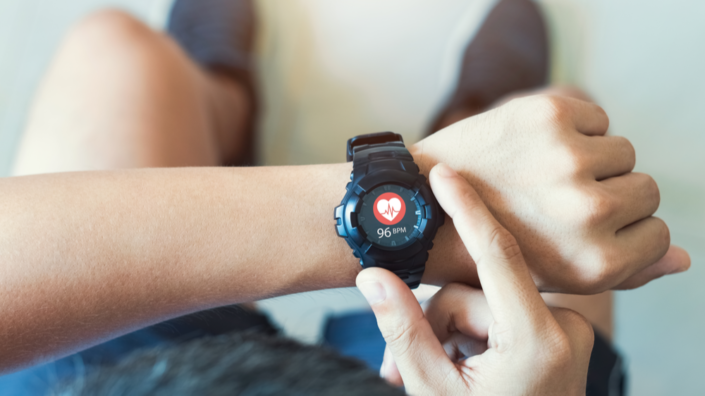
Wrist wearable deviceShort Bouts of Vigorous Activity May Reduce Mortality Risk: In a study published in Nature Medicine, scientists have shown that short bouts of everyday vigorous physical activity, such as stair climbing, are associated with a considerable reduction in mortality risk, especially in cardiovascular mortality.

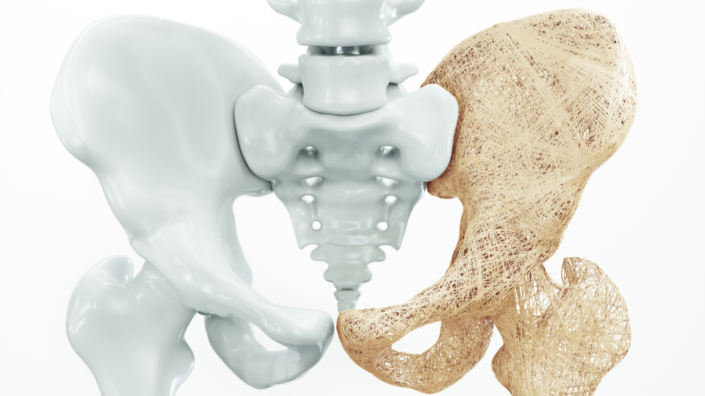
Fighting Osteoporosis Through Cellular Signaling: A paper published in Experimental Gerontology has detailed how a bacterially derived compound may be useful in fighting osteoporosis. This research shows that there may be a way to dig deeper into the root causes of osteoporosis.

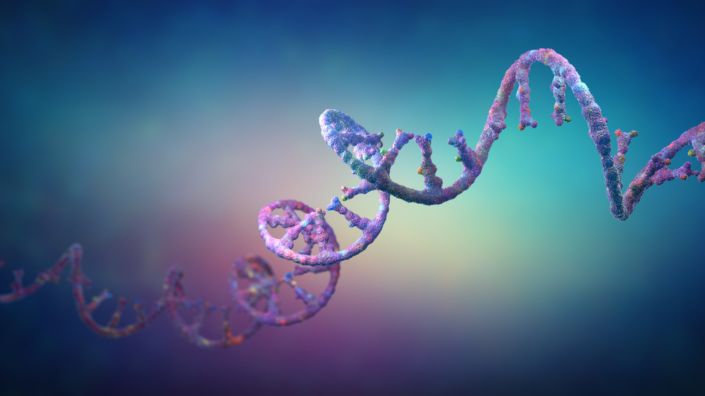
RNA strandTranscriptome-Wide Organization Changes in Aging: In a new study published in Nature Aging, researchers have shown that aging is associated with a decreased expression of long transcripts over multiple tissues across several animal species. This study uncovered a conserved molecular feature of age-associated global transcriptome changes.

Clearing Out Senescent Cells Rejuvenates Human Skin: Using a novel senolytic drug, scientists have successfully eliminated senescent cells in human skin transplanted into mice. The treatment led to prolonged skin rejuvenation. It works by inhibiting the enzyme glutaminase, which is essential for the survival of senescent cells.

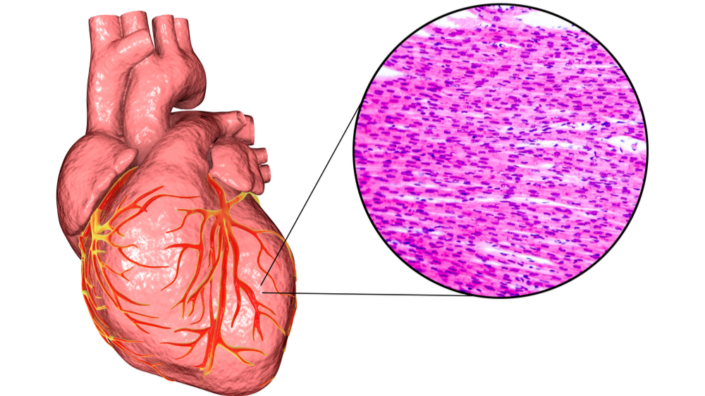
Heart cellsA Connection Between Laminal Dysfunction and Heart Weakness: A paper published in Nature Aging has explained how changes to the lamina contribute to heart weakness in model organisms. Lamin proteins enclose the nucleus in the lamina, the cellular envelope that contains and protects DNA.

Lifespan extension in female mice by early, transient exposure to adult female olfactory cues: These data provide support for the idea that very young mice are susceptible to influences that can have long-lasting effects on health maintenance in later life, and provide a potential example of lifespan extension by olfactory cues in mice.

Inducible Pluripotent Stem Cell-Derived Small Extracellular Vesicles Rejuvenate Senescent Blood–Brain Barrier to Protect against Ischemic Stroke in Aged Mice: In aged stroke mice, iPSC-sEVs significantly mitigated BBB integrity damage, reduced the following infiltration of peripheral leukocytes, and decreased the release of pro-inflammatory factors from the leukocytes, which ultimately inhibited neuronal death and improved neurofunctional recovery.

Ex vivo manufacturing of platelets: beyond the first-in-human clinical trial using autologous iPSC-platelets: This review summarizes current findings on the ex vivo generation of iPSC-PLTs that led to the iPLAT1 study and beyond.

Young plasma transfer recovers decreased sperm counts and restores epigenetics in aged testis: The researchers aimed to show whether blood plasma transfer has an effect on DNA methylation and spermatogenetic cell development.

Senescence atlas reveals an aged-like inflamed niche that blunts muscle regeneration: As senescent cells also accumulate in human muscles, these findings open potential paths for improving muscle repair throughout life.

Targeting anti-apoptotic pathways eliminates senescent melanocytes and leads to nevi regression: These data highlight the important role of redundant anti-apoptotic mechanisms for the survival advantage of senescent melanocytes and the proof-of-concept for a non-invasive combination therapy for nevi removal.

A molecular signature defining exercise adaptation with ageing and in vivo partial reprogramming in skeletal muscle: Considering reduced biological age according to DNA methylome analysis, high-volume exercise training can be classified as an epigenetic reprogramming stimulus.

DNA methylation GrimAge version 2: GrimAge version 2 is an attractive epigenetic biomarker of human mortality and morbidity risk.

Effect of dietary inflammatory potential on the aging acceleration for cardiometabolic disease: A population-based study: In people with CMD, potentially inflammatory diets were associated with age acceleration.

Association between gut microbiota and longevity: a genetic correlation and mendelian randomization study: This study found evidence that gut microbiota is causally associated with longevity, or vice versa, providing novel clues for understanding the roles of gut microbiota in aging development.

Musical and multilingual experience are related to healthy aging: better some than none but even better together: Musical and multilingual experiences are related to healthy aging, especially when combined, which supports the suggestion that a broader spectrum of lifetime experiences relates to cognitive reserve.

Quantifying the benefits of inefficient walking: Monty Python inspired laboratory based experimental study: Adults could achieve 75 minutes of vigorous intensity physical activity per week by walking inefficiently for about 11 min/day.

Gut microbiota of the young ameliorates physical fitness of the aged in mice: These results provide solid evidence that the gut microbiota from the young improves the vitality of the aged.

News Nuggets

BioAge Announces Positive Results Against Muscle Atrophy: BioAge Labs has concluded a Phase 1b study in which human volunteers undergoing 10 days of bed rest were shown to have their related muscle atrophy significantly attenuated by BGE-105.

Turn Biotechnologies Changes Paradigm in Skin Rejuvenation: Turn Biotechnologies has unveiled data at four industry conferences suggesting that a single ERA treatment may be more effective than combination therapies used today. Biomarker analysis demonstrates ERA’s regenerative impact on fibroblast proliferation and collagen VII production.

Coming Up

VitaDAO Longevity Hackathon: On January 20-22, the VitaDAO hackathon, powered by LongHack, will commence. This is a forum for innovators to present ideas and solutions for behavioral health and wellness. Monetary prizes will be awarded. lifespan.io is an official partner of this event.

We would like to ask you a small favor. We are a non-profit foundation, and unlike some other organizations, we have no shareholders and no products to sell you. All our news and educational content is free for everyone to read, but it does mean that we rely on the help of people like you. Every contribution, no matter if it’s big or small, supports independent journalism and sustains our future.

lifespan.io Christmas editorial 2022

Wishing You a Happy Holiday and a Healthy New Year!

While our team is taking some well earned rest and relaxation over Christmas (very important for health and longevity) we wanted to share our recent activities with you.

Wishing you a happy holiday!

Stephanie Dainow is the executive director at lifespan.io.Hi, this is Stephanie Dainow, the Executive Director here at lifespan.io. I would like to take the opportunity to personally wish you all a happy holiday and new year. As you know, our focus is longer, healthier lives with the ones we love, and we hope you’re taking the time to enjoy the holidays and spend time with your loved ones.

I also want to thank those of you who have supported our non-profit foundation this year, it really is greatly appreciated. Your financial support has absolutely enabled our non profit foundation to continue with advocacy initiatives that accelerate efforts to end age-related diseases. Please continue to donate (if you can), and we’re also going to be providing some fascinating metrics about the value of $1 towards advocacy in 2023.

The team will be taking a short break from December 23rd, but we will be back on January 3rd to continue the fight to defeat aging!  In the meantime, we still have tons of evergreen content for you to explore at your leisure. And for those who love Blocko, the host of Life Noggin, check out his latest animated adventures exploring aging research in the content below.

If you want to help drive progress forward, please share our content on social media. The longevity field needs more attention, and effective advocacy requires communities (you) to share information with their networks and educate them about this important cause. Our website provides all the tools you need, and feel free to get in touch if you need help.

See you all in the new year, and have a safe and happy holiday!

SENS Research Foundation video about crosslinks

Life Noggin has teamed up with the SENS Research Foundation to create a series of videos about aging and what science might do about it. This particular video covers crosslinks and how they likely contribute to aging.

Life Noggin is our edutainment channel that explains science and technology in a fun animated pop-sci style. Because we have an audience of 3.26 million subscribers, we can engage the wider science community about all the amazing research happening right now. This is an example of how we use education and edutainment to engage new audiences about aging and rejuvenation research.

We would like to thank SENS Research Foundation for sponsoring this video series. If you are interested in sponsoring your own video on Life Noggin, please feel free to get in touch with us.

lifespan.io at the Dublin Longevity Summit

Stephanie gave a talk at the Dublin Longevity Summit earlier this year and now the recording has been released. She was also awarded the Rising Star award at this conference for her advocacy and business work in the field.

The Longevity Summit at the Buck

December 6 to 7 saw the lifespan.io team attending the Longevity Summit at the Buck Institute for Research on Aging. Stephanie Dainow (Executive Director), Arkadi Mazin (Journalist), and Jake Mabey (Marketing) were in attendence.

During the vent, Arkadi took part in a discussion panel talking about the challenges and opportunities present in the field of aging and longevity research.

Arkadi Mazin at the longevity summit 2022

Here is what Arkadi had to say about the panel:

To my knowledge, this was one of the first times when communication and advocacy got some limelight at a aging research conference. The panel I took part in included Allison Duettman, CEO of Foresight Institute, Chris Patil, VP-Media at BioAge Labs, and myself, each of us representing a different facet of the ‘longevity communication network’. We talked about the importance of getting the word out, the challenges in explaining and addressing the concerns people have about increasing human lifespans, and our roles in moving the field forward. 

I stressed the fact that although we at lifespan.io are passionate about the field’s success, we are also proud to be following strict journalistic standards by providing thorough and impartial coverage. In the end, this responsible approach fosters trust, which is indispensable for getting more people behind the idea of rejuvenation and longevity. 

While scientists are obviously better at science, those of us in the communication and advocacy space might be better in explaining science as well as the philosophical and ethical aspects of life extension. Over the years, we have developed effective communication tools and approaches that our friends in the scientific community can tap into. 

I felt genuine interest in our work coming from the audience, and the feedback me and other participants had received clearly showed that organizing this panel was a great idea and that we need more such interactions in the longevity field.

Thanks to Arkadi for taking part in the panel and representing lifespan.io. Being a journalist working in this space can often be a challenging but ultimately rewarding experience. Communicating the message that aging is something we can and should do something about is as equally important as the actual research itself.

Because we are a non-profit, we are free from commercial and governmental influence, making us a trusted source for longevity news. As Arkadi mentioned, we have created an ethics code of longevity journalism in order to uphold our trust.

SENS Research Foundation video about stem cell exhaustion

Just in case you wanted more fun videos about aging research, we have teamed up with SENS Research Foundation again! This latest video explores the topic of stem cell exhaustion, one of the reasons we are thought to age.

Once again we wish to thank SENS Research Foundation for sponsoring this video series. If you are interested in sponsoring your own video on Life Noggin, please feel free to get in touch with us.

Announcing the Longevity Cause Fund

lifespan.io is proud to announce the official launch of the Longevity Cause Fund in partnership with SENS Research Foundation and the Methuselah Foundation, facilitated by Angel Protocol.

Longevity Cause Fund

This is an endowment designed to create sustainable funding for key players in the aging research and advocacy community. 100% of your donation will go directly to our three partner nonprofits fighting the diseases of aging. Half will be used for anti-aging work that is currently underway. The rest will be invested in perpetual endowments that will provide ongoing support for this work — forever. Aging affects us all.

And great news, the first $10k donated is also being fund matched by the Angel Alliance. That means any donation no matter how big or small will be worth even more!

Help us help you to stay healthier for longer by making a donation today!

Heart cells

Changes To The Lamina Contribute To Heart Weakness

A paper just published in Nature Aging has explained how changes to the lamina contribute to heart weakness in model organisms.

A protective enclosure for genetic stability

Lamin proteins enclose the nucleus in the lamina, the cellular envelope that contains and protects DNA. In progeria, a mutation of the gene that codes for the Lamin A protein turns it into progerin instead. This leads to dysmorphia of the nucleus, thus causing epigenetic dysfunction and direct genetic damage [1]. Progeria is a degenerative disease that causes children to age rapidly, and one of its downstream consequences is cardiovascular disease [2].

However, this mutation of Lamin A to progerin also occurs with ordinary aging, and it is associated with heart muscle disease (cardiomyopathy) in this context as well [3]. To further eludicate the relationship between laminal dysfunction and heart disease, the researchers have employed multiple animal models.

The lamina changes with aging in flies

For their first experiments, the researchers chose the familiar Drosophila melanogaster, a species of fruit flies that is commonly used in early-stage aging research. In two distinct wild-type strains, these researchers found that over the flies’ lifespans, the lamina became significantly smaller and more circular in heart muscle cells (cardiomyocytes). This does not occur in skeletal muscle [4] or connective tissue cells [5].

The next experiment determined the roles of specific lamin proteins. In Drosophila, Lamin C is equivalent to human Lamin A, and the researchers found that both Lamin C and Lamin B were decreased with aging in these flies. Therefore, through RNA silencing, they knocked down each of these proteins in the cardiomyocytes of flies.

Flies with the Lamina B knockdown had softer nuclei that did not resemble ordinary aging. However, one-week-old flies with the Lamin C knockdown had cardiomyocytes that resembled those of four-week-old flies. Their hearts were less able to pump blood, and they had significantly reduced survival. Similarly, these flies’ cardiomyocytes had gene expression that was more like that of older flies. Further testing with genetically modified flies confirmed these results.

The researchers also used temperature variations to cause RNA overexpression of Lamin C in adult flies. Flies with this modification had more cell division, more cardiac transcription factor expression, and more heart contraction than their unmodified counterparts.

Of mice and monkeys

The fly findings were recapitulated in other model organisms. Just like in the flies, in cardiomyocytes taken from mice and rhesus monkeys, the lamina were found to be more circular in a way that does not occur in other cells. Gene expression was shown to be similar in aging, with fundamental transcriptional factors being downregulated in aged cardiomyocytes.

Conclusion

These data offer a prospective explanation of a fundamental mechanism behind heart dysfunction in the elderly. Dysfunctional lamina uniquely affect the nuclei of heart cells, and this has a clear connection with a decline in function.

Together, Lamin-mediated misregulation of myogenic transcriptional programs likely has a major impact on mediating heart dysfunction during aging and may precede the development of heart failure.

This research points towards a potential solution. Intervention strategies that increase Lamin A expression in human beings may be of value in preserving genomic stability and gene expression in the heart and thereby extending lifespan. Considerably more work will be required to determine if such an approach is viable.

We would like to ask you a small favor. We are a non-profit foundation, and unlike some other organizations, we have no shareholders and no products to sell you. All our news and educational content is free for everyone to read, but it does mean that we rely on the help of people like you. Every contribution, no matter if it’s big or small, supports independent journalism and sustains our future.

Literature

[1] Goldman, R. D., Shumaker, D. K., Erdos, M. R., Eriksson, M., Goldman, A. E., Gordon, L. B., … & Collins, F. S. (2004). Accumulation of mutant lamin A causes progressive changes in nuclear architecture in Hutchinson–Gilford progeria syndrome. Proceedings of the National Academy of Sciences, 101(24), 8963-8968.

[2] Capell, B. C., Collins, F. S., & Nabel, E. G. (2007). Mechanisms of cardiovascular disease in accelerated aging syndromes. Circulation Research, 101(1), 13-26.

[3] Messner, M., Ghadge, S. K., Goetsch, V., Wimmer, A., Dörler, J., Pölzl, G., & Zaruba, M. M. (2018). Upregulation of the aging related LMNA splice variant progerin in dilated cardiomyopathy. PLoS One, 13(4), e0196739.

[4] Brandt, A., Krohne, G., & Großhans, J. (2008). The farnesylated nuclear proteins KUGELKERN and LAMIN B promote aging-like phenotypes in Drosophila flies. Aging cell, 7(4), 541-551.

[5] Scaffidi, P., & Misteli, T. (2006). Lamin A-dependent nuclear defects in human aging. Science, 312(5776), 1059-1063.

RNA strand

Transcriptome-Wide Organization Changes in Aging

In a new study published in Nature Aging, researchers have shown that aging is associated with a decreased expression of long transcripts over multiple tissues across several animal species [1].

Global changes

It is well known that aging is accompanied by changes in the expression of many genes. Therefore, numerous studies have focused on identifying crucial ‘longevity’ genes and correcting their expression levels in aged animals as a way to potentially rejuvenate them.

Such techniques as real-time quantitative PCR (qPCR or RT-PCR) and RNA sequencing (RNA-seq) are used to compare gene expression levels in different conditions, including aging. More often than not, the research is then reduced to a specific set of genes or pathways for practical reasons.

In this study, the researchers sought to explore aging-associated gene expression changes at a global level instead of evaluating individual genes. They analyzed transcriptomic data for mice and checked if their conclusions held true across several species, including humans.

Length matters

First, the scientists performed RNA-seq on various tissues taken from male mice at 4, 9, 12, 18, and 24 months old. Gene expression changes were inferred by comparing the expression level of each gene at a given age to its expression at 4 months of age in the corresponding tissue.

Next, the researchers applied a machine learning technique to identify which molecular features were associated with the age-related gene expression changes in mice. They show that the length of mature transcripts, i.e. after they’ve been processed and are now ready to be used for protein synthesis, is the most informative feature.

Importantly, with increased age, long transcripts demonstrate a decrease in expression for most tissues. In other words, the abundance of transcripts from long genes compared to short genes changes in old mice. The researchers coined this phenomenon “length-associated transcriptome imbalance”. They confirmed this observation using two other experimental techniques: proteomics and NanoString.

Of mice, men, rats, and killifish

To investigate if the length-associated transcriptome imbalance is a conserved feature across different species, the researchers reverted to previously published studies. They analyzed transcriptomic data from two mouse studies, one rat study, and a killifish study.

Although the amount of available data, e.g. the number of tissues, varied for these species, the results confirmed an age-dependent transcriptome imbalance. For all the organisms considered, approximately 80% of tissues demonstrated an age-related decrease in long transcripts.

Next, the researchers analyzed several sets of single-cell data during mouse aging to investigate if specific cell types or tissues were responsible for the observed transcriptome imbalance. They did not detect any variability and concluded that it was an organism-wide phenomenon.

Finally, the researchers analyzed data available for human tissues. The results were mostly consistent with the previous findings: in both middle-aged (40 to 59) and older adults (60 to 79), a decreased expression of long transcripts was observed. In humans but not mice, one tissue seems particularly prone to this transcriptome imbalance: the brain.

Another set of analyses revealed that the length of both mouse and human genes correlates with their ‘longevity power’. Indeed, the ‘anti-longevity’ genes mostly encode the shortest transcripts, while the longest transcripts are the products of ‘pro-longevity’ genes.

Reversing transcriptome imbalance

The outstanding question, then, is: can or even should anything be done about this age-dependent transcriptome imbalance? Fortunately, the researchers addressed this too. They looked into 11 interventions previously shown to be able to extend mouse lifespan within the Interventions Testing Program of the NIA.

According to the data they analyzed, seven of these anti-aging interventions increase the abundance of long transcripts, including rapamycin, resveratrol, senolytics, and FGF21. On the other hand, metformin and eating every other day were not effective in this respect.

In addition, the researchers highlight that length-associated transcriptome imbalance can be reverted by partial reprogramming, as evidenced by their analysis of a study on retinal ganglion cell rejuvenation [2].

Abstract

Aging is among the most important risk factors for morbidity and mortality. To contribute toward a molecular understanding of aging, we analyzed age-resolved transcriptomic data from multiple studies. Here, we show that transcript length alone explains most transcriptional changes observed with aging in mice and humans. We present three lines of evidence supporting the biological importance of the uncovered transcriptome imbalance. First, in vertebrates the length association primarily displays a lower relative abundance of long transcripts in aging. Second, eight antiaging interventions of the Interventions Testing Program of the National Institute on Aging can counter this length association. Third, we find that in humans and mice the genes with the longest transcripts enrich for genes reported to extend lifespan, whereas those with the shortest transcripts enrich for genes reported to shorten lifespan. Our study opens fundamental questions on aging and the organization of transcriptomes.

Conclusion

This study uncovered a conserved molecular feature of age-associated global transcriptome changes. It is, however, unclear if the transcriptome imbalance is specific to aging. Similarly to cellular enlargement, it could have several molecular origins, including DNA damage and loss of proteostasis. It is nevertheless promising that length-associated transcriptome imbalance is amenable to anti-aging interventions. Future studies should shed light on the role and causes of aging-related transcriptome imbalance.

We would like to ask you a small favor. We are a non-profit foundation, and unlike some other organizations, we have no shareholders and no products to sell you. All our news and educational content is free for everyone to read, but it does mean that we rely on the help of people like you. Every contribution, no matter if it’s big or small, supports independent journalism and sustains our future.

Literature

[1] Stoeger, T. et al. Aging is associated with a systemic length-associated transcriptome imbalance. Nature Aging 1–16 (2022)

[2] Lu, Y. et al. Reprogramming to recover youthful epigenetic information and restore vision. Nature 588, 124–129 (2020)

Hip osteoporosis

Fighting Osteoporosis Through Cellular Signaling

A paper published in Experimental Gerontology has detailed how a bacterially derived compound may be useful in fighting osteoporosis.

Osteoblasts and osteoclasts

Osteoblasts are cells that build bone, and osteoclasts are cells that consume it. These two processes happen consistently and naturally in the human body. However, when osteoclasts consume bone faster than osteoblasts can rebuild it, this leads to the age-related degradation of bone known as osteoporosis [1].

There are two main current treatments for osteoporosis: biphosphonates and the human monoclonal antibody denosumab. While these drugs are the current standard of care, they have rare but serious side effects, including bone death (osteonecrosis) of the jaw and a loss of bodily calcium (hypocalcemia). Denosumab works by inhibiting RANKL, which is a signaling molecule of NF-κB and promotes the growth of osteoclasts (osteoclastogenesis). Therefore, these researchers decided to see if there might be a better method of approaching this target.

Previous research has shown that interferon regulatory factor 8 (IRF-8) inhibits osteoclastogenesis [3] and that suppressing IRF-8 enhances it [4]. This paper’s researchers also noted a recent paper showing that chemicals known as oligosaccharides inhibit osteoclastogenesis [5], although the effects of these chemicals on IRF-8 was not described. With this in mind, the researchers sought to determine if variants of the bacterially derived oligosaccharide glucuronomannan (Gs) and their derivatives (SGs) could be of help against osteoporosis.

A cellular study

The researchers first began their study by conducting tests on viability on RAW264.7 cells, a line of proliferating mouse cells that differentiate into osteoclasts when exposed to RANKL. SGs were found to be too cytotoxic; they killed too many cells and inhibited their proliferation. The larger, more polymerized, Gs were also shown to have this effect, so the researchers focused on only three remaining contenders: G2, G4, and G6.

All three of these prospective drugs were shown to inhibit genes relating to osteoclastogenesis when RAW264.7 cells were also exposed to RANKL, although not all of the genes were equally suppressed. Higher doses were more effective, and G6 was found to be the most effective of the three. As expected, all three drugs delayed the NF-κB signaling pathway.

Most importantly, these compounds were shown to have significant effects on the crucial parts of osteoclastogenesis. IRF-8, which was downregulated by RANKL, was restored, and the RANKL signaling pathway was impaired instead. Formation of the actin ring, a crucial part of osteoclasts, was suppressed. The researchers conclude that these results demonstrate potential effectiveness against osteoclastogenesis and osteoporosis.

Conclusion

This is a cellular study on a mouse line, one of the earliest phases of drug development. Even if this is shown to be effective in living animals, the trial process may discover that oligosaccharides have even worse side effects or are simply not as good as the standard of care. Better methods for fighting osteoporosis may be discovered before this approach proceeds through development.

Still, this research shows that there may be a way to dig deeper into the root causes of osteoporosis, discouraging the overgrowth of bone-eating cells and preventing the associated fractures, weakness, and loss of mobility.

We would like to ask you a small favor. We are a non-profit foundation, and unlike some other organizations, we have no shareholders and no products to sell you. All our news and educational content is free for everyone to read, but it does mean that we rely on the help of people like you. Every contribution, no matter if it’s big or small, supports independent journalism and sustains our future.

Literature

[1] Rodan, G. A., & Martin, T. J. (2000). Therapeutic approaches to bone diseases. Science, 289(5484), 1508-1514.

[2] Gregson, C. L., Armstrong, D. J., Bowden, J., Cooper, C., Edwards, J., Gittoes, N. J., … & Compston, J. (2022). UK clinical guideline for the prevention and treatment of osteoporosis. Archives of osteoporosis, 17(1), 1-46.

[3] Zhao, B., Takami, M., Yamada, A., Wang, X., Koga, T., Hu, X., … & Kamijo, R. (2009). Interferon regulatory factor-8 regulates bone metabolism by suppressing osteoclastogenesis. Nature medicine, 15(9), 1066-1071.

[4] Kodama, J., & Kaito, T. (2020). Osteoclast multinucleation: review of current literature. International journal of molecular sciences, 21(16), 5685.

[5] Wang, S., Feng, W., Liu, J., Wang, X., Zhong, L., Lv, C., … & Mao, Y. (2022). Alginate oligosaccharide alleviates senile osteoporosis via the RANKL–RANK pathway in D-galactose-induced C57BL/6J mice. Chemical Biology & Drug Design, 99(1), 46-55.

Wrist wearable device

Short Bouts of Vigorous Activity May Reduce Mortality Risk

In a study published in Nature Medicine, scientists have shown that short bouts of everyday vigorous physical activity, such as stair climbing, are associated with a considerable reduction in mortality risk, especially in cardiovascular mortality [1].

Everyday activities and health

Exercise is one of the most effective anti-aging interventions available [2], but not everyone has the resources or the willpower to commit to a regular exercise regimen. However, regular exercise is not the only way to put the muscles and cardiovascular system to work. Most people engage in short bursts of activity from time to time, such as climbing a few flights of stairs, running after a bus, carrying heavy bags from the grocery store, and so on. No one had previously compared such everyday actions to health biomarkers, but a new study by an international team of scientists has changed that.

Data from wearable devices

The authors used data from wearable devices stored in UK Biobank, a huge repository of health information that has enabled dozens of scientific papers. Everyday exertions are known as vigorous intermittent lifestyle physical activity (VILPA), which wearable devices can detect. The researchers retrieved data on all-cause, cardiovascular, and cancer mortality for more than 25,000 people (mean age 62) who did not exercise regularly but wore wearables during the 7-year mean follow-up period.

The researchers used 65,000 regular exercisers as controls. This group had slightly higher educational attainment than non-exercisers, higher self-reported health (25.2% reporting being in excellent health versus 13.7% among the non-exercisers), and lower medication use.

Non-exercisers were defined as people who reported no leisure time exercise participation and no more than one recreational walk per week. For the sake of sensitivity analysis, the researchers also analyzed a subset of “perfect non-exercisers” who did not report even taking walks. While for most participants, the general level of physical activity (exerciser or non-exerciser) was only self-reported once, there was a 2000-strong subset of people who had two assessments separated by several years. This subset showed high retention of non-exerciser status; it did not change for 82% of respondents.

A bit of physical activity goes a long way

How much VILPA does the average couch potato accrue? First, virtually all VILPA bouts were no longer than two minutes, and the vast majority were no longer than one minute. The median total VILPA duration was four minutes per day, and the median frequency was three length-standardized bouts per day. At first glance, this is nothing to be proud about.

However, according to the study, this modest amount of activity went a long way in mitigating mortality risks. The effect was dose-dependent, but not perfectly linear, with the bulk of risk reduction associated with small VILPA amounts. Just 3 one-minute bouts of activity a day were associated with 39% less risk of all-cause mortality compared to no VILPA at all. 1.5 bouts a day resulted in 25% less risk, and the effect eventually plateaued at around 11 bouts a day (48% risk reduction).

The effect was much stronger for cardiovascular mortality, in which 1.5 bouts a day resulted in 33%, 3 bouts a day in 41%, and 11 bouts a day in a staggering 65% risk reduction. The analysis was adjusted for multiple covariates, including age, sex, physical activity, smoking, alcohol, sleep duration, fruit and vegetable consumption, education, medication use, and parental history of CVD and cancer. However, the list of covariates did not include BMI, an important factor for both health and physical activity.

Importantly, in terms of health impact, vigorous physical activity of all kinds in regular exercisers was not that dissimilar from VILPA in non-exercisers; according to the researchers, short bouts of vigorous everyday activity can recapitulate a lot of the reduction in mortality risk associated with regular vigorous exercise. The authors note that this is in line with several recent trials that showed improvements in cardiovascular fitness as a result of small amounts of vigorous physical activity [3].

Conclusion

While regular exercise is important, this study shows that even a small amount of vigorous physical activity is associated with a considerable reduction in mortality, especially cardiovascular mortality. When there is not enough everyday activity such as stair climbing, simple exercises like pushups and squats can be relatively easily incorporated into daily routines.

We would like to ask you a small favor. We are a non-profit foundation, and unlike some other organizations, we have no shareholders and no products to sell you. All our news and educational content is free for everyone to read, but it does mean that we rely on the help of people like you. Every contribution, no matter if it’s big or small, supports independent journalism and sustains our future.

Literature

[1] Stamatakis, E., Ahmadi, M. N., Gill, J. M., Thøgersen-Ntoumani, C., Gibala, M. J., Doherty, A., & Hamer, M. (2022). Association of wearable device-measured vigorous intermittent lifestyle physical activity with mortality. Nature Medicine, 1-9.

[2] Duggal, N. A., Pollock, R. D., Lazarus, N. R., Harridge, S., & Lord, J. M. (2018). Major features of immunesenescence, including reduced thymic output, are ameliorated by high levels of physical activity in adulthood. Aging cell, 17(2), e12750.

[3] Allison, M. K., Baglole, J. H., Martin, B. J., MacInnis, M. J., Gurd, B. J., & Gibala, M. J. (2017). Brief intense stair climbing improves cardiorespiratory fitness. Medicine and science in sports and exercise, 49(2), 298-307.

Journal Club

Phytocannabinoids and Skin Rejuvenation

The Journal Club returns for the last time this year at 12:00 Eastern on Tuesday 20th on the lifespan.io Facebook page. This month, Dr. Oliver Medvedik is taking a look at a new paper that explores phytocannabinoids in the context of skin aging and rejuvenation. Phytocannabinoids are cannabinoids that occur naturally in the cannabis plant and are increasingly being used in a range of beauty products. However, despite their use, the data supporting them is somewhat lacking. This paper attempts to ascertain if they are genuinely useful or not.

Abstract

In light of the increased popularity of phytocannabinoids (pCBs) and their appearance in beauty products without rigorous research on their rejuvenation efficacy, we decided to investigate the potential role of pCBs in skin rejuvenation. Utilizing healthy and stress-induced premature senescent (SIPS) CCD-1064Sk skin fibroblasts, the effects of pCBs on cellular viability, functional activity, metabolic function, and nuclear architecture were tested. Both delta-9-tetrahydrocannabinol (THC) and cannabidiol (CBD) within the range of 0.5 µM to 2.0 µM increased cell growth in a dose-dependent manner while significantly decreasing senescence as measured by beta-galactosidase activity. Utilizing a scratch assay, both THC and CBD (2.0 µM) significantly improved wound healing in both healthy and SIPS fibroblasts. THC and CBD altered nuclear architecture and mRNA levels of cell cycle regulators and genes involved in ECM production. Subsequently, we found ELN, Cyclin D1, PCNA, and BID protein levels altered by SIPS but ameliorated after pCBs exposure in human dermal fibroblasts. Lastly, we compared the efficacy of THC and CBD with common anti-aging nutrient signaling regulators in replicative senescent adult human dermal fibroblasts, CCD-1135Sk. Both THC and CBD were found to improve wound healing better than metformin, rapamycin, and triacetylresveratrol in replicative senescent CCD-1135Sk fibroblasts. Therefore, pCBs can be a valuable source of biologically active substances used in cosmetics, and more studies using clinical trials should be performed to confirm the efficacy of phytocannabinoids.

If you are a Lifespan Hero, you can join us using the following connection details:

Join Zoom Meeting

Meeting ID: 883 1072 6554

Passcode: 239609

Literature

Gerasymchuk, M., Robinson, G. I., Groves, A., Haselhorst, L., Nandakumar, S., Stahl, C., … & Kovalchuk, I. (2022). Phytocannabinoids Stimulate Rejuvenation and Prevent Cellular Senescence in Human Dermal Fibroblasts. Cells, 11(23), 3939.

Exploring Autophagy to Fight AMD

Publishing in Free Radical Biology and Medicine, a team of Chinese researchers has investigated the potential role of autophagy in fighting oxidative stress and potentially staving off age-related macular degeneration (AMD).

AMD, oxidative stress, and autophagy

AMD comes in two major forms. In the nonexudative (dry) form, material builds up behind the retina, while in the exudative (wet) form, abnormal blood vessel growth occurs instead [1]. Wet AMD can be treated with regular injections [2], but dry AMD has no current treatment. Both forms lead to blindness, and AMD is the leading cause of vision loss in the elderly.

Some previous work has shown that oxidative stress plays a major role in the development of AMD [3]. Autophagy, the process of cells consuming their own organelles, declines with aging [4] and is known to serve protective functions against oxidative and other stresses [5]. Therefore, the researchers hypothesized that enhancing autophagy could be an effective strategy for fighting untreatable AMD.

To do this, the researchers turned to lactate, a well-known product of exercise. Lactate has been previously shown to protect against oxidative stress [6], and it protected neurons and reduced inflammation in a mouse model of glaucoma [7].

Effectiveness in cells

For these experiments, the researchers used ARPE-19, a line of human retinal pigment epithelium (RPE) cells, which are the cells most directly affected by AMD and are particularly vulnerable to oxidative stress [8]. To model this stress, they treated these cells with hydrogen peroxide. Interestingly, they found that very small amounts of hydrogen peroxide encourage autophagy and the production of lactate within the cells; to prevent this from altering their experimental data, they chose a higher dose of 600 micromoles, even though that significantly decreased cell viability.

Then, they introduced external sources of lactate. Cells given this lactate had slightly but significantly higher viability along with visible signs of increased autophagy. Introducing a chemical that inhibits autophagy neutralized the effects of the lactate, which is evidence that the autophagy was responsible for the increased viability.

Lactate was also shown to help mitochondria against oxidative stress. Mitochondrial fission and membrane potential were harmed by hydrogen peroxide, and both of these problems were somewhat alleviated by lactate. Lactate pretreatment also significantly reduced the mitochondrial production of reactive oxygen species (ROS); here, introducing another chemical that inhibits autophagy once again neutralized the effects of lactate.

A mouse model showed promise

To validate their cellular work, the researchers turned to mice injected with sodium iodate in a known model of retinal degeneration [9]. With lactate treatment, the number of cells visibly harmed by the sodium iodate, as determined by chemical staining, were substantially decreased. Just like in the cellular experiments, inhibiting autophagy neutralized the effects of the lactate.

Lactate mouse eyes

Conclusion

These results are promising, but this research remains initial and exploratory. The cellular and murine experiments were done with chemical insults rather than genetics. Oxidative stress is unlikely to be the sole factor in the progression of AMD. Further preclinical work, in better models of AMD, will need to be done before this research can progress into human clinical trials.

However, these results may represent a low-hanging fruit, and lactate is a naturally forming chemical that may also have anti-cancer properties. If oxidative stress is found to be a major contributor to AMD and can be successfully ameliorated, it may be possible to help stave off AMD and similar diseases and help people keep their vision for longer.

We would like to ask you a small favor. We are a non-profit foundation, and unlike some other organizations, we have no shareholders and no products to sell you. All our news and educational content is free for everyone to read, but it does mean that we rely on the help of people like you. Every contribution, no matter if it’s big or small, supports independent journalism and sustains our future.

Literature

[1] Spaide, R. F., Jaffe, G. J., Sarraf, D., Freund, K. B., Sadda, S. R., Staurenghi, G., … & Fujimoto, J. (2020). Consensus nomenclature for reporting neovascular age-related macular degeneration data: consensus on neovascular age-related macular degeneration nomenclature study group. Ophthalmology, 127(5), 616-636.

[2] Fogli, S., Del Re, M., Rofi, E., Posarelli, C., Figus, M., & Danesi, R. (2018). Clinical pharmacology of intravitreal anti-VEGF drugs. Eye, 32(6), 1010-1020.

[3] Beatty, S., Koh, H. H., Phil, M., Henson, D., & Boulton, M. (2000). The role of oxidative stress in the pathogenesis of age-related macular degeneration. Survey of ophthalmology, 45(2), 115-134.

[4] Rubinsztein, D. C., Mariño, G., & Kroemer, G. (2011). Autophagy and aging. Cell, 146(5), 682-695.

[5] He, L., Zhang, J., Zhao, J., Ma, N., Kim, S. W., Qiao, S., & Ma, X. (2018). Autophagy: the last defense against cellular nutritional stress. Advances in Nutrition, 9(4), 493-504.

[6] Tauffenberger, A., Fiumelli, H., Almustafa, S., & Magistretti, P. J. (2019). Lactate and pyruvate promote oxidative stress resistance through hormetic ROS signaling. Cell death & disease, 10(9), 1-16.

[7] Harun-Or-Rashid, M., & Inman, D. M. (2018). Reduced AMPK activation and increased HCAR activation drive anti-inflammatory response and neuroprotection in glaucoma. Journal of neuroinflammation, 15(1), 1-15.

[8] Du, J., Yanagida, A., Knight, K., Engel, A. L., Vo, A. H., Jankowski, C., … & Chao, J. R. (2016). Reductive carboxylation is a major metabolic pathway in the retinal pigment epithelium. Proceedings of the National Academy of Sciences, 113(51), 14710-14715.

[9] Kiuchi, K., Yoshizawa, K., Shikata, N., Moriguchi, K., & Tsubura, A. (2002). Morphologic characteristics of retinal degeneration induced by sodium iodate in mice. Current eye research, 25(6), 373-379.

Enlarged cell

Size Matters in Cellular Aging

In a new review article published in Frontiers in Cell and Developmental Biology, researchers have suggested adding cellular enlargement to the hallmarks of aging [1].

Bigger is not always better

Different cell types are known to have different shapes and sizes, which are dictated by their functions. In humans, sperm cells (male gametes) and ova (female gametes) have the smallest and largest diameters, respectively. On the other hand, some neurons are the longest cells: their axons can be over a meter long.

Nevertheless, within a specific cell type, the size variation is negligible. It has been long observed that healthy cells tend to maintain their size and that size changes are characteristic of pathological conditions. Cancer cells are often smaller than normal cells, while senescence leads to cellular enlargement [2].

This can roughly be explained by the different growth and proliferation rates of the two cell types. Cancer cells keep on dividing, so the individual cells don’t grow fast on their own, although this is not universally true. Senescent cells, on the contrary, enter cell cycle arrest: they don’t divide. The production of new cellular material (the biosynthesis rate) exceeds the degradation rate, leading to cellular enlargement.

Cell size is very much dependent on the cell cycle. Often, if a cell experiences an insult such as DNA damage, it halts division to repair the damage. Meanwhile, cell growth continues, leading to cellular enlargement and dysfunction.

In this case, cellular enlargement can be considered a consequence of DNA damage, which leads to cellular dysfunction. The authors, however, argue that cellular enlargement results from various processes other than DNA damage, which, over the course of aging, cause a series of cell cycle arrests.

Of note, there are a number of normal cellular processes that increase the size of cells, such as before division into two daughter cells or during the programmed cell death known as apoptosis.

Cellular enlargement and other hallmarks of aging

In this review, the authors highlight the results of their research on the enlargement of hematopoietic stem cells (HSCs), which give rise to blood cells. They showed that enlarging HSCs by various means makes them dysfunctional. However, the HSCs that stay smaller after such an enlargement-causing treatment are less dysfunctional. Preventing enlargement entirely promotes normal HSC function.

In addition, they note that HSCs enlarge during aging while reducing their size using rapamycin leads to preserved function of aged HSCs. Therefore, the researchers suggest that cellular enlargement could be a new hallmark of aging in addition to the framework of nine hallmarks published in 2013 [3]. Earlier this year, other researchers proposed the inclusion of five more.

These researchers also discussed the interplay between cellular enlargement and some established hallmarks of aging: cellular senescence, genomic instability, telomere attrition, mitochondrial dysfunction, and loss of proteostasis.

Although senescent cells are characterized by enlargement, it is not clear if large HSCs are more prone to become senescent. DNA damage leads to cellular enlargement, while telomere attrition doesn’t seem to play a major role in either enlargement or the aging-associated dysfunction of HSCs. There doesn’t seem to be a clear connection between mitochondrial volume or number and cellular enlargement during aging. Finally, protein synthesis doesn’t seem to be affected by HSC enlargement.

Whether large stem cell size affects other aspects of proteostasis and hallmarks of aging is not yet known.

A detailed analysis

The authors analyzed a large body of literature to explore the association between the enlargement of different cell types and age-related dysfunction. They note that the environment surrounding the cells affects their size. Therefore, by modulating such aspects as the stiffness of the extracellular matrix, it is possible to improve cellular function by altering cellular size.

The researchers also looked into pathology-associated size changes of various cell types, such as adipocytes, red blood cells, neurons, and cardiomyocytes (heart cells). In general, cellular enlargement is indeed an indicator of disease. Interestingly, while neurons mostly shrink with aging, Alzheimer’s disease is characterized by neuron enlargement.

Finally, the authors make an observation that the volume of some cell types is inversely correlated with the lifespan of different animals. However, whether cell size could be used as an indicator of lifespan depends very much on the cell type and the species in question.

Abstract

Years of important research has revealed that cells heavily invest in regulating their size. Nevertheless, it has remained unclear why accurate size control is so important. Our recent study using hematopoietic stem cells (HSCs) in vivo indicates that cellular enlargement is causally associated with aging. Here, we present an overview of these findings and their implications. Furthermore, we performed a broad literature analysis to evaluate the potential of cellular enlargement as a new aging hallmark and to examine its connection to previously described aging hallmarks. Finally, we highlight interesting work presenting a correlation between cell size and age-related diseases. Taken together, we found mounting evidence linking cellular enlargement to aging and age-related diseases. Therefore, we encourage researchers from seemingly unrelated areas to take a fresh look at their data from the perspective of cell size.

Conclusion

This review provides insights into aging-associated cellular enlargement, particularly of hematopoietic stem cells. The authors suggest adding cellular enlargement to the list of the hallmarks of aging because this phenomenon: is observed during normal aging, speeds up aging if worsened, and reverses some aspects of aging if abolished.

However, the authors admit that cellular enlargement does not accompany the aging of all cell types. Moreover, the deviation from the normal cell size is a more precise indicator of pathology. Therefore, it might be premature to coin cellular enlargement as a new hallmark of aging. Nevertheless, analyzing cell size and figuring out how its manipulation affects cellular aging could be an important step for experimental biologists who are attempting to unravel the underlying causes of aging.

We would like to ask you a small favor. We are a non-profit foundation, and unlike some other organizations, we have no shareholders and no products to sell you. All our news and educational content is free for everyone to read, but it does mean that we rely on the help of people like you. Every contribution, no matter if it’s big or small, supports independent journalism and sustains our future.

Literature

[1] Davies, D. M., van den Handel, K., Bharadwaj, S. & Lengefeld, J. Cellular enlargement – A new hallmark of aging? Front Cell Dev Biol 10, 1036602 (2022).

[2] Neurohr, G. E. et al. Excessive Cell Growth Causes Cytoplasm Dilution And Contributes to Senescence. Cell 176, 1083–1097.e18 (2019)

[3] López-Otín, C., Blasco, M. A., Partridge, L., Serrano, M. & Kroemer, G. The hallmarks of aging. Cell 153, 1194–1217 (2013)

Jogging seniors

Study Suggests NMN May Improve NAD+ and Walking Speed

A new study suggests that NMN supplementation elevates NAD+ levels and increases walking distance in healthy participants, with 600 mg/day being the optimal dose [1].

NAD+ and its precursors

While NAD+ can be supplemented via precursors such as NMN, this route has a few roadblocks as well. For instance, studies do not always show that NAD+ precursors increase NAD+ blood levels [2]. Their safety is a bit of a concern as well, since NAD+ can provide energy to cancer cells via glycolysis [3]. However, in general, NAD+ precursors are currently considered safe.

Placebo-controlled study

This study was based on a randomized, multicenter, double-blind, placebo-controlled clinical trial. ‘Multicenter’ means it was conducted in more than one facility, which helps eliminate possible bias due to facility-specific factors. The primary endpoint was NMN’s ability to elevate NAD+ blood levels. As their secondary endpoints, the scientists chose safety and tolerability, physical performance in a walking test, blood biological age, insulin resistance, and overall health via a subjective assessment.

Previous studies were often inconsistent in showing NMN’s health benefits and its ability to affect NAD+ levels in blood. These studies were often sex-biased and/or conducted in people with pre-existing health conditions. This time, the researchers made a point of recruiting healthy men and women aged 40-65 with a wide range of BMI scores. With 80 participants, the sample size was respectable even if not stellar. Three different doses of NMN were investigated: 300, 600, and 900 mg/day.

This study was co-sponsored by the two companies that jointly produce a food-grade NMN product named AbinoNutra™ NMN. However, it was conducted by a respected team of researchers, so there is no reason to doubt its results. It should also be noted here that NMN supplements were recently banned by the FDA in a controversial ruling.

NAD+ levels and fitness affected

NAD+ levels were increased significantly in all study groups compared to placebo and baseline. There was also a significant difference between 300 and 600 mg/day but not between 600 and 900 mg/day. Interestingly, most of the increase in NAD+ levels happened during the first 30 days of the study, while during the second month, the researchers only saw a very mild additional increase.

The six-minute walking distance at baseline was about 300 meters across the groups, which is on the slower side. It significantly improved in the three study groups compared to placebo and baseline. Here, too, the difference between 300 and 600 mg/day was large, but the difference between 600 and 900 mg/day was virtually nonexistent. The gains in walking distance were substantial, with both 600 and 900 mg/day groups adding about 150 meters: a 50% increase.

The participants were not required to perform any regular physical activity during the experiment, and the tests were done just three times: at baseline, after the first month, and after the second month. If there was any habituation to the walking test, it should have been noticeable in the placebo group. However, in this group, no increase in walking distance occurred. This means that the 50% increase occurred due to NMN supplementation. It is possible that participants on NMN began feeling more invigorated early into the study period, and increased their physical activity accordingly, which led to better results measured in the clinic.

NMN human study 1

Asterisks above the bars designate different levels of statistical significance, while NS stands for ‘non-significant’.

Puzzling biological age results 

The researchers measured blood biological age using Aging.AI 3.0, which was developed by Alexander Zhavoronkov’s company InSilico. Unlike epigenetic clocks, Aging.AI has yet to see widespread use in scientific studies. According to this metric, in the placebo group, biological age increased by 5.5 years on average from baseline (during the mere two months of the trial’s duration), while in all the study groups, there was barely any change at all. These results look hardly intuitive or interpretable. Unfortunately, the researchers did not use epigenetic clocks that could have provided a benchmark.

For insulin resistance measurements, the researchers used the HOMA-IR (Homeostatic Model Assessment for Insulin Resistance) test. All of those results were statistically insignificant.

The participants were also asked to complete a 36-question health and quality of life questionnaire (SF-36). The scores mostly followed the same dynamic as NAD+ levels and walking distance: there was some increase in the 300 mg/day group compared to placebo (statistically significant at 60 days), and a much more pronounced increase in both the 600 mg/day and 900 mg/day groups. However, there was no significant difference between those two groups.

NMN human study ages

Conclusion

This interesting trial addresses some design problems found in previous studies, establishing 600 mg/day of NMN as a preferred dose that seems to significantly affect NAD+ levels and physical performance. As in previous NMN trials, no safety problems were reported. However, it does not mean that either efficacy of safety of NMN supplementation have been proven beyond any doubt; therefore, there should be more studies with larger sample sizes, different endpoints, and longer follow-up periods.

We would like to ask you a small favor. We are a non-profit foundation, and unlike some other organizations, we have no shareholders and no products to sell you. All our news and educational content is free for everyone to read, but it does mean that we rely on the help of people like you. Every contribution, no matter if it’s big or small, supports independent journalism and sustains our future.

Literature

[1] Yi, L., Maier, A. B., Tao, R., Lin, Z., Vaidya, A., Pendse, S., … & Kumbhar, V. (2022). The efficacy and safety of ß-nicotinamide mononucleotide (NMN) supplementation in healthy middle-aged adults: a randomized, multicenter, double-blind, placebo-controlled, parallel-group, dose-dependent clinical trial. GeroScience, 1-15.

[2] Huang, D. (2022). A Multicentre, Randomized, Double Blind, Parallel Design, Placebo Controlled Study to Evaluate the Efficacy and Safety of Uthever (NMN Supplement), an Orally Administered Supplementation in Middle Aged and Older Adults. Frontiers in Aging, 26.

[3] Yaku, K., Okabe, K., Hikosaka, K., & Nakagawa, T. (2018). NAD metabolism in cancer therapeutics. Frontiers in oncology, 8, 622.

Destroy cancer

Genetically Enhancing T Cells to Fight Tumors

A team of researchers from multiple Japanese universities has found a way to genetically enhance T cells against solid tumors, as published today in Nature Biomedical Engineering.

A focus on signals

This highly in-depth paper begins with a discussion of signaling in the response of chimeric antigen receptor (CAR) T cells, as good signals are vital for their effectiveness [1]. Three specific biochemical signals are mentioned: a primary signal that spurs the downstream activation of T cells, a co-stimulatory signal that sits on the surface of T cells to enhance the primary signal, and a cytokine signal that promotes the activity and survival of T cells.

Previous work has dedifferentiated T cells into induced pluripotent stem cells (iPSCs), which then redifferentiate back into rejuvenated T cells [2]. However, these cells have been imperfect, particularly with regards to signaling. One experiment used added signals to enhance the effectiveness of such cells [3], but these researchers note that this approach is much stronger against blood-borne cancers than solid tumors.

Thorough enhancement

Seeking to improve cellular signaling from the inside out, the researchers performed three modifications to their cells. The first was to select a CAR differentiation line that did not send exhaustion signals, promoting the formation of T cells. For the second, the researchers used the well-known CRISPR/Cas-9 technique to inhibit the cells’ response to counteracting signals that might be found within the tumor. For their final modification, the team enhanced the production of the cytokine IL-15.

The researchers tested their modifications every step of the way. The first modification, applying this CAR to these T cells, made the cells much more effective than similar cells without it, but this modification could also be applied to primary T cells, which were much more robust and effective than these iPSC cells.

The second modification improved the cells further. The cells’ metabolic fitness was improved, they survived for longer, and they fought tumors more effectively. Simply put, they became better at being T cells. These genetically modified cells were nearly as effective against solid tumors as the primary CAR-T cells.

The third modification changed the game.

Modified CAR-T Survival

While this suite of modifications could not be effectively applied to primary T cells, the iPSCs took it very well, significantly outperforming the other groups in every respect and dramatically improving survival against a model of ovarian cancer. Further testing showed that it was nearly as effective against a model of liver cancer. Tumors, while they still grew somewhat, were much slower to grow when these triply modified cells were present.

Conclusion

While proven to work only in mice, this approach represents a significant breakthrough for immunotherapy. It is easy to envision that this team, or other teams, may discover even more alterations that improve iPSC-derived T cells even further against cancer. Because these modifications begin with a single cloned cell, they can be applied with 100% accuracy, sidestepping a problem common to gene therapy.

However, as the researchers note, this approach is not without its potential drawbacks. The modifications to these cells primarily worked by making them considerably more aggressive, which might enhance negative immune reactions in human trials. This paper recommends suicide genes and other modifications to prevent immunorejection and make such cells safe for general use against cancerous tumors in human beings.

We would like to ask you a small favor. We are a non-profit foundation, and unlike some other organizations, we have no shareholders and no products to sell you. All our news and educational content is free for everyone to read, but it does mean that we rely on the help of people like you. Every contribution, no matter if it’s big or small, supports independent journalism and sustains our future.

Literature

[1] Klebanoff, C. A., Gattinoni, L., Palmer, D. C., Muranski, P., Ji, Y., Hinrichs, C. S., … & Restifo, N. P. (2011). Determinants of Successful CD8+ T-Cell Adoptive Immunotherapy for Large Established Tumors in Mice. Clinical Cancer Research, 17(16), 5343-5352.

[2] Nishimura, T., Kaneko, S., Kawana-Tachikawa, A., Tajima, Y., Goto, H., Zhu, D., … & Nakauchi, H. (2013). Generation of rejuvenated antigen-specific T cells by reprogramming to pluripotency and redifferentiation. Cell stem cell, 12(1), 114-126.

[3] Iriguchi, S., Yasui, Y., Kawai, Y., Arima, S., Kunitomo, M., Sato, T., … & Kaneko, S. (2021). A clinically applicable and scalable method to regenerate T-cells from iPSCs for off-the-shelf T-cell immunotherapy. Nature communications, 12(1), 1-15.

Clearing Out Senescent Cells Rejuvenates Human Skin

Using a novel senolytic drug, scientists have successfully eliminated senescent cells in human skin transplanted into mice. The treatment led to prolonged skin rejuvenation [1].

Senescence and senolytics

Senescent cells, also known as “zombie cells”, are cells that have stopped proliferating after being subjected to any of several types of stress (replicative, chemical, radiational, etc.) but evade clearance by the immune system. Such cells secrete the senescence-associated secretory phenotype (SASP), a cocktail of mostly harmful molecules that harm neighboring cells, driving more of them towards senescence and promoting inflammation. Cellular senescence is one of the hallmarks of aging.

Clearing away senescent cells with senolytics is a popular emerging strategy in the longevity field, but creating effective therapies have proved tricky. However, attempts continue, as evidenced by this new study coming from Japan.

Clearing out senescent fibroblasts in vitro

The researchers experimented with a recently discovered senolytic, which has a long chemical name shortened to BPTES. It works by inhibiting the enzyme glutaminase, which is essential for the survival of senescent cells [2]. Their goal was to see whether BPTES can effectively target senescent human skin cells in vitro and in vivo and whether clearing out those cells can lead to actual skin rejuvenation.

For their in vitro experiments, the researchers used human fibroblasts. Skin is thought to be one of the organs most affected by cellular senescence, with 15-60% of fibroblasts in the skin of aging mice being senescent [3]. Senescent cells are not always harmful. They play a role in wound healing [4], which is obviously important when it comes to skin, but with age, the “dark side” of senescent cells prevails.

The researchers induced senescence in the fibroblasts by three different method: replication, radiation, and treatment with doxorubicin, a chemotherapy drug. Such thoroughness is required, because senescence phenotypes differ significantly. The researchers then confirmed that some of the fibroblasts became senescent.

Here again, three different popular markers were used: senescence-associated ß-galactosidase (SA-ß-gal), p16, and p21. For additional robustness, senescence was also confirmed using morphological analysis, as senescent cells are generally larger and flatter than healthy cells. Another assay confirmed that proliferation levels in the culture had dropped as expected.

BPTES was used in different doses to eliminate the senescent fraction of the fibroblasts. The effect on the senescent cells was dose dependent. The highest dose decreased senescent cell viability almost to zero while barely affecting the viability of non-senescent cells, which shows both high efficacy and high specificity.

Rejuvenating human skin… in mice

To investigate the effect of BPTES on actual aged human skin, the researchers transplanted patches of it into naked mice. Prior to the transplantation, the samples were stained for senescence markers, which showed an abundance of senescent cells. The researchers then treated the transplants with BPTES and followed up for one month.

The treatment drastically reduced the number of cells that tested positive for SA-ß-gal, p16, and p21. Importantly, the levels of cellular senescence remained low even after a month of follow-up, indicating a protracted effect. The researchers also measured the proliferation marker Ki67 and saw a very significant increase in the rate of cell division following the treatment. BPTES also attenuated the levels of several SASP molecules that were elevated in the skin prior to transplantation (metalloproteinases and the inflammatory cytokines IL-1a, IL6, and TNFα).

Collagen density, which determines skin elasticity and decreases with age, was significantly increased by the treatment, as shown by histological analysis. The mRNA expression of Col1A1, the gene that produces type I collagen, was more than twice as high in the treated transplants than in controls. Moreover, collagen levels remained high during the month-long follow-up. This suggests that senolysis might be a viable strategy for long-term skin rejuvenation.

Skin Senolytics

Conclusion

In this study, the researchers were able to cause an impressive reduction of cellular senescence in human skin both in vitro and in vivo. The treatment had a protracted rejuvenative effect on aged human skin samples transplanted into mice. It is easy to see how this can lead to actual human trials in the near future.

We would like to ask you a small favor. We are a non-profit foundation, and unlike some other organizations, we have no shareholders and no products to sell you. All our news and educational content is free for everyone to read, but it does mean that we rely on the help of people like you. Every contribution, no matter if it’s big or small, supports independent journalism and sustains our future.

Literature

[1] Takaya, K., Ishii, T., Asou, T., & Kishi, K. (2022). Glutaminase inhibitors rejuvenate human skin via clearance of senescent cells: a study using a mouse/human chimeric model. Aging, 14.

[2] Johmura, Y., Yamanaka, T., Omori, S., Wang, T. W., Sugiura, Y., Matsumoto, M., … & Nakanishi, M. (2021). Senolysis by glutaminolysis inhibition ameliorates various age-associated disorders. Science, 371(6526), 265-270.

[3] Wang, C., Jurk, D., Maddick, M., Nelson, G., Martin-Ruiz, C., & Von Zglinicki, T. (2009). DNA damage response and cellular senescence in tissues of aging mice. Aging cell, 8(3), 311-323.

[4] Wilkinson, H. N., & Hardman, M. J. (2020). Senescence in wound repair: emerging strategies to target chronic healing wounds. Frontiers in cell and developmental biology, 8, 773.