The Blog

Building a Future Free of Age-Related Disease

Ischemic stroke

The APOE4 Gene Is Associated With Worse Stroke Outcomes

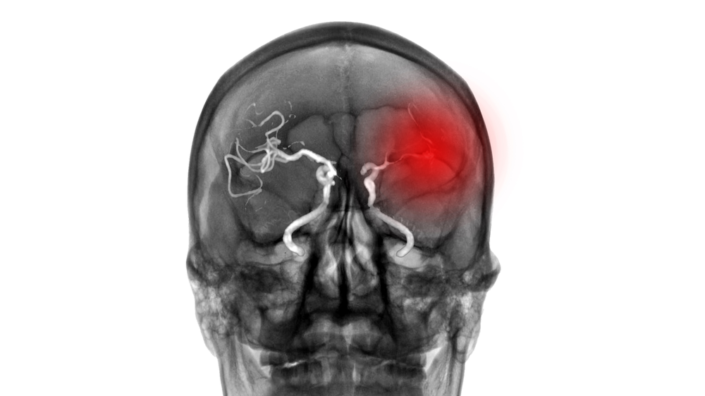
Researchers publishing in Aging have found that there is a correlation between the APOE4 gene and poor outcomes after ischemic stroke.

An allele with a long and sordid history

Other than its well-known association with Alzheimer’s disease, the APOE4 allele, which codes for the ApoE4 apolipoprotein variant, is associated with unfavorable outcomes in other neurological problems as well, including Parkinson’s disease [1] and amyotrophic lateral sclerosis (ALS) [2]. It is even associated with worse outcomes after acute injuries, such as brain bleeds [3].

However, the relevant data on stroke is muddled and contradictory. These researchers hold that some previous studies on the subject had small sample sizes and confounding factors that impaired the results. These researchers, therefore, sought to take another look at the subject, focusing on outcomes three months after acute ischemic stroke.

A four-figure dataset

Between January 2017 and March 2020, 2,295 people were screened for APOE genotype. 2,001 of them received 3-month follow-ups. 72 people with thrombosis-related issues were excluded. Of the remaining 1,929 people, almost two-thirds had two copies of APOE3, with most of the others having at least one copy of APOE3. Dual carriers of APOE4 and APOE2, along with APOE4/APOE2 carriers, made up less than 4% of the total sample.

People with at least one copy of APOE4 were significantly more likely to have biomarkers of inflammation along with increased LDL cholesterol and triglycerides. Other biomarkers were not found to be statistically significant.

Using the modified Rankin scale to assess disability and death, the researchers found that more than two-fifths of APOE4 carriers were at least slightly disabled, compared to less than one-sixth of noncarriers. Nearly a third of carriers were at least moderately disabled, but only a tenth of noncarriers were. A tenth of carriers had died within the three months, compared to less than 2% of noncarriers.

APOE Stroke

Interestingly, inflammation was found to be a significant contributing factor only among APOE4 carriers. APOE4 carriers in the highest quartile of the inflammatory biomarker NLR were found to be almost twice as likely to have poor outcomes.

Conclusion

While APOE2 was not differentiated from APOE3, this research seems fairly conclusive in its findings, showing that an allele known for poor outcomes in other areas is connected to poor outcomes in acute ischemic stroke. The logical question is whether or not anything can be done about it. If APOE4 can be properly classfied as a genetic disease, gene therapy or mRNA-based therapies may be worth the effort in minimizing human suffering and maximizing healthy lifespan.

We would like to ask you a small favor. We are a non-profit foundation, and unlike some other organizations, we have no shareholders and no products to sell you. All our news and educational content is free for everyone to read, but it does mean that we rely on the help of people like you. Every contribution, no matter if it’s big or small, supports independent journalism and sustains our future.

Literature

[1] Kim, R., Shin, J. H., Park, S., Kim, H. J., & Jeon, B. (2020). Apolipoprotein E ε4 genotype and risk of freezing of gait in Parkinson’s disease. Parkinsonism & Related Disorders, 81, 173-178.

[2] Chio, A., Brunetti, M., Barberis, M., Iazzolino, B., Montuschi, A., Ilardi, A., … & Calvo, A. (2016). The role of APOE in the occurrence of frontotemporal dementia in amyotrophic lateral sclerosis. JAMA neurology, 73(4), 425-430.

[3] Biffi, A., Murphy, M. P., Kubiszewski, P., Kourkoulis, C., Schwab, K., Gurol, M. E., … & Rosand, J. (2019). APOE genotype, hypertension severity and outcomes after intracerebral haemorrhage. Brain communications, 1(1), fcz018.

Avatar

Selfish, Reckless, Satanic: Life Extension in Movies

In the much-awaited sequel to the movie Avatar, there is a passing, peculiar mention of life extension. This mention, as can be expected, is negative. In the movie, the greedy, nature-destroying humans hunt a local whale-like species for several ounces of precious liquid secreted by the animals’ brains.

Why? Because this liquid stops aging, which makes it “the most valuable substance in the universe”. So valuable, in fact, that the hunters do not hesitate to kill the “whales” who possess humanlike levels of intelligence and never fight back because in their culture, killing is a taboo. You can start crying now.

The motif of life extension and immortality is probably as ancient as art itself. In the oldest known epos, Gilgamesh, the protagonist, pursues but cannot achieve immortality. Since then, art has been fascinated with life extension, mostly not in a good way.

In the movie Three Thousand Years of Longing, the main character says after being offered three wishes by a jinni: “There’s no story about wishing that is not a cautionary tale”. The same is true for every tale about life extension and immortality. Is it surprising, then, that even today, people harbor deep suspicions and stunningly inaccurate perceptions about geroscience?

Just how bad is it?

A few years ago, Mair Underwood, a sociologist at the University of Queensland in Australia, published a paper that sums up the movie industry’s attitudes toward life extension. To do so, she analyzed 19 movies that deal with life extension, shot between 1973 and 2011.

Underwood found that pursuing life extension was almost universally portrayed as unnatural, arrogant, secretive, selfish, reckless, godless, heretical, and, in one instance, satanic. Even when the scientists in such movies are driven by the purest intentions, the pursuit of longevity does not end well.

According to the paper, “the audience is actively discouraged from sharing enthusiasm for life extension… and from identifying with life extension scientists and those who choose life extension”. Extended life is presented as void of value and meaning, a “nightmare”, a “curse”, and “not really living”.

A prominent theme was that life extension would exacerbate social divides and that access to it would be unfairly distributed. “With death presented as a necessary part of life that adds value”, the paper notes, “and the acceptance of death presented as bringing true joy, it is hardly surprising that mortality is depicted as more valuable than immortality”.

While science fiction is not expected to lean towards the “science” part, it is worth noting that the portrayal of the scientific aspect of life extension in Avatar: The Way of Water and in most other movies is highly unrealistic. We know now that there exists no magic pill or substance that can singlehandedly stop or reverse aging.

Aging is a complex phenomenon that requires combination approaches, the first generation of which are being developed right now. Even if we were to find an animal-sourced anti-aging substance, we would be able to synthesize its active ingredients. No killing of intelligent whales would ever be required.

The wider context

Interestingly, like the Russian doll (the real doll, not the eponymous Netflix series), the small anti-longevity motif in Avatar: The Way of Water is nestled inside a wider anti-progress narrative.

Humanity has a horrible history of destructive practices in colonization, but at least its worst forms are behind us now. Why would future humans, after mastering interstellar flight, bring back old colonial horrors, complete with merciless subjugation of “lesser” conscious beings, rampant exploitation of natural resources, and whaling – something that was banned in the late 20th century? Why would our moral principles deteriorate rather than improve with time, in defiance of humankind’s whole history? Theoretically, that’s possible, but Avatar: The Way of Water provides no explanation for that; it is just assumed.

Juxtaposed with that is the ethos of a beautiful primeval culture living in perfect harmony with nature without ever exhausting its resources. Historical reality, however, is quite different. Early humans wreaked havoc on ecosystems wherever they went, driving multiple species into extinction, especially large ones. Megafauna of islands such as Tasmania and probably Australia suffered the most from hunting and burning of forests. Early humans multiplied and did everything they could to survive without caring too much about the environment.

Our ancestors were also largely helpless against diseases, which led to short lifespans and lots of suffering. Their religious and cultural practices often included intergroup and intragroup violence, and their knowledge of the world was rudimentary at best. We might have something to learn about sustainability from some hunter-gatherer practices, but romanticizing early humans, while simultaneously painting technological and scientific progress in grim colors, does humanity a great disservice.

Real-world consequences

In 2013, an expansive poll by Pew Research Center asked Americans whether they would want to take a pill that would extend their life by decades. This is good wording, since it implies neither immortality nor insignificantly small life extension. Still, most respondents answered “no”. A majority also thought that life extension of this kind was bad for society.

This is baffling. During the last century, average life expectancy grew by several decades – and no one seemed to protest. Why would people think that repeating this feat is a bad idea both for society and for them personally?

On one hand, people as individuals and humanity as a whole consider death a tragedy and try to avoid it. Innumerable resources are spent on keeping people alive for as long as possible, be it via seatbelts or cancer therapies. However, the same idea framed as “life extension” is seen as dubious, calamitous, and even nefarious. It is likely that the way life extension is portrayed in mass culture has something to do with this. Way too often, Hollywood chooses to scare rather than to inspire, because fear and simplistic tropes sell well.

However, this misrepresentation has real-life consequences. Moviegoers are also voters. Stem cell research was stifled in the US for years for political reasons, and while some concerns about genetically modified organisms might be justified, it is becoming increasingly clear that impeding research into genetically modified organisms does more harm than good. Both of those scientific fields can save millions of people from death and suffering, but their potential pales in comparison with that of geroscience.

For millennia, humanity could not even come close to conquering age-related diseases, so life extension remained the stuff of myths and legends. Another piece of ancient writing comes to mind: Aesop’s fable of the fox and the grapes, where the fox, being unable to reach the high-hanging grapes despite much trying, walks away declaring that he wasn’t into those sour grapes anyway.

In the same way, fear of death probably pushes people into embracing it and distancing themselves from those who attempt to rebel against “the ways of God and nature”. Art has always been happy to pluck those strings.

We are not the villains

Today, however, when scientists are finally on the cusp of actually slowing, if not defeating, aging, such attitudes seem outdated, unwarranted, and outright harmful. Thankfully, the tide is turning, and Avatar: The Way of Water might be one of the last movies to use life extension as a scarecrow. Some others, including other Disney content such as Thor and the Eternals, already abandon this trope in favor of a more positive vision of life extension.

We have arrived at a point where geroscience is ready to spread its wings, but it needs society to stand behind it. Significant lifespan extension raises serious questions, and it’s possible to have books and movies that thoughtfully discuss the relevant challenges while remaining scientifically sound. There is much to say about how life extension would affect the fabric of our society and how to ensure equal distribution of future life-extending therapies, which are certainly going to be addressed similarly to, and have the same challenges as, other medical interventions.

However, mad scientists, malicious billionaires, and greedy whalers squeezing magical anti-aging liquid from a giant alien’s brain? Give me a break. Yes, moviemakers need villains, but they should choose their villains more carefully. The arts have a long history of reinforcing harmful stereotypes about sex, race, and culture. Let’s not do that to people working towards healthier, longer lives.

We would like to ask you a small favor. We are a non-profit foundation, and unlike some other organizations, we have no shareholders and no products to sell you. All our news and educational content is free for everyone to read, but it does mean that we rely on the help of people like you. Every contribution, no matter if it’s big or small, supports independent journalism and sustains our future.
Different rats

Questioning the Usefulness of Model Organisms

In a new review paper published in GeroScience, the researchers explored the translatability of anti-aging interventions across species and received somewhat alarming results [1].

Necessary, but not the best

Model organisms have been widely and successfully used to understand the molecular processes driving disease pathologies, identify drug candidates, and test therapeutic interventions.

Modern drug development is composed of several stages, including preclinical studies in which drug candidates are tested in animals for their safety and efficacy and the right dosage and administration route are determined.

Unfortunately, the vast majority of drug candidates fail for various reasons. The incomplete translatability of results obtained from preclinical species to humans is one of them. After all, 30-40% of drug candidates fail at Phase 1 [2,3]. Likewise, potentially effective therapeutics might never even enter clinical trials due to their failure at the preclinical stage.

Much effort is being made to substitute or augment drug testing in animals with such approaches as 2D and 3D in vitro models, organoids, and in silico methods. Nonetheless, the complexity of human physiology means that it is often necessary to use similarly complex models: other living organisms.

Given that aging is an even more difficult problem than any disease, it is of paramount importance to determine how representative animal studies are of what is going on in an aging human body.

To address this issue, the authors of this review assessed if lifespan-extending compounds identified in invertebrate models, such as Caenorhabditis elegans worms and Drosophila melanogaster flies, are also effective in mice. This analysis gives a hint to the translatability of successful anti-aging lab animal interventions to humans.

Three lab musketeers

The researchers first used the DrugAge database, which contains information about compounds that extend the lifespan of all three model organisms: mice, flies, and worms.

They identified 37 compounds that extend lifespan in mice and either flies or worms. Their analysis shows that predicting the beneficial effect of interventions in mice based on data from flies and worms is not significantly more useful than just picking the compounds randomly from the list. The predictive power for Drosophila was higher than for Caenorhabditis.

Although the sensitivity of prediction was relatively high, i.e. 94% and 86% of compounds that extend lifespan in mice also do so in flies and worms, respectively, the specificity was extremely low. This means that it is impossible to know what doesn’t work as a life-extending intervention in mice based on the data from flies and worms.

More data, similar results

The researchers then complemented this analysis with a separate approach in which they took the results from the Interventions Testing Program (ITP) in mice, Caenorhabditis Interventions Testing Program (CITP), and Drosophila studies.

Using these datasets, they identified 20 compounds that extend lifespan in mice and either flies or worms. Similarly to their first analysis, they show that selecting anti-aging interventions for mice based on data from invertebrates is not significantly better than selecting the compounds at random.

It is conceivable that the drivers of aging are different between invertebrates and mammals. The translatability from mice to humans might be better simply because the same organs and morbidity-driving pathologies are present in both.

On the other hand, unlike mice, humans are a long-lived species, and it is unclear how much we can safely infer about the effectiveness of human anti-aging interventions based on mouse data.

Abstract

A growing number of pharmaceutical and small molecule interventions are reported to extend the lifespan of laboratory animals including Caenorhabditis, Drosophila, and mouse. However, the degree to which these pro-longevity interventions are conserved across species is unclear. Here, we took two approaches to ask the question: to what extent do longevity intervention studies in Caenorhabditis and Drosophila recapitulate effects on mouse lifespan? The first approach analyzes all published reports on longevity in the literature collated by the DrugAge database, and the second approach focused on results designed for reproducibility as reported from the NIA-supported Interventions Testing Program (ITP) and the Caenorhabditis Interventions Testing Program (CITP). Using published data sources, we identify only modest sensitivity and specificity of Drosophila interventional studies for identifying pro-longevity compounds in mouse lifespan studies. Surprisingly, reported studies in C. elegans show little predictive value for identifying drugs that extend lifespan in mice. The results therefore suggest caution should be used when making assumptions about the translatability of lifespan-extending compounds across species, including human intervention.

Conclusion

This review paper highlights the importance of studying age-related phenomena in the organisms that researchers intend to manipulate them in. The translatability of results from one species to another, especially for distantly related animals, is clearly limited for lifespan-extending interventions.

Model organisms are still invaluable tools to discover basic molecular processes and screen for potential anti-aging therapeutics. Nevertheless, new approaches to studying aging and developing ways to interfere with it directly in humans could be the innovations that the field desperately needs.

We would like to ask you a small favor. We are a non-profit foundation, and unlike some other organizations, we have no shareholders and no products to sell you. All our news and educational content is free for everyone to read, but it does mean that we rely on the help of people like you. Every contribution, no matter if it’s big or small, supports independent journalism and sustains our future.

Literature

[1] Bene, M. & Salmon, A. B. Testing the evidence that lifespan-extending compound interventions are conserved across laboratory animal model species. Geroscience (2023) doi:10.1007/s11357-022-00722-0

[2] Takebe, T., Imai, R. & Ono, S. The Current Status of Drug Discovery and Development as Originated in United States Academia: The Influence of Industrial and Academic Collaboration on Drug Discovery and Development. Clin. Transl. Sci. 11, 597–606 (2018)

[3] Mullard, A. Parsing clinical success rates. Nat. Rev. Drug Discov. 15, 447 (2016)

Rodent on exercise wheel

The Microbiome Might Affect Motivation for Exercise

Scientists publishing in Nature have found that compounds produced by some types of gut bacteria can influence dopamine levels in the brain and, as a result, might influence motivation to go on a morning run [1].

We’ve got company

We tend to think of ourselves as single organisms, but every human body serves as a home to trillions of other living things: bacteria of various species. Until recently, those microscopic squatters were not getting the attention they deserved. During recent years, there has been a boom in microbiome studies, linking the inhabitants of our guts to neurodegenerative [2] and cardiovascular diseases [3], cancer [4], and inflammaging [5]. We now know that microbiome composition differs significantly among individuals, contributing to the variability in health risks and fitness [6].

Exercise is one of the most potent anti-aging interventions known to humans. Most people know they should exercise, and many do, but motivation remains a serious issue. What’s easy for some is daunting for others. The reasons for this variability in motivation are poorly understood and usually catalogued under the vague label of “personality traits”. However, this study suggests that those differences might have a lot to do with the microbiome.

Do you have the guts to go on?

The researchers started with genetically diverse mice and meticulously phenotyped them, accumulating thousands of data points per animal. They learned that genetic differences played only a minor role in the variability in both voluntary and forced exercise capacity. They then used machine learning to identify variables that were strongly predictive of this capacity. Interestingly, the results of 16s rDNA analysis, which is commonly used to identify bacterial strains in the microbiome, were among the most well-correlated with endurance.

The researchers then performed a series of microbiome depletion and transplantation experiments. Sweeping microbiotal ablation with broad-spectrum antibiotics led to a decrease in exercise capacity. When microbiota was transplanted from donor mice to germ-free mice, the performance levels were highly correlated between the donor and the recipient.

The scientists then continued to experiment on genetically identical B6 mice to exclude factors other than microbiome composition. They tried various narrowly acting antibiotics and found that only neomycin had not impaired physical performance. The researchers again turned to 16s rDNA sequencing and identified several members of the Erysipelotrichaceae and Lachnospiraceae families as possible drivers of exercise performance.

Gut-brain dopamine signaling

However, muscle function and oxygen consumption turned out to be largely similar in microbiome-depleted mice and in controls, so the researchers decided to investigate the motivational pathway.

They found that in striatal neurons (the striatum is a part of the brain central to movement control), levels of dopamine, a major regulator of the drive for physical activity, were elevated by exercise in mice with intact microbiota, but not in antibiotic-treated mice – except those treated with neomycin. Those post-exercise spikes in striatal dopamine levels were restored by the same microbiotal transplants that had improved exercise performance, but not by other types of bacteria. Inhibition of dopamine by other means recapitulated the effects of microbiome depletion.

How exactly did the gut communicate with the brain? Experiments ruled out the possibility that this communication was carried out by metabolites in blood, so the researchers turned their attention to nerves. Their results suggest that fatty acid amides (FAAs) produced by some types of bacteria trigger neuronal signaling that ultimately results in increased dopamine levels in the striatum. FAA-fed mice with depleted microbiomes showed improved exercise ability.

Moreover, the researchers were able to engineer an FAA-producing string of E. coli. Mono-colonizing mice’s guts with this strain (but not with regular E. coli) rescued their exercise performance. The bottom line is that when there are few FAA-producing bacteria in the gut, this seems to blunt the exercise-associated dopamine surge, leading to diminished motivation to exercise.

Conclusion

This study increases our understanding of the diversity of microbiota and their importance for human health and fitness. If the researchers are correct and if these results translate to human beings, people might soon be able to increase their motivation to exercise by consuming specific strains of bacteria or FAAs directly.

We would like to ask you a small favor. We are a non-profit foundation, and unlike some other organizations, we have no shareholders and no products to sell you. All our news and educational content is free for everyone to read, but it does mean that we rely on the help of people like you. Every contribution, no matter if it’s big or small, supports independent journalism and sustains our future.

Literature

[1] Dohnalová, L., Lundgren, P., Carty, J. R., Goldstein, N., Wenski, S. L., Nanudorn, P., … & Thaiss, C. A. (2022). A microbiome-dependent gut–brain pathway regulates motivation for exercise. Nature, 612(7941), 739-747.

[2] Chen, C., Liao, J., Xia, Y., Liu, X., Jones, R., Haran, J., … & Ye, K. (2022). Gut microbiota regulate Alzheimer’s disease pathologies and cognitive disorders via PUFA-associated neuroinflammation. Gut.

[3] Witkowski, M., Weeks, T. L., & Hazen, S. L. (2020). Gut microbiota and cardiovascular disease. Circulation research, 127(4), 553-570.Chicago

[4] Helmink, B. A., Khan, M. A., Hermann, A., Gopalakrishnan, V., & Wargo, J. A. (2019). The microbiome, cancer, and cancer therapy. Nature medicine, 25(3), 377-388.

[5] Fransen, F., Van Beek, A. A., Borghuis, T., Aidy, S. E., Hugenholtz, F., van der Gaast–de Jongh, C., … & De Vos, P. (2017). Aged gut microbiota contributes to systemical inflammaging after transfer to germ-free mice. Frontiers in immunology, 8, 1385.

[6] Clauss, M., Gérard, P., Mosca, A., & Leclerc, M. (2021). Interplay between exercise and gut microbiome in the context of human health and performance. Frontiers in Nutrition, 305.

Silica dust

NMN Alleviates Silicate Lung Injury in Mice

A new paper published in Nutrients shows that the well-known NAD+ precursor NMN alleviates lung injury caused by silicate inhalation in wild-type mice.

An antioxidant approach to a common problem

Silicosis is an occupational hazard encountered by people who are regularly exposed to silica dust [1]. It is a common cause of lung injury around the world [2]. Silica dust enters cells easily, but cells find it hard to remove [3]; when they do remove it, it is often through phagocytosis, and the released particles are then often consumed once again [4].

One of the main ways that silicosis harms cells is through cellular stress in the forms of inflammation and oxidation, which are problems that NMN has been reported to alleviate in previous studies related to other conditions [5].

Effective against injury and inflammation

For this study, the researchers used five groups of wild-type mice: a sham group, a silicate inhalation group, groups that received high (one gram per kilogram) and low (half a gram per kilogram) doses of NMN along with silica inhalation, and an NMN control group that only received a gram per kilogram of NMN. These mice were only six to eight weeks old.

After one week of this treatment, the results were already statistically significant. The two NMN treatment groups were found to have significantly less scar-related collagen tissue and significantly fewer lesions than the silica-only group.

NMN Lung Injury 1

Four weeks showed even more significant results. Lung weight, which had significantly increased among the silica-only group, had not increased nearly as much in the NMN groups, which had significantly reduced collagen as well. While both NMN treatment groups benefited, the high-dose group fared better than the low-dose group in lung lesions.

NMN Lung Injury 2

Similar results were reported in reactive oxygen species (ROS), glutathione (GSH), and macrophage count. While low doses of NMN were not shown to be effective against ROS at 7 days, they were effective at 28 days. GSH decreases with silica inhalation but is restored with NMN at low and high doses. Macrophage count increases with silica as well, and this measurement of inflammation is also reduced with NMN, particularly after four weeks.

Gene expression analysis confirmed these findings, showing that GSH-related metabolism, which is mediated by the production of the ROS metabolism factor Nrf2, is a likely cause of these results. In these mice, Nrf2 was found to be decreased with silica inhalation and restored with high-dose NMN. Other genes related to the metabolism of foreign matter and detoxification were found to be decreased with silica and enhanced with NMN at both low and high doses after 28 days.

Conclusion

The researchers note that although they have explored some of the fundamental biology, the lung microenvironment remains largely unexplored. Therefore, despite what has been learned from these experiments, there is not yet a full understanding of how NMN interacts with lung fibroblasts in living tissue.

While this study focuses on environmental exposure rather than intrinsic aging, it is not a leap of logic to suggest that these effects against this particular form of accumulated damage may apply to other forms of accumulated damage as well. However, this is still a mouse study. Further trials are necessary to confirm these results and determine if NMN is effective in alleviating silicosis, or other sources of long-term tissue damage, in human beings.

We would like to ask you a small favor. We are a non-profit foundation, and unlike some other organizations, we have no shareholders and no products to sell you. All our news and educational content is free for everyone to read, but it does mean that we rely on the help of people like you. Every contribution, no matter if it’s big or small, supports independent journalism and sustains our future.

Literature

[1] Barnes, H., Goh, N. S., Leong, T. L., & Hoy, R. (2019). Silica‐associated lung disease: an old‐world exposure in modern industries. Respirology, 24(12), 1165-1175.

[2] Shi, P., Xing, X., Xi, S., Jing, H., Yuan, J., Fu, Z., & Zhao, H. (2020). Trends in global, regional and national incidence of pneumoconiosis caused by different aetiologies: an analysis from the Global Burden of Disease Study 2017. Occupational and Environmental Medicine, 77(6), 407-414.

[3] Rimola, A., Costa, D., Sodupe, M., Lambert, J. F., & Ugliengo, P. (2013). Silica surface features and their role in the adsorption of biomolecules: computational modeling and experiments. Chemical reviews, 113(6), 4216-4313.

[4] Benmerzoug, S., Rose, S., Bounab, B., Gosset, D., Duneau, L., Chenuet, P., … & Quesniaux, V. F. (2018). STING-dependent sensing of self-DNA drives silica-induced lung inflammation. Nature communications, 9(1), 1-19.

[5] Wan, Y., He, B., Zhu, D., Wang, L., Huang, R., Zhu, J., … & Gao, F. (2021). Nicotinamide mononucleotide attenuates doxorubicin-induced cardiotoxicity by reducing oxidative stress, inflammation and apoptosis in rats. Archives of Biochemistry and Biophysics, 712, 109050.

DNA Damage

David Sinclair: Epigenetic Info Loss Is a Cause of Aging

Published in Cell, a new paper by David Sinclair and his team argues that epigenetic dysregulation in the form of information loss is a major driver of aging, but it can be reversed in vivo by partial cellular reprogramming.

Genome or epigenome?

Both genomic instability and epigenetic alterations are included in the Hallmarks of Aging [1], and both have been linked to numerous age-related pathologies. However, some geroscientists, such as the renowned Harvard professor David Sinclair, assign more blame to the latter. Sinclair has developed the “Information Theory of Aging” which postulates that “aging in eukaryotes is due to the loss of transcriptional networks and epigenetic information over time”. The twist is that this epigenetic dysregulation is a byproduct of the cell’s constant attempts to repair DNA damage, so the two hallmarks are interlinked.

According to this “relocalization of chromatin modifiers” (RCM) hypothesis, certain elements of the double strand break (DSB) repair mechanism, such as Sir2, are also in charge of keeping the chromatin structure in order, which is the key to maintaining the cell’s function and identity. When summoned to repair a DSB, those elements leave their usual posts. Sometimes, they fail to return to their initial positions after the repair is completed, especially when there’s a lot of DSBs. This causes gradual dysregulation in chromatin structure and transcription. In addition to several scientific papers [2], the RCM hypothesis is described in detail in Sinclair’s 2019 book “Lifespan: Why We Age, and Why We Don’t Have To”.

DSBs cause aging in the absence of mutations

In this new study, Sinclair’s group tested this hypothesis in a new, ingenious way. The researchers created a model of mild increase in DSB load for use in vitro and in vivo. As opposed to “blunt instruments” such as radiation or chemical damage, which induce too many DSBs and cause serious loss of function, this new model strains the cell’s DSB repair mechanisms without overwhelming them. It does so by conditionally expressing I-PpoI endonuclease (an enzyme that cleaves DNA), which recognizes a specific nucleotide sequence found in some non-essential DNA loci outside of protein-coding genes.

For their in vitro experiments, the researchers used mouse embryonic fibroblasts (MEFs). DSB markers increased four-fold after the system was turned on, but this did not cause changes in cell-cycle profile, apoptosis, or senescence; the cells did not seem to suffer any significant damage. However, the cells became about 1.5-fold epigenetically older than controls, as measured at 89 methylation sites. The cells exhibited several more signs of aging, such as increased sensitivity to DNA-damaging agents and elevated senescence markers. Importantly, no change in mutation frequency was observed, showing that the DSB repair process was faithful and still led to accelerated cellular aging.

The researchers then induced whole-body I-PpoI expression in 4- to 6-month-old mice for 3 weeks. While during the treatment and shortly after, there was no difference in fitness between the study group and controls, subtle differences such as alopecia began appearing one month after the treatment. At the ten-month mark, the treated mice were noticeably less fit, with frailty indices on par with two-year-old mice along with kyphosis and decreased bone density. Various symptoms of brain, muscle, skin, and liver aging were observed as well. The treated mice also showed accelerated epigenetic aging. While no change in mutation frequency was observed one month after the treatment ended, it significantly altered the epigenetic landscape in an aging-like manner.

The researchers then established that intensified DSB repair led to erosion of the epigenetic landscape, disruption of developmental genes, and altered spatial organization of chromatin, which controls gene expression and cellular identity. The paper calls this “the first evidence that faithful DNA repair alters multiple layers of epigenetic information”.

Reprogramming restores the epigenetic landscape

If the treatment indeed weakens cellular identity, it should be easier to nudge the treated cells towards differentiation into other cell types, such as neurons. Using an established cellular reprogramming protocol, the researchers showed that the treated cells were much more susceptible to such redifferentiation than controls. In treated mice, the epigenetic signature of the muscle was shifted towards that of immune cells, which is also what happens during aging.

In a study from 2020 [3], Sinclair’s group showed that partial in vivo reprogramming using Yamanaka factors can reverse epigenetic age and gene expression patterns in old neurons. The researchers interpret this as cells possessing “a back-up copy of youthful epigenetic information that can restore cell identity”. In this study, partial cellular reprogramming did the trick again, rolling back the epigenetic age of cells in vitro and markers of epigenetic aging in vivo.

Conclusion

The authors suggest that the epigenetic dysregulation caused by the normal activity of DSB-repairing machinery drives aging even when the repair is faithful and no mutations occur. Some previous findings seem to support this hypothesis. For instance, epigenetic signatures change significantly with age in most animals but not in long-lived bats.

The researchers also mention successful cloning of animals from old cells (their accumulated mutations get passed to the progeny, but not their aged epigenome). On the other hand, one recent study showed a strong correlation between the rate of somatic mutations and aging across numerous species.

If the researchers are right, this opens the door to reversing aging through partial cellular reprogramming, which is a technique actively pursued by numerous scientists and longevity biotech companies.

We would like to ask you a small favor. We are a non-profit foundation, and unlike some other organizations, we have no shareholders and no products to sell you. All our news and educational content is free for everyone to read, but it does mean that we rely on the help of people like you. Every contribution, no matter if it’s big or small, supports independent journalism and sustains our future.

Literature

[1] López-Otín, C., Blasco, M. A., Partridge, L., Serrano, M., & Kroemer, G. (2013). The hallmarks of aging. Cell, 153(6), 1194-1217.

[2] Oberdoerffer, P., & Sinclair, D. A. (2007). The role of nuclear architecture in genomic instability and ageing. Nature reviews Molecular cell biology, 8(9), 692-702.

[3] Lu, Y., Brommer, B., Tian, X., Krishnan, A., Meer, M., Wang, C., … & Sinclair, D. A. (2020). Reprogramming to recover youthful epigenetic information and restore vision. Nature, 588(7836), 124-129.Chicago

Obese and healthy mouse

Obesity Shown to Affect Brain Aging in Mice

Research published in Immunity & Ageing has shown that obesity has significant, aging-associated effects on behavior and immunity in the brains of mice.

Known effects on humans and mice

The researchers introduce this study by discussing human studies. It is well known that obesity is a risk factor for severe metabolic disorders, such as diabetes and cardiovascular disease [1], and dementia later in life [2].

While such longitudinal studies are highly informative, they do not document any of the fundamental biology involved. Previous research has been conducted in that area, showing that obesity harms the hippocampus [3] and encourages inflammation [4] in mouse models. The effects of aging have also been heavily documented in these models as well, illustrating the well-known phenomenon of inflammaging [5].

The effects of obesity on aged mice have also been documented, showing a broad variety of harms to the brain [6], including gene expressions associated with Alzheimer’s disease [7]. In this paper, the researchers build on that work by analyzing mice of different ages in an effort to determine how obesity and aging interact.

An analysis of four groups

In this study, the researchers used four groups: 16-week-old mice fed a standard diet (SD), 16-week-old fed a high-fat diet (HFD) to induce obesity, 24-week-old mice fed an SD, and 24-week-old mice on the HFD.

This paper began with a hippocampal gene expression analysis. Eight weeks of aging were shown to affect 729 genes, and the change in diet was shown to affect 886 genes. 216 of these genes were the same ones: in these cases, obesity was shown to affect the hippocampus in approximately the same way that aging did. Many of these pathways were related to metabolic dysfunction, and others were related to neurodegenerative diseases such as Parkinson’s, Huntington’s, and Alzheimer’s.

A more involved look showed more counterintuitive data. In many cases, such as in genes related to lymphocyte function and immune cell activation, aging and HFD were shown to independently increase their expression; however, the aged HFD mice had decreased expression instead.

The effects on body size were largely predictable. Both aging and a high-fat diet increase fat mass in mice. However, aged mice fed the high-fat diet were not significantly larger than their younger counterparts fed the same diet, and their individual fat cells were not found to be larger either. They did, however, have significantly worse problems handling glucose; the effects of aging and a high-fat diet were shown to combine in this respect.

Effects on the brain

While neither aging nor a high-fat diet were shown to significantly increase pro-inflammatory cytokines in the hippocampus, aged HFD mice had more immune cells in the brain than their SD counterparts did. The data showed that aging slightly increases this as well, but not to the level of statistical significance. The researchers noted that this obesity-associated increase in microglia is in line with previous research in other animal models [8].

Obesity also caused a more pronounced fear response in these mice. HFD mice in both groups were shown to learn a Pavlovian fear association more quickly; normally, aging slows the development of this learned response. Aging also slows the gradual loss of this response when it is being conditioned out of the mice; however, HFD mice, particularly aged HFD mice, retained their fear responses significantly longer.

Conclusion

While some of the data is notably counterintuitive and bears further investigation, this study largely confirms what is known about obesity and its effects on the brain. Some of this information may be specific to mice; for example, the effects on fear response did not apply to rats [9]. However, this study adds to the body of research showing that obesity has significant, aging-associated, and largely negative effects on the brains of mammals.

We would like to ask you a small favor. We are a non-profit foundation, and unlike some other organizations, we have no shareholders and no products to sell you. All our news and educational content is free for everyone to read, but it does mean that we rely on the help of people like you. Every contribution, no matter if it’s big or small, supports independent journalism and sustains our future.
Literature

[1] Blüher, M. (2019). Obesity: global epidemiology and pathogenesis. Nature Reviews Endocrinology, 15(5), 288-298.

[2] Pedditizi, E., Peters, R., & Beckett, N. (2016). The risk of overweight/obesity in mid-life and late life for the development of dementia: a systematic review and meta-analysis of longitudinal studies. Age and ageing, 45(1), 14-21.

[3] Hao, S., Dey, A., Yu, X., & Stranahan, A. M. (2016). Dietary obesity reversibly induces synaptic stripping by microglia and impairs hippocampal plasticity. Brain, behavior, and immunity, 51, 230-239.

[4] de Heredia, F. P., Gómez-Martínez, S., & Marcos, A. (2012). Obesity, inflammation and the immune system. Proceedings of the Nutrition Society, 71(2), 332-338.

[5] Weyand, C. M., & Goronzy, J. J. (2016). Aging of the immune system. Mechanisms and therapeutic targets. Annals of the American Thoracic Society, 13(Supplement 5), S422-S428.

[6] Valcarcel-Ares, M. N., Tucsek, Z., Kiss, T., Giles, C. B., Tarantini, S., Yabluchanskiy, A., … & Csiszar, A. (2019). Obesity in aging exacerbates neuroinflammation, dysregulating synaptic function-related genes and altering eicosanoid synthesis in the mouse hippocampus: potential role in impaired synaptic plasticity and cognitive decline. The Journals of Gerontology: Series A, 74(3), 290-298.

[7] Tucsek, Z., Toth, P., Sosnowska, D., Gautam, T., Mitschelen, M., Koller, A., … & Csiszar, A. (2014). Obesity in aging exacerbates blood–brain barrier disruption, neuroinflammation, and oxidative stress in the mouse hippocampus: effects on expression of genes involved in beta-amyloid generation and Alzheimer’s disease. Journals of Gerontology Series A: Biomedical Sciences and Medical Sciences, 69(10), 1212-1226.

[8] Gzielo, K., Kielbinski, M., Ploszaj, J., Janeczko, K., Gazdzinski, S. P., & Setkowicz, Z. (2017). Long-term consumption of high-fat diet in rats: effects on microglial and astrocytic morphology and neuronal nitric oxide synthase expression. Cellular and molecular neurobiology, 37(5), 783-789.

[9] Spencer, S. J., D’Angelo, H., Soch, A., Watkins, L. R., Maier, S. F., & Barrientos, R. M. (2017). High-fat diet and aging interact to produce neuroinflammation and impair hippocampal-and amygdalar-dependent memory. Neurobiology of aging, 58, 88-101.

Intestinal molecules

NAD+ Supplement Protects Intestines from Alcohol in Mice

Scientists have shown that the NAD+ precursor nicotinamide riboside (NR) alleviates symptoms of leaky gut caused by ethanol consumption in mice by improving mitochondrial function [1].

Leaky gut drives inflammation

The permeability of the epithelial intestinal barrier is known to increase with age. The resulting condition, also known as “leaky gut,” can be exacerbated by dietary, lifestyle, and environmental factors, such as alcohol consumption [2]. While not lethal, like cancer or cardiovascular diseases, leaky gut is not a trifling matter. Recent studies have shown that intestinal contents, such as the bacterial byproduct lipopolysaccharide, become potent immune system triggers in the bloodstream. This is how a leaky gut causes inflammaging: the persistent systemic inflammation that drives multiple diseases of aging [3].

NR is a precursor to NAD+, a ubiquitous multi-role coenzyme central to energy metabolism, DNA repair, and other important cellular processes. NAD+ levels decrease with aging, while supplementation of NAD+ via its precursors such as NR has been linked to various health benefits in mice and humans [4]. In particular, NR has been shown to rejuvenate aged gut stem cells [5]. NR is a popular supplement that is generally considered safe; however, one recent study found that it might exacerbate metastasizing cancers.

Buttressing the intestinal barrier

In this new study, the researchers investigated the deleterious effects of ethanol on gut permeability in mice and whether they can be alleviated by NR. Over the course of the experiment, mice fed an ethanol-rich diet experienced intestinal barrier deterioration. However, in mice who also received NR, this effect, as measured by lipopolysaccharide (LPS) concentration in serum, was largely abolished.

NR Intestines 1

Tight junctions, the constructions that glue cells together, are an important component of the intestinal barrier and a significant weak spot. Their disintegration is a major cause of leaky gut. The levels of tight junction proteins ZO-1 and occludin were decreased by ethanol, while in the ethanol-NR group, those levels remained on par with controls. Histopathological analysis showed that the structures of intestinal villi and of epithelial cells were deformed in the ethanol group but remained just as healthy in the NR group as in controls.

The researchers also experimented in vitro on Caco-2 cells, which are often used as a model of the intestinal epithelial barrier. When treated with ethanol, the cells showed significantly reduced ZO-1 and occludin levels but not when pre-treated with NR for 48 hours before ethanol exposure.

Recent studies show that energy homeostasis is important for tight junction formation between intestinal epithelial cells [6]. The researchers confirmed that NAD+ levels were greatly depleted in those cells by ethanol, but elevated by NR supplementation – amazingly, above those of healthy controls. Levels of ATP, the molecule considered cellular “energy currency”, showed a similar dynamic.

NR intestines 2

Mitochondrial boost via SIRT1

Since most of the energy production in cells occurs in mitochondria, the researchers also analyzed mitochondrial health. As expected, levels of succinate dehydrogenase (SDH) and citrate synthase (CS), two functional mitochondrial enzymes, were reduced by ethanol but rescued by NR supplementation. Same picture was observed for mitochondrial DNA number.

Mitochondrial biogenesis is promoted by the enzyme SIRT1, a NAD-dependent acetylase of the sirtuin family. Suppressing SIRT1 expression in Caco-2 cells by short interfering RNAs abolished the restorative effect of NR. In particular, NR lost its ability to improve mitochondrial membrane potential. In the absence of SIRT1, NR also failed to increase the levels of both ZO-1 and occludin. This led the researchers to conclude that NR counters the effects of ethanol by promoting intestinal mitochondrial biosynthesis in a SIRT1-dependent manner.

NR intestines 3

Intestinal dysfunction including gut dysbiosis and barrier disruption contributes to the development of diseases in the liver and other organs. The intestinal barrier consists of physical, secretory, immunological and microbic components. TJs are the important components of epithelial barrier, whose integrity is essential in blocking gut microbes and adverse products such as LPS translocated to the circulation. In this study, we focused on the intestinal barrier function affected by ethanol and NR. Our study reports for the first time that ethanol induces intestinal epithelial barrier injury via destroying mitochondrial function. Supplementation of NR, which is a NAD precursor, protects against ethanol-induced intestinal epithelial injuries via maintaining mitochondrial function by promoting mitochondrial biogenesis in a SirT1-dependent manner.

Conclusion

Leaky gut has been implicated in inflammaging, making the integrity of the intestinal barrier an important target for geroscientists. This study shows that NAD+ supplementation through NR dramatically alleviates leaky gut symptoms caused by ethanol (which in humans is usually a result of alcoholic beverage consumption), but these results can probably be extrapolated to other causes. A clear limitation of this study is its modest sample size (5-8 mice per group), so more research is needed.

We would like to ask you a small favor. We are a non-profit foundation, and unlike some other organizations, we have no shareholders and no products to sell you. All our news and educational content is free for everyone to read, but it does mean that we rely on the help of people like you. Every contribution, no matter if it’s big or small, supports independent journalism and sustains our future.

Literature

[1] Li, W., Zhou, Y., Pang, N., Hu, Q., Li, Q., Sun, Y., … & Yang, L. (2023). NAD Supplement Alleviates Intestinal Barrier Injury Induced by Ethanol Via Protecting Epithelial Mitochondrial Function. Nutrients, 15(1), 174.

[2] Bishehsari, F., Magno, E., Swanson, G., Desai, V., Voigt, R. M., Forsyth, C. B., & Keshavarzian, A. (2017). Alcohol and gut-derived inflammation. Alcohol research: current reviews, 38(2), 163.

[3] Kavanagh, K., Hsu, F. C., Davis, A. T., Kritchevsky, S. B., Rejeski, W. J., & Kim, S. (2019). Biomarkers of leaky gut are related to inflammation and reduced physical function in older adults with cardiometabolic disease and mobility limitations. Geroscience, 41(6), 923-933.

[4] Mehmel, M., Jovanović, N., & Spitz, U. (2020). Nicotinamide riboside—the current state of research and therapeutic uses. Nutrients, 12(6), 1616.

[5] Igarashi, M., Miura, M., Williams, E., Jaksch, F., Kadowaki, T., Yamauchi, T., & Guarente, L. (2019). NAD+ supplementation rejuvenates aged gut adult stem cells. Aging cell, 18(3), e12935.

[6] Hall, C. H., Lee, J. S., Murphy, E. M., Gerich, M. E., Dran, R., Glover, L. E., … & Colgan, S. P. (2020). Creatine transporter, reduced in colon tissues from patients with inflammatory bowel diseases, regulates energy balance in intestinal epithelial cells, epithelial integrity, and barrier function. Gastroenterology, 159(3), 984-998.

Updates

The Hallmarks of Aging’s Original Authors Offer a Fresh View

The year 2023 started with the publication of two remarkable review papers in Cell and Cell Metabolism by researchers addressing the hallmarks of aging and their interplay with the hallmarks of cancer [1,2]. These papers were authored by the same team that published the original 2013 Hallmarks of Aging paper [3].

Much-needed update

The original paper on the Hallmarks of Aging systematized the processes underlying aging. As such, it became a very common discussion topic in the rejuvenation world and was frequently cited in research papers related to aging. That paper determined nine hallmarks of aging under three criteria: the process is observed during normal aging, it speeds up aging if worsened, and it reverses some aspects of aging if abolished by therapeutic interventions.

Since then, several research groups have proposed the addition of other hallmarks, including five new ones suggested back in August 2022 and cellular enlargement.

The authors note that although the originally suggested hallmarks have withstood research scrutiny over the last decade, their original paper has required an update that integrates recently obtained knowledge, particularly from mammalian studies.

Therefore, their updated list of twelve hallmarks of aging includes the somewhat reorganized previous hallmarks plus three new ones: chronic inflammation, disabled macroautophagy, and dysbiosis [1]. All of these hallmarks are interconnected and interdependent.

The old and the new

The researchers initially discuss some of the already accepted and established hallmarks of aging. First, they focus on genomic instability, which includes nuclear architecture changes along with nuclear and mitochondrial DNA aberrations that accumulate with age.

The second hallmark, telomere attrition, is closely connected to genomic instability. However, it is a separate hallmark, and it has been shown to modulate aging when manipulated via telomerase activation in mammals.

The third hallmark of aging is known for its utility as a measurement of biological age: epigenetic alternations. There is a number of such aging-associated changes which ultimately lead to gene expression disbalances including histone modifications, non-coding RNAs, and reactivation of retrotransposons.

Loss of proteostasis resulting in protein misfolding and aggregation is a fourth hallmark of aging and was separated out from disabled macroautophagy. The authors consider this to be a hallmark of its own because, outside of its major role in proteostasis, autophagy ensures the proper turnover of organelles.

The authors then discuss deregulated nutrient sensing, with a special focus on diet as a practical target for anti-aging interventions. Mitochondrial dysfunction, cellular senescence, and stem cell exhaustion are all well-established hallmarks of aging which have proven to be promising targets for lifespan extension, at least in model organisms.

Altered intercellular communication is a hallmark of aging that involves several processes involved in cell-to-cell communication. It includes aging-associated damages to the extracellular matrix and pro-aging factors circulating in the blood.

Finally, the authors introduce chronic inflammation and dysbiosis (microbiome alterations) as the new meta-cellular hallmarks of aging. The former stems from all the damages and aberrations that result from the other hallmarks. The latter has been addressed by fecal microbiota transplantation, which proved beneficial in animal models.

Aging and cancer

In their second review publication [2], the researchers explored the overlap between the hallmarks of aging and cancer. They note that both phenomena share some features, which they coined “meta-hallmarks.” These include genomic instability and chronic inflammation. Meanwhile, such hallmarks of aging as telomere attrition favor oncogenesis and therefore represent “antagonistic hallmarks”.

The authors highlight a very complex relationship between aging and cancer. Although aging is the most prominent risk factor for various cancers, it is not necessarily true that targeting molecular drivers of aging is oncoprotective.

It is conceivable that by targeting the meta-hallmarks, it is possible to both delay aging and prevent cancer, while a more intricate tuning of antagonistic hallmarks is required. Regardless, experimental validation is needed to check if these assumptions are correct.

Abstracts

Aging is driven by hallmarks fulfilling the following three premises: (1) their age-associated manifestation, (2) the acceleration of aging by experimentally accentuating them, and (3) the opportunity to decelerate, stop, or reverse aging by therapeutic interventions on them. We propose the following twelve hallmarks of aging: genomic instability, telomere attrition, epigenetic alterations, loss of proteostasis, disabled macroautophagy, deregulated nutrient-sensing, mitochondrial dysfunction, cellular senescence, stem cell exhaustion, altered intercellular communication, chronic inflammation, and dysbiosis.

Both aging and cancer are characterized by a series of partially overlapping “hallmarks” that we subject here to a meta-analysis. Several hallmarks of aging (i.e., genomic instability, epigenetic alterations, chronic inflammation, and dysbiosis) are very similar to specific cancer hallmarks and hence constitute common “meta-hallmarks,” while other features of aging (i.e., telomere attrition and stem cell exhaustion) act likely to suppress oncogenesis and hence can be viewed as preponderantly “antagonistic hallmarks.”

Conclusion

All the hallmarks of aging are intimately related, which means that a truly successful anti-aging intervention would target several hallmarks at once to extend lifespan. Indeed, known substances with reported anti-aging effects, such as metformin and spermidine, are multimodal. Some of these therapeutics also possess anti-cancer properties. At the same time, as highlighted by the authors, there is a certain hierarchy among the hallmarks, which may guide researchers on their path to developing anti-aging interventions.

We would like to ask you a small favor. We are a non-profit foundation, and unlike some other organizations, we have no shareholders and no products to sell you. All our news and educational content is free for everyone to read, but it does mean that we rely on the help of people like you. Every contribution, no matter if it’s big or small, supports independent journalism and sustains our future.

Literature

[1] López-Otín, C., Blasco, M. A., Partridge, L., Serrano, M. & Kroemer, G. Hallmarks of aging: An expanding universe. Cell 0, (2023)

[2] López-Otín, C., Pietrocola, F., Roiz-Valle, D., Galluzzi, L. & Kroemer, G. Meta-hallmarks of aging and cancer. Cell Metab. 35, 12–35 (2023)

[3] López-Otín, C., Blasco, M. A., Partridge, L., Serrano, M. & Kroemer, G. The hallmarks of aging. Cell 153, 1194–1217 (2013)

Aubrey de Grey LEVF

Aubrey de Grey on LEVF and Robust Mouse Rejuvenation

Dr. Aubrey de Grey is a legend in the longevity field who has been steadfastly promoting the idea of life extension since well before it became mainstream. While with SENS Research Foundation, de Grey made significant contributions to geroscience, and at Longevity Summit Dublin last year, he announced the creation of his new brainchild, Longevity Escape Velocity Foundation (LEVF).

Now, the first major and long-awaited LEVF-funded project is being launched: Robust Mouse Rejuvenation (RMR). This is envisioned as a rolling research program aiming to increase both the mean and maximum lifespan of mice by at least 12 months with various combination therapies started late in life. For the first study, four therapies have been chosen: rapamycin, a senolytic, hematopoietic stem cell transplantation (HSCT), and telomerase expression. A groundbreaking experiment by any measure, RMR got us excited, and we reached out to Aubrey to discuss both RMR and LEVF in depth.

The following interview has Arkadi asking questions in bold and Aubrey de Grey answering in normal font.

We are obviously very excited about LEVF’s RMR project. Could you walk our readers through its design and goals?

I believe we’ll have two outcomes. One of them scientific, and the other more, if you like, rhetorical. We want to get mice to live a lot longer than they do now: at least a year longer, starting the treatment or treatments only after middle age. The idea is that this will appeal more directly to people who care, vote, pay taxes, and make donations than if you do early-onset interventions. So, I decided to put numbers on this, to have a milestone that clearly says this is where we want to get to. We believe this will be a sufficiently dramatic result.

What does “sufficiently” mean? The audience that I still care about the most is my prominent colleagues in the community: people who talk to the general public and do a lot of media appearances. We all know each other very well, we’re all good friends. So, I have a very accurate idea of how impressive a result needs to be in order to stimulate these people to say things publicly that they wouldn’t previously have said.

First, we have to take a strain of mice that are inherently healthy and long-lived. Of course, the standard strain that’s normally used are C57Bl/6 (“Black 6”) mice. We start late, at 18 months of age. That’s roughly one year less than the average lifespan of this strain. The idea is to double that one year, i.e. to give an average lifespan of three and a half years rather than two and a half. We also want to have at least a year of increase in maximum lifespan. As I’m sure you know, maximum lifespan is normally defined not as the lifespan of the last surviving mouse but rather the average lifespan of the last 10%.

This is important because many interventions can increase mean lifespan but not maximum. The interpretation that most people, including me, put on that kind of result is that the intervention is hitting some but not all the mechanisms of aging, and those that it’s not hitting are still proceeding unabated.

Meaning, we have compression of mortality instead of an increase in maximum lifespan?

Of course, we must be very careful with what we mean by compression of mortality, because that’s at a population level. We don’t know if any given individual mouse actually had a shorter time when they were going downhill health-wise. So, in this study we absolutely want to increase maximum as well as average lifespan.

There are various other things that we’re throwing into the mix. First, we’re using combination therapies. We take the view that rejuvenation therapies, those that repair damage instead of just slowing down the creation of damage, are inherently more partial in how much they do across the board of different types of damage. We figured out that we might get much more than the sum of the parts by putting multiple of these things in at the same time.

The second thing, again, coming back to rejuvenation, is that we do recognize that there are knock-on effects. In other words, you may be fixing one particular type of damage, but having done that has a beneficial effect on the rest of metabolism and somehow slows down other things as well. We believe that is the basic reason why we see in the literature a small but non-trivial number of reports of increase in maximum lifespan, as well as mean, by rejuvenation-type interventions. So, we believe that those are the most promising ones to start with, and we want to combine them.

In our current, initial, study (this is the first round of what we believe will be a rolling research program) we are taking four interventions, and one of them is not of the type I’ve described: rapamycin. You can think of it as a non-rejuvenation control if you like.

But it’s not just a control, because we want to know how well it synergizes with bona fide rejuvenation therapies that repair damage. Indeed, the entire design of the study is based on my analysis of what will give us the most information, per dollar spent, about the synergies between different treatments. In this study, we have a thousand mice in total, 500 of each sex, and we have split those mice into 10 groups of each sex, so 50 mice per group, per sex.

What are those ten groups? Of course, there’s a control group that gets nothing, and there’s also a group that gets all four of our interventions, but there are also four groups that get exactly one intervention, so that we have some kind of baseline. And then we have four groups that get three out of the four. This is very important. The purpose of this is to determine whether there are antagonistic interactions between things, which is possible.

With this, we believe that we’ll basically get all the possible information about those interactions. We believe that we would not gain appreciably more information if we also did the six more groups where you do exactly two out of the four. We will be able to extrapolate with very high confidence what their results would be. That saves us a lot of money.

What was your rationale for choosing the interventions? You made some intriguing choices here.

As I said, we did want to have rapamycin in the mix as a non-rejuvenation control. It’s a calorie restriction mimetic and probably the most effective one out there. The real question is, why the other three?

There were two main reasons. One was that there were already studies by others showing increase in mean and maximum lifespan in long-lived strains of mice when starting late in life. So, by and large, we are reproducing the protocols that these other groups used over the years.

The other big criterion is that the interventions should, as far as we can say, be targeting different types of damage. As I mentioned, we are drawing on the idea that there will be knock-on effects from one type of damage onto others.

Still, would it be fair to say that among those four interventions, we only have robust life extension data in mice for rapamycin?

Among the calorie restriction mimetics, I would agree with you. But remember, we are restricting ourselves to late onset interventions, and there are not a lot of those. One of the most horrifying things in the history of the field was the fact that a decade ago, when the NIH had this enormous piece of good luck, when they accidentally did this study starting at twenty months of age rather than four months, which was their original intention…

Yes, with rapamycin.

They got this fantastic result that was as good as calorie restriction itself, starting at that same kind of age. It’s so obvious that what they should have done was to go back and revise the guidelines for further studies to focus more on late-onset studies.

Of course, I understand why that didn’t happen – because people in academia are constantly fixated on what are diplomatically called “positive results”, on getting their stuff published in those high-profile journals. That means doing stuff that’s more likely to work, even if it’s less informative, which is insane. But it’s the way of the world. It’s a good example of the reason why I chose the direction I did 20 years ago and decided to lead a series of independent non-profits that were funded by philanthropy rather than by grants.

Not only might late-onset studies be more informative, but using pre-aged mice also allows you to drastically shorten the whole process, right?

Yes. Also, we are planning on putting out interim data all the time, very frequently, once a week or once every two weeks, because we’ve got two things going for us. The first one is, as you say, starting late means that the overall experiment will take two years rather than four years. But the other one, which is just as important, is that because we are mostly doing rejuvenation therapies that remove damage rather than just slowing down the creation of new damage, we have a good chance of seeing they’re working from the divergence of survival curves quite quickly, like after only six months.

Did you consider dietary restriction of any kind as one of the interventions?

We thought about it. At this point, I believe that the data on rapamycin is strong enough that it doesn’t matter which of the two you do. And, honestly, there’s just less labor involved in putting rapamycin in the chow. It was a more straightforward way to go.

With such a lofty goal at hand, would you like to make some predictions about the results? For instance, which interventions or combinations are more likely to succeed?

Definitely not. Let’s be clear: I do not actually have lofty expectations for this first experiment. We’ve been saying from the beginning that this is a rolling research program, and our top priority is, as soon as we get this one kicked off, we’re going to design the next one, and to bring in the money, which is about three million dollars for each round.

So, no, I have no idea what we’re going to get with this one, but I’m hoping that we’ll be able to do subsequent rounds more than once a year – maybe every nine months or so – because we don’t need to wait for the results of the first one to decide how to do the second one. We’re also incorporating masses of information from the community, from literature, and we already have a plenty good list of things that we’d like to try in the next round.

Have you decided on what senolytic will be used?

Yes, we just decided on it, so it’s going to be exclusive for you. We’re going to use conjugated navitoclax. As you probably know, navitoclax has a reputation as a reasonably good senolytic. However, it’s not very specific. But Manuel Serrano had this extraordinarily simple and brilliant idea based on the fact that most senescent cells have a high expression of beta-galactosidase.

You can encapsulate your navitoclax, or any other drug for that matter, in galactose. If it goes into a regular cell, then nothing will happen, while if it ends up in a senescent cell, the galactose will be broken down, the navitoclax will be liberated and will probably kill the cell. It’s just brilliant.

So, he published a bit on that a few years ago, but the manufacturing of this encapsulation is finnicky and hard to reproduce. A few years ago, he and some of his colleagues in Spain decided to try a variation on the theme: conjugated navitoclax. Conjugated means that you actually make it into a pro-drug. You covalently attach galactose to the molecule in a location that makes the molecule not work. But because it’s galactose, if the cell is producing beta-galactosidase, galactose will be cleaved off in senescent cells and only in senescent cells, and, lo and behold, you get the same result. This turned out to be a lot more reproducible.

With mTERT, you will be using a protocol that was only used once in a small proof-of-concept study, including the rather unconventional intranasal method of delivery. How comfortable are you with that?

It was a small study, true, but the results were very impressive, and it was done by very good people. George Church would not have put his name on the paper otherwise. Obviously, you have to weigh all these things.

What will you be measuring?

We’re going to measure all sorts of stuff in addition to lifespan. We will focus heavily on function with tests such as the rotarod, so that we have good information on healthspan. We’ll be doing that in different ways. First, we’ll have a bunch of non-invasive things that measure agility, visual acuity, physical appearance, including alopecia and kyphosis (the bending of the spine). These are well-established measures of biological age.

In addition, we will be sacrificing some mice at various periods during the study and asking what condition they’re in. On top of that, we will be looking at mice that die naturally during the experiment and figuring out what they died of. So, we’re really covering all the bases.

The innovation that I introduced, and I don’t think this has ever been done before (I wonder why because it’s a bit obvious) is that rather than choosing our cull points at particular chronological age intervals, we look at the survival curve of each group. Say, we wait until 20% of them have died, and then we kill a few and ask what state they’re in. This is, to my mind, obviously an improvement on the way things are normally done, because there’s no point in measuring two different things if you know in advance that they are highly correlated.

We’re basically factoring out that correlation with lifespan. If you’re comparing one group with another group, you may be looking at them at different ages, but if it’s the same survival point, you expect them to be roughly equally healthy, and you can find out whether some of them are healthier in one way and less healthy in another way. We feel we’ll get much more information that way. This was my innovation, but it’s been very well received so far. I’m pretty happy with this.

If you do the culling at different chronological points for different groups, could this complicate intergroup analysis?

Not at all. It’s going to reveal things that would normally not be so well-revealed. If you do it at chronological age, and the therapy is working, then the mice will be on average biologically younger. But you knew that already because you saw how many of them have died, right? So, you’re actually learning less because things are already tightly correlated. This method factors out the correlation with lifespan and therefore gets you more information, a better signal to noise ratio, so to speak.

Say you achieve this goal of 30-40% life extension in mice. How do you think that would translate to humans?

Our goal here is twofold, as I said earlier. We would love to identify therapies that will translate to humans, and we certainly would predict that damage repair therapies, meaning rejuvenation therapies, will in general translate more directly, more effectively across species than therapies of the kind that I call “messing with metabolism”. That’s because damage is more similar across species, across mammals anyway, whereas metabolism has a lot of differences.

We hope that will happen, but whether or not it happens, we will certainly achieve the rhetorical goal. We will achieve the goal of people saying that Aubrey de Grey was right all along (albeit maybe not in those words!), and we’re within striking distance of achieving this with humans. That’s very important because this will make Oprah Winfrey start saying that this is coming, and that’s “game over”. The following day, it will become impossible to get elected unless you promise to put proper money into this. Those two goals are of equal importance.

RMR is not a new idea. What happened that finally made it possible?

Two things. First, we’ve got enough money to do the experiment (it’s really expensive). Second, we have the substrate, the interventions that have already shown individual efficacy in other people’s hands. We didn’t have that until a couple of years ago for any damage-repair treatment.

Two years ago, at SENS Research Foundation, Alexandra Stolzing and I took a first step in this direction, combining just two interventions – a senolytic and a stem cell therapy. Since they fired both of us, it’s not gone so well. But the idea was just about that – only just. And now we can throw in a couple of other things, and it’s time to put our pedal to the metal on this.

Tell me about your new foundation, LEV (Longevity Escape Velocity) Foundation. By the way, it’s a bold name that tells me you haven’t abandoned the idea of reaching escape velocity.

Ha! Well, people don’t donate to Aubrey de Grey because they want the work they’re supporting to be timid.

The key thing is that we have moved on enormously over the past decade. Certainly, in the past 20 years since I started talking about rejuvenation. If you remember my journal, Rejuvenation Research, that I started back in 2004, on three separate occasions the publishers asked me to change the name of the journal “because people think it’s about cosmetics, and it’s harming the circulation”. And I had to fight back hard.

It was only about four years ago that I obviously won that battle. I actually wrote an editorial called “Rejuvenation Reclaimed”. That’s when we started getting actual conferences, and companies from the very top labs, using the word properly rather than in the way it had been used.

Although this battle is won, we still have to convince people that this is worth doing. And many people are deep-seated defenders of aging. They believe that we shouldn’t or can’t do anything about aging. That’s why they persist in going on with this completely unscientific nonsense about compression of morbidity, which is never going to happen to a significant degree, because the healthier you are, the longer you are going to live, irrespective of how long ago you were born.

It’s still, “Yes, we might be able to extend lifespan a bit by this kind of approach, but people are still going to get sick and die”. Of course, this is what’s going to happen if people get the first generation of rejuvenation therapies that add 20 to 30 years of extra life, and then we stop developing new therapies – but anyone who thinks we would stop has rather a lot of the history of technology to explain away.

To me, the time frame that I place on reaching longevity escape velocity, on getting those first 20 years or so – that’s the speculative part. But the idea that there will be any chance of failure to maintain longevity escape velocity once we get to it is completely crazy. And I don’t understand why people don’t get that. Of course, I do understand why people pretend not to get it.

So, now I’m doing what I always do, placing myself at the tip of the spear and taking the bullets, opening the doors that other people can walk through afterwards. And, yes, the name of the foundation is very much emblematic of that.

Another part of it is that I have a long-standing and public interest in cryonics. I believe that if we’re going to save so many lives in due course by rejuvenation therapies, we have the duty to save as many lives as we can of people who are not going to make the cut. So, we’ve also put quite substantial money into a couple of startups in the cryonics space.

How is LEV different from what we’ve seen before and how do you see its role in the longevity space?

How is it different from SENS Research Foundation? I’m actually in control. Also, SENS Research Foundation was created in 2009, when I didn’t know anything about how to run an organization or even how to tell whether it was being run.

I’ve learned a few things over the years, some of them the hard way. First of all, governance. The board of directors of SRF was chosen by my co-founder Mike Kope, who was a CEO with me, whereas the board of directors of this foundation were chosen by me with one thing in mind above all – a gold-plated track record of respect for donor intent, which is exactly what was flouted at SRF. Of course, in addition to that, they have a wide spectrum of skills you need on a board of directors. So, I’m very happy about how that’s going.

Also, just being leaner and meaner. Any organization that’s been around for a decade accumulates baggage. It becomes harder to make decisions, more bureaucracy. If I look back at the ghastly stuff that happened in 2021, I’m thinking that I probably haven’t lost much time. I did initially, but by virtue of having my own organization, I’m moving a lot faster than I would have been able to in SRF. I’m steadily resaving all the lives that SRF’s directors caused to be lost.

I understand that for the new foundation, advocacy and outreach are an important part. We at lifespan.io obviously can relate, so please tell me more about it.

At SRF, it was already important for me to do advocacy and outreach, but what we actually did as an organization was very little. SRF’s outreach consisted mostly of fundraising, and other aspects were basically me going out and doing it on my own.

Here, we’re doing it a bit differently. We’re emphasizing it more – because we can. We’ve moved to the point where the conversation in the wider world, including the corridors of power, is a lot more sophisticated than it was. Lots of people have genuinely got the message that aging is a medical problem, and we might be able to fix it very soon.

At the moment, we’ve been funding two groups. One of them, the Alliance for Longevity Initiatives, is focused on Capitol Hill. They are interfacing very energetically with members of Congress to get legislation changed, and this can work. Just a week ago, there was a change to the rules governing the FDA, which allows them to approve drugs based on animal-free testing, with things such as organoids, and this was partly due to our work.

In parallel with that, because elected representatives care about having their finger on the public pulse, we’re funding a group called the Healthspan Action Coalition, which is led by the most amazing people, starting with Bernie Siegel and Melissa King. Bernie for nearly 20 years has run by far the premier networking event in regenerative medicine. Melissa was the first executive director of CIRM – California Institute for Regenerative Medicine. She also led the campaign to have that institute refunded at 5 billion dollars at the last round of California elections. They’re both amazing, and they’ve recruited more people.

I describe HAC as the antidote to the AARP. They want to speak to the same audience that AARP does, the older generation, but they want to speak in a language of hope rather than the language of fatalism.

Speaking of fatalism: as a veteran in the field, what is your mood overall? Do you feel despair or exhaustion sometimes, or are you mostly optimistic, or maybe both?

I have the great good fortune that, first, I have a lot of intrinsic energy and fight in me. It takes a hell of a lot to slow me down, to make me despondent or anything. Just as importantly, I have people around me with just as much fighting spirit as I have. No, I don’t ever feel significantly despondent. And, of course, looking at the data, you can’t deny that progress has been made.

I don’t like to praise myself too much, but I feel it’s pretty much unarguable that I’ve made a significant contribution over the years, and there are many more contributions that I’m in a position to make. I’m not going to just rest on my laurels and spend my time doing math in a hot tub.

What are the most promising directions in geroscience today? Specifically, but not limited to, I’d like to hear your thoughts about cellular reprogramming.

The fact that damage repair has become the dominant school of thought in terms of doing something about aging changes everything. It means that there’s no longer a kind of running battle between people who favor different theories of aging, whatever the hell that ever meant. At this point, everyone knows that a lot of things are going on at the same time, and they’re only weakly interacting with each other, and that a comprehensive approach is going to involve multiple different interventions applied to the same people at the same time. That’s huge. That means I don’t have to justify that to people anymore. But that also means that one can’t point to any particular direction that people are taking and say: this is the dominant, the most promising one.

As to partial reprogramming: obviously, there’s a huge amount of money in it now. It’s the main thing for Altos, for Retro, for New Limit (or so we think). This means, if it works, we will know that pretty soon. But if you ask me based on what’s known today, what my expectation is, I think that we’re probably going to need different ways to do it. Simply titrating the amount of Yamanaka factors that we express, whether by using mRNA, or by having inducible promoters or whatever… these things will stop the mouse or the human from getting teratomas, but I don’t think they’re going to stop them from getting regular cancers, simply because the body of even people your age or my age is already chock-full of cells that have spontaneously accumulated most of the mutations needed to become cancerous.

With partial reprogramming, you’re taking cells like those, whose “cytostatic cage”, so to say, meaning, their network of mechanisms that stops them from dividing inappropriately, is already impaired, and you’re whacking that cage with a sledgehammer. The occasional cell here and there is not going to survive that, it will be knocked into being cancerous. Of course, you’ll never notice that by looking at cell culture. What’s worse, you also can’t tell this by looking at mice, because they don’t live long enough. The cancers that kill mice start getting going really early on. So, this is my problem with partial reprogramming.

We would like to ask you a small favor. We are a non-profit foundation, and unlike some other organizations, we have no shareholders and no products to sell you. All our news and educational content is free for everyone to read, but it does mean that we rely on the help of people like you. Every contribution, no matter if it’s big or small, supports independent journalism and sustains our future.
Gero logo

Gero Enters Research Collaboration with Pfizer

Gero today announced that it has entered into a research collaboration with Pfizer to apply Gero’s machine learning technology platform to discover potential therapeutic targets for fibrotic diseases using large-scale human-based data.

As part of this research collaboration, the companies will leverage Pfizer’s expertise and Gero’s technology platform with the aim to identify genes and pathways linked to fibrotic diseases. Pfizer may advance the potential therapeutic targets and would be responsible for further preclinical and clinical development.

“Human data-driven drug discovery avoids the “preclinical trap” and has the potential to identify clinically relevant targets against human (not rodent) diseases. However, genetics-based target identification against age-related diseases is hindered by the irreversible component of human aging,” said Peter Fedichev, CEO of Gero. “Our technology platform allows us to separate irreversible effects of aging from reversible disease phenotypes to potentially identify the most actionable therapeutic targets.”

Gero will receive an upfront payment and is eligible to receive discovery milestone payments if the project progresses.

“We are excited to work with Pfizer, one of the world’s leading biopharmaceutical companies, to potentially identify targets against fibrotic diseases, which have a large unmet need.” said Alex Kadet, CBO of Gero. “We believe that combining our platform technology with Pfizer’s extensive disease expertise has the potential to identify high-value targets in this disease area.”

About Gero

Gero is a preclinical-stage physics-enabled biotechnology company creating therapeutics against chronic diseases with a mission to slow down human aging itself.

Gero applies machine learning algorithms originating from the physics of complex systems to build clinically relevant disease progression models (phenotypes) in real-world human data and identify clusters of diseases with shared biology. Then the AI-enhanced genetic study on the phenotypes in conjunction with Whole-Exome sequencing data reveals novel therapeutic targets potentially applicable to several indications simultaneously.

Gero’s research has been published in Nature Communications (123) and Science journals and is covered by Scientific American.

Mouse DNA

Gene Therapy to Induce Epigenetic Reprogramming

A preprint published in bioRxiv by scientists working at Rejuvenate Bio has described how gene therapy that allows for OSKM expression can be used to increase the lifespans of mice.

A new handle on old problems

The researchers begin this study with a discussion of the known problems of aging research. They bring up the difference between lifespan and healthspan, and they note that much research in this field still involves waiting for whole organisms to die. They also bring up partial reprogramming, which involves using the Yamanaka factors, OSKM, to rejuvenate cells back to a more youthful state.

Previous research has shown that transgenic mice are positively affected by OSKM induction in models of progeria [1] and heart disease [2]. Those mice were genetically engineered from birth to express the OSKM factors in the presence of doxycycline, which was administered in carefully timed doses in order to spur partial, rather than total, reprogramming.

From transgenics to gene therapy

These researchers took the logical next step. Instead of using transgenic mice, they used an adeno-associated virus (AAV) to modify wild-type mice so that they express OSK in the presence of doxycycline. (M, which refers to the potentially carcinogenic c-Myc, was omitted in this study.) At 124 weeks, these mice were extremely old by mouse standards.

Both the control group and the treatment group were injected with doxycycline in weekly on/off cycles. By itself, doxycycline was not found to significantly alter the lifespan of mice. However, the genetically modified mice received significantly reduced frailty and increased lifespans.

AAV OSKM Mice

Other benefits were visible at the epigenetic level. The genetically modified mice had significantly less age acceleration according to the Lifespan Uber Clock, an epigenetic clock trained on these tissues. A related experiment on human keratinocytes showed similar benefits, with a substantially reduced predicted age.

AAV OSKM Mice 2

The researchers note that there were no seriously significant side effects in any of the treated animals, such as teratomas, which can occur with uncontrolled OSK expression. They also note that significant RNA analysis will be required to determine the precise pathways by which OSK rejuvenates cells and tissues.

Conclusion

This study was relatively brief and simple compared to most studies of its kind, but the results are clear and easy to interpret. This research shows that OSK induction can be used to increase the lifespan of living animals, even if they are already very old.

It is clear that the authors’ biotechnology company, Rejuvenate Bio, wants to pursue this potentially groundbreaking approach in human beings in a way that satisfies the FDA. Only clinical trials will be able to determine if lifespan, frailty, and epigenetic metrics can truly be improved in people.

We would like to ask you a small favor. We are a non-profit foundation, and unlike some other organizations, we have no shareholders and no products to sell you. All our news and educational content is free for everyone to read, but it does mean that we rely on the help of people like you. Every contribution, no matter if it’s big or small, supports independent journalism and sustains our future.

Literature

[1] Ocampo, A., Reddy, P., Martinez-Redondo, P., Platero-Luengo, A., Hatanaka, F., Hishida, T., … & Belmonte, J. C. I. (2016). In vivo amelioration of age-associated hallmarks by partial reprogramming. Cell, 167(7), 1719-1733.

[2] Chen, Y., Lüttmann, F. F., Schoger, E., Schöler, H. R., Zelarayán, L. C., Kim, K. P., … & Braun, T. (2021). Reversible reprogramming of cardiomyocytes to a fetal state drives heart regeneration in mice. Science, 373(6562), 1537-1540.

Completely different

Silly Walking for Serious Exercise

Researchers have shown that a particular walking style that many people immediately recognize can count as high-intensity exercise [1].

Does exercise have to be boring?

In the fight against aging, anything goes. As we have reported numerous times, exercise is one of the most effective anti-aging interventions known to humans. Physical activity, especially of high intensity, confers many important health benefits, including increased cardiovascular fitness [2]. It also has been linked to lower mortality [3].

Sadly, high levels of physical activity are hard to maintain; otherwise, this wouldn’t be America’s top New Year’s resolution. Hence, there is an urgent need for high-intensity exercise that is affordable, readily available even to a sedentary city-dweller, safe, and, preferably, more fun than the local gym. That’s a lot to ask for, but a group of scientists came up with an ingenious solution. The results of their groundbreaking study were published in the special holiday edition of the prestigious British Medical Journal.

Ridiculously effective

The researchers asked 13 healthy volunteers to recreate the silly walks from “Ministry of Silly Walks”, a memorable sketch by Monty Python. In this sketch, Mr. Teabag, acted by John Cleese, employs a hilarious gait to get to his workplace at the Ministry of Silly Walks, where he is awaited by Mr. Putey (Michael Palin), an inexperienced wannabe asking for a government grant in order to continue the development of his own silly walk.

However, Mr. Putey’s prototype walk turns out to be rather underwhelming, and Mr. Teabag is reluctant to approve the request. He cites the dire financial situation at the ministry, which is funded worse than the Ministry of Defense, despite being at least as important (something that we in the longevity community can relate to).

While imitating the two characters’ movements, the participants in this study had to wear gear that measured their CO2 emissions, which is a common method of assessing exercise intensity. Confirming Mr. Teabag’s skepticism, the “Putey walk” increased energy expenditure only slightly, while attempts to imitate Mr. Teabag’s mastery proved much more energy-consuming. In men, the average energy expenditure during the “Teabag walk” reached 8.7 METs (resting metabolic equivalents), which is on par with cycling and jogging. In women, it was slightly less: 7.1 METs. Anything above 7 METs usually qualifies as high-intensity exercise.

Each minute of “Teabag walking” resulted in burning an average of 8 more kilocalories in men and 5.2 in women compared to participants’ regular gaits. Energy expenditure, as expected, was linearly and positively correlated with body mass.

Silly Walks

Previous research suggests that as few as 75 minutes of vigorous physical activity per week robustly reduce disease and mortality risks [4]. This threshold can be achieved by simply doing your daily walking Teabag-style. Also, a study that we recently covered showed that even short bursts of vigorous activity, a minute or two in duration, can have an effect comparable to much longer bouts.

The researchers theorize that evolution favors the most energy-efficient forms of locomotion, which makes achieving high energy expenditure harder. “Inefficient walks”, as they call them, such as those featured in Monty Python’s sketch, help to solve this problem. The scientists stress that their intention was in no way to mock people with unusual gaits or physical disabilities.

Jolly good fun

An additional important component sets silly walking apart from most other types of exercise, increasing its attractiveness as a potential anti-aging intervention. Research has shown that laughter is associated with lower all-cause and cardiovascular mortality [5]. Not only did the scientists report high levels of laughter from the participants themselves, a “Teabag walker” in an urban setting would reliably elicit laughter from numerous passers-by, thus raising overall life expectancy.

We did not measure minutes spent laughing or number of smiles as secondary outcomes while walking inefficiently. Smiling during the inefficient walking trials could not be observed due to participants’ mouths being obscured by the facemask worn during data collection. However, all participants were noticeably smiling upon removal of the facemask. Moreover, bursts of laughter from the participants were frequently noted by the supervising investigator, almost always when participants were engaging in the Teabag walk.

Conclusion

This study proves yet again that art can be prophetic, but due to its small sample size, more research is needed. Although this clearly has immense potential importance for public health, it is never possible to determine if the necessary funding will be secured, and we cannot speculate as to whether or not the NIH will accept silly walks as part of its remit. Meanwhile, people have been taking matters into their own hands with local Silly Walks events. As International Silly Walk Day is tomorrow, it’s the perfect opportunity to practice.

We would like to ask you a small favor. We are a non-profit foundation, and unlike some other organizations, we have no shareholders and no products to sell you. All our news and educational content is free for everyone to read, but it does mean that we rely on the help of people like you. Every contribution, no matter if it’s big or small, supports independent journalism and sustains our future.
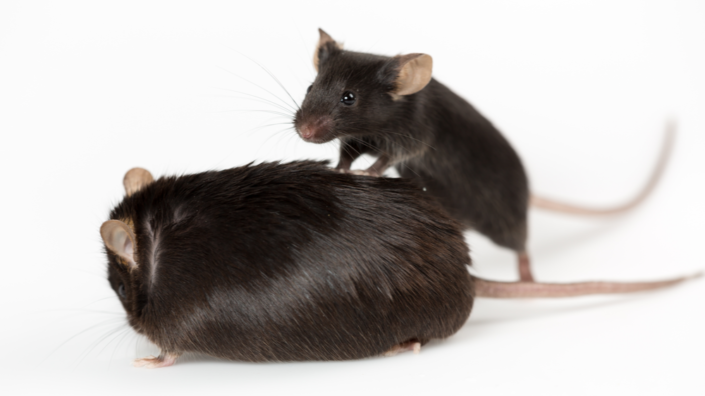
Literature

[1] Gaesser, G. A., Poole, D. C., & Angadi, S. S. (2022). Quantifying the benefits of inefficient walking: Monty Python inspired laboratory based experimental study. bmj, 379.

[2] Nystoriak, M. A., & Bhatnagar, A. (2018). Cardiovascular effects and benefits of exercise. Frontiers in cardiovascular medicine, 5, 135.

[3] Lee, D. H., Rezende, L. F., Joh, H. K., Keum, N., Ferrari, G., Rey-Lopez, J. P., … & Giovannucci, E. L. (2022). Long-term leisure-time physical activity intensity and all-cause and cause-specific mortality: a prospective cohort of US adults. Circulation, 146(7), 523-534.

[4] Kraus, W. E., Powell, K. E., Haskell, W. L., Janz, K. F., Campbell, W. W., Jakicic, J. M., … & 2018 Physical Activity Guidelines Advisory Committee. (2019). Physical activity, all-cause and cardiovascular mortality, and cardiovascular disease. Medicine and science in sports and exercise, 51(6), 1270.

[5] Sakurada, K., Konta, T., Watanabe, M., Ishizawa, K., Ueno, Y., Yamashita, H., & Kayama, T. (2020). Associations of frequency of laughter with risk of all-cause mortality and cardiovascular disease incidence in a general population: findings from the Yamagata study. Journal of Epidemiology, 30(4), 188-193.

targeting aging

Targeting Cdc42 Improves Stem Cells in Old Mice

Researchers publishing in the Nature journal npj Regenerative Medicine have zeroed in on a major reason behind stem cell exhaustion and determined that inhibiting it has significantly rejuvenative effects.

A protein that suppresses stem cells

In both humans and mice, the protein Cdc42 increases with aging. This is because its natural inhibitor, Cdc42GAP, decreases in expression. Mice with Cdc42GAP genetically knocked out experience substantially faster aging than wild-type mice [1], and an increase in Cdc42 is associated with aging in human beings [2].

These researchers have previously reported that inhibiting Cdc42 in aged mice for only four days increased their lifespan [3]. This new research aimed to discover more of the effects of Cdc42 and to determine if they are due to its effects on stem cells.

Inhibiting Cdc42 improves fitness in older mice

For their first experiment, the researchers injected aged mice with the Cdc42 inhibitor CASIN and compared them to young mice and an aged control group. The results were striking. In a rotarod test, almost none of the aged mice could stay on for the full five minutes like the young mice could; after five days of CASIN, almost all of them could. This performance was significantly better than the control group.

CASIN treatment

In cellular studies, Cdc42 was also shown to spur aging phenotypes in skeletal muscle taken from young mice, while CASIN treatment was shown to youthen the phenotypes of the same tissue taken from older mice. The researchers found that tissue taken from CASIN-treated older mice also benefited, with significantly increased myofiber cross-sectional area compared to untreated older mice.

Encouraged by these results, the researchers then challenged aged CASIN-treated mice, along with a control group, with the muscle-damaging drug Notexin. In the CASIN-treated mice, muscle stem cells restored the damaged tissue to a significantly greater degree than in the untreated mice.

Restoration of blood-making cells

Beneficial results were shown in the bone marrow. CASIN did not seem to affect the absolute number of the resident hematopoietic stem cells (HSCs), which are responsible for forming components of blood. However, the relative placement and polarity of HSCs changes with age, and CASIN treatment was shown to restore these metrics to their youthful values. Gene expression was also shown to be more youthful.

These cells were also shown to be more effective in basic function. Normally, aged stem cells do not perform as efficiently as their younger counterparts and differentiate into fewer critical immune cells. This limits the effectiveness of plasma-based rejuvenation treatments [4].

However, in lethally irradiated mice, stem cells taken from CASIN-treated mice behaved significantly more like their younger counterparts in multiple critical ways, including engraftment and B cell differentiation. These effects were not perfect, nor were they statistically significant in every tested metric.

Conclusion

Cdc42 is clearly an important component of stem cell exhaustion, one of the hallmarks of aging, and its increase with aging has visibly deleterious effects. Interventions that reduce Cdc42 might be useful in the treatment of sarcopenia and other aspects of muscle and blood aging, particularly if other stem cell-depleting factors are targeted at the same time. As always, human clinical trials will be necessary to determine if this is truly the case.

We would like to ask you a small favor. We are a non-profit foundation, and unlike some other organizations, we have no shareholders and no products to sell you. All our news and educational content is free for everyone to read, but it does mean that we rely on the help of people like you. Every contribution, no matter if it’s big or small, supports independent journalism and sustains our future.
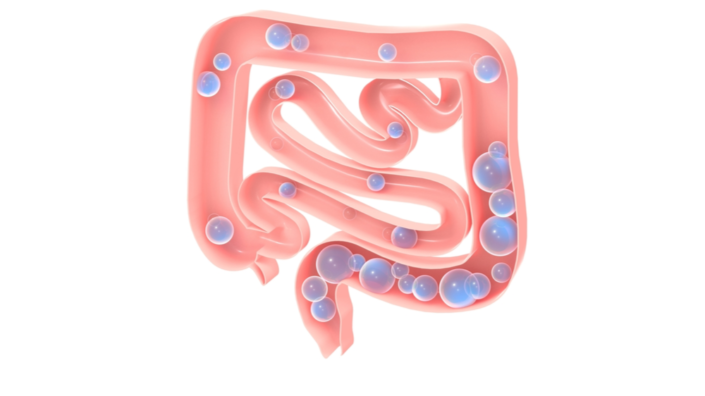
Literature

[1] Wang, L., Yang, L., Debidda, M., Witte, D., & Zheng, Y. (2007). Cdc42 GTPase-activating protein deficiency promotes genomic instability and premature aging-like phenotypes. Proceedings of the National Academy of Sciences, 104(4), 1248-1253.

[2] Amoah, A., Keller, A., Emini, R., Hoenicka, M., Liebold, A., Vollmer, A., … & Geiger, H. (2022). Aging of human hematopoietic stem cells is linked to changes in Cdc42 activity. haematologica, 107(2), 393.

[3] Florian, M. C., Leins, H., Gobs, M., Han, Y., Marka, G., Soller, K., … & Geiger, H. (2020). Inhibition of Cdc42 activity extends lifespan and decreases circulating inflammatory cytokines in aged female C57BL/6 mice. Aging cell, 19(9), e13208.

[4] Ho, T. T., Dellorusso, P. V., Verovskaya, E. V., Bakker, S. T., Flach, J., Smith, L. K., … & Passegué, E. (2021). Aged hematopoietic stem cells are refractory to bloodborne systemic rejuvenation interventions. Journal of Experimental Medicine, 218(7), e20210223.

Immunis

Immunis Begins Clinical Trial of Stem Cell Secretome

Intending to treat sarcopenia, the private biotechnology company Immunis has begun a human clinical trial of a stem cell secretome product that affects the immune system. The company’s full press release is included here.

Immunis, Inc., a private biotech company developing an innovative treatment for age and disease-related immune decline, announces its first-in-human injection of IMM01-STEM for its STEM-MYO Phase 1/2a clinical trial. The goal is to assess the safety and tolerability of Immunis’ investigational stem cell secretome product, IMM01-STEM, in patients with muscle atrophy related to knee osteoarthritis, an inflammatory disease contributing to age-related disability. Immunis is actively recruiting patients for the trial in collaboration with the California Institute of Regenerative Medicine (CIRM) Alpha Clinic.

As we age, our immune system health progressively declines, resulting in an array of degenerative diseases, including muscle atrophy. Age-related muscle atrophy, or sarcopenia, combined with muscle wasting from disease or disuse, negatively affects quality of life. Currently, no treatment exists to attenuate this muscle loss or enhance muscle regeneration. IMM01-STEM is a novel, investigational secretome comprised of natural immunomodulators that may address these clinical needs.

“IMM01-STEM underwent intense scientific scrutiny to reach this stage of new drug development. This first-in-human injection marks the starting point for observing IMM01-STEM’s immense potential in humans,” said Erin Curry, PA-C, MPH, Director of Medical Affairs at Immunis.

About STEM-MYO

Immunis’ FDA-awarded Phase 1/2a clinical trial is an open-label dose escalation study to assess the safety and tolerability of IMM01-STEM in elderly participants with muscle atrophy associated with knee osteoarthritis. Up to 18 patients will be enrolled in the trial and randomly assigned to an IMM01-STEM dose cohort. Treatment will be administered in the form of intramuscular injections twice a week for four weeks (8 injections total). Male or female patients are eligible for the study if they satisfy the following criteria: (1) 50 to 75 years of age at the time of signing the informed consent, (2) have a grade 2 or 3 knee osteoarthritis as defined by Kellgren-Lawrence analyses, (3) have quadricep weakness (<7.5N/kg/m2), (4) can ambulate >50 feet unassisted, (5) are negative for human immunodeficiency virus, hepatitis B surface antigen (HBsAg), and hepatitis C at the Screening Visit and (6) have a body mass index (BMI) of <40kg/m2. For additional information about Immunis’ trial participant qualifications, please visit: www.immunisbiomedical.com

About Alpha Clinic

Alpha Clinic is a network of top medical centers in California that specializes in stem cell clinical trials. The Network is successful in providing accelerated delivery of treatments to their patients through strong partnerships between patients, medical providers and clinical trial sponsors. These partnerships leverage industry and academic resources to develop high-quality research and innovative stem cell therapies for patients. For additional information about Alpha Clinic please visit: www.cirm.ca.gov

About Immunis Inc.

Immunis is a private biotechnology company developing a novel immunomodulatory secretome product for the various manifestations of age and disease-related immune decline. The STEM product line leverages Immunis’ leading-edge capabilities in stem cell technologies to deliver a product of all natural, all human immune modulators in their natural relative physiological concentrations. For additional information about Immunis’ IMM01-STEM Phase 1/2a trial please visit: www.immunisbiomedical.com

Cautionary Note Regarding Forward-Looking Statements

This communication contains statements that constitute “forward-looking statements” within the meaning of the Private Securities Litigation Reform Act of 1995, as applicable. Forward-looking statements include, but are not limited to, statements regarding our plans, beliefs, expectations and assumptions, as well as other statements that are not necessarily historical facts. You are cautioned that these forward-looking statements are only predictions and involve risks and uncertainties. Further, any forward-looking statement speaks only as of the date as of which it is made, and we do not intend to update or revise any forward-looking statements. This communication also contains market data related to our business and industry which includes projections that are based on several assumptions we believe are reasonable and most significant to the projections as of the date of this communication. If any of our assumptions prove to be incorrect, our actual results may significantly differ from our projections based on these assumptions. This communication is neither an offer to sell nor a solicitation of an offer to buy any of the securities described herein.

We would like to ask you a small favor. We are a non-profit foundation, and unlike some other organizations, we have no shareholders and no products to sell you. All our news and educational content is free for everyone to read, but it does mean that we rely on the help of people like you. Every contribution, no matter if it’s big or small, supports independent journalism and sustains our future.