The Blog

Building a Future Free of Age-Related Disease

AVEA Founders

Maximon Startup AVEA Closes 2.5M CHF Funding Round

The longevity company builder Maximon has concluded a financing round for AVEA at this year’s World Economic Forum. The press release is included here.

ZUG, SWITZERLAND — AVEA, the longevity supplement startup with the aim to improve healthspan, announces the closing of a 2.5 million CHF seed financing round led by Maximon, The Longevity Company Builder and its Longevity Co-Investment Fund. The deal was made public in Davos during this year’s “World Economic Forum” where Maximon hosted an event for investors in the field of longevity.

Dr. Tobias Reichmuth, serial entrepreneur and founding partner of Maximon, states: “The global longevity market is worth $8 trillion. The longevity field is the future of healthcare and we believe AVEA will play an important role in the industry.”

“As we are seeking to build and launch longevity companies with Maximon, Avea was a clear case for us to invest in. We are at an inflection point where people not only look at supplements to boost health and vitamin levels, but start to actively invest in a longer healthy lifespan. This is the opportunity that Avea is well positioned to capture and we are excited to be part of this story“ adds Caroline Wagner, chairwoman of the Board of Avea and founding partner of Maximon.

This first funding will support the company’s rapid growth across Switzerland, Germany, Austria and the UK, power scientific research, propel the development of innovative longevity-focused supplements and help establish the brand as a leader in Europe.

After a year of research, AVEA launched its first products in February 2022. The first formulation is a synergistic blend of ingredients which reflect the latest research in ageing and healthspan. AVEA has enlisted award-winning scientists and researchers in the field of longevity to produce the highest quality, comprehensive and scientifically-backed supplement line on the European market for those who wish to optimize their long-term health as well as slow and even reverse some of the signs of ageing.

“Long-term health is an investment, not an expense. Next to a balanced diet, regular exercise, hot and cold therapy and quality sleep, a longevity supplement regimen is essential to support and optimize the healthy ageing process”, says Scientist and Co-founder Sophie Chabloz.

AVEA’s strategy is to leverage a science-based approach to help customers make sense of the overwhelming health and wellness supplement market. The main idea behind AVEA’s products is to focus on ingredients that act in synergy to slow ageing at the cellular level, because when your cells work better, your whole body works better.

AVEA has been named by Sifted one of 13 longevity startups to watch according to top investors.

About AVEA

AVEA’s mission is to support people’s health and longevity goals with research-backed longevity supplements, providing effective healthy ageing and rejuvenation solutions to help people feel energized and youthful for as long as possible. AVEA believes that everyone deserves to achieve vibrant health throughout their years so they can keep learning, achieving new goals, and enjoying life without feeling limited by their age. AVEA’s supplements are available for order at https://avea-life.com/.

About Maximon

Maximon is a longevity company builder based in Switzerland with the mission to become the leading player in the field of longevity and healthy lifespan by empowering entrepreneurs to build impactful, science-based and scalable companies, which provide healthy ageing and rejuvenation solutions.

More information about Maximon can be found on https://www.maximon.com/

Contact:

Teresa Budetta – Chief Marketing Officer Avea.

Email: teresa@avea-life.com

Phone number: +33 671 366297

Mouse test

Fighting Alzheimer’s Disease with Increased Autophagy

In a new study published in Pharmacology Biochemistry and Behavior, researchers have shown that a combination of two compounds targeting different autophagy pathways is effective in fighting the pathological mechanism of Alzheimer’s disease in a mouse model [1].

Cleaning up is a big deal

The accumulation of “junk”, such as misfolded proteins and damaged organelles, inside and outside the cells in an organism is considered to be one of the key processes underlying aging. Thus, increasing autophagy, the natural process that cells use to get rid of cellular debris, is actively being studied as a way to slow down aging and to treat some age-associated diseases.

The most widely known way of inducing autophagy is by inhibiting the mTOR pathway, such as with rapamycin. However, mTOR-independent autophagy, which can be induced by lithium among other compounds, is also actively being researched as a defense against aging. Targeting both pathways might be more beneficial, particularly for combating neurodegenerative diseases.

Alzheimer’s disease is a classic example of a neurological condition characterized by the accumulation of nonfunctional and harmful materials that overwhelm the cell’s ability to clear them away.

The cytotoxic aggregates of amyloid-β peptide and tau protein in the brain are considered the core molecular mechanisms of Alzheimer’s. Nevertherless, it is still not clear if these aggregates are the primal cause of the disease.

Previous research has shown that autophagy, including mitophagy, the clearance of damaged mitochondria, is compromised in Alzheimer’s disease. Stimulating mTOR-dependent autophagy proved effective in animal models of the disease: it decreased amyloid accumulation and prevented cognitive decline [2].

In this study, the researchers sought to investigate if targeting mTOR-independent autophagy with trehalose in addition to the mTOR-dependent pathway with rapamycin would bring additional benefit in a mouse model of Alzheimer’s disease.

Cleaning tools matter

To induce Alzheimer’s-like pathology, the researchers injected amyloid-β into the ventricles of the brains of 2-month-old male mice. The mice were then divided into several groups, including animals treated with a combination of trehalose and rapamycin along with animals treated with individual drugs.

The treated animals were compared to a control group injected with water and to the untreated, amyloid-β-injected group. This was an important part of the study design because amyloid-β administration itself induces autophagy.

To assess autophagic activity, the researchers first quantified the protein expression of an autophagy marker, LC3-II, in several brain structures that are notably affected in Alzheimer’s disease. Trehalose treatment significantly upregulated autophagy in the hippocampus and frontal cortex, while the combined treatment was more efficient in inducing autophagy than monotherapies in the amygdala and dentate gyrus.

Analysis of mRNA expression of several autophagy-related genes in the hippocampus showed that trehalose was the most efficient in upregulating all the genes tested.

Meanwhile, the accumulation of amyloid-β in the hippocampus and frontal cortex was reduced in trehalose-only, rapamycin-only, and combination-treated groups without a significant difference between them. Likewise, either alone or in combination, the two compounds brought down the activation of microglia (neuroinflammation).

Neuronal density staining revealed that amyloid-β administration led to neuronal loss in the hippocampus. Inducing autophagy with either individual compound, or their combination, prevented neuronal death, as evidenced by the comparison of these groups to the control.

In addition to histological examination of the brain tissue, the researchers conducted several behavioral tests. The combined treatment proved most efficient in reducing anxiety, while all three autophagy-inducing treatments restored the memory and learning impairment brought on by the amyloid-β administration.

Conclusion

This study shows that the induction of autophagy by trehalose alone or in combination with rapamycin in general is more beneficial than rapamycin-only treatment in an animal model of AD. This points out the importance of activating the mTOR-independent pathway to address neurodegeneration.

The authors argue that unlike rapamycin, which acts through mTOR, trehalose affects the expression of several transcription factors, including FOXO1 and TFEB, which, in turn, regulate the expression of autophagy genes. This leads to an increased production of lysosomes.

Three steps underly autophagy: the formation of autophagosomes, debris-containing vesicles; their fusion with lysosomes, organelles filled with digestive enzymes; and, ultimately, degradation [3]. Trehalose might improve one or several of these processes, thus leading to a neuroprotective effect.

It would be exciting to see if this approach can be translated into clinical practice and reverse molecular and cognitive impairments in people with Alzheimer’s disease as effectively as in mice.

We would like to ask you a small favor. We are a non-profit foundation, and unlike some other organizations, we have no shareholders and no products to sell you. All our news and educational content is free for everyone to read, but it does mean that we rely on the help of people like you. Every contribution, no matter if it’s big or small, supports independent journalism and sustains our future.


Literature

[1] Pupyshev, A. B. et al. Combined induction of mTOR-dependent and mTOR-independent pathways of autophagy activation as an experimental therapy for Alzheimer’s disease-like pathology in a mouse model. Pharmacol. Biochem. Behav. 173406 (2022).

[2] Spilman, P. et al. Inhibition of mTOR by rapamycin abolishes cognitive deficits and reduces amyloid-beta levels in a mouse model of Alzheimer’s disease. PLoS One 5, e9979 (2010).

[3] Zhang, X.-J., Chen, S., Huang, K.-X. & Le, W.-D. Why should autophagic flux be assessed? Acta Pharmacol. Sin. 34, 595–599 (2013).

Rejuvenation Roundup May

Rejuvenation Roundup May 2022

Two days ago, the United States honored its fallen veterans. How many of those heroes came home, having survived the horrors of war, only to have their own bodies betray them decades later? Here’s some of what’s been done to fight aging in May.

LEAF News

Lifespan News

LSN Learned HelplessnessLearned Helplessness: We discuss the idea that people have learned to accept something that they don’t need to accept anymore on this episode of Lifespan News.

Plastic Nanoparticles: This episode is on how plastic nanoparticles might lead to at least one hallmark of aging being accelerated.

LSN CBDCBD and Autophagy: On this episode of Lifespan News, Ryan O’Shea discusses how CBD promotes autophagy, our cells’ ability to clear out damaged components.

Young Cerebrospinal Fluid: Researchers have exchanged cerebrospinal fluid between young and old mice in order to determine if it has the same longevity effects that blood exchange has.

Interviews

Yuri Deigin on Cellular Reprogramming in Humans: In a recent press release, YouthBio Therapeutics announced that it has left stealth mode. YouthBio is a self-proclaimed longevity biotech company with a focus on developing gene therapies that reverse the epigenetic alterations that cause us to age.

Richard MillerProf. Richard Miller on the Intervention Testing Program: Richard A. Miller is a Professor of Pathology at the University of Michigan and the Director of Michigan’s Paul F. Glenn Center for Biology of Aging Research. He is also a driving force behind the ITP, the Interventions Testing Program, created in the early 2000s to study the effect of various drugs on lifespan in mice.

João Pedro de Magalhães on Reprogramming and Aging Theories: Professor João Pedro de Magalhães leads the Genomics of Ageing and Rejuvenation Lab at the Institute of Inflammation and Ageing in the University of Birmingham. He is also CSO of YouthBio Therapeutics, a US-based biotech company that develops rejuvenation gene therapies based on partial reprogramming by Yamanaka factors.

Crowd Funded CuresDiscussing Crowd Funded Cures with Savva Kerdemelidis: We have written extensively about VitaDAO, a collective dedicated to community-governed, decentralized drug development. We asked Savva Kerdemelidis a few questions for a deeper dive into the world of DAOs, PFS contracts, and intellectual property on the blockchain.

Reprogramming Cells with Vittorio Sebastiano of Turn.bio: Vittorio Sebastiano is an Associate Professor (Research) of Obstetrics and Gynecology at Stanford University and one of the most prominent scientists in the emerging field of cellular reprogramming. He is also co-founder and Scientific Advisory Board Chairman of Turn Biotechnologies, a cellular rejuvenation company based on the research done in Sebastiano’s Stanford lab.

Rejuvenation Roundup Podcast

Ryan O’Shea of Future Grind hosts this month’s podcast, showcasing the events and research discussed here.

Journal Club

Fecal transfer between young and aged mice reverses hallmarks of aging: On this month’s Journal Club, Dr. Oliver Medvedik explored a recent paper where researchers showed that transfering fecal microbiota from young to old mice reversed some aspects of aging.

Research Roundup

Broken boneSenescent Cells Slow Bone Healing: A study published in the Journal of Clinical Investigation has reported that senescent cells are largely responsible for slow bone healing in aged animals and that senolytics, which remove these harmful cells, can speed bone regeneration.

Longevity in Centenarians Linked to Lower Ribosomal Activity: Scientists have discovered a possible mechanism that protects extremely long-lived people from aging.

Naked Mole Rat SideWhy The Skin of Naked Mole Rats Ages Slowly: A study published in Aging has shown that the skin of the naked mole rat retains nearly all of its physical and biochemical properties as these animals chronologically age, providing new insight into how and why these animals live so long.

Cannabidiol Increases Lifespan and Healthspan in Worms: Scientists have shown that an active ingredient of cannabis significantly upregulates autophagy, extending both lifespan and healthspan in C. elegans nematode worms.

Mouse eatingThe Gut Microbiome Affects the Brain, Eyes, and Gut in Mice: Publishing in Microbiome, a team of researchers has ascertained multiple physical effects of aging gut flora in mice.

NMN Boosts Effectiveness of Immunotherapy in Mice: In a pre-print paper, scientists have shown that treatment with NMN increases the survival and anti-cancer efficacy of CAR-T cells. T cells are a central element of the adaptive immune system, and some of them can be cytotoxic: they have the ability to kill other cells.

Drug combinationDrug Cocktail Delays Aging in Mice: Scientists have shown that a combination of rapamycin, acarbose, and phenylbutyrate has a synergetic rejuvenation effect when administered to 20-month-old mice for three months.

Walking Pace Correlated with Increased Telomere Length: Publishing in Nature Communications, Dr. Tom Yate, Dr. Neliesh J. Samani, and colleagues used data from approximately 400,000 people in the UK Biobank in order to examine the relationship between walking pace and telomere length.

Gene pillUsing an Endemic Virus as a Gene Therapy for Life Extension: In a study printed in PNAS, researchers have shown that telomerase reverse transcriptase (TERT) can be given to cells in living mice through a viral vector, taking the idea of life-extending gene therapies from science fiction to reality.

Caloric Restriction, Feeding Times Lengthen Mouse Lifespan: In a new study published in Science, researchers show that caloric restriction and time-restricted feeding have an additive effect on lifespan in mice. Caloric restriction is considered the first intervention to reliably show that aging is a malleable phenomenon.

Mouse DNAFOXM1 Induction Extends Lifespan in Mice: In a new study published in Nature Aging, researchers have shown that inducing a truncated FOXM1 gene extends lifespan in both progeric and naturally aging mice. Forkhead box (FOX) genes are transcription factors: genes that drive the expression of other genes.

The Role of Mitochondrial Antioxidants in Longevity: A study published in Redox Biology has reported that the upregulation of thioredoxin, a fundamental part of mitochondrial defense against reactive oxygen species, is associated with longevity in mutant C. elegans worms.

Healthy Food“The Perfect Diet” May Increase Lifespan by 13 Years: Scientists from Norway have built a model that predicts the effect of various dietary changes on human lifespan. Diet is obviously a major health factor, but quantifying its impact is not easy.

Biological Aging Fluctuates with Stress: A preprint published in bioRxiv has demonstrated that the second-generation aging clocks PhenoAge, DunedinPACE, and GrimAge show increased but reversible age acceleration in mice and people exposed to significant stress.

OligodendrocytesYoung Cerebrospinal Fluid Improves Memory in Mice: Scientists have found that infusing old mice with cerebrospinal fluid obtained from young mice improves their memory by increasing the proliferation and differentiation of oligodendrocyte progenitor cells.

Lithium Use Might Lower Risk of Dementia: A study published in Plos Medicine has shown that lithium decreases the risk of developing dementia and some of its subtypes, including Alzheimer’s disease and vascular dementia.

Blood pressureBlood Pressure Linked to Dementia, Mortality in Older People: A recent study from the Journal of the American College of Cardiology, conducted by Dr. Wuxiang Xie and colleagues, examined the association of blood pressure with cognitive decline, dementia, and mortality.

Visually Identifying Senescent Cells with an Algorithm: A team of researchers publishing in Aging has developed a method of identifying senescent cells through their physical morphology, potentially making future senescence research much easier. Before modern biomarkers of senescence were eludicated, cell size was considered to be one of its defining features.

Cellular membranePlasmalogens Alleviate Age-Related Cognitive Decline in Mice: Scientists have learned that plasmalogens, obscure but important lipids, serve as a mediator of neurogenesis and synaptic health and can reverse age-related cognitive decline in mice. Plasmalogens are a subtype of phospholipids, the molecules that cellular membranes are mostly made of.

Chloroquine Increases Lifespan in Male Mice: Researchers publishing in Aging have found that the anti-malarial drug chloroquine increases lifespan in the males of a standard breed of mice. The reasons seem to be contradictory.

Antique clockNot All Hallmarks of Aging Contribute to Epigenetic Age: Scientists have shown that only some of the hallmarks of aging affect methylation clocks, which are widely used to measure biological age.

Impact of modifiable healthy lifestyle adoption on lifetime gain from middle to older age: The findings imply the importance of improving the one’s lifestyle for an increased lifespan, even among older patients and/or those with multimorbidity.

Association of Serum Antioxidant Vitamins and Carotenoids With Incident Alzheimer Disease and All-Cause Dementia Among US Adults: Incident all-cause dementia was inversely associated with serum lutein+zeaxanthin and β-cryptoxanthin levels.

Astaxanthin Influence on Health Outcomes of Adults at Risk of Metabolic Syndrome: Results show marginal effects of astaxanthin on reduction in total cholesterol and systolic blood pressure, and a significant attenuating effect on low-density lipoprotein cholesterol.

A Controlled Study to Evaluate the Efficacy and Safety of an NMN Supplement in Middle Aged and Older Adults: The primary efficacy parameter, NAD+/NADH levels in the serum, had increased by 11.3% in the active group (Uthever group) at day 30, whereas no change was observed in the placebo group at all.

Long-term low-dose acetylsalicylic shown to protect against vascular dementia and Alzheimer’s disease in patients with coronary heart disease: The protective potential of low-dose acetylsalicylic for these diseases seems to strongly depend on pre-existing coronary heart disease and the willingness of patients to take it for a minimum of ten years.

Vitamin D supplementation is associated with slower epigenetic aging: Intake of vitamin D supplements is associated with reduced epigenetic age acceleration in participants with vitamin D deficiency.

Urolithin A improves muscle strength, exercise performance, and biomarkers of mitochondrial health in a randomized trial in middle-aged adults: Levels of plasma acylcarnitines and C-reactive proteins are significantly lower with Urolithin A, indicating higher mitochondrial efficiency and reduced inflammation.

Effects of Spermidine Supplementation on Cognition and Biomarkers in Older Adults With Subjective Cognitive Decline: In this randomized clinical trial, longer-term spermidine supplementation in participants with subjective cognitive decline did not modify memory and biomarkers compared with placebo. Exploratory analyses indicated possible beneficial effects on verbal memory and inflammation that need to be validated in future studies at higher dosage.

Heterochronic parabiosis induces stem cell revitalization and systemic rejuvenation across aged tissues: Hematopoietic stem and progenitor cells are one of the most responsive cell types to young blood exposure, from which a continuum of cell state changes across the hematopoietic and immune system emanate.

The Protective Effects of Osteocyte-Derived Extracellular Vesicles Against Alzheimer’s Disease Diminished with Aging: This study uncovers the role of OCY-EV as a regulator of brain health, suggesting a novel mechanism in bone-brain communication.

Analysis of senescence in gingival tissues and gingival fibroblast cultures: The potential of senolytic drugs to modify aging-related changes in the gingiva was shown.

Short senolytic or senostatic interventions rescue progression of radiation-induced frailty and premature ageing in mice: This study suggests that the progression of adverse long-term health and quality-of-life effects of radiation exposure, as experienced by cancer survivors, might be rescued by short-term adjuvant anti-senescence interventions.

We would like to ask you a small favor. We are a non-profit foundation, and unlike some other organizations, we have no shareholders and no products to sell you. All our news and educational content is free for everyone to read, but it does mean that we rely on the help of people like you. Every contribution, no matter if it’s big or small, supports independent journalism and sustains our future.

Antique clock

Not All Hallmarks of Aging Contribute to Epigenetic Age

Scientists have shown that only some of the hallmarks of aging affect methylation clocks that are used to measure biological age [1].

The big black box

Epigenetic clocks that measure biological age based on aging-related changes in genome methylation have been a great success. They enable researchers to analyze the effects of various interventions on lifespan without waiting for a lab animal to die, and they work even on cells in vitro.

Yet, despite the strong correlation between existing epigenetic clocks and various aspects of aging, we still hardly know how those clocks work – in particular, what specific biological changes drive them. For now, this ignorance does not preclude scientists from using the clocks, but there are several reasons why discovering their biological underpinnings is important, as it can provide a more nuanced understanding of aging itself.

In this new study led by Ken Raj of Cambridge university and Altos Labs, and Steve Horvath, the world’s foremost authority on epigenetic clocks, the researchers investigated the relationship between epigenetic clocks and several hallmarks of aging [2]. The group used Horvath’s second-generation multi-tissue clock [3], which is known for its accuracy, and several types of human cells, including keratinocytes and fibroblasts, taken from 14 human donors of various ages.

Cellular senescence

First, the researchers showed that the clock does not correlate well with cellular senescence. Senescence was induced in cells by three different stressors: irradiation, oncogene activation, and replication. Oncogene activation and irradiation led to senescence quickly, after about two weeks, but it did not increase epigenetic age compared to non-senescent cells of the same chronological age. Conversely, it took cells up to six months to reach replicative senescence, which was duly reflected by an increase in epigenetic age.

Telomere attrition

Replicative stress is accompanied by telomere attrition, another hallmark of aging in which telomeres get shorter as the cells edge towards senescence. When the researchers added telomerase reverse transcriptase (TERT), an enzyme that keeps telomeres from shortening, the cells continued to proliferate without reaching senescence, and their epigenetic age continued to increase. This means that telomere attrition, like senescence, does not contribute to epigenetic aging.

DNA instability

Another important hallmark of aging is DNA instability. The researchers used irradiation protocols known to induce some amount of double-strand DNA breaks without affecting cellular viability. The cells, immortalized with TERT to avoid replicative senescence, lived on and kept proliferating, while their epigenetic age continued to rise on par with non-irradiated controls, showing that genomic instability had no effect on the epigenetic clock.

Deregulation of nutrient sensing

Interestingly, rapamycin administered to immortalized cells after 80 passages effectively stopped further increase in epigenetic age. Since rapamycin mediates nutrient sensing, the researchers concluded that deregulated nutrient sensing, also a hallmark of aging, does contribute to epigenetic age.

Mitochondrial dysfunction

To understand how mitochondrial dysfunction, another hallmark of aging, contributes to epigenetic aging, the researchers treated cells with a compound that inhibits mitochondrial activity, which greatly accelerated their rate of epigenetic aging. Treatment with Bezafibrate, a promoter of mitochondrial activity, reversed this increase. The researchers suggest that the two hallmarks (nutrient sensing and mitochondrial activity) that showed relevance to the epigenetic clock might be linked to each other.

Stem cell exhaustion

To investigate this hallmark of aging, the researchers divided tissue samples in two. They increased the ratio of stem cells, which are characterized by a minuscule rate of epigenetic aging, in one part and depleted stem cells from the other part. As a result, the stem cell-enriched fraction aged slower than the stem cell-depleted fraction.

However, can differentiated cells age at different rates? To answer this question, the researchers took cell samples from two donors, both with an epigenetic age of 23. While their cells clonally expanded, their epigenetic age trajectories diverged significantly from the shared baseline. This divergence could not be explained by the much smaller variability of the clock, confirming that an epigenetic age of a tissue is an average of the epigenetic ages of its cells, which could differ substantially from each other.

Aging and longevity

While rapamycin blocked the increase of epigenetic age in immortalized cells, nicotinamide adenine dinucleotide (NAD), nicotinamide riboside (NR), and metformin all extended the cells’ lifespan but without significantly altering their rate of epigenetic aging. The researchers suggest that, in line with previous research, some perturbations can affect both the rate of epigenetic aging and lifespan, while others can affect lifespan without slowing the rate of epigenetic aging, “indicating that aging and longevity, although intimately associated, may nevertheless be distinct”. Interestingly, in the Intervention Testing Program (ITP) trials, rapamycin did substantially increase lifespan in mice, while both metformin and NR failed to do so.

At a higher level of consideration, the innate nature and inevitability of epigenetic aging contrasts with the stochasticity of wear and tear, which is presumed to exert a measurable aging effect only later in life when damage outstrips repair. This, however, does not argue against the relevance of wear and tear and cellular senescence. Instead, these distinct stochastic processes are likely to synergize with epigenetic aging in manifesting the overall phenotypical features of aging. If a successful strategy against aging is to be found, then these distinct and parallel aging mechanisms must be addressed; for example, by the removal of senescent cells, together with the retardation of epigenetic aging.

Conclusion

This important paper is an attempt to look inside the black box that epigenetic clocks have mostly been so far. It raises many intriguing questions that should be addressed in future research. The researchers did not investigate the two other hallmarks of aging, loss of proteostasis and altered cellular communication, though they cite some previous research that links those hallmarks to epigenetic aging.

We would like to ask you a small favor. We are a non-profit foundation, and unlike some other organizations, we have no shareholders and no products to sell you. All our news and educational content is free for everyone to read, but it does mean that we rely on the help of people like you. Every contribution, no matter if it’s big or small, supports independent journalism and sustains our future.

Literature

[1] Kabacik, S., Lowe, D., Fransen, L., Leonard, M., Ang, S. L., Whiteman, C., … & Raj, K. (2022). The relationship between epigenetic age and the hallmarks of ageing in human cellsNature Aging, 1-10.

[2] López-Otín, C., Blasco, M. A., Partridge, L., Serrano, M., & Kroemer, G. (2013). The hallmarks of aging. Cell153(6), 1194-1217.

[3] Horvath, S., Oshima, J., Martin, G. M., Lu, A. T., Quach, A., Cohen, H., … & Raj, K. (2018). Epigenetic clock for skin and blood cells applied to Hutchinson Gilford Progeria Syndrome and ex vivo studiesAging (Albany NY)10(7), 1758.

Lab mouse in hand

Chloroquine Increases Lifespan in Male Mice

Researchers publishing in Aging have found that the anti-malarial drug chloroquine increases lifespan in male NRMI mice. The NRMI, like the Black 6, is a standard breed widely used in research, and these mice were not directly genetically modified.

Substantial positive lifespan effects

We have previously reported a study showing that choloroquine increases longevity in rats, and this study’s results were similar. However, these researchers did not expect such results here: the purpose of this study was to rule out a potentially negative effect on lifespan rather than to find a positive one.

A 50 mg/kg dose of chloroquine was administered at day 500 of lifespan. While the mortality rates of the treatment and control groups began similarly, there was a long period in which the treated mice stopped dying. Slightly before 700 days after the mice were born, all of the untreated group had died while half of the treatment group was still alive; the last treated mouse died a hundred days later.

Food intake did not decrease in the treated group, although liquid intake and body weight were both slightly decreased.

Toxicity

This study showed that chloroquine can be toxic to the liver. Although the 50 mg/kg dose did not lead to significant pathological changes, the 100 mg/kg and 200/kg doses led to hydropic degeneration and even hepatocyte necrosis, the death of functional liver cells.

The heart results, as expected, also showed signs of toxicity, although the toxicity was not significant until higher doses. However, even the 50 mg/kg dose was associated with mild interstitial edema and a loss of striations, two signs of muscle damage, and these results only worsened with increasing doses.

This toxicity was accompanied by a decrease in proteostasis-related activity. The proteosome, which is responsible for recycling unwanted proteins, was significantly downregulated in the liver at 100 mg/kg and in the heart at 200 mg/kg.

Of mice and autophagy

Previous research has shown that chloroquine significantly interferes with the fundamental mechanisms behind autophagy, the process by which cells clear out unwanted components [1]. Autophagy is normally seen as a good thing, as it removes waste; however, the self-cannibalism of cells can obviously have a harmful aspect as well.

The researchers hypothesize that the lifespan results, which fly in the face of the toxicity results, are due to the modulation of autophagy, a reduction in proteostasis mechanisms, and an alteration in the way the cells process glycogen. However, these are only hypotheses; further research is needed to confirm them.

Conclusion

This study adds to a body of conflicting and contradictory research, and while it answers some questions, many others only still have hypothetical answers. Things like autophagy and even protein recycling are not always good nor bad. “The dose makes the poison” is well known in medicine, and it has been once again shown here.

This was a rodent study, and chloroquine, by itself, is unlikely to move the needle much on human longevity. However, what this study does tell us, and further studies will hopefully elucidate in detail, is that the low-level biology of cellular aging can be successfully interfered with.

There are two broader, critical questions that are downstream of this line of research. The first is the inverse of this study: whether or not autophagy-enhancing interventions that increase lifespan have downsides that can be removed to enhance their effectiveness. The second is whether or not these sorts of interventions are any more effective than basic lifestyle choices in lengthening human lifespan.

We would like to ask you a small favor. We are a non-profit foundation, and unlike some other organizations, we have no shareholders and no products to sell you. All our news and educational content is free for everyone to read, but it does mean that we rely on the help of people like you. Every contribution, no matter if it’s big or small, supports independent journalism and sustains our future.

Literature

[1] Mauthe, M., Orhon, I., Rocchi, C., Zhou, X., Luhr, M., Hijlkema, K. J., … & Reggiori, F. (2018). Chloroquine inhibits autophagic flux by decreasing autophagosome-lysosome fusion. Autophagy, 14(8), 1435-1455.

Cellular membrane

Plasmalogens Alleviate Age-Related Cognitive Decline in Mice

Scientists have learned that plasmalogens, obscure but important lipids, serve as a mediator of neurogenesis and synaptic health and can reverse age-related cognitive decline in mice [1].

Plasmalogens and membranes

Plasmalogens are a subtype of phospholipids, the molecules that cellular membranes are mostly made of. Plasmalogens are especially abundant in brain, heart, and immune cells, where they constitute as much as 20% of the total phospholipids in cell membranes. Their function is not well understood, but it is becoming evident that plasmalogens protect cells from stress and that their depletion decreases cellular viability. Diet-wise, plasmalogens can be found mostly in seafood, such as scallops and mussels; a limited number of commercial plasmalogen supplements is already available.

The levels of plasmalogens decline with age, especially in patients with Alzheimer’s disease [2]. Plasmalogen supplementation has been tested before in a handful of studies, including one double-blind, placebo-controlled trial in humans that showed that two-month plasmalogen supplementation significantly improves measures of memory in people with Alzheimer’s and mild cognitive impairment, especially in women [3].

Prettier and smarter

For this new study, aimed at improving our understanding of how plasmalogens work, researchers used 40 16-month-old naturally aging female mice. The mice were divided evenly into two groups, and the study group received plasmalogens with drinking water for two months. Additional 15 mice were used as young controls.

The first thing the researchers noticed was an improvement in the mice’s appearance. Plasmalogen-fed mice looked healthier than their similarly aged controls, with glossier and thicker body hair. The researchers even detected new hair growth:

After the treatment, the mice’s cognitive abilities were assessed via a water maze test, where they are required to navigate a maze filled with water until they find the platform they can use to get out. Healthy mice should quickly learn the location of the platform, as the young controls did. The learning ability was significantly impaired in old controls but restored by the plasmalogen treatment, almost to youthful levels.

Healthy synapses

The researchers then dived deeper into the workings of plasmalogens. It has been previously suggested that plasmalogens are abundant in synapses where they help to form synaptic vesicles, the tiny bubbles that carry neurotransmitters between neurons [4]. Synaptic structures were equally abundant in young controls and in old plasmalogen-treated mice, much more than in old controls. The number of synaptic vesicles in plasmalogen-fed mice was lower than in young controls but much higher than in old controls. These results strongly suggest that plasmalogens alleviate age-related synaptic loss.

This was confirmed by transcriptomic analysis that revealed significant upregulation of synapse-related genes in the study group. Other upregulated genes were related to neural stem cell proliferation, neurogenesis, and production of neurotrophins, which are molecules that affect synaptic plasticity – a quality that makes learning possible. In particular, the expression of synaptophysin, a key mediator of synaptic plasticity, was significantly decreased in old controls compared to young controls in two regions of the hippocampus but almost completely rescued in the study group:

Plasmalogens 2

Less neuroinflammation, more neurogenesis

Neuroinflammation is thought to be a major cause of age-related cognitive decline [5]. It is mostly promoted by overactivation of microglia, the immune cells of the brain. When activated, microglia produce a cocktail of pro-inflammatory cytokines. The researchers analyzed the levels of three of them: TNF-α, IL-1β and IL-6. For all three, the levels shot up with age but were almost completely reversed by the treatment. Activated microglia also morphologically differ from quiescent ones, as they are larger and have fewer extremities. Those differences were mostly rolled back by plasmalogens as well.

Plasmalogens 3

Neurogenesis, the creation of new neurons, occurs in a few discrete niches in mammalian brains, but its rate steadily declines with aging [6]. Keeping the production of new neurons up is very important for preserving cognitive ability. In the study, the number of neuronal stem cells that express Sox2, a marker of differentiation, was significantly reduced in old controls versus young controls, showing an age-related decrease in neurogenesis that was partially alleviated by the treatment:

Plasmalogens 4

Conclusion

Plasmalogen deficiency looks increasingly interesting as a target for treating Alzheimer’s disease and other types of age-related cognitive decline. Plasmalogen levels are so well-correlated with Alzheimer’s that scientists have proposed using them as a diagnostic tool. While Phase 1 human studies are required, oral supplementation of plasmalogens is likely to be safe and, as we learn from studies like this one, effective. Since some anti-aging interventions work in a sex-specific manner, we hope to see a study in mice of both sexes. It would also be interesting to know whether plasmalogen supplementation has any effect on lifespan.

We would like to ask you a small favor. We are a non-profit foundation, and unlike some other organizations, we have no shareholders and no products to sell you. All our news and educational content is free for everyone to read, but it does mean that we rely on the help of people like you. Every contribution, no matter if it’s big or small, supports independent journalism and sustains our future.

Literature

[1] Gu, J., Chen, L., Sun, R., Wang, J. L., Wang, J., Lin, Y., … & Fu, L. (2022). Plasmalogens Eliminate Aging-Associated Synaptic Defects and Microglia-Mediated Neuroinflammation in Mice. Frontiers in Molecular Biosciences, 159.

[2] Han, X., Holtzman, D. M., & McKeel Jr, D. W. (2001). Plasmalogen deficiency in early Alzheimer’s disease subjects and in animal models: molecular characterization using electrospray ionization mass spectrometry. Journal of neurochemistry77(4), 1168-1180.

[3] Fujino, T., Yamada, T., Asada, T., Tsuboi, Y., Wakana, C., Mawatari, S., & Kono, S. (2017). Efficacy and blood plasmalogen changes by oral administration of plasmalogen in patients with mild Alzheimer’s disease and mild cognitive impairment: a multicenter, randomized, double-blind, placebo-controlled trial. EBioMedicine17, 199-205.

[4] Dorninger, F., Forss‐Petter, S., & Berger, J. (2017). From peroxisomal disorders to common neurodegenerative diseases–the role of ether phospholipids in the nervous system. FEBS letters591(18), 2761-2788.

[5] Sartori, A. C., Vance, D. E., Slater, L. Z., & Crowe, M. (2012). The impact of inflammation on cognitive function in older adults: implications for health care practice and research. The Journal of Neuroscience Nursing44(4), 206.

[6] Babcock, K. R., Page, J. S., Fallon, J. R., & Webb, A. E. (2021). Adult hippocampal neurogenesis in aging and Alzheimer’s disease. Stem Cell Reports16(4), 681-693.

Cells Under Microscope

Visually Identifying Senescent Cells with an Algorithm

A team of researchers publishing in Aging has developed a method of identifying senescent cells through their physical morphology, potentially making future senescence research much easier.

Senescent cells look different

Before modern biomarkers of senescence were eludicated, cell size was considered to be one of its defining features, and the researchers cite a 1969 paper to that effect [1]. This excessive growth has been shown to have a causal relationship with senescence, with larger cells having more diluted cytoplasm that contributes to the condition [2]. Other prior work has found links between senescence and nuclear size and shape [3], and a common staining method shows less visual intensity in senescent cells, as they tend to be flatter under a microscope [4].

These visual differences have largely fallen out of favor among the research community as identifiers, being replaced by well-known chemical biomarkers. However, modern image processing algorithms, specifically the high-content analysis (HCA) used in this study, may make it easier to look at senescent cells instead of biochemically analyzing them.

An analysis with a lot of variables

Throughout this study, the researchers primarily examined four different populations of senescent cells: a line of human fetal lung fibroblasts with oncogene-induced senescence (OIS), the same line of fibroblasts with SASP-induced senescence, human mammary fibroblasts (HMFs) with replicative senescence, and human dermal fibroblasts (HDFs) with replicative senescence.

The researchers also used 62 separate biomarkers to determine the differences between proliferating and senescent cells, based both on Z-score analysis, which uses defined controls as reference points, and standard normalization, which uses averages from the given sample. In an effort to simplify future analyses, the researchers also used an algorithmic technique called exploratory factor analysis to generalize these 62 factors into eight “latent factors”, such as nucleus size and cell shape.

Heterogeny and morphology

There were substantial differences between the types of senescent cells. Cells that had reached their replicative limit and became senescent due to telomere attrition were less visually distinguishable from their proliferating counterparts, and the researchers attribute this to the gradual nature of replicative senescence.

Cells that became senescent through oncogenes and cells that became senescent due to the SASP had more substantial differences from proliferating cells. However, these two groups also differed somewhat from each other: the OIS cells had more differences in cell shape, while the SASP-induced group had more differences in visual intensity.

There were also differences from the cells within each model. Cells in OIS group were emitting the SASP to each other, and the researchers hold that some cells may have been more affected by this process than by the original oncogenes, which would logically lead to variances in the cells’ morphology.

Visualizing the data through heat maps corroborated these findings. The OIS and SASP-influenced groups were in distinct clusters from proliferating cells, while the replication-induced groups’ results had fuzzier borders.

An in vivo analysis

The researchers also confirmed their findings through an in vivo analysis. They grew tumors of human cells in mice, induced senescence with a drug, and tested the cells for the senescence biomarker p21 and examined their cellular morphology. The researchers’ algorithms reported 27 substantial differences in morphology between cells that were positive and negative for this biomarker.

Conclusion

Image analysis is continuously being refined as a diagnostic tool in medicine, and visual identification simply requires placing the cells under a suitable microscope rather than biochemistry of any kind. Using physical differences might let researchers better distinguish between the types of senescent cells, possibly leading to a greater understanding of the nature of these cells. If such an algorithm can be refined and proven reliable, it might become a new, superior standard for the identification of senescent cells.

We would like to ask you a small favor. We are a non-profit foundation, and unlike some other organizations, we have no shareholders and no products to sell you. All our news and educational content is free for everyone to read, but it does mean that we rely on the help of people like you. Every contribution, no matter if it’s big or small, supports independent journalism and sustains our future.
Literature

[1] Cristofalo, V. J., & Kritchevsky, D. (1969). Cell size and nucleic acid content in the diploid human cell line WI-38 during aging. Pharmacology, 19(6), 313-320.

[2] Neurohr, G. E., Terry, R. L., Lengefeld, J., Bonney, M., Brittingham, G. P., Moretto, F., … & Amon, A. (2019). Excessive cell growth causes cytoplasm dilution and contributes to senescence. cell, 176(5), 1083-1097.

[3] Sadaie, M., Dillon, C., Narita, M., Young, A. R., Cairney, C. J., Godwin, L. S., … & Narita, M. (2015). Cell-based screen for altered nuclear phenotypes reveals senescence progression in polyploid cells after Aurora kinase B inhibition. Molecular biology of the cell, 26(17), 2971-2985.

[4] Zhao, H., Halicka, H. D., Traganos, F., Jorgensen, E., & Darzynkiewicz, Z. (2010). New biomarkers probing depth of cell senescence assessed by laser scanning cytometry. Cytometry Part A, 77(11), 999-1007.

Blood pressure

Blood Pressure Linked to Dementia, Mortality in Older People

A recent study from the Journal of the American College of Cardiology, conducted by Dr. Wuxiang Xie and colleagues, examined the association of blood pressure with cognitive decline, dementia, and mortality [1]. This study included two cohorts: the English Longitudinal Study of Ageing (ELSA) and the Health and Retirement Study (HRS).

In this analysis, 7,566 participants with healthy cognition from ELSA and 9,294 from the HRS were included. When combined, the average age was 63.5 years old. The ELSA cohort was 55.2% female, and the HRS cohort was 59.8% female. Blood pressure was collected at three different study visits for the ELSA cohort and at two different visits for the HRS cohort.

Blood pressure and cognitive decline

Higher systolic and pulse pressures were associated with increased global cognitive decline, while diastolic blood pressure was, in general, inversely associated with cognitive decline. However, people in the ELSA cohort with high diastolic blood pressure had a higher risk of cognitive decline than people with approximately 80 mm Hg of diastolic pressure.

Blood pressure and dementia

588 people in ELSA and 1,764 people in the HRS were reported to have developed dementia during these studies. Increased systolic blood pressure and pulse pressure were associated with an increased risk of dementia. An inverse association was shown with diastolic blood pressure, although a level of above approximately 80 mm Hg showed no benefit in either cohort.

Blood pressure and all-cause mortality

459 deaths in ELSA and 1629 deaths in the HRS were reported. Higher pulse pressure was associated with higher mortality rates in both cohorts. An inverse association was shown between cumulative diastolic blood pressure and mortality, but as with many of the previous results, higher diastolic pressure than approximately 80 mm Hg was not shown to have any benefit.

Conclusion

This study shows that blood pressure is linked to cognitive outcomes and that people with consistently elevated systolic and total pulse pressure are more likely to experience accelerated cognitive decline. The authors note that it is worthwhile to track pulse pressure over time.

The results of this study regarding diastolic pressure differ from the CARDIA study done in younger adults. This may be explained by atrial stiffness and left ventricular hypertrophy, which can occur with consistently elevated blood pressure and lead to lower diastolic pressure [2,3].

The authors list multiple limitations of their study. The participants from both cohorts were predominately white, so its results may not be applicable to all demographic groups. The authors also note that some of the cognitive tasks may have lacked sensitivity in detecting small cognitive changes. Between the two cohorts, there were some discrepancies between measurements of executive function, which may have affected the total cognition results. Finally, due to the observational nature of this study, causal relationships cannot be determined.

The authors conclude their the study with:

We found that long-term cumulative BP was associated with subsequent cognitive decline, risk for incident dementia, and all-cause mortality among cognitively healthy adults >50 years of age. For middle-aged and older individuals, efforts may be required to control long-term systolic blood pressure and simultaneously maintain adequate diastolic blood pressure, with additional attention on controlling long-term pulse pressure warranted; this could be beneficial to both neurocognition and longevity.

We would like to ask you a small favor. We are a non-profit foundation, and unlike some other organizations, we have no shareholders and no products to sell you. All our news and educational content is free for everyone to read, but it does mean that we rely on the help of people like you. Every contribution, no matter if it’s big or small, supports independent journalism and sustains our future.

Literature

[1] Li, C., Zhu, Y., Ma, Y., Hua, R., Zhong, B., & Xie, W. (2022). Association of Cumulative Blood Pressure With Cognitive Decline, Dementia, and Mortality. Journal of the American College of Cardiology, 79(14), 1321–1335. https://doi.org/10.1016/j.jacc.2022.01.045

[2] Jefferson, A. L., Cambronero, F. E., Liu, D., Moore, E. E., Neal, J. E., Terry, J. G., … & Carr, J. J. (2018). Higher aortic stiffness is related to lower cerebral blood flow and preserved cerebrovascular reactivity in older adults. Circulation, 138(18), 1951-1962.

[3] Lauer, M. S., Anderson, K. M., & Levy, D. (1991). Influence of contemporary versus 30-year blood pressure levels on left ventricular mass and geometry: the Framingham Heart Study. Journal of the American College of Cardiology, 18(5), 1287-1294.

Lithium Pills

Lithium Use Might Lower Risk of Dementia

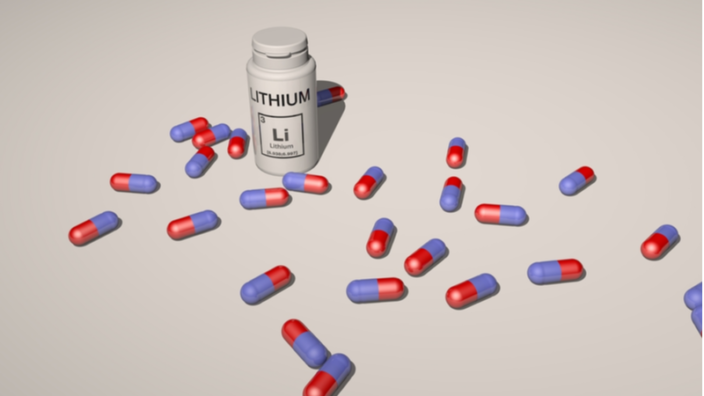
A study published in Plos Medicine has shown that lithium decreases the risk of developing dementia and some of its subtypes, including Alzheimer’s disease and vascular dementia [1].

Enigmatic but effective

According to WHO, Alzheimer’s disease and other dementias were the second-leading cause of death in high-income countries and the seventh globally in 2019. To date, there are no preventive or disease-modifying treatments available for dementia.

In recent years, lithium has emerged as a potential therapeutic for several neurodegenerative diseases, including dementia [2], although randomized, controlled studies assessing its effectiveness have yet to arrive.

Lithium has long been known for its mood-stabilizing properties: it is the first-line treatment for bipolar disorder (mania) and major depression [3]. The neuroprotective effect of lithium is not completely understood but seems to involve several mechanisms of action, such as the induction of autophagy and the reduction of oxidative stress [4].

On the molecular level, lithium (Li+) competes with magnesium (Mg2+) and can thus interfere with several pathways that rely on the activity of magnesium-dependent enzymes. Specifically, lithium inhibits glycogen synthase kinase-3 beta (GSK-3β) and inositol monophosphatase (IMP), modulating autophagy.

Does lithium fight dementia?

In this retrospective study, the researchers analyzed the clinical data of 29,618 patients collected over a 15-year period in the UK. The patients were ≥ 50 years of age (mean = 73.9 years) and were treated for mental health conditions. 548 of these patients were exposed to lithium as concluded from either a prescription or a documented blood level. 53 (9.7%) and 3,244 (11.2%) patients developed dementia in the lithium-exposed and unexposed groups, respectively.

The patients in the lithium group were subdivided into several categories based on the exposure duration: short-term (≤1 year), long-term (>5 years), and medium-term (1-year-long periods in between 1 and 5 years of exposure). All the patients were followed up until either the first record of dementia, the final record, or death.

The researchers controlled for several confounding variables: age, sex, marital status, ethnicity, smoking status, medications, and physical and mental comobidities. Among the latter, the presence of bipolar disorder was of particular importance, because it is a known risk factor for dementia and the most common reason for a lithium prescription. Indeed, 73% of the patients in the lithium group had this condition.

The study shows that the patients in the lithium group were more likely to have a partner, be a smoker, use antipsychotics, and have depression, bipolar disorder, diabetes, high blood pressure, central vascular disease, or a high cholesterol level. All these factors, except marital status, are associated with a higher risk of developing dementia.

Meanwhile, the most important finding of the study is a significantly lower risk of dementia in people exposed to lithium. Although several dementia subtypes were included in this study, the researchers also analyzed Alzheimer’s disease and vascular dementia incidents separately and confirmed that the risk of these two was also lower in the lithium group.

Next, the researchers show that both short-term and long-term lithium exposure is associated with lower risk of dementia. Medium-term exposures, on the other hand, were not that beneficial. However, this could be attributed to a smaller number of patients in these subgroups and/or a shorter follow-up period. Longer lithium exposure seems best at decreasing the risk of developing all dementias and Alzheimer’s disease but not vascular dementia.

Enlightening but limited

This study had quite a few limitations. First, there were many confounding variables that are difficult to control for. Second, the sample size of people using lithium was rather small. Third, the reason for, and level of, lithium exposure were not always documented. Fourth, both mental and physical comorbidities might have been underestimated. Finally, there was no proof of causation.

Nevertheless, the researchers acknowledge and address some of these limitations by including sensitivity tests to confirm the results obtained from the initial analysis. For example, they analyzed the data with the assumption that all the lithium-exposed patients were suffering from bipolar disorder or excluding all the patients diagnosed with depression.

Abstract

Dementia is the leading cause of death in elderly Western populations. Preventative interventions that could delay dementia onset even modestly would provide a major public health impact. There are no disease-modifying treatments currently available. Lithium has been proposed as a potential treatment. We assessed the association between lithium use and the incidence of dementia and its subtypes.

Conclusion

This study, like many others, raises more questions than answers. Does the anti-dementia effect of lithium apply to the general population as opposed to people with mental health conditions analyzed in this study? Is there an optimal level of lithium and an ideal exposure duration for protecting against dementia? Can lithium decrease the risk of developing other dementias, such as Parkinson’s disease?

Overall, the results of this study are in line with previous research demonstrating the neuroprotective role of lithium, including in animal models of dementia and studies of clinical data conducted in other countries. This warrants the need to further investigate if lithium could be used as a disease-modifying treatment for dementia in randomized, controlled clinical trials.

We would like to ask you a small favor. We are a non-profit foundation, and unlike some other organizations, we have no shareholders and no products to sell you. All our news and educational content is free for everyone to read, but it does mean that we rely on the help of people like you. Every contribution, no matter if it’s big or small, supports independent journalism and sustains our future.

Literature

[1] Chen, S., Underwood, B. R., Jones, P. B., Lewis, J. R. & Cardinal, R. N. Association between lithium use and the incidence of dementia and its subtypes: A retrospective cohort study. PLoS Med. 19, e1003941 (2022).

[2] Hampel, H. et al. Lithium as a Treatment for Alzheimer’s Disease: The Systems Pharmacology Perspective. J. Alzheimers. Dis. 69, 615–629 (2019).

[3] Volkmann, C., Bschor, T. & Köhler, S. Lithium Treatment Over the Lifespan in Bipolar Disorders. Front. Psychiatry 11, 377 (2020).

[4] Forlenza, O. V., De-Paula, V. J. R. & Diniz, B. S. O. Neuroprotective effects of lithium: implications for the treatment of Alzheimer’s disease and related neurodegenerative disorders. ACS Chem. Neurosci. 5, 443–450 (2014).

Oligodendrocytes

Young Cerebrospinal Fluid Improves Memory in Mice

Scientists have found that infusing old mice with cerebrospinal fluid obtained from young mice improves their memory by increasing proliferation and differentiation of oligodendrocyte progenitor cells (OPCs) [1].

The fountain of brain youth

It has been known for years that blood from young animals can alleviate or even reverse some age-related changes, including cognitive changes, in old animals [2]. However, very little research has been done done relating to cerebrospinal fluid (CSF), which helps nourish and maintain our brain cells.

Similarly to blood, CSF composition changes with age [3], but scientists still know very little about the contribution of these changes to aging. One study has shown that in humans, CSF from young healthy donors increases neuronal viability [4]. Another one found that CSF from people with multiple sclerosis is toxic to neurons in vitro [5].

Oligodendrocytes: the electricians of the brain

In this new study, researchers infused 20-month-old mice with CSF drawn from young mice. Three weeks later, the researchers analyzed the mice’s memory by using a simple test that checks how well the mice remember stimuli associated with discomfort in the past. The researchers found that the mice who received a transfusion of young CSF performed significantly better than controls.

The scientists then ran a transcriptomic analysis of the hippocampus and identified 271 genes that were differentially expressed following the procedure. They found that genes related to oligodendrocytes, especially to their differentiation, were the most significantly upregulated.

Oligodendrocytes create myelin sheaths that envelop the axons of brain neurons. These sheaths provide insulation (just like with electric wires), reducing ion leakage and ensuring rapid signal conduction. Myelionogenesis mostly happens during early development but continues throughout life, and it is thought to be extremely important for memory and learning.

Oligodendrocytes, in turn, differentiate from OPCs. One recent study showed that oligodendrogenesis is drastically reduced with age and that increasing it can improve learning and memory in aged mice [6].

Serum response factor and the cytoskeleton

The researchers found that young CSF induced a 2.35-fold surge in the percentage of proliferating OPCs in the hippocampus. Further experiments revealed an expected increase in the number of myelinated axons. An increase in proliferation was also observed in vitro, in cultured cells treated with young CSF.

One of the proteins most upregulated by young CSF was serum response factor (SRF), a ubiquitous transcription factor that is present not just in the brain but also in skeletal muscle and the heart. Wherever it is expressed, SRF is known to increase cell motility, proliferation, and differentiation by promoting the formation of actin filaments that the cytoskeleton is mostly made from. The researchers found that CSF treatment significantly improves cytoskeleton building in OPCs.

SRF knockout, on the other hand, eliminated the gains in OPC proliferation induced by young CSF. These results strongly suggest that the effect of young CSF is mediated by SRF and specifically by SRF-induced cytoskeleton growth.

The missing link

Something in young CSF was boosting the production of SRF, but there are hundreds of proteins that could be responsible for this. After another battery of experiments, the researchers formed a list of 35 potential SRF inducers and then narrowed their search down to fibroblast growth factor 17 (Fgf17), which responded most strongly to changes in the dose of young CSF. Interestingly, the levels of Fgf17 in human CSF decrease with age.

Fgf17 supplementation induced proliferation and differentiation of OPCs in vitro, just like the treatment with young CSF did. Similar results were then obtained in vivo, in aged hippocampi. Fgf17 was also shown to improve memory in mice. Infusing young mice with Fgf17-blocking antibodies impaired their performance in cognitive tests. In vitro, blocking Fgf17 inhibited the increase in proliferation caused by young CSF.

Conclusion

While the rejuvenating properties of young blood are more widely known, the finding that oligodendrogenesis and memory function in the aged brain can be improved by young CSF opens an entirely new avenue of research into brain aging. Importantly, although both blood and CSF consist of hundreds of components, scientists can isolate the ones responsible for particular outcomes (such as Fgf17) and turn them into therapeutic targets. Unfortunately, only one type of memory test was used in this study, and more research will be required to determine how effective this approach is on other types of cognition.

We would like to ask you a small favor. We are a non-profit foundation, and unlike some other organizations, we have no shareholders and no products to sell you. All our news and educational content is free for everyone to read, but it does mean that we rely on the help of people like you. Every contribution, no matter if it’s big or small, supports independent journalism and sustains our future.

Literature

[1] Iram, T., Kern, F., Kaur, A., Myneni, S., Morningstar, A. R., Shin, H., … & Wyss-Coray, T. (2022). Young CSF restores oligodendrogenesis and memory in aged mice via Fgf17. Nature, 1-7.

[2] Villeda, S. A., Plambeck, K. E., Middeldorp, J., Castellano, J. M., Mosher, K. I., Luo, J., … & Wyss-Coray, T. (2014). Young blood reverses age-related impairments in cognitive function and synaptic plasticity in mice. Nature medicine20(6), 659-663.

[3] Chen, C. P., Chen, R. L., & Preston, J. E. (2012). The influence of ageing in the cerebrospinal fluid concentrations of proteins that are derived from the choroid plexus, brain, and plasma. Experimental gerontology47(4), 323-328.

[4] Schwarz, N., Hedrich, U., Schwarz, H., PA, H., Dammeier, N., Auffenberg, E., … & Koch, H. (2017). Human Cerebrospinal fluid promotes long-term neuronal viability and network function in human neocortical organotypic brain slice cultures. Scientific reports7(1), 1-12.

[5] Schwarz, N., Hedrich, U., Schwarz, H., PA, H., Dammeier, N., Auffenberg, E., … & Koch, H. (2017). Human Cerebrospinal fluid promotes long-term neuronal viability and network function in human neocortical organotypic brain slice cultures. Scientific reports7(1), 1-12.

[6] Wang, F., Ren, S. Y., Chen, J. F., Liu, K., Li, R. X., Li, Z. F., … & Mei, F. (2020). Myelin degeneration and diminished myelin renewal contribute to age-related deficits in memory. Nature neuroscience23(4), 481-486.

Chaotic clocks

Biological Aging Fluctuates with Stress

A preprint published in bioRxiv has demonstrated that the second-generation aging clocks PhenoAge, DunedinPACE, and GrimAge show increased but reversible age acceleration in mice and people exposed to significant stress.

What clocks are for

As the researchers remind us, epigenetic clocks measure “how old you are” in a very specific context. Two of the clocks used to test the humans in this study, PhenoAge and GrimAge, are focused on mortality: that is, if someone has a GrimAge of 60, the clock is saying that this person is as likely to die from age-related causes as the average 60-year-old. DunedinPACE is similar, with a focus on age acceleration and the rate of aging. This particular clock was presented at last year’s Ending Age-Related Diseases conference.

in this paper, the researchers show that these biomarkers of increasing mortality rise with certain stresses but return to baseline once the stresses have passed.

Heterochronic parabiosis, revisited

It is well-known in the longevity field that heterochronic parabiosis, the joining of the circulatory systems of old and young animals, leads to the reversal of multiple aspects of aging in the older animal [1]. On the other hand, it also causes stress to the body of the younger animal.

The researchers joined three-month-old mice to 20-month-old mice for three months, with a control group of three-month-old mice joined together in the same way, and then allowed two months for recovery. The liver, which filters the blood, was chosen as the organ for this testing, and the researchers used six separate clocks, including pan-tissue clocks and clocks specifically geared to the liver.

Both groups suffered some epigenetic stress from the procedure itself, as shown by their recovery following the procedure; however, the heterochronic group substantially increased in biological age, which was then reverted after the recovery period. These results make it clear that the young mouse in this scenario is actually aged in a quantifiable, but reversible, way.

Humans age from some stresses, not others

The researchers tested the methylation of older people undergoing surgery at three time points: immediately before, the morning after, and four to seven days later before discharge from the hospital. An emergency hip surgery group had 9 people, an elective hip surgery group had 10, and an elective colorectal surgery group had 11.

In the emergency hip surgery group, biological aging was increased in nearly all the patients and then decreased after surgery, according to all three human clocks. There were outliers in this group; in particular, one person had much greater age acceleration than the others, which continued even after surgery. However, the results were still significant.

However, this did not occur in the elective hip surgery group, and colorectal surgery, which is much less physically traumatic than hip surgery, had no discernible effect on aging according to these clocks. Therefore, the researchers conclude that only large-scale physical trauma is enough for this stress to affect epigenetic clocks.

The researchers also tested two major, well-known sources of stress: COVID-19 infection and pregnancy. In the case of COVID-19, the patients’ age was already accelerated by the time they were admitted to the ICU; therefore, the researchers expected to see a decrease in aging according to multiple clocks.

The results were very interesting: females, but not males, showed a decrease in epigenetic age during recovery, particularly after discharge from the ICU. The researchers also analyzed the effects of three well-known interventions common at the time the study was conducted: hydroxychloroquine, remdesivir, and tocilizumab. While the first two were not significantly connected with a decrease in biological age, patients who took tocilizumab were reported as being younger after discharge, according to all three clocks.

The researchers also analyzed longitudinal data from multiple studies of human pregnancy among multiple demographics. While first-generation clocks did not show these results, these second-generation clocks reported that human mothers gradually increase in biological age during their pregnancies, with reversal after birth.

Conclusion

Probably the largest potential concern is what constitutes aging in the biological sense. If something can be, and is, reversed as the result of normal biological processes, is it truly aging? The researchers hold that biological aging, while it has a gradually upward trajectory, does naturally fluctuate in this way. Therefore, these clocks report biological changes that constitute real epigenetic aging, which has downstream biological consequences.

If this is the case, it may be possible to develop interventions that harness the inherent malleability of the short-term fluctuations in epigenetic aging, keeping them lower for longer periods of time and thus slowing or perhaps reversing multiple other aspects of aging.

We would like to ask you a small favor. We are a non-profit foundation, and unlike some other organizations, we have no shareholders and no products to sell you. All our news and educational content is free for everyone to read, but it does mean that we rely on the help of people like you. Every contribution, no matter if it’s big or small, supports independent journalism and sustains our future.

Literature

[1] Conboy, I. M., Conboy, M. J., Wagers, A. J., Girma, E. R., Weissman, I. L., & Rando, T. A. (2005). Rejuvenation of aged progenitor cells by exposure to a young systemic environment. Nature, 433(7027), 760-764.

Healthy Food

“The Perfect Diet” May Increase Lifespan by 13 Years

Scientists from Norway have built a model that predicts the effect of various dietary changes on human lifespan [1].

Diet is obviously a major health factor, but quantifying its impact is not easy. Since it is all but impossible to conduct a controlled study of how a particular type of food affects health in the long run, scientists have to resort to population studies, which are plagued by the abundance of confounding factors. On the other hand, the sheer number of dietary population studies might offset their imperfections. When dozens or studies and meta-analyses point in one direction, we should probably pay attention.

Meta-meta-analysis

This new study uses numerous meta-analyses, plus data from the vast Global Burden of Disease (GBD) study completed in 2019, to estimate the impact of various dietary changes on human lifespan.

First, the researchers established a typical “Western diet”, based on the same population studies, and then built a model that estimates the effect of various changes to this diet that are started at the age of 20, 60, or 80. According to the model, if you are a 20-year-old woman, the increase in whole grain consumption from 50 grams (baseline Western diet) to 225 grams a day extends your life expectancy by two years. An increase in legume consumption from 0 to 200 grams a day results in an even more substantial 2.2-year extension, and boosting the consumption of nuts from 0 to just 25 grams a day gives you an additional 1.7 years of life; of course, extremely few people consume exactly zero legumes and nuts.

There are also gains to be made from decreasing the consumption of certain foods, including red meat and processed meat, which have been consistently reported to be harmful [2]. Under this model, reducing consumption from average Western levels (100 grams and 50 grams a day, respectively) to zero gives 1.6 additional years of life. On the other hand, increasing daily consumption of fish from 50 to 200 grams increases lifespan by 0.5 years. Large gains can also be achieved by cutting back on refined grains, sugary beverages, and eggs. Milk and white meat have little effect on lifespan.

Eating more fruits and vegetables is a good idea as well, but the gains are smaller, since the researchers calculated relatively high baseline amounts. Eating more fruit (400 grams instead of 200 grams a day) increases lifespan by 0.4 years, and more vegetables (400 grams instead of 250 grams) by 0.3 years. The results for men closely resemble those for women but are slightly more pronounced.

Overall, the researchers estimate that by following what they call “the optimized diet”, a 20-year-old woman can increase her life expectancy by 10.7 years, and a 20-year-old man can increase his by 13 years. If started at 60 years of age, the optimized diet supposedly increases lifespan by 8 and 8.8 years, respectively, and if started at 80, both sexes would benefit from a 3.4-year increase. The researchers also devised “the feasible diet”, which achieves considerable lifespan extension via less drastic changes.

Taken at face value, these results position healthy diet as the best geroprotective intervention available today. The researchers took an additional step and developed an online tool that helps calculate gains in lifespan you can achieve by making specific dietary changes. Here are the gains in lifespan for 20-year-old women (left) and men.

Dietary Lifespan Gains

Better late than never

The results look rosy, but they are based on population studies, a specific methodology, and assumptions that may or may not be correct. For instance, the researchers assume that “the time to full effect”, which represents the start of a dietary change until it stops adding years to lifespan, is 10 years. While this assumption is based on the available data, the authors admit they might be wrong.

On the other hand, the study sits well with previous research. Interestingly, scientists are slowly finding biological evidence that backs some (but not all) dietary populational studies. As an example, recently, a genetic mutational signature was found that firmly links both processed and unprocessed red meat to colorectal cancer [3] – something that population studies have been suggesting for a long time.

Another major takeaway from the study is that while it is better to start eating healthy as early as possible, it is also never too late, with gains in lifespan remaining very substantial even for 60-year-olds.

Conclusion

This study is probably the first ever to propose a model that calculates gains in lifespan from several dietary interventions, an intriguing undertaking that might become a basis for future research.

We would like to ask you a small favor. We are a non-profit foundation, and unlike some other organizations, we have no shareholders and no products to sell you. All our news and educational content is free for everyone to read, but it does mean that we rely on the help of people like you. Every contribution, no matter if it’s big or small, supports independent journalism and sustains our future.

Literature

[1] Fadnes, L. T., Økland, J. M., Haaland, Ø. A., & Johansson, K. A. (2022). Estimating impact of food choices on life expectancy: A modeling study. PLoS medicine19(2), e1003889.

[2] Pan, A., Sun, Q., Bernstein, A. M., Schulze, M. B., Manson, J. E., Stampfer, M. J., … & Hu, F. B. (2012). Red meat consumption and mortality: results from 2 prospective cohort studies. Archives of internal medicine172(7), 555-563.

[3] Gurjao, C., Zhong, R., Haruki, K., Li, Y. Y., Spurr, L. F., Lee-Six, H., … & Giannakis, M. (2021). Discovery and features of an alkylating signature in colorectal cancer. Cancer discovery11(10), 2446-2455.

Nematode

The Role of Mitochondrial Antioxidants in Longevity

A study published in Redox Biology has reported that the upregulation of thioredoxin, a fundamental part of mitochondrial defense against reactive oxygen species, is associated with longevity in mutant C. elegans worms.

Free radicals, revisited

The free radical theory of aging, which focuses on reactive oxygen species (ROS), is largely considered to be largely outdated and superseded by more comprehensive theories. However, free radicals are still known to have a strong effect, especially in simpler model organisms, and the relationship between ROS and mitochondrial dysfunction has been heavily researched [1].

One way in which researchers have slowed aging in model organisms also involves slowing their development in a “live slow, die old” fashion. Deliberately impairing mitochondrial function slows the growth of these organisms but also slows the rate at which they accumulate damage, thus leading to longer lifespans [2].

Interestingly, some mutations that increase ROS also increase longevity, as the increased ROS leads to an increased response against it, which more than makes up for the damage [3]. One of the responses in one of these mutants involves the upregulation of thioredoxin, a fundamental part of the mitochondrial defense against ROS [4].

Effects and lacks thereof

After winnowing down the candidates for gene expression, the researchers focused their efforts on two mutants, nuo-6 and isp-1, along with thioredoxin expressed in the mitochondria (trx-2) and its counterpart, thioredoxin reductase (trxr-2). The researchers also examined similar genes that are expressed by the nucleus, notably trx-1 and trxr-1.

Disrupting any of the trx family of genes, as expected, increases ROS in both mutants and wild-type worms. However, most of the lifespan effects are restricted only to the mutants in which these genes are upregulated. Knocking out the nuclear trx-1 significantly harmed all the worms under normal circumstances, but knocking out trx-2 and trxr-2 only significantly decreased lifespan in the mutant worms, showing that these mutants’ longevity largely relies on the upregulation of their mitochondrial thioredoxin genes.

However, while knocking out the trx-2 and trxr-2 genes had no significant lifespan effect in wild-type worms under any circumstances, and knocking out trxr-1 and trxr-2 actually increased lifespan in wild-type worms exposed to the herbicide paraquat, knocking out trx-1 and trxr-1 significantly decreased lifespan in mutants and wild-type worms exposed to excessive heat and salty water.

Conclusion

The biochemistry of free radicals is complicated and, at times, contradictory. This research recapitulates the known fact that some antioxidants, such as thioredoxin, are naturally increased to compensate for an increase in ROS.

The lack of effect of mitochondrial thioredoxin knockout in wild-type worms under normal circumstances has worrying implications for anyone intending to research it as a longevity drug. However, the research does elucidate situations in which this compound has a significant effect on lifespan.

It may make more sense, then, to conduct research into whether thioredoxin, and antioxidants more generally, are better suited to being situational interventions against specific stressors rather than broad-spectrum life extension drugs.

We would like to ask you a small favor. We are a non-profit foundation, and unlike some other organizations, we have no shareholders and no products to sell you. All our news and educational content is free for everyone to read, but it does mean that we rely on the help of people like you. Every contribution, no matter if it’s big or small, supports independent journalism and sustains our future.

Literature

[1] Shields, H. J., Traa, A., & Van Raamsdonk, J. M. (2021). Beneficial and detrimental effects of reactive oxygen species on lifespan: A comprehensive review of comparative and experimental studies. Frontiers in Cell and Developmental Biology, 9, 181.

[2] Dillin, A., Hsu, A. L., Arantes-Oliveira, N., Lehrer-Graiwer, J., Hsin, H., Fraser, A. G., … & Kenyon, C. (2002). Rates of behavior and aging specified by mitochondrial function during development. Science, 298(5602), 2398-2401.

[3] Senchuk, M. M., Dues, D. J., Schaar, C. E., Johnson, B. K., Madaj, Z. B., Bowman, M. J., … & Van Raamsdonk, J. M. (2018). Activation of DAF-16/FOXO by reactive oxygen species contributes to longevity in long-lived mitochondrial mutants in Caenorhabditis elegans. PLoS Genetics, 14(3), e1007268.

[4] Dues, D. J., Schaar, C. E., Johnson, B. K., Bowman, M. J., Winn, M. E., Senchuk, M. M., & Van Raamsdonk, J. M. (2017). Uncoupling of oxidative stress resistance and lifespan in long-lived isp-1 mitochondrial mutants in Caenorhabditis elegans. Free Radical Biology and Medicine, 108, 362-373.

Vittorio Sebastiano

Reprogramming Cells with Vittorio Sebastiano of Turn.bio

Vittorio Sebastiano is an Associate Professor (Research) of Obstetrics and Gynecology at Stanford University and one of the most prominent scientists in the emerging field of cellular reprogramming. He is also co-founder and Scientific Advisory Board Chairman of Turn Biotechnologies, a cellular rejuvenation company based on the research done in Sebastiano’s Stanford lab.

Turn recently closed a fundraising round that attracted support from two international pharmaceutical organizations, Daewoong Pharmaceutical and HanAll Biopharma, along with Astellas Venture Management, a venture capital group. We talked with Sebastiano about the status of cellular rejuvenation research and the intriguing path that his company is taking towards this goal.

Last time you gave an interview to lifespan.io was three years ago almost to the day. What has happened to the reprogramming field since then, what advances have been made? 

We have seen very significant progress during the last two, three years. Back in 2019, many people still thought that this idea of transient cellular reprogramming, or partial reprogramming, was more science fiction than science. Today, mainstream science, researchers, companies around the world are trying to find the best way to rejuvenate cells.

Many labs have started working on these ideas since we published our work. I strongly believe that our proprietary approach, which we call ERA (Epigenetic Reprogramming of Aging), holds the greatest promise in regenerative medicine, because it’s a finely tuned and controlled way to reset the epigenetic landscape of cells to a more youthful, functional phenotype without impacting their identity, which is obviously a risk factor that’s associated with reprogramming.

Just to recap, in 2020, we were the first to demonstrate the applicability of this to human cells that were derived from elderly individuals. As important as animal studies are, in the end, you need to show that it works in human cells derived from aged tissues, and that’s exactly what we did. We were the first to demonstrate that in human cells, and we are also very hopeful to be the first to demonstrate that it works in patients. That’s our goal.

That begs the question, when will we see human trials?

Very soon, hopefully. We’re progressing very rapidly on a couple of indications in dermatology and immunotherapy. Soon, we’re going to move into at least Phase I clinical trials.

I always like to emphasize the fact that Turn as a company is not just about ERA. This is the foundational technology of Turn, but at the same time, since it relies on the delivery of mRNAs that are used to perform that resetting of the epigenetic landscape, we are also working heavily on the cargo (that is, the mRNAs), and on the delivery system. These three are the three pillars of Turn that are going to enable rapid clinical implementation of this technology for a variety of indications.

There has been great progress in terms of research on all three of those, but most importantly, there has been major progress recently in partnering up with big players in the pharma field that are mission oriented.

I’d like to highlight this because that’s what we really care about: the mission. Also, they know how to develop a drug, a product. I’m referring to Daewoong Pharmaceuticals, Hanall Biopharma, and Astellas Venture Management. These are really big players in the pharma field that in a way are putting a stamp of approval on us, showing that they really believe in this technology and they’re going to help us develop the products. This is very exciting for us, a big step. These organizations know their business, so it’s a very important signal that really speaks for the value and the potential of Turn.

The first important component is the mRNA technology that we are using. This is the technology that the most successful COVID vaccines are based on, and it has been a game changer for several reasons. First, because it’s a very safe approach. You’re not using viral vectors, nor DNA molecules. From a safety standpoint, this is extremely important. Viral vectors are immunogenic for obvious reasons, even though some of them can be used.

Second, it’s very hard to control the duration of the expression of the factors. Typically, you have to control them through molecules such as antibiotics – for example, doxycycline. Antibiotics are found in some foods, so that’s a potential issue when you need to keep the factors silenced and not randomly activated in the cells.

As to DNA, any DNA molecule can integrate into the genome, so, there is always a potential side effect. You cannot control the integration. You don’t know where it’s going to end up, you may mess up some important genes. This may lead to cell death and even to carcinogenesis, if it integrates in the wrong part of the genome.

So, mRNA and RNA in general do not have those issues. By their nature, they only stay in the cytoplasm, they code for the proteins they are supposed to be coding for, and never get into the nucleus, never integrate into the genome. This is why they are much safer to work with.

Then there are several secondary reasons why it’s so important. Again, let’s look at COVID. The industry is developing fast methods to generate large amounts of RNAs. This will make any RNA-based technology very affordable in the long run. This is important to me and to Turn because we want to change the rules of the game, to democratize this technology, making it affordable for everyone, not just for a few wealthy people.

But, RNAs come with a downside, which is delivery. That’s why Turn is also working on developing new delivery systems that are non-cytotoxic, very specific, and very efficacious in targeting specific cell types that we want to rejuvenate. Potentially, this could become a business model on its own because many companies are trying to achieve good targeting, and liquid nanoparticles are going to be an important part of our products.

Liquid nanoparticles themselves are an established technology, so I would guess the problems are mostly with targeting?

Not only. There are some very practical problems, like patenting. The current technology is owned by only a couple of players, and we are developing our own proprietary technology, because there are going to be new opportunities in the market for delivery. Also, some of the current solutions elicit a bit of cytotoxicity and immunogenicity. Some of the adverse effects that we see from vaccines, for example, are due to an immune response to liquid nanoparticles. We are working to make them less immunogenic and more tolerable to the body.

Then, of course, the delivery. With vaccines, and I’m simplifying here, it doesn’t really matter what cells you target, as long as those cells express the epitope of the protein that needs to be recognized by the immune system. In our case, it’s a big deal: we need to make sure that we target specific cell types, because those are the ones that we want to rejuvenate.

RNA also degrades rapidly, which, I guess, could be both good and bad for partial reprogramming, right?

Yes, mRNAs in general have a relatively short half-life. That means, if you bring them into the cells, they’re going to exist there for a few hours, 24, maybe 48 hours, and then they’re gone. So, if you need multiple deliveries into the cells, how do you do it?

This lies at the intersection of the RNA program and the delivery program at Turn. You can think about it in many ways. For example, you can develop a delivery system with slow release in the tissue: the cargo is always the same, but it’s delivered in impulses or slowly released across the period needed to achieve efficacy. The second way is to change the structure of the RNA, so that after it’s delivered, it can last longer in the cells. It can also have regulatory sequences that, if it lasts too long, can shut it down safely and efficiently.

All this is very important in vivo, because you are putting something in the body, and you have to dictate the duration. If you think about ex vivo, you isolate the cells and you have them in culture, and then even if your RNA has a short half-life, you can still hit the cells many times with “pulses of reprogramming”. You can make sure that the cells haven’t lost their identity, that they have a very robust juvenile phenotype. At that point, you reintroduce them back into the body.

Both strategies are still open. For in vivo, you need to make sure that you are really in control of the cargo, the delivery, the duration. Ex vivo, most of these problems are irrelevant. That’s why immunotherapy is probably going to be a very fast program for us, because it’s an ex vivo program.

You have your artificial niche technology to help you with ex vivo. Explain that a bit. 

The artificial niche was developed by Marco Quarta, one of the co-founders, when he was working at Stanford. It is a method to isolate stem cells from muscles and keep them quiescent – basically, to keep their stemness, which is crucial. This is how you maintain their ability to differentiate into all the cells of the muscle tissue. It’s a technology that is exclusively licensed to Turn and that we’re going to utilize for the rejuvenation of the muscle stem cells after they are biopsied out and isolated from the tissue. It can be extended potentially to other contexts.

Every stem cell is different. Stem cells that reside in the intestine are different from those in the muscle. So, every micro-niche needs to be defined in a different way, but for now, we have the one that works very well for muscle cells. That’s going to be utilized in combination with ERA for ex vivo treatments of muscle stem cells that are isolated from the patient.

So, the idea here is to rejuvenate stem cells so that they regain their youthful function, right?

Correct. That’s because most of the cells in the tissue are not stem cells. Probably 99.9% of the cells in any tissue are fully differentiated, and they make up the organ. There is obviously a possibility to intervene on those cells, but probably a smarter idea is to target the cells that are responsible for the regeneration of the whole organ. You can target those in vivo, if you know how to do it, or ex vivo, if you know how to culture, which is where the artificial niche comes in handy.

If you make a stem cell younger, you are making the whole organ younger, because that cell now is going to regenerate the entire tissue. We were able to restore strength of a whole muscle to the level of a young untreated muscle. This is very significant.

This sounds like a really “lean” strategy that could be implemented quickly. That brings me to the question of competition. The reprogramming field has become crowded with well-funded ventures like Altos Labs but also many smaller companies.

On one hand, it’s actually reassuring in some sense. First and foremost, I’m a scientist, so I’m a big believer in reproducibility of data. As long as this is reproducible, I’m the happiest man in the world, because that means that what I did is working (not that I have reasons to doubt it). If somebody else sees the same thing in a different context, tissue, environment, in a different humidity or whatever that is, it’s very reassuring. So, I’m pleased that the field is booming.

When it comes to competition between companies, as I said, we were the first to show that this works in humans. We have the technology that is by far the safest and probably the one that’s going to develop to clinical fruition most rapidly.

It’s good that the field is so big: there are so many things that we can do. At the end of the day, there’s going to be room for everybody. What I care about is to show that what we have done works in humans. We want to be the first ones to start working with humans, and I think we’re close.

There are also a lot of conditions that you can work on.

Yes. Actually, I see Turn as a platform company. We have these ideas and this technology, including delivery, that can be, in principle, applied in various contexts to many different conditions and indications. We want to tackle many of them one by one, but currently we are being very down-to-earth and strategic about how we achieve that. We want to start with something that is going to make a difference for people quickly.

Despite the field being crowded, we haven’t seen a lot of successes. The elephant in the room is Calico, which apparently has little to show. Does this worry you a bit?

No, I am very optimistic based on what I see happening at Turn. To be fair, though Calico have been around for a while, they haven’t been working on reprogramming until recently. They’re dealing with longevity in a different way, focusing on neurobiology, I think. Turn, on the other hand, was one of the first companies to really work on reprogramming, and now, of course, there are the Altos Labs.

I’m not too concerned about that, no. Again, I can speak about Turn. We’re making tremendous progress, and our data is strong. Am I worried about the fact that big money is being put into other entities or corporations? No, because in the end, having a lot of money doesn’t guarantee success. The execution, the strategy, the foundational science are all very important, and we check all those boxes.

Let’s talk again about reprogramming as a whole. Here’s something I just read on Twitter, from a prominent researcher. He wrote that the Yamanaka factors are simply “oncogenes”. It’s a rather widespread concern, so could you maybe briefly explain the relationship between cellular reprogramming and cancer?

Sure. I don’t know who said that, but it’s an overly simplified statement. It’s like saying that the only thing fire does is destroying forests. It’s definitely not the whole truth.

It boils down to the control of the reprogramming window. If you know how to control the duration of the reprogramming, you can achieve partial reprogramming, reverting only some aspects of the epigenetic landscape to a more juvenile and functional state, without impacting the cellular identity.

Some of the factors are definitely potentially carcinogenic in the long run. C-Myc, for example, is a proto-oncogene, but there are a few thousand or a few hundred thousand cells in the body that express high levels of it. They know how to regulate it, how to utilize it, and in the short run, c-Myc does very good things.

For example, it impacts the mitochondrial activity, it represses retroviral elements. If you express it at super-abundant levels for a long time, there is a possibility that c-Myc may become carcinogenic, but the technology we are using is short-term, tuneable, and regulatable. This lets you take the advantage of c-Myc expression without the disadvantages. And the same is true for all the other factors.

Now, does that mean that this is going to be the cocktail that we’re going to use for every cell, every tissue for the rest of our lives? Probably not. We’re starting there because we know it’s the most powerful cocktail that gives the highest degree of rejuvenation in the shortest amount of time, so, first, we are studying this process.

We’re also learning that as a consequence of the expression of those factors, other factors are getting engaged, and potentially we may complement the cocktail with one or more of those, substitute some of them, or maybe replace the cocktail with something entirely different. The good thing about this cocktail that we’re using is that it works across many different cell types equally.

I think you’ve added two more factors to the original four. Why? 

If you use those six factors, you get the fastest reprogramming to iPSCs, that is, full reprogramming. It takes two to three weeks for the cells in culture to go all the way to an embryonic-like state.

Our original thinking was, let’s use this cocktail, which is the most powerful and effective, and let’s see when during this process we can stop the reprogramming but still see rejuvenation in the cell. Then, maybe we can change the cocktail, take some factors out, and expand the timing of that process, because it is true that if you remove three or four of these factors –  if you use just OSK, for example – it takes you probably twice as long to make iPSCs (induced pluripotent stem cells). That means that there is a much safer window of opportunity.

Right now, we are using the most powerful cocktail, but we’re treating the cells for a very short time. At some point, we may come up with an abridged version of the cocktail that could have less potential side effects, even for a longer period of time.

The third option would be to replace the cocktail entirely with something that still does the rejuvenation but without this potential downside of carcinogenesis, which, again, is a problem only if you lose control of those factors, but we don’t.

You probably need to do it quickly because you want to keep the stem cells quiescent?

Yes, but it’s also about the cost – the shorter the treatment, the cheaper it’s going to be, and that’s very important. And we are seeing that in stem cells, two days of treatment are enough to get the muscle younger by years.

What are the limits of reprogramming? How big is the part of aging that reprogramming can fix? Because there are things like damage accumulation in the extracellular matrix, accumulation of somatic mutations, et cetera.

It’s an excellent question, but not an easy one, so let’s unfold it. Strictly speaking, when it comes to genetic mutations, there is nothing we can do with this technology. If there is a mutation, you cannot reverse a cell with that particular mutation to a state before the mutation occurred.

This is not a major issue in my view because most of the mutations that happen in cells are harmless. Only a small fraction of cells accumulate very dangerous mutations, and those are the senescent cells. They constitute a small fraction of all the cells in the body, probably between 1% to 5%. Senescent cells accumulate large mutations, chromosomal rearrangement, shortening of telomeres. They are massively genetically affected.

We don’t want to reprogram those cells; we want to eliminate them. You can do that in two ways. One way is to specifically target them with senolytics, getting them out of the equation, but you still have an aged body left behind. You have aged cells, and there’s nothing you can do about it, unless you reprogram them, and that’s what Turn wants to do.

The second thing is that, if you know how, to target in vivo the non-senescent cells. In fact, the senescent cells are non-proliferative, they’re stuck there, just secreting pro-inflammatory cytokines. If you target the cells that are non-senescent but still aged, and you revert them to a more juvenile phenotype, these cells start proliferating. They start producing new cells, diminishing the relative ratio of the senescent cells in that specific issue, and that creates a positive feedback loop.

The third point, again, we mentioned that if you can target the stem cells, then you are working at the root of the tissue, on the cells that generate all the cells in the body. That means you can regenerate the entire tissue just by targeting the cells that are responsible for the regeneration of the tissue. We have seen this: we have targeted the stem cells, and we have seen the rejuvenation of the entire tissue.

What about the damage to the extracellular matrix? That’s something that neither reprogramming nor senolytics seem to be able to tackle, right?

That’s not necessarily true. For instance, reprogramming of fibroblasts, which we have done, leads them to a state where they’re secreting more collagen, more elastin. They not just become younger, they also start secreting juvenile factors and produce less pro-inflammatory cytokines and more anti-inflammatory cytokines, which affects the environment around them. They also produce more metalloproteinases, which are the enzymes that degrade that the extracellular matrix.

In short, they really start behaving like young fibroblasts, restructuring the environment around them. In my opinion, this is a domino effect. You target one cell type, and it starts not just looking young but behaving young, rebuilding the whole tissue.

To really tackle aging, we probably do need combinations of senolytics, reprogramming, and other things. So, what are you currently excited about in the longevity field as a whole, in terms of technologies and advances? 

I am excited about senolytics. I still have to see tangible repercussions of this, but I think they’re going to come in the near future. And I am particularly excited about the combination of senolytics and reprogramming, also because I have a hunch that removing senescent cells might help a lot. Senescent cells have been shown to promote reprogramming in vivo to an embryonic-like state. So, if you remove them first, then subsequent rejuvenation can potentially be much more effective any even safer.

There are a lot of research avenues that are very exciting. For example, the work that has been done on metformin, on diet supplementation and caloric restriction. Each one of those, with the exception of senolytics, is targeted towards a very narrow aspect of aging. Reprogramming, on the other hand, treats aging at the very root. It is broadly applicable as a concept, and it has a number of repercussions, as we have shown. If you target the nucleus, the chromatin, the epigenetic landscape, you are also targeting all kinds of downstream effects – that is, aging in its entirety, you might say. We have shown that the cells are behaving in a more youthful way on the physiological level, the transcriptomic level, the methylation level, the epigenetic level, and the functional level. So, it is a much deeper and more effective way of treating aging at its roots.

I am a bit worried about what I see as the tendency to shy away from the idea of lifespan extension. For instance, Altos Labs has said repeatedly that it’s not a longevity company, as did your CEO in a recent interview. What is the reason for that?

I think that the field, unfortunately, is cursed in a way by this idea that by doing what we are doing, we are thinking about extending longevity, about immortality, et cetera. I think it’s very important to clarify that it’s not our mission.

It’s not that I’m shying away from the idea of living longer, and I don’t think there’s anything wrong with that idea. We do this on a daily basis when we think about our diets, when we exercise. But I want to stress that, first of all, we just want to impact people’s healthspan. Obviously, every time you do a medical intervention that saves life, you’re impacting longevity. That’s the purpose, right? You want to prevent people from dying, and so they live longer.

That’s not what we are aiming at. I want to make sure, for example, that a person who is crippled by osteoarthritis can walk. I want to make sure that people who are frail because their muscles have lost strength, can perform their daily duties without pain. I want to make sure that people who lost their sight because of glaucoma or macular degeneration can start seeing again.

What we want to achieve is a healthier life that will inevitably be longer as well.

We would like to ask you a small favor. We are a non-profit foundation, and unlike some other organizations, we have no shareholders and no products to sell you. All our news and educational content is free for everyone to read, but it does mean that we rely on the help of people like you. Every contribution, no matter if it’s big or small, supports independent journalism and sustains our future.
Mouse DNA

FOXM1 Induction Extends Lifespan in Mice

In a new study published in Nature Aging, researchers have shown that inducing a truncated FOXM1 gene extends lifespan in both progeric and naturally aging mice [1].

FOXO genes and longevity

Forkhead box (FOX) genes are transcription factors: genes that drive the expression of other genes and are known to play an important role in cell proliferation and longevity. Forkhead box Os (FOXOs) are particularly famous, as they have been shown to promote autophagy, suppress inflammation and tumor progression, and maintain the stem cell pool [2]. A specific member of this gene family, FOXO3, is directly associated with human longevity [3].

FOXM1 is another forkhead box gene that has gained the attention of aging researchers as an important oxidative stress response regulator and one of the major players in tumorigenesis [4,5].

Previous studies have shown that FOXM1 is decreased in the cells of older healthy people as well as people whose aging is accelerated by Hutchinson-Gilford progeria syndrome, which is caused by a mutation in the LMNA gene. Inducing FOXM1 expression delays senescence in these cells [6].

In this study, the researchers set out to check if it’s possible to delay aging by increasing the expression of FOXM1 in progeroid and naturally aged mice. However, instead of inducing the fully functioning FOXM1, a modified gene that did not contain an N-terminal part was chosen.

The C-terminal side of FOXM1 plays an important role in transcriptional activity, and the N-terminal side plays a role in the regulation of intracellular processes, such as controlling the segregation of genetic material during cell division. The N-terminal side was also shown to have an autoinhibitory function repressing the activity of the protein at specific cell cycle stages [7]. Truncating the N-terminal allowed for the constant expression of this protein.

FOXM1 delays aging in a mouse model of accelerated aging

First, the researchers generated a progeric mouse model that expressed truncated FOXM1 in the presence of doxycycline. They then collected adult mouse fibroblasts and induced the expression of FOXM1 in vitro over a short period. They observed decreased DNA damage and nuclear abnormalities, increased cell proliferation, and ultimately reduced senescence and a rejuvenated epigenetic state.

In the next part of the experiment, FOXM1 was induced in the cell culture in a cyclic, on-off manner: 4 days on, 5 days off, 4 days on. This scheme proved efficient in delaying senescence.

Following the success achieved in vitro, the researchers employed the truncated FOXM1 cyclic induction in young progeric mice to see if the progeroid phenotype could be prevented. The mice followed a 3-day-on, 4-day-off cyclic scheme for 12 weeks. Impressively, they showed not only reduced skeletal defects and growth retardation but also improved cardiac function, which led to ~25% lifespan extension in these mice compared to their untreated progeric counterparts.

Next, the researchers assessed cyclic FOXM1 induction in middle-aged progeric mice. As expected, the treatment brought down the expression of senescence-associated biomarkers in several tissues to the wild-type level. Moreover, skin homeostasis, aortic wall thickening, and bone density and volume were all improved.

FOXM1 delays aging in naturally aging mice

Although promising, the results from the experiments in progeroid mice might not translate into naturally aging animals. Therefore, the researchers applied truncated FOXM1, again using a 3-day-on and 4-day-off scheme, for 80 weeks to 8-week-old naturally aging mice.

Remarkably, the treatment extended the lifespan of aged mice by almost 30% compared to controls. Tissue examination revealed that truncated FOXM1 induction rejuvenated multiple organs: aorta, skin, fat, and muscle.

The researchers observed reduced muscle atrophy and a higher number of muscle stem cells, along with increased muscle strength. In addition, decreased aortic fibrosis and wall thickening, as well as increased subcutaneous fat, were demonstrated.

Confirming previous results, naturally aging mice had downregulated senescence biomarkers in skin, kidney, fat, and muscle following truncated FOXM1 induction.

Next, the researchers conducted transcriptomic analysis of the aortic and calf muscle tissues to see which pathways are affected by FOXM1 induction. In both tissues, FOXM1 primarily altered the expression of genes involved in metabolism and inflammation. Moreover, in the aorta, pro-inflammatory and apoptotic pathways, as well as pathways related to senescence and the SASP, were downregulated.

Finally, the authors showed that FOXM1 induction causes gene expression changes similar to those achieved with rapamycin and other lifespan-extending interventions.

Importantly, throughout the study, the authors observed that the truncated FOXM1 induction increases the expression of the full-length endogenous FOXM1, thus leading to the organismal rejuvenation effect brought on by the gene’s transcriptional and non-transcriptional activity. This turned out to be particularly important for tumor prevention via the functioning N-terminal of the endogenous gene.

Abstract

The FOXM1 transcription factor exhibits pleiotropic C-terminal transcriptional and N-terminal non-transcriptional functions in various biological processes critical for cellular homeostasis. We previously found that FOXM1 repression during cellular aging underlies the senescence phenotypes, which were vastly restored by overexpressing transcriptionally active FOXM1. Yet, it remains unknown whether increased expression of FOXM1 can delay organismal aging. Here, we show that in vivo cyclic induction of an N-terminal truncated FOXM1 transgene on progeroid and naturally aged mice offsets aging-associated repression of full-length endogenous Foxm1, reinstating both transcriptional and non-transcriptional functions. This translated into mitigation of several cellular aging hallmarks, as well as molecular and histopathological progeroid features of the short-lived Hutchison–Gilford progeria mouse model, significantly extending its lifespan. FOXM1 transgene induction also reinstated endogenous Foxm1 levels in naturally aged mice, delaying aging phenotypes while extending their lifespan. Thus, we disclose that FOXM1 genetic rewiring can delay senescence-associated progeroid and natural aging pathologies.

Conclusion

This study highlights the importance of a specific gene and the deleterious effects of its repression in a model of accelerated aging along with natural aging. Although aging is a complex process with multiple pathways, targeted approaches like this one often bring impressive results in extending healthspan and lifespan, at least in model organisms. As we can see, this requires careful planning and a thorough understanding of the target gene’s function.

We would like to ask you a small favor. We are a non-profit foundation, and unlike some other organizations, we have no shareholders and no products to sell you. All our news and educational content is free for everyone to read, but it does mean that we rely on the help of people like you. Every contribution, no matter if it’s big or small, supports independent journalism and sustains our future.

Literature

[1] Ribeiro, R. et al. In vivo cyclic induction of the FOXM1 transcription factor delays natural and progeroid aging phenotypes and extends healthspan. Nature Aging 2, 397–411 (2022).

[2] Murtaza, G. et al. FOXO Transcriptional Factors and Long-Term Living. Oxid. Med. Cell. Longev. 2017, 3494289 (2017).

[3] Willcox, B. J. et al. The FoxO3 gene and cause-specific mortality. Aging Cell 15, 617–624 (2016).

[4] Park, H. J. et al. FoxM1, a critical regulator of oxidative stress during oncogenesis. EMBO J. 28, 2908–2918 (2009).

[5] Ye, X. et al. Quantitative proteomic analysis identifies new effectors of FOXM1 involved in breast cancer cell migration. Int. J. Clin. Exp. Pathol. 8, 15836–15844 (2015).

[6] Macedo, J. C. et al. FoxM1 repression during human aging leads to mitotic decline and aneuploidy-driven full senescence. Nat. Commun. 9, 2834 (2018).

[7] Laoukili, J. et al. Activation of FoxM1 during G2 requires cyclin A/Cdk-dependent relief of autorepression by the FoxM1 N-terminal domain. Mol. Cell. Biol. 28, 3076–3087 (2008).