The Blog

Building a Future Free of Age-Related Disease

Astrocyte

Rejuvenating the Brain with Transplanted Astrocytes

A new study published in Stem Cell Research and Therapy has shown that rejuvenating the astrocyte niche in the aged brains of mice leads to improved nervous system function at both the cellular and organismal levels [1].

A glia-centric approach

In brain aging, neurons are quite literally only half of the story; the other half is glial cells. These are diverse non-neuronal cells that collectively sustain the homeostasis of the nervous system. In the mammalian brain, they can be broadly subdivided into macroglia (astrocytes, oligodendrocytes) and microglia. When any of these cells become dysfunctional, neurons suffer too.

Astrocytes are the jacks of all trades in the brain. They provide energy support to neurons and play important roles in neurotransmission, synaptogenesis, and axon guidance. Similarly to microglia, the resident macrophages of the nervous system, astrocytes become reactive in response to injury and even assume the role of phagocytes when microglial dysfunction occurs [2].

Age-associated neurodegenerative diseases, along with brain aging itself, are accompanied by morphological atrophy and the functional impairment of astrocytes. Aged astrocytes lose their ability to sustain synaptic contacts and cover brain vessels with the tips of their processes, known as endfeet, and this leads to neurovascular dysfunction. Aged astrocytes can also lead to neuroinflammation, which might cause cognitive impairment.

In this study, the researchers sought to combat the deleterious effects of aged astrocytes by engrafting glial progenitor cells, which can give rise to either astrocytes or oligodendrocytes depending on context, into aged mouse brains.

Young cells in old brains

The researchers first generated glial progenitor cells from the embryonic neural stem cells collected from the cortices of ~15-day old mice. They then confirmed that the generated glial progenitor cells acquired astrocyte identities and could generate Ca+ waves, an important prerequisite for glial functioning and neuron-glia communication.

Next, the researchers transplanted glial progenitor cells into the somatosensory cortices of adult mice (6-8 months old). This is the brain region responsible for sensory information processing. 12 months later, the animals were sacrificed and their brains dissected for histological analysis.

The majority of the transplanted cells turned into astrocytes and migrated from the injection sites. No tumors were detected. The engrafted astrocytes remained morphologically much younger (meaning structurally more complex) than the astrocytes of aged control mice. The transplanted astrocytes integrated into the aged brains and could form networks on par with young astrocytes.

The researchers describe another important morphological feature of engrafted astrocytes: they manage to establish and sustain endfeet along blood vessels. Moreover, their endfeet express the AQP4 water channel AQP4 in a highly localized manner. This is the opposute of what occurs during aging, which causes astrocytes to acquire dispersed AQP4 localization, which impairs the clearance of various solutes from the extracellular space.

Improved structure, better function

The researchers conducted behavioral tests to see if any functional improvements could be detected in mice. To this end, they employed an escape response test in which mice are placed in a cage and given a foot shock stimulation. The treated mice reacted more quickly, demonstrating a functional improvement of their somatosensory cortices.

Abstract

Aging causes astrocyte morphological degeneration and functional deficiency, which impairs neuronal functions. Until now, whether age-induced neuronal deficiency could be alleviated by engraftment of glial progenitor cell (GPC) derived astrocytes remained unknown. In the current study, GPCs were generated from embryonic cortical neural stem cells in vitro and transplanted into the brains of aged mice. Their integration and intervention effects in the aged brain were examined 12 months after transplantation. Results indicated that these in-vitro-generated GPC-derived astrocytes possessed normal functional properties. After transplantation they could migrate, differentiate, achieve long-term integration, and maintain much younger morphology in the aged brain. Additionally, these GPC-derived astrocytes established endfeet expressing aquaporin-4 (AQP4) and ameliorate AQP4 polarization in the aged neocortex. More importantly, age-dependent sensory response degeneration was reversed by GPC transplantation. This work demonstrates that rejuvenation of the astrocyte niche is a promising treatment to prevent age-induced degradation of neuronal and behavioral functions.

Conclusion

Although this is a mouse study, it builds upon previous research in paving a way to treating various neurodegenerative diseases by transplanting glial progenitor cells. Importantly, the engrafted glial progenitor cells generated astrocytes that migrate, integrate into the existing neuro-glial networks, and fulfill their function while maintaining a younger morphology than their surrounding partners. The engrafted cells also ameliorated age-induced sensory dysfunction, which demonstrates a neuroprotective effect of the treatment.

We would like to ask you a small favor. We are a non-profit foundation, and unlike some other organizations, we have no shareholders and no products to sell you. All our news and educational content is free for everyone to read, but it does mean that we rely on the help of people like you. Every contribution, no matter if it’s big or small, supports independent journalism and sustains our future.

Literature

[1] Yang, Z. et al. Engrafted glial progenitor cells yield long-term integration and sensory improvement in aged mice. Stem Cell Res. Ther. 13, 1–10 (2022).

[2] Konishi, H. et al. Astrocytic phagocytosis is a compensatory mechanism for microglial dysfunction. EMBO J. 39, e104464 (2020).

Old politician

Politicians Live Longer Than Most People

By analyzing historical data, scientists have shown that politicians, an example of an elite group, have enjoyed longer than average life expectancy since about 1950 [1].

The elite lives longer

Historical trends in health and mortality can teach us a lot about the present. It is common knowledge that life expectancy at birth has increased immensely during the last two centuries due to advancements in things like  medicine, access to clean water, and sanitation. Today, income and education correlate positively with life expectancy (and with each other). The elite simply live longer.

Have things always been that way? In this study, the researchers used historical data to answer this question. While several studies already exist in this field, they are mostly confined to a single country, and the data is sparse. The challenge was to find a group of people who represent the elite and about whom reliable data exists. Politicians fit the bill well: due to the public character of their job, dates of their birth and death are usually known.

The gap opens

The researchers analyzed data on more than 57,000 politicians in 11 countries, starting from the early 19th century. They found that the difference in life expectancy at the age of 45 (the average age of the start of a political career over the observed period) between politicians and the rest of the population had been minimal up until the mid-20th century, when the paths began to diverge in favor of politicians. The US, a country that had no gap at all until about 1920, quickly opened the biggest gap of all countries. While in most other countries, the gap started closing again in the recent couple of decades, in the US, it remains mostly unchanged.

While it is tempting to attribute the results solely to societal inequalities, the researchers also suggest other possible explanations. For instance, decades of widespread smoking had a significant impact on life expectancy. The hazards of smoking began to be taken seriously in the second half of the 20th century, and it is not impossible that politicians were among the first to quit, both out of health concerns and to project a more positive image. The prevalence of male politicians was also accounted for in the study.

The wider context

Prior to the emergence of modern medicine, high social standing probably provided little advantage for health, at least in adulthood. It might have even been the opposite, as the elite gorged uncontrollably on calorie-rich, processed food that we now know to be unhealthy, and obesity was sometimes perceived as a sign of status. Whole new diseases, such as gout, also known as the “disease of kings”, emerged out of the lavish lifestyle of the rich [2], and atherosclerosis was probably widespread.

Meanwhile, common people consumed simple, non-processed, and mainly plant-based diets, which is in line with today’s best practices [3]. The medicine of the day was equally useless or even harmful for both commoners and the elite [4]; therefore, access to healthcare might have been a disadvantage. According to a well-established theory, George Washington died of massive bloodletting rather than of the infection this bloodletting was supposed to treat.

To sum things up, income and social status might not have helped life expectancy in previous centuries. Despite the obvious hardships of life, common people might have been more protected from age-related diseases. Yet, during the second half of the last century, medicine made strides that dramatically increased life expectancy for adults. For instance, effective therapies for cardiovascular diseases emerged, with the educated elite both more willing and more able to enjoy them. The educated and the wealthy were also the first to appreciate healthy lifestyles.

The US versus other countries

In the US, life expectancy is low compared to most other developed countries, and the inequality-fueled gaps in life expectancy are wide. While across the developed world, life expectancy continues to rise, albeit slowly, in the US, this increase has all but stopped. Moreover, in certain demographics, such as white men, life expectancy began to decline [5], which is unprecedented for a Western country.

It is probably not a coincidence that in this study, the US fared worse than the other countries. It would be reasonable to suggest that higher inequality in wealth, as well as in access to healthcare and education, translates into wider gaps in life expectancy between the elite and the rest of the population.

Many geroscientists note that if our goal is to increase lifespan and healthspan, there are low-hanging fruits that are independent of advancements in medicine. Easing access to healthcare, education, and physical activity while promoting and incentivizing healthy food habits can bring gains in QALY (quality-adjusted life years) that scientists developing the current generation of geroprotectors can only dream of.

Conclusion

While life expectancy has been on the rise for decades, it is important to remember that not everyone has benefited equally from this longevity revolution. By providing a valuable historical outlook, this study reminds us once again of the socioeconomic context of life extension.

We would like to ask you a small favor. We are a non-profit foundation, and unlike some other organizations, we have no shareholders and no products to sell you. All our news and educational content is free for everyone to read, but it does mean that we rely on the help of people like you. Every contribution, no matter if it’s big or small, supports independent journalism and sustains our future.

Literature

[1] Clarke, P. M., Tran-Duy, A., Roope, L. S., Stiles, J. A., & Barnett, A. G. (2022). The comparative mortality of an elite group in the long run of history: an observational analysis of politicians from 11 countries. European journal of epidemiology, 1-9.

[2] Nuki, G., & Simkin, P. A. (2006). A concise history of gout and hyperuricemia and their treatment. Arthritis research & therapy8(1), 1-5.

[3] Martinez-Gonzalez, M. A., & Martin-Calvo, N. (2016). Mediterranean diet and life expectancy; beyond olive oil, fruits and vegetables. Current opinion in clinical nutrition and metabolic care19(6), 401.

[4] Greenstone, G. (2010). The history of bloodletting. BC Medical Journal52(1), 12-14.

[5] Elo, I. T., Hendi, A. S., Ho, J. Y., Vierboom, Y. C., & Preston, S. H. (2019). Trends in non‐hispanic white mortality in the United States by metropolitan‐nonmetropolitan status and region, 1990–2016. Population and Development Review45(3), 549.

Collin_Ewald

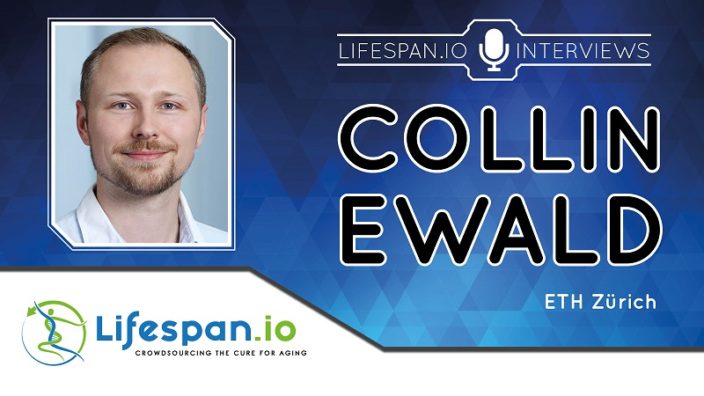
Extracellular Matrix in Aging with Professor Collin Ewald

Dr. Collin Ewald is a molecular biologist and a professor at the Swiss Federal Institute of Technology in Zürich (ETH). At ETH, Collin leads the Laboratory of Extracellular Matrix (ECM) Regeneration. Here, his research focuses on age-related ECM remodeling and related longevity interventions. We caught up with him to discuss his lab’s development of the “youthful matreotype” and how his team has used it to screen and validate dozens of geroprotective compounds.

Thank you for joining us, Collin. What is the ECM, and what is the matrisome?

ECM is an abbreviation for extracellular matrix. It’s a dynamic mixture of proteins, sugars, and other biomolecules that are secreted by cells into their surrounding space. At the simplest level, it determines how cells are held together and enable intercellular communication. The matrisome is the 1000+ genes encoding ECM and ECM-associated proteins. These are proteins that either form, associate with, or remodel ECM. This would include things such as collagen, TGF-β, and matrix metalloproteinases.

What is a “youthful matreotype”, and what motivated your lab to establish it?

We coined the term ‘matreotype’ to describe the acute state of ECM composition associated with or causing a given physical condition or phenotype. We thought that a youthful matreotype might predict drugs that promote healthy aging.

How did you figure out what gene expression looks like in the youthful matreotype?

We defined the youthful matreotype by using data from the Genotype-Tissue Expression (GTEx) project, which is an NIH database that helps us understand how inherited changes in genes lead to disease.

We first stratified patterns of gene expression according to the human lifespan. We defined the youthful matreotype as the ECM gene expression signature of younger human ages and cross-referenced this young matreotype expression with the CMap expression signatures of about 1300 drugs to identify longevity-promoting compounds.

For our readers who may not have heard of CMap, what is it?

CMap was created by the Broad Institute of MIT and Harvard. It’s a digital catalog of gene and protein expression patterns in human cells that have been gathered from studies of different diseases, drugs, environmental toxins, and other phenomena, including aging. Each signature is defined by a specific set of genes and proteins. The genes and proteins in each signature have complex interrelationships with each other. This database makes it possible to scan for unrecognized connections between things such as drugs, diseases, and changes in ECM related to aging.

What did CMap reveal?

We found 167 compounds that regulate most matrisome genes. When we looked at the 12 most up- and 12 most down-regulated expression profiles, we noticed 10 that were linked to either longevity or impairment of age-related pathologies. Out of 47 longevity compounds assessed in the CMap, 41 really changed matrisome gene expression. After further curation, we homed in on 20 additional compounds reported to increase longevity.

So, from a total of 67 reported lifespan-increasing drugs, 19 had minor effects on overall matrisome gene expression, whereas 26 compounds increased and 22 decreased matrisome gene expression. This suggested that many compounds implicated in healthy aging show enriched matrisomal gene expression.

Having established a youthful matreotype with a goal of identifying potential longevity drugs, what were the next steps?

More database mining. The first thing we did was search two databases: DrugAge and Geroprotectors.  We looked for compounds associated with ECM and lifespan increases of 5% or more. Then, we surveyed PubMed abstracts for the compounds we identified and ECM-related terms. We chose 16 out of 567 compounds that appear to both slow aging and affect matrisomal gene expression. The next challenge after that was to determine whether treatment with these compounds would change matrisome expression.

How did you go about testing the compounds you identified as most promising?

We tested the predicted compounds on the model organism C. elegans. To do this type of study, a major challenge is that ordinarily, you can not know if the optimal dose is used until the organism has died and the study has ended. To work around this, we developed a screening test that measured collagen synthesis. Like humans, collagen synthesis declines with age in C. elegans.

In fact, we discovered that many, possibly all, longevity interventions prolong the expression of collagen genes in C. elegans. The lengthened expression of key collagen genes is required and sufficient for longevity. We reasoned that prolonged collagen expression, measured at the level of transcription (sending out instructions from DNA) would be a good surrogate marker for predicting longevity.

How did you tell if collagen synthesis was changing in response to treatment with prospective geroprotective compounds?

We attached a reporter gene called Green Fluorescent Protein (GFP) to a specific collagen promoter in C.elegans. Once the collagen is expressed, at the same time, GFP is expressed, and the worms appear fluorescent under a microscope. The intensity of GFP fluorescence can be precisely measured to quantify the effectiveness of a given intervention.  In this way, we were able to determine which compounds offered the greatest potential longevity benefit and what dosage was necessary to achieve it.

What were some of the compounds you validated?

There were quite a few. Phenformin (an analog of metformin) and metformin: this was consistent with a study that showed metformin slows extracellular matrix decline. This indicates an unexplored aspect of metformin’s mechanism of action. This prompted us to focus more attention on drugs that enhance collagen homeostasis.

This made us look at the retinoic acid receptor agonist tretinoin. We tested tretinoin and found that when administered at the proper level, it increased C.elegans lifespan significantly. Our ability to find the optimal dosage enabled us to discover tretinoin’s potential as a longevity drug where other studies were not able to because they did not have a means of effectively optimizing the dosage.

We also looked at a number of compounds that could change ECM composition that were not in the CMap database. We looked at glucosamine, chondroitin sulfate, and hyaluronic acid. We found that those three compounds also increased collagen expression during aging.

Overall, we established an in-silico approach using matreotype signatures from humans to identify compounds and established a wet-lab validation system using C. elegans collagen homeostasis to demonstrate the longevity effects of these compounds.

In 2011 and 2013, two studies involving resveratrol were released. Both studies showed no longevity benefit in normal mice at 300ppm or 1200ppm, but how do we know if the mice were given an optimal dosage of resveratrol?

That’s a great question; I think more research is needed there. Hopefully, either our group or any other research group finds the answer to this, which would have huge implications, especially for personalized medicine.

We would like to ask you a small favor. We are a non-profit foundation, and unlike some other organizations, we have no shareholders and no products to sell you. All our news and educational content is free for everyone to read, but it does mean that we rely on the help of people like you. Every contribution, no matter if it’s big or small, supports independent journalism and sustains our future.

Literature

[1] R. A. Miller et al., “Rapamycin, But Not Resveratrol or Simvastatin, Extends Life Span of Genetically Heterogeneous Mice,” Journals Gerontol. Ser. A, vol. 66A, no. 2, pp. 191–201, Feb. 2011

[2] R. Strong et al., “Evaluation of resveratrol, green tea extract, curcumin, oxaloacetic acid, and medium-chain triglyceride oil on life span of genetically heterogeneous mice,” J. Gerontol. A. Biol. Sci. Med. Sci., vol. 68, no. 1, pp. 6–16, Jan. 2013

[3] C. Statzer et al., “Youthful and age-related matreotypes predict drugs promoting longevity,” Aging Cell, vol. 20, no. 9, pp. 1–14, 2021

[4] C. Y. Ewald, “Drug Screening Implicates Chondroitin Sulfate as a Potential Longevity Pill   ,” Frontiers in Aging  , vol. 2. 2021

Rejuvenated skin

Old Human Skin Rejuvenated When Implanted in Young Mice

Publishing in Science, researchers have transplanted old human skin to young mice and witnessed a robust rejuvenation cascade that is probably triggered by vascular growth [1].

New life for old skin

Our skin begins to age relatively early, and this conspicuous process gave rise to a centuries-old huge industry of skin care. Sadly, most of the hyped anti-aging skin treatments do not live up to their promises..

Several years ago, experiments in joining the cardiovascular systems of two differently aged mice (heterochronic parabiosis) demonstrated that young blood can rejuvenate various tissues in the older mouse [2]. While these results are promising, the model itself is far from ideal, as it demands physical joining of two separate organisms. In this new study, a group of researchers from Israel, inspired by heterochronic parabiosis, attempted a different realization of the same principle by transplanting aged human skin to young mice.

Robust rejuvenation

The researchers used an immunocompromised mouse strain to prevent rejection and divided the animals into four study groups in addition to controls: old mice that received young human skin (“young in old”, or YiO), old mice that received old human skin (OiO), young mice that received young human skin (YiY), and young mice that received old human skin (OiY).

The most important discovery was that transplanting old skin to a young organism reverses many features of skin aging. To begin with, OiY xenografts (transplants) showed a 2.4-fold increase in epidermal thickness compared to OiO. Proliferation of keratinocytes, the primary type of epidermal cells, increased more than threefold. Comparing OiY to old controls (i.e., simply to skin in old humans) yielded similar results. Interestingly, the effects faded as the young mice aged, and a year after the transplantation, the xenografts regained their original old phenotype.

Skin rejuvenation was also confirmed at the molecular level. A sevenfold drop in the levels of β-galactosidase (β-Gal), the foremost marker of cellular senescence, was detected in OiY xenografts. Several other known markers of skin aging, such as low SIRT-1 levels, were reversed as well. The researchers registered an almost threefold increase in the expression of filaggrin, the protein that shields the outer layer of skin from environmental threats. The levels of type XVII collagen, which is known to protect epithelial cells from aging, also shot up.

OiY xenografts showed an improved ability to withstand oxidative stress: for instance, there was a marked increase in the levels of glutathione reductase, the enzyme that helps produce glutathione, a potent antioxidant. Conversely, markers of inflammation, another important cause of aging, significantly decreased.

The researchers wanted to see whether rejuvenation extended as far as the dermis, the deeper layer of human skin that contains capillaries, nerve endings, and hair follicles. They found that the balance between thin and thick collagen filaments was restored in OiY xenografts, as thick collagen bundles decline in number and diameter with aging [3]. The levels of another important protein, elastin, that also decrease with aging, rebounded as well.

New blood vessels

Angiogenesis, the creation of new blood vessels, greatly increased in OiY xenografts four weeks after transplantation. The researchers suspected at first that those might be mouse blood vessels permeating the xenograft. However, it turned out that the vast majority were human blood vessels: they originated in the human skin of the xenograft. Something in the mouse environment was promoting the creation of new capillaries inside the transplanted human skin.

Gene expression analysis revealed massive changes in OiY xenografts vs old controls, with the most upregulated genes being the ones involved in angiogenesis, especially vascular endothelial growth factor A (VEGF-A), which is known to decrease with aging.

When VEGF-A attaches to its receptor called VEGFR, it increases production of VEGF-A via a complex positive feedback loop. Since VEGF-A levels are high in young mice, the researchers suggest that murine VEGF-A, by interacting with human receptors, triggered the increase in production of human VEGF-A in OiY xenografts. This increase preceded the morphological rejuvenation.

These findings led the researchers to believe that VEGF-A-mediated angiogenesis is the key event that promotes rejuvenation of OiY xenografts. In line with this hypothesis, blocking VEGF-A with antibodies resulted in an almost complete obliteration of the rejuvenative effects.

In another interesting experiment, an injection of lipid nanoparticles loaded with VEGF-A into OiO xenografts was enough to recapitulate most of the rejuvenation events that had been observed in YiO xenografts. Finally, the researchers tested VEGF-A in an in vitro model of human skin that was detached from any environment, either human or murine. Even in those restrictive conditions, VEGF-A treatment significantly improved various aging-related parameters.

Conclusion

This study introduces heterochronic skin transplants as an interesting in vivo model for studying effects of young environment and of various interventions. VEGF-A, already known to be an important protein in aging processes, emerged as a factor both required and sufficient for the rejuvenation of old skin. Therefore, the upregulation of VEGF-A could be a potentially effective anti-aging therapy.

We would like to ask you a small favor. We are a non-profit foundation, and unlike some other organizations, we have no shareholders and no products to sell you. All our news and educational content is free for everyone to read, but it does mean that we rely on the help of people like you. Every contribution, no matter if it’s big or small, supports independent journalism and sustains our future.

Literature

[1] Keren, A., Bertolini, M., Keren, Y., Ullmann, Y., Paus, R., & Gilhar, A. (2022). Human organ rejuvenation by VEGF-A: Lessons from the skin. Science Advances8(25), eabm6756.

[2] Conboy, M. J., Conboy, I. M., & Rando, T. A. (2013). Heterochronic parabiosis: historical perspective and methodological considerations for studies of aging and longevity. Aging cell12(3), 525-530.

[3] Quan, T., Xiang, Y., Liu, Y., Qin, Z., Yang, Y., Bou-Gharios, G., … & Fisher, G. J. (2021). Dermal Fibroblast CCN1 Expression in Mice Recapitulates Human Skin Dermal Aging. Journal of Investigative Dermatology141(4), 1007-1016.

Rejuvenation Roundup June

Rejuvenation Roundup June 2022

As rejuvenation biotechnology begins to take root, more and more biotech companies are joining the fight against aging. Here’s what’s happened in research, development, investment, and advocacy last month.

LEAF News

Our fifth annual conference, Ending Age-Related Diseases 2022, will be coming up next month. Our illustrious speakers will be delving deep into mechanisms of aging, organizational concerns, and many other topics related to longevity. Both paid and free tickets are available; register yours today!

Roundup EARD Announcement

Lifespan News

Saudi Government Begins Funding Longevity: A Saudi royal decree will provide the longevity industry with a billion dollars in funding via the Hevolution Foundation, a non-profit organization established by a Saudi Royal Decree and receiving funding from the Saudi government.

Vitamin D Supplements: A study published in GeroScience has uncovered a link between Vitamin D supplementation and a reduction of epigenetic age.

Vitamin B, Omega-3, and Cognitive Health: A new study details how Vitamin B and omega-3 fatty acids work together to improve brain health. Researchers publishing in the European Journal of Nutrition have discovered that a combination of B vitamins and the omega-3 fatty acid DHA is linked to decreased cognitive decline in older people.

Interviews

H+ DAO and Transhumanism with Dr. Natasha Vita-More: “Transhumanism is a philosophy, worldview, and a movement,” Dr. Natasha Vita-More states in the book “Transhumanism: What is it?” Essentially, it’s the idea of being able to move beyond being human, and finding solutions to living longer, healthier lives.

Rejuvenation Roundup Podcast

Ryan O’Shea of Future Grind hosts this month’s podcast, showcasing the events and research discussed here.

Journal Club

Species Somatic Mutation and Lifespan Correlation: This month’s Journal Club took a look at a recent paper published in Nature that explored species somatic mutation and lifespan correlation.

Research Roundup

Fighting Alzheimer’s Disease with Increased Autophagy: In a new study published in Pharmacology Biochemistry and Behavior, researchers have shown that a combination of two compounds targeting different autophagy pathways is effective in fighting the pathological mechanism of Alzheimer’s disease in a mouse model.

Lit mouse on wheelSenolytic Interventions Ameliorate Radiation Damage in Mice: In their publication in eLife Sciences, researchers at Newcastle University in the UK have illustrated how radiation-induced damage can be somewhat ameliorated with senolytics. These researchers focused on navitoclax along with the well-known combination of dasatinib and quercetin.

Antibody Therapy Alone Eliminates Certain Rectal Cancers: Researchers publishing in the New England Journal of Medicine have been able to completely eliminate stage 2 and 3 rectal tumors with a single monoclonal antibody drug. With the exception of skin cancer, colorectal cancer is the third most commonly diagnosed cancer in the US.

Missed targetSpermidine Human Trial Results Fail to Impress: The results of a human clinical trial for spermidine against cognitive decline have recently been published, but the results are not positive. Spermidine is a polyamine, meaning it has two or more primary amino groups. It is naturally occurring and is widely encountered in ribosomes and living tissues.

Drug Leads to Drastic Weight Loss With Diet and Exercise: A large Phase 3 study published in the New England Journal of Medicine shows that an existing drug combined with a healthy diet and mild exercise leads to an average weight loss of 20%, mitigating an important reason why moderate exercise regimes do not always work.

Exercising ElderlyUrolithin A Improves Muscle Strength in Middle-Aged Adults: A new study published in Cell Reports Medicine shows that urolithin A supplementation improves muscle strength, fitness, and mitochondrial health in overweight, middle-aged adults. Some dose-specific molecular responses were reported in this study, which calls for further investigation.

Vitamin D Supplements Linked to Slower Epigenetic Aging: Using a Berlin cohort, a study published in GeroScience has uncovered a link between Vitamin D supplementation and a reduction of epigenetic age. This study’s cohort consisted of 60- to 85-year-old participants in the Berlin Aging Study II (BASE-II).

Fish Heavy DietMediterranean Diet Associated with Lifespan and Healthspan: Scientists have shown yet again that adherence to the Mediterranean diet is positively correlated with longer and healthier lives, this time in a large-scale population study spanning 130 countries.

Scientists Discover Therapy Against Aggressive Breast Cancer: Publishing in Nature, scientists from the University of Texas report the discovery of a small molecule that can stop an especially aggressive subtype of breast cancer. Breast cancer remains the fourth deadliest type of cancer, claiming more than 40 thousand victims a year, almost exclusively women, in the US alone.

Fly eyeDietary Restriction Delays Eye Aging in Flies: A new study published in Nature has reported on how caloric restriction, circadian rhythms, and molecular clocks interact to affect the ocular health and lifespan of fruit flies. The researchers begin their paper by discussing the concept of circadian rhythms, which are the 24-hour cycles that organisms have evolved for life on Earth.

Blood Donation Slows Skin Aging in Mice: Scientists have shown that blood donation strongly affects skin aging in mice, probably by lowering the levels of toxic free iron. The treatment also decreased the percentage of fat in the liver and the size of adipocytes; adipocyte hypertrophy is a sign of fat tissue dysfunction.

Naked mole rats natural habitatSkin Aging of the Naked Mole Rat: Naked mole rats are long-lived rodents famous for their resistance to cancer and sustained healthy lifespan. In a new study published in the Journal of Investigative Dermatology, researchers have shown that the skin of older members of this species is characterized by high expression of longevity-associated and tumor-suppressing genes.

Targeting Fibrosis Reverses Ovarian Aging in Mice: Scientists have successfully treated ovarian aging in mice with compounds that target fibrosis and promote mitochondrial health. Ovarian aging is fascinating because one bodily system completely shuts down while the rest of the body is still in good health.

Omega 3 B Vitamin FoodsB Vitamins and Omega-3 Fatty Acids Against Cognitive Decline: Researchers publishing in the European Journal of Nutrition have discovered that a combination of B vitamins and the omega-3 fatty acid DHA is linked to decreased cognitive decline in older individuals.

Aspirin Affects Alzheimer’s Outcomes in Cardiac Patients: A study published in Alzheimer’s Research & Therapy has shown that low-dose aspirin affects Alzheimer’s disease and vascular dementia only in the presence of coronary heart disease. Aspirin is often taken at a steady, low dose of 100 to 300 milligrams a day in order to stave off cardiovascular diseases.

Strong mouseStem Cells for Fighting Sarcopenia: In their publication in Stem Cell Research & Therapy, a team of researchers has shown how effective mesenchymal stromal cells (MSCs) are in a mouse model. As multipotent stem cells, MSCs can differentiate into several different cell types, including fat cells, neurons, and bone cells.

Senolytic Helps Anti-Osteoarthritis Potential in Stem Cells: Scientists have improved the potential effectiveness of a stem cell therapy for osteoarthritis by targeting senescent cells. Osteoarthritis is an age-related disease that affects joints by degrading cartilage. While not fatal in itself, osteoarthritis negatively affects mobility and quality of life, and it can decrease lifespan and healthspan.

Elderly eating healthyThe Relationship Between Diet and Senescence: An extremely comprehensive review published in Food Science & Biotechnology has summarized the current state of research regarding cellular senescence and basic dietary components.

Cocoa Extract Reduces Cardiovascular Mortality: A large-scale, randomized, controlled trial has found that in aging adults, cocoa extract does not affect the prevalence of adverse cardiovascular events but decreases their lethality.

DNA DetailsLongevity Through Altering Essential Gene Expression: In a new study published in GeroScience, researchers have shown that it is possible to significantly increase yeast lifespan by overexpressing genes highly conserved across various species.

Metformin Is Linked to Weaker Exercise Improvements: A study published in Obesity has shown that metformin may decrease the gains in cardiorespiratory performance brought on by exercise.

Modifiying Retrons for Better Gene Editing: A new study published in Nature Chemical Biology has described an advancement in the use of retrons, a novel method of genetic engineering that may become superior to CRISPR technology.

Omega‐3 Polyunsaturated Fatty Acids Intake and Blood Pressure: A Dose‐Response Meta‐Analysis of Randomized Controlled Trials: Doses of omega‐3 fatty acid intake above the recommended 3 grams per day may be associated with additional benefits in lowering blood pressure among groups at high risk for cardiovascular diseases.

Long-term Outcomes of Adding Lutein/Zeaxanthin and ω-3 Fatty Acids to the AREDS Supplements on Age-Related Macular Degeneration Progression: Beta carotene usage nearly doubled the risk of lung cancer, whereas there was no statistically significant increased risk with lutein/zeaxanthin.

Association between Dietary Inflammatory Index and serum Klotho concentration among adults in the United States: There was a dose–response relationship between DII and serum Klotho concentrations, suggesting that adhering to an anti-inflammatory diet has beneficial effects on aging and health by increasing the serum Klotho concentration.

Exercise increases the release of NAMPT in extracellular vesicles and alters NAD+ activity in recipient cells: The release of small EVs into the bloodstream is stimulated following moderate-intensity exercise in humans.

An exercise-inducible metabolite that suppresses feeding and obesity: These data define a conserved exercise-inducible metabolite that controls food intake and influences systemic energy balance.

Identification of healthspan-promoting genes in Caenorhabditis elegans based on a human GWAS study: The researchers name three specific genes that may be partially responsible for longevity.

Molecular mechanisms of exceptional lifespan increase of Drosophila melanogaster with different genotypes after combinations of pro-longevity interventions: The transcriptome analysis showed an impact of epigenetic alterations, lipid metabolism, cellular respiration, nutrient sensing, immune response, and autophagy.

Epigenetic aging: Biological age prediction and informing a mechanistic theory of aging: The researchers believe that the focus must shift from chasing increasingly accurate age computations to understanding the links between the epigenome and the mechanisms and physiological changes of aging.

Senotherapy Protects Against Cisplatin-Induced Ovarian Injury by Removing Senescent Cells and Alleviating DNA Damage: Collectively, this work indicates that senotherapies might prevent cisplatin-induced ovarian injury by removing senescent cells and reducing DNA damage, which represent a promising therapeutic avenue to prevent chemotherapy-induced ovarian damage.

Human umbilical cord-derived mesenchymal stromal cells ameliorate aging-associated skeletal muscle atrophy and dysfunction: Mesenchymal stromal cells exert immunomodulatory and anti-inflammatory effects and could yield beneficial effects in aging-related degenerative disease.

Metformin, Rapamycin, or Nicotinamide Mononucleotide Pretreatment Attenuate Cognitive Impairment After Cerebral Hypoperfusion: These compounds could protect or attenuate cognitive impairment and white matter lesions by modifying microglial polarization and inhibiting phagocytosis.

Diverse aging rates in ectothermic tetrapods provide insights for the evolution of aging and longevity: Controlling for phylogeny and body size, ectotherms display a higher diversity of aging rates compared with endotherms and include phylogenetically widespread evidence of negligible aging.

The comparative mortality of an elite group in the long run of history: an observational analysis of politicians from 11 countries: These results show large relative and absolute inequalities favouring politicians in every country.

Impact of Beer and Nonalcoholic Beer Consumption on the Gut Microbiota: A Randomized, Double-Blind, Controlled Trial: Drinking nonalcoholic or alcoholic beer daily for 4 weeks did not increase body weight and body fat mass and did not significantly change serum cardiometabolic biomarkers.

News Nuggets

NMN pillsNMN Human Trial Results Published: The data from a multicenter NMN clinical trial have been published with some very modest but still interesting results. The goal of this study was to determine if NMN has any influence on aging in humans. NAD+ was chosen as its primary endpoint, and its increase was used as an indication of an anti-aging effect.

AVEA FoundersMaximon Startup AVEA Closes 2.5M CHF Funding Round: The longevity company builder Maximon has concluded a financing round for AVEA at this year’s World Economic Forum. AVEA, the longevity supplement startup with the aim to improve healthspan, announced the closing of a 2.5 million CHF seed financing round led by Maximon.

NOVOS Reports Effectiveness Against DNA Damage: NOVOS, a company that develops science-based products to slow down aging, announced results of two studies demonstrating that the combination of ingredients in its products, NOVOS Core and NOVOS Boost, protects against DNA damage and cellular aging (senescence).

Molecule Raises $12.7 Million in Seed Funding for Biotech: Molecule, a comprehensive funding and incubation ecosystem for early-stage biopharma research, has raised $12.7 million in seed funding. The round was led by Northpond Ventures.

We would like to ask you a small favor. We are a non-profit foundation, and unlike some other organizations, we have no shareholders and no products to sell you. All our news and educational content is free for everyone to read, but it does mean that we rely on the help of people like you. Every contribution, no matter if it’s big or small, supports independent journalism and sustains our future.
Older people running

Metformin Is Linked to Weaker Exercise Improvements

A study published in Obesity suggests that metformin may decrease the gains in cardiorespiratory performance brought on by exercise.

The world’s most common diabetes drug

Metabolic syndrome, which is represented by the four connected symptoms of obesity, excessive fats in the bloodstream (dyslipidemia), high blood pressure (hypertension), and excessive blood sugar (hyperglycemia), all of which are strongly related to diabetes [1]. Metformin is the most prescribed drug in the world for hyperglycemia, as it has significant effects on nutrient sensing.

While metformin is also being explored as a longevity drug, particularly in the Targeting Aging with Metformin trial, it is clearly not perfect. At least some cohorts do not experience reduced mortality, it has been reported to reduce male fertility, and we have also reported on a previous study that evaluated metformin’s negative effects on muscle hypertrophy. While many of its effects were positive and even rejuvenating in certain ways, this drug can blunt certain gene expression pathways related to muscle growth.

Previous studies have shown that cardiorespiratory fitness, as defined by an increase in the oxygen uptake measurement VO2max, may have an impact in preventing hyperglycemia and type 2 diabetes, although the associated weight loss is also likely to contribute [2]. The researchers of this study sought to determine if metformin impairs gains in VO2max the way it impairs muscle growth, as has been suggested by previous studies [3].

A cohort of its users

This study focused on the people most likely to be taking metformin: people with metabolic syndrome. A total of 72 overweight or obese men and women with an average age of 53 were separated based on whether they were taking metformin or not. 63 of these people were able to complete 16 weeks of high-intensity interval training (HIIT), which focuses on exercise sessions that maximize heart rate in order to increase cardiovascular and respiratory performance. Markers of metabolic syndrome, oxygen respiration, and blood glucose were assessed.

However, this was not a placebo-controlled study, and the baseline characteristics of the two groups were different. As expected, people in the metformin group had more glucose and more insulin resistance, and both groups were positively affected by HIIT in this respect. There were no significant differences in the amount of improvement on these measurements.

Both groups were also positively affected in every measurement of VO2max, but the researchers’ hypothesis was correct: the improvements brought on by HIIT in this respect were significantly blunted in people taking metformin. While there was no significant difference in baseline measurements, the people who did not metformin had superior cardiorespiratory performance to the people who did.

Conclusion

These results do not provide any basis for people to cease taking metformin, and they do not suggest some sort of unknown danger. As an inhibitor of blood glucose, metformin is prescribed for reasons that almost always outweigh the concerns raised in this study.

However, this study does illustrate an important potential problem with this drug, and it casts further shade on the idea that it may one day be employed as a broad longevity pill rather than a drug used to treat a specific condition. Like nearly every other prescription drug, metformin is almost certainly a double-edged sword, with positive effects and significant side effects.

We would like to ask you a small favor. We are a non-profit foundation, and unlike some other organizations, we have no shareholders and no products to sell you. All our news and educational content is free for everyone to read, but it does mean that we rely on the help of people like you. Every contribution, no matter if it’s big or small, supports independent journalism and sustains our future.

Literature

[1] Alberti, K. G., Eckel, R. H., Grundy, S. M., Zimmet, P. Z., Cleeman, J. I., Donato, K. A., … & Smith Jr, S. C. (2009). Harmonizing the metabolic syndrome: a joint interim statement of the international diabetes federation task force on epidemiology and prevention; national heart, lung, and blood institute; American heart association; world heart federation; international atherosclerosis society; and international association for the study of obesity. Circulation, 120(16), 1640-1645.

[2] Solomon, T. P., Malin, S. K., Karstoft, K., Knudsen, S. H., Haus, J. M., Laye, M. J., & Kirwan, J. P. (2015). Association between cardiorespiratory fitness and the determinants of glycemic control across the entire glucose tolerance continuum. Diabetes Care, 38(5), 921-929.

[3] Braun, B., Eze, P., Stephens, B. R., Hagobian, T. A., Sharoff, C. G., Chipkin, S. R., & Goldstein, B. (2008). Impact of metformin on peak aerobic capacity. Applied Physiology, Nutrition, and Metabolism, 33(1), 61-67.

Molecule Raises $12.7 Million in Seed Funding for Biotech

Switzerland, Jun 30, 2022 – Molecule, a comprehensive funding and incubation ecosystem for early-stage biopharma research, announced this week they raised $12.7 million in seed funding. The round was led by Northpond Ventures with participation from Shine Capital, 1kx, Fifty Years, KdT Ventures, BACKED VC, Inflection VC, Chris Leiter, Balaji Srinivasan, Zee Prime Capital, The LAO, L1 Digital, Boom Capital, Compound VC, Koji Capital, Pillar VC, Seedclub Ventures, Speedinvest, Healthspan Capital, BoxGroup and many others.

While the biopharma industry has come a long way, many challenges remain, such as difficulty in aligning incentives of key stakeholders. Additionally, while many therapeutics are discovered in academic labs, funding in academia is preferentially allocated to established researchers and research fields, to the detriment of early career researchers and higher risk projects. The result is an ecosystem where potentially impactful research goes unfunded, and incentives for collaboration are often missing.

Molecule aims to address these incentive problems and funding gaps. They are creating an open ecosystem that assists researchers in raising funds for impactful research projects in a community-driven way. With Molecule, diverse communities (including patient groups, researchers, VCs and pharma companies) can fund, own and govern therapeutic intellectual property. This provides novel incentives for collaboration, investment, and risk-sharing. The result is that communities, such as patient groups, can choose which projects get funded, and later own the therapeutics that treat their disease.

The Molecule ecosystem has three components:

1) Communities: A community of physicians, scientists, and patients collaborate to form funding groups in specific therapeutic areas e.g. rare diseases and Alzheimer’s disease.

2) The IP-NFT framework: this allows researchers to fundraise without needing to patent early or create a startup.

3) A marketplace: Molecule is building a marketplace for biotech IP. Researchers at any career stage submit projects for funding, increasing discoverability of neglected research areas, and addressing key funding gaps.

“Many of the most impactful therapeutics are discovered in academic labs, yet development and translation of these assets toward the clinic remains difficult. Molecule’s marketplace and IP-NFT framework will address many of the pain points inherent in the funding and commercialization of early-stage biotech IP, ultimately benefiting the most important stakeholder in the Molecule ecosystem – the patient. Northpond is excited to partner with Molecule and lead their seed round.” – Patrick Malone, MD PhD, Associate at Northpond Ventures.

Molecule: what’s to come

The capital raised will be used to grow their marketplace with hundreds of research projects, expand their team, build out their protocol and technology layer into an open infrastructure, and provide grants to patient-centric biotech DAOs to expand the DeSci ecosystem. They also hope to out-license the first NFT-based IP to industry, demonstrating for the first time patient-led translational drug development.

“Many of us are tired of hearing about NFT monkeys selling for millions. Molecule is using the NFT framework for something truly important: helping incredible scientific research transition from the lab bench to the benefit of all. Molecule’s work will help more life-saving drugs get to patients. That’s an application of web3 that’s easy to get excited about.”

Seth Bannon, Founding Partner at Fifty Years.

To truly decentralize adoption, they are also building accelerator frameworks for the friction-less launch of biotech DAOs targeting specific diseases of high unmet need, such as rare diseases and mental health. They see a future where scientists raise funds from incentive-aligned communities that wish to support them, and where patients themselves have governance over how therapeutics are researched, developed and accessed.

Their journey since inception

Since their pre-seed in early 2020, their team has grown to 22 members spread across the US, South-Africa and Europe, operating in a semi-remote fashion. Over these past few years, they have funded a first group of projects, and helped build the first biotech DAO – VitaDAO – which has deployed $2m+ to fund longevity research to date, including research at the Scheibye-Knudsen Lab (University of Copenhagen), Viktor Korolchuk’s Lab (University of Newcastle) and the Evandro Fang Lab (University of Oslo) all using Molecule’s IP-NFT framework.

“We believe that Molecule is a category defining project which will inspire a wave of innovators bringing the concept of collective ownership and liquid IP markets into various areas of R&D. We’re grateful for having been part of Molecule’s journey since inception and couldn’t be more excited about what’s to come.” – Alexander Lange, Founding GP at Inflection VC

Investors in this round:

Northpond Ventures, Shine Capital, 1kx, Fifty Years, The LAO, BACKED VC, ZeePrime Capital, L1 Digital, Seed Club Ventures, IDTheory, Andrew Keys, Compound VC, Pillar VC, Inflection VC, Protocol Labs, BoxGroup, KdT Ventures, IDTheory, Boom Capital, Gaingels, Cherry Ventures, Amino Collective, Chorus One, OrangeDAO, BeakerDAO, Kindergarten Ventures, Speedinvest, Bool Capital, Koji Capital, Healthspan Capital, Breyer Capital.

Chris Leiter, Zen Chu, Allison Duettman, Pamir Gelenbe, Katelyn Donnelly, Steve Wiggins, Balaji Srinivasan, Piers Kicks, Qiao Wang, Brian Fabian Crain, Scott Moore, Philipp Banhardt, Meher Roy, Ajay Rayasam, Angelo Tagliabue, Collin Myers, Jonas Keller, Garret MacDonald, Luis Cuende, Theodor Walker, Ronjon Nag, Alok Tayi, Laurence Ion, Todd White, Tim Peterson, Jahed Momand, Laurens De Poorter, Andrew Steinwold, Tim Schlidt, Justin Olshavsky & some who remain anonymous.

Discover Molecule:

Join the conversation on their Discord

Visit their website

Media enquiries:

Heinrich Tessendorf: pr@molecule.to

Paul Tyler Molecule Product Screenshot
We would like to ask you a small favor. We are a non-profit foundation, and unlike some other organizations, we have no shareholders and no products to sell you. All our news and educational content is free for everyone to read, but it does mean that we rely on the help of people like you. Every contribution, no matter if it’s big or small, supports independent journalism and sustains our future.
Natasha Vita-More

H+ DAO and Transhumanism with Dr. Natasha Vita-More

“Transhumanism is a philosophy, worldview, and a movement,” Dr. Natasha Vita-More states in the book “Transhumanism: What is it?” Essentially, it’s the idea of being able to move beyond being human, and finding solutions to living longer, healthier lives.

LLP Vitadao
Visit the VitaDAO website to learn how you can get involved.

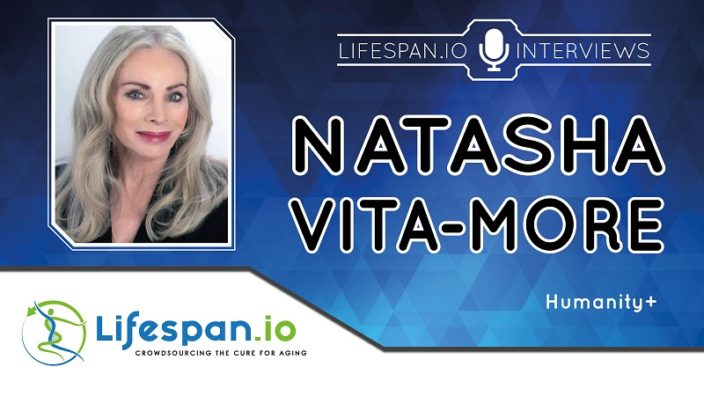
Natasha is an Executive Director of Humanity+, a non-profit educational organization, and the founder of H+ DAO, a newly-formed DAO dedicated to funding transhumanism projects.

Natasha holds a Ph.D. from the University of Plymouth. As a long-term figure in the transhumanist movement, she spends much of her time speaking and lecturing around the world. Her areas of expertise include topics such as trans-humanity and human evolution, artificial intelligence, and what it means to be human in an AI-driven world.

Hi, Natasha, could you tell us more about yourself and your work to date?

I have a unique background. I’ve been in several different fields, but to put it simply, my background is pretty much in the visual components of design architecture and innovation in scientific research. I have two master’s degrees, one in future studies. I’m a futurist. The other is in the philosophy of technology and communications.

My doctorate is in emerging technologies of life expansion, meaning I focused on different vehicles for taking personal identity across various substrates, such as extending life in the biological sphere and uploading, or a whole brain emulation integrating into computational systems.

That’s fantastic, so how did you decide to move in the direction of DAOs and blockchain technology?

I became interested in the early 1990s because of my good friend and colleague, Ralph Merkle. This was at a time when the world wide web was just starting to take off and many of my peers were involved in AI and programming.

Ralph designed the Merkle Tree, which was an efficient and secure way to verify content in a large body of data, so early blockchain technology. This was a point for me, knowing Ralph, and looking at how blockchain technology has taken off from there.

At the same time, I’m deeply interested in economics. Have you read “After Collapse” by Max Borders? He’s talking about how we need a new economic structure that seeks to go beyond where the current status has been and what historical status has been, for example, blockchain.

The third reason is so many people are talking about it and, as a futurist, I like to be on the cutting edge, and I thought, wait a minute, I better stop here and pause for a moment and think about what’s out there.

You’re deeply involved in Humanity+; what’s the connection between that organization and H+ DAO?

Humanity+ is a non-profit educational organization, and it’s the largest transhumanist educational organization in the world.

It’s long-lasting and has brought together many people from diverse backgrounds in looking at the future of AI, nanotechnology, longevity, and encryption. The main core thing of the Humanity+ organization and the H+ DAO, even though they’re two separate entities, is that the H+ DAO is the core values and ideas.

For example, the initial idea of forming Humanity+ as a non-profit, was, and continues to be, to research emerging technologies in sciences that are advancing society and to study the general human condition. Most people will say, well, what do you mean by the human condition?

What I mean by the human condition and Humanity+ is referring to the behaviors, the characteristics, and events that compose or comprise human existence from birth to growth, to emotions, to our intellect or intelligence, the conflicts that we face are in morality and the ability to overcome odds.

One of the strongest elements of the human condition is our ability to overcome the odds even though we still have the animal brain, which is fight or flight mode. It’s this incredible struggle psychologically within the human condition that we haven’t been able to overcome yet. Humanity+ looks at this, researches, and studies it. The H+ DAO respects that and applies those principles while ways to solve problems that are also fundamental.

Why was the specific format of a DAO chosen?

The format of a decentralized autonomous organization (DAO) over any other type of corporation was selected as I already run a non-profit, and while I’m the Executive Director of the non-profit, I understand how corporations work in the non-profit world and corporations work.

There are so many different types; however, they’re not futuristic. I wanted to have a DAO that represented the future of corporations through the lens of transhumanism, reaching those goals and looking at better or more human ways of funding projects that could bring this about that could help address some of the issues within the human condition: intelligence, conflicts, morality, equity, the environment. All those things that we have to coexist with.

Are there any challenges with the DAO format?

I think the core element I was deeply concerned about was bringing all these elements together. One really must put on a thinking cap and go back to school and study.

We need to study what it means by decentralized autonomous corporations or organizations, what it means by blockchain, encryption, exchange bureaus, what’s happening with Bitcoin, tokens, the legality of DAOs, and governance? All of that.

What are smart contracts? How do you set up your governance, and how do you deliver tokens? On what basis does someone purchase a token? My concern with the DAO is that if someone comes in and purchases a thousand tokens, and other people may have one or two or ten tokens because it’s democratized, whoever has the most tokens in voting on were to finance a project, for example, it’s kind of like the majority rules.

What we’re doing with the H+ DAO is something slightly different. We’re looking at a new way of having members who have tokens, they purchase their tokens through usefulness.

This is just a stand-in term, “usefulness.” It wouldn’t be based on how many master’s degrees you have, or if you have a Ph.D., not based on your academic standing, but based on your level of humanity.

Your contributions to your family, to your friends, to governance, to society, what are you doing that is useful? For example, if you run a kindergarten and you help one child, that’s greater than someone who’s a Ph.D. that doesn’t care about their students.

It’s like a reward structure. It’s similar to reputation analysis, but not the same. Core meaningfulness of a person’s contributions to, let’s say transhumanism, for example. That would be part of the governance.

We’re working on that, and I find that exciting, and I think it’ll be different than just purchasing tokens and having authority in the voting of where funding is distributed to the projects.

Tell us a bit more about the team, you mentioned diversity is a big part of that?

Our team includes many of the Board of Directors of Humanity+, We have two experts in AI, an attorney, a designer, and someone who’s very involved in space, tourism space, travel space, and investment.

We have a diverse team, none of us share the same political views, which is great, but we all share a core fundamental moral belief—a concern about humanity. We realize that the human condition is not in a good place, and think what can we do to improve it? That is the core driving force.

Our debates are rich, and we learn how to compromise through negotiation and strategic thinking. We have different views, but let’s focus on our fundamental core values and move from there.

It’s a case of “leave your ego outside the room, come in, and think strategically about where there is a need and how it can be filled.”

Our focus with H+ DAO is to fund money for valuable projects. Often, well-known industry names are the ones who get the funding, so we want to fill the gap and invest money in innovative transhumanist projects that otherwise would struggle to get off the ground.

It’s all about building that connection and bridging the gap between the people who have the ideas and the people who have the money.

What are these projects that H+ DAO is looking to invest in? 

Let me quickly link to a summary of my proposal. Recently, we were awarded $40,000 to get the DAO off the ground. The core mission of H+DAO will be to create, launch, and market project-specific DAOs associated with transhumanism, AI, and blockchain.

There are a couple of projects that are really within reach. Great ones. There’s a project in Africa. It’s about coding education for coding, and it’s called DigiTruck. It’s a mobile ICT classroom that brings skills and education to remote communities in Africa. It also helps with issues such as access to electricity and connectivity issues for isolated communities.

Then there’s Salad, a project about a computer-sharing network where people share resources for rewards, and it involves Web3 technology. And then there’s OpenBCI, which is all about open-source tools for biosensing and next-gen biometrics.

There are lots of projects out there that I think we can support. I even have a few projects I’d like to propose based on my previous research.

That all sounds great. What are the next steps for H+ moving forward?

My plan of action is to get the governance, the legal aspect, the tokens, all of that created for the H+ DAO. The governance we’re clear on, we just need to build the AI for “usefulness.” I believe that if we have some ideas out there, that would be great too.

Someone asked me recently why they should fund longevity or AI when there’s global warming, war, poverty, and everything else going on. I said to them this has nothing to do with the world, it has everything to do with governance.

For example, take a certain country where it’s a very wealthy country but due to the hegemony of dictators, they are not giving their populace food. The shocking thing was when I visited this country, I saw cables going up and down at ground level so people could get electricity.

Often, in impoverished areas like this, it’s because of those in control, and because of governance. I think the environment of blockchain, the people who are building DAOs, it’s a smart way to tackle problems because it could change how economics is done, and I think that’s beneficial.

We would like to ask you a small favor. We are a non-profit foundation, and unlike some other organizations, we have no shareholders and no products to sell you. All our news and educational content is free for everyone to read, but it does mean that we rely on the help of people like you. Every contribution, no matter if it’s big or small, supports independent journalism and sustains our future.
DNA Details

Longevity Through Altering Essential Gene Expression

In a new study published in GeroScience, researchers have shown that it is possible to significantly increase yeast lifespan by overexpressing genes highly conserved across various species [1].

Survival and aging

The question of the effects of nature versus nurture, or programmed versus stochastic, sparks hot scientific debate in other fields as well as aging. A similarly controversial question involves how much research into other species can actually be translated to humans.

This study addresses both issues. The researchers sought to explore if essential, highly conserved genes, which are common to both yeast and people, can be manipulated to extend lifespan.

The authors use the term “essential genes” to describe the genes required for the survival of an organism. These genes are usually conserved across species and undergo little sequence change in evolution. They are also heavily expressed and form hubs of protein-protein interaction networks.

Paradoxically, essential genes tend to be understudied precisely because they are essential. The two most widely used techniques to explore gene function, knockout (deletion) and knockdown (reduced expression), lead to organismal inviability when applied to such important genes, so studies involving these methods are rare.

The importance of essential genes for organismal survival might go hand in hand with their ability to control the rate of aging. However, previous experiments on the nematode worm C.elegans showed that out of almost 3,000 essential genes screened, partial knockdown of only 2% of them in adulthood resulted in increased lifespan [2].

The researchers then argue that instead of reducing the expression of essential genes, their upregulation is more likely to increase lifespan. They chose S. cerevisiae yeast as a convenient model organism to check this hypothesis. Importantly, most yeast essential genes are identical to their human homologs, while about half of them can be replaced by their human counterparts without compromising their function.

Dialing up, not down

First, the researchers generated 993 yeast strains, each with an increased expression of one essential gene by a specific bacterial plasmid. They then randomly selected 92 strains and assessed their replicative lifespan, as measured by the number of daughter cells a mother cell produces before becoming senescent [3]. 20 to 80 individual mother cells in each strain were analyzed in both experimental and corresponding wild-type control groups.

Only 5 of these strains showed any growth difference from the control group. In the preliminary replicative lifespan analysis, the researchers identified 29 (~32%) strains with at least 20% longer lifespan and 6 (7%) strains with at least 20% shorter lifespan than controls.

The overexpressed essential genes of the long-lived strains are known to perform various functions, such as DNA repair, vesicle trafficking, mRNA surveillance, post-translational modification, and oxidative stress resistance. This highlights the complexity of aging along with the expected success of multi-targeted approaches to extend healthy lifespan.

Further analysis of the long-lived strains confirmed 19 strains with significantly increased median replicative lifespan. Moreover, the researchers verified that the observed longevity was the result of the upregulated essential gene expression in three out of these 19 strains, as they removed the plasmid and observing a shortening of lifespan back to the wild-type level.

A close look at individual genes   

To assess if the longevity effect was achieved via the same mechanisms, the researchers performed comparative transcriptome analysis of four long-lived strains, each overexpressing one of these essential genes involved in RNA metabolism: LSM5, TIF35, UTP6, and PRP22.

On average, the overexpression of each of the four essential genes was doubled, which was enough to increase replicative lifespan. Importantly, there was a significant overlap of the genes affected by the overexpression of UTP6, TIF35, and PRP22, suggesting a common mechanism at play. Among the common affected downregulated genes were those potentially involved in the activity of transposable elements, suggesting an important role of this process in aging.

In addition, the researchers identified several exceptionally long-lived strains, with the overexpression of GDI1 and TIF35 leading to more than 50% median replicative lifespan increase. The former gene is involved in autophagy and protein quality control, while the latter participates in protein synthesis initiation.

Abstract

At the cellular level, many aspects of aging are conserved across species. This has been demonstrated by numerous studies in simple model organisms like Saccharomyces cerevisiae, Caenorhabdits elegans, and Drosophila melanogaster. Because most genetic screens examine loss of function mutations or decreased expression of genes through reverse genetics, essential genes have often been overlooked as potential modulators of the aging process. By taking the approach of increasing the expression level of a subset of conserved essential genes, we found that 21% of these genes resulted in increased replicative lifespan in S. cerevisiae. This is greater than the ~ 3.5% of genes found to affect lifespan upon deletion, suggesting that activation of essential genes may have a relatively disproportionate effect on increasing lifespan. The results of our experiments demonstrate that essential gene overexpression is a rich, relatively unexplored means of increasing eukaryotic lifespan.

Conclusion

In this pioneering study, the researchers identified a surprisingly high number of pro-longevity factors among essential genes in yeast by increasing their expression rather than decreasing it. The question, as always, is whether or not this technique would work in other species, particularly humans. Given that the genes are highly conserved, it just might.

Of course, there are still a lot of other questions to answer first. In this study, only 10% of essential genes that are potentially important for longevity were analyzed. Thus, there is a lot of room for exploring, even in yeast.

We would like to ask you a small favor. We are a non-profit foundation, and unlike some other organizations, we have no shareholders and no products to sell you. All our news and educational content is free for everyone to read, but it does mean that we rely on the help of people like you. Every contribution, no matter if it’s big or small, supports independent journalism and sustains our future.

Literature

[1] Oz, N. et al. Evidence that conserved essential genes are enriched for pro-longevity factors. Geroscience (2022) doi:10.1007/s11357-022-00604-5.

[2] Curran, S. P. & Ruvkun, G. Lifespan regulation by evolutionarily conserved genes essential for viability. PLoS Genet. 3, e56 (2007).

[3] Sutphin, G. L., Delaney, J. R. & Kaeberlein, M. Replicative life span analysis in budding yeast. Methods Mol. Biol. 1205, 341–357 (2014).

Cocoa

Cocoa Extract Reduces Cardiovascular Mortality

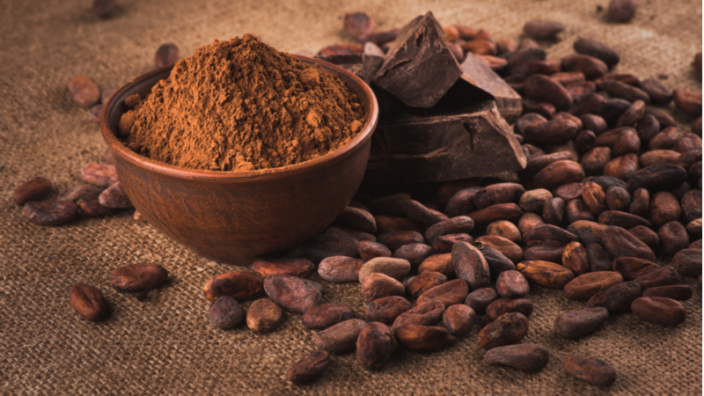
A large-scale, randomized, controlled trial has found that in aging adults, cocoa extract does not affect the prevalence of adverse cardiovascular events but decreases their lethality [1].

Rich in flavanols

The nutrients that we consume obviously impact our healthspan and lifespan, but studying their effects in a controlled environment in humans is not easy. Most of our knowledge comes from population studies that can be contaminated by confounding variables, untrustworthy self-reporting, unreported changes in dietary behavior over the course of the study, and so on.

Therefore, when a nutrient gets tested in a well-controlled trial, it’s always a big deal. Scientists from Harvard University and Fred Hutchinson Cancer Research Center in Seattle have just published results from a trial that studied the effects of cocoa extract supplementation on cardiovascular diseases: the number one cause of age-related mortality in the world.

Cocoa, chocolate’s main ingredient, is rich in flavanols, a type of phytochemicals known for their beneficial qualities, especially epicatechin, which has been linked to cardiovascular health by previous research [2]. Other good flavanol sources include kale, tea, grapes and red wine, berries, tomatoes, and broccoli. The exact mechanism by which flavanols seem to improve cardiovascular health is unknown, but it probably includes boosting the production of nitric oxide (NO), which is involved in vasodilation [3].

Same number of events, decreased severity

This randomized, double-blind, placebo-controlled trial study was called COSMOS (COcoa Supplement and Multivitamin Outcomes Study) and lasted 3.6 years. It was sponsored by Mars Edge, the manufacturer of cocoa-based supplement CocoaVia, although the company was not involved in the study design or collection of data. It was conducted among 12,666 women aged 65 and older along with 8776 men aged 60 and older in the United States.

The participants, who had to be free of major cardiovascular diseases and cancer at baseline, were randomly assigned to take either a cocoa extract supplement that contained a total of 500 mg of flavanols, including 80 mg of epicatechin per dose, or placebo. The researchers looked at the prevalence of the following cardiovascular events: cardiovascular death, myocardial infarction, stroke, coronary revascularization, carotid artery disease, peripheral artery surgery, and unstable angina.

During the follow-up, cardiovascular events happened in 410 participants who were on cocoa extract, and in 456 of those who were on placebo. Although the second number is a bit bigger, the difference was not statistically significant. However, participants who took the supplement had a 27% reduced risk of cardiovascular death. This interesting finding might mean that cocoa extract reduces the severity of cardiovascular events, rather than their occurrence. One of the secondary endpoints was the prevalence of cancer, which was unaffected by the treatment.

Smoking as the only significant factor

The researchers controlled for various potentially relevant factors, such as age, sex, education, smoking status, diabetes status, cardiovascular health, and, of course, chocolate consumption since it could affect dosage. Smoking status was the only one that showed correlation with the overall occurrence of cardiovascular events: people who have smoked more than 100 cigarettes throughout their lifetimes in the cocoa extract group had significantly fewer cardiovascular events than smokers who received placebo.

No serious adverse effects were observed, although people taking the supplement were 6% more likely to self-report nausea. On the other hand, the cocoa extract group reported 5% fewer flu-like symptoms and 15% fewer migraines, which is quite substantial.

While cocoa extract has been shown to be good for cardiovascular health, this study is not an excuse to consume chocolate at will. In dark chocolate, the best source of non-fat cocoa solids apart from cocoa powder, flavanol contents can vary widely, from 93 all the way to 793 mg per 100 grams [4], and this data is not on the wrapper. In addition to the beneficial flavanols, chocolate is also packed with fat, sugar, and many other ingredients, which might be the reason why data on the health effects of chocolate has been largely inconclusive so far.

Conclusion

According to this high-quality study, cocoa extract, when consumed regularly, may decrease the severity of cardiovascular events and lead to less cardiovascular mortality in people over 60. People with a history of smoking benefit from cocoa extract supplementation more than others. Finally, cocoa extract seems to reduce migraines. These results can possibly be extrapolated to other flavanol-rich foods, though additional research is needed.

We would like to ask you a small favor. We are a non-profit foundation, and unlike some other organizations, we have no shareholders and no products to sell you. All our news and educational content is free for everyone to read, but it does mean that we rely on the help of people like you. Every contribution, no matter if it’s big or small, supports independent journalism and sustains our future.

Literature

[1] Sesso, H. D., Manson, J. E., Aragaki, A. K., Rist, P. M., Johnson, L. G., Friedenberg, G., … & Anderson, G. L. (2022). Effect of cocoa flavanol supplementation for the prevention of cardiovascular disease events: the COcoa Supplement and Multivitamin Outcomes Study (COSMOS) randomized clinical trial. The American Journal of Clinical Nutrition115(6), 1490-1500.

[2] Dower, J. I., Geleijnse, J. M., Hollman, P. C., Soedamah-Muthu, S. S., & Kromhout, D. (2016). Dietary epicatechin intake and 25-y risk of cardiovascular mortality: the Zutphen Elderly Study. The American journal of clinical nutrition104(1), 58-64.

[3] Heiss, C., Keen, C. L., & Kelm, M. (2010). Flavanols and cardiovascular disease prevention. European heart journal31(21), 2583-2592.

[4] Langer, S., Marshall, L. J., Day, A. J., & Morgan, M. R. (2011). Flavanols and methylxanthines in commercially available dark chocolate: a study of the correlation with nonfat cocoa solids. Journal of agricultural and food chemistry59(15), 8435-8441.

Elderly eating healthy

The Relationship Between Diet and Senescence

An extremely comprehensive review published in Food Science & Biotechnology has summarized the current state of research regarding cellular senescence and basic dietary components.

An aging-focused outlook

The researchers begin their paper with a discussion of aging, citing a paper that frames it in terms of homeostasis and physiological decline [1]. They discuss its primacy in disease and its complexity, citing older and recent papers that focus on our need for a more fundamental understanding of its biology, including a 2021 paper by the venerable Leonard Hayflick [2].

This paper notes that some research has shown cellular senescence to be a causative factor in multiple age-related pathologies [3]. The authors point out that the only current techniques that are known to actually influence aging are exercise, lifestyle, and nutrition, citing the concept of ‘nutrigerontology’ as described by Kris Verburgh [4]. They then go into a more detailed discussion of cellular senescence, describing the SASP, the relationship of senescent cells to such diseases as cancer and atherosclerosis, and the connection between senescence and immunity.

Carbohydrates

This paper then examines research focusing on the relationship between basic food components and cellular senescence. The researchers first point out that excessive carbohydrate consumption is, naturally, linked to obesity [5], but they also note that choosing a low-carb diet is not always beneficial [6].

Interestingly, multiple studies have shown that complex carbohydrates known as polysaccharides have beneficial effects on multiple aspects of aging. For example, one study showed that one polysaccharide reduced the age-related inflammation known as inflammaging in a mouse model [7] by improving nutrient sensing. Trehalose, a disaccharide of glucose, also improved lifespan in the common aging model C. elegans by influencing insulin sensing [8].

While a great many other individual carbohydrates have been linked to positive effects in model organisms, the fact remains that a diet that contains too many carbohydrates as a whole is linked to increased mortality in human beings [9].

Proteins

While amino acids and proteins are required for human health, the researchers cite studies showing that a high-protein diet is not helpful. Some research has shown that a 1:10 ratio of protein to carbohydrate intake has a positive influence on aging [10]. Another study undertaken by Morgan Levine et al. has shown that a high-protein diet dramatically increases all-cause mortality and quintuples the rate of cancer in the elderly [11]. The potential reasons are varied, but they include such issues as a depletion of NAD+, which has been shown in a healthy human cohort [12].

On the other hand, some specific proteins and amino acids are linked to longevity. Branched-chain amino acids positively affected mitochondria and alleviated the effects of oxidative stress in a mouse model [13]. Another study showed that these amino acids lengthen telomeres and thereby reduce cellular senescence [14]. The authors feel that more research needs to be done in connecting the SASP to protein intake.

Fats, vitamins, and minerals

The researchers turn their attention to the third main source of energy that we consume: fats. They note that fats are signaling molecules and that omega-3 fatty acids are beneficial against multiple age-related issues, including osteopenia, inflammation, and diabetes [15]. The researchers do not discuss fat consumption as a percentage of caloriic intake, however.

This paper then discusses how certain vitamins and minerals may have significant implications in reducing cellular senescence. Some studies have shown that zinc deficiency may be a significant contributor to senescence [16], and another study has linked chronic magnesium deficiency to senescence in fibroblasts [17]. Iron metabolism is also strongly linked to senescence, and one senolytic drug uses it to remove senescent cells [18].

Vitamin D is linked to cellular senescence, which has been demonstrated in the context of obesity [19], and it is connected to longer telomeres [20]. Deficiencies in other vitamins, including Vitamin E and Vitamin B2, are linked to shorter telomeres and accelerated senescence.

Other compounds

Finally, the researchers bring up two more well-known categories of compounds: polyphenols and probiotics. The researchers cite a great many studies outlining the benefits of specific polyphenols, such as the antioxidant and senolytic compound quercetin [21] and the well-known longevity-associated compound resveratrol [22].

Probiotics are compounds that enhance the gut bacteria. The human gut changes with aging, and the researchers point to one particular study showing that gut dysbiosis increases the risk of liver cancer through increasing cellular senescence [23]. As the gut bacteria greatly affect how the human body digests food, it is obvious that they can deliver helpful or harmful compounds, even compounds that affect senescence and other aspects of aging. Intentionally influencing this is the focus of gerobiotics [24].

Conclusion

The relationship between nutrition and aging is obviously extremely complicated, and not all studies prove causative effects, particularly in specific human populations. Other than obvious issues regarding overconsumption and malnutrition, there are few quick fixes to be found in dietary interventions, and there certainly aren’t any miracle cures.

However, the downstream consequences of diet are clear. Aging is damage over time, and the ways in which unhealthy diets lead to increases in damage are varied. It is, therefore, obvious to anyone who wants to live a long time that one of the clearest and most readily available interventions for longevity is to eat a healthy and varied diet that is rich in beneficial compounds but limited in simple sugars.

Literature

[1] van Beek, J. H., Kirkwood, T. B., & Bassingthwaighte, J. B. (2016). Understanding the physiology of the ageing individual: computational modelling of changes in metabolism and endurance. Interface Focus, 6(2), 20150079.

[2] Hayflick, L. (2021). The greatest risk factor for the leading cause of death is ignored. Biogerontology, 22(1), 133-141.

[3] Borghesan, M., Hoogaars, W. M. H., Varela-Eirin, M., Talma, N., & Demaria, M. (2020). A senescence-centric view of aging: implications for longevity and disease. Trends in Cell Biology, 30(10), 777-791.

[4] Verburgh, K. (2015). Nutrigerontology: why we need a new scientific discipline to develop diets and guidelines to reduce the risk of aging‐related diseases. Aging Cell, 14(1), 17-24.

[5] Kelly, T., Unwin, D., & Finucane, F. (2020). Low-Carbohydrate diets in the management of obesity and type 2 diabetes: a review from clinicians using the approach in practice. International journal of environmental research and public health, 17(7), 2557.

[6] Mooradian, A. D. (2020). The merits and the pitfalls of low carbohydrate diet: a Concise review. The journal of nutrition, health & aging, 24(7), 805-808.

[7] Zhao, Y., Liu, X., Zheng, Y., Liu, W., & Ding, C. (2021). Aronia melanocarpa polysaccharide ameliorates inflammation and aging in mice by modulating the AMPK/SIRT1/NF-κB signaling pathway and gut microbiota. Scientific reports, 11(1), 1-15.

[8] Honda, Y., Tanaka, M., & Honda, S. (2010). Trehalose extends longevity in the nematode Caenorhabditis elegans. Aging cell, 9(4), 558-569.

[9] Dehghan, M., Mente, A., Zhang, X., Swaminathan, S., Li, W., Mohan, V., … & Garcia, R. (2017). Associations of fats and carbohydrate intake with cardiovascular disease and mortality in 18 countries from five continents (PURE): a prospective cohort study. The Lancet, 390(10107), 2050-2062.

[10] Le Couteur, D. G., Solon-Biet, S., Cogger, V. C., Mitchell, S. J., Senior, A., de Cabo, R., … & Simpson, S. J. (2016). The impact of low-protein high-carbohydrate diets on aging and lifespan. Cellular and Molecular Life Sciences, 73(6), 1237-1252.

[11] Levine, M. E., Suarez, J. A., Brandhorst, S., Balasubramanian, P., Cheng, C. W., Madia, F., … & Longo, V. D. (2014). Low protein intake is associated with a major reduction in IGF-1, cancer, and overall mortality in the 65 and younger but not older population. Cell metabolism, 19(3), 407-417.

[12] Seyedsadjadi, N., Berg, J., Bilgin, A. A., Braidy, N., Salonikas, C., & Grant, R. (2018). High protein intake is associated with low plasma NAD+ levels in a healthy human cohort. PLoS One, 13(8), e0201968.

[13] D’Antona, G., Ragni, M., Cardile, A., Tedesco, L., Dossena, M., Bruttini, F., … & Nisoli, E. (2010). Branched-chain amino acid supplementation promotes survival and supports cardiac and skeletal muscle mitochondrial biogenesis in middle-aged mice. Cell metabolism, 12(4), 362-372.

[14] Zhang, Y., Zhou, Q., Yang, R., Hu, C., Huang, Z., Zheng, C., … & Sun, L. (2020). Serum branched-chain amino acids are associated with leukocyte telomere length and frailty based on residents from Guangxi longevity county. Scientific Reports, 10(1), 1-8.

[15] Cugno, C., Kizhakayil, D., Calzone, R., Rahman, S. M., Halade, G. V., & Rahman, M. M. (2021). Omega-3 fatty acid-rich fish oil supplementation prevents rosiglitazone-induced osteopenia in aging C57BL/6 mice and in vitro studies. Scientific reports, 11(1), 1-18.

[16] Malavolta, M., Costarelli, L., Giacconi, R., Basso, A., Piacenza, F., Pierpaoli, E., … & Ford, D. (2017). Changes in Zn homeostasis during long term culture of primary endothelial cells and effects of Zn on endothelial cell senescence. Experimental Gerontology, 99, 35-45.

[17] Killilea, D. W., & Ames, B. N. (2008). Magnesium deficiency accelerates cellular senescence in cultured human fibroblasts. Proceedings of the National Academy of Sciences, 105(15), 5768-5773.

[18] Go, S., Kang, M., Kwon, S. P., Jung, M., Jeon, O. H., & Kim, B. S. (2021). The senolytic drug JQ1 removes senescent cells via ferroptosis. Tissue Engineering and Regenerative Medicine, 18(5), 841-850.

[19] Bima, A., Eldakhakhny, B., Nuwaylati, D., Alnami, A., Ajabnoor, M., & Elsamanoudy, A. (2021). The Interplay of Vitamin D Deficiency and Cellular Senescence in The Pathogenesis of Obesity-Related Co-Morbidities. Nutrients, 13(11), 4127.

[20] Mazidi, M., Michos, E. D., & Banach, M. (2017). The association of telomere length and serum 25-hydroxyvitamin D levels in US adults: the National Health and Nutrition Examination Survey. Archives of Medical Science, 13(1), 61-65.

[21] Sohn, E. J., Kim, J. M., Kang, S. H., Kwon, J., An, H. J., Sung, J. S., … & Choi, J. S. (2018). Restoring effects of natural anti-oxidant quercetin on cellular senescent human dermal fibroblasts. The American journal of Chinese medicine, 46(04), 853-873.

[22] Giovannelli, L., Pitozzi, V., Jacomelli, M., Mulinacci, N., Laurenzana, A., Dolara, P., & Mocali, A. (2011). Protective effects of resveratrol against senescence-associated changes in cultured human fibroblasts. Journals of Gerontology Series A: Biomedical Sciences and Medical Sciences, 66(1), 9-18.

[23] Yoshimoto, S., Loo, T. M., Atarashi, K., Kanda, H., Sato, S., Oyadomari, S., … & Ohtani, N. (2013). Obesity-induced gut microbial metabolite promotes liver cancer through senescence secretome. Nature, 499(7456), 97-101.

[24] Tsai, Y. C., Cheng, L. H., Liu, Y. W., Jeng, O. J., & Lee, Y. K. (2020). Gerobiotics: Probiotics targeting fundamental aging processes. Bioscience of microbiota, food and health.

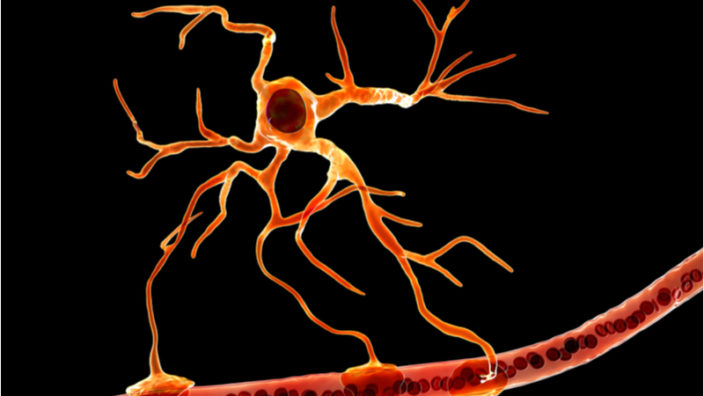
Senolytic Helps Anti-Osteoarthritis Potential in Stem Cells

Scientists have improved the potential effectiveness of a stem cell therapy for osteoarthritis by targeting senescent cells [1].

Stem cell exhaustion and osteoarthritis

Osteoarthritis is an age-related disease that affects joints by degrading cartilage. While not fatal in itself, osteoarthritis negatively affects mobility and quality of life, and it can decrease lifespan and healthspan. Several studies link osteoarthritis to higher mortality, especially from cardiovascular diseases [2]. Osteoarthritis patients may require drastic measures such as knee replacement, while less invasive treatments have limited effectiveness.

Osteoarthritis can be viewed as a loss of balance between the degradation and regeneration of joint cartilage. This is partially caused by the age-related exhaustion of mesenchymal stem cells (MSCs) that are supposed to differentiate into healthy cartilage-producing cells (chondrocytes). Emerging stem cell therapies for osteoarthritis work by harvesting MSCs from the patient, culturing them in vitro to increase their number and injecting them directly into the affected joint [3].

These therapies, already available in several countries, though not approved in the US, are still limited by the age-related decline in MSC function. Producing brand-new MSCs from induced pluripotent stem cells (iPSCs), which undergo rejuvenation during reprogramming, is a promising direction [3] but is still years away from clinical use.

Senescent MSCs 1

High levels of senescence

In this new study, Japanese scientists discovered that MSCs derived from osteoarthritis patients contain a large fraction of senescent cells, which might be an important cause of the decline in their regenerative potential. Not only are senescent stem cells unable to differentiate into chondrocytes, but they also damage neighboring stem cells by secreting the senescensce-associated secretory phenotype (SASP), a cocktail of mostly pro-inflammatory molecules.

In search of a remedy, the researchers derived synovial MSCs from five donors and treated them with the senolytic drug ABT-263 for one day. Seven days later, senescence levels, colony-forming potential, and multipotency were assessed. The average percentage of senescent (β-galactosidase-positive) cells at baseline was a whopping 55%. Treatment with ABT-263 lowered this percentage to 18% in a uniform manner across all samples:

Senescent MSCs 2

The researchers then confirmed that ABT-263 cleared senescent cells by inducing apoptosis (cellular death). This was done by assessing the levels of caspase-3, a central element of the apoptotic pathway:

Senescent MSCs 3

MSC therapy works by harvesting MSCs and making them grow into colonies. In the study, the researchers assessed colony-forming potential by culturing the cells for 14 days. Cells treated with ABT-263 produced many more colonies, and the colonies were significantly larger than those produced by controls. In the culture, the researchers found enlarged and flattened cells that did not produce colonies. This morphology is characteristic of senescent cells. The percentage of those dysfunctional cells was much lower in the treated group, in line with the hypothesis that ABT-263 eliminates senescent cells.

Improved regenerative potential

Treated cells were also much better than controls in forming cartilaginous pellets, which is a measure of MSCs’ ability to differentiate into chondrocytes and regenerate cartilage. The mean pellet weight was more than twice as large in the treatment group, and the pellets were richer in essential ECM elements such as glycosaminoglycan. The treated cells also produced the “right” collagen: there was less collagen type I, which is mostly present in the skin, tendons, ligaments, and bones, and more collagen type II, the staple protein in cartilage.

As expected, the treatment also decreased the production of SASP, including the collagen-degrading enzyme MMP-13 and the pro-inflammatory cytokine IL-6.

Conclusion

This proof-of-concept study shows a way to increase the regenerative potential of stem cells, which might not be limited to treating osteoarthritis. It also highlights the prevalence of cellular senescence in stem cells from aging donors as one of the problems that must be solved on the way to developing effective stem cell therapies for age-related diseases. As the researchers note, one of the limitations of their study was that the therapeutic effect of the senolytic treatment was not investigated in vivo. Hopefully, follow-up studies will be able to address this question.

We would like to ask you a small favor. We are a non-profit foundation, and unlike some other organizations, we have no shareholders and no products to sell you. All our news and educational content is free for everyone to read, but it does mean that we rely on the help of people like you. Every contribution, no matter if it’s big or small, supports independent journalism and sustains our future.

Literature

[1] Miura, Y., Endo, K., Komori, K., & Sekiya, I. (2022). Clearance of senescent cells with ABT-263 improves biological functions of synovial mesenchymal stem cells from osteoarthritis patients. Stem Cell Research & Therapy13(1), 1-15.

[2] Veronese, N., Cereda, E., Maggi, S., Luchini, C., Solmi, M., Smith, T., … & Stubbs, B. (2016, October). Osteoarthritis and mortality: a prospective cohort study and systematic review with meta-analysis. In Seminars in arthritis and rheumatism (Vol. 46, No. 2, pp. 160-167). WB Saunders.

[3] Zhu, C., Wu, W., & Qu, X. (2021). Mesenchymal stem cells in osteoarthritis therapy: A review. American journal of translational research13(2), 448.

Strong mouse

Stem Cells for Fighting Sarcopenia

In their publication in Stem Cell Research & Therapy, a team of researchers has shown how effective mesenchymal stromal cells (MSCs) are in a mouse model.

Multipotent cells with multiple uses

As multipotent stem cells, MSCs can differentiate into several different cell types, including fat cells, neurons, and bone cells [1]. The researchers point to prior studies showing how MSCs have been investigated for the treatment of age-related diseases such as frailty [2]. As the umbilical cord is considered medical waste, umbilical cord-derived cells (here, UC-MSCs) pose no ethical problems in their harvesting and are widely considered a top candidate with which to develop stem cell therapies [3].

Despite their history, the effects of MSCs on diseases such as sarcopenia have never been fully elucidated. This work studied the effects of human cells on SAMP10, a mouse model that is prone to accelerated senescence, to pave the way towards an understanding.

Effects over months

In this research, 24-week-old SAMP10 mice were injected with either one million UC-MSCs or saline solution at the base of the tail. At 28, 32, and 36 weeks, grip strength and treadmill running time were tested. Muscle samples were also taken at 36 weeks, and tests for gene expression and a wide variety of intercellular signaling compounds, such as mTOR and AMPK, were conducted.

Both the grip strength and treadmill results were conclusive. Interestingly, treadmill distance improved in the control mice, but not nearly to the extent of the treatment group; by 36 weeks of age, the treated mice were able to run for one and a half times the distance of their untreated counterparts. In both groups, grip strength also increased at 28 and 32 weeks, and then decreased at 36 weeks; however, the treated mice enjoyed a very large boost to their performance at 28 weeks, which continued throughout the experiment.

Two key muscles, the gastrocnemius and the soleus, were significantly larger in the treated mice than the untreated mice. The treatment made the mice’s muscles visibly thicker and without the voids found in the control group. Their mitochondria were similarly healthier, with fewer visibly damaged mitochondria and lipid droplets.

Compound analysis told a similar story. Among increases in other signaling compounds, the treated mice had more AMPK, which increases NAD+, and mTOR, which, in this context, promotes metabolism and muscular fortitude. They had much less of the inflammatory marker TNF-α and similar biomarkers of inflammaging, along with a reduced expression of compounds that are related to cellular death through apoptosis.

Many other tests told the same story. Every biomarker that the researchers investigated showed signs of the same basic fact: mice given this stem cell therapy had muscles that were significantly stronger and healthier than those of the control group.

Conclusion

One of this study’s limitations was that the researchers were unable to directly discover if the human UC-MSCs had engrafted themselves into the mice’s musculature. However, one examination that they were able to perform, a test for human dystrophin, suggested that this was not the case. Instead, the researchers hypothesize that the positive effects were paracrine in nature: they were due to signals sent by the stem cells instead of the cells themselves being put to work.

While this was a study in a mouse model, the across-the-board positive results suggest a strong potential for therapeutic use in human beings. If these cells, or the paracrine signals they secrete, can be shown to be effective, they might signal a new standard of care for the treatment of sarcopenia and frailty.

We would like to ask you a small favor. We are a non-profit foundation, and unlike some other organizations, we have no shareholders and no products to sell you. All our news and educational content is free for everyone to read, but it does mean that we rely on the help of people like you. Every contribution, no matter if it’s big or small, supports independent journalism and sustains our future.

Literature

[1] Hsieh, J. Y., Fu, Y. S., Chang, S. J., Tsuang, Y. H., & Wang, H. W. (2010). Functional module analysis reveals differential osteogenic and stemness potentials in human mesenchymal stem cells from bone marrow and Wharton’s jelly of umbilical cord. Stem cells and development, 19(12), 1895-1910.

[2] Golpanian, S., DiFede, D. L., Khan, A., Schulman, I. H., Landin, A. M., Tompkins, B. A., … & Hare, J. M. (2017). Allogeneic human mesenchymal stem cell infusions for aging frailty. The Journals of Gerontology: Series A, 72(11), 1505-1512.

[3] Nagamura-Inoue, T., & He, H. (2014). Umbilical cord-derived mesenchymal stem cells: their advantages and potential clinical utility. World journal of stem cells, 6(2), 195.

Heart and Brain

Aspirin Affects Alzheimer’s Outcomes in Cardiac Patients

A study published in Alzheimer’s Research & Therapy has shown that low-dose aspirin affects Alzheimer’s disease and vascular dementia only in the presence of coronary heart disease.

A well-known preventative

Acetylsalicylic acid, more commonly known as aspirin, is often taken at a steady, low dose of 100 to 300 milligrams a day in order to protect against cardiovascular diseases [1]. It is a non-steroidal anti-inflammatory drug (NSAID), which places it in a class of drugs that are often sold over-the-counter as pain relievers. However, aspirin in particular has been well documented in its positive effects on vasculature, particularly when taken over the long term.

Previous research has shown that long-term aspirin might be effective against Alzheimer’s disease and vascular dementia [2], but only when given over a very long time period. Two other studies excluded patients with cardiovascular disease, and these studies did not show significant results. As cardiovascular events are linked to cognitive decline [3], the researchers of this study sought to determine if this was the defining factor in aspirin’s effectiveness against dementias.

Two different cohorts

To better ensure that their results would apply to multiple populations, the researchers applied their analysis to two different cohorts: the German ESTHER cohort and the UK Biobank. Over 5,000 people in ESTHER and more than 300,000 people in the UK Biobank were eligible to be analyzed in this study. Because of the different nature of these cohorts, exclusions, such as for pre-existing dementia, could not be processed in the same way.

The results were clear. The use of low-dose aspirin for over ten years, in people with a history of coronary heart disease, made them much less likely to get Alzheimer’s disease, vascular dementia, or all-cause dementia than people with this same symptom who did not take low-dose aspirin.

Interestingly, this strong signal was only found in the ten-year group. Participants who had taken low-dose aspirin for more than five years but less than ten years did not enjoy statistically significant benefits. People who did not have coronary heart disease also did not significantly benefit from this treatment.

Conclusion

Discussing their results, the researchers note some limitations regarding this study, many of which apply to such cohort studies more generally. There was no placebo group. People who take long-term, low-dose aspirin often begin taking it after a diagnosis of coronary heart disease or some other cardiovascular disease, which, of course, is a risk factor for dementia. The researchers accounted for this fact in their proportional hazard model, and it is also the reason they excluded people who have been taking low-dose aspirin for less than five years.

In total, the evidence seems fairly conclusive that any effect that aspirin may have against Alzheimer’s disease and vascular dementia is primarily due to its well-known effects against cardiovascular diseases. While there may be some biochemical effects, the researchers hypothesize that instead of having much of an effect against Alzheimer’s itself, low-dose aspirin could be decreasing the apparent symptoms of Alzheimer’s disease largely due to its influence on vascular dementia, which frequently accompanies Alzheimer’s. This phenomenon is known as mixed dementia [4].

These results, while disappointing for people looking for an anti-inflammatory treatment for Alzheimer’s, open the door to another line of questioning: how much is there to be gained by focusing on vasculature when looking for ways to reduce dementia? If low-dose aspirin’s effects can be replicated with a drug that shows effects in less than ten years, it may prove useful in keeping people healthier for longer.

We would like to ask you a small favor. We are a non-profit foundation, and unlike some other organizations, we have no shareholders and no products to sell you. All our news and educational content is free for everyone to read, but it does mean that we rely on the help of people like you. Every contribution, no matter if it’s big or small, supports independent journalism and sustains our future.

Literature

[1] Smith, S. C., Benjamin, E. J., Bonow, R. O., Braun, L. T., Creager, M. A., Franklin, B. A., … & Taubert, K. A. (2011). AHA/ACCF secondary prevention and risk reduction therapy for patients with coronary and other atherosclerotic vascular disease: 2011 update: a guideline from the American Heart Association and American College of Cardiology Foundation endorsed by the World Heart Federation and the Preventive Cardiovascular Nurses Association. Journal of the American college of cardiology, 58(23), 2432-2446.

[2] Breitner, J. C., Baker, L. D., Montine, T. J., Meinert, C. L., Lyketsos, C. G., Ashe, K. H., … & ADAPT Research Group. (2011). Extended results of the Alzheimer’s disease anti-inflammatory prevention trial. Alzheimer’s & Dementia, 7(4), 402-411.

[3] Xie, W., Zheng, F., Yan, L., & Zhong, B. (2019). Cognitive decline before and after incident coronary events. Journal of the American College of Cardiology, 73(24), 3041-3050.

[4] Custodio, N., Montesinos, R., Lira, D., Herrera-Pérez, E., Bardales, Y., & Valeriano-Lorenzo, L. (2017). Mixed dementia: A review of the evidence. Dementia & neuropsychologia, 11, 364-370.

Ovary follicle

Targeting Fibrosis Reverses Ovarian Aging in Mice

Scientists have successfully treated ovarian aging in mice with compounds that target fibrosis and promote mitochondrial health [1].

Why do ovaries age faster?

Ovarian aging is fascinating because one bodily system completely shuts down while the rest of the body is still in good health. Therefore, studying ovarian aging could provide us with valuable insights into aging in general.

More importantly, female reproductive aging is a huge problem that must be solved. The decline in fertility begins long before menopause, when women are in their 30s, while exhaustion of oocytes only occurs in their late 40s. In today’s world, this is the time window when many women would like to have children, but creeping ovarian aging makes it hard and, for some, impossible.

A possible culprit: fibrosis

It is still not entirely certain why fertility begin to decline while there are still plenty of healthy oocytes in a woman’s body. One theory blames fibrosis, a phenomenon tightly linked to aging. Ovarian follicles are embedded within stromal tissue and surrounded by the extracellular matrix (ECM). Fibrosis affects the ECM in many tissues, such as lung and liver, making it stiffer.

Fibrosis is believed to develop in response to accumulating tissue stress, damage, and inflammation [2]. Responding to pro-inflammatory signals, macrophages stimulate collagen production by resident fibroblasts, which leads to fibrosis, a process akin to wound healing.

Recent research has found that ovaries of postmenopausal women and animal models of reproductive aging show increased collagen deposition [3]. In this study, the researchers set out to investigate whether the ECM, stiffened by age-related fibrosis, constrains follicle growth, barring the release of otherwise healthy oocytes.

Obesity, which also increases fibrosis, negatively affects fertility, with symptoms resembling those of ovarian aging. The scientists showed that obese and reproductively aged mice from the same colony exhibit remarkably similar levels of fibrosis. The ovaries of young controls contained many corpora lutea, bodies that appear in the ovary after the oocyte is released. However, both in aging and obese mice, ovaries contained unruptured follicles, in which oocytes were produced but could not be released.

Just two approved anti-fibrosis drugs, pirfenidone and nintedanib, exist. Both are used to treat advanced pulmonary disease and work by inhibiting pro-inflammatory signaling, which slows fibrosis progression. Aged or obese mice were treated with either pirfenidone or nintendanib for two weeks. As expected, untreated aged mice produced no oocytes, and untreated obese mice produced very few, but more than half of the mice on pirfenidone did ovulate. The oocytes were viable and developed into normal blastocysts following in vitro fertilization. Analysis showed that pirfenidone but not nintendanib significantly reduces fibrosis.

The researchers found that fibrosis was already widespread in the ovaries of 12-month-old mice (corresponding to about 35 human years), which is considerably earlier than previously thought. In those younger mice, pirfenidone was also able to restore the dwindling ovarian function. However, it did not influence ovulation in even younger mice – probably because those animals were not burdened by fibrosis to begin with.

Mitochondrial health as an upstream cause

While fibrosis can be directly caused by cellular stress and inflammation, upstream of those factors lies mitochondrial dysfunction [4], one of the hallmarks of aging. Treating aged and obese mice with the molecule BGP-15, which stimulates mitochondrial activity, resulted in effects similar to those of pirfenidone, increasing the number of oocytes and reducing ovarian fibrosis. BGP-15 did not affect ovarian function in young mice.

Studying ovarian stromal cells in vitro, the researchers confirmed that cells from reproductively old females had impaired energy metabolism as measured by mitochondrial respiration, glycolysis, and fatty acid oxidation. BGP-15 treatment partially reversed those changes.

In an additional experiment, the researchers treated mice with two more molecules that are known to improve mitochondrial function: metformin and MitoQ. Metformin is already used against the loss of ovulation associated with insulin resistance. Both metformin and MitoQ reduced ovarian fibrosis in aged and obese mice but could only significantly improve ovulation in obese animals.

Interestingly, treatment with BGP-15 did not reduce the expression of collagen-producing genes, which are upregulated in both old and obese mice, but it increased the levels of matrix metalloproteinase 13 (MMP13), an enzyme that cleaves collagen. This probably means that the effects of BGP-15 involve removing excessive collagen rather than inhibiting its production. BGP-15 also decreased some markers of inflammation and oxidative stress.

Finally, the researchers tried giving young healthy mice rotenone, a molecule that impairs mitochondrial activity. This treatment caused symptoms of ovarian dysfunction similar to those observed in obese and aging mice, including elevated fibrosis.

Conclusion

This study shows that ovarian dysfunction is linked to fibrosis and can be successfully treated by targeting inflammation and/or mitochondrial dysfunction. If confirmed in humans, these results can signal a breakthrough in treating accelerated ovarian aging and possibly other types of aging.

We would like to ask you a small favor. We are a non-profit foundation, and unlike some other organizations, we have no shareholders and no products to sell you. All our news and educational content is free for everyone to read, but it does mean that we rely on the help of people like you. Every contribution, no matter if it’s big or small, supports independent journalism and sustains our future.

Literature

[1] Umehara, T., Winstanley, Y. E., Andreas, E., Morimoto, A., Williams, E. J., Smith, K. M., … & Robker, R. L. (2022). Female reproductive life span is extended by targeted removal of fibrotic collagen from the mouse ovary. Science Advances8(24), eabn4564.

[2] Henderson, N. C., Rieder, F., & Wynn, T. A. (2020). Fibrosis: from mechanisms to medicines. Nature587(7835), 555-566.

[3] Amargant, F., Manuel, S. L., Tu, Q., Parkes, W. S., Rivas, F., Zhou, L. T., … & Duncan, F. E. (2020). Ovarian stiffness increases with age in the mammalian ovary and depends on collagen and hyaluronan matrices. Aging Cell19(11), e13259.

[4] Li, X., Zhang, W., Cao, Q., Wang, Z., Zhao, M., Xu, L., & Zhuang, Q. (2020). Mitochondrial dysfunction in fibrotic diseases. Cell death discovery6(1), 1-14.