The Blog

Building a Future Free of Age-Related Disease

Brain Blood Vessels

Viagra Identified as a Candidate Drug for Alzheimer’s

After sifting through 1,600 FDA-approved drugs, scientists have shown that Viagra is significantly correlated with lower Alzheimer’s disease risk [1].

Re-repurposing Viagra?

Viagra (sildenafil) is one of the most recognizable drugs in the world. Yet, sildenafil’s hailed effect on erectile dysfunction was discovered serendipitously. Originally, sildenafil was studied as a candidate drug for heart-related chest pain, as it works by relaxing arteries and is prescribed for pulmonary arterial hypertension. This already makes sildenafil a repurposed drug, even before it might be put to yet another purpose.

If Viagra is a celebrity among drugs, Alzheimer’s is a kind of a celebrity among diseases. It probably holds the record for the worst ratio between the amount of money spent on its research and the quality of the results. After dozens of failed clinical trials, the only drug approved by the FDA for treating this disease is donepezil, and its approval caused a major scandal, because its staggering cost of treatment, which threatens to disrupt the whole Medicare system, brings marginal benefits.

Building the gene and protein network

How do you repurpose one of the thousands of approved drugs without waiting for a serendipitous discovery? These researchers approached this question by using state-of-the-art techniques to identify drugs that could potentially treat Alzheimer’s. They began by analyzing the genetic footprint of Alzheimer’s and building the “network” of hundreds of interconnected genes and proteins that are characteristic of the disease. This would have been impossible without the aid of ever-growing computing power alongside AI algorithms.

Knowing the target proteins of existing drugs, the researchers then calculated a proximity score for each target that measures how close it is to Alzheimer’s on the network that they had built. After doing this for more than 1,600 existing FDA-approved drugs, they identified 66 candidates.

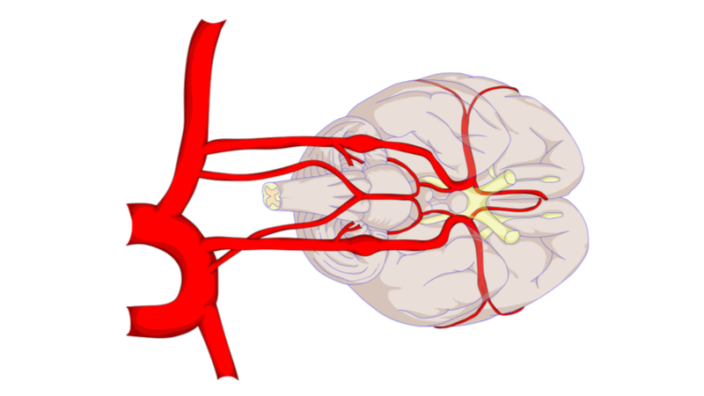
Among those candidates, the largest group was of 14 drugs affecting the cardiovascular system, including sildenafil, with 11 nervous system therapeutics being the second-largest group. This is not a coincidence, of course. Brain cardiovascular disorders are a major cause of dementia, and this is known as vascular dementia [2]. For 21 of the 66 drugs, some evidence of their effectiveness against Alzheimer’s disease already exists, and 11 of them are in ongoing clinical trials for it.

A highly significant correlation

The researchers then wanted to see if the actual usage of the selected drugs was correlated with Alzheimer’s prevalence. At this selection stage, two major criteria were used: the drug must be able to penetrate the blood-brain barrier, and it must be widely used enough that an epidemiological analysis can be performed. After the scientists had analyzed data on more than 7 million people on Medicare and commercial insurance plans, sildenafil emerged as a clear winner: its usage was associated with a 69% reduction in Alzheimer’s risk.

The relationship remained highly significant even after controlling for various confounding variables. For instance, individuals with cognitive impairment and dementia may be less likely to be prescribed sildenafil for obvious reasons. Yet, after adjusting for mild cognitive impairment, the association between sildenafil and Alzheimer’s disease remained strong.

Finally, the researchers performed a series of in vitro experiments. Cells derived from patients with Alzheimer’s were turned into induced pluripotent stem cells (iPSCs) and then into neurons. The sildenafil-treated group demonstrated more robust neurite growth compared to the control group. Sildenafil also significantly reduced the accumulation of tau protein, which, like amyloid beta, is associated with Alzheimer’s disease.

Metformin has a chance too

This wasn’t the first time that sildenafil got into the crosshairs of Alzheimer’s researchers. It has been shown to significantly improve cognition and memory in a rat model of vascular dementia and to attenuate tauopathy (the abnormal accumulation of tau protein) in mice that were genetically modified to develop Alzheimer’s.

Sildenafil was also not the only drug significantly associated with Alzheimer’s disease  in this study. One of the others was metformin, which is probably the most promising drug in geroscience today. Metformin scored better than sildenafil on its proximity to the Alzheimer’s network, but its actual correlation with the disease was weaker. The researchers point at a probable reason: metformin is an anti-diabetes drug, and diabetes is a known risk factor for Alzheimer’s disease [3]. This might explain why people on metformin are more prone to developing this disease than people on sildenafil. Metformin is currently in clinical trials for Alzheimer’s disease.

Conclusion

As the researchers themselves note, a proper clinical trial will be needed to prove that there is causation behind the correlation that they have found. Looking beyond the headlines, an even bigger achievement might be the successful use of computational methods in identifying candidate drugs via their target proteins. Repurposing drugs can greatly speed up the discovery of new therapies since we already have safety data for approved drugs.

We would like to ask you a small favor. We are a non-profit foundation, and unlike some other organizations, we have no shareholders and no products to sell you. All our news and educational content is free for everyone to read, but it does mean that we rely on the help of people like you. Every contribution, no matter if it’s big or small, supports independent journalism and sustains our future.

Literature

[1] Fang, J., Zhang, P., Zhou, Y. et al. Endophenotype-based in silico network medicine discovery combined with insurance record data mining identifies sildenafil as a candidate drug for Alzheimer’s disease. Nat Aging (2021).

[2] Iadecola, C. (2013). The pathobiology of vascular dementia. Neuron, 80(4), 844-866.

[3] Lee, H. J., Seo, H. I., Cha, H. Y., Yang, Y. J., Kwon, S. H., & Yang, S. J. (2018). Diabetes and Alzheimer’s disease: mechanisms and nutritional aspects. Clinical nutrition research, 7(4), 229-240.

Chinese Licorice

Chinese Licorice Plant Extract Restores Fat Stem Cells

Researchers publishing in Aging have reported that licochalcone A (LA), a flavonoid that originates from Chinese licorice, restores human adipose-derived stem cells (hADSCs) in cell culture.

Reported positive effects

Previous research on Licochalcone A has discovered that it has anti-inflammatory and anti-tumor effects [1], reduces obesity in mice [2], and protects against liver failure through its antioxidant properties [3], among multiple other benefits. Therefore, the researchers of this paper sought to learn more its fundamental biochemical effects, including how it affects stem cell aging.

Differentiation and glycolysis

For this study, the researchers chose hADSCs that they had aged in their previous work [4], then they tested multiple concentrations of LA in their cell culture in order to determine its cytotoxicity, that is, how dangerous it was to cells.

Instead, at a 25-micromolar concentration, they found that LA was substantially beneficial to the proliferation of hADSCs. SA-beta-galactose, a well-known marker of senescent cells that was upregulated in the control group, was substantially downregulated in the LA culture. The LA-cultured cells had longer telomeres, less of the senescence marker p16Ink4A, and less mRNA relating to the senescence-associated compounds p53 and p21.

Osteogenic (bone-forming) differentiation in hADSCs was also positively affected, according to multiple biomarkers. The three marker genes ALP, OCN, and RUNX2 were all upregulated in the presence of LA. Adipogenic (fat-forming) differentiation was, similarly, downregulated. This is counter to the normal effects of aging, which upregulates adipogenic differentiation while downregulating osteogenic differentiation.

The researchers also examined the cells’ ability to metabolize glucose (glycolysis). Multiple signaling genes related to glycolysis were upregulated, a finding that was confirmed through RNA sequencing analysis. Enzymes relating to glycolysis were also upregulated, as was the relationship between extracellular acidification and oxygen consumption.

Conclusion

The researchers conclude their investigation by stating that the effects of licochalcone A on glycolysis are responsible for the specific differentiation changes shown in this research and what cause its rejuvenative effects.

However, this is only a cellular study, and there are many questions left unanswered. The exact biochemical pathways are not fully explored, and further research should be conducted in order to more deeply explore why this compound has the effects reported here.

If these positive effects of licochalcone A can be confirmed through in vivo studies and human clinical trials, it may be of use in treating multiple age-related diseases, particularly ones related to stem cell exhaustion.

We would like to ask you a small favor. We are a non-profit foundation, and unlike some other organizations, we have no shareholders and no products to sell you. All our news and educational content is free for everyone to read, but it does mean that we rely on the help of people like you. Every contribution, no matter if it’s big or small, supports independent journalism and sustains our future.

Literature

[1] Huang, W. C., Su, H. H., Fang, L. W., Wu, S. J., & Liou, C. J. (2019). Licochalcone A inhibits cellular motility by suppressing E-cadherin and MAPK signaling in breast cancer. Cells, 8(3), 218.

[2] Lee, H. E., Yang, G., Han, S. H., Lee, J. H., An, T. J., Jang, J. K., & Lee, J. Y. (2018). Anti-obesity potential of Glycyrrhiza uralensis and licochalcone A through induction of adipocyte browning. Biochemical and biophysical research communications, 503(3), 2117-2123.

[3] Lv, H., Xiao, Q., Zhou, J., Feng, H., Liu, G., & Ci, X. (2018). Licochalcone A upregulates Nrf2 antioxidant pathway and thereby alleviates acetaminophen-induced hepatotoxicity. Frontiers in pharmacology, 9, 147.

[4] Shen, J., Zhu, X., & Liu, H. (2020). MiR-483 induces senescence of human adipose-derived mesenchymal stem cells through IGF1 inhibition. Aging (Albany NY), 12(15), 15756.

Umbilical Cord

Demonstration That Cord Blood Improves Progeria

A new case report published in the International Journal of Molecular Sciences highlights cardiovascular improvements in a patient with Hutchinson-Gilford progeria treated with umbilical cord blood.

A case study using umbilical cord blood 

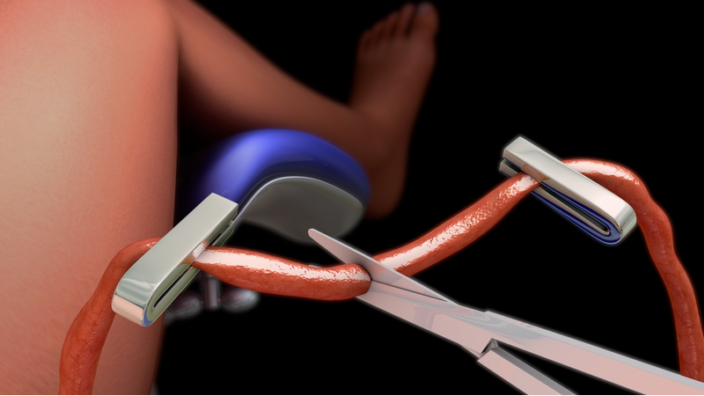
Cell therapy has shown potential in treating cardiovascular disease, which is also the most disruptive symptom of progeria. Umbilical cord blood (UCB), in particular, has shown promise in stroke patients and is easily accessible through biobanking [1].

It is difficult to test treatments for progeria in a large number of patients, since it is such a rare condition. Because of this, a case study on UCB was conducted with a single 12-year-, 7-month-old male at CHA University in Korea [2]. He received three doses of UCB four months apart and was followed up for two years.

Due to a lack of a placebo control, progeria studies often compare their results to the typical progression of the disease. Additionally, they can determine the rate of change of specific measurements before treatment, determine the rate of change of those measurements after treatment, and then compare the two rates. In this way, such studies can detect if a treatment slows the progression of progeria, even if a patient continues to decline.

In this study, the patient showed reduced height and weight, which is typical for progeria patients at his age. His growth rate increased from 0.5 cm/year before treatment to greater than 4 cm/year after treatment. This was also increased relative to the growth rates of progeria patients of a similar age. Body weight followed similar trends.

No improvements were found in the patient’s joint range of motion or bone mineral density, although the authors suggest that the patient’s increase in height could have offset benefits by these measures. A slight increase in IQ was also found, although cognitive decline is not typical of progeria.

UCB improves measures of cardiovascular aging

The patient was suffering from cardiovascular decline at a rate that was elevated even for progeria patients prior to the treatment, as measured by pulse wave velocity, intima-media thickness, blood triglyceride levels, and HDL cholesterol levels. Pulse wave velocity slightly improved after treatment, while intima-media thickness remained the same rather than continuing to worsen. Blood triglycerides decreased after treatment, and HDL cholesterol increased, both of which are positive effects in the context of cardiovascular disease.

Anti-inflammatory benefits were also seen with the UCB treatment, reducing mRNA and protein levels of the inflammation factors IL-1ß, TNF-a, MCP-1, CRP, and ICAM-1 after treatment. However, another cytokine, IL-8, was elevated after treatment.

We have administered allogenic CB cell infusions to a patient diagnosed with HGPS, and as far as we know, it is the first case to treat a patient with HGPS via allogenic CB cells. Altogether, the study findings suggest that CB cell therapy exerts therapeutic effects on HGPS pathogenesis by ameliorating inflammation and atherosclerosis, which seemed to progress abruptly immediately before CB cell therapy. Clinical parameters showed favorable outcomes, including stature and body weight gain, arterial elasticity, arterial intima-media thickening rate, and lipid profiles. Furthermore, this case study revealed the possibility of cell therapy to control atherosclerotic conditions, a cause of concern in this aging generation. Further studies, if possible, may provide stronger evidence of the effectiveness and feasibility of this optimistic treatment option for patients with HGPS.

Conclusion

Unfortunately, case studies are not an effective way to make sweeping conclusions about potential treatments. They are necessary for rare diseases such as progeria, but we can only speculate on what role the treatment might have played in the patient’s improvements as opposed to an unrelated factor such as a change in diet or a growth spurt. Nonetheless, the results are interesting and may inspire similar studies in other progeria patients or naturally aged individuals, which could shed more light on the generalizability of these findings.

We would like to ask you a small favor. We are a non-profit foundation, and unlike some other organizations, we have no shareholders and no products to sell you. All our news and educational content is free for everyone to read, but it does mean that we rely on the help of people like you. Every contribution, no matter if it’s big or small, supports independent journalism and sustains our future.

Literature

[1] Laskowitz, D.T. et al. Allogeneic umbilical cord blood infusion for adults with ischemic stroke: Clinical outcomes from a phase I safety study. Stem Cells Transl. Med. (2018). https://doi.org/10.1002/sctm.18-0008

[2] Suh, M.R. et al. Efficacy of cord blood cell therapy for Hutchinson-Gilford Progeria Syndrome – A case report. International Journal of Molecular Sciences (2021). https://doi.org/10.3390/ijms222212316

Gene transcription

Hyperbaric Oxygen Causes Transcriptomic Changes

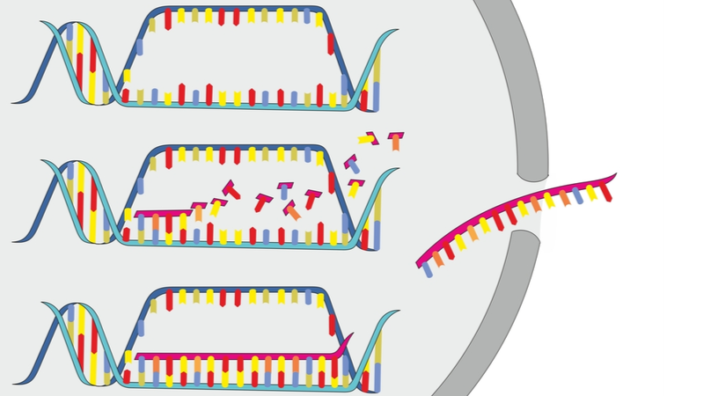
Transcriptomic results have been published regarding the Shamir Medical Center longitudinal study on hyperbaric oxygen therapy (HBOT), which was conducted between 2016 and 2020 on 35 healthy adults aged 64 and older [1].

Background

Recently, we discussed misconceptions from the media on research developing on HBOT for age reversal. The researchers of this study have also recently published data to support the idea that HBOT may reverse cognitive decline.

In this study, the authors sought to see if HBOT changed the transcriptome, and you can follow the link to learn more about the transcriptome.

Methods

In this study, sixty days of HBOT sessions were conducted at 100% oxygen, at 2 atmospheric pressure, for 90 minutes with five-minute air breaks every 20 minutes. The researchers examined the transcriptome using RNA extracted from whole blood samples, which were taken at a fasting baseline, at the 30th session, at the 60th session, and 1-2 weeks after the final session.

Results

Two weeks after the HBOT sessions began, compared to their baseline, 8 genes were downregulated and 11 genes were upregulated. There were nine differentially expressed genes (DEGs); however, ATP-binding cassette subfamily A member 13 (ABCA13) was the only one with over a 1.5-fold change. In studies that examine DEGs that use fold change analysis, the threshold is typically set at a 1.5-or 2-fold change [2]. The researchers verified their ABCA13 finding with the lab technique RT-qPCR on all available samples, which also yielded significant results.

The researchers continued to compare the differences from baseline at the last HBOT session and at the final extraction. The results show that there was a change in gene expression after 60 sessions of HBOT. 1342 genes were upregulated, and 570 genes were downregulated when compared to the baseline. Five of the genes had a greater than 1.5-fold change.

The authors did discuss two genes related to longevity in prior human studies [3,4,5], although their changes in expression did not meet the 1.5-fold threshold. The gene expression of FOXO3 decreased by 1.22 fold, and RUNX3, which has been shown to decline in aging [6], increased by 1.29 fold. They went on to further explain that the age-related gene expression changes of different groups of people show little overlap with each other.

Conclusion

The authors note that most of the significant changes returned to normal two weeks after the HBOT session were completed, although 19 gene expressions were still measurably different at this time. The main limitation of this study was its lack of a placebo group, so causality cannot be determined.

Due to the transcriptomic results, and the researchers’ prior results on improved cognition, it would be great to see the same research questions studied in larger sample sizes at multiple medical centers, comparing differences between people and geographical locations in order to determine if HBOT may be feasible as a therapy. We will continue to report on this as more research develops, so stay tuned.

We would like to ask you a small favor. We are a non-profit foundation, and unlike some other organizations, we have no shareholders and no products to sell you. All our news and educational content is free for everyone to read, but it does mean that we rely on the help of people like you. Every contribution, no matter if it’s big or small, supports independent journalism and sustains our future.

Literature

[1] Hadanny, A., Forer, R., Volodarsky, D., Daniel-Kotovsky, M., Catalogna, M., Zemel, Y., Bechor, Y., & Efrati, S. (2021). Hyperbaric oxygen therapy induces transcriptome changes in elderly: a prospective trial. Aging, 13(undefined), 10.18632/aging.203709. Advance online publication. https://doi.org/10.18632/aging.203709

[2] Thomas, J. G., Olson, J. M., Tapscott, S. J., & Zhao, L. P. (2001). An efficient and robust statistical modeling approach to discover differentially expressed genes using genomic expression profiles. Genome research, 11(7), 1227–1236. https://doi.org/10.1101/gr.165101

[3] Flachsbart, F., Dose, J., Gentschew, L., Geismann, C., Caliebe, A., Knecht, C., Nygaard, M., Badarinarayan, N., ElSharawy, A., May, S., Luzius, A., Torres, G. G., Jentzsch, M., Forster, M., Häsler, R., Pallauf, K., Lieb, W., Derbois, C., Galan, P., Drichel, D., … Nebel, A. (2017). Identification and characterization of two functional variants in the human longevity gene FOXO3. Nature communications, 8(1), 2063. https://doi.org/10.1038/s41467-017-02183-y

[4] Flachsbart, F., Caliebe, A., Kleindorp, R., Blanché, H., von Eller-Eberstein, H., Nikolaus, S., Schreiber, S., & Nebel, A. (2009). Association of FOXO3A variation with human longevity confirmed in German centenarians. Proceedings of the National Academy of Sciences of the United States of America, 106(8), 2700–2705. https://doi.org/10.1073/pnas.0809594106

[5] Soerensen, M., Dato, S., Christensen, K., McGue, M., Stevnsner, T., Bohr, V. A., & Christiansen, L. (2010). Replication of an association of variation in the FOXO3A gene with human longevity using both case-control and longitudinal data. Aging cell, 9(6), 1010–1017. https://doi.org/10.1111/j.1474-9726.2010.00627.x

[6] Balogh, P., Adelman, E. R., Pluvinage, J. V., Capaldo, B. J., Freeman, K. C., Singh, S., Elagib, K. E., Nakamura, Y., Kurita, R., Sashida, G., Zunder, E. R., Li, H., Gru, A. A., Price, E. A., Schrier, S. L., Weissman, I. L., Figueroa, M. E., Pang, W. W., & Goldfarb, A. N. (2020). RUNX3 levels in human hematopoietic progenitors are regulated by aging and dictate erythroid-myeloid balance. Haematologica, 105(4), 905–913. https://doi.org/10.3324/haematol.2018.208918

Nematode

Late-Life Treatment Extends Nematode Lifespan by Two-Fold

Scientists have managed to extend the lifespan of C. elegans nematode worms by as much as 135% by blocking an insulin-related pathway very late in life [1].

The long-lived mutants

Back in the late 80s and early 90s, experiments with C. elegans, tiny nematode worms, became one of geroscience’s first major successes. Scientists showed that if you knock out a single gene, Daf-2, the worms live up to two times longer [2]. This is not particularly impressive, as C. elegans’ average lifespan is just a couple of weeks. On the other hand, this is what makes C. elegans a popular model organism for studying aging.

The Daf-2 gene belongs to the insulin receptor family. Mammals do not have a single gene that is similar to Daf-2. Instead, Daf-2 corresponds to several pathways in humans, most notably to the insulin/insulin-like growth factor 1 (IGF-1) pathway. Obviously, the two-fold increase in lifespan could not be reproduced in humans, though experiments with blocking IGF-1 via antibodies in mice led to a modest improvement in lifespan and healthspan [3].

Yet, for worms, this longevity comes with a price tag. The modified nematodes develop numerous adverse phenotypes, including decreased fertility, a small body size, and a propensity to enter the so-called “dauer state”, which is similar to hibernation for worms.

Scientists have been trying to work their way around those problems for quite some time. For instance, there were attempts to regulate DAF-2 levels by RNA interference. Although this mostly prevented the development of the unwanted phenotypes, the increase in lifespan was much more modest compared to a Daf-2 knockout, possibly due to the fact that RNAi machinery weakens with age.

Knockout on demand

In this new study, the scientists tried a different approach: instead of a full Daf-2 gene knockout, they created a mechanism that degrades the DAF-2 protein on demand when another protein is introduced.

Using CRISPR, the scientists inserted a new sequence into Daf-2 that added a degron, a part of a protein that promotes its degradation. The degron though could only be triggered by another protein called auxin. Without auxin in the system, the worms would have normal DAF-2 levels. The researchers performed a series of experiments to determine that the hefty 68-amino acid-long degron addition did not interfere with the functions of the DAF-2 protein.

When auxin was introduced, the resulting DAF-2 degradation led to a maximum of a 40% decrease in the protein’s levels rather than to its complete loss. Despite that, when started early in life, the treatment still caused the development of the phenotypes that usually accompany Daf-2 deletion.

A second life for old worms

The breakthrough came when the scientists attempted to start the intervention very late in life, which, for nematodes, is between days 20 and 25; by this time, three-quarters of the worms have already died of old age. The remaining quarter, after receiving auxin that had triggered DAF-2 degradation, continued to live for up to 67 days in total. This corresponds to a 70% to 135% increase in lifespan. The researchers claim that these results surpass even the famous longevity of Daf-2 mutants.

This effect was stronger when auxin was applied on day 25 rather than 20. This might seem counterintuitive, but it is not: the passage of time weeded out less aging-resistant worms. Those that remained were naturally more long-lived, which is probably why the longevity boost they received was more pronounced.

Auxin's effects on nematodes

Image: Dimethyl sulfoxide (DMSO) is a solvent widely used as a negative control for lifespan assays in C. elegans. Interestingly, DMSO itself has recently been shown to mildly extend C. elegans lifespan [4], which means that the longevity-promoting effect of auxin-dependent DAF-2 degradation might be even greater than it seems.

Conclusion

Decades ago, the original experiments with Daf-2 deletion sparked enthusiasm in the longevity community by showing that extreme life extension is possible, at least in simple organisms. This new study provides yet another reason for cautious optimism: it joins the growing cohort of studies demonstrating that late-life interventions can still lead to a major increase in lifespan. This could be especially important in the context of pathways such as insulin/IGF-1, which are essential for healthy development of an organism and should not be targeted earlier in life. The idea of trying life-extending interventions on geriatric animals has been gaining steam lately, and we will continue to cover any new developments.

We would like to ask you a small favor. We are a non-profit foundation, and unlike some other organizations, we have no shareholders and no products to sell you. All our news and educational content is free for everyone to read, but it does mean that we rely on the help of people like you. Every contribution, no matter if it’s big or small, supports independent journalism and sustains our future.

Literature

[1] Venz, R., Pekec, T., Katic, I., Ciosk, R. & Ewald, C. Y. (2021). End-of-life targeted degradation of DAF-2 insulin/IGF-1 receptor promotes longevity free from growth-related pathologies. eLife 10, e71335.

[2] Mao, K., Quipildor, G. F., Tabrizian, T., Novaj, A., Guan, F., Walters, R. O., … & Huffman, D. M. (2018). Late-life targeting of the IGF-1 receptor improves healthspan and lifespan in female mice. Nature communications, 9(1), 1-12.

[3] Kenyon, C., Chang, J., Gensch, E., Rudner, A., & Tabtiang, R. (1993). A C. elegans mutant that lives twice as long as wild type. Nature, 366(6454), 461-464.

[4] Frankowski, H., Alavez, S., Spilman, P., Mark, K. A., Nelson, J. D., Mollahan, P., … & Ellerby, H. M. (2013). Dimethyl sulfoxide and dimethyl formamide increase lifespan of C. elegans in liquid. Mechanisms of ageing and development, 134(3-4), 69-78.

Cancer cells

Building a Universal Immunotherapy for Cancer

Researchers publishing in Cell Reports Medicine have described a method of using off-the-shelf, allogeneic immune cells as cancer therapy.

Overcoming the hurdles of allogeneic cells

Allogeneic cells come from other sources than the individual being treated. As recipients of organ donations know, if the immune system identifies foreign cells, it will attack them. This is known as graft-versus-host disease (GvHD), and it is why many organ recipients take immunosuppressants.

This problem is a major part of why the researchers chose to pursue an approach involving invariant natural killer T cells (iNKTs). They cite extensive prior research showing that these cells are excellent at attacking tumors through multiple methods while not inducing GvHD [1]. On paper, extracting and using iNKTs to fight cancer seems like a straightforward approach.

However, there are problems in extracting and using these cells. There are very few iNKT cells in blood [2], and extracting iNKT cells risks also extracting other immune cells that might cause GvHD. In order to sidestep this problem, the researchers had previously created cells in mice through genetic modification [3], although this approach is not sufficient for creating an off-the-shelf product.

To do that, they had to use a new, in vitro technique, which is the subject of this paper.

A multi-step approach with clear benefits

To develop this product, the researchers started with hemapoietic stem cells (HSCs) derived from human cord blood or peripheral blood stem cells (PBSCs). They used a lentiviral vector to encourage these cells to develop into iNKTs, then put them through a two-step process that stimulates their differentiation.

The researchers claim that half of the cells are successfully transfected by their vector and that the result is high in purity. One single donor of cord blood can result in 500 to 5,000 doses of the product, while a PBSC donor can provide anywhere from 30,000 to 300,000 doses, and the final product contains exceedingly few cells that would produce GvHD.

Through both direct examination and RNA sequence testing, these cells were shown to produce large amounts of cytokines and immune cell markers, which demonstrates their fitness for purpose. However, this wasn’t enough of a test; the researchers needed to test them against tumors themselves, in vitro and in mice.

In both cases, the cells performed well. When compared to PBMC-NK cells, which are taken from an endogenous source, these cells were much more effective in killing cancer cells and reducing the size of tumors. Interestingly, while those endogenous cells suffered significant damage from cryopreservation, the new HSC-iNKT cells did not.

HSC-iNKT cells were also found to be excellent at targeting specific types of cancers after chimeric antigen receptor (CAR) therapy:

The high antitumor efficacy and multiple tumor-targeting mechanisms of CAR-engineered AlloHSC-iNKT cells may provide new opportunities to target hard-to-treat tumors and counteract tumor antigen escape.

Conclusion

This paper outlines an entirely new method of generating T cells to fight cancer in a safe and consistently effective way. If the researchers’ clear optimism is shown to be warranted in human studies, allogeneic HSC-iNKT cells will quickly become the standard for cancer therapy, and cancer patients will expect oncologists to administer off-the-shelf immune therapies in much the same way as less advanced therapies are expected today.

We would like to ask you a small favor. We are a non-profit foundation, and unlike some other organizations, we have no shareholders and no products to sell you. All our news and educational content is free for everyone to read, but it does mean that we rely on the help of people like you. Every contribution, no matter if it’s big or small, supports independent journalism and sustains our future.

Literature

[1] Fujii, S. I., Shimizu, K., Okamoto, Y., Kunii, N., Nakayama, T., Motohashi, S., & Taniguchi, M. (2013). NKT cells as an ideal anti-tumor immunotherapeutic. Frontiers in immunology, 4, 409.

[2] Krijgsman, D., Hokland, M., & Kuppen, P. J. (2018). The role of natural killer T cells in cancer—a phenotypical and functional approach. Frontiers in immunology, 9, 367.

[3] Zhu, Y., Smith, D. J., Zhou, Y., Li, Y. R., Yu, J., Lee, D., … & Yang, L. (2019). Development of hematopoietic stem cell-engineered invariant natural killer T cell therapy for cancer. Cell stem cell, 25(4), 542-557.

Gitcoin

Gitcoin Launches Crypto Funding Round for Longevity

Gitcoin is a platform dedicated to supporting the development of open-source Web3 software – decentralized architecture based upon blockchain technology – and the funding of  “public goods” projects that are intended to benefit everyone.

The longevity literacy project with VitaDAO.

Of course, one such public good is the extension of healthy human lifespan, and accordingly, in its 12th funding round, the Gitcoin community has chosen to raise cryptocurrency donations for projects supporting longevity research – including several projects related to lifespan.io.

What sets Gitcoin apart is its use of Quadratic Funding, an algorithmic crowdfunding approach championed by Ethereum co-founder Vitalik Buterin, designed to support many projects at once, and allocate larger matching funds to the projects with the most individual contributions. This rewards the projects with the most community support, elevates the power of smaller contributors, and creates a sense of camaraderie between each donor and the larger contributors in the “matching pool”.

You can learn more about Quadratic Funding, and explore a calculator to see how it works, at the website wtfisqf.com.

The lifespan.io team was happy to work together with the community at VitaDAO to curate the projects in this Gitcoin round, and we are excited to see the growth of Web3 and the potential of decentralized, blockchain-enabled innovations to support longevity research.

We also look forward to continuing to work with the Gitcoin and VitaDAO communities in these areas, so keep an eye out for similar features to make their way into lifespan.io — you can even help us do so directly by contributing to the related Gitcoin project.

Finally, for people who are unfamiliar with the technology and find it a bit daunting to make cryptocurrency donations, we’re including a step-by-step guide below – using an example of starting with $100 and desiring to support 2 projects:

  1. Get a MetaMask wallet
  2. Acquire $100 (or whatever you like) worth of ETH via Coinbase or other methods. You may need more than you think do to gas fees (see below).
  3. Send this ETH to your MetaMask from Coinbase (or wherever): this may incur a significant gas fee.
  4. After the likely-harsh gas fee you now have ~$70 worth of ETH in your MetaMask wallet.
  5. (Optional but recommended if supporting multiple projects) –  Connect your MetaMask, and transfer your ETH to zkSync
  6. This will trigger another gas fee, so maybe you try to transfer $50 in ETH; leaving the remaining for that gas.
  7. Create a Gitcoin account if you haven’t already.
  8. If you’d like to magnify your matching effect you can do verifications such as verifying your account with SMS, Facebook, Google – the more ways the more your power to pull in matching funds increases.
  9. Finally go to Gitcoin and explore longevity projectssuch as lifespan.io’s research projects.
  10. Select “Connect Wallet” at the top of Gitcoin once logged in to connect your MetaMask wallet to the site.
  11. Select “Add to Cart” for the projects you want to help.
  12. Let’s assume you select 2 projects to add to cart. Now scroll up to the cart button at the top and click it to go to the checkout
  13. Choose ETH as your currency in the upper left
  14. Put reasonable amounts in for each project maybe .0025 ETH for each (about 10 dollars). Select a % for “Give back to the Gitcoin match pool” if you want to support the Gitcoin platform itself.
  15. Select “I’m ready to check out”, and select zkSync check out if you did step 5 above
  16. Go through the checkout steps and it should ask you to sign a few steps on your Metaask wallet, finally saying “complete payment”. Click that and then just wait for confirmation.
    1. Note: if it gets blocked it likely means you put in more money than you had, so just go back and reduce to .002 ETH for each or some such.
    2. Note: if you did not use zkSync here you’d get charged with the large ETH gas fee for every project, instead of just one fee here for a few bucks. This benefit compounds if you are donating to more projects at once.
    3. Note: The matching amount you pull in diminishes after 10 dollars and 100 dollar thresholds. So if you are not looking to donate a large amount, donating about $10 to each project you care about will still yield a large-size matching effect.
    4. Note: If you are planning on supporting just 1 or 2 projects: the above starting amount is likely sufficient.
    5. Note: Yes; the ETH gas prices are currently crazy!
  17. Thanks for doing this!
We would like to ask you a small favor. We are a non-profit foundation, and unlike some other organizations, we have no shareholders and no products to sell you. All our news and educational content is free for everyone to read, but it does mean that we rely on the help of people like you. Every contribution, no matter if it’s big or small, supports independent journalism and sustains our future.
Backwards Clock

Alpha-Ketoglutarate Decreases Biological Age in Human Study

A commercially available alpha-ketoglutarate-based supplement has been shown to roll back biological age by 7 years on average in a retrospective human study [1].

Live slower, die later

Though metformin and rapamycin are getting most of the attention in the longevity field today, alpha-ketoglutarate (AKG) has emerged as another candidate longevity drug.

These three molecules have something in common: their mechanisms of action, at least partly, mimic caloric restriction. In other words, one of our best anti-aging strategies today is to override the “live fast, die young” paradigm installed in our species by evolution. From what we know, people might be able to live longer if they just live a bit “slower”.

On the technical side, AKG is an intermediary metabolite of the Krebs cycle – a complex chain of reactions that generates energy from nutrients. In addition to regulating the speed of the Krebs cycle, AKG has multiple other functions, including amino acid production and cellular signaling. AKG levels generally decrease with aging. AKG supplementation has been shown to improve lifespan and healthspan in various model animals [2,3], but human studies are scarce.

An epigenetic clock you can buy online

For this trial, the researchers recruited 42 healthy people. The participants were given a multi-month supply of Rejuvant, an AKG-based dietary supplement produced by Ponce De Leon Health (Juan Ponce de León was a Spanish explorer who allegedly searched for the Fountain of Youth).

The median self-reported length of use was 7 months, with individual values varying from 4 to 10 months. At the baseline (beginning of the study) and at the end, the biological age of the participants was measured using another consumer product – TruAge, a commercially available epigenetic test produced by TruMe Labs.

Epigenetic clocks have been around for about a decade and are now into their second generation. They work by measuring DNA methylation patterns that regulate transcription and tend to change with age. Although methylation-based clocks are considered the gold standard for measuring biological age, we do not have much information about TruAge and how it stacks up against well-known clocks such as GrimAge and PhenoAge.

The researchers tried to control for as many confounding variables as possible, such as diet, alcohol intake, smoking, overall health, weight, sleep duration, and physical activity, though the sample size was small: for instance, only one participant was an active smoker, and just six reported a history of smoking.

Seven months of treatment, seven years of results

Based on the questionnaires, the researchers identified a group of 13 participants who did not report any changes over the study period in diet type, drinking frequency, additional dietary supplement intake, sleep duration, and exercise frequency. The scientists used this homogenous subset to initially assess the independent effect of AKG. At baseline, people in this group were, on average, 2.06 years biologically younger than their chronological age, but by the end of the treatment, this gap grew to 9.74 years. This means, epigenetically, these 13 participants became 7.69 years younger over a period of several months.

The results in the entire cohort of 42 patients were even more impressive. At baseline, the participants were on average 0.35 years biologically younger than their chronological age. By the end of the study, this increased to 8.31 years, with a mean difference of 7.96 years. Importantly, the effect was highly uniform, with just two of the 42 participants having their biological age slightly increased. The effect in males and females was also largely the same, with females receiving a somewhat smaller boost (6.98 years compared to 8.44 in males). This might be due to the fact that at baseline, the female participants had, on average, better biological and chronological age comparisons.

In general, people with higher biological age relative to their chronological age, and who were chronologically older, experienced the strongest effects. In other words, AKG seems to work best for the people who need it more: the older and the sicker. Interestingly, the duration of the treatment hardly correlated with the magnitude of the effect. According to the researchers, this indicates that the median treatment duration in this study, or approximately 7 months, may be sufficient to get the maximum out of AKG supplementation.

Conclusion

This exciting study had quite a few limitations. First, the sample size was relatively small. Second, it was built around a commercially available supplement and a commercially available epigenetic age clock that we know little about. Third, it was not placebo-controlled, though the results are probably too definitive to be explained by a placebo effect. Finally, the researchers note that AKG is a known substrate for DNA demethylases, which is why a methylation clock might not be the best way to gauge the effect of AKG on longevity. Despite all those caveats, the results are too spectacular to be ignored. Surely, more data on AKG and aging will be coming in soon, and we will keep you informed.

We would like to ask you a small favor. We are a non-profit foundation, and unlike some other organizations, we have no shareholders and no products to sell you. All our news and educational content is free for everyone to read, but it does mean that we rely on the help of people like you. Every contribution, no matter if it’s big or small, supports independent journalism and sustains our future.

Literature

[1] Demidenko O, Barardo D, Budovskii V, Finnemore R, Palmer FR, Kennedy BK, Budovskaya YV. (2021). Rejuvant®, a potential life-extending compound formulation with alpha-ketoglutarate and vitamins, conferred an average 8 year reduction in biological aging, after an average of 7 months of use, in the TruAge DNA methylation test. Aging (Albany NY), 13:24485-24499.

[2] Chin, R. M., Fu, X., Pai, M. Y., Vergnes, L., Hwang, H., Deng, G., … & Huang, J. (2014). The metabolite a-ketoglutarate extends lifespan by inhibiting ATP synthase and TOR. Nature, 510(7505), 397-401.

[3] Shahmirzadi, A. A., Edgar, D., Liao, C. Y., Hsu, Y. M., Lucanic, M., Shahmirzadi, A. A., … & Kuehnemann, C. (2020). Alpha-ketoglutarate, an endogenous metabolite, extends lifespan and compresses morbidity in aging mice. Cell Metabolism, 32(3), 447-456.

Blood Vessels Eye

Narrowed Neck Arteries Lead to Reduced Blood Flow in Eyes

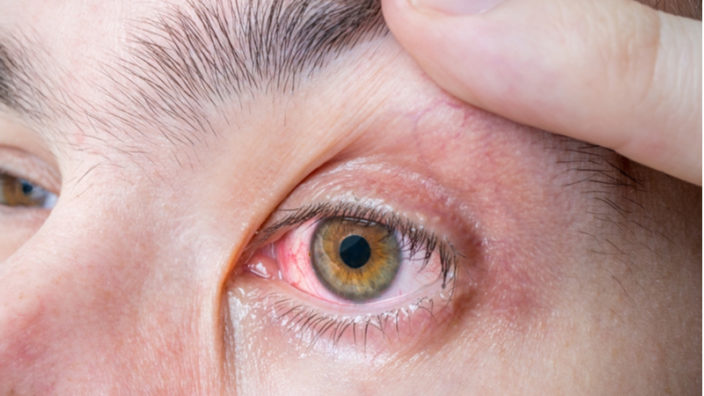
Researchers publishing in GeroScience have found that carotid artery stenosis, a consequence of hypertension, is linked to a lack of blood flow in the eyes.

A disease that restricts blood flow to the brain

Carotid artery stenosis (CAS) is a dangerous condition that is strongly associated with stroke [1]. It occurs when plaque build-up occludes the carotid artery, which carries blood from the aorta to the head. Its risk factors include smoking, related blood vessel diseases, family history, excessive fats in the bloodstream, and, of course, aging [2].

This disease can result in eye problems ranging from transient vision loss to permanent blindness caused by a retinal stroke [3], which has the same fundamental cause as a cerebral stroke and a heart attack: an occlusion of a blood vessel that leads to tissue death.

Prior research shows that this plaque, when it builds up to an extent that more conservative approaches are no longer recommended, is best directly removed through a procedure known as endarterectomy [4].

A before-and-after study

For their study cohort, the researchers recruited 56 people who were slated to receive endarterectomy procedures. Both before and after these procedures, the researchers examined these patients’ eyes with optical coherence tomography angiography, which analyzes the retinal blood vessels in order to determine vascularization and blood flow. This non-invasive procedure allowed the researchers to closely examine cerebral vascularization without needing to conduct surgery or use any kind of chemical or radiological tracer.

The researchers made several interesting discoveries. Many variables that they assumed would be directly and strongly correlated with vascular density were not. Age, BMI, cholesterol, and aspirin use were among these non-significant variables.

Instead, the researchers found that hypertension was among one of the strongest correlations, as was the use of statins, which are drugs used to treat cholesterol buildup. While carotid artery stenosis and the surgery used to treat it were both significant, they were, surprisingly, less significant than hypertension and statins.

The study also found that kidney failure is very strongly associated with a lack of blood vessel density; however, prior research is conflicting, and the researchers could not determine if a lack of general vascularization is a cause or consequence of kidney failure. Estimated glomerular filtration rate, a measurement of kidney function, was also correlated with vascular density.

Conclusion

Hypertension and occluded arteries are normally associated with cardiac events, and for good reason; heart attack remains the world’s leading cause of death. However, these findings serve as a strong reminder that hypertension is a whole-body problem that causes restriction of blood flow to multiple organs, including the brain and the eyes.

While this surgery was shown to be at least somewhat effective in improving blood flow to the carotid’s downstream organs, it is still a significant procedure. No matter how old you are, if you want to live long enough to enjoy a world where there are effective treatments for age-related diseases, it is a good idea to eat a healthy diet and follow your doctor’s advice in order to minimize your risk of hypertension.

Literature

[1] Flaherty, M. L., Kissela, B., Khoury, J. C., Alwell, K., Moomaw, C. J., Woo, D., … & Kleindorfer, D. (2013). Carotid artery stenosis as a cause of stroke. Neuroepidemiology, 40(1), 36-41.

[2] Mathiesen, E. B., Joakimsen, O., & Bønaa, K. H. (2001). Prevalence of and risk factors associated with carotid artery stenosis: the Tromsø Study. Cerebrovascular diseases, 12(1), 44-51.

[3] Lawrence, P. F., & Oderich, G. S. (2002). Ophthalmologic findings as predictors of carotid artery disease. Vascular and endovascular surgery, 36(6), 415-424.

[4] Hill, M. D., Brooks, W., Mackey, A., Clark, W. M., Meschia, J. F., Morrish, W. F., … & CREST Investigators. (2012). Stroke after carotid stenting and endarterectomy in the Carotid Revascularization Endarterectomy versus Stenting Trial (CREST). Circulation, 126(25), 3054-3061.

Apollo logo

Apollo Health Ventures Closes $180 Million Fund

Apollo Health Ventures, a venture capitalist firm focusing on rejuvenation biotechnology, has raised $180 million in order to fund companies developing interventions that target age-related diseases. We have included the full press release below.

Apollo Health Ventures Closes $180 Million Fund to Drive Breakthrough Innovations Combating Age-related Diseases

BOSTON and BERLIN, December 1, 2021Apollo Health Ventures announces the final closing of its second venture fund to build a portfolio of data-driven biotechnology and healthtech ventures aimed at extending human healthspan. The oversubscribed Apollo Health Ventures Fund II successfully raised $180 million (€157.5 million) to invest in both venture creation as well as externally sourced deals. The new fund is supported by Apollo’s existing international investor base as well as new notable and experienced investors.

“The healthcare sector is experiencing a paradigm shift from treating age-related diseases long after first symptoms have developed to targeting the root causes at earlier stages in the disease pathology,” said Nils Regge, Co-founder and Partner of Apollo Health Ventures. “The successful closing of this fund is not only a recognition of the importance of age-related diseases and their burden to healthcare systems globally, but also our systematic approach in catalyzing and building transformational companies with breakthrough technologies in an exciting therapeutic landscape with tremendous upside potential.”

Advances in understanding the biology of aging coupled with emerging technologies have significantly increased pre-symptomatic detection of age-related damage and dysfunction, paving the way for novel interventions. Apollo Health Ventures’ investments focus on companies targeting well-validated aging pathways with the aim of, for example, maintaining overall cellular health and fitness, reducing tissue damage caused by chronic inflammation, or restoring a healthy immune system to provide more resilience and protection against diseases. COVID-19 is a current prominent example of the impact aging can have on mortality and morbidity risk caused by a less effective and more vulnerable immune system.

Apollo Health’s predecessor fund has successfully built and invested in companies developing differentiated therapeutics against age-related disorders demonstrating the firm’s leadership and understanding of the therapeutic area. Portfolio companies from the fund include Aeovian Pharmaceuticals, a company developing a safer version of rapamycin, a drug which has proven to extend healthspan as well as lifespan in several animal models. Apollo has also co-founded Samsara Therapeutics, the world‘s largest discovery platform developing autophagy-enhancing molecules covering a broad range of therapeutic indications.

Strong corporate and personal track record

The Apollo Health Ventures investment team brings together industry leaders, serial entrepreneurs, and investment professionals with a track record of successfully guiding and advancing the expected next wave of biotech companies.

The company was co-founded by Nils Regge who ranks among the most successful European serial entrepreneurs. Companies he founded or co-founded have raised capital in over 30 fundraising rounds with a total valuation exceeding $1 billion. Since 2017, Nils has been focusing on healthtech and biotech companies. During his career he has been involved in several company exits leading to lucrative investor returns.

Dr. Jens Eckstein joined Apollo Health Ventures in 2019. With more than 25 years of experience in biotech venture capital andleading roles at TVM Capital and SR One (GSK’s corporate VC), he brings a long track record of successful transactions to the firm, including investments in groundbreaking companies like CRISPR Therapeutics.

To broaden Apollo’s investment footprint, Dr. Marianne Mertens has joined Apollo Health Ventures as Partner. She will be responsible for Apollo’s investment- and company building activities. Marianne has over 13 years of experience in the life science industry, including roles in research, management consulting and venture investing. She was formerly with Wellington Partners, a pan-European venture capital firm, and High-Tech Gruenderfonds, Europe’s largest seed stage investor.

In addition, Dr. Jan Adams has been appointed as a Venture Partner and will focus on company creation at Apollo Health Ventures. Prior to joining Apollo, Jan was heading commercial activities as Head of Business Builder / Senior Director at the Merck Innovation Center in Germany and was a Managing Director with EMBL Ventures.

About Apollo Health Ventures

Apollo Health Ventures is a transatlantic venture capital firm specialized in developing and investing in data-driven biotechnology and health tech ventures. Apollo Health Ventures invests in game-changing companies at the seed or early stage and builds companies within the aging sector. Apollo’s team consists of entrepreneurs, seasoned biotech investors and scientists with remarkable track records in life science investments and venture creation.

Contacts

Dr. Steven Leunert

Chief Financial Officer

steven@apollo.vc

Trophic Communications

Stephanie May & Eva Mulder

+49 89 238 877 30

apollo@trophic.eu

We would like to ask you a small favor. We are a non-profit foundation, and unlike some other organizations, we have no shareholders and no products to sell you. All our news and educational content is free for everyone to read, but it does mean that we rely on the help of people like you. Every contribution, no matter if it’s big or small, supports independent journalism and sustains our future.
Fasting diet

Separating Fact from Fiction in Anti-Aging Diets

Dr. Matt Kaeberlein and colleagues recently published a review summarizing anti-aging diets as well as their misconceptions [1].

Caloric restriction, fasting-mimicking diets, and intermittent fasting

While fasting diets have been practiced for centuries, a recent re-emergence of this research has come to the anti-aging field. The general idea behind fasting diets is to cut back on calories, such as simple carbohydrates and protein. The author’s review of these studies showed that they have multiple health benefits in mice. Some of the health benefits of the fasting-mimicking diet shown by Dr. Valter Longo and collaborators are reduced levels of blood glucose, insulin-like growth factor 1, and insulin-like growth factor binding protein 1 in mice and humans [2,3].

Notably, in the randomized clinical trial, human participants with obesity, prediabetes and hypertension showed that a fasting-mimicking diet for five days every three months reduced fasting blood sugar levels, BMI, and blood pressure [2]. Additional clinical trials show that fasting-mimicking diets may have benefits against cancer, multiple sclerosis, and autoimmune disease [4,5,6]. However, in a recent study with cancer patients undergoing chemotherapy, a benefit was not seen between the regular diet and fasting-mimicking diet group in the DIRECT study [7]. A Nature Communications publication discussed this trial and how the fasting-mimicking diet in addition to chemotherapy had low compliance rates [8].

Intermittent fasting studies in mice thus far look promising in inducing health benefits. However, these same results have not been seen in humans. A study protocol in which participants had 1 day of fasting and 1 day of feeding for 3 weeks (often called 1:1 intermittent fasting and alternate-day fasting) in lean healthy people revealed that intermittent fasting did not improve metabolic or cardiovascular biomarkers [9].

The reviewers urged that there needs to be additional research in people and rodents due to the limited timeline and scope of these studies. The reviewers mentioned a similar statement when reviewing time-restricted feeding due to the mixed research results thus far in rodents and humans.

Protein restriction

Numerous studies since the 1920s show lifespan extension in rodents fed protein-restricted diets. These results have been proposed to be due to reduced mTOR signaling, insulin-like growth factor 1, and growth hormone [10,11] along with increased hormone fibroblast growth factor 21 [12]. The reviewers discuss a meta-analysis and an additional study in mice and rats that showed that protein restriction had a greater impact on life extension than caloric restriction [13,14].

Another meta-analysis that reviewed 25 studies showed increased lifespan of mice when protein is replaced with carbohydrates [15]. However, to make things more complex, the absolute lifespan of these mice was lower than that of other studies of the same mouse breed, and the lowest-calorie diets did not yield the longest lifespans. Interestingly, they found that out of all the diets, the results in the longest median lifespan, 139 weeks, consisted of approximately 42% protein, 29% carbohydrates, and 29% fat. This illustrates the need for additional research on protein restriction and its influence from other macronutrients and other variables on longevity.

Ketogenic diets

In human studies, the most commonly used ketogenic diet has approximately 75% of daily calories from fat and only roughly 30 to 50 grams per day carbohydrates [16].

The authors discussed one mouse study, a daily ketogenic diet that had no calories from carbohydrate and failed to increase lifespan. However, a cyclic ketogenic diet that alternates with a regular diet on a weekly basis increased mean lifespan [17]. A different study had the mice eating a low-carbohydrate diet or a ketogenic diet [18]. Median lifespan was increased in both diet groups.

In both of these studies, mTOR activity was decreased in the longer-lived mice that were on the ketogenic diets [17,18]. You can read more about mTOR in our articles on a mouse study, the Dog Aging Project, and a human trial.

Do anti-aging diets from animal studies work in humans?

One area of the paper that the reviewers pointed out very early on is that intermittent fasting, fasting-mimicking diets, and ketogenic diets generally can be considered caloric restriction diets due to typically having 20-40% less calorie intake than the regular diet groups. In some studies, the diets are not matched for calorie intake between the regular diet group and calorie-restricted groups. In these cases, it is obvious that there may be greater weight loss and improved health parameters in the caloric restriction groups. Additionally, it can be hard to determine whether it is the calorie restriction or the dietary composition that induced the health changes. This, along with low adherence rates to these diets, are among the reasons why they are highly debated in the nutrition field.

The final part of the paper goes into weighing the evidence to determine if anti-aging diets work in people. It should be no surprise that when people eat a diet pattern that differs from the typical Western diet and is lower in calories, it will likely result in losing weight. However, there is not yet strong evidence that calorie restriction diets slow aging in people.

Additionally, the reviewers mention that there have been multiple reports of lifespan and healthspan extension from calorie restriction diets as well as multiple reports that calorie restriction diets do not extend lifespan or healthspan. In both human and animal studies, calorie restriction and other diet interventions’ successful outcomes are likely to be dependent on a number of factors that are not fully discovered yet, such as genetic background, gender, stress, and environment.

In one human study, documented side effects included poor sleep, poor temperature fluctuation tolerance, loss of sexual dysfunction and libido, increased risk of infections, psychological problems, muscle weakness, chronic fatigue, social isolation and poor wound healing [19].

Conclusion

On a personal note, I have been a Registered Dietitian for over a decade. I have often heard clients discuss diets or supplements that they are trying because they were given recommendations by a friend, social media influencer, celebrity, or scientist on diets and/or supplements that are based solely on research studies not yet conducted in humans. I believe that this review is a great example of why pursuing any diet should be met with caution, and to avoid joining the hype before it is established with human data.

I agree with the authors, and I have seen while working with clients, that few people will be able to maintain a caloric restriction, a protein restriction, or a ketogenic diet continuously over their entire adulthood. The eating pattern for longevity will certainly be different in different people. Dr. Matt Kaeberlein and colleagues conclude with a call to action by saying:

Future research should focus on better understanding the cellular and molecular mediators of anti aging diets under highly controlled laboratory conditions as well as the impact of genetic and environmental variation on health outcomes associated with these diets.

We would like to ask you a small favor. We are a non-profit foundation, and unlike some other organizations, we have no shareholders and no products to sell you. All our news and educational content is free for everyone to read, but it does mean that we rely on the help of people like you. Every contribution, no matter if it’s big or small, supports independent journalism and sustains our future.

Literature

[1] Lee, M. B., Hill, C. M., Bitto, A., & Kaeberlein, M. (2021). Antiaging diets: Separating fact from fiction. Science (New York, N.Y.), 374(6570), eabe7365. https://doi.org/10.1126/science.abe7365

[2] Brandhorst, S., Choi, I. Y., Wei, M., Cheng, C. W., Sedrakyan, S., Navarrete, G., Dubeau, L., Yap, L. P., Park, R., Vinciguerra, M., Di Biase, S., Mirzaei, H., Mirisola, M. G., Childress, P., Ji, L., Groshen, S., Penna, F., Odetti, P., Perin, L., Conti, P. S., … Longo, V. D. (2015). A Periodic Diet that Mimics Fasting Promotes Multi-System Regeneration, Enhanced Cognitive Performance, and Healthspan. Cell metabolism, 22(1), 86–99. https://doi.org/10.1016/j.cmet.2015.05.012

[3] Wei, M., Brandhorst, S., Shelehchi, M., Mirzaei, H., Cheng, C. W., Budniak, J., Groshen, S., Mack, W. J., Guen, E., Di Biase, S., Cohen, P., Morgan, T. E., Dorff, T., Hong, K., Michalsen, A., Laviano, A., & Longo, V. D. (2017). Fasting-mimicking diet and markers/risk factors for aging, diabetes, cancer, and cardiovascular disease. Science translational medicine, 9(377), eaai8700. https://doi.org/10.1126/scitranslmed.aai8700

[4] Choi, I. Y., Piccio, L., Childress, P., Bollman, B., Ghosh, A., Brandhorst, S., Suarez, J., Michalsen, A., Cross, A. H., Morgan, T. E., Wei, M., Paul, F., Bock, M., & Longo, V. D. (2016). A Diet Mimicking Fasting Promotes Regeneration and Reduces Autoimmunity and Multiple Sclerosis Symptoms. Cell reports, 15(10), 2136–2146. https://doi.org/10.1016/j.celrep.2016.05.009

[5] Caffa, I., Spagnolo, V., Vernieri, C., Valdemarin, F., Becherini, P., Wei, M., Brandhorst, S., Zucal, C., Driehuis, E., Ferrando, L., Piacente, F., Tagliafico, A., Cilli, M., Mastracci, L., Vellone, V. G., Piazza, S., Cremonini, A. L., Gradaschi, R., Mantero, C., Passalacqua, M., … Nencioni, A. (2020). Fasting-mimicking diet and hormone therapy induce breast cancer regression. Nature, 583(7817), 620–624. https://doi.org/10.1038/s41586-020-2502-7

[6] Di Biase, S., Lee, C., Brandhorst, S., Manes, B., Buono, R., Cheng, C. W., Cacciottolo, M., Martin-Montalvo, A., de Cabo, R., Wei, M., Morgan, T. E., & Longo, V. D. (2016). Fasting-Mimicking Diet Reduces HO-1 to Promote T Cell-Mediated Tumor Cytotoxicity. Cancer cell, 30(1), 136–146. https://doi.org/10.1016/j.ccell.2016.06.005

[7] de Groot, S., Lugtenberg, R. T., Cohen, D., Welters, M., Ehsan, I., Vreeswijk, M., Smit, V., de Graaf, H., Heijns, J. B., Portielje, J., van de Wouw, A. J., Imholz, A., Kessels, L. W., Vrijaldenhoven, S., Baars, A., Kranenbarg, E. M., Carpentier, M. D., Putter, H., van der Hoeven, J., Nortier, J., … Dutch Breast Cancer Research Group (BOOG) (2020). Fasting mimicking diet as an adjunct to neoadjuvant chemotherapy for breast cancer in the multicentre randomized phase 2 DIRECT trial. Nature communications, 11(1), 3083. https://doi.org/10.1038/s41467-020-16138-3

[8] Vernieri, C., Ligorio, F., Zattarin, E., Rivoltini, L., & de Braud, F. (2020). Fasting-mimicking diet plus chemotherapy in breast cancer treatment. Nature communications, 11(1), 4274. https://doi.org/10.1038/s41467-020-18194-1

[9] Templeman, I., Smith, H. A., Chowdhury, E., Chen, Y. C., Carroll, H., Johnson-Bonson, D., Hengist, A., Smith, R., Creighton, J., Clayton, D., Varley, I., Karagounis, L. G., Wilhelmsen, A., Tsintzas, K., Reeves, S., Walhin, J. P., Gonzalez, J. T., Thompson, D., & Betts, J. A. (2021). A randomized controlled trial to isolate the effects of fasting and energy restriction on weight loss and metabolic health in lean adults. Science translational medicine, 13(598), eabd8034. https://doi.org/10.1126/scitranslmed.abd8034

[10] Minor, R. K., Allard, J. S., Younts, C. M., Ward, T. M., & de Cabo, R. (2010). Dietary interventions to extend life span and health span based on calorie restriction. The journals of gerontology. Series A, Biological sciences and medical sciences, 65(7), 695–703. https://doi.org/10.1093/gerona/glq042

[11] Mirzaei, H., Raynes, R., & Longo, V. D. (2016). The conserved role of protein restriction in aging and disease. Current opinion in clinical nutrition and metabolic care, 19(1), 74–79. https://doi.org/10.1097/MCO.0000000000000239

[12] Laeger, T., Henagan, T. M., Albarado, D. C., Redman, L. M., Bray, G. A., Noland, R. C., Münzberg, H., Hutson, S. M., Gettys, T. W., Schwartz, M. W., & Morrison, C. D. (2014). FGF21 is an endocrine signal of protein restriction. The Journal of clinical investigation, 124(9), 3913–3922. https://doi.org/10.1172/JCI74915

[13] Speakman, J. R., Mitchell, S. E., & Mazidi, M. (2016). Calories or protein? The effect of dietary restriction on lifespan in rodents is explained by calories alone. Experimental gerontology, 86, 28–38. https://doi.org/10.1016/j.exger.2016.03.011

[14] Fontana, L., Partridge, L., & Longo, V. D. (2010). Extending healthy life span–from yeast to humans. Science (New York, N.Y.), 328(5976), 321–326. https://doi.org/10.1126/science.1172539

[15] Solon-Biet, S. M., McMahon, A. C., Ballard, J. W., Ruohonen, K., Wu, L. E., Cogger, V. C., Warren, A., Huang, X., Pichaud, N., Melvin, R. G., Gokarn, R., Khalil, M., Turner, N., Cooney, G. J., Sinclair, D. A., Raubenheimer, D., Le Couteur, D. G., & Simpson, S. J. (2014). The ratio of macronutrients, not caloric intake, dictates cardiometabolic health, aging, and longevity in ad libitum-fed mice. Cell metabolism, 19(3), 418–430. https://doi.org/10.1016/j.cmet.2014.02.009

[16] Hall, K. D., Chen, K. Y., Guo, J., Lam, Y. Y., Leibel, R. L., Mayer, L. E., Reitman, M. L., Rosenbaum, M., Smith, S. R., Walsh, B. T., & Ravussin, E. (2016). Energy expenditure and body composition changes after an isocaloric ketogenic diet in overweight and obese men. The American journal of clinical nutrition, 104(2), 324–333. https://doi.org/10.3945/ajcn.116.133561

[17] Newman, J. C., Covarrubias, A. J., Zhao, M., Yu, X., Gut, P., Ng, C. P., Huang, Y., Haldar, S., & Verdin, E. (2017). Ketogenic Diet Reduces Midlife Mortality and Improves Memory in Aging Mice. Cell metabolism, 26(3), 547–557.e8. https://doi.org/10.1016/j.cmet.2017.08.004

[18] Roberts, M. N., Wallace, M. A., Tomilov, A. A., Zhou, Z., Marcotte, G. R., Tran, D., Perez, G., Gutierrez-Casado, E., Koike, S., Knotts, T. A., Imai, D. M., Griffey, S. M., Kim, K., Hagopian, K., McMackin, M. Z., Haj, F. G., Baar, K., Cortopassi, G. A., Ramsey, J. J., & Lopez-Dominguez, J. A. (2017). A Ketogenic Diet Extends Longevity and Healthspan in Adult Mice. Cell metabolism, 26(3), 539–546.e5. https://doi.org/10.1016/j.cmet.2017.08.005

[19] Most, J., Tosti, V., Redman, L. M., & Fontana, L. (2017). Calorie restriction in humans: An update. Ageing research reviews, 39, 36–45. https://doi.org/10.1016/j.arr.2016.08.005

Bifidobacterium

Bifidobacterium Adolescentis Improves Lifespan in Animals

A new publication in Nature Aging has investigated the role of the gut bacteria Bifidobacterium adolescentis in aging and longevity.

The aging gut microbiome

The gut microbiome, previously thought to be relatively inconsequential, seems to play a greater role in our physiology with each published study. Recent work has shown that fecal transplantation can extend lifespan and healthspan in an accelerated-aging mouse model [1]. Some studies have been done to investigate which microbiome components and mechanisms are involved in aging, but what might be behind this therapeutic benefit is still unknown [2].

Scientists at Zhejiang University have recently published the results of their work, looking at humans, mice, flies, and worms to answer this important question [3].

B. adolescentis decreases with age in humans

The researchers probed fecal samples of 166 young, middle-aged, and old participants. Microbiome diversity decreased with age, consistent with previous research. Several candidate bacteria changed significantly with age, including Ruminococcaceae, Faecalibacterium prausnitzi, and Eubacterium ractale.

However, B. adolescentis was the most prominently different between younger and older individuals, showing a marked reduction with age. This result was confirmed both using qPCR and by analyzing the GMrepo sequencing database.

Supplementation with B. adolescentis improves the health of mice, flies, and worms

When supplemented with B. adolescentis, two different strains of Drosophila melanogaster (fruit fly) showed increases in healthspan at day 30, as measured by climbing and creep tests. These flies also had their lifespan increased by approximately 20%.

In Caenorhabditis elegans (roundworm), B. adolescentis improved their locomotion, heat stress resistance, intestinal lipofuscin, and lifespan.

The researchers also tested the effects of B. adolescentis supplementation using Terc-/- mice. This mouse model lacks the telomere-extending enzyme telomerase and exhibits accelerated aging after several breeding generations. When supplemented with B. adolescentis for five months, these mice had a significantly improved frailty index and bone density. Neuron quantity and morphology in the hippocampus also improved in these mice. The authors conclude that B. adolescentis may be beneficial to treat osteoporosis and neurodegeneration, although changes in lifespan were not investigated.

Catalase may be involved in the beneficial effects of B. adolescentis

Expression of the genes sod-3 and ctl-2 were significantly higher in flies and worms supplemented with B. adolescentis. When worms had these genes genetically modified, B. adolescentis supplementation still increased lifespan in the sod-3 mutants, but not the ctl-2 mutants, suggesting that it may be involved in these benefits.

This gene is conserved in mice and humans and encodes the enzyme catalase (CAT). Catalase enzyme activity was decreased in Terc-/- mice relative to wild-type controls, but increased in B. adolescentis-treated Terc-/- mice. Protein expression of CAT was also prominently increased in muscle and brain tissue.

As CAT is an important reactive oxygen species (ROS) scavenger, the researchers also conducted a metabolomics analysis of mouse feces. Various ROS producers were decreased, and antioxidants were increased, in B. adolescentis-treated Terc-/- mice.

In cell culture of mouse embryonic fibroblasts, the researchers induced cellular senescence by both replication and doxorubicin treatment. Supplementation with B. adolescentis increased CAT mRNA expression, increased CAT protein expression, and reduced senescence-associated ß-galactosidase staining in both experiments.

To identify candidate bacteria associated with aging, we performed fecal microbiota sequencing in young, middle-aged and older adults, and found lower Bifidobacterium adolescentis abundance in older individuals aged =60?years. Dietary supplementation of B. adolescentis improved osteoporosis and neurodegeneration in a mouse model of premature aging (Terc-/-) and increased healthspan and lifespan in Drosophila melanogaster and Caenorhabditis elegans. B. adolescentis supplementation increased the activity of the catalase (CAT) enzyme in skeletal muscle and brain tissue from Terc-/- mice, and suppressed cellular senescence in mouse embryonic fibroblasts. Transgenic deletion of catalase (ctl-2) in C. elegans abolished the effects of B. adolescentis on the lifespan and healthspan. B. adolescentis feeding also led to changes in oxidative stress-associated metabolites in Terc-/- mouse feces. These results suggest a role for B. adolescentis in improving the healthspan and lifespan through the regulation of CAT activity and host metabolism.

Conclusion 

Microbiome-based approaches have shown considerable promise in a large number of studies, improving the immune system, reducing inflammation and ROS, and playing a key role in the body’s metabolism. As always, it’s important to remember that research frequently shows benefits in worms, flies, and mice without translating to humans. Nonetheless, these results are very encouraging for microbiome-based longevity interventions.

Within the microbiome, this study suggests that B. adolescentis is a promising target. However, increasing microbiome diversity in general has been repeatedly shown to provide benefits in a wide range of preclinical models. This study did not include a positive control such as a fecal transplant procedure or another candidate bacteria species, making it difficult to make any definitive conclusions about B. adolescentis relative to other microbiome-based interventions.

We would like to ask you a small favor. We are a non-profit foundation, and unlike some other organizations, we have no shareholders and no products to sell you. All our news and educational content is free for everyone to read, but it does mean that we rely on the help of people like you. Every contribution, no matter if it’s big or small, supports independent journalism and sustains our future.

Literature

[1] Barcena, C. et al. Healthspan and lifespan extension by fecal microbiota transplantation into progeroid mice. Nat Med (2019). https://doi.org/10.1038/s41591-019-0504-5

[2] Biagi, E. et al. Through ageing, and beyond: gut microbiota and inflammatory status in seniors and centenarians. PLoS One (2010). https://doi.org/10.1371/journal.pone.0010667

[3] Chen, S. et al. Bifidobacterium adolescentis regulates catalase activity and host metabolism and improves healthspan and lifespan in multiple species. Nature Aging (2021). https://doi.org/10.1038/s43587-021-00129-0

Rejuvenation Roundup November

Rejuvenation Roundup November 2021

While new variants of the ongoing COVID-19 pandemic make the headlines, heart disease and cancer remain the top causes of death, and the mortality rates of all three maladies rise sharply with advanced age. Let’s see what steps we’ve taken against aging in November.

LEAF News

Science and Technology of Growing YoungThe Science and Technology of Growing Young: From Sergey Young, founder of the Longevity Vision Fund, this innovative book asks readers to view aging as a treatable condition rather than an unavoidable part of life, detailing present treatments and future possibilities for living longer and better. Use discount code “Longevity” until 12/19.

A New Rapamycin Human Trial for Longevity: We are delighted to announce that we are working with Dr. Brad Stanfield to launch human trials of rapamycin to see if it can slow down aging in a meaningful way. The trial will include low-dose rapamycin combined with exercise to see if there is synergy between the two.

EARD2021

Nathan Cheng on Longevity Startups: Nathan Cheng of On Deck outlined the history of the longevity industry, from early efforts started decades ago to where we are today, and offered ways of moving forward.

Tobias Reichmuth on Company Building: At Ending Age-Related Diseases 2021, Tobias Reichmuth of Maximon taught aspiring enterpreneurs ten critical rules for developing their own longevity companies.

Dr. Jean Hébert on Brain Regeneration: Elena Milova interviewed Dr. Jean Hébert on how the human brain can be restored to youthful function.

Building A Longevity Ecosystem: Elena Milova of lifespan.io interviews of Tina Woods, CEO of Collider Health, on the importance of language for building a longevity ecosystem. She discusses the most effective ways to communicate with government and policymakers, as well as educate them about the constant new advances being made in the scientific community.

Lifespan News

Can Humans Be Eternals?: For this episode of Lifespan News, Ryan O’Shea takes a look at the latest addition to the Marvel Cinematic Universe and asks if real people can actually become eternal beings.

Journal Club

Targeting Amyloid Beta for Alzheimer’s Disease: A new study appears to have solved the mystery of how amyloid beta, a key player in Alzheimer’s, forms in brain nerve cells. The data suggests that the sigma-1 receptor may be a therapeutic target for reducing amyloid beta production, specifically in axons.

Rejuvenation Roundup Podcast

Ryan O’Shea of Future Grind hosts this month’s podcast, showcasing the events and research discussed here.

Interviews

Lorna Harries InterviewLorna Harries: “We’re Looking to Reverse Senescence”: Lorna Harries is a Professor of Molecular Genetics at the University of Exeter Medical School. She is also the CSO and R&D lead at SENISCA Ltd. Like many other companies, and as evidenced by the name, SENISCA targets senescent cells, albeit using an unusual mRNA-based approach.

Martin Borch Jensen: Cutting the Gordian Knot of Aging: We spoke with Martin about the bold ideas behind Impetus Grants and Gordian, his view of the longevity field, and why lifespan versus healthspan is a false dichotomy.

Education

A Summary of Hydrolyzed Collagen and Aging: Collagens are important structural proteins for the various tissues in our bodies. These include tendon, cartilage, ligaments, blood vessels, muscles, and skin. They act as supporting structures and tether cells together, and they give our skin and other tissues strength and elasticity.

What is Metformin? A Summary of N,N-dimethylbiguanide: Metformin is a prescription drug and is available as a tablet or an oral solution. It is a commonly used first-line medication for the treatment of type 2 diabetes. We take a look at this diabetic drug that some researchers think may slow down aging.

Advocacy and Analysis

Old tortoiseIs Immortality Possible or Is Aging Inevitable?: “Could humans become immortal?” is something we get asked quite often, and the answer depends on what you mean exactly. Whether human immortality is possible greatly depends on how you define it.

“Ageless” by Andrew Steele: A Perfect Pop-Sci Book on Aging?: People have looked for ways to extend their lives since… well, forever. The niche of popular science books on aging is hardly saturated, and Andrew Steele’s “Ageless” is definitely one of the best attempts to date.

LBA LogoThe Longevity Biotechnology Association: A United Voice: The launch of the Longevity Biotechnology Association (LBA), announced on November 17th in London, looks like a tectonic shift for the longevity field. We have asked some of the founders about the rationale behind this unprecedented initiative and how it can change geroscience.

Research Roundup

A New Mechanism of Action of Rapamycin Identified: Scientists have discovered a new mechanism of action of one of geroscience’s favorite molecules, which is related to its anti-cancer effect

Researcher handsRemoving Senescent Cancer Cells With Peptides: A study published in EBioMedicine has shown how a peptide targets and kills senescent cancer cells, potentially paving the way for a new class of interventions.

Multi-omics Identifies Longevity Genes, Therapeutic Targets: The latest research in Aging Cell has brought to light new insights into the biology of aging and associated therapeutic candidates. “-omics” refers to branches of molecular biology that attempt to characterize and/or quantify their components in totality, often using recently developed big data technologies.

Thoughtful old manHow Uncontrolled Diabetes Is Linked to Cognitive Impairment: A team of Spanish researchers has examined how glucose imbalance leads to neurological disorders through the failure of adipocytokines, which are vital to brain function..

A Drug Duo Shows Promise Against Bladder Cancer: In an important proof-of-concept study, scientists have successfully employed a ferroptosis activator and an mTOR inhibitor against bladder cancer cells. Ferroptosis is a distinct type of cell death that gets less attention and is less well understood than the more ubiquitous and familiar apoptosis.

Heart AttackHow Telomerase Reverse Transcriptase Protects the Heart: Research published in Circulation has shown that mitochondrial, but not nuclear, telomerase reverse transcriptase (TERT) protects against damage caused by heart attacks in a murine model through a non-canonical method.

Blueberry Extract Alleviates Alzheimer’s in Mice: A group of researchers has confirmed the neuroprotective effect of blueberry extract and identified a possible mechanism of action that might facilitate drug development.

Lab mouseNew NF-κB Targeting Drug Improves Healthspan in Mice: New mouse data published in the latest issue of Aging Cell highlights the aging benefits of a novel NF-κB-based drug. NF-κB is a transcription factor found in nearly all animal cell types and is activated in response to multiple physiological insults.

DNA Damage, Inflammation, and the Stem Cell Microenvironment: A review published in Frontiers in Cell and Developmental Biology has explained how DNA damage and its accompanying immune response lead to changes in the microenvironment of stem cells, causing a decline in their function.

Alzheimer'sPlasma Exchange Alleviates Alzheimer’s in a Human Trial: New results from the AMBAR trial show that plasma exchange leads to statistically significant functional and cognitive improvements in patients with mild to moderate Alzheimer’s.

Using Young Stem Cells to Restore Old Stem Cells: In a study published in Aging, researchers have found that younger hematopoietic cells can restore older hematopoietic cells through microvesicles, which are facilitators of intercellular communication.

Skin agingNicotinamide Alleviates Skin Aging in Cellular Study: A group of researchers successfully alleviated aspects of skin aging by treating skin cells with the NAD precursor nicotinamide.

Senolytic Therapy Shows Potential for Stroke Recovery: A study published in the International Journal of Molecular Sciences investigates the role that senescent cells may play in cerebral ischemia-reperfusion injury and how senolytic therapy may be beneficial for people recovering from stroke.

Long Life Family StudyData Released from the NIA Long Life Family Study: Since 2005, a team of researchers in Denmark and the United States have been conducting the National Institute on Aging’s Long Life Family Study (LLFS). Enrolled in the study were 4953 individuals from two generations of family, including siblings, spouses, and offspring.

Understanding How Young Blood Helps Old Mice: A preprint published on bioRxiv, whose authors include well-known biogerontologist Vadim Gladyshev, has shown us many interesting details of the effects that heterochronic parabiosis has on aging mice.

Educated ElderlyA Higher Education Level Means Slower Cognitive Decline: A study published in Nature Aging has shown that educated people retain more brain system segregation, a marker of cognitive health. This suggests that brain exercise has valuable long-term effects.

Steps Towards a Vaccine for Alzheimer’s Disease: A team of researchers publishing in the Nature publication Molecular Psychiatry has described how a newly discovered interaction of amyloid beta (Aß) is being used in the development of a vaccine for Alzheimer’s disease.

Oxygen tankA Clinical Trial of Hyperbaric Oxygen Therapy for Skin Aging: Recent experiments published in the latest issue of Aging associate hyperbaric oxygen therapy with improvements in several biomarkers of skin aging.

A Review of Meditation Practices for Cognitive Aging: A team of researchers, including Dr. Olga M Limecki of TU Dresden University, has published a review on the effect of mindfulness meditation and loving-kindness compassion meditation (LKCM) and proposed a model to study it.

Death sentencep21 Expression Is a Delayed Death Sentence for Cells: Researchers publishing in Science have found that the well-known biomarker p21 starts a fatal timer for mouse liver cells. The cyclin-dependent kinase inhibitor p21, which is encoded by the Cdkn1a gene, is associated with its own secretome: the p21-associated secretory phenotype (PASP).

Rapamycin Prevents Stem Cells from Growing Too Big: Researchers have found that hematopoietic stem cells lose function as they grow larger and that rapamycin can alleviate this effect.

Running mouseMitochondrial Calcium Uptake and Sarcopenia: A team of researchers publishing in Cell Death & Disease has found that the age-related decline of mitochondrial calcium uptake family member 3 (MICU3), a regulator of mitochondrial function, is associated with sarcopenia, the aging-associated loss of muscle.

Metformin Alleviates Cognitive Impairment in Long-Term Study: Scientists have confirmed yet another positive effect of metformin: its prolonged use by people with diabetes lowers the risk of cognitive impairment and cerebral small vessel disease.

Rejuvant conferred an average 8 year reduction in biological aging: Focusing primarily on alpha-ketoglutarate, this formulation showed effectiveness according to the TruAge methylation clock.

Skin hydration and reduction of skin wrinkles through an anti-aging cream with alpha-ketoglutarate: This research concludes that AKG generated through rice fermentation could be a promising cosmetic ingredient for skin care products.

Assessments in Alzheimer’s disease patients treated with albumin plasma exchange: In this Phase 2b/3 study, notable improvements were seen in language processing and memory.

Oral L-Arginine (5 g/day) for 14 Days Improves Microcirculatory Function in Women: Both healthy young women and elderly diabetics were shown to be helped by this compound.

Effect of Resveratrol on Serum Levels of Type II Collagen and Aggrecan in Patients with Knee Osteoarthritis: A Pilot Clinical Study: While it was not placebo controlled, this study showed improvements in aggrecan and in outcomes.

Skeletal muscle adaptations to exercise are not influenced by metformin treatment in humans: It has been feared that metformin has a negative effect on physical training, but this study shows that this is not the case.

Weeklong improved colour contrasts sensitivity after single 670 nm exposures associated with enhanced mitochondrial function: When delivered at certain times, this treatment is shown to enhance color vision in old age.

Hyperbaric oxygen therapy induces transcriptome changes in elderly: a prospective trial: Following 60 sessions of HBOT, 1342 genes and 570 genes were differently up- and downregulated, respectively, compared to baseline.

Efficacy of Cord Blood Cell Therapy for Hutchinson–Gilford Progeria Syndrome: Donor cord blood was shown to improve this single patient’s arteries and other metrics.

Targeting p21Cip1 highly expressing cells in adipose tissue alleviates insulin resistance in obesity: The researchers of this study lay the foundation for pursuing the targeting of p21high cells as a new therapy to alleviate insulin resistance.

Vaccine targeting ANGPTL3 ameliorates dyslipidemia and associated diseases in mouse models: This gene is responsible for the excessive production of triglycerides, and this research focuses on how downregulating it can potentially prevent atherosclerosis.

Development of allogeneic HSC-engineered iNKT cells for off-the-shelf cancer immunotherapy: By generating hematopoietic stem cells that produce invariant natural killer T cells, the researchers intend to create an immunotherapy for cancer without the risk of graft versus host disease.

Gonadal rejuvenation of mice by GDF11: These results suggest that GDF11 can protect the ovarian and testicular functions of aged mice via slowing down the generation of reactive oxygen species through enhancing the activities of antioxidant enzymes.

Long-term treatment of NMN improved Age-related Diminished Ovary Reserve: Mitochondrial dysfunction is a major part of age-related infertility in women. This study shows that NMN improves mitophagy, the clearance of damaged mitochondria, improving the function of older egg cells.

News Nuggets

Press ReleaseLongevica to Launch an Open Research Platform: Longevica, a company focused on the biology of aging, has raised $2.5 million dollars for its platform that it hopes will accelerate life extension research. We have included the full press release.

Coming up in December

Super Longevity Holiday Party: On December 18 from 3:00 to 6:00 PM Pacific time, Humanity+ encourages participants to create their own Nodes in order to meet with like-minded people while participating in this worldwide event, which will include an hour-long Zoom session. Attendance is free, and participants, whether alone or in groups, are encouraged to bring their own toasts to the Zoom event.

We would like to ask you a small favor. We are a non-profit foundation, and unlike some other organizations, we have no shareholders and no products to sell you. All our news and educational content is free for everyone to read, but it does mean that we rely on the help of people like you. Every contribution, no matter if it’s big or small, supports independent journalism and sustains our future.
Cognitive puzzle

Metformin Alleviates Cognitive Impairment in Long-Term Study

Scientists have confirmed yet another positive effect of metformin: its prolonged use by people with diabetes lowers the risk of cognitive impairment and cerebral small vessel disease [1].

A meta-drug?

Metformin is one of the top candidate geroprotective (life-prolonging) drugs for several reasons. First, it has been shown to extend lifespan and healthspan in animal models and to improve health in humans. Second, it is dirt cheap and not patented anymore, so it can be easily and widely distributed. Third, we know metformin is safe, since it has been used to treat diabetes for decades.

A major human trial of metformin as an anti-aging agent is currently underway. It is called Treating Aging with Metformin (TAME) and is aimed at proving that metformin can delay the onset of several age-related diseases at once.

Metformin works mostly as a caloric restriction mimetic [2]. It increases insulin sensitivity, which is why it is used against diabetes, and activates the enzyme AMPK, which triggers the “survival mode” in cells as if energy levels were low. This “less growth, more conservation” mode turns out to be beneficial for our health, especially later in life. You can read a more thorough summary of metformin here.

While we will be waiting breathlessly for TAME’s results to come in so we can understand whether metformin does prolong lifespan and healthspan in humans, some beneficial effects of metformin have already been well-documented, though mainly in diabetes patients.

Metformin and brain health

In this new study, the researchers wanted to see whether metformin can alleviate cognitive impairment (CI) and cerebral small vessel disease (CSVD) in elderly patients that suffer from type 2 diabetes, which is a known risk factor both for CI and CSVD. The researchers recruited 234 patients with type 2 diabetes from the memory clinic in Hebei General Hospital in China. The participants were divided into two groups by duration of metformin use: one group had taken it for less than six years, and the other had taken it for more. MRI scans were used to study brain morphology, and Mini-Mental State Examination (MMSE) tests were used to assess cognitive status.

CSVD itself is a major cause of cognitive impairment [3]. Research shows that it accounts for about half of dementia cases worldwide, and that’s not all: by affecting small blood vessels in the brain, CSVD can trigger stroke and psychiatric disorders. While several studies have already shown that metformin alleviates CI, this one is novel in that it also accounts for CSVD.

Long-term metformin treatment turned out to be highly negatively correlated with CI and CSVD. The correlation remained statistically significant even after correcting for various possible confounders, such as age, hypertension, history of stroke, body mass index, etc. Since diabetes patients sometimes switch drugs, the researchers were able to include other anti-diabetes drugs in their analysis, and none of those showed any significant effect on CI and CSVD. This echoes previous research that singled out metformin as having clear beneficial effects outside its primary use.

Moreover, among all the factors measured, metformin had the strongest correlation with CI, even stronger than the history of stroke. For CSVD, history of stroke and hypertension were stronger predictors. Since CSVD burden correlated with both metformin use and CI, the researchers looked for the mediation effect – that is, to what extent CI is impacted by CSVD rather than by metformin. They found the effect to be a bit less than 30%. This means that metformin is solely responsible for more than two-thirds of the impact.

Possible mechanisms

The authors also propose a possible mechanism for this effect. AMPK, which is constantly activated by metformin, is highly expressed in brain cells – neurons, astroglia, and astrocytes. There is evidence that AMPK promotes the integrity of the blood-brain barrier (BBB) and improves endothelial health (endothelium is the inner layer of blood vessels, and its degradation is age-related). Both BBB dysfunction and endothelial cell dysfunction are major factors of CSVD pathogenesis. Other possible mechanisms include lowering inflammation and oxidative stress, for which metformin has been credited by previous research.

It is worth noting that a couple of other studies failed to demonstrate a positive effect of metformin on CI, and one even showed an opposing relationship [4]. There are some factors that might explain this, such as the duration of treatment. Short-term metformin treatment might not be enough; in this new study, the effect was observed in the over six-year group.

Conclusion

This is not the biggest nor the most robust metformin study to date, but it illuminates an important new aspect of metformin’s action by showing that prolonged use of metformin can alleviate cerebral small vessel disease and cognitive impairment. This reinforces metformin’s reputation as a multi-action drug that affects some underlying mechanisms of aging rather than the symptoms of a specific disease.

We would like to ask you a small favor. We are a non-profit foundation, and unlike some other organizations, we have no shareholders and no products to sell you. All our news and educational content is free for everyone to read, but it does mean that we rely on the help of people like you. Every contribution, no matter if it’s big or small, supports independent journalism and sustains our future.

Literature

[1] Teng, Z., Feng, J., Qi, Q., Dong, Y., Xiao, Y., Xie, X., … & Lv, P. (2021). Long-Term Use of Metformin Is Associated With Reduced Risk of Cognitive Impairment With Alleviation of Cerebral Small Vessel Disease Burden in Patients With Type 2 Diabetes. Frontiers in Aging Neuroscience, 13.

[2] Lee, S. H., & Min, K. J. (2013). Caloric restriction and its mimetics. BMB reports, 46(4), 181.

[3] Li, Q., Yang, Y., Reis, C., Tao, T., Li, W., Li, X., & Zhang, J. H. (2018). Cerebral small vessel disease. Cell transplantation, 27(12), 1711-1722.

[4] Porter, K. M., Ward, M., Hughes, C. F., O’Kane, M., Hoey, L., McCann, A., … & McNulty, H. (2019). Hyperglycemia and metformin use are associated with B vitamin deficiency and cognitive dysfunction in older adults. The Journal of Clinical Endocrinology & Metabolism, 104(10), 4837-4847.

Press Release

Longevica to Launch an Open Research Platform

Longevica, a company focused on the biology of aging, has raised $2.5 million dollars for its platform that it hopes will accelerate life extension research. We have included the full press release below.

Longevica to Launch an Open Research Platform to Accelerate the Discovery of Life Extension Mechanisms

Company raises $2.5M in funding to support longevity research platform and study, launching in 2022

Princeton, November 24 2021 — Longevica, a life science company researching the mechanisms of healthy aging and life extension, has announced its plan to launch an end-to-end platform to facilitate scientific research collaboration and breakthrough discoveries in the longevity science field and expedite consumer access to resulting novel health products. $2.5M raised in a funding round led by Xploration Capital will support the development of the platform and integration of the Longevica research dataset, created over 11 years with $13M investment and including the largest study of compounds covering the entire spectrum of modern pharmacology.

Through Longevica’s platform scientists and research institutions from across the world will be able to test drugs of their choice in full-scale pharmacological screening experiments and get access to the largest research dataset which tracks the effects of 1033 pharmacological compounds. Longevica will now conduct a deeper testing of 300 compounds in the most promising classes found by the team. As a result, it will be able to provide control groups while managing operations and administrative costs, making screening trials an order of magnitude more affordable due to the economy of scale. The research will be conducted at Jackson Laboratory, a leading biomedical research institution.

“If you want to understand biological aging, you must first disrupt a costly, bureaucratic, and siloed research model with a nimble, open ecosystem that vastly increases the volume of research and pace of discovery,” says Longevica co-founder and CEO Ainar Abdrakhmanov. “Our end-to-end platform will reduce barriers, foster collaboration and experiment data collection and analysis within the ecosystem, and provide a complete functional solution that safely and efficiently moves the benefits of life extension scientific research into the hands of consumers.”

In the study, the Longevica research team will more deeply explore a set of compounds that showed significant life extension properties in a previous study, led by Longevica co-founders Dr. Alexey Ryazanov and Alexander Chikunov. The 3.5 year experiment was unprecedented in its breadth and scope, examining the long-term effect of 1033 pharmacological compounds on the lifespan of 20,000 long-lived female mice through a large-scale systematic screening. Longevica recently received a US patent for one of the novel life extension methods and compound combinations discovered in the study.

“We’ve already identified three particularly high-performing classes of compounds that showed a statistically significant life extension effect,” says Dr. Alexey Ryazanov, Professor of Pharmacology at Rutgers University and a biochemist and molecular biologist whose discovery of alpha-kinases is the foundation for Longevica’s research approach. “We aim to increase the volume of both the mice and the drugs within classes to better understand the action mechanisms of these compounds and test interventions, both alone and in combination.”

Maximum lifespan for any species is determined by the rate of aging inherent in its genes and by environmental factors. There are many scientific approaches to understanding and altering the biology of aging, including genomics, cell therapy, and toxin elimination. Contrary to mainstream approaches, Longevica’s research is focused on experimental examination of known pharmacological compounds to understand and harness the mechanisms behind their effects on biological damage and aging.

“Longevica spent 11 years researching one of the most challenging problems out there and applied a fairly simple yet unique approach – testing known drugs without trying to choose the winning hypothesis in advance,” said Eugene Timko, Co-Founder and Managing Partner at Xploration Capital. “We believe that the greatest results are yet to come and we foresee that new data will lead the team to new discoveries.”

“We discovered that one of the fundamental drivers of aging is the accumulation of toxic load composed of heavy metals in the body,” says Abdrakhmanov. “Our research led to the development of a patented product clinically proven to both block absorption and eliminate the accumulation of environmental toxins in the body, resulting in short-term health benefits and long-term life-extension effect.”

Abdrakhmanov says that Longevica research has shown mechanisms for life extension, and can support many scientific approaches to healthy aging. “We believe scientific collaboration and sharing of experiment data across our platform will be instrumental in expediting breakthroughs in our field,” he said.

“One issue haunting the field of longevity is availability and quality of the data, specifically the lifespan data under pharmacological perturbations. Short of the NIH’s Intervention Testing Program, it’s hard to point to a source of such knowledge with the appropriate sample size and rigor of studies”, said Dr Leon Peshkin, Systems Biology Department, Harvard Medical School. “That’s why I am particularly optimistic about Longevica’s new initiative. Their past experiment already demonstrated how to approach “reverse engineering” of the aging processes in contrast to mere “screening” – as in searching for an accidental elixir of life. In the new phase they have not just found a way to validate and expand their findings, they are opening it up to a wide research community – we all stand to benefit from such an attitude”.

“Longevity’s screening has the potential to increase knowledge about the long-term benefits of rare sugars such as tagatose, including possible life-extension benefits, and this knowledge would benefit food producers and consumers”, said Ed Rogers, CEO at Bonumose, a company which has developed a process for producing rare sugars.

“Longevity science is uniquely interdisciplinary and can be accelerated by fostering collaborative spirit within and between researchers, facilitating experiments and networking”, said Prof. Evelyne Yehudit Bischof, Longevity Physician and Head of the Visionary Board of the Longevity Science Foundation. “We at Longevity Science Foundation encourage fostering of exchange and acceleration of longevity research, allowing scientists to co-utilise available tools. We congratulate the Longevica team on this endeavor.”

About Longevica

Longevica is a life science company researching the mechanisms of healthy aging and life extension. We harness objective scientific research, clinical studies, research collaboration, and technology to develop novel, proactive therapeutic interventions to improve health and quality of life, prevent age-related disease, and facilitate the productive extension of lifespan. We pioneered data-driven screening studies in longevity and have already assessed long-term effects of 1033 pharmacological compounds covering the entire spectrum of modern pharmacology on the lifespan of 20,000 long-lived mice.

Learn more and connect with us at longevica.com.

About Xploration Capital

Xploration Capital is a global venture capital firm with over $70 million under management. The firm invests in breakthrough companies in health tech, edtech, recruiting, marketplaces, consumer sector, and B2B software. Since its launch Xploration Capital has invested in over 20 startups, including StoreDot (Israel), ARNA (USA), Open Mineral (Switzerland), SkyCoach (USA), Novakid (USA), Brokrete (Canada), Myos (Germany), Isolux (CIS), and TOP.kz (Kazakhstan). For more information visit www.xplorationcapital.com

We would like to ask you a small favor. We are a non-profit foundation, and unlike some other organizations, we have no shareholders and no products to sell you. All our news and educational content is free for everyone to read, but it does mean that we rely on the help of people like you. Every contribution, no matter if it’s big or small, supports independent journalism and sustains our future.