The Blog

Building a Future Free of Age-Related Disease

Metformin

The Effects of Metformin and Lifestyle on Mortality

An outcomes study conducted by the Diabetes Prevention Program (DPP) has examined the effects of lifestyle interventions and the popular diabetes drug metformin on all-cause mortality.

Background

The original DPP was conducted at 27 centers in the United States from 1996 to 2001. Building upon this work, the Centers for Disease Control developed a national program in which people can currently participate. The National DPP focuses on lifestyle changes, with curriculum and goal setting centered around exercise, healthy eating, and behavioral changes. Its goal is to establish partnerships between public and private sectors in order to offer cost-effective and evidence-based interventions that help to decrease and delay type 2 diabetes in communities across the United States.

To qualify for the National DPP, participants need to be diagnosed with prediabetes, be at high risk for prediabetes, or have a history of gestational diabetes and must be at least 18 years old. A high BMI is also required.

Open access secondary data analysis

Between 1996 and 1999, 3,234 adults who were at least 25 years old and at high risk for type 2 diabetes were assigned to either receive intensive lifestyle intervention or be part of a placebo-controlled metformin study. The intensive lifestyle intervention group was focused on achieving at least 150 minutes of weekly physical activity. The purpose of the ongoing DPP Outcomes Study (DPPOS), which enrolled 2,779 of the participants of the original DPP, is to monitor the progression of diabetes, cancer, and cardiovascular diseases. This secondary data analysis uses data from the 20-year results of the DPPOS.

In this cohort, metformin did not decrease mortality

Demographics of the three groups did not vary at the start of the study; however, by December 2019, the prevalence of diabetes was statistically different between the groups, with 53% of the  intensive lifestyle group, 55% of the metformin group, and 60% of the placebo group becoming diagnosed.

In this same cohort, metformin was shown to decrease major risk factors for mortality by reducing weight and improving cardiovascular risk factors [1,2]. However, in this 20-year follow-up study, it did not decrease all-cause nor cause-specific mortality.

Cancer was the leading cause of mortality among adults at high risk for type 2 diabetes. Although metformin and lifestyle modification prevented diabetes, neither strategy reduced all-cause, cancer, or cardiovascular mortality rates.

Conclusion

Most professionals and enthusiasts in the aging field have heard about specific compounds that may have the potential to improve healthy human lifespan, such as metformin and rapamycin. However, this has not yet been confirmed with large randomized control trials in humans, which is the purpose of the Targeting Aging with Metformin (TAME) trial and our own Participatory Evaluation of Aging with Rapamycin for Longevity (PEARL) trial. In the meantime, a wealth of data supports the idea that lifestyle factors are critical in maintaining and improving human health.

The authors of this study provide robust discussion of the current cohort research in this arena. They mention the possibility that a decrease in mortality was not seen in this study due to possible or prior use of metformin in the other treatment groups, which was not fully controlled. Since this study has spanned over 20 years, individuals in the non-metformin groups might have been prescribed metformin by their healthcare providers, as it typically is for newly diagnosed type 2 diabetes.

Another limitation the authors mention is that due to the strict inclusion criteria for participation, this cohort is in better health and its results cannot be generalized to sick populations, which may be why this study did not report the mortality results seen in other cohort studies.

Additionally, heart disease was not the leading cause of death in this study, which was suggested to be partly due to advances in medicine that improve cardiovascular risk factors.

The authors end with a call to action to continue to move cancer prevention efforts forward:

Because cancer was found to be the leading cause of death among participants at high risk of type 2 diabetes and others have shown that adults with prediabetes have an increased risk for cancer mortality, dedicated research efforts are needed to better understand how to prevent excess morbidity and mortality from cancer in this population.

We would like to ask you a small favor. We are a non-profit foundation, and unlike some other organizations, we have no shareholders and no products to sell you. All our news and educational content is free for everyone to read, but it does mean that we rely on the help of people like you. Every contribution, no matter if it’s big or small, supports independent journalism and sustains our future.

Literature

[1] Knowler, W. C., Barrett-Connor, E., Fowler, S. E., Hamman, R. F., Lachin, J. M., Walker, E. A., Nathan, D. M., & Diabetes Prevention Program Research Group (2002). Reduction in the incidence of type 2 diabetes with lifestyle intervention or metformin. The New England journal of medicine, 346(6), 393–403. https://doi.org/10.1056/NEJMoa012512

[2] The Diabetes Prevention Program Research Group (1999). The Diabetes Prevention Program. Design and methods for a clinical trial in the prevention of type 2 diabetes. Diabetes care, 22(4), 623–634. https://doi.org/10.2337/diacare.22.4.623

Killifish

Isthmin 1 as a Biomarker and Therapeutic Target for Aging

A recent study published in Biogerontology has discovered a potential new aging biomarker and longevity therapeutic target [1].

Isthmin 1 (Ism1) in aging fish 

Ism1 is not a well-known protein, but it has been shown to play a role in multiple aspects of biology. It contributes to tumor suppression [2,3], is essential during organ development [4], is found in high quantities in barrier tissues [5], is active in parts of the immune response [6], and improves glucose tolerance and insulin sensitivity [7].

Despite its broad range of effects in aging-adjacent fields such as cancer, immune function, and diabetes, Ism1 has not previously been investigated with respect to aging. Scientists at the Ocean University of China have recently investigated the protein both as an aging biomarker and a potential therapeutic target.

The researchers used Nothobranchius guentheri, a short-lived species of killifish, as the primary model organism for this study. In aging research, Nothobranchius guentheri has been utilized due to its small size, short lifespan, and similarity to mammalian species relative to other fish.

Ism1 may be a biomarker of aging

In this fish species, Ism1 markedly declined from 6 to 9 months of age (n=6). This was also true at the organ level, declining with age in all 11 tissues investigated. Compared to a control group, Ism1 levels were positively impacted by salidroside treatment and temperature reduction, both of which were previously shown to extend healthspan and lifespan in this species [8,9].

This prompted the researchers to conduct similar experiments in the sera of mice and humans. Ism1 declined in the sera of mice from 15 to 22 months of age (n=8) and in the sera of humans from 30 to 70 years of age (n=16). These results are consistent with what might be expected from a biomarker of biological aging.

Ism1 treatment prolonged longevity in fish

To test whether Ism1 treatment might benefit the longevity of these fish, the researchers first developed a recombinant Ism1 protein from E. coli bacteria. The recombinant Ism1 was then confirmed to be in the bloodstreams of the fish shortly after consumption.

The oral treatment increased maximum lifespan by 7.2% (from 51.5 to 55.2 weeks) and mean lifespan by 7.5% (from 45.4 to 48.8 weeks). Two aging biomarkers, SA-ß-gal and lipofuscin staining, were also significantly reduced in the tissues of treated fish. Oxidative stress was improved by Ism1 treatment as measured by multiple biomarkers, including reduced reactive oxygen species (ROS), reduced protein oxidation and lipid peroxidation, and an increase in the antioxidant enzymes SOD, GPX, and CAT.

In summary, this study highlights the identification of Isthmin1 as a new age-related biomarker and its potential rejuvenation capacity. It also shows that Ism1 may exert its rejuvenation capacity via enhancement of the activities of antioxidant enzymes SOD, GPX and CAT.

Conclusion 

It is encouraging that Ism1 protein levels were similarly reduced in aged fish, mice, and humans. However, in order to be used as a biomarker of biological aging, more than two time points for each species will be needed to understand the dynamics of its changes across lifespan. Additionally, a greater number of samples will be needed to better quantify the distribution and variation of Ism1 across individuals within a species.

Similarly, the increases in healthspan and lifespan with recombinant Ism1 treatment were very encouraging. Caution is always wise when trying to project findings like this into humans, but this is especially true for studies in fish, which evolutionarily are even further from humans than mice. Still, the data presented in this study is very convincing that plays a role in the aging of these fish. It opens a wide range of future research surrounding the pathways involved in Ism1’s role in aging, both in fish and other species.

We would like to ask you a small favor. We are a non-profit foundation, and unlike some other organizations, we have no shareholders and no products to sell you. All our news and educational content is free for everyone to read, but it does mean that we rely on the help of people like you. Every contribution, no matter if it’s big or small, supports independent journalism and sustains our future.

Literature

[1] Li, C., Song, L., Zhou, Y. et al. Identification of Isthmin1 in the small annual fish, Nothobranchius guentheri, as a novel biomarker of aging and its potential rejuvenation activity. Biogerontology (2022). https://doi.org/10.1007/s10522-021-09948-5

[2] Kao, C. et al. Proapoptotic cyclic peptide BC71 targets cell-surface GRP78 and functions as an anticancer therapeutic in mice. EBioMedicine (2018). https://doi.org/10.1016/j.ebiom.2018.06.004

[3] Wang, Y.G., et al. hsa_circ_0091570 acts as a ceRNA to suppress hepatocellular cancer progression by sponging hsa-miR-1307. Cancer Lett (2019). https://doi.org/10.1016/j.canlet.2019.06.007

[4] Osorio, L., Wu, X., and Zhou, Z. Distinct spatiotemporal expression of ISM1 during mouse and chick development. Cell Cycle (2014). https://doi.org/10.4161/cc.28494

[5] Valle-Rios, R. et al. Isthmin 1 is a secreted protein expressed in skin, mucosal tissues, and NK, NKT, and th17 cells. J Interferon Cytokine Res (2014). https://doi.org/10.1089/jir.2013.0137

[6] Li, C. et al. Zebrafish Ism1 is a novel antiviral factor that positively regulates antiviral immune responses. Dev Comp Immunol (2021). https://doi.org/10.1016/j.dci.2021.104210

[7] Jiang, Z. et al. Isthmin-1 is an adipokine that promotes glucose uptake and improves glucose tolerance and hepatic steatosis. Cell Metab (2021). https://doi.org/10.1016/j.cmet.2021.07.010

[8] Wang, X. et al. Time dependent effects of late-onset dietary intake of salidroside on lifespan and age-related biomarkers of the annual fish Nothobranchius guentheri. Oncotarget (2018). https://doi.org/10.18632/oncotarget.23957

[9] Wang, X. et al. Late-onset temperature reduction can retard the aging process in aged fish via a combined action of an anti-oxidant system and the insulin/insulin-like growth factor 1 signaling pathway. Rejuvenation Res (2014). https://doi.org/10.1089/rej.2014.1581

Chest fibrosis

Genetically Engineered T Cells Reduce Cardiac Fibrosis

Scientists have created genetically engineered T cells that target activated cardiac fibroblasts in a transient manner, alleviating symptoms of cardiac injury [1].

Engineered immune cells

CAR T cell therapy is a much-touted novel technique that makes use of an organism’s own immune system. CAR stands for “chimeric antigen receptor”, and this technique works like this: T cells are modified to produce a receptor protein that recognizes a certain type of cell. Usually, the genetic engineering is done using viral vectors: pieces of viral DNA containing a sequence that codes for the required protein.

CAR T cell therapy is already being deployed against cancer, but it can be targeted to other types of cells as well. In this new study, a group of researchers used CAR T cell technology to engineer cells that would attack cardiac fibroblasts.

Fibrosis is a mechanism that the body uses to heal wounds, including wounds of heart tissue. Like most mechanisms in the body, it too becomes dysregulated with age [2]. Rendered active by a severe injury such as a heart attac, or a creeping one such as hypertension, fibroblasts fail to become quiescent and continue to produce extracellular matrix proteins, which results in abnormal scarring and fibrosis [3]. Fibrosis stiffens the myocardium and adversely affects cardiac muscle cells, inviting further cardiac troubles in a positive feedback loop.

Fibrosis is a major reason why cardiovascular diseases are the most prolific age-related killer, ahead of cancer and neurodegeneration. Current treatments against fibrosis produce moderate effects at best, slowing the disease progression but falling short of stopping or reversing it.

Making the changes temporary

CAR T cells could potentially be engineered to attack rogue fibroblasts, but this technique is fraught with complications. For one, CAR T cells created with viral vectors persist in the organism and keep attacking their target. It’s not a problem when the target is cancer cells – we don’t want any of those around anyway. However, since fibroblasts participate in normal wound healing and extracellular matrix production, decimating their population with always-present T cells can be harmful.

In a previous study, this same group of researchers proved that CAR T cells engineered to target fibroblasts can significantly reduce fibrosis in a mouse model of cardiac injury. This time, the scientists tried to improve their own method by making the fibroblast-targeting nature of the CAR T cells transient.

They did this using another promising new technique: mRNA carried by lipid nanoparticles (LNPs). Despite the fancy name, LNPs are simply lipid vesicles that can transfer molecular cargo and infiltrate cells safely and efficiently.

LNP-carried mRNA is at the heart of the Pfizer and Moderna vaccines against SARS-CoV-2. In those vaccines, mRNA uses cellular machinery to produce the relevant spike protein. Contrary to viral vectors, the mRNA fragments quickly disintegrate but not before they have trained the immune system to recognize the virus.

In this new study, LNPs carry mRNA that tells T cells to produce the receptor protein. These receptors then guide the T cells towards fibroblasts. As with the SARS-CoV-2 vaccines, the inherent instability of mRNA makes this technology safer than the more resilient viral vectors.

Effective against fibrosis

The researchers created mRNA coding for a chimeric receptor that targets fibroblast activation protein (FAP), which is, unsurprisingly, a marker of activated fibroblasts. In an interesting twist, the LNPs themselves were modified to effectively infiltrate only T cells and ignore other cell types. In vitro, 83% of the T cells successfully assimilated LNPs and began producing CARs. These cells were then shown to effectively kill FAP-expressing fibroblasts in a dose-dependent manner.

Usually, in CAR T cell therapy, T cells are drawn from the patient or the donor, reprogrammed in vitro and returned to the patient’s body. In this study, however, the scientists reprogrammed T cells in vivo by injecting mice with LNPs. The number of FAP-targeting T cells peaked at around 48 hours after the injection and then quickly declined over a few days, as mRNA fragments disintegrated.

Nevertheless, this was enough to significantly improve the symptoms in a mouse model of cardiac injury and fibrosis, particularly left ventricular (LV) function, one of the most important markers of cardiac health. After the treatment, LV diastolic function returned to the levels seen in uninjured mice, and LV systolic function noticeably improved as well. The therapy also substantially lowered ventricular fibrosis burden, though not to normal levels.

Conclusion

CAR T cell technology enables scientists to engineer an immune response against various types of cells. This new study makes an additional step by creating transient CAR T cells that can be used when complete elimination of the target cells is unwanted, such as with fibroblasts. As the researchers note, this also allows to manipulate dosage and perform multiple targeted treatments over time. This fine-tuning may require additional research, but the proof of concept looks promising.

We would like to ask you a small favor. We are a non-profit foundation, and unlike some other organizations, we have no shareholders and no products to sell you. All our news and educational content is free for everyone to read, but it does mean that we rely on the help of people like you. Every contribution, no matter if it’s big or small, supports independent journalism and sustains our future.

Literature

[1] Rurik, J. G., Tombácz, I., Yadegari, A., Méndez Fernández, P. O., Shewale, S. V., Li, L., … & Epstein, J. A. (2022). CAR T cells produced in vivo to treat cardiac injury. Science, 375(6576), 91-96.

[2] Horn, M. A., & Trafford, A. W. (2016). Aging and the cardiac collagen matrix: Novel mediators of fibrotic remodelling. Journal of molecular and cellular cardiology, 93, 175-185.

[3] Hinderer, S., & Schenke-Layland, K. (2019). Cardiac fibrosis–A short review of causes and therapeutic strategies. Advanced drug delivery reviews, 146, 77-82.

Debate

Debate Rages on the Inclusion of Old Age in the ICD-11

A significant debate has originated regarding the inclusion of MG2A, a code for old age, in the ICD-11 for Mortality and Morbidity Statistics.

What is the ICD-11?

The 11th revision of the International Classification of Diseases, which goes into effect this month, is managed by the World Health Organization. Its stated purpose is twofold:

  • allows the systematic recording, analysis, interpretation and comparison of mortality and morbidity data collected in different countries or regions and at different times
  • ensures semantic interoperability and reusability of recorded data for the different use cases beyond mere health statistics, including decision support, resource allocation, reimbursement, guidelines and more.

Put simply, the ICD allows different nations with different healthcare systems to measure and tabulate the causes of death and dysfunction in a standardized way. When the mortality of various pathologies, such as cancer and hypertension, is statistically analyzed, such statistics are based on the ICD.

XT9T and MG2A

In the ICD-11, a new category of codes has been added: extension codes. These codes serve as adjectives, better explaining pathologies according to well-understood terms. For example, a cancer caused by occupational exposure to carcinogens can be defined separately from a cancer caused by hereditary factors. One of these extension codes is “age-related”: XT9T.

The other extension code, MG2A, was originally defined as “Old Age”. Defining aging as a disease, while controversial, has long been a goal of many members of the longevity community, and they greatly welcomed this inclusion in the ICD-11. However, this welcome was not universal, and the inclusion spurred quite a bit of debate.

The inclusion of these two codes was spurred by the work of Daria Khaltourina of the International Longevity Alliance. We have interviewed Daria previously about this topic.

An expression of concern

In October of 2021, an international group of psychiatrists published a comment entitled Not a disease: a global call for action urging revision of the ICD-11 classification of old age. This comment was largely focused on the negative perception of aging; among their arguments was a decline in certain psychiatric illnesses with age and the contention that frailty is a better code, as it derails the “healthy aging process”.

Most prominently, this argument was focused on the idea that the MG2A code was pathologizing chronological age, thus potentially leading to an increase in ageism and discrimination.

This concern was not focused on XT9T, which has been left unchanged.

The rebuttals

In a Tweet from January 6, the well-known longevist David Sinclair lamented the fact that the MG2A code, rather than being simply “Old Age”, had been redefined as “Ageing associated decline in intrinsic capacity”. Alongside four other professionals, including Alex Zhavoronkov, he posted a rebuttal, Advanced pathological ageing should be represented in the ICD, which focuses on the fact that the original MG2A code was never to attempt to pathologize chronological aging; rather, its purpose was to pathologize biological aging, thus spurring the development of treatments that directly target it.

Dr. Khaltourina et al. also published a rebuttal of the same name that contained similar arguments, focusing on the fact that MG2A was meant to represent a “state of health” rather than a birth year. The authors express the opinion that while XT9T is useful for research and clinical purposes, labeling old age itself as a treatable pathology allows for the problems of older people to be specifically addressed: the exact opposite of ageism.

Conclusions

The ICD is a labeling system that places pathologies into categories, some of which are broader than others. Its goal is to track what people suffer from and what people die of in a coherent and organized way.

However, when considering the broad range of fundamental causes that make up aging, such categories become murkier. Biology is an extremely complicated system, and, as the authors of the ICD well know, any attempt to shoehorn its myriad causes and effects into any reasonably compact list of defined pathologies is bound to encounter problems.

While it does encourage the development of rejuvenative therapies, “old age” as a code lacks granularity. Biological aging is not a single, unified process by any means, and there is, of course, no such thing as a “healthy aging process”; every one of the myriad processes of aging contributes in some way to loss of function followed by death.

If pathologies related to old age were enumerated and placed in the ICD, particularly ones based on readily quantifiable metrics, such as epigenetic alterations, telomere attrition, and senescent cell accumulation, such systemic issues could be more easily targeted for treatment.

Whatever the case, if the myriad causes of aging can be enumerated, targeted, and ultimately intervened against, we may see an end to codes such as MB21.0, which defines age-associated cognitive decline as “a normative (non-pathological) deterioration of higher cortical functions such as thinking, reasoning, comprehension, calculation, learning, language, and judgment.”

We would like to ask you a small favor. We are a non-profit foundation, and unlike some other organizations, we have no shareholders and no products to sell you. All our news and educational content is free for everyone to read, but it does mean that we rely on the help of people like you. Every contribution, no matter if it’s big or small, supports independent journalism and sustains our future.
Synaptic Transmission

New Combination Treatment Shows Promise Against Dementia

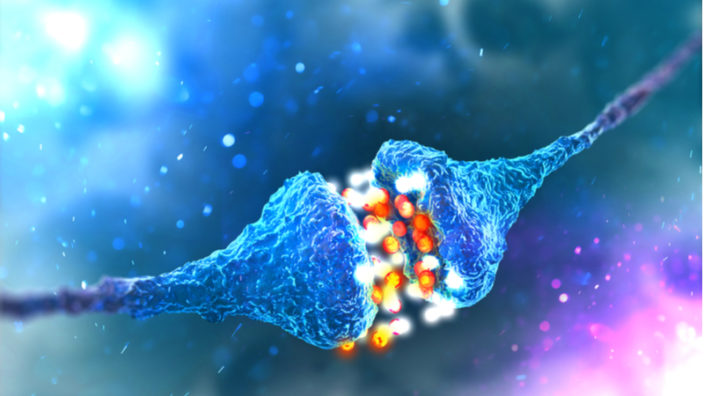
Scientists have combined the popular antibiotic rifampicin with resveratrol to create a possible preventative treatment for age-related dementias [1].

Oligomers, not plaques?

Age-related dementias, such as Alzheimer’s disease, still defy current treatment options, impeding attempts to increase human lifespan. According to the theory of competing risks, we cannot hope to meaningfully increase lifespan until all lethal diseases of aging are addressed, because if an elderly person escapes one age-related disease, such as cancer, that person will soon succumb to another disease, such as dementia. This makes finding a cure for age-related dementias a pressing issue.

These diseases have something in common: their progress is linked to the accumulation of misfolded proteins in the brain, such as amyloid-beta (Aß), tau protein, and a-synuclein. This results in the formation of plaques and tangles that appear at the clinical stage of the disease. Yet, since attempts to clear those plaques have not led to meaningful alleviation of the symptoms, researchers are beginning to suspect that the treatment should begin much earlier, at the pre-clinical stage, and target the proteins’ oligomers [2].

Oligomers are polymers with just a few elements (“oligo” means “a few” in Greek). Amyloid oligomers are formed from single amyloid molecules (monomers) and serve as building blocks for the plaques, but they are also highly neurotoxic on their own. Moreover, amyloid oligomers are now believed to be prions [3] – misfolded proteins that can induce misfolding of other molecules of the same protein in what is known as prion infection.

Finding a partner

In 2016, these researchers had shown that a well-known antibiotic, rifampicin, can inhibit the oligomerization of Aß, tau, and a-synuclein in vitro and improve cognition in transgenic dementia-prone mice [4]. Unfortunately, rifampicin can be toxic, with side effects such as liver dysfunction and unwanted drug-drug interactions. Since administering brain-targeting drugs intranasally can enhance their performance and prevent damage to the liver, the researchers chose intranasal injection as the method of delivery in this new study.

Rifampicin

Image from the authors’ 2016 paper: rifampicin prevents oligomerization and the formation of plaques

The main goal of the study was to test a possible combination treatment. The scientists searched for a compound that would be safe, counteract some of rifampicin’s toxicity, and preferably exert additional neuroprotective effects.

Screening for such a compound yielded a result that rings a bell for anyone in the longevity field: resveratrol. This geroprotective polyphenol possesses antioxidant, anti-inflammatory, and other beneficial qualities. Resveratrol also inhibits the expression of some harmful proteins that are upregulated by rifampicin, and it has considerable neuroprotective properties of its own. This led the researchers to expect that a combination of rifampicin and resveratrol could lower the toxicity and boost the overall effectiveness of the treatment.

Better together

The combination treatment was tested in various transgenic mouse models of dementia, starting when oligomer pathology and cognitive dysfunction were already detectable but still at a stage that “corresponded to the preclinical stage of neurodegenerative dementia in humans”.

Mice were divided into groups of around ten animals each that received either just rifampicin, just resveratrol, a combination, or a sham treatment. In two of the models, there were also groups that received either low- or high-dose combinations. Following one month of treatment, the cognitive function of the mice was assessed using the water maze test.

The results were encouraging and largely similar across the models. Both rifampicin and resveratrol showed neuroprotective effects, though not always statistically significant ones. As a rule, rifampicin was more effective than resveratrol. The combination treatment, however, either matched or surpassed the effect of rifampicin even at lower concentrations. This is important, since lower dosage means lower toxicity. This was confirmed by measuring liver function biomarkers (the combination treatment disrupted them significantly less). In some cases, the combination treatment was so effective in preventing oligomerization that the levels of harmful oligomers in the transgenic mice remained on par with their wild-type littermates. The cognitive function of these mice was greatly improved as well.

Interestingly, despite the cognitive improvement, there was no significant change in the abundance of amyloid plaques. According to the authors, this supports the hypothesis that anti-dementia treatments should target oligomers rather than plaques.

In the final section, the scientists outlined several criteria for effective preventive treatments of dementia. First, being long-term, such treatments should be safe and inexpensive. Second, they should be easily administered at home by the patients themselves. Finally, they should have a broad spectrum of action against various amyloidogenic oligomers (Aß, tau, and a-synuclein), because we cannot predict which type of dementia a patient will get. The authors suggest that their combination treatment answers all those criteria.

Conclusion

In a field where many pioneers have tried and failed, this study presents a fresh and clever concept of a preventative combination treatment against age-related dementias that targets oligomers rather than plaques. Among the study’s limitations are its relatively small size and the fact that the authors did not present a possible explanation for rifampicin’s neuroprotective qualities, so more research is needed to confirm the concept’s viability.

We would like to ask you a small favor. We are a non-profit foundation, and unlike some other organizations, we have no shareholders and no products to sell you. All our news and educational content is free for everyone to read, but it does mean that we rely on the help of people like you. Every contribution, no matter if it’s big or small, supports independent journalism and sustains our future.

Literature

[1] Umeda, T., Sakai, A., Shigemori, K., Yokota, A., Kumagai, T., & Tomiyama, T. (2021). Oligomer-Targeting Prevention of Neurodegenerative Dementia by Intranasal Rifampicin and Resveratrol Combination–A Preclinical Study in Model Mice. Frontiers in Neuroscience, 15.

[2] Li, S., & Selkoe, D. J. (2020). A mechanistic hypothesis for the impairment of synaptic plasticity by soluble Aß oligomers from Alzheimer’s brain. Journal of neurochemistry, 154(6), 583-597.

[3] Rambaran, R. N., & Serpell, L. C. (2008). Amyloid fibrils: abnormal protein assembly. Prion, 2(3), 112-117.

[4] Umeda, T., Ono, K., Sakai, A., Yamashita, M., Mizuguchi, M., Klein, W. L., … & Tomiyama, T. (2016). Rifampicin is a candidate preventive medicine against amyloid-ß and tau oligomers. Brain, 139(5), 1568-1586.

Hand arthritis

Osteopontin Bone Remodeling May Be Key to Arthritis

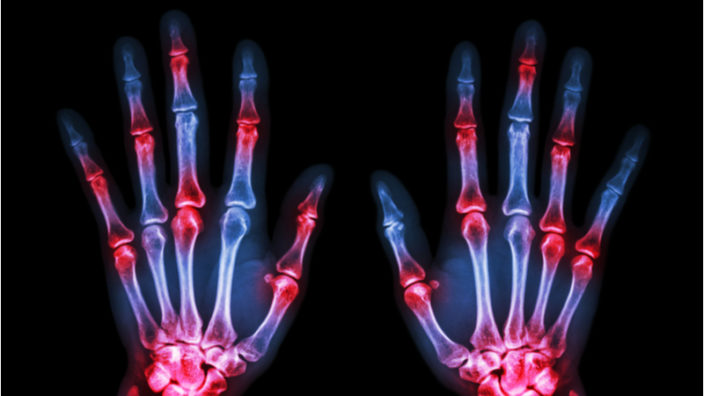
A study published in Aging has found that osteopontin’s effects on bone remodeling may be at least partially responsible for osteoarthritis.

What is osteopontin?

Osteopontin is a glycoprotein found in the extracellular matrix of bone tissue. This is a cytokine that is used in intercellular communication, and it promotes both the proliferation [1] and apoptosis (cellular death) [2] of chondrocytes, the cells responsible for forming cartilage tissue, the combined effect of which, as the researchers explain, is to promote the remodeling of subchondral bone, which is directly connected to cartilage tissue.

It is also linked to an increased expression of IL-6 and IL-8 in these cells [3], two inflammatory factors that these researchers believe may be responsible for osteoarthritis. These researchers point out that most osteopontin research is focused on this line of study, while its bone remodeling qualities have not been adequately explored. Therefore, they began this study in order to discover the link between the subchondral bone effects of osteopontin and the progression of osteoarthritis.

Osteopontin is increased in osteoarthritis

The resarchers first confirmed the fact that subchondral bone osteopontin is greater in osteoarthritis suffers than in people free from the disease. Bone samples were taken from arthritis patients undergoing knee replacements as well as a control group of people who had undergone traumatic amputation, and the arthritis patients were found to have thrice the osteopontin as the control group.

A mouse model of arthritis was utilized for a closer look. The researchers discovered even starker results than in humans; osteopontin mRNA and the number of osteopontin-positive cells were many times greater in the arthritic mice than in the control group.

With this correlation confirmed, the researchers then took a deeper dive into the effects of this compound.

Osteopontin was found to accelerate osteoarthritis

To confirm the effects of osteopontin on bone turnover, the researchers examined three groups of arthritis mice alongside a control group. One group of arthritic mice was given an empty vehicle as an injection, another group was given an antibody against osteopontin, and the final group was injected with additional, recombinant osteopontin.

The results were clear and expected. The group given additional osteopontin had worse arthritis than the untreated arthritic mice, while the group given the antibody was spared many of the effects of osteoarthritis. The subchondral bone was, as expected, heavily broken down alongside the administration of osteopontin, while the antibody group retained a more normal bone morphology.

Similar experiments also found that additional osteopontin increased the formation of blood vessels within bone, while the antibody group had fewer of these vessels; this is a strongly negative effect of osteoarthritis and leads to further joint degeneration [4]. Additional osteopontin accelerated the decline of joint cartilage that is associated with osteoarthritis, while reducing osteopontin decreased this decline.

The number of osteoclasts, cells that degrade bone tissue, was found to increase with osteopontin; interestingly, the researchers found that osteoblasts (which create bone tissue) were responsible for expressing additional osteopontin in their arthritic mouse model. The expression of osteopontin by osteoblasts has long been known to be part of the regulated process of bone maintenance [5], and it seems likely that this process has gone awry in osteoarthritis.

Conclusion

Osteopontin may be a low-hanging fruit in the treatment of osteoarthritis. While some of the signaling biochemistry was explored in this study, no osteopontin-focused treatment has yet been developed for human use. If targeting osteopontin can have the same positive effects for human arthritis patients as it did for the mice in this study, such an approach may possibly lead to an effective intervention against this crippling disease.

We would like to ask you a small favor. We are a non-profit foundation, and unlike some other organizations, we have no shareholders and no products to sell you. All our news and educational content is free for everyone to read, but it does mean that we rely on the help of people like you. Every contribution, no matter if it’s big or small, supports independent journalism and sustains our future.

Literature

[1] Liang, J., Xu, L. I., Zhou, F., Liu, A. M., Ge, H. X., Chen, Y. Y., & Tu, M. (2018). MALAT1/miR-127-5p regulates osteopontin (OPN)-mediated proliferation of human chondrocytes through PI3K/Akt pathway. Journal of cellular biochemistry, 119(1), 431-439.

[2] Yumoto, K., Nifuji, A., Rittling, S. R., Tsuchiya, Y., Kon, S., Uede, T., … & Noda, M. (2012). Osteopontin Deficiency Suppresses Tumor Necrosis Factor-a–Induced Apoptosis in Chondrocytes. Cartilage, 3(1), 79-85.

[3] Yang, Y., Gao, S. G., Zhang, F. J., Luo, W., Xue, J. X., & Lei, G. H. (2014). Effects of osteopontin on the expression of IL-6 and IL-8 inflammatory factors in human knee osteoarthritis chondrocytes. Eur Rev Med Pharmacol Sci, 18(23), 3580-3586.

[4] Suri, S., & Walsh, D. A. (2012). Osteochondral alterations in osteoarthritis. Bone, 51(2), 204-211.

[5] Sodek, J., Chen, J., Nagata, T., Kasugai, S., Todescan Jr, R., Li, I. W., & Kim, R. H. (1995). Regulation of osteopontin expression in osteoblasts. Annals of the New York Academy of Sciences, 760(1), 223-241.

Spinach leaves

Supplement Combo Boosts Working Memory in Older People

An open-access human study published in Clinical Nutrition has found that a combination of supplements is beneficial for working memory.

Identifying the dietary compounds

Specific types of eating patterns have been associated with improved memory and cognition. The authors highlight some of the specific dietary components that selectively accumulate in the brain with biochemical effects, including omega-3 fatty acid, vitamin E, and xanthophyll carotenoids [1-5].

Xanthophyll carotenoids are oxygen-carrying plant-based pigments with nutraceutical properties. For this study, the researchers chose to use lutein, zeaxanthin, and meso-zeaxanthin xanthophyll carotenoids, which can be found in many edible plants that are green, yellow, and yellow-orange and in some animal-based foods as well. Eggs and spinach are both excellent sources of lutein and zeaxanthin.

A long, placebo-controlled trial

This randomized, controlled, two-year-long trial included participants taking a combination supplement or placebo supplement of sunflower oil. The combination supplement contained 1 gram of fish oil, 22 milligrams of xanthophyll carotenoids, and 15 milligrams of vitamin E.

The combination and placebo supplement were identical in color and size, and the participants were instructed to take two capsules at a time alongside a meal. Supplements that contain fat-soluble components, such as the nutrients chosen in this study, are digested more efficiently when consumed with a meal that contains fat.

Participants checked in at the Nutrition Research Centre Ireland at the beginning of the study. They also checked at one year and again at the end of the study. Fifty out of sixty participants completed the study. To be included in the study, participants needed to be 65 years and older; have no personal or family history of memory loss, no diagnosis or symptoms of dementia, and no history of stroke; and could not currently take cognitive enhancers, supplements containing fish/cod liver, or other carotenoid supplements.

Cognitive assessments were measured with MoCA version 7.1 and RBANS form A. The MoCA is a screening used to detect cognitive impairment, while the RBANS was used as a diagnostic tool to detect cognitive improvement or decline.

More carotenoids, better memory

After 12 and 24 months, the supplement group had accumulated significant amounts of these carotenoids as measured in the skin, blood serum, and macular pigment optical volume (MPOV). MPOV is a non-invasive biomarker that determines the presence of the xanthophyll carotenoids lutein, zeaxanthin, and meso-zeaxanthin in the brain, as they also accumulate in the central retina (as “macular pigments”) after dietary consumption. In the plasma, DHA and EPA levels also improved. However, there was no change in the biomarker that the researchers used to measure vitamin E, serum alpha-tocopherol.

Using correlation statistics, the authors observed after 24 months that the participants with higher MPOV scores and participants with higher blood concentrations of lutein, meso-zeaxanthin, DHA, or EPA had fewer errors in the working memory task compared to participants with lower levels of these biomarkers.

Finally, the supplement group also out-performed the placebo group on the working memory tasks over time. Additionally, higher levels of omega-3 fatty acids in plasma were correlated with improvements on the memory task.

Conclusion

These results support a biologically plausible rationale whereby these nutrients work synergistically, and in a dose-dependent manner, to improve working memory in cognitively healthy older adults. Increasing nutritional intake of carotenoids and ω-3FAs may prove beneficial in reducing cognitive decline and dementia risk in later life.

This study was limited by its small sample size and limited demographic breadth, and the authors disclosed a conflict of interest in that they are consultants for supplement companies. It would be great to see this study done at other medical and research centers to confirm this research and determine if this is truly a promising combination supplement in helping to prevent cognitive decline and improve nutrition status later in life.

Disclaimer

This article is only a very brief summary, is not intended as an exhaustive guide, and is based on the interpretation of research data, which is speculative by nature. This article is not a substitute for consulting your physician about which supplements may or may not be right for you. We do not endorse supplement use or any product or supplement vendor, and all discussion here is for scientific interest.

We would like to ask you a small favor. We are a non-profit foundation, and unlike some other organizations, we have no shareholders and no products to sell you. All our news and educational content is free for everyone to read, but it does mean that we rely on the help of people like you. Every contribution, no matter if it’s big or small, supports independent journalism and sustains our future.

Literature

[1] Singh M. (2005). Essential fatty acids, DHA and human brain. Indian journal of pediatrics, 72(3), 239–242.

[2] Weiser, M. J., Butt, C. M., & Mohajeri, M. H. (2016). Docosahexaenoic Acid and Cognition throughout the Lifespan. Nutrients, 8(2), 99. https://doi.org/10.3390/nu8020099

[3] Craft, N. E., Haitema, T. B., Garnett, K. M., Fitch, K. A., & Dorey, C. K. (2004). Carotenoid, tocopherol, and retinol concentrations in elderly human brain. The journal of nutrition, health & aging, 8(3), 156–162.

[4] Johnson, E. J., Vishwanathan, R., Johnson, M. A., Hausman, D. B., Davey, A., Scott, T. M., Green, R. C., Miller, L. S., Gearing, M., Woodard, J., Nelson, P. T., Chung, H. Y., Schalch, W., Wittwer, J., & Poon, L. W. (2013). Relationship between Serum and Brain Carotenoids, a-Tocopherol, and Retinol Concentrations and Cognitive Performance in the Oldest Old from the Georgia Centenarian Study. Journal of aging research, 2013, 951786. https://doi.org/10.1155/2013/951786

[5] Lieblein-Boff, J. C., Johnson, E. J., Kennedy, A. D., Lai, C. S., & Kuchan, M. J. (2015). Exploratory Metabolomic Analyses Reveal Compounds Correlated with Lutein Concentration in Frontal Cortex, Hippocampus, and Occipital Cortex of Human Infant Brain. PloS one, 10(8), e0136904. https://doi.org/10.1371/journal.pone.0136904

Heart and veins

The Effects of Spermidine on Heart Mitochondria in Mice

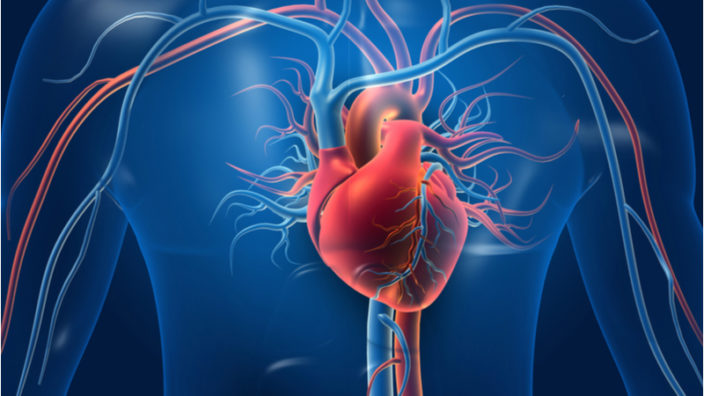
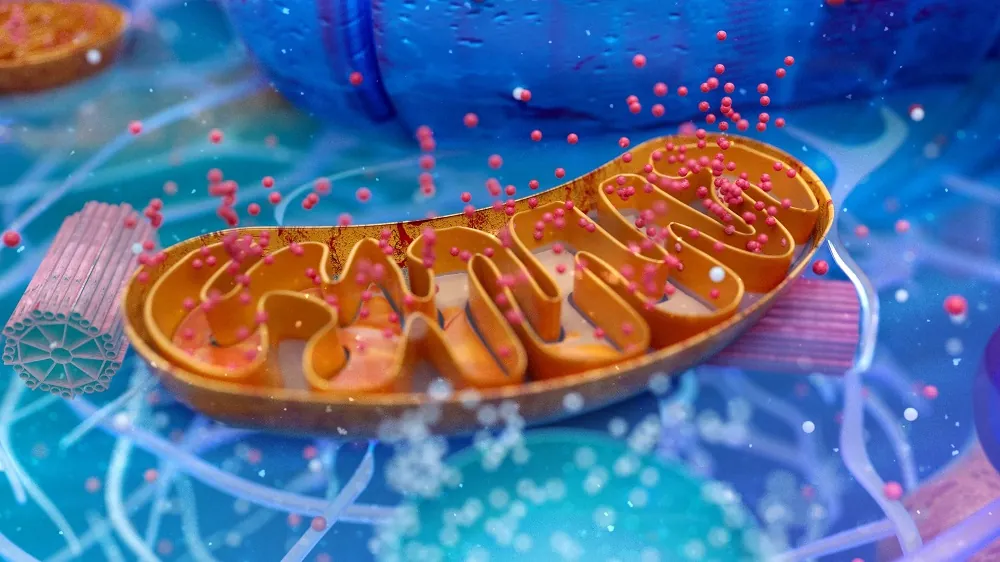
The latest research published in the Journal of Anatomy found that spermidine alters the morphology of mitochondria in aged mouse heart tissue [1].

Mitochondrial dysfunction in the aging heart

Evidence for mitochondrial dysfunction as a driver of aging has been growing in recent years. As we age, our mitochondria produce more reactive oxygen species and take on more DNA damage. Additionally, mitophagy (the cellular consumption of damaged mitochondria) is reduced and the mitochondrial fusion/fission equilibrium is disrupted, with increased fusion occurring in older animals [2-5].

Mitochondrial dysfunction may be particularly impactful in the heart, where energy demands and the number of mitochondria are much greater than in other tissues. The aging heart is central to cardiovascular disease, one of the biggest killers worldwide.

Some treatments have already been found in preclinical studies to target mitochondrial dysfunction. Spermidine treatment has previously demonstrated cardio-protective benefits, increased lifespan, and an ability to induce mitophagy and mitochondrial biogenesis [4-5].

This connection between mitochondrial dysfunction and cardiovascular aging has been well-studied by longevity researchers, but very little focus has been placed on the morphology of mitochondria. Researchers at the Hannover Medical School in Germany utilized advanced imaging techniques to analyze mitochondria in the hearts of young, aged, and spermidine-treated aged mice.

Does spermidine improve mitochondrial health?

In this study, 18-month-old mice received spermidine treatment in their drinking water for 6 months, after which they were euthanized for tissue analysis. Young (4-month-old) and aged (24-month-old) mice were used as untreated control groups, with each group containing 10 mice.

Anatomically, aged mice had enlarged left ventricles and enlarged cardiomyocytes (heart cells). Spermidine treatment did not improve either ventricle or cardiomyocyte size in old mice. Aged mice had slightly more mitochondria than young mice, but this difference was not statistically significant. Spermidine-treated aged mice had slightly more mitochondria than untreated aged mice, but this difference also was not statistically significant.

Using focused ion beam scanning electron microscopy, the researchers investigated mitochondrial organization and morphology using one mouse from each group.

In the young mouse, mitochondria were similar in size and shape. They also had a highly organized arrangement. The aged mouse had greater variability in mitochondrial size. The individual mitochondria were also in irregular geometries, and, as a group, they were more disorderly in their arrangement.

Meanwhile, the spermidine-treated aged mouse appeared to be between the untreated aged mouse and the young mouse in each of these categories. Additionally, its mitochondria had a greater maximum size than the other two groups.

Interestingly, the researchers also detected mitochondria in the aged mouse, which, in 2D, appeared to be undergoing mitophagy but were not doing so in the 3D reconstruction. This raises important questions about how mitophagy is measured using 2D imaging modalities.

In summary, the present study confirms that age-associated left ventricular hypertrophy is not accompanied by increased quantity of mitochondria. However, the autophagy inducer spermidine increased the number of mitochondria in the old mice. We propose that the observed changes of mitochondrial arrangement, especially their shape and size variation in old mice are a structural correlate of altered mitochondrial dynamics.

Conclusion

While more research on the morphology of aging mitochondria is needed, this study ultimately leaves much to be desired. Only one mouse was used in each group for the 3D reconstruction portion of the study. Therefore, there is no way to know whether the differences seen between mice were due to age, spermidine treatment, or simply individual variability.

Of course, the study does still provide value to the field. 3D morphological studies of mitochondria are few and far between, and this data provides valuable insight for other researchers to compare their results to. It also could serve as the basis for developing quantitative measurements in the future, which are much preferred to the qualitative measurements made in this study.

We would like to ask you a small favor. We are a non-profit foundation, and unlike some other organizations, we have no shareholders and no products to sell you. All our news and educational content is free for everyone to read, but it does mean that we rely on the help of people like you. Every contribution, no matter if it’s big or small, supports independent journalism and sustains our future.

Literature

[1] Messerer, J. et al. Spermidine supplementation influences mitochondrial number and morphology in the heart of aged mice. Journal of Anatomy (2021). https://doi.org/10.1111/joa.13618

[2] Lesnefsky, E.J., Chen, Q. & Hoppel, C.L. Mitochondrial metabolism in aging heart. Circulation Research (2016). https://doi.org/10.1161/circresaha.116.307505

[3] Wierich, M.C., et al. Cardioprotection by spermidine does not depend on structural characteristics of the myocardial microcirculation in aged mice. Experimental Gerontology (2019). https://doi.org/10.1016/j.exger.2019.01.026

[4] Eisenberg, T. et al. Cardioprotection and lifespan extension by the natural polyamine spermidine. Nature Medicine (2016). https://doi.org/10.1038/nm.4222

[5] Wang, J. et al. Spermidine alleviates cardiac aging by improving mitochondrial biogenesis and function. Aging (Albany NY) (2020). https://doi.org/10.18632/aging.102647

AL4I Panel

Creating Political Action to Increase Healthy Human Lifespan

A recent online discussion panel revealed some valuable insights into the political aspects of increasing healthy human lifespans. Perhaps the most exciting part of the panel involves the idea that getting politicians to support longevity/aging therapeutics might not be as hard as people may think.

Giving our field an effective political voice

On December 9th, 2021, the recently launched Alliance for Longevity Initiatives (A4LI) held its first public event! A4LI is an allied, US-based 501(c)(4) nonprofit organization that aims to provide our movement with the political and lobbying voice it needs in the United States. In order to get therapies approved, we need such an organization to engage with politicians and government agencies.

Perhaps surprisingly, there is plenty of interest in increasing healthy human lifespans in political circles, and there is an ongoing effort to standardize the industry to help smooth discussions with politicians and government agencies. The Longevity Biotechnology Association was created last year with this in mind and as a way of separating the credible research happening from the snake oil salesmen that plague it.

Once considered fringe science in past decades, it is nice to see that those days are largely behind us and that the field is increasingly regarded as a legitimate area of scientific research. Hopefully, as more human trials are launched and quality science is conducted, that perception will continue to improve and attract researchers.

Their first panel included former Speaker of the House of Representatives, Newt Gingrich; former Democratic Congressman, Steve Israel; Director of the Institute for Aging Research at Albert Einstein College of Medicine, Nir Barzilai, M.D.; Partner at the SALT Fund, Dina Radenkovic M.D.; and A4LI Chair of the Board, Sonia Arrison. The panel was moderated by A4LI’s Founder and President, Dylan Livingston.

What’s next, and how can you get involved?

Dylan Livingston took a moment to answer some follow-up questions we had from the panel.

It has been suggested that academics are largely on board about doing something about aging, investors are increasingly enthusiastic, and now the target should be policymakers next. What about the emphasis on convincing the public; should this take a backseat until the politicians/agencies are on board?

Dylan – The focus can and should be on both – the community/industry can run a public persuasion campaign while policymakers are being lobbied. A4LI, because of its 501(c)(4) designation, is going to focus mainly on policymakers for right now – that’s an unexplored avenue.

Organizations like lifespan.io are doing a great job already of public outreach and education. lifespan.io’s effort to increase public awareness will help A4LI’s ability to lobby politicians (see Steve Israel’s response in our event) and A4LI’s efforts to create pro-longevity politicians will help increase public awareness, which will drive more eyes to organizations like lifespan.io.

What are the plans for A4LI to drive change at the Food and Drug Administration? Have you considered focusing on expanding the RMAT framework, which caters to cutting-edge medical technologies?

Dylan – Creating a designation pathway for longevity/aging therapeutics, similar to RMAT, is our goal but not what we are pushing to achieve in the short-term.

In the past, some people in our community have contacted politicians about life extension but lacked a clear plan of action, which has harmed our image as a movement. What can someone who already supports the movement do right now to support political progress?

Dylan – Join our mailing list so we can deploy advocates strategically. Let A4LI decide which politicians to target and when.

Support for effective political lobbying is growing

The community appears to agree that an effective political voice is needed for our field. This became evident when A4LI recently raised over $12,000 during the Gitcoin GR12 funding round to help with its lobbying and political efforts.

We spoke to A4LI board member Keith Comito about the launch of the new non-profit life extension lobbying organization.

I am incredibly excited to see the launch of the Alliance for Longevity Initiatives, first announced at the lifespan.io EARD2021 conference, and to sit on the board of the A4LI myself. If we seriously desire to accelerate the pace of life extension research it is important that we collectively understand the related policy landscape, listen to those who live within it, and learn the ideals means by which positive change can be accomplished. At this event I was overjoyed to hear former Speaker Newt Gingrich and former Representative Steve Israel express a clear and bipartisan sentiment — that it may be easier than once thought to see significant funding applied to addressing the core mechanisms of aging, providing we chose our words with the care such an important mission deserves.

Keith is also the President of lifespan.io, and on a related note, we are fiscally sponsoring A4LI’s educational resource-related initiatives and you can support this organization with a donation if you would like to help out. You can also contact us if you want to send a wire transfer to support the Alliance for Longevity Initiatives.

Conclusion

As surprising as it might seem, as this panel shows, it may not be as hard as expected to get politicians on board. What it will need is careful planning, effective communication of the facts, and thoughtful dialogue between researchers, lobbyists, and politicians. This is where the A4LI comes in, and it could, at long last, give our movement a much-needed political voice.

We would like to ask you a small favor. We are a non-profit foundation, and unlike some other organizations, we have no shareholders and no products to sell you. All our news and educational content is free for everyone to read, but it does mean that we rely on the help of people like you. Every contribution, no matter if it’s big or small, supports independent journalism and sustains our future.
Exercising Group

Benefits of Exercise Can Be Transferred via Plasmapheresis

Scientists have transferred the neuroprotective effects of exercise to sedentary mice via plasma transfusion and identified an obscure protein that might be responsible for the effect [1].

It’s in the blood

The idea that young blood can rejuvenate old organisms is ancient. Kings and tyrants reportedly took baths filled with blood of their unfortunate young subjects in an attempt to escape death. Unlike many other beliefs of ancient medicine, this one has been sort of upheld by today’s science.

Back in 2005, a paper by Irina and Michael Conboy outlined the anti-aging effects of heterochronic parabiosis – the exchange of blood between young and old mice whose cardiovascular systems have been linked together [2]. In those experiments, old mice were rejuvenated by the young blood, while the conditions of the young mice worsened.

Later, the Conboys shifted their attention to diluting old blood plasma, which largely recapitulates the benefits of blood exchange. We have written extensively about plasmapheresis (a general term describing manipulations with plasma, such as exchange, cleansing, and dilution), including an experiment that a team of Russian biohackers performed on themselves.

Can runners help couch potatoes?

Until now, very few experiments have been conducted that involved exchange of blood plasma between similarly aged animals. In this new study, the researchers took this untrodden path, treating sedentary young mice with the blood plasma of regularly exercising mice of the same age.

Exercise is one of the most effective anti-aging interventions available today, with multiple geroprotective qualities. In particular, exercise has been shown to protect brain health and improve cognitive abilities in patients with brain trauma and dementia.

How exercise exerts these beneficial effects is poorly understood, but it has been proposed that ‘exercise factors’—secreted from muscle and other tissues into the blood— subsequently signal to the brain.

In their experiment, the researchers divided young male mice into two groups: those that had running wheels in their cages and those that did not. The mice in the first group readily used the wheel, while the “wheelless” mice had much fewer opportunities to flex their muscles. The researchers observed that 28 days of running improved various health parameters, including overall neuron survival, the number of neural stem and progenitor cells (NSPCs), and the number of astrocytes, which are glial cells that perform maintenance tasks in the brain.

Then, two groups of sedentary mice received a transfusion of plasma from either the exercising mice (RP – “runners’ plasma”) or other sedentary mice (CP – “control plasma”). Amazingly, most of the beneficiary effects of running were transferred to sedentary mice via the runners’ plasma. Mice that received RP showed a notable increase in the proliferation and survival of hippocampal cells compared with CP-recipient mice. Consistent with the effects on neurogenesis, injection of RP, but not of CP, improved learning and memory in mice in several tests, such as the water maze test.

A new name in geroprotective proteins

To understand the molecular underpinnings of those effects, the researchers used RNA sequencing to analyze the hippocampal transcriptomes of mice treated with either CP or RP. They found that RP treatment led to changes in the expression of some 2,000 genes. Some genes involved in learning and memory, such as Foxo6, were upregulated, but the most significantly affected pathway, with some 250 genes downregulated by RP, was the acute inflammatory response. To confirm the anti-inflammatory qualities of RP, the researchers used it to treat mice with artificially induced neuroinflammation, with RP causing a notable decrease in inflammation.

The researchers then identified four top proteins that were differentially expressed in RP compared to CP and depleted them from RP one by one. The depletion of only one of them – the protein clusterin -was shown to abrogate the anti-inflammatory properties of RP, whereas depleting the other three had little to no effect.

Clusterin is an “enigmatic protein” [3] that, despite being implicated in many cellular processes, has not received a lot of scientific attention. The little research that exists confirms that clusterin probably takes part in neuroprotective and anti-inflammatory processes, though there is still a lot of uncertainty about its role [4]. If further research confirms clusterin as the main transmitter of the anti-inflammatory effects of exercise, this could open a new direction in geroscience.

The researchers even conducted a 20-person experiment showing that clusterin levels were notably upregulated in the regularly exercising subjects.

Conclusion

This exciting new research proves that exercise changes blood plasma composition and that some of the beneficiary effects of exercise can be transferred between organisms via plasmapheresis. The paper also identifies clusterin as a new potentially geroprotective protein, though more research is needed to fully elucidate its function.

We would like to ask you a small favor. We are a non-profit foundation, and unlike some other organizations, we have no shareholders and no products to sell you. All our news and educational content is free for everyone to read, but it does mean that we rely on the help of people like you. Every contribution, no matter if it’s big or small, supports independent journalism and sustains our future.

Literature

[1] De Miguel, Z., Khoury, N., Betley, M. J., Lehallier, B., Willoughby, D., Olsson, N., … & Wyss-Coray, T. (2021). Exercise plasma boosts memory and dampens brain inflammation via clusterin. Nature, 1-6.

[2] Conboy, I. M., Conboy, M. J., Wagers, A. J., Girma, E. R., Weissman, I. L., & Rando, T. A. (2005). Rejuvenation of aged progenitor cells by exposure to a young systemic environment. Nature, 433(7027), 760-764.

[3] Jones, S. E., & Jomary, C. (2002). Clusterin. The international journal of biochemistry & cell biology, 34(5), 427-431.

[4] Rodriguez-Rivera, C., Garcia, M. M., Molina-Álvarez, M., González-Martín, C., & Goicoechea, C. (2021). Clusterin: Always protecting. Synthesis, function and potential issues. Biomedicine & Pharmacotherapy, 134, 111174.

Coughing

A Relationship Between Senescence and Respiratory Infections

A study published in Aging Cell has shown that senescent cells impact the way that CD4 T cells differentiate into types and that senolytics can restore this differentiation to a more youthful one.

Not all T cells are the same

CD4 T cells, often known as helper T cells due to their recruitment and signaling functions [1], perform multiple functions in fighting infection. Age-related depletion of these cells has been linked to delayed recruitment of CD8 T cells [2] along with B cells and other immune cells in influenza [3].

These cells differentiate into other subtypes. CD4 T cells that become T helper 1 (Th1) cells secrete inflammatory factors such as TNF-alpha and IFN-gamma, encouraging the proliferation of CD8 cells that fight infection [4]. T helper 2 (Th2) cells secrete factors that bring immune cells to damaged sites and encourage healing [5]. Regulatory T cells (Treg) secrete IL-10 and IGF-beta, which modulate the immune response to protect against immune overactivation [6].

These normal processes, however, are stymied by senescent cells. Prior research has shown that chemokines and cytokines change with age, harming the way that CD4 T cells differentiate [7]. While prior research has shown that senescent cells sometimes prevent the normal process of clearance by secreting IL6 and IL8 [8] as part of the senescence-associated secretory phenotype (SASP), the full effects of these cells on the immune system have not yet been eludicated.

In this study, the researchers sought to determine the existence of a causal relationship between this altered intercellular communication and the effects of cellular senescence, linking together two of the hallmarks of aging.

Influenza as a tool

The researchers used a mouse model of influenza infection and examined the CD4 cells present at 5, 7, and 9 days after the infection. The results were significantly different between young (2-3 months) and aged (19-22 months) mice, particularly on day 7. On that day, aged mice had substantially greater amounts of Treg cells, as measured by the biomarker FoxP3.

On the other hand, biomarkers of T helper 2 cells were substantially greater in younger mice. The researchers note that these cells are significant in immune resolution and a return to homeostasis after infection.

The relationship to senescence

This study has found that the cytokine TGF-beta is the driver of the increased Treg differentiation, and the researchers confirmed its effects by administering antibodies against it. Surprisingly, the researchers also found that albumin in the lungs, a marker of damage, is also decreased with anti-TGF-beta antibodies, suggesting that these excessive numbers of Tregs are themselves causing damage.

Old mice express substantially more of this cytokine than young mice in the lungs during infection, and the researchers hypothesized that this is due to excessive numbers of senescent cells. They tested this hypothesis by administering the well-known senolytic combination of dasatinib and quercetin (D+Q) to aged mice at approximately 20 days and 6 days prior to influenza infection.

The results were clear. Mice treated with D+Q had nearly no TGF-beta, and they had far fewer Treg cells than the control group. The treatment group also enjoyed substantially higher numbers of Th2 cells, similar to those of young mice.

The researchers even found this to be true when cells were taken from young mice and administered to older animals, thus exposing them to the SASP. Whether the cells’ origin was young or old, they differentiated more into Th2 cells and less into Treg cells when their older recipient was given senolytics.

Conclusion

The researchers conclude their study with the usual caveats about correlation. Given that D+Q are generally cleared within five days, it is unlikely that they were having direct, off-target effects on the T cells themselves. They also were unable to measure senescent cells and the effects of the SASP in lung tissue. Therefore, they were unable to conclusively prove the biochemical link between senolytics, the SASP, and T cell differentiation in any given mouse.

However, with that in mind, these results are certainly strongly suggestive of a causal relationship, and the researchers look forward to the answers to many additional, related questions as progress in this field continues.

We would like to ask you a small favor. We are a non-profit foundation, and unlike some other organizations, we have no shareholders and no products to sell you. All our news and educational content is free for everyone to read, but it does mean that we rely on the help of people like you. Every contribution, no matter if it’s big or small, supports independent journalism and sustains our future.

Literature

[1] Luckheeram, R. V., Zhou, R., Verma, A. D., & Xia, B. (2012). CD4+ T cells: differentiation and functions. Clinical and developmental immunology, 2012.

[2] Riberdy, J. M., Christensen, J. P., Branum, K., & Doherty, P. C. (2000). Diminished primary and secondary influenza virus-specific CD8+ T-cell responses in CD4-depleted Ig-/- mice. Journal of virology, 74(20), 9762-9765.

[3] Lefebvre, J. S., Masters, A. R., Hopkins, J. W., & Haynes, L. (2016). Age-related impairment of humoral response to influenza is associated with changes in antigen specific T follicular helper cell responses. Scientific reports, 6(1), 1-14.

[4] Strutt, T. M., McKinstry, K. K., Marshall, N. B., Vong, A. M., Dutton, R. W., & Swain, S. L. (2013). Multipronged CD 4+ T-cell effector and memory responses cooperate to provide potent immunity against respiratory virus. Immunological reviews, 255(1), 149-164.

[5] Gieseck, R. L., Wilson, M. S., & Wynn, T. A. (2018). Type 2 immunity in tissue repair and fibrosis. Nature Reviews Immunology, 18(1), 62-76.

[6] Okeke, E. B., & Uzonna, J. E. (2019). The pivotal role of regulatory T cells in the regulation of innate immune cells. Frontiers in immunology, 10, 680.

[7] Lefebvre, J. S., Lorenzo, E. C., Masters, A. R., Hopkins, J. W., Eaton, S. M., Smiley, S. T., & Haynes, L. (2016). Vaccine efficacy and T helper cell differentiation change with aging. Oncotarget, 7(23), 33581.

[8] Rodier, J. C. C. P. F., & Goldstein, Y. S. D. M. J. (2008). Senescence-associated secretory phenotypes reveal cell-nonautonomous functions of oncogenic RAS and the p53 tumor suppressor. PLoS Biol, 6(12), 2853-2868.

Rejuvenation Roundup image

Rejuvenation Roundup December 2021

2021 has come to a close, but rejuvenation biotechnology is still just beginning. Let’s see what the field has accomplished in December.

LEAF News

Christmas FireplaceHoliday Wishes from lifespan.io: lifespan.io president Keith Comito thanks the community of lifespan.io for helping to bring an end to the diseases of aging, closes out the year, and looks forward to our further growth as a non-profit organization.

EARD2021

Tim Maupin on Art and Longevity: Elena Milova of lifespan.io interviewed Tim Maupin, an NYC-based filmmaker, about the way art can help change the way society views longevity research. As Elena pointed out, before we can see large-scale implementation of rejuvenation biotechnology, we have to convince people that greatly extended lifespans are good.

Tina Woods on a Longevity Ecosystem: Elena Milova interviewed Tina Woods on the development of a longevity ecosystem, the importance of language, and the social aspects of extending lifespans.

Lifespan News

Ageless Interview: Ryan O’Shea discusses our interview with Andrew Steele, an Oxford-trained physicist turned longevity-focused computational biologist, and the contents of his book, Ageless.

Journal Club

Telomere dysfunction, aging, and susceptibility to COVID-19: We talk about a study showing how age-related telomere dysfunction due to telomeric shortening or damage triggers DDR activation, which, in turn, causes the upregulation of ACE2, the SARS-CoV-2 cell receptor. This research paper outlines one of the reasons why elderly people are more susceptible to the ongoing COVID-19 pandemic.

Rejuvenation Roundup Podcast

Ryan O’Shea of Future Grind hosts this month’s podcast, showcasing the events and research discussed here.

Education

Raw hot peppers are a source of quercetin.What Is Quercetin? A Summary of Quercetin: Found in many fruits and vegetables, quercetin may have some potential in the context of aging. Here, we take a look at this natural antioxidant and popular dietary supplement.

Advocacy and Analysis

Separating Fact from Fiction in Anti-Aging Diets: Dr. Matt Kaeberlein and colleagues recently published a review summarizing anti-aging diets as well as their misconceptions. While fasting diets have been practiced for centuries, a recent re-emergence of this research has come to the anti-aging field.

Gitcoin GR12 funding round for longevity.Gitcoin GR12 Is a Win-Win for Aging Research: In recent years, the cryptocurrency community has become increasingly interested in the drive to increase healthy human lifespans. Gitcoin introduces longevity research into its funding rounds  Gitcoin recently held its 12th funding round, and the community has chosen to raise cryptocurrency donations for aging research.

Research Roundup

Bifidobacterium Adolescentis Improves Lifespan in Animals: A new publication in Nature Aging has investigated the role of the gut bacteria Bifidobacterium adolescentis in aging and longevity.

Blood Vessels EyeNarrowed Neck Arteries Lead to Reduced Blood Flow in Eyes: Researchers publishing in GeroScience have found that carotid artery stenosis, a consequence of hypertension and a dangerous condition that is strongly associated with stroke, is linked to a lack of blood flow in the eyes.

Alpha-Ketoglutarate Decreases Biological Age in Human Study: A commercially available alpha-ketoglutarate-based supplement has been shown to roll back biological age by 7 years on average in a retrospective human study. Though metformin and rapamycin are getting most of the attention in the longevity field today, alpha-ketoglutarate (AKG) has emerged as another candidate longevity drug.

Cancer cellsBuilding a Universal Immunotherapy for Cancer: Researchers publishing in Cell Reports Medicine have described a method of using off-the-shelf, allogeneic immune cells as cancer therapy without the usual immunological risks associated with such cells.

Late-Life Treatment Extends Nematode Lifespan by Two-Fold: Scientists have managed to extend the lifespan of C. elegans nematode worms by as much as 135% by blocking an insulin-related pathway very late in life. Back in the late 80s and early 90s, experiments with C. elegans, tiny nematode worms, became one of geroscience’s first major successes, but this recent study uses a different approach.

Gene transcriptionHyperbaric Oxygen Causes Transcriptomic Changes: Transcriptomic results have been published regarding the Shamir Medical Center longitudinal study on hyperbaric oxygen therapy (HBOT), which was conducted between 2016 and 2020 on 35 healthy adults aged 64 and older.

A Case Study Shows How Cord Blood Ameliorates Progeria: A new case report published in the International Journal of Molecular Sciences highlights cardiovascular improvements in a patient with Hutchinson-Gilford progeria treated with umbilical cord blood. Hutchinson-Gilford Progeria SyndromeHutchinson-Gilford progeria syndrome, also known simply as progeria, is a disease characterized by premature aging.

Chinese LicoriceA Licorice Derivative Restores Adipose Stem Cells in Vitro: Researchers publishing in Aging have reported that licochalcone A (LA), a flavonoid that originates from Chinese licorice, restores human adipose-derived stem cells (hADSCs) in cell culture. Previous research on Licochalcone A has discovered that it has anti-inflammatory and anti-tumor effects, reduces obesity in mice, and protects against liver failure.

Viagra Identified as a Candidate Drug for Alzheimer’s: After sifting through 1,600 FDA-approved drugs, scientists have shown that Viagra is significantly correlated with lower Alzheimer’s disease risk. Viagra (sildenafil) is one of the most recognizable drugs in the world, but originally, sildenafil was studied as a heart drug.

OlivesOlive Derivative Fights Epigenetic Kidney Aging: Researchers publishing in Aging Cell have discovered how and why oleuropein (OLP), a polyphenol derived from olives, ameliorates epigenetic kidney aging.

A New Plant-Derived Senomorphic Slows Aging in Mice: Studying grape seed extract, scientists have discovered a new senomorphic compound that enhances chemotherapy and prolongs lifespan and healthspan in mice.

Stethoscope ClockEpigenetic Clock Shows Association With Cardiovascular Aging: A study published in Mechanisms of Ageing and Development has found correlations between cardiovascular aging and a measurement of epigenetic age acceleration. It suggests that some components of cardiovascular disease may be more related to measures of epigenetic age acceleration than others.

A Plant-Based Diet Is Correlated With a Less Leaky Gut: The MaPLE trial in Italy investigated whether or not increasing fruits and vegetables decreases leaky gut syndrome. This study examines increased intestinal permeability in adults 60 years and older, as age has been reported to be a risk factor for increased intestinal permeability over the age of 50.

Elderly brainOld Serum Shown to Kill Brain Stem Cells: A study published in Aging and Disease has shown how exposure to old serum causes hippocampal progenitor cells (HPCs), which form new neurons, to die. To begin their study, the researchers examined a middle-aged to old cohort ranging in age from 52 to 89.

A Vaccine for High Cholesterol Works in Mice: Researchers publishing in Cell Reports Medicine have discovered that a vaccine targeting angiopoietin-like protein 3 (ANGPTL3) alleviates dyslipidemia, a term for poor cholesterol levels, and improves outcomes in obese mice.

OsteoarthritisThe Effects of Physical Activity on Frailty: Sarcopenia, osteoporosis, and osteoarthritis are the trio of age-related diseases that affect, respectively, muscles, bones, and joints. This study shows that even low levels of physical activity are very good for all three, but exercising too much can potentially harm you.

Senolytics Improve Muscle Regeneration Only in Old Animals: A study published in Aging Cell has found divergent results between the post-injury muscle regeneration of young and old mice treated with senolytics. This study showed that infiltrating macrophages after injury become senescent in older mice and impair the healing process.

VaccinationA Potential Vaccine for Senescent Cells: The journal Nature has published a letter communication regarding a senolytic vaccination study. The researchers examined transcriptomic data and analyzed the expression profiles for two specific genes using the Gene Expression Omnibus Database.

NMN Slows Ovarian Aging in Mice: Scientists have found that long-term supplementation with NMN, an NAD+ precursor, dramatically slows reproductive aging in mice by improving mitochondrial function and alleviating senescence.

Sleeping Old ManA Link Between the Circadian Rhythm and Aging: A new study published in Aging has shown a relationship between the circadian clock, which governs our daily biological rhythms, and the changes in gene expression with age.

Senescence-induced changes in CD4 T cell differentiation can be alleviated by treatment with senolytics: Treatment of aged mice with senolytics prior to influenza infection restored the differentiation of Th cells in those aged mice to a more youthful phenotype.

Evaluation of the Anti-Aging Effects of a Probiotic Combination Isolated From Centenarians in a SAMP8 Mouse Model: The anti-aging effects of the probiotic combination may be through the regulating intestinal microbiota and inhibiting TLR4/NF?B-induced inflammation. This research provides the basis and technical support for the future production and application of the probiotic combination.

Functional rejuvenation of aged neural stem cells by Plagl2 and anti-Dyrk1a activity: Aging of neural stem cells can be reversed to induce functional neurogenesis continuously, offering a way to treat age-related neurological disorders.

Regulation of aged skeletal muscle regeneration by circulating extracellular vesicles: These vesicles play a key role in the rejuvenating effects of heterochronic blood exchange, and  Klotho transcripts within them phenocopy the effects of young serum on aged skeletal muscle.

Exercise plasma boosts memory and dampens brain inflammation via clusterin: These findings demonstrate the existence of anti-inflammatory exercise factors that are transferrable, target the cerebrovasculature and benefit the brain, and are present in humans who engage in exercise.

Small molecules for cell reprogramming: a systems biology analysis: The researchers conclude that further investigation of small molecules and their relationship with longevity regulators will be helpful for developing optimal cocktails for cell reprogramming.

Epigenetic therapy attenuates oxidative stress in bone marrow-derived mesenchymal stem cells during aging: These findings revealed novel crosstalk between histone epigenetic modification and oxidative stress during stem cell aging, suggesting the possibility of epigenetic therapy in the recovery of BMSC senescence and treatment of age-related bone disease.

Profiling epigenetic age in single cells: The researchers use a new framework, scAge, to reveal a natural and stratified rejuvenation event occurring during early embryogenesis. They provide this framework as a resource to enable exploration of epigenetic aging trajectories at single-cell resolution.

DNA methylation clocks tick in naked mole rats but queens age more slowly than nonbreeders: Epigenetic clocks revealed that breeding queens age more slowly than nonbreeders, a feature that is also observed in some eusocial insects. These results show that despite a phenotype of negligible senescence, the naked mole rat ages epigenetically.

Spermidine supplementation influences mitochondrial number and morphology in the heart of aged mice: Mitochondria of the aged mouse left ventricle exhibited changes in number and 3D ultrastructure that is likely the structural correlate of dysfunctional mitochondrial dynamics. Spermidine treatment reduced, at least in part, these morphological changes, indicating a beneficial effect on cardiac mitochondrial alterations associated with aging.

Oligomer-Targeting Prevention of Neurodegenerative Dementia by Intranasal Rifampicin and Resveratrol Combination: These results show the advantages of this combinatorial medicine with regards to safety and effectiveness over single-drug rifampicin. The findings may provide a feasible means for the prevention of neurodegenerative dementia that targets toxic oligomers.

No limit to maximal lifespan in humans: how to beat a 122-year-old record: Well-known gerontologist Mikhail Blagosklonny shows that combining anti-aging medicine with cutting-edge medical care, regardless of chronological age, will extend maximal lifespan further.

News Nuggets

Apollo logoApollo Health Ventures Closes $180 Million Fund: Apollo Health Ventures, a venture capitalist firm focusing on rejuvenation biotechnology, has raised $180 million in order to fund companies developing interventions that target age-related diseases.

Gitcoin Launches Crypto Funding Round for Longevity: Gitcoin is a platform dedicated to supporting the development of open-source Web3 software – decentralized architecture based upon blockchain technology – and the funding of  “public goods” projects that are intended to benefit everyone. Of course, one such public good is the extension of healthy human lifespan, including our own projects.

Michael and Eric With LogosNew Partnership Between Forever Healthy and Buck Institute: Yet another group has formed to advance early-stage biotechnology research. This time, the Forever Healthy Foundation, founded by Michael Greve, has formed a $5 million partnership with the Buck Institute in order to fund rejuvenation biotechnology.

NewLimit: A New Biotech Working on Epigenetic Aging: Long gone are the times when longevity biotech companies were scarce and poorly funded. Two investors, including a co-founder of Coinbase, have announced a new biotech venture that aims to solve aging by studying its epigenetic aspects.

Two miceIchor Life Sciences Acquires Woodland Biosciences, Inc.: Woodland Biosciences, which studies metabolism and cancer, has joined the holdings of Ichor Life Sciences. Ichor intends to use Woodland’s expertise and research to increase the specializations of its pharmacological division.

We would like to ask you a small favor. We are a non-profit foundation, and unlike some other organizations, we have no shareholders and no products to sell you. All our news and educational content is free for everyone to read, but it does mean that we rely on the help of people like you. Every contribution, no matter if it’s big or small, supports independent journalism and sustains our future.

Sleeping Old Man

A Link Between the Circadian Rhythm and Aging

A new study published in Aging has shown a relationship between the circadian clock and the changes in gene expression with age.

Two complex systems and four distinct species

This study begins with an introduction to two complicated topics. The first is the circadian rhythm, the biological cycle that corresponds to the day-night cycle of our planet’s rotation. The second is aging. The goal of this study is to ascertain how aging influences this rhythm, potentially offering insight into ways that it might be restored in older people, who are known to suffer from sleep disorders and related issues [1].

The researchers chose four species to analyze: humans, mice, zebrafish, and an extremely short-lived species of killifish. They then subdivided these species into mature, older, and very old groups, based on the mean lifespan of each. For example, the researchers considered 60-year-old humans to be “old”, with 75-year-olds being “very old”. “Old” mice are two years old, while “very old mice” are three. Zebrafish live slightly longer than mice, and killifish live for slightly over half a year.

An analysis of gene expression

There were 46 circadian genes that were studied, including 9 core genes. Of these genes, the system regulator per2 and its repressor dec2 were found to be differentially expressed in all four of the studied species with age. The researchers note that, in addition to their circadian effects, per2 is associated with tumor suppression [2] and dec2 is related to multiple aspects of aging, including inflammation [3].

The researchers also analyzed the differential expression of genes in particular tissues. In gene expression, the livers of mice age much more quickly than the rest of the animal, and this fact was reflected in this study as well. The brain and skin of fish The researchers suggested that this is in accordance with previous studies [4], which show that, instead of being controlled by a master regulator as in mammals, each tissue uses its own circadian clock.

Age-related variance

Not only does gene expression itself change with age, the variability of this expression also changes in many genes. However, analyzing this change in the circadian genes in these four species yielded contradictory and confusing results. For example, in humans, the expression of these genes in skin begins to vary sharply in old age, however, in very old people, it returns to a level below that of mature individuals. Gene expression in murine skin varies sharply in very old age, but the variances reported in the blood and brains of mice resemble those of human skin.

While this particular analysis shows a statistically significant link between circadian gene expression and aging, this link is far from being well understood and the researchers are unable to explain these results. Clearly, a more in-depth, longitudinal study is required.

Conclusion

Unfortunately, while this study is of scientific interest and shows a clear relationship, it is difficult to draw any conclusions from it that are related to therapeutics. It may or may not be possible to directly influence dec2 and per2, particularly in the region of the hypothalamus that controls the circadian rhythm, in order to stabilize it; however, such a control would need to be rigorously studied and carefully monitored, as these genes have many other effects.

We would like to ask you a small favor. We are a non-profit foundation, and unlike some other organizations, we have no shareholders and no products to sell you. All our news and educational content is free for everyone to read, but it does mean that we rely on the help of people like you. Every contribution, no matter if it’s big or small, supports independent journalism and sustains our future.


Literature

[1] Hofman, M. A., & Swaab, D. F. (2006). Living by the clock: the circadian pacemaker in older people. Ageing research reviews, 5(1), 33-51.

[2] Hua, H., Wang, Y., Wan, C., Liu, Y., Zhu, B., Yang, C., … & Halberg, F. (2006). Circadian gene mPer2 overexpression induces cancer cell apoptosis. Cancer science, 97(7), 589-596.

[3] Imaizumi, T., Sato, F., Tanaka, H., Matsumiya, T., Yoshida, H., Yashiro-Aizawa, T., … & Satoh, K. (2011). Basic-helix-loop-helix transcription factor DEC2 constitutes negative feedback loop in IFN-ß-mediated inflammatory responses in human mesangial cells. Immunology letters, 136(1), 37-43.

[4] Isorna, E., de Pedro, N., Valenciano, A. I., Alonso-Gómez, Á. L., & Delgado, M. J. (2017). Interplay between the endocrine and circadian systems in fishes. Journal of Endocrinology, 232(3), R141-R159.

Gitcoin GR12 funding round for longevity.

Gitcoin GR12 Is a Win-Win for Aging Research

In recent years, the cryptocurrency community has become increasingly interested in the drive to increase healthy human lifespans.

LLP Vitadao
Visit the VitaDAO website to learn how you can get involved.

Gitcoin introduces longevity research into its funding rounds 

Gitcoin recently held its 12th funding round, and the community has chosen to raise cryptocurrency donations for aging research.

Gitcoin is a platform dedicated to supporting the development of open-source Web3 software, a decentralized architecture based upon blockchain technology. One positive aspect of a decentralized system is that it makes funding of projects for “public goods” possible, which can benefit everyone.

What sets Gitcoin apart is its use of Quadratic Funding. This is an algorithmic crowdfunding approach pioneered by Ethereum co-founder Vitalik Buterin. It is designed to support multiple projects at once and allocate larger matching funds to the most popular projects.

Simply put, the system favors the projects with the largest amount of community support and amplifies the power of smaller donations. Small donations then have a much larger impact, and the matching pool puts that power to work.

VitaDAO stepped up the plate with its selection longevity projects

VitaDAO has curated an excellent selection of longevity related projects during the GR12 funding round. You can see from this chart how much each of the top longevity projects has raised during this funding round.

Longevity Grants

The VitaDAO Longevity Prize raised $175,000 from the donations and matching fund. These funds will split into smaller grants and be awarded to groups achieving specific aging research milestones.

This was inspired by the Methuselah mouse prize, which rewarded breaking the world record for the oldest-ever mouse. Such initiatives are a great way to encourage researchers to push harder and could help the field to progress faster.

The Alliance for Longevity Initiatives raised over $12,000 during the round. This is a new non-profit that provides our movement with the political and lobbying voice it needs in the United states. In order to get therapies approved, we need such an organization to engage with politicians and government agencies.

lifespan.io also had a number of projects in the GR12 funding round. Perhaps the most important is the lifespan.io Web3 project, which will bring crowdsourced clinical trials and cryptocurrency together. Almost $65,000 was raised to support this important step towards integrating aging research and cryptocurrency.

The system uses inverse quadratic funding to power decentralized clinical trials that can sidestep the bottlenecks in the traditional centralized system. Essentially it is a variation of quadratic funding designed to drive significant support to a single targeted project, as part of a community-driven platform.

The lifespan.io Mindset project was also featured and raised over $12,000 for Alzheimer’s disease research. Led by Dr. Oliver Medvedik, the Vice President of lifespan.io, this represents our first in-house research program.

The project will create a headset that generates light and sound at specific frequencies and may help to combat Alzheimer’s disease.

Medvedik Mother Alzheimer's

Traditional drug approaches to Alzheimer’s disease have yet to succeed, which makes exploring other approaches is very important. Projects like Mindset allow us to explore those other paths and determine if non-drug interventions can impact the disease. If successful, it could be life-changing for people suffering from this awful condition.

Decentralized funding for longevity research

Unfortunately, the traditional scientific grant system is competitive and suffers from a culture of risk aversion. The reticence to fund ambitious projects in favor of more modest ones is an example of this aversion to risk. Grant givers tend to favor projects that are a safer bet and have a higher chance of success.

The journal publication system also suffers from this. Publishers often favor positive results and refuse to publish negative results in the name of good optics over good science.

That said, the traditional grant system is not without some merit and it does indeed fund useful studies and projects. However, having an alternative system like this fills the gap that traditional systems cannot.

The GR12 Finale event

December 17th saw the finale of the funding round, and it was accompanied by a webinar on Youtube. Keith Comito was at the webinar and talked about the role of cryptocurrency transactions as a driving force for aging research.

Conclusion

It’s great to see a rising interest and support for more ambitious research coming from the crypto community. Digital currencies could be the catalyst for funding research differently in the near future.

Decentralized funding could prove to be a decisive factor in the pace of progress in our field in the coming years. We wholeheartedly support initiatives like Gitcoin GR12 and hope to see another funding round with longevity related projects in the future.

We would like to ask you a small favor. We are a non-profit foundation, and unlike some other organizations, we have no shareholders and no products to sell you. All our news and educational content is free for everyone to read, but it does mean that we rely on the help of people like you. Every contribution, no matter if it’s big or small, supports independent journalism and sustains our future.

Uterus

NMN Slows Ovarian Aging in Mice

Scientists have found that long-term supplementation with NMN, an NAD+ precursor, dramatically slows reproductive aging in mice by improving mitochondrial function and alleviating senescence [1].

Reproductive aging affects women relatively early in life, but like other types of aging, this one has been considered normal until recently, and no serious attempts have been made to counter it. Its manifestations include the decrease in the number and quality of ovarian follicles [2], ovarian atrophy, and altered endocrine function. Hormonal changes associated with ovarian aging are also known to increase the risk of other health problems, including cardiovascular diseases, osteoporosis, and depression. Reproductive aging should also be addressed because of its early onset in chemotherapy and radiotherapy patients [3].

NMN packs a punch

NMN is a precursor to NAD+, an important molecule that facilitates chemical reactions in cells by transporting electrons. NAD+ declines as we age, and this decline is thought to be a major underlying cause of further aging. NAD+ is especially important to mitochondrial health. Since evidence has been piling up that mitochondrial dysfunction may be responsible for ovarian aging, a group of researchers has set out to determine whether long-term supplementation with NMN can slow ovarian aging in mice. 

One group of 40-week-old female mice (analogous to 38-40 human years) began receiving NMN in moderate doses, and another was left as a control. The experiment ended when the mice were 60 weeks of age. Additionally, mice of other ages were examined for comparison.

First, the researchers determined that long-term supplementation with NMN causes no discernible toxicity in mice. Moreover, the treatment exhibited broad anti-aging and anti-inflammatory effects, improving tissue structure in several organs (heart, liver, spleen, lungs, kidney, stomach, and intestines). 

To study ovarian aging, the researchers began with the estrous cycle, the reproductive cycle that occurs in most female mammals and includes estrus (commonly known as “heat”). Humans, along with some other primate species, have menstrual cycles that lack external signs of ovulation. Reproductive health in female mice is associated with regular estrous cycles, but with age, they become increasingly irregular. By the age of 60 weeks, none of the untreated mice showed any normal estrous cycles, while a third of the treated mice did.

Reproductive aging in females is also accompanied by changes in endocrinal function, particularly by declining estrogen levels. In this study, NMN supplements increased the levels of estrogen dramatically, almost to the peak levels observed in 12-week-old mice.

The big question was, how does NMN treatment affect follicle production? In 40-week-old mice, the number of ovarian follicles dropped substantially from the peak levels observed at 12 weeks. Degradation of ovarian structure was detected as well. According to the authors, “the ovaries of 40-week-old mice entered a state of senescence”. 

In the 60-week-old treated mice, the number of follicles in various stages of maturation was several times higher than in their untreated counterparts. Ovarian follicles must undergo these stages in order to release their oocytes into the fallopian tubes. After such a release, a lump of cells called a corpus luteum forms where the follicle was. Full ovarian senescence occurs when no follicles reach the mature state, and no ovulation occurs – which is exactly what the researchers detected in the untreated 60-week-old mice. In contrast, in the 60-week-old treated group, both matured oocytes and a corpus luteum were observed, which led the researchers to believe that those aged mice may have had ovulation.

The usual mechanisms of aging

Since aging is accompanied by increased cellular senescence, the researchers tested for the protein p16, a popular senescence marker. While p16 levels in the ovaries of untreated mice had skyrocketed between the age of 40 and 60 weeks, indicating rapid aging-related senescence, NMN largely alleviated this problem.

To test the dynamics of mitochondrial function, the researchers used the mitochondria-related protein PGC-1α. Between the ages of 40 and 60 weeks, its levels dropped significantly in the untreated mice, revealing increasing mitochondrial disfunction, while in the treatment group, they remained high.

Previous research indicates that NMN increases autophagy – a housekeeping process that allows cells to dispose of various types of cellular junk [4]. A decline in autophagy has been linked to aging. To see if the increase in ovarian function had something to do with autophagy, the researchers analyzed levels of two autophagy markers – the proteins LC3B and LAMP-1 – in the ovaries, and sure enough, these levels were higher in the treated 60-week-old mice.

Conclusion

Reproductive aging is being increasingly recognized as a therapeutic target. This study supports the hypothesis that ovarian aging is driven by some of the same mechanisms as in other organs (cellular senescence, decreased mitochondrial function, and autophagy) and might react to treatments that are already known to alleviate those aspects of aging. Like some other recent studies, this one shows that long-term supplementation with NAD+ precursors works better than short-term administration.

We would like to ask you a small favor. We are a non-profit foundation, and unlike some other organizations, we have no shareholders and no products to sell you. All our news and educational content is free for everyone to read, but it does mean that we rely on the help of people like you. Every contribution, no matter if it’s big or small, supports independent journalism and sustains our future.
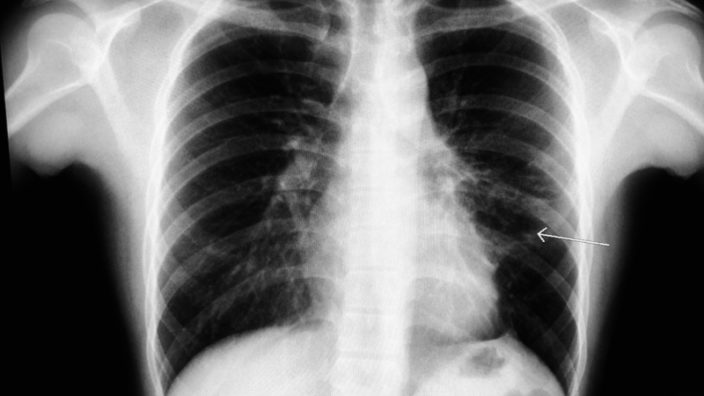
Literature

[1] Huang, P., Zhou, Y., Tang, W., Ren, C., Jiang, A., Wang, X., … & Gong, A. (2022). Long-term treatment of Nicotinamide mononucleotide improved age-related diminished ovary reserve through enhancing the mitophagy level of granulosa cells in mice. The Journal of Nutritional Biochemistry, 101, 108911.

[2] Vollenhoven, B., & Hunt, S. (2018). Ovarian ageing and the impact on female fertility. F1000Research, 7.

[3] Letourneau, J., Chan, S. W., & Rosen, M. P. (2013, November). Accelerating ovarian age: cancer treatment in the premenopausal woman. In Seminars in reproductive medicine (Vol. 31, No. 06, pp. 462-468). Thieme Medical Publishers.

[4] Yamamoto, T., Byun, J., Zhai, P., Ikeda, Y., Oka, S., & Sadoshima, J. (2014). Nicotinamide mononucleotide, an intermediate of NAD+ synthesis, protects the heart from ischemia and reperfusion. PloS one, 9(6), e98972.