The Blog

Building a Future Free of Age-Related Disease

Running mouse

Mitochondrial Calcium Uptake and Sarcopenia

A team of researchers publishing in Cell Death & Disease has found that the age-related decline of mitochondrial calcium uptake family member 3 (MICU3), a regulator of mitochondrial function, is associated with sarcopenia, the aging-associated loss of muscle.

Why mitochondria control their calcium uptake

The calcium ion, Ca2+, is vital in mitochondrial metabolism and interacts with NAD+ as part of energy production. Ca2+ is carefully regulated through the MICU family, as too much leads to overload and cellular damage, but too little leads to the mitochondria being unable to do their job. Mice that did not properly uptake Ca2+ were shown to suffer from significant frailty in previous research [1], and the same has been shown to be true for people [2].

Much previous research has been focused on MICU1, a related modulator of Ca2+, but MICU3 research is relatively new, and the researchers point to a significant investigation being published in 2019 [3]. These researchers did not find any prior investigation regarding the role that MICU3 plays in skeletal muscle.

Aging and senescence in MICU3 decline

The researchers analyzed the muscle tissue of mice and found that MICU3 levels naturally decline with age; 26-month-old mice were shown to produce less than half the MICU3 than 6-month-old mice. This corresponded to a slight, but significant, decline in overall mitochondrial calcium uptake.

Next, the researchers induced cellular senescence in C2C12, a line of murine muscle stem cells,  through the administration of D-gal, and they found similar results to the cells of naturally aged mice. In another experiment, the researchers silenced the MICU3 RNA in C2C12 cells, finding that this caused them to suffer mitochondrial dysfunction and harmed their ability to differentiate.

The value of restoring MICU3

Finally, the researchers used an adenovirus (AAV9) engineered to cause old mice to overexpress MICU3. Interestingly, an intramuscular injection of this virus affected only the muscle in question and did not markedly increase MICU3 in other muscle tissues.

The results were clear. Older mice cannot run as far as their younger counterparts, but older mice given this injection regained some of this ability. Muscle mass and function in the injected muscle was significantly improved, according to both performance and biochemical markers.

Unfortunately, while it seemed to make existing cells stronger, MICU3 overexpression did not improve the number of muscle cells, which declines during aging. However, MICU3 was instrumental in preventing cellular death due to apoptosis caused by reactive oxygen species (ROS), as shown by examination of a critical metabolic pathway.

The researchers looked more closely at this pathway, which is mediated by SIRT1, whose modulation has been extensively researched for its effects on aging. They found that SIRT1 was vital in the anti-apoptosis effects of MICU3, as blocking SIRT1 prevented this effect. Additionally, increasing SIRT1 increased MICU3, and inhibiting SIRT1 also inhibited MICU3, suggesting that MICU3 is at least partially downstream of SIRT1.

MICU3 also seemed to benefit senescent C2C12 cells, as multiple markers of muscle health were improved through its overexpression.

Conclusion

While this study seems to focus on a downstream effect of aging rather than a root cause, the insights it offers are illuminating, both in terms of piecing together the large puzzle of aging and in providing a potential therapeutic target, as the biology of MICU3 is largely unexplored. Focusing on MICU3 instead of SIRT1 might provide a more tangible benefit with fewer side effects, and a combination approach might be more effective than using either alone.

Of course, without human trials, this remains in the realm of conjecture. We look forward to future research that harnesses these findings to prove the value of an MICU3-focused intervention in human beings. If successful, such an intervention could potentially alleviate age-related frailty for millions of people.

We would like to ask you a small favor. We are a non-profit foundation, and unlike some other organizations, we have no shareholders and no products to sell you. All our news and educational content is free for everyone to read, but it does mean that we rely on the help of people like you. Every contribution, no matter if it’s big or small, supports independent journalism and sustains our future.


Literature

[1] Gherardi, G., Monticelli, H., Rizzuto, R., & Mammucari, C. (2020). The mitochondrial Ca2+ uptake and the fine-tuning of aerobic metabolism. Frontiers in Physiology, 11.

[2] Debattisti, V., Horn, A., Singh, R., Seifert, E. L., Hogarth, M. W., Mazala, D. A., … & Hajnóczky, G. (2019). Dysregulation of mitochondrial Ca2+ uptake and sarcolemma repair underlie muscle weakness and wasting in patients and mice lacking MICU1. Cell reports, 29(5), 1274-1286.

[3] Patron, M., Granatiero, V., Espino, J., Rizzuto, R., & De Stefani, D. (2019). MICU3 is a tissue-specific enhancer of mitochondrial calcium uptake. Cell Death & Differentiation, 26(1), 179-195.

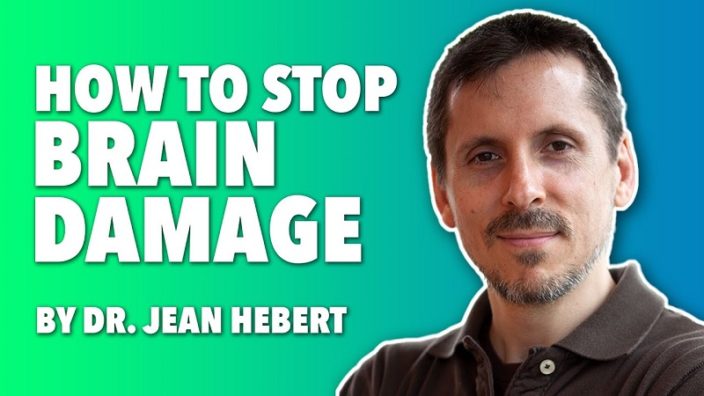
Jean Hebert at EARD2021

Dr. Jean Hébert on Brain Regeneration at EARD2021

At Ending Age-Related Diseases 2021, Elena Milova interviewed Dr. Jean Hébert on how the human brain can be restored to youthful function.

Script

Elena: Greetings to the participants of Ending Age-Related Diseases 2021. This conference brings together thought leaders and researchers working on rejuvenation biotechnology with the goal of extending healthy human life.

The supposed irrepairability of the brain has long been a concern for longevity enthusiasts. The brain is the most important organ in our body that regulates many other functions and serves as a container for our personalities. While the brain seems to be aging slower than other organs, it still does age.

What can be done to preserve its use and prevent aging? Today, I am speaking about it with Jean Hebert, a trained molecular geneticist and neural stem cell researcher, who is now a professor of neuroscience and genetics at the Albert Einstein College of Medicine in New York. Hello, Jean, happy to have you.

Jean: Thank you. Thank you for having me.

Elena: Can you please tell our audience what happens to the brain as it’s aging? What are the most common changes?

That question, you may be asking at sort of a superficial level of what happens to the brain. At some level, we all know that cognitive function declines with time. We know 90 year olds, and as sharp as they may be for a 90 year old, they’re becoming forgetful, their cognitive abilities have declined. We know this. There’s forgetfulness; everything we think of in terms of how we use our brain declines.

I think the more important underlying question, the one that’s largely ignored, and the one that’s important if we’re going to think about reversing brain aging, is the molecular damage that accumulates over time. That is very complex damage. It occurs both inside of cells and outside of cells, that I’m not talking about cellular damage, because that definition of cellular damage is sort of a result of the molecular damage.

I think more important is the molecular damage, which occurs to proteins, to DNA, of course, and in both those cases, they’ve been shown to cause, in cells in general, not just the brain, but to cause the other hallmarks of aging. These molecular forms of damage, which again, occur to protein DNA, but also to lipids and carbohydrates, are stochastic; they’re not enzymatically driven. They’re, in many cases, irreversible, and they accumulate with time, and we ignore that, but that is essentially what brain aging is.

We have great compensatory mechanisms, the brain is very plastic, and we’ll rewire, relearn, in ways that are useful to us, but at some point, the substrate is just so degraded that it’s no longer able to compensate. Then we see the effects of cognitive decline.

Well, your research is based on the assumption that brain tissue can be replaced. Can you tell our audience a bit more about that?

That assumption is based on two established findings; one has been established for a very long time, and I just mentioned that, it’s plasticity. We know that the substrates for functions in our brain can change over time. This is well documented across mammalian species, including humans, and there’s lots of examples.

That bodes very well for replacement. If a function can move from one area of the neocortex, in particular, that’s the part of our brain that we use for our highest cognitive functions and largely defines who we are as individuals. If a function can move from one part of the neocortex to another, that means that replacement, in theory, should be possible.

I’ll give one example of that, which is the movement of language. I like that example because language is very dear to us. It’s how we think, we have connotations to words that really define a lot of our behavior, and language has been shown in humans of advanced age to be able to move from one part of the neocortex to another over time.

It takes a few years, but it occurs, and it only occurs if the original language center is slowly destroyed, which can be similar to aging or degeneration. It doesn’t occur, for example, when language is destroyed very quickly due to a stroke. Plasticity does take time, but it does occur.

The other reason why I think replacement is possible is that, not only in theory based on plasticity is it possible, but in practice, the transplants that people have been doing so far, including our lab, with young precursor cells that are normally found in the developing brain only. When they’re transplanted in the adult brain, they behave like they would if they were still in the developing brain. They don’t seem to care that they’re in an adult, mature, or old environment, they still project to the right places and make the right connections.

The two of those together, the evidence that we have so far in practice, that we can replace cells, and the plasticity, saying that functions can move to those new cells, in principle, together, I think mean that brain replacement is possible if done progressively over time.

Do you think that replacing the neocortex might be enough if we do not address the aging of other parts of the brain, such as the hippocampus? Do you have ideas on how to do that?

The answer is, it’s not enough. It would be a fantastic start, because it’s the most important part of the brain, but we need to consider all parts of the brain. There’s some parts we can actually do without; people have lost certain parts of the brain. I don’t want to offend some of my colleagues who work on those parts of the brain, but the cerebellum, for example, if you completely remove the cerebellum, you’ll be uncoordinated for a while, but then you’ll compensate, you can actually live without one. Still, we should include all parts of the brain, because for optimal function, we need them all, including the cerebellum, which is different than the cerebral cortex.

All parts of the brain, we need to address and replace. The approaches will be similar for some parts of the brain. We may be able to replace them as a whole instead of progressively over time, because, again, it’s the neocortex that really defines who we are. That’s what we need to preserve in order to preserve our self-identity; for other parts of the brain, that’s less important. Their replacement may be done much more quickly.

Do you think that there is an age limit for successful brain tissue transplantation? Or maybe some disease might be a contraindication for it?

Certainly; it’s a surgical approach. As with any surgery for any part of the body, the risk increases with age. Although there are 90-year-olds that undergo brain surgery, or other types of surgery to their body, the risk is higher for them because they have less homeostasis. They’re less able to adjust to recovery, and it takes longer times.

We wouldn’t necessarily want to wait till you’re 90; in theory, there’s no limit. Of course, if you have pre-existing conditions that weaken your body, those could be mitigating factors. Eventually, we’re going to use this tissue replacement approach, initially, for indications of local damage to the brain, for example.

Initially, we’re not going to go to the clinic for aging, but hopefully, within 10, 20 years maybe, we will address senility, dementia, which is essentially aging, with this replacement. The idea is at that time, if we could start replacing, kidneys, pancreas, so that we can fix diabetes, and other things, we’ll generally be making the individual much more robust and able to sustain these surgeries, like a new heart, new lungs. At the same time, we can be implementing this progressive tissue replacement in the brain. The idea is that this will come together and will be possible even as we get older.

Yes, it seems indeed very likely. Do you think that this the same approach can work for people who have some form of physical trauma of the brain that blocks some part of the brain?

When it’s an acute form of damage, like stroke, or physical trauma, a penetrating wound to the head, to the brain, whatever tissue is damaged and lost, that function is gone, and there’s no preservation of the function at that location. What the new tissue will be able to do is provide a brain substrate that’s the equivalent of a one- or two-year-old child that can very easily really learn those functions.

For stroke, for example, that leaves people often paralyzed in half their body and unable to speak; that new tissue should allow them to regain language with the ease of a two-year-old and regain movement. That’s the idea.

For aging; we want to preserve the existing functions because that’s who we are. It has to be done more progressively. There’s a little bit more to it where you have to progressively silence the functions, the tissue that you’re going to excise in the future and then provide the new tissue close by. It’s really a replacement, not just adding tissue, because even though our brains shrink as we get older, there’s only so much new tissue we can add without eventually having to get rid of the old tissue.

Sounds really interesting. Let’s discuss a philosophical aspect of it. So many people are worried over replacing a small part of the brain, because they are afraid that with this, some part of their personality is going to be gone. Let us remember the Ship of Theseus, where every part of the ship is getting gradually replaced.

Then the question is, is the ship still the same one after everything gets replaced? How would you address those worries?

This question gets philosophical. To some extent, I think replacement is the best we can do to preserve ourselves, because again, because of this degrading substrate, all this molecular damage, if we don’t do anything, we will disappear, who we are, will disappear progressively, as we see in very old people. When we start forgetting our loved ones, it’s terrible. To counter all those forms of damage, I think replacement of tissue, not just cells, is the only way to do it.

It raises the question, at what point do we risk losing who you are by doing these replacements? It’s important to keep in mind that our brain, in particular our neocortex, the way it works, is, we’re not hardwired for who we are. It’s a very dynamic process, we learn new things every day, we forget things, new things every day that we used to know.

Things are changing all the time. The way the neocortex works is it devotes space or tissue to the functions that we need, the functions that we’re using now, things we think about and remember more regularly, so there is a risk of more quickly forgetting things that we don’t think about, which we do already, every day, “I think I know that, I can’t remember what it was.”

That might increase a little bit. The things that are important to us, the people that are important to us, the memories that are important to us, as long as we keep thinking about those, they will get transferred to the new substrate.

Again, because this is a very plastic substrate, to us, it won’t make a difference. The people who have relocated their language over time, they never noticed any difference to themselves. The people closest to them never noticed any difference in their personality, who they were.

As long as we keep using these functions, our brains will encode them. That’s really the important point to remember. It’s not like part of our brain is hardwired and we’re like a recording device and if we lose that, we lose the memory. That’s not how the brain works. It’s more fluid and plastic.

Yeah, that’s an interesting idea that we may care more about the environment and the circumstances of our lives if we want to remain the same. Then, basically what is required is for the circumstances not to change. If we move elsewhere, meet new people, learn a new language, or learn how to play a new musical instrument, it’s unavoidable that we’re going to change internally, even though we cannot really notice this. Interesting. I haven’t thought about it this way.

With this replacement strategy, because you map every part of the brain before doing any subtraction or addition of tissue, you know what’s encoded there. Brain surgeons do this all the time now, because brain surgery is done in the awake state for that reason, so that they know what they’re dealing with.

The plan is to identify beforehand, what part are you going to subtract when you progressively it silence over time, so that you can purposely be focusing on that,  for the next year, just think about it every so often to make sure that that memory gets transferred. In this way, I think there’s a better chance that you will maintain yourself and your memories that are important to you, than if you were left without doing this replacement strategy.

Thank you. That’s interesting. There has been a lot of research on regenerating neurons, but your graphs contain several types of cells, such as vascular cells and scaffold.

What’s the difference between those approaches, when you are only replacing the neurons or using this mix of cells?

I think it’s really important to think about tissue replacement as opposed to just cell replacement, because much of who we are, much of our tissue, is extracellular. We know that putting young cells in an old environment has limited benefits, because the young cells adopt an old behavior very quickly. One of the reasons why things like epigenetics, or mitochondrial replacements, or a lot of these other approaches that are focused on the cells themselves, we know that that will have limited benefits, because even if we change the epigenome of cells in an old environment, they’re still going to realize that they’re in an old environment. Just like transplanting young cells that have a young epigenome, young mitochondria, young everything, putting them in an old environment, they still behave like old cells.

I think these other approaches may have some utilities, but they’re not gonna reverse brain aging because they’re only focused on cells and what’s inside cells and not their environment, the extracellular matrix. That’s why replacing tissues is the way to go, I think that’s going to have very clear benefits.

What might be the possible problems with this therapy? For instance, can there be any potential damage to the brain? How do we avoid adverse effects from the surrounding old tissue, because whatever you do, you will still deal with the environment that is older probably than the transplant that you’re making.

That’s a good point, is the effect of the old environment on the young tissue. Again, because we’re not just putting in cells, we’re putting in the whole tissue, those cells are surrounded by the young tissue. There, they should be happy, as far as we know, and behave like young cells. That should mitigate, in part, that issue.

We know from Parkinson’s patient transplants that were started in the 80s, that even if you don’t transplant full tissues and just transplant dissociated cells, not single cells, but maybe a hundred thousand to a million cells without surrounding tissue, they can still do quite well in the human brain for decades. In postmortem tissue for some of these Parkinson’s patients, these cells still looked and were functioning well, after 16 years in one patient. At 24 years, they were starting to show pathology; that’s still over two decades, where they were still showing some benefits but now acquiring the environmental pathology of degeneration.

That was with single cells without even the tissue around them. By doing it the way we propose with the whole tissue, and not just the cells, I think we’ll be much better off. Much more than 24 years, they’ll be behaving as a young tissue. The other issues with this approach, we’ve touched upon before, like surgery. It is a surgery, and doing that in very old individuals, especially if they have pre-existing conditions, there’s a much higher risk there that we have to be aware of and plan for, either with treating these other conditions first to reverse organ aging or at least doing it in a way that gives them the greatest chance to survive and recover from the surgery.

Community members often reflect on how exactly we can beat aging, and one of the thoughts that has been discussed quite regularly is that we must probably think about replacing all of our organs one by one in order to gain some form of rejuvenation.

Do you think that this is the future of rejuvenation therapies, that rather than repairing, we must be replacing?

I do. We can do it organ by organ, but there’s alternatives as well. We’re getting to the point where tissue-engineered organs, or lab-grown organs, are getting better and better; some have already been transplanted and successfully in humans, but there’s many more that would need to be developed and are being developed for reversing aging. I’m hopeful that that will be here soon enough for us. But I think it will, progress is being made every day.

There’s also alternatives that are more shocking to people. For instance, the whole body is potentially replaceable with synthetic replacements. There’s a group at Yale that developed this system of circulating blood in the brain of a fairly big animal, a cow in this case, and keeping it alive or even reviving it after it was supposedly dead, all synthetically.

It had a filtration system that replaced kidneys, it had a heart-lung system that pulsed oxygenated, synthetic blood through the brain and then removed the the CO2 that came out of the brain through this synthetic blood. That was pretty amazing.

It’s possible, this might be scary to a lot of people, that for most of our bodies, we can replace that synthetically, certainly for limbs, right? The prosthetic limbs right now are going to very soon surpass the ability, if they haven’t already, of our biological ones. Other than biological tissue replacement, there’s also that side of things.

Even from biology itself, I know this is gonna scare even more people, but we can fairly easily imagine how if we ever wanted to go down that road, that we could replace the whole body at once. We kind of know already in animals how to grow bodies that don’t have heads, that don’t have brains, but this is a very scary topic to people and very science fictiony, but it is in the realm of possibility.

It’s actually something we can do if we wanted to, very soon, as a possibility, but I’m not too worried about the rest of the body. It’s really the brain that that is the biggest challenge.

To me, it doesn’t really sound so scary; quite honestly, I’m most scared by the fact that we will still have to wait until all of those marvels are going to be available in the clinic, because right now, we’re only speaking about a laboratory environment for such things, sadly.

Then again, if you think about it as a person that doesn’t have any other choice, when there is a fatal disease, something that is really aggressive that happens with the body and that technically, your days are counted, would it still be scary to be like living in a synthetic body with your natural biological brain? If this way, you can still live? It’s an open question. It’s just a matter of time when our society will adjust to the possibilities of innovative technologies. Most of those things that we are currently discussing as experimental treatments are going to be perceived as normal and available probably in the clinic nearby.

What’s most scary to me, just to wrap it up, is aging. I’ve had to care, a little bit, not as much as some people have, for loved ones who are old and falling apart. It’s horrible. They’re good people, and they’re suffering for years, falling apart. They really don’t deserve that. To me, aging is worse than these other alternatives that may sound scary to some people, but aging is the scariest.

I completely agree with you, sadly, same experience as everyone, I guess, had some friend, or relative, or parents, that would succumb to aging and eventually go away. All right, let us try to be more optimistic and discuss what’s going on now.

What are your plans, your goals, your area of research right now? What’s the timeline for all those things that we are currently discussing to actually become tested and then available to people?

We’re focusing first on the neocortex replacement. Again, what we develop initially will be used, in the first clinical indication, will likely be stroke, because it’s the most common form of brain damage and neocortical damage in humans.

We’re still early stage, we have some nice, early proof of concept that this should work, but we’re missing a lot of components to make that tissue functional. There’s a lot of testing that we need to do to show that this tissue can support normal behavior for the individual.

This is a very big project; there’s a lot of technologies, a lot of expertise that’s needed to ensure that the tissue functions well enough to be transplanted into a human. We’re still in the early stage. What will make a big difference, obviously, is funding so we can build bigger teams working on the different aspects of this project.

If that happens, we have an outline of what we need to do. We just don’t have the personnel yet. If we have that personnel tomorrow, then, I think, ambitiously, but not impossible, in five years, we talk to the FDA, we have our tissue, and we talk to the FDA about treating stroke. Then, it’ll take a couple of years, probably, for it to get approval for clinical trials, and then maybe another year or two after that to start seeing benefits.

As soon as we start seeing benefits from this tissue, we can expand the indications to, for example, frontotemporal dementia, which is sort of like aging, but not everywhere. It’s still the neocortex, and it’s a little more restricted. That is devastating. There’s, again, no treatment to these conditions.

I think that would be the next step. Then, it’s a natural progression from there to senility, which is essentially brain aging. At the same time, though, as we mentioned earlier, we’re going to start building tissue for the other parts of the brain. Because eventually what we want is to really be able to reverse aging.

That sounds like a great plan, but it seems like we still have to wait. Let us discuss what can we do now to preserve our cognitive function, the health of our brain, in order to live long enough to be able to benefit from those technologies.

In one of your papers, you found that an enriched environment and exercise can increase neurogenesis in certain parts of the brain. Would you recommend this as an actionable strategy to delay brain aging?

Yeah, so I would definitely recommend it because it has benefits. Exercise, enriched environment, they do wonderful things to the brain in terms of maintaining function and cognition.

I don’t know if, at all, they slow down brain aging, though. They might keep you going much better until you’re 90, 100.

At that point, your brain has still aged, and you’re still going to lose function, cognitive function. You’ll be able to, instead of the decline occurring progressively, it’ll be more asymptotic. So you’ll be high-performing for longer.

These are good things, but the important thing to point out about neurogenesis. We love hippocampal neurogenesis just as much as anybody else, but it’s a very small part of the brain it only affects. There’s no neurogenesis in the neocortex. That’s what we’ve been talking about, most important part of the brain.

The hippocampus is very important as well, but it’s small. It’s important in forming new memories. It regulates mood as well. It could potentially be replaced as a whole organ without us losing who we are. It has neurogenesis, but it’s a small part of the brain. Within it, there’s like three or four different structures. One of them is called the dentate gyrus, so it’s a smaller part of a small part of the brain.

Within the dentate gyrus, there’s a thin layer of cells that actually are stem cells that may be producing even in humans, new neurons as we go. Those cells play an important role, probably, in learning new things. Yes, environment might increase their function for, again, longer periods of time as we age, environment, exercise.

That would be a good thing, but overall, it’s not gonna impact brain aging very much. It might make us function better for longer. For that reason alone, it’s worth it. It’s worth continuing to exercise and challenge ourselves, learn new things. That’s a good thing, but it’s not the solution.

We’re not discussing this as a form of solution, rather the possibility to extend healthy life as much as possible.

We hear a lot about these endogenous stem cells. Why can’t we just, have them do more of what they do? The thing is, they give rise to a very specialized type of neuron and a very small part of the brain, and that’s all they do. We can’t really get them to fix the rest of the brain. I think it’s worth pointing that out.

Can I ask you a personal question? What do you use yourself for extending your healthy life?

I think the best thing I do for myself is exercise. I try to remain very active. I play street hockey every week with people half my age. That’s the main thing. I take antioxidants. I think that’s more of a placebo effect. I don’t think there’s very good evidence that they do much, but they make me feel better, so I take that.

Every so often, I try to fast. The health benefits of that are undeniable. In terms of extending maximal lifespan, or actually slowing the molecular process of aging, there’s no evidence for that. In fact, in mammals, it doesn’t look like it does, but the health benefits are still clear. Anything to stay healthier, while we figure out how to beat aging, I’m on board with that.

All right, anything else?

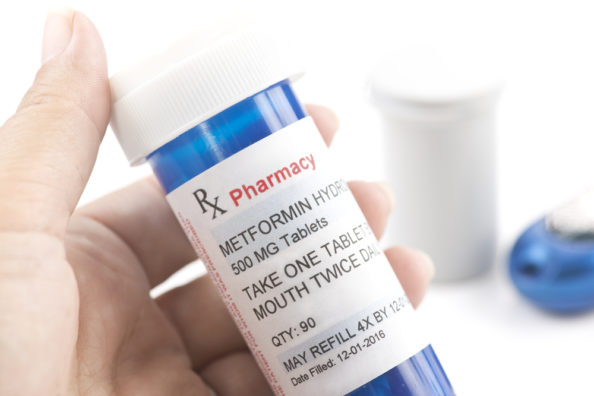
I don’t take any supplements like metformin or rapamycin or anything, which, again, I think can have benefits, depending. Certainly, if you have like, predispositions to diabetes, things like that, then it probably makes sense for people to take that. I’m lucky enough that my family history is relatively free of that, and so I’m not too worried about that.

Jean, we’re getting close to the end of our conversation, do you have a take-home message for our audience?

Stay healthy and educate yourself about what we know of what aging is. If you’re interested in longevity, in that space, whether you’re an enthusiast, or an investor, or a scientist, look at all the great work that biochemists have done for decades showing this accumulation of damage, because most people ignore that even scientists in the longevity field now.

You’ll come to realize that aging is very messy, that the damage that occurs is horribly messy and not likely to be addressed with simple pills or drugs. I think I would leave that as my main takeaway message, that we should really study what’s known about aging and include it in our approaches. Is our approach going to reverse these aspects of aging?

All right, thank you. Thank you very much for finding the time to join us at the conference. I hope you enjoy the rest of the conference, and good luck with your work.

Thank you, Elena. Thank you very much.

We would like to ask you a small favor. We are a non-profit foundation, and unlike some other organizations, we have no shareholders and no products to sell you. All our news and educational content is free for everyone to read, but it does mean that we rely on the help of people like you. Every contribution, no matter if it’s big or small, supports independent journalism and sustains our future.
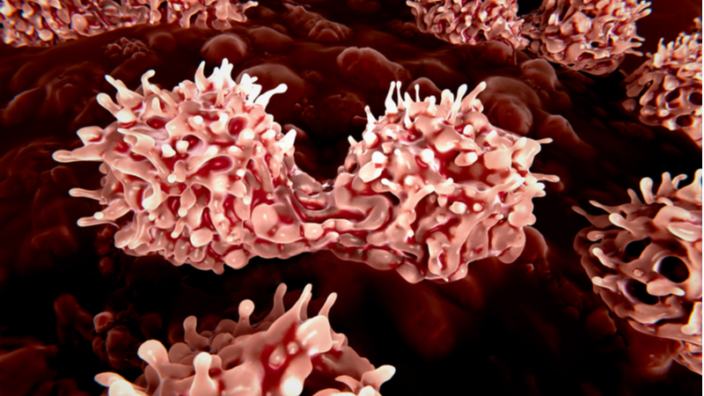
Dividing stem cells

Rapamycin Prevents Stem Cells from Growing Too Big

Researchers have found that hematopoietic stem cells lose function as they grow larger and that rapamycin can alleviate this effect [1].

When cells become obese

When it comes to cells, size matters, with stem cells being on the smaller side [2]. Scientists have suspected for quite some time that this wasn’t a coincidence, but the relationship between stem cell size and function has not been really looked into until now.

Still, there are some things we know. A couple of previous studies showed that growing stem cells to a large size decreases their proliferation potential [3]. It is also known that senescent cells are bigger than healthy cells [4].

 An interesting explanation of this relationship was proposed. Cell growth and division are not independent of each other. Before a cell divides, it increases in size so that the resulting two cells will not end up being too small. However, when a cell suffers damage that makes division dangerous, it temporarily exits the division cycle while repairs are being conducted. During this time off, macromolecules continue to be synthesized, and the cell keeps growing without being able to divide. This growth damages cellular function and might be one of the drivers of cellular senescence.

Don’t supersize me

Building on those previous findings, the authors of this new study explored how the size of human hematopoietic stem cells (HSCs) affects their function. HSCs are remarkably small, but they also proliferate like crazy, constantly rebuilding our blood system.

First, the researchers asked whether the types of damage known to reduce HSC function and induce senescence, such as DNA damage, also cause HSCs to grow bigger. DNA damage was induced in vitro by irradiation, and the affected HSCs indeed ended up being larger on average than the controls.

Does this increase in size contribute to irradiation-induced dysfunction in HSCs or simply accompany it? The researchers reran their experiment, but this time, the HSCs were also treated with rapamycin. The logic was as follows: if during cell cycle arrest, metabolism is slowed by affecting mTOR (mechanistic target of rapamycin), the abnormal cell growth might be prevented. Rapamycin, which is incidentally one of the most promising anti-aging molecules, inhibits mTOR activity and slows cellular metabolism.

During the experiment, HSCs treated with rapamycin exhibited the same amount of radiation-induced DNA damage but did not grow in size. Rapamycin also significantly rescued HSC fitness, including their proliferation potential.

The researchers also had to confirm the hypothesis that abnormal growth is caused by cell cycle arrest. They treated mice with the drug Palbociclib, which causes cells to stop dividing. After the treatment, the mean volume of HSCs in the study group was 263 fl (femtoliters), 15.5% more than in the control group, thus confirming the relationship.

In the next experiment, the researchers upregulated mTOR activity instead of downregulating it with rapamycin. This increased cellular metabolism and enabled the scientists to create large HSCs without abnormal amounts of DNA damage. Such HSCs were less fit than the controls, showing that loss of function was caused more by growth in size than by DNA damage.

Too much volume, too little ATP

Organismal aging does not spare HSCs. As the body ages, these cells grow both larger and less capable of proliferation. The researchers wanted to see whether rapamycin can alleviate this effect in vivo. When young mice were treated with rapamycin starting at week 8 of life, HCS enlargement was prevented, and these smaller HSCs demonstrated better proliferation potential than HSCs from untreated mice of the same age.

The question remains, how does this increase in size cause loss of function in HSCs? At this point, the researchers were unable to pinpoint the exact cause. They hypothesize that, as HSCs grow exceedingly large, their number of mitochondria and quantity of metabolites such as ATP decreases in relation to volume, leading to abnormal metabolism.

We show here that cell size affects the function of HSCs in vivo. Conditions known to induce stem cell dysfunction—DNA damage, cell cycle arrest, increased frequency of cell division, and aging—cause HSCs to increase in size. Preventing HSC enlargement by interfering with macromolecule biosynthesis or reducing their large size by accelerating progression through G1 prevents the loss of stem cell potential.

Conclusion

While not being specifically aging-related, this study provides exciting and important insights for the longevity field. It shows that the growth in cell size that accompanies aging reduces the fitness of hematopoietic stem cells and might be one of the mechanisms of cellular senescence. The study also discovered a potential mechanism of action of rapamycin, one of the most popular molecules in aging research. We hope that further research will answer the question of how exactly the increase in cell size leads to loss of function.

We would like to ask you a small favor. We are a non-profit foundation, and unlike some other organizations, we have no shareholders and no products to sell you. All our news and educational content is free for everyone to read, but it does mean that we rely on the help of people like you. Every contribution, no matter if it’s big or small, supports independent journalism and sustains our future.
Literature

[1] Lengefeld, J., Cheng, C. W., Maretich, P., McReynolds, M. R., Blair, M., Hagen, H., … & Amon, A. (2020). Cell size is a determinant of stem cell potential during aging. bioRxiv.

[2] Li, Q., Rycaj, K., Chen, X., & Tang, D. G. (2015, December). Cancer stem cells and cell size: a causal link?. In Seminars in cancer biology (Vol. 35, pp. 191-199). Academic Press.

[3] Neurohr, G. E., Terry, R. L., Lengefeld, J., Bonney, M., Brittingham, G. P., Moretto, F., … & Amon, A. (2019). Excessive cell growth causes cytoplasm dilution and contributes to senescence. Cell, 176(5), 1083-1097.

[4] Mitsui, Y., & Schneider, E. L. (1976). Relationship between cell replication and volume in senescent human diploid fibroblasts. Mechanisms of ageing and development, 5, 45-56.

Death sentence

p21 Expression Is a Delayed Death Sentence for Cells

Researchers publishing in Science have found that the well-known biomarker p21 starts a fatal timer for mouse liver cells.

Get better or die

As the researchers demonstrate, the cyclin-dependent kinase inhibitor p21, which is encoded by the Cdkn1a gene, is associated with its own secretome: the p21-associated secretory phenotype (PASP). Similar but not identical to the senescent-associated secretory phenotype (SASP), the PASP consists of hundreds of factors.

The most prominent of these factors is the chemokine CXCL14. This compound attracts macrophages to the area, placing the stressed cells under immunosurveillance. While the macrophages remain nearby, they do not directly interfere with the cells. Rather, these immune cells hang around the area, and it can be presumed that these cells would attempt to deal with local stressors that are harming the cells, but these guards also have another, more morbid, function.

If the stressed cells continue to express p21 after a period of four days, the macrophages switch gears. Transitioning towards the M1 inflammatory phenotype and away from the M2 phenotype associated with long-term healing, these macrophages summon T cells to the area, which proceed to attack and destroy the p21-expressing cells.

In other words, mouse liver cells that have been spurred to express p21 may safely express it in a transitory fashion, but if this condition becomes chronic, it can become a signal for immune cells to kill them.

p21 stressed cells

The differences between SASPs

In examining the PASP and how it leads to cell cycle arrest without full senescence, the researchers examined three types of senescent cells. One group of cells was driven senescent by irradiation, another group was rendered senescent through replicative division, and a third group was induced into showing a cancerous phenotype through the oncogene KRAS.

The biomarkers of each group were not the same. For example, replicatively senescent cells produced hundreds of times more p16 than either of the other types, and they produced much more p19 and p21 as well. While many inflammatory compounds were produced by all three cell types, many of these secretions were substantially different, with each group producing compounds that the other two produced much less of.

The researchers also examined the effects of these other biomarkers on the immune system. They found that cells altered to produce the senescence marker p16 and not p21 did not summon macrophages, as the p16-associated secretory phenotype did not include CXCL14. The same lack of macrophage activation was seen with p27, a cyclin-dependent kinase inhibitor similar to p21.

Conclusion

The researchers conclude their study by pointing out the relationship between p21 and cancer, suggesting that this macrophage system is a first line of defense against the proliferation of cancerous cells. Some cancer cells, however, have mutated to cease producing p21. If these harmful cells can be stimulated to once again produce this compound or CXCL14, such an approach could possibly prove useful as a tool against cancer.

This study also highlights the relationship between senescence and inflammation and explains more of the role that senescence plays in cancer prevention. It may be possible to harness this information in order to develop treatments that remove or recover dangerous cells, whether they are cancerous or senescent.

We would like to ask you a small favor. We are a non-profit foundation, and unlike some other organizations, we have no shareholders and no products to sell you. All our news and educational content is free for everyone to read, but it does mean that we rely on the help of people like you. Every contribution, no matter if it’s big or small, supports independent journalism and sustains our future.

Meditation

Meditation Practices To Combat Alzheimer’s Disease

A team of researchers, including Dr. Olga M Limecki of TU Dresden University, has published a review on the effect of mindfulness meditation and loving-kindness compassion meditation (LKCM) and proposed a model to study it [1].

Mindfulness and compassion mediation defined

One of our Science to Save the World episodes discusses what meditation does to the brain and how it can be used to increase mindfulness. Both mindfulness meditation and LKCM can foster positive feelings. According to Dr. Carol Ryff and colleagues, researchers who developed psychological well-being measurements, positive function examples include enlightened self-knowledge, purposeful engagement in life, and realization of personal aptitudes and capacities [2].

This review hypothesizes that mindfulness meditation and LKCM are protective against Alzheimer’s disease in the aging population. While meditation has been practiced for thousands of years, few randomized control studies have been done to examine its role in neuroprotection. The authors cite research showing that approximately 30 to 40% of cases of Alzheimer’s-induced dementia originate from modifiable risk factors [3,4].

One of our recent articles showed that higher education levels slow cognitive decline. The authors cite prior research showing other modifiable, non-psychological risk factors for cognitive decline, such as smoking, mid-life hypertension, physical inactivity, mid-life obesity, diabetes, hearing loss, diet, sleep issues, and financial issues. As interventions thus far have targeted most of these factors, the researchers propose a focus on psychological risk factors, including anxiety, depression, neuroticism, and repetitive negative thinking.

Human data

The review goes over many studies in regards to meditation and brain health. In regards to cognitive decline and aging, cross-sectional studies on meditation have found that older adults who have practiced meditation over a long period of time have higher levels of executive function, attention, and fluid attention than non-meditating older adults [5,6].

Due to promising observational studies on individuals who regularly engage in meditation, the authors urge that further randomized, controlled trials with larger sample sizes are needed to further elucidate the effect of mindfulness meditation on cognition and emotional regulation in older adults.

Three large randomized controlled studies were aimed at incorporating several of the modifiable risk factors into targeted interventions based on lifestyle approaches. One of these trials, called the FINGER study, showed interventions that aimed at lifestyle factors, such as diet, exercise and brain training, had a positive effect on cognition [7].

The authors of this review previously showed that in six older adults who were expert meditators had preserved grey matter volume and/or more glucose metabolism [8]. Cerebral brain volume and brain glucose metabolism decrease with age, and meditation may be used as a tool to prevent and/or delay this consequence of aging [8,9]. Additionally, many studies support that chronic stress and stress-inducing procedures can increase the activation of the hypothalamic-pituitary-adrenal axis (HPA axis), which has been associated with neurodegeneration, cognitive dysfunction, and depression [10].

The reviewers show the psychological and cognitive mechanism of mindfulness meditation and LKCM practices. The mindfulness meditation pathway downregulates repetitive negative thinking and afflictive emotions, and the LKCM pathway upregulates positive factors and pro-social mindsets. These meditation practices ultimately influence automatic processes involved in emotional appraisal, autonomic and immune systems, and the HPA axis.

The review also shows the effects of mindfulness meditation and LKCM on the brain. Both lead to a decrease in adverse and detrimental factors of aging while promoting favorable and beneficial factors. The authors specifically hypothesize a cascade effect across multiple domains, and longer time scales could show slowed or accelerated aging due to these modifiable factors.

Conclusion

The reviewers argue that ongoing research needs to examine the combination of mindfulness meditation and LKCM, and they propose that short and long interventions of mindfulness meditation and LKCM would impact Alzheimer’s disease. To test their model proposed in this review, the Medit-Aging study is an upcoming 8-week and 18-month intervention that will use pre-existing databases in order to study the effect of meditation on older adults at risk for Alzheimer’s disease. This research study is projected to be completed by March 2022. Stay tuned if you want to learn more.

We would like to ask you a small favor. We are a non-profit foundation, and unlike some other organizations, we have no shareholders and no products to sell you. All our news and educational content is free for everyone to read, but it does mean that we rely on the help of people like you. Every contribution, no matter if it’s big or small, supports independent journalism and sustains our future.

Literature

[1] Lutz, A., Chételat, G., Collette, F., Klimecki, O. M., Marchant, N. L., & Gonneaud, J. (2021). The protective effect of mindfulness and compassion meditation practices on ageing: Hypotheses, models and experimental implementation. Ageing research reviews, 72, 101495. Advance online publication. https://doi.org/10.1016/j.arr.2021.101495

[2] Ryff, C. D., Heller, A. S., Schaefer, S. M., van Reekum, C., & Davidson, R. J. (2016). Purposeful Engagement, Healthy Aging, and the Brain. Current behavioral neuroscience reports, 3(4), 318–327. https://doi.org/10.1007/s40473-016-0096-z

[3] Montero-Odasso, M., Ismail, Z., & Livingston, G. (2020). One third of dementia cases can be prevented within the next 25 years by tackling risk factors. The case “for” and “against”. Alzheimer’s research & therapy, 12(1), 81. https://doi.org/10.1186/s13195-020-00646-x

[4] Norton, S., Matthews, F. E., Barnes, D. E., Yaffe, K., & Brayne, C. (2014). Potential for primary prevention of Alzheimer’s disease: an analysis of population-based data. The Lancet. Neurology, 13(8), 788–794. https://doi.org/10.1016/S1474-4422(14)70136-X

[5] Gard, T., Hölzel, B. K., & Lazar, S. W. (2014). The potential effects of meditation on age-related cognitive decline: a systematic review. Annals of the New York Academy of Sciences, 1307, 89–103. https://doi.org/10.1111/nyas.12348

[6] Prakash, R., Rastogi, P., Dubey, I., Abhishek, P., Chaudhury, S., & Small, B. J. (2012). Long-term concentrative meditation and cognitive performance among older adults. Neuropsychology, development, and cognition. Section B, Aging, neuropsychology and cognition, 19(4), 479–494. https://doi.org/10.1080/13825585.2011.630932

[7] Ngandu, T., Lehtisalo, J., Solomon, A., Levälahti, E., Ahtiluoto, S., Antikainen, R., Bäckman, L., Hänninen, T., Jula, A., Laatikainen, T., Lindström, J., Mangialasche, F., Paajanen, T., Pajala, S., Peltonen, M., Rauramaa, R., Stigsdotter-Neely, A., Strandberg, T., Tuomilehto, J., Soininen, H., … Kivipelto, M. (2015). A 2 year multidomain intervention of diet, exercise, cognitive training, and vascular risk monitoring versus control to prevent cognitive decline in at-risk elderly people (FINGER): a randomised controlled trial. Lancet (London, England), 385(9984), 2255–2263. https://doi.org/10.1016/S0140-6736(15)60461-5

[8] Chételat, G., Mézenge, F., Tomadesso, C., Landeau, B., Arenaza-Urquijo, E., Rauchs, G., André, C., de Flores, R., Egret, S., Gonneaud, J., Poisnel, G., Chocat, A., Quillard, A., Desgranges, B., Bloch, J. G., Ricard, M., & Lutz, A. (2017). Reduced age-associated brain changes in expert meditators: a multimodal neuroimaging pilot study. Scientific reports, 7(1), 10160. https://doi.org/10.1038/s41598-017-07764-x

[9] Fjell, A. M., & Walhovd, K. B. (2010). Structural brain changes in aging: courses, causes and cognitive consequences. Reviews in the neurosciences, 21(3), 187–221. https://doi.org/10.1515/revneuro.2010.21.3.187

[10] Rossetti, C., Halfon, O., & Boutrel, B. (2014). Controversies about a common etiology for eating and mood disorders. Frontiers in psychology, 5, 1205. https://doi.org/10.3389/fpsyg.2014.01205

Oxygen tank

Effects Of Hyperbaric Oxygen Therapy On Aged Skin

Recent experiments published in the latest issue of Aging associate hyperbaric oxygen therapy with improvements in several biomarkers of skin aging.

Hyperbaric oxygen therapy (HBOT)

In HBOT, patients are exposed to higher concentrations and higher pressures of oxygen than what they experience in everyday air. Pressures are commonly twice as high as air pressure at sea level and made up of 100% oxygen. In comparison, oxygen makes up only about 21% of Earth’s atmosphere.

This rush of oxygen increases the amount that gets delivered to tissues throughout the body. A single HBOT treatment increases oxidative stress, a known contributor to aging, but repeated exposures actually decrease oxidative stress as the body acclimates [1]. In fact, it can induce many of the same beneficial effects of decreased access to oxygen, also known as hypoxia [2,3]. These beneficial effects include improvements in aging factors such as mitochondrial function, stem cell proliferation and migration, reduced telomere shortening, and reduced cellular senescence [1,4].

The FDA has approved HBOT for the treatment of necrotizing infections, decompression sickness, non-healing diabetes-related wounds, and even radiation burns [5]. It has been shown to increase angiogenesis (the formation of new blood vessels) by stimulating the expression of HIF-1a, HIF-2a, and VEGF. Recent evidence also suggests that it may reduce cognitive decline, and a study in 2020 showing that it reduced senescence and telomere shortening has gone viral in the media.

Although it has been tied to mechanisms of aging and is used most frequently to treat skin diseases, there have been few studies examining the effects of HBOT on skin aging. Researchers at Shamir Medical Center in Israel, many of whom also conducted the studies on cognitive decline, senescence, and telomere shortening, recently investigated HBOT’s effects on skin in an aged, non-pathological population [6].

Study design

13 male participants, aged 68 with a standard deviation of 2.5 years, were enrolled in the study. To be eligible, they could not display pathological cognitive decline or have experienced a stroke, heart attack, cancer, severe renal failure, uncontrolled diabetes, or pulmonary disease in the year prior to enrollment. They also could not be taking immunosuppressants, have a BMI greater than 35, or be smokers.

Skin biopsies were taken at baseline, after a three-month control period (no treatment), and again after three months of HBOT. Participants received 90-minute sessions, five times per week. Each session consisted of exposure to 100% oxygen at twice atmospheric pressure with 5-minute breaks every 20 minutes.

Several measurements of skin aging are improved after HBOT

Analysis of the participants’ skin biopsies revealed no statistically significant differences between baseline and the no-treatment controls in any of the measurements. However, follow-up after HBOT treatment revealed several changes. Elastic fibers in the skin increased in length and had reduced fragmentation after HBOT, although they did not change in their density or thickness. Collagen fibers increased in density, and the papillary layer thickness was decreased after HBOT. Collagen fiber thickness in the papillary and reticular layers did not change, nor did the thickness of the epidermis layer.

The number of both endothelial cells (CD31 positive) and blood vessels increased after HBOT. Meanwhile, senescent cells as measured by Sudan Black staining decreased. Among the measures that changed, each changed in the opposite direction that is typically observed with aging, suggesting that the participants’ skin was more youthful after the intervention.

In summary, for the first time in humans, our study indicates that HBOT can significantly modulate the pathophysiological aging effects on the skin of healthy aging adults. The demonstrated mechanisms include angiogenesis and clearance of senescent cells.

Conclusion 

It is always exciting to see a longevity treatment have beneficial effects in a human study. In these experiments, the magnitude of the differences after HBOT was quite impressive. However, the most notable limitations were the small number of participants (n=13) and the lack of a placebo control. No group went through the same procedure or thought that they might be receiving the treatment without actually receiving HBOT. Therefore, we cannot say with certainty that the placebo effect did not contribute to the differences seen after HBOT.

Several of the authors also work for an HBOT company. The researchers were blinded during their analysis, and it is highly unlikely that anything nefarious occurred. However, subtle and subconscious bias can slip into experiments even with the best of intentions. Additionally, much of the previous work on HBOT in humans has also been done by this same group. Similar experiments ultimately will need to be repeated in larger, placebo-controlled studies by other researchers before we can have full conviction in these results.

The treatment proposed is also very onerous to participants, requiring expensive equipment and 7.5 hours per week. Whether the same results can be achieved with a shorter dose, improved upon with a different regimen, or replicated with a HBOT-mimicking therapy provides interesting lines of future research. Despite these drawbacks, promising non-pharmacological treatments are underrepresented in biomedical research, and HBOT may provide an opportunity as a geroscience-motivated intervention moving forward.

We would like to ask you a small favor. We are a non-profit foundation, and unlike some other organizations, we have no shareholders and no products to sell you. All our news and educational content is free for everyone to read, but it does mean that we rely on the help of people like you. Every contribution, no matter if it’s big or small, supports independent journalism and sustains our future.

Literature

[1] Hadanny, A. and Efrati, S. The Hyperoxic-Hypoxic Paradox. Biomolecules (2020). https://doi.org/10.3390/biom10060958

[2] Sunkari, V.G. et al. Hyperbaric oxygen therapy activates hypoxia-inducible factor 1 (HIF-1), which contributes to improved wound healing in diabetic mice. Wound Repair Regen (2015). https://doi.org/10.1111/wrr.12253

[3] Yang, Y. et al. Hyperbaric oxygen promotes neural stem cell proliferation by activating vascular endothelial growth factor/ extracellular signal-regulated kinase signaling after traumatic brain injury. Neuroreport (2017). https://doi.org/10.1097/WNR.0000000000000901

[4] Hachmo, Y. et al. Hyperbaric oxygen therapy increases telomere length and decreases immunosenescence in isolated blood cells: a prospective trial. Aging (Albany NY) (2020). https://doi.org/10.18632/aging.202188

[5] Fife, C.E., Eckert, K.A., & Carter, M.J. An Update on the Appropriate Role for Hyperbaric Oxygen: Indications and Evidence. Plast Reconstr Surg (2016). https://doi.org/10.1097/PRS.0000000000002714

[6] Hachmo, Y. et al. The effect of hyperbaric oxygen therapy on the pathophysiology of skin aging: a prospective clinical trial. Aging (2021). https://doi.org/10.18632/aging.203701

Martin Borch Jensen interview

Martin Borch Jensen: Cutting the Gordian Knot of Aging

Before founding Impetus Grants, a non-profit that aims to speed up longevity research by handing out money to scientists, minus the bureaucracy, Martin Borch Jensen did his doctorate in the Bohr lab at the NIA and his postdoc at the Buck Institute, and he received an NIH Pathway to Independence award that would have enabled him to start his own lab, although he turned  it down for his own ambitiously named start-up Gordian. He also wrote a book while serving in the Danish military.

We spoke with Martin about the bold ideas behind Impetus Grants and Gordian, his view of the longevity field, and why lifespan versus healthspan is a false dichotomy.

You are a European who moved to the US, which is not uncommon in the longevity field. How does Europe compare to the US as an environment for aging research?

I think there’s quite a lot happening in Europe. There are some differences in what the most popular topics are. For example, DNA damage seems to be more studied in Europe than in the US. Part of the reason I moved here was to go to the Buck Institute, which was a choice of professor rather than of institution. The US and the Bay Area specifically is certainly the top spot for translation of science and for start-up companies, a much better ecosystem. I think that’s the main difference.

Americans are also better at putting themselves out there than Europeans are on average. As a Dane, to come here and say that you did something cool feels almost shameful, embarrassing.

Also, maybe some labs and institutes in Europe are just more isolated. They’re not putting effort into being visible. A small anecdote on that point: a lab in the US usually has a standalone website, not just on the university page, and you can see the people there and you can often find contact information for them. When I need to do that for European labs for various reasons, half the time, I can only find some info on the university website. I can’t find people’s personal emails, and then I don’t write them.

On the other hand, Europe has way better biobanks and annotated electronic health records than the US. The US is a total mess for electronic health records. They all are siloed in individual hospitals, it’s disorganized and hard to access. So, for the essential work of making biomarkers of aging, I think Europe is the place to go, at least if you need lots of samples.

I understand that you wrote a book while serving in the Danish military. What is it about and is it going to be translated? 

The book is about intermittent fasting – the concept that, in various model organisms, if you restrict their eating to certain times of day or week, like alternate days, they can live longer, and this has ties to various aging mechanisms. This was something that I had been doing in my PhD for two and a half years.

While I was still in my PhD, in 2012, a friend of a friend who was a journalist thought that this sounded really interesting. I fasted every other day, and the guy probably thought, “Oh, this person is doing something really weird, but he also has a PhD in aging, so, maybe, it’s more than just weird.”

There were some newspaper articles, and they led a PR rollercoaster, including appearances on radio and TV. At one point, another journalist who later became a coauthor of the book, talked to a publisher and said to me: “Hey, we should write a book about this thing”.

The timing just happened to overlap with my mandatory military service in the Danish air force, so I was writing on nights and weekends in Denmark. The book sold well, not quite a bestseller, but almost, but there are currently no plans to translate it, to my knowledge.

Anyway, it would have to be rewritten. In the last eight years, we’ve learned more about how intermittent fasting works, although we still, for the most part, have no idea what the appropriate regimen of fasting would be. Even if you think that the mouse data that we have should work in humans, how much and how often you’re supposed to fast is totally unknown. That was true then, and it’s still true, but if you’re using intermittent fasting to not eat too much, then it’ll probably be beneficial.

Do you still do this day-in, day-out fasting?

There’s some mental overhead of doing that; you have to schedule around it. At some point, I became so busy that I just stopped. It’s an interesting optimization problem when your job is to work on drugs for aging. If you impair your ability to do your job by any amount, you’re reducing the probability that you will live longer, even if the thing you’re doing might also let you live longer.

After your postdoc at Buck, you received a grant to study Alzheimer’s, but you gave it away to start your own company, Gordian. That’s unusual. What was the rationale behind that?

I thought, okay, I can go and start a lab and focus on this thing that the grant was about. On the other hand, what I want to do is using aging biology to make the maximum impact on human health; that’s my life mission. If I start my lab around this grant, is this the most important thing to do for addressing aging in humans? The answer was no. When will I get to work directly towards solutions that would impact humans? The answer was maybe in 10 years, after I get tenure and multiple grants. That felt too long.

It’s not that I had no doubts. I was definitely thinking about whether that made sense. I’ve been working towards a career in academia for this whole time. What are the odds that you start doing something else, and you just flub it, and then you’ve got nothing? I was encouraged by certain investors who, even before there was any notion of a company, wanted to fund me to do stuff. Then it’s less scary of a jump, right? That’s different from having money in the bank, but it was certainly helpful.

But still, no regrets, right?

For me, this was the right decision. First, because it does feel much more energizing to be working directly towards what I think has the best chance of addressing aging. Second, I personally like making sure things work, at least as much as I like going into the unknown and making new discoveries.

I have kind of this engineering mentality, plus I love working with people and having a diverse team who are focused on the same goal. That feels really good. For me, that was exactly the right time and the right choice.

Everything you do seems a bit unorthodox. As I understand, Impetus Grants was set up to fill the void between regular grants and corporations. Why is it important, and what do you expect to achieve?

With Impetus Grants, we had a couple of goals. It was obviously inspired by the COVID-19 Fast Grants, which were organized by Patrick Carlson and Tyler Cohen. The NIH put out an RFA for grants on COVID, and people would get the money in March 2020. They were like, well, that doesn’t make any sense, can we fund research in a faster way? Which they did. That’s also our idea: to do things faster with way less bureaucracy for everyone involved.

When I submitted the application for my grant, the science part was about 12 pages, and the total thing was a hundred pages of stuff: all kinds of justification, descriptions of animal procedures etc. Obviously, that took a while. It took me like a month to write that thing. I don’t know how long it took the reviewers to read it, but probably also a while.

Lots of scientists’ time is put into paperwork, in reviewing each other, etc. I’m not saying we must get rid of this all, but the more you make people write, the more you make people read, and time is spent on that. From the polls I’ve seen, most professors say that they spend somewhere between 25% and 75% of their time on writing grants and stuff.

Many people in the longevity field have this feeling of urgency, because, you know, time flies.

Right? That’s the idea behind the name Impetus. I’ve been in the aging field for 10 years now. We know a lot of things, though there are even more things that we don’t know, but let’s at least say that we want to move forward. You have to ask yourself, what is our specific goal? Is this thing the most impactful if we want to reach that goal? If it isn’t, you should be doing something else. We had identified some focus areas such as biomarkers, which are especially important because it doesn’t matter how much we study if we must wait an entire human lifetime to get answers on things.

We wanted something impactful, like this new thing, TIME-seq, where they basically took epigenetic clocks and made them much cheaper. If it’s a hundred times cheaper, everyone can use it in their studies, and you can imagine how this pulls the whole field forward. That’s the sort of thing we are trying to do with Impetus Grants.

Applications were closed November 1st. How did it go? Are you excited about the proposals you have received?

Very much so. We’ve received more than 600 applications. We have funded 43 so far, but we haven’t reviewed all the applications yet. The acceptance rate will be around 15%, which is, I think, higher than with the NIH.

There are tons of ideas out there. We looked for the good ideas that are getting ignored, and people proposed things that I hadn’t thought of, so, yes, I’m excited. I think there will be several things funded by us that will make people say, “Oh, wow, this really changed the way we see things.”

There will also certainly be grants that, whatever hypothesis they were testing – totally not the case. In that regard, we are organizing a special journal issue so that negative findings can be published.

How do you recruit sponsors for Impetus? Are those people close to the longevity field or know little about it?

The list of donors is already public. They are Juan Benet of Filecoin, Vitalik Buterin of Ethereum, Jed McCaleb, who’s also done multiple things in crypto, Karl Pfleger, a philanthropist, and Fred Ehrsam, who also comes from the crypto field.

As you can tell, we received a lot of money from people who are in crypto and who are interested in longevity. I guess that’s the type of person whom this message resonates with: let’s cut down on bureaucracy, let’s do things in a new way, let’s do usable research.

Gordian is an unusual company as well. You are building a high-throughput in vivo screening system, which, frankly, sounded like an oxymoron to me till I learned how this works. Now, I think it’s a fascinating concept. Please walk us through it.

Sure. We run multiple separate experiments in cells where we put some sort of biological perturbation in, which could be giving a drug or making a knockout or something like that, and then we ask what happens.

This is the same thing that all of biology does, but for aging and diseases of aging, there is no good in vitro system: since we don’t know how aging works, we can’t model it perfectly. We don’t even know everything we’re supposed to model.

Even for what we do know, there is no model that captures all of it except an actual aged animal. So, we wanted to run all of those experiments but in the context where aging and all the aspects of aging is present. Can we just take the entire lab and all the experiments that are being run in it and move them inside an aging organism?

The answer is yes. We do this by delivering those perturbations to individual cells rather than to all cells at once, and then we find a way to have readouts that also come from individual cells. To achieve that, we use gene therapy for the delivery side, where we can package perturbations increasing or decreasing the expression of a gene into viruses. Each virus will have exactly one perturbation, and each perturbation will have a unique DNA barcode in it. We then put them into the animal, at a very low dose, so that in a liver or a different organ, 99% of the cells will not receive a perturbation, and so, you’ll have these ‘islands’ of biological perturbation within an unperturbed, deceased system.

Then we leave it there, and we pull out those cells that were perturbed, and use single cell sequencing as what I call a pheno-target screening. We measure the phenotype of that cell, the expression of every gene, everything the cell is trying to do at the time. We can then do bioinformatics, to interpret that in the context of different cellular pathways like metabolism, mitochondrial function, inflammation and so forth.

We can use the DNA barcodes to measure which perturbation was in there. Because it’s gene therapy, we know exactly what it did. With a small molecule, you might not know what happened. You just know something happened and then you have to find the target, while we know already what the target is.

So, you’re basically doing many perturbations in one animal?

Yes, that’s right.

How much potential do you think pooled screening like this can have in the longevity field? 

First, right now there is no practical way to target “aging” as your indication, because it is a poorly defined concept with no good metrics. So, like many other companies, at the current stage at Gordian, we are targeting specific diseases of aging, including NASH [nonalcoholic steatohepatitis, an aggressive form of fatty liver disease] and osteoarthritis. For those diseases, which are complex disorders where in vivo environment matters a lot, we will be tremendously more efficient than standard drug development at identifying drugs that really work. Hopefully, that will lead to more drugs on the market that will treat these individual diseases.

Then there’s the other thing that we are hoping to do. The way the aging field works right now, people are putting individual interventions into an animal. You do this one thing to an animal, and then you read out what happens to this whole animal. We are finding some things that can extend the lifespan of animals.

The majority of those things relate to metabolism and nutrient sensing, and I suspect that anti-aging will not work the same in all types of cells of the body. Different cells will need different things. There are plenty of published examples of this already, like IGF-1 signaling – do you want it high or low? You get opposite answers: in the brain, it’s different than in spinal cord hematopoietic stem cells. Or TGF-ß signaling: do you want more or less of it? It depends: in your cartilage, you want more, in your fibrotic lungs, you want less.

If this is the case, then the interventions that we keep finding, like mTOR and FOXO (I’m oversimplifying a bit here, but we do keep finding them), interventions that have such a beneficial effect averaged across all cells that we actually see lifespan extension, may actually improve the resilience of certain cells and organs, but have negative effects in others. Then, to achieve really big results in terms of lifespan, you’re going to need targeted perturbations in specific contexts, you need to optimize the system. Currently, there are not many ways of doing that.

The platform that we’ve developed at Gordian enables us to see different perturbations in specific contexts and cell types. In a sense, aside from being a successful company (hopefully), it is also, a sort of backup plan for the entire field.

That means, if we fail to find silver bullets, if mTOR or partial reprogramming or whatever is not a silver bullet that will rejuvenate the entire body efficiently, and we’ll need to do many small things in combination, then we’ll have a platform for that.

This is really exciting. And you want to make the technology available, right?

On one hand, Gordian is a company that has a unique technology that others don’t have. In order for us to exist as a company, if someone wants to use that technology, they have to give us a bunch of money.

On the other hand, we are not the only people in the world who are trying to do this. It’s a small group, but there are other academics who are doing these kinds of methods more for biological understanding. Once you show that it’s possible, it becomes crazy to not be looking for drugs in this way.

I think, 10 years from now, this is going to be a standard part of drug development workflows, and big companies will be doing that. In that sense, it probably should and will become a commonly accessible thing.

I do appreciate the name choice for Gordian, but could you explain it in your own words?

I had spent close to 10 years in academia trying to understand all of aging. There’s one approach to fixing something, which is to understand exactly how it works and then go in and do exactly what is needed, but we’re not going to fully understand the complexity of aging in the next 10 years.

So, what’s the other approach? Instead of trying to untie this incredibly complex knot of biology, what is the cheat code? How can you cut this Gordian knot? And of course, the answer we came up with is: find out what answer you want and in what context you want that answer in, and then find a way to ask a whole lot of questions. It’s about tackling the problem in a different way.

It’s inspiring, but let’s hope it doesn’t turn out to be wishful thinking. Would you say you’re out of the woods with that?

Yes, the platform works. We’re still pretty stealthy, but we have done some conference presentations et cetera, so it’s no secret that we have actually done this. We really are doing in vivo screening.

We’ll be closely watching you, of course, and I wish you a lot of luck. Now, you seem to have a holistic view of the situation in longevity research. Can you share it with us?

As I mentioned for Impetus Grants, I don’t pretend to know everything, I don’t have a master plan to do all the right things, but I do have thoughts and ideas. We’ve already talked about biomarkers. It’s just so obvious that we need biomarkers that actually work. That’s fortunately an area where many people are working, so that’s not what I’m focusing on.

I call myself a systems biologist, because I think what happens in aging is unlikely to be any single process. Take my PhD thesis that was in DNA damage repair. There is this DNA damage theory of aging – that it sorts of leads to all of aging. Already during my PhD, it was obvious to me that this was not the case. We were doing DNA damage repair, but those guys over there were doing metabolism, and they too could make mice live longer, and other people were doing some third thing.

You could argue that each of these things cause something, and they are linearly additive, but I don’t think it’s true, for two reasons. One is that if you look at biology in general, how many things are linear? It’s the minority, right? Much more often you have threshold effects, nonlinear synergies and so forth. So, biology is generally non-linear. And the only reason that we choose to sort of ignore this is because that makes it really hard to do anything.

Say, there are different hallmarks of aging, and if only we could address them all individually, then we’ll just add all those things up in a system. But people have tried. It’s not like nobody has tried to simultaneously target this pathway and that pathway. Sometimes it works, but more often it doesn’t. We don’t see that everything that works just adds up linearly.

Personally, I think that aging is better understood as a sort of an information system’s decline where you have different parts and different signals. It’s signal-to-noise ratio. You get this desynchronization of parts that are supposed to work closely together, and then you get a decline. Why does everyone have multiple aspects of aging going wrong? Why is it that if you fall and break your hip, or if you have one disease, you are now at much greater risk for different features of aging? It’s because the system is interconnected.

So, that’s my personal take on this thing we call aging that nobody has a real definition for. I see it as systems-level information decline. And if this hypothesis that I have and some other share is correct, then we need different tools. Biology has lived in the reductionist study era for a long time because that’s what’s worked for the most part.

I’ve done all that work as well, like genetic screens and epistasis experiments, but it’s like something you see in a textbook: gene, arrow, gene, arrow. And we know that’s not true. We know there are all those other arrows. But we still work in this linear world because we don’t have the tools to do it differently. This is what we are trying to change.

You strike me as a bold and imaginative person. What is the limit for the longevity field? Do you think we’ll ever be able to drastically increase human lifespan? 

I don’t know if we’re going to wipe ourselves out in a nuclear Holocaust, but if not, I’m pretty sure that sometime between 50 to 5,000 years we will attain sufficient mastery of biology so that our bodies will be sustainable, existing in a homeostatic state.

If we will even have bodies.

Right, who knows? In the very long run, there is no doubt that we will have enough control over biology to make people not immortal, but ageless, with mortality risks not increasing with age. Will we get there in the next 20 years? Nobody knows, and it doesn’t even seem a useful discussion to me.

Do people want to have effective treatments for multiple diseases at once? Everyone would probably say yes. Do you want treatments that you take before you get the disease instead of treating the symptoms after you get the disease? Yes. Do you want that done in the most efficient way possible? Again, yes. Well, then we’re looking for geroprotectors or whatever you want to call them, right? There are all those false dichotomies, like lifespan vs healthspan. Look at the studies: are these things correlated? Yes. The vast majority of interventions that extend lifespan also extend healthspan.

I don’t think most of these questions have any practical implications. It’s mostly metaphysics. Let’s just go solve problems and make health better in the most efficient way. We know we’ll have to do this by targeting the fundamental mechanisms of aging. If we solve everything, we can ask people: okay, you’ve lived a hundred of extra years in good health, do you want some more of this, or do you want to die tomorrow? I think they’re going to want a few more years.

We would like to ask you a small favor. We are a non-profit foundation, and unlike some other organizations, we have no shareholders and no products to sell you. All our news and educational content is free for everyone to read, but it does mean that we rely on the help of people like you. Every contribution, no matter if it’s big or small, supports independent journalism and sustains our future.
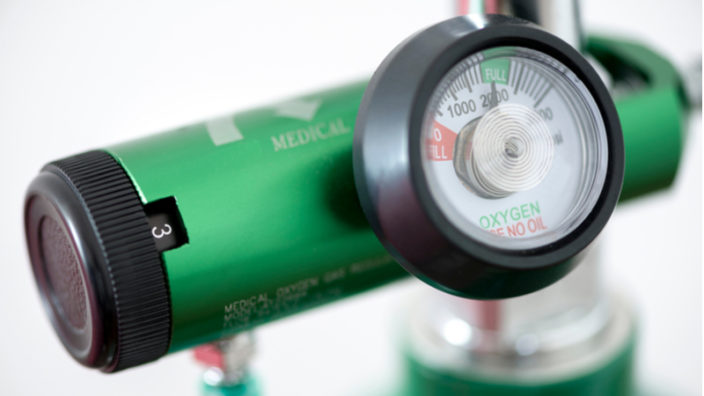
LBA Logo

The Longevity Biotechnology Association: A United Voice

The launch of the Longevity Biotechnology Association (LBA), announced on November 17th in London, looks like a tectonic shift for the longevity field. We have asked some of the founders about the rationale behind this unprecedented initiative and how it can change geroscience.

A triple association

“A scientist, a CEO, and an investor walk into a bar…” This is not very far from how LBA was actually created: an association of three overlapping but distinctive groups: academia, industry, and investors.

According to James Peyer, CEO of Cambrian Biopharma and one of the founders:

The LBA idea started when a few of us including Jim Mellon (co-founder of Juvenescence) and Mehmood Khan (CEO of Hevolution Foundation and former CSO of PepsiCo) were doing a panel conference on Zoom together and were asked about how the biggest longevity biotech companies could collaborate. We decided to think very seriously about it and realized there were a few topics: defining what a longevity biotech company is, helping to set standards for clinical trials that would benefit everyone, and promoting education. We decided to create a nonprofit forum to collaborate on those topics. It was Jim who first said, “We will do this thing!”

What came out of this conversation was the most serious attempt to date to organize the longevity field around certain basic needs, values, and ideas in order to propel it forward.

The list of founding members is impressive. It includes Nir Barzilai of the Albert Einstein College of Medicine; Joe Betts-Lacroix, CEO of Retro Biosciences; Laura Deming, founder and partner at the Longevity Fund; Kristen Fortney, CEO of BioAge; Michael Greve, founder of the Forever Healthy Foundation; Brian Kennedy, former President and CEO of the Buck Institute; Nils Regge, co-founder at Apollo Health Ventures; David Sinclair, co-director of the Center for Biology and Aging at Harvard Medical School; Matthias Steger, CEO of Rejuveron Life Sciences, and Sergey Young, founder of the Longevity Vision Fund.

United we stand

We have already seen a few somewhat similar initiatives. However, LBA will likely be larger than its counterparts, as it intends to serve as a united “voice for the industry,” as Kristen Fortney puts it. According to her, LBA should be able:

to reach consensus about the best ways to evaluate aging in a clinical context and then speak directly to regulatory bodies like the FDA to encourage them to adopt policies that help bring drugs to market as safely, effectively, and rapidly as possible.

However, the longevity field is diverse, and there is a lot of difference of opinion when it comes to even defining aging, not to mention treating it. As Fortney explains,

I don’t want to understate the diversity of this group, there are a lot of perspectives and approaches represented here, but there are two key points of agreement. First, we want to increase public and government awareness of the enormous unmet need related to diseases of aging, the vast potential of longevity biotech to meet this need, and to change the regulatory landscape in order to bring medicines to people as soon as possible. Second, we all believe that we can and should try to prevent and cure age-related diseases, not just manage the symptoms.

James Peyer echoes this on Twitter as follows:

I love the incredible community of leaders in our field – brilliant people from all over the world, diverse backgrounds, different ages – united around a single mission:

Reducing the incredible suffering experienced by older people and the loss of the bereaved

Three major roles

From what the founders are saying, it looks like LBA will be playing three major roles: as a concerted voice of the longevity field vis-à-vis regulatory bodies and other stakeholders; as the hub for collaboration between its three major elements (academia, companies, and investors); and by setting standards for the entire field.

For instance, one of the hottest areas in geroscience is the development of biomarkers of aging. Before the first biomarkers were invented, there was no way to measure the anti-aging effect of interventions in long-lived species, including humans. Today, epigenetic clocks that measure biological age are into their second generation, and many other biomarkers of aging have been proposed. Standardizing them would be another major leap that might greatly accelerate the development and approval of anti-aging therapies. According to LBA’s founders, this is one of the pressing issues that the association will pursue. “If every group had their own biomarkers, it would hurt the field,” explains Peyer.

Yet another area of collaboration, according to Peyer, is “the sharing of data that will ultimately lead to approvable endpoints for running multi-disease prevention trials.” It is important to understand what Peyer means by that. Biomarkers of aging might be a good initial measure of success, but for human clinical trials, we need something more substantial. We can’t wait for the study participants to die of old age, so how can we be sure that an intervention is working?

Multi-disease prevention trials, such as Treating Aging with Metformin (TAME), a pioneering human trial with Barzilai as its lead scientist, provide an answer. TAME seeks to prove that metformin, one of the most promising anti-aging drugs, can delay the onset of several age-related diseases at once (hence “multi-disease prevention”), since this is exactly what an anti-aging intervention should be able to do. In his tweet about the launch, Barzilai said that “the LBA understands the promise of TAME in recruiting investment to biotech.”

The time was ripe

Why did a large-scale initiative like this only appear today? According to Fortney,

The science had to come first; in order to have a Longevity Biotech Association, longevity biotech had to exist. The biology of aging has come of age and started to bear fruit – the first wave of aging therapies is already in the clinic. There’s more of a need for LBA today than there was 10 or 20 years ago because, although the potential of the field was recognized, the drugs simply didn’t exist yet.

Fortney also mentions “the exponentially growing amount of human data”. The lack of such data impeded the development of the longevity field for years. Today, the avalanche of data coming from various sources, including longitudinal studies and wearable devices, can power a new generation of studies.

Many people in the field share this strong feeling that the tide is turning on all fronts, be it research, regulation, policy, or investments. “There is a wave to target aging,” Barzilai says. “It’s huge, and it has to include lots of potential players – politicians, journalists, lobbyists, doctors, scientists, which is why we need strong leadership to sustain and move things rapidly.”

The LBA is a clear sign that the longevity field is ready to be taken seriously and start making some real impact. After decades of being on the outskirts of medicine, geroscience may have finally acquired the critical mass for explosive growth, which LBA will hopefully be able to direct and facilitate.

You may also this video about the LBA launch by the Lifespan News team.

We would like to ask you a small favor. We are a non-profit foundation, and unlike some other organizations, we have no shareholders and no products to sell you. All our news and educational content is free for everyone to read, but it does mean that we rely on the help of people like you. Every contribution, no matter if it’s big or small, supports independent journalism and sustains our future.
Amyloid tangles

Steps Towards a Vaccine for Alzheimer’s Disease

A team of researchers publishing in the Nature publication Molecular Psychiatry has described how a newly discovered interaction of amyloid beta (Aβ) is being used in the development of a vaccine for Alzheimer’s disease.

A specific antibody for truncated Aβ

The biochemistry of Alzheimer’s is extremely complicated. Aβ is not always one molecule with a consistent shape; rather, it comes in multiple forms of varying lengths. Targeting the full-length version of Aβ has not proven particularly successful as a clinical strategy, so these researchers have chosen to target the shorter (N-truncated) forms of Aβ.

These shortened variants have been noted as being abundant in the brains of Alzheimer’s patients [1], and their toxic effects have been researched [2]. Previous research had discovered that the antibody NT4X was able to target some of these N-truncated forms [3], and in this paper, the researchers describe how TAP01, a family of antibodies, can be used to target these forms.

A never-before-seen interaction

In this paper, the researchers go extremely deep into the fundamental interactions between a specific form of Aβ and the TAP01 antibody. This “hairpin” formation, which forms when it is bound by TAP01, has never been described in previous research.

The researchers capitalized on their discovery by immunizing a mouse model of Alzheimer’s disease with a cyclic, partial version of Aβ. They found that the mice developed antibodies as a result and that their amyloid plaque levels were closer to those of wild-type mice, which do not develop Alzheimer’s disease. The researchers then injected another group of mice with TAP01_04, a humanized variant of TAP01, and received similar results through this passive immunization. 

Significant benefits

Both active and passive immunization were shown to be highly effective in preserving neuron numbers and cognition. Treated mice had roughly twice the number of neurons in the CA1 region of the hippocampus, and their performance on the Morris water maze test was much better than that of their untreated counterparts.

Active immunization was also found to be beneficial in stabilizing blood glucose metabolism. Treated Alzheimer’s mice were slightly better at this than their untreated counterparts, although they were still substantially outperformed in this area by wild-type mice.

Conclusion

First and foremost, it is important to note that this antibody is, and is intended to be, specific to this soluble version of circulating amyloid beta and does not react with the existing tangles present in the brains of Alzheimer’s patients. This has positive ramifications, as the researchers point out: it increases its bioavailability, as the antibody does not get trapped inside tangles, and thus reduces the chance of dose-limiting side effects.

The researchers suggest that both active and passive immunization are potential treatment modalities for Alzheimer’s disease and that both should be explored in human clinical trials. If the passive method is shown to have clinical benefit and passes such trials, it will represent a breakthrough in treating Alzheimer’s; if active immunization is shown to be beneficial for human beings, it will represent an actual vaccine for Alzheimer’s disease.

We would like to ask you a small favor. We are a non-profit foundation, and unlike some other organizations, we have no shareholders and no products to sell you. All our news and educational content is free for everyone to read, but it does mean that we rely on the help of people like you. Every contribution, no matter if it’s big or small, supports independent journalism and sustains our future.

Literature

[1] Portelius, E., Bogdanovic, N., Gustavsson, M. K., Volkmann, I., Brinkmalm, G., Zetterberg, H., … & Blennow, K. (2010). Mass spectrometric characterization of brain amyloid beta isoform signatures in familial and sporadic Alzheimer’s disease. Acta neuropathologica, 120(2), 185-193.

[2] Bayer, T. A., & Wirths, O. (2014). Focusing the amyloid cascade hypothesis on N-truncated Abeta peptides as drug targets against Alzheimer’s disease. Acta neuropathologica, 127(6), 787-801.

[3] Antonios, G., Borgers, H., Richard, B. C., Brauß, A., Meißner, J., Weggen, S., … & Bayer, T. A. (2015). Alzheimer therapy with an antibody against N-terminal Abeta 4-X and pyroglutamate Abeta 3-X. Scientific reports, 5(1), 1-14.

Educated Elderly

Education Has A Positive Impact On Cognitive Decline

A study published in Nature Aging has shown that educated people retain more brain system segregation, a marker of cognitive health [1]. This suggests that brain exercise has valuable long-term effects.

The college educated are richer and healthier

It has been known for a while that educational attainment is correlated with various aspects of human health. For instance, in the US, the decade-long stagnation in average life expectancy is driven almost exclusively by a decline among people who do not hold college degrees [2].

The reasons behind this worrying trend are unclear. It is most likely that multiple factors are at play, including the facts that education level is correlated with income and poor Americans tend to get worse health care [3].

Being richer on average, educated people are more able to maintain a healthy lifestyle but are also more willing to do so. The prevalence of mental disorders, which is negatively associated with longevity and brain health, is also higher among the poor [4].

Genetic factors might also be at play. We already know that people’s fortunes are determined by both nature and nurture (and, to a substantial degree, by sheer luck), yet we might never be able to find the exact ratio. However, it is clear that understanding why different demographics age at different rates will need to involve unraveling the full reasons behind this socioeconomic disparity in average lifespan and healthspan.

Does an educated brain age slower?

In this new paper, researchers attempted to gauge the relationship between education level and age-related cognitive decline by measuring a little-known metric called brain system segregation. The brain is an interconnected system consisting of various specialized nodes: parts of the brain that perform certain functions. With age, the level of this specialization declines [5].

Importantly, this “dedifferentiation” is mostly correlated not with Alzheimer’s and other dementias; instead, it is correlated with the less pronounced, but still harmful, gradual decline that accompanies normal aging and manifests itself as a mild loss of cognitive and motor functions.

265 people aged 45 to 86 were recruited for this longitudinal study, all living in the vicinity of St. Louis, Missouri. All of them underwent two to five MRI scans, including one at baseline. The second one was performed several months to several years after the initial one, and usually, there were more follow-up scans.

The participants were divided into two groups by education level: those who had at least a BA degree and those without college education. Socioeconomic metrics differed between the two groups but less substantially than the U.S. average. For instance, the average income was 79,620 and 86,452 dollars a year for the “below college” and “college+” groups, respectively.

Even when accounting for various socioeconomic factors, such as income and age, the more educated group showed considerably higher brain system segregation in the 65+ cohort. Interestingly, the percentage of educated decreased with age, echoing the nationwide statistics (today, more people attend college than decades ago).

Using a smaller subset, the researchers also corrected for multiple health factors: clinical dementia rating (CDR), Alzheimer’s genetic risk (APOE status), baseline Alzheimer’s-related pathology (a composite measure based on tau and amyloid levels in the brain), cardiovascular health, body mass index, hypercholesterolemia, depression, and history of traumatic brain injury. None of these showed significant correlation with brain system segregation.

In accordance with previous research, brain system segregation did not correlate with dementia markers. This means that brain system segregation is indeed linked to ordinary age-related cognitive decline and not dementia.

Conclusion

The results of this important study remind us that even when spared from Alzheimer’s and other dementias, most people will experience mild cognitive decline as they age, which is something that none of us wishes for ourselves. Education level is clearly negatively correlated with this decline.

The concrete drivers of this effect are yet to be determined, but it is not unreasonable to suggest that educated people tend to keep their brains busy a bit more, and previous research shows that this might improve cognition [6]. Whether this is true or not, exercising your brain neither carries health risks nor requires major sacrifices, so it is probably a wise thing to do anyway if you want to stay sharp for longer.

We would like to ask you a small favor. We are a non-profit foundation, and unlike some other organizations, we have no shareholders and no products to sell you. All our news and educational content is free for everyone to read, but it does mean that we rely on the help of people like you. Every contribution, no matter if it’s big or small, supports independent journalism and sustains our future.
Literature

[1] Chan, M. Y., Han, L., Carreno, C. A., Zhang, Z., Rodriguez, R. M., LaRose, M., … & Wig, G. S. (2021). Long-term prognosis and educational determinants of brain network decline in older adult individuals. Nature Aging, 1-15.

[2] Case, A., & Deaton, A. (2021). Life expectancy in adulthood is falling for those without a BA degree, but as educational gaps have widened, racial gaps have narrowed. Proceedings of the National Academy of Sciences, 118(11).

[3] Nguyen, C. A., Chernew, M. E., Ostrer, I., & Beaulieu, N. D. (2019). Comparison of healthcare delivery systems in low-and high-income communities. Am J Accountable Care, 7(4), 11-8.

[4] Sareen, J., Afifi, T. O., McMillan, K. A., & Asmundson, G. J. (2011). Relationship between household income and mental disorders: findings from a population-based longitudinal study. Archives of general psychiatry, 68(4), 419-427.

[5] Chan, M. Y., Park, D. C., Savalia, N. K., Petersen, S. E., & Wig, G. S. (2014). Decreased segregation of brain systems across the healthy adult lifespan. Proceedings of the National Academy of Sciences, 111(46), E4997-E5006.

[6] Bahar-Fuchs, A., Martyr, A., Goh, A. M., Sabates, J., & Clare, L. (2019). Cognitive training for people with mild to moderate dementia. Cochrane Database of Systematic Reviews, (3).

Heterochronic Parabiosis

Understanding How Young Blood Helps Old Mice

A preprint published on bioRxiv, whose authors include well-known biogerontologist Vadim Gladyshev, has shown us many interesting details of the effects that heterochronic parabiosis has on aging mice.

An old concept studied in new depth

Heterochronic parabiosis is the linking of the circulatory systems of young and aged animals. While the researchers note that this has been studied since the 1950s, one of the most important papers on its effects was written by the Conboys in 2005 [1]. Removing old blood factors and introducing young ones has been shown to improve a great many tissues, including brain [2], muscle [1], and bone [3].

However, as the researchers point out, there had not yet been any long-term lifespan studies of mice given parabiosis and then detached later. By combining multi-omics techniques with a thorough lifespan study, the researchers sought to find out just how beneficial this process really is.

A long-term experiment with substantial results

This experiment featured three groups of mice. In addition to young and old mice having their circulatory systems connected, young mice were attached to other young mice and old mice were attached to other old mice to serve as control groups. The young mice were 3 months old, and the old mice were 20 months old, at the beginning of the experiment, and they stayed connected for three months.

The basic lifespan and body composition data was promising. The old, treated mice lived an average of six weeks longer than the old controls. Their body composition was improved; they had less fat mass and maintained muscle mass.

Improvements in epigenetics and gene expression

The epigenetic data was unequivocal. When tested with eight methylation clocks on two different platforms, the liver tissue of treated mice was found to be substantially and significantly younger than that of their untreated counterparts, and this persisted even two months after detachment.

The researchers also performed a gene expression analysis involving RNA sequencing. The gene expression of treated mice was, in many areas, more like that of young mice, particularly in areas related to fat metabolism and mTOR.

In all, the researchers ascertained that this intervention caused somewhat similar gene expression changes as other interventions known to extend healthspan and lifespan, such as caloric restriction (CR). The negative association with aging signatures was even stronger with parabiosis than with CR. Three months of parabiosis was found to be much more effective than five weeks in creating lasting changes to gene expression.

Among the genes found to be upregulated with parabiosis were Sirt3, which improves regeneration and decreases reactive oxygen species, along with Tert, which encodes for telomerase reverse transcriptase, a compound that lengthens telomeres and has been shown to have other positive effects. Dmnt3b, a gene that produces an enzyme associated with methylation, was downregulated, as were genes that encode the harmful senescence-associated secretory phenotype (SASP).

To conclude, our results indicate that biological age and molecular damage can be systemically reversed in a sustained manner following exposure to young circulation, and open exciting new avenues for research on parabiosis and its derivatives for organismal rejuvenation.

Conclusion

Obviously, the direct applicability of this research to humans is limited, as there will be no experiment in which an old person is connected to a young person’s bloodstream for three months. However, this murine experiment shows the power of old blood and young blood factors and provides insight into what blood exchange actually does to the metabolisms of animals.

If it is possible to isolate the various circulating signals and determine their differences, it may be possible to develop drugs that mimic them. If successful, such a treatment could be a readily accessible method of improving lifespan and healthspan.

We would like to ask you a small favor. We are a non-profit foundation, and unlike some other organizations, we have no shareholders and no products to sell you. All our news and educational content is free for everyone to read, but it does mean that we rely on the help of people like you. Every contribution, no matter if it’s big or small, supports independent journalism and sustains our future.

Literature

[1] Conboy, I. M., Conboy, M. J., Wagers, A. J., Girma, E. R., Weissman, I. L., & Rando, T. A. (2005). Rejuvenation of aged progenitor cells by exposure to a young systemic environment. Nature, 433(7027), 760-764.

[2] Villeda, S. A., Plambeck, K. E., Middeldorp, J., Castellano, J. M., Mosher, K. I., Luo, J., … & Wyss-Coray, T. (2014). Young blood reverses age-related impairments in cognitive function and synaptic plasticity in mice. Nature medicine, 20(6), 659-663.

[3] Baht, G. S., Silkstone, D., Vi, L., Nadesan, P., Amani, Y., Whetstone, H., … & Alman, B. A. (2015). Exposure to a youthful circulation rejuvenates bone repair through modulation of ß-catenin. Nature communications, 6(1), 1-10.

Long Life Family Study

Data Released from the NIA Long Life Family Study

Since 2005, a team of researchers in Denmark and the United States have been conducting the National Institute on Aging’s Long Life Family Study (LLFS). Enrolled in the study were 4953 individuals from two generations of family, including siblings, spouses and offspring. Families recruited from the United States and Denmark had to prove a family history of longevity to be eligible.

A broad, longitudinal study

This study involves two in-person visits to assess healthy aging phenotypes in families, which were not limited to cognition, physical, metabolic, heart health, and inflammation indicators. It uses the Family Longevity Selection Score (FLoSS) to recruit participants. The FLoSS can be described as a family score that estimates a living family member’s lifespan. How the researchers determined the score formula can be seen in their methods paper [1]. Since data shows that longevity can run in families [2,3] this database sets itself apart from other population-based studies by being able to interpret research questions on longevity and healthy aging.

The Framingham Heart Study (FFS) study was started in 1948 by the National Heart, Lung and Blood Institute. Over time, it has had 15,000 people, which includes the original participants, their children, and their grandchildren in the Framingham, Massachusetts area of the United States. The original aim of this study was to identify what contributes to heart attack and stroke. This database has enabled research investigators to make discoveries regarding a number of different chronic diseases. For instance, we can thank this database for discovering that high blood pressure and unfavorable blood cholesterol levels are major risk factors for heart disease and stroke. Currently, this study involves various populations, so it is not aimed at recruiting families with a history of longevity like the LLFS study.

The results

In the LLFS and FHS groups, based on sex and age, the LLFS partipants had lower plaque artery build-up as showed by medium intima-media thickness (IMT). IMT is used as a marker of subclinical, non-symptomatic atherosclerosis obtained by carotid ultrasonography [4].

Results also showed that LLFS adult participants have higher levels of HDL cholesterol, higher lung function, lower prevalence of hypertension, lower rates of diabetes, and lower rates of coronary artery disease. The cognition tests showed that the LLFS adult participants scored higher on memory, attention and semantic processing. It is interesting to note that the prevalence of participants with obesity is about the same in both cohorts based on BMI. Other markers of body composition would be useful in the future that measure fat, muscle, and bone to confirm this finding.

The LLFS children had significantly lower rates of chronic lung disease, diabetes, and peripheral artery disease. Additionally, compared to the FHS children, LLFS children showed more healthy traits, such as more favorable blood pressure, physical performance, cognitive performance and lipid profiles.

Though the results from this study suggest that, on average, the LLFS participants appear to be healthier than the FHS participants based on age and sex, it is not consistent across all LLFS participants. In particular, one LLFS study in 2013 referenced 18 families that showed exceptional memory compared to 539 LLFS families [5]. Some of the LLFS families also varied in other health markers, such as grip strength, which also did not tend to be heritable in families.

The study also compared specific phenotypes between the LLFS and the FHS [4] using genome-wide association (GWAS). GWAS uses genomic technology to scan entire genomes of large numbers of people quickly in order to detect genetic variants correlated with a disease or a trait. With the GWAS data, they conducted analyses on heart health, anthropometrics, lipids, blood sugars, lungs, blood-based biomarkers, physical performance measures, brain and psychological traits, and a healthy aging index that can be seen in table 3 of this preprint publication [4]. They calculated heritability at each visit and over time, and they ultimately determined that the healthy aging phenotypes determined by the GWAS analyses are heritable in the LLFS cohort. To learn more, check out our article on multi-omics longevity genes.

On average, the LLFS families showed healthier aging profiles than the FHS familes for all age/sex groups and for many of the healthy aging phenotypes.

Conclusion

The LLFS families have lower rates of disease in the older adults and show healthier aging profiles in its participants as compared to the FHS families. The LLFS and FSH have different eligibility criteria; therefore, trying to compare them directly is like comparing apples to oranges. Despite their cohort differences, it can be useful to compare these different population datasets to further understand the etiology of healthy aging and longevity.

We would like to ask you a small favor. We are a non-profit foundation, and unlike some other organizations, we have no shareholders and no products to sell you. All our news and educational content is free for everyone to read, but it does mean that we rely on the help of people like you. Every contribution, no matter if it’s big or small, supports independent journalism and sustains our future.
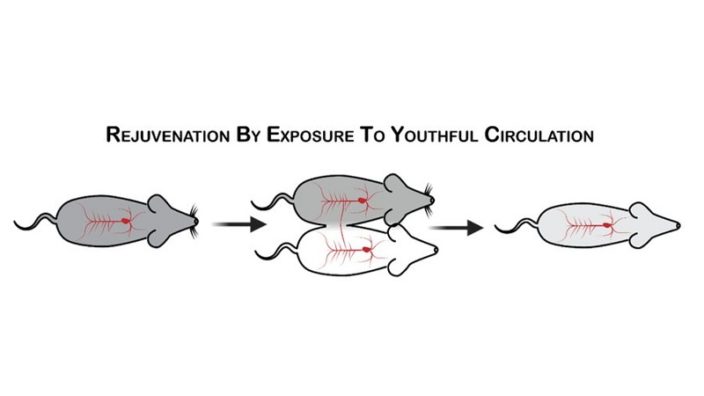
Literature

[1] Sebastiani, P., Hadley, E. C., Province, M., Christensen, K., Rossi, W., Perls, T. T., & Ash, A. S. (2009). A family longevity selection score: ranking sibships by their longevity, size, and availability for study. American journal of epidemiology, 170(12), 1555–1562. https://doi.org/10.1093/aje/kwp309

[2] Willcox, B. J., Willcox, D. C., He, Q., Curb, J. D., & Suzuki, M. (2006). Siblings of Okinawan centenarians share lifelong mortality advantages. The journals of gerontology. Series A, Biological sciences and medical sciences, 61(4), 345–354. https://doi.org/10.1093/gerona/61.4.345

[3] Gudmundsson, H., Gudbjartsson, D. F., Frigge, M., Gulcher, J. R., & Stefánsson, K. (2000). Inheritance of human longevity in Iceland. European journal of human genetics : EJHG, 8(10), 743–749. https://doi.org/10.1038/sj.ejhg.5200527

[4] Wojczynski, M. K., Lin, S. J., Sebastiani, P., Perls, T. T., Lee, J., Kulminski, A., Newman, A., Zmuda, J. M., Christensen, K., & Province, M. A. (2021). NIA Long Life Family Study: Objectives, Design, and Heritability of Cross Sectional and Longitudinal Phenotypes. The journals of gerontology. Series A, Biological sciences and medical sciences, glab333. Advance online publication. https://doi.org/10.1093/gerona/glab333

[5] Barral, S., Cosentino, S., Costa, R., Andersen, S. L., Christensen, K., Eckfeldt, J. H., Newman, A. B., Perls, T. T., Province, M. A., Hadley, E. C., Rossi, W. K., Mayeux, R., & Long Life Family Study (2013). Exceptional memory performance in the Long Life Family Study. Neurobiology of aging, 34(11), 2445–2448. https://doi.org/10.1016/j.neurobiolaging.2013.05.002

Stroke

Senolytic Therapy Shows Potential for Stroke Recovery

The newest study published in the International Journal of Molecular Sciences investigates the role senescent cells may play in cerebral ischemia-reperfusion injury and how senolytic therapy may be beneficial for those recovering from stroke.

Stroke and reperfusion injury

Ischemic stroke occurs when an artery in the brain is occluded, preventing an area of brain tissue from receiving fresh oxygen and nutrients from the bloodstream. It is one of the leading causes of death and disability and occurs primarily in elderly individuals [1].

Timely treatments can restore blood flow to the ischemic tissue and reduce the severity of the stroke. While restoring blood flow is critical to the tissue’s survival, reperfusion itself has been shown to set off a cascade of events, contributing to the overall tissue damage [2]. Referred to as ischemia-reperfusion (IR) injury, this damage-causing cascade involves inflammation and reactive oxygen species (ROS) [3].

Cellular senescence is a state that is pro-inflammatory and anti-proliferative. Because of its connection to aging, the cellular stress response, ROS, and inflammation, researchers at Seoul National University hypothesized that it may play an important role in IR injury. They tested this hypothesis in both in vitro and in vivo models. Additionally, they investigated whether the senolytic drug ABT263 (Navitoclax), which selectively kills senescent cells, could alleviate some of the effects of IR injury [4].

IR induces senescence in astrocytes, which can be eliminated by ABT263 in vitro

In cell culture, IR injury was modeled by first depriving rat astrocytes of oxygen and glucose, then reintroducing both into the culture system. This process did not cause cell death, but SA-ß-gal staining (a measure of senescence) increased from 22% to 60% of cells.

These cells were then treated with ABT263. After treatment, cell viability remained unchanged in astrocytes that were not exposed to the IR injury model. The ones that were, however, had their viability decrease. SA-ß-gal positive cells also decreased from 60% to 36% of the population.

ABT263 alleviates IR injury in rats

IR injury in vivo was modeled by occluding and re-opening the middle cerebral artery in rats. This occlusion was associated with an increase in the expression of senescence marker p16 and the inflammatory markers NOS2 (also a SASP factor), MPO, and GFAP. Meanwhile, ABT263 treatment reduced their expression to non-IR injury levels. Treatment also reduced the infarct volume by more than half and improved behavioral measures of neurological function.

In conclusion, this study demonstrated that intravenous ABT263 treatment attenuated inflammation through elimination of senescent cells and improved functional outcomes after IR in the brain. ABT263, a senolytic drug, is a novel therapeutic candidate for cerebral ischemia with IR injury.

Conclusion

Like all studies, this study has several limitations that should be noted when interpreting its results. Only astrocytes were used in the in vitro experiments, but many other cell types in the brain have been shown both to become senescent and to play a role in IR injury.

The authors also only used SA-ß-gal staining in vitro and only p16 in vivo to identify senescent cells. While both are very commonly employed, the senescent cell phenotype is complex and requires more than a single measurement to distinguish senescence from other cell fates. It is difficult to say for certain that these cells were senescent in these experiments.

This study also falls short in another common issue in aging research: their animals weren’t old. The rats were only 8-9 weeks old when they were treated. An aged rat (just like an aged human) might respond very differently both to IR injury and to the senolytic treatment.

Although many questions remain unanswered, this study is the first to demonstrate the potential role of senescent cells and of senolytic therapy in cerebral IR injury. The decreased infarction volume is particularly promising for the prospects of future research.

We would like to ask you a small favor. We are a non-profit foundation, and unlike some other organizations, we have no shareholders and no products to sell you. All our news and educational content is free for everyone to read, but it does mean that we rely on the help of people like you. Every contribution, no matter if it’s big or small, supports independent journalism and sustains our future.
Literature

[1] Gorelick, P.B. The global burden of stroke: Persistent and disabling. Lancet Neurol. (2019). https://doi.org/10.1016/S1474-4422(19)30030-4

[2] Nour, M., Scalzo, F., & Liebeskind, D.S. Ischemia-reperfusion injury in stroke. Interv. Neurol. (2012). https://doi.org/10.1159/000353125

[3] Eltzschig, H.K. & Eckle, T. Ischemia and reperfusion—from mechanism to translation. Nat. Med. (2011). https://doi.org/10.1038/nm.2507

[4] Lim, S. et al. Senolytic therapy for cerebral ischemia-reperfusion injury. A meta-analysis of genome-wide association studies identifies multiple longevity genes. Int. J. Mol. Sci. (2021) https://doi.org/10.3390/ijms222111967

Metformin bottle

What is Metformin? A Summary of N,N-dimethylbiguanide

We take a look at this diabetic drug that some researchers think may slow down aging.

What is metformin?

Metformin is a prescription drug and is available as a tablet or an oral solution. It is a commonly used first-line medication for the treatment of type 2 diabetes and is also used in the treatment of polycystic ovary syndrome.

You can find metformin tablets in two forms: immediate-release and extended-release. The immediate release tablet goes by the brand name Glucophage, and the extended release goes by Glucophage XR, Glumetza, and Fortamet.

Both types of tablet are sold as generic drugs, as the patent on metformin expired back in 2001. Generic drugs typically cost significantly less than the brand name versions, though in some circumstances, they may not be available in all of the strengths  that brand name suppliers offer.

Metformin is in the biguanide class of drugs, a group of drugs that work in a similar way. It was originally discovered in 1922, but it did not receive approval for another fifty years or more [1]. The French physician Jean Sterne initiated the first study in humans in the 1950s; it was registered as a medicine in France in 1957, but it was not approved until 1995 in the United States [2].

The World Health Organization lists metformin on its model list of essential medicines, a list of the most effective and safe medicines that are critical in a health system. To that end, metformin is believed to be one of the most widely used drugs used for the treatment of diabetes.

How does metformin work?

It works by decreasing glucose production in the liver, reducing the amount of glucose your body absorbs, and boosts the effect of insulin on your body. Insulin is a hormone that assists your body in removing excessive sugar from your bloodstream, and this helps to reduce your blood sugar levels, a cause of diabetes.

In this manner, metformin helps people with type 1 diabetes to manage their condition by keeping their high blood sugar under control.

Metformin and anti-aging

There is a constant process of balance happening in our cells between anabolic processes that produce energy from nutrients and catabolic processes that consume that energy. This balancing act becomes critical when there is a scarcity of nutrients to keep our cells powered and functioning.

Famine is an example of when this balance becomes vitally important to keep someone alive. When such conditions are experienced our cells switch to a pro-survival state and prioritize survival and energy conservation instead of growth. By entering this state our cells have a better chance to survive and help us to remain alive. Without a doubt our ancient ancestors who often experienced periods of starvation and famines would have benefited from this.

Metformin seems to trigger the same pro-survival state in our cells by reducing the activity of our mitochondria, the powerhouses of our cells. This causes the mitochondria to slow down the pace at which they convert nutrients into a universal cellular energy known as adenosine triphosphate (ATP).

The reduction in ATP triggers an enzyme known as AMPK which detects low energy levels. This then activates various pro-survival mechanisms including autophagy to conserve energy and keep the cells alive.

Metformin may also support longevity by lowering both insulin resistance and blood sugar levels. By improving the way the body manages insulin it may even help non-diabetics to live a longer and healthier life.

Some researchers, such as Dr. Nir Barzilai, believe that metformin may prove useful as a way to slow down aging and is leading a clinical trial called TAME to find out if it can. We talked to him about his interest in metformin in the “We Can Live Healthier for Longer” interview.

Potential health benefits

There is some evidence that metformin may help to prevent the cardiovascular and cancerous complications of diabetes [3-4]. Metformin is also not associated with weight gain, so it is ideal for diabetics who suffer from weight control issues, which are common in diabetes.

Generally speaking, metformin is well tolerated and appears to have protective effects on the vascular system [5], though some common side effects can include diarrhoea, nausea and abdominal pain. There is risk of high blood lactic acid if taken inappropriately and in overly large doses [6]. It should not be used by people with significant liver damage or kidney problems.

Metformin is of interest to people working in the field of rejuvenation biotechnology, and mouse studies show that it increases lifespan and healthspan [7]. There is also some data that suggests that type 2 diabetics that take metformin may also live longer than non-diabetics [8].

Metformin side effects

Taking metformin can cause mild side effects, including diarrhea, nausea, stomach pain, heartburn, and gas. More serious potential side effects include lactic acidosis and hypoglycemia (low blood sugar). You should call your doctor if you experience any side effects while taking metformin.

However, metformin has a number of known interactions with other drugs, including diabetes drugs such as insulin and glyburide, along with blood pressure management drugs such as furosemide and hydrochlorothiazide.

Cholesterol-modifying drugs, such as NAD+ precursor niacin, are worth noting, as this is a popular supplement in the life extension community and can make metformin less effective in lowering blood sugar levels.

Using metformin with the glaucoma drugs acetazolamide, brinzolamide, dorzolamide, and methazolamide may increase your risk of lactic acidosis. Metformin has known interactions with topiramate, a drug used to treat nerve pain and seizures, and may raise your risk of lactic acidosis. Phenytoin, which is used to treat seizures, can make metformin less effective in lowering your blood sugar. Cimetidine, which is used to treat heartburn and other stomach problems, can interact with metformin and increase your risk of lactic acidosis.

Some hormone drugs may also make metformin less effective in lowering blood sugar. Corticosteroids like budesonide, fluticasone, prednisone, and betamethasone have potential interactions. Estrogens such as estradiol, conjugated estrogens (Premarin), and birth control pills or patches can also interact. Isoniazid, an anti-tuberculosis drug, can also make metformin less effective in lowering blood sugar.

Thyroid drugs may make metformin less effective in lowering your blood sugar too. These include levothyroxine, liothyronine, and liotrix.

Lactic acidosis is an uncommon but very serious side effect of metformin. This is when lactic acid builds up in the bloodstream and is a medical emergency that requires treatment in the hospital. It is fatal in about half of people who develop it.

Disclaimer

This article is only a very brief summary, is not intended as an exhaustive guide, and is based on the interpretation of research data, which is speculative by nature. This article is not a substitute for consulting your physician about which supplements may or may not be right for you. We do not endorse supplement use or any product or supplement vendor, and all discussion here is for scientific interest.

We would like to ask you a small favor. We are a non-profit foundation, and unlike some other organizations, we have no shareholders and no products to sell you. All our news and educational content is free for everyone to read, but it does mean that we rely on the help of people like you. Every contribution, no matter if it’s big or small, supports independent journalism and sustains our future.
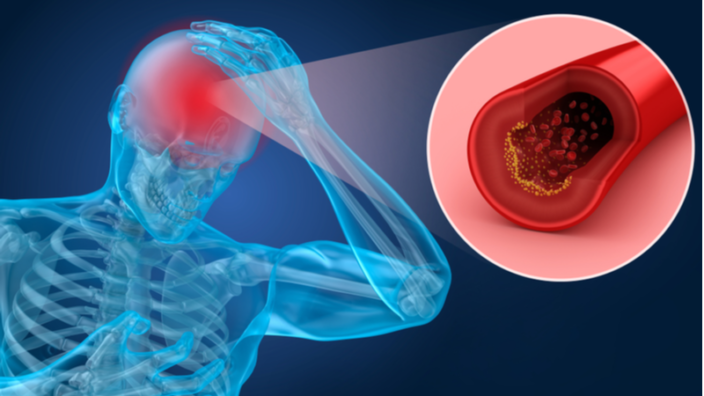
Literature

[1] Fischer, J., & Ganellin, C. R. (Eds.). (2010). Analogue-based drug discovery II. John Wiley & Sons.

[2] Stargrove, M. B., Treasure, J., & McKee, D. L. (2008). Herb, nutrient, and drug interactions: clinical implications and therapeutic strategies. Elsevier Health Sciences.

[3] Malek, M., Aghili, R., Emami, Z., & Khamseh, M. E. (2013). Risk of cancer in diabetes: the effect of metformin. ISRN endocrinology, 2013.

[4] Griffin, S. J., Leaver, J. K., & Irving, G. J. (2017). Impact of metformin on cardiovascular disease: a meta-analysis of randomised trials among people with type 2 diabetes. Diabetologia, 60(9), 1620-1629.

[5] Triggle, C. R., & Ding, H. (2017). Metformin is not just an antihyperglycaemic drug but also has protective effects on the vascular endothelium. Acta Physiologica, 219(1), 138-151.

[6] Lipska, K. J., Bailey, C. J., & Inzucchi, S. E. (2011). Use of metformin in the setting of mild-to-moderate renal insufficiency. Diabetes care, 34(6), 1431-1437.

[7] Martin-Montalvo, A., Mercken, E. M., Mitchell, S. J., Palacios, H. H., Mote, P. L., Scheibye-Knudsen, M., … & Schwab, M. (2013). Metformin improves healthspan and lifespan in mice. Nature communications, 4, 2192.

[8] Bannister, C. 1., Holden, S. E., Jenkins‐Jones, S., Morgan, C. L., Halcox, J. P., Schernthaner, G., … & Currie, C. J. (2014). Can people with type 2 diabetes live longer than those without? A comparison of mortality in people initiated with metformin or sulphonylurea monotherapy and matched, non‐diabetic controls. Diabetes, Obesity and Metabolism, 16(11), 1165-1173.

Skin aging

Nicotinamide Alleviates Skin Aging in Cellular Study

A group of researchers successfully alleviated aspects of skin aging by treating skin cells with the NAD precursor nicotinamide [1].

Hard work done by skin leads to its burnout

Skin aging might not be lethal, apart from the increased risk of skin cancer, but it’s surely conspicuous, frustrating, and emblematic of organismal aging. Being our first line of defense against the elements and all the pathogens that are lurking around, skin, especially its outer layer, the epidermis, is one of the first tissues to experience aging [2]. Since it takes a lot of damage, skin also has high levels of cellular senescence, which is a mechanism that prevents damaged cells from proliferating. As one paper puts it, all this makes skin “an ideal organ to observe and analyze the impact of extrinsic and intrinsic drivers of aging” [3].

In addition to being subjected to faster-than-usual aging, our skin is also characterized by fast turnover of cells. Keratinocytes that constitute 90% of skin cells differentiate from skin stem cells in deeper skin layers and then make their journey to the outer layers. Along the way, they undergo several more divisions and stages of differentiation. Eventually, they reach the top through terminal differentiation and are shed away as dead skin in a process called desquamation.

Ultraviolet (UV) light is a major cause of skin aging, which led to the appearance of the term photoaging. Like any radiation, UV light rips through the cells, inducing DNA strand breaks. DNA damage is one of the known causes of cellular senescence and carcinogenic mutations. As the saying in the longevity community goes, the only real anti-aging cream today is sunscreen.

NAD: the electrician and the repair guy

In this new paper, researchers investigated the effect of nicotinamide (NAM) treatment on skin cells exposed to UV. NAM is a precursor to NAD, which is a simple but indispensable molecule that facilitates chemical reactions by taking and donating electrons. It exists in two forms: NAD+, an oxidizing agent that takes electrons from other molecules, and NADH, which is NAD+ after it acquired an electron.

NAD also plays an important role in DNA repair, being a cofactor for the sirtuin family of enzymes. NAD levels decline with age, which is considered one of the mechanisms of aging [4]. In the skin, NAM supplementation is known to delay terminal differentiation and promote the proliferation of keratinocytes.

NAM is also a form of vitamin B3. It is found in a wide variety of foods, both animal- and plant-based, and is well absorbed, so people rarely develop B3 deficiency. However, many longevity enthusiasts take NAD precursors as daily supplements, such as NMN (nicotinamide mononucleotide). We do not endorse this practice due to the lack of solid data.

NAM brings improvement

The researchers used two types of cellular models: cultured keratinocytes and a 3D model of the skin, complete with layers. Irradiating these with UVB light, which falls into the UV frequency range, resulted in accelerated keratinocyte senescence, loss of proliferation, and premature terminal differentiation, which are all hallmarks of skin aging. UV also caused morphological changes in the skin structure, with the epidermis becoming thinner. UV irradiation also decreased energy metabolism levels in the cells.

NAM treatment was able to partially alleviate the damage. It improved energy metabolism, prevented senescence and premature terminal differentiation of keratinocytes, and restored skin morphology. The researchers suggest that NAM treatment achieved all this mainly by promoting DNA repair.

Shortly after the burst of UV irradiation, the levels of a DNA breakage marker called CPD (cyclobutane pyrimidine dimers) shot up. In controls that did not receive NAM, it went down by as much as 74% after two days, indicating that even in the absence of NAM supplementation, DNA repair mechanisms did a decent job. However, in the NAM group, the decline in CPD levels compared to the pre-irradiation state was even more pronounced: 85%. The difference might seem small, but it is not, considering that any unresolved DNA damage is potentially harmful.

Conclusion

The link between NAD and organismal aging has been well-established, but skin aging is a unique phenomenon. This new study shows how NAD replenishment via NAM treatment can partially reverse concrete aspects of skin aging induced by exposure to ultraviolet light. Exciting as it is, this is early-stage research that will probably not get translated into a new skin lotion any time soon, so for now, you are advised to protect your skin from “photoaging” by using sunscreen.

We would like to ask you a small favor. We are a non-profit foundation, and unlike some other organizations, we have no shareholders and no products to sell you. All our news and educational content is free for everyone to read, but it does mean that we rely on the help of people like you. Every contribution, no matter if it’s big or small, supports independent journalism and sustains our future.
Literature

[1] Tan, C. Y. R., Tan, C. L., Chin, T., Morenc, M., Ho, C. Y., Rovito, H. A., … & Bellanger, S. (2021). Nicotinamide Prevents UVB-and Oxidative Stress-Induced Photoaging in Human Primary Keratinocytes. Journal of Investigative Dermatology.

[2] Krutmann, J., Schikowski, T., Morita, A., & Berneburg, M. (2021). Environmentally-induced (extrinsic) skin aging: Exposomal factors and underlying mechanisms. Journal of Investigative Dermatology.

[3] Gruber, F., Kremslehner, C., Eckhart, L., & Tschachler, E. (2020). Cell aging and cellular senescence in skin aging—Recent advances in fibroblast and keratinocyte biology. Experimental gerontology, 130, 110780.

[4] Schultz, M. B., & Sinclair, D. A. (2016). Why NAD+ declines during aging: It’s destroyed. Cell metabolism, 23(6), 965-966.