
August 17, 2026
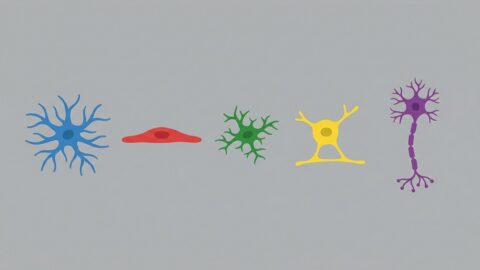
Researchers have gone into deep detail regarding how each of five senescent brain cell types expresses and receives factors that encourage other cells to become senescent. The contagion of age Cellular SenescenceAs your body ages, more of your cells become senescent. Senescent cells do not divide or support the tissues of which they are part;...
June 11, 2026
Scientists have “faked” sleep in mice by artificially creating the on/off neuronal firing pattern similar to that seen in non-REM sleep. This produced sleep-like effects, including improved learning memory [1]. Can sleep be emulated? Getting proper amounts and quality of sleep is one of the best things for health and longevity [2], but in modern...

May 26, 2026
Scientists have uncovered an unexpected function of the tau protein, which is mostly known for its role in Alzheimer’s and related disorders: helping encode long-term memory. This can inform novel approaches that target tau [1]. In sickness and in health Tau is a protein found mainly in neurons, where its textbook job is to bind...

April 28, 2026
A new study calls for caution in using the well-known senolytic treatment of dasatinib and quercetin (D+Q), showing that it causes damage in certain regions of the brain, similar to what is observed in multiple sclerosis [1]. Stem cell senescence prevents brain repair Multiple sclerosis (MS) is a brain disorder in which the patient’s own...
April 07, 2026
The pro-Alzheimer's allele APOE4 makes hippocampal neurons in mice smaller and hyperexcitable. This effect, which resembles epilepsy and accelerated aging, can be mitigated by manipulating a neuronal protein [1]. Before symptoms arise Alzheimer's disease begins long before symptoms appear, building silently for decades. The single strongest genetic risk factor for the common, late-onset form of...
April 06, 2026
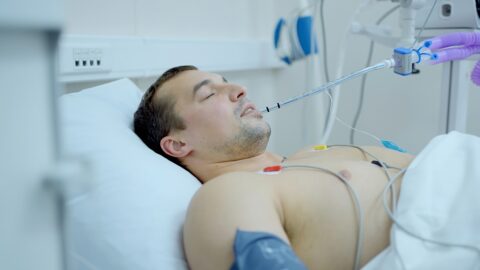
Researchers have discovered a potential treatment for post-operative delirium, which accelerates cognitive decline in older people. A common problem with long-term effects Roughly a quarter of older people suffer from delirium after surgery [1], which rises to around half if the surgery is particularly invasive or high-risk [2]. This increases the length of hospital stays...