
September 25, 2026
According to a new study, creatine supplementation might help maintain and increase lean mass even without diet or exercise. It also enhanced the effects of a combined diet and exercise intervention [1]. How to lose weight but not muscle As people age, they often accumulate fat while losing muscle. When these changes occur together, in...
September 23, 2026
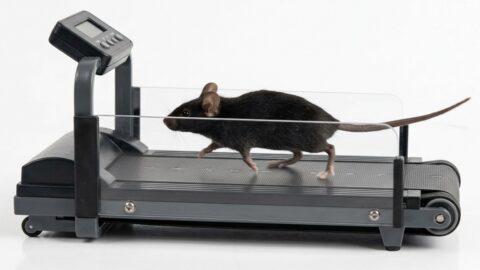
Results from a recent study suggest a delay in ovarian aging in mice following treadmill training; this effect was mediated by adiponectin. Pharmacologically activating adiponectin receptors extended reproductive span in mice. [1] Beyond reproduction The female reproductive system strongly influences the female aging trajectory, and its impact goes well beyond the cessation of reproduction. While...
August 26, 2026
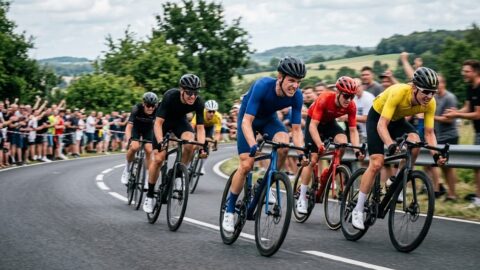
A new study compared high-intensity sprint-interval exercise with moderate-intensity exercise. The former produced larger changes in circulating protein and metabolite levels than the latter and stimulated proteins associated with cardiometabolic health benefits [1]. Short and intense vs. long and moderate Exercise is a well-known lifestyle factor that can positively impact health. Exercise benefits multiple cells,...
July 21, 2026
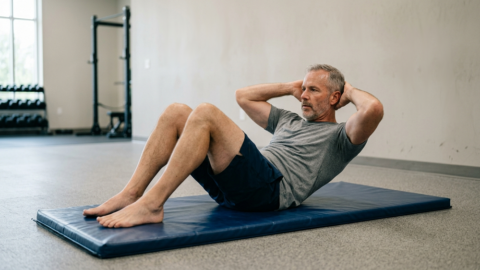
A new study suggests that regular planned exercise, not just being generally active, protects against certain aspects of muscle aging [1]. Are trained muscles younger? With age, skeletal muscles lose strength, metabolic flexibility, and mitochondrial capacity. While regular exercise slows many aspects of functional aging [2], just how deeply training affects the molecular state of...

July 08, 2026
In a recently published perspective paper, the author argues that the UK's official health guidelines on physical activity and protein intake should be revised to recommend levels necessary to achieve optimal health, rather than the bare minimum currently recommended [1]. From bare minimum to optimizing for healthspan Current government guidelines on nutrition and physical activity...
May 05, 2026
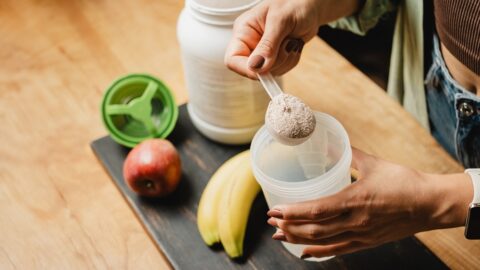
In a new study, the popular supplement creatine seemed to add to some of the beneficial effects of power training [1]. Trying the combination in older people Exercise might be the most potent anti-aging intervention known to humans, but with age, building strength and muscle mass becomes harder. Also, not all types of exercise are...