

As the weather cools down, the race for functional interventions heats up, and members of our field have been looking for ways to push through bottlenecks both regulatory and scientific. Here’s what we’ve reported last month.
Interviews
 Laura Minquini on the Quest for Female Longevity: Laura Minquini is not a scientist, but that hasn’t stopped her from joining the front lines of the war on aging: specifically, female reproductive aging.
Advocacy and Analysis
FDA Leaders Name Longevity a Priority at ARDD: At a panel in Boston, senior officials announced plans to include aging in the agency’s regulatory science agenda and discussed how therapies could move toward approval.
 The Regulatory Bottleneck in Aging Biology: Researchers are developing biomedical repair therapies to address multiple age-related diseases at once, yet they are forced to put them through regulatory pathways built for single-disease drugs. The result is delay, duplication, and unnecessary cost precisely when speed matters the most.
ARDD 2026: Traditional Biology to AI-Driven Breakthroughs: One of the oldest and biggest longevity conferences moved this year across the Atlantic, from Copenhagen to Boston. The new location brought ARDD close to several important longevity hubs and might have contributed to this edition’s practical, entrepreneurial, and forward-oriented spirit.
Research Roundup
 The Biomarkers That Predict Mortality Risk: Researchers have discovered key biomarkers that are strongly linked to all-cause mortality and identified four measurements with independent predictive power.
Declining Autophagy Impairs Senescent Cell Clearance: A new study links an age-related decline in cellular maintenance to impaired immune clearance. Activating the pathway reduced signs of senescence in aged mice.
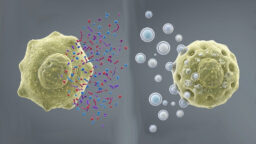 Untangling Differences in Senescent Cellular Signaling: In Aging, researchers have described the differences between the secretions of cells driven senescent through a cancer gene and cells that stopped proliferating due to p16 expression.
Gut Bacteria Molecule Slows Atherosclerosis in Mice: A new study highlights a fatty acid produced by a particular genus of bacteria as a “natural statin,” suggesting a new way of treating atherosclerosis.
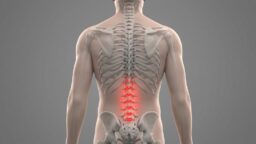 An Anti-Senescence Gene May Fight Spinal Disc Deterioration: A team of researchers has described how a little-known gene, ZNF865, has a significant influence on back pain through the regulation of cellular senescence.
Low-Fat Vegan Diet Shows Benefits in Type 2 Diabetes: A human trial found that even without caloric restriction, a low-fat, plant-based diet improved blood sugar control, reduced liver fat, and lowered the quantity of advanced glycation end products (AGEs) in the skin.
 Menopausal Serum Protein Changes May Predict Brain Health: A recent analysis of serum protein changes identified 16 proteins related to inflammatory, synaptic, metabolic, and Alzheimer’s disease processes whose levels change during the menopausal transition.
Making SIRT1 and NAD+ Therapies Work in People: Reviewers publishing in Biology have elucidated SIRT1 functional reserve as an aspect of aging, describing how its depletion is an upstream cause of age-related disorders at the cellular level and explaining why many prospective therapies that increase SIRT1 and NAD+ have not had promising results.
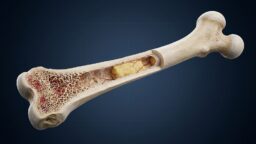 Blocking STING Helps Preserve Bone in Aging Mice: A new study links STING-mediated signals from marrow fat cells to inflammation and declining NAD⁺ levels in bone-forming cells. Interrupting this pathway helped preserve aging bone.
An RNA Regulator Mitigates Senescence in Blood Vessels: Researchers publishing in Aging Cell have found that the regulatory protein MTR4 fights DNA damage in the blood vessel lining but decreases with aging.
 AI Extracts Broader Health Insights From Routine CT Scans: A new study suggests that CT scans can provide information about a wide range of conditions, including some not typically diagnosed through imaging.
How Some Neuronal Cilia May Affect the Whole Body: A team of researchers has written a paper with a surprising finding: that many of the benefits of caloric restriction and increased NAD+ may be due to their effects on the cilia of hypothalamic neurons.
 Rejuvenation Factor Extends Lifespan and Healthspan in Mice: A recent study identified SRSF1, an RNA-processing and splicing factor, as a molecule with geroprotective potential.
An Astrocytic Factor Slows Whole-Body Aging in Mice: In Aging Cell, researchers have described how increasing fibroblast growth factor 13 (FGF13) in astrocytes reduces aging throughout the bodies of mice.
 An Anti-Senescence Vaccine Increases Mouse Lifespan: Late-life treatment with a three-element senolytic vaccine led to lower senescence markers and a 12% increase in median lifespan in female B6 mice.
Midlife time-restricted feeding preserves skeletal muscle insulin responsiveness and function during aging: Midlife time-restricted feeding preserved lean mass, muscle performance, glucose tolerance, and insulin-stimulated glucose uptake in male mice.
Vitamin D Deficiency, Supplementation, and Aging-Related Morbidity and Mortality Across Two Longitudinal Population Cohorts: These findings support severe vitamin D deficiency as an important and potentially modifiable determinant of systemic aging vulnerability and age-related multimorbidity in human populations.
The Effects of Blueberry Consumption on Cerebral Blood Flow and Brain Glutathione Levels in Older Adults: A Double-Blind Randomized, Placebo-Controlled Trial: Compared with placebo, blueberry consumption increased blood flow in the anterior cingulate cortex, a brain region relevant to age-related cognitive decline.
Resistance Training Improves Respiratory Muscle Strength and Immune Response in Older Adults: A Randomized Clinical Trial: The concomitant increase in circulating Klotho suggests that resistance training may promote biological mechanisms associated with healthy aging, supporting its implementation as a non-pharmacological strategy to preserve functional independence and respiratory health in the elderly.
When to Trust Epigenetic Clocks: Avoiding False Positives in Aging Interventions: These findings provide a framework for interpreting epigenetic clock results in anti-aging intervention studies, and suggest that some previously published single-clock findings may warrant reexamination.
Investigating the efficacy and toxicity of partial in vivo reprogramming as a rejuvenation intervention: These findings highlight tissue-specific responses to partial reprogramming and emphasize the need for larger, controlled studies to clarify physiological outcomes and safety.
H3K9me3 inhibition reverses Alzheimer’s progression by restoring synaptic and immune proteostasis across the brain–retina axis: This study identifies H3K9me3 accumulation as a shared, reversible epigenetic contributor to Alzheimer’s disease.
Synergistic reversal of mesenchymal stem cell senescence by engineered exosomal delivery of a dual miR-195/miR-188 sponge: Exosome-mediated delivery of a dual miRNA sponge represents a mechanism-driven strategy to reprogram senescence-associated gene networks and restore MSC function.
Chronic Senolytic Treatment and/or Aerobic Exercise Reduce Senescence and Improve Myocardial Function During Aging in the Heart: These findings demonstrate that long-term exercise or senolytics limit senescence at the cellular level within the myocardium and improve ventricular function.
Aged microenvironment-triggered nanoreactors rejuvenate senescent LepR+ cells to remodel aged bone marrow: Collectively, these findings suggest that the CLPM nanoreactor offers a promising approach for rejuvenation of the aging skeletal system.
Dynamic force sensing by bone delays aging and extends lifespan: This could potentially be manipulated to prevent aging, extend health, and aid those unable to exercise or with decreased mobility.
Elamipretide Rejuvenates Oocyte Quality and Restores Female Fertility During Reproductive Aging: Collectively, this study identifies a novel peptide therapeutic candidate for aging-related infertility, showing that elamipretide restores the quality of aged oocytes for fertility.
Heat-treated Lactiplantibacillus plantarum MYO Improves Muscle Strength and Modulates Gut Microbiota in Older Adults with Reduced Muscle Strength: This approach significantly improved muscle strength and muscle quality, and these muscle strength–enhancing effects may be associated with alterations in the gut microbiota.
The polycentric aging framework: epigenetic regulation as a dominant lifespan-limiting center in human aging: This paper holds that clock shifts should be interpreted against tissue-specific function, healthspan, morbidity, and mortality rather than as stand-alone evidence of rejuvenation.
Seven ways not to think carefully about aging: Accumulating data from mouse studies suggest that many or all varieties of slow-aging, long-lived mice, even as young adults, share multiple physiological and molecular traits whose effects may shed light on the pathogenesis of late-life disease, and whose origins may point to new anti-aging interventions.
Lysergic acid diethylamide extends lifespan in Caenorhabditis elegans: Together, these findings identify LSD as a tool to investigate how serotonergic signaling interfaces with conserved longevity-related pathways.
News Nuggets
 Global Leaders in Geroscience Convene for Biomarkers of Aging: The Biomarkers of Aging Consortium has hosted its fourth annual Biomarkers of Aging Conference on October 5 and 6, 2026, at the Joseph B. Martin Conference Center at Harvard Medical School.
Evipedia Goes Hugging Face: Evipedia is a comprehensive, continuously updated online encyclopedia that provides much-needed, accurate, and up-to-date information on a wide range of health and longevity-related interventions.
 Life Biosciences Announces First-in-Human Phase 1 Trial Data: Administration of ER-100 was well-tolerated through Day 56 in three participants with glaucoma, supporting dose escalation in the ongoing trial.