
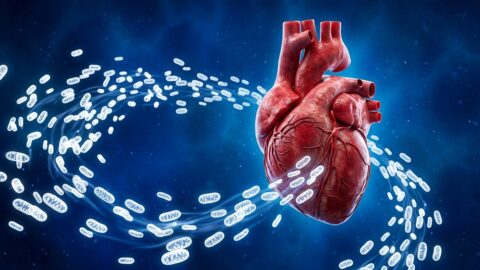
September 24, 2026
Researchers have discovered that BNIP3, which regulates mitochondrial maintenance, is increased with aging, harming the heart's ability to process energy. Mitochondrial transplantation was found to be effective against this increase in a mouse model. The heart needs energy Mitochondrial DysfunctionAs they age, the mitochondria in our cells lose their ability to provide cellular energy and...
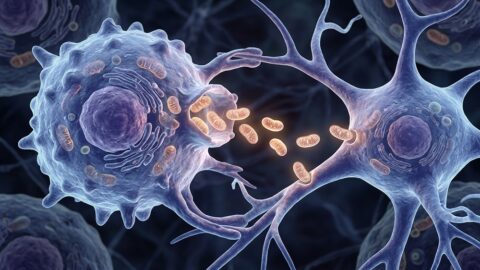
September 22, 2026
According to a new study using a mouse model of a rare disease, transplanted immune cells donate their mitochondria to neighboring donor cells, improving energy production and rescuing function [1]. Here, have some mitochondria Friedreich’s ataxia is a rare genetic disease in which deficiency in the protein frataxin impairs mitochondrial energy production, especially in energy-hungry...
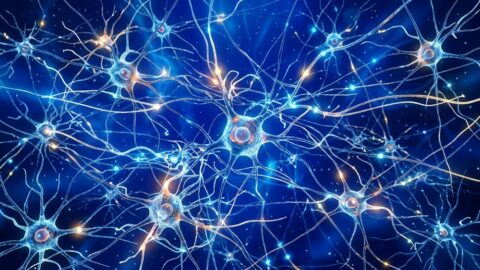
September 14, 2026
A team of researchers has discovered that mitochondrial health and location may be critical to why cognitive plasticity decreases with age. Old mammals and new tricks The adage 'you can't teach an old dog new tricks' is true across a wide variety of organisms; neural plasticity decreases with age in rodents, non-human primates, and people...
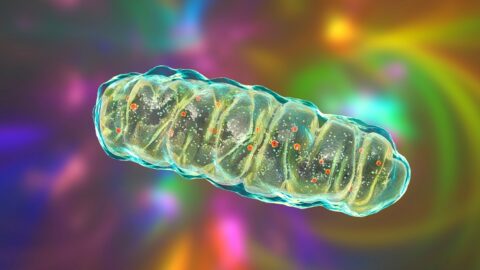
May 22, 2026
Scientists have found that the levels of phosphatidylcholine, the most abundant lipid in mitochondrial membranes, decline with age, driving mitochondrial aging in worms and possibly humans. Supplementing the lipid helped in an in vitro experiment [1]. What drives mitochondrial aging? Mitochondria are the cell's energy-generating organelles, and their decline is a hallmark of aging [2]....
March 27, 2026
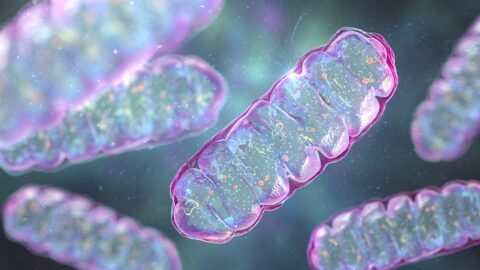
Scientists used red blood cells as membrane donors to encapsulate healthy mitochondria and send them into diseased cells, achieving improvements across multiple models and conditions [1]. The delivery problem Mitochondrial diseases are a diverse group of disorders that arise when mitochondria malfunction. They are often caused by mutations in mitochondrial DNA (mtDNA) itself or in...
March 03, 2026
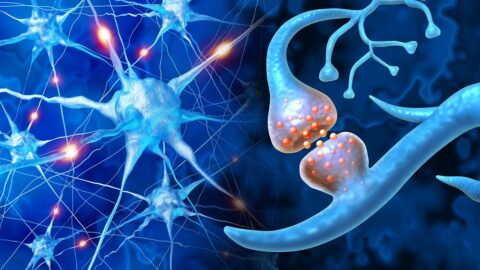
Scientists have discovered that ATP deficiency disrupts dopamine processing in synapses, leading to the accumulation of the harmful protein species that characterize Parkinson’s disease. ATP supplementation helps, but the road to the clinic might be long [1]. Parkinson’s and dopamine Parkinson's disease is defined by two hallmarks: the death of dopamine-producing neurons in a midbrain...