

Worldwide healthcare faces an unsustainable situation. We spend trillions managing the late-stage effects of biological aging, yet routinely overlook the underlying causes that drive them.
Driven by an aging society, the financial burdens of treating diabetes, dementia, and heart disease are pushing Social Security and Medicare towards increasing and potentially catastrophic budget deficits [1].
Treating these consequences is the equivalent of trying to bail out a sinking ship with a bucket while the hole in the hull gets larger. However, we are not locked into this path. There is an economic alternative: transitioning our medical framework from reactive maintenance to preventative biomedical repair.
The cost of the broken sickcare system
Modern medicine is effectively based on a reactive management approach. It typically waits for an acute organ failure, such as a heart attack, and then it deploys high-cost, non-curative interventions to manage the fallout. This is a flawed and extremely costly approach for both the patient and healthcare system [2].
The scale of this fiscal crisis is laid out in the World Economic Forum 2026 Longevity Dividend Report, which establishes that population aging is the single most addressable driver of national economic growth:
Longevity has been treated as a health story or a pensions story or an older-population story. It is all three at once – and more… Failing to understand it as such creates both measurable and mounting costs: trillions in avoidable medical spend, retirement savings shortfalls that pose the greatest challenges for women and productivity losses in every economy studied.
Under our current model of reactive management, the International Monetary Fund suggests that advanced economies are facing an unmanageable contraction in potential GDP growth because healthcare expenditure remains structured around late-life systemic maintenance and not increasing healthy lifespan. The Longevity Dividend by Andrew Scott and Peter Piot explained this as follows:
The current health system is at risk of keeping us alive but not healthier for longer, at an ever-increasing cost to individuals, families, and society. In short, in the 20th century, we added years to life. In the 21st, we must add life to these extra years. This requires a shift toward chronic disease prevention and health maintenance, not just treating people when they become ill.
The polypharmacy trap is unsustainable
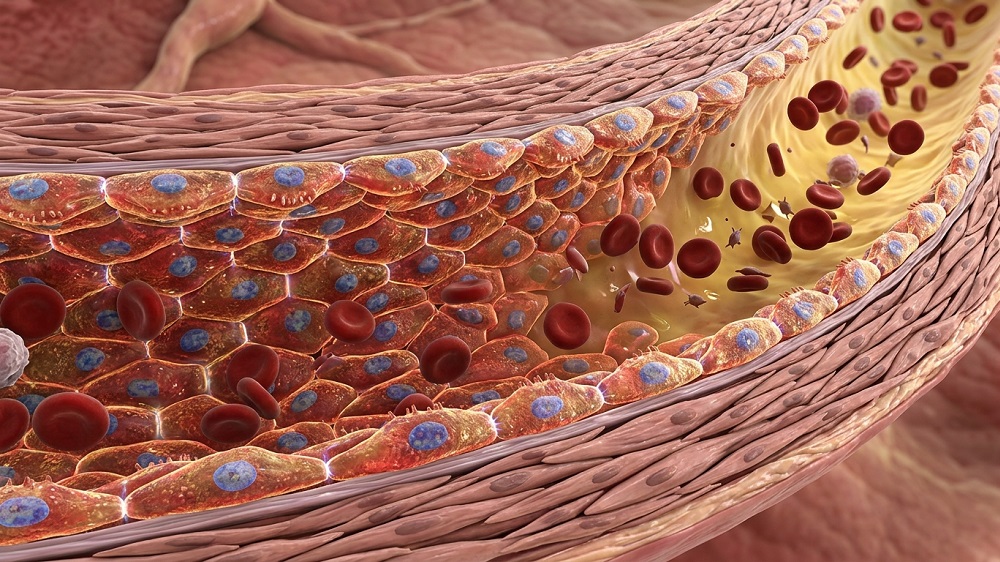
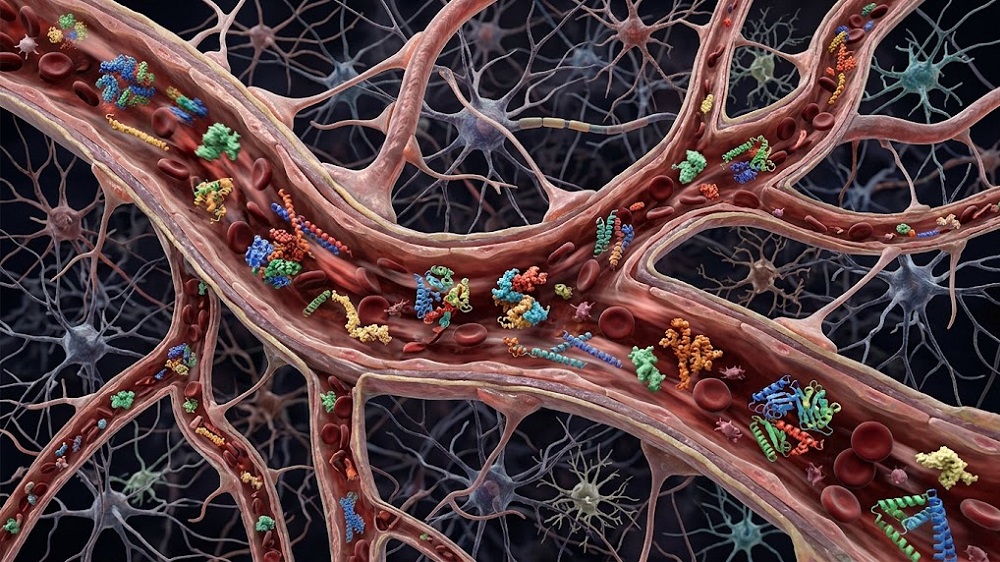
The gradual buildup of systemic, age-related damage and biological errors is indeed akin to an expanding hull breach in a sinking ship. Factors such as DNA damage, loss of epigenetic information, mutations in mitochondrial genomes, and the steady formation of arterial plaque are among the material causes of this deterioration [3].
Taking daily medications to control blood pressure or artificially clear blood glucose merely stabilizes the water level for a period of time. It does not patch the hull; it does not address the root cause of the problem.
Unfortunately, as a person ages, the hole in the hull progressively widens as more damage accumulates. This means that the body requires an increasing number of bailing buckets (medications) just to remain afloat.
This leads to polypharmacy, the concurrent use of multiple medications by an individual, and is highly prevalent among older adults managing multiple chronic conditions. Polypharmacy carries the potential risks of adverse drug reactions, dangerous drug interactions, and accidental falls.
Older populations regularly end up prescribed dozens of concurrent medications, yet none of these interventions make them biologically younger, healthier, or more independent. They are simply put in a state of managed and expensive decline.
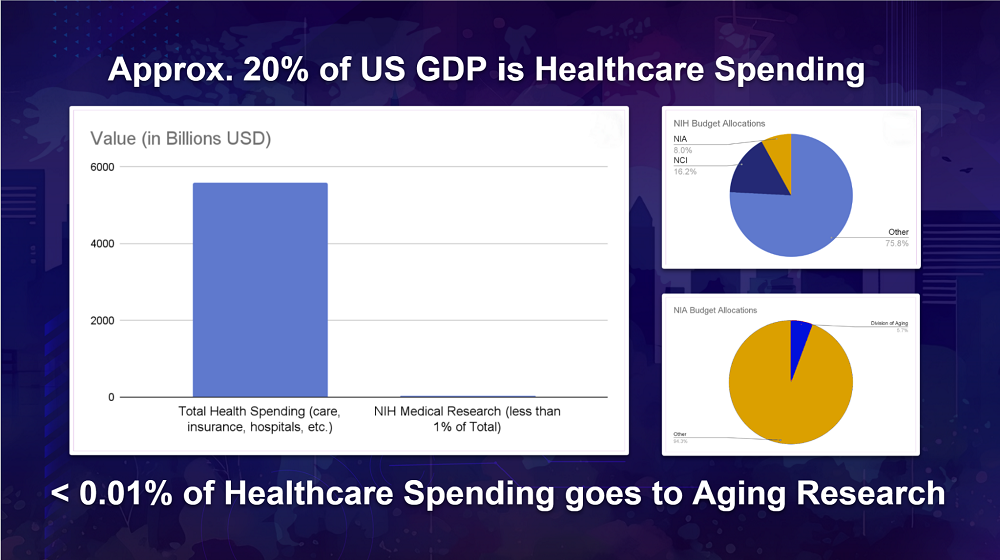
The Centers for Medicare & Medicaid Services (CMS) actuarial data accounts for the highest escalating sector of US healthcare spending. It shows that individuals managing three or more chronic conditions are driving over 80% of total Medicare expenditures. This makes it the single highest and fastest-growing sector of U.S. healthcare spending.
By contrast, less than 0.01% of total U.S. healthcare expenditure is directed toward research into the biology of aging at the National Institute on Aging.
This pattern is not unique to the US. There are similar conditions in the UK, where Health Security Agency tracking data shows polypharmacy accounts for the highest escalating sector of modern health expenditures.
Ultimately, this keeps public health policy trapped in daily damage management rather than proactive repair. In effect, modern healthcare is still just bailing water from a ship that is already taking on more water than it can remove.
The passive risk mitigation fallacy
Medical authorities frequently uses the word prevention, but they largely use it incorrectly. To public health bureaucracies, prevention means passive risk mitigation, which includes fundamental business such as advising populations to stop smoking, adjust their diets, and engage in basic exercise.
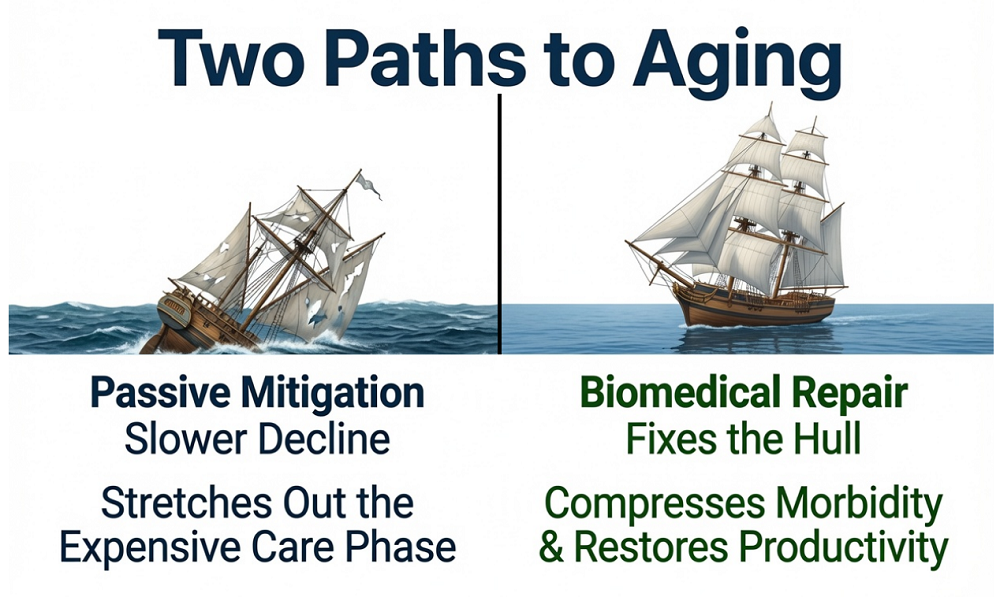
Healthy lifestyle choices are very important for slowing the speed of aging decline, but they do not address the underlying damage. No matter how much exercise a person does, or how healthy a diet that person maintains, it can only modestly slow down aging. Passive mitigation only stretches out the period of chronic decline, making it longer and more expensive.
In contrast, actual prevention requires active biomedical repair to directly intercept and clear cellular damage to halt or reverse the progression of age-related diseases. Because this strategy targets the shared root causes of aging, it unlocks the ability to address multiple chronic age-related diseases simultaneously.
The sickcare system needs to go
Society has been taught to view aging as a natural, inevitable slide into physical decay, with healthcare acting as a cushion for the fall. This is a fundamental misconception because aging is not an abstract timeline, it is the physical accumulation of specific and identifiable damage.
Reacting solely to the downstream symptoms rather than the upstream driver ignores the structural hole in the hull to focus entirely on the bucket. We treat Alzheimer’s, heart disease, and type 2 diabetes as completely independent conditions. They are not; they are the distinct consequences of a single underlying cause: biological aging.
Current medicine treats these diseases sequentially, just like it treats infectious disease. This turns into a medical game of whack-a-mole, scrambling to deal with each new chronic symptom as it pops up.
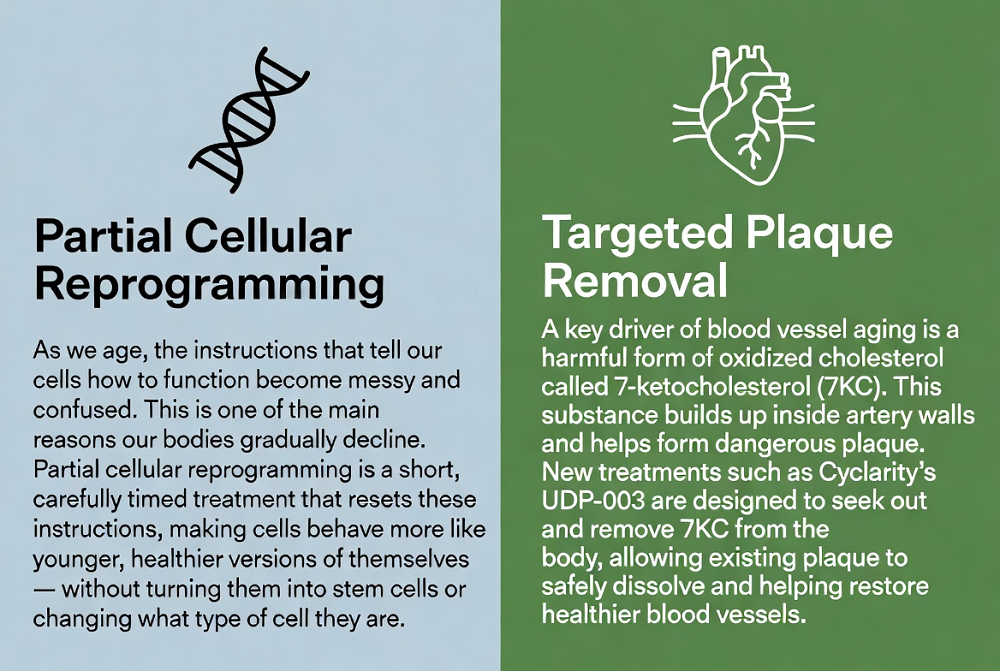
If we instead use therapies such as partial cellular reprogramming to restore organ function, or small molecule plaque clearance (such as Cyclarity’s UDP-003) to unclog arteries, we can treat these diseases simultaneously.
At the very least, this approach delivers what Stanford epidemiologist James Fries called the compression of morbidity [4]. This means delaying chronic disease until late old age and condensing the high cost, low-quality period near life’s end into a smaller, manageable window.
Yet, the potential of biomedical repair suggests a reality that may go beyond simply squeezing disease into a smaller window. If these epigenetic resets can successfully roll back the biological age of organs and if small-molecule drugs like Cyclarity’s UDP-003 can restore vascular health by extracting the 7-ketocholesterol driving arterial decay, we are no longer just delaying biological degradation.
These biomedical repair technologies hold the possibility of extending healthy human lifespan, a scenario in which chronological age is decoupled from age-related disease and decline.
The urgent need for a shift in how we treat age-related diseases is very clear. While the infectious disease model works perfectly for acute bacterial threats, applying this approach to age related diseases delivers increasingly diminishing returns.
The danger of longevity inequality
This reactive whack-a-mole approach also inadvertently acts as an accelerant of structural healthcare inequality. The Socioeconomic Status (SES) health gradient shows that individuals in lower-income demographics frequently develop systemic multi-morbidity and multi-organ degeneration roughly 10 to 15 years earlier than more affluent populations.
In standard market economics, breakthrough drugs inevitably launch at a high cost, which is accessible primarily to early private consumers before industrial manufacturing scales. While this phased rollout is standard for traditional drugs, the arrival of biological repair technologies introduces a profound systemic challenge.
If advanced interventions like partial cellular reprogramming or small molecule plaque clearance remain locked inside private clinics, we will transition from standard socioeconomic inequality to absolute biological stratification. Wealth will no longer just purchase superior lifestyle comfort, it could literally purchase physical youth and extra decades of functional cognitive and cardiovascular health. Lifespan could become directly linked to capital access, not as a matter of individual choice but as a consequence of market economics and distribution.
This scenario represents an unsustainable economic trap. Healthcare infrastructure cannot survive an economic environment where late-life vitality is structurally limited to a narrow market segment, while the broader population relies on reactive, sequential treatments for unmanaged multi-organ failure. The bottleneck is not a moral failing of early adopters; it is an infrastructure failure that threatens the fiscal solvency of the state.
The democratic imperative
The real argument does not revolve around moral outrage about billionaires “living forever”; it revolves around absolute economic necessity. The scale of this shift was captured in a landmark study by Andrew Scott, Martin Ellison, and David Sinclair in Nature Aging, which calculated that a single addition of just one year of healthy human life expectancy would deliver a staggering 38 trillion US dollars in net economic value to a nation’s treasury [5].
This compounding wealth, driven by the retention of productive human capital and the radical containment of late life clinical costs, is what economists term the Longevity Dividend.
However, if these advanced rejuvenation therapies launch exclusively as gated luxury products for an affluent elite, national economies will face structural collapse. Leaving the working class majority to age normally means federal and state infrastructure must continue to shoulder an unsustainable financial burden of long term social care, hospital beds, and late-stage chronic treatments.
As the economic model demonstrates, the true financial dividend can only be realized if healthy and longer lifespans are distributed universally across the entire population. Failing to do so means the shrinking tax base of a declining workforce will be completely crushed by the demographic dependency ratio.
Delaying biological aging by even a marginal fraction delivers a dramatically positive impact on healthcare financing, work productivity, and pension sustainability compared to traditional disease-specific cures.
The democratization of rejuvenation is the only path to fiscal survival for national health systems. Because programmable technologies like mRNA act as digital software, their long-term cost curves scale down efficiently. Once manufacturing infrastructure scales, the physical cost of goods to produce a therapeutic batch drops significantly, allowing these interventions to be mass produced for a fraction of the cost of long term chronic care.
For healthcare systems, delivering universal, affordable access to biomedical repair is not a charitable handout. It is an upfront infrastructure investment that permanently lowers the national disease burden, returns citizens to the productive workforce, and secures the long term solvency of the state.
The democratization of rejuvenation technologies carries both economic and moral weight. Public concern about wealthy individuals living longer is rarely rooted in opposition to healthier, longer lives itself. Instead, it reflects a deep aversion to inequality of access to future biomedical repair technologies. Polling data indicates broad public desire for significant healthspan extension, making equitable access a political opportunity as well as an economic necessity [6].
In the spirit of Martin Luther King’s Poor People’s Campaign, which insisted that a prosperous society has an obligation to secure basic dignity and opportunity for all, allowing only the wealthy to access tools that compress morbidity and extend healthy productivity would represent a profound missed opportunity. The longevity dividend is only fully realized when healthy, longer, lives become a shared public good rather than a private privilege.
The legislative pipeline from theory to law
The shift from a reactive sick-care monopoly to an automated public utility is no longer a theoretical debate. In Washington, the bipartisan Congressional Longevity Science Caucus led by Representatives Gus Bilirakis (R-FL) and Paul Tonko (D-NY) is actively working with health policy experts to translate the $38 trillion Longevity Dividend into federal law.
Progress is already underway on multiple fronts. Beyond the scientific advances occurring in the lab, the regulatory landscape itself is beginning to adapt. One concrete example is the Multi-Disease Therapeutic Designation (MDTD) framework.
By adding the MDTD framework amendments into the upcoming PDUFA VIII reauthorization package, lawmakers are building the explicit regulatory tracks needed to convince the FDA to accept qualified aging biomarkers. If accepted, this federal modernization will strip away the multi-year bureaucratic silos that currently delay multi-organ therapeutics.
The existence of the Caucus and the push for MDTD together signal that democratization of biomedical repair is being treated not as a moral welfare program, but as an essential national security asset required to protect Social Security and Medicare infrastructure from collapse.
By embedding the MDTD framework into PDUFA VIII, lawmakers can directly enable the expanded regenerative medicine advanced therapy (RMAT) pathway, surrogate endpoint acceptance, and public-private funding models outlined below.
Call to action for policymakers and regulators
Ultimately, to realize the economic benefits of rejuvenation technologies, governments and regulators should immediately prioritize:
- An expanded fast-track RMAT pathway for therapies targeting underlying aging processes and age-related diseases.
- Public-private funding models to accelerate development and ensure broader access.
- Acceptance of surrogate endpoints, including epigenetic clocks, multi-omic biomarkers, and plaque volume reduction, in Phase 2/3 trials for aging-related indications.
- Adopting digital and non-invasive biomarkers as supporting evidence for clinical trials. These are also cheaper and easier to democratize.
- Adapting the clinical trial process to be more streamlined like Australia, Japan, and the UK in order to avoid losing ground and relevance on the international stage.
Democratizing safe and effective rejuvenation interventions is not merely an ethical goal, it is an economic imperative to prevent the collapse of entitlement systems and unlock the Longevity Dividend for society at large.
Literature
[1] Seshamani, M. (2004). The impact of ageing on health care expenditures: impending crisis, or misguided concern? (No. 000488). Office of Health Economics.
[2] Olshansky, S. J., Perry, D., Miller, R. A., & Butler, R. N. (2007). Pursuing the longevity dividend: scientific goals for an aging world. Annals of the New York Academy of Sciences, 1114(1), 11 13.
[3] López Otín, C., Blasco, M. A., Partridge, L., Serrano, M., & Kroemer, G. (2013). The hallmarks of aging. Cell, 153(6), 1194 1217.
[4] Fries, J. F. (1989). The compression of morbidity: near or far?. The Milbank Quarterly, 208 232.
[5] Scott, Andrew J., Martin Ellison, and David A. Sinclair. “The economic value of targeting aging.” Nature Aging 1.7 (2021): 616 623.
[6] Comito, K (2026). Radical No More: Societal Perceptions of Life Extension – Past, Present, and Future Directions. Zenodo.